50th Year of the Automatic Chronograph: The Drive In-house
Jaeger-LeCoultre was a late-comer to the in-house chronograph game but they brought their A-game to the competition. The caliber 751 was its first column wheel, vertically coupled chronograph with a healthy 65 hours of power reserve and an excellent price point to compete with its peers. It also hit all the right spots, with a relatively slim 5.7mm waistline, running at 4Hz and a dual-register display.
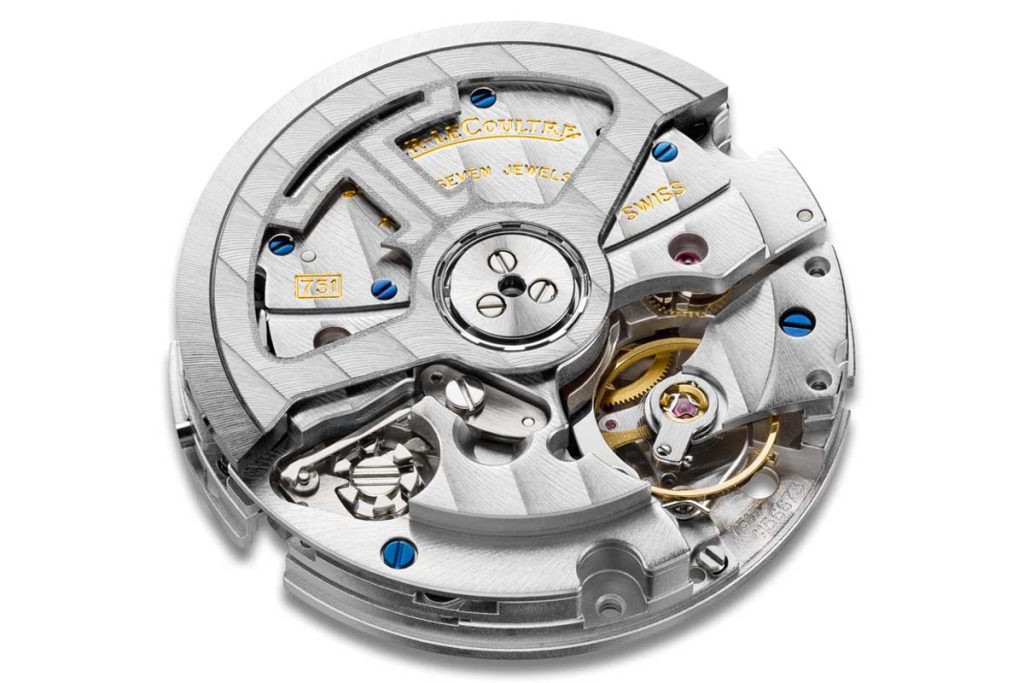
Jaeger-LeCoultre cal. 751
But its real value and promise today lies in Jaeger-LeCoultre’s quality control system, with the 1,000 Hours Master Control certificate issued with the chronograph timepiece. After all, if timekeeping is the ultimate purpose of a chronograph, accuracy lies at its core.
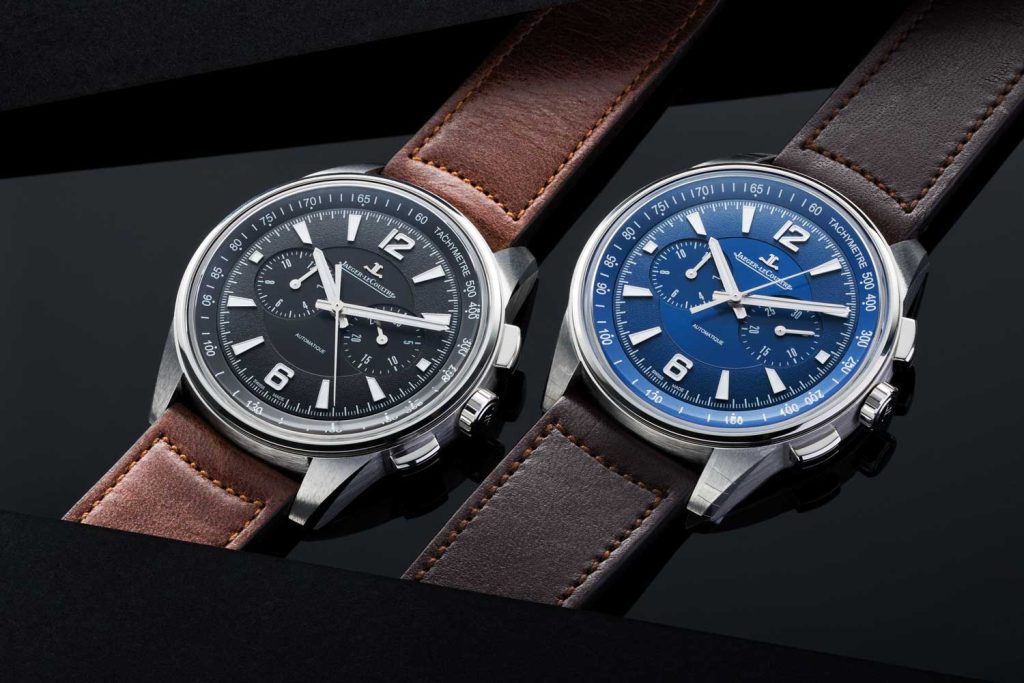
Jaeger-LeCoultre Polaris Chronograph, driven by the cal. 751
A five-man team was established. It was first called Breitling Technology and based in Geneva, then later renamed the Professional Flight Instruments department under the manufacture. The team would develop and work on the movement designs each week, and fly into Grenchen to discuss specifics with Breitling’s watchmakers every Friday for months on end. Then, after prototypes were made and testing began, the brand began to work on developing a production system that would enable it to scale the process.
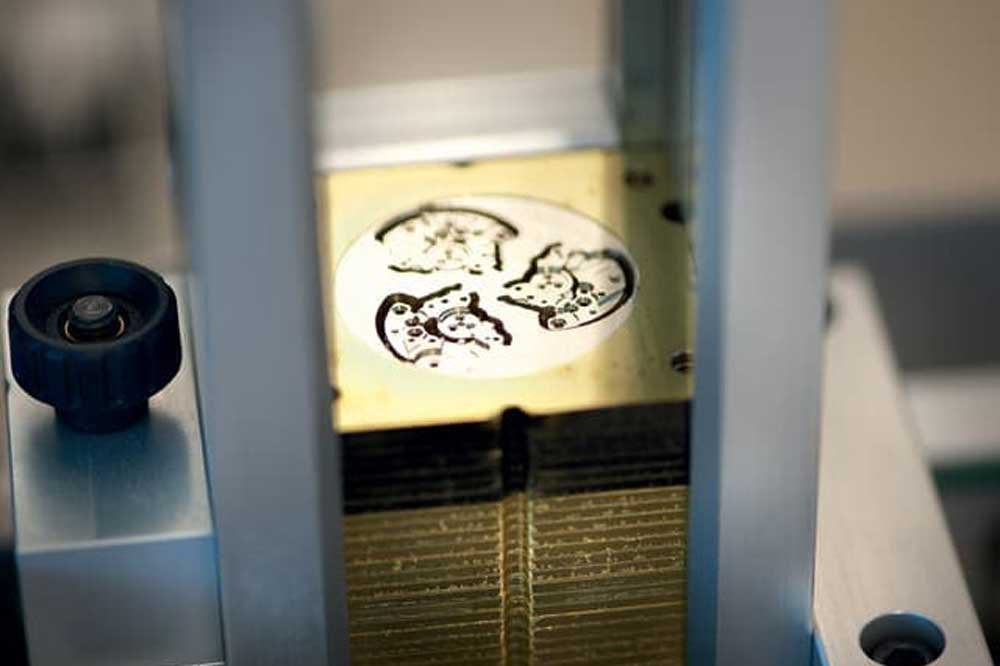
Breitling movement manufacture at La Chaux-de-Fonds
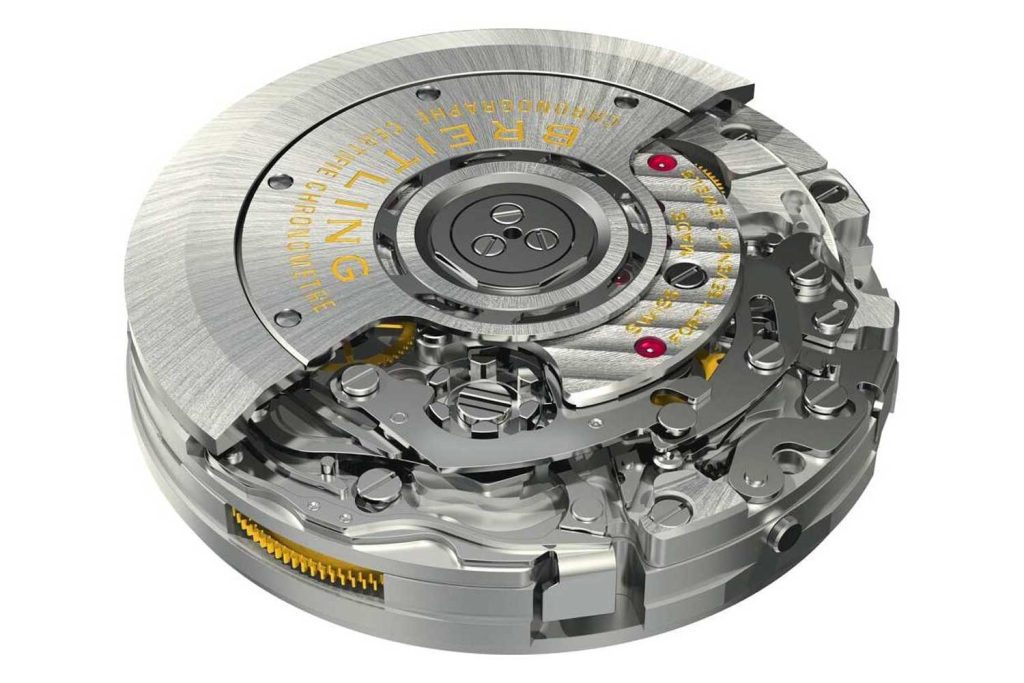
Breitling cal. B01
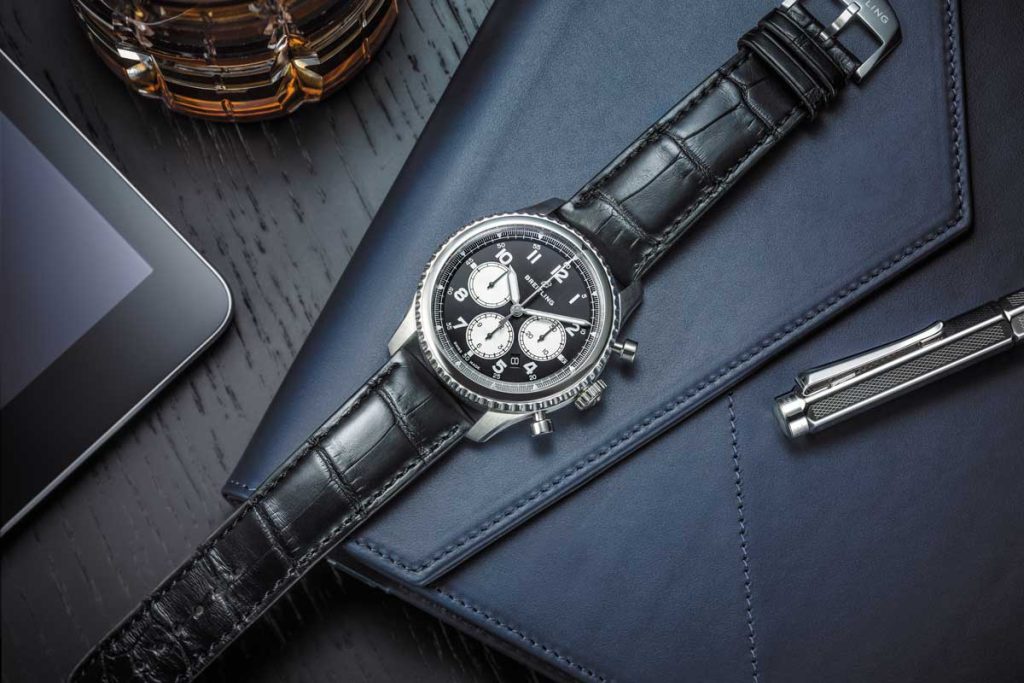
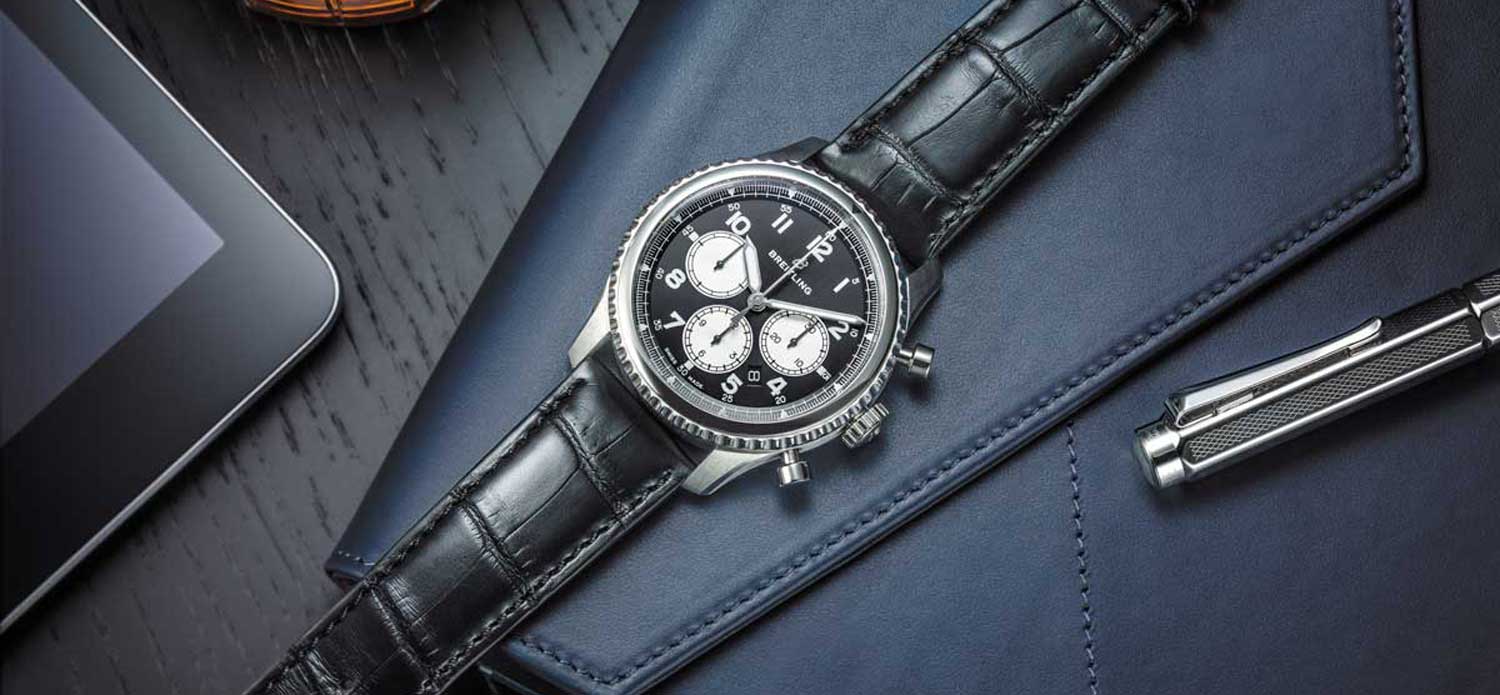
Breitling Navitimer 8 B01 with in-house chronograph movement
Along with the rest of the industry making a serious move to develop in-house chronograph capacities, the then-Richemont backed ValFleurier manufacture assisted in the development of chronograph movements for several of the Richemont brands, most notably Cartier’s 1904-CH MC. Introduced in 2012, it was the first serialised Cartier in-house movement within just a dozen years of establishing its manufacture in La Chaux-de-Fonds.
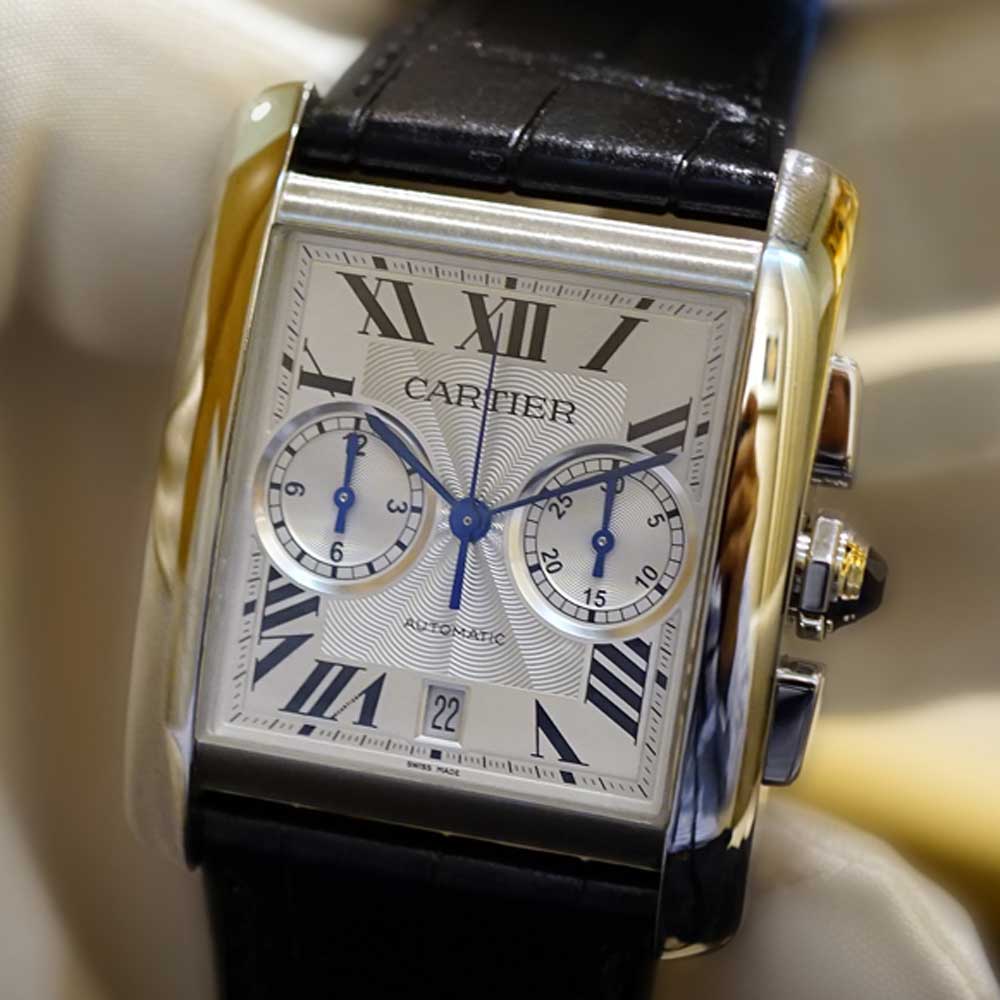
Cartier Tank MC Chronograph...
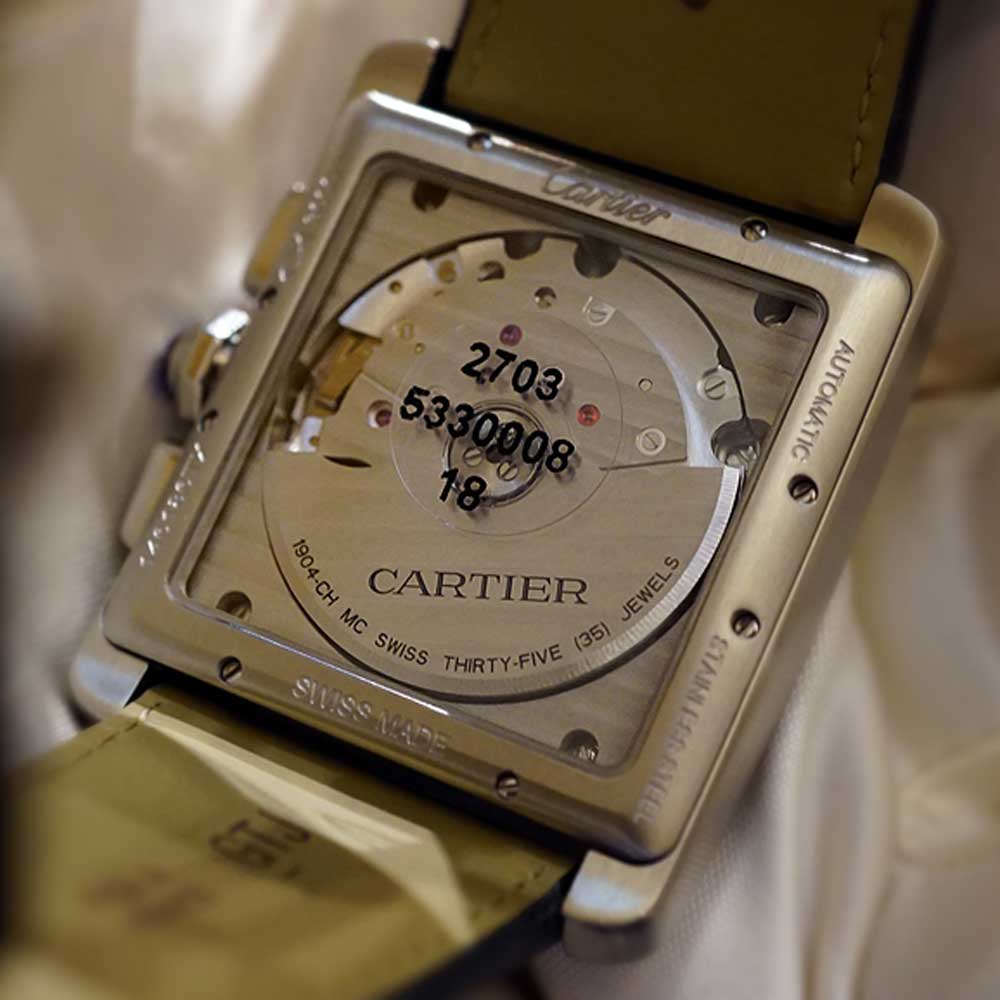
...driven by the 1904-CH MC in-house movement
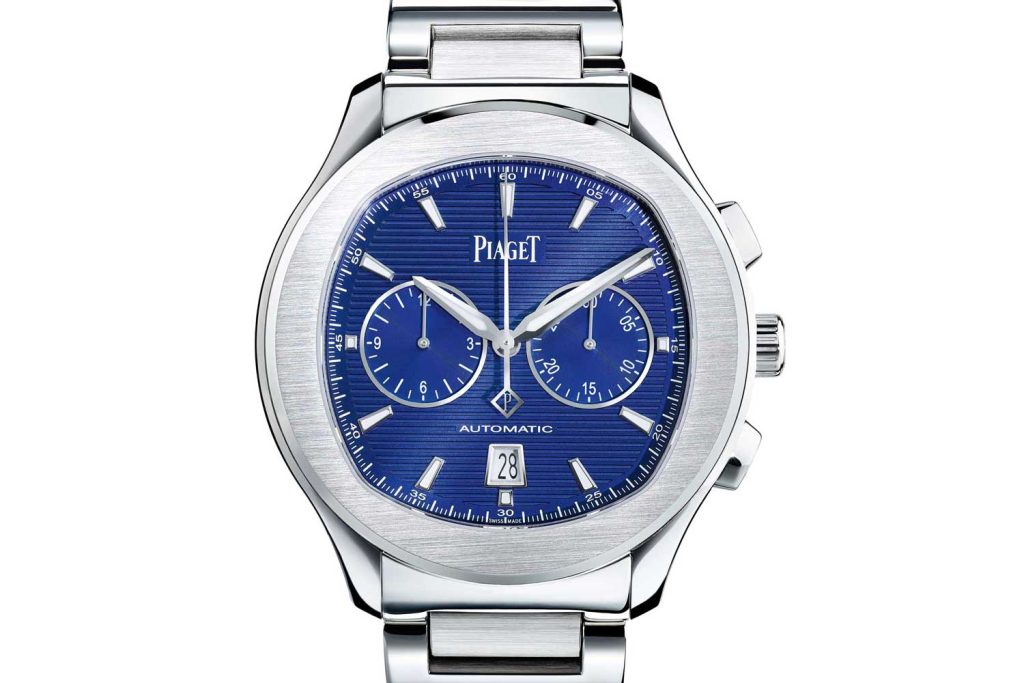
Piaget Polo S Chronograph driven by the cal. 1160P in-house movement

Panerai P.9100
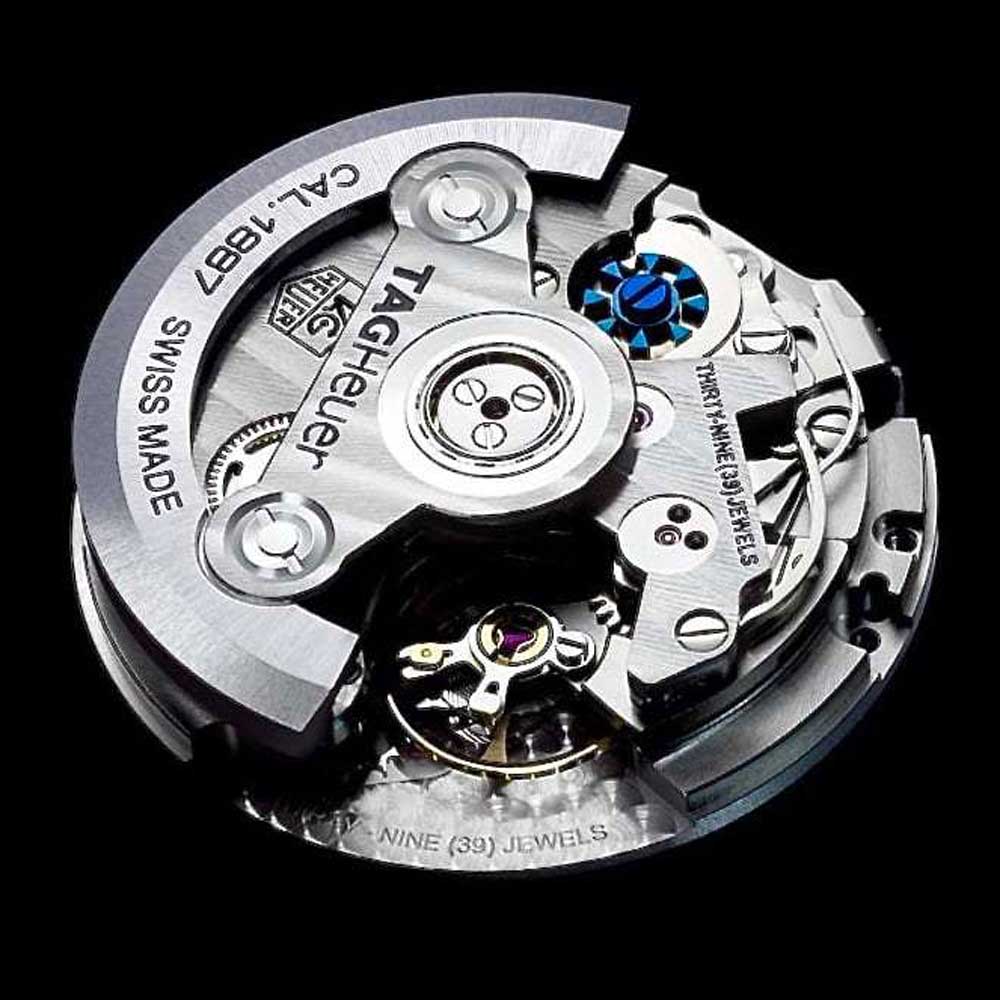
TAG Heuer cal. 1887
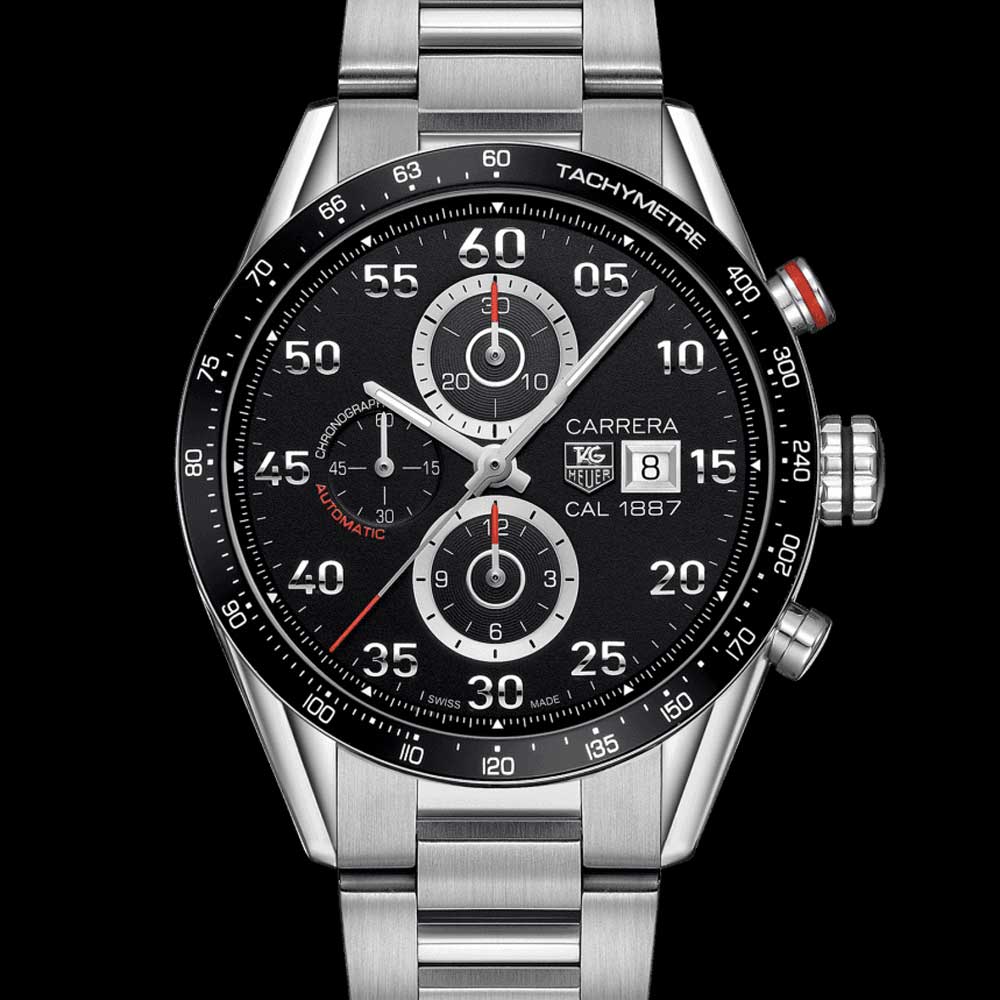
TAG Heuer Carrera Calibre 1887
Regardless of how one may feel about the official position, we applaud Mr. Babin’s honesty then for making it clear how the movement development came about. And since the calibre 1887 remains an outstanding movement, who knows if the brand will do more with it in the future, even though the new Heuer 01 calibre has been introduced?
Check out the other articles in our series commemorating the 50th anniversary of the automatic chronograph:
50th Year of the Automatic Chronograph: Who Came First?
50th Year of the Automatic Chronograph: The Second Wind
50th Year of the Automatic Chronograph: In the Age of Quartz
50th Year of the Automatic Chronograph: Race to be the Best

You may also like

Editorial
Panerai’s Immersive Florentine Experience
Sep 29, 2026
Editorial
Panerai’s Immersive Florentine Experience
Sep 29, 2026
News
Last Week in Watches: Moser Goes Off-Grid, the Vacheron Constantin Overseas Turns 30
Sep 28, 2026
News
Last Week in Watches: Moser Goes Off-Grid, the Vacheron Constantin Overseas Turns 30
Sep 28, 2026
Editorial
Last Week In Watches: TAG Heuer Carrera, JLC Grande Sonnerie, Louis Vuitton Spin Time and more
Sep 15, 2026
Editorial
Last Week In Watches: TAG Heuer Carrera, JLC Grande Sonnerie, Louis Vuitton Spin Time and more
Sep 15, 2026