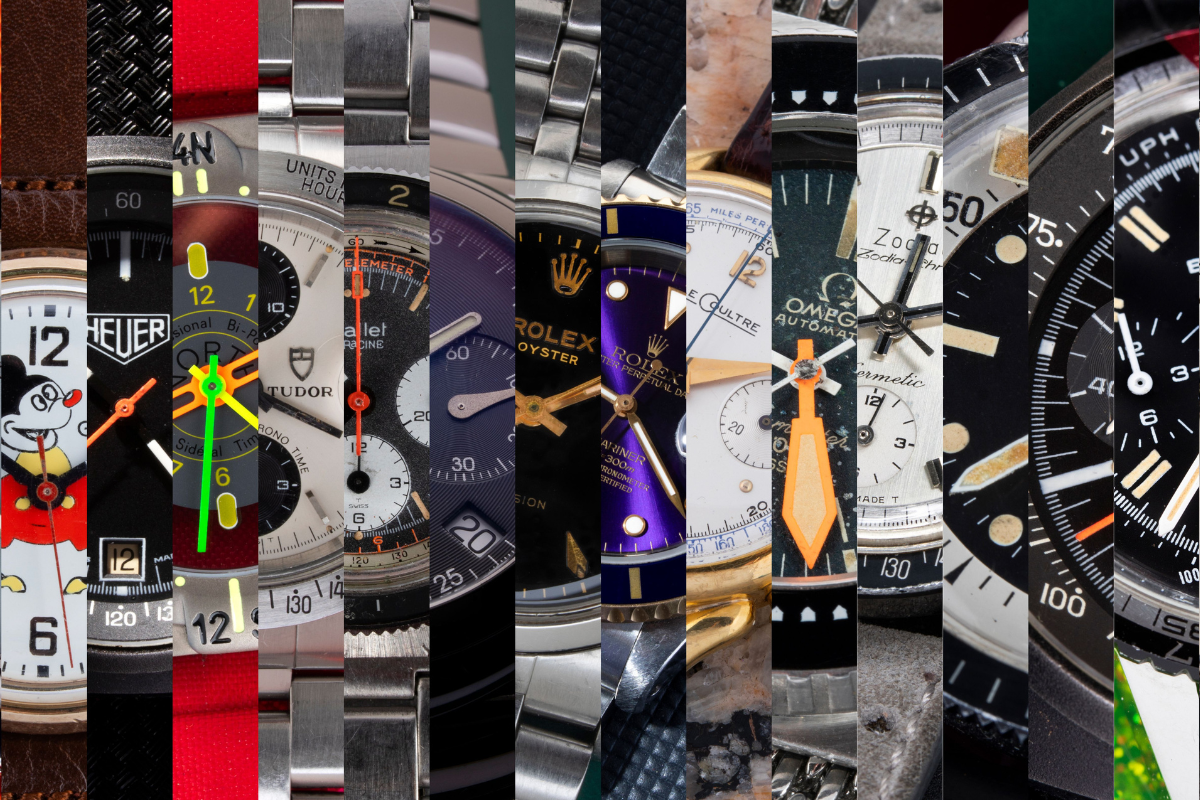
Instruments of individuality in the Patrick Parrish Collection
Editorial
Instruments of individuality in the Patrick Parrish Collection

Launching this month on the online auction platform Loupe This, the Patrick Parrish Collection represents far more than a conventional group of vintage watches assembled for sale. Co-founded by noted collector and watch dealer Eric Ku, Loupe This has built a reputation for presenting carefully curated sales with a strong emphasis on originality and enthusiast-driven collecting. This latest offering feels perfectly aligned with that philosophy. Spread across 41 lots, the sale will unfold gradually, with groups of approximately eight watches launching daily and each lot remaining live for seven days.
Carefully assembled over decades, the eclectic collection reflects the eye of someone who approached watches not as luxury objects, but as industrial design, cultural artefacts and highly personal objects of fascination. Rather than following trends or chasing only the most obvious names, the collection gravitates towards watches that solved unusual problems, reflected ambitious thinking or captured the zeitgeist of their era. Aerospace, motorsport, diving and experimental engineering all overlap here in fascinating ways.
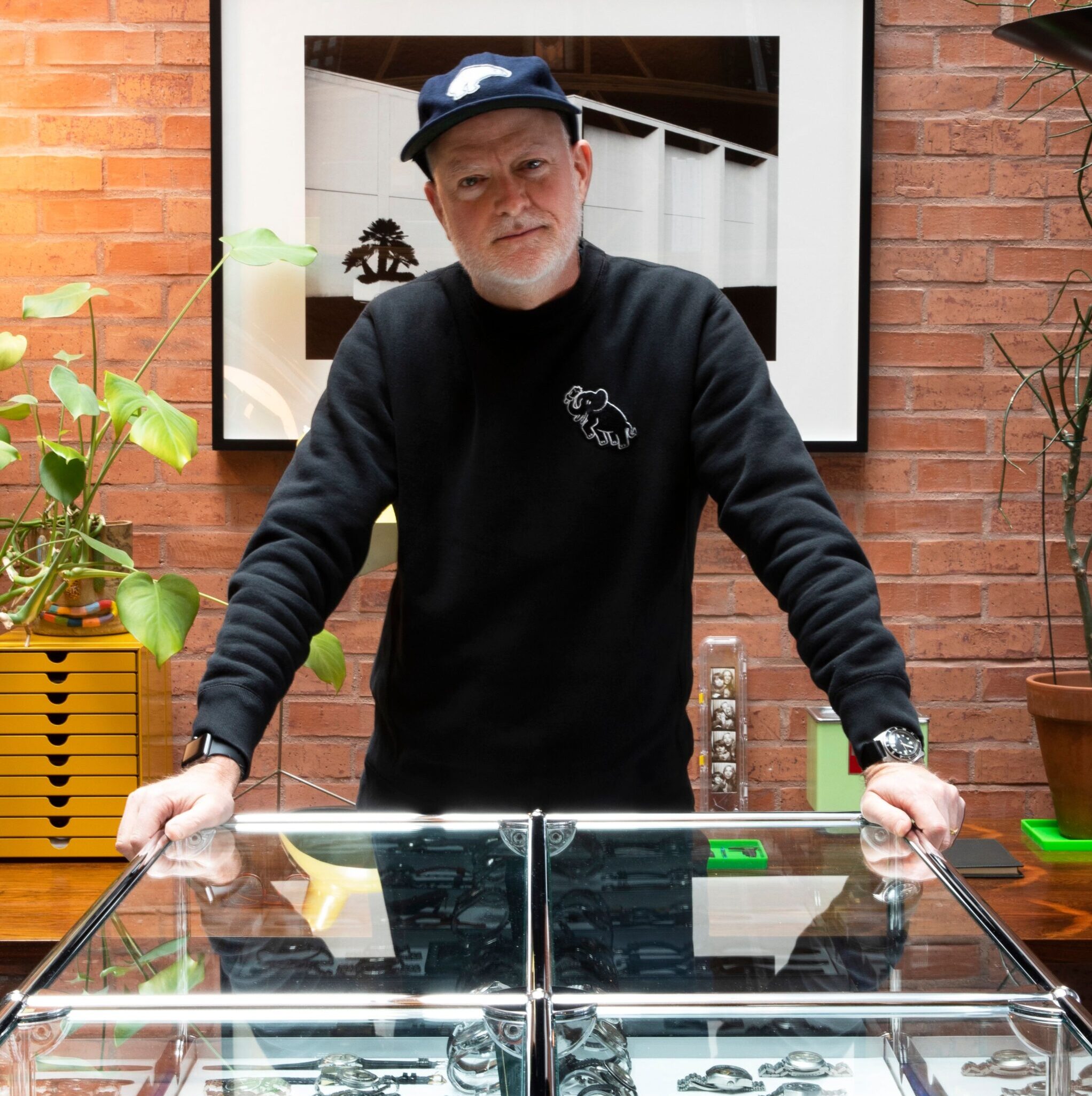
Patrick Parrish is a New York-based design expert, collector, and dealer
That perspective perhaps comes naturally to Patrick Parrish. Based in New York, Parrish has spent much of his career immersed in art, design and objects. Through his gallery and later Patrick Parrish Studio, he became known for championing unusual and often overlooked designers, placing important works in institutions including MoMA, Cooper Hewitt and the San Francisco Museum of Modern Art.
More recently, through The Secret Watch Shop and his MONDOBLOGO platform, that same eye has increasingly focused on watches, particularly the highly experimental tool watches of the 1960s, 70s and 80s. As Becca Parrish writes of her brother, “Nonconformity was always the point.” That instinct to look beyond the obvious perhaps explains why the collection feels so coherent despite its extraordinary diversity.
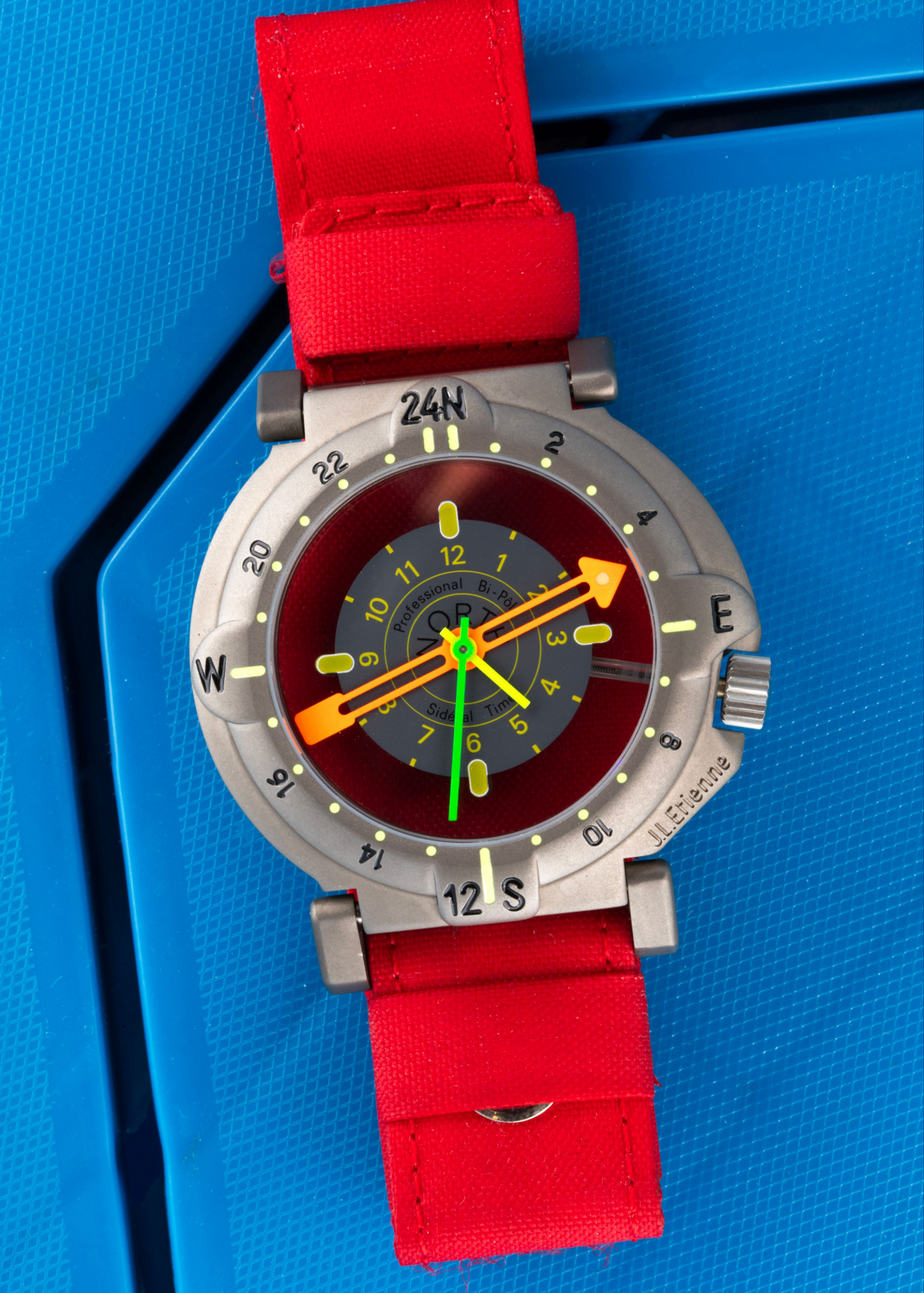
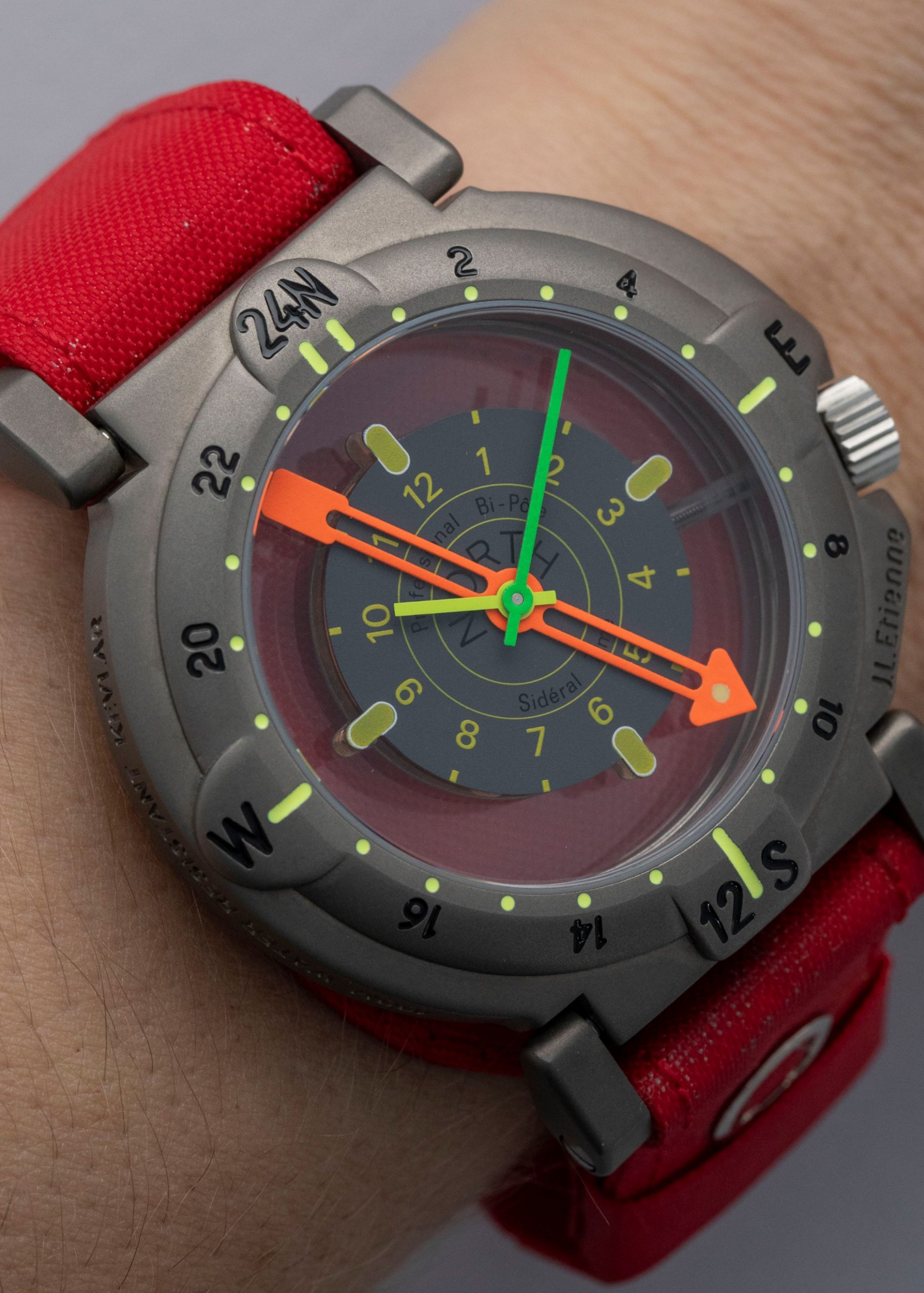
One of the clearest examples is the Yema Bipole Duopoly Titanium from the early 1990s. At first glance, the watch appears wildly unconventional, designed to be physically flipped depending on whether the wearer was operating in the Northern or Southern Hemisphere. Created for use in extreme polar environments, the Bipole prioritised functionality over traditional aesthetics in a way that feels entirely aligned with Parrish’s collecting philosophy. More remarkably still, the watch is believed to represent the very first watch design created by Richard Mille, decades before he would launch the avant-garde brand that now bears his name. Yet what makes the Bipole compelling is not simply that historical footnote, but the unapologetic nature of the design itself. It feels like a solution to a very specific problem, conceived at a moment when watch design still allowed room for experimentation and risk-taking.
-
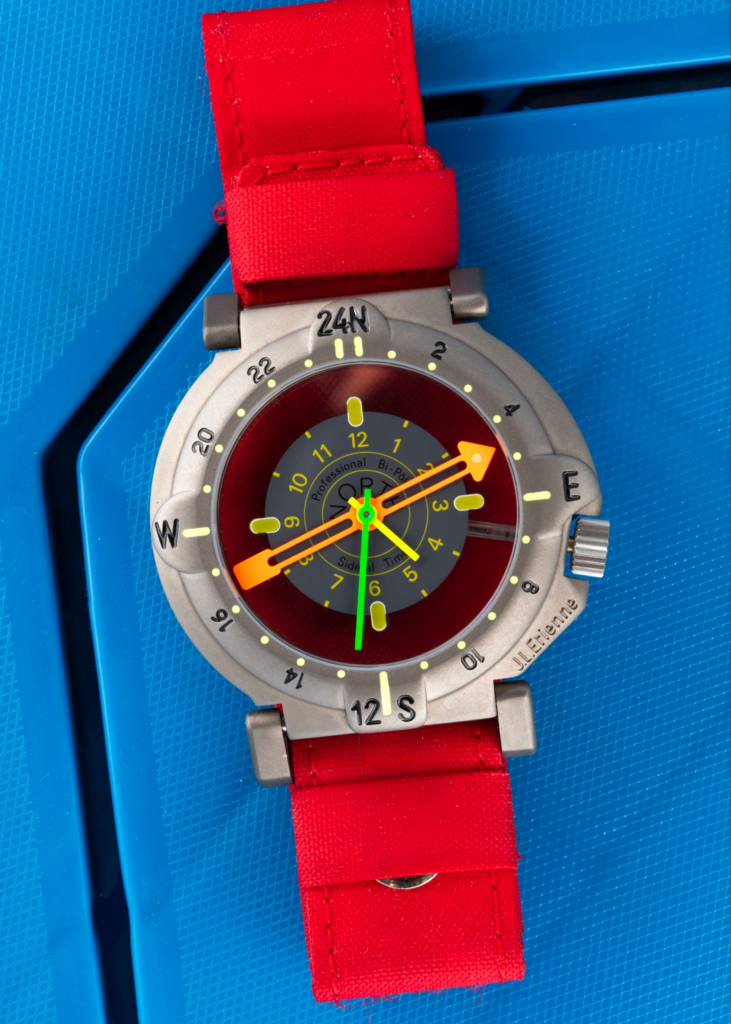
- Yema Bipole Duopoly Titanium
-
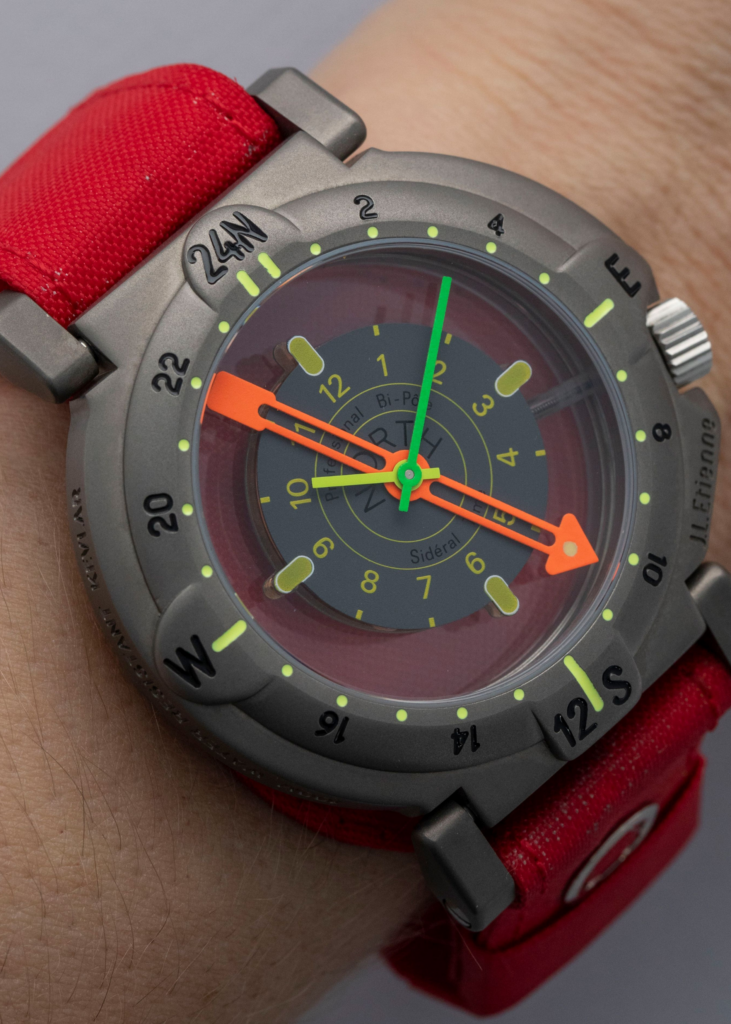
- Yema Bipole Duopoly Titanium
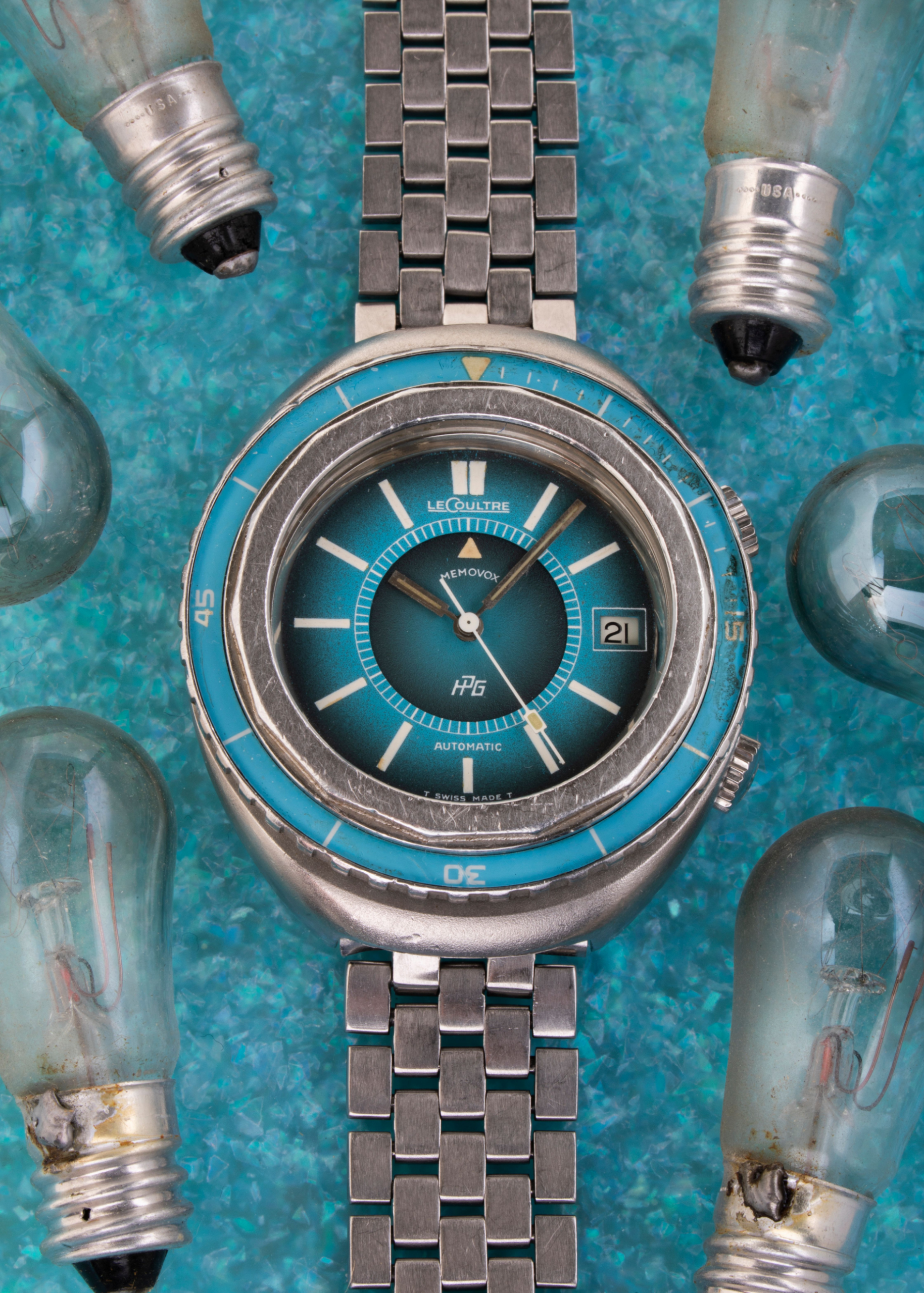
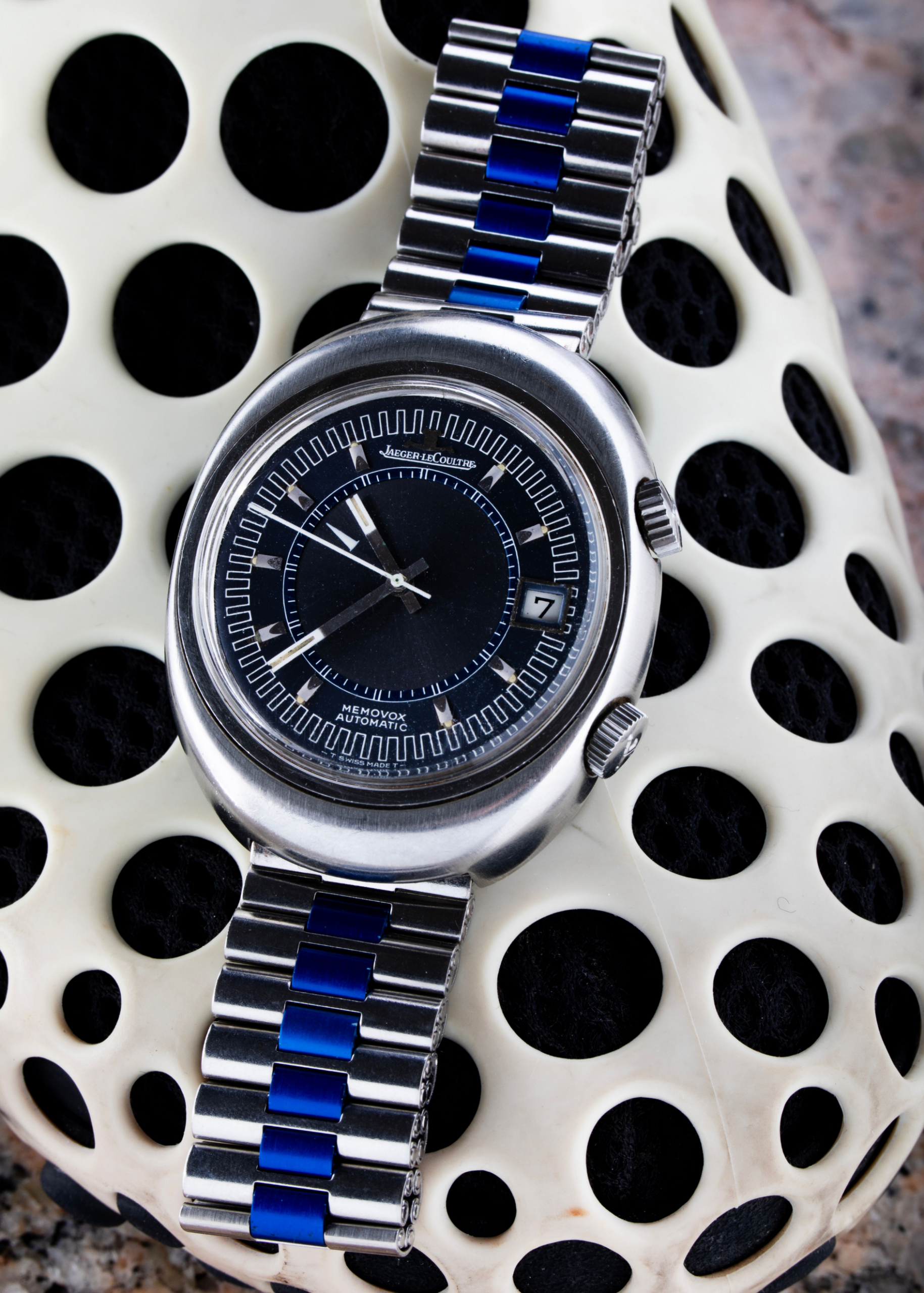
That same spirit runs through the Jaeger-LeCoultre Memovox “Speed Beat GT” ref. E873. Produced in highly limited numbers during the early 1970s, the watch represents one of the more ambitious evolutions of Jaeger-LeCoultre’s celebrated alarm watch lineage. Powered by the high-frequency cal. 825 movement, the Speed Beat GT combined technical sophistication with the bold integrated styling that defined the decade. Like many watches in the collection, however, its appeal lies in the fact that it feels rooted in purpose rather than nostalgia. This was a period when brands were still pushing mechanical innovation aggressively, experimenting with frequency, ergonomics and functionality right before the quartz crisis fundamentally changed the trajectory of the industry.
-
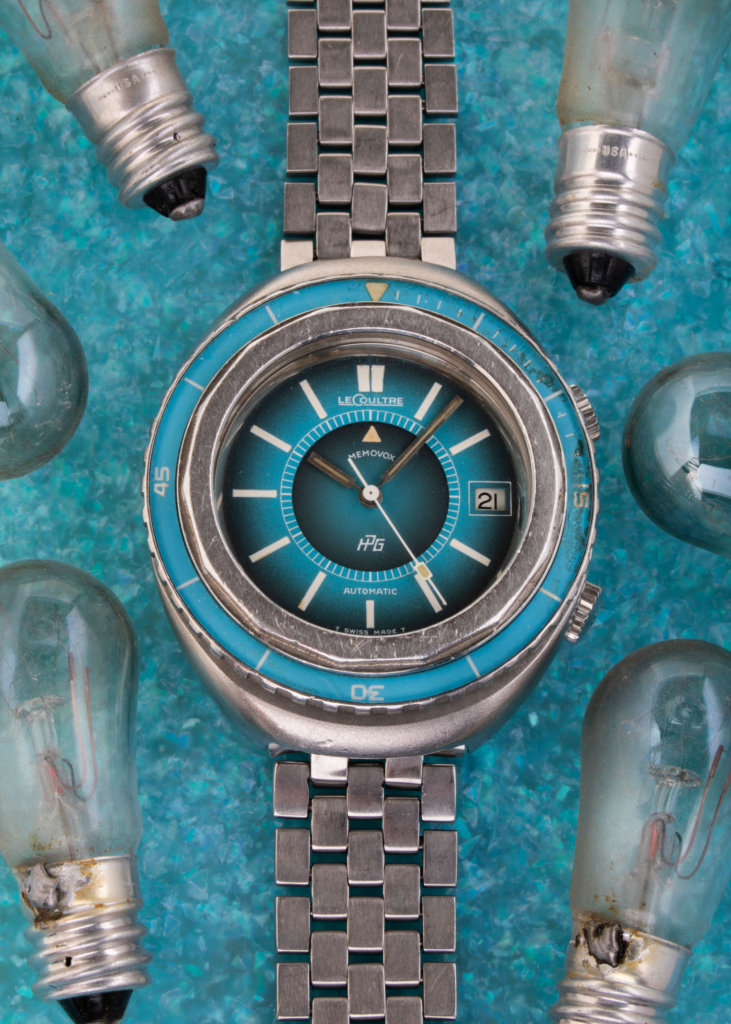
- Jaeger-LeCoultre Memovox Polaris ll E870
-
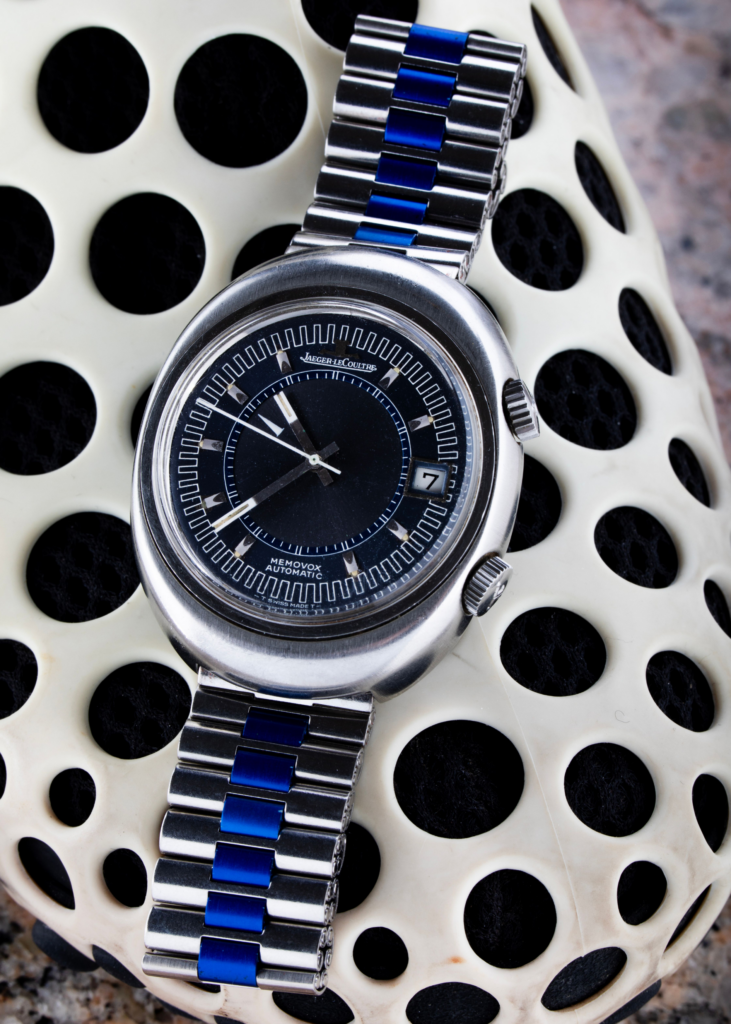
- Jaeger-LeCoultre Memovox E873 Speed Beat GT
The Omega Seamaster 120 “Deep Blue” ref. 166.073 perhaps captures the visual character of the collection most clearly. Introduced during the late 1960s, the watch remains one of Omega’s most charismatic dive watches, with its oversized cushion-shaped case, vivid blue dial and matching Bakelite bezel perfectly reflecting the adventurous design language of the era. Associated with use by the Israeli Defense Forces, the “Deep Blue” also reinforces one of the collection’s recurring themes: these were watches designed first and foremost as instruments. Their beauty emerged naturally from function, not the other way around.
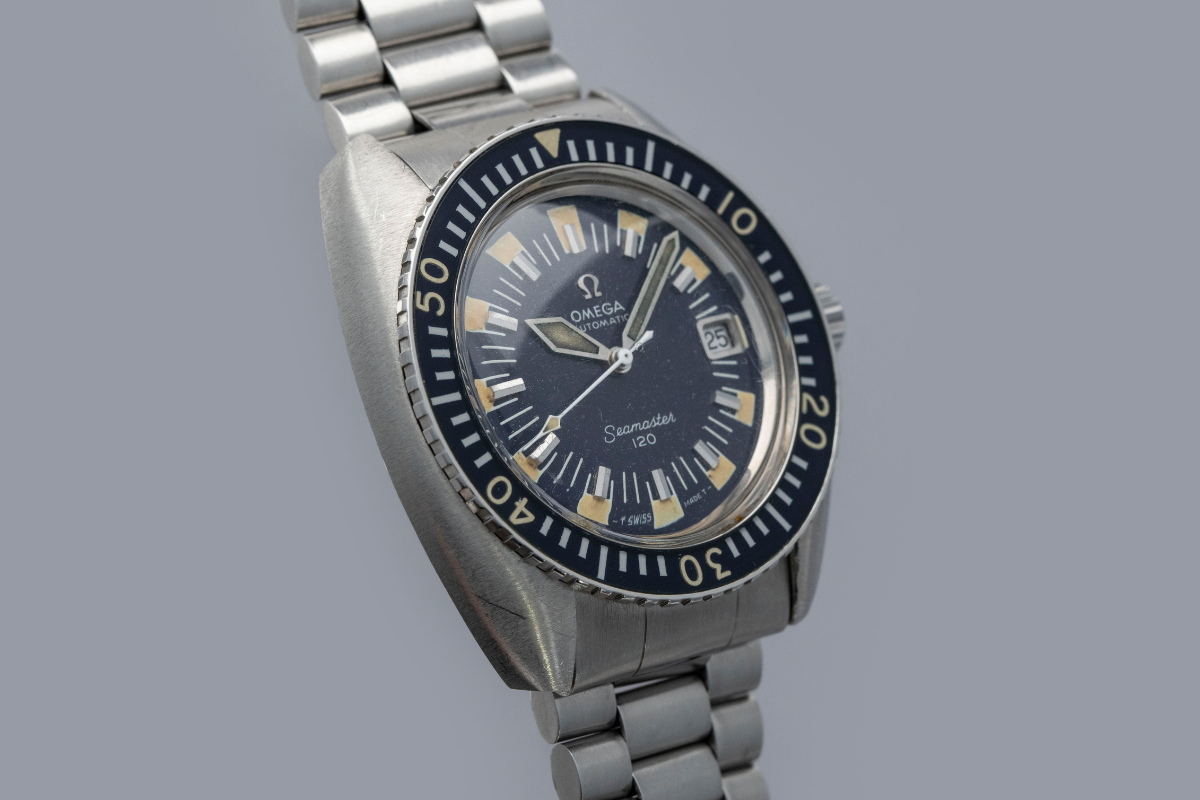
Omega Seamaster 120 166.073.ST Deep Blue
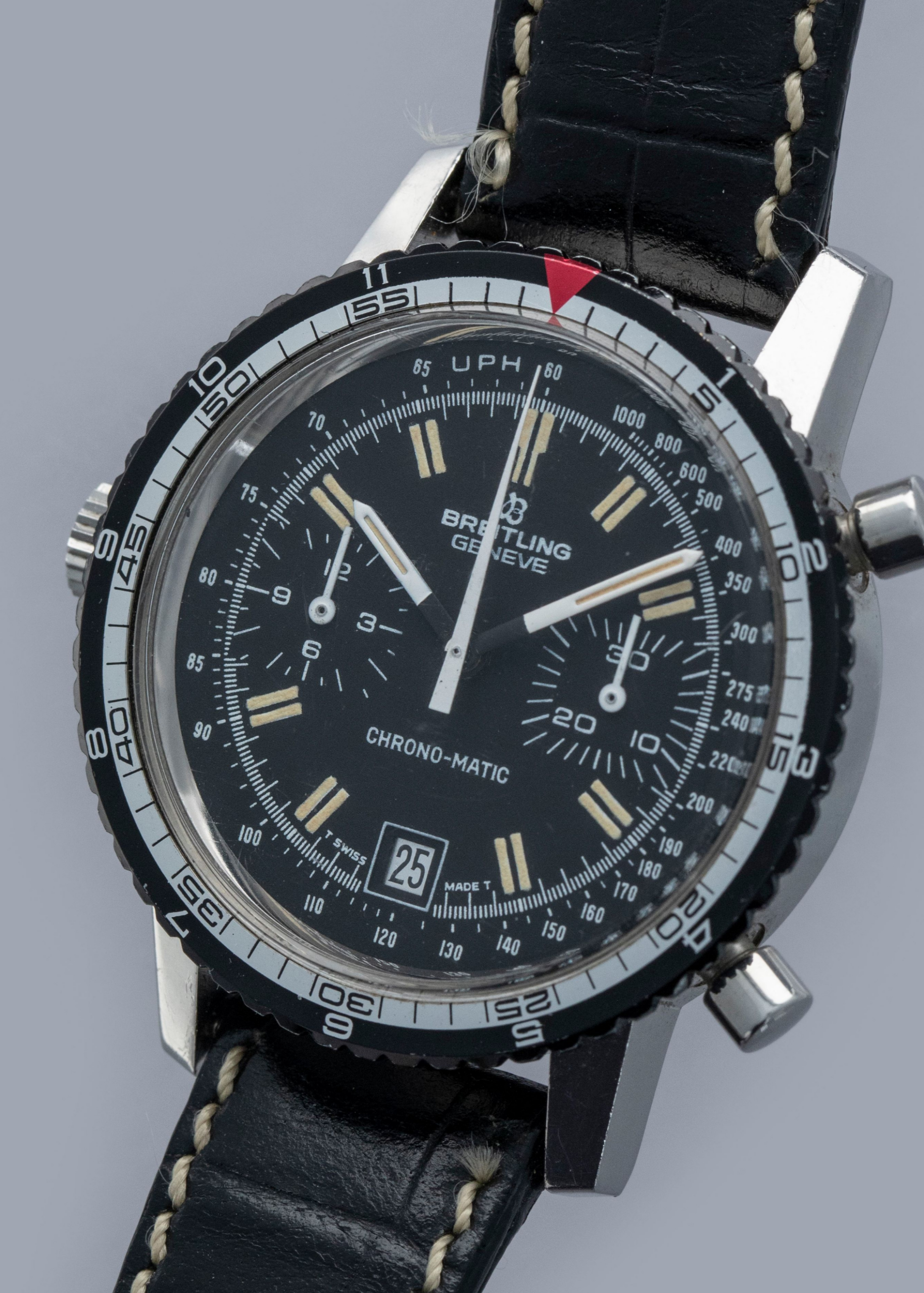
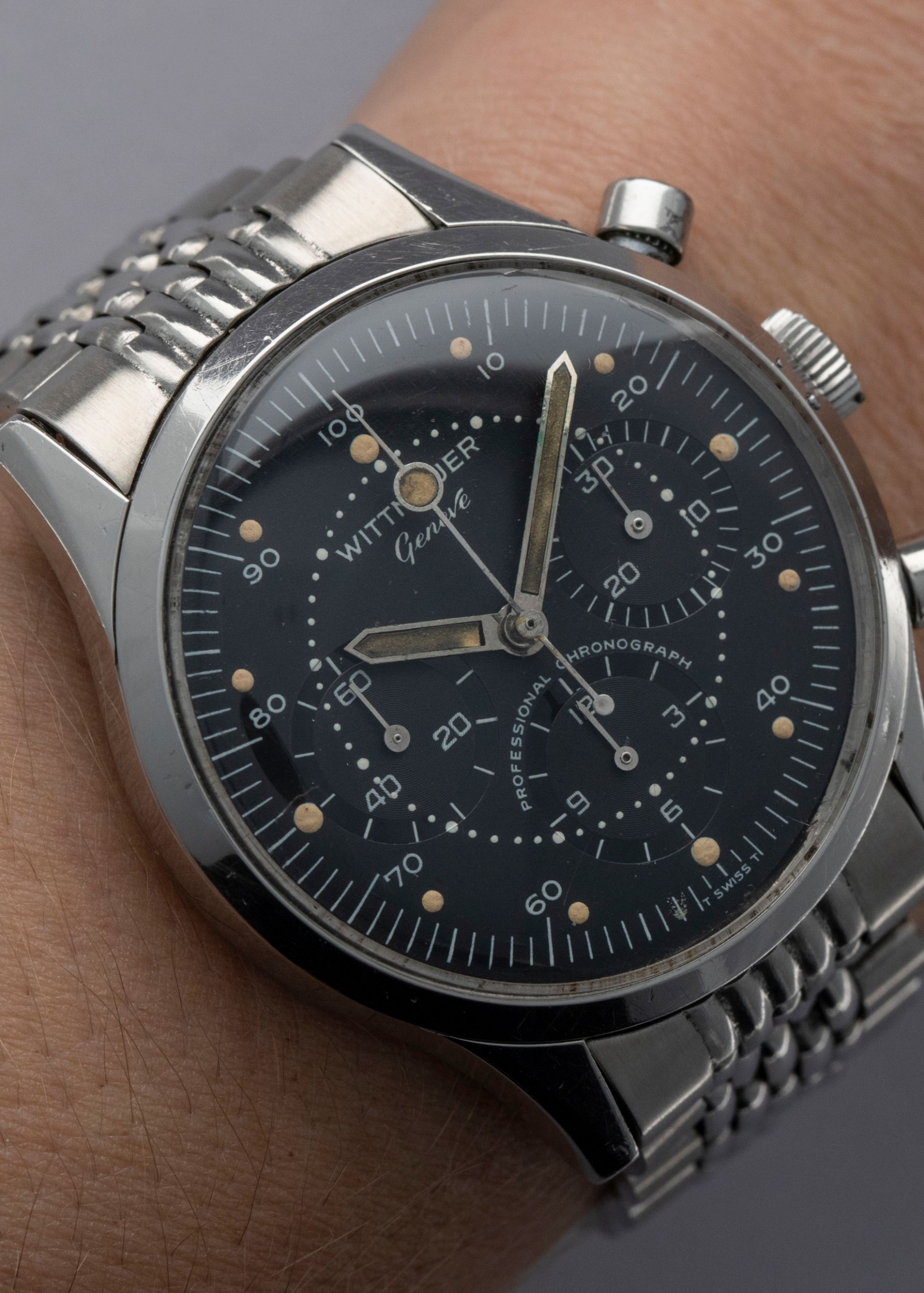
That philosophy extends across the entire collection. A Breitling Chrono-Matic from the dawn of automatic chronograph development sits alongside unusual Wittnauer chronographs tied to NASA mythology, Accutrons powered by tuning fork movements and utilitarian dive watches whose oversized forms now feel closer to industrial sculpture than traditional luxury wristwatches. Even the condition of many pieces tells part of the story. These are watches that were acquired, studied and lived with rather than simply stored away as trophies.
-
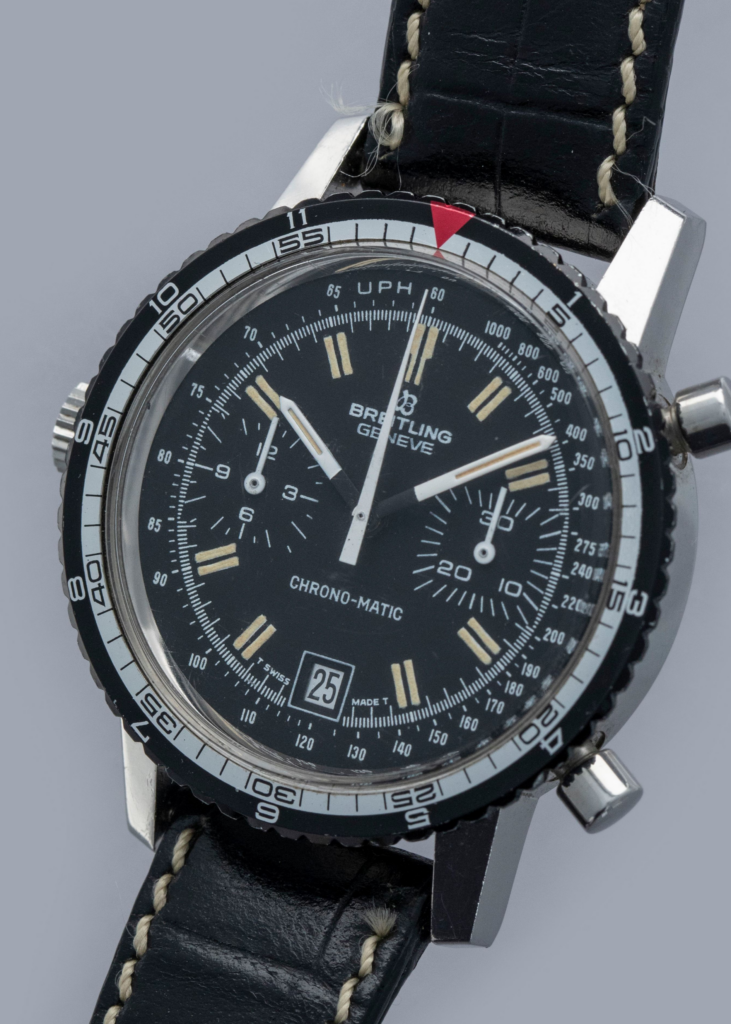
- Breitling Chrono-Matic 2110 Full Black Dial
-
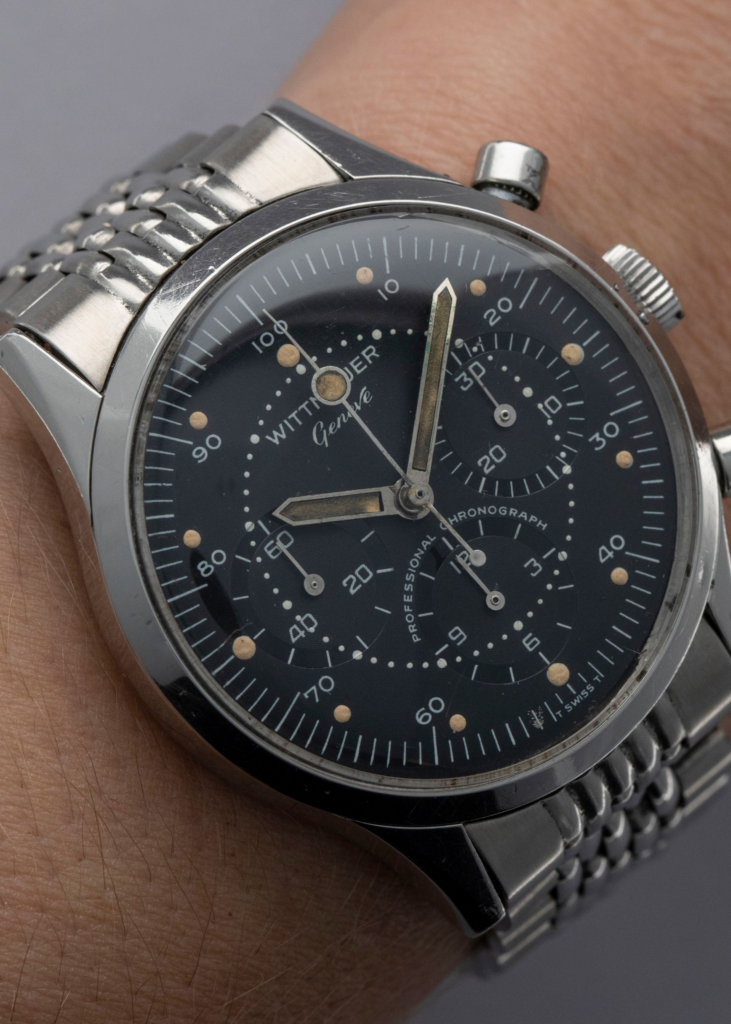
- Wittnauer Professional Chronograph 242T Black Dial
Perhaps that is ultimately what makes the Patrick Parrish Collection feel so refreshing. In today’s increasingly standardised collecting landscape, where internet consensus often dictates taste, this collection feels rooted in an earlier style of collecting — one driven by instinct, curiosity and personal fascination. What Parrish assembled is not simply a group of rare watches, but a deeply individual view of 20th century design and technological optimism expressed through the objects that accompanied it.
As Becca Parrish writes, “What he built is more than a collection. It’s a point of view.” Looking across the watches assembled here, it is difficult to disagree.
Discover the Patrick Parrish Collection at Loupe This.
The collection launched on Monday 18 May and lots will begin closing week beginning Monday 25 May.
You may also like
News
Last Week in Watches: Patek Philippe Takes Milan, G-Shock Turns to Blue Sapphire
Oct 5, 2026
News
Last Week in Watches: Patek Philippe Takes Milan, G-Shock Turns to Blue Sapphire
Oct 5, 2026
Editorial
Last Week In Watches: TAG Heuer Carrera, JLC Grande Sonnerie, Louis Vuitton Spin Time and more
Sep 15, 2026
Editorial
Last Week In Watches: TAG Heuer Carrera, JLC Grande Sonnerie, Louis Vuitton Spin Time and more
Sep 15, 2026
Editorial
Marking a Milestone With The Breitling Navitimer B09 Chronograph 41 Tribute to Miles Davis
Sep 2, 2026
Editorial
Marking a Milestone With The Breitling Navitimer B09 Chronograph 41 Tribute to Miles Davis
Sep 2, 2026