The Woman That History Forgot
Editorial
The Woman That History Forgot

When the Swiss watch industry talks about crisis, it usually starts with quartz. Covid is a more recent reference point. The Great Depression comes up far less often, although for Swiss watchmaking the early 1930s were catastrophic.
Overproduction and a decrease in global demand led to cancelled orders and unemployment, which were destabilizing watchmaking even before the Wall Street crash of 1929. As the effects of the Depression deepened, the Swiss government stepped in to prevent the industry from collapsing. Ebauches S.A. was established in 1926 and ASUAG followed in 1931, with protectionism at its heart and the unofficial mantra of “stronger together.” Two years later, in the middle of the chaos, Betty Fiechter and her colleague André Léal bought Blancpain and, by one account, had to borrow heavily to finance the purchase.
-
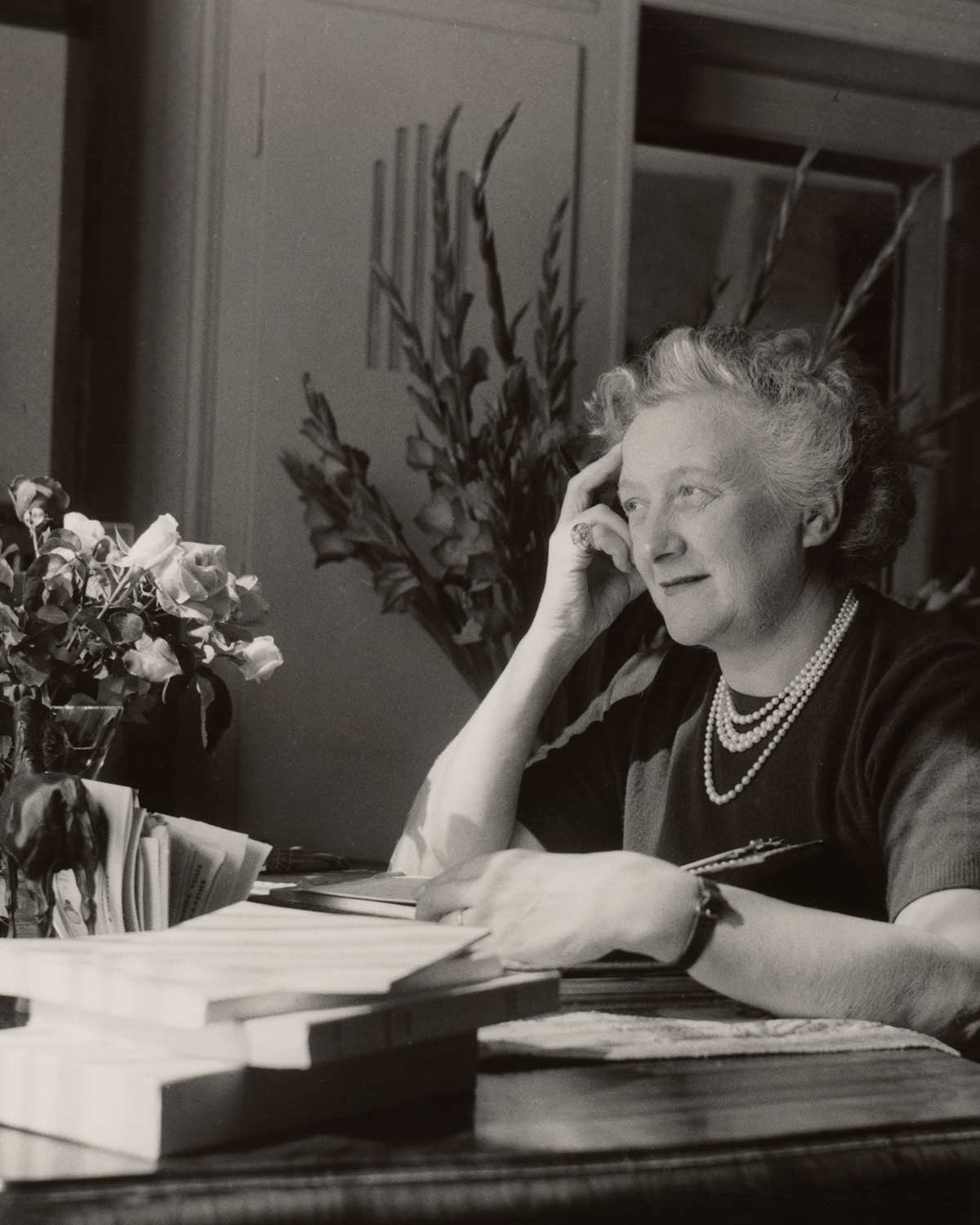
- Betty Fiechter
-
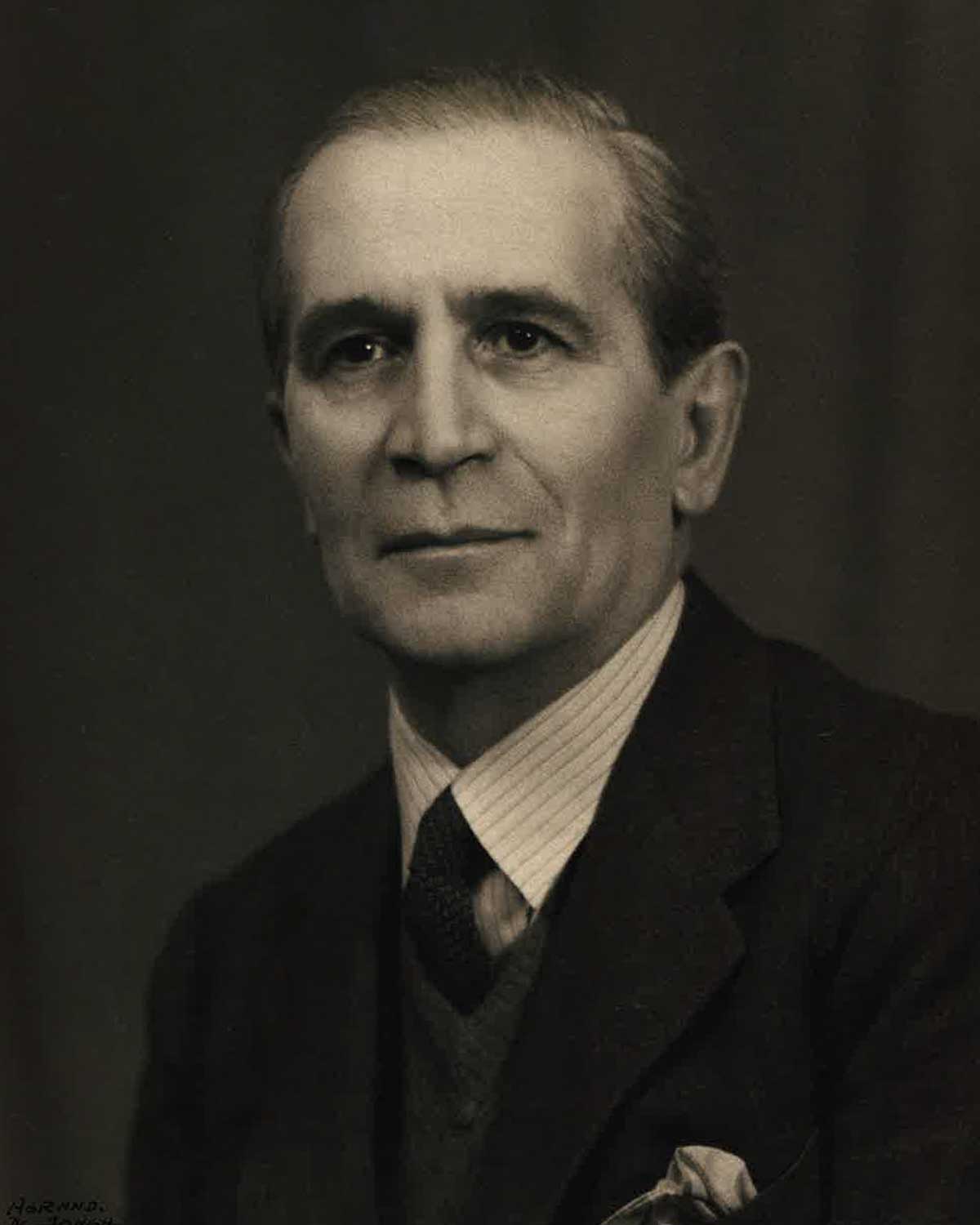
- André Leal in the 1930s
Betty was not a member of the Blancpain family but had worked there since her teen years and knew the business well enough to take the risk of buying it in a time of turmoil. Betty and Léal changed both what the company made and where it was sold. After Léal’s death in 1939, Betty steered the company alone, with her nephew Jean-Jacques joining her in 1950 to help manage the business. By the time Rayville (the temporary name of Blancpain) joined SSIH at the beginning of the 1960s, it had become an important producer of movements supplying major Swiss and American names. Betty was the lynchpin of that transformation but, today, she is barely more than a footnote in official accounts of Swiss watchmaking and its battle to survive.
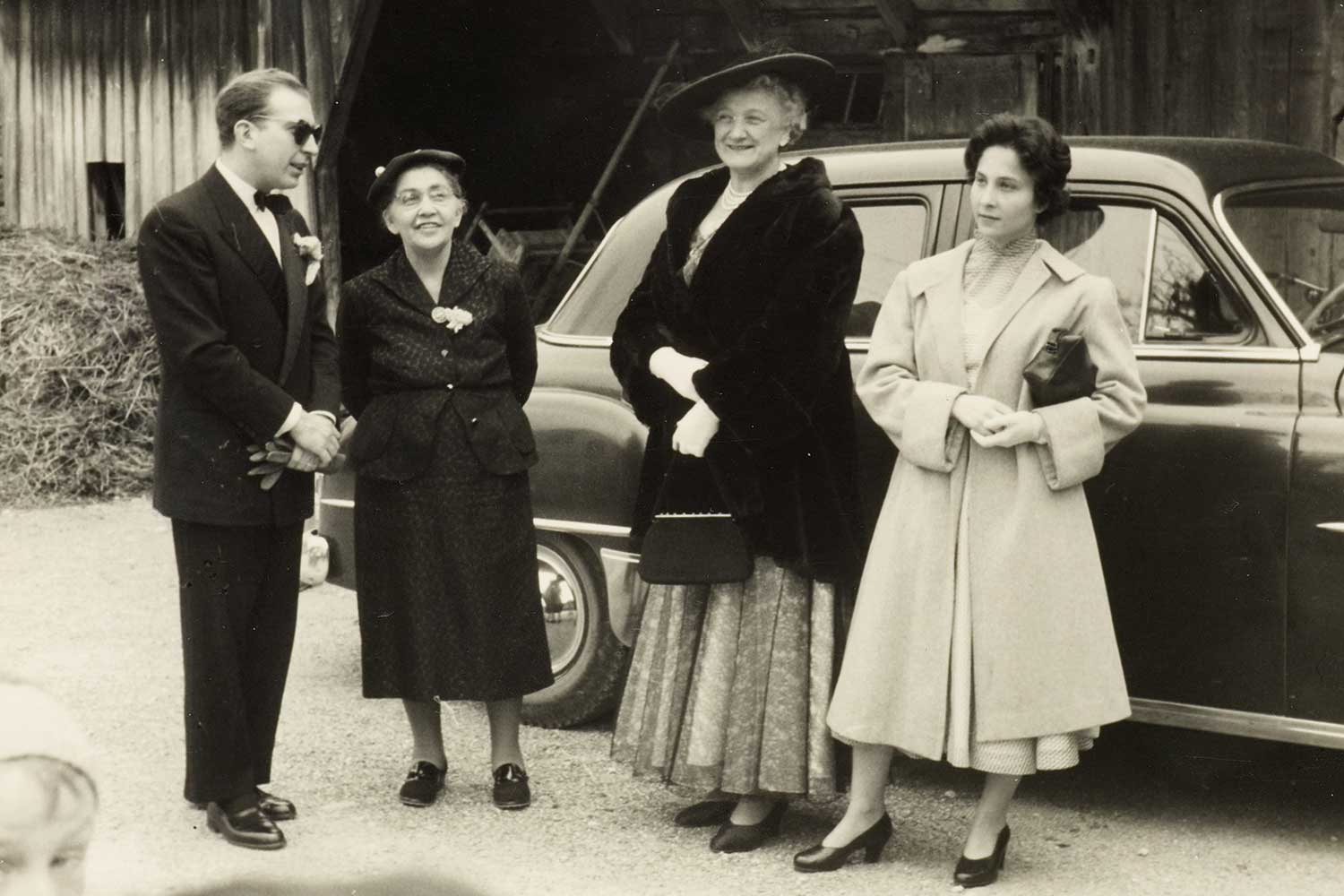
Betty Fiechter (third from left) and Jean-Jacques Fiechter (far left)
Learning to run Blancpain
Berthe-Marie Fiechter, known throughout her life as Betty, was born in Villeret in 1896 into a watchmaking family. Her father was involved in a local movement company with longstanding links to Blancpain, while one of her brothers became a mechanical engineer making machinery for the watch industry. Her great-nephew Jean-Marie Fiechter describes her intelligence as practical rather than academic. “She was shrewd. She could read a room and the mood very easily,” he says. “She was very strong-willed, but she also knew how to work with people.”
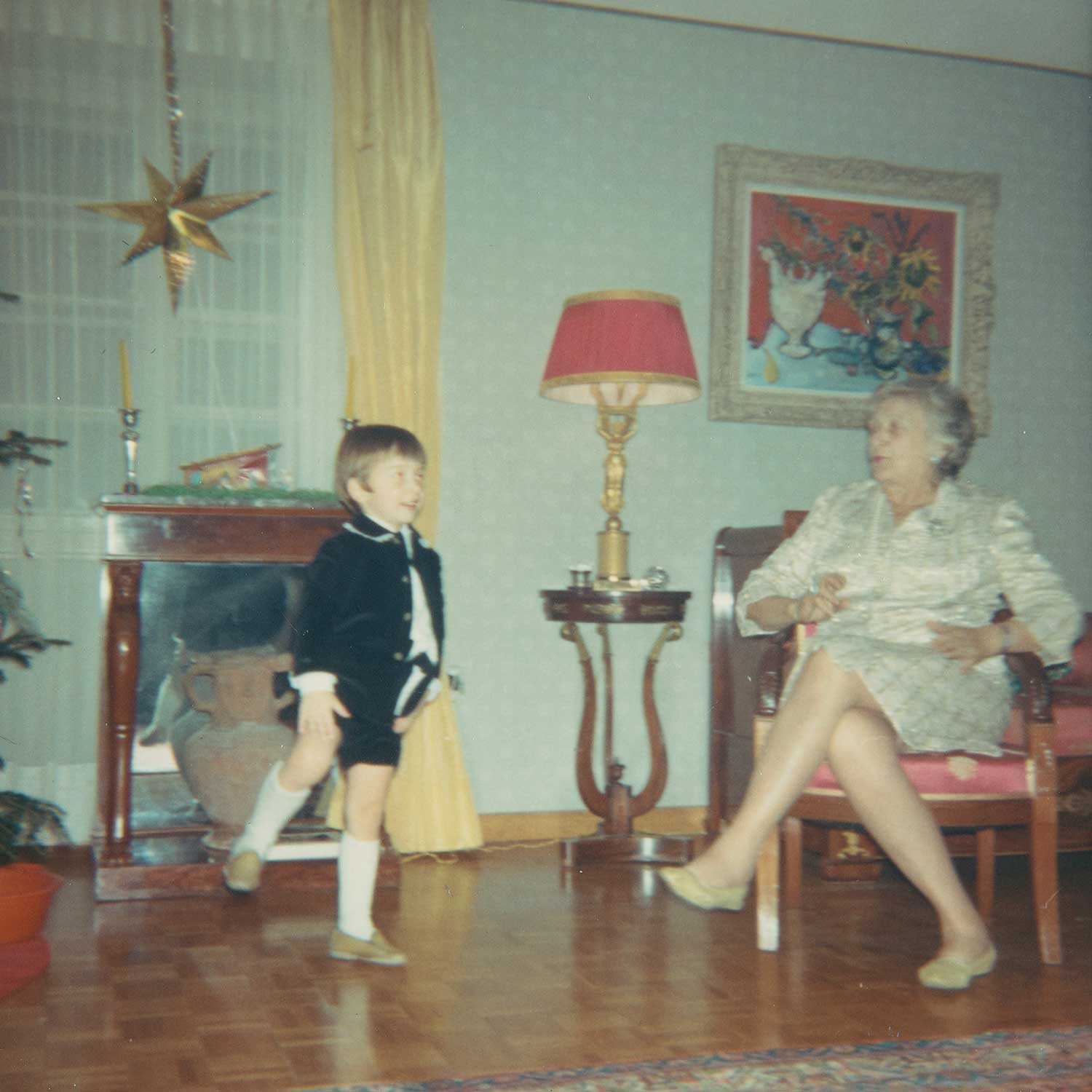
Betty Fiechter and her great-nephew Jean-Marie
After studying commerce, she joined Blancpain while still in her teens. The company was run by Frédéric-Emile Blancpain, the seventh generation of his family to lead the business, but Betty’s responsibilities grew quickly.
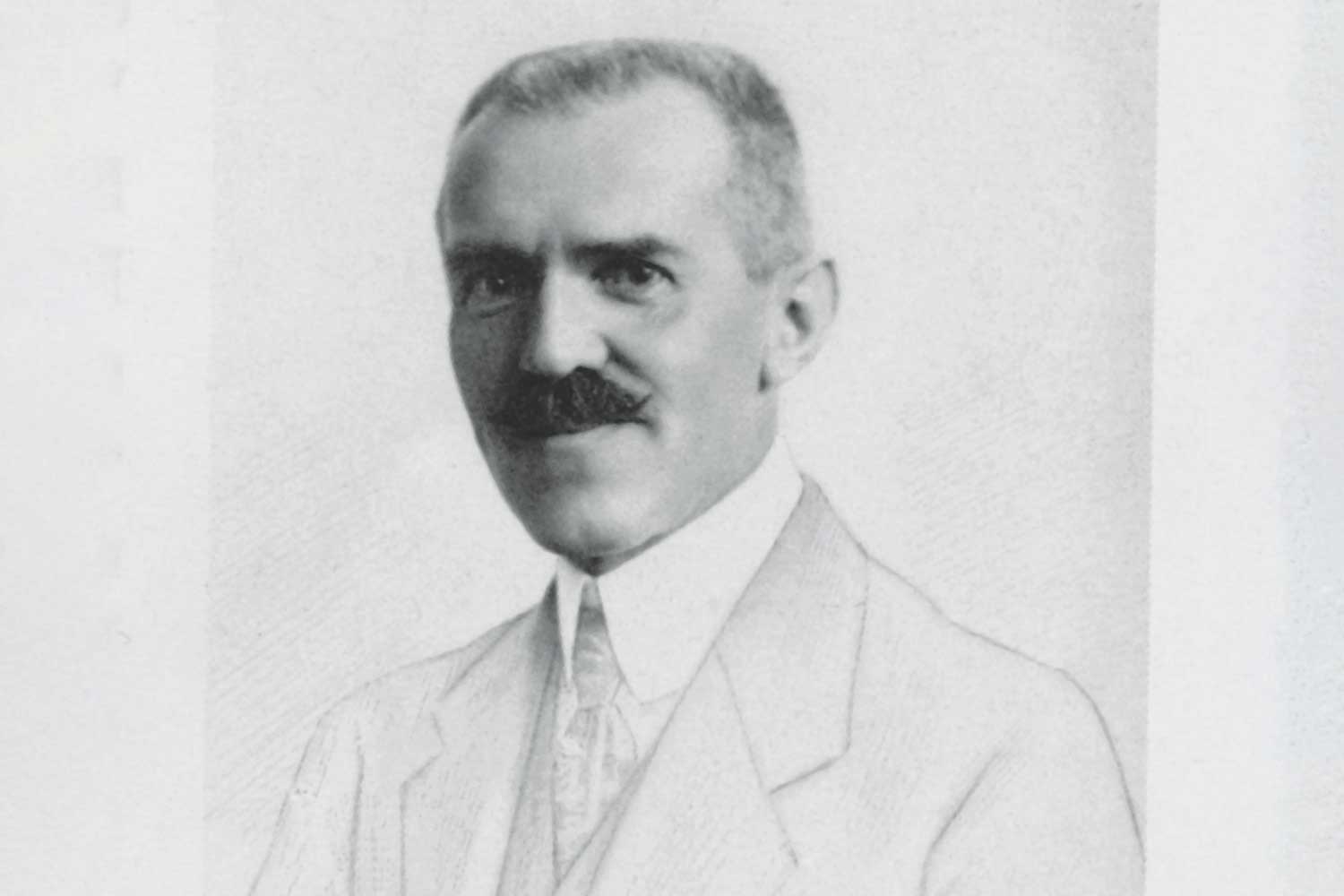
Frédéric-Emile Blancpain
During World War I, Betty became a marraine de guerre (war godmother), corresponding with wounded or interned French servicemen being cared for in neutral Switzerland and visiting soldiers in person. It was through this work that she met André Léal, then serving as an aide-de-camp to the French general responsible for French soldiers interned in Switzerland. After the war, Blancpain recruited him to develop its French, British and American business.
The pair’s relationship went deeper than a successful working partnership. Léal was a married father, but Jean-Marie is unequivocal that he and Betty were lovers. They never married, although he is buried beside her in Lausanne.
At the same time, “[Frédéric-Emile] had Betty take over the operations and commercial management of the company in Villeret,” Jean-Marie says. Blancpain’s archival research supports that account. Betty was running production in Villeret, while Frédéric-Emile increasingly remained at his home in Lausanne. His interests stretched well beyond Blancpain. During the 1920s, he served as Chairman of the Supervisory Board of Longines, was involved in the enterprise surrounding John Harwood’s early automatic wristwatch, and used the Lancet name for another watchmaking venture. Betty’s help proved invaluable. “She was really the right hand of the last Blancpain,” says Alexios Kitsopoulos, the brand’s Vice President and Head of Marketing.
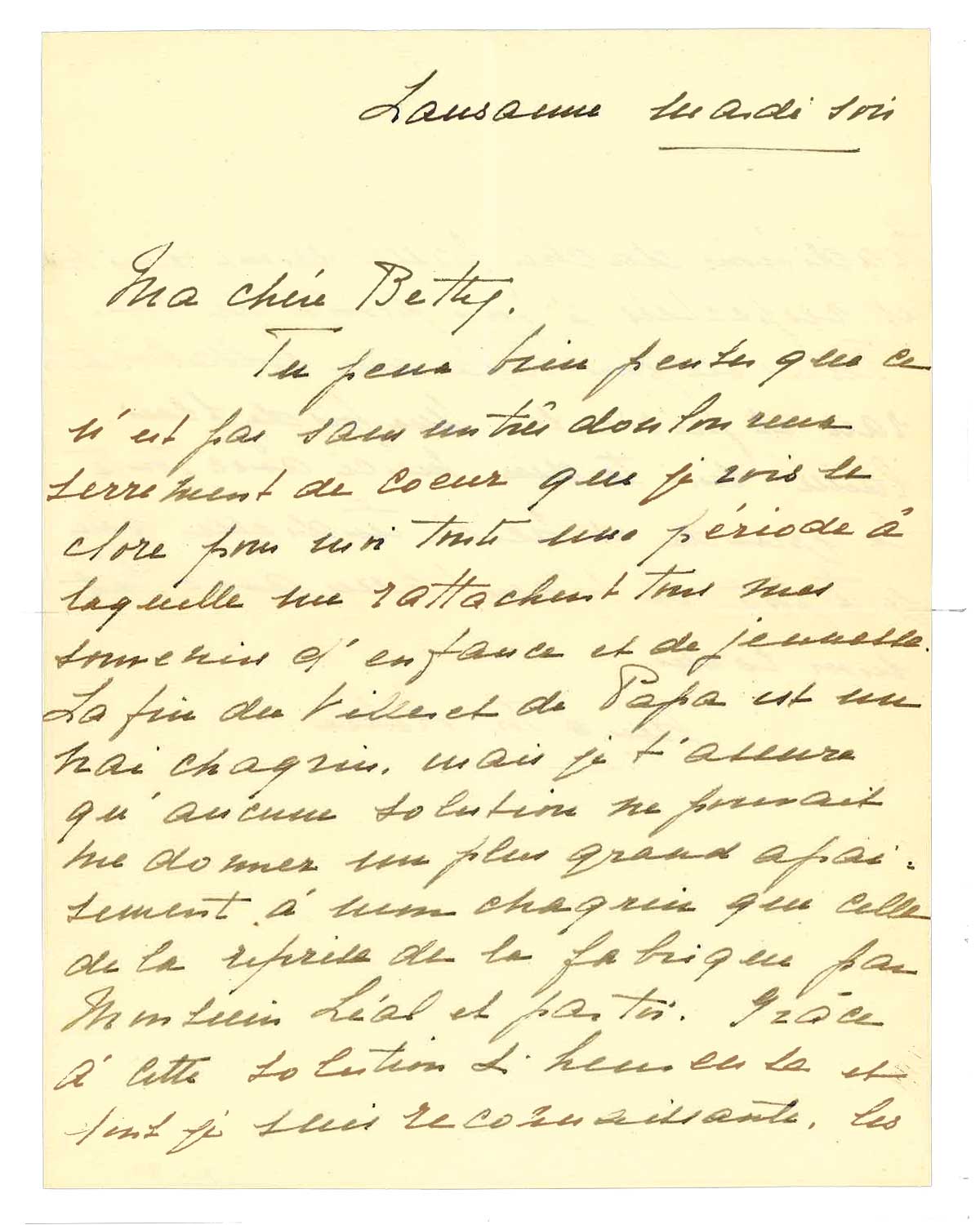
The hand-written letter from Nellie Blancpain to Betty Fiechter endorsing her takeover of Blancpain
The way they communicated gives a striking picture of how much responsibility she already carried. Frédéric-Emile dictated instructions onto wax recording cylinders in Lausanne and sent them to Villeret. Betty listened, acted on them and, according to Jean-Marie, would send recorded replies. “Frédéric-Emile wouldn’t go to Villeret so often,” Kitsopoulos says. “I would really love to get my hands on one of those cylinders and hear his voice and instructions.”
So, years before she owned Blancpain, Betty was already running much of it. Jean-Marie believes Frédéric-Emile understood exactly what he had in her. “She was the daughter, or the son, he would have loved to have to succeed him,” he says. When Frédéric-Emile died in 1932, his daughter had no desire to run the manufacture, and a surviving handwritten letter from her supports Betty as the person best placed to protect his legacy. But succession did not mean inheritance. “They had to borrow money from friends and family, very, very heavily,” Jean-Marie says.
Rayville and America
The takeover created an immediate legal problem. With no member of the Blancpain family left in the business, Betty and Léal could no longer use the family moniker as the company name under Swiss law. They chose Rayville, a phonetic anagram of Villeret. “It’s Villeret, just the other way around,” Jean-Marie says. The company was formally registered as “Rayville S.A., successeur de Blancpain,” hence, the name Blancpain continued to appear on watches.
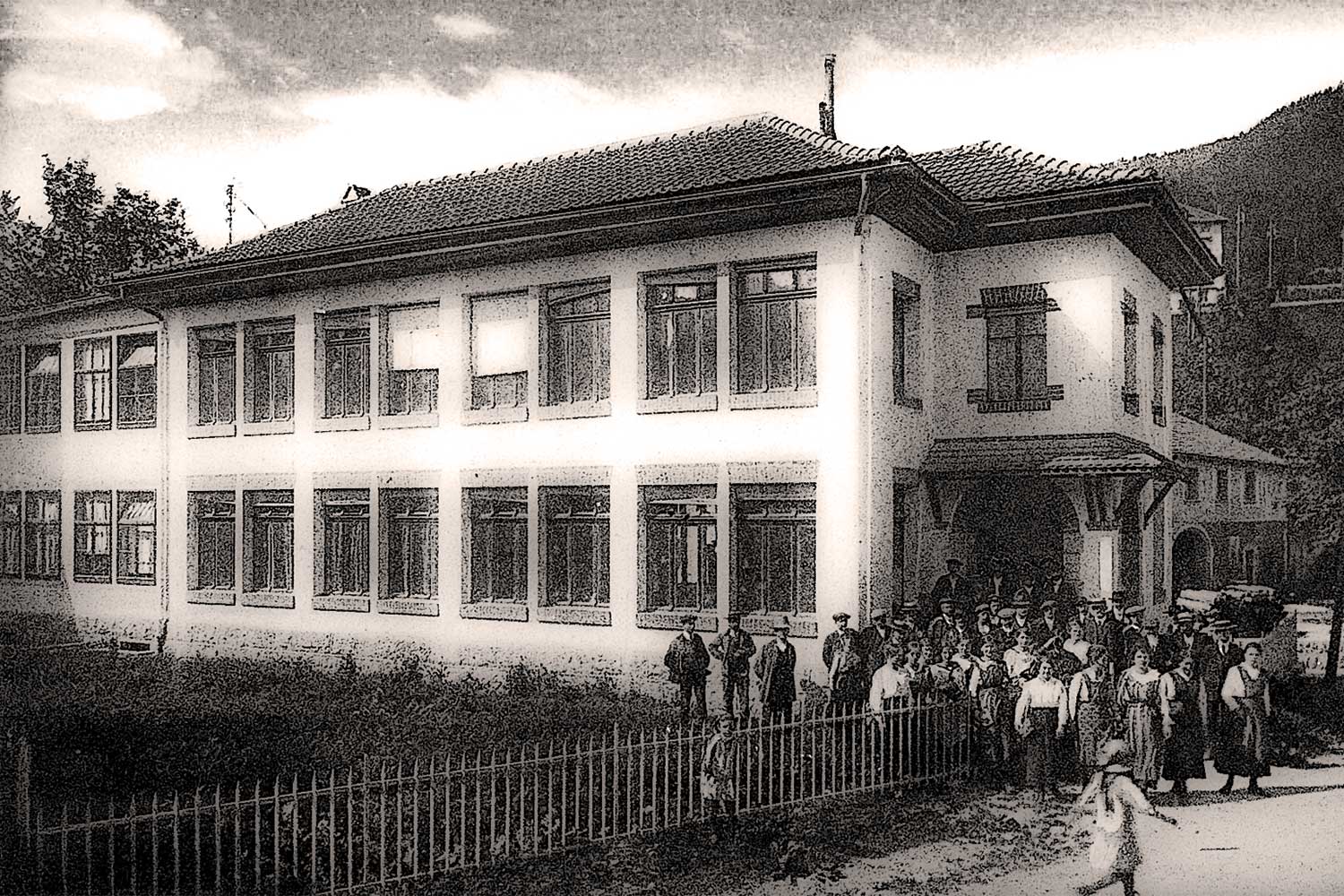
An early 20th-century image of the Blancpain building in Villeret, Switzerland
A new name, of course, did little to solve the more urgent problem of keeping the manufacture ticking over during the Depression. That required a whole new business model. Léal knew the American market well. “He saw that the U.S. market was ramping up after the Great Depression a lot better than the European market,” Jean-Marie says. “It was his decision to focus on the U.S. market.” Blancpain’s archive suggests this led to a clear division of labor — Léal concentrated on America, while Betty worked more closely on manufacturing in Switzerland.
High tariffs made it difficult to sell completed Swiss watches competitively in the U.S., so Betty and Léal hatched a plan to send Rayville movements and components to be cased or finished there instead. Gruen became an important customer, and the Blancpain archive confirms that Betty sat on the American company’s board in the late 1930s and 1940s. Blancpain’s ledgers also record the company supplying Waltham. In today’s world, where vertical integration is the goal for many, the idea of movements made in Villeret disappearing inside the cases of another brand may be uncomfortable but, in the Depression era, it helped keep the factory doors open.
The numbers are proof of the success of the strategy. Minutes from a 1936 shareholders’ meeting put production at around 7,000 movements a month, approximately 84,000 a year. Blancpain is keen to stress that this was total production rather than the number of exports, but to have a hard figure like this from the 1930s is a rare and useful find. Only three years after Betty and Léal bought the company, Rayville was once again producing at significant industrial scale.
André Léal died in a road accident on March 5, 1939. Betty lost both her business partner and the man she loved just as Europe moved towards another world war. From that point, she stood alone at the head of Rayville. Blancpain’s archival team points out how remarkable that position was in Switzerland at the time, a country where women did not gain the federal vote until 1971, the year Betty died.
Jean-Marie describes her life less in terms of gender identity than resilience. “She lived through World War I, the difficult years after, and then the Great Depression,” he says. “Then the death of Frédéric-Emile, having to get into large debt to buy the company and starting to rebuild everything. Then the death of André Léal, followed by World War II.” She carried Rayville through that conflict alone.
What Blancpain made under Betty
In addition to beating the tariffs, the watches made at this time were a masterclass in strategic maneuvering. During Betty’s era, the company worked on an unusually broad range of products from miniature movements and jewelry pieces to professional diving timepieces.
It would be wrong to put Betty’s name on everything that the company did at this time. Some technical projects had begun before she bought the company, while the Fifty Fathoms was principally the work of her nephew Jean-Jacques Fiechter. There are, however, direct archival links between Betty and the R52/R520 and R55/R550 calibers (the “0” designation indicating the crown on the caseback rather than at the 3 o’clock position), while minutes from 1936 record her asking Rayville to focus on a 6¼-ligne movement.
-
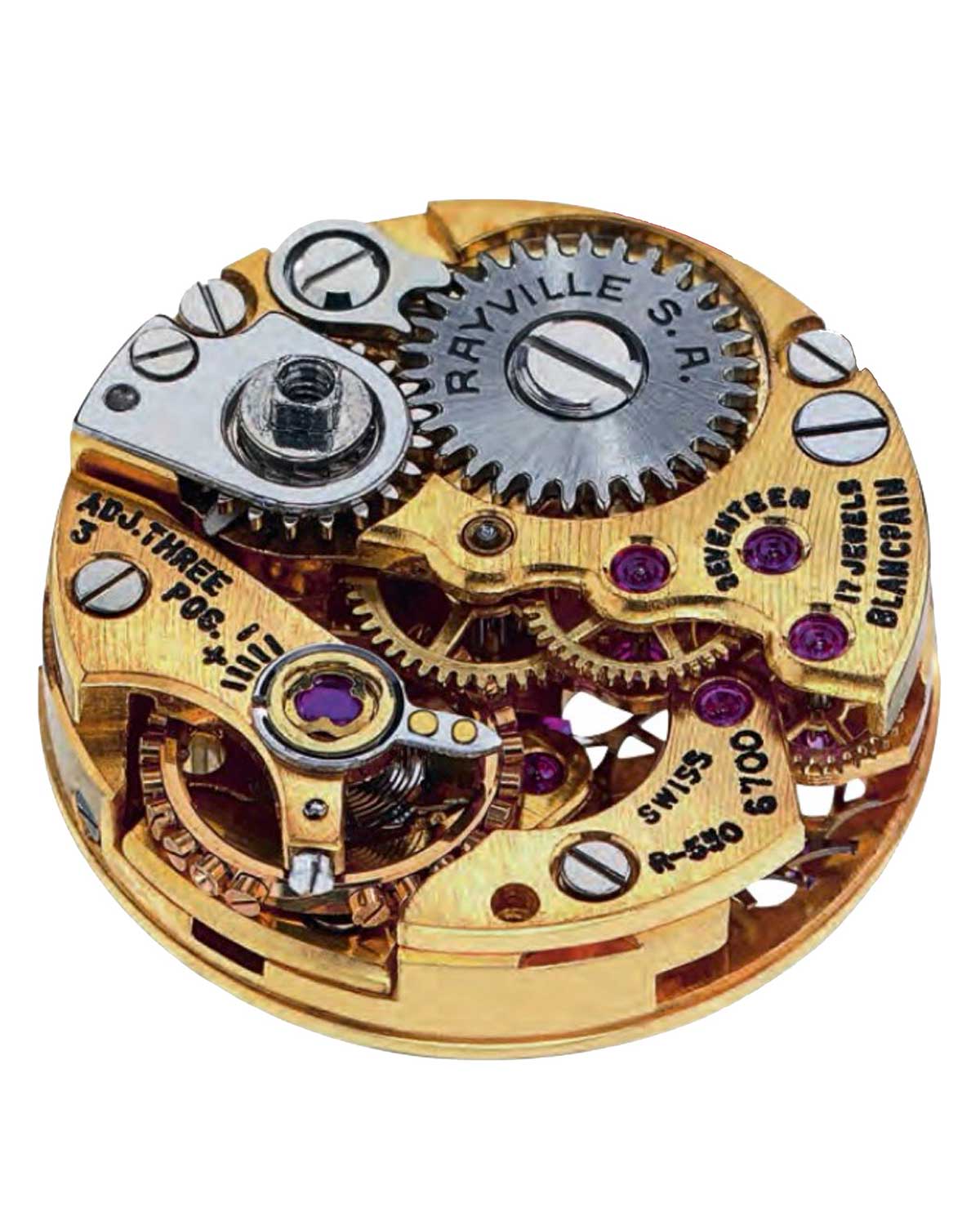
- Blancpain R550 with a crown on the back
-
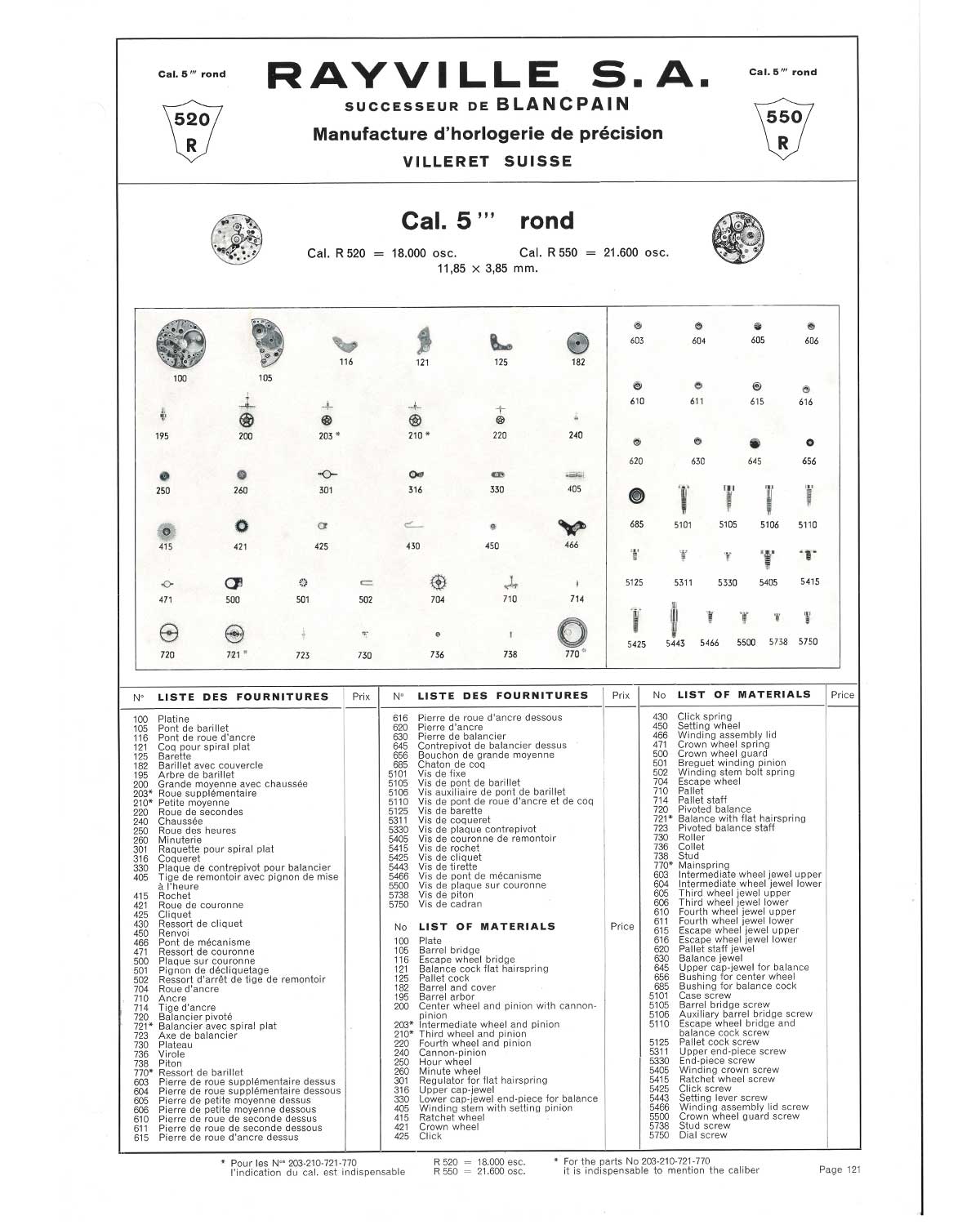
- The technical data sheet for the miniscule Caliber R550, as well as the R520
Small movements became one of the company’s great strengths, particularly for jewelry watches and American customers, as well as elegant timepieces for men. Jean-Marie remembers Betty being especially proud of Blancpain’s dress watches. Her view of a gentleman’s evening watch was characteristically brisk. “A dress watch for a man only needs 12 hours of power reserve because a gentleman is back home after 12 hours,” he recalls her saying. “A gentleman doesn’t stay for breakfast.” The joke contained a genuine design philosophy. Simpler movements could be thinner and smaller, making them ideal for elegant watches and jewelry cases.
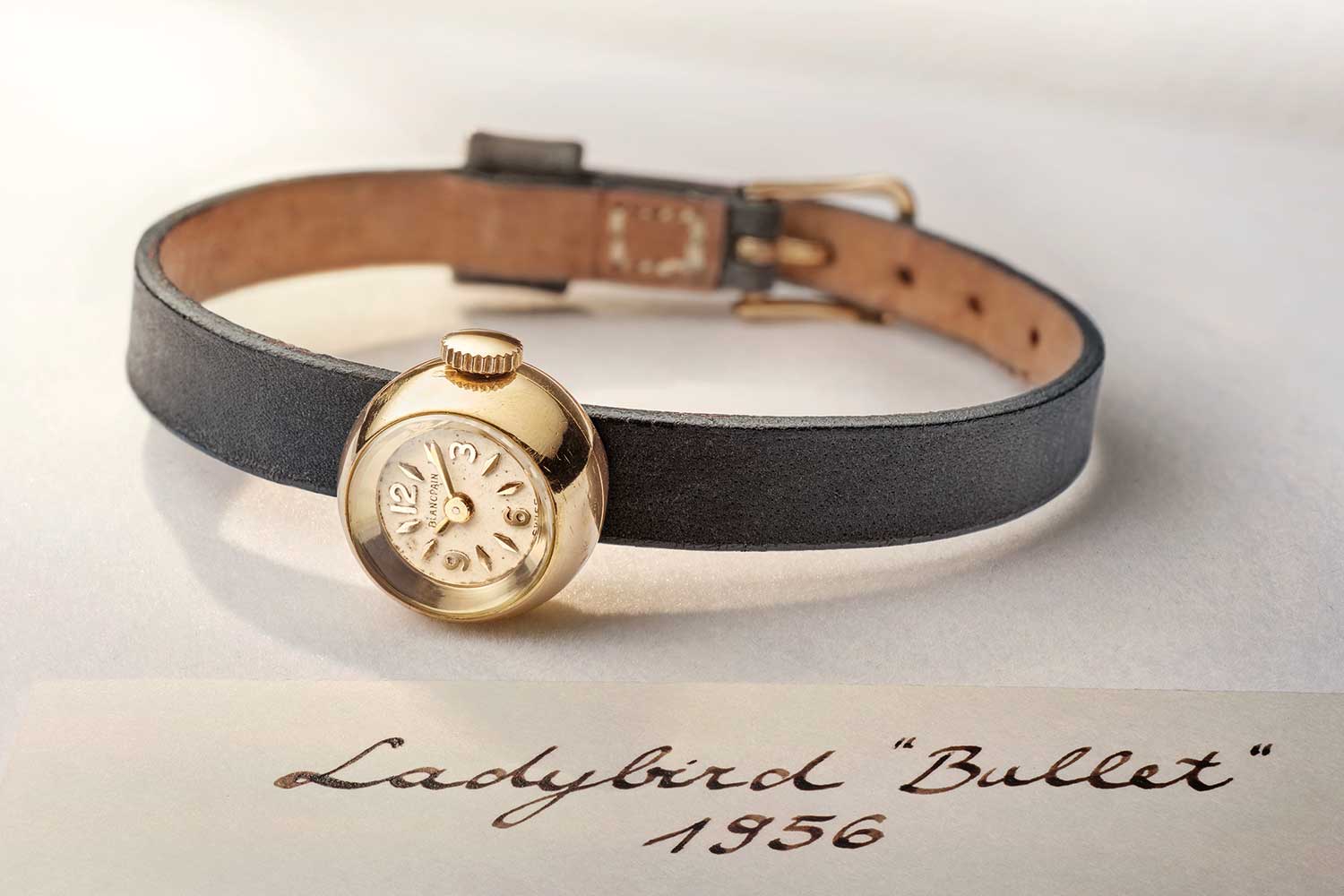
An original Ladybird “Bullet” from 1956 with a thread-through strap
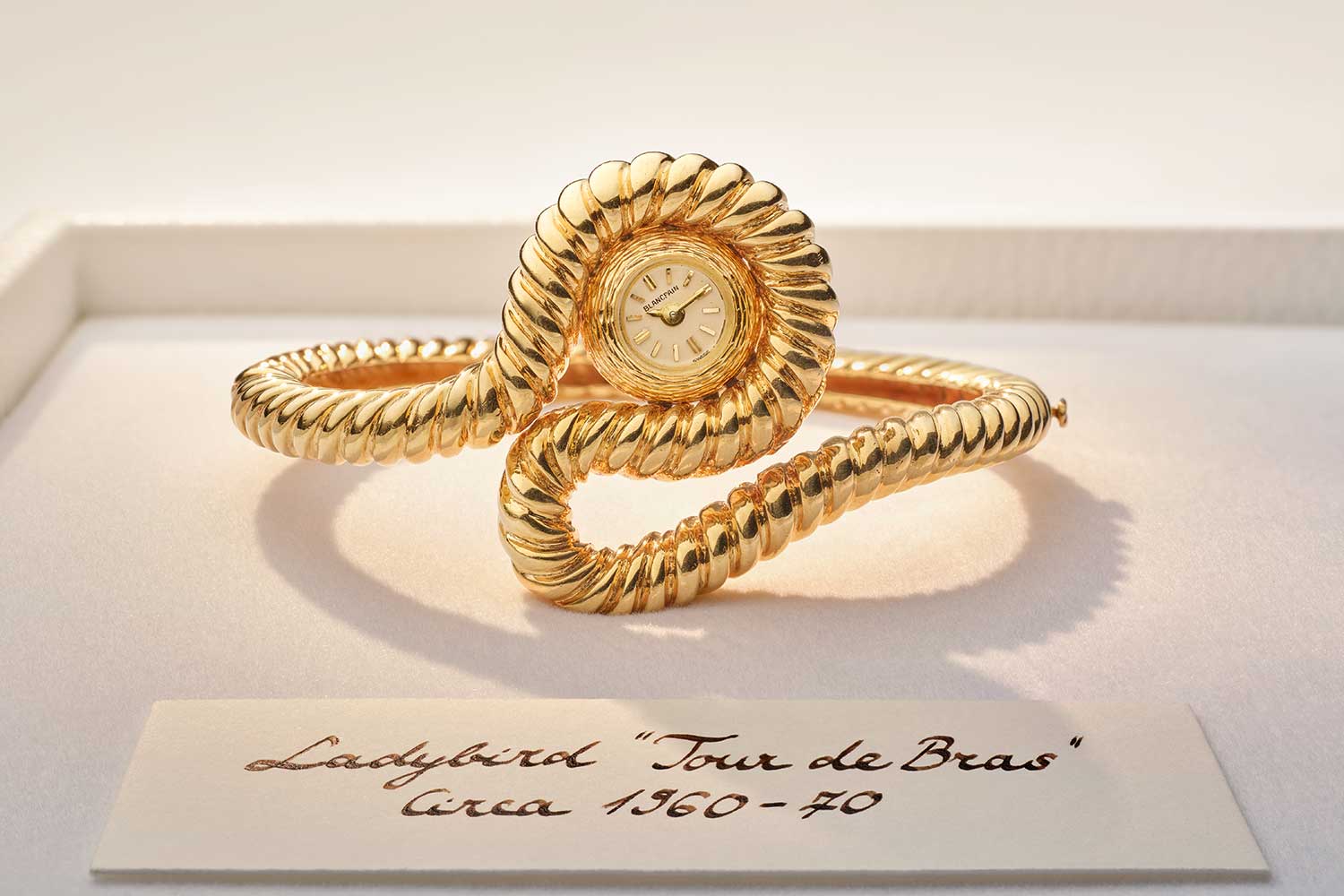
A 1960s integrated bracelet watch made under Betty’s guidance
Jean-Jacques and the Fifty Fathoms
In 1950, Betty was diagnosed with cancer and brought her nephew Jean-Jacques into the company. He had been preparing for an academic career rather than one in watchmaking, but gradually assumed day-to-day management. Betty, however, remained actively involved. “She was still there and still pushing him in one or the other direction,” Jean-Marie says. “Even in the 1950s and 1960s, when she was in Villeret, she was going through the factories and the ateliers.”
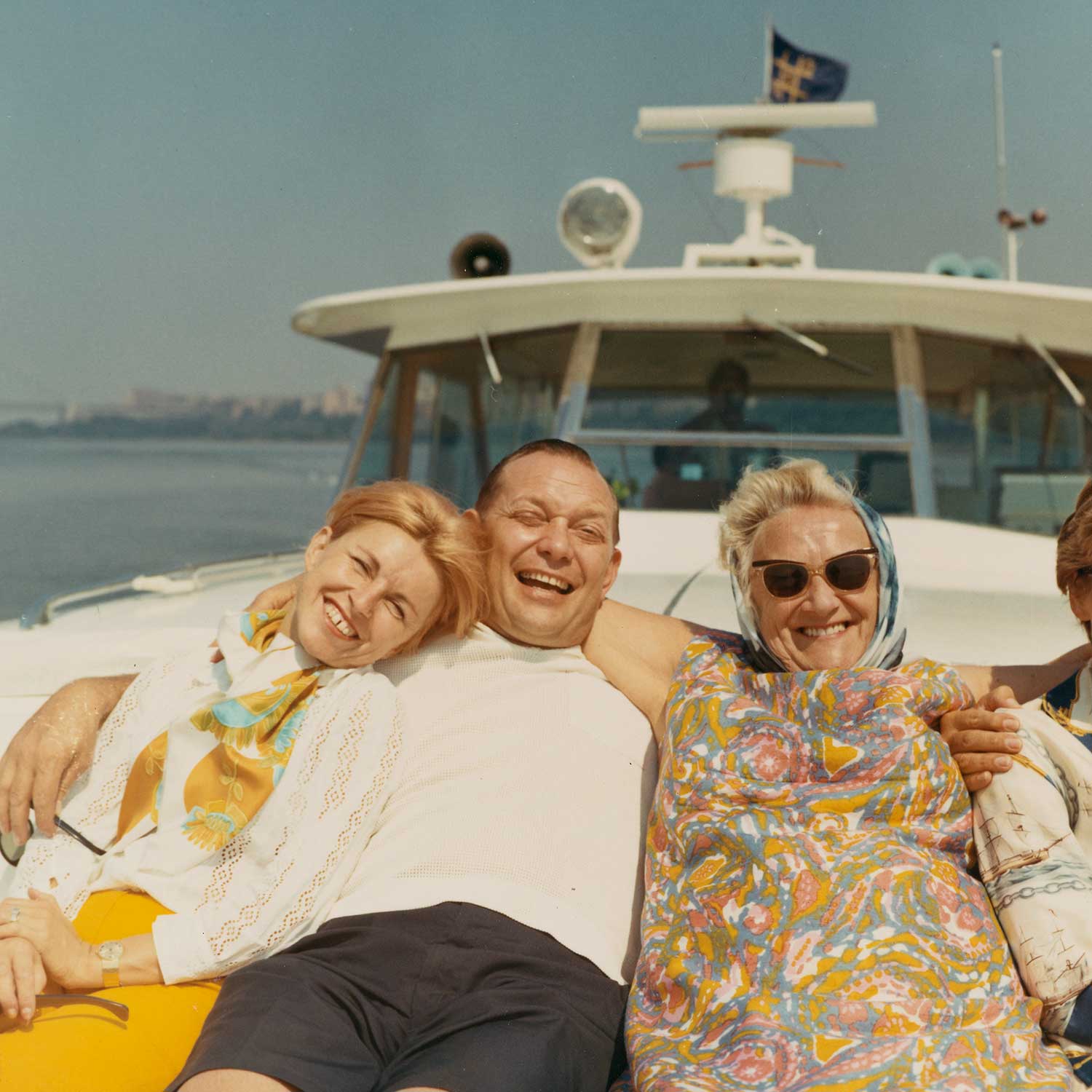
Betty Fiechter with her nephew and successor at Rayville, Jean-Jacques and his wife Claudine
The Fifty Fathoms was Jean-Jacques’ watch, born from his own diving and his connections with French combat swimmers, but it was Betty who brought him into the company and allowed him to take this route, leading Blancpain into its next phase. At the same time as giving her nephew this freedom, however, women’s watches remained part of her thinking and when Jean-Jacques began the development of Blancpain’s diving watches, Jean-Marie remembers his great-aunt insisting that women should have one too.
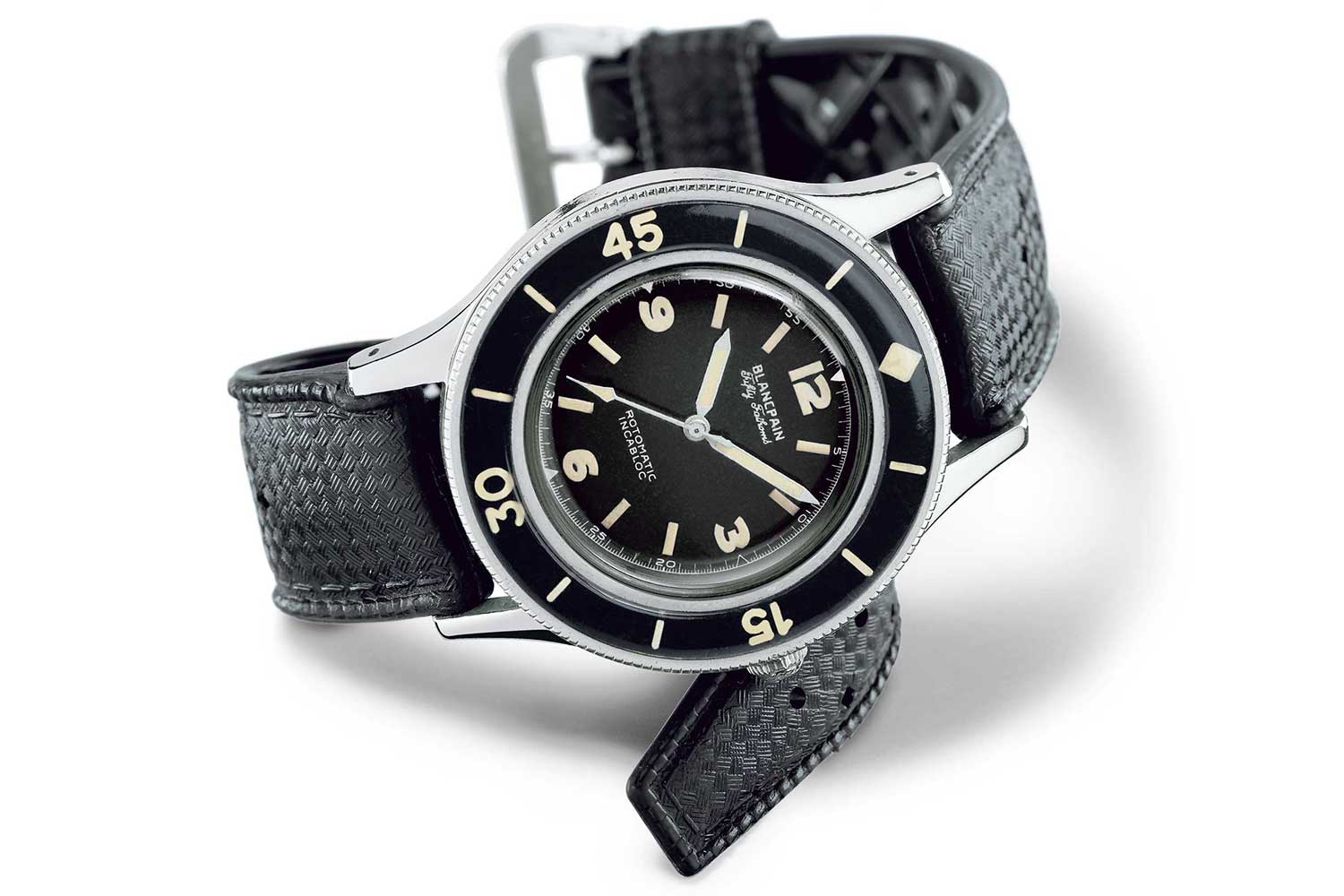
Blancpain Fifty Fathoms, 1953
Recent work in Blancpain’s archive has identified a 26mm Bathyscaphe, Reference PA5, recorded in a 1969 diving catalog. Kitsopoulos says Blancpain itself had an example in its safe for years without fully understanding what it was. “Every time I looked at this small piece, I was fascinated by it, but I had no clue if it was a true one or where it came from,” he says. It is distinct from the smaller 34mm Fifty Fathoms, Reference PF1, displayed in 1955. The 26mm watch belonged instead to the Bathyscaphe family, the more civilian-oriented counterpart to the military and professional Fifty Fathoms.
The watch was not addressing an imaginary customer. Jean-Jacques was already diving with women divers in the south of France in a circle that included Dimitri Rebikoff, the engineer, inventor and pioneering underwater photographer closely associated with early aquatic cameras and propulsion systems. The 26mm Bathyscaphe gives physical form to something Jean-Marie repeatedly says about Betty. “She was a feminist, even if she would never have called herself that,” he insists. “She was for equality of rights for men and women.”
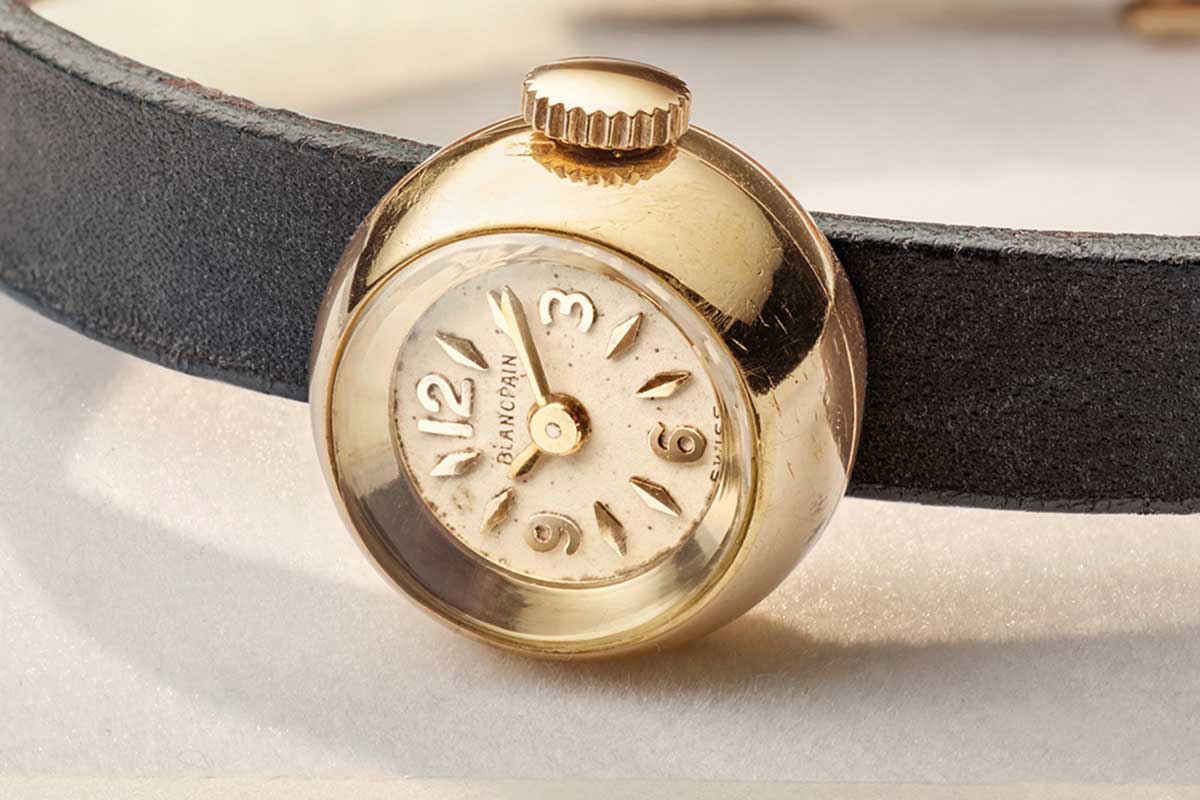
The culmination of Blancpain’s expertise in microfabrication came with the Ladybird in 1956, developed during the joint leadership of Betty and Jean-Jacques around Caliber R550, the smallest round mechanical movement in the world, measuring just 11.85mm in diameter. Miniaturization brought real technical problems, but Betty and Blancpain had been working on the issues of power reserve, robustness and reliability for decades. Small calibers had been valuable to the company during the Depression and, by the 1950s, that accumulated knowledge had become a core strength.
Strict, but Fair
Jean-Marie remembers Betty as a demanding employer. “She was very strict, but just,” he says. “She didn’t like people slacking.” The same woman could also be extraordinarily protective of her workforce and village. She found work for a man who had suffered polio, creating a role transporting movements between Rayville’s buildings. She bought land above Villeret, divided it into plots and sold them at favorable prices to longstanding employees so that they could build houses. Blancpain’s archive also records a fund established to support workers suffering accidents or health problems.
After World War II, Betty learned that the children of a struggling widow were asking a local grocer for food he planned to discard. She instructed him to give the family fresh groceries and send the bill to her, on condition they were never told who was paying. “She considered Villeret to be her place,” Jean-Marie says. “She was the captain of a ship, and those were all her children.”
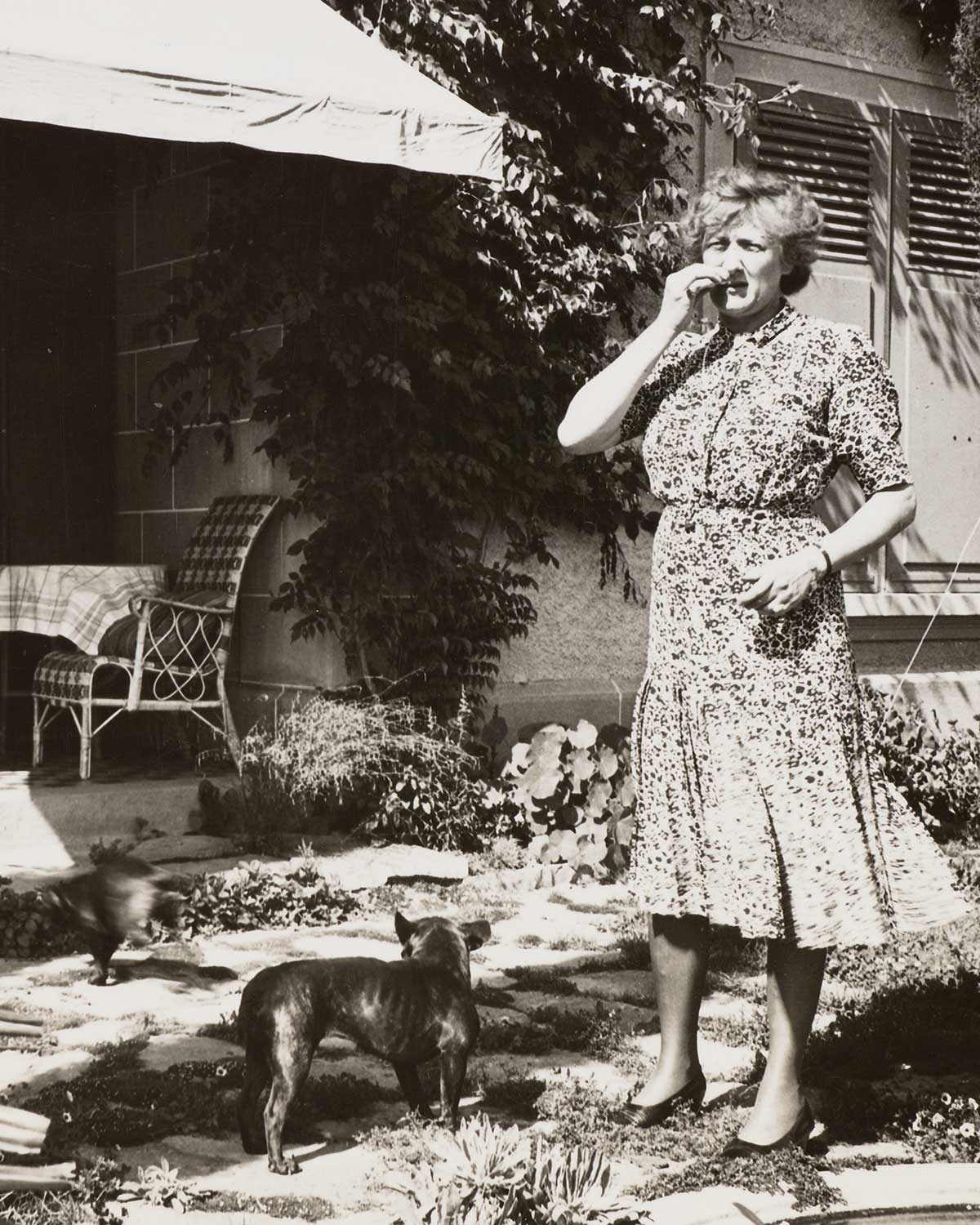
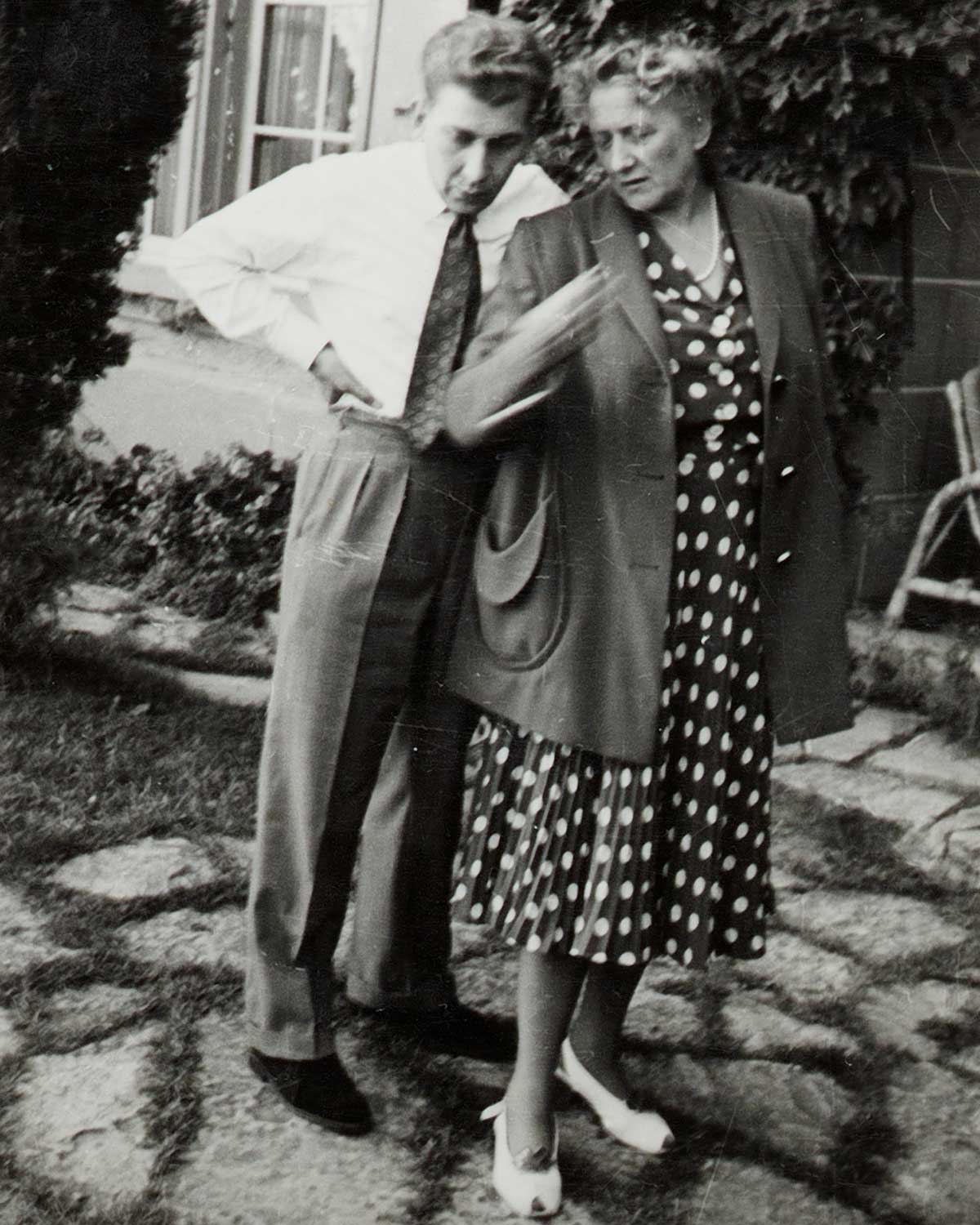
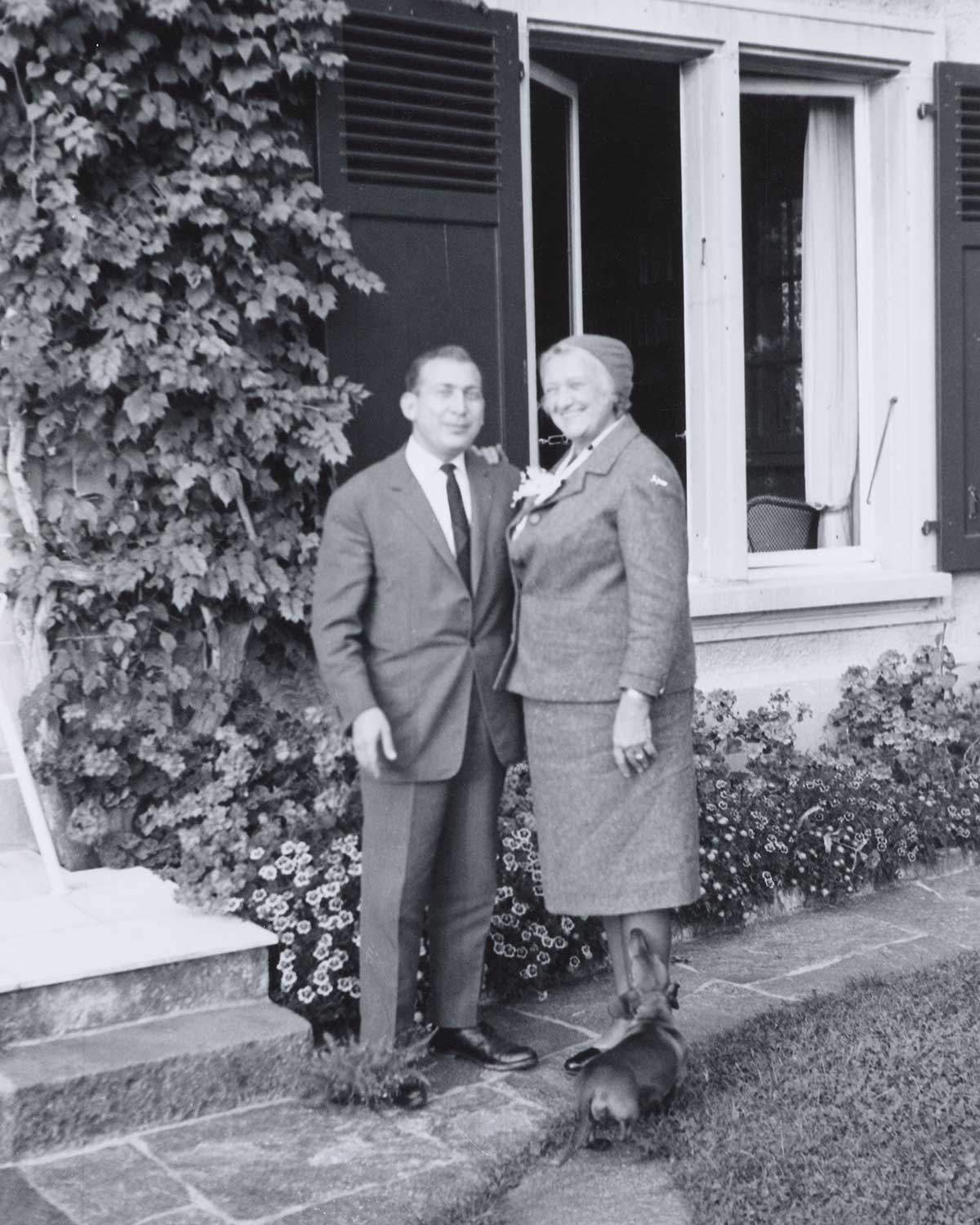
This is a particularly poignant phrase, as Betty could not have children herself. Jean-Marie believes this was one of the great private sorrows of her life. “On the outside she was a tough woman in business, a very tough woman,” he says. “But on the inside and with the family, she had a certain fragility.”
Jean-Marie knew Betty when he was a child and remembers a woman rather less severe than the industrialist in formal photographs. She was around six feet tall and had difficulty finding comfortable shoes. At home, she wore pink terry-cloth slippers decorated with feathers. If her feet hurt, she wore them outside too, even with an evening dress, pearls and a mink coat. His mother once met a friend who described having seen an extraordinary woman shopping in Lausanne dressed exactly that way. “Yes,” she replied. “That’s my aunt.”
Another day, Betty left the hairdresser with her curlers still in after realizing she was late for work. Her secretary returned them later. And during one uninspiring board gathering, she decided to take her nieces and nephews go-karting, with the board directors joining them and having to navigate an enthusiastic Betty driving the wrong way round the track.
A serious art collector, Jean-Marie also remembers her traveling to Paris and London to experience the cities’ cultural life, while Blancpain’s archive records works by Renoir and Chagall in her collection and an office filled with Impressionist paintings.
The manufacture behind other names
Apart from being a woman in a man’s world, there is another reason Betty has been easy to forget in watch history: much of what her company made did not say Blancpain on the dial. The movement-supply business that had helped Rayville survive the Depression became increasingly important after the war. By the end of the 1950s, Blancpain’s archive estimates annual production at around 200,000 pieces. Jean-Marie remembers movements becoming overwhelmingly more important by volume than finished Blancpain watches. In his recollection, as much as 90 percent of production consisted of movements.
Customers increasingly included some of the largest names in Swiss watchmaking. Blancpain’s archive has a period correspondence table, which confirms that Rayville movements were used in Omega women’s watches, specifically Rayville’s slender baguette Caliber R59, which became the Omega Caliber 690, while the R52 was supplied under license to Longines. And, when Rayville joined SSIH in 1961, the movement side of the business that Betty had helped establish was an important component of what it brought to the group.
Betty and André Léal had bought Blancpain with borrowed money in the early 1930s, at one of the worst moments in history to take over a watch company. Thirty years on, Rayville was manufacturing at an industrial scale and supplying movements to major watch houses on both sides of the Atlantic. To describe Betty’s contribution to watchmaking as merely saving Blancpain greatly undersells her impact on the industry.
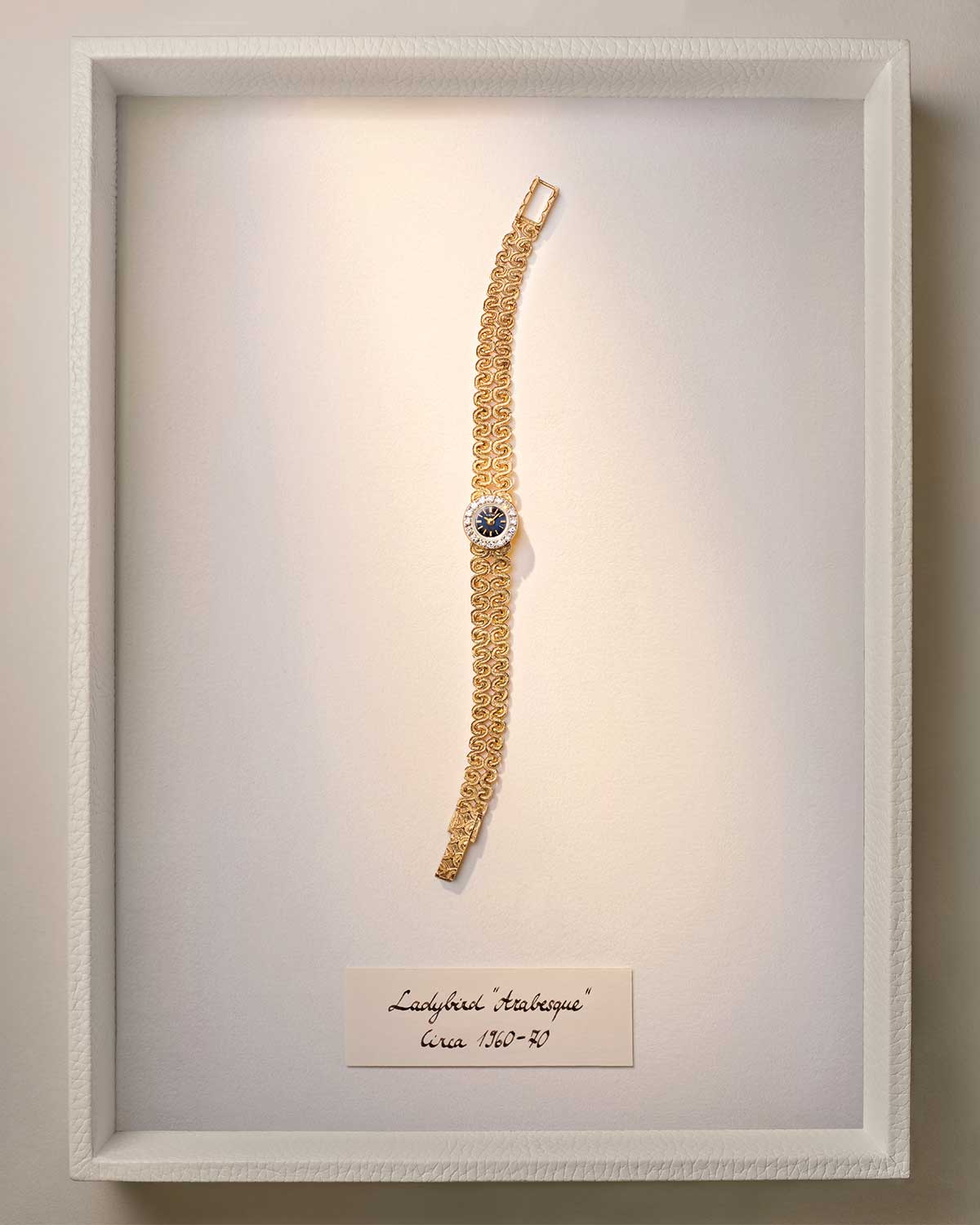
A Ladybird “Arabesque” jewelry watch from the 1960s
Written out
To reduce what Betty did to one movement or patent misses the point entirely. She helped turn miniature calibers into an international business and accepted that Rayville movements could carry another company’s name. Women’s watches remained important to her, from jewelry pieces to a 26mm diving watch. She carried the company through war and loss, and brought Jean-Jacques into the business. Later, when Rayville’s movement-making side had become at least as important as the watches bearing the Blancpain name, she saw the opportunities in taking the company to a large and powerful group.
That may be one reason that her name is so difficult to find in the history books. Her path is contrary to the way a lot of watch insiders like to read the past and tell their own stories, involving subcontracting, component supply, watches finished abroad, industrial production and corporate consolidation. It’s a long way from the neat narratives of uninterrupted independent manufacture.
Many of her greatest achievements have been absorbed elsewhere, from Frédéric-Emile’s Blancpain to Jean-Jacques’ Fifty Fathoms, SSIH, Omega, Longines and eventually the revived Blancpain of the 1980s.
Betty died in September 1971. Jean-Marie is relieved she did not live to see the full force of the Quartz Crisis. “That would have been very hard on her,” he says. By then, wars and the Depression were behind her, as were the losses of Frédéric-Emile and André Léal, the risk she took in buying Blancpain, and her personal battle with cancer.
Swiss watchmaking history has no shortage of men to celebrate — inventors, industrialists and those who rescued brands. Betty Fiechter belongs in that story, too. She understood the importance of radical change and had the strength of character and business acumen to follow it through. The Quartz Crisis has its established heroes and rescuers. The Great Depression had Betty Fiechter. It is time she was put back into the story.
You may also like
Editorial
The Jacob & Co Palatial Flying Tourbillon Minute Repeater Goes Back to the Beginning
Oct 7, 2026
Editorial
The Jacob & Co Palatial Flying Tourbillon Minute Repeater Goes Back to the Beginning
Oct 7, 2026
Editorial
Bond is Back: The New Omega Seamaster Bond Watches are Perfect for Heroes or Villains
Oct 5, 2026
Editorial
Bond is Back: The New Omega Seamaster Bond Watches are Perfect for Heroes or Villains
Oct 5, 2026
Editorial
The Angle of the Angels: The 165-Year Quest for the Inclined Tourbillon
Oct 2, 2026
Editorial
The Angle of the Angels: The 165-Year Quest for the Inclined Tourbillon
Oct 2, 2026