The Family Business Rewritten
Editorial
The Family Business Rewritten

In 1916, brothers Albert and Sam Govberg opened a small jewelry store in Philadelphia. A lot has changed in the 110 years since then. The company has expanded far beyond Philadelphia and the Govberg name is no longer above the door. But Danny Govberg, Albert’s grandson, still sees it as fundamentally the same kind of business started in 1916: a family business. The difference is that today it encompasses several families rather than one.
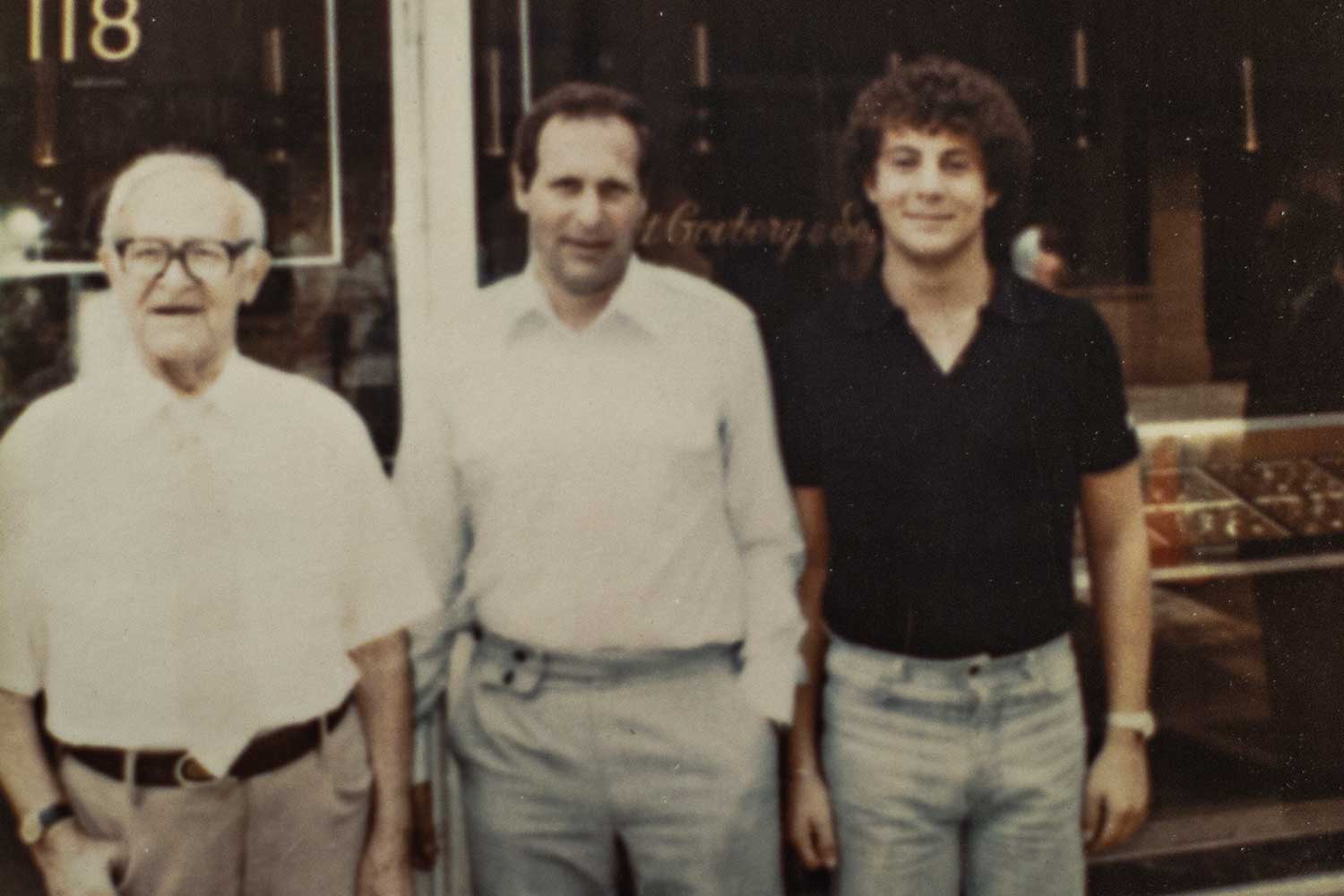
Albert, Irv and Danny Govberg
On November 1, 2023, The 1916 Company brought Govberg Jewelers, WatchBox, Radcliffe Jewelers and Hyde Park Jewelers together under a single identity. Govberg supplied more than a century of Philadelphia retail history. Radcliffe and Hyde Park brought their own regional followings and authorized brand relationships. WatchBox contributed a global pre-owned operation and collector community.
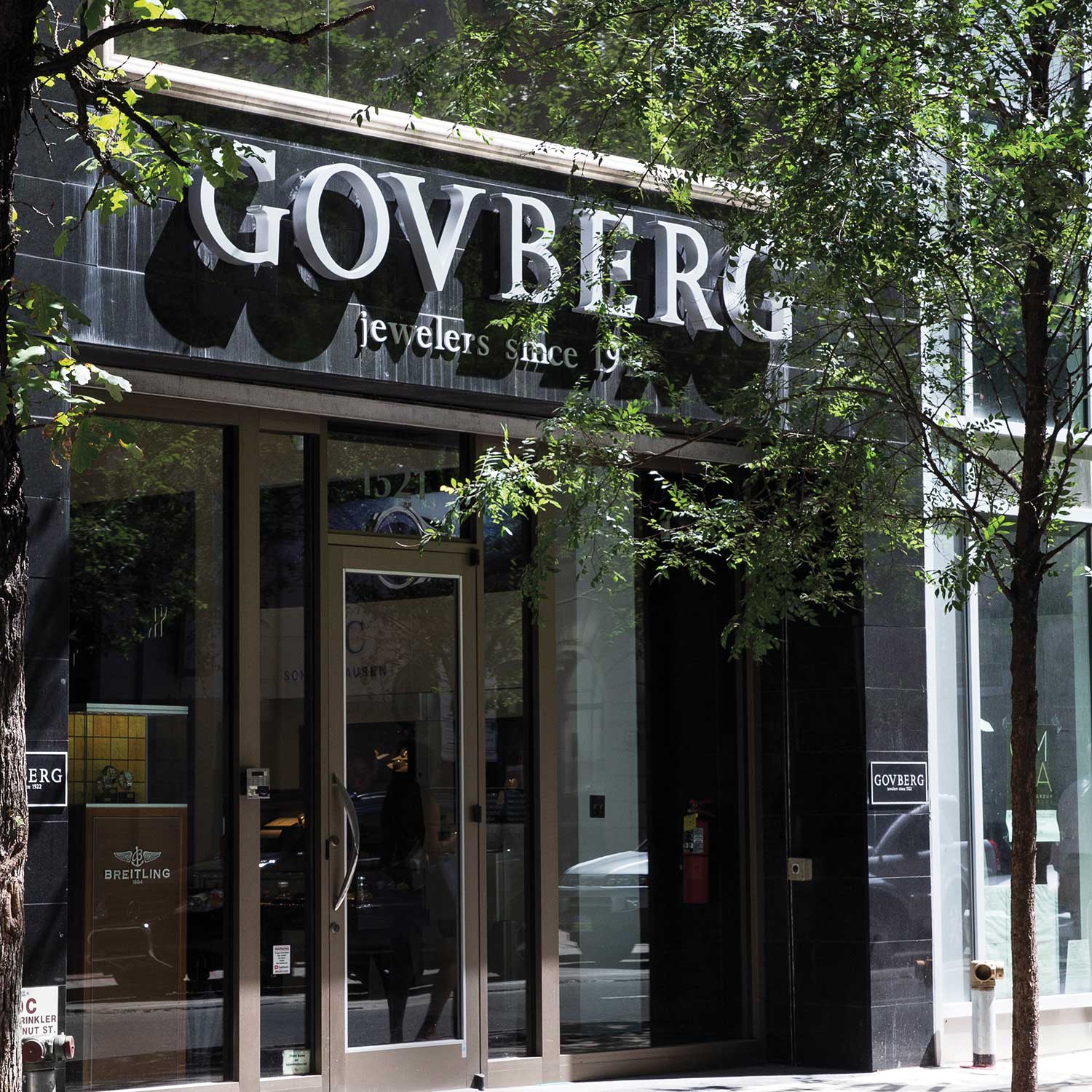
Before The 1916 Company: Govberg
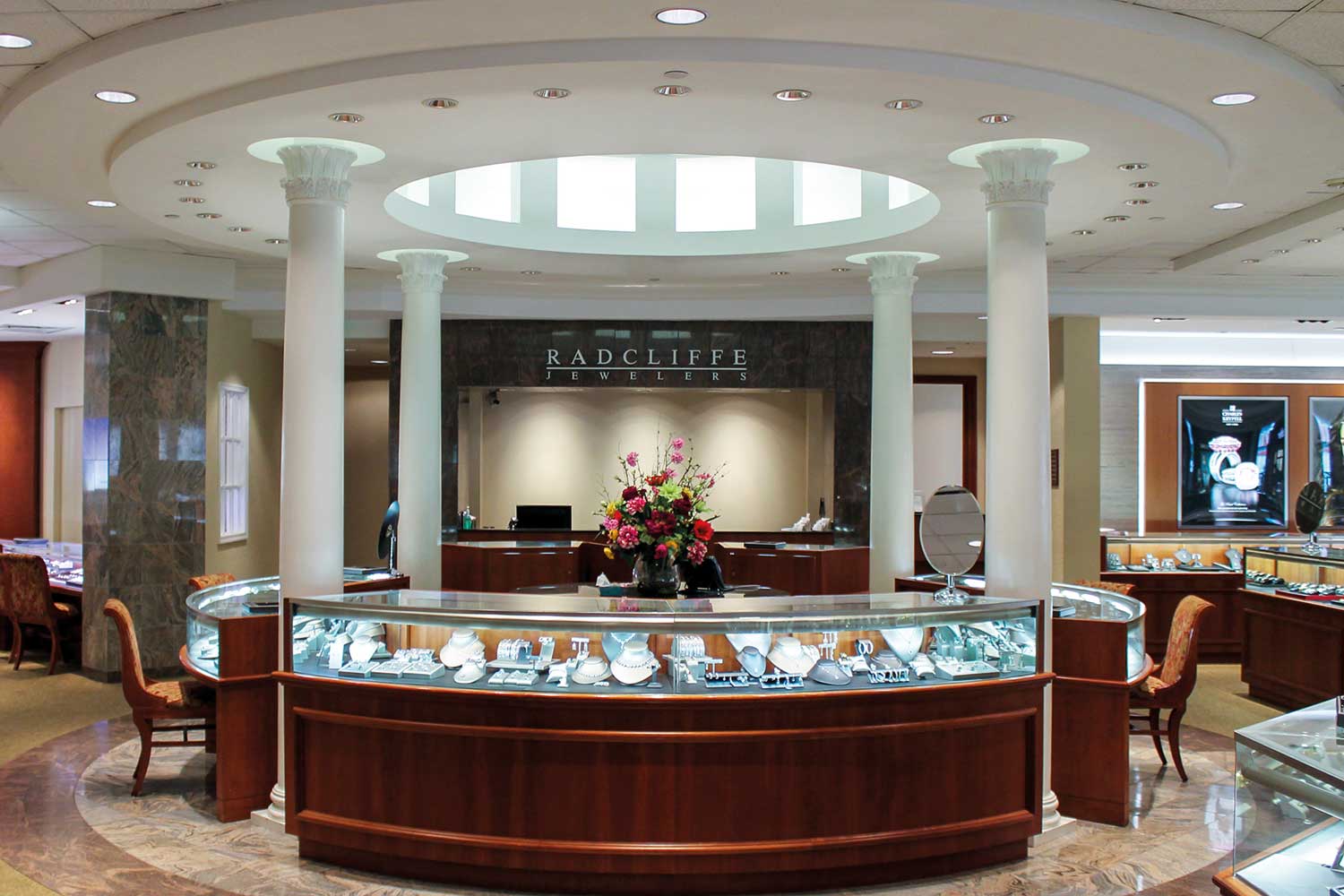
Before The 1916 Company: Radcliffe
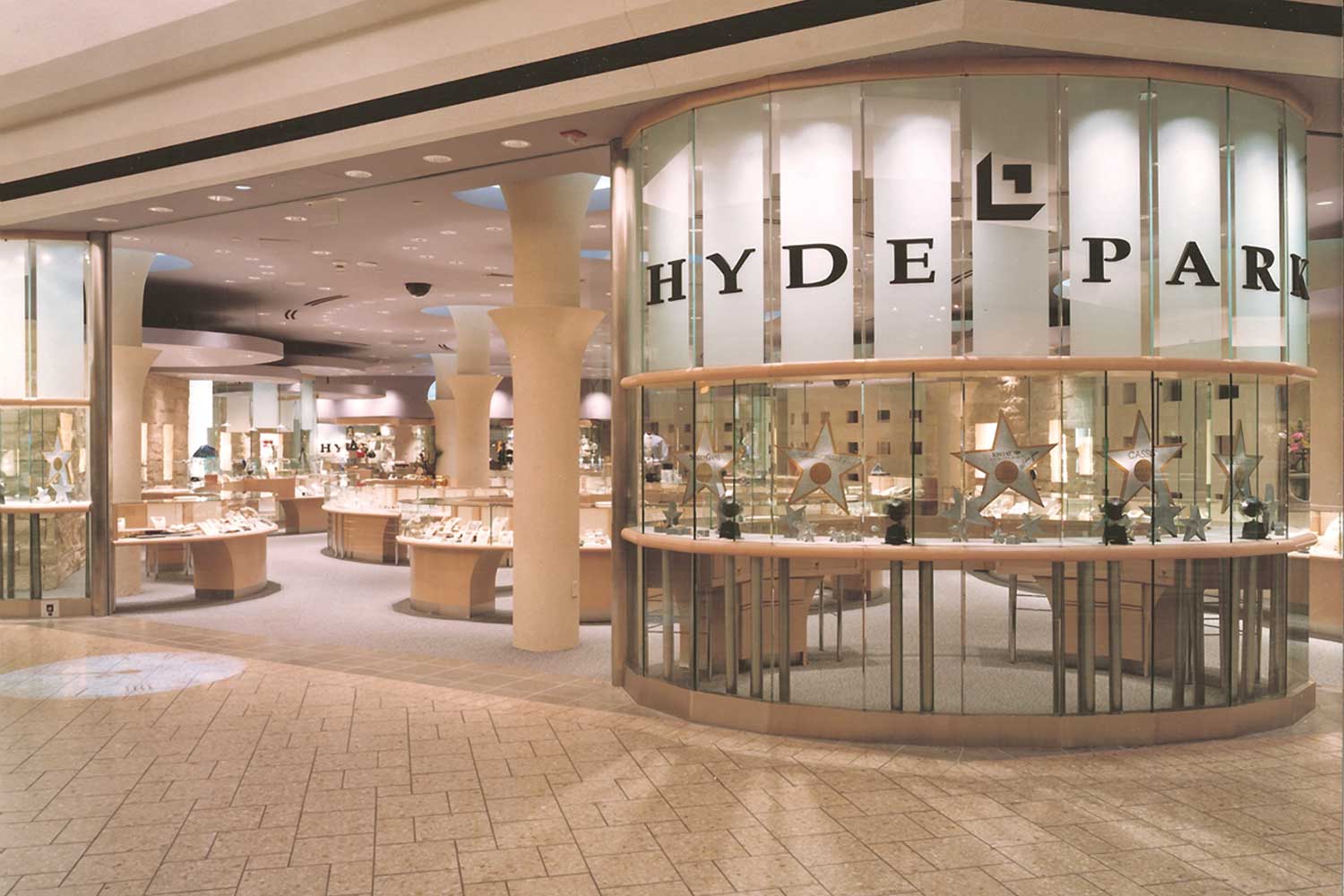
Before The 1916 Company: Hyde Park
At the center of that story are Danny Govberg and John Shmerler, whose relationship began nearly 40 years ago with a bank loan, and has survived acquisitions, separate businesses, outside investment and an eventual return to working together. Danny is co-founder of The 1916 Company; John, appointed chief executive in March 2024, is responsible for turning its legacy operations into one functioning business.
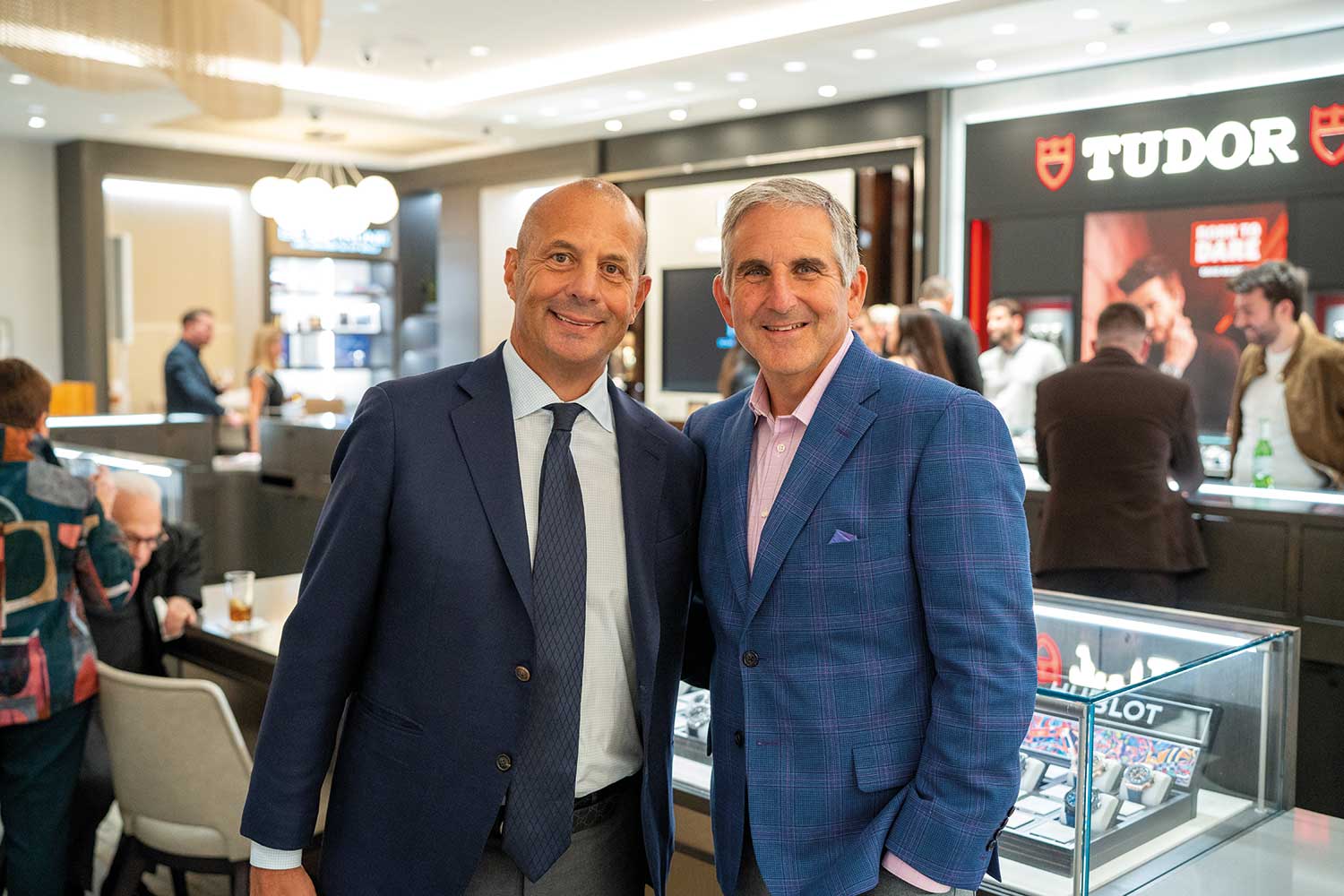
Danny Govberg (left) and John Shmerler
Their division of labor is explained most efficiently by Danny. “An idea with no execution is like a hallucination,” he says. “So John was able to make my hallucinations come true.” John describes the balance more diplomatically. “I’m a little bit more stable and predictable and get things done,” he says. “There are a million life lessons that we’ve taught each other over a really long period of time about finding that right balance between dreaming big and then making some of [those dreams] come true. Sometimes it takes two people to make that happen instead of just one.”
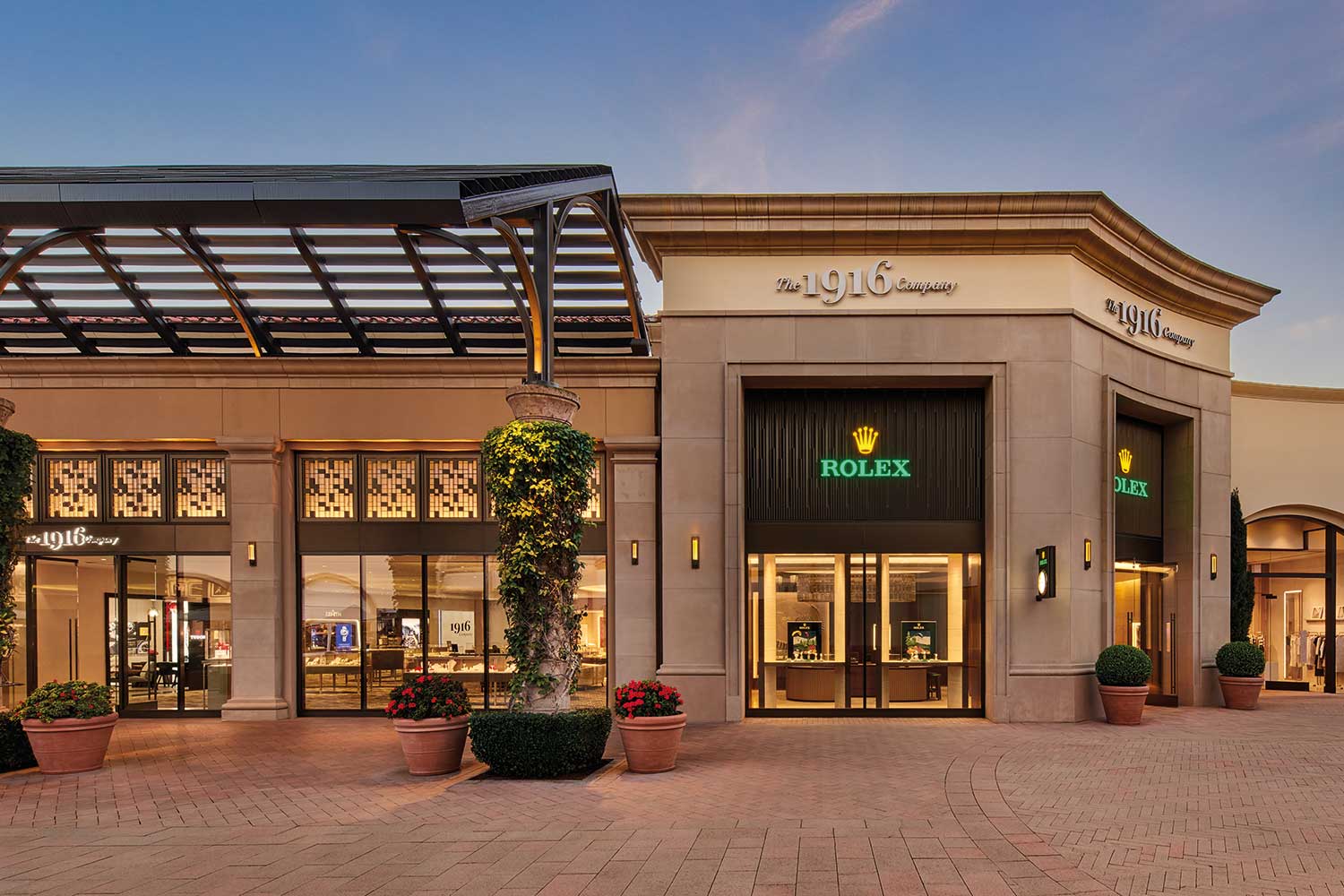
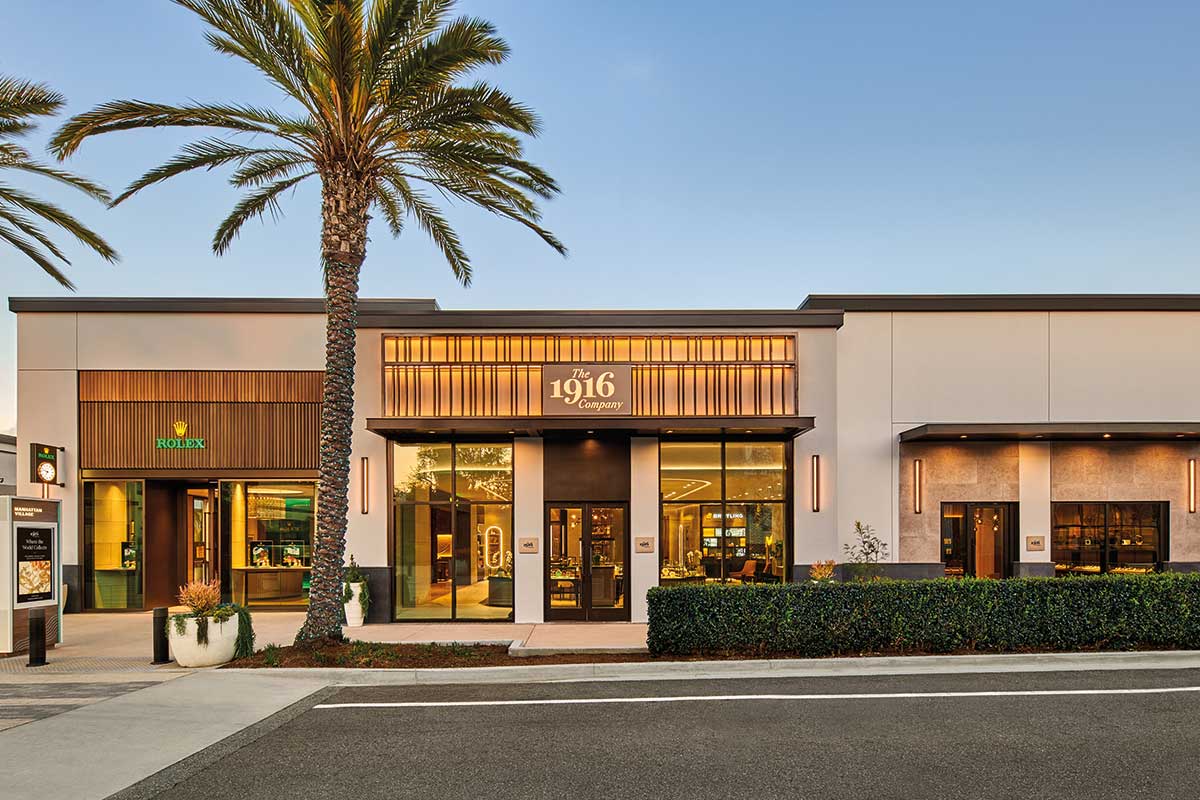
The 1916 Company Newport Beach
A Corner of His Own
When Danny joined Govberg Jewelers in 1983, there was little to suggest that it would become a global watch business. The company occupied 600 square feet in Philadelphia’s jewelry district. Danny remembers six people working there: his grandparents, his father, his brother Jeffrey, an employee Mike Lauria and a bookkeeper. It sold jewelry and diamonds, but no watches.
Danny was 23 and entering a company in which senior members of his family already had defined roles. Watches offered an unclaimed corner of the business. “My dad and my grandfather and the other gentleman who worked there, everybody was coming in asking for them,” he says. “I wanted to do something where I didn’t have to be the last man on the totem pole. So I picked watches because I liked watches.”
The decision also gave him authority. “They had their say and their opinion in everything that they were doing,” he says. “My say didn’t matter in diamonds or jewelry, but in watches, I could do that on my own.”
That impulse, to create something new without abandoning the inherited business, would recur throughout his career. Watches became a substantial part of Govberg. Pre-owned watches developed alongside authorized retail. WatchBox later emerged from within Govberg but was separated so that it could expand internationally. Eventually, those different strands were brought back together.
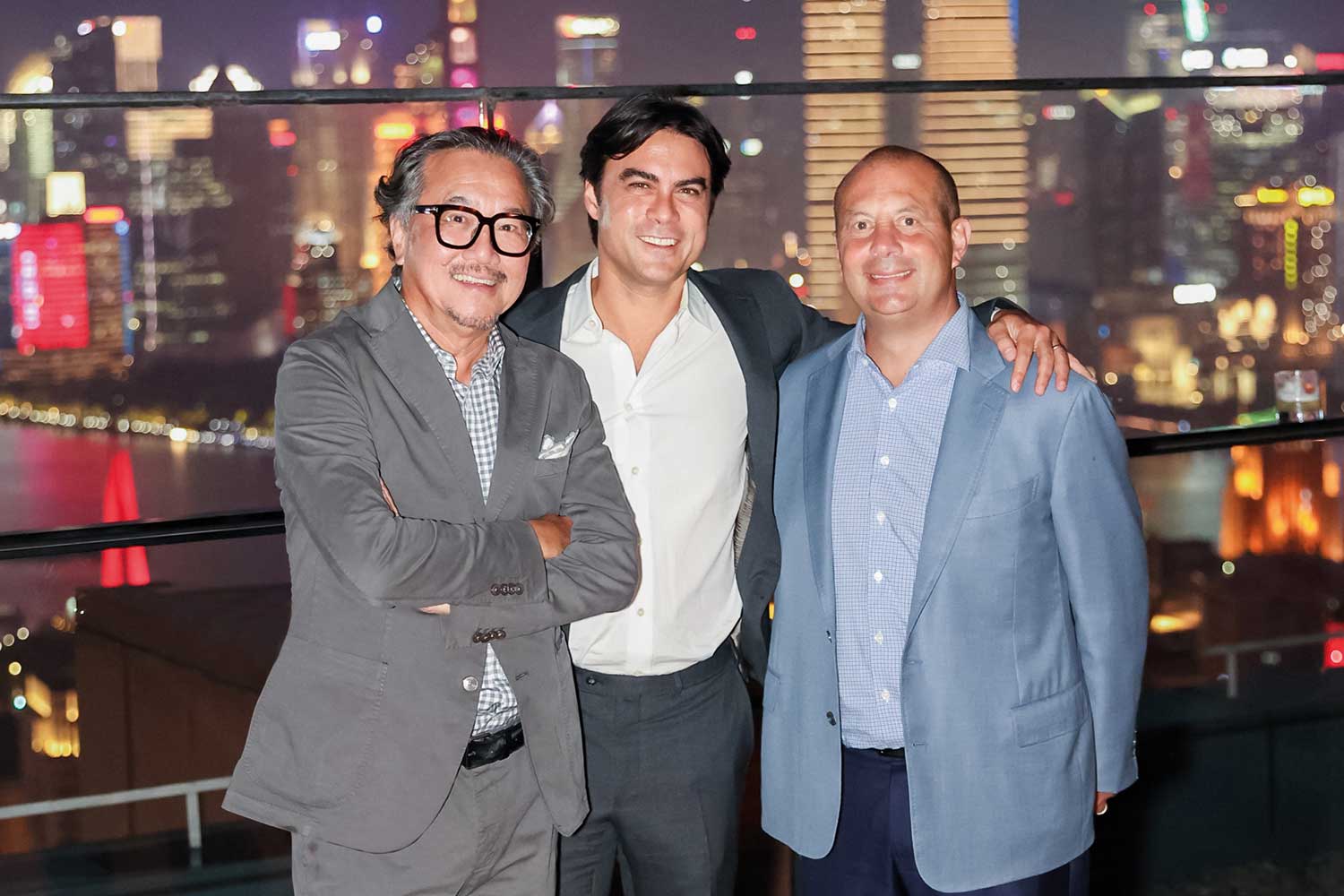
WatchBox founders Tay Liam Wee, Justin Reis and Danny Govberg
The Banker and The Ideas Man
John entered the story from outside both the family and the watch industry. After graduating from college in 1988, he joined a commercial bank in Philadelphia and inherited Govberg Jewelers as a client. Danny needed financing; John helped arrange it. Business developed into friendship.
In 1993, John was preparing to leave the bank and attend business school while his wife began her legal career. When he visited clients to tell them he was leaving, Danny invited him to dinner and persuaded him to work with him instead. “It was a really good dinner,” John recalls. “I was only eating turkey sandwiches at the time, so it was probably the first good meal I had had in years.”
Danny had recognized someone who could impose form on his ideas. John saw an entrepreneur willing to share the opportunities he created. Looking back, John argues that one aspect of Danny’s character has often been missed.
“Anybody that’s ever been in business with or partnered with Danny in any way, shape or form would always say that, despite the fact that he was pushing, pushing, pushing, he was always very fair,” John says. “Everybody gets a chance to win.” For John, it meant joining a family business with a long history while still having the freedom to build something of his own within it.
During the second half of the 1990s, Danny and John acquired jewelry businesses around the United States. John describes the period as a quieter rehearsal for what would eventually become The 1916 Company. In 1999, they established their partnership with Radcliffe Jewelers. “That’s how we came to buy Radcliffe,” he says.
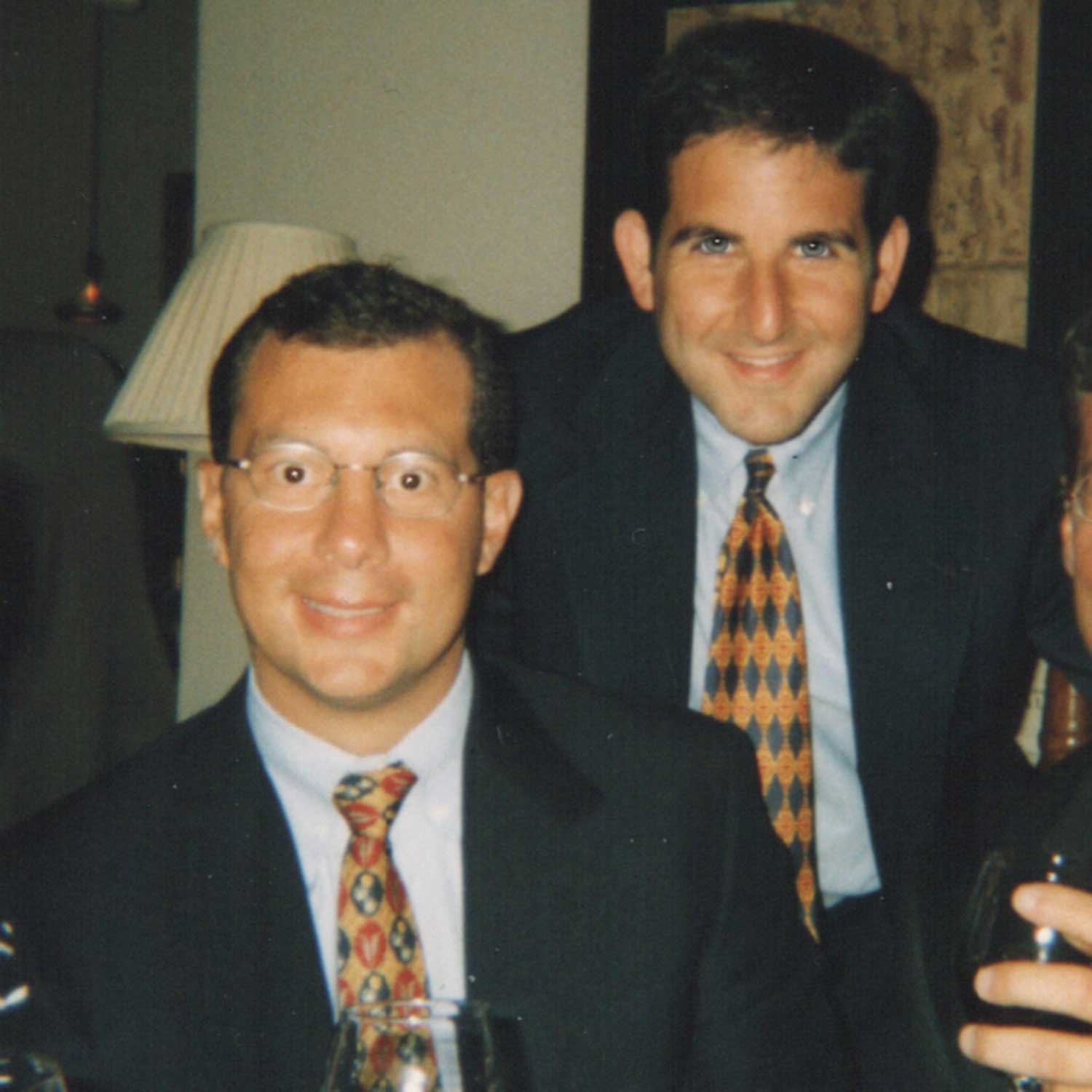
John and Danny in the 1990s
Radcliffe Jewelers was founded by Paul Winicki in Towson, Maryland, in 1983. When the wider group of stores was sold, John expressed interest in further developing the Radcliffe business, and in 2002 relocated to Baltimore to lead its next chapter — with Winicki as a partner. “The three of us were partners together in that business.” Radcliffe gave John the territory that watches had once given Danny: it allowed him to establish his own authority and create a family retail business of his own, while remaining connected to Danny. Winicki remains an important part of the Baltimore fabric today.
A New Kind of Watch Retail
The two men continued to challenge the conventional watch retail model from different positions. Danny never understood why authorized retailers treated new and pre-owned watches as separate worlds. From the customer’s perspective, someone buying a new watch might reasonably expect to trade an old one towards it. “Why shouldn’t they,” he says. “It just made sense to me.”
Govberg began offering new and pre-owned watches, trade-ins and outright purchases under one roof. Danny also developed ways of reaching customers beyond the physical store through national advertising, telephone sales and, later, the Internet. “We had 40 brands, one door and pre-owned,” he recalls. “You could sell us your watch, buy a new watch or buy a pre-owned watch. Anything you wanted to do, you could do with us.”
WatchBox launched as a standalone business in 2017, but Danny says its roots go back much further. Govberg had already been buying and selling pre-owned watches for years, and separating that side of the business gave it more freedom to advertise, expand internationally and establish its own identity. “WatchBox wasn’t created; it was already there,” he says. “It was inside Govberg, so Govberg just split.”
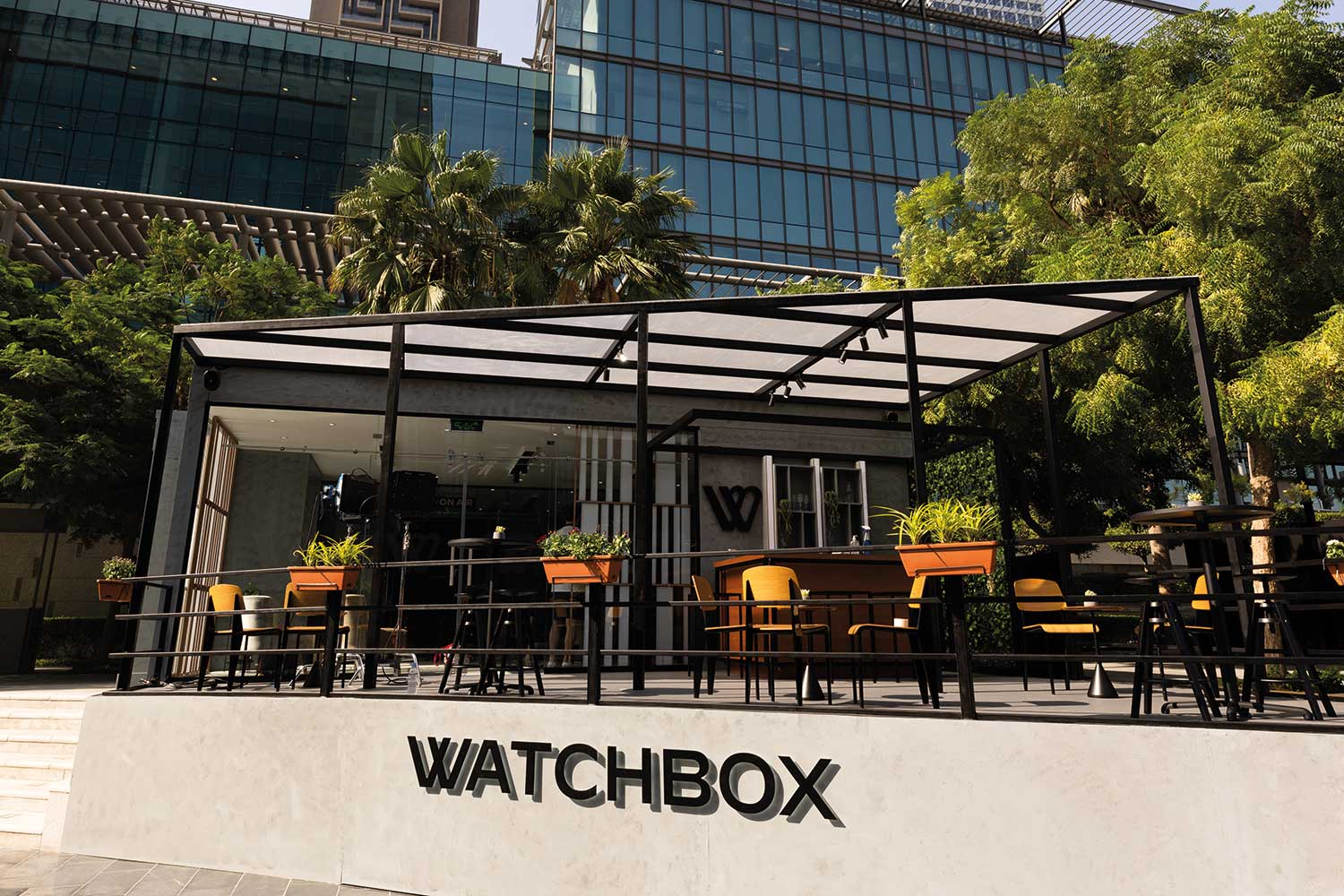
The WatchBox lounge at Dubai Watch Week
Danny wanted WatchBox to be useful even when nobody was buying anything. Collectors could log what they owned, see what it was worth and follow the market, while the company poured money into video because he believed that was how trust would be built online. “I thought that when people were going to the Internet, the first phase of getting people to trust you was learning,” he says. “So I wanted to be in the learning business.”
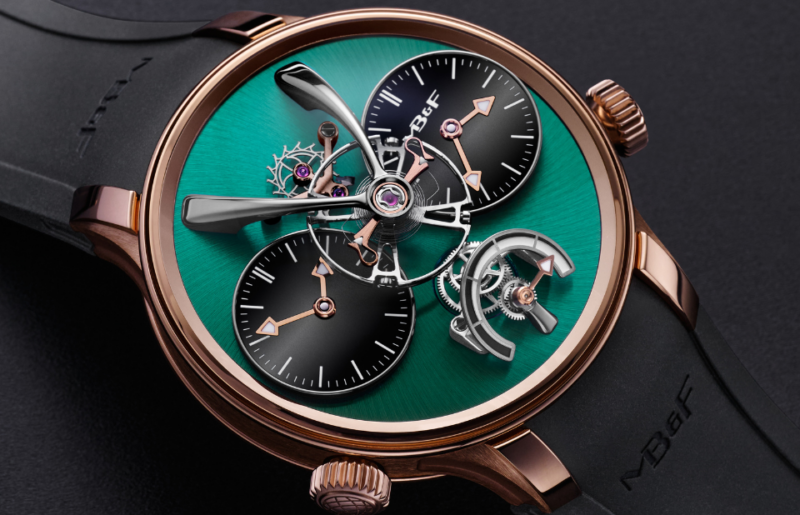
He calls it “personal commerce.” A collector might watch a video, visit the website, call someone at WatchBox and, much later, turn up in a store. Independents slotted perfectly into that world — small makers that needed an introduction and explanation before most clients would consider buying one. Danny concentrated on makers who produced at low volume, had a unique look and were still closely involved with the watches bearing their names. “They were gorgeous, they were priced right and they were super rare,” he says. “We just had to convince clients to like them, which we did.” Comparing Watchbox’s role to that of a gallery introducing an artist to the wider public, he concludes: “We brought the genius to other people.”
Four Businesses, One Name
By the early 2020s, however, the business was operating under several different identities. Govberg remained the name associated with authorized retail, while WatchBox, founded in 2017, handled pre-owned watches. Radcliffe was the Shmerler family’s Baltimore operation, while Hyde Park, founded in Denver in 1976, gave the group a presence in the western United States.
The idea of uniting the businesses under one umbrella began in 2021. Radcliffe and Hyde Park joined the group in 2023. Around the same time, Rolex was developing its Certified Pre-Owned programme, further blurring the divide between new and pre-owned watches. “All these years we’d been talking about the intersection of primary and secondary,” John says. “Well, here it was. It literally presented itself to us when Rolex said what they were going to do.”
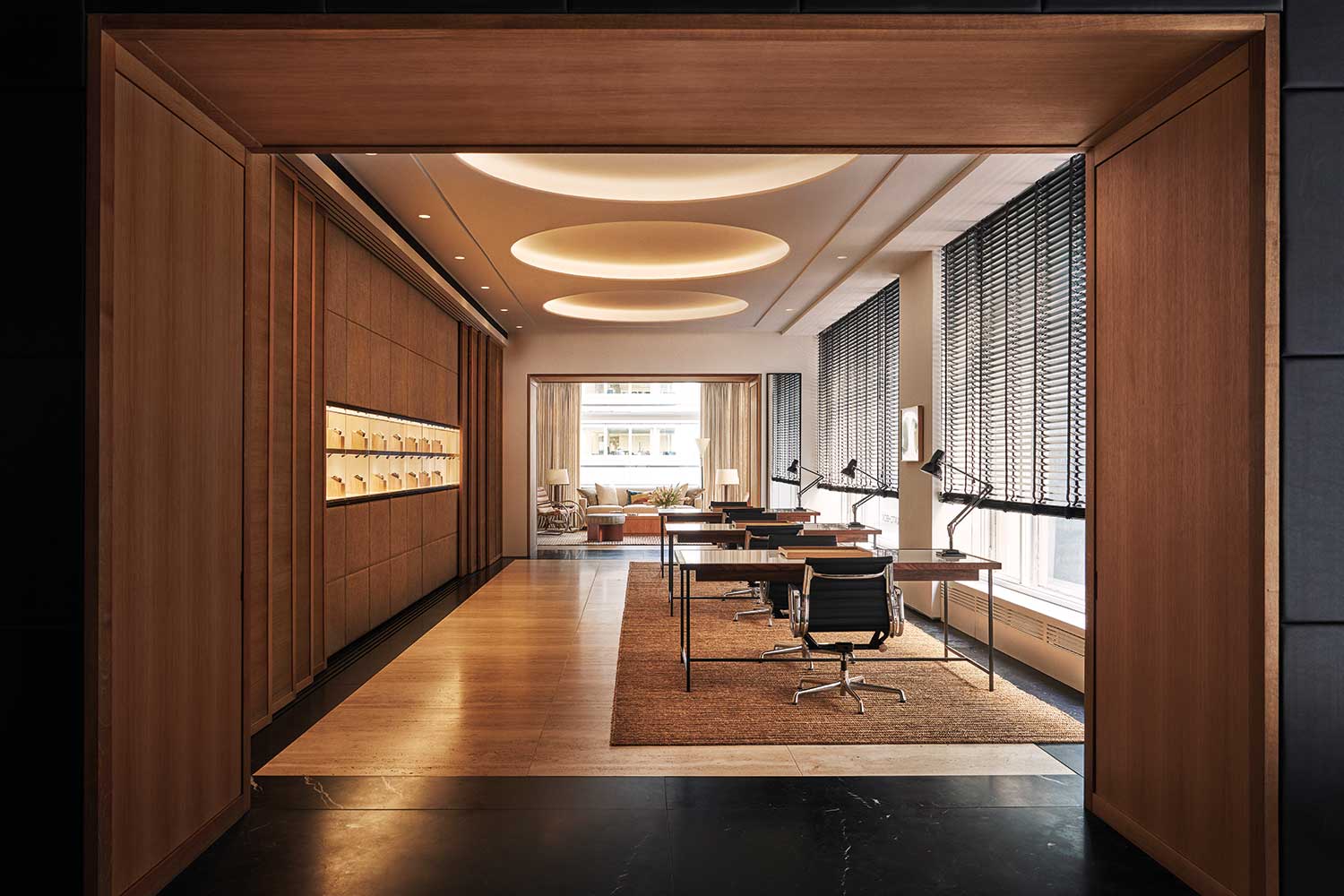
The 1916 Company Collectors Lounge in New York City
Once the businesses were operating together, their separate names began to obscure the breadth of the organization. They considered numerous alternatives before returning to the first suggestion: 1916. The date preserved the oldest part of the history without requiring every other business to sit beneath the Govberg surname. Using 1916 kept the link to the oldest business in the group without making the others operate under the Govberg name. Danny calls the result a “110-year-old start-up” and says he had no great difficulty letting the family name go. “The story still lives on,” he says. “At the same time, it lets lots of others in.”
That is the premise that The 1916 Company is built on. Govberg provided the date, but Radcliffe and Hyde Park each came with long histories of their own, as well as clients and employees who had been with them for decades. John’s family had its own place in the Radcliffe story, just as the Govbergs did in Philadelphia.
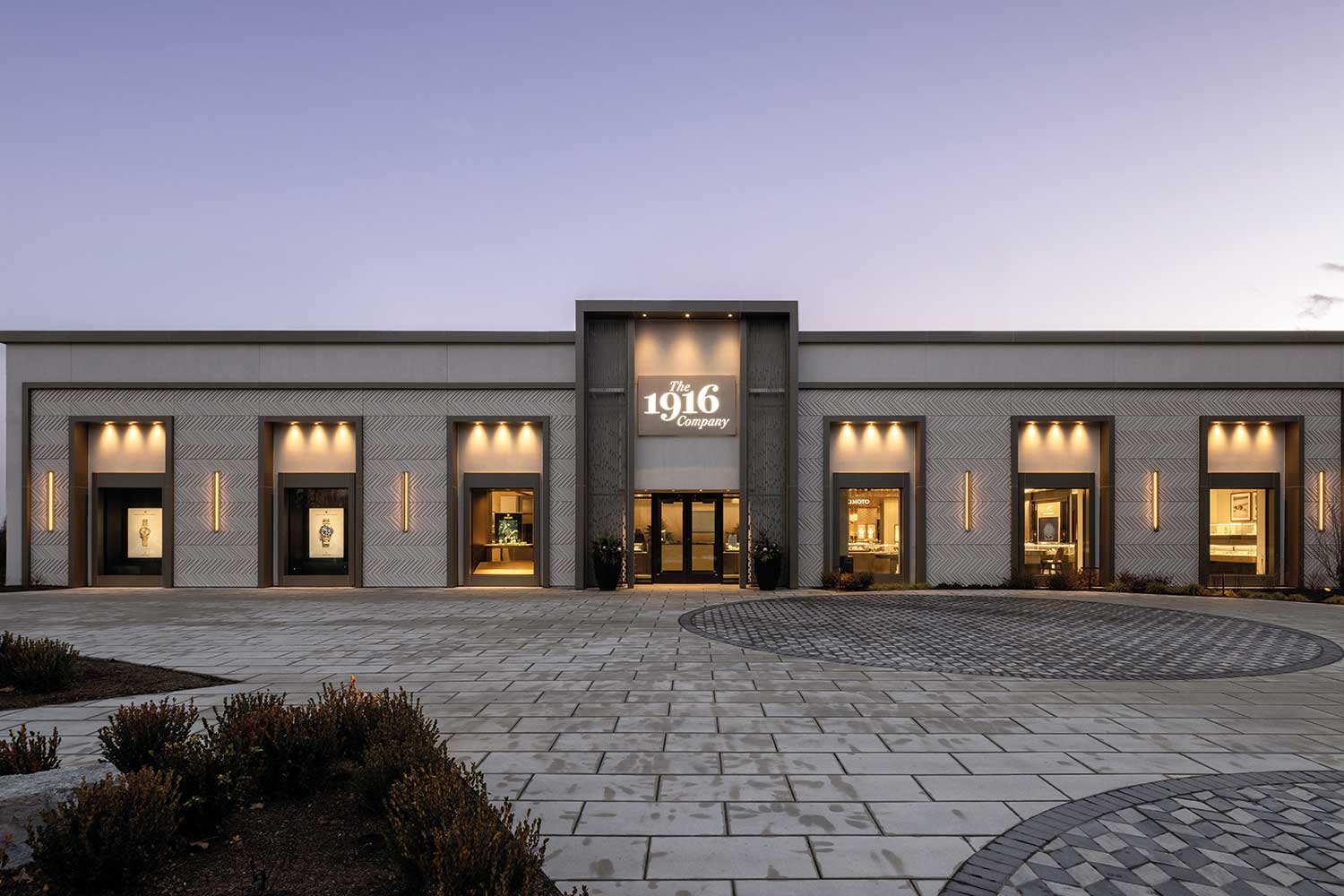
The 1916 Company Ardmore
Making The Merger Work
Uniting four businesses under one name was never going to be easy. Each had its own working system and culture. John remembers that even asking someone who had spent decades with one company to give up an old email address could be surprisingly difficult. “Outsiders look at it and say, ‘You changed the name on the stores and put up signs,’” he says. “But to get people to give up something, when they were in one of four companies, to give up that piece of themselves, took a lot of change management.”
John’s job as Chief Executive has been to make the combined business work without losing the relationships that had been built locally over many years. He talks a lot about service, an area he thinks the watch industry has not always handled well. A customer can spend a large sum on a complicated watch without anyone really spelling out its future servicing needs and their costs. Rolex Certified Pre-Owned made the company look much harder at that side of the business, since every watch had to be inspected, serviced and brought up to the required standard.
“We’ve put a lot of our resources, time and energy into becoming a much better service-oriented company when it comes to fixing watches than we ever had prior,” John says. Rolex helped push that change, but John also sees it as part of the responsibility of being a retailer. He wants customers to come back years later and still feel that The 1916 Company is looking after them.
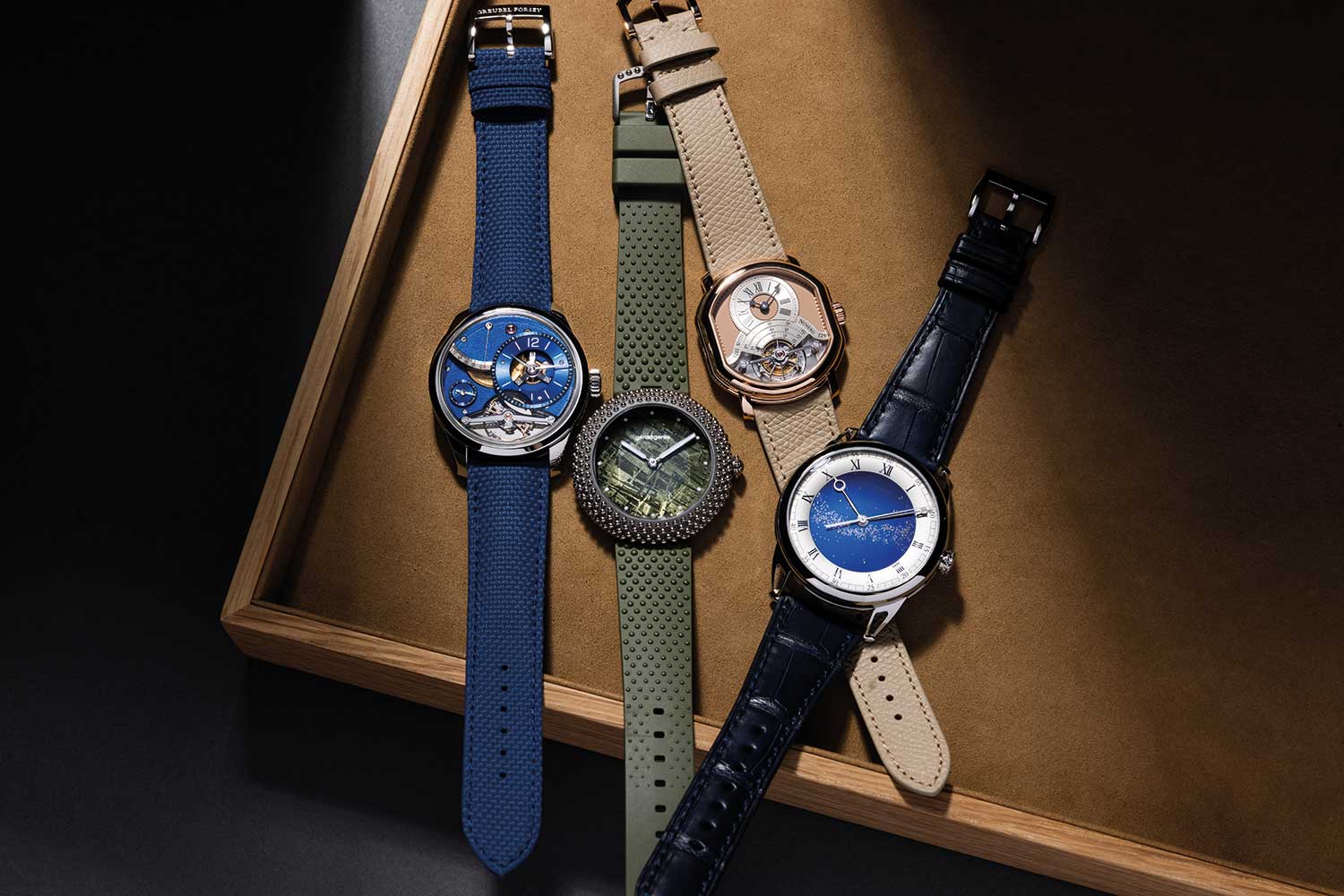
Discovering the Indies: Greubel Forsey, Gérald Genta, Daniel Roth and De Bethune
John’s final words are a tribute to a partnership that has stood the test of time: “I started my career in this industry with him,” he says of Danny. “I had a period where I was really pretty much on my own for a while, and now I get to end it with the two of us working together. It’s a great full circle.”
For all the acquisitions, rebranding and international expansion, that may be the most revealing description of The 1916 Company. Danny inherited one family business and spent four decades making room inside it for other people to build something of their own. John was one of the first. By 2026, he was running the company.
You may also like
Editorial
Hublot Hits Rewind
Oct 15, 2026
Editorial
Hublot Hits Rewind
Oct 15, 2026
Editorial
The Cartier Roadster: On The Road Again
Oct 9, 2026
Editorial
The Cartier Roadster: On The Road Again
Oct 9, 2026
Editorial
The Long View with Alex Rosenfield, Urban Jürgensen
Oct 8, 2026
Editorial
The Long View with Alex Rosenfield, Urban Jürgensen
Oct 8, 2026