50th Year of the Automatic Chronograph: Race to be the Best
Premium Tickers
At the turn of the millennium, the jolly green giant that we know as Rolex introduced its first in-house, column wheel, vertically-coupled chronograph calibre, the 4130. It was a notable and important move as prior to this, the Zenith El Primero movement (in Rolex lexicon, the calibre 4030) had powered the chronograph watch. The earliest models of the Cosmograph Daytona were fitted with a hand-wound Valjoux 72, but by 1988, automatic chronographs were a common sight.
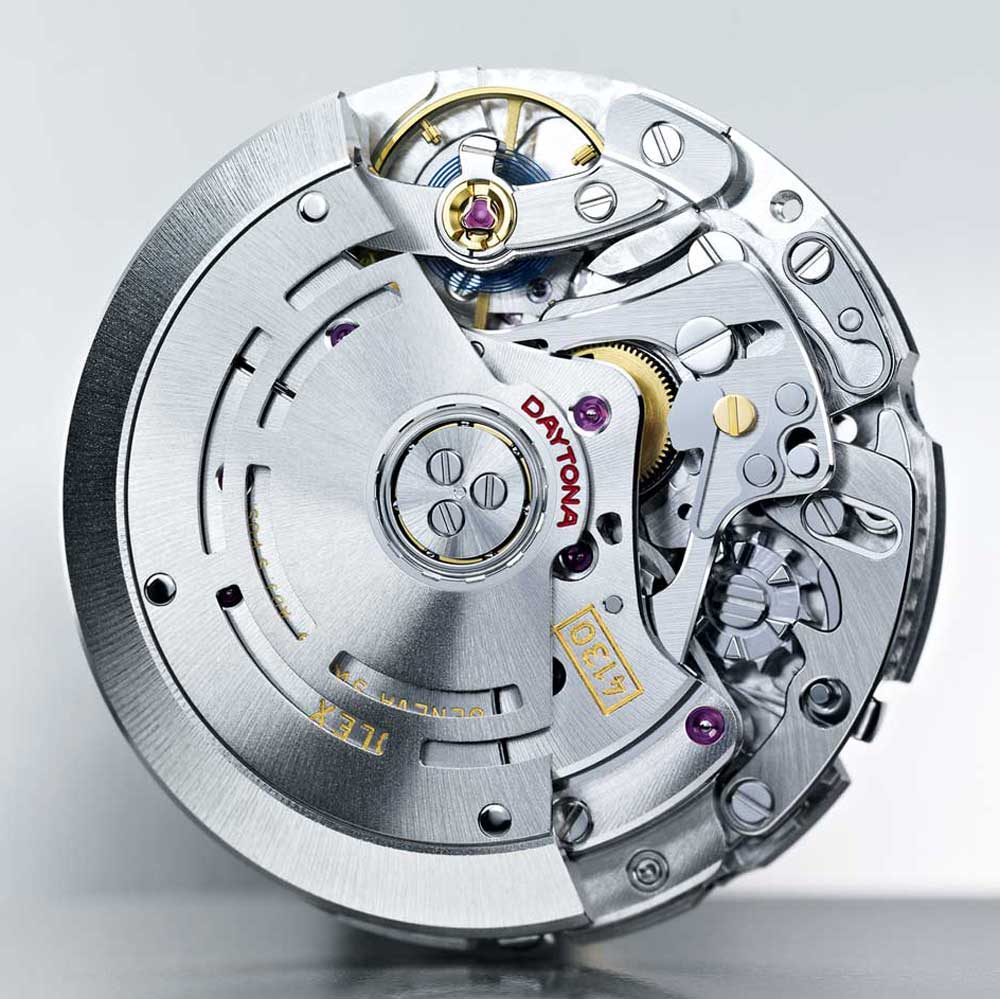
Rolex cal. 4130 in-house movement
A third reason was that Zenith could not keep up with Rolex’s demand for movements. The growth of Rolex and demand from consumers outstripped all supplier capabilities. Daytona demand had surged and waiting lists extended to years — a situation that’s not unfamiliar today.
What’s exciting about the calibre 4130 was that Rolex designed it with a specific intent: to create a great chronograph with as few components as possible, and with a new hairspring, the Parachrom. This meant, in real terms, a slimmer and leaner chronograph watch, and a record for creating a chronograph with one of the fewest components then at 201 components.

Rolex Daytona ref. 116500LN driven by the cal. 4130
Rolex’s move spurred others into developing improved in-house calibers as well. After all, chronographs come with numerous design and development challenges, from having to deal with coupling “bounce” to flyback dampening, as well as timekeeping accuracy when the chronograph is both activated and ambient.
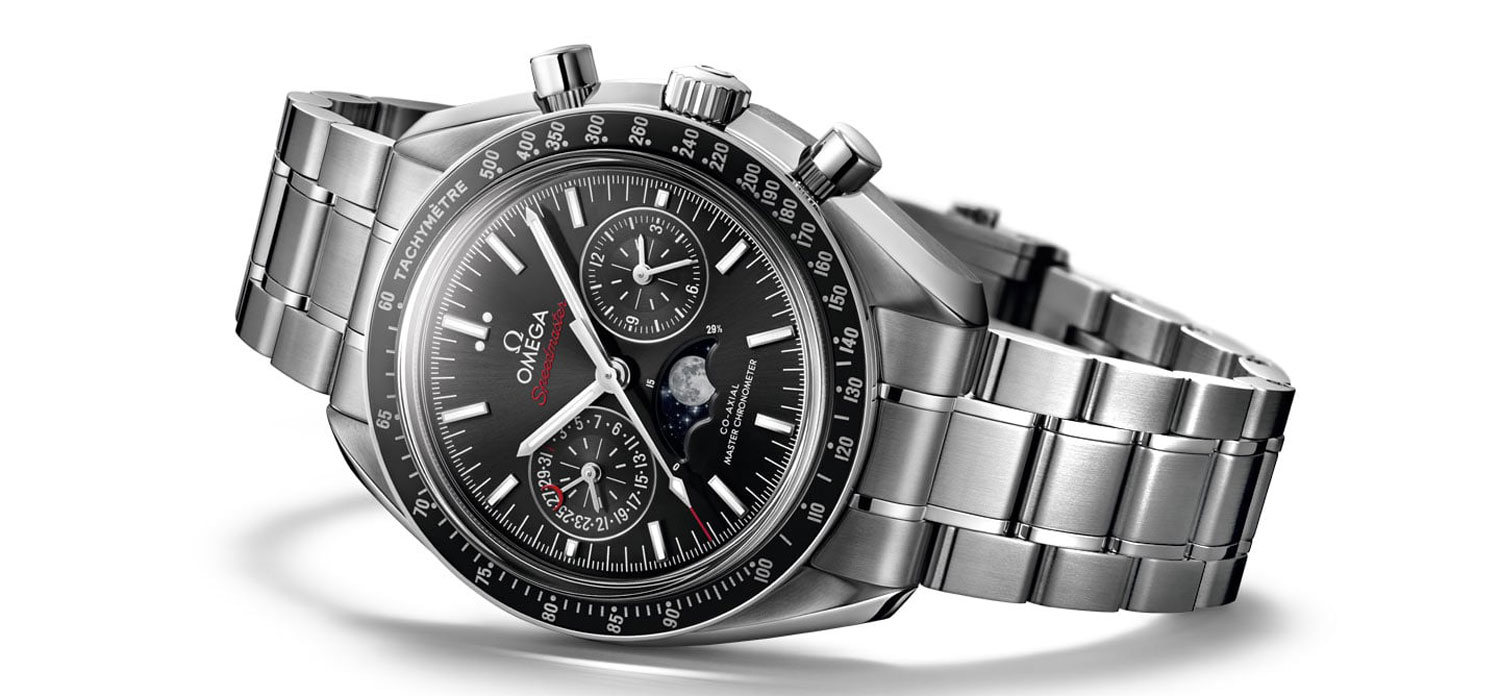
Omega had begun making bigger and bigger waves during this period, in part due to its successful serial production of George Daniels’ co-axial escapement into an automatic caliber 2500, but also because of its success in expanding its renown via the Bond franchise. It was also focusing on developing its know-how in watchmaking (backed by ETA SA, naturally) and while the Lemania-based calibre 1861 was well-recognised as a performer, it wanted to deliver a chronograph with a co-axial escapement as well, which would benefit the end-user in multiple ways.
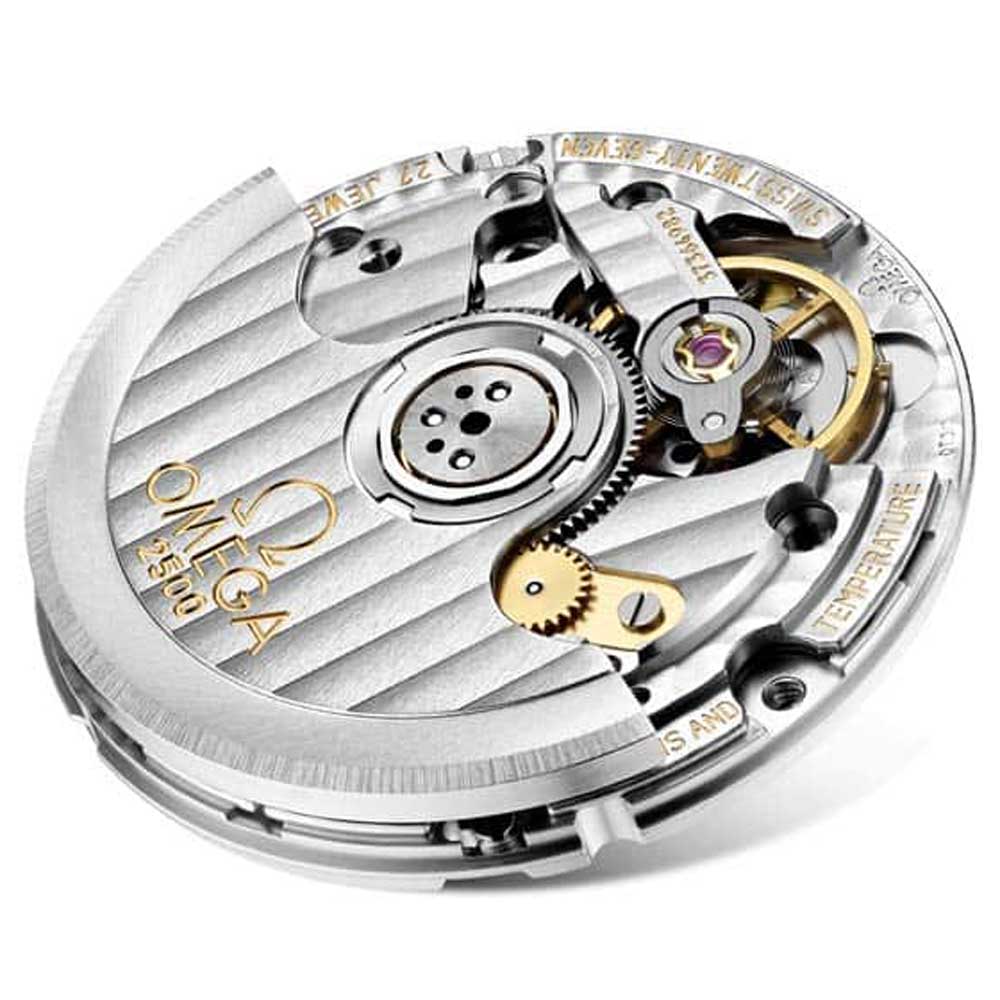
Omega cal. 2500
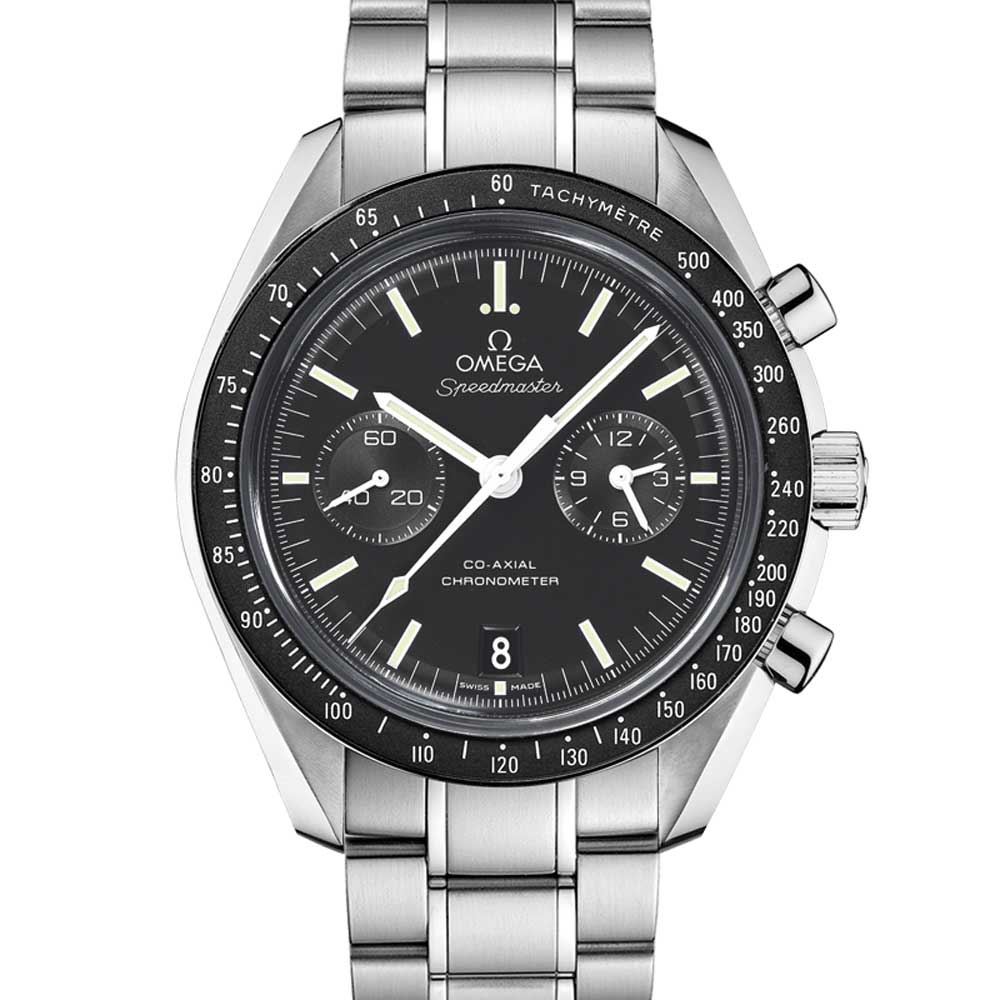
Omega Speedmaster Co-Axial Chronograph driven by the cal. 9300

Omega Planet Ocean Co-Axial Chronograph driven by the cal. 9300
Another watchmaker that took the in-house development to heart was IWC. The Schaffhausen-based brand began to develop its movement production capacities seriously during this last decade, and in 2016, it released its caliber 69000 series of chronographs. Since the movement was designed to functionally reduce the brand’s reliance on ETA-supplied movements, it was based to some extent on the Valjoux 7750 in order to minimize design changes to cases so that a smooth transition could be carried out.
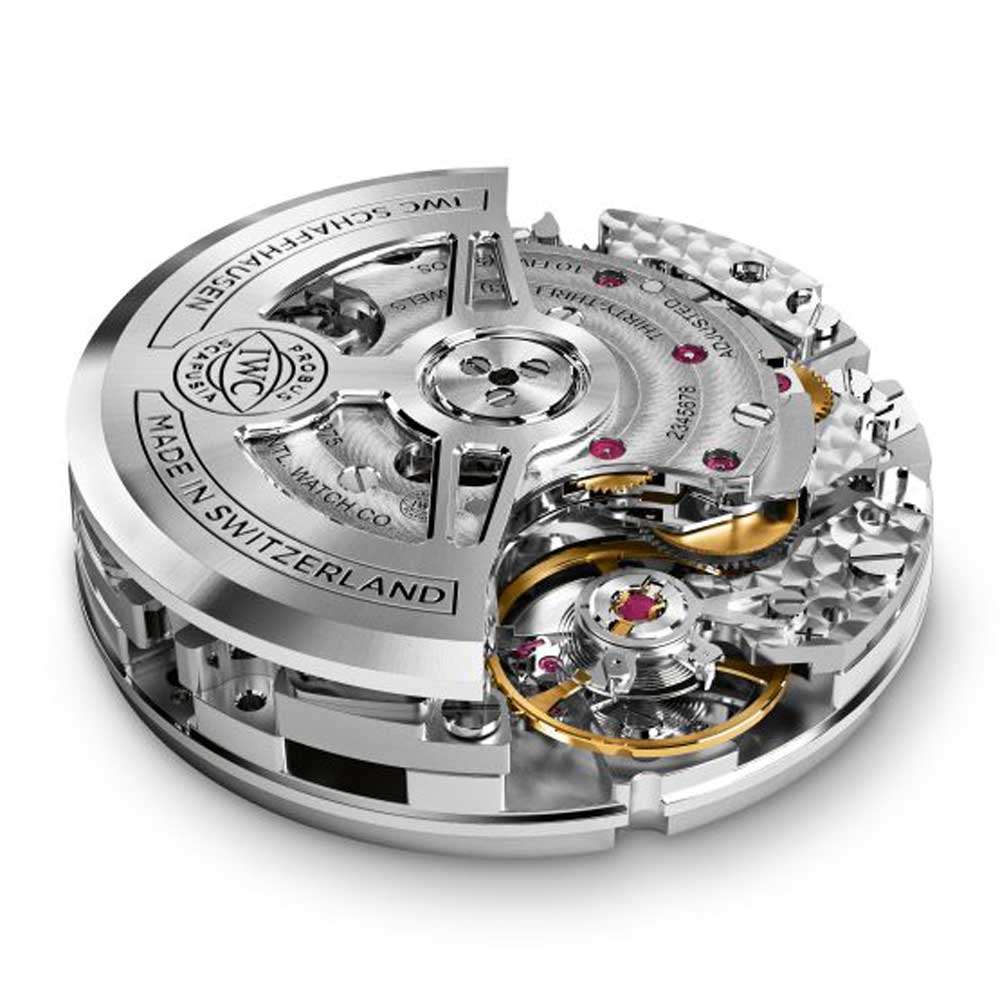
IWC cal. 69000
The three counter design is found in the 69370 (now 69375) caliber, with a small hacking seconds at 6 o’clock, and hour and minute totalizers at 9 and 12 respectively. A date window at 3 adds to the dial. The 69355 caliber ditches the date and hour totaliser for a cleaner design and format. It does one better than Rolex’s calibre 4130 with 200 components; however, it does have a shorter power reserve.

IWC Portugieser Chronograph Edition “150 Years” driven by the cal. 69355
• 50th Year of the Automatic Chronograph: Who Came First?
• 50th Year of the Automatic Chronograph: The Second Wind
• 50th Year of the Automatic Chronograph: In the Age of Quartz
• 50th Year of the Automatic Chronograph: The Drive In-house

You may also like
Reviews
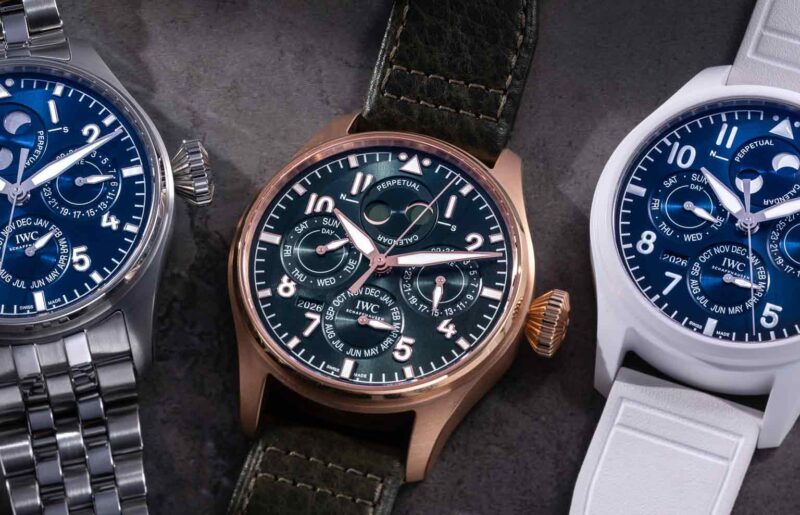
Up Close: IWC Big Pilot’s Watch Perpetual Calendar ProSet Le Petit Prince
Sep 23, 2026
Reviews
Up Close: IWC Big Pilot’s Watch Perpetual Calendar ProSet Le Petit Prince
Sep 23, 2026
Editorial
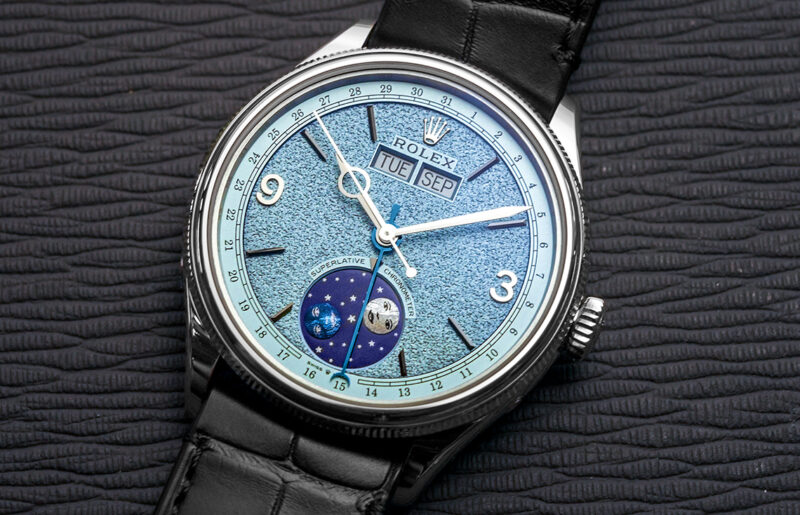
A Closer Look: Rolex Perpetual Padellone
Sep 22, 2026
Editorial
A Closer Look: Rolex Perpetual Padellone
Sep 22, 2026
Reviews
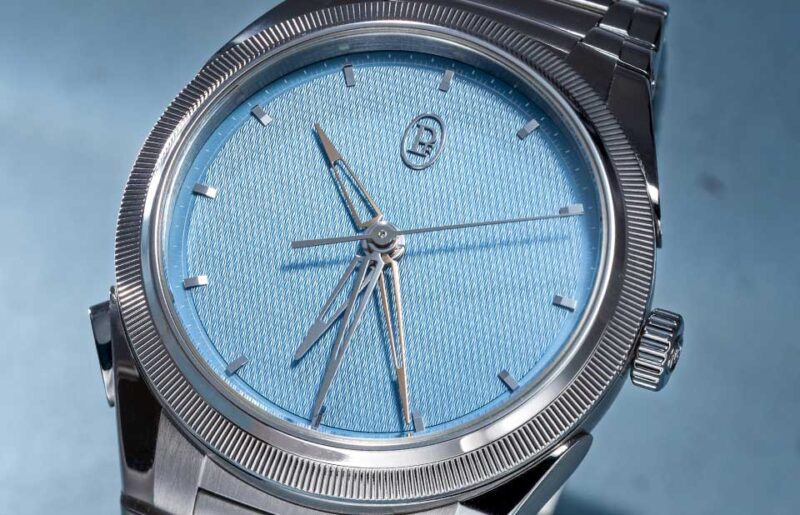
A Closer Look: Parmigiani Tonda PF Chronographe Mystérieux
Jul 14, 2026
Reviews
A Closer Look: Parmigiani Tonda PF Chronographe Mystérieux
Jul 14, 2026