


The Future of Independent Watchmaking
Editorial
The Future of Independent Watchmaking

Independent watchmaking is in the spotlight as collectors embrace the bold ideas and uncompromising craft of its leading makers, and watchmakers like Rexhep Rexhepi and Simon Brette enjoying superstar status. However it’s important to note that the independent artisanal watchmaking tradition is full of pioneers, innovators and champions. In a series of articles we’re going to the explore the OGs, the New Wave and the Rising Stars of one of the most exciting and important genres of watchmaking, and examine their impact on the broader industry. Today we look at the New Wave.
Sylvain Berneron
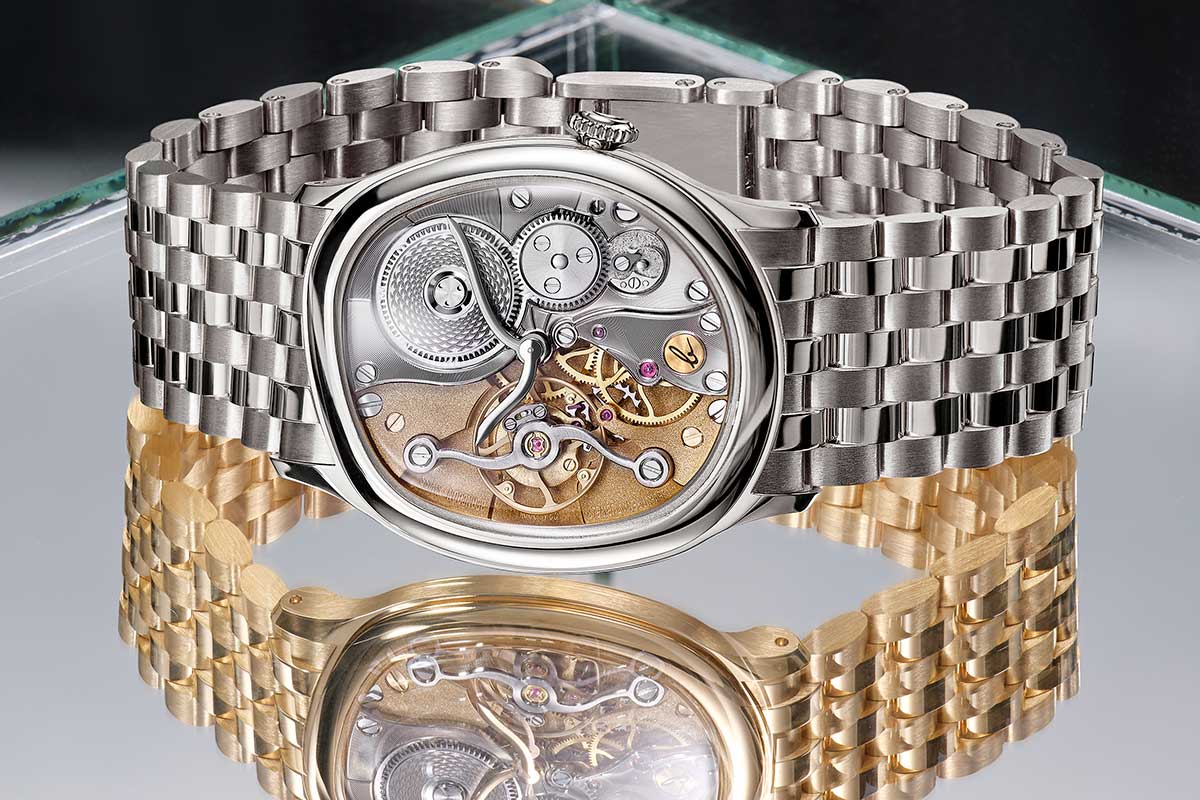
Before founding his own brand, Sylvain Berneron spent more than a decade designing watches behind the scenes, including roles at IWC and Breitling. His debut, the Mirage, immediately revealed a designer with a different approach to form. Rather than creating an irregular case by eye, Berneron used Fibonacci proportions and geometric constructions to define its shape, resulting in an asymmetrical profile that feels both organic and balanced. More importantly, the movement was designed around the case, making the watch a complete vision rather than simply a new exterior.

His second creation, the Quantième Annuel, takes a more classical direction with a round case and intuitive calendar display. Yet the same attention to design remains. Its annual calendar display is unusually intuitive, using two windows for the month and day-of-the-week disks, alongside a central retrograde date and a large jumping hour aperture. The result is cleaner and more interesting than most annual calendars, which often rely on small subdials. Together, the Mirage and Quantième Annuel reveal a designer equally comfortable with unconventional forms and traditional watchmaking codes.
-
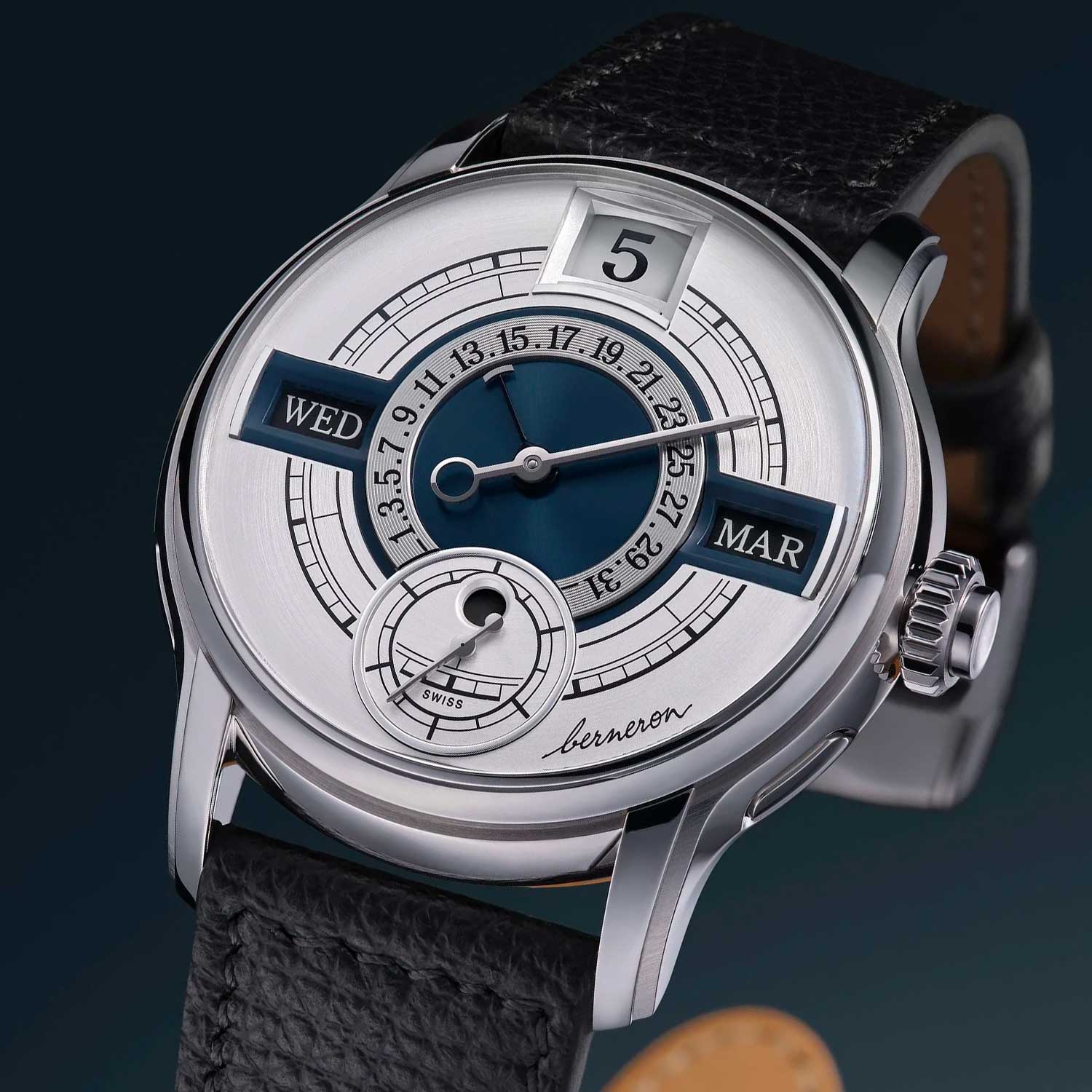
- Quantième Annuel Silver
-
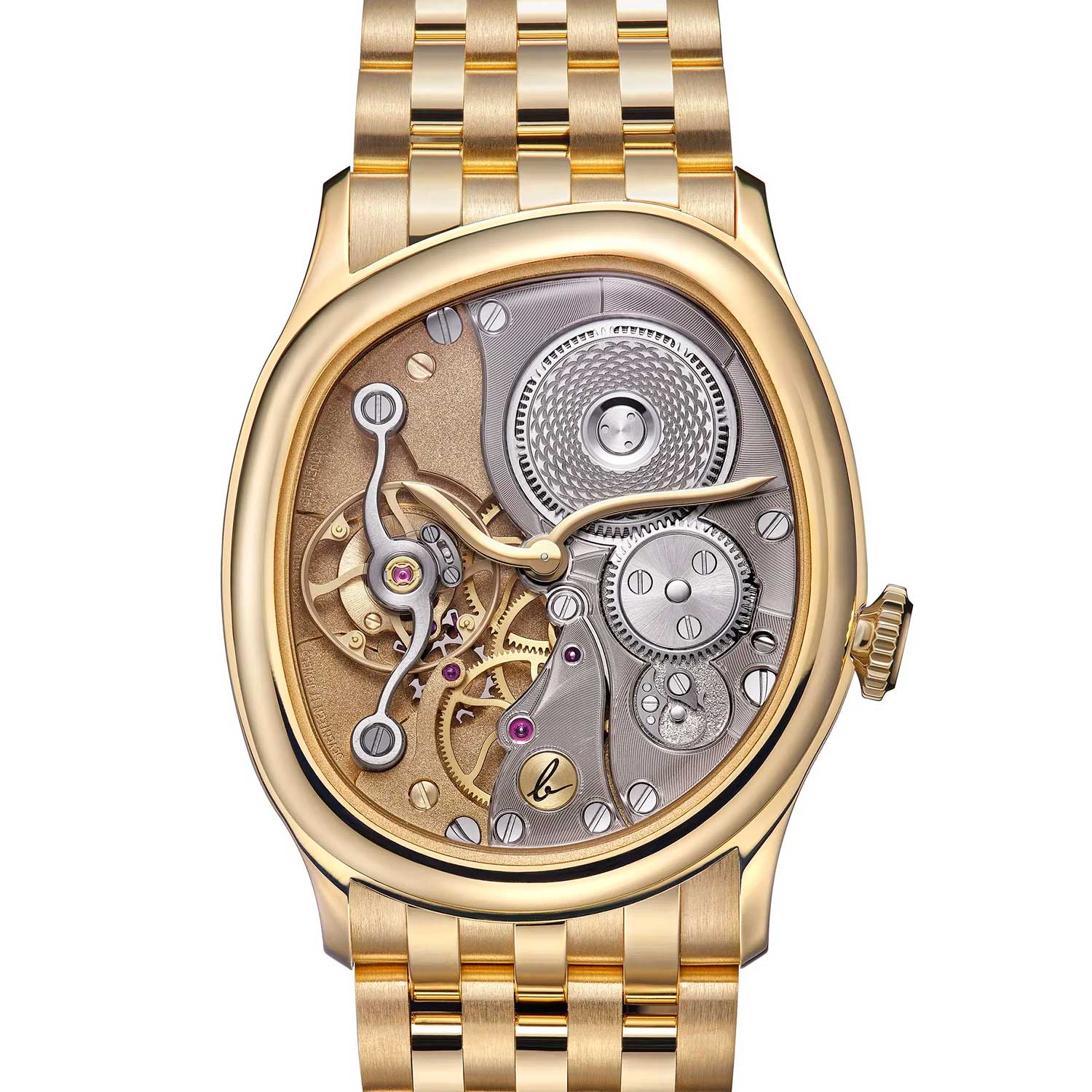
- Mirage Miroir Yellow 38mm
Takahiko Aigaki
After six years at Richemont’s Japanese service center, Takahiko Aigaki moved to Kari Voutilainen’s workshop in Switzerland, where he spent a decade mastering traditional movement construction and working with direct-impulse escapements. In 2024, he established his own workshop and unveiled his debut, the Direct Impulse Tourbillon, a watch that combines old-school craftsmanship with serious technical ambition.
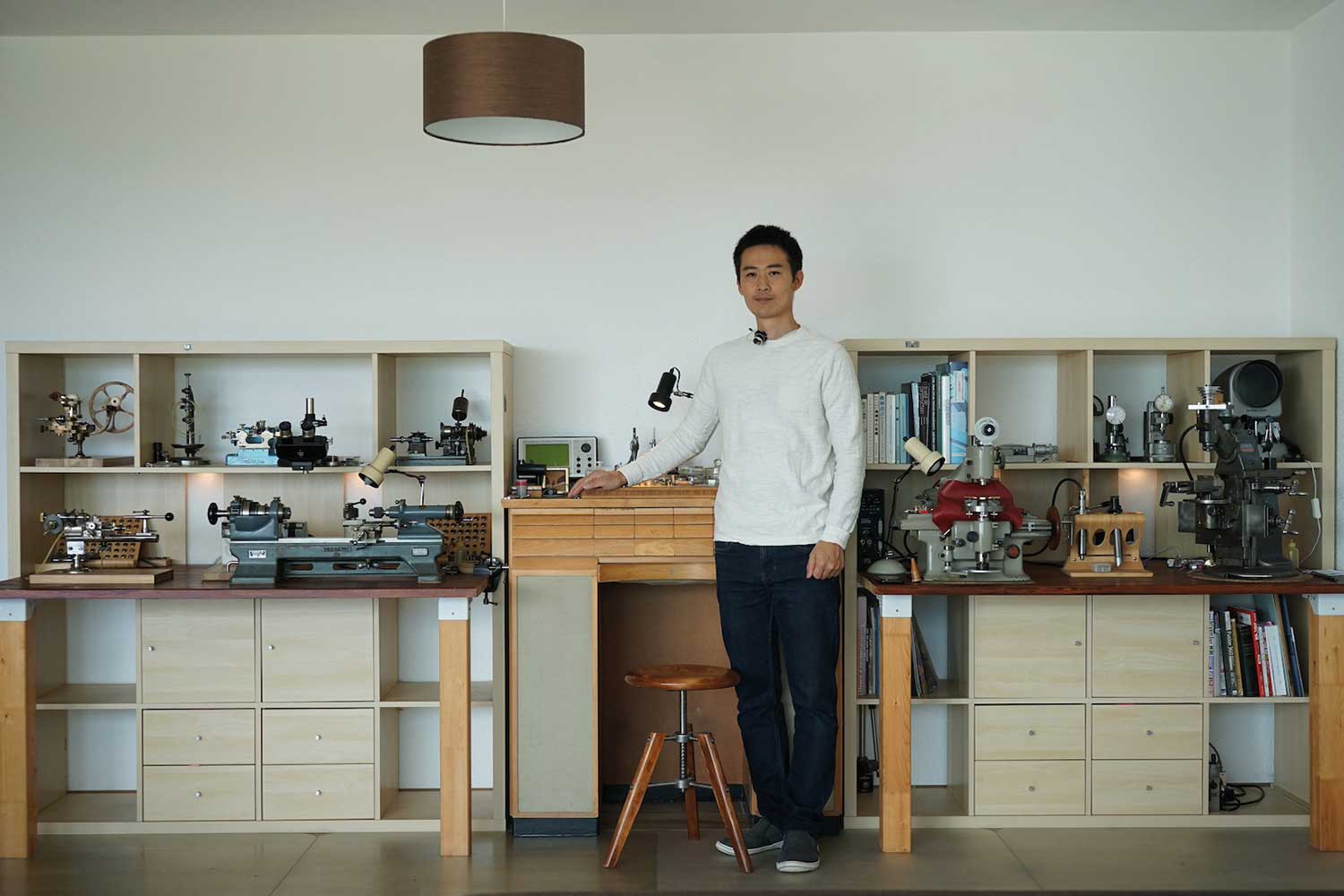
Takahiko Aigaki

Aigaki Direct Impulse Tourbillon
The watch is the first wristwatch to combine a tourbillon with a natural escapement, a long-standing ideal in chronometry that has proven difficult to realize. Aigaki developed his own symmetrical double-wheel design, yet presents this achievement with remarkable restraint. Beneath the simple dial lies a highly sophisticated mechanism, reflecting an approach focused less on visual spectacle and more on pursuing elegant mechanical solutions.

Aigaki developed his own symmetrical double-wheel design, yet presents this achievement with remarkable restraint
Mathieu Cleguer
Before creating his own watch, Mathieu Cleguer spent years developing movements behind the scenes. His early experience included working at De Bethune and Akrivia, where he contributed to projects such as the AK-06 and gained a deep understanding of movement architecture. Like many independent watchmakers, his decision to create his own piece came from a desire to pursue ideas that were difficult to realize within someone else’s vision.
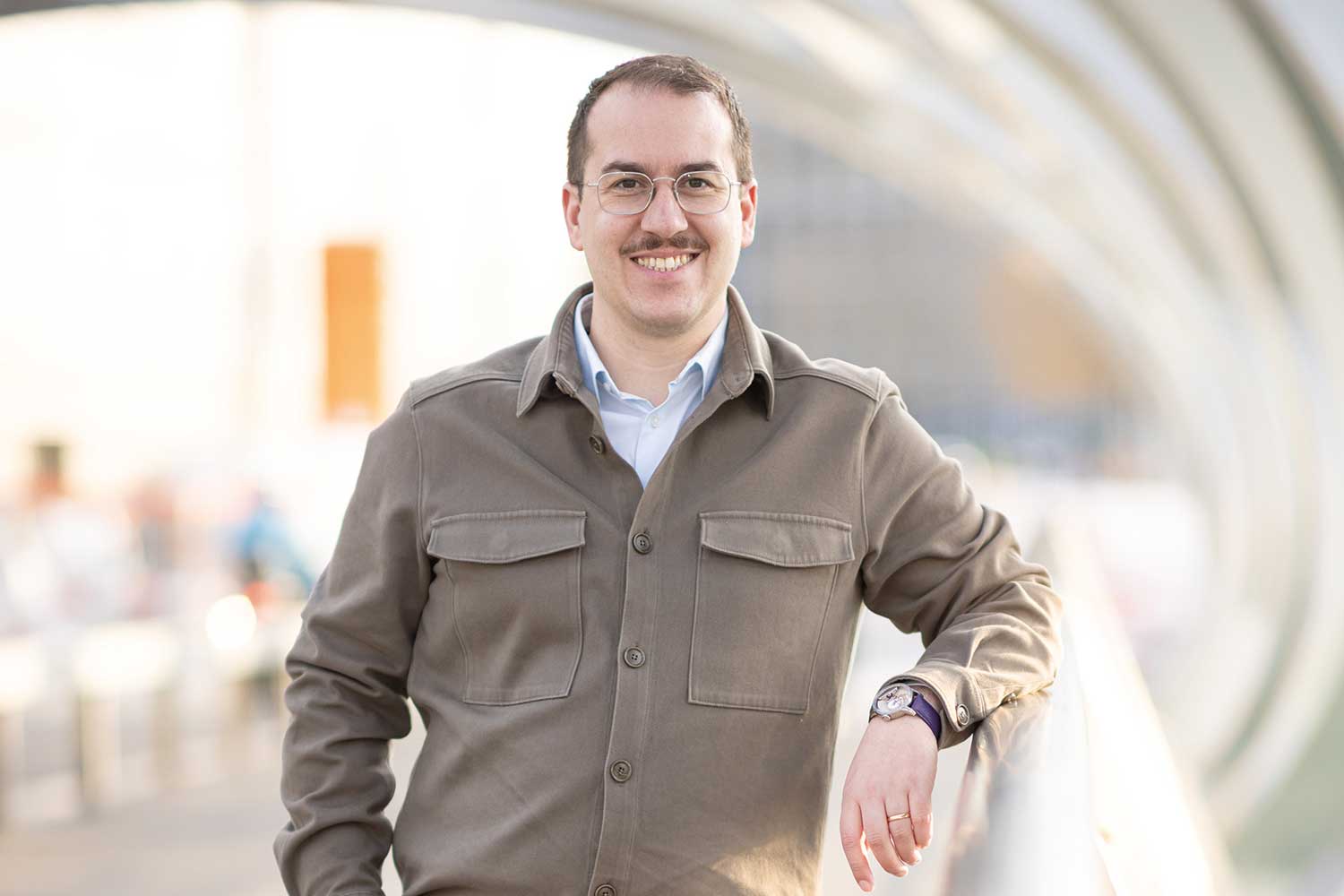
Mathieu Cleguer
The result is the Inspiration One, a time-only watch that is anything but conventional. Its defining feature is the Innate Escapement, a proprietary double-wheel escapement that reinterprets Breguet’s natural escapement while addressing one of its key limitations: the lack of a self-starting mechanism. Beyond the escapement, the entire watch reflects Cleguer’s architectural approach, with the movement itself becoming the dial, revealing the barrel, balance and escapement as part of the visual composition. What makes Cleguer interesting is not simply the ingenuity of his invention, but his ability to combine technical ideas with a refined aesthetic vision, creating something that feels closer to art than mere engineering.

Cleguer’s Innate Escapement
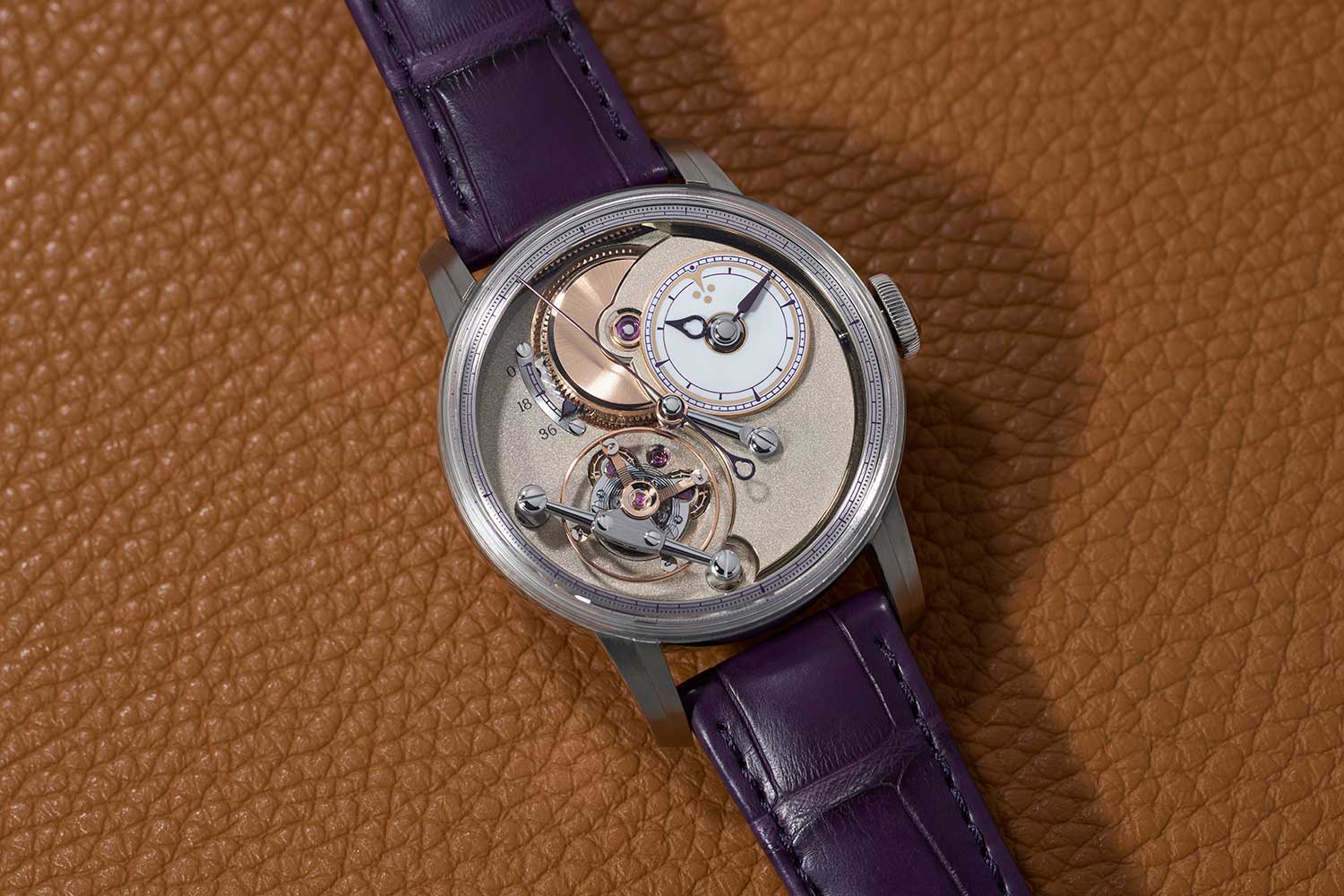
Inspiration One Souscription (Image: Atom Moore for Revolution)
Masahiro Kikuno
After studying watch repair at the Hiko Mizuno College of Jewelry, Masahiro Kikuno taught himself watchmaking primarily through George Daniels’ seminal book Watchmaking, which inspired him to build his first tourbillon in 2010. A member of the Académie Horlogère des Créateurs Indépendants (AHCI), he produces only a handful of watches each year, making nearly every component himself using traditional methods. His signature creation, the Wadokei, recreates Japan’s traditional seasonal timekeeping system, in which the length of each hour varied with the seasons. His latest Complication Inherit marks his first use of CNC machining after introducing the technology to both his own workshop and the watchmaking school where he teaches, while his signature Wadokei continues to be built entirely by hand.
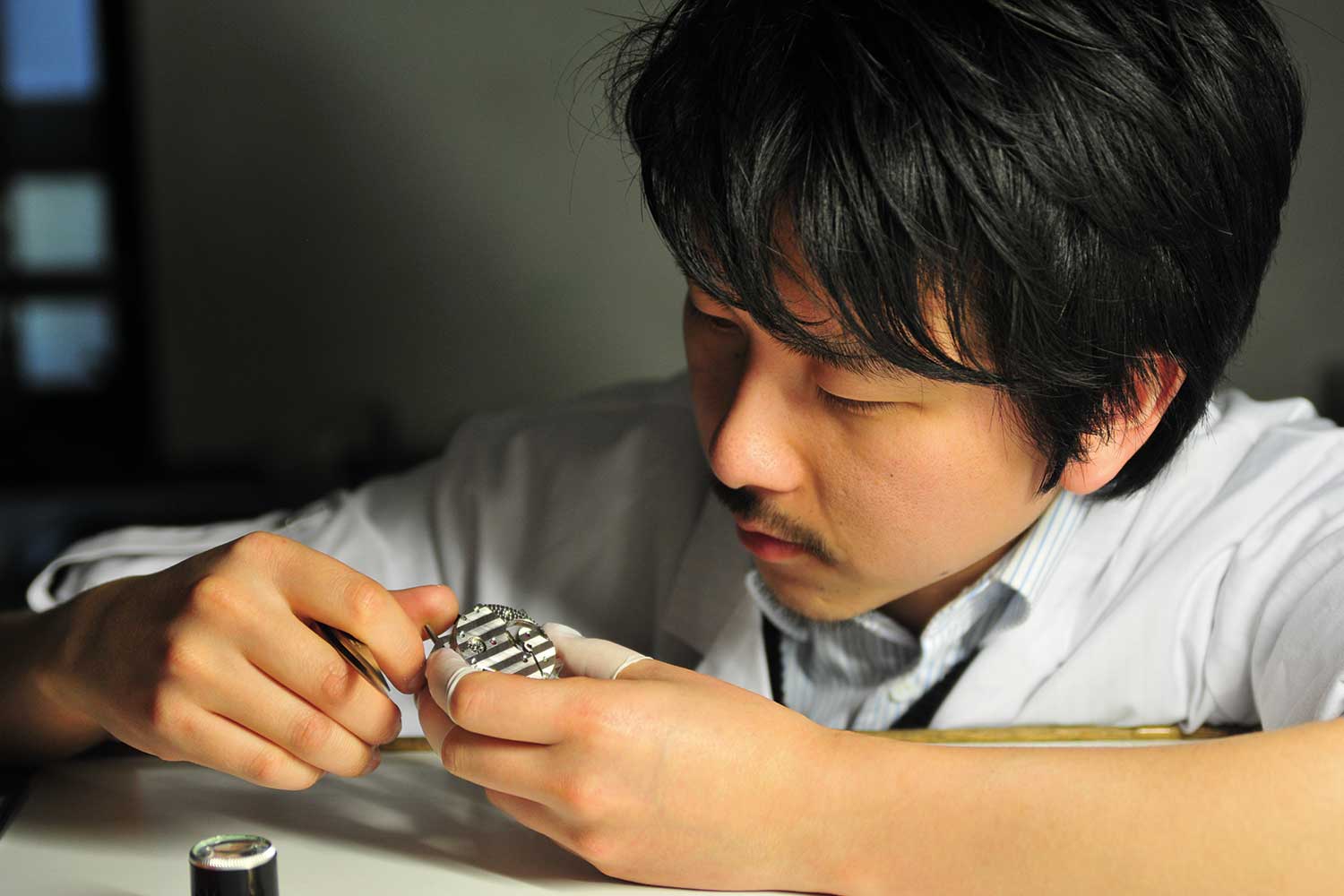
Masahiro Kikuno
-
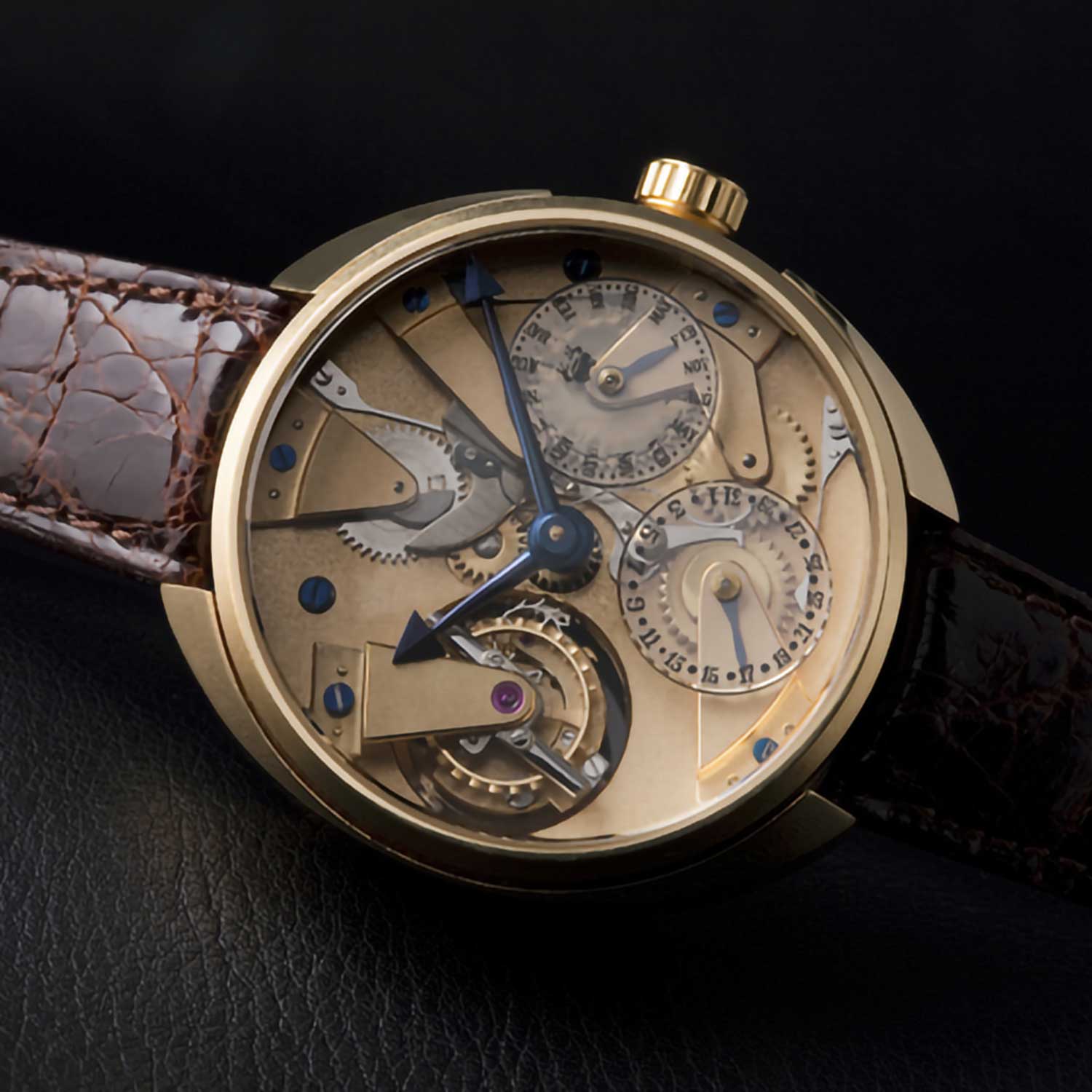
- Perpetual Calendar Tourbillon, 2011
-
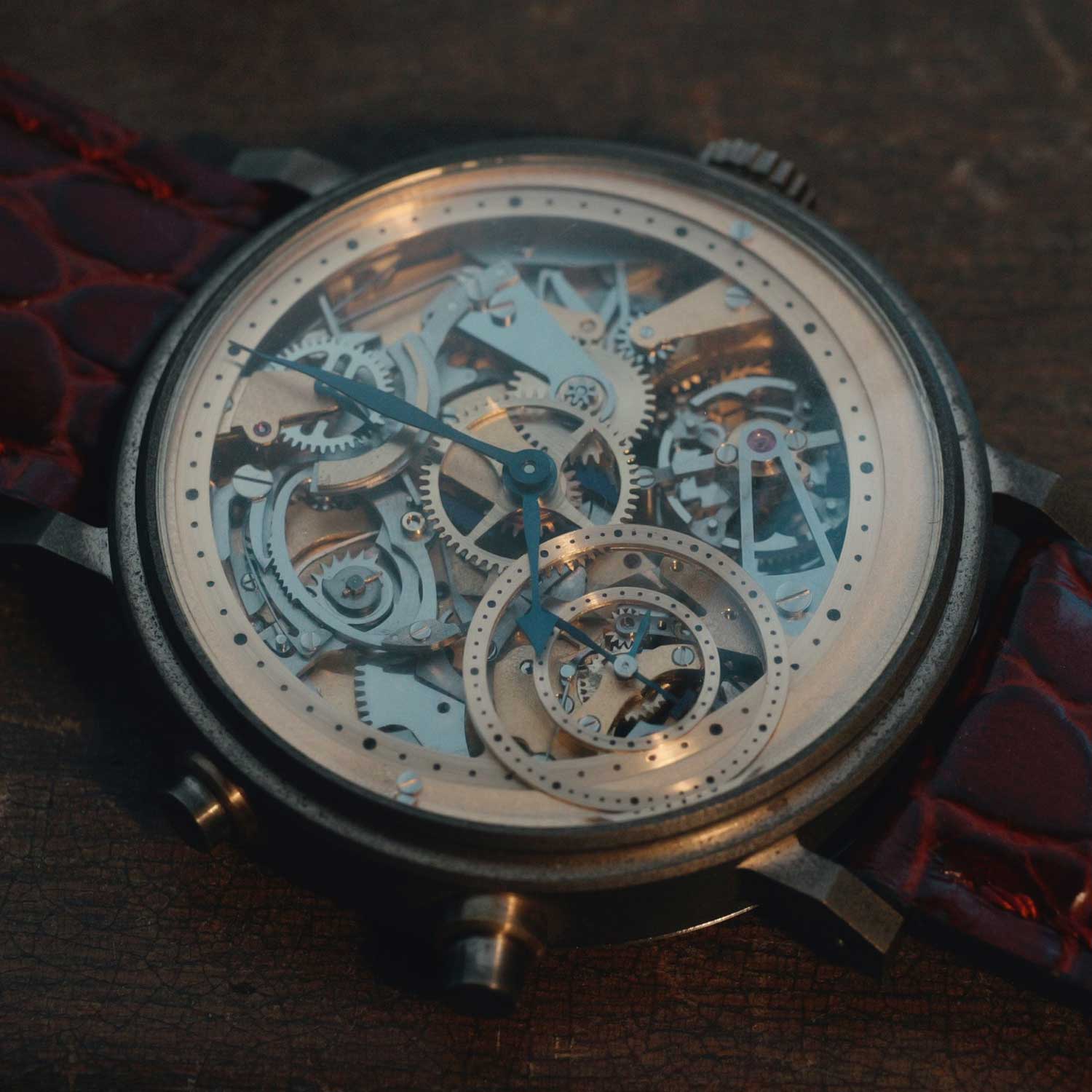
- Complication “inherit”, 2025
MGraver (Yang Shiming)
A passionate collector of vintage watches, particularly pocket watches, Yang Shiming had long dreamed of creating a watch that pays tribute to the great chronometers of the past. Well known among Chinese collectors and an active contributor to local watch forums, he had already built a chronometer wristwatch several years earlier, laying the foundation for his most ambitious creation yet: the Ventrallis.

Yang Shiming
A double-barrel tourbillon with a striking three-dimensional architecture, the Ventrallis is an impressive debut that earned a place among the 20 semifinalists in the 2025–2026 Louis Vuitton Watch Prize for Independent Creatives. More importantly, it establishes Mgraver as one of a growing number of Chinese independent watchmakers developing an original voice rather than simply following established conventions.
-
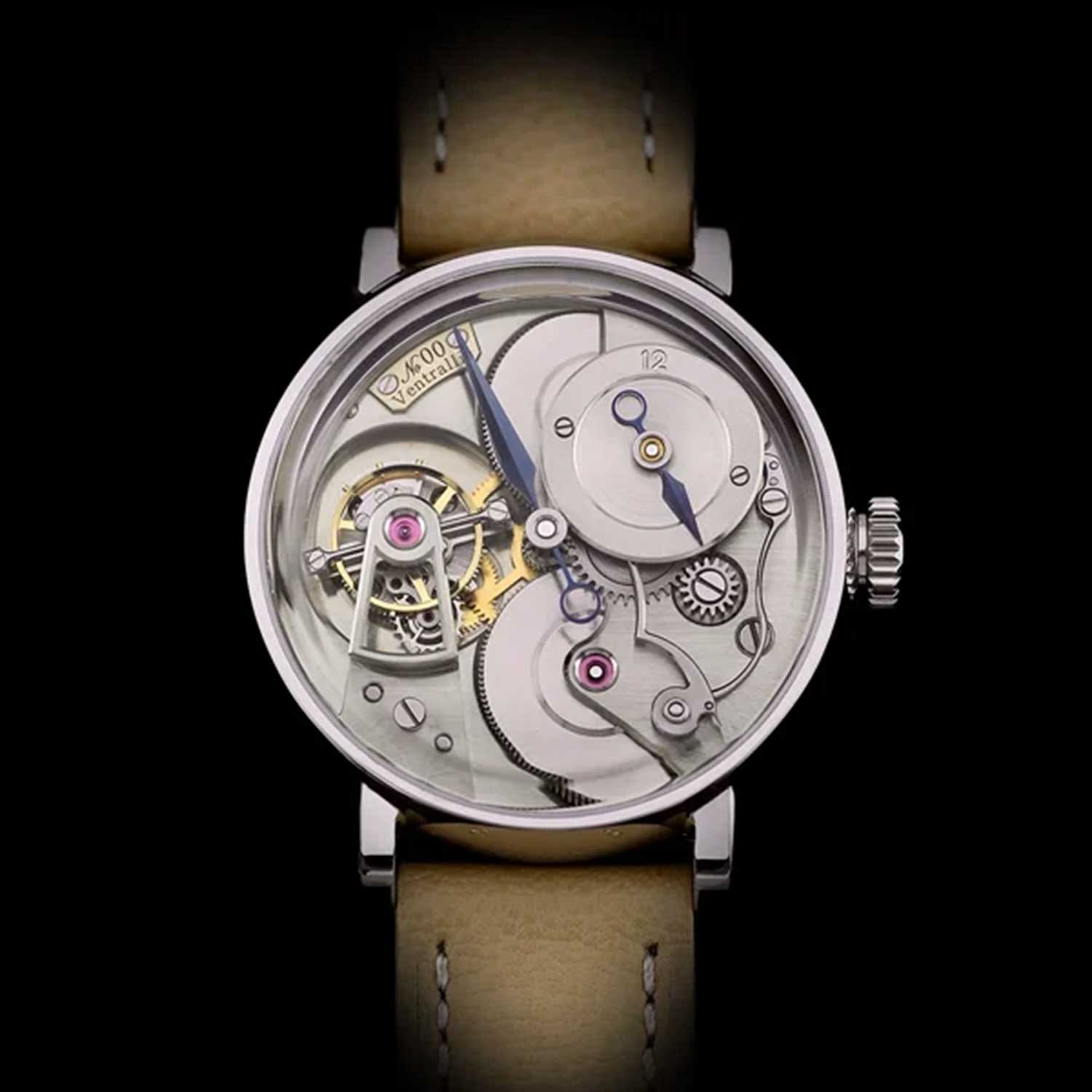
- MGraver Ventrallis (front)
-
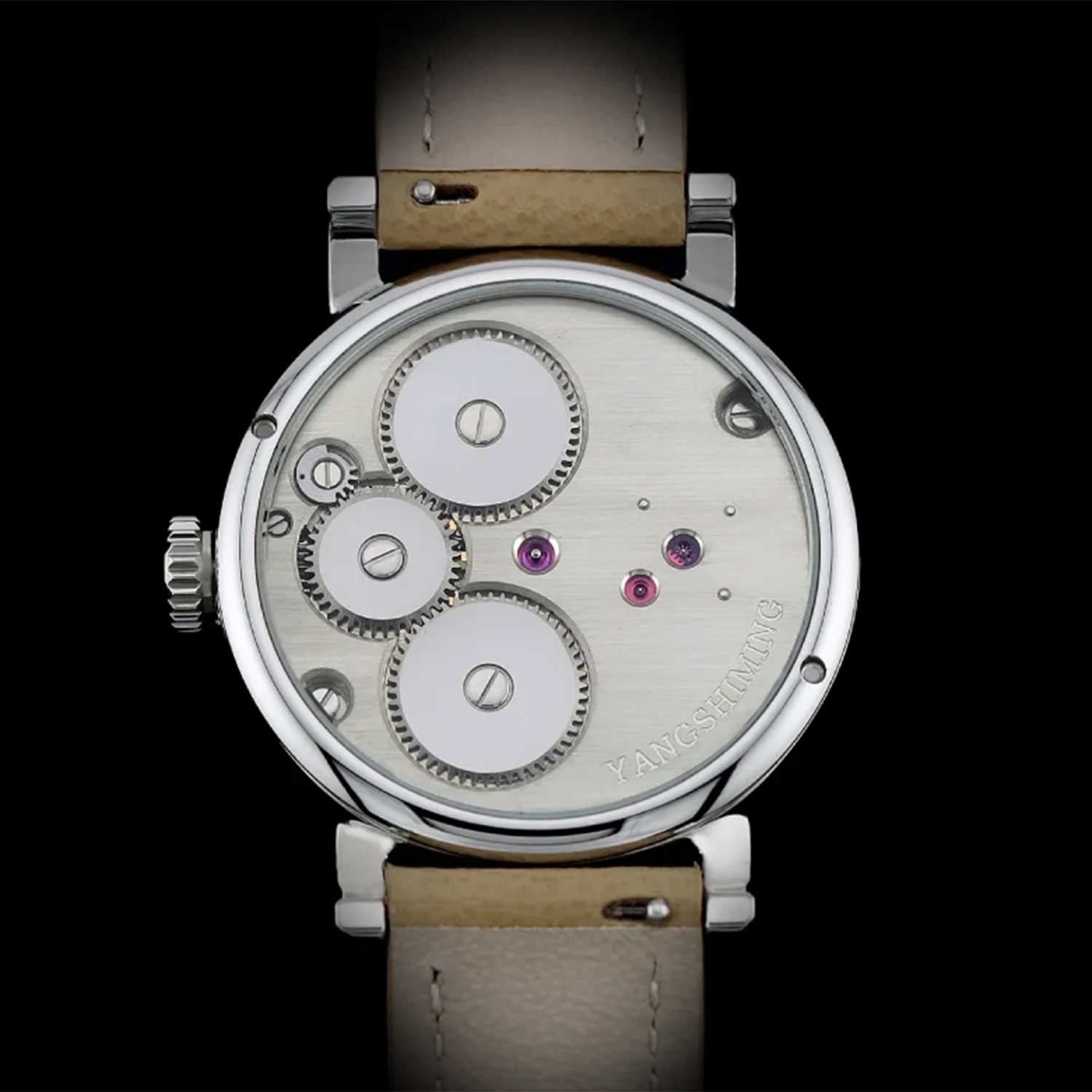
- MGraver Ventrallis (back)
Haute-Rive (Stéphane Von Gunten)
Stéphane von Gunten approaches independent watchmaking from the perspective of an engineer and inventor. Before founding Haute-Rive, he spent years as Research and Innovation Director at Ulysse Nardin, where he developed numerous patented innovations, including compliant oscillator systems.

Stéphane Von Gunten
His debut watch, the Honoris I, carries that inventive approach into his own brand. While its grand feu enamel dial and flying tourbillon suggest traditional watchmaking, its construction is anything but conventional. The 1,000-hour power reserve is achieved not through additional barrels, but by rethinking the mainspring architecture with a planetary differential. Even the bezel serves a mechanical function, winding the movement directly. Despite its technical ambition, the Honoris I remains a beautifully executed watch, pairing unconventional engineering with sharp internal angles, polished steel components and traditional hand finishing.
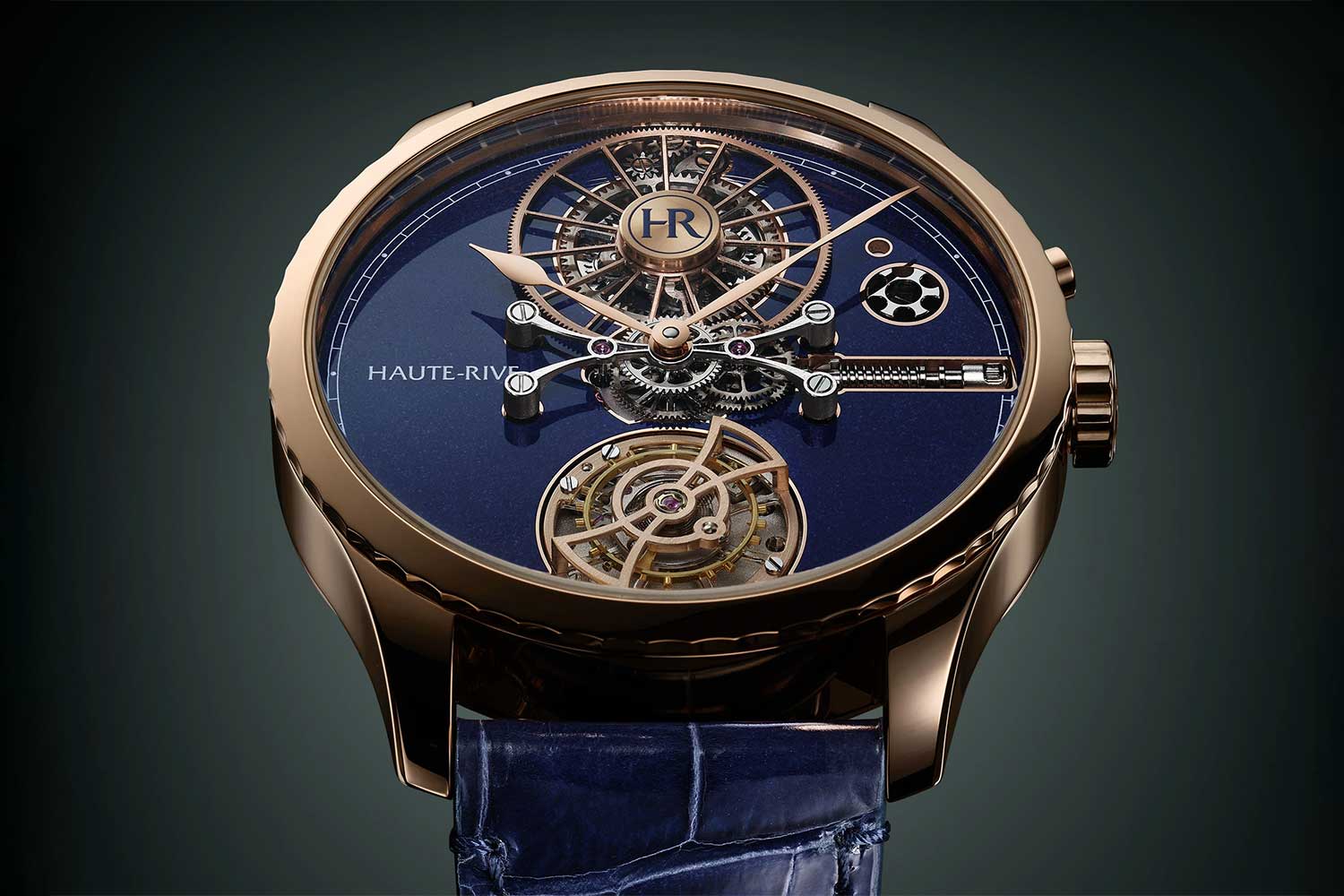
Honoris I (a.k.a. Honoris Prima)
Hazemann & Monnin
Alexandre Hazemann and Victor Monnin represent a new generation of independent watchmakers — so new that their journey began while they were still in watchmaking school. The pair first gained recognition after Hazemann won the F.P. Journe Young Talent Competition in 2023 with a watch he developed with Monnin, featuring a sonnerie en passage and instantaneous jumping hour display. Three years later, they claimed the Louis Vuitton Watch Prize for Independent Creatives with a further evolution of that project: the School Watch.

Hazemann & Monnin
Developed at Lycée Edgar Faure in Morteau, the watch combines a jump-hour display with a passing strike mechanism, chiming each hour as the hand jumps instantly. Its maturity is remarkable considering the age of its creators, while its unusual complication choice reveals a level of ambition rarely seen among young independent watchmakers.
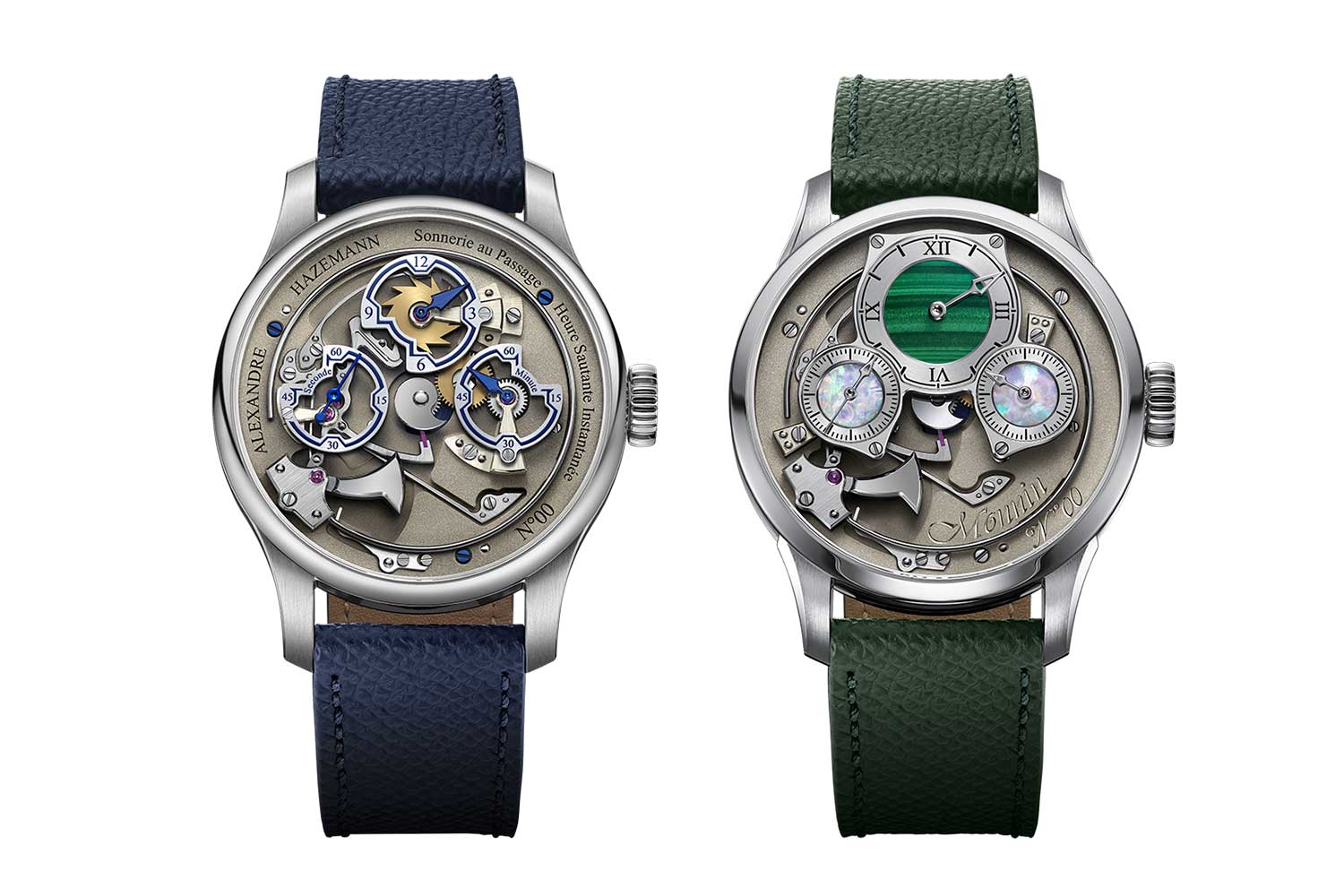
Hazemann (left) and Monnin (right) School Watch Subscription
Fabian Pellet
After more than a decade restoring historic timepieces and building grand complications at Breguet, Fabian Pellet established his own workshop in Tokyo, where he launched his inaugural watch, the Essential, in 2024. Inspired by 19th-century chronometer pocket watches, it is distinguished by an unusually clean movement layout that leaves the gear train fully exposed. This apparent simplicity is made possible by clever engineering, with the winding mechanism relocated and the escapement bridge concealed beneath the oversized balance wheel. Built largely with hand-operated machinery, the Essential reflects Pellet’s belief that traditional methods remain capable of producing genuinely original watchmaking.

Fabian Pellet
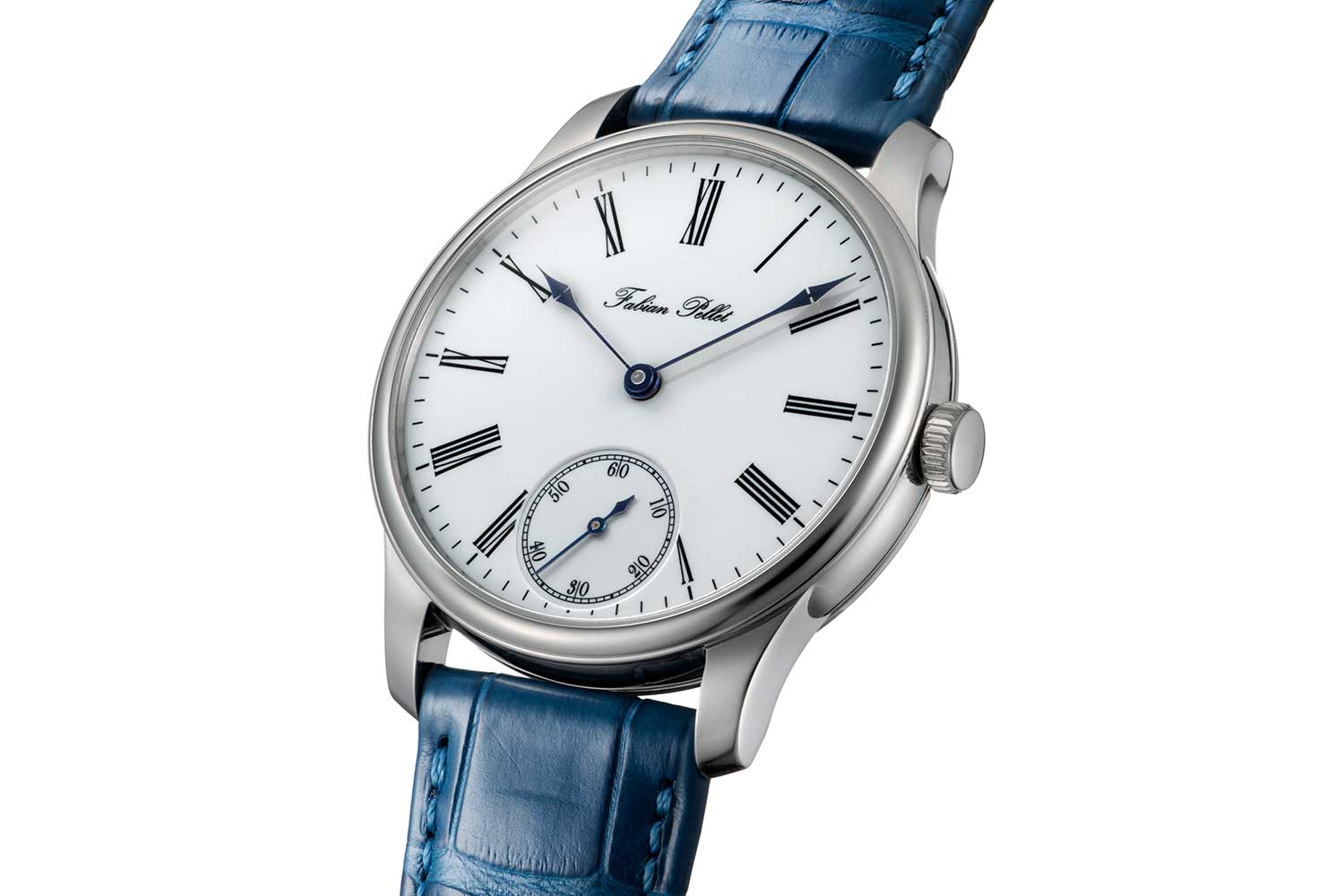
Fabian Pellet Essential
Mineroci
An offshoot of an award-winning Chinese industrial design firm, Mineroci entered watchmaking with an unusually strong foundation in both design and engineering. Rather than relying on existing movements, the brand invested heavily in developing its own manufacturing capabilities, from movement components to a silicon escapement.

Zhengyang Pan (left) and Chang Qu
It began by recreating the ETA 6497 architecture entirely from scratch before turning to original movement development. Its second watch, the RD002, fully demonstrates that ambition, pairing a remontoir d’égalité with an original movement architecture developed entirely in-house. More significantly, it signals the emergence of a Chinese manufacture capable of competing with established independent watchmakers on technical rather than stylistic grounds.

(Image by 老面的钟表茶馆)
Dann Phimphrachanh
Born in France to a Laotian family and now based in Switzerland, Dann Phimphrachanh has been a candidate of the AHCI since 2025. After two decades at maisons including Daniel Roth and Greubel Forsey, he established his own workshop in 2018 to pursue a deeply personal vision of watchmaking. Working largely alone and with minimal industrial machinery, he created the Seconde Vive, distinguished by an ingenious jumping-seconds mechanism driven by a Reuleaux triangle-inspired cam. The complication gives the watch an unmistakable rhythm while offering a fresh solution to a centuries-old mechanism. Nearly every component is machined, finished and assembled in his own workshop, reflecting an unusually hands-on approach to independent watchmaking.
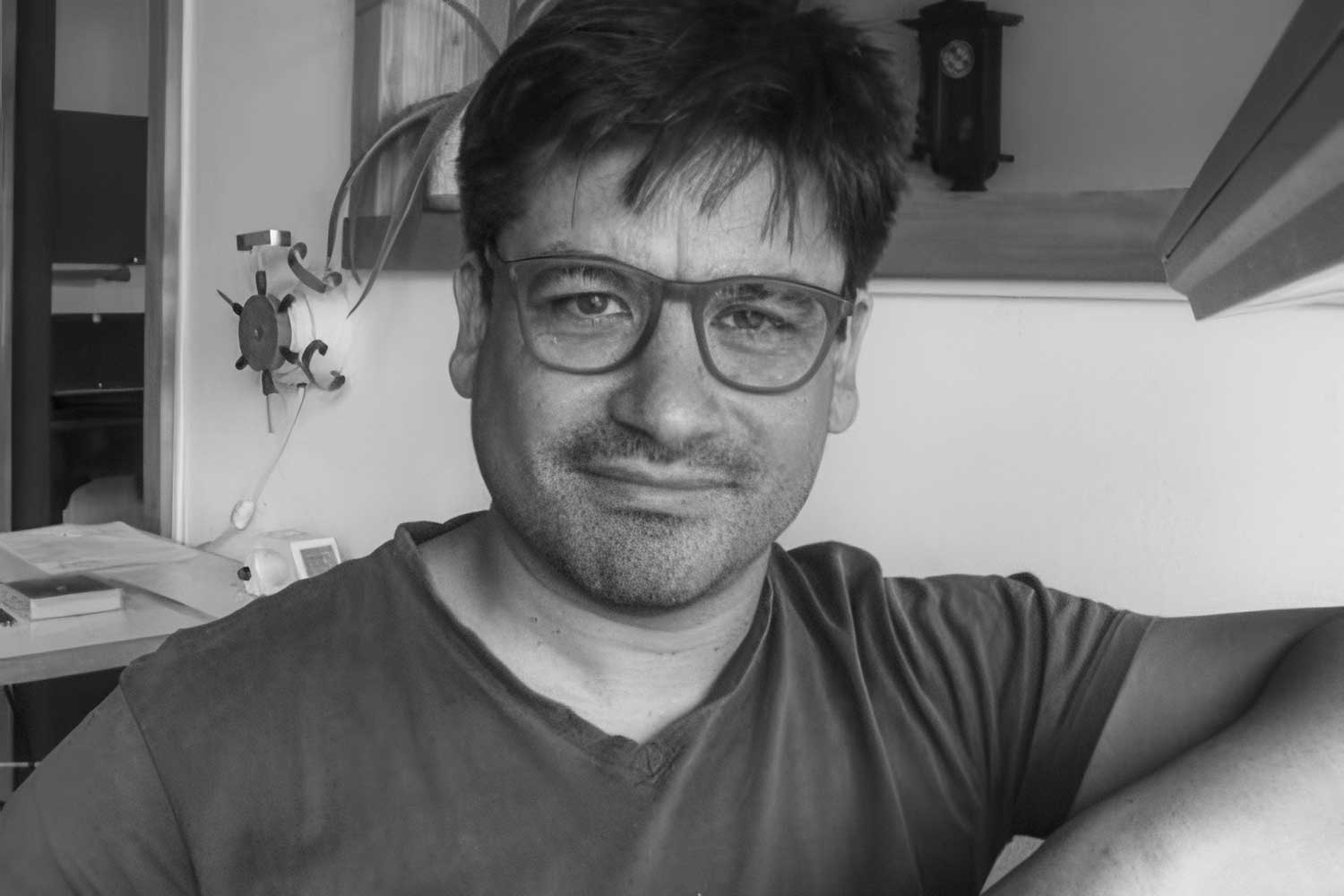
Dann Phimphrachanh
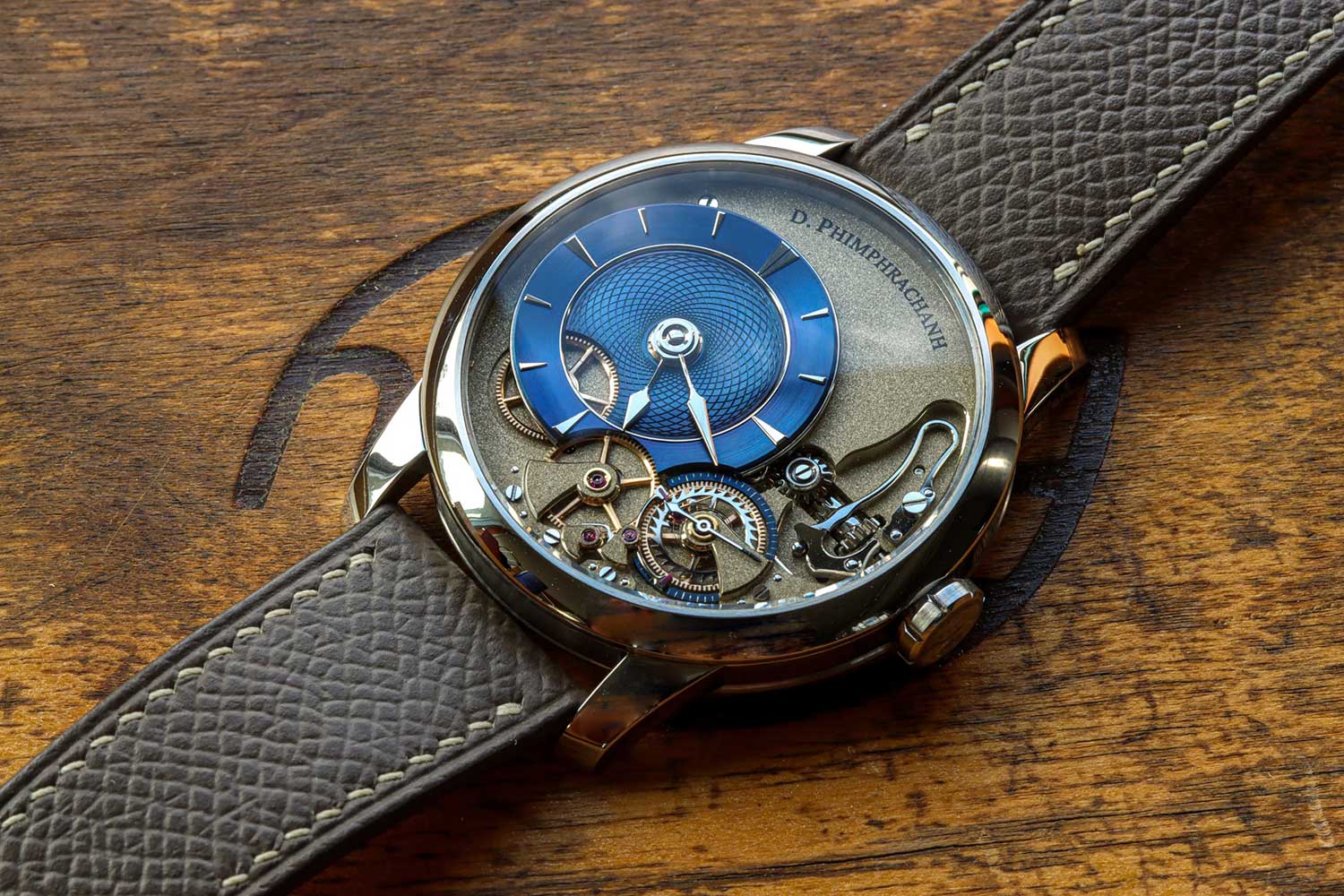
Seconde Vive (Image: Monochrome)
Stéphane Pierre
Stéphane Pierre enters independent watchmaking from an unusual background. Trained as a mechanical engineer, he spent part of his career in both the Swatch Group and military sectors before creating his debut watch, L’Impétrant. Developed with prototypist Julien Tixier and a network of independent specialists, the watch reflects an engineer’s approach to solving mechanical problems.

Stéphane Pierre
L’Impétrant reinterprets the bi-retrograde complication with two large, overlapping retrograde hands dominating the dial, while the movement reveals an equally unconventional architecture. The balance wheel, retrograde mechanism and ruby-cone-based power reserve system are all integrated into the design, creating a watch that approaches traditional complications through an engineer’s perspective rather than a watchmaker’s convention.
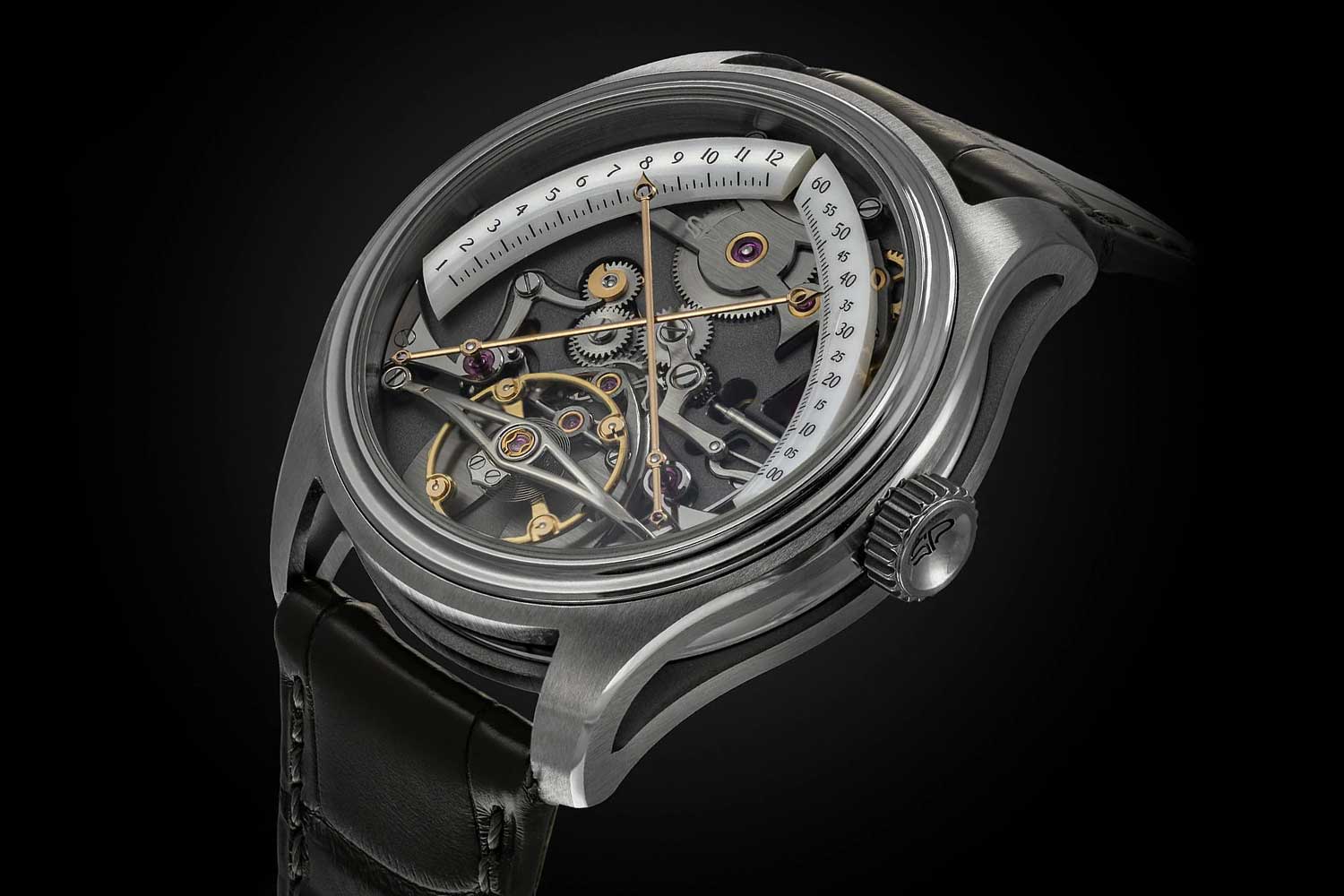
L’Impétrant
Struthers Watchmakers
Dr. Rebecca Struthers (pictured) is a watchmaker, restorer and horological historian who co-founded Struthers Watchmakers with her husband Craig. In 2017, she became the first watchmaker in British history to earn a PhD in horology. Originally specializing in restoration, the pair gradually progressed from making cases for vintage movements to developing entirely original calibers of their own.
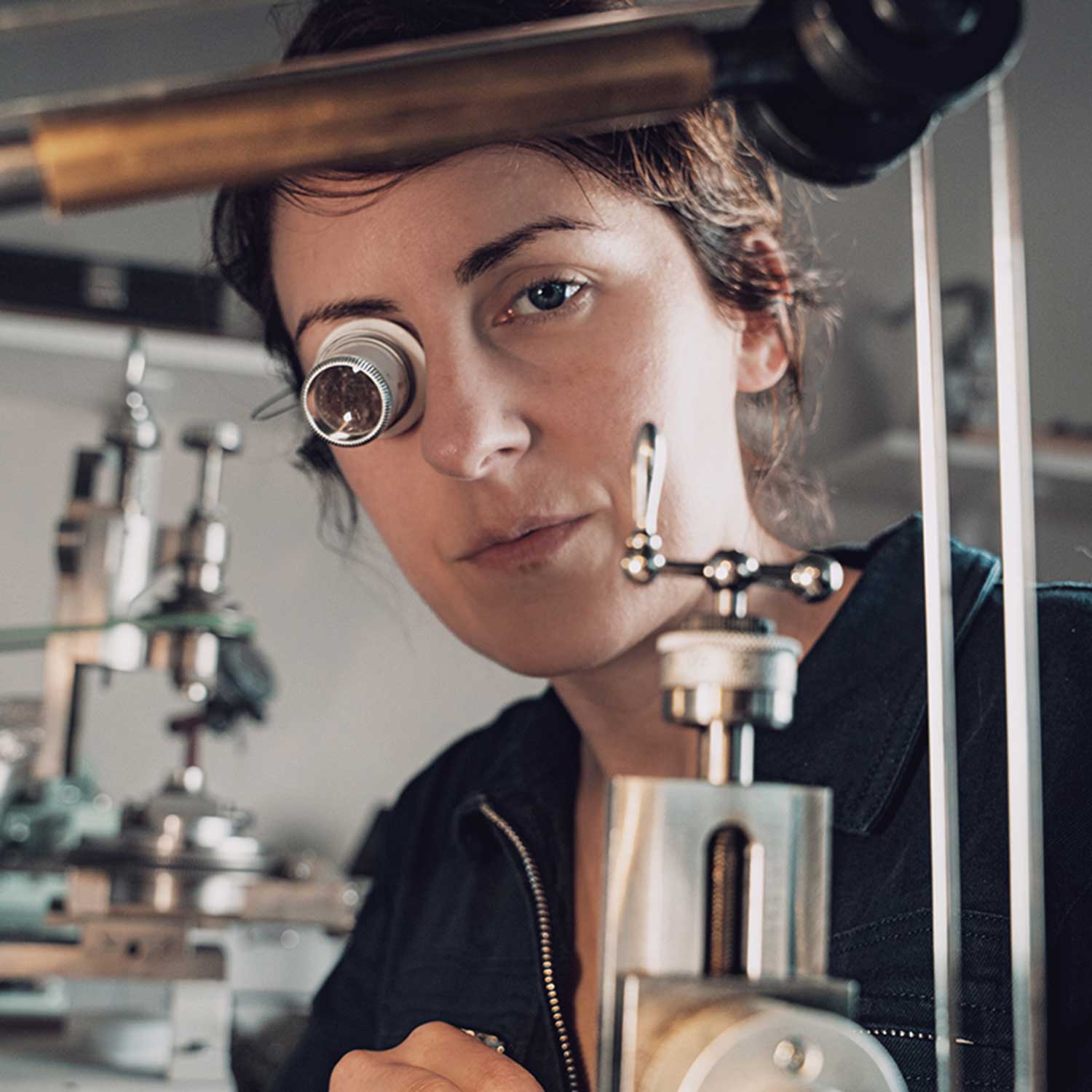
Dr. Rebecca Struthers
Inspired by historical English watchmaking, their movements are produced almost entirely using heritage machinery and hand-operated tools, with very little reliance on computers. In an era increasingly shaped by digital manufacturing, Struthers Watchmakers stands apart for treating traditional methods not as nostalgia, but as a living practice.
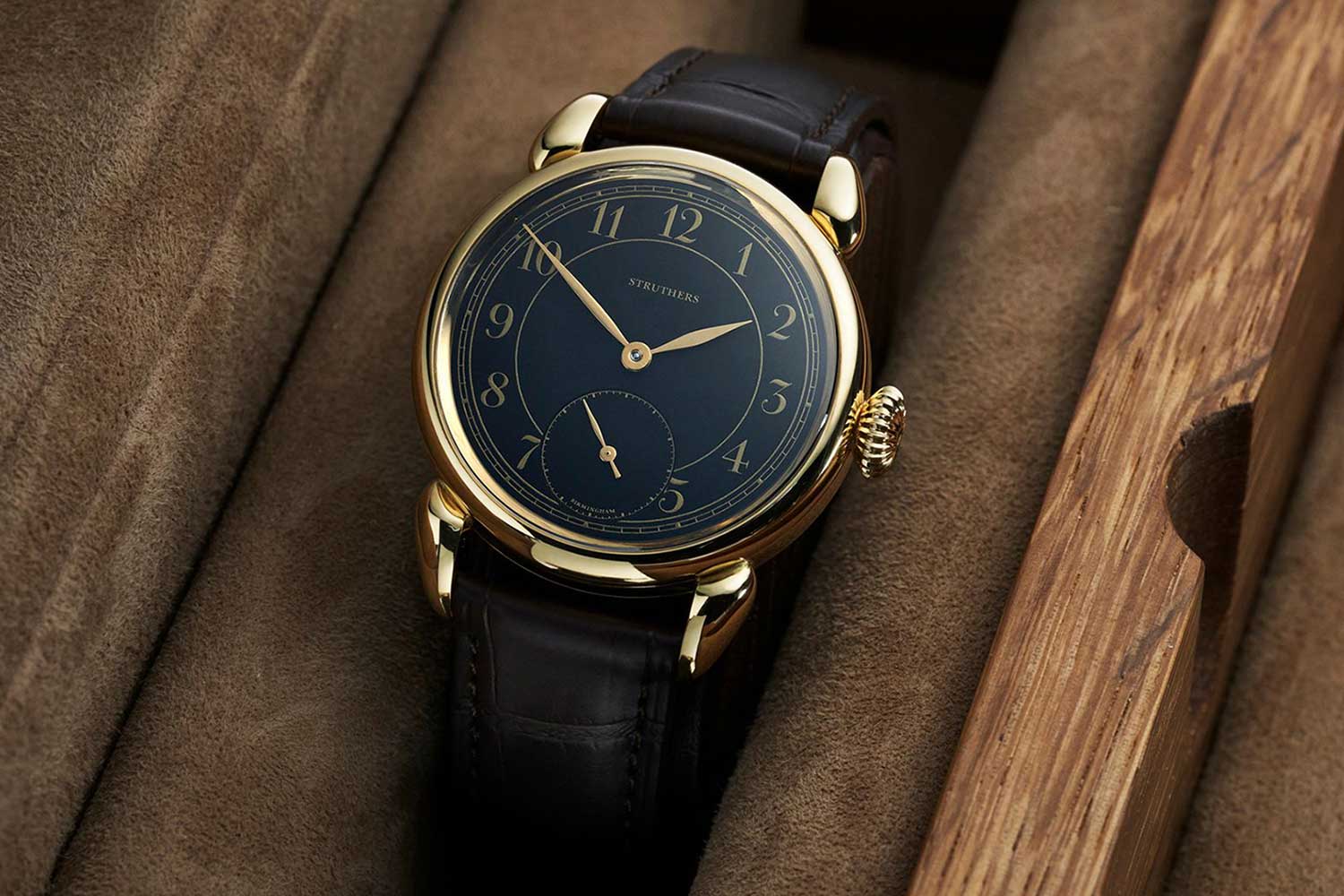
The Kingsley
Quiet Club (Norifumi Seki)
Norifumi Seki is one of Japan’s youngest independent watchmakers, first gaining recognition with the Sphere Moon Phase Pocket Watch, a graduation project that won him the F.P. Journe Young Talent Competition in 2020. The pocket watch revealed his distinctive design language, combining the codes of classical timepieces with an oversized spherical moonphase that rotates three-dimensionally on the dial.
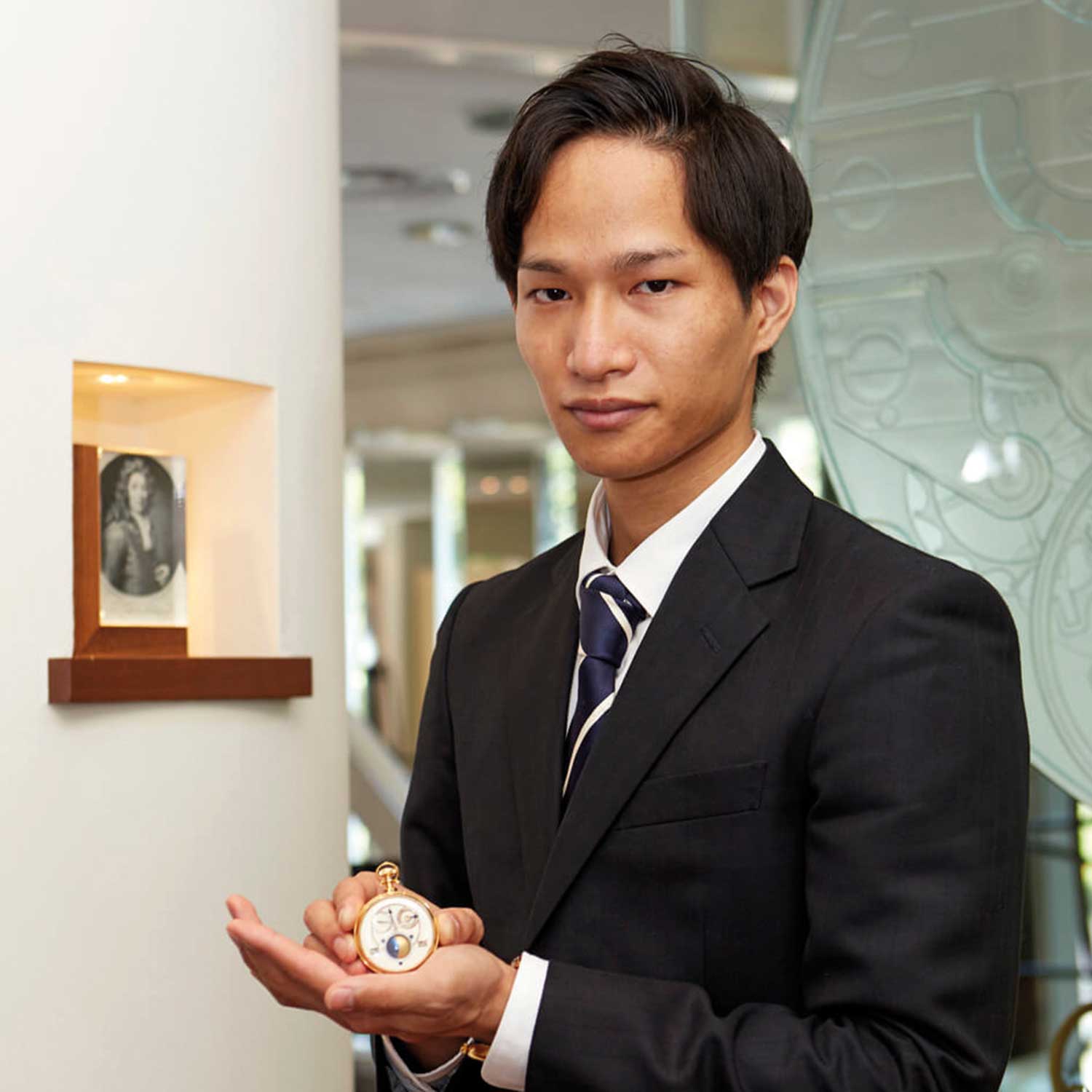
Norifumi Seki
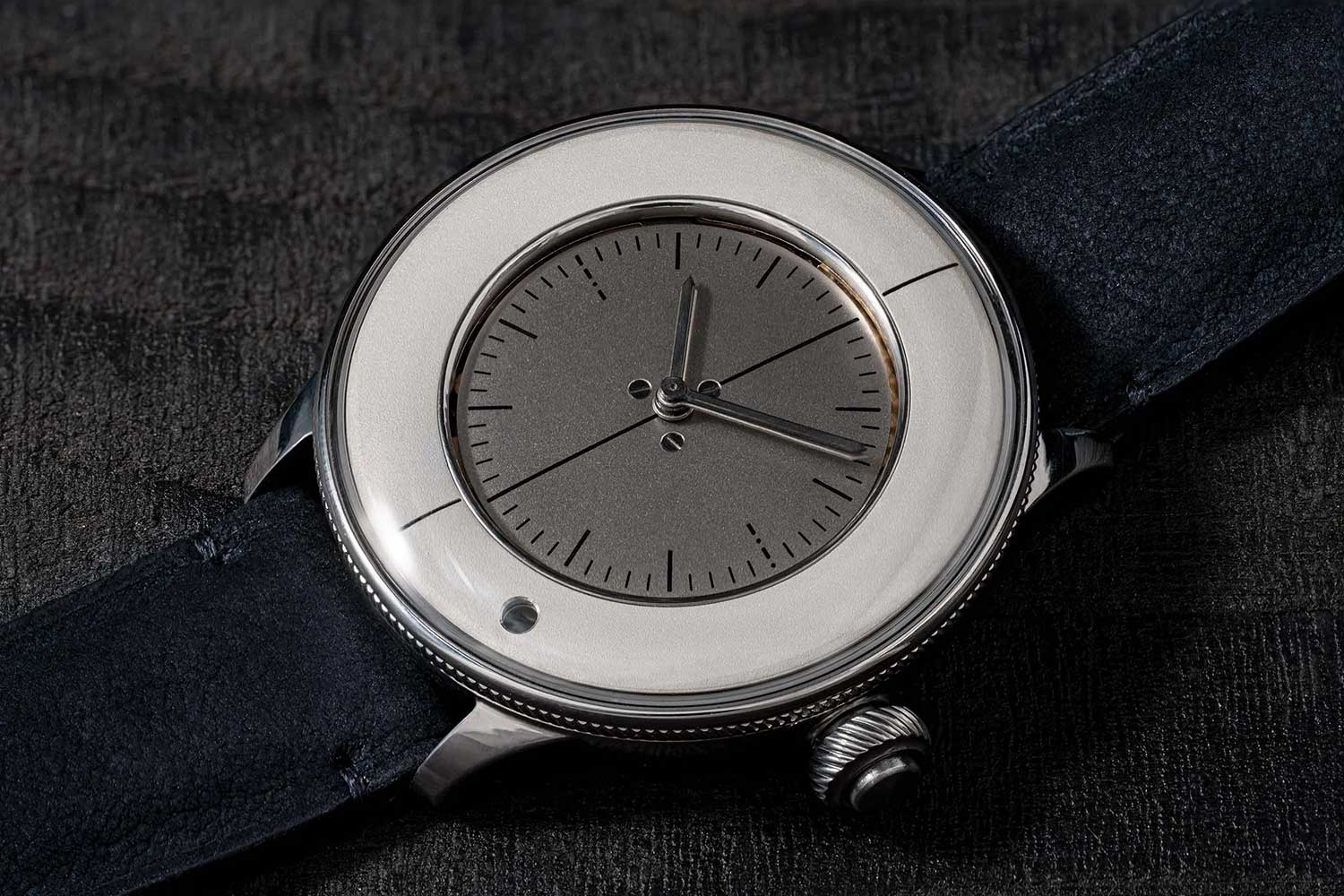
Seki later co-founded Quiet Club with Hokuto Ueda and Johnny Ting, serving as the brand’s master watchmaker. Its debut model, the Fading Hours, carries the same inventive spirit. While it appears to be a minimalist alarm watch, its entire dial functions as a gong, struck by a vertical hammer to create a soft, resonant chime instead of the conventional buzzer. Even the alarm-setting mechanism is unusual, with a rotating bezel revealing a hidden pair of hands beneath the main display. With its original movement architecture and unconventional approach to a familiar complication, the Fading Hours feels like a natural evolution of Seki’s ideas from concept to wristwatch.
Kallinich Claeys
Founded in 2022 by Johannes Kallinich and Thibault Claeys, both of whom previously worked at A. Lange & Söhne, Kallinich Claeys entered independent watchmaking with an unusually ambitious debut. The Einser Zentralsekunde may appear to be a simple three-hand watch with a power reserve indicator, but its movement reveals a remarkable level of mechanical sophistication. To achieve the central seconds display, the duo devised an additional gear train mounted above the barrel bridge, while a compact nine-part differential powers the linear power reserve indicator. Produced almost entirely in-house and finished in the Glashütte tradition, the KC001.1 is a movement whose fascination lies as much in its construction as in its appearance.
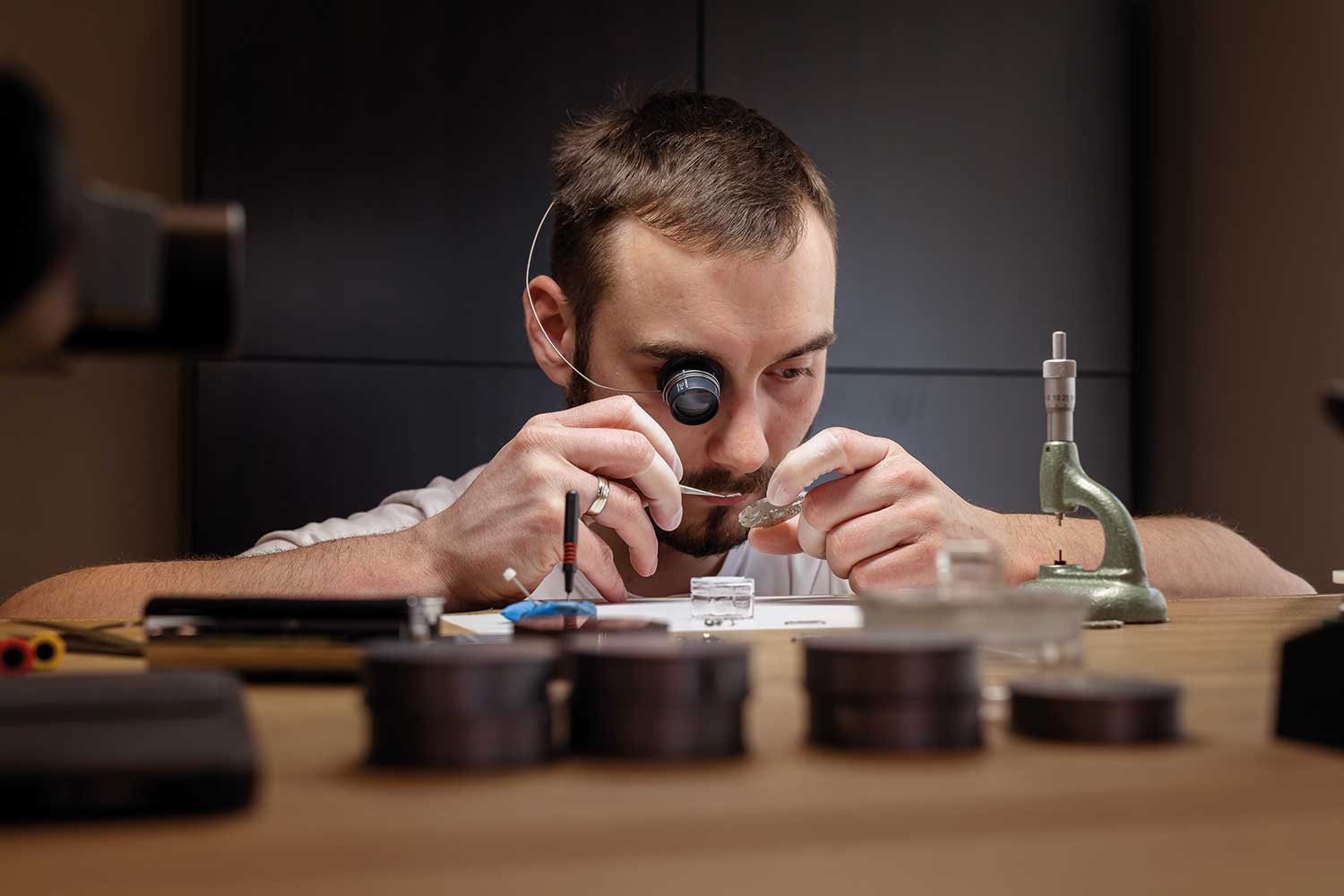
Kallinich Claeys

Kallinich Claeys Einser Zentralsekunde
Hervé Schlüchter
Hervé Schlüchter did not begin his career in watchmaking. After first working as a driver, he changed paths and enrolled in watchmaking school, eventually spending 16 years at Bovet as a movement constructor while refining his finishing skills under Philippe Dufour. With a background rooted in construction rather than design alone, it is perhaps unsurprising that his debut watch, L’Essentiel, is defined as much by its movement architecture as by its appearance.
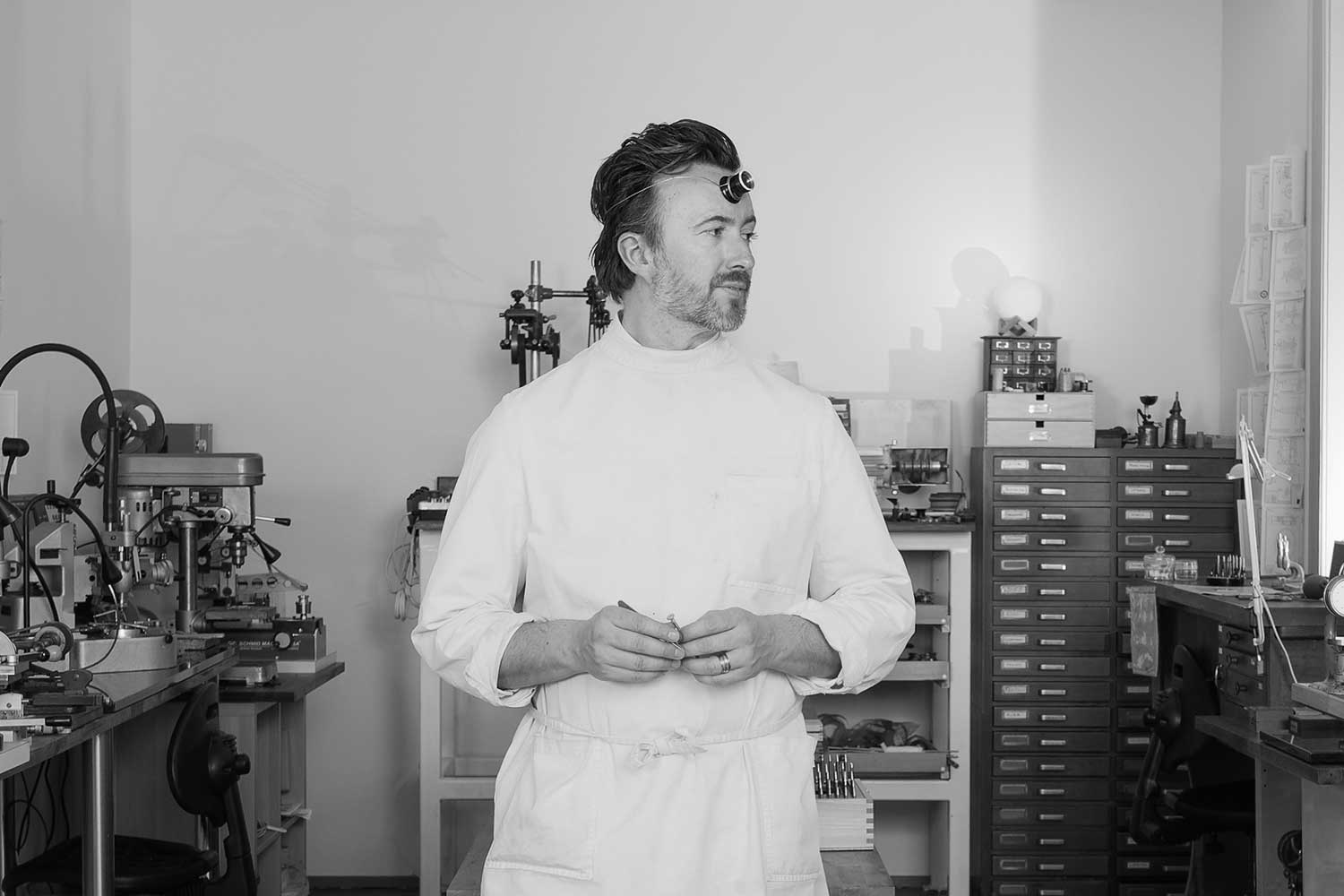
Hervé Schlüchter
L’Essentiel offers a distinctive interpretation of the regulator display, with minutes and seconds indicated by conventional hands while the hours appear on a rotating disk at 12 o’clock. Inspired by a regulator clock by the 19th-century French clockmaker Antide Janvier, the movement also pays tribute to traditional pocket watches with details rarely seen today, including curved wolf’s-tooth winding wheels, slender tubular bridges and extensive hand finishing. Rather than simply recreating the past, Schlüchter reinterprets these traditional elements in a watch that feels entirely his own.

L’Essentiel
Anton Suhanov
An AHCI member who first made his name with complex clocks, including triple-axis tourbillons, Anton Suhanov only turned to wristwatches in recent years but has quickly become one of Russia’s most inventive independent watchmakers. His first two watches were based on existing movements, yet showcased remarkable creativity through extensive modifications, including an ETA 2824 with an exposed retrograde day-of-the-week mechanism on the dial.

Anton Suhanov
His latest creation marks another milestone with his first in-house caliber, an impressive achievement given his distance from the traditional Swiss supply chain. Named Flamingo, the watch continues Suhanov’s unconventional approach, pairing an original movement architecture with an oversized balance wheel displayed prominently on the dial and coated with luminous material. Like his earlier work, it feels driven less by convention than by curiosity.
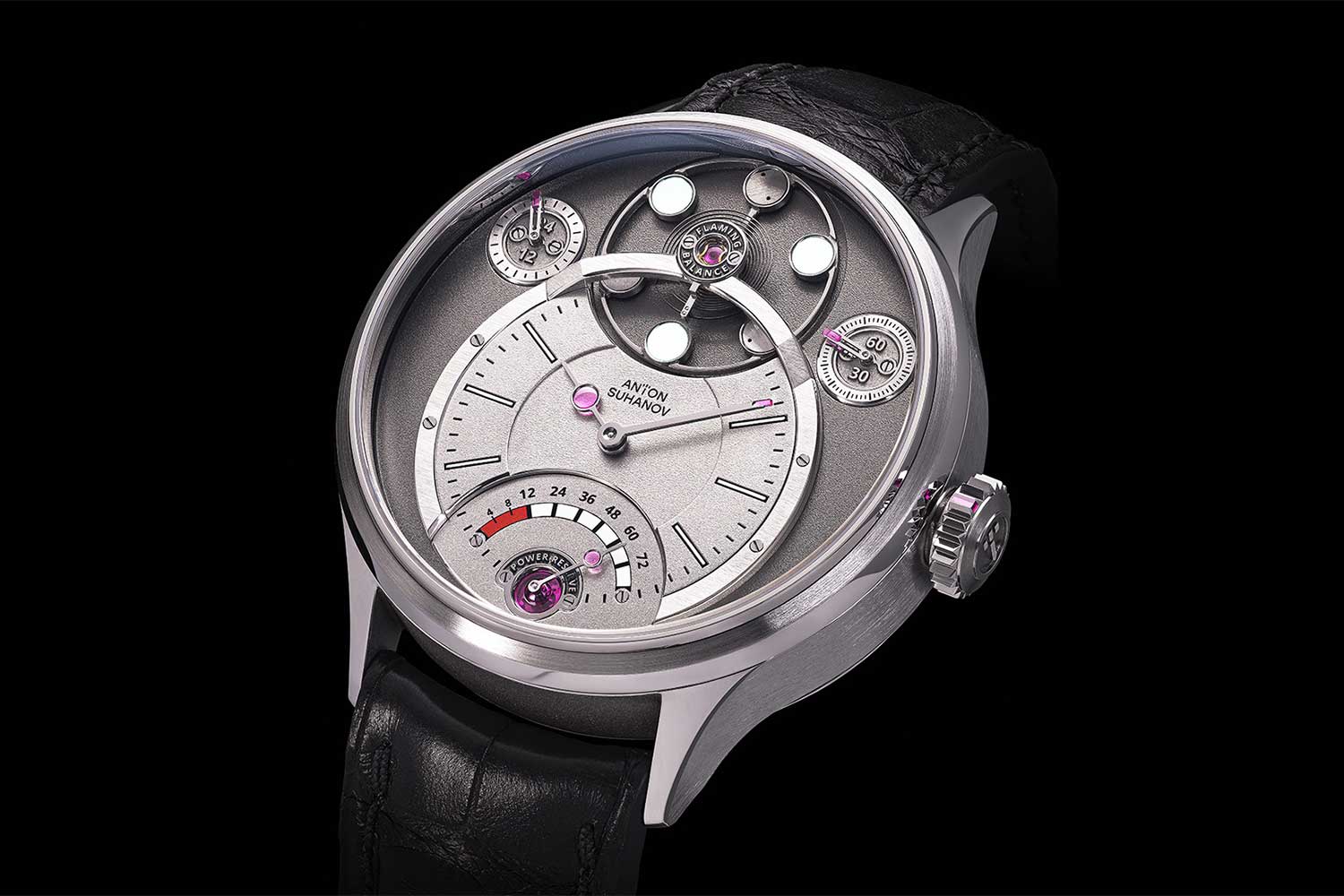
Flamingo

You may also like

Editorial
How Spacewalks Shaped Konstantin Chaykin’s SC02C
Nov 11, 2026
Editorial
How Spacewalks Shaped Konstantin Chaykin’s SC02C
Nov 11, 2026

Editorial
The G-Shock 2500 Gives a Familiar Favorite a New Set of Hands
Nov 10, 2026
Editorial
The G-Shock 2500 Gives a Familiar Favorite a New Set of Hands
Nov 10, 2026
Editorial
Freedom to Create: The Pioneers of Independent Watchmaking
Nov 9, 2026
Editorial
Freedom to Create: The Pioneers of Independent Watchmaking
Nov 9, 2026