Freedom to Create: The Pioneers of Independent Watchmaking
Editorial
Freedom to Create: The Pioneers of Independent Watchmaking

Independent watchmaking is enjoying unparalleled popularity right now, with watchmakers like Rexhep Rexhepi and Simon Brette enjoying superstar status. However it’s important to note that the independent artisanal watchmaking tradition is full of pioneers, innovators and champions. In a series of artless we’re going to the explore the OGs, the New Wave and the Rising Stars of one of the most exciting and important genres of watchmaking, and examine their impact on the broader industry. First, the pioneers.
Vincent Calabrese
There’s a strong argument to be made that one of the greatest contributions of Vincent Calabrese (and Svend Andersen) was the creation of Académie Horlogère des Créateurs Indépendants, more commonly known as the AHCI. Conceived in 1985 to provide support to independent watchmakers like themselves, the non-profit association has, for over 40 years, served as one of the most important community builders and champions of independent watchmaking. It’s fair to say that without the AHCI, this list of independent watchmakers would be much shorter.

Vincent Calabrese
Born in Naples, Italy, Vincent Calabrese developed an interest in watchmaking at the age of 14 while repairing watches. A few years later, the self-taught watchmaker moved to Switzerland to master the art. After working for brands like Tissot and Zenith, and expanding his skills with courses at Patek Philippe and Rolex, he began developing his own concept of spatial watchmaking. At the 1977 Geneva International Exhibition of Inventions, Calabrese’s groundbreaking prototype design of an in-line baguette movement won a Gold Medal and was acquired by Corum. This movement later became known as the Golden Bridge.
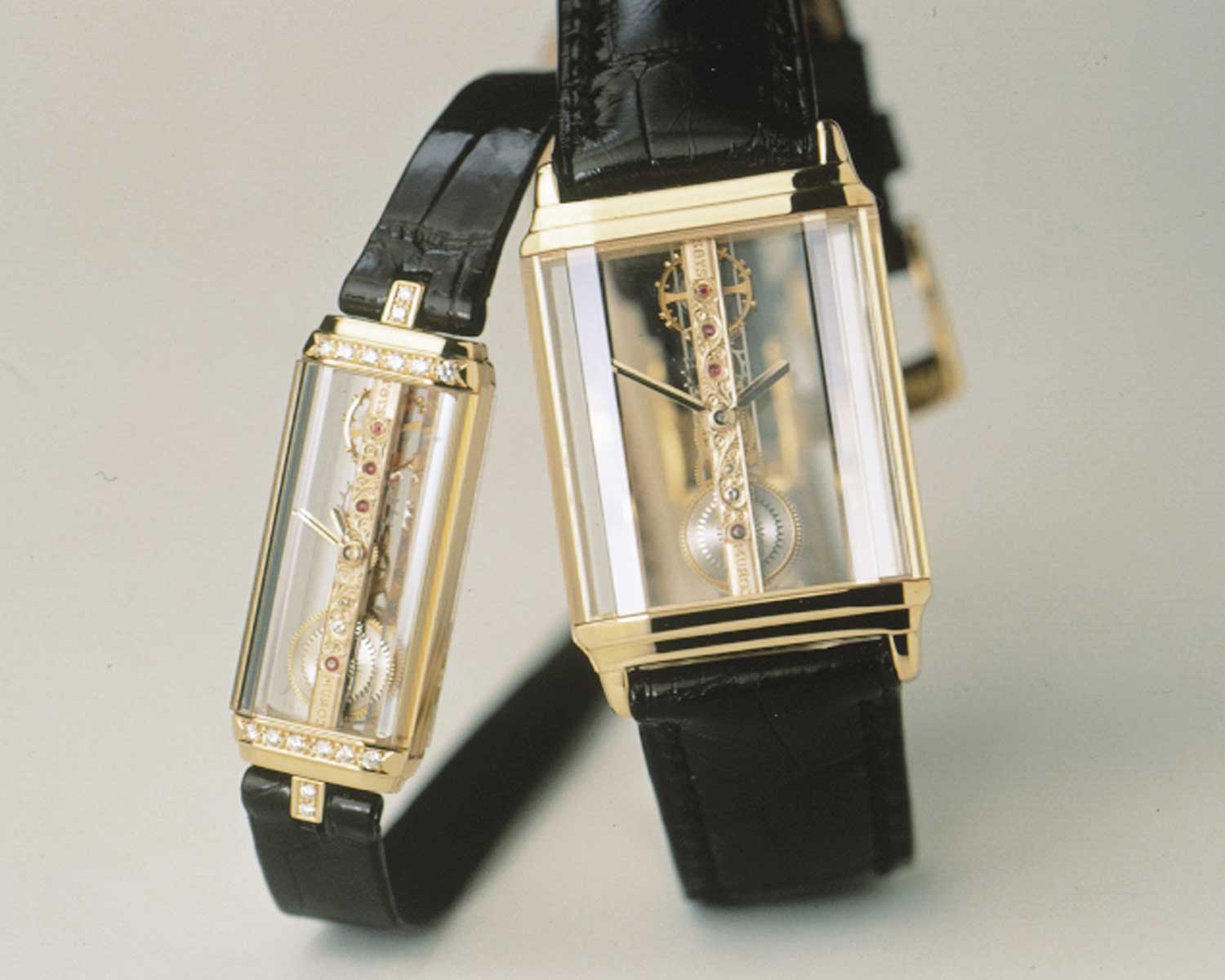
Vintage Corum Golden Bridge during the 80s
In 1986, Calabrese designed a prototype for the world’s first flying tourbillon wristwatch, initially developed for Blancpain and Frédéric Piguet. However, the serial production of the watch was postponed — one of the many disappointments of Calabrese’s career. He struggled for many years for his business to remain afloat until his first commercial success with the Baladin, an ingenious concept with wandering jumping hours that was released in 1988 under the Italian brand Pinko. Calabrese then continued with a spree of innovative complications and calibers, such as a travel tourbillon clock called Two Hands, and a Dante-inspired watch named Commedia. For his unique contributions to independent watchmaking design and innovation, Vincent Calabrese was awarded the coveted Prix Gaïa in 1996.
-
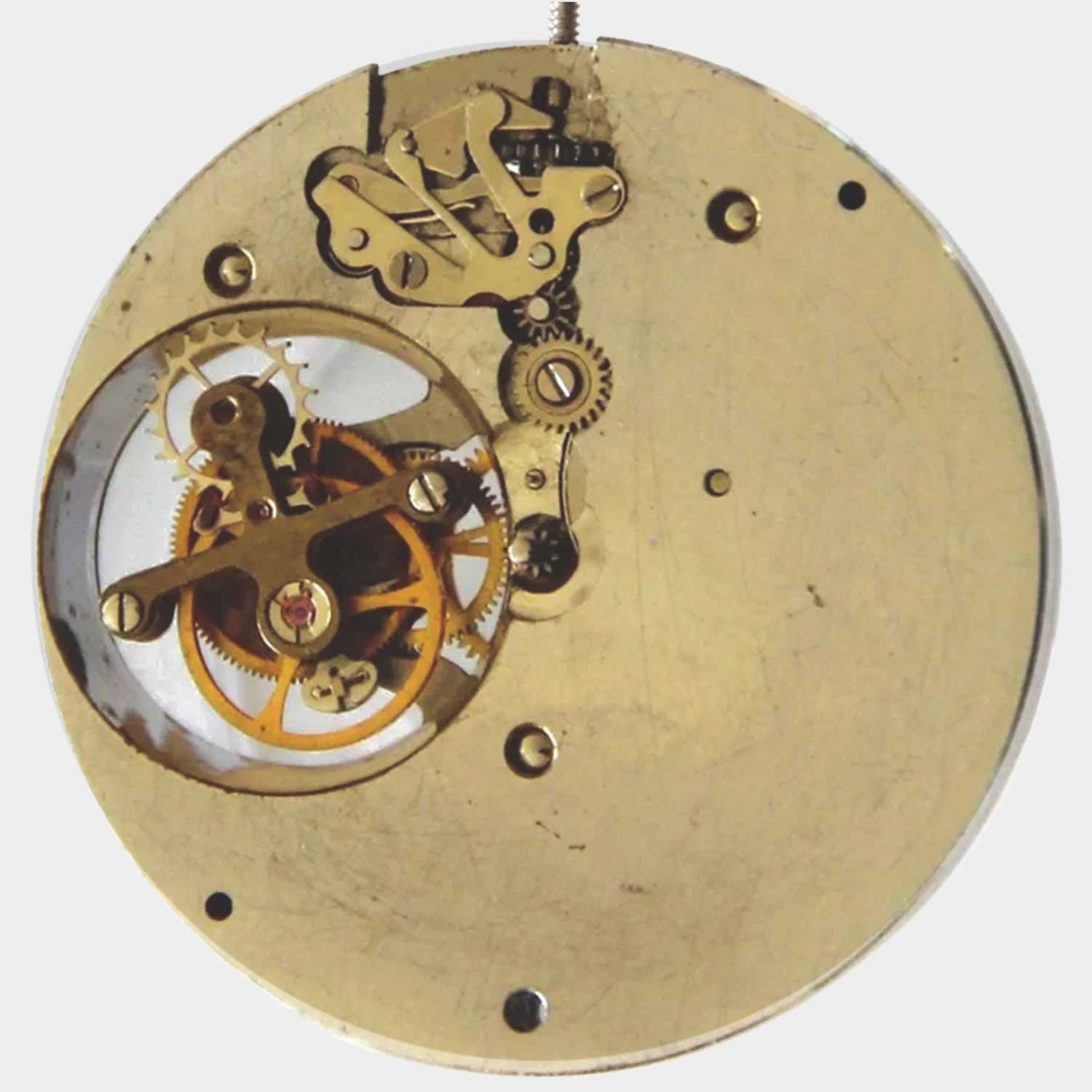
- Created for Blancpain, the “Tourbillon” Collection with the Flying Tourbillon, 1986
-
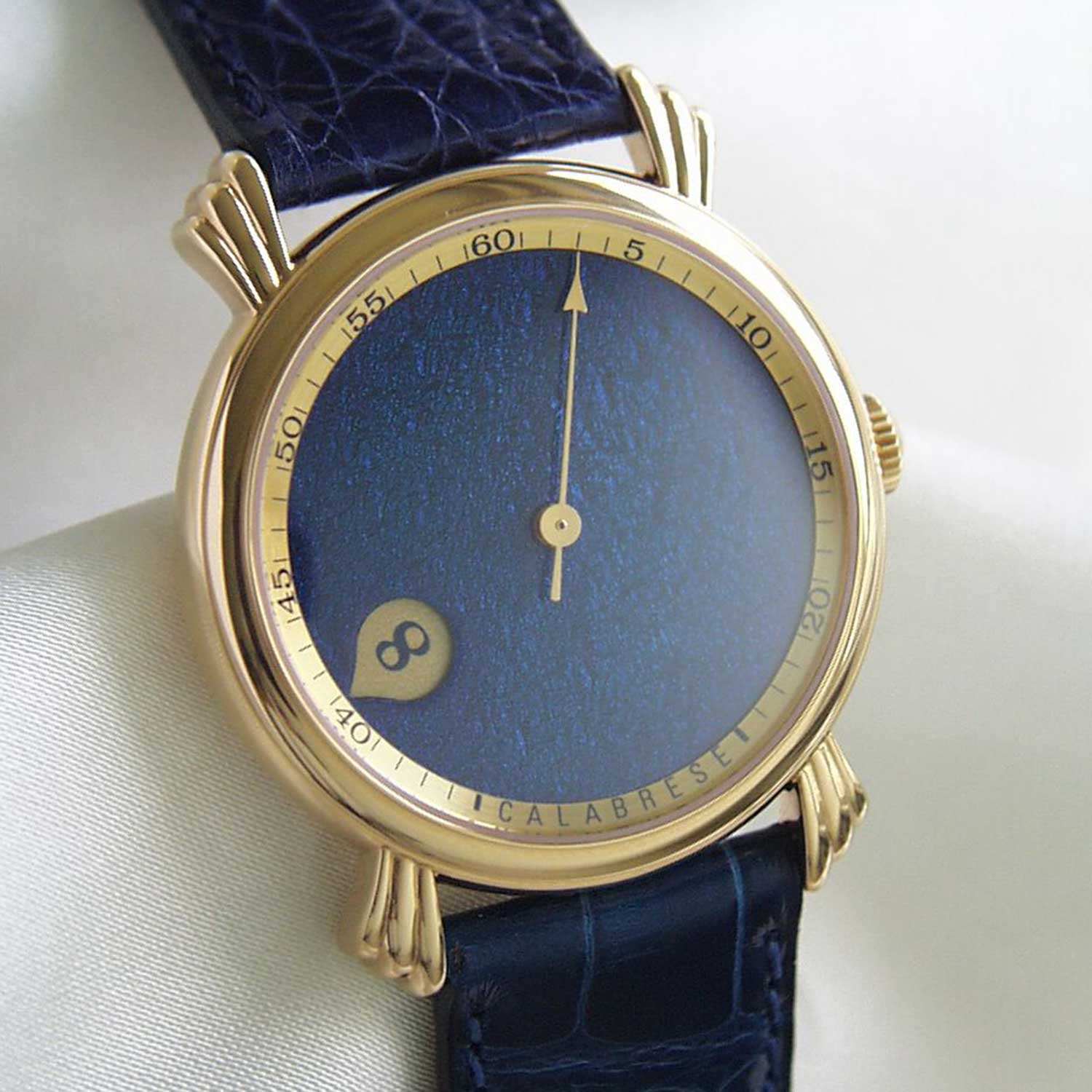
- Commissioned by “Le Baladin” for PinKo, Italian fashion house, 1991
-
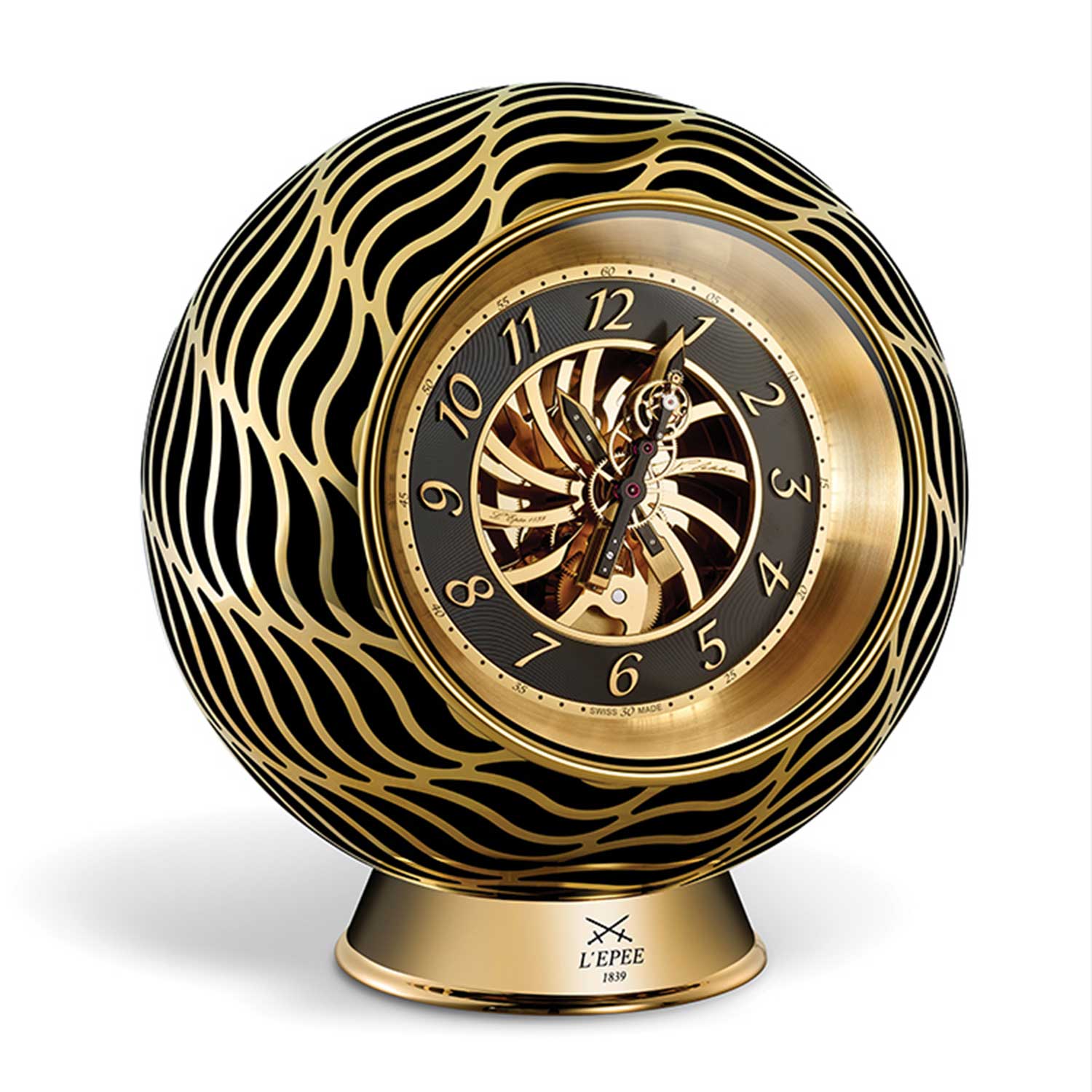
- Commissioned by Maison l’Epée in Delémont (JU), 2014
-
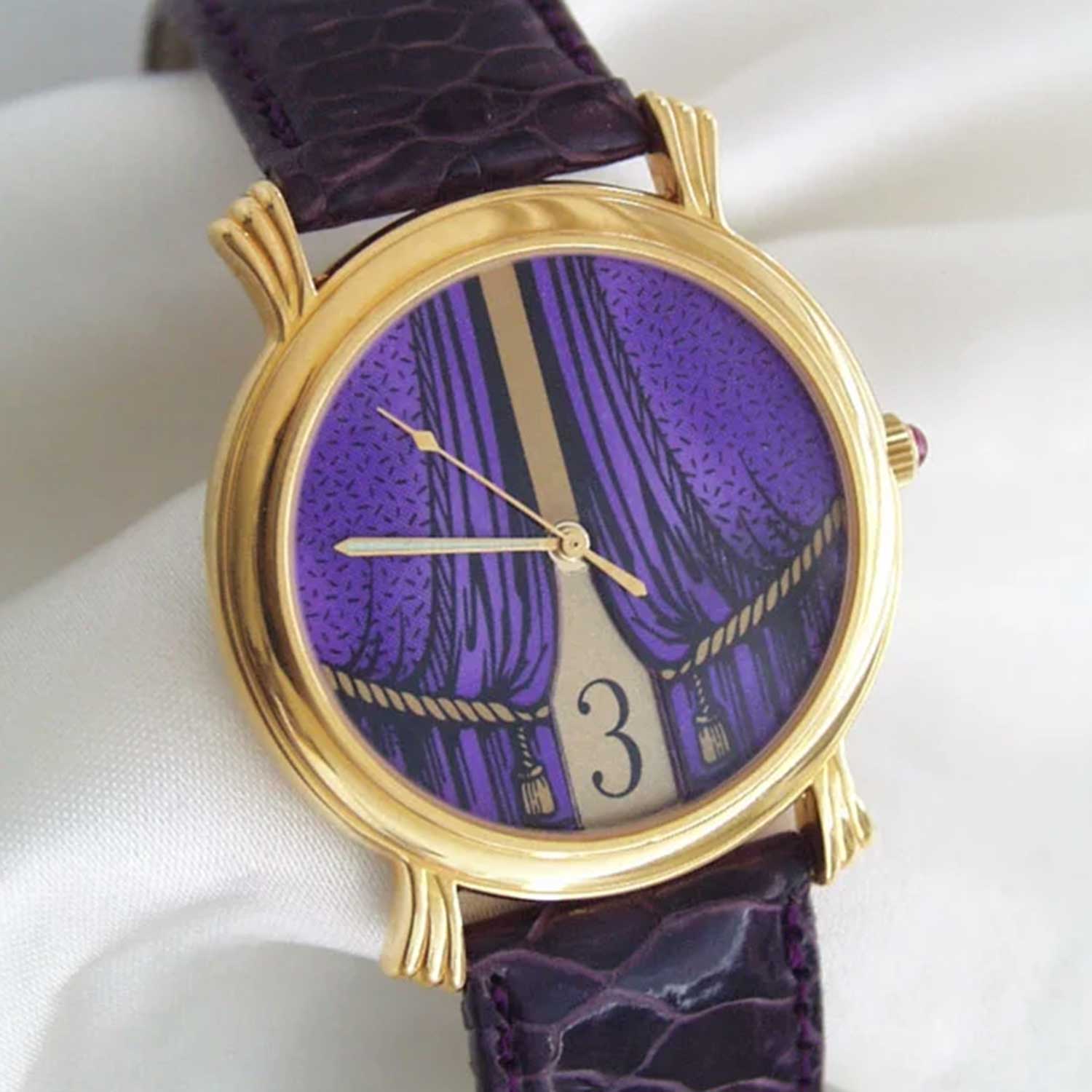
- “Les Philosophiques” Collection with the “Commedia”, 1990
The 2000s were a more tumultuous time for Calabrese; his short-lived manufacture was acquired by Blancpain, for whom he worked for several years and developed the one-minute flying carrousel. In 2012, he left Blancpain and returned to independent watchmaking, partnering up with clockmaker Jean Kazès. In 2021, at the age of 78, the indefatigable Calabrese presented the Calasys, an innovative mechanism with a balance-spring-free escapement.
-
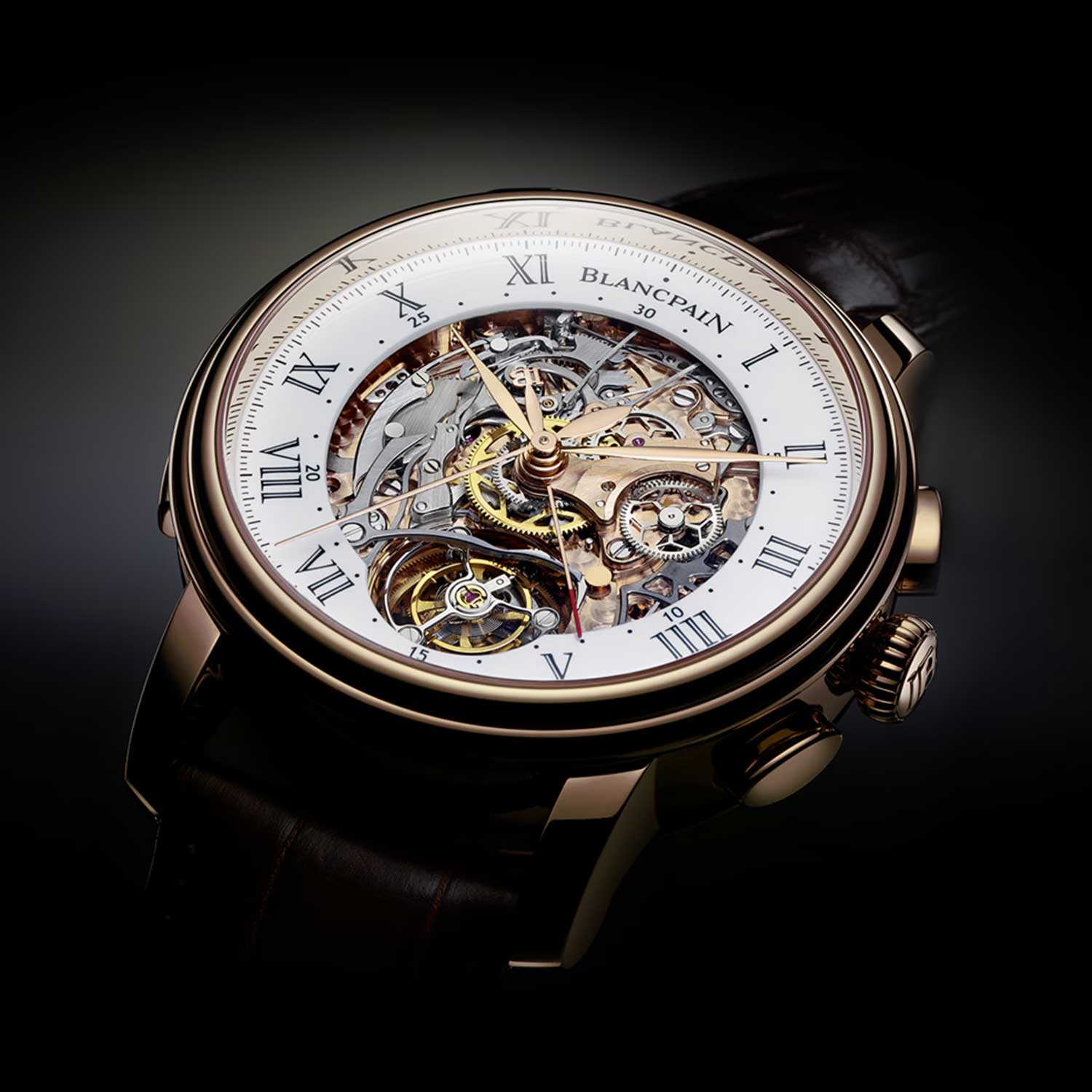
- The world’s first one-minute flying Carrousel: Villeret Carrousel Répétition Minutes Chronographe Flyback
-
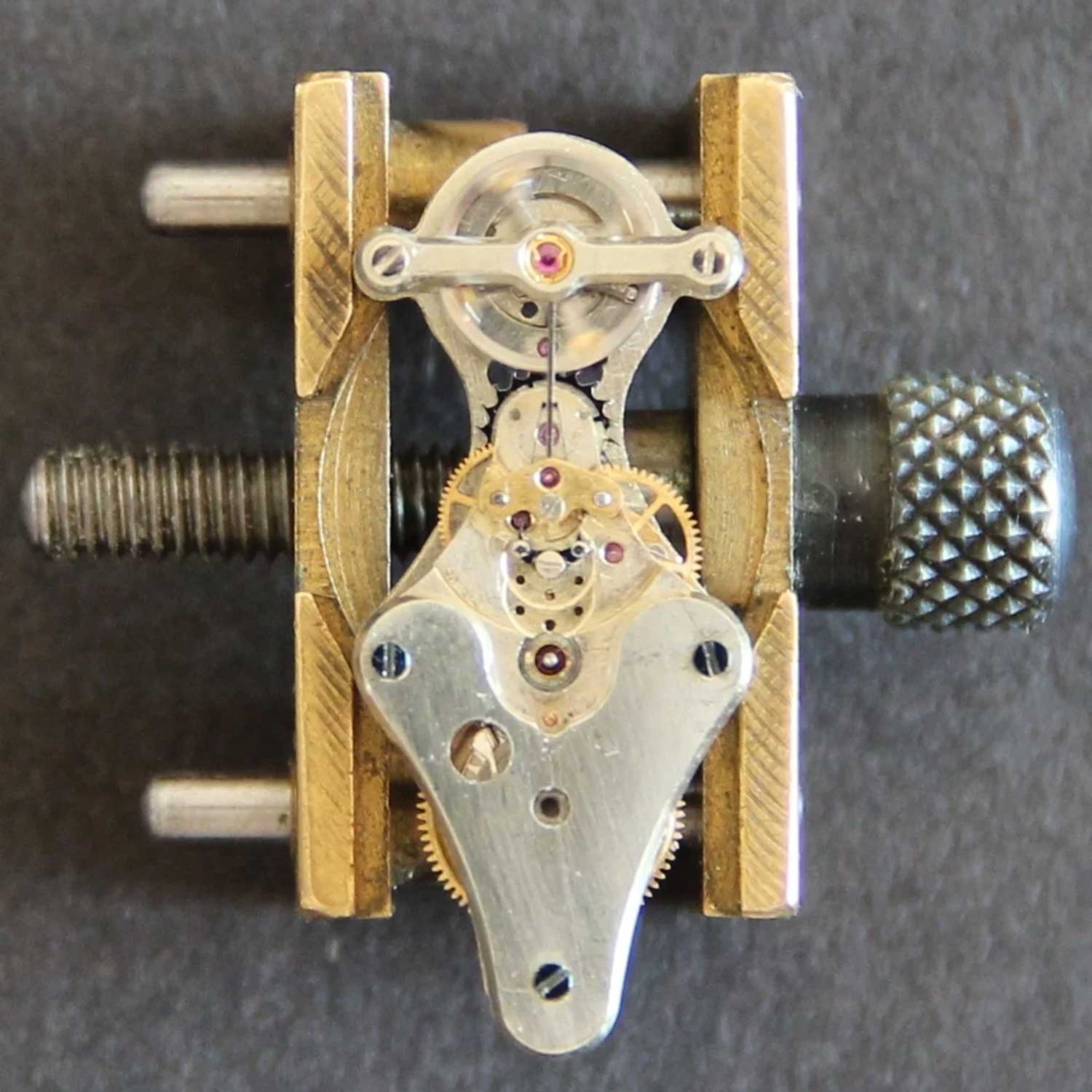
- Research into a new mechanism: the Calasys
Christophe Claret
French-born Christophe Claret heeded the call to watchmaking very early. He visited a watch restorer at the age of 14, and soon began attending watchmaking school in Geneva. He continued his training under Roger Dubuis, who perhaps instilled in the young Claret a flair for the dramatic.
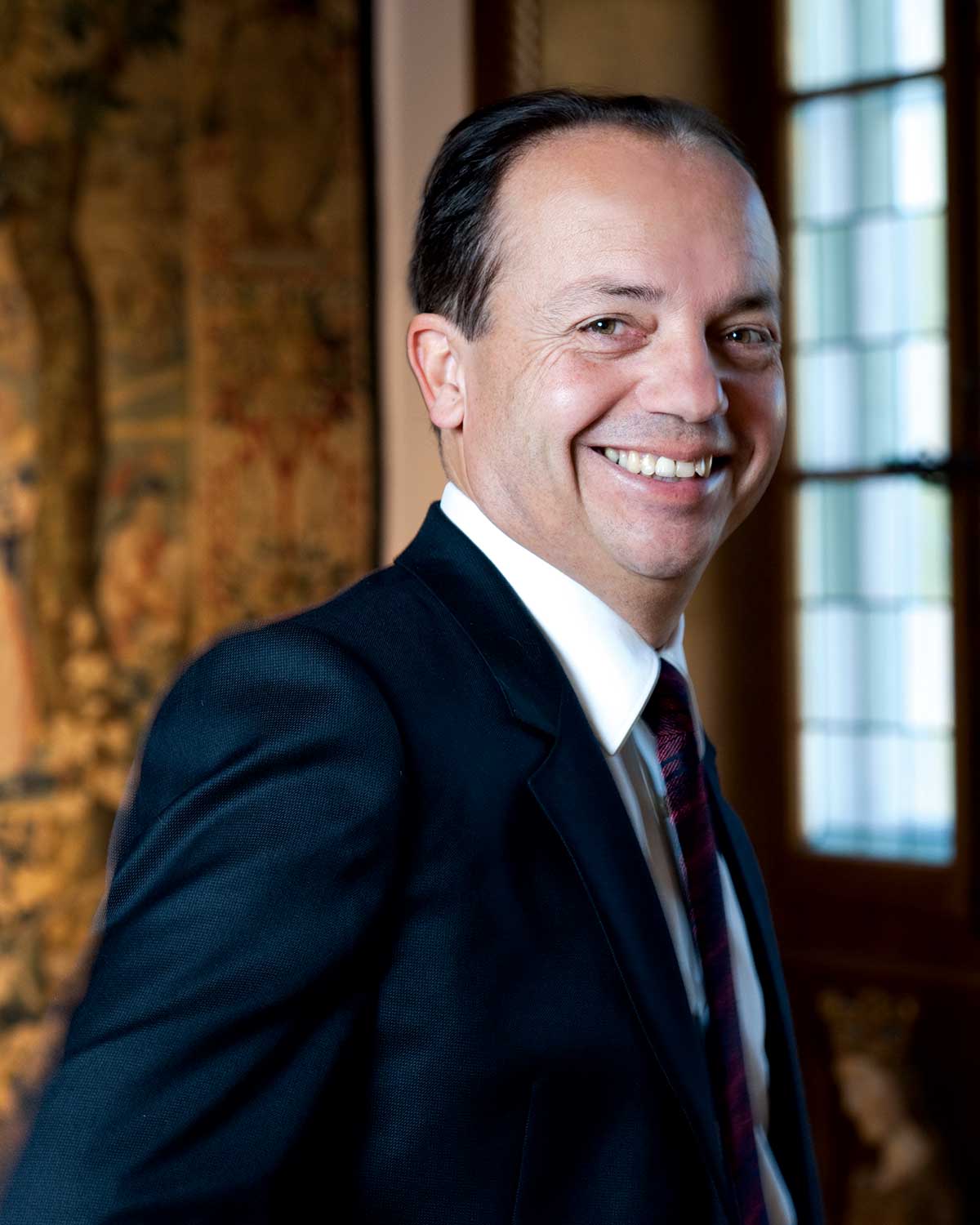
Christophe Claret
In 1989 Claret founded his own manufacture, two years after a commission to create 20 minute repeater calibers for Rolf Schnyder’s Ulysse Nardin. Specializing in high complications, Claret worked for a who’s who of the most innovative watchmakers in the 1990s. In addition to Ulysse Nardin, his work can be found in Franck Muller, de Grisogono, Harry Winston and others.
It took a while for Christophe Claret to create a piece under his own name; 2009’s DualTow was that remarkable debut. There’s an undeniable sense of playfulness about his work, as his style combines technical complexity with a playful touch, as in his trilogy of game watches (Poker, Baccara and Blackjack), and the romantic Margot, which simulates picking petals off a daisy.
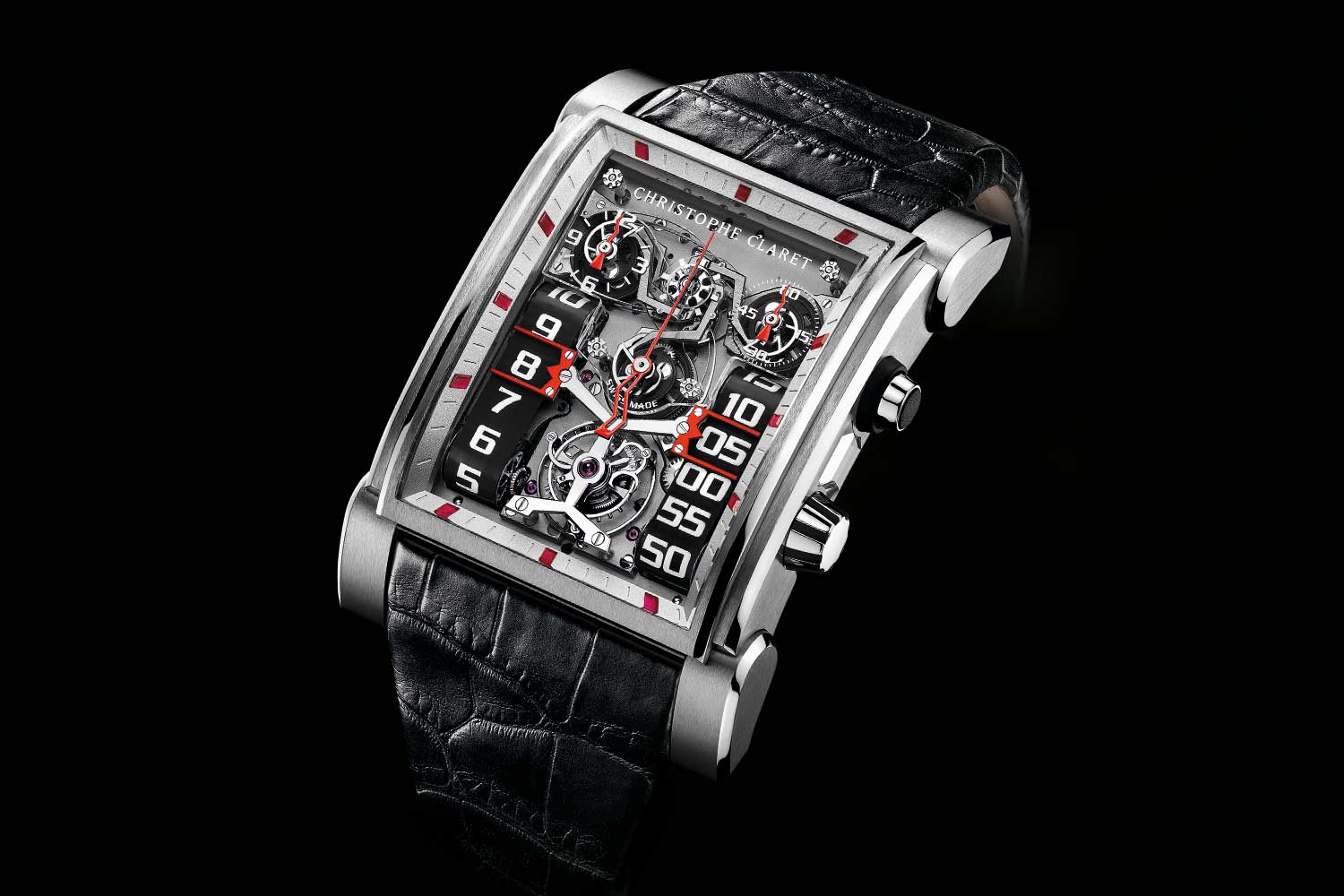
Christophe Claret DualTow
-
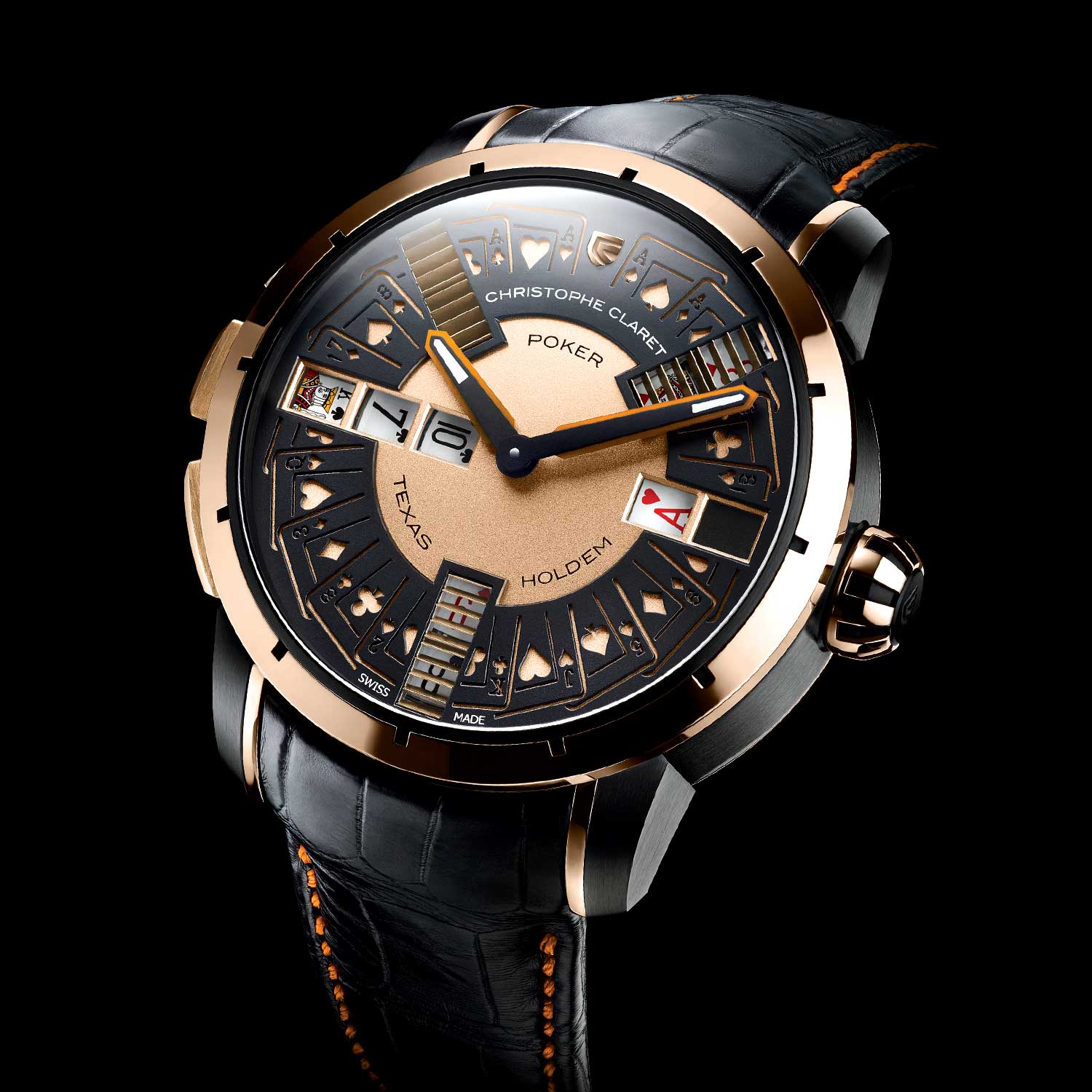
- Christophe Claret Poker Texas Hold’em Casino
-
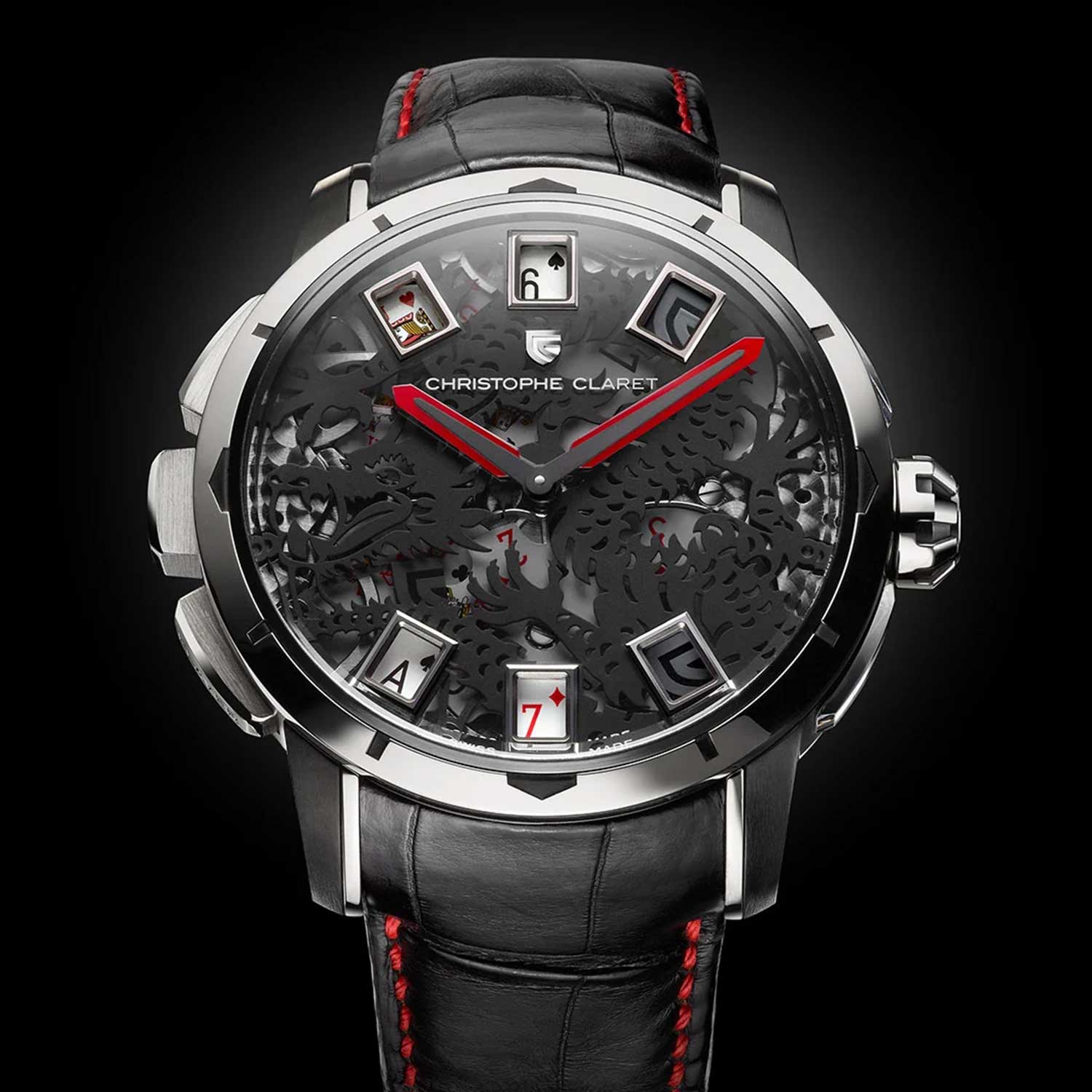
- Christophe_Claret Baccara Dragon Motif Titanium Black
-
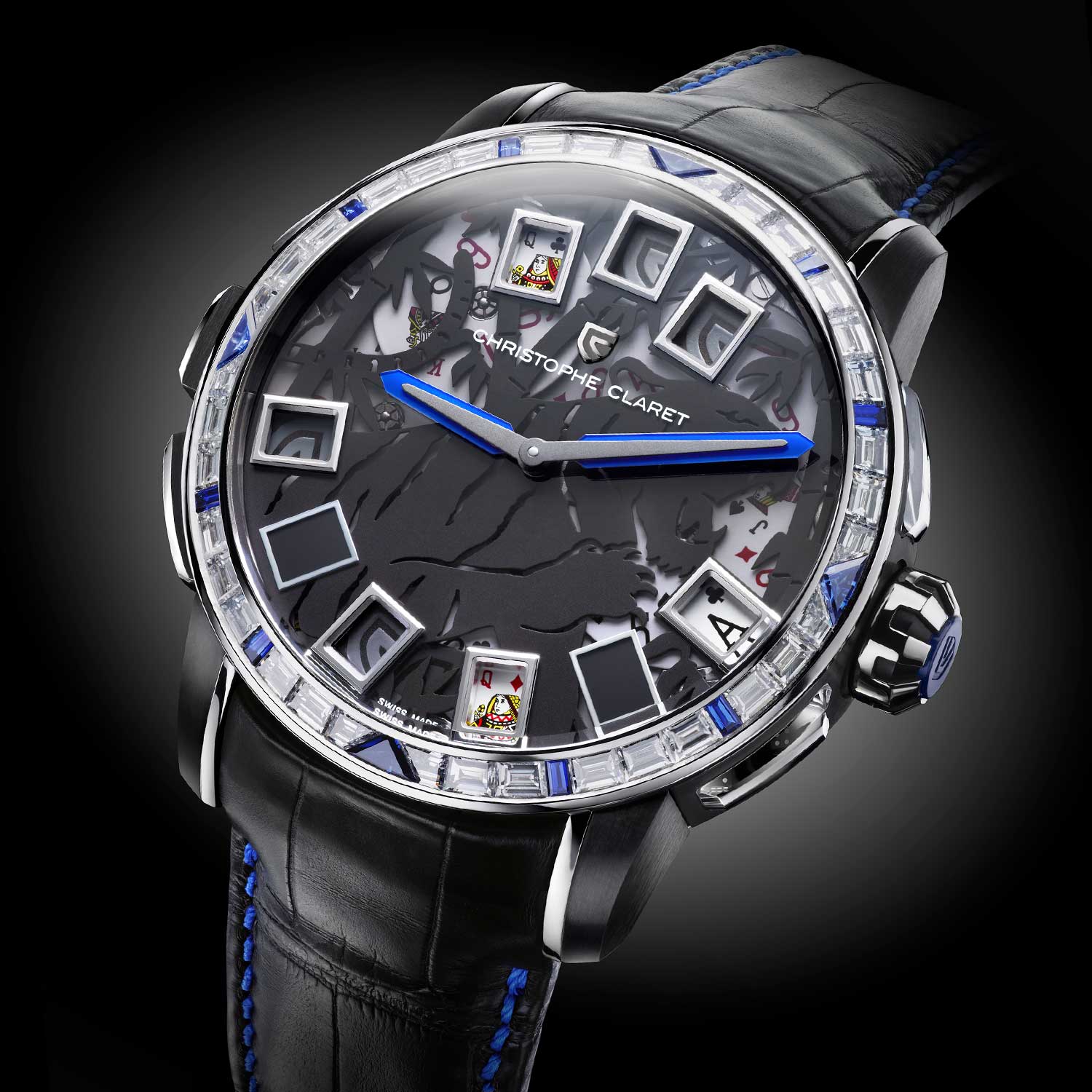
- Christophe Claret 21 Blackjack
-
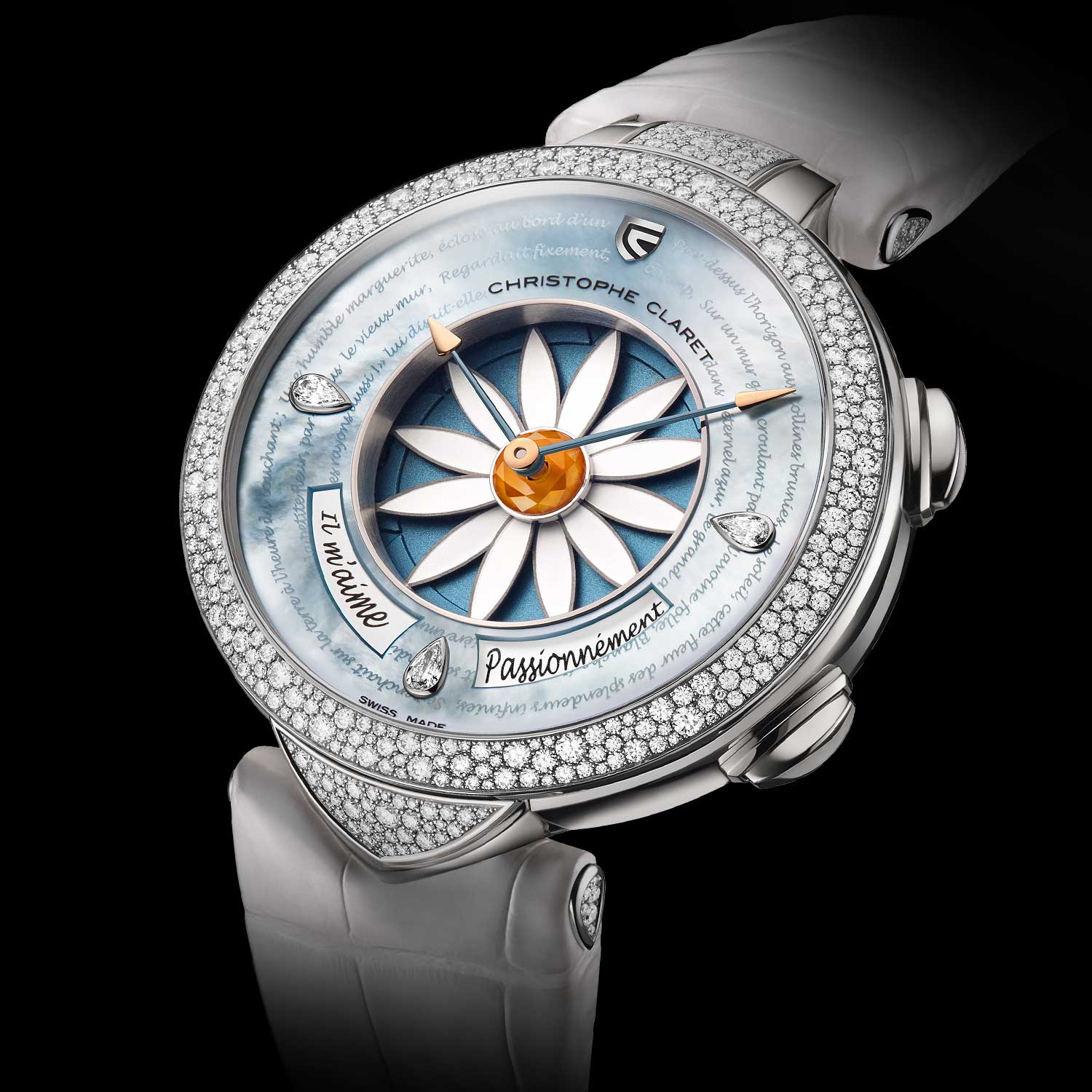
- Christophe Claret Margot
Milestone pieces include the X-Trem-1 Pinball (2012), which uses magnetic levitation to mark the time with tiny metal balls, and collaborations with Maîtres du Temps, raising the standard of complications. Claret’s commitment to combining fun and innovation ensures that he remains a bright light of creativity and ingenuity.
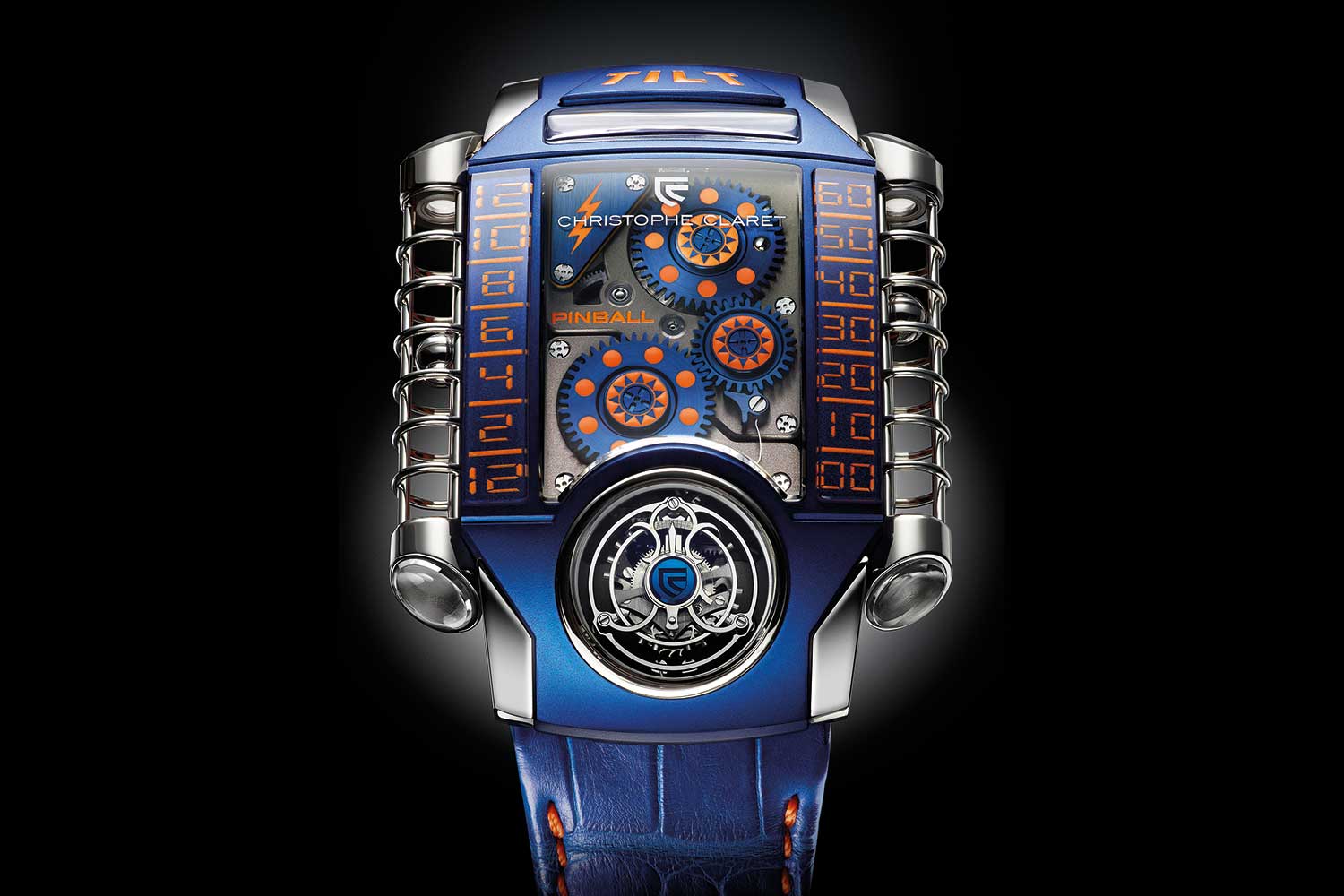
Christophe Claret X-TREM-1 Pinball
Roger Dubuis
The late Roger Dubuis left an inimitably larger-than-life mark on the world of watchmaking. Born in 1938, he trained in Geneva and began his career at Longines, focusing on repairs. He later spent 14 years at Patek Philippe, specializing in the sort of complications and high finishing that would become the bread and butter of his own horological practice. By the 1980s, he was working for himself, restoring antique clocks and museum pieces. However, his goal was to have his own name on the dial of watches that would rank among the greatest ever created.
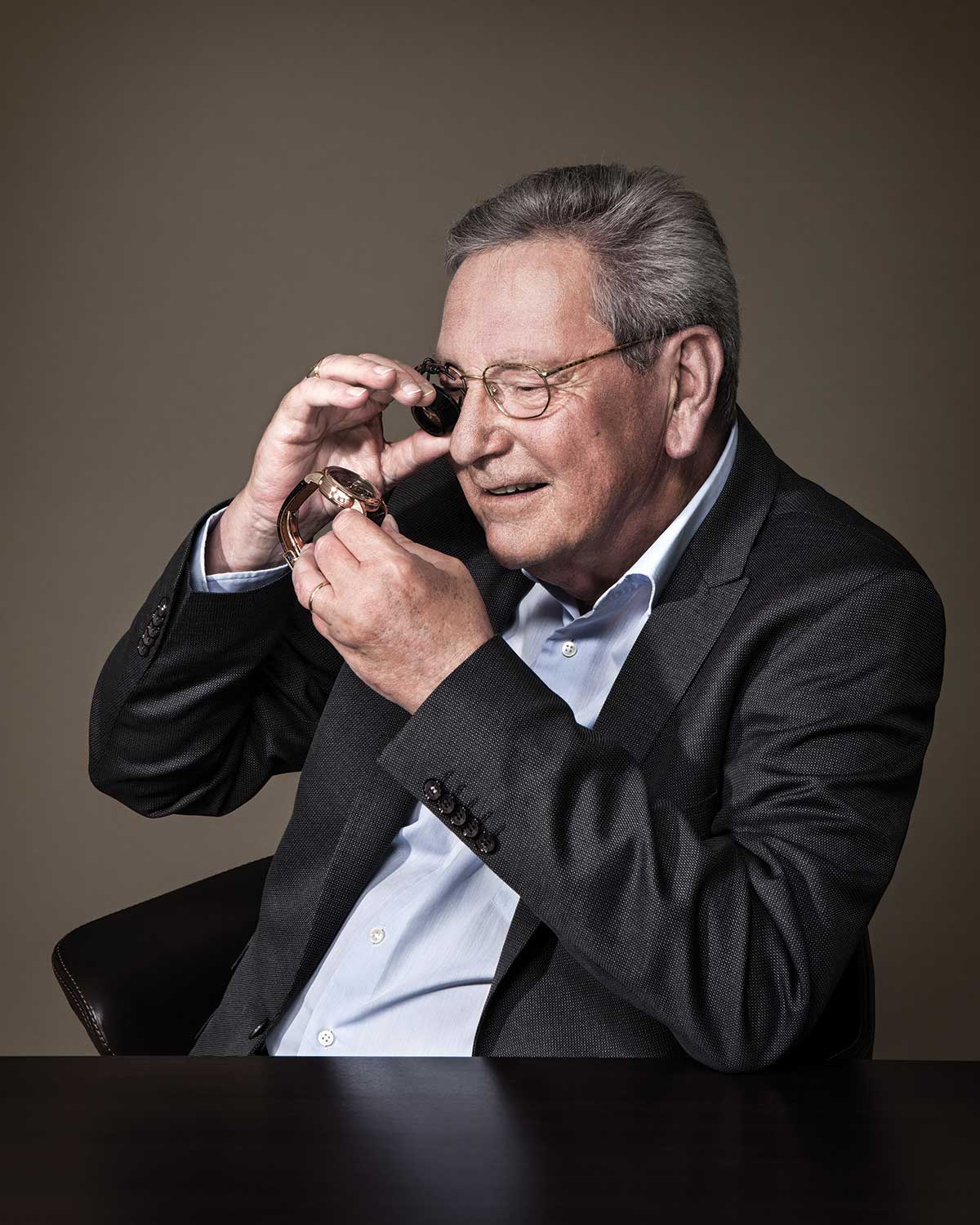
Roger Dubuis
Fast forward to 1995, the talented Dubuis teamed up with Carlos Dias to launch his eponymous brand. True to his ambitions, the first Roger Dubuis collections broke horological conventions in spectacular style: the Sympathie, with its angular case and complex retrograde displays, was like nothing seen before (or since); meanwhile, the Hommage was bolder still, housing flying tourbillons and perpetual calendars in oversized, architectural cases.

Vintage Roger Dubuis Sympathie with retrograde perpetual calendar and Hommage H40 with applied Breguet numerals (©Revolution)
But there was substance behind the style. From the beginning, every single Roger Dubuis movement bore the Geneva Seal — involving a rigorous certification process that guarantees a mechanical watch’s provenance, impeccable craftsmanship and functional reliability. This exciting mix of bold design and technical superiority rewrote the rules of fine watchmaking. Dubuis showed that haute horlogerie could be loud, while still meeting the stuffiest of standards. Even though Roger Dubuis sadly passed in 2017, his brand lives on, still committed to the highest quality of craft and startling style.

The Geneva Seal — involving a rigorous certification process that guarantees a mechanical watch’s provenance, impeccable craftsmanship and functional reliability
Dominique Loiseau
Born in the middle of the last century in France, Dominique Loiseau was one of the greatest watchmakers of the 20th century that you likely hadn’t heard of. Loiseau, who passed in 2013, first made a name for himself as the Head of Restoration at the hugely influential Musée International d’Horlogerie, where he worked on several significant restorations, including the Jaquet Droz automata, La Musicienne. Later in his career, Loiseau would return to Jaquet Droz, along with Swatch stablemates Blancpain and Omega. His most famous creation of this era was the Blancpain 1735.
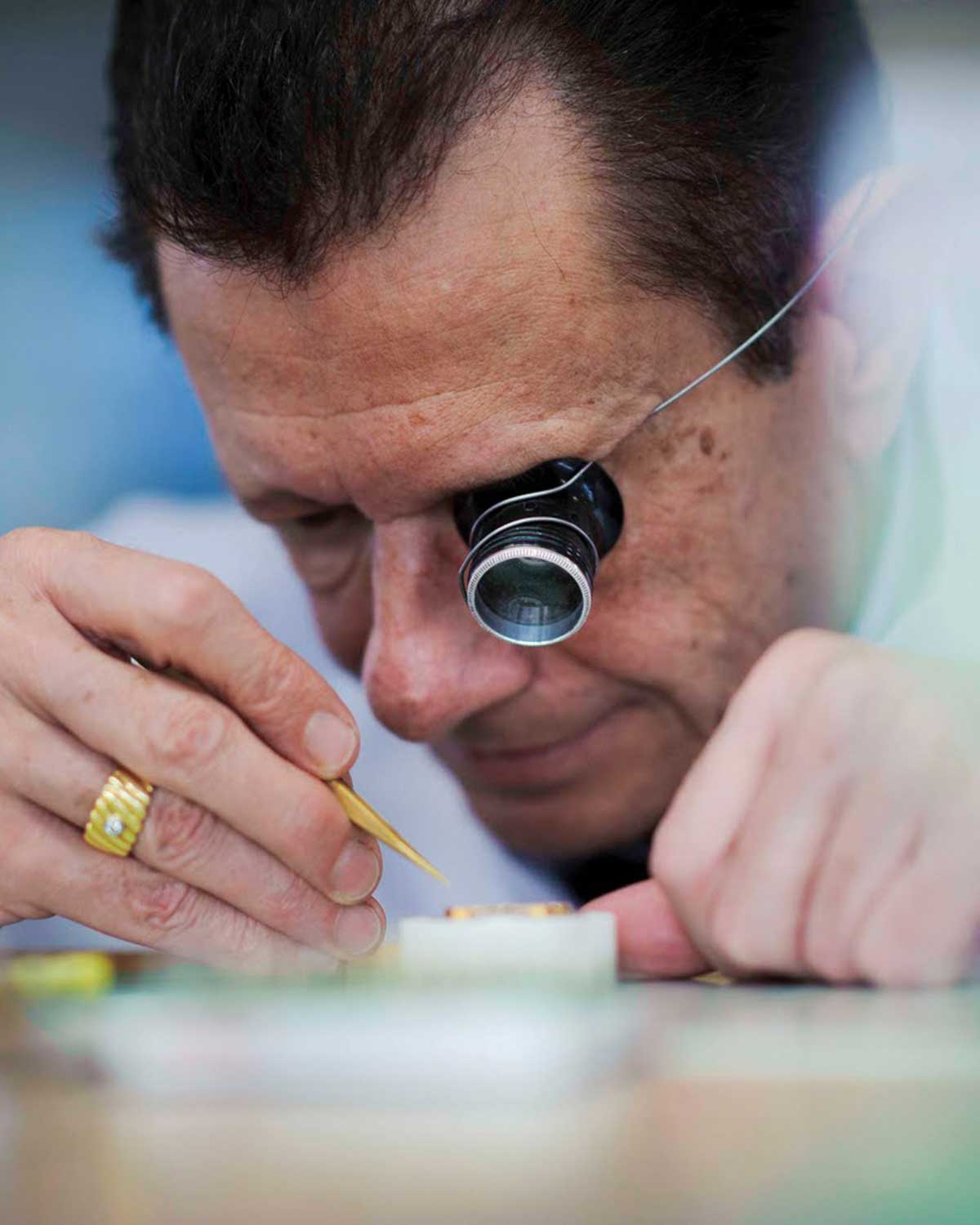
Dominique Loiseau
The Blancpain 1735, announced in 1991, was another holder of the title of “most complicated watch in the world” at the time, and it was, without doubt, prodigiously complicated. The 42mm case contained 744 hand-finished parts, and included a tourbillon, perpetual calendar, moonphase and rattrapante chronograph. Each watch was hand decorated and assembled from start to finish by a single master watchmaker, and took a full year to complete. Only 30 watches were ever made.
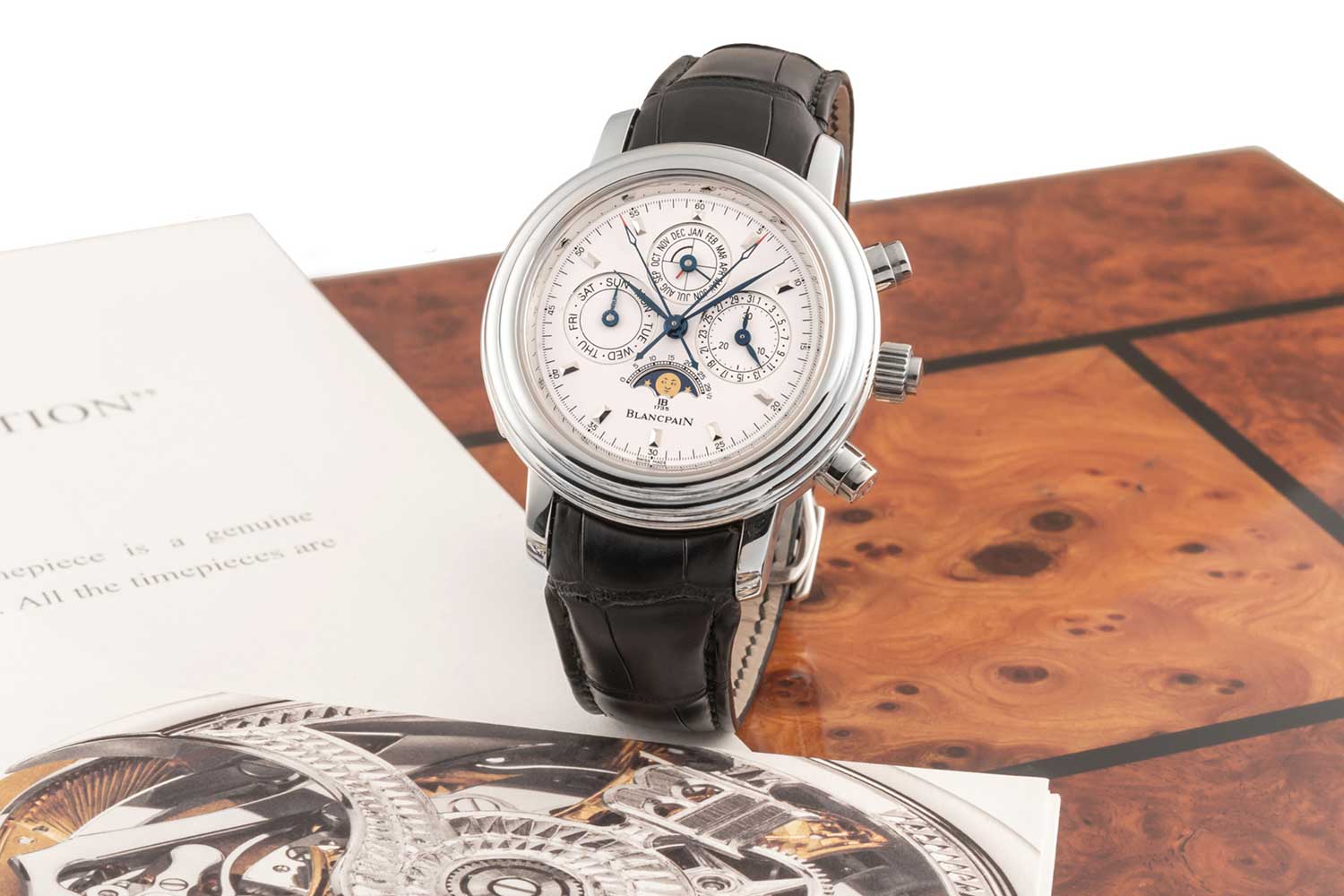
Blancpain 1735 Grande Complication, No. 24/30 (Image: Antiquorum)
In 2011, Loiseau debuted another exceptionally complex watch — with his name on the dial. This debut release, the 1f4, was certainly outstanding. Some of its unique elements included dual bezel-integrated rotors and an instantly reversible dial, achieved by removing and rotating the lugs. The 1f4 boasted 32 functions, and was made using the traditional processes and techniques that Loiseau had perfected and celebrated over his lifetime.
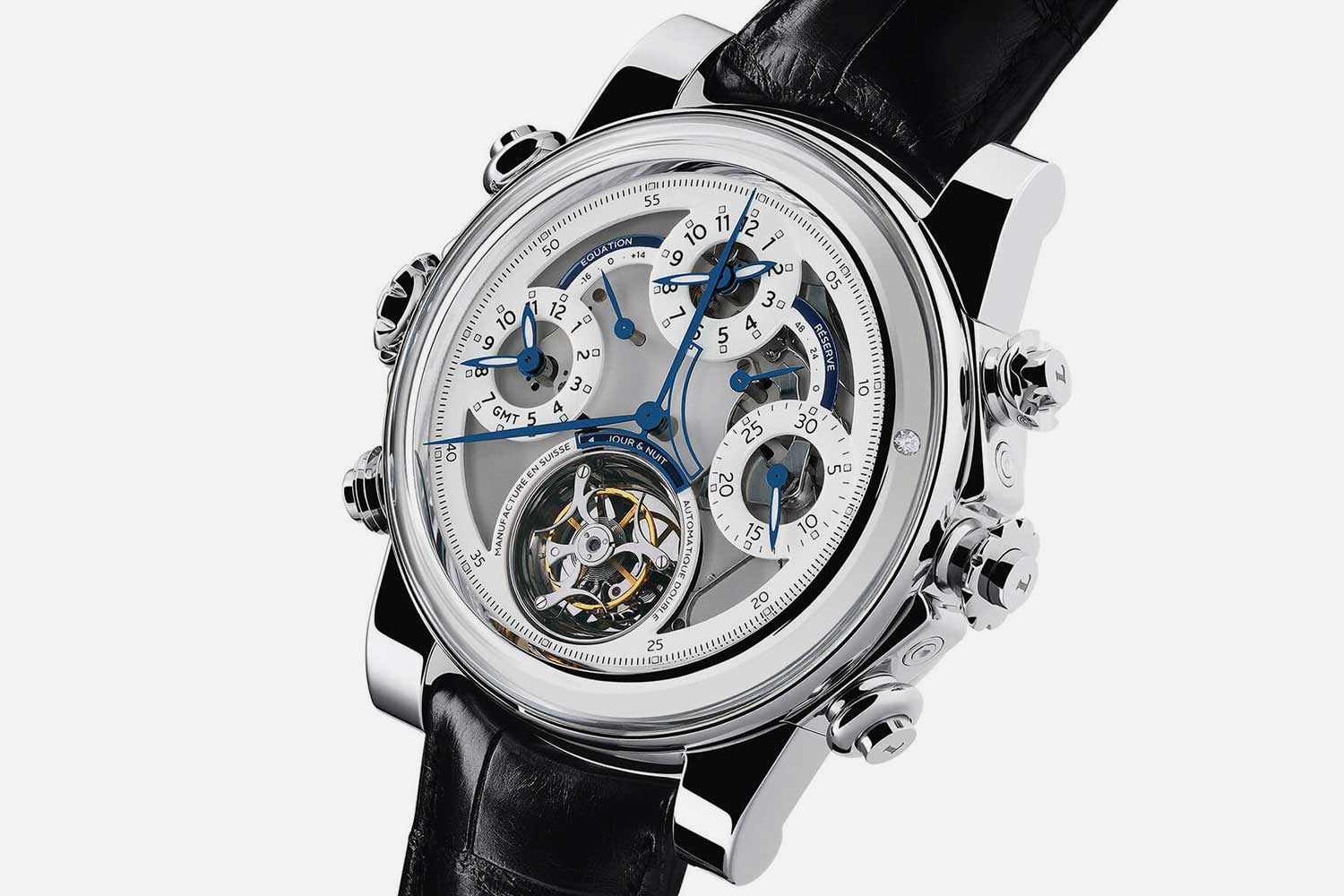
Loiseau 1f4
Paul Gerber
Paul Gerber might lack the name recognition of some of his contemporaries, but among connoisseurs whose understanding of watchmaking goes deeper than the name on the dial, he is legendary.
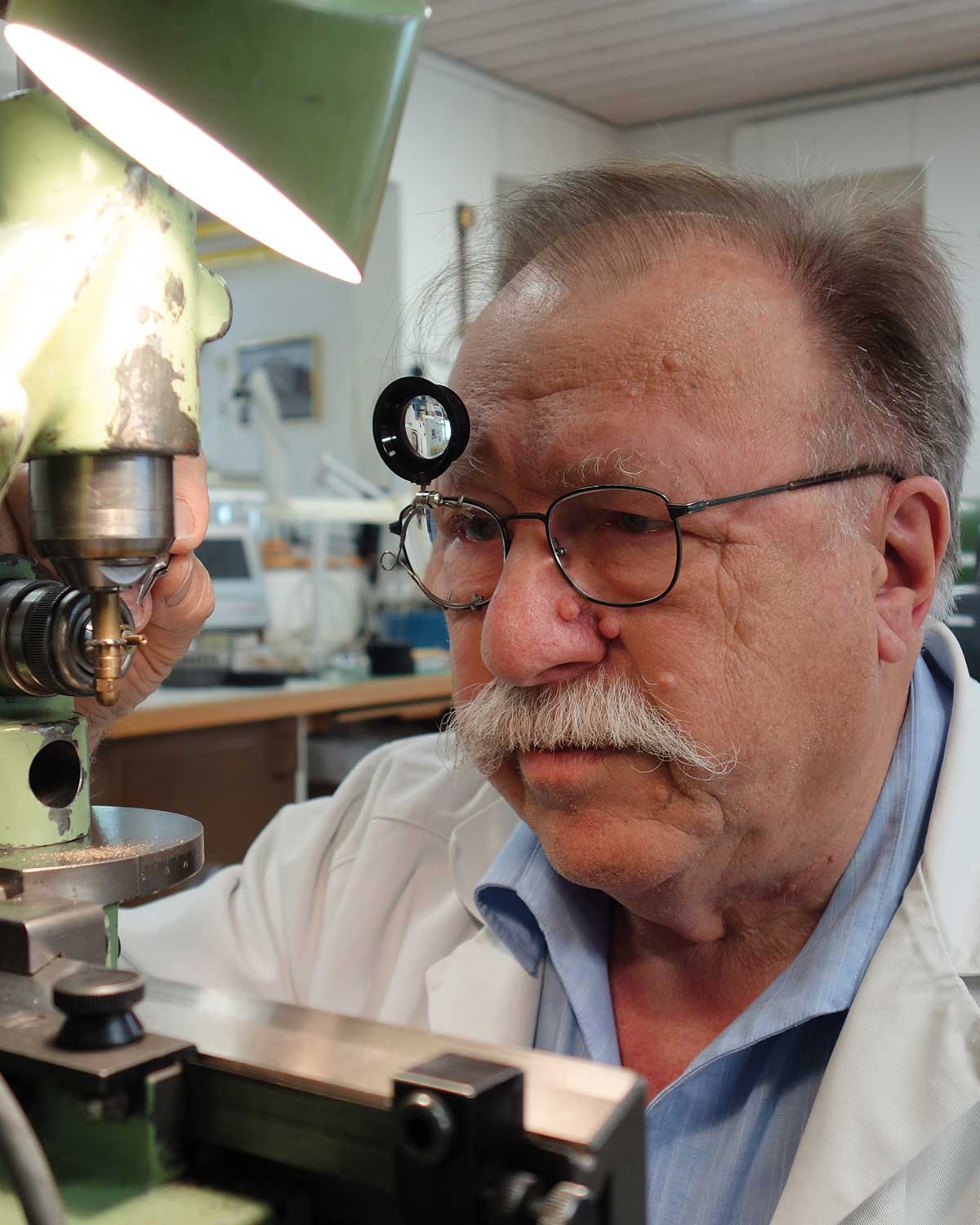
Paul Gerber
Born in Bern in 1950, Paul Gerber moved to Zurich in 1970 and opened his own workshop six years later. In 1988, Gerber joined the AHCI, thanks in no small part to his intricately crafted miniature clocks, the size of matchboxes, made almost entirely from wood. Gerber’s list of achievements has grown over the decades. He was the first watchmaker to integrate a three-dimensional moonphase; worked with Ludwig Oechslin on the MIH watch; made one-minute flying tourbillon desk clocks for Audemars Piguet, and, perhaps most famously, had a hand in creating what was, at the time, the most complicated watch in the world.
-
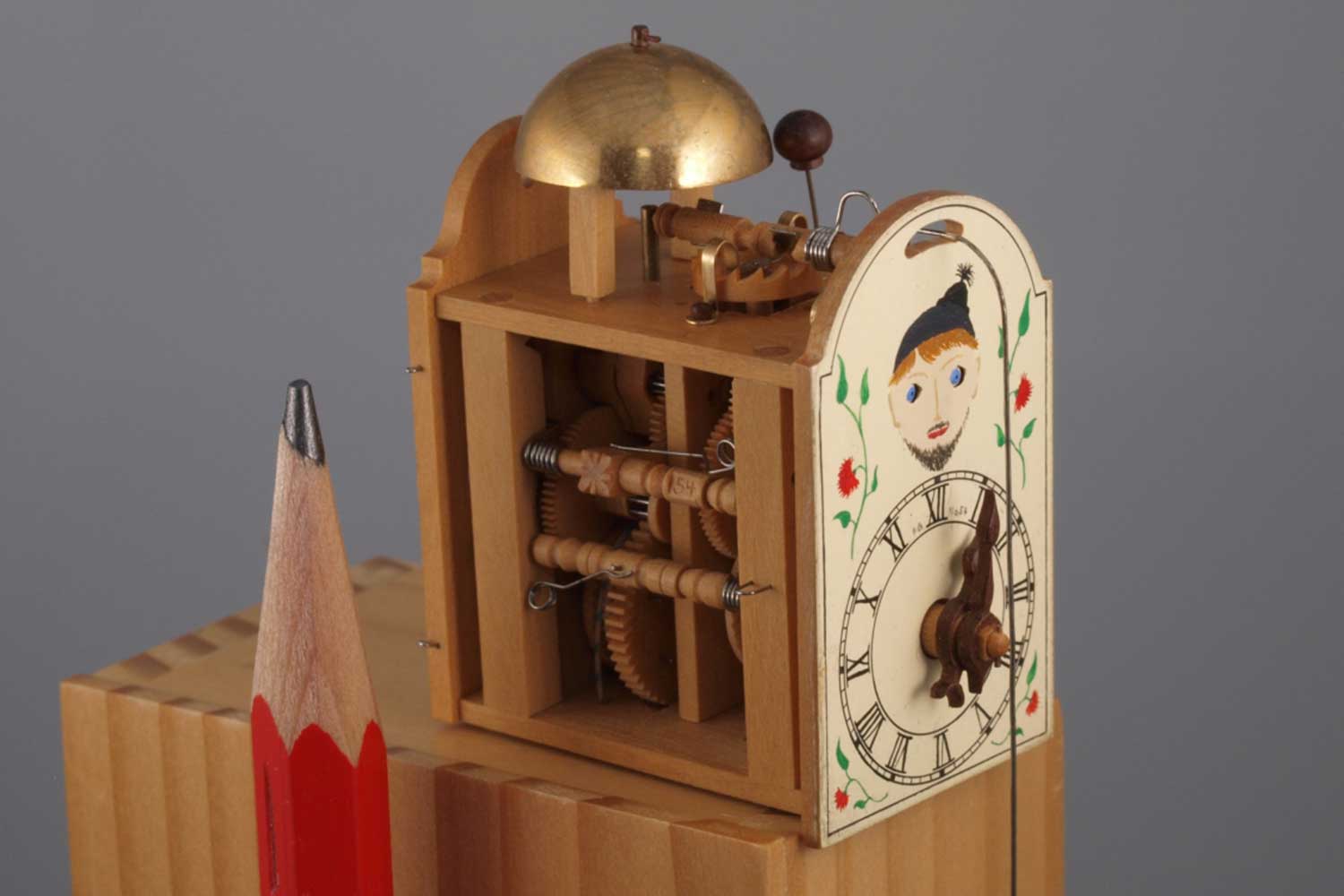
- The matchbox size wooden miniature clocks in the Guinness book of record for the smallest functioning wooden-wheeled clock
-
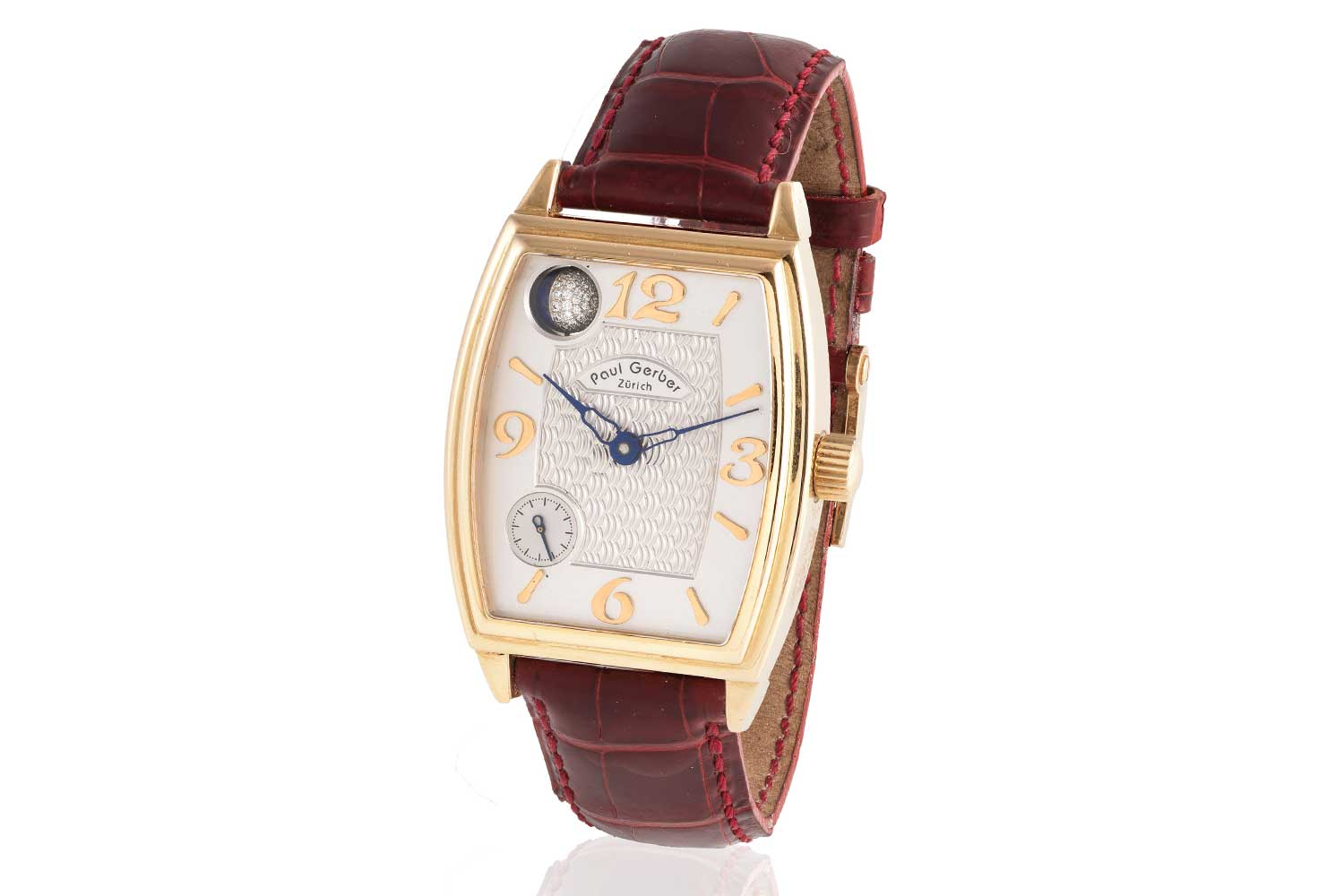
- Paul Gerber 33 ‘3-Dimensional Moon’, Ref: No.335, Circa 1990 (Image: Bonhams)
-
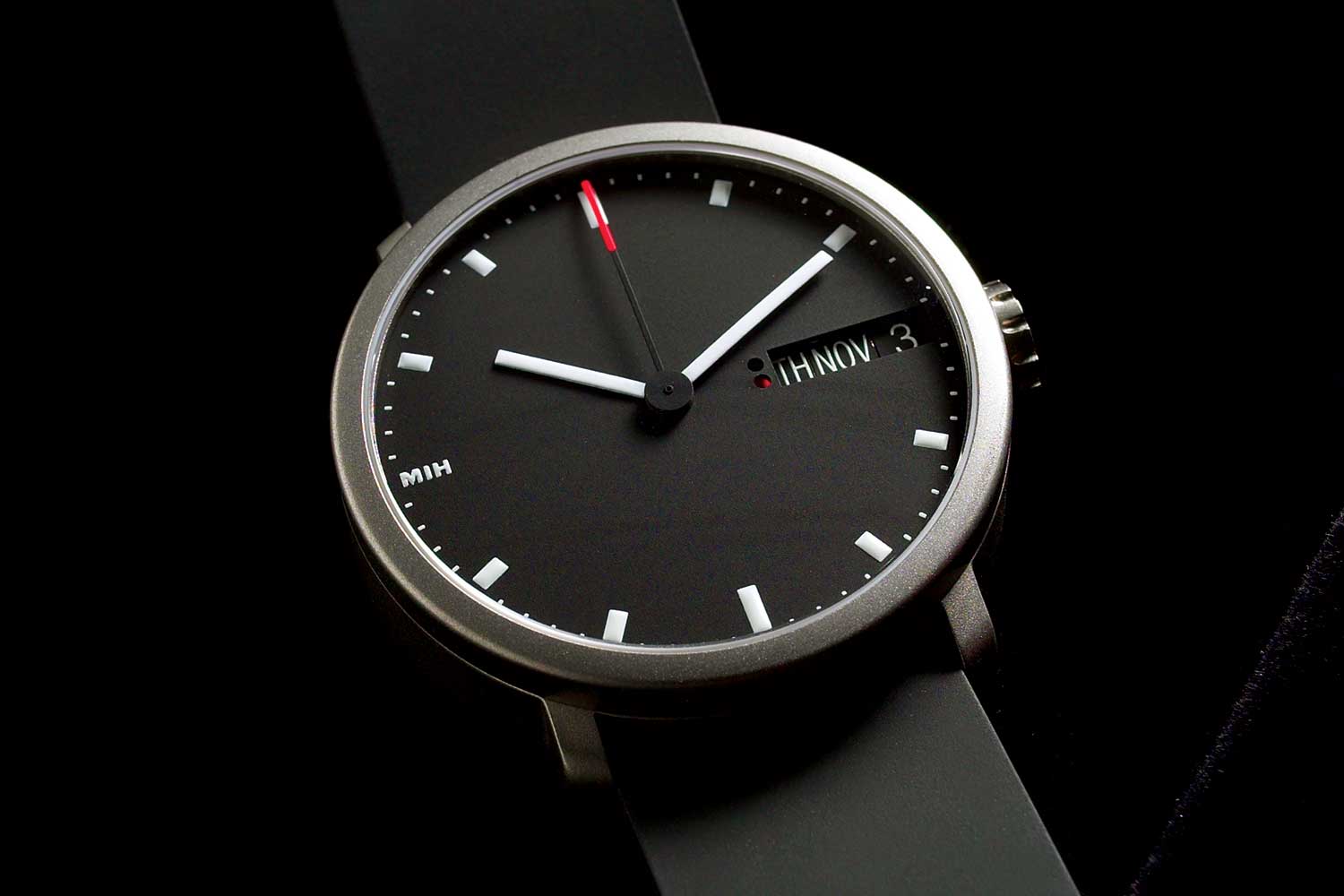
- Paul Gerber worked with Ludwig Oechslin on the MIH watch
-
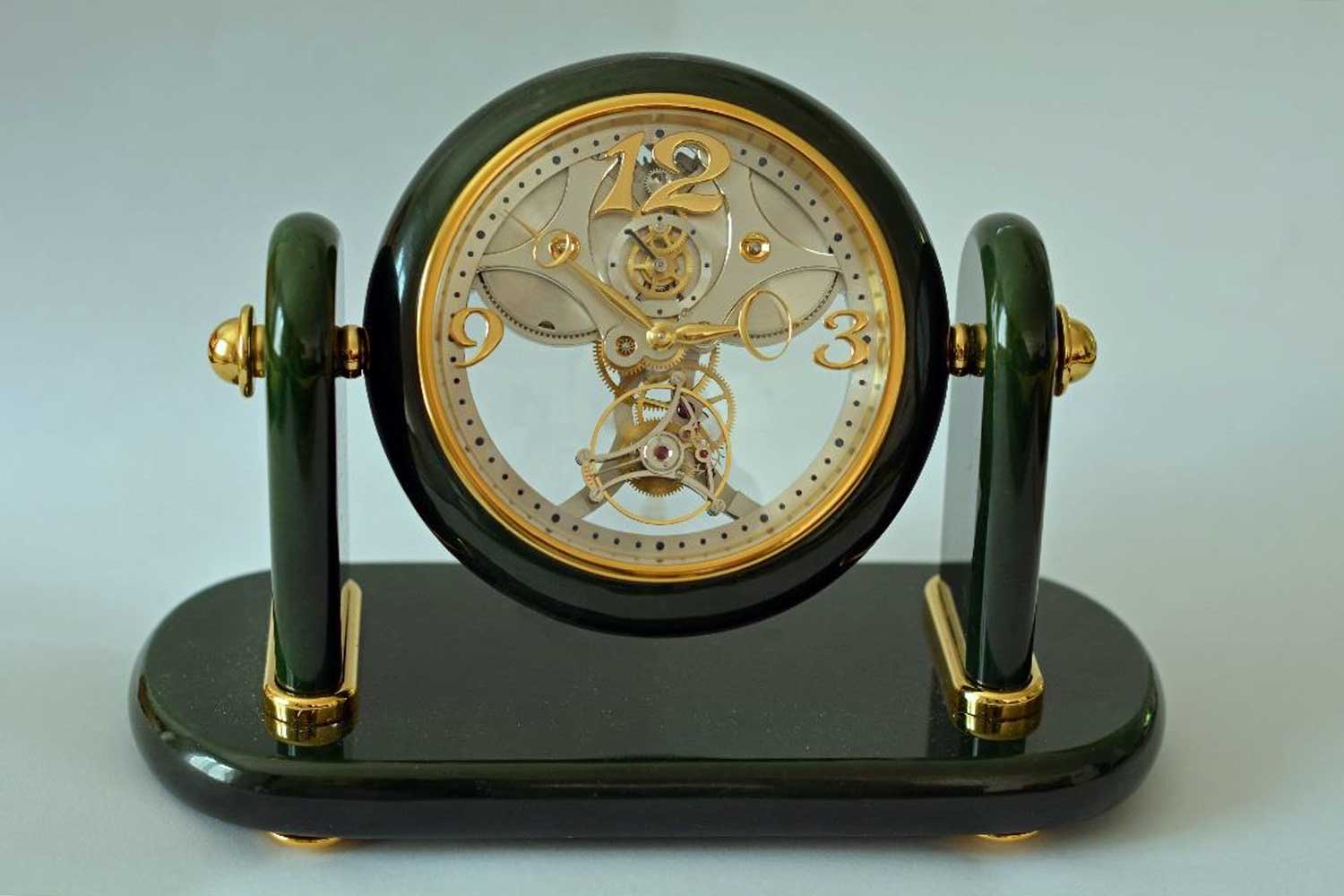
- Flying 1 minute tourbillon, table clock, featuring skeletonized, in house movement and 8 day power reserve
Working in partnership with Franck Muller on a modified complicated Louis-Elysée Piguet caliber, Gerber helped create a compact wristwatch with 12 mechanical complications and a staggering 1,116 parts — a Guinness world record. The result of over a decade’s worth of work by Gerber, today this watch is known as the Superbia Humanitatis (which means “Pride of Humanity”), and in many ways it encapsulates Gerber’s lifework. His name is not on the dial, but it is full of his hallmarks — ingenious, intricate micromechanical engineering solutions that belie a singular watchmaking mind.
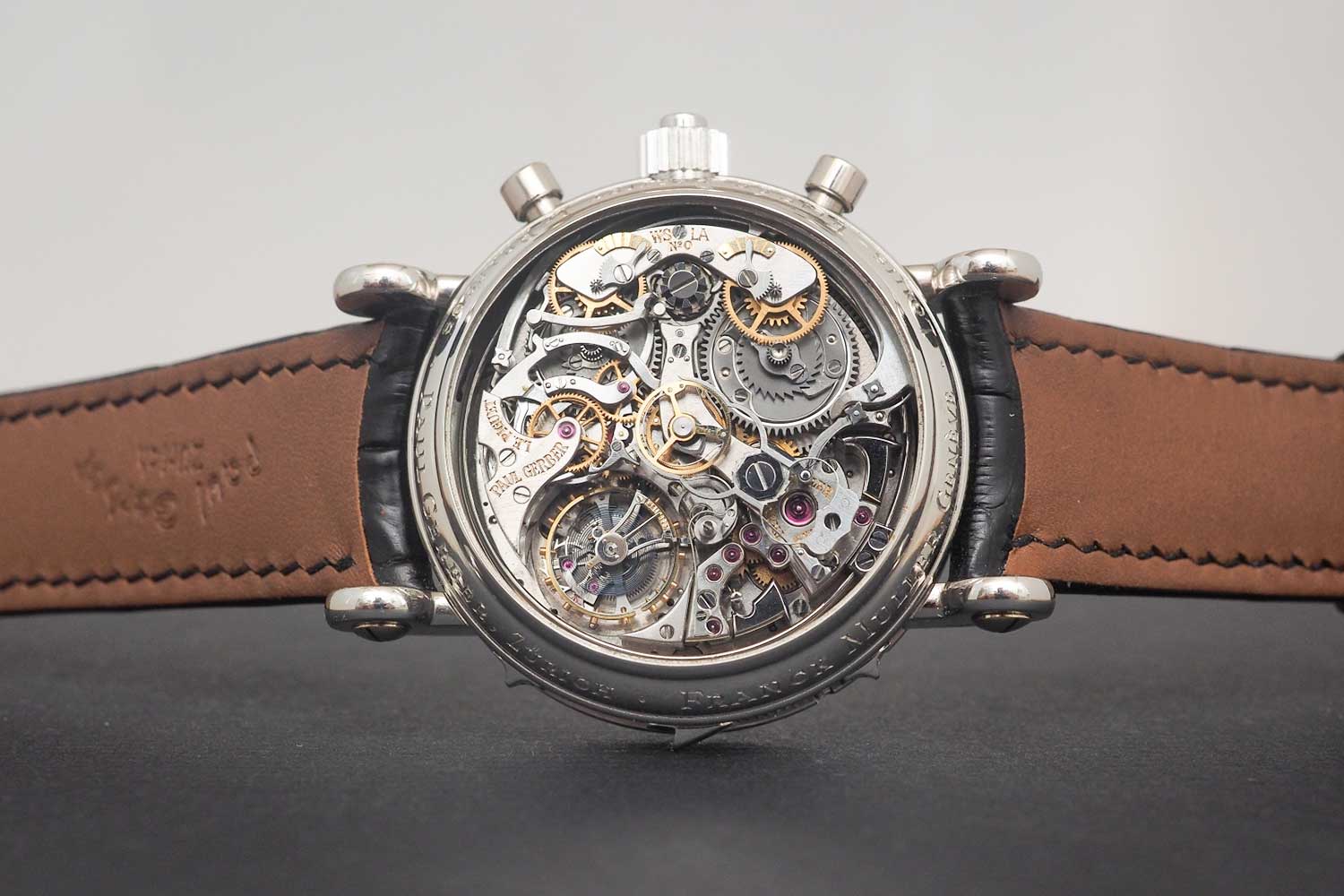
The modified complicated Louis-Elysée Piguet caliber
A characteristic feature of Paul Gerber’s calibers is his ingenious system of synchronized rotors. Perhaps the best-known example is his Caliber 42, built off the humble ETA Caliber 2824, but with three gold rotors mounted on a top plate creating one of the most remarkable and dramatic casebacks you’re ever likely to see.
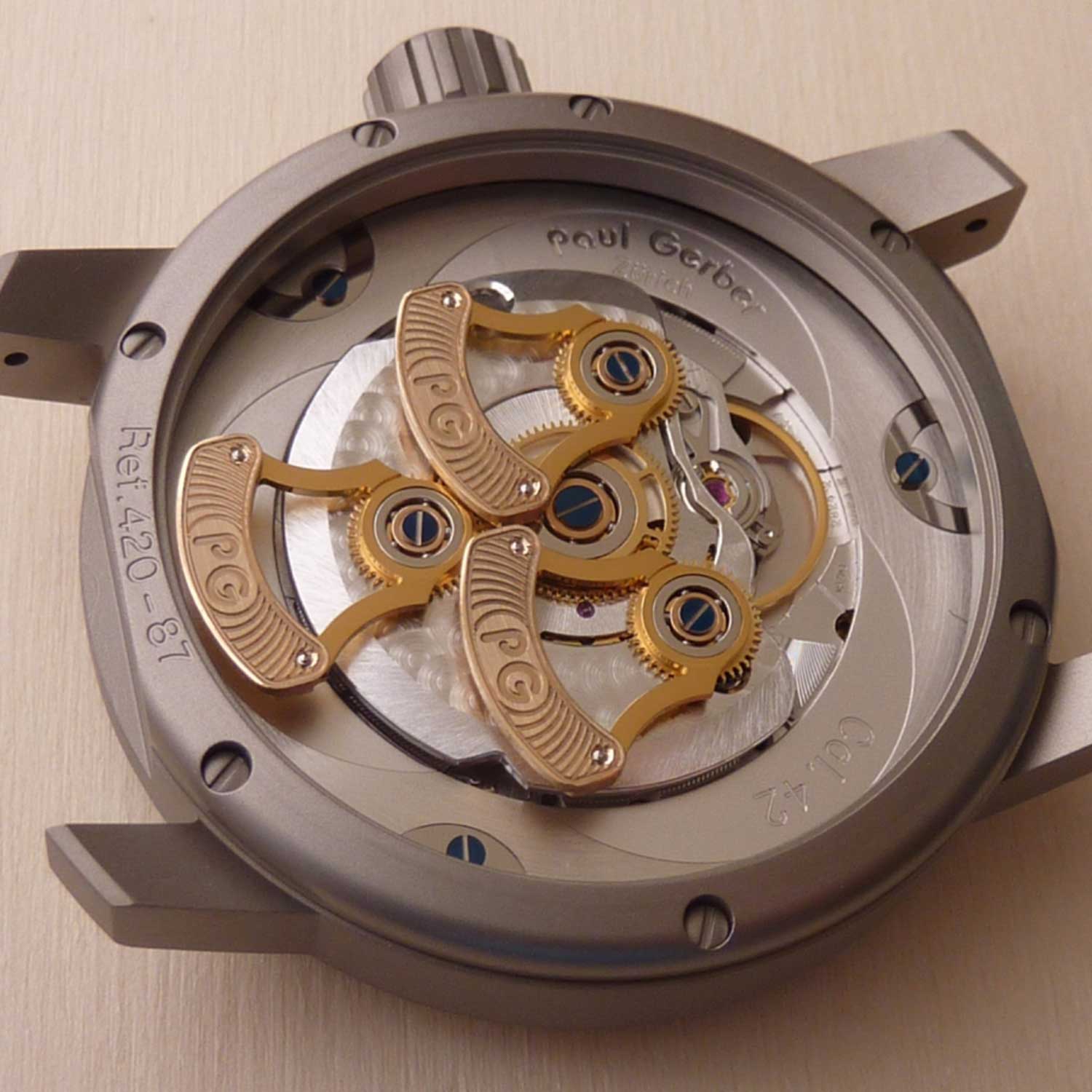
Caliber 42
Richard Miklosch
The original era of independent watchmakers was, unsurprisingly, centered around Switzerland, but there were a few outliers, such as Richard Miklosch. Born in Germany in 1939, Miklosch was an entirely self-taught watchmaker, working with simple tools out of a small workshop in Aachen, near the Belgian border. Unlike many of his contemporaries, Miklosch’s learning did not follow down the path of Breguet or Swiss traditions; instead, his expression of the art is entirely rooted in the traditions of Glashütte, the historic heart of German watchmaking.
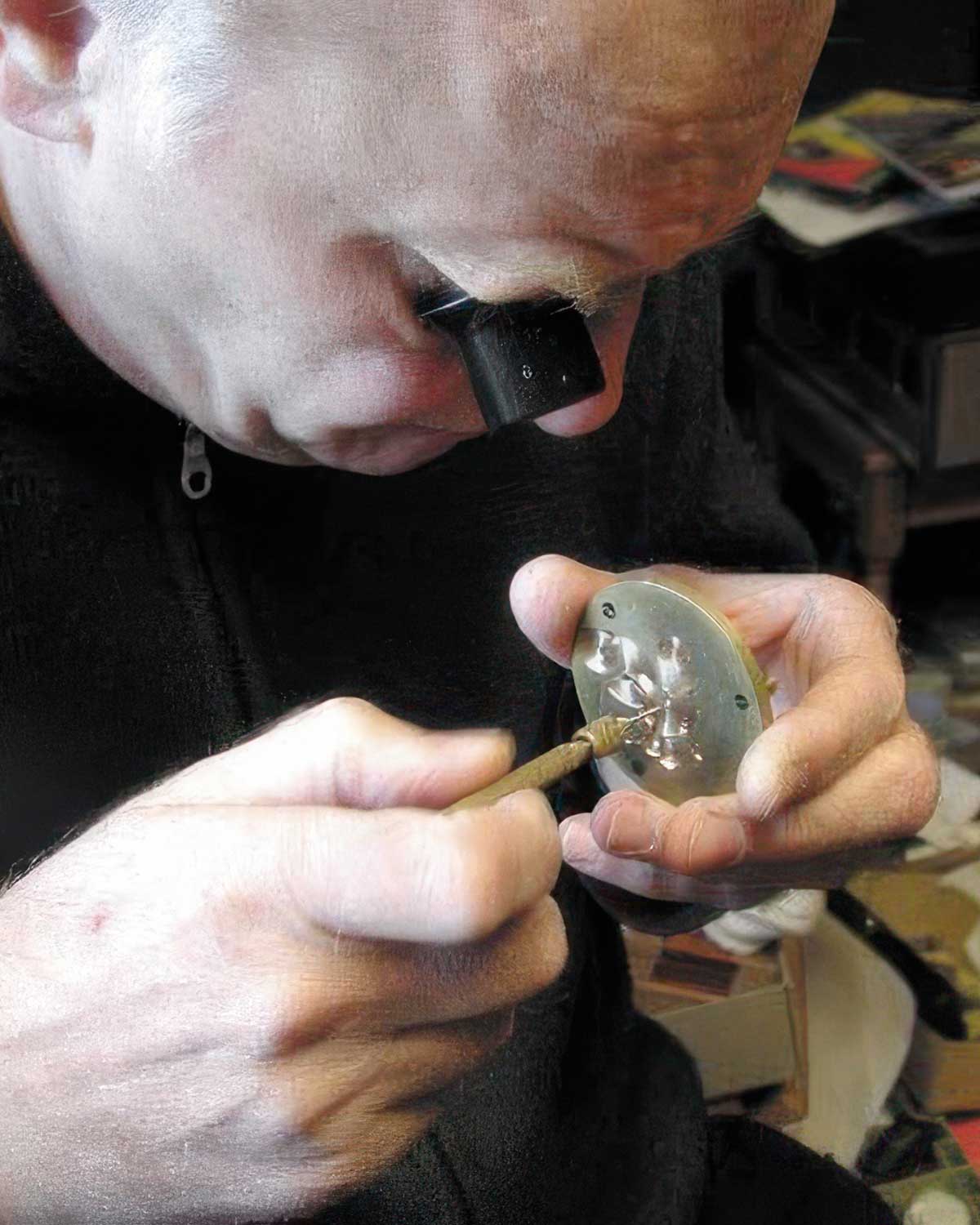
Richard Miklosch (Image: Courtesy of Fine Line Media)
Miklosch’s special interest was flying tourbillons — which, in their German expression, owed a lot to Alfred Helwig’s work in the 1920s, which saw the cage of the tourbillon support only one side of the whirling escapement. Today, this is called a flying tourbillon, and until Vincent Calabrese made one for a wristwatch in 1986, it was entirely the domain of pocket watches — and this was where Miklosch’s work shone. Indeed, Miklosch worked with Helwig before the latter’s passing, and the old master assisted Miklosch with his own creations.
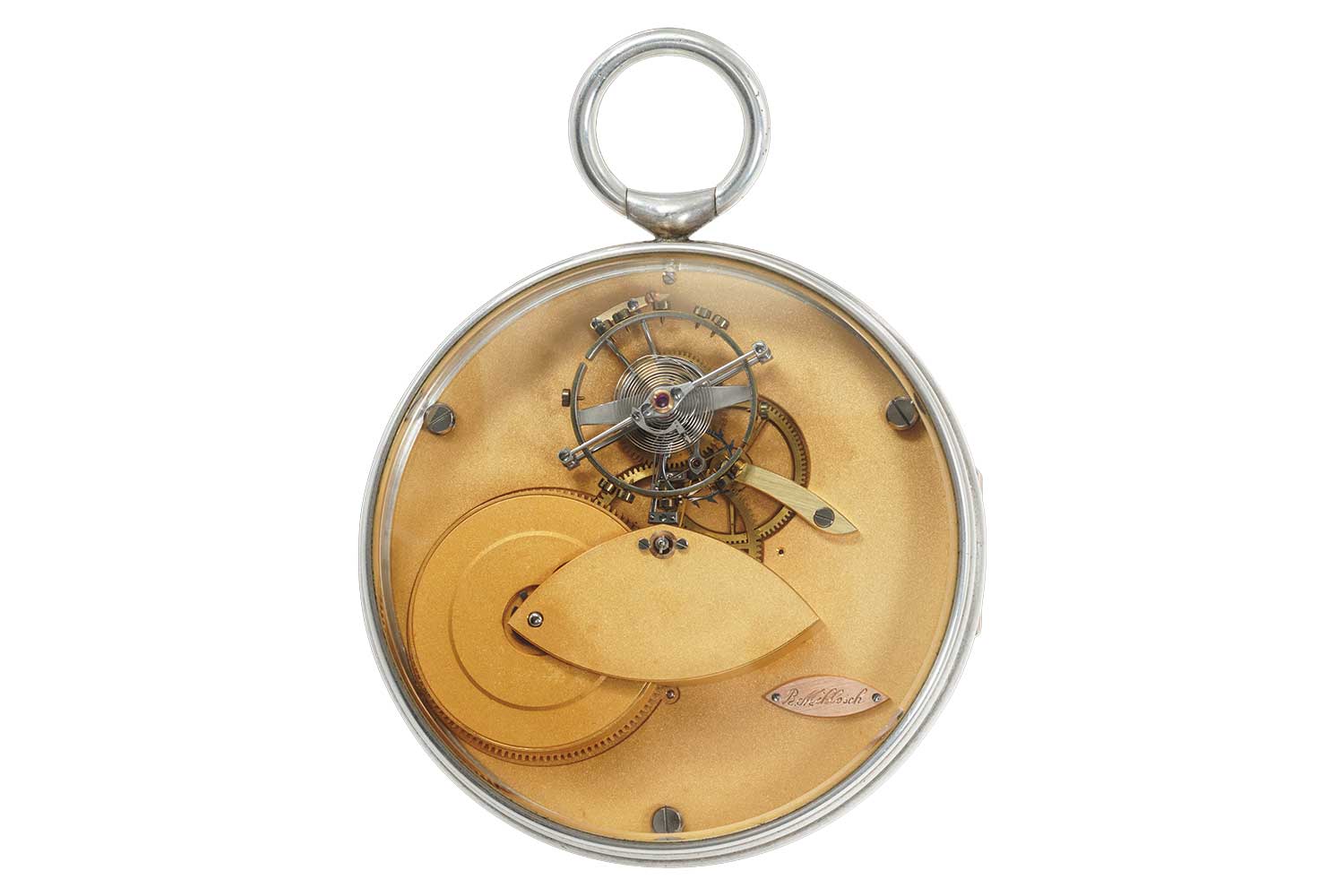
Richard Miklosch Flying Tourbillon with Detent Escapement (Image: Phillips)
Miklosch’s handcrafted tourbillons might lack the fame of some of his peers, but his influence runs deep. Indeed, he was an advisor to renowned collector and auctioneer Dr. Helmut Crott (who was a classmate of Miklosch), and Kari Voutilainen credited a week watching Miklosch’s work as inspiration for his own watches. However, Richard Miklosch’s work might finally be gaining recognition — earlier this year in May, a unique flying tourbillon pocket watch crafted by him around 1995 was sold by Cortrie Spezial-Auktionen for EUR 900,000, far exceeding its estimate.
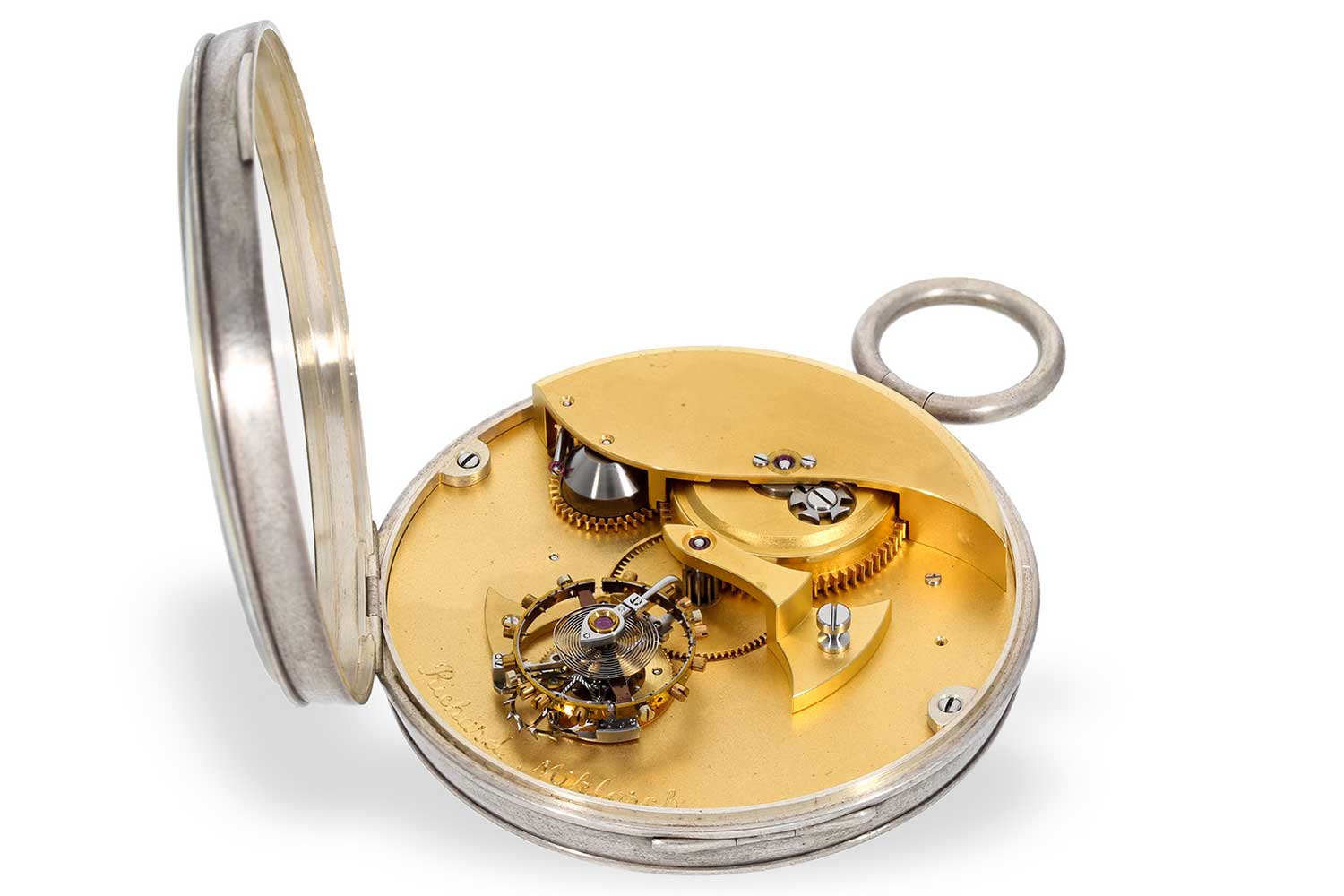
An unique Richard Miklosch Flying Tourbillon, circa 1995 (Image: Karl-Heinz Cortrie GmbH)
Franck Muller
One of the biggest names in independent watchmaking is Franck Muller — a wunderkind who turned his complex and brash approach to watchmaking into one of the coolest brands of the 1990s and 2000s, and should be credited with making serious watchmaking fun.
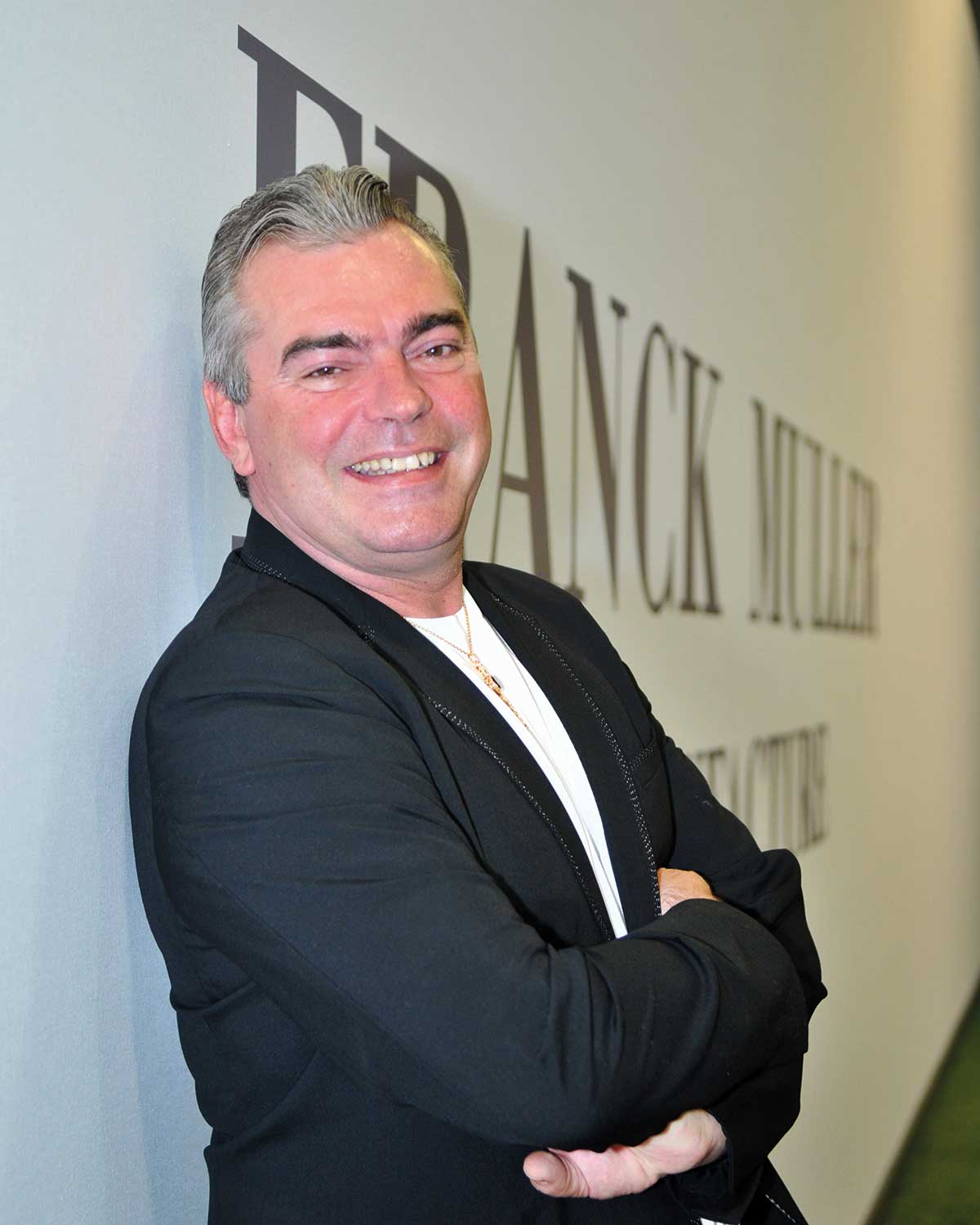
Franck Muller
Franck Muller was born in Switzerland in 1958, of an Italian mother and Swiss father. From a young age, Muller showed a strong interest in mechanical devices. He studied at the Geneva School of Watchmaking and developed a reputation for being a prodigy. One legendary example of his unconventional approach was the Rolex he won for being the top student in watchmaking school — rather than simply enjoying this watch, Muller decided to modify it into a perpetual calendar with custom components, while keeping the familiar scale and form of the Rolex.
The young Muller continued to hone his craft, restoring antique complications and learning from Svend Andersen whom he worked for from 1984 to 1991. It was in Andersen’s workshop that Muller learned to love the tourbillon and made his earliest watches, simply signed “Franck.”
In 1986, Franck Muller debuted his first timepiece under the name “Franck Genève” — a tourbillon with jumping hours and a regulator-style dial that marked the start of Muller’s maverick path.

Franck Muller’s world premiere in 1986: a tourbillon with jumping hours
In the decades after, Muller leaned into his characteristic Cintrée Curvex case, filling the generous tonneau with color, complications and plenty of tourbillons. In addition to being one of the most significant watchmakers of his generation, Muller’s legacy is intertwined with his own larger-than-life personality — something fully expressed in his creations. The style and glamor of Franck Muller is just as significant as his mastery of complications.
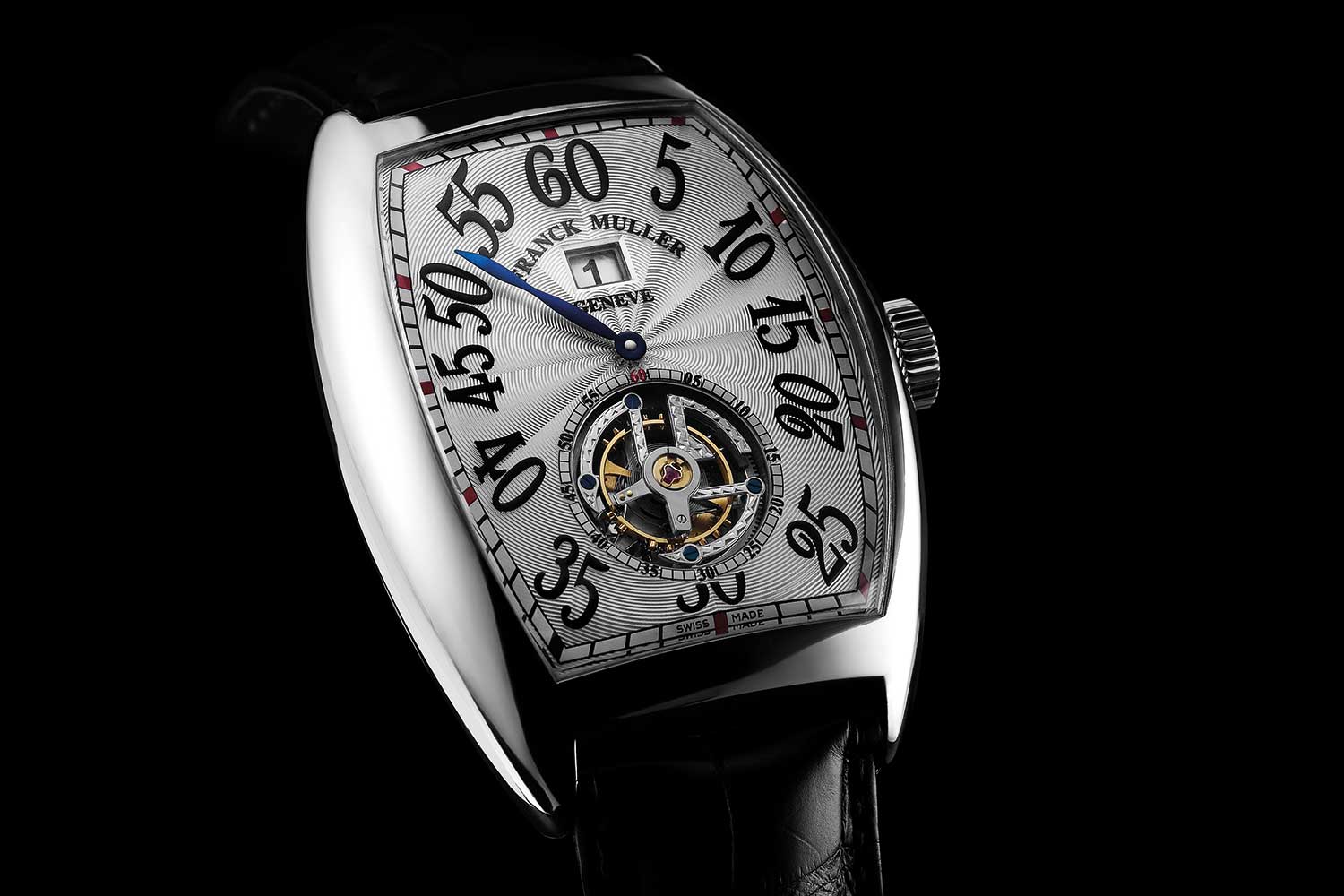
Franck Muller’s very first wristwatch tourbillon incorporated a jump-hour complication with hands; this model, the Franck Muller Cintrée Curvex Jumping Hour Tourbillon replaced the hour hand with a jump-hour aperture
Philippe Dufour
If the watch industry ever needed a spiritual figurehead for independent watchmakers, Philippe Dufour would be perfect for the job. The kindly figure of Dufour — loupe on head and pipe in hand — is, for many, the prototypical image of a watchmaker. Indeed, Dufour came from a watchmaking family and, living in the Vallée de Joux, watchmaking was a natural career path for young Philippe. After graduating from watchmaking school, Dufour worked at Jaeger-LeCoultre, followed by stints working with Gérald Genta and elsewhere, including the creation and delivery of five sonnerie pocket watch movements for Audemars Piguet, a project which began in 1982 and was finally completed in 1988.

Philippe Dufour
In 1992, Dufour presented the first watch with his own name on the dial, a grande et petite sonnerie pocket watch completed in 1989, alongside the world’s first grande et petite sonnerie wristwatch.

Grande & Petite Sonnerie Pocket Watch Number 1 (Unique Piece)

Grande & Petite Sonnerie Wristwatch Number 1 in Yellow Gold
In 1996, Dufour followed this up with the first Duality, the first wristwatch to include a double escapement. In 2000, Dufour upped the ante again with his most famous creation — the Simplicity. True to its name, this watch is free from mechanical bells and whistles — only hours, minutes and small seconds. But what it lacked in complication it more than made up for in finishing. The Simplicity is all about the craft and finishing, and is regarded by many as the best example of technique, bar none. If Dufour is to be regarded as the spiritual expression of independent watchmaking, the Simplicity is the ultimate expression of traditional excellence.
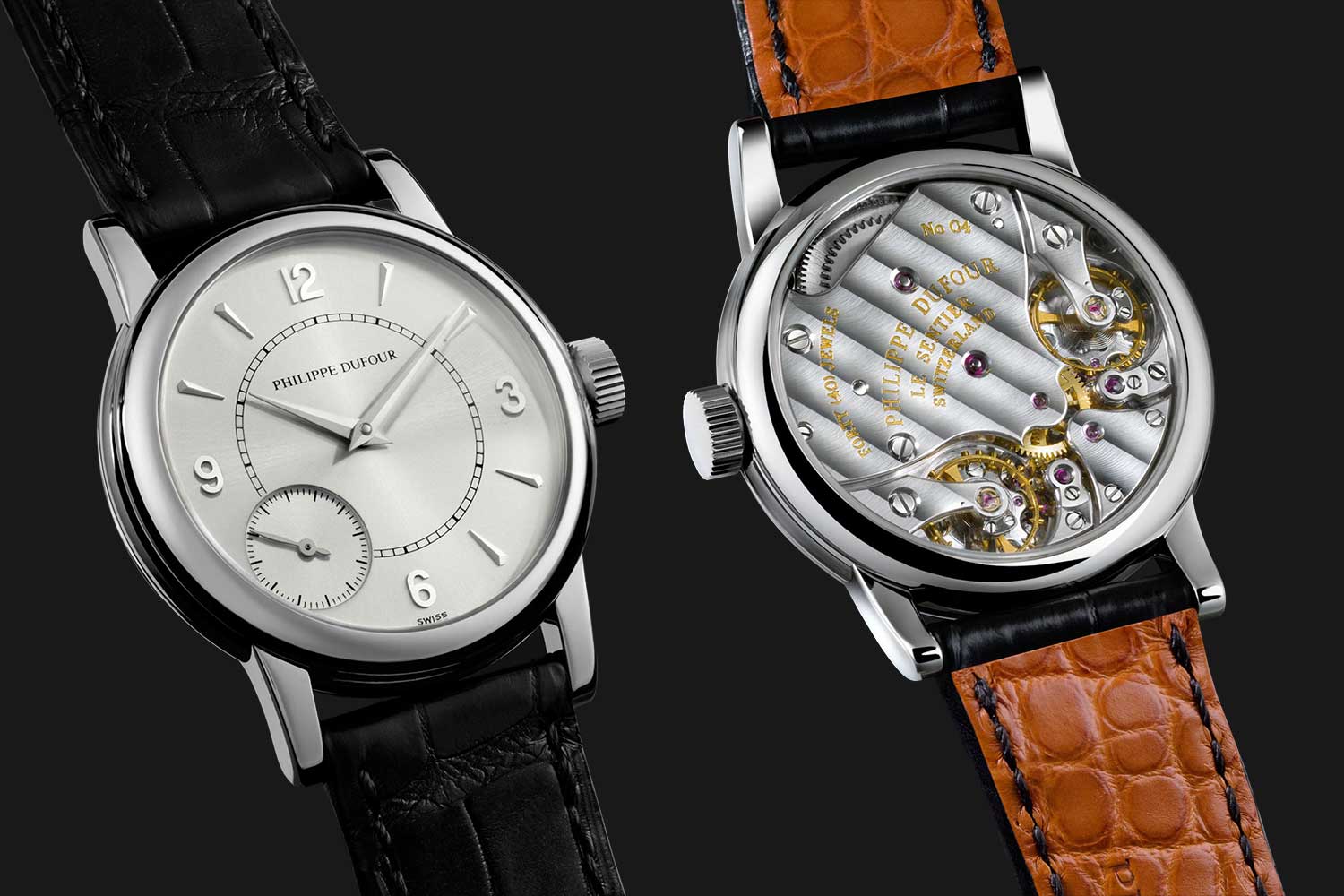
Philippe Dufour Duality

Philippe Dufour Simplicity
Thomas Engel and Richard Daners
While Thomas Engel and Richard Daners (pictured, far right at the 1997 Prix Gaïa ceremony)were each talented in their own right, together they formed one of the great partnerships of independent watchmaking, thanks to a series of remarkable collaborative pocket watches heavily inspired by the watchmaking of Breguet.
-
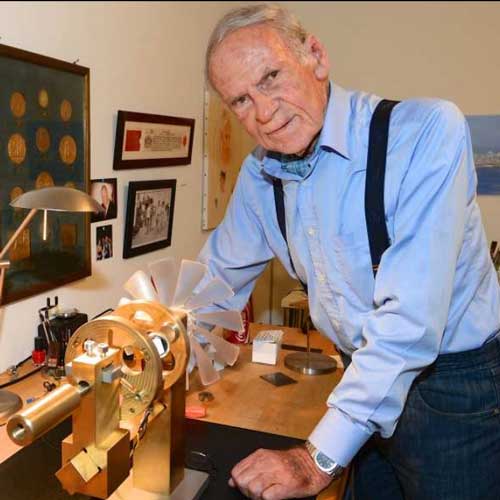
- Thomas Engel (Image: Watch-Wiki)
-
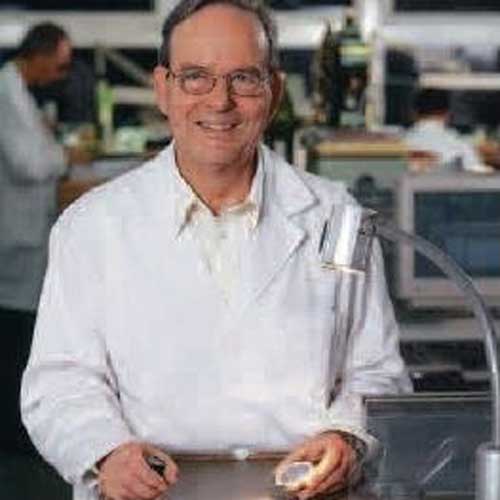
- Richard Daners (Image: Watch-Wiki)
Engel came to watchmaking later in life — after a successful career as an inventor, specializing in polymers. In the 1950s, Engel discovered the watchmaking of Breguet, becoming a noted collector and authoring several books on the master. Later, he took to painstakingly creating watches and clocks throughout the 1980s and 1990s, in partnership with Richard Daners.
-
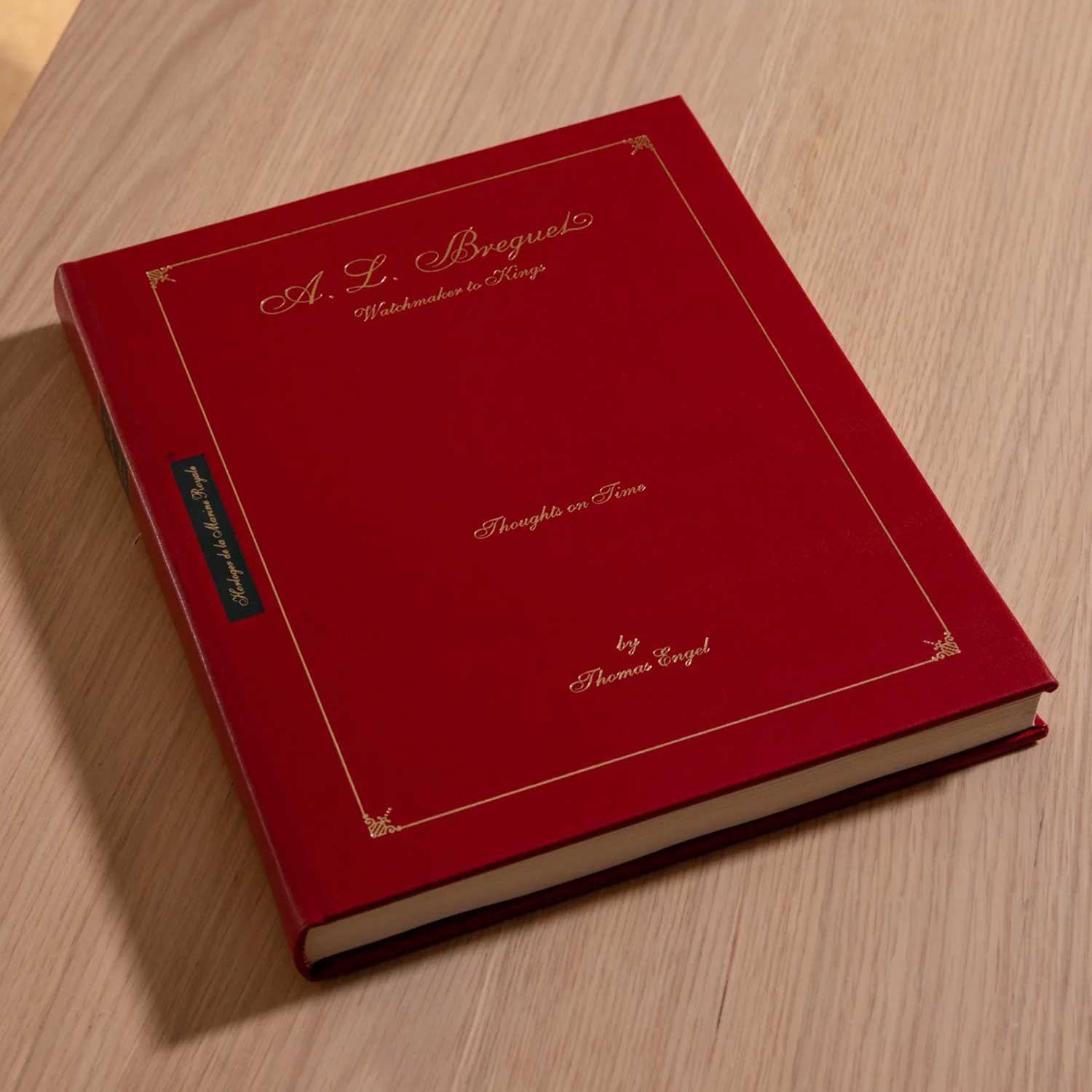
- This rare red leather bound book was authored by Thomas Engel and what can be seen as his love letter to the greatest watchmaker in history (Image: The Hour Glass)
-
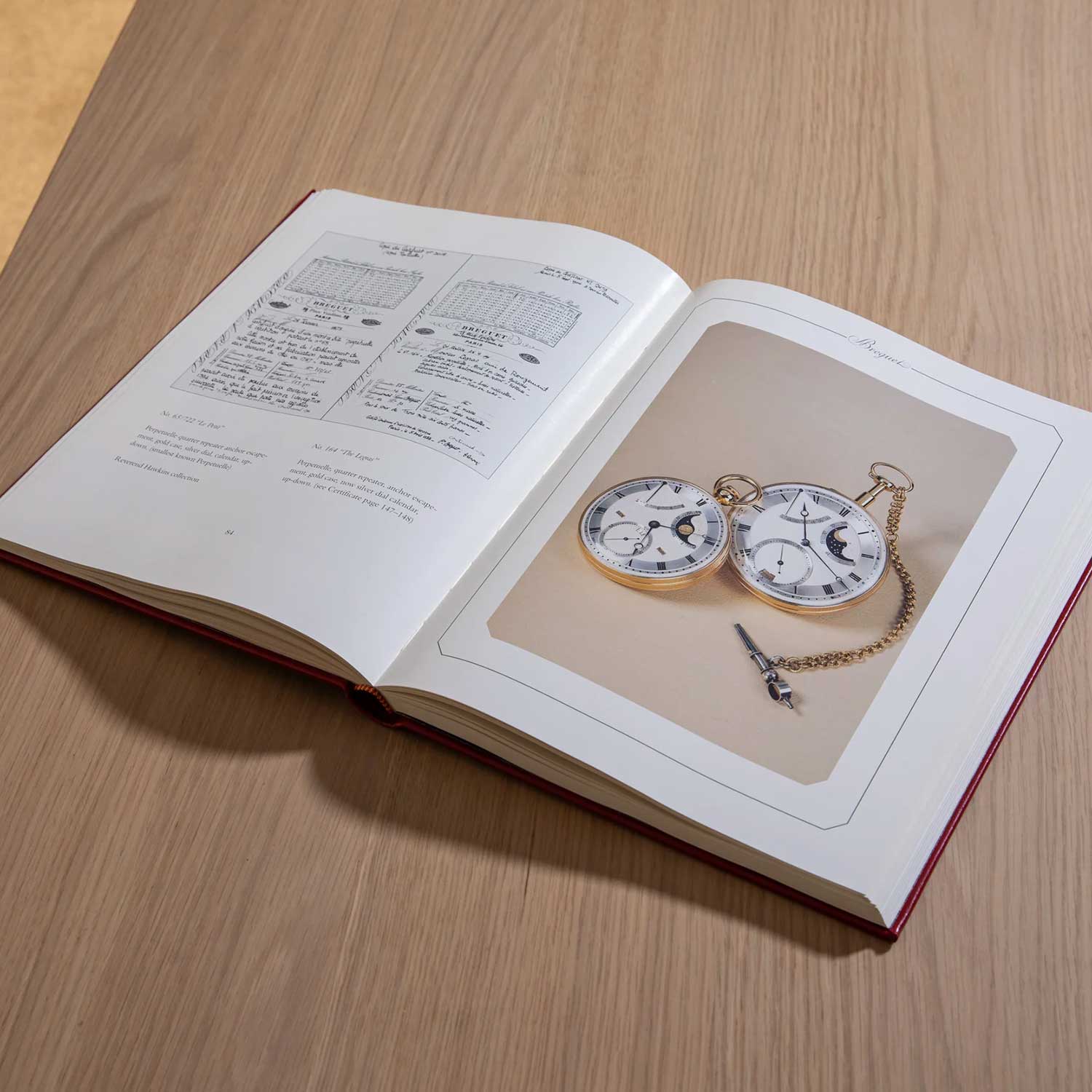
- A summation of Breguet’s life lived and his horological exploits, Engel also fully documents his extensive collection of Breguet timekeepers (Image: The Hour Glass)
Daners’ watchmaking career was much more linear than Engel’s — he spent much of his career working as a watchmaker for noted Swiss jeweler Gübelin, joining the firm in 1952. His work for Gübelin included the restoration and repair of high complications, as well as the creation of unique pieces, such as the Bras en l’Air “Ballerina” pocket watch.
-
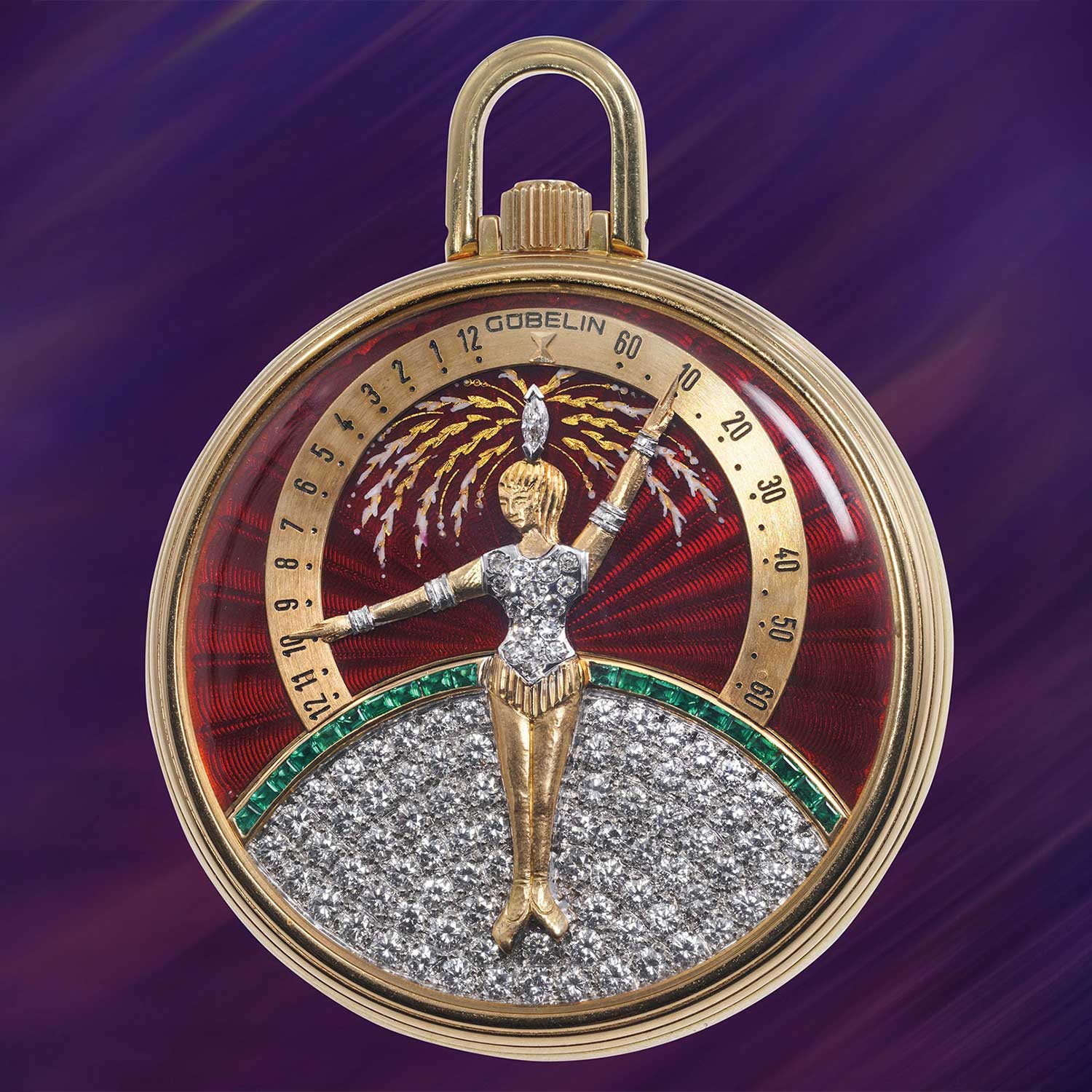
- Richard Daners for Gübelin Bras en l’Air “Ballerina” (Image: Phillips)
-
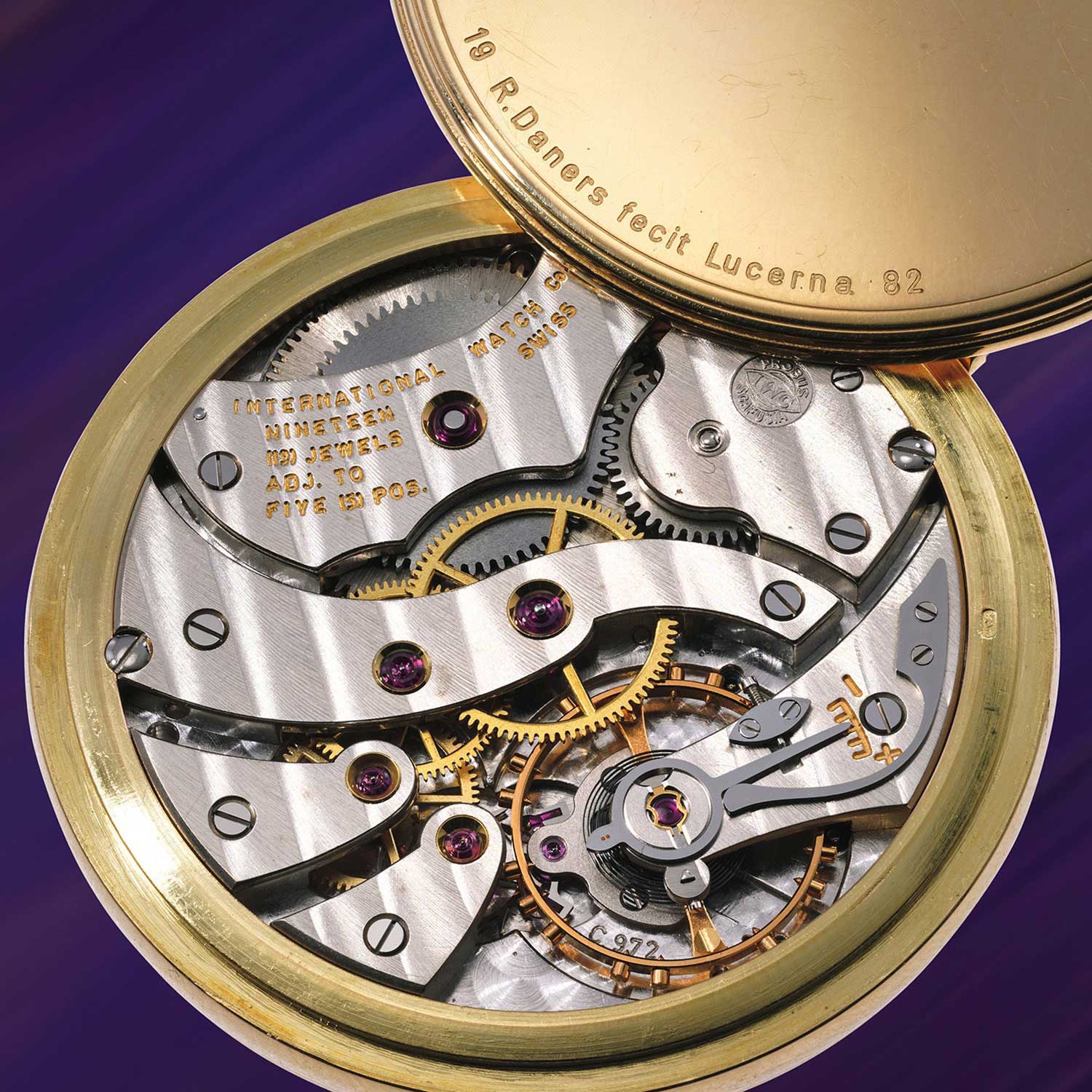
- Richard Daners for Gübelin Bras en l’Air “Ballerina” (Image: Phillips)
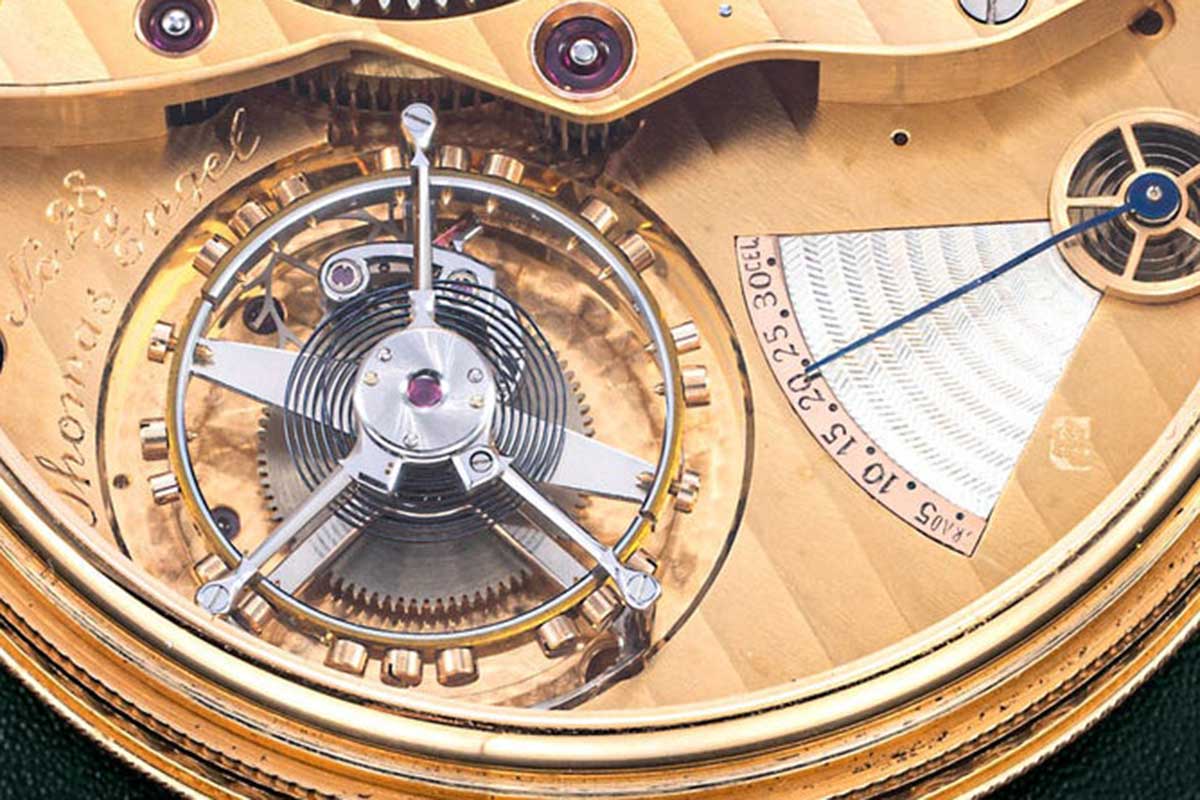
Daners taught Engel his craft, and they worked together — with Daners’ specialty in tourbillons and escapements perfectly complementing Engel’s Breguet-style timepieces. And while the pair frequently made use of chronometer-quality calibers supplied by Zenith in their timepieces, Daners’ handcrafted tourbillons with three-arm carriage were what made them legendary.
-
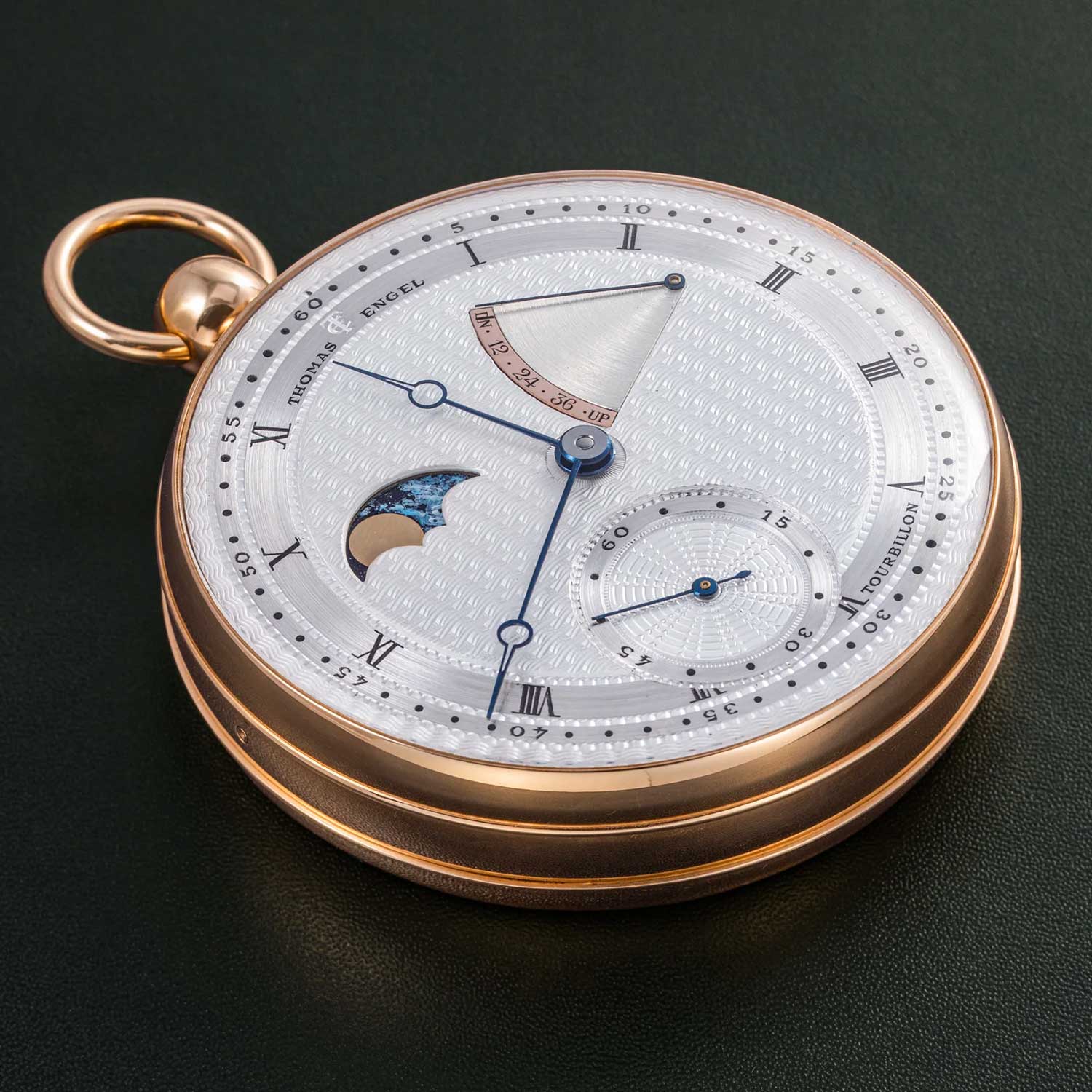
- “Engel Breguet” Pink Gold Chronometer Tourbillon (Image: The Hour Glass)
-
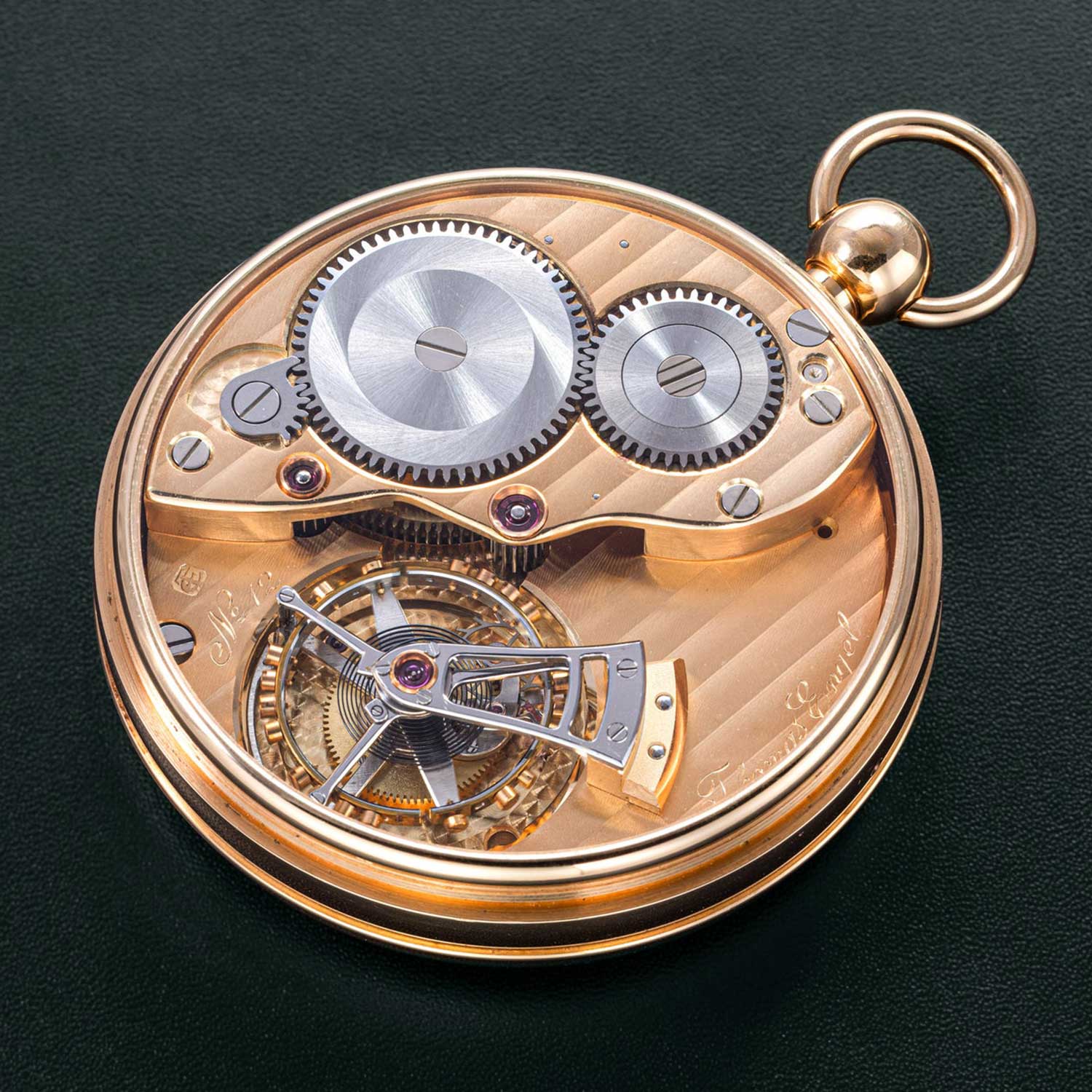
- “Engel Breguet” Pink Gold Chronometer Tourbillon (Image: The Hour Glass)
-
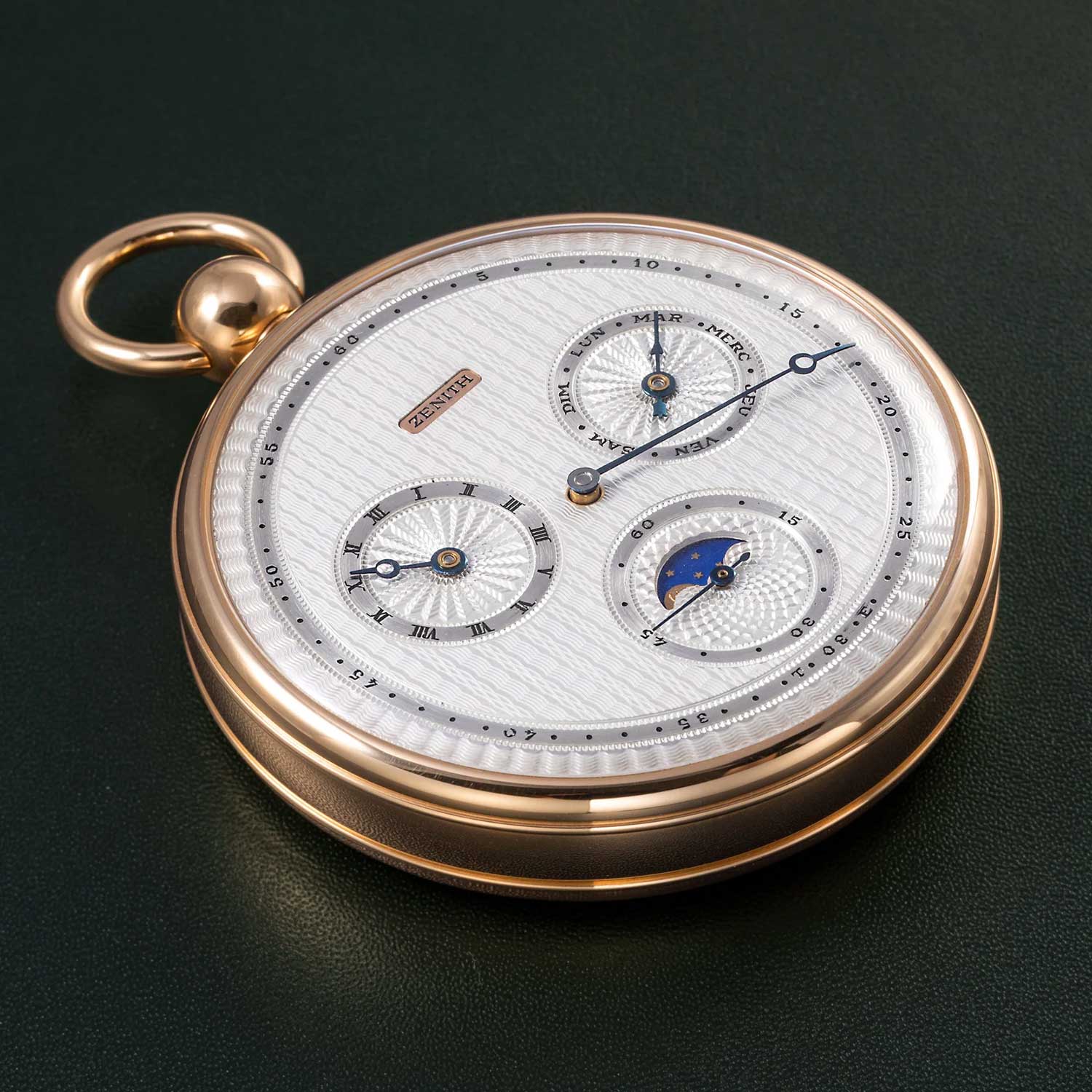
- Engel / Zenith Chronometer Regulator (Image: The Hour Glass)
-
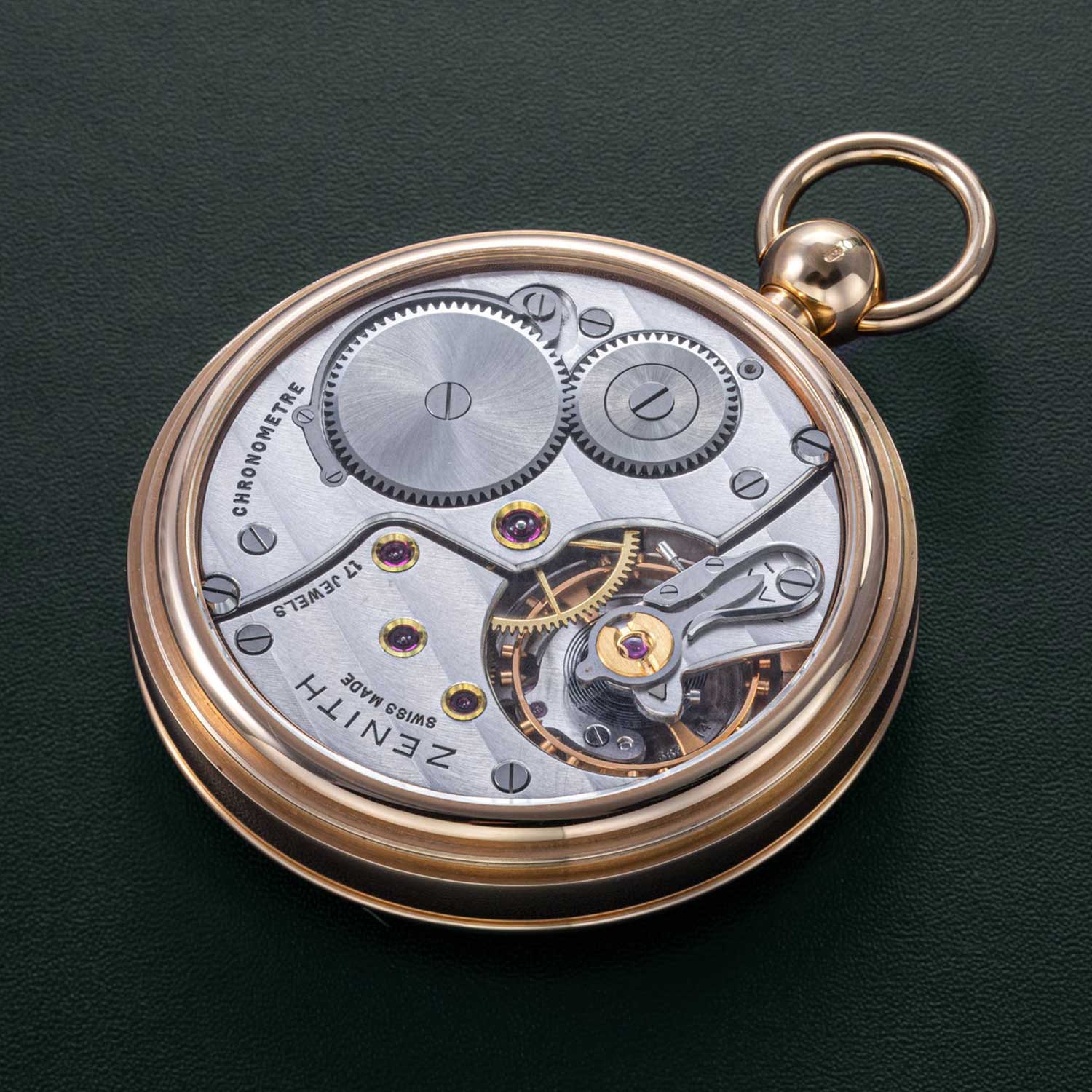
- Engel / Zenith Chronometer Regulator (Image: The Hour Glass)
The example of Engel and Daners is emblematic of these pioneering independent watchmakers. They were as much scholars and collectors of horology as pure watchmakers, dedicated to learning from the masters of the past.
Daniel Roth
Daniel Roth is another of the great names of independent horology — defined not just by his name or approach to horology, but by a distinctive case shape. Born in Nice in 1946, Roth found his way to the Vallée de Joux in 1967, and he’s been there ever since. After spending his formative years working at Jaeger-LeCoultre and Audemars Piguet, Roth found himself hired to help bring the prestigious name of Breguet back to its former glory. For 15 years, Roth worked at Breguet and Lemania, taking inspiration from the former brand’s legendary pocket watches and, in turn, creating complex and sophisticated designs, notably perpetual calendars and tourbillons — designs which, in many watches, established the wrist-worn DNA of the house. The change of ownership at Breguet led to Roth branching out on his own, and in 1988 he started his own eponymous brand. From its earliest days, Daniel Roth had a clear visual language of engine-turned dials and double-ellipse cases.
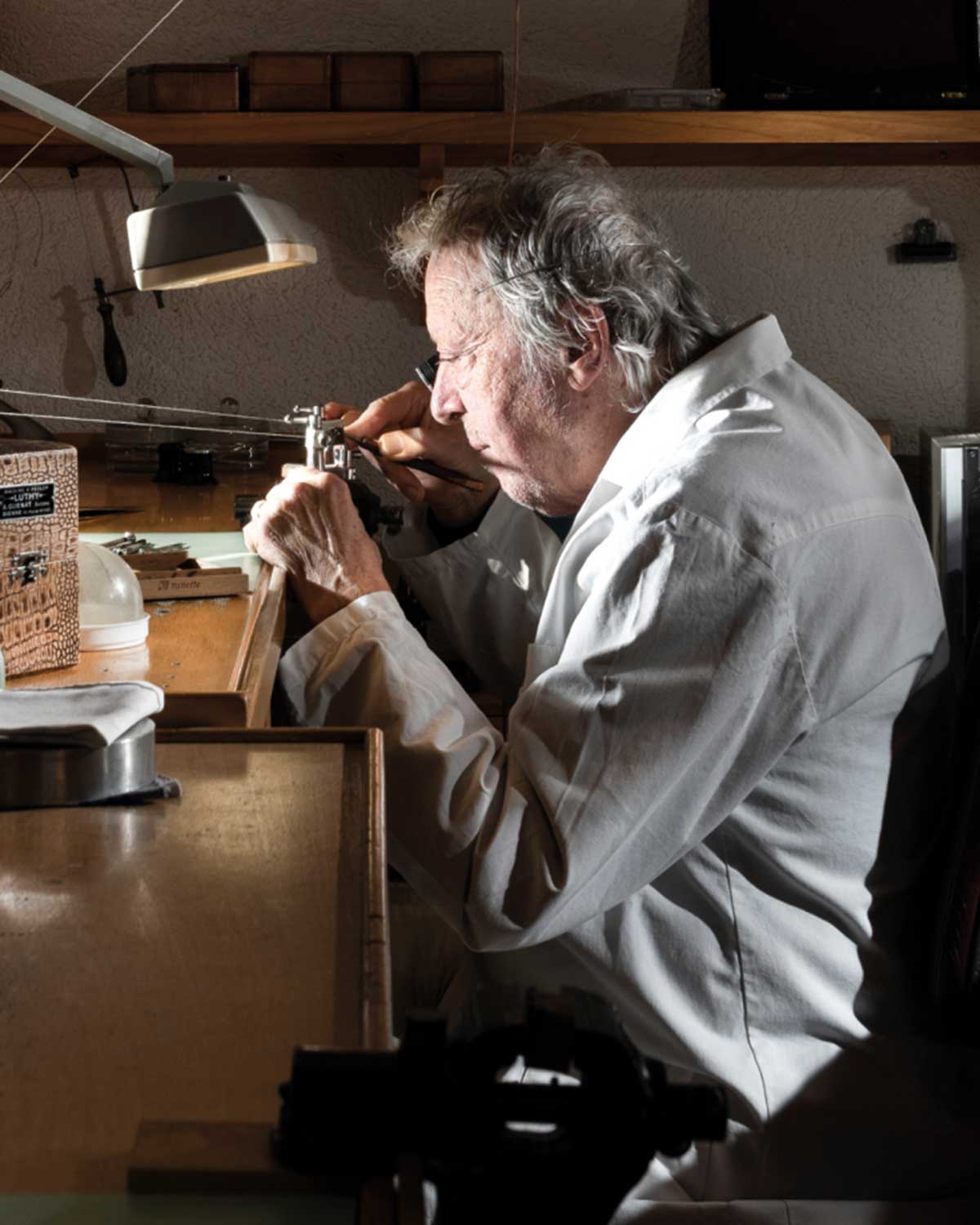
Daniel Roth
Unfortunately, the story of Daniel Roth’s brand is, like many independent watchmakers, defined by the vicissitudes of larger corporate entities. In 1994, the young brand was saved from bankruptcy by The Hour Glass. In the year 2000, The Hour Glass sold the brand to Bvlgari, but its standalone output was soon paused and the Daniel Roth name was eventually retired in 2015. During this period, Roth the watchmaker was undeterred and continued to create under a new name in 2001 — Jean Daniel Nicolas. While the name might be different, the craft and approach is instantly familiar to fans of Roth.
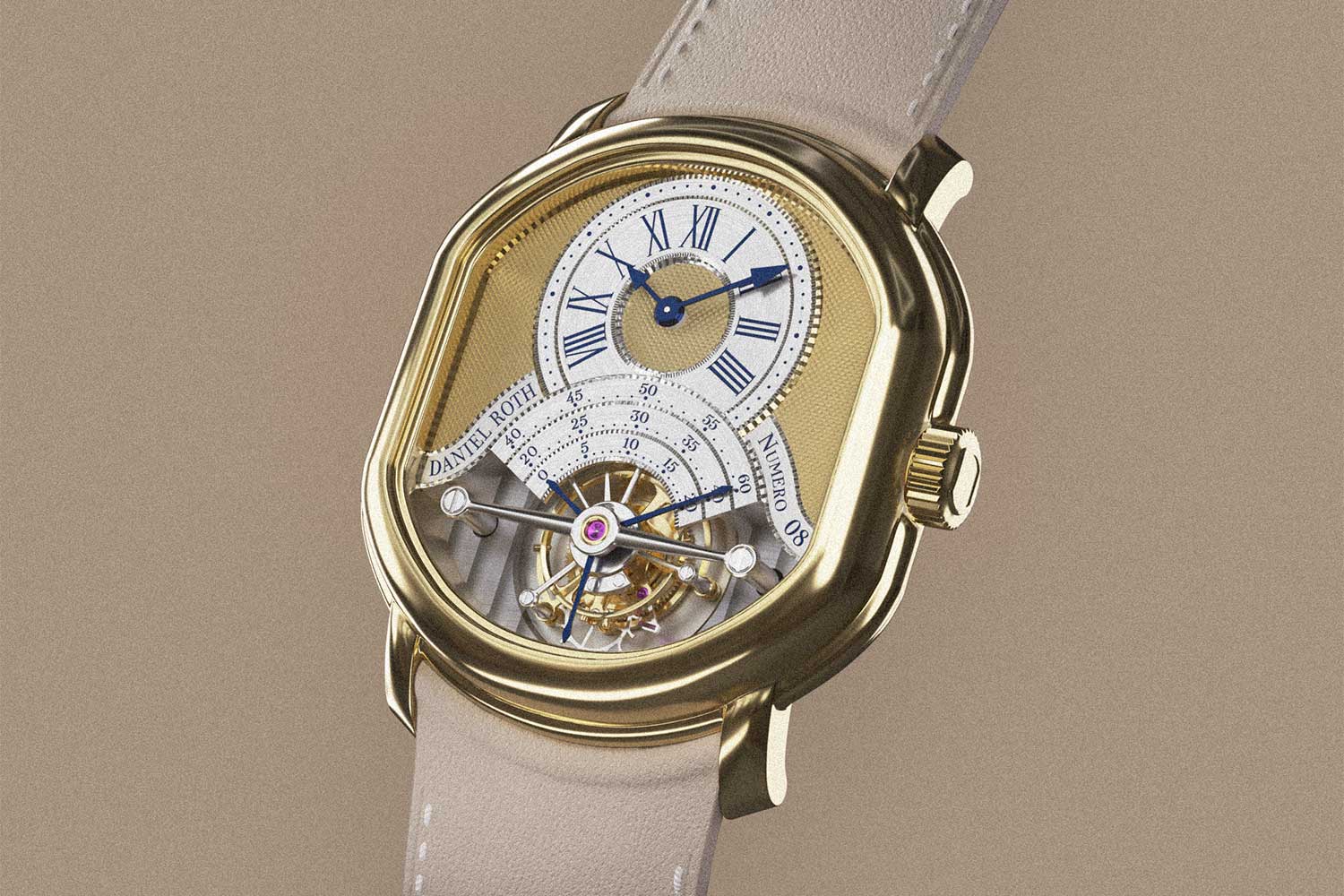
Daniel Roth Tourbillon Souscription
Of course, Daniel Roth’s name would appear on watches once more, as LVMH, under its La Fabrique du Temps division, relaunched the brand in 2023, bringing the master’s vision to a new generation.
Michel Parmigiani
Born to Italian immigrant parents and raised in Switzerland, Michel Parmigiani stands as one of the most respected watchmakers of his generation, having tirelessly worked for decades with a singular vision and commitment to his craft. Today his name is most strongly associated with Parmigiani Fleurier, but his reach and legacy extend far beyond that singular brand.
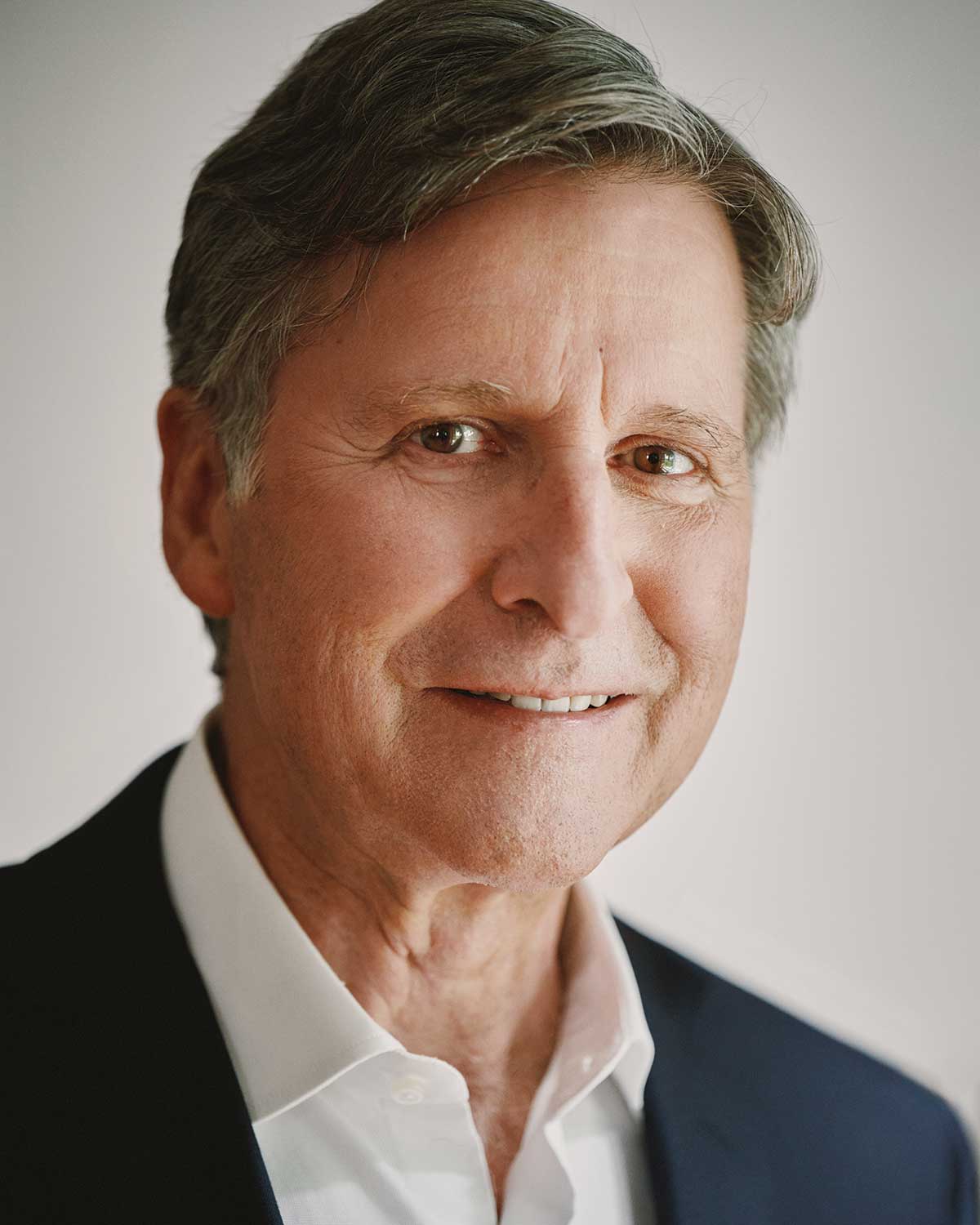
Michel Parmigiani
Parmigiani’s early career was defined by his work repairing and maintaining clocks, watches and automata. His work for both the Patek Philippe Museum and the prestigious Sandoz Family’s collection cemented his reputation in the rarefied world of restoration. The skills he learned and the past masters he was exposed to in restoration also informed his own vision for watchmaking.
In 1996, with backing from the Sandoz Foundation, Michel Parmigiani launched Parmigiani Fleurier, a brand that would express his vision of horology and commitment to craft. Championing classical watchmaking from the inside out, the early collections covered watches, pocket watches and table clocks, with a strong design that leaned on the principles of the Golden Mean, along with classical design and architecture. The most famous of these early watches was the Toric, a perfectly refined wristwatch which blended its classical inspiration with the values of past masters like Breguet, creating a watch that is as relevant to Parmigiani Fleurier today as it was 30 years ago.

Parmigiani Fleurier Toric Perpetual Calendar
Today, while he has stepped back from its operations, Michel Parmigiani’s vision remains at the heart of the creations of the brand he founded.
Antoine Preziuso
In 1978, Geneva-born Antoine Preziuso graduated at the top of his class at the Geneva School of Watchmaking. This was a famously challenging time for traditional Swiss watchmaking due to the rise of quartz watches. Luckily, Preziuso wasn’t the most traditional of makers — after a few years at Patek Philippe and restoring watches, he signed his first watch in 1986. Inspired by the clock tower in Siena, Italy, the Siena (as Preziuso’s debut was called) featured a dial cut from Carrara marble, setting the tone for a career dedicated to technically and conceptually challenging watchmaking. He was one of the first watchmakers to use meteorite in his creations. In 1991, he created a minute repeater with a perpetual calendar, fitted with a patented system for winding the striking mechanism using the rotating bezel on the case. He also worked with various brands to develop complicated watches.
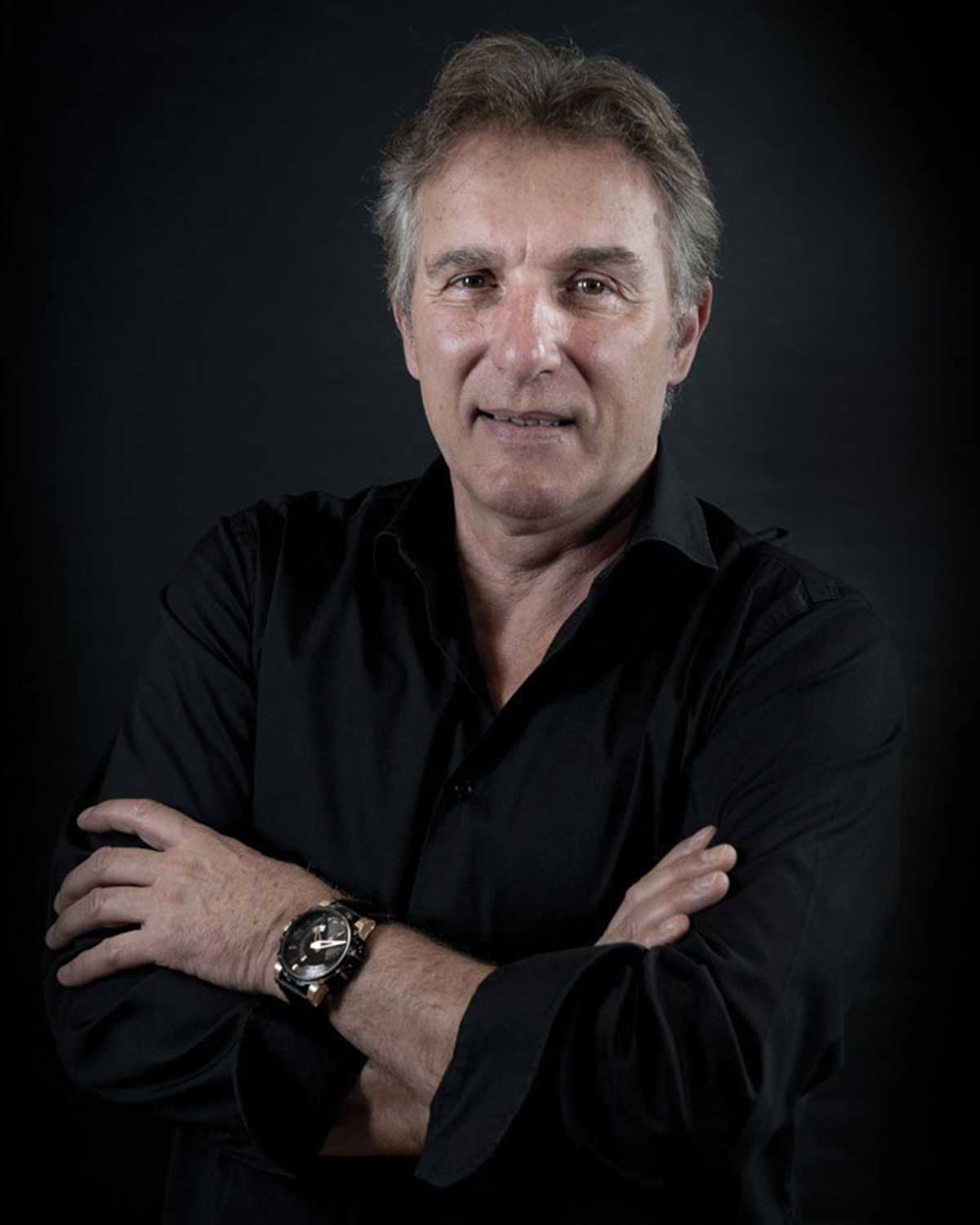
Antoine Preziuso
In 1996, Preziuso made his debut at the AHCI stand at the Basel trade fair, and in 2002 he launched a series of tourbillons with exotic and extravagant cases — including one with case, dial, buckle and hands constructed from meteorite. This was followed shortly after by Preziuso’s collaboration with Harry Winston in the form of Opus Two, part of the legendary Opus series.
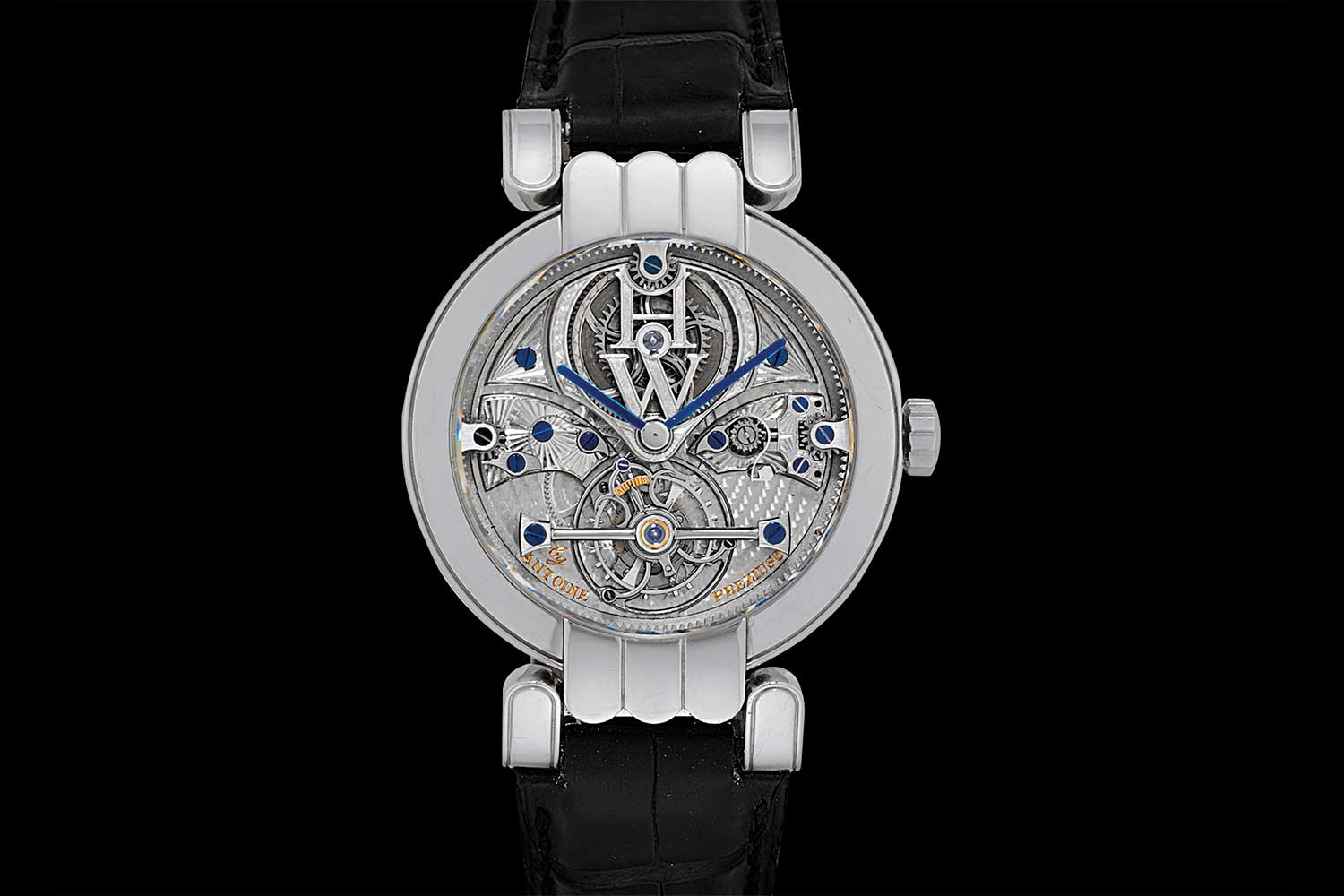
Harry Winston & Antoine Preziuso Opus Two, No. 08/11, circa 2002 (Image: Christie’s)
The 2000s saw Preziuso expand his collection and retail network. In 2015, to celebrate 25 years of independence, Antoine Preziuso created the Tourbillon of Tourbillons — an opus of his own that speaks to the complication he is most famous for. Rather than one tourbillon, this remarkable creation places three 60-second tourbillons on a plate that rotates six times an hour, creating a timepiece that is constantly in motion. This remarkable creation won two awards at the 2015 Grand Prix d’Horlogerie de Genève.
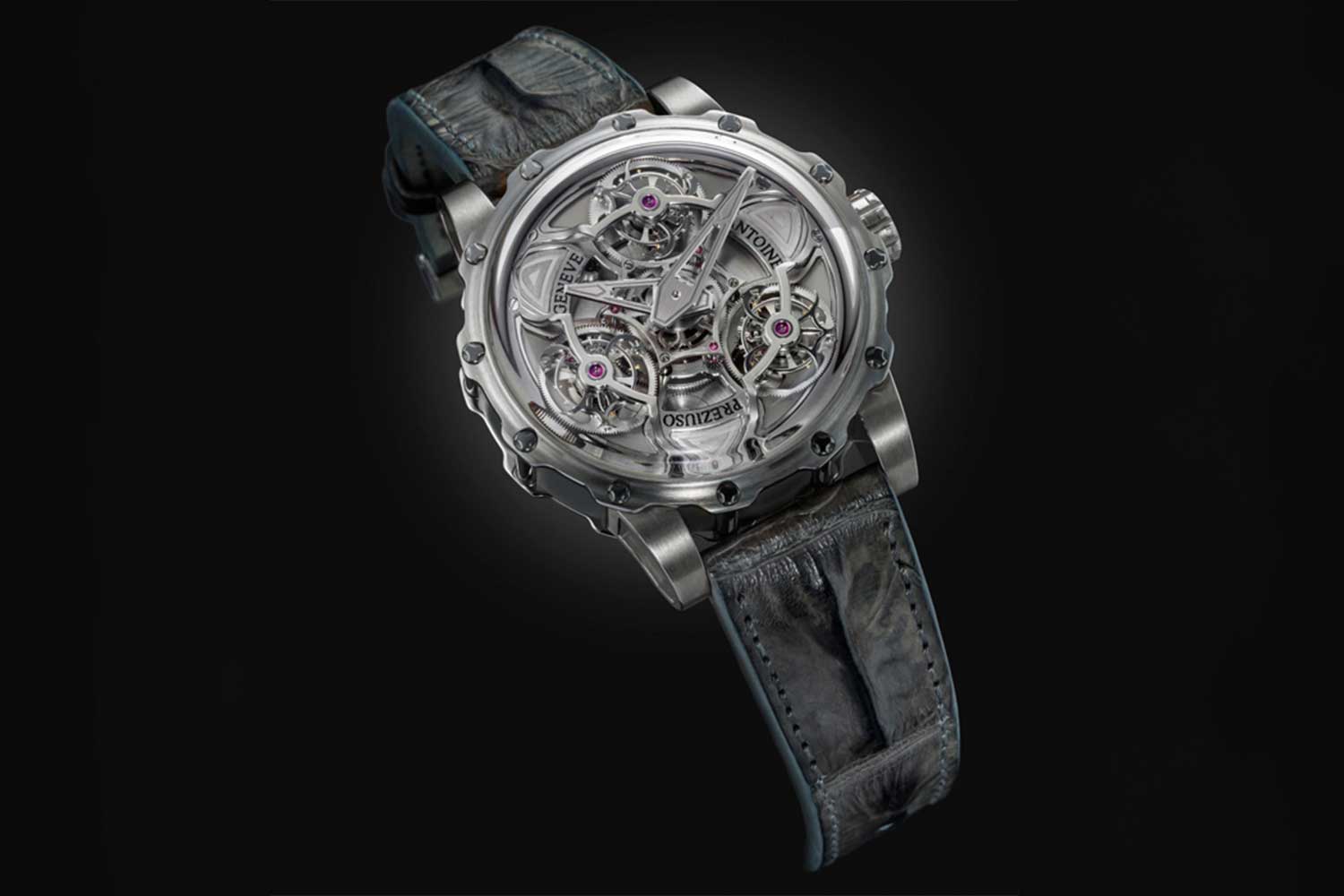
Tourbillon of Tourbillons, 2015
Svend Andersen
Danish-born Svend Andersen is widely — and rightly — regarded as one of the legends of independent watchmaking. He’s also known as the “Watchmaker of the Impossible,” thanks in no small part to the “Bottle Clock,” a fully functional mechanical clock which he assembled through the narrow 18mm neck of a glass bottle in 1969, purely as a hobby.
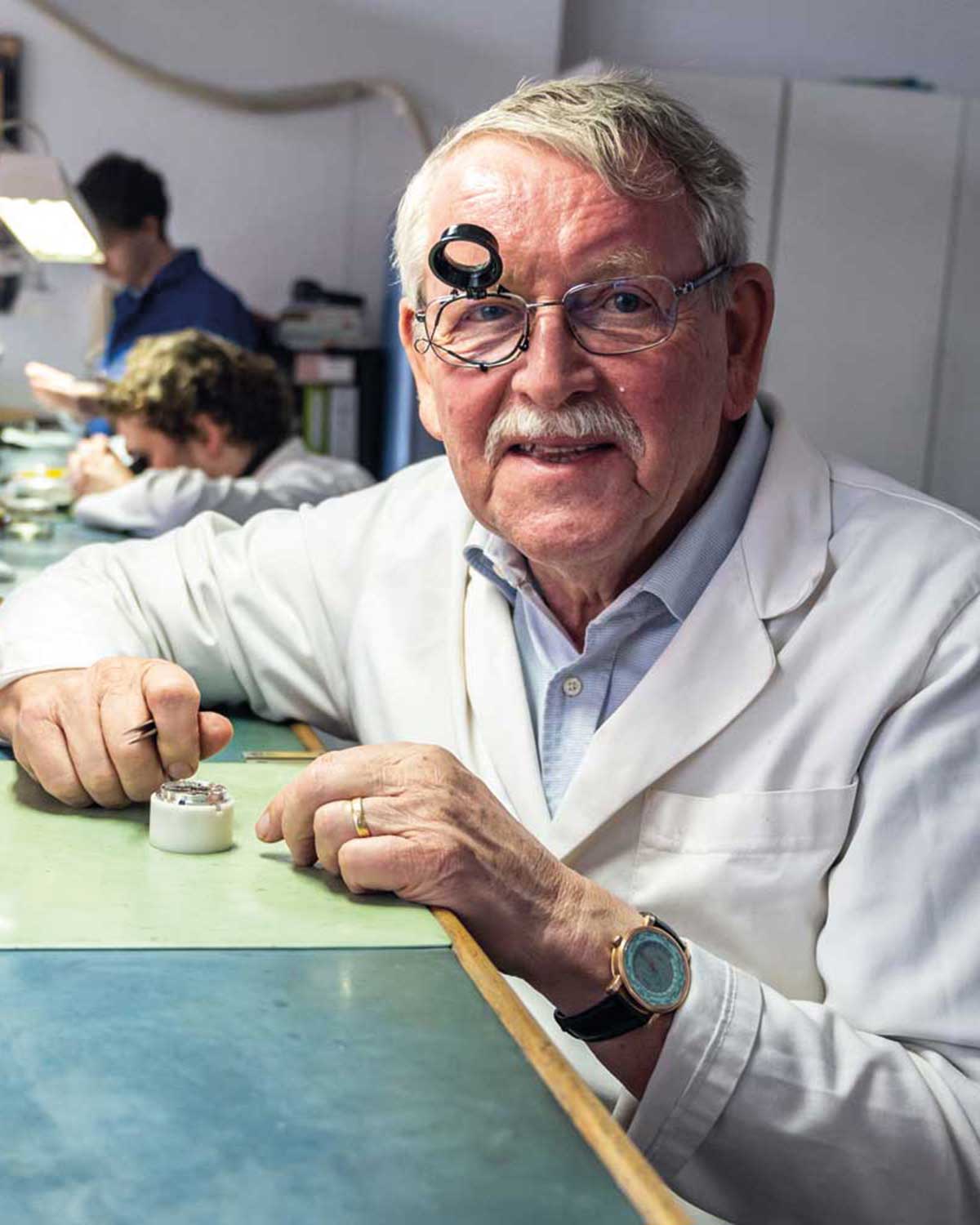
Svend Andersen
By the time Andersen co-founded the Académie Horlogère des Créateurs Indépendants (AHCI) with Vincent Calabrese in 1985, he was already an accomplished watchmaker, having worked for nearly a decade in Patek Philippe’s grande complications atelier alongside peers Roger Dubuis and Max Berny, and launching his eponymous brand in 1980. Andersen specialized in creating complicated, collector-focused timepieces that blended technical prowess with craft and artistry.
In 1990, inspired by Louis Cottier’s world timers, which he had encountered while working at Patek Philippe, Andersen produced his first own — the Communication. World timers would become an important pillar for Andersen Genève. In 1993, he launched the third-edition Mundus, which was at the time the thinnest world timer in the world at 4.2mm. In the decades since, Andersen has continued to evolve the complication, most recently with the Rattrapante Mondial — the first wristwatch to combine the complex and niche complications of a split seconds chronograph with a world timer.
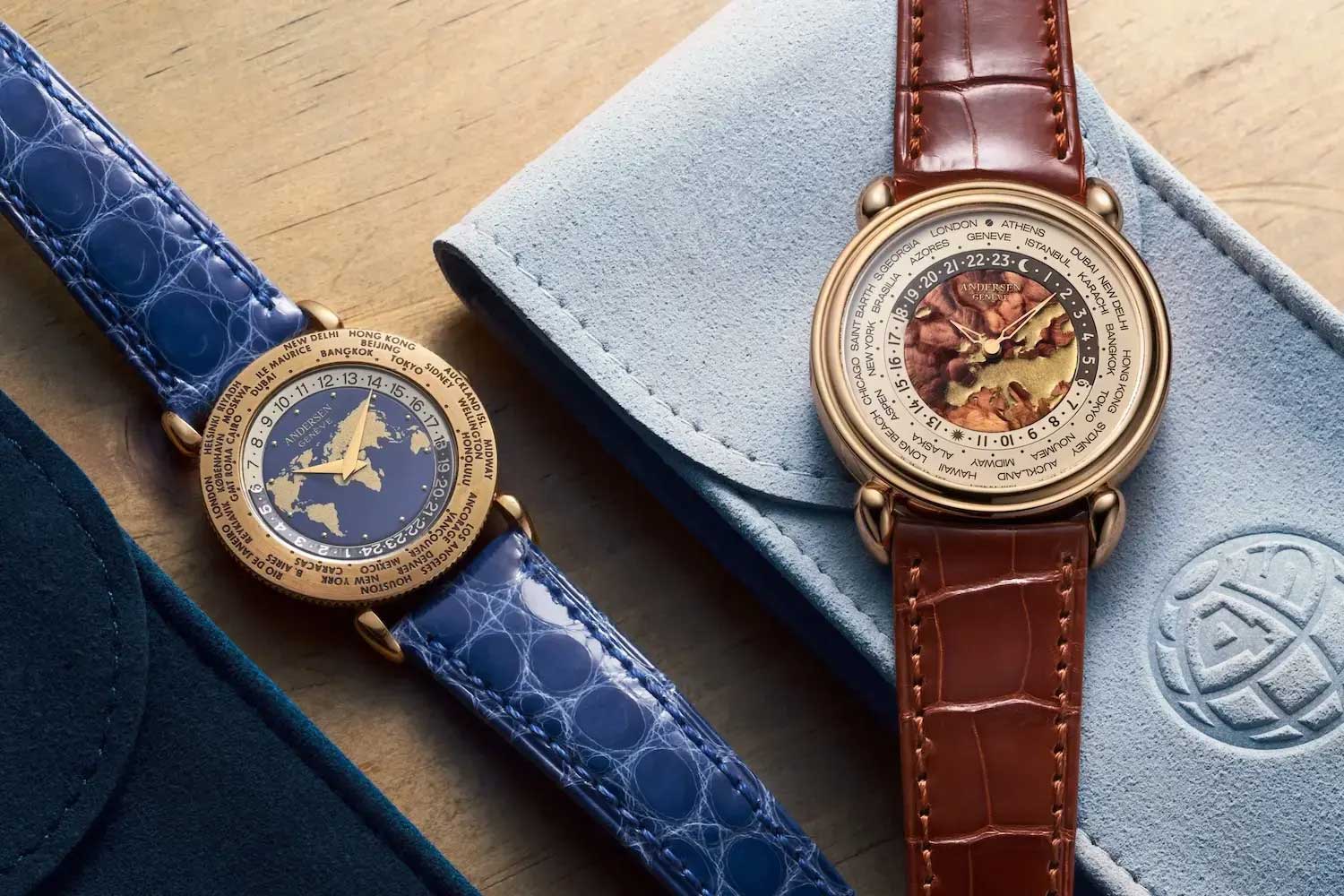
The 1990 Communication (left) and Communication 45
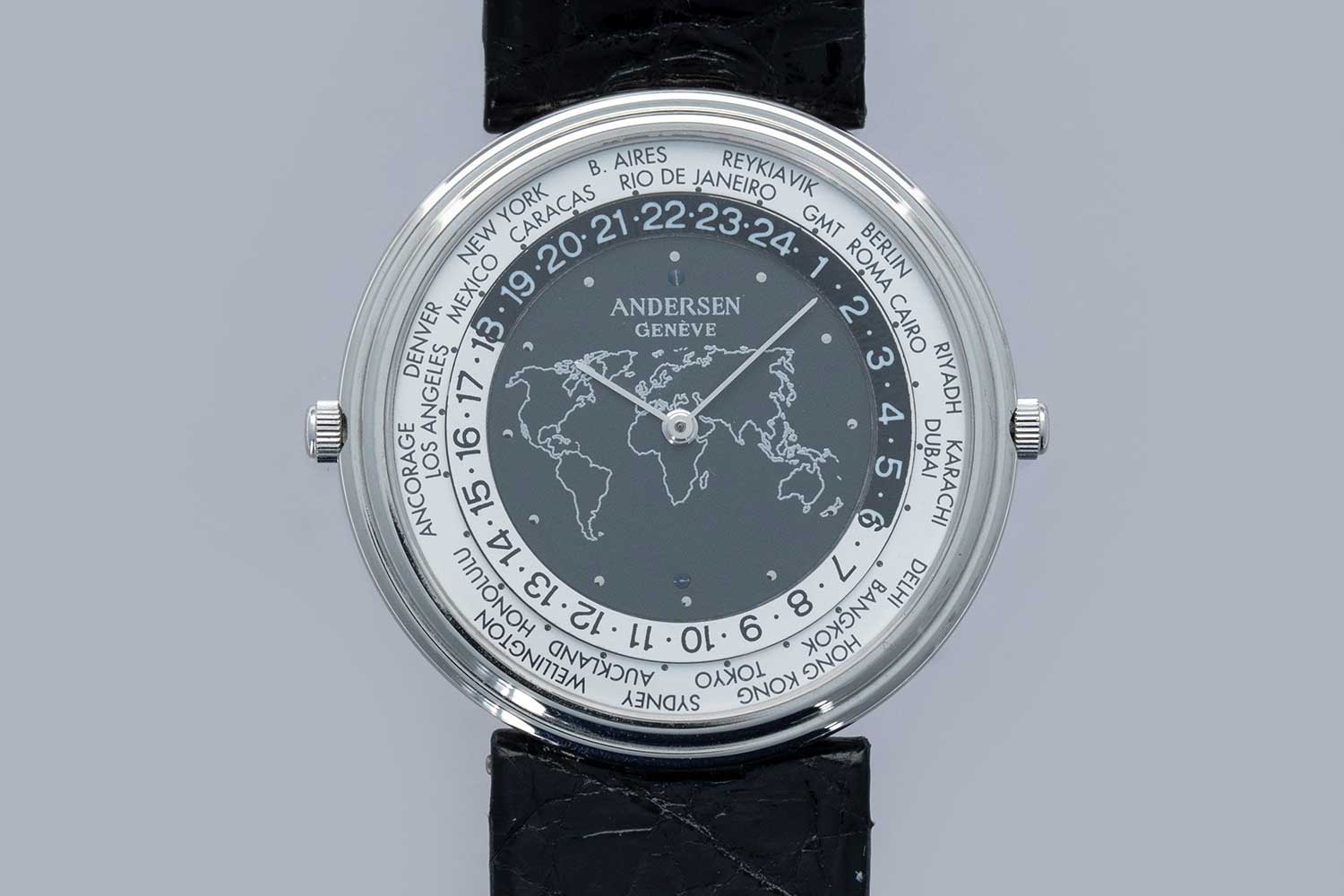
Mundus World Time “World’s Thinnest” Platinum (Image: LoupeThis)
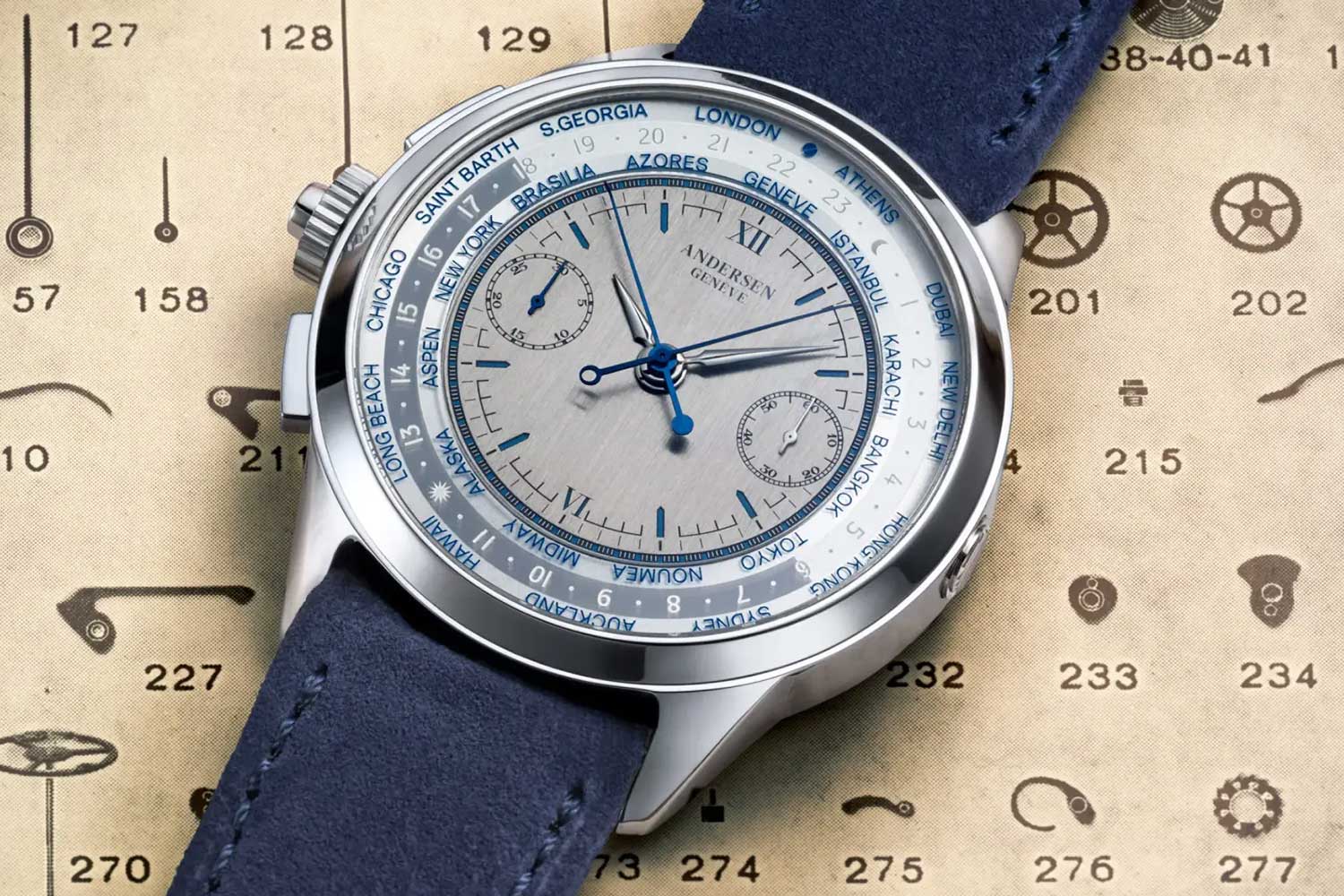
Rattrapante Mondial
Unsurprisingly for a man who made a clock in a bottle, Svend Andersen has many more strings to his bow — his erotic automata are famous, as are his elegant jumping hours and his Montre à Tact pieces, where time telling is delegated to the caseband, leaving the dial free for nearly limitless creative expression.
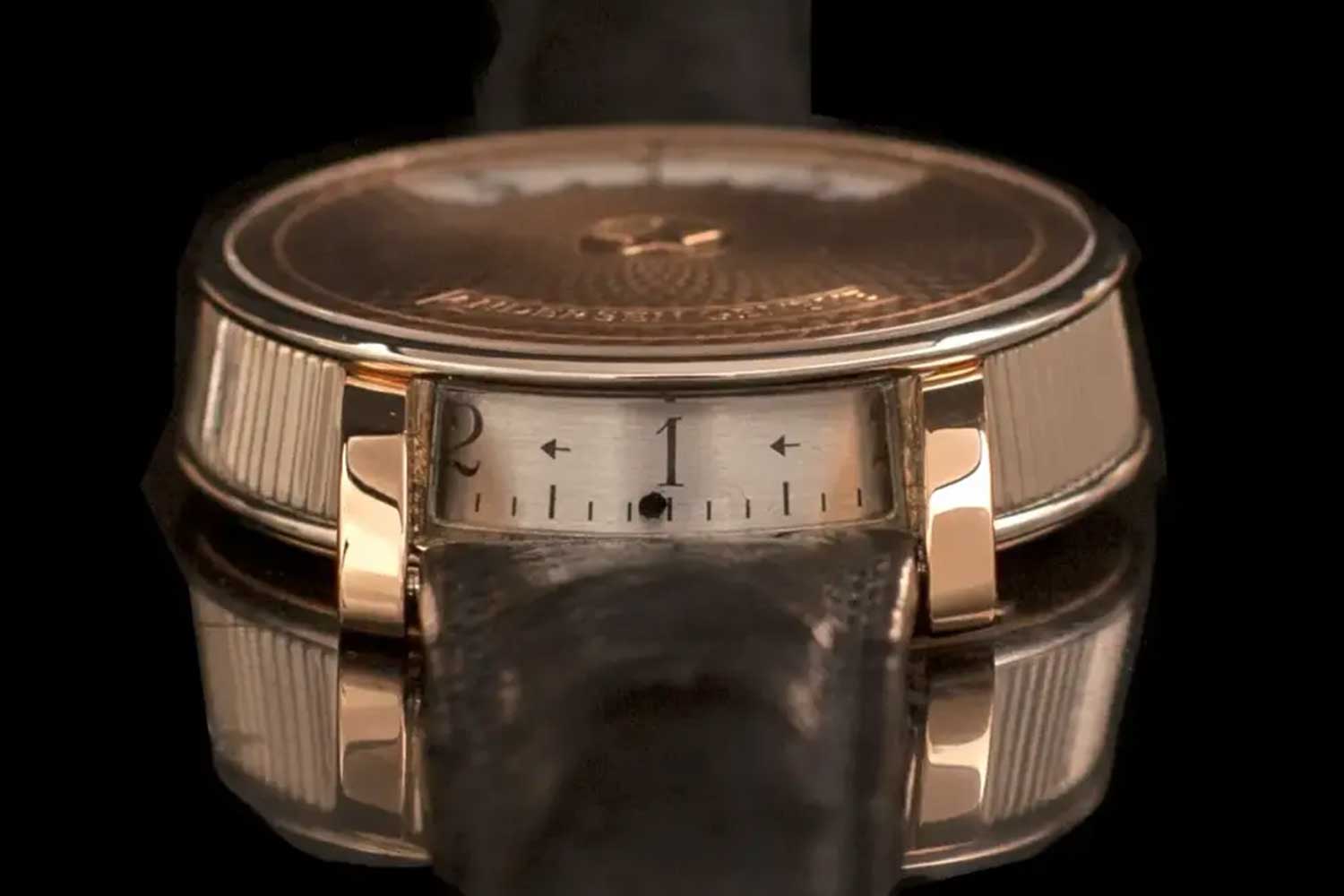
Montre à Tact
Jean-Marc Wiederrecht
Like many of the pioneering independents on this list, Jean-Marc Wiederrecht studied at the École d’Horlogerie de Genève, graduating in 1972. After spending three years at watch and jewelry maker Châtelain, he set up his own watchmaking workshop in 1978 and spent the next two decades honing his skills developing movements for others.
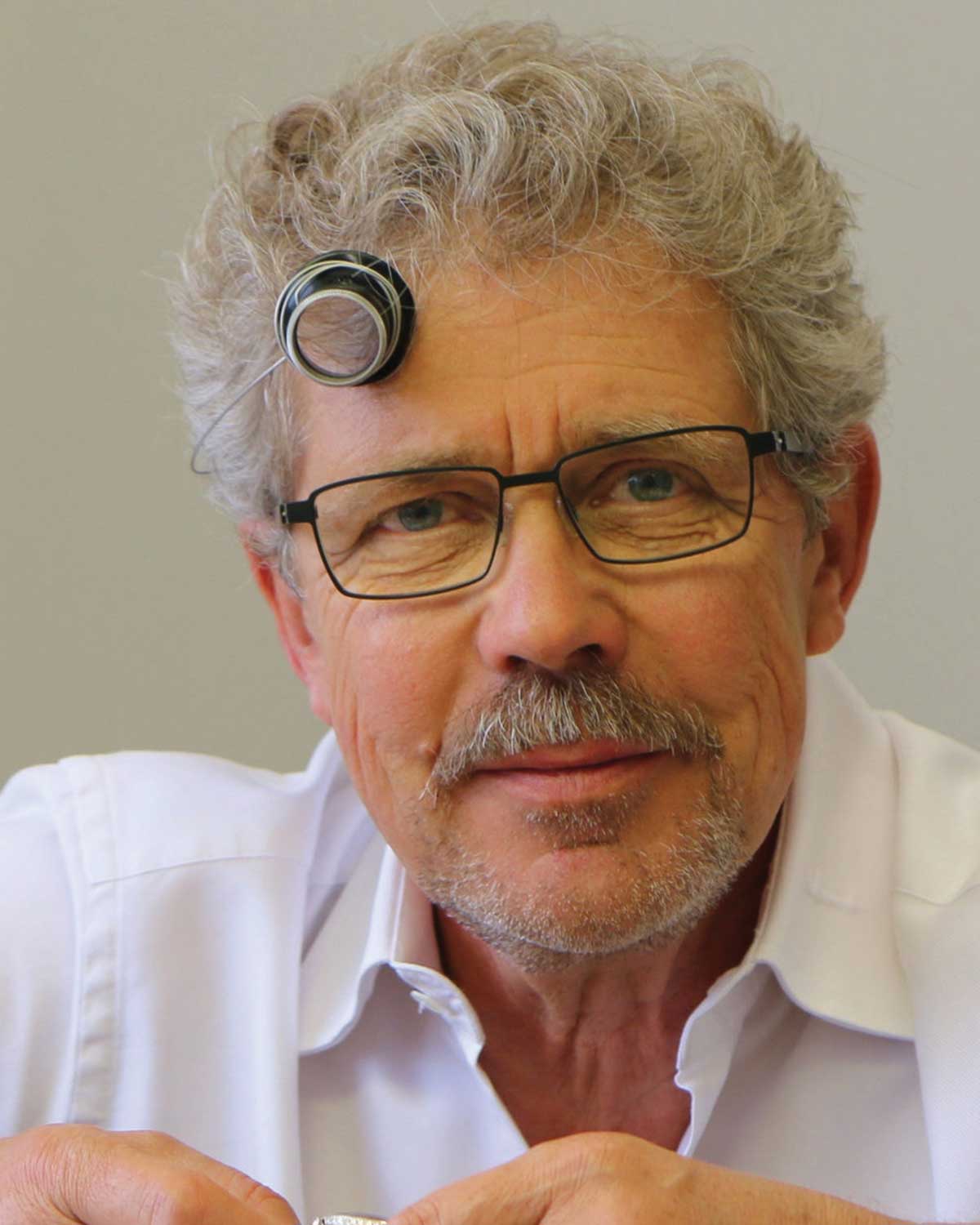
Jean-Marc Wiederrecht
A professional breakthrough occurred in 1989, when, working with Roger Dubuis, he created the world’s first bi-retrograde perpetual calendar for Harry Winston. In 1996, he founded Agenhor with his wife. Today Agenhor is one of the industry’s most respected movement developers, with an enviable list of achievements in its portfolio, from work with MB&F, the Harry Winston Opus 9, the Hermès Temps Suspendu, and many of Van Cleef & Arpels’ poetic complications.
-
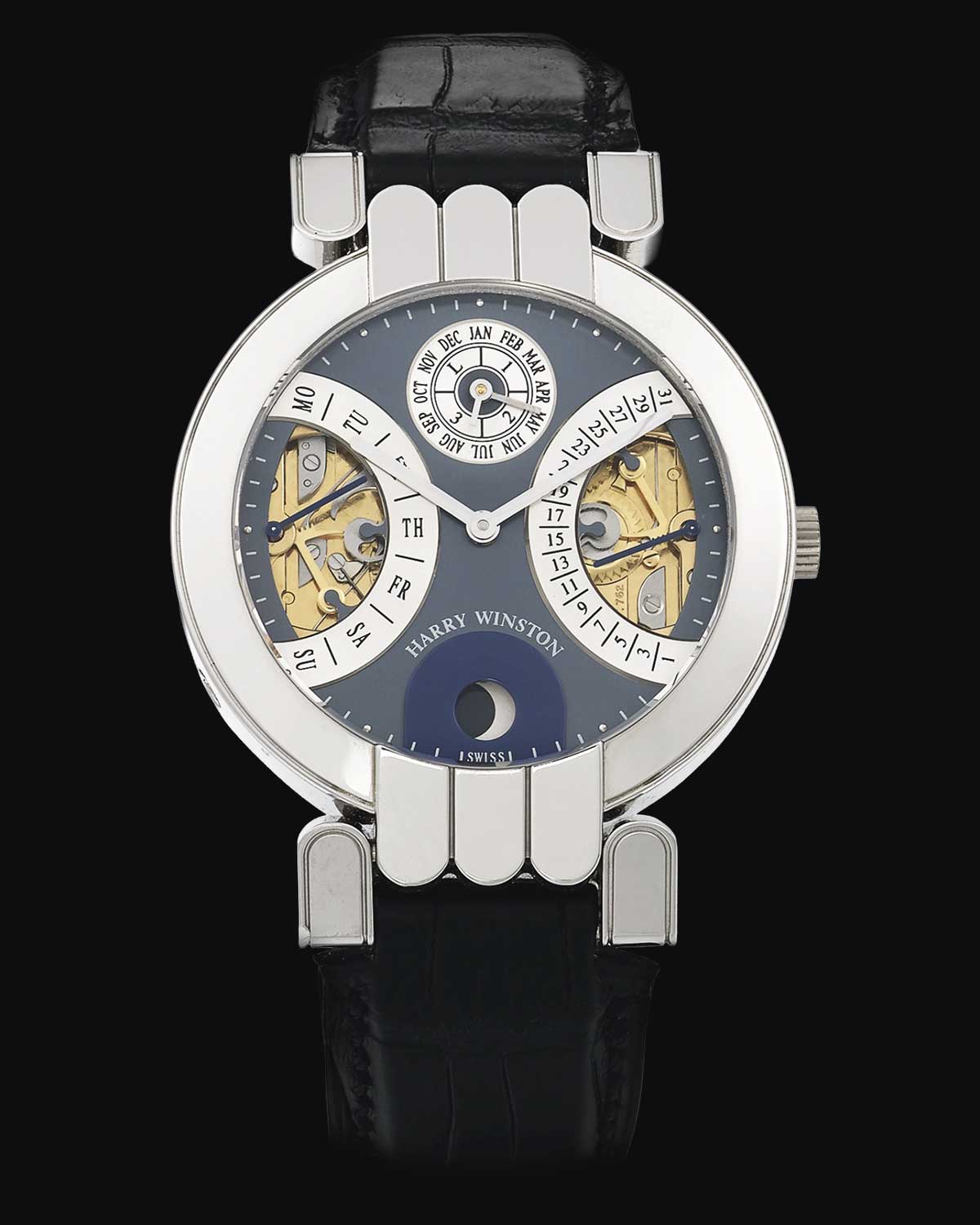
- Harry Winston bi-retrograde perpetual calendar
-
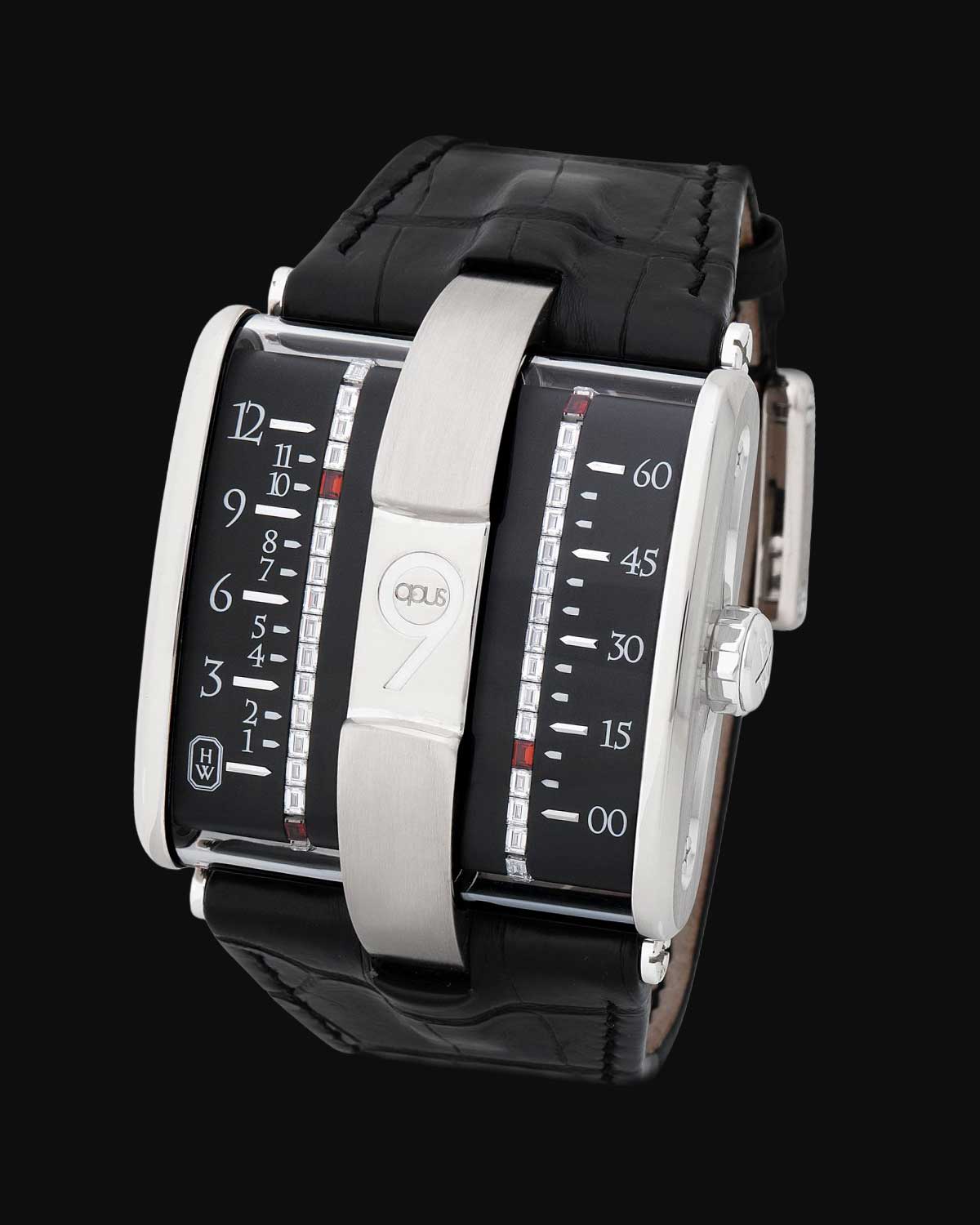
- Harry Winston Opus 9
-
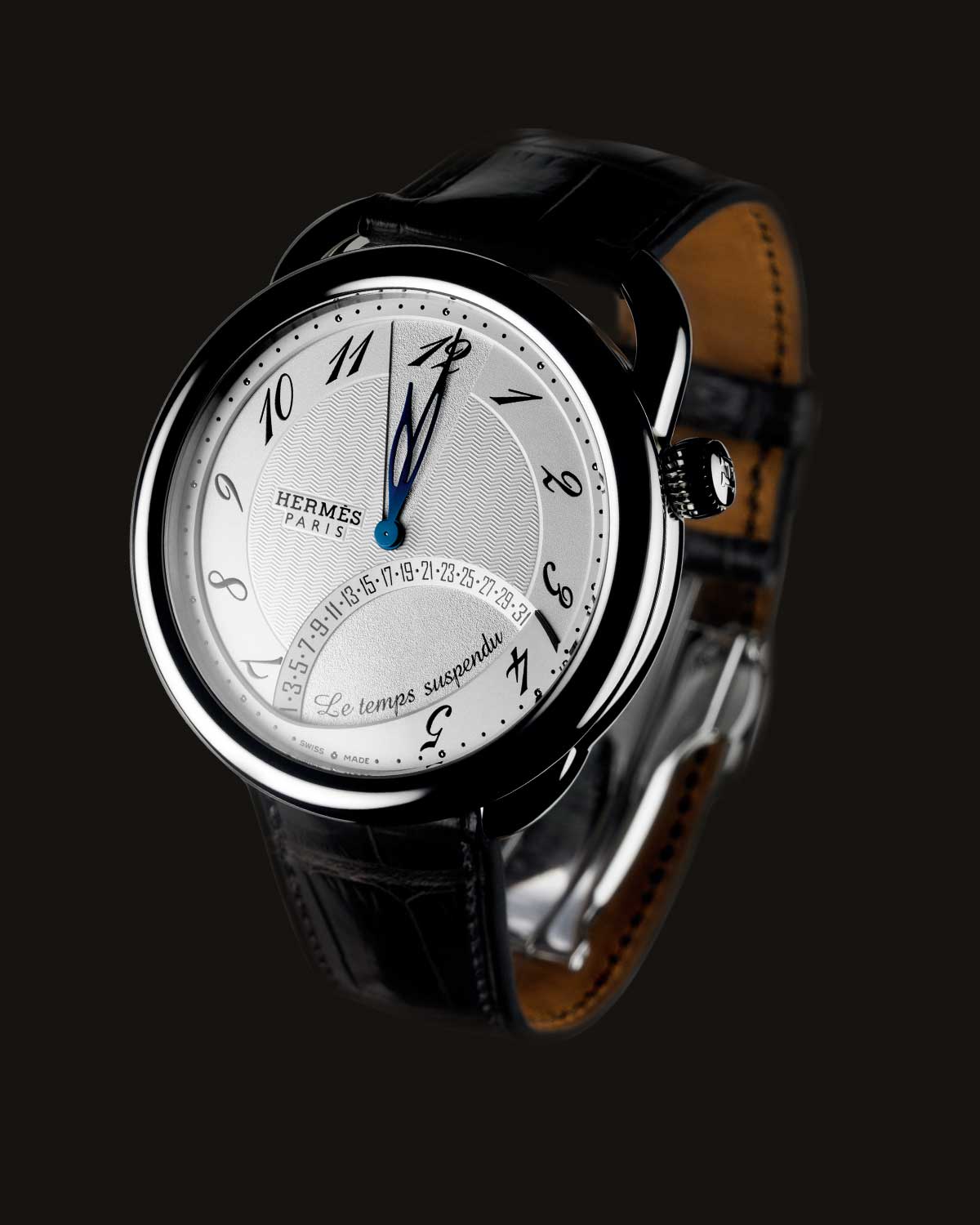
- Hermès Arceau Temps Suspendu
-
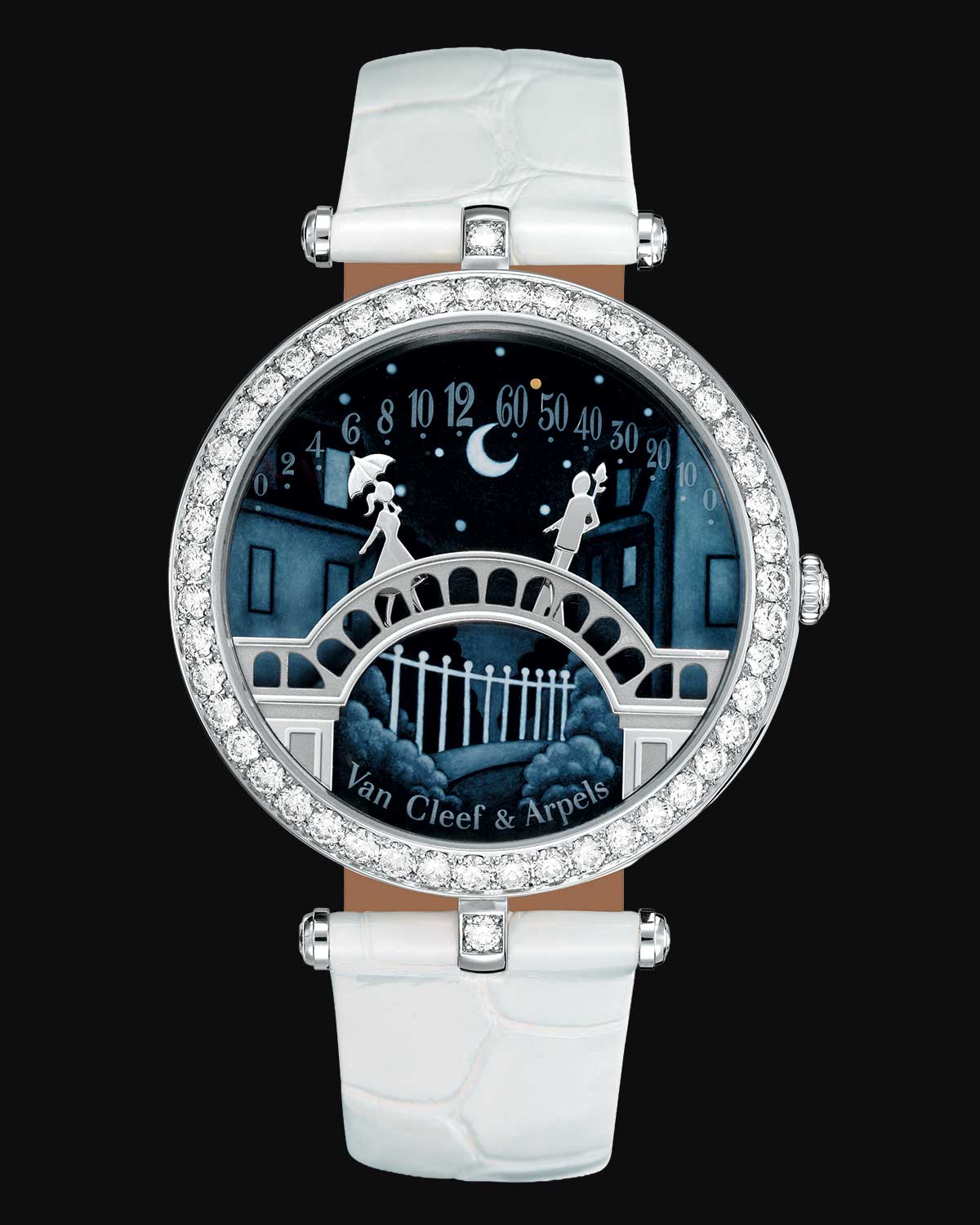
- Van Cleef & Arpels Poetic Complications
Throughout Wiederrecht’s body of work, there’s a focus on legible and functional dials, where the mechanism is the star — the AgenGraphe, one of the most significant modern chronographs, is a clear example of this. The centered chronograph with a donut-shaped movement has been used with great success by brands like H. Moser & Cie., Fabergé and Singer Reimagined. Even if his name does not appear on the dials of his creations, there is no doubting that Jean-Marc Wiederrecht is one of the key constructors who underpins much of modern horological innovation.

Streamliner Flyback Chronograph Automatic Funky Blue. The Calibre HMC 902 developed with AGENHOR for H. Moser & Cie.
-

- Fabergé Visionnaire Chronograph Ceramic
-

- Singer Reimagined Track1
You may also like

Editorial
Casio’s Power Move
Nov 6, 2026
Editorial
Casio’s Power Move
Nov 6, 2026
Editorial
Getting to Know Leica’s Watch Collection
Nov 5, 2026
Editorial
Getting to Know Leica’s Watch Collection
Nov 5, 2026
Editorial
Citizen ATTESA: The Power of Purple Aurora
Nov 2, 2026
Editorial
Citizen ATTESA: The Power of Purple Aurora
Nov 2, 2026