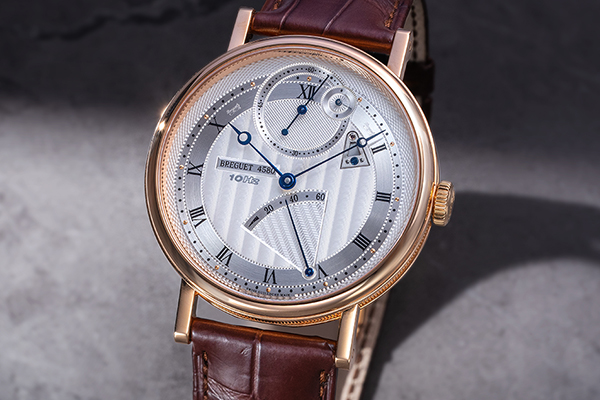
Breguet Classique Chronométrie Ref. 7727: The World’s Most Accurate Mechanical Watch?
Editorial
Breguet Classique Chronométrie Ref. 7727: The World’s Most Accurate Mechanical Watch?

Summary
Twenty-one years ago when I launched Revolution magazine, I made the mistake of saying that a high-end mechanical timepiece’s primary raison d’être was to engage with its owner on an emotional level. My rationale then was as follows: I drew a parallel between the advent of quartz technology and the invention of the camera in terms of how each shaped the development of watchmaking and art.
Before 1969 and the Seiko Astron, timepieces were highly prized for their technical merit, which focused on the accurate measurement of time. One notable example was the marine chronometer — a timepiece so precise that it could maintain the reference time of its port of departure during a months-long voyage — which was crucial to determining longitude at sea. Nations with the most accurate marine chronometers gained a strategic naval advantage. Case in point, the work of 18th-century innovators like John Harrison and John Arnold was instrumental in supporting British dominion of the oceans and strengthening their Royal Navy. By the 19th century, marine-chronometer-level precision was gradually implemented in high-grade pocket watches, and later, refined in the wristwatches of the 20th century. Although watches, by and large, have always had an aesthetic dimension that evokes emotions, before the introduction of quartz technology, owning a mechanical watch with the precision of a chronometer was like having an object that represented the epitome of modern scientific discovery and high-performance machinery. It was, as the young people today might say, “the ultimate flex.”
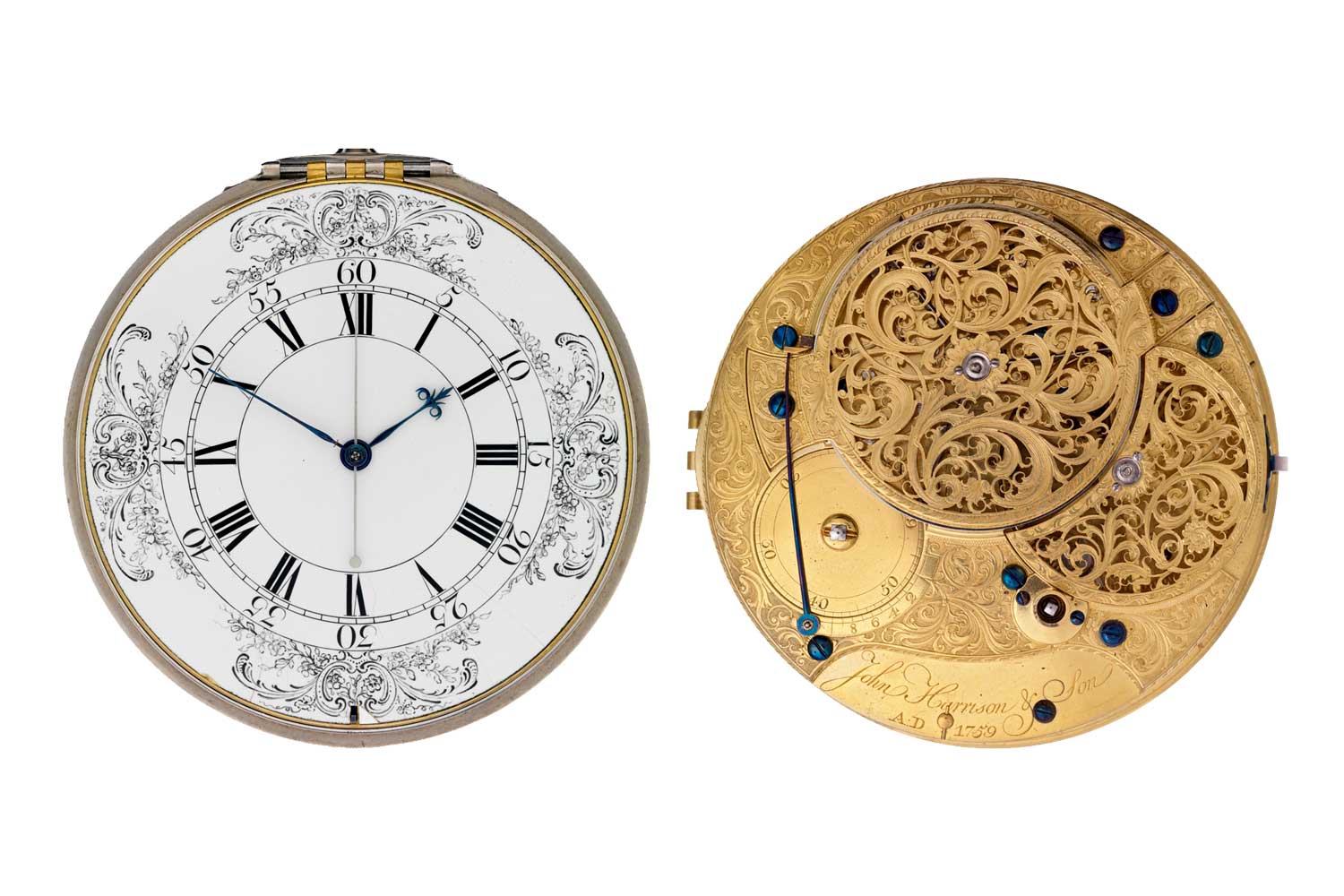
John Harrison’s prize-winning H4, the first true marine chronometer and one of the most important timekeepers ever made
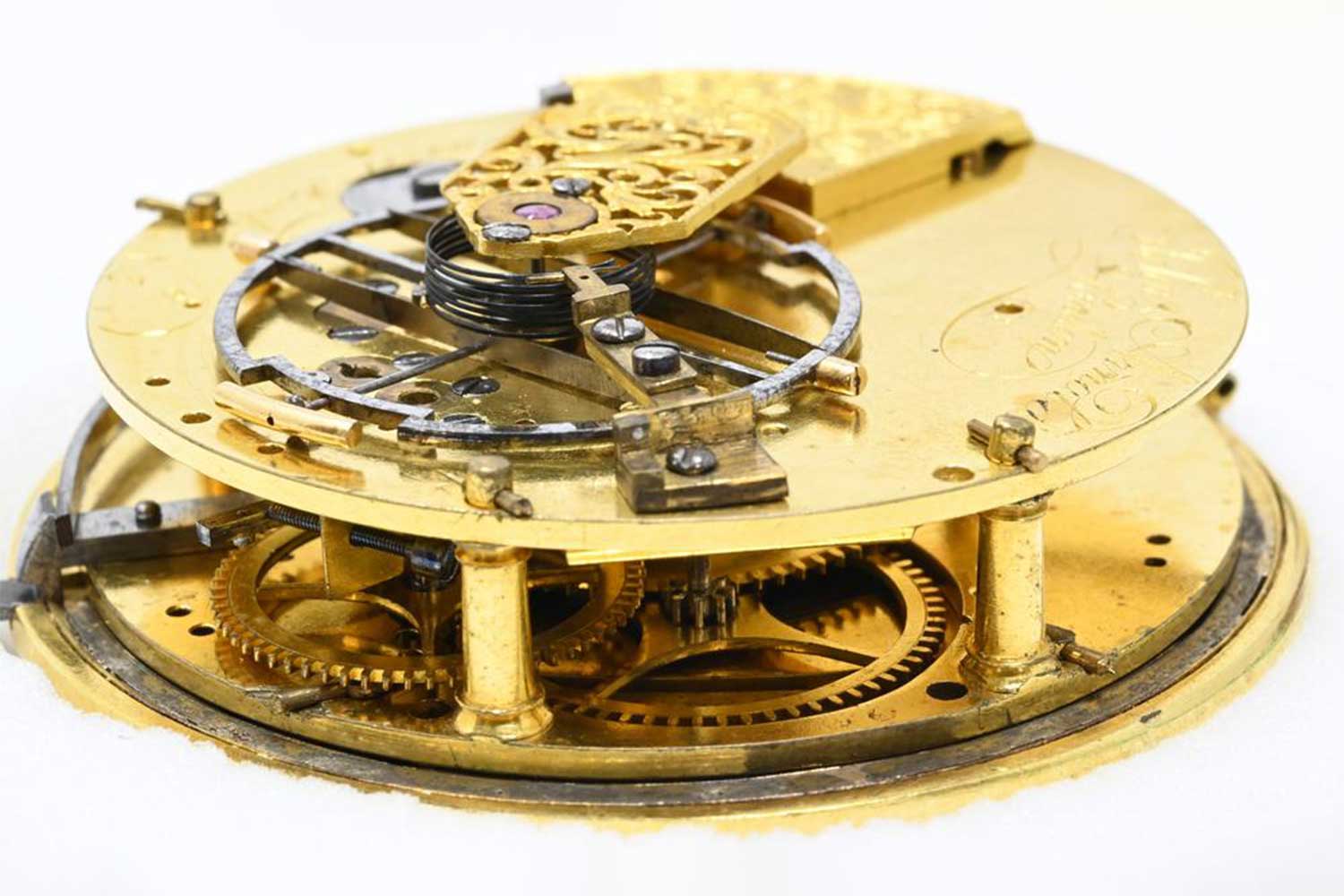
John Arnold’s Pocket Chronometer No.3, circa 1773 (Image: British Museum)
Similarly, in art, before the invention of the camera, paintings that offered faithful representations of reality were highly valued. But the art world experienced a seismic shift with the development of photography in the 19th century, which democratized the ability to reproduce reality with the mere click of a button. This contributed to the emergence of a new artistic movement, Impressionism, where the expression of emotion took precedence over the accurate depiction of reality, which, in the era of the camera, had become commonplace.
In 1969, the watch world, too, experienced a critical juncture when Seiko introduced the Astron. Now, it’s important to understand that the Japanese did not flood the world with inexpensive quartz watches, as you often hear. Seiko had adopted an open approach to licensing its quartz technology, genuinely believing that wider adoption of quartz technology would accelerate innovation in the field. Other manufacturers in Asia soon figured out a way to manufacture millions of inexpensive quartz watches. Each one of these watches, with its 32,768 oscillations per second, was capable of far greater accuracy than even the finest mechanical chronometers. Quartz watches democratized accuracy and made it accessible to everyone. Suddenly, the pursuit of precision in mechanical movements no longer seemed to be as important, and watchmakers began to look to the more expressive and emotive aspects of watchmaking.

The game-changing Astron in 1969, the first wristwatch powered by a quartz movement
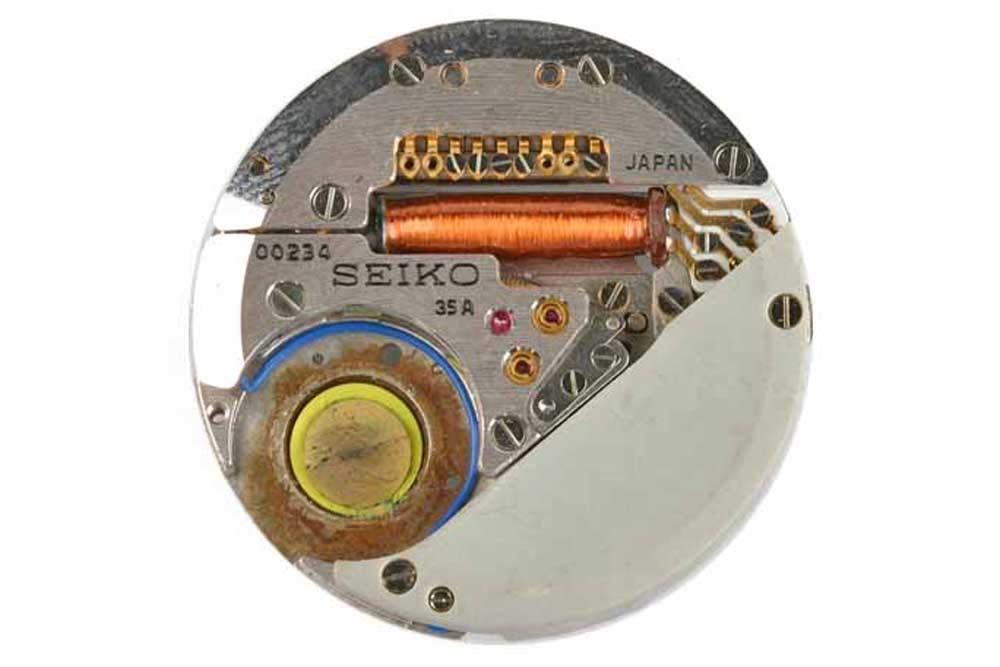
Quartz movement of the Seiko Astron, 1969
Like the changes in the art world, during the 1970s–90s, mechanical watchmaking was able to stage a long slow comeback by repositioning the mechanical watch from a precision-driven instrument to an emotional and expressive one. Some integrated bracelet sports-chic watches of the ’70s didn’t feature a seconds hand at all. These included the Royal Oak Reference 5402ST, Patek Philippe Nautilus Ref. 3700/1A, Vacheron Constantin 222 and Piaget Polo. Instead, they wore like sculptural art on the wrist and were signifiers of a new ultra louche, elite world order.
-
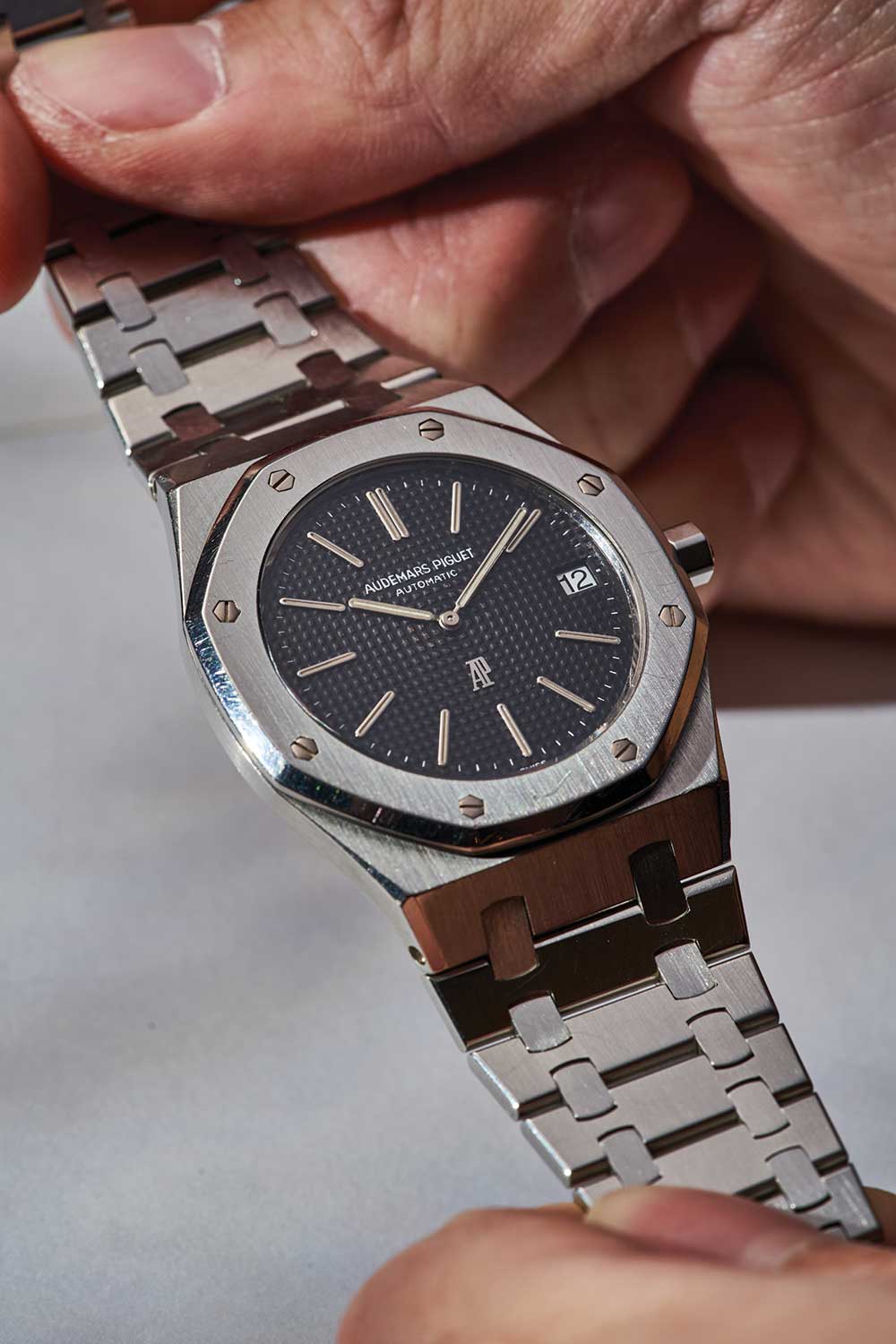
- Audemars Piguet Royal Oak Reference 5402ST
-
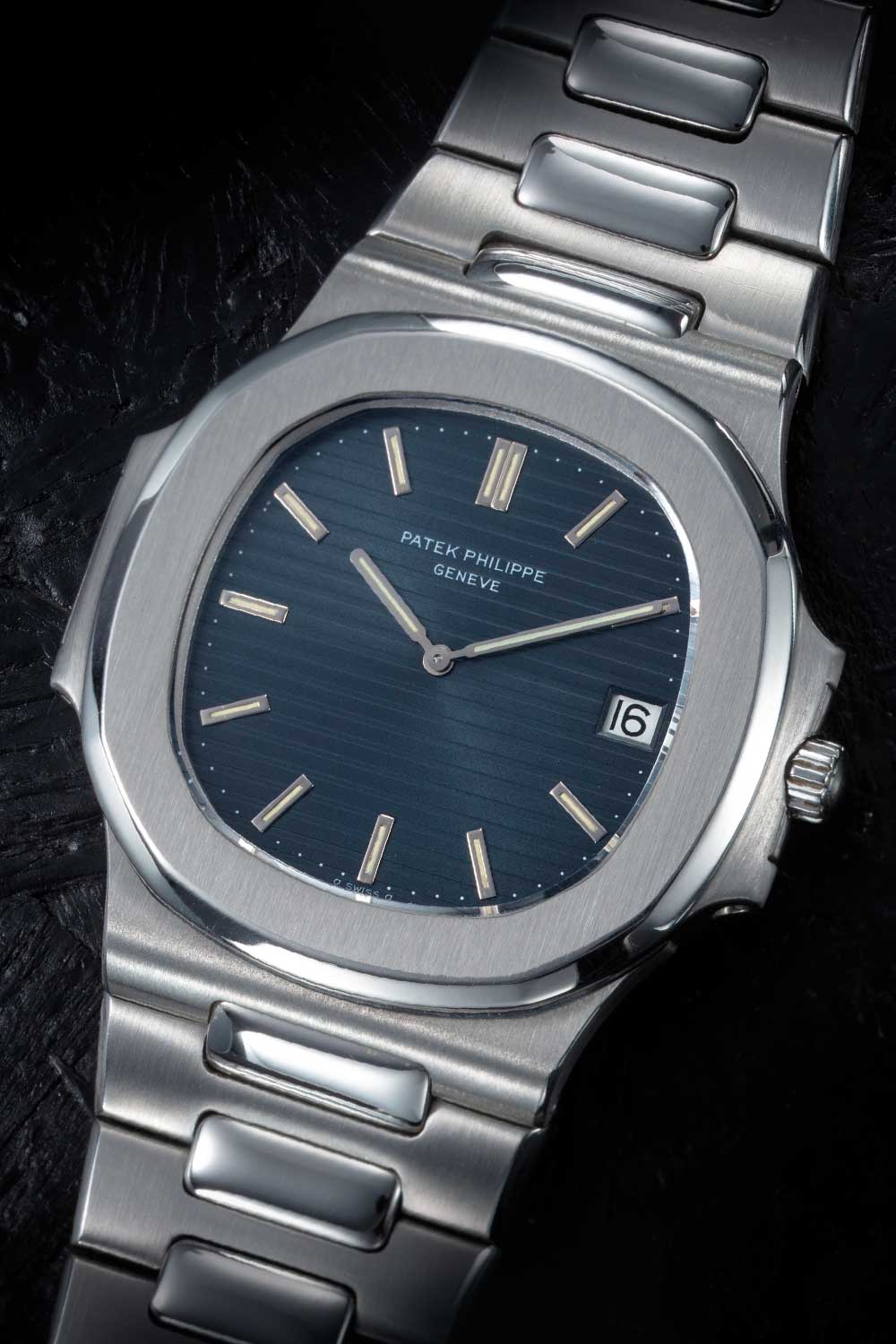
- Patek Philippe Nautilus Ref. 3700/1A (Image: Christie’s)
-
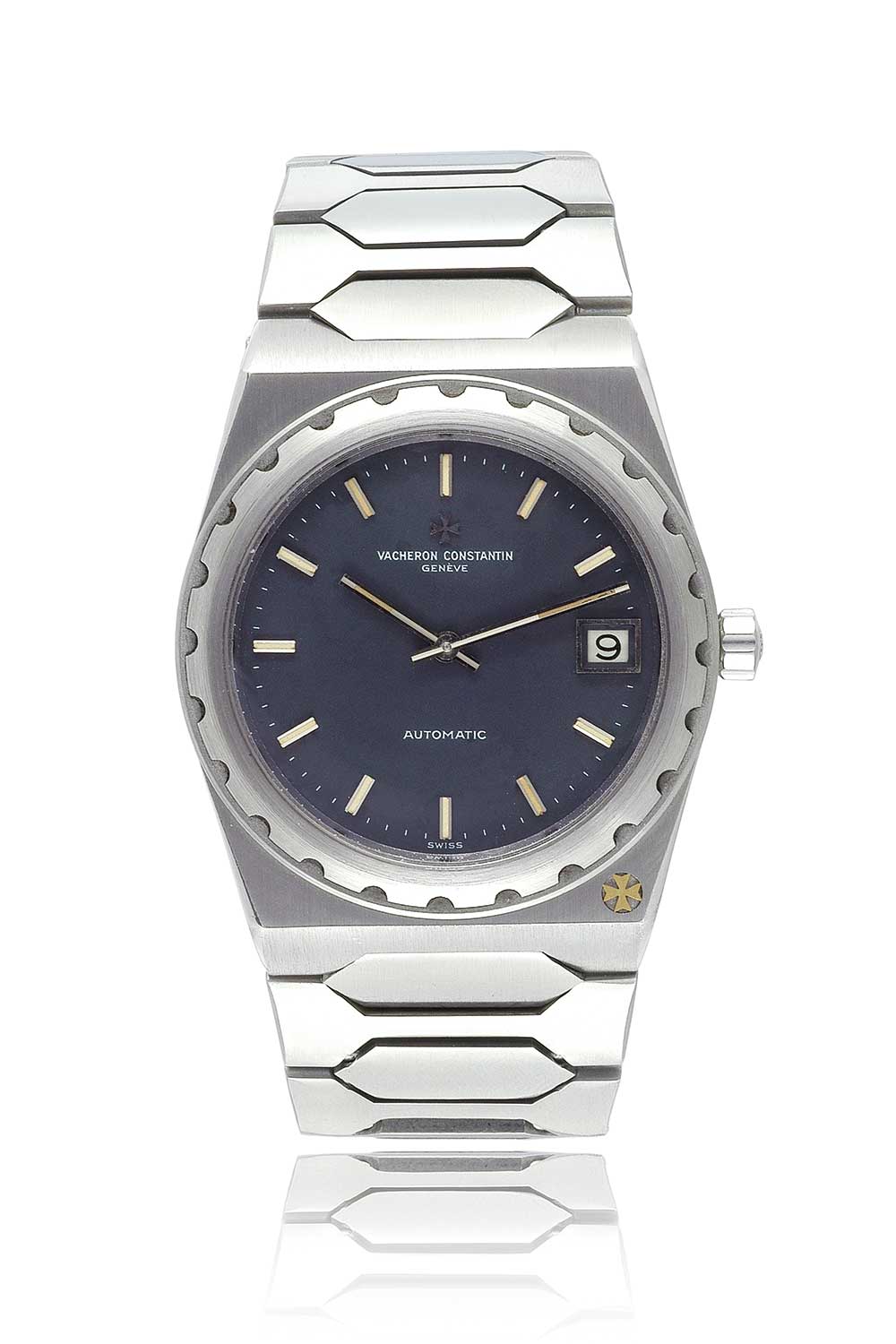
- Vacheron Constantin 222
-
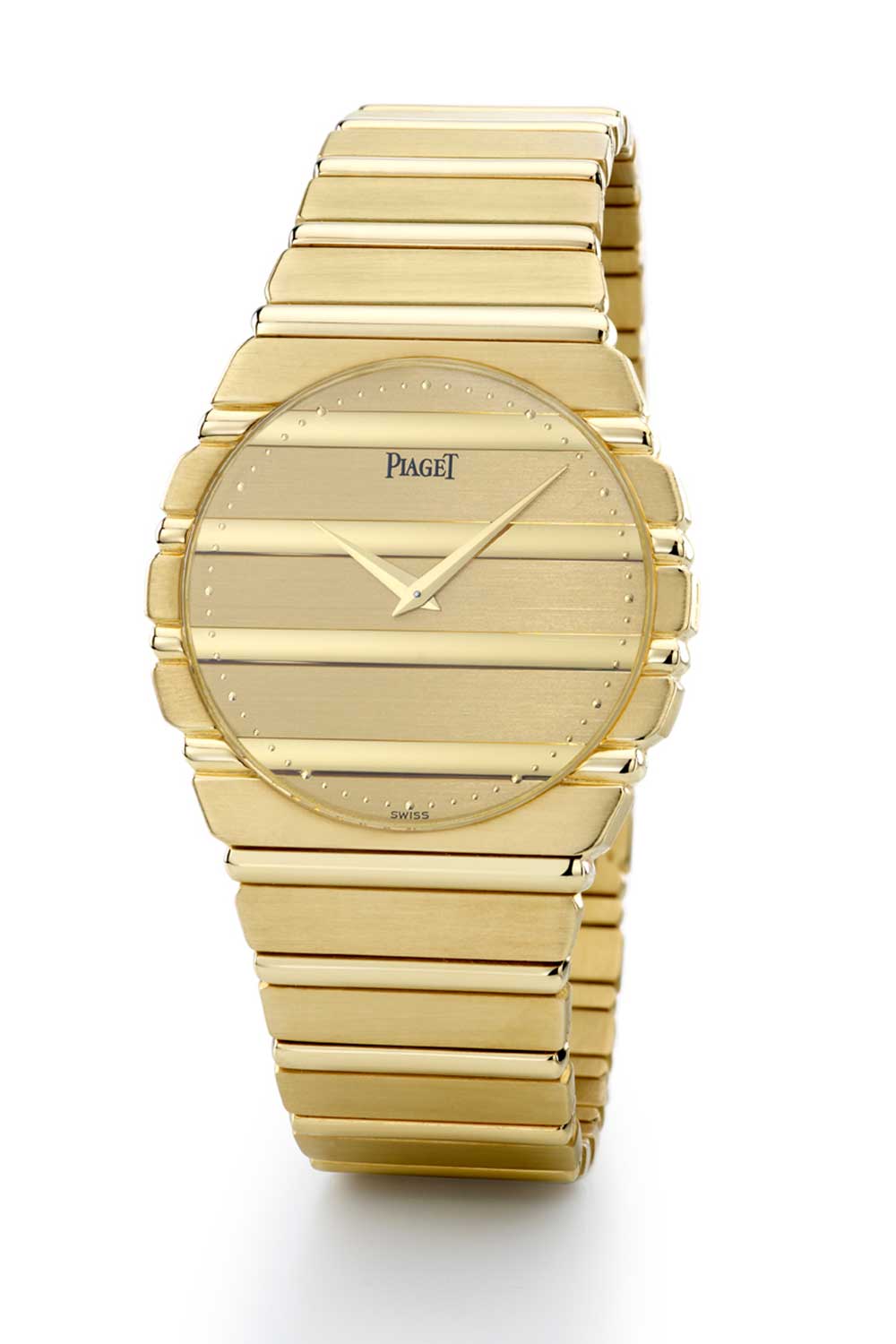
- Piaget Polo
The return of complicated watches from brands like Breguet, Blancpain and Patek Philippe in the ’80s combined nostalgia with a focus on craftsmanship and human endeavor. This landscape set the stage in the early 2000s for watches like the Ulysse Nardin Freak, Harry Winston’s Opus series and Richard Mille’s “racing machine on the wrist,” which all brought a radical rethinking of what a watch should look like. I remember declaring that collectively these watches opened the door to a new language of modern horological art, much like the advent of Abstract Expressionism in the mid 20th century had paved the way for freedom of form and expression in art. It was like, as MB&F founder Max Büsser explained, “the advent of rock and roll after centuries of classical music.” In many circles, it became almost gauche, inelegant or banal to enquire after a mechanical watch’s accuracy. The one exception to this being Chopard L.U.C, which, from 1997 onwards, insisted on chronometer certification for its watches (with seconds hands).
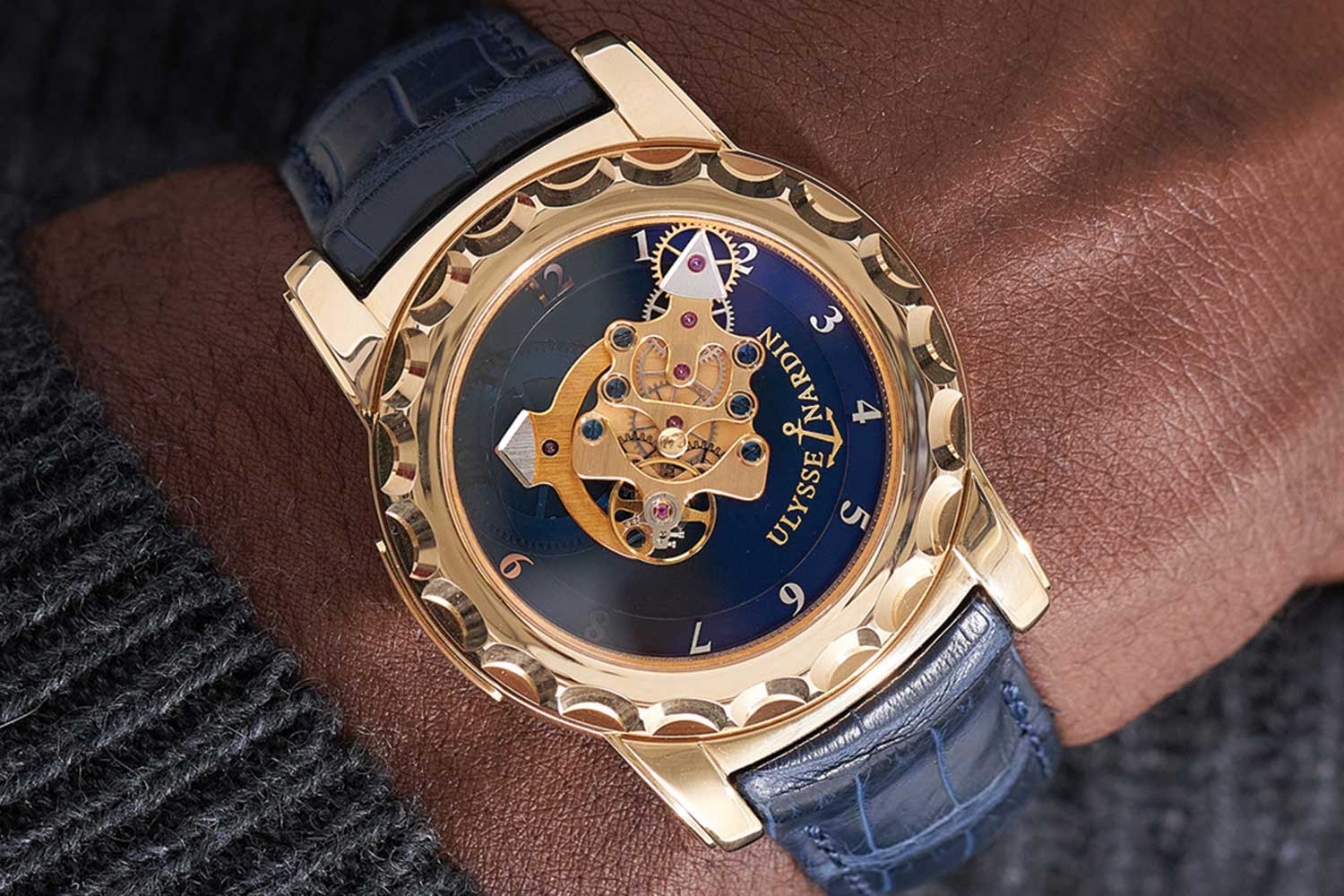
Ulysse Nardin Freak
Now, more than a quarter century into the third millennium, is emotion still the predominant factor for a mechanical watch’s existence? Of course, it is. But to revisit what I said in 2005, increasingly, this emotion must be grounded in authentic watchmaking — through technical mastery involving the highest level of innovation and craftsmanship.
The Allure of the Highest Aspirations
There is an interesting statistic in Morgan Stanley’s report on Swiss luxury watches, which is that from 2023–24, 85 percent of the growth in the industry came from watches sold at 50,000 Swiss francs and above. By 2024–25, that number had grown to 89 percent. This is startling information, as it shows you which segment collectors are focused on — the realm of haute horlogerie. What exactly does this refer to? Well, ask yourself, what makes a watch cost more than 50,000 Swiss francs? Beyond the material value you can put into its case and dial, ultimately it’s the content of the watch. That’s haute horlogerie, which takes a centuries-old mechanical system and tries to do at least one of three things.
The first is to engage our senses; for example, by playing time musically in passing or even providing two completely different melodies for the quarters, as Blancpain’s amazing Grande Double Sonnerie does. The second is to provide us with a better understanding of our relationship with the cosmos, as Vacheron Constantin’s Solaria Ultra Grande Complication does — it even includes a special split seconds chronograph that allows the wearer to calculate when a celestial body will transit the local meridian.
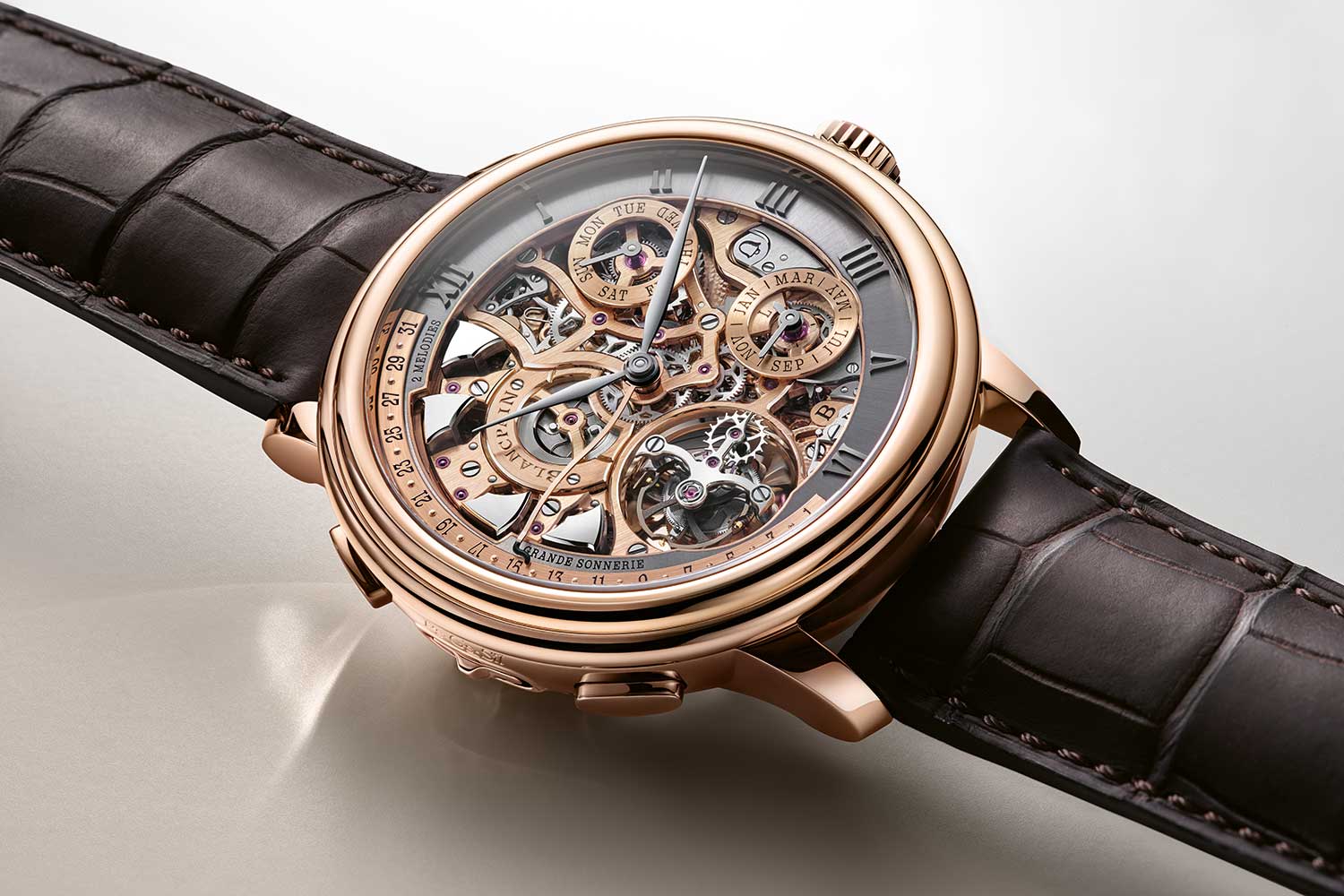
Blancpain Grande Double Sonnerie
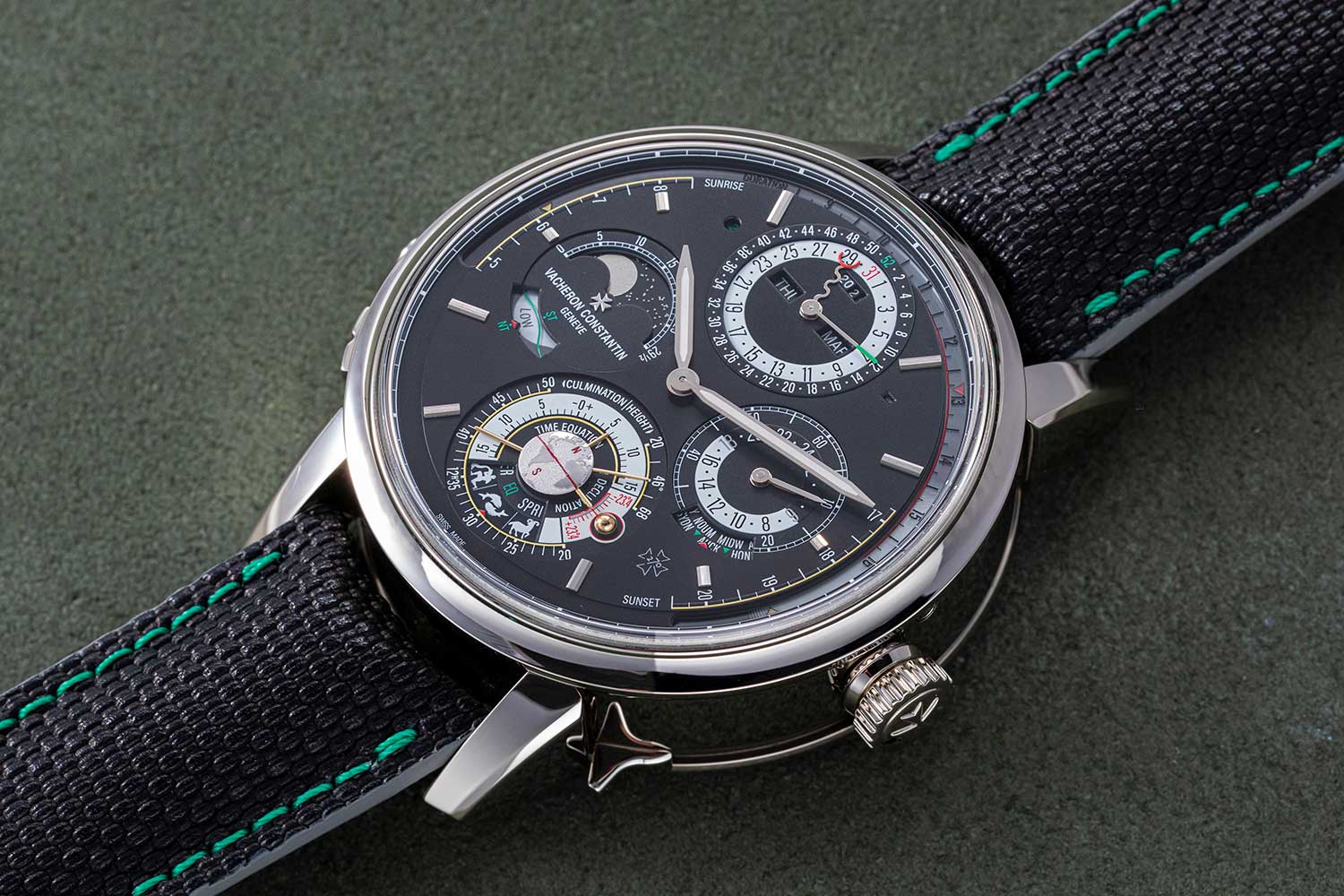
Vacheron Constantin Solaria Ultra Grande Complication (©Revolution)
The third, which is my favorite, is the glorious attempt to wring the very last drop of accuracy from a wristwatch and, in this arena, Breguet’s 10-hertz, magnetic pivot watches, the Classique Chronométrie Ref. 7727 and Classique Ref. 7225, may just be the most important timepieces of the past two decades.
-
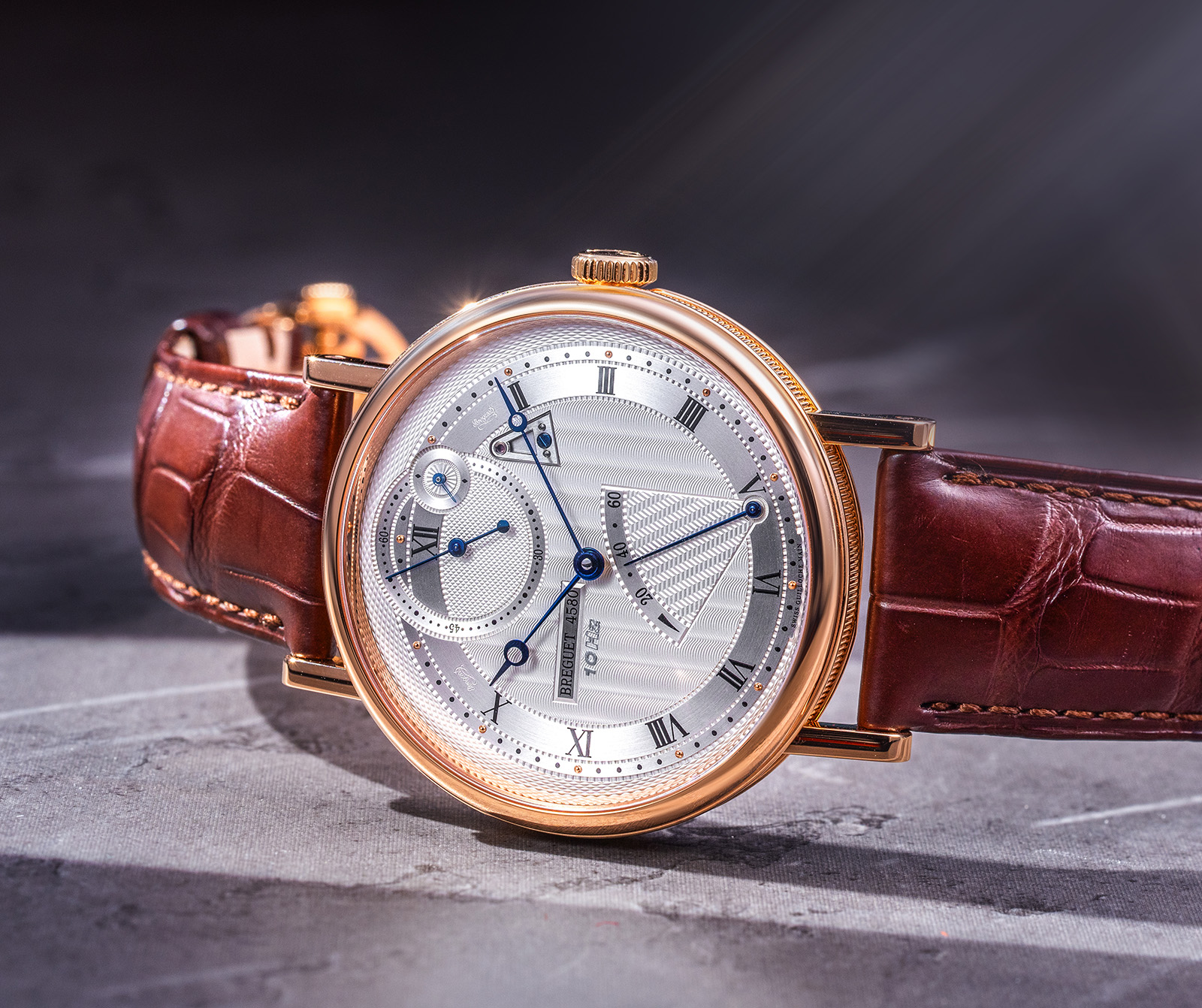
- Breguet Classique Chronométrie Ref. 7727
-
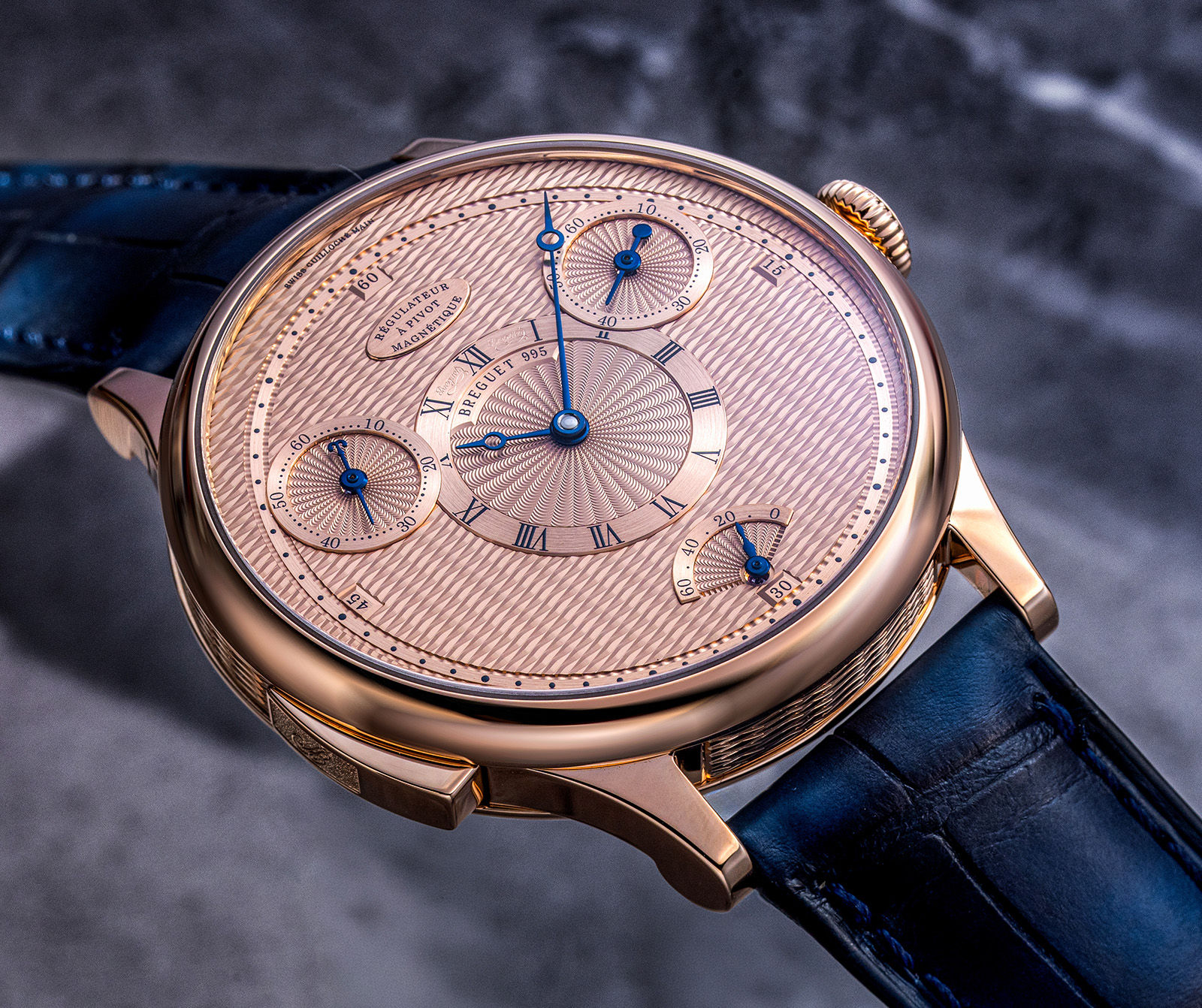
- Breguet Classique Ref. 7225
Before I get into why I love these Breguet watches, let’s also agree that we have returned to an era where true horological content is king. In this world, precision and accuracy of a mechanical timepiece represent the highest technical aspirations of a watch brand, connecting modern watchmaking to the golden age of the observatory trials, the marine chronometers and beyond. Yes, I get it that the world’s most accurate mechanical watch, with an optimally engineered movement adjusted through the poising of the balance, the microscopic manipulation of hairspring geometry, and the adjustment of inertia and timing screws by the hands of a skilled régleur, will still be far less accurate than the average smartwatch or cell phone. But that’s to me like saying the world’s fastest sailing yacht will still be far slower than the world’s cheapest motorboat. Yes, it is true, but which one would you rather own? The former represents the summit of human achievement and a cynosure of art, craft and engineering… the latter is, well, a disposable utilitarian tool.
On the topic of smartwatches, I recall that, in 2014, when word of the Apple Watch spread like wildfire at the Salon International de la Haute Horlogerie, there was the genuine feeling that mechanical watchmaking was about to face its greatest existential threat since the Quartz Crisis. But what happened instead was something no one had expected. Gen Z, the target audience for the Apple Watch, fell more passionately in love with mechanical watchmaking than their parents’ generation. My belief is that because this group of young consumers has been constantly confronted with all things digital, the mechanical watch offers a reprieve, a beautifully crafted object that resonates with the perennial. The fact that young people are so engaged with vintage watches seems to confirm my belief that this unique durability of mechanical watches is part of the appeal. So, for the moment, mechanical watches are safe and here to stay. Let’s all exhale a collective sigh of relief.
Concours International de Chronométrie Makes a Case for Tourbillons
At one point, marine chronometers were crucial elements of military technology. Unlocking the secrets to precision at sea allowed for the rapid expansion of the colonial powers. But by the 20th century, the battle had shifted from islands and archipelagos in the Indian Ocean to scientific trials in observatories throughout Europe. In places like Kew, Besançon, Geneva and, most famously, Neuchâtel, watch brands would vie and contest with each other to see who could create the most accurate watches in the world. Chronometer movements, in configurations from straight-forward lever escapements to complicated tourbillons, would all be torture-tested in a variety of positions and conditions. It was from these tests that famous chronometers such as the Omega Caliber 47.7, Longines Caliber 360 and Zenith Caliber 135 would make their reputations as hardened warriors, and the men that regulated them grandmasters of their art form.

The Zenith Calibre 135 had an off-centred gear train, which freed up space for an unusually large 14mm 2.5Hz balance wheel
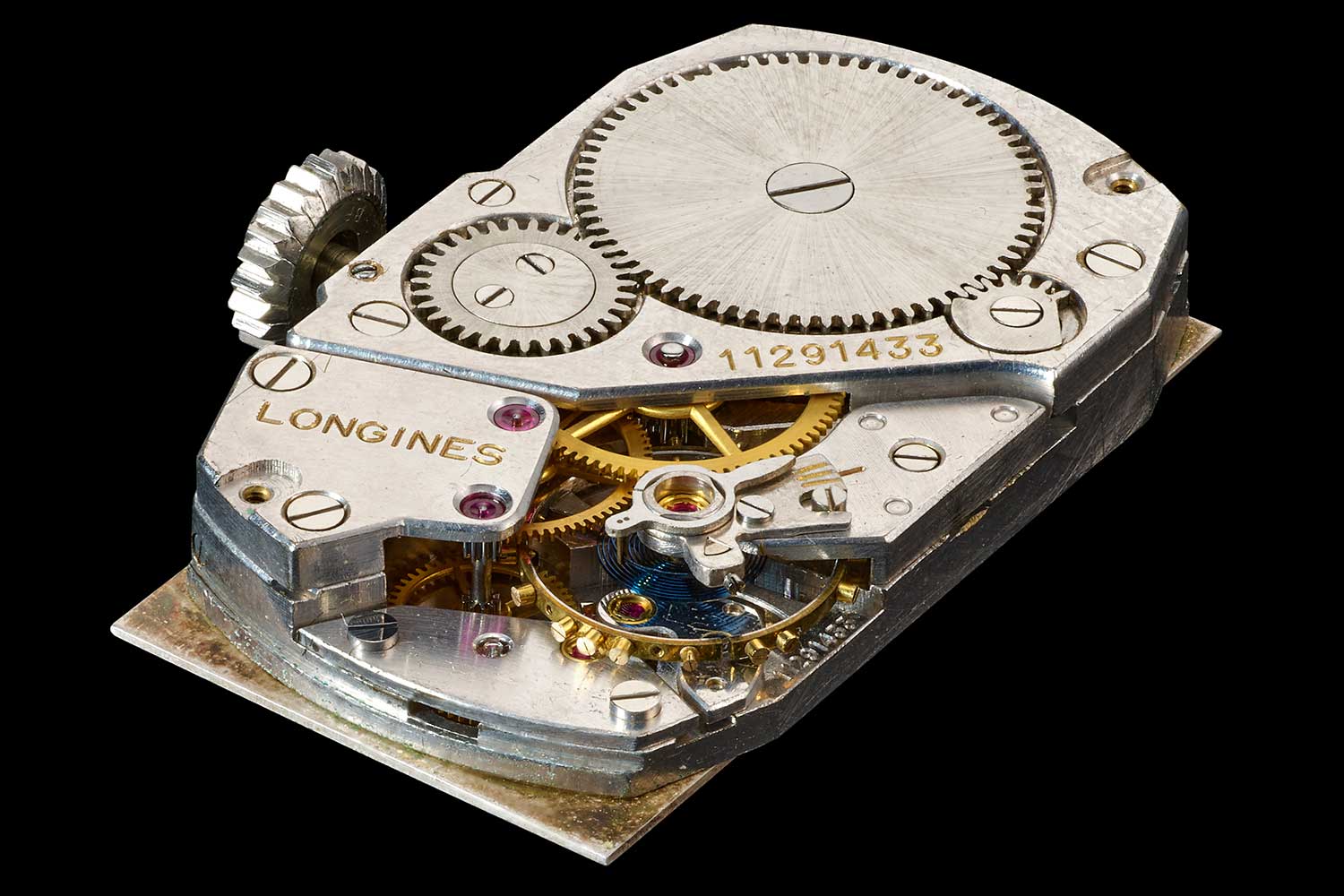
The Longines Caliber 360 with a 5Hz balance was the first high frequency wristwatch movement
Neuchâtel Observatory continued to be the premiere battleground for these Swiss giants until 1967 and 1968 when Grand Seiko — in response to being told by Swiss authorities to remove the word “chronometer” from its dials — swept the trials with its own rigorously tested movements. In 1967, the brand, competing through its manufacturing divisions, Daini Seikosha and Suwa Seikosha, placed 4th, 5th, 7th, 8th and 12th. In 1968, Grand Seiko took 2nd place and was ranked from 4th through 8th — the only watch movements that beat Grand Seiko’s movements were Beta-21 quartz prototypes. This ultimately led to the trials being called off and, by 1969, quartz technology would change everything. Observatory trials were, sadly, completely non-existent during the ’70s all the way to 2008.
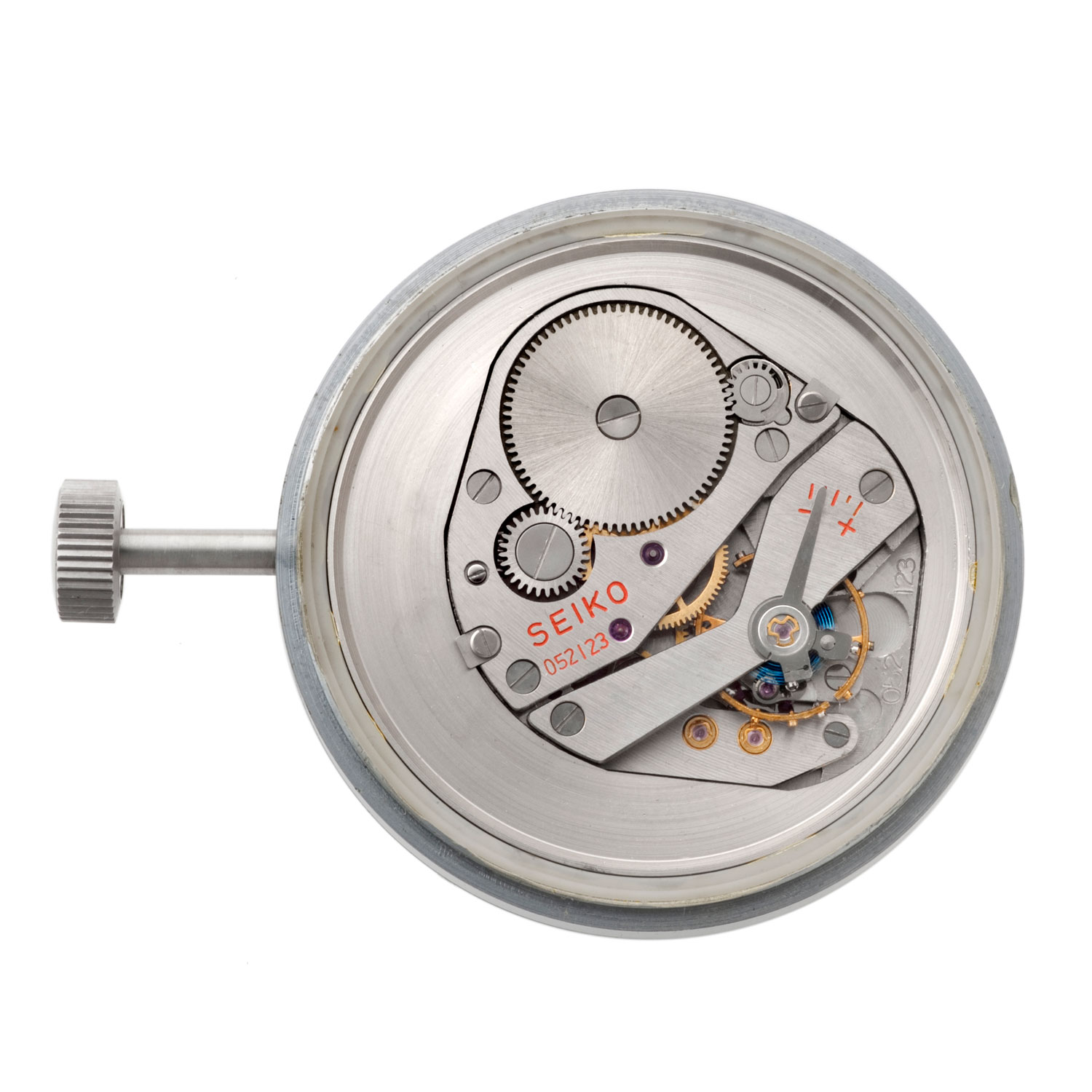
Seiko’s legendary 052 movement
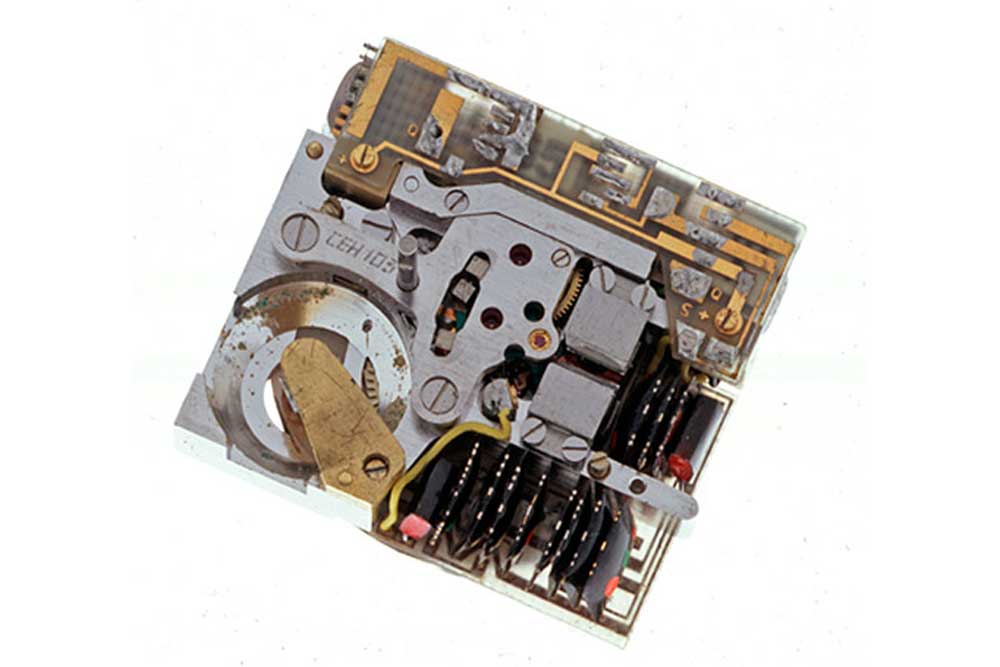
CEH Caliber Beta 1, prototype 1967 © H.R. Bramaz
It was in 2009 that the Musée d’Horlogerie du Locle, or the Watchmaking Museum of Le Locle, decided to do something rather remarkable. It decided to restart an observatory trial competition called the Concours International de Chronométrie. They configured the competition over the course of several weeks as follows:
The first stage was an ISO 3159 chronometer test at the famous Besançon Observatory. The second stage followed the same requirements as the tests of the Contrôle Officiel Suisse des Chronomètres (COSC) and was completed at their HQ in Bienne. Then, the watches were brought to Haute-Ecole Arc in Neuchâtel, where they were subjected to shock as well as magnetism testing. Shocks were delivered using a robot arm that put the watches through 150 shocks at an intensity of 150g. Magnetism exposure was undisclosed. Finally, the watches went back to the COSC to be remeasured and the deviation after the durability tests in the third stage were calculated. The results from each stage of the competition were valued equally. It was, by any standard, an incredibly ambitious set of criteria, not unlike the Qualité Fleurier torture tests created by Karl-Friedrich Scheufele in 2004 as an external and more rigorous certification for watches made in the region. The only problem for the revival of the Concours was that, like Qualité Fleurier, because of the potential embarrassment over poor performance, very few brands wanted to participate in it. I think at this point, we have to massively commend the brands that decided to enter their watches in the Concours. These included Jaeger-LeCoultre, Greubel Forsey, Audemars Piguet, Zenith and F.P. Journe.
The Concours International de Chronométrie was held only four times. But the best publicized instalments happened in 2009 and 2011. In 2009, Jaeger-LeCoultre swept the first and second places, with Chopard L.U.C coming in a very respectable third. What is important about the watches that took the top three positions was that they were all tourbillons, which to me is proof positive that a tourbillon does elevate the performance of a wristwatch when well implemented.
Since the advent of the wristwatch tourbillon, a long-standing debate has raged about this mechanism’s capacity to improve performance. It was, after all, created for pocket watches that were kept in the vertical position as opposed to wristwatches that adopted an almost infinite number of positions throughout the day. The best-testing watch was Jaeger-LeCoultre’s Master Tourbillon, which at its 2006 launch was the world’s most accessibly priced tourbillon. Jérôme Lambert, who was then serving his first tenure as the brand’s CEO, received criticism for “devaluing” the tourbillon by reducing its entry price to 35,000 euros. Responding to the attacks, Jaeger-LeCoultre’s then marketing director Stéphane Belmont replied, “We don’t artificially inflate prices or have surcharges simply because the product is a complication. Jaeger-LeCoultre has always proposed very fine watchmaking products at measured and justified price points. What bothers some people today is that we are now also presenting our tourbillon in steel! And, that we are returning to the roots of the tourbillon: the improvement of its precision and reliability.”
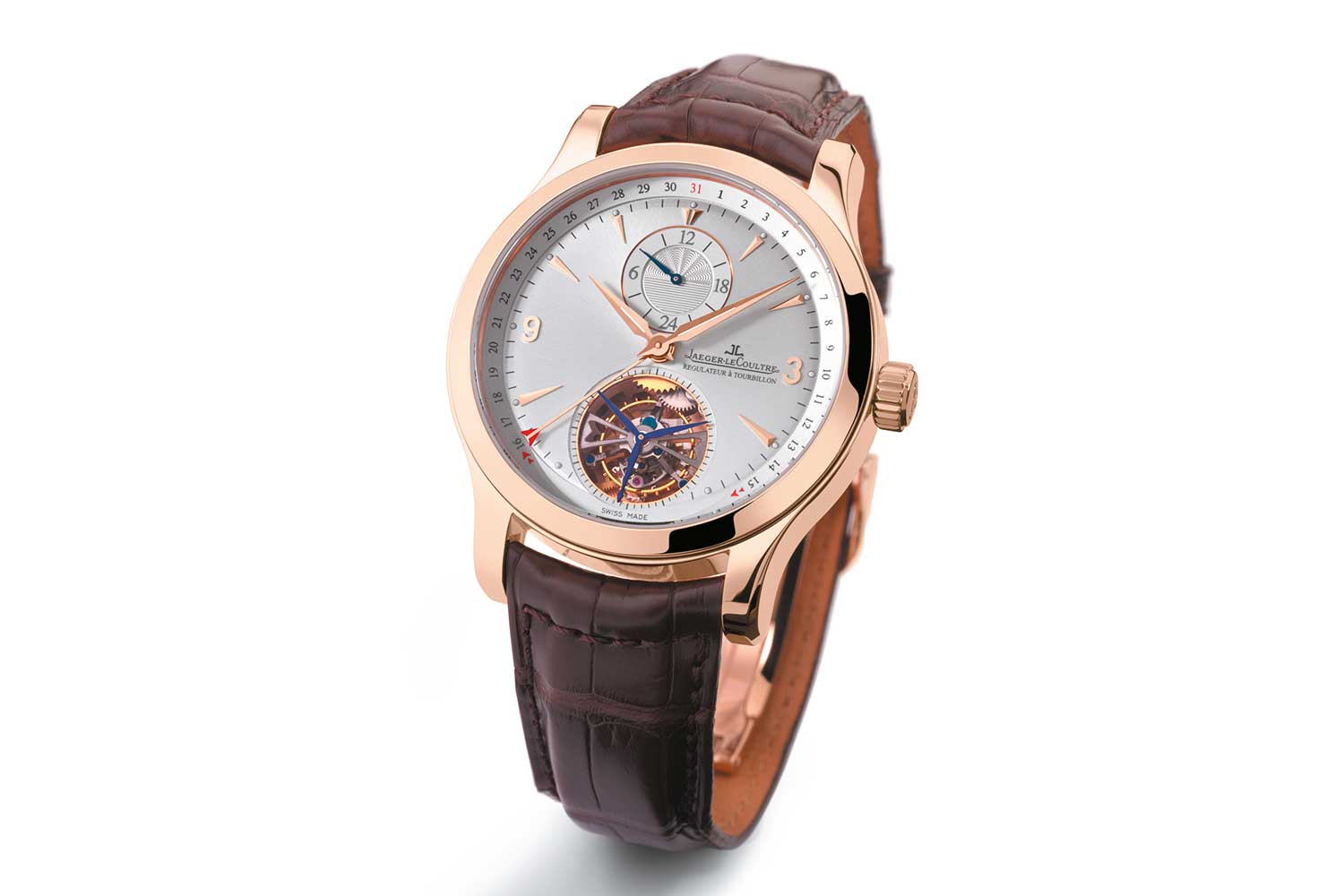
Jaeger-LeCoultre Master Tourbillon
It must have pleased Lambert and Belmont inordinately to be victorious in the face of their critics. The second place watch, also created by Jaeger-LeCoultre, was the famous Reverso Gyrotourbillon, one of the world’s very first double-axis tourbillons. Third place was taken by the Chopard L.U.C Quattro Tourbillon, which boasted a staggering eight days of power reserve, thanks to its four barrels stacked in two pairs. In 2011, the competition was restaged and this time attracted 18 contestants. One of the key differences between the first and second editions of the Concours was the addition of a new criterion: points were subtracted for deviations that resulted from the changes in positions of the timepieces, which seemed fair, considering this reflected the everyday use of wristwatches. In 2011, it was Greubel Forsey with its Double Tourbillon 30° Technique that emerged victorious, while the Chopard L.U.C Tech Twist All Black, its tourbillon now equipped with a silicon balance wheel and boasting 216 hours of power reserve, came in second. A manual-wind 4Hz tourbillon by Technotime (the TT791.50) came in third.
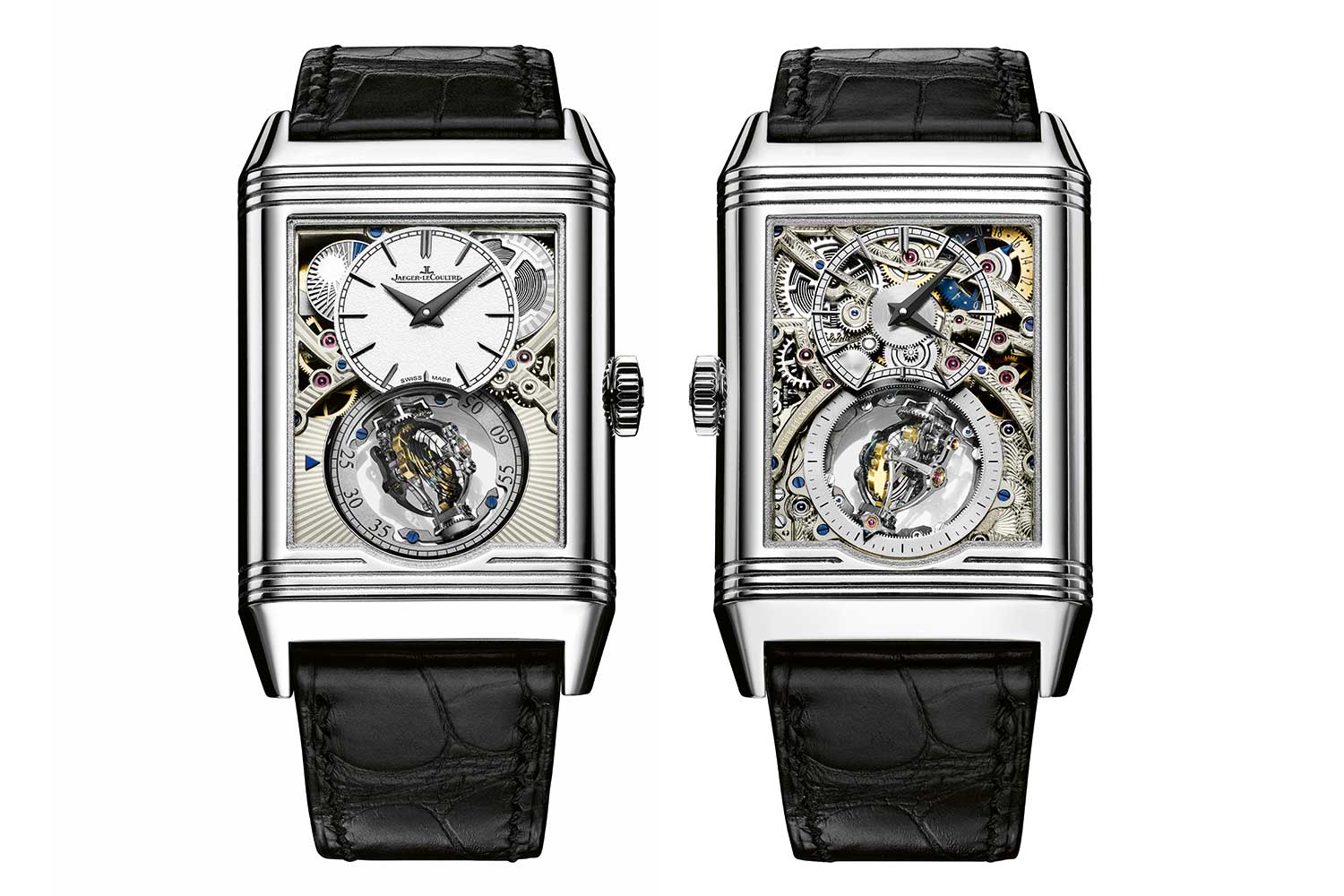
Jaeger-LeCoultre Reverso Gyrotourbillon
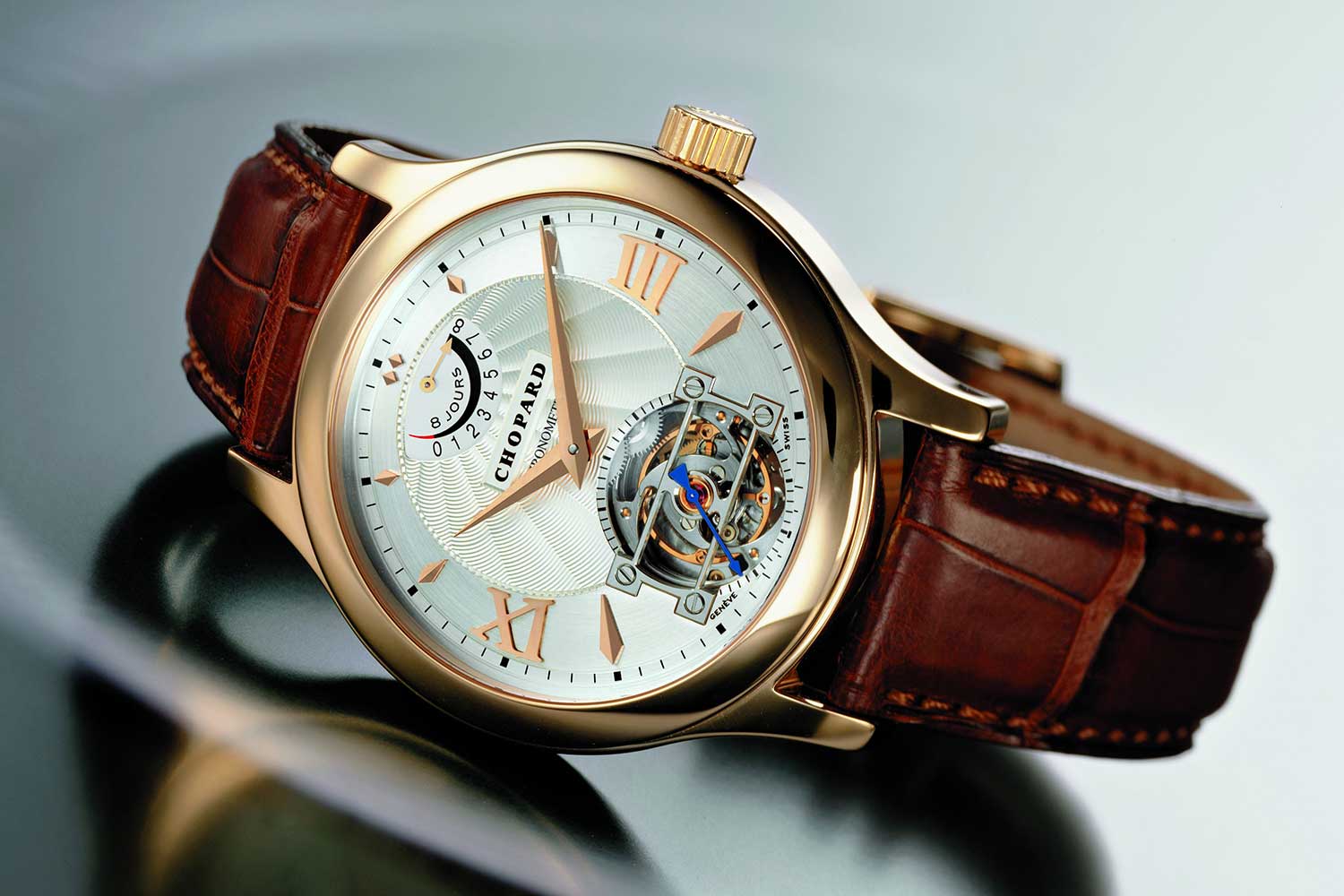
Chopard L.U.C Quattro Tourbillon
-
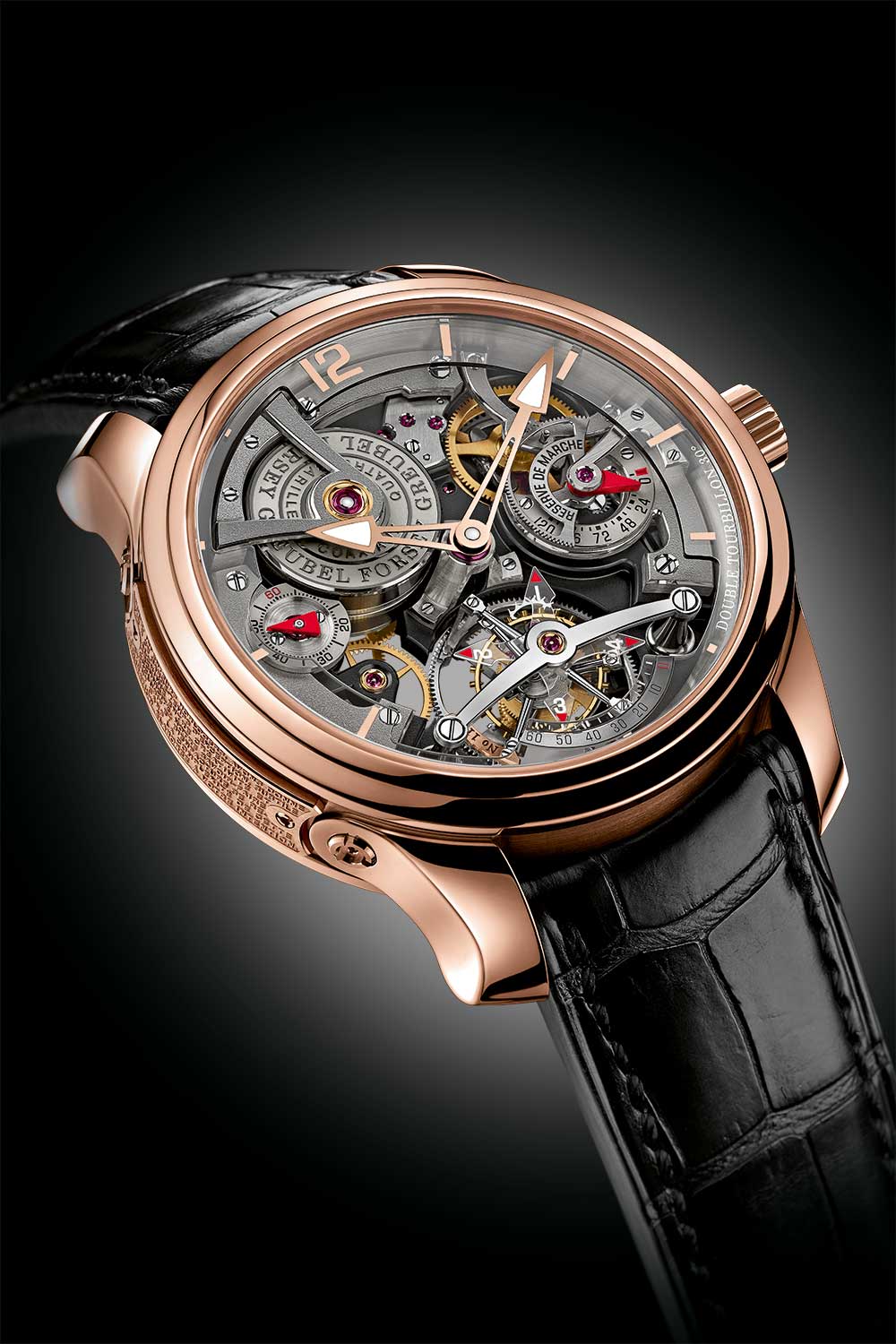
- Greubel Forsey Double Tourbillon 30° Technique
-
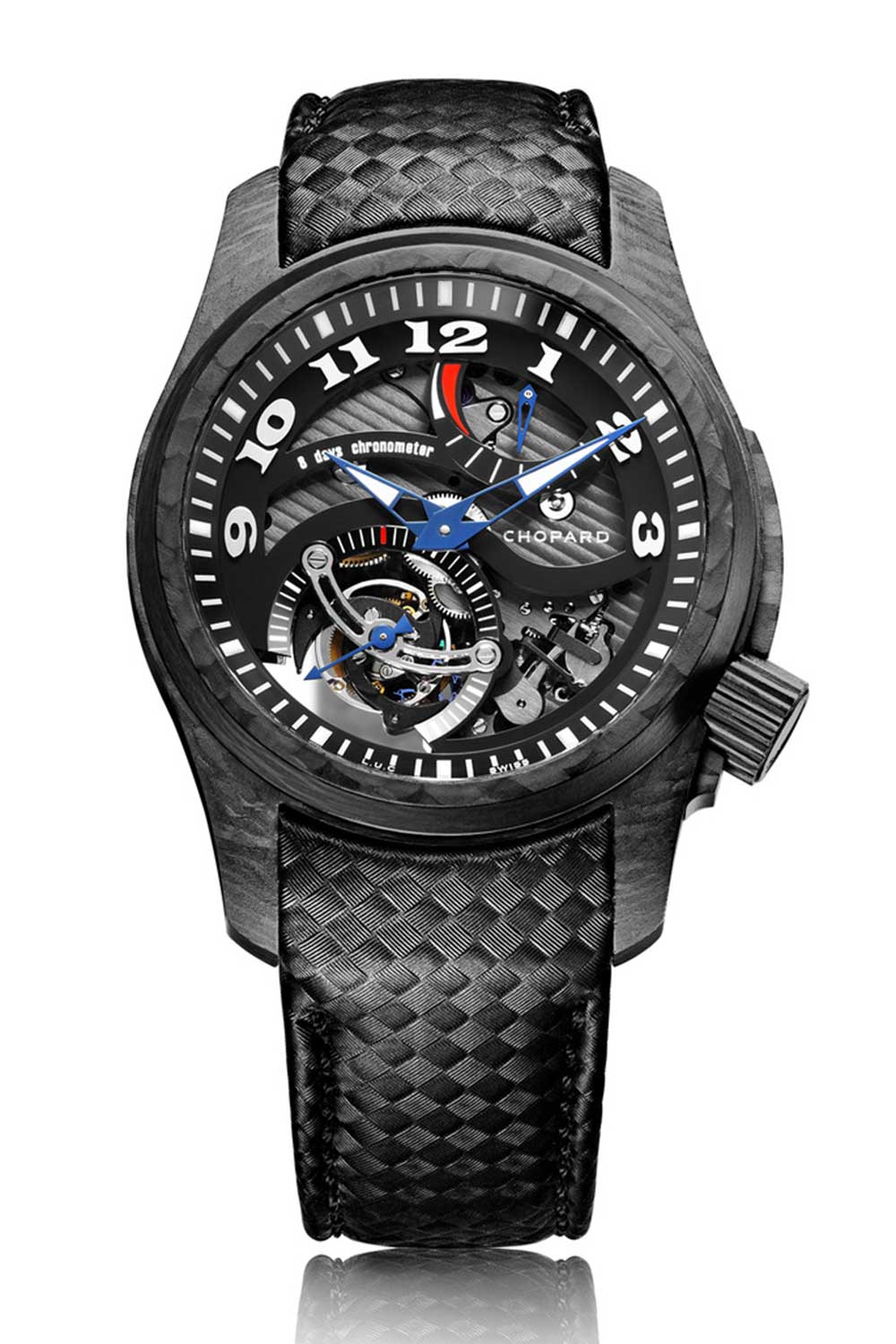
- Chopard L.U.C Tech Twist All Black
This is all pretty exciting, no? So why did the Concours not continue? One reason was that in the 2013 edition, Tissot decided to start entering conventional 4-hertz lever escapement basic movements (e.g. the Caliber A86.50) and began placing very highly. Another was that general interest in the trials never actually caught on. But then two years later, something very interesting happened.
Enter the “Experimental” Ref. 7727
In 2015, the very last Concours was held. But it would also prove to be one of the most important editions. At the time, most collectors didn’t realize that Breguet had anonymously entered its Classique Chronométrie Ref. 7727, a timepiece that represented a radical rethinking of the mechanical watch. From my perspective, the Ref. 7727 is the single most ambitious reimagining of the mechanical watch’s fundamental system. It boasts the fastest vibrational speed of any timepiece ever made in series (second place goes to Chopard L.U.C’s 8-hertz watches). And even more insanely, it features a balance wheel that seems to “float” between two magnetic end-stones, so that its pivots only barely make contact. Magnetism is, of course, the avowed enemy of watchmaking, so how does this remarkable Breguet timepiece actually harness it?
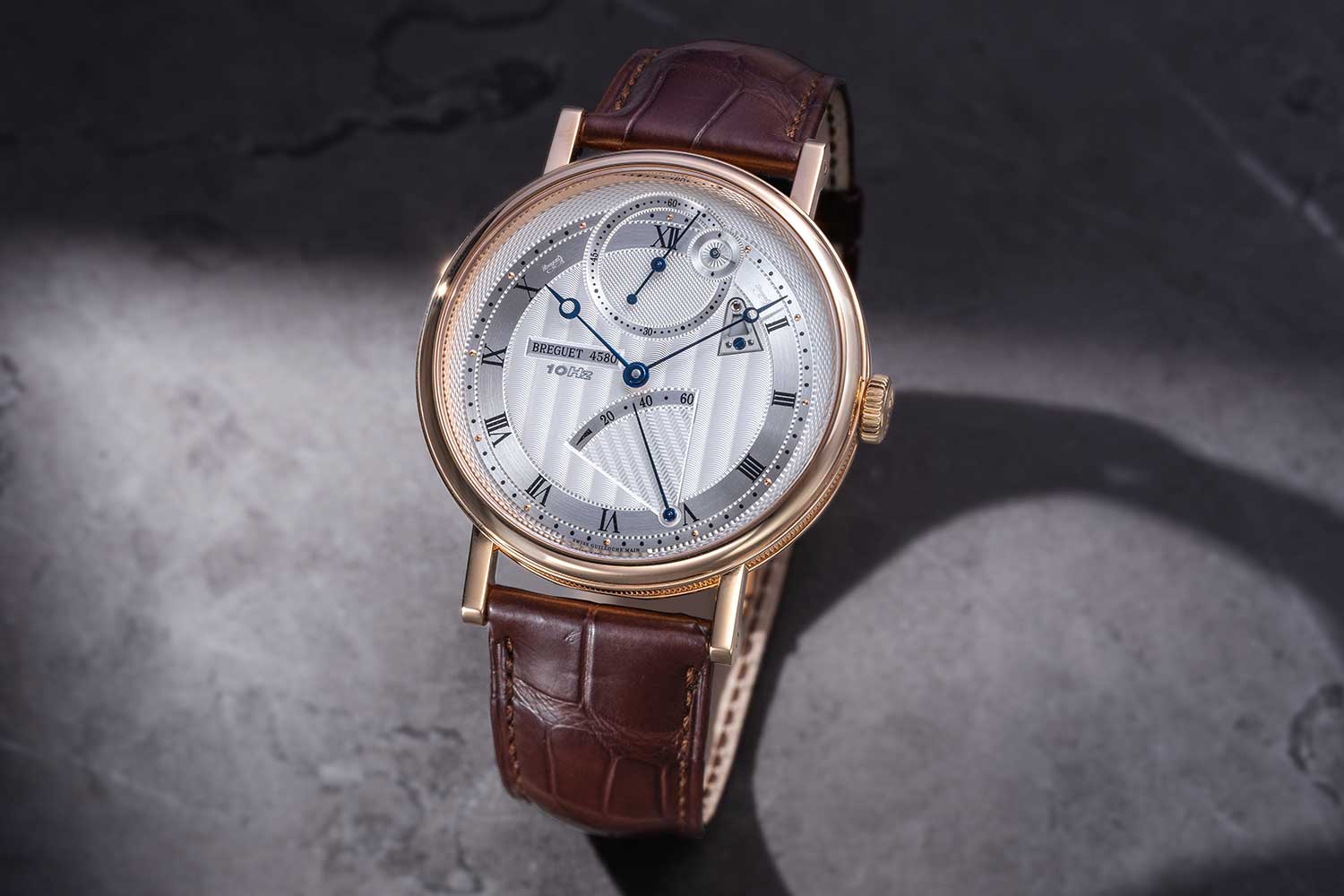
Breguet Classique Chronométrie Ref. 7727 (©Revolution)
Well, the answer lies in the key parts of the movement’s regulating organs, which are made from silicon. Its double hairsprings mounted in opposing directions, and its escape wheel and lever are all manufactured from silicon, which is completely amagnetic and requires no lubrication. It is this latter quality that makes silicon an ideal choice for any component that would normally experience massive wear and tear because of elevated vibrational speeds. The same rationale is also behind the use of two magnets positioned behind the endstones to hold the balance wheel in place. The pivot is made of carbon steel, but because barely any contact is made between the jewels and the pivot, wear is similarly minimized. This is critical for the long-term viability of a balance beating at 10 hertz.
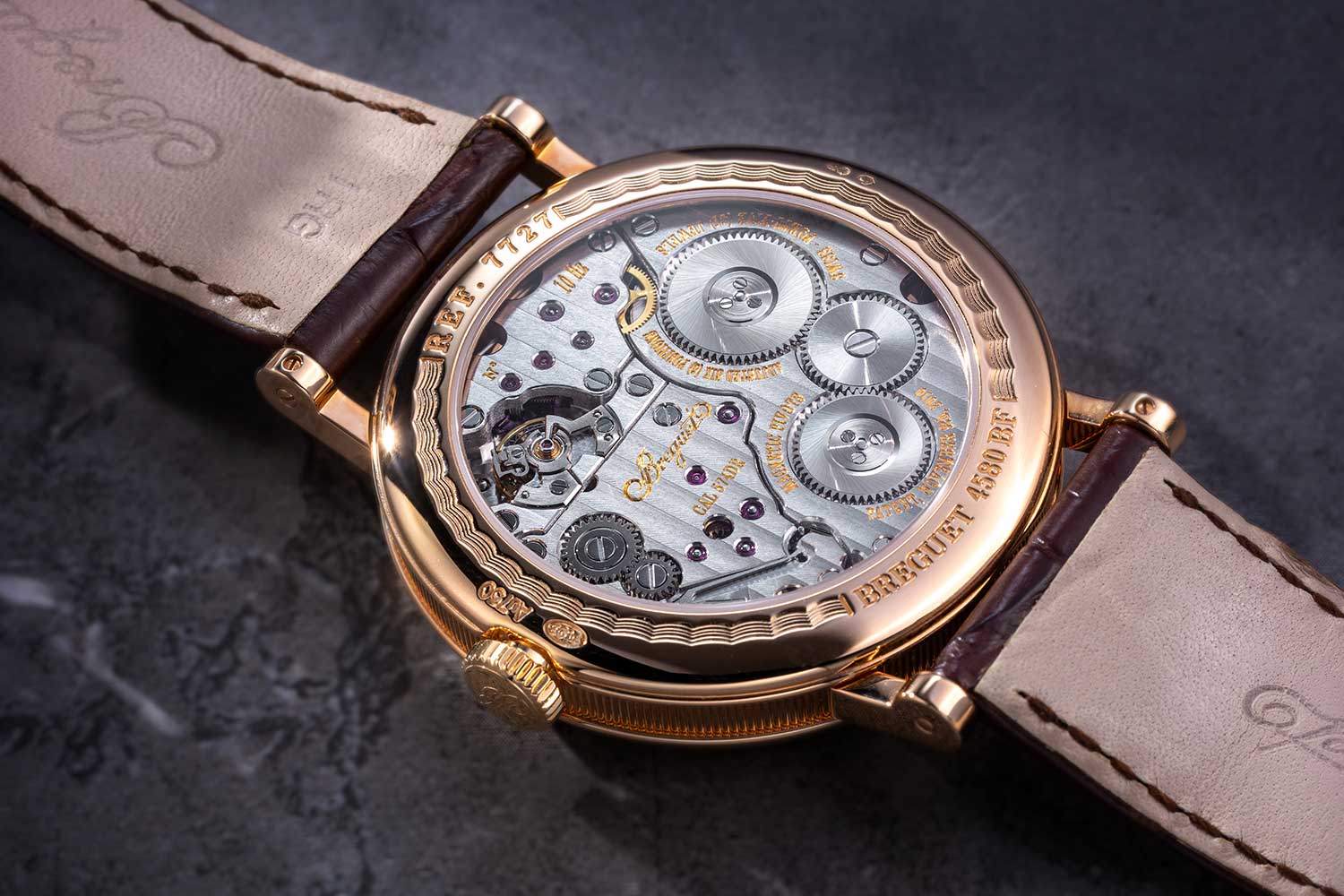
The calibre 574DR, running at 10Hz, or 72,000 vibrations per hour was made possible with the use of silicon for the most critical regulating components. But silicon was just the beginning; it debuted a magnetic bearing system (©Revolution)
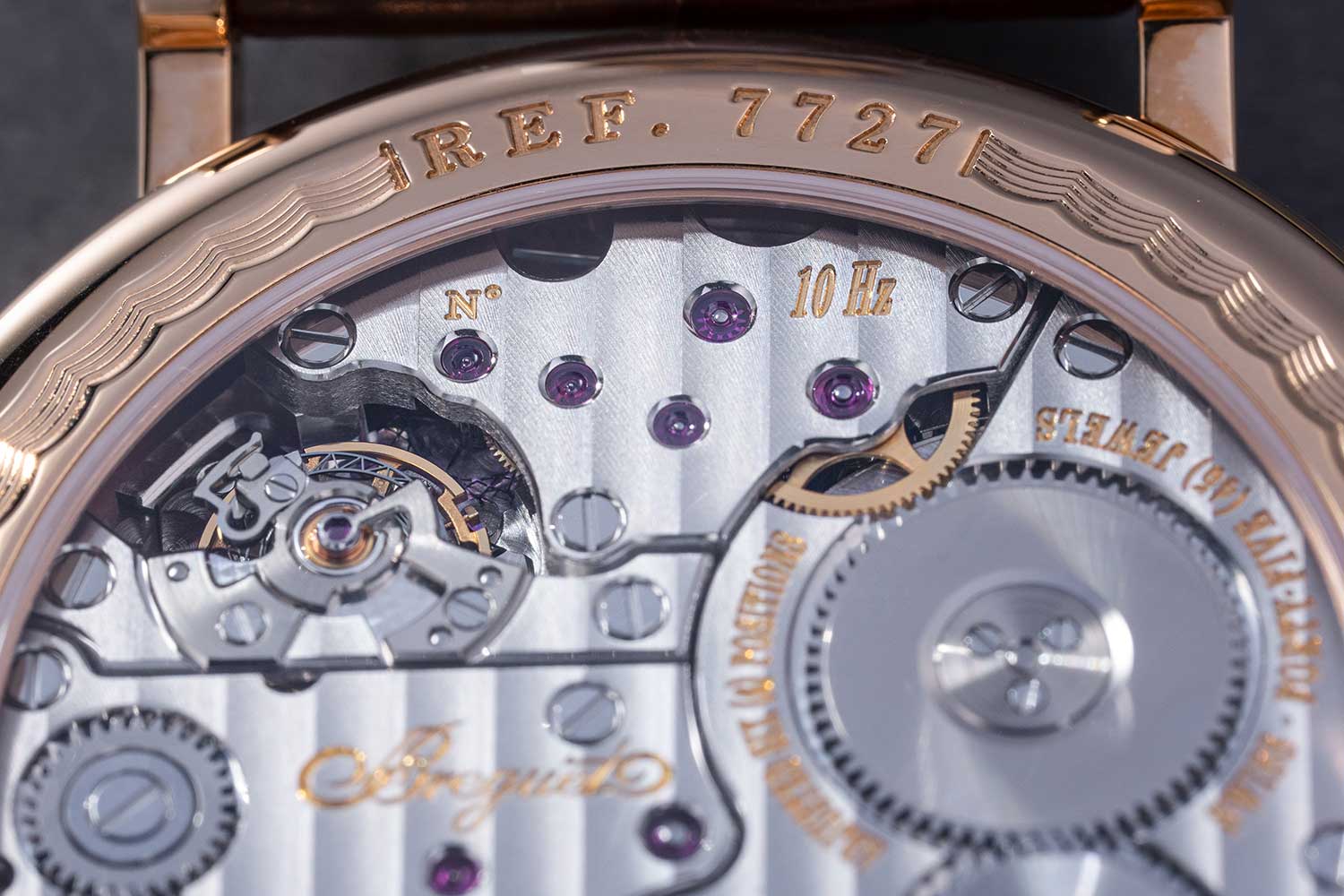
Breguet Classique Chronométrie Ref. 7727 (©Revolution)
Let’s pause here to discuss the importance of high-frequency movements when it comes to the accuracy of wristwatches. One key reason Grand Seiko was able to achieve top scores at the 1967 and 1968 Neuchâtel Observatory Trials was the company’s focus on high-frequency escapements. The majority of the movements Grand Seiko submitted were regulated by the legendary Sohachiro Nomura, who flew from Japan with these mechanical treasures in a specially padded briefcase that occupied the seat next to him on the plane. Each of the movements in that briefcase was beating at 5Hz or 36,000vph.
In terms of commercially produced movements, such a high frequency is most often associated with Zenith’s El Primero, the world’s first fully integrated automatic chronograph movement launched at the 1969 Basel fair. But through the 1970s, high frequency had largely disappeared due to the predominance of quartz technology. Indeed, when the El Primero was selected to be the engine of choice for the all-new automatic 1988 Rolex Daytona, it was de-tuned to 4 hertz over concerns related to long-term wear. But by the early 2000s, the watch industry experienced a renewed interest in high-frequency movements, valued for their improved resistance to the micro-shocks to which a wristwatch is constantly subjected. The charge was led by Breguet and it focused on the creation of a 10Hz movement. The key to this new development was silicon — a glass-based material with ideal properties for micro-mechanical parts. Lightweight, strong, self-lubricating, highly elastic, amagnetic and exceptionally resistant to fatigue, silicon was a serious game changer.
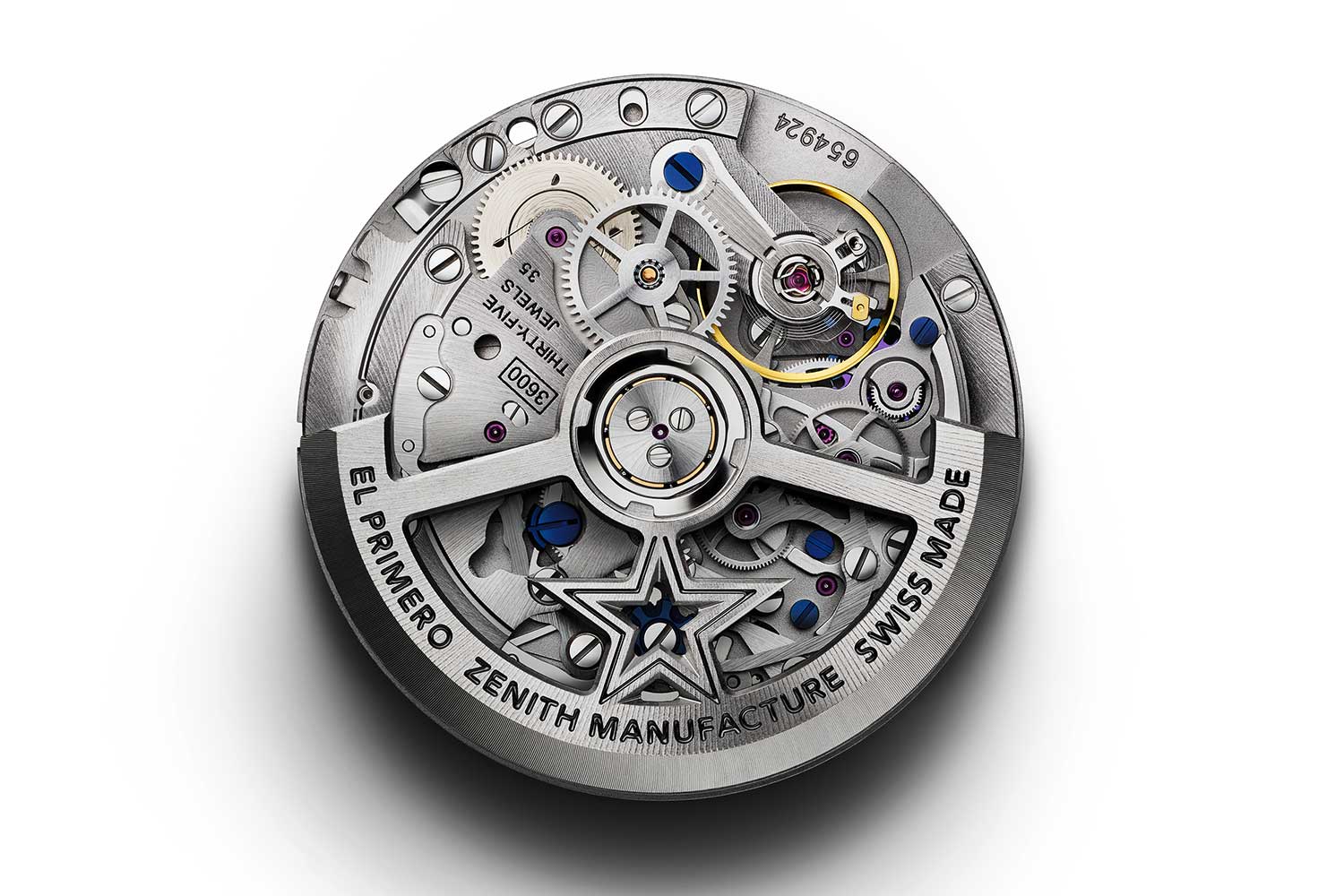
Zenith’s El Primero
The key to elevating frequency to 10Hz lay in using silicon for the escape wheel, lever with integrated pallets and the balance spring. Using DRIE technology, or Deep Reaction Etching, silicon parts could be etched from wafers to a precision that was previously unachievable with wire erosion or milling. Incredibly, in 2010, Breguet implanted its 10Hz escapement into a chronograph. This was the Type XXII Ref. 3880, which, because of its 72,000 beats per hour, was able to divide time to 1/20th of a second. In 2013, the stunning 41mm Ref. 7727 was unveiled, combining the brand’s 10Hz balance and escapement with something virtually unheard of before in a watch: magnetic end-stones. Each of these stones is magnetized at around 1.3 teslas. One of them is more powerful and, here, the balance wheel’s pivot is in contact with the end-stone. The other side, however, is magnetically suspended, so that the balance wheel seems to “float.” Because of the magnets, the watch enhances stability and precision by reducing friction and minimizing positional errors caused by gravity.
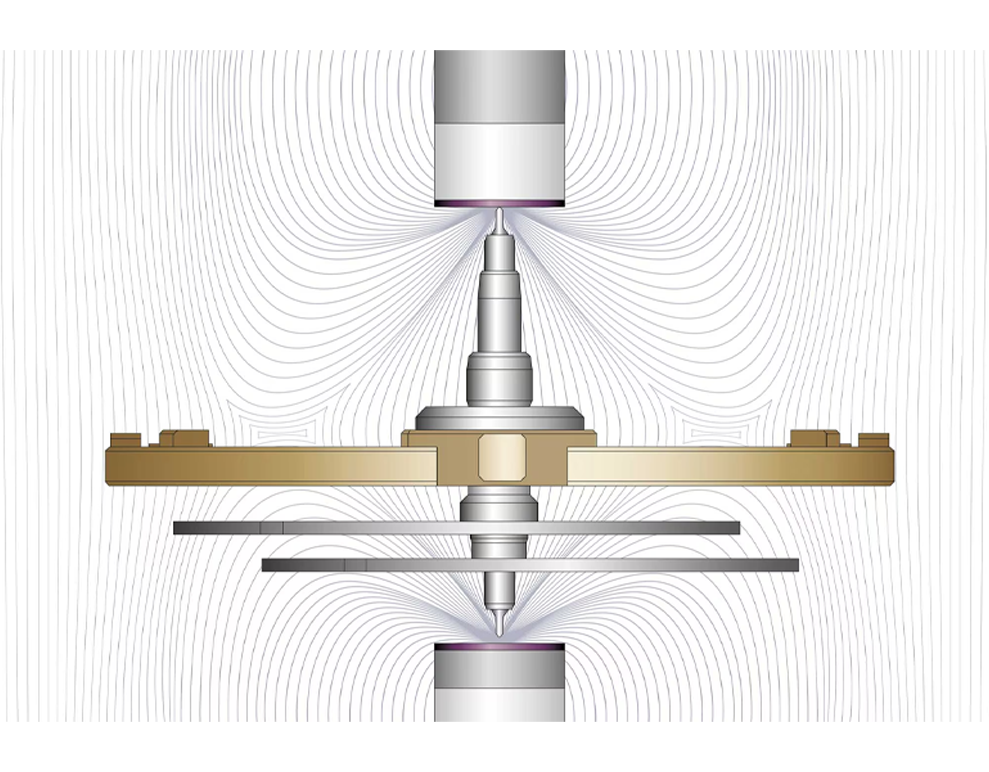
The magnetic pivot system uses asymmetric magnetic fields to stabilize the balance on its pivot axis while drastically reducing friction and positional variation compared to conventional jeweled pivots. Note the double hairsprings as well
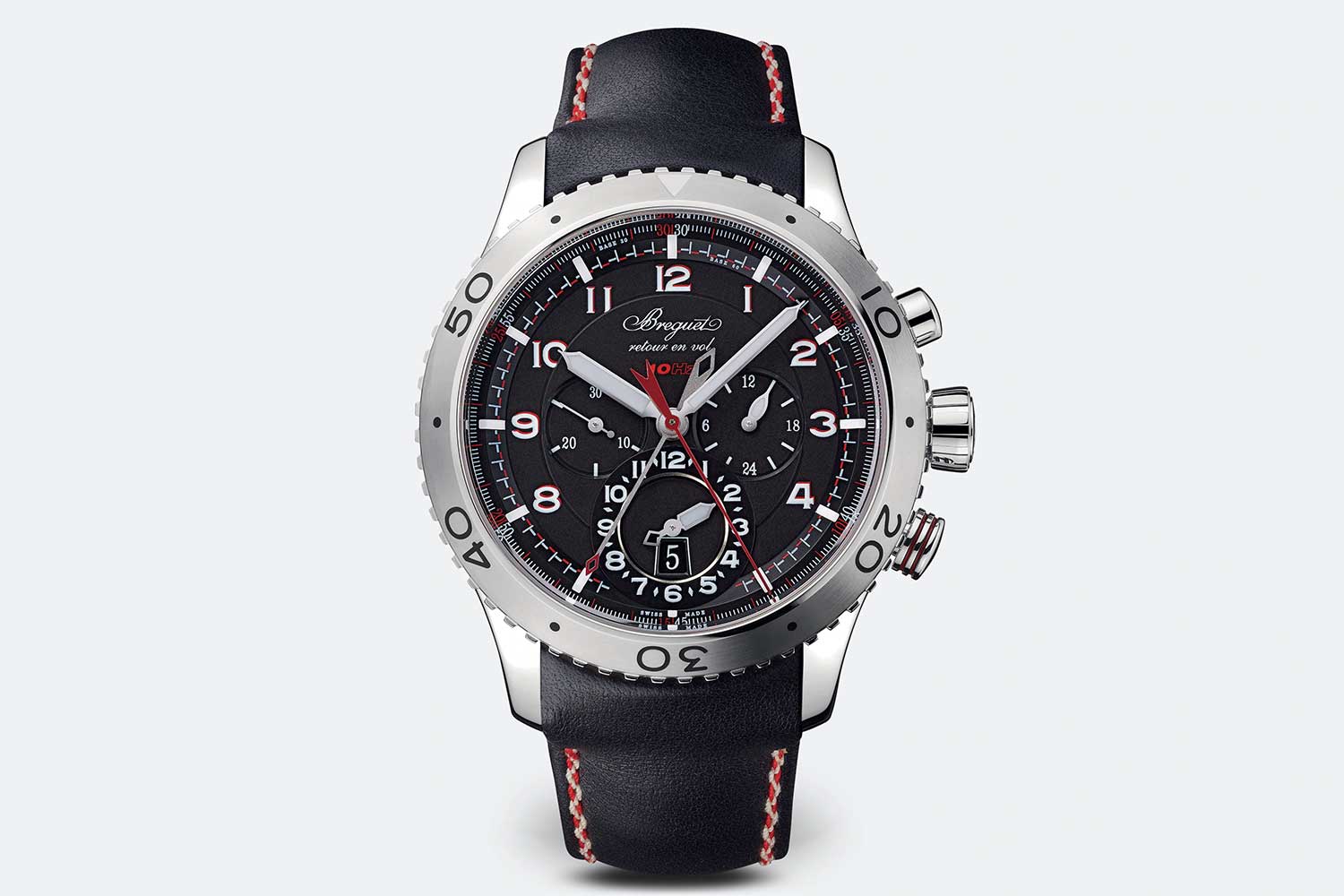
Breguet Type XXII Ref. 3880
In addition to being a performance game changer, the combination of these two technologies elevated vibrational speed. The use of magnetism to eliminate friction was perfectly in alignment with Abraham-Louis Breguet’s key areas of focus. In the Ref. 7727, this provides a maximum daily rate deviation of -1/+3 seconds a day, which, from a performance perspective, is massively impressive. But even more, this watch offers one of the best modern solutions to reducing friction in mechanical watches, a problem which had frustrated Abraham-Louis Breguet due to the limitations of oils in his era. Back then, A.-L. Breguet’s desire to eliminate friction led him to create the natural escapement. For contemporary Breguet, there is one very important additional benefit to the use of magnetic pivots: they minimize displacement and enhance recovery from the almost constant shocks that a wristwatch’s balance wheel is subjected to.
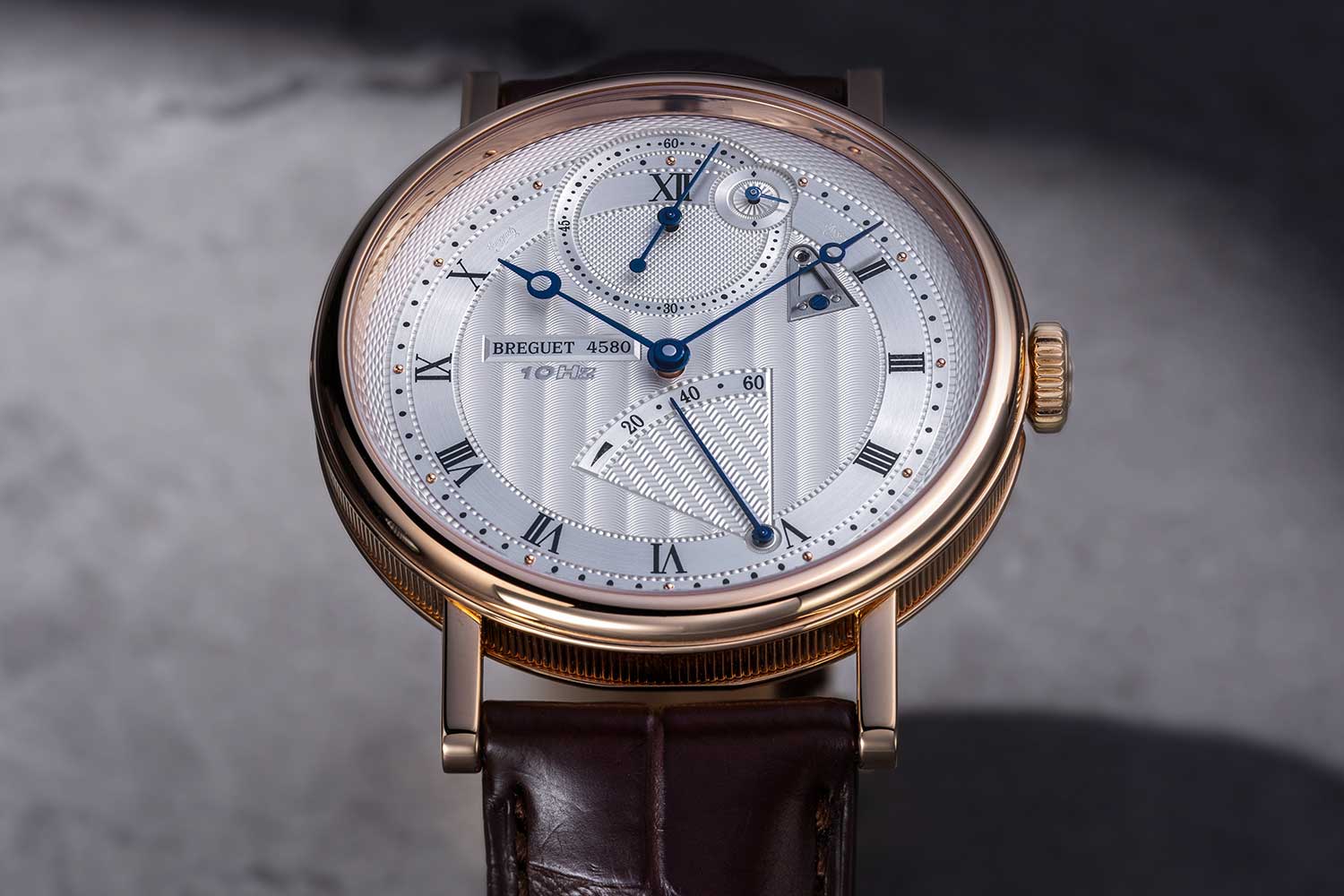
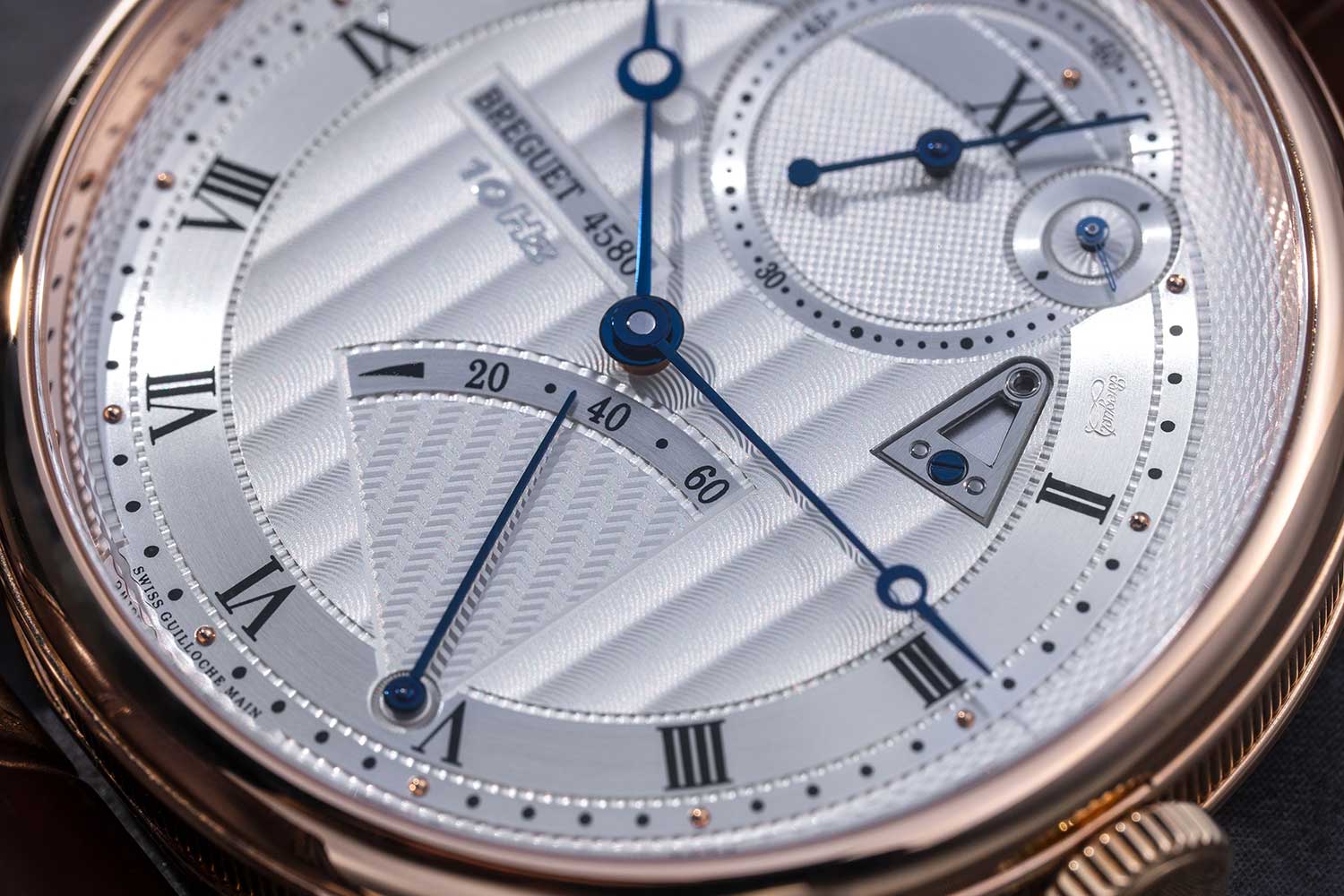
At 12 o’clock sits the small seconds, while at 1 o’clock a silicon foudroyante hand completes a full rotation every two seconds (©Revolution)
I mentioned earlier in this article that, in 2011, the criteria of the Concours International de Chronométrie was updated to incorporate a stiff penalty for deviations between different positions. Well, it is precisely this challenge that the Classique Chronométrie Ref. 7727 addresses with its magnetic end-stones and 10Hz vibrational speed, helping the watch to maintain precision across orientations. But that’s not all. The timepiece features two flat silicon hairsprings pinned in opposing directions to optimize concentric breathing. To begin with, silicon hairsprings expand and contract much more uniformly than their metal counterparts. But to use two of them mounted in opposing directions is even better, because when a hairspring expands, the other hairspring contracts, and their opposing development maintains symmetry and cancels out lateral forces on the balance staff.
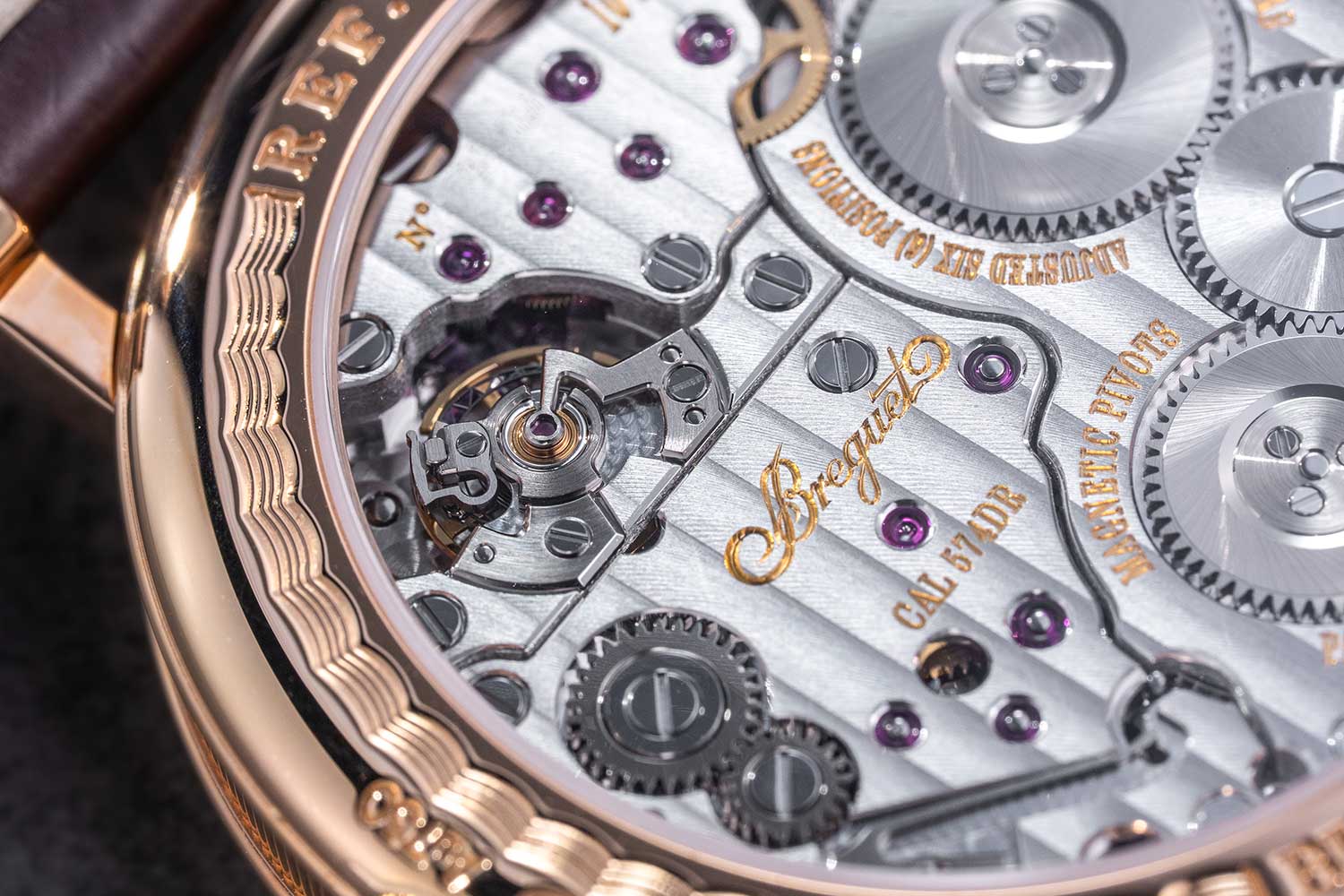
Breguet Classique Chronométrie Ref. 7727 (©Revolution)
Taken as an entirety, I would go so far as to say the Breguet Ref. 7727’s use of a high-frequency balance wheel and magnetic end-stones to aid in eliminating friction, minimizing errors caused by gravity and enhancing shock resistance, is as important to horology as A.-L. Breguet’s patent of the tourbillon in 1801. The fantastic thing is, you don’t have to take my word for it — after testing in the Concours was completed in 2015, the Ref. 7727 emerged as the single best-testing timepiece in the entire history of the competition. I love this, because over the past 20 years, we have had a multitude of watchmakers and brands declare that they have solved a seemingly infinite number of issues to significantly advance the story of watchmaking. But most of these are just theories or, to put it bluntly, stories. Compelling stories for sure, but not backed by undeniable proof. In this case, the Breguet Ref. 7727 has been irrefutably proven to be one of the very best performing mechanical watches of all time, and very possibly the very best.
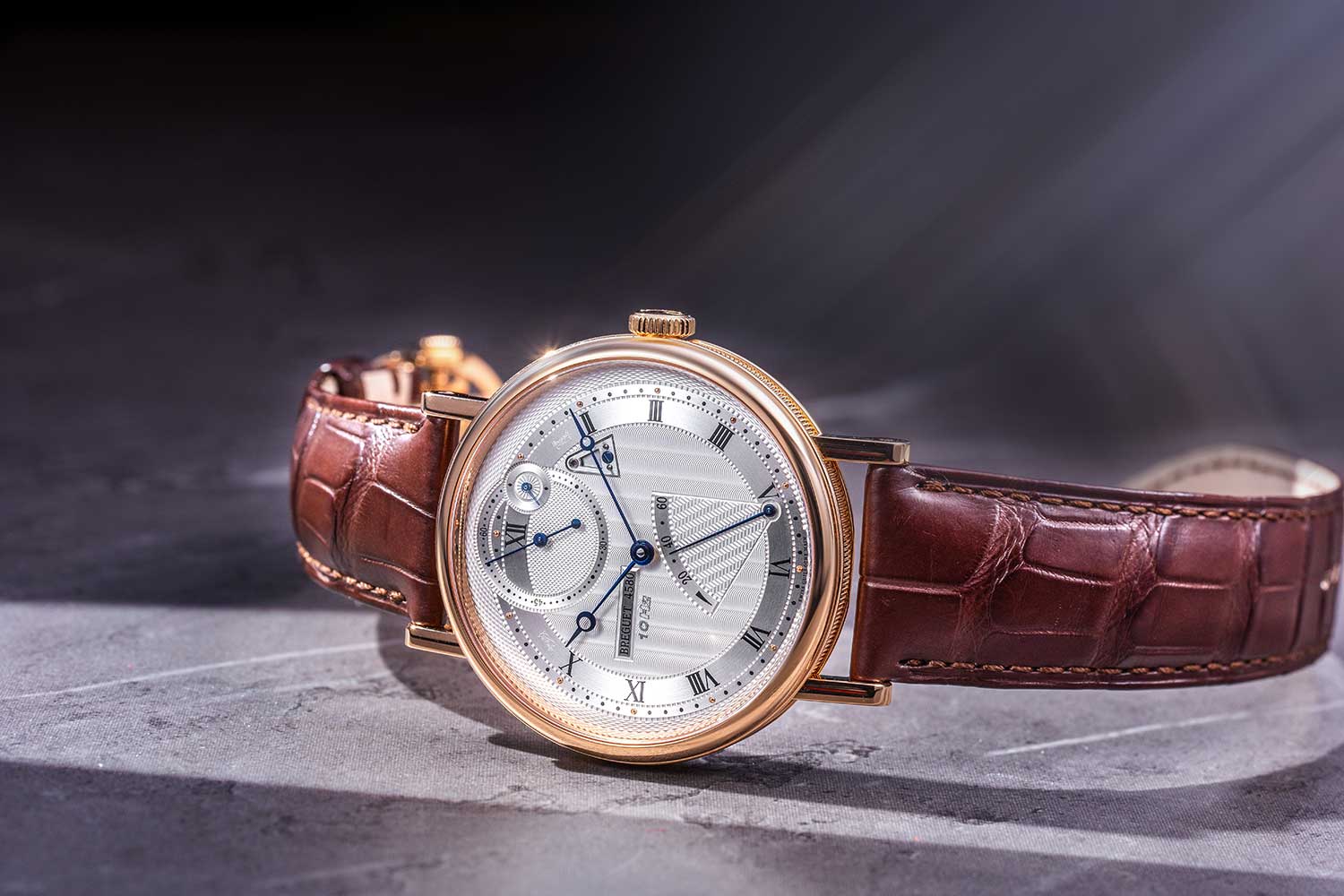
The Breguet Ref. 7225’s success at the Concours proved that the most experimental and technologically advanced watch could also be the most precise (©Revolution)
Does it bother me that in 2015 the brand entered the watch anonymously? No, it doesn’t. Because the technological advancement it represents is such a radical departure from the past, I consider it, in the context of 2015, an almost experimental watch. Bear in mind that even though it was launched in 2013, the Ref. 7727 won the Aiguille d’Or at the 2014 Grand Prix d’Horlogerie de Genève. At this point, Breguet didn’t have to enter the watch into the Concours and probably had everything to lose if it did. One important person to shoutout, and the person directly responsible for the existence of the 7727, is Marc Hayek, who was running both Breguet and Blancpain at the time. Without his courage in pushing for the implementation of both technologies, the existence of this truly amazing timepiece would never have been possible.
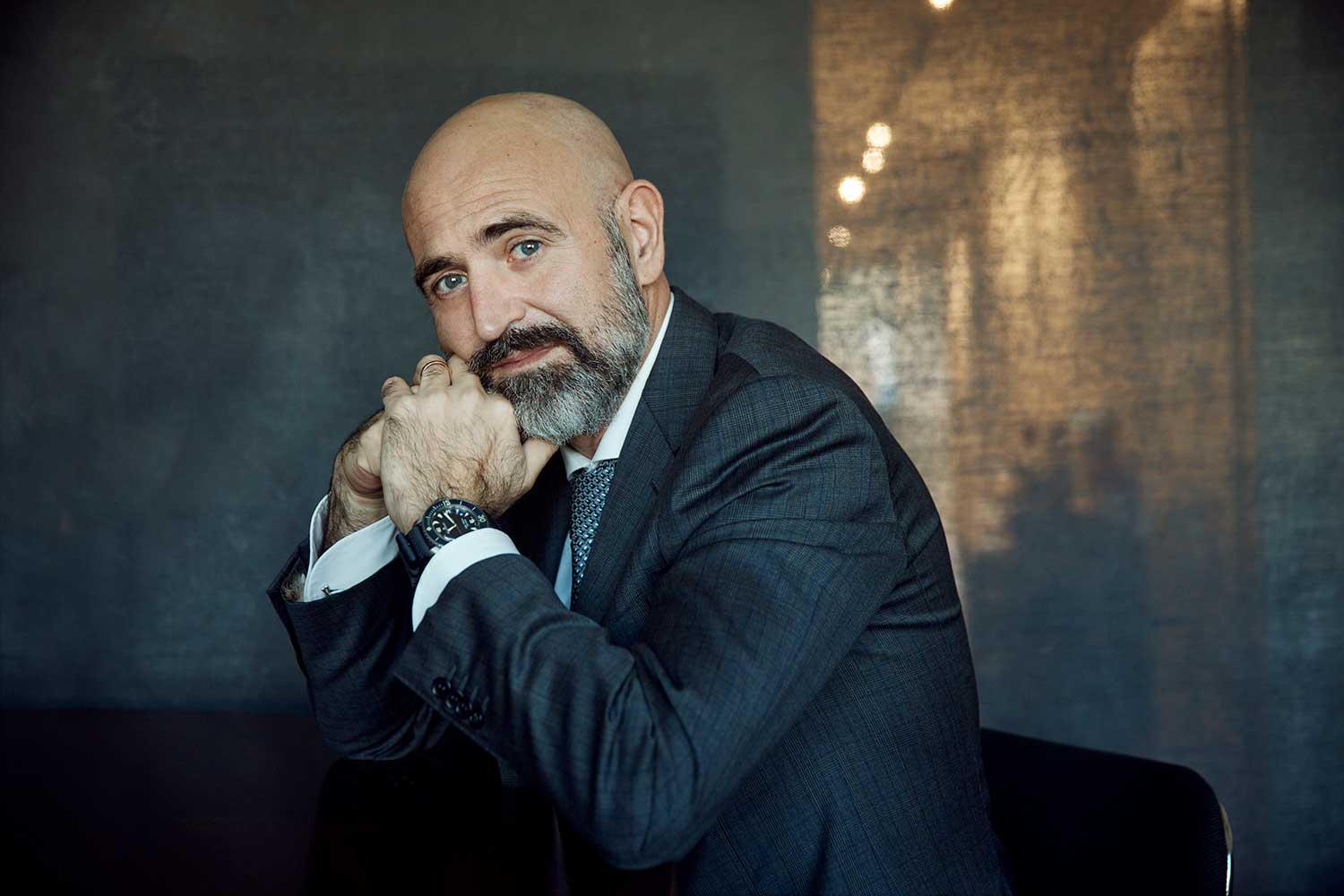
Marc Hayek
Based on the results that have been publicly disclosed, below are the rankings of the watches that participated in the Concours International de Chronométrie. As you can see, the Breguet 7727 is the best-testing watch in the history of the challenging trials, boasting 931 points out of 1,000. For those of you interested to learn more about the Concours International de Chronométrie, read the excellent article by Velociphile titled “How Would Your Watch Perform in the Observatory Trials.”
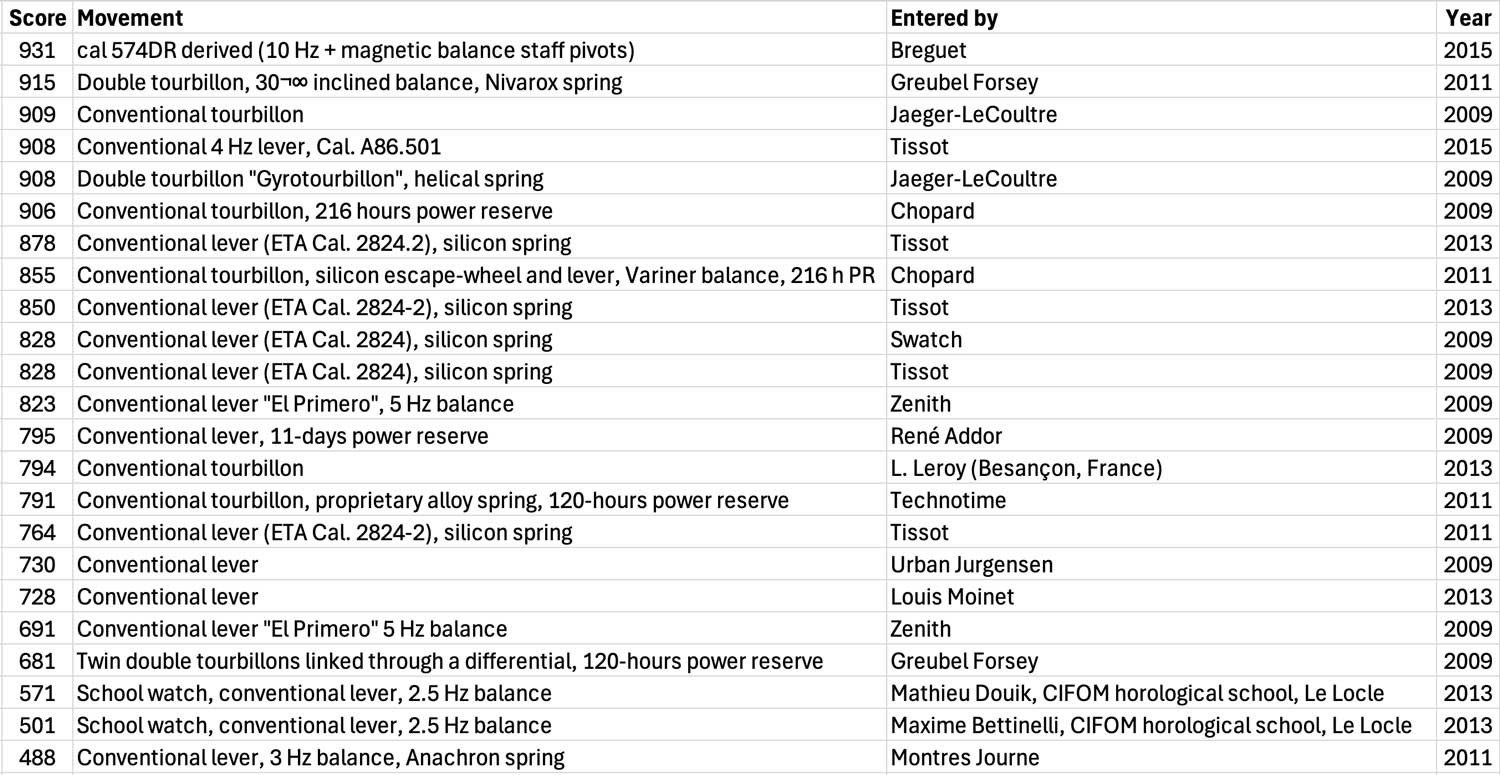
Chart Source: Velociphile
The Ref. 7225 in Breguet Gold
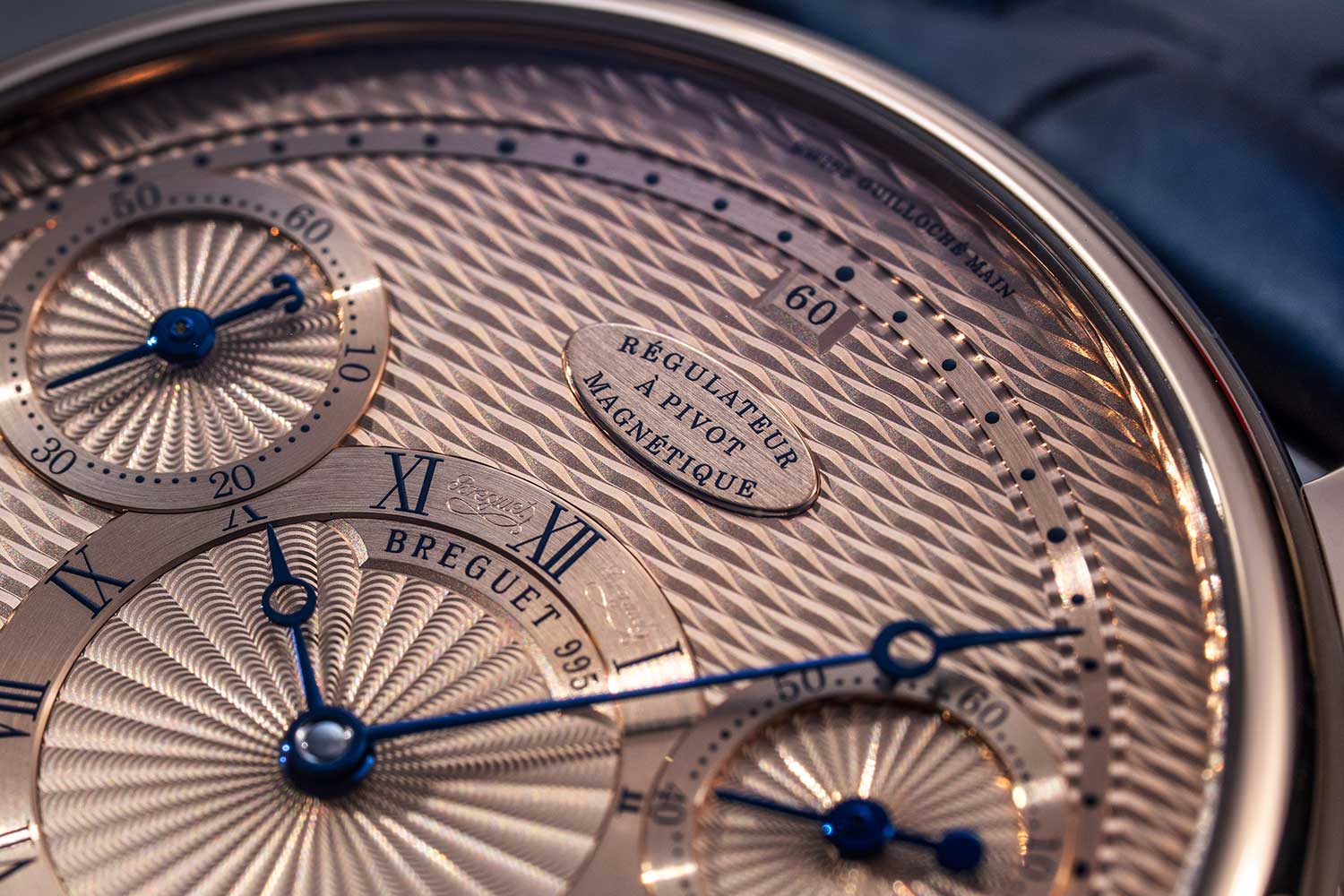
How would Breguet possibly surpass the technical achievement represented by the Ref. 7727? Well, that would be to put its incredible movement inside a watch that is one of the most staggeringly beautiful timepieces on the contemporary landscape. To be fair, I was already a big fan of the 7727. It was, in terms of design, a work of classic Breguet, with its fluted caseband, straight soldered lugs and solid gold dial with six different types of hand guilloché performed by artisans using vintage engine-turning machines. At 12 o’clock, there is a very cool combination of a small seconds hand and a silicon foudroyante (tenth-of-a-second) hand that completes a full rotation every two seconds. The much-debated “10Hz” engraved on the watch dial doesn’t even bother me. After all, the Caliber 574 DR that resides inside its case is the star here. It is without a doubt a watch that I need to own one day, as someone obsessed with the high art of chronometry. But then Gregory Kissling, Breguet’s CEO as of October 2024, did something even more incredible. He put this movement in one of the most drop-dead gorgeous timepieces I’ve ever seen, while also delivering a fitting tribute to the roots of Abraham-Louis Breguet.
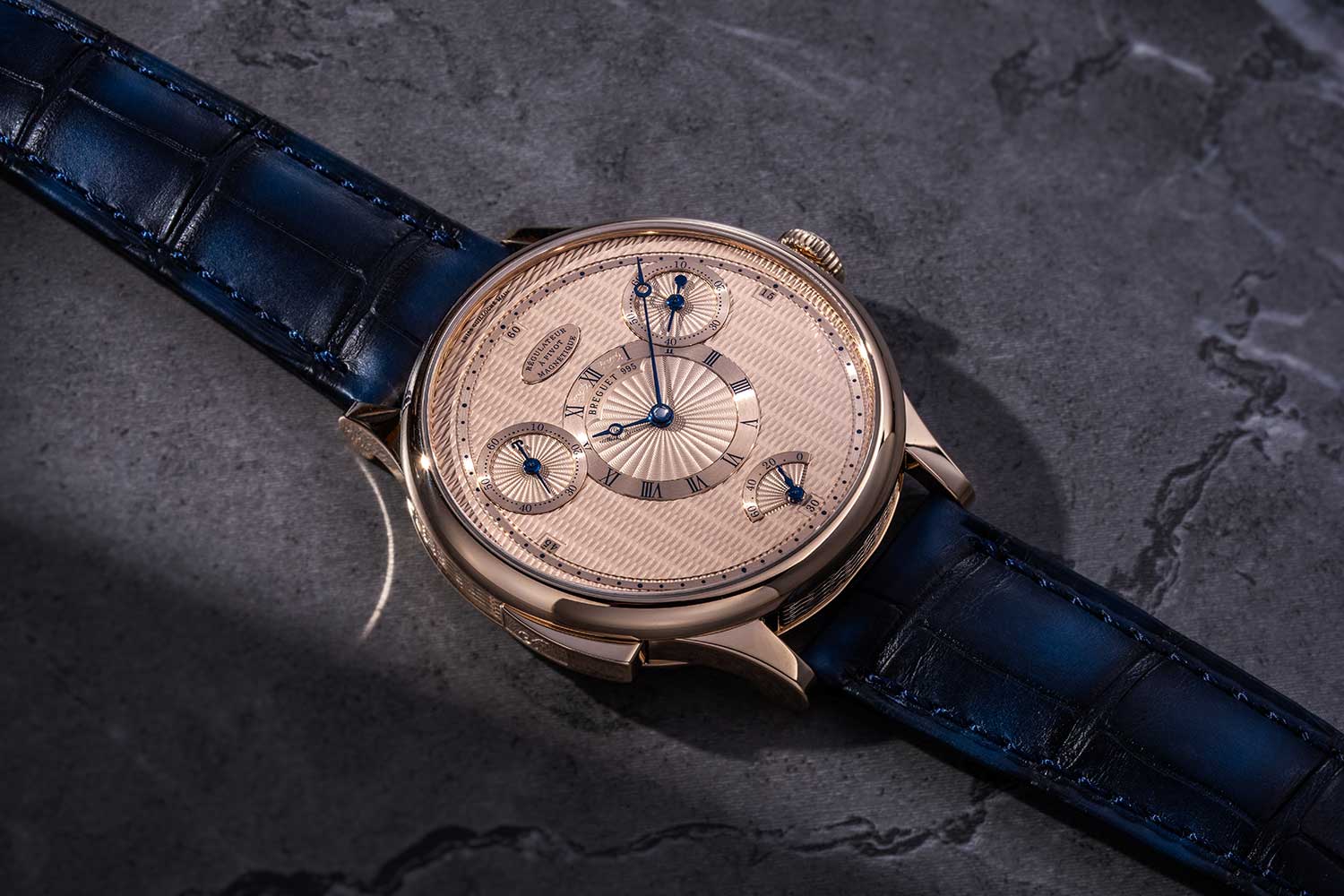
The Breguet Classique Ref. 7225 draws its appearance from the historic series of four-minute tourbillon watches made by A.-L. Breguet such as the no. 1176 pocket watch yet it houses one of the most advanced movements there is today (©Revolution)
Breguet Classique Ref. 7225 (©Revolution)
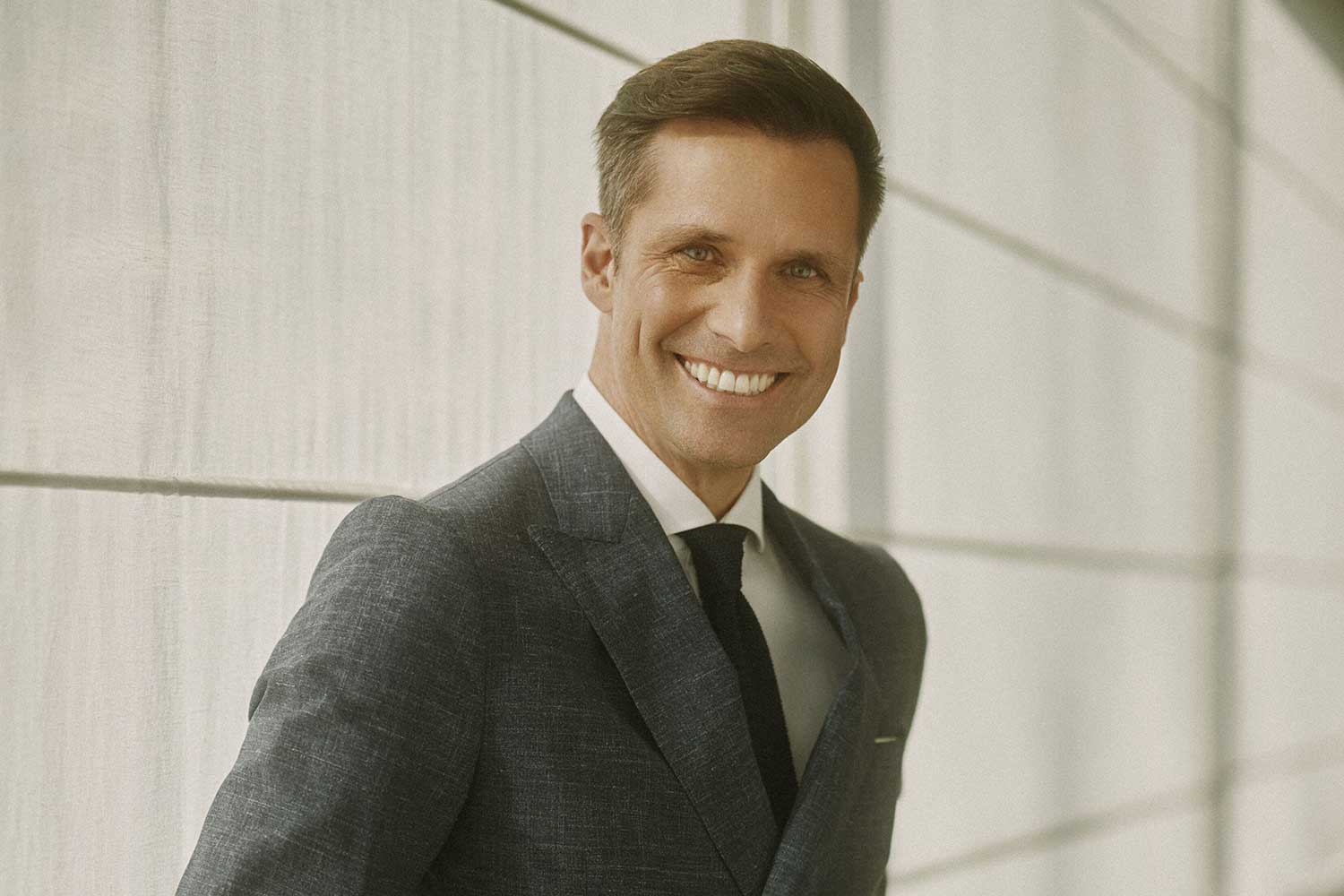
Gregory Kissling
The new Classique Ref. 7225, features an all-new material — Breguet gold — an all-new case with integrated lugs that offer more ergonomic comfort, and a dial design that is one of my all-time favorites. The dial in question is a direct homage to the design Breguet used on his famous four-minute tourbillons featuring the natural escapement. One of these, No. 1176, resides in the Breguet Museum. Another, No. 1890, was bought at auction by François-Paul Journe last year, and he intends for it to take center stage in his “Le Patrimoine” museum. Like these pocket watches, the dial of the Ref. 7225 features a central subdial for the hour hand, which is fixed to a long imperious erudite minute hand that extends all the way to the perimeter of the dial. At 6 o’clock, you find a power reserve indicator and at 2 and 10 o’clock, respectively, you will find the small seconds and independent seconds counters. The pusher at the left of the watch allows you to start and stop the independent seconds, a feature I like a lot because it was widely used by A.-L. Breguet in some of his most famous timepieces. The timepiece, like the Ref. 7727, is 41mm in diameter and just 1mm thicker than its predecessor at 10.7mm in height. Its entire dial, crafted from solid Breguet gold, is a sublime masterpiece of engine turning featuring a new pattern called “Quai de l’Horloge,” inspired by the pattern of stones found on the street where Breguet’s historic home and atelier was located.
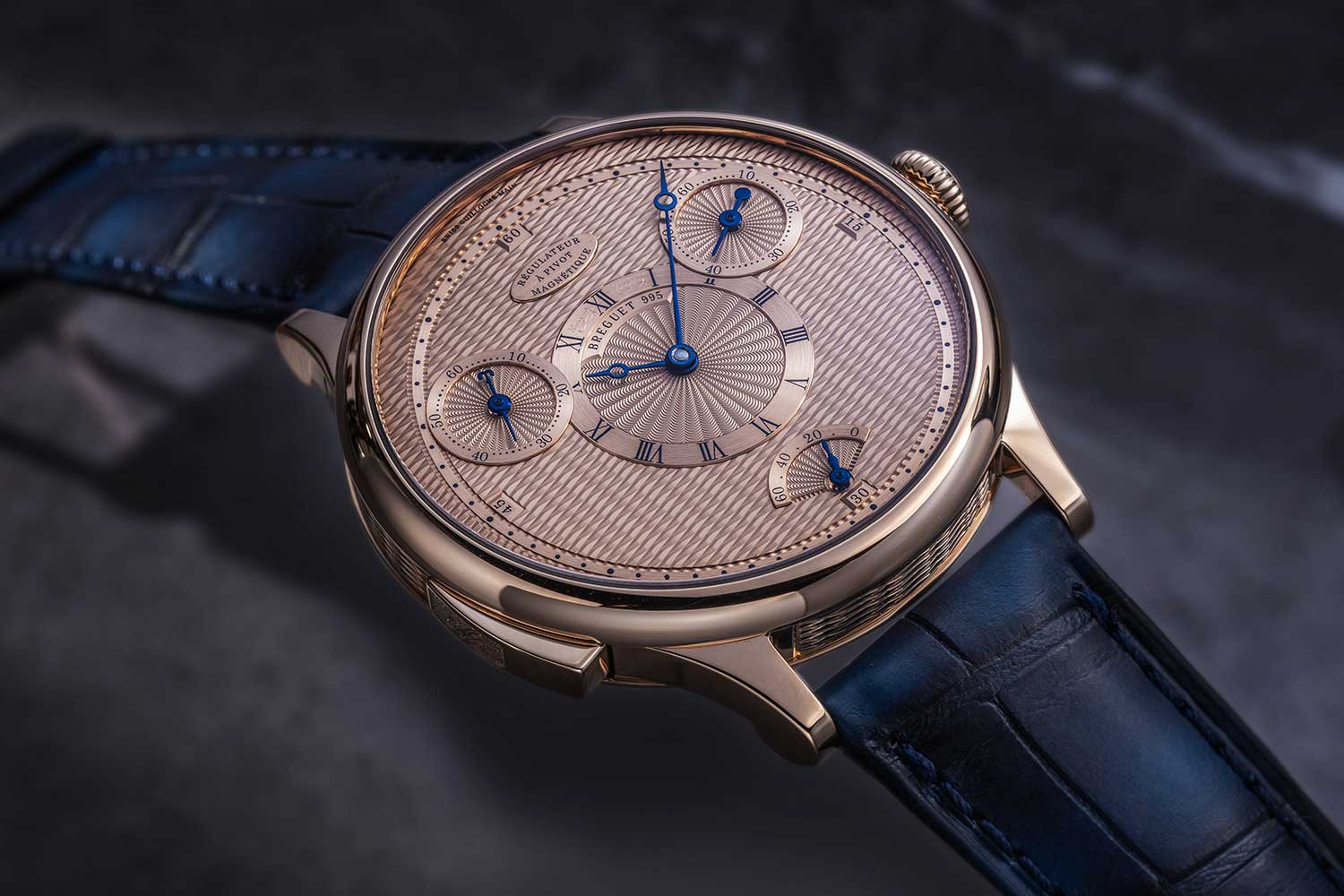
The Ref. 7225 follows the layout of the original pocket watch, retaining the twin seconds displays and power reserve at six o’clock, where the conventional running seconds at two o’clock is joined by a flyback seconds at 10 o’clock that can be reset and immediately restarted via the pusher at 8 (©Revolution)
-
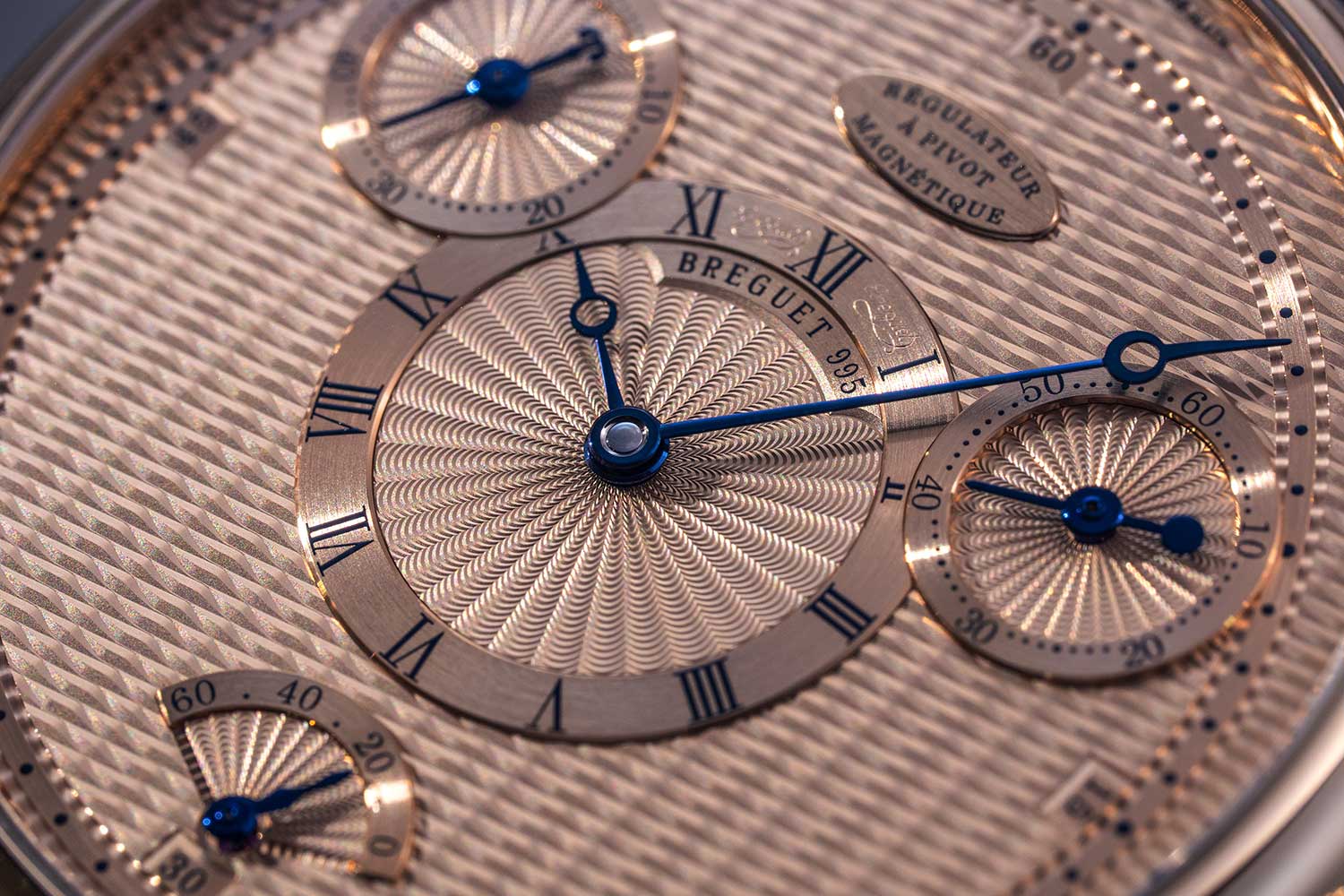
- The impressively engine-turned solid gold dial features the Quai de l’Horloge guilloché pattern developed for Breguet’s 250th anniversary (©Revolution)
-
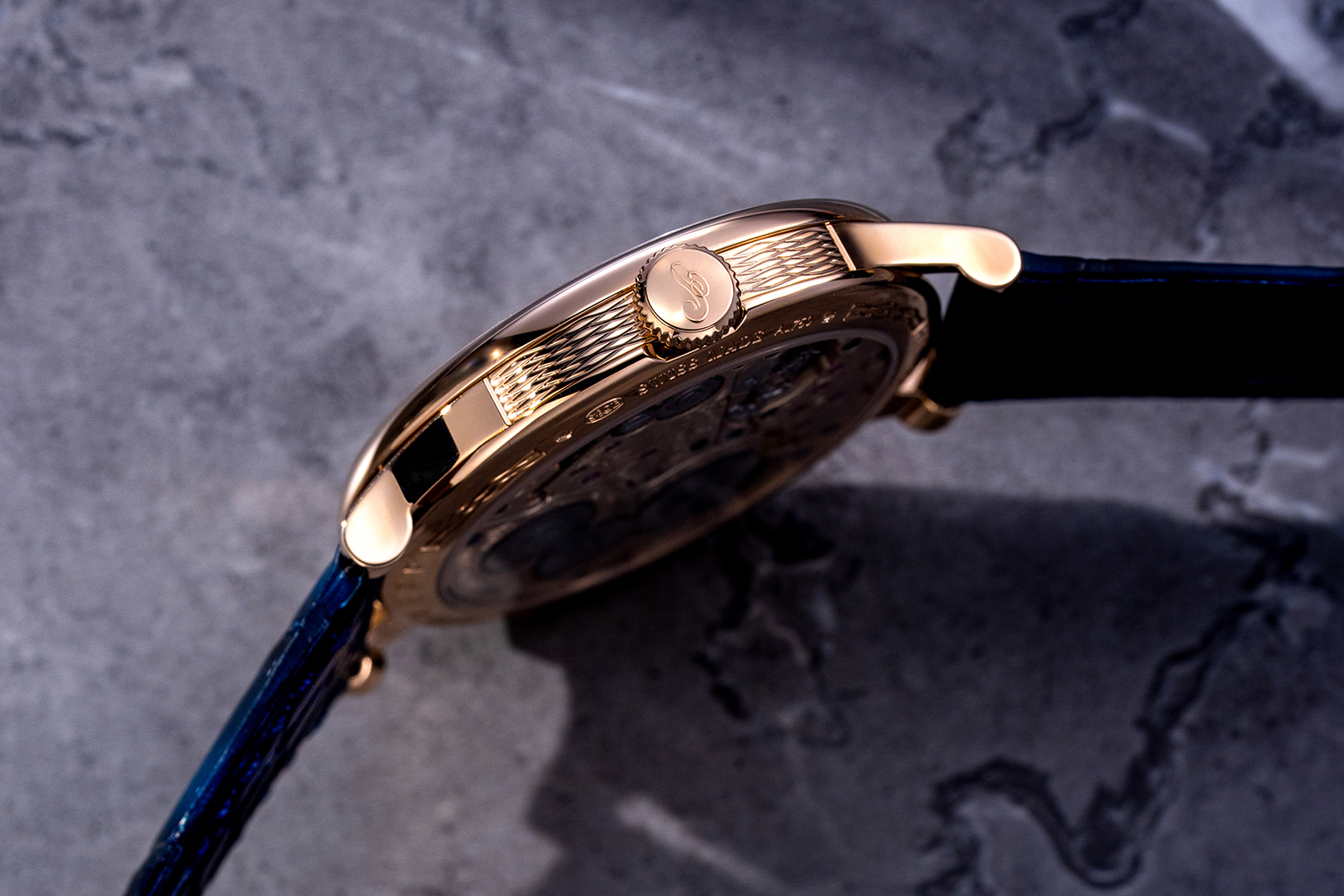
- Engine-turning on a dial is already a highly demanding craft, but the guilloché extends onto the case band as well, which is far more difficult to execute due to its curved surface (©Revolution)
Now the question is, why is this dial type that is traditionally featured in Breguet’s most iconic tourbillons used in a non-tourbillon watch? This is precisely what I love about the 7225, which was part of the 250th anniversary collection. It seems to be saying that, were A.-L. Breguet alive today, the 10Hz movement equipped with magnetic end-stones would have been his modern version of the tourbillon — an invention of comparable significance in terms of its ability to solve the problems that A.-L. Breguet’s original invention had sought to address.
Finally, backed by its extraordinary status as the highest-scoring timepiece, with 931 points, in the history of the Concours International de Chronométrie — besting four different highly impressive tourbillons — I would say that the Breguet Ref. 7727, along with its spiritual sequel, the Ref. 7225, are two of the most important timepieces in horological history, together representing a game-changing landmark in the advancement of chronometry.
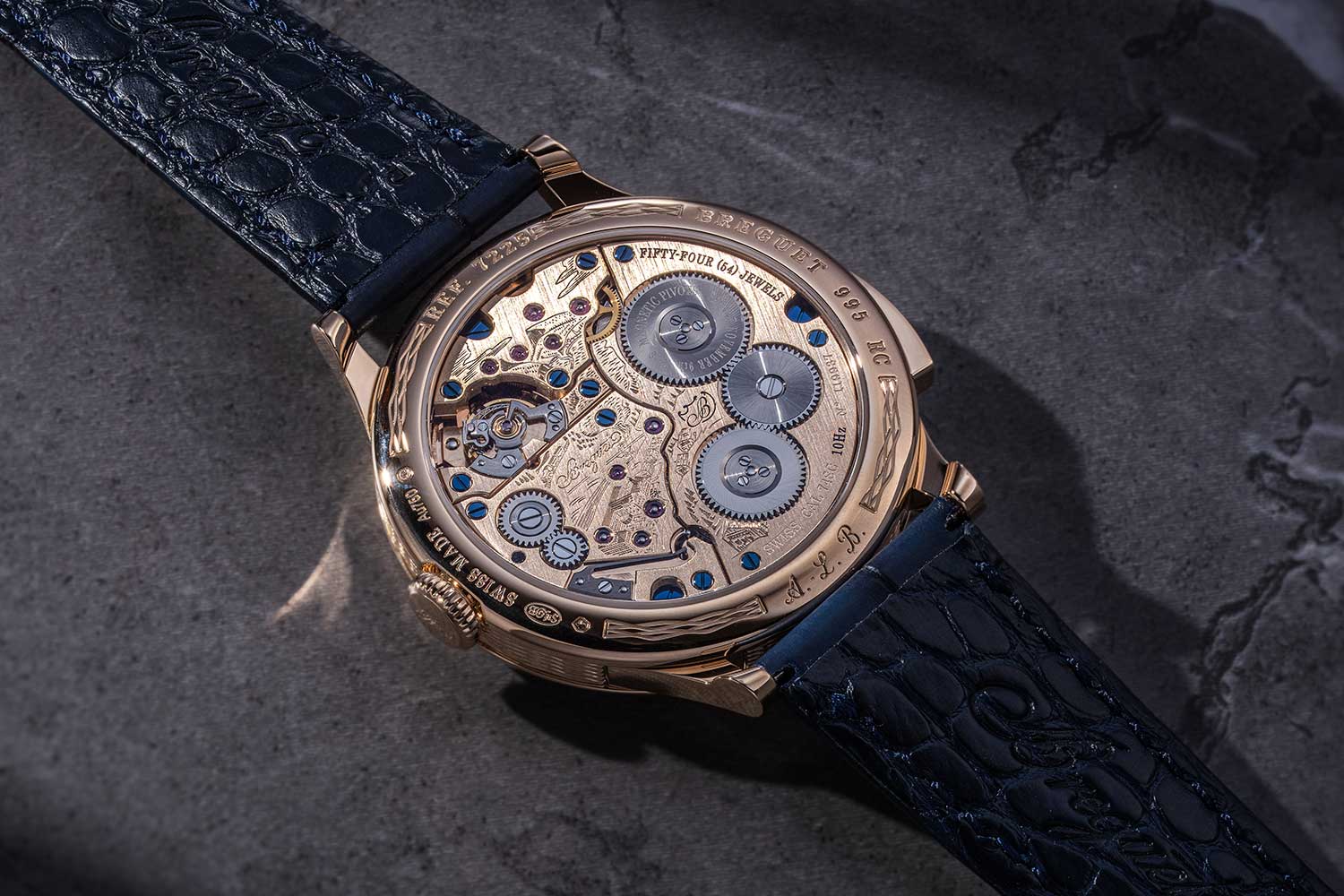
The movement plates and bridges are engraved with a depiction of the Breguet manufacture in Le Chenit in the Vallée de Joux (©Revolution)
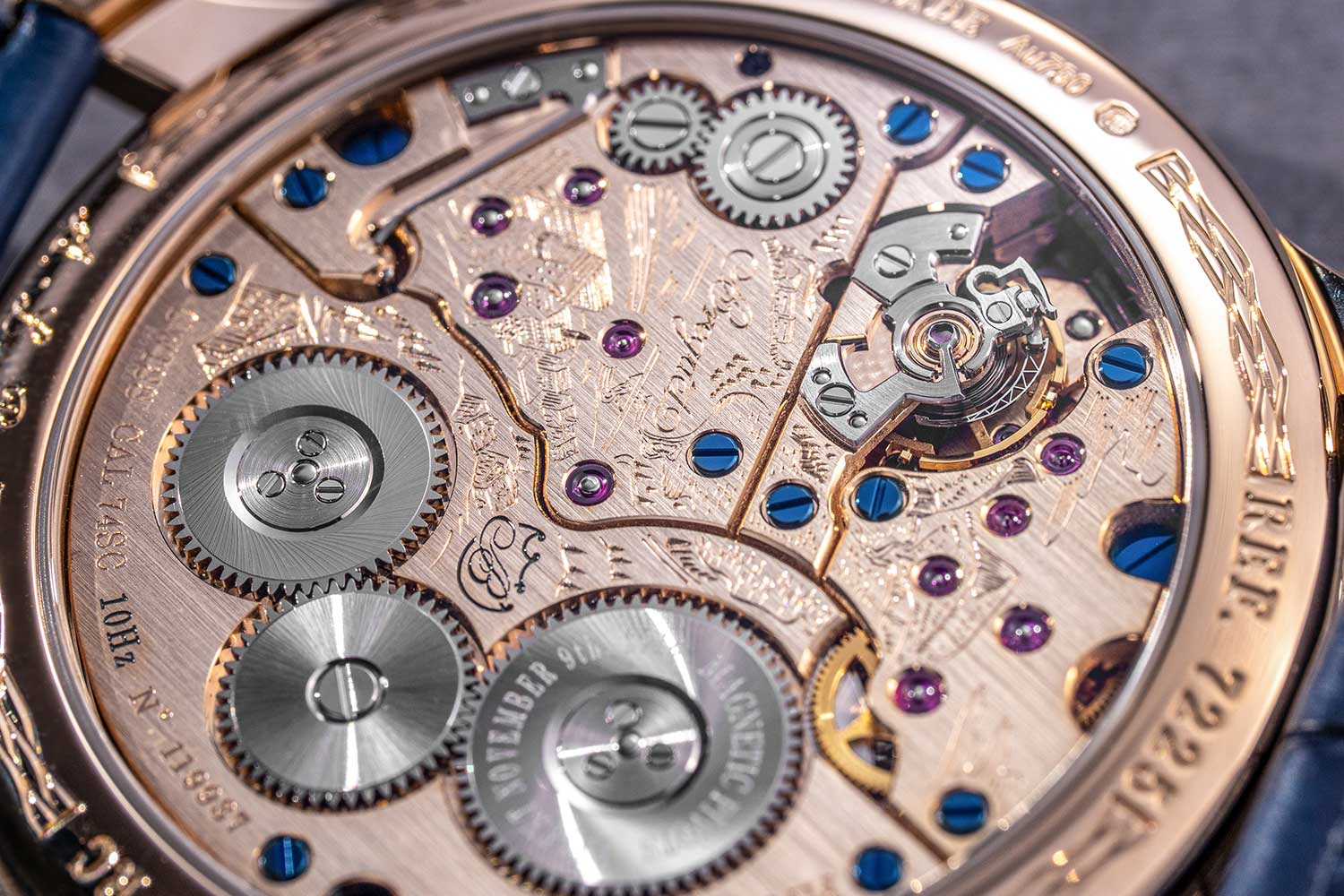
The movement also bears the new Breguet hallmark, introduced to mark the brand’s 250th anniversary and reserved for movements finished to an especially high standard (©Revolution)
-
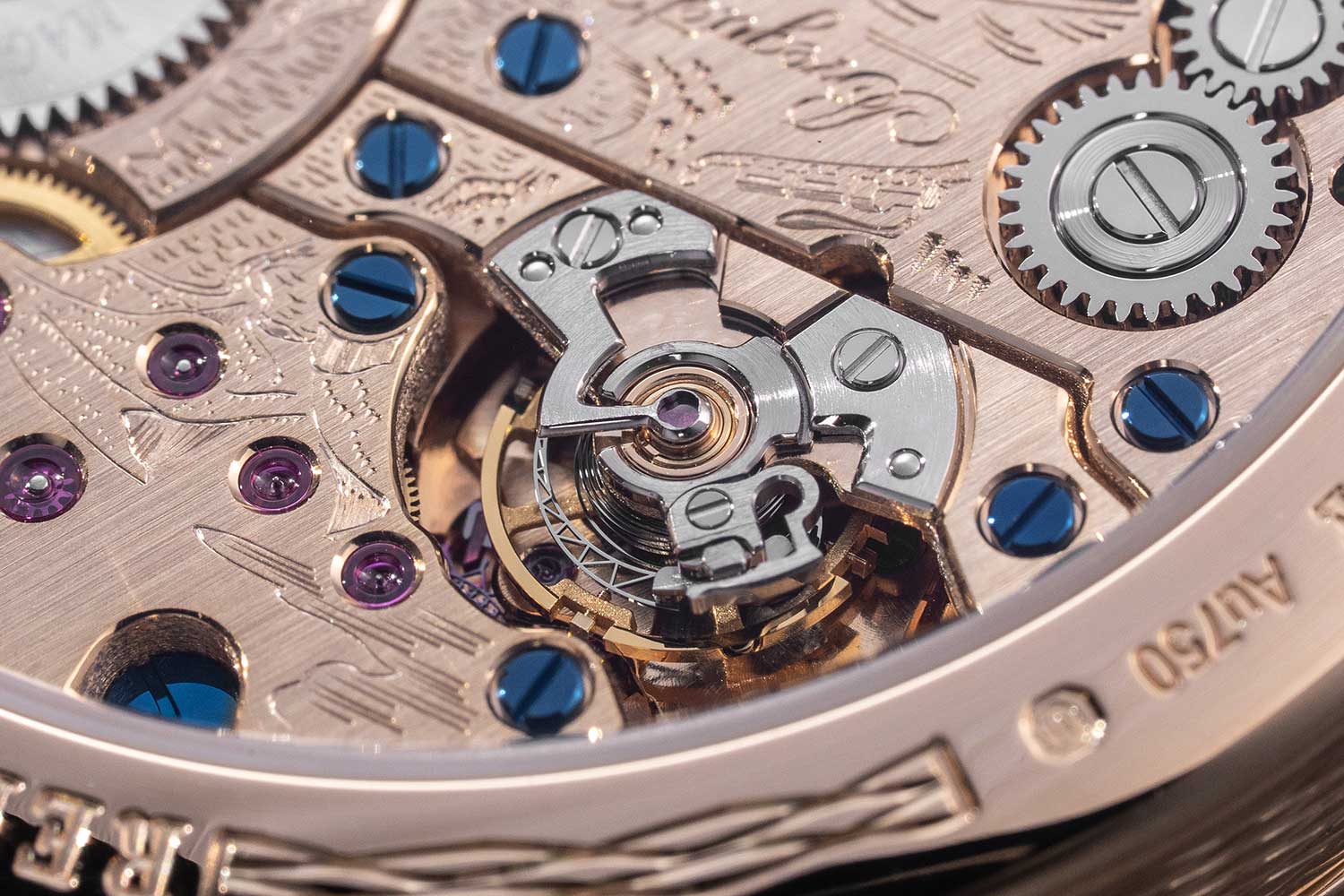
- Breguet Classique Ref. 7225 is adjusted to ± 1 second per day, placing it within the brand’s “Scientific” class alongside only one other watch, the Expérimentale 1 (©Revolution)
-
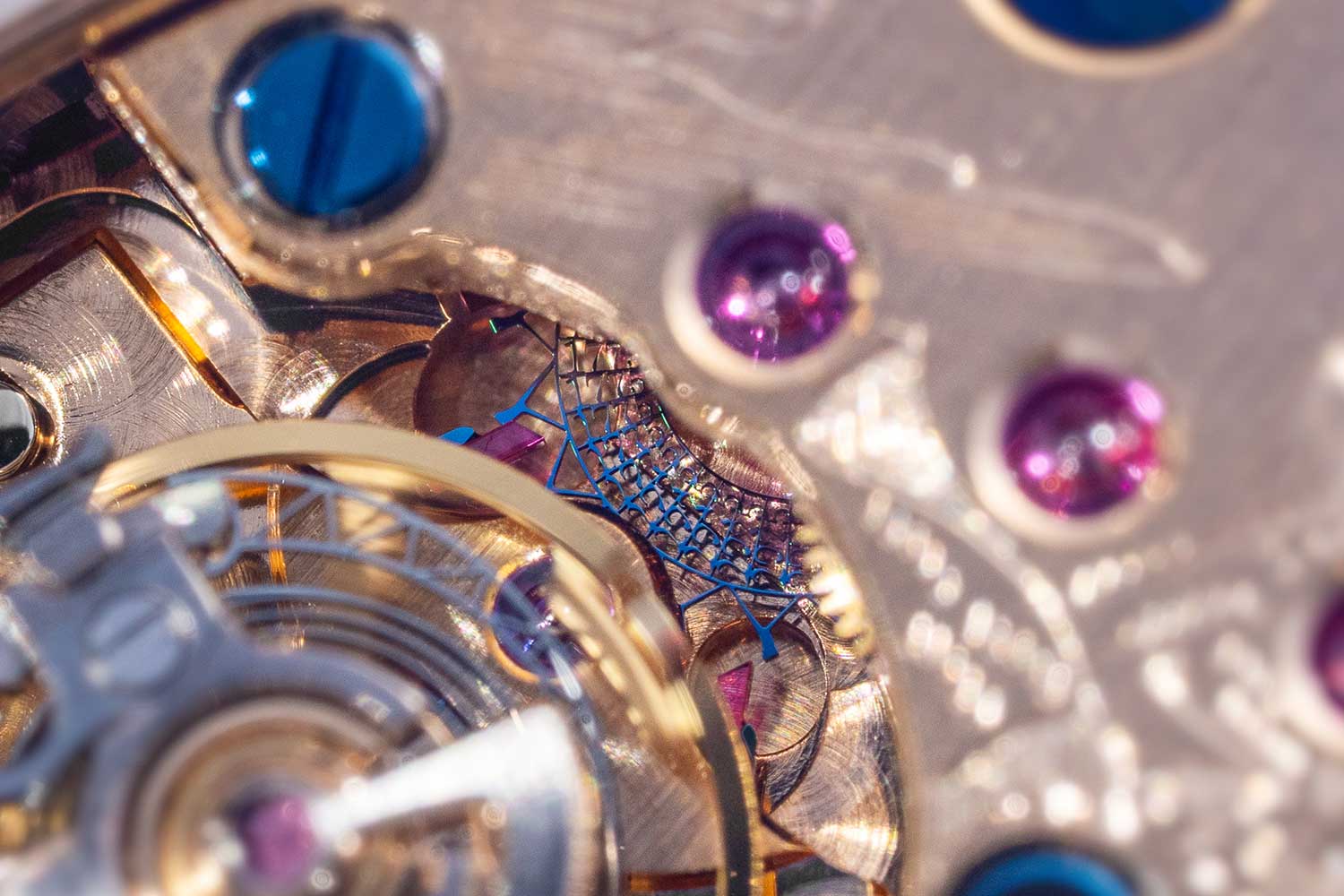
- The hairsprings, escape wheel and pallet fork are in silicon. The escape wheel has been etched such that its structure forms the numerals “1725” and “2025.”(©Revolution)
Breguet
You may also like
News
Last Week in Watches: Moser Goes Off-Grid, the Vacheron Constantin Overseas Turns 30
Sep 28, 2026
News
Last Week in Watches: Moser Goes Off-Grid, the Vacheron Constantin Overseas Turns 30
Sep 28, 2026
Reviews
Breguet Marks the 225th Anniversary of the Tourbillon with Four New Watches
Jun 26, 2026
Reviews
Breguet Marks the 225th Anniversary of the Tourbillon with Four New Watches
Jun 26, 2026
Editorial
Abraham-Louis Breguet: The Founder of Modern Horology
Apr 10, 2026
Editorial
Abraham-Louis Breguet: The Founder of Modern Horology
Apr 10, 2026