Tudor Calls Collect
Editorial
Tudor Calls Collect

During Watches and Wonders each year, Geneva becomes the center of the watch world. In fact, it is such an annual horological hot spot that we now have Geneva Watch Week, in which the entire city becomes a celebration of all things mechanical that tick. New products are unveiled inside vast architectural booths, champagne flows long into the evening, and the industry’s attention turns almost entirely towards what comes next. Predictions become headlines, headlines become social media posts, and the entire week operates with the momentum and intensity of a global campaign launch.
This year, however, something very different happened. Away from the lunches, launches and lauding, Tudor invited a small international group of collectors to its headquarters on the outskirts of Geneva for what may prove to be one of the most significant moments in the history of Tudor collecting. There was no attempt to turn the gathering into a publicity exercise and, perhaps most strikingly of all, very little emphasis was placed on the watches Tudor had launched only a day earlier at Watches and Wonders. They were present, naturally, but almost incidental.
Instead, the focus was firmly on the brand’s past. Not as nostalgia. Not as a sales tool. But as something worthy of genuine preservation, study and celebration. For a brand under the umbrella of the famously private Wilsdorf Foundation, this was extraordinary.
Never before had Tudor hosted a large-scale gathering of collectors from around the world. Never had such an extensive selection of archive watches, museum pieces, prototypes and historical documents been publicly displayed in this way. Most remarkably of all, guests were encouraged to handle the watches, photograph them and engage directly with the people responsible for preserving Tudor’s history. In many ways, the event felt less like a corporate activation and more like a symposium for Tudor scholarship.
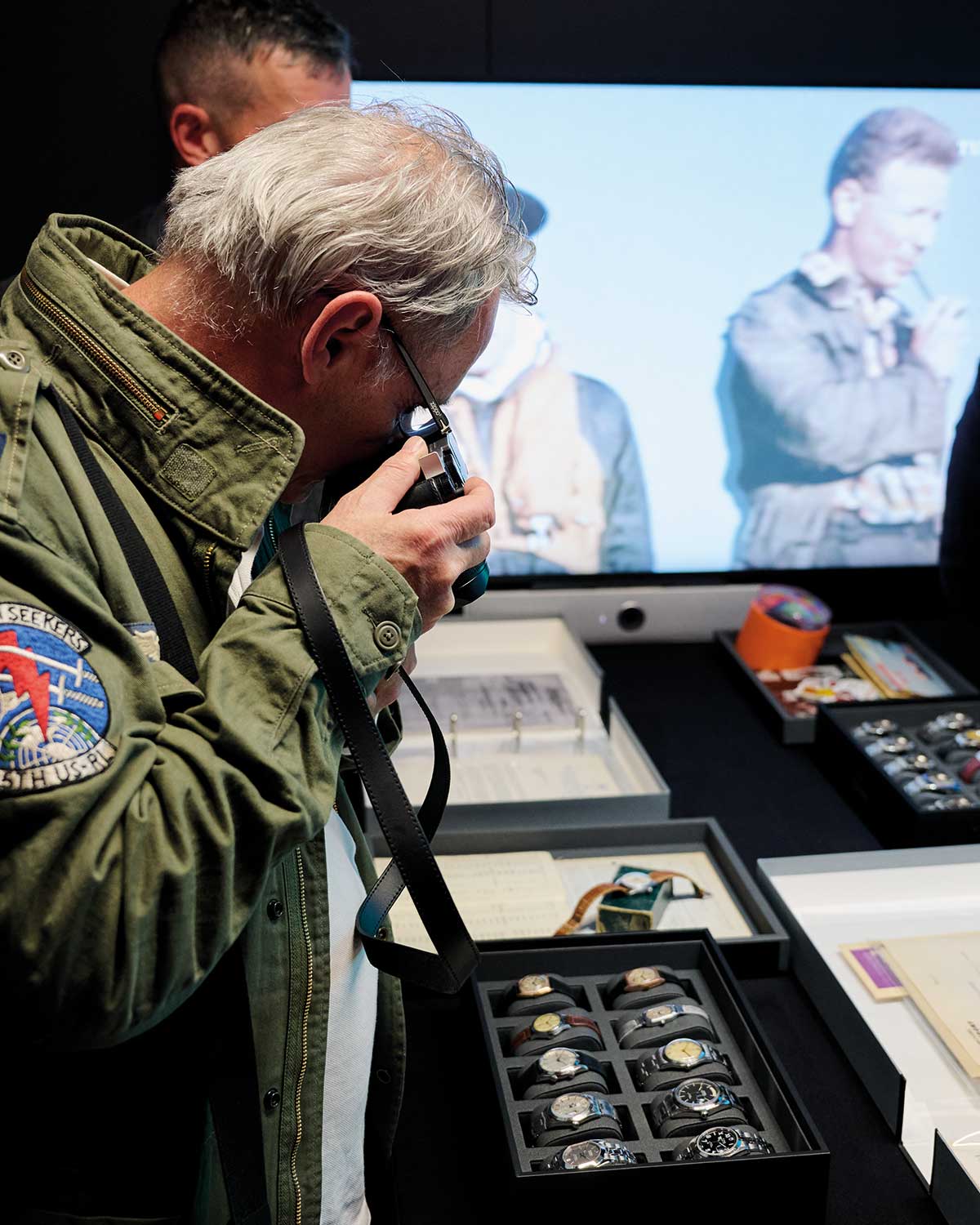
Collectors were invited to see the rarest vintage Tudors
Around the long (and I mean really long) central table were placed collections from across Europe, Asia and the United States. Some were well known within vintage circles, others almost entirely private. What united them was not profession, status or social media visibility, but a deep fascination with Tudor’s history and the watches that helped shape it.
Military Service
Naturally, military-issued Submariners featured heavily. Marine Nationale pieces sat alongside South African-issued references, Royal Canadian Navy examples, U.S. military watches and rare civilian references that have become cornerstones of serious Tudor collecting. There was a palpable sense that many of these watches had finally found their way home.
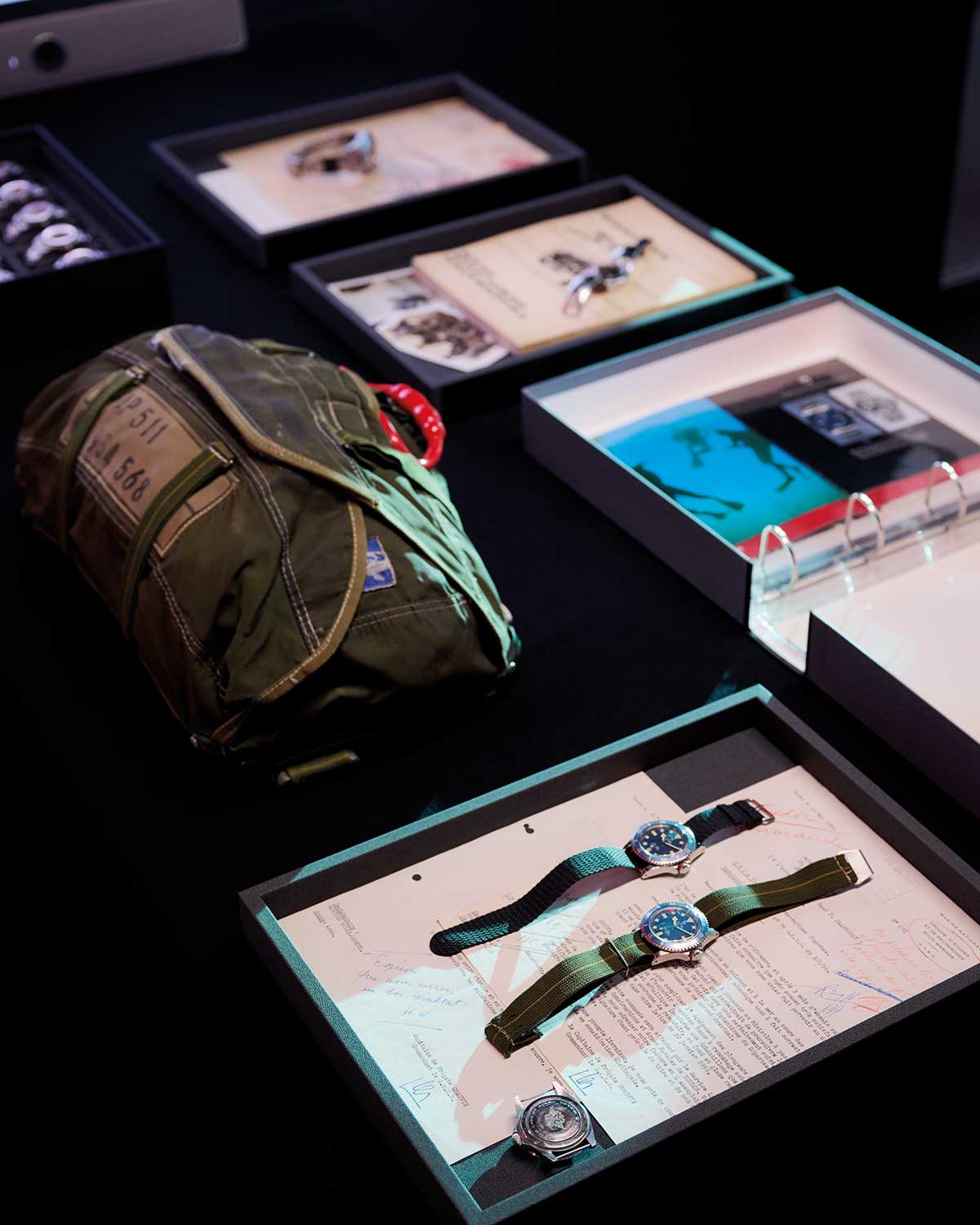
Marine Nationale artefacts including issued Submariners, field reports and a parachute
One of the most powerful aspects of the gathering was seeing watches reunited after decades apart. Pieces that may once have sat together in the same naval locker or military workshop now rested side-by-side once again, brought together not by official archives but by collectors who had spent years, and in some cases decades, researching and preserving them.
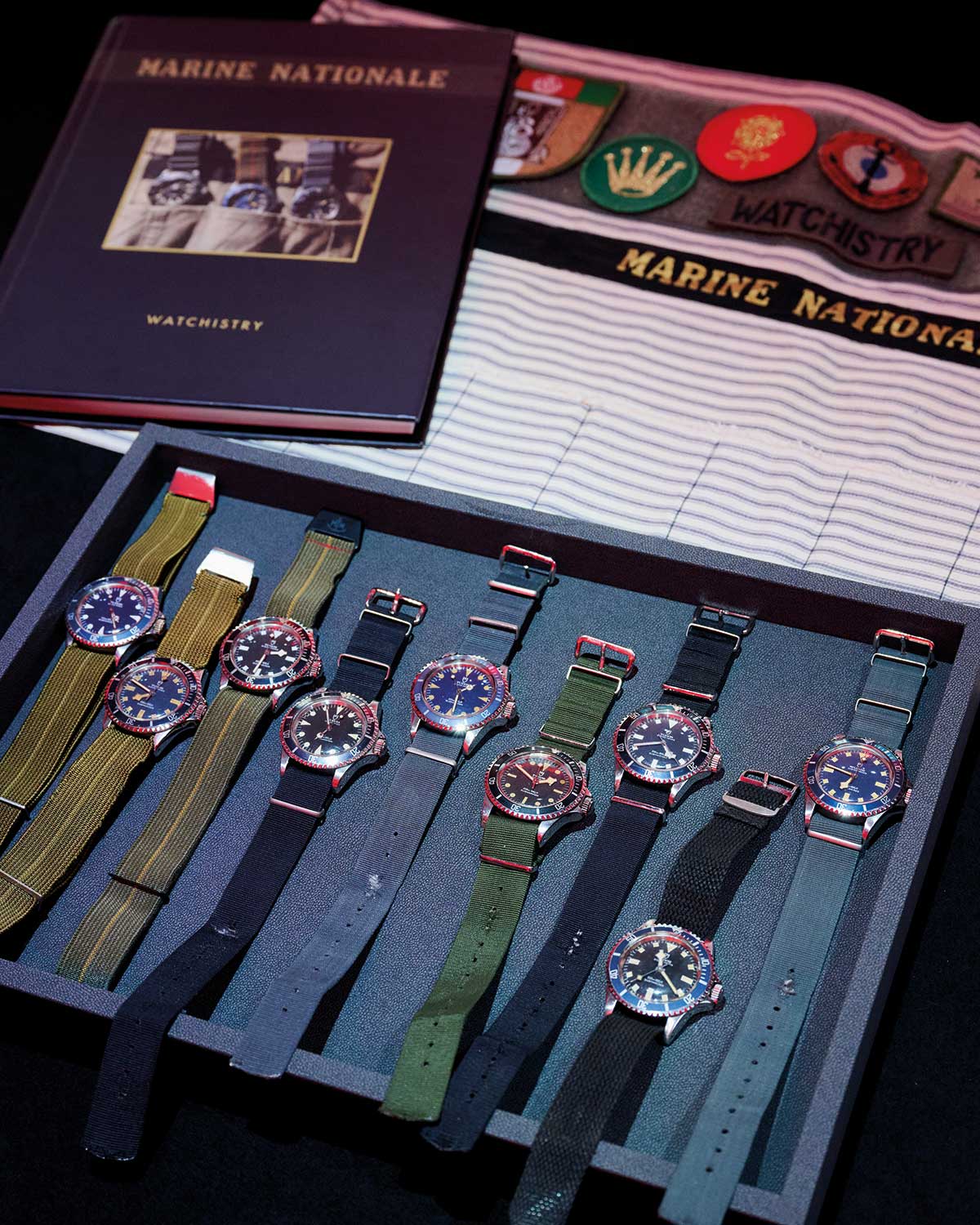
The Marine Nationale Collection of (Image: Watchistry)
One attendee, the collector, military watch guru and Revolution contributor Roger Michel, summed the event up perfectly: “In the midst of all the commercial splendor of Watches and Wonders, this event was the proverbial breath of fresh air. A roomful of longtime collectors, many of whom were old friends, had a chance to share their passion for a low-key brand in a relaxed and convivial setting. It reminded me of the early days of the ‘Rolex Passion’ events — lots of substance and little pretense. Just when you thought the hobby was getting lost in the rising tide of super-luxury brands that value glitz over history and heritage, Tudor found a way to bring it back to its roots.”
Tudor’s own archive contribution transformed the gathering from collector meetup into something far more significant. Displayed across the space were approximately 40 archive and museum pieces spanning almost the entire history of the brand. There were storied military-issued Submariners, early Oyster Princes, prototype watches and experimental designs that many collectors had previously only heard rumors about. Seeing them in person was remarkable enough. Being invited to freely handle and photograph them was something else entirely.
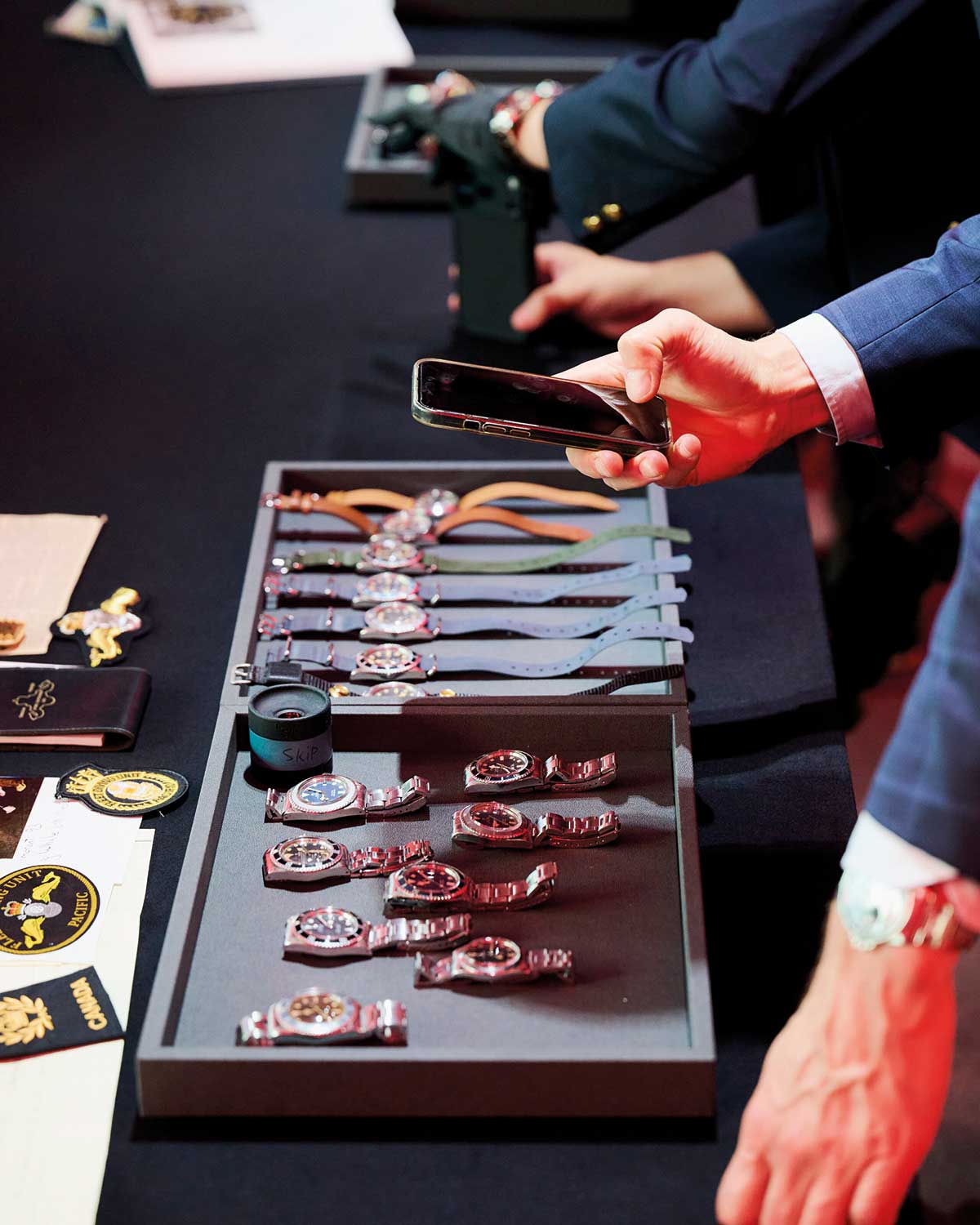
A collection of military issued Submariners
Among the most discussed pieces was the famous “Project Commando” prototype developed during the 1960s for the U.S. Navy. Its unusual hinged bezel-locking mechanism remains one of the most unconventional designs Tudor has ever explored and would inspire the Black Bay P01 decades later. Nearby sat a remarkable prototype “Burgundy” Submariner and an extraordinary Reference 7923; the manually wound Submariner that remains one of the rarest Tudor sports watches ever produced.
Paper Trail
Yet the watches themselves only told part of the story. Alongside the timepieces was an extensive display of historical documents and archive material, much of which had never previously been shown publicly. There were original trademark registrations relating to the Tudor name dating back to 1926, military procurement documents, design sketches, technical blueprints and early paperwork connected to models such as the Ranger.
For seasoned collectors, these papers carried almost as much significance as the watches themselves. Vintage Tudor scholarship has evolved enormously over the past 20 years. Once considered a niche subset of vintage Rolex collecting, Tudor has developed into a collecting category with its own language, mythology and global community. References that were once overlooked are now carefully studied, cataloged and debated in extraordinary detail. Small production variations, military engravings and archival discoveries have become critical to understanding the brand’s evolution.
To try and summarize all the incredible watches on display would be nigh-on impossible. There were a few presumed unique pieces, such as a small crown mid-1950s Reference 7922 Submariner, featuring a gilt dial double-signed “Joyeria Riviera.” Joyeria Riviera was a famed retailer in Havana that had a distinctive and elegant signature, which it stamped on the dials of the select watches sold there. These watches are highly prized and incredibly rare.
One of the most fascinating watches present at the gathering was a unique Tudor “Homeplate” chronograph prototype from the collection of Eric Ku, a watch with direct links to legendary Rolex and Tudor figure René-Paul Jeanneret. Gifted by Jeanneret to a close friend following the Athens Marathon, the watch differs significantly from the production Reference 7031 and 7032 models, featuring a completely unengraved case, unusual prototype chronograph hand and distinctive yellow-orange dial accents that reveal an early stage in Tudor’s chronograph development. Even amongst an extraordinary display of military Submariners and archive prototypes, it stood out.
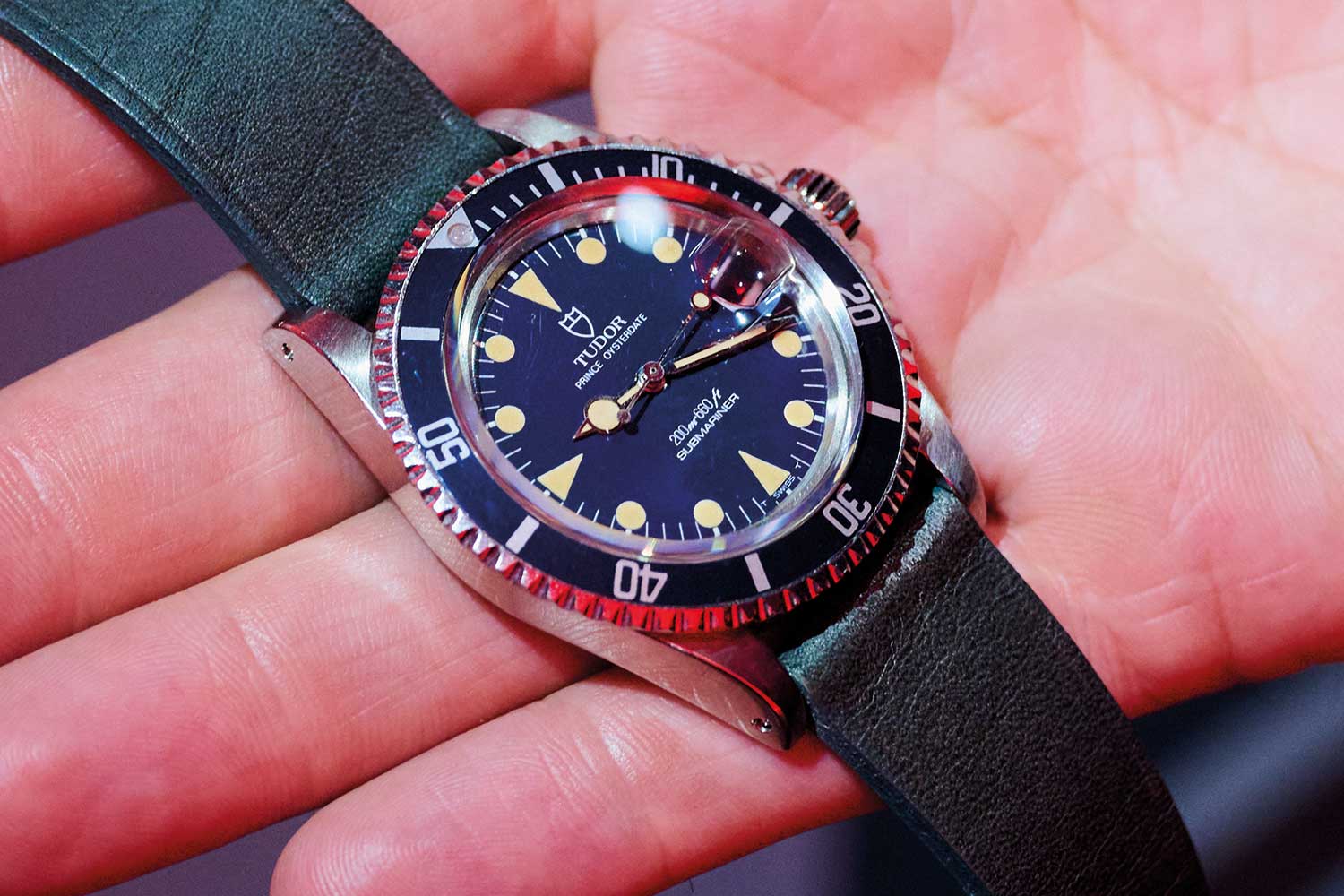
Blue Submariner 7611 Lollipop
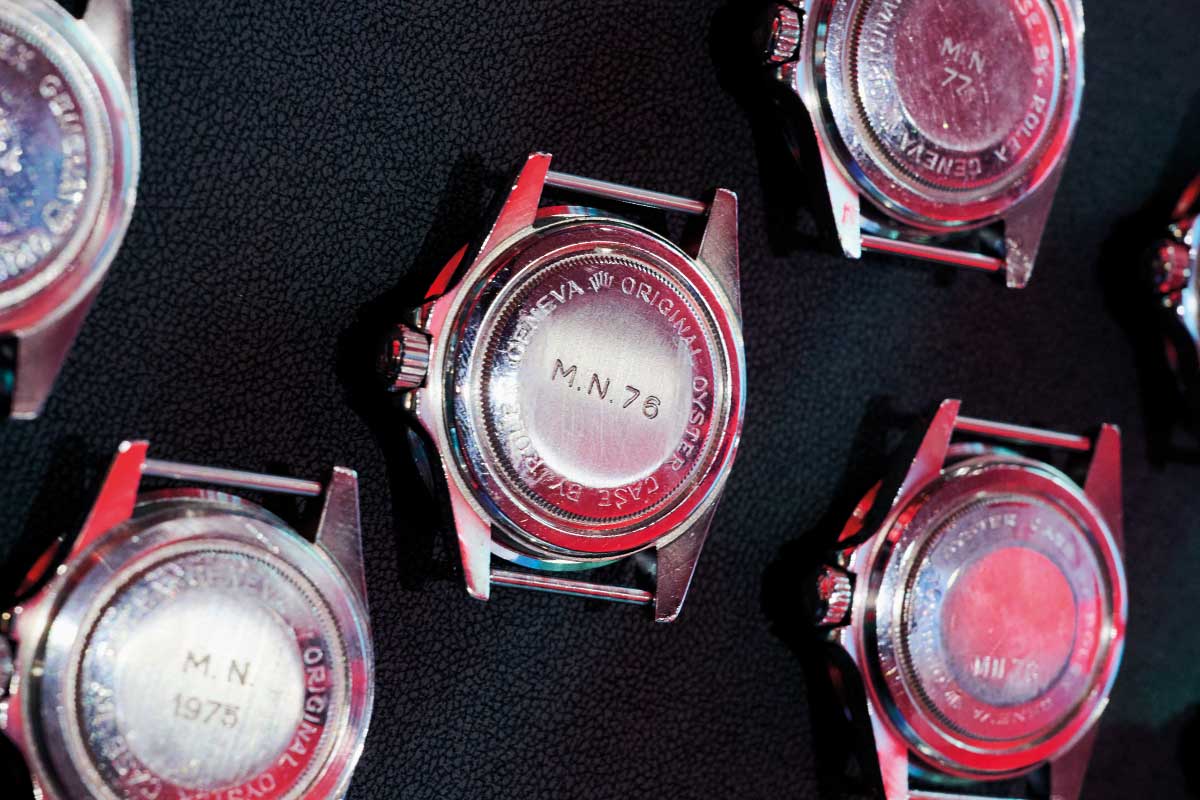
A notable display at the gathering was a complete run of French Marine Nationale-issued Tudor Submariners engraved from MN74 through to MN83, assembled in a way that few collectors could ever have imagined possible. Seen side-by-side, the watches offered a remarkable visual timeline of Tudor’s long-standing relationship with the French Navy.
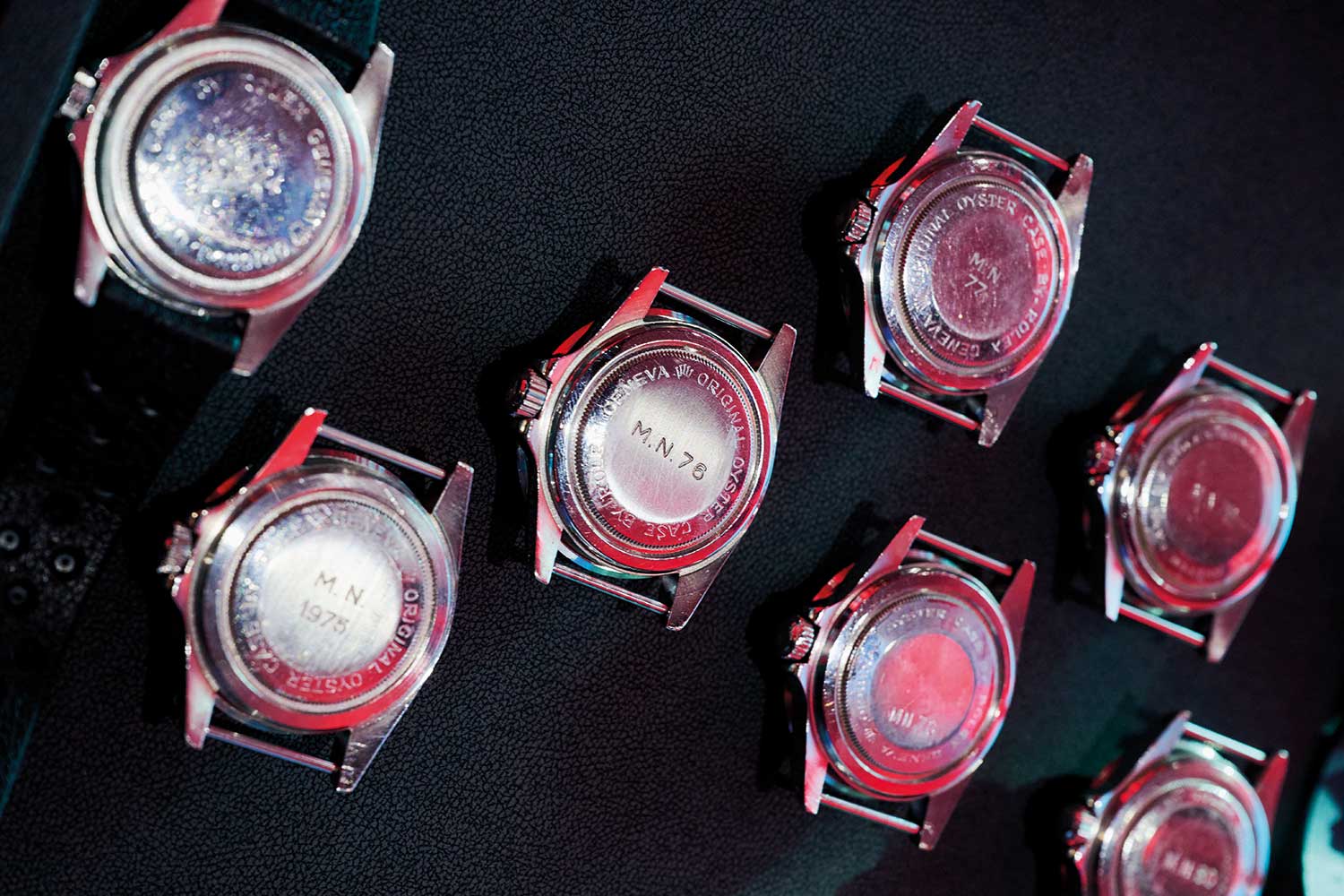
A collection of MN casebacks from MN74 to MN83
All these incredible watches and the associated knowledge demonstrated that, in many cases, it has been collectors themselves that have preserved much of Tudor’s history, long before the broader industry fully recognized its importance. This gathering felt like Tudor acknowledging that contribution.
Atmosphere
Equally notable was the atmosphere inside the room. There was little sense of hierarchy between the Tudor team and the collectors themselves. Tudor CEO Eric Pirson spent time speaking openly with attendees, alongside members of the communications, partnerships, design and archive departments. Some members of the Tudor team had brought their own watches to display and discuss. Designers exchanged thoughts directly with collectors. Conversations moved effortlessly between archive details, military provenance and modern production techniques. In an industry that can often feel carefully managed and increasingly corporate, the openness was refreshing.
Even the setting itself felt refreshingly unforced. At one point, Rolex CEO Jean-Frédéric Dufour casually appeared to look over the displays and speak with attendees, a moment without fanfare or announcement.
Perhaps that was the real success of the event. Tudor created an environment that reminded people why they became interested in watches in the first place: curiosity, history and shared enthusiasm. And ultimately, that may say more about Tudor in 2026 than any product launch could.
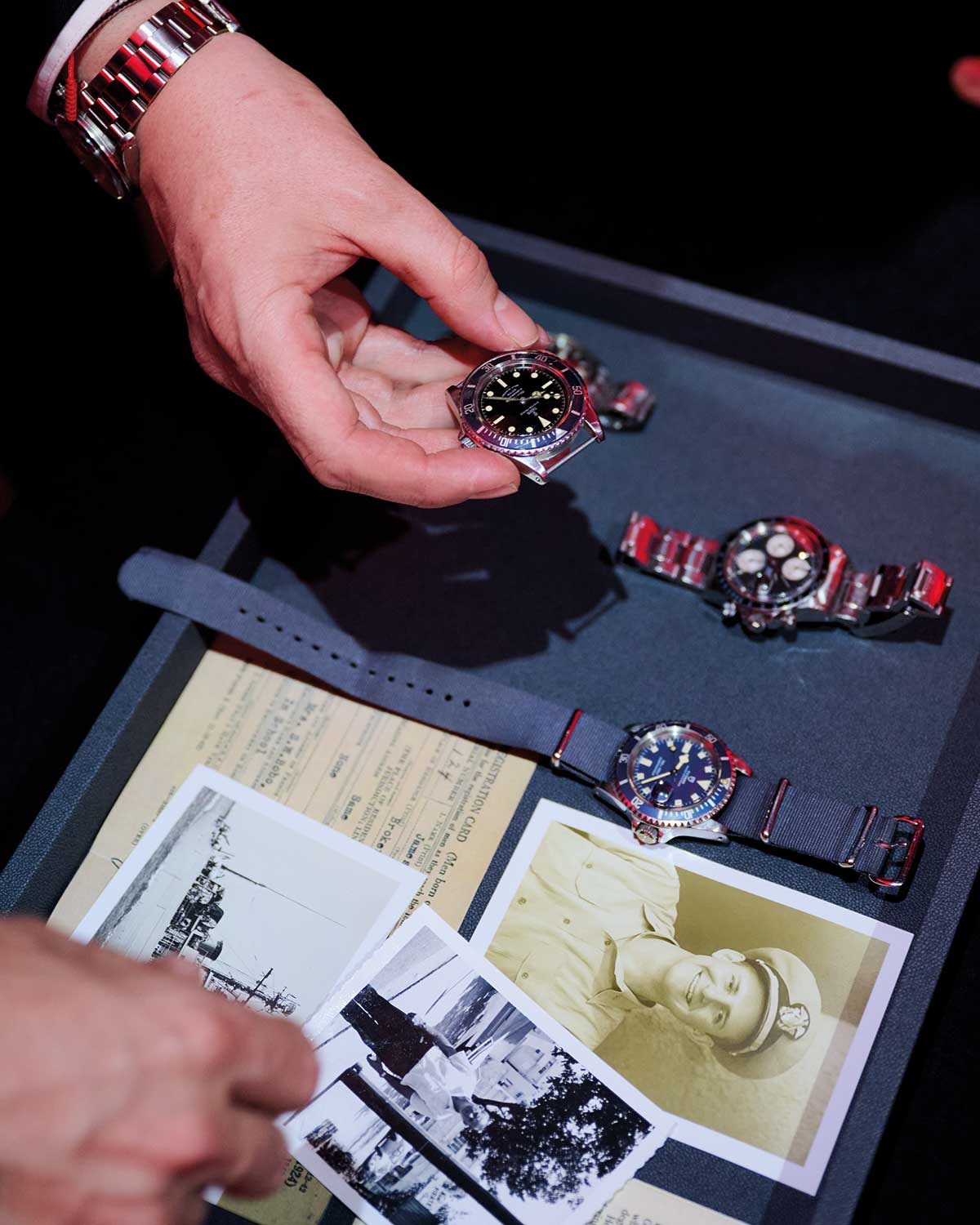
Archive material at the event
The wider watch industry currently finds itself navigating a more uncertain landscape than it has in recent years. Slowing demand in certain regions and broader market concerns have pushed many brands towards caution. Against that backdrop, Tudor appears to be moving differently. Rather than retreating into short-term commercial thinking, the brand continues to invest, not only in product, but in something less measurable and ultimately more enduring: cultural legitimacy.
Luxury brands frequently speak about heritage, but often heritage is deployed as a tactic to sell contemporary products. Vintage-inspired launches, anniversary editions and archive references have become standard marketing tools throughout the industry. What made the Geneva gathering feel different was that the historical material itself was the focus. This was not simply a backdrop for a new release or a carefully engineered nostalgia campaign. Instead, Tudor appeared genuinely interested in celebrating the collectors, historians and enthusiasts who have spent years documenting and preserving the brand’s past.
Der Spiegel watch columnist Felix Dachsel perhaps summarized the event best: “[It] served as a reminder of why this hobby is so wonderful. No champagne, no international stars, no PR nonsense: everything was reduced to its essence. Watches and their history, told by their proud owners. Tudor demonstrated that it approaches its own history with both humility and self-confidence. In times of crisis, brands must be able to answer the question of identity: Who am I? On this night, Tudor provided a likeable and historically conscious answer.”
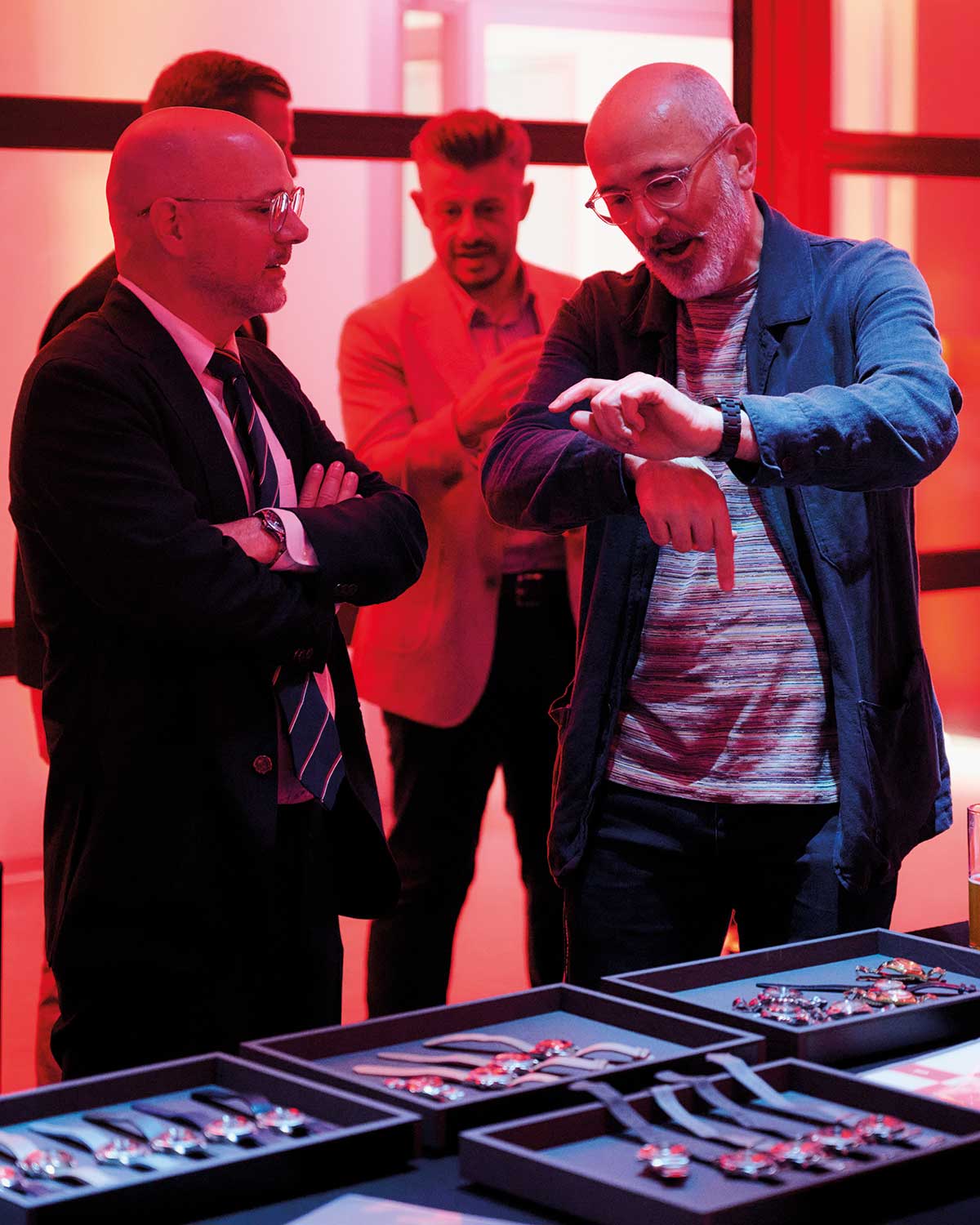
The event was unprecedented in its access
At a moment when much of the watch industry continues to compete for attention through bigger launches, brasher campaigns and increasingly aggressive visibility, Tudor chose not to shout from the rooftops. It invested in continuity, scholarship and community, as well as in the people who have spent years preserving the brand’s history simply because they love it.
Tudor

You may also like
Editorial
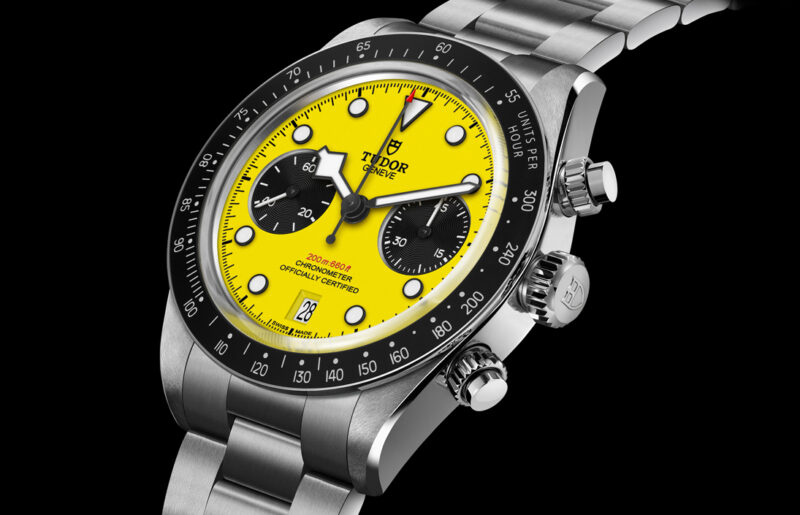
Tudor Introduces the Black Bay Chrono 39 “Bumblebee”
Jun 4, 2026
Editorial
Tudor Introduces the Black Bay Chrono 39 “Bumblebee”
Jun 4, 2026

Editorial
Watches and Wonders 2026 Editor’s Pick: Matthew De Jesus, News Editor
May 3, 2026
Editorial
Watches and Wonders 2026 Editor’s Pick: Matthew De Jesus, News Editor
May 3, 2026
News
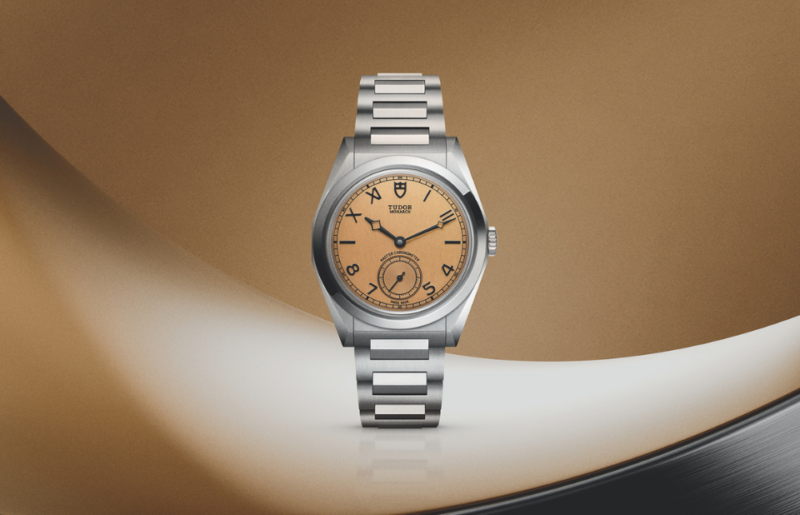
Tudor at Watches and Wonders 2026: A Centenary Collection
Apr 15, 2026
News
Tudor at Watches and Wonders 2026: A Centenary Collection
Apr 15, 2026