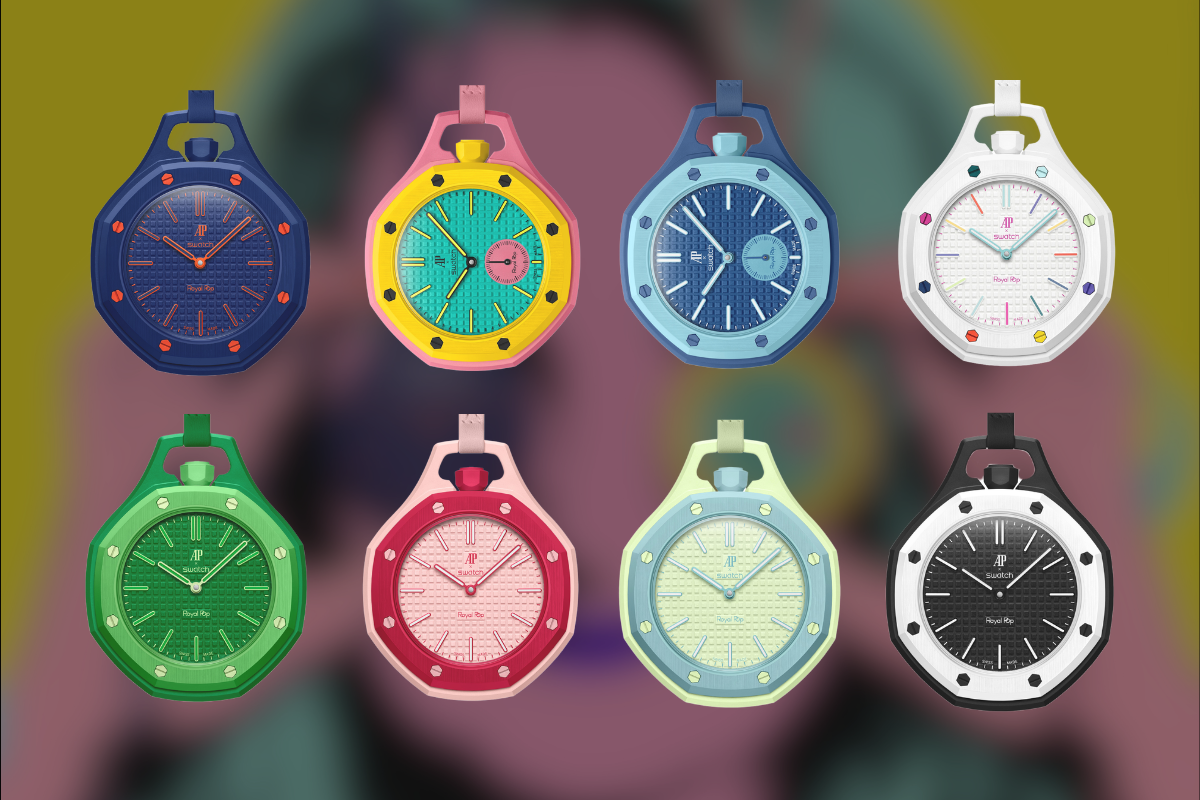
The Audemars Piguet x Swatch Royal Pop Was Never Going To Be A Simple Royal Oak
Editorial
The Audemars Piguet x Swatch Royal Pop Was Never Going To Be A Simple Royal Oak

When Swatch’s first teaser ads began appearing in early April, Audemars Piguet was not an obvious guess. If anything, a potential collaboration seemed to point towards Breguet — a far more believable candidate, given that Swatch’s high-low collaborations had so far remained within the Swatch Group. After the MoonSwatch and the Scuba Fifty Fathoms, it felt reasonable to assume that the next chapter would again come from inside the family.
Then the name “Royal Pop” appeared, and everything changed. “Royal” was already almost impossible to separate from the Royal Oak, while “Pop” had its own history within Swatch. The typography, too, seemed to nod to the familiar lettering of the Audemars Piguet Royal Oak, which was when the whole thing started to feel genuinely mind-bending. Suddenly, the theory that once seemed too far-fetched began to gather momentum: could this actually be AP?
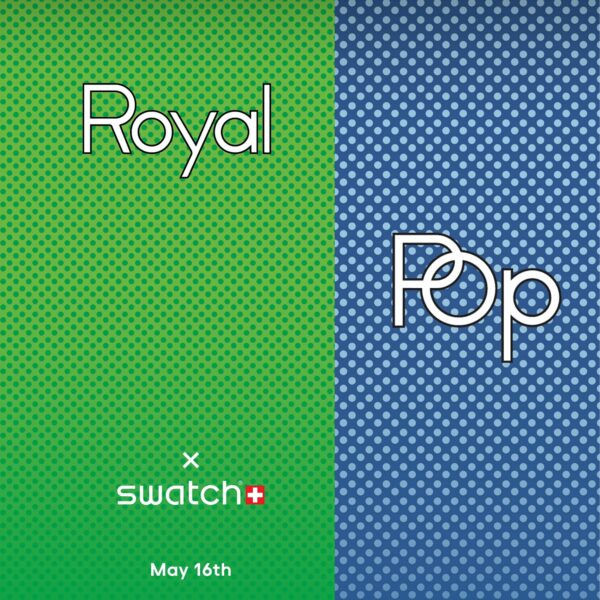
Swatch’s “Royal Pop” ad in major newspapers on 6 May 2026
AP is not part of the Swatch Group. It is fiercely independent, family-owned, and one of Swiss watchmaking’s so-called holy trinity names. Omega made sense. Blancpain made sense. Breguet would have made sense. Audemars Piguet sounded almost too good, or too strange, to be true.
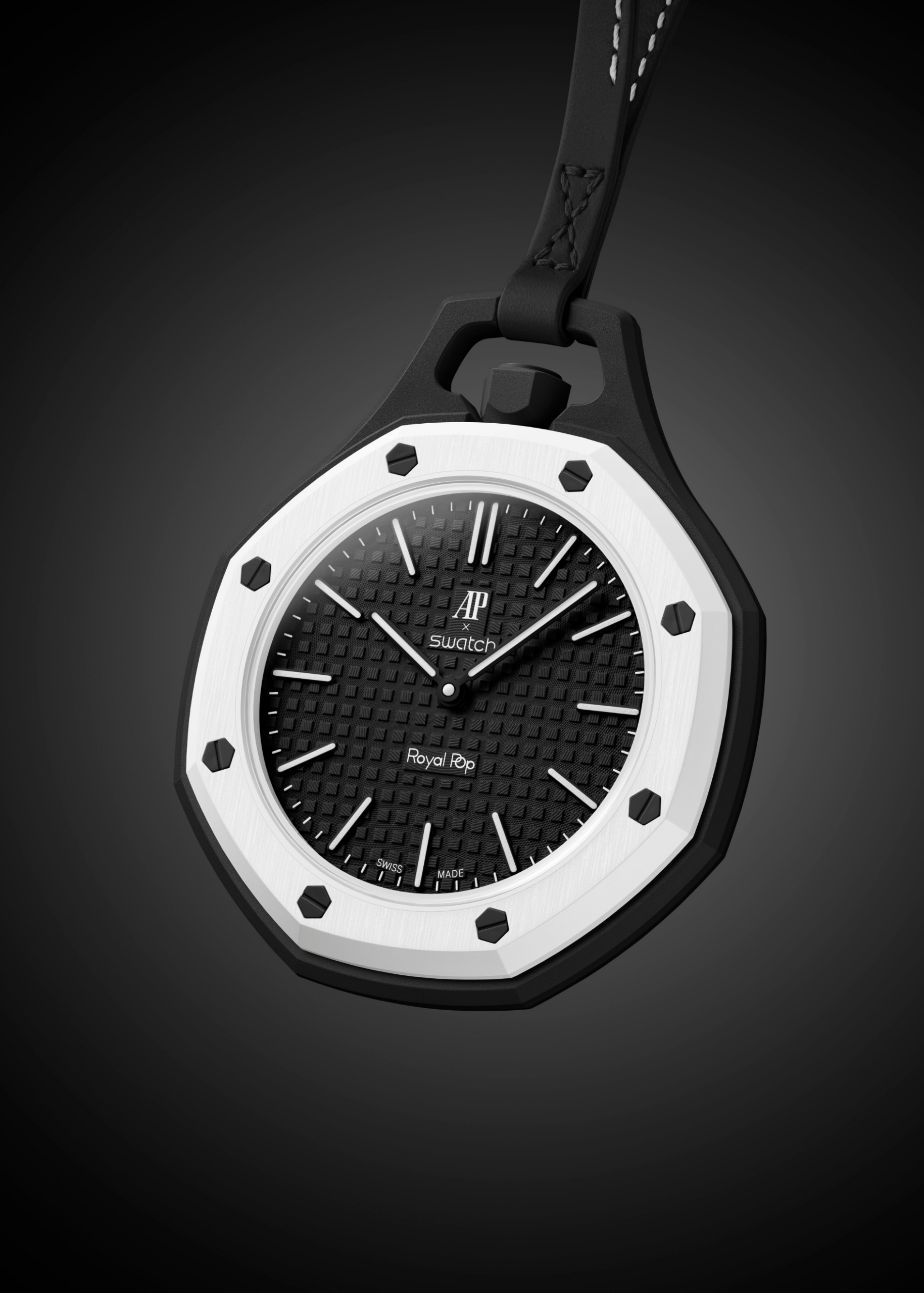
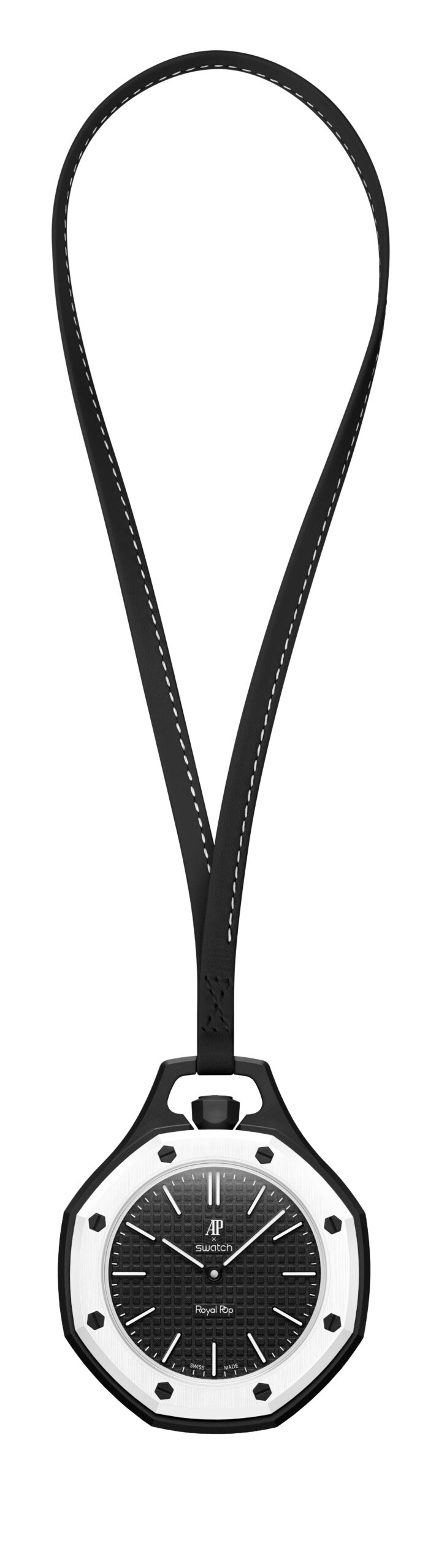
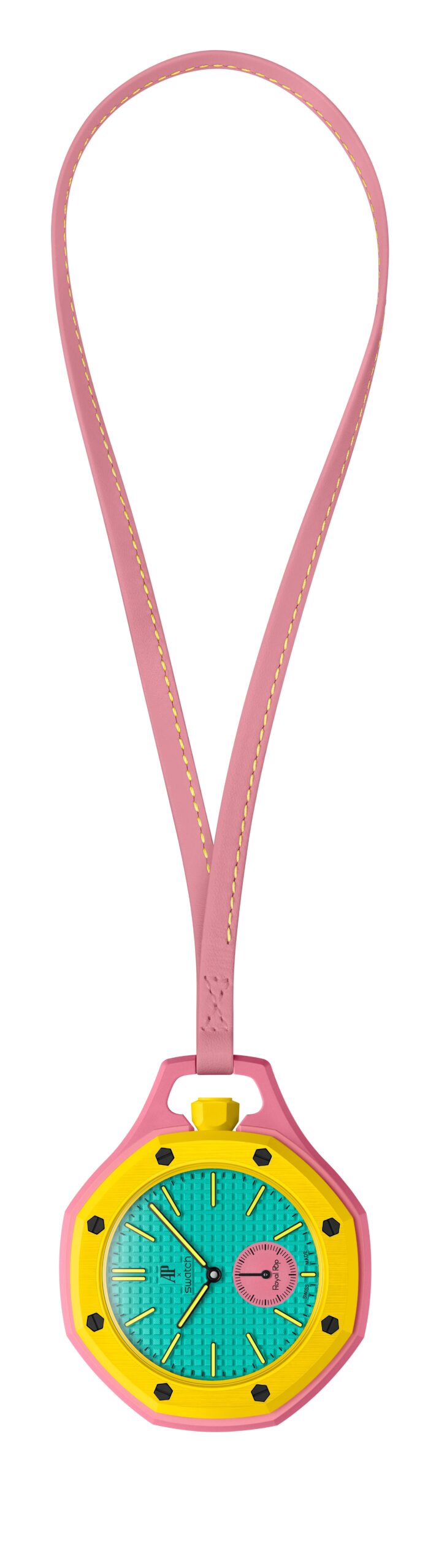
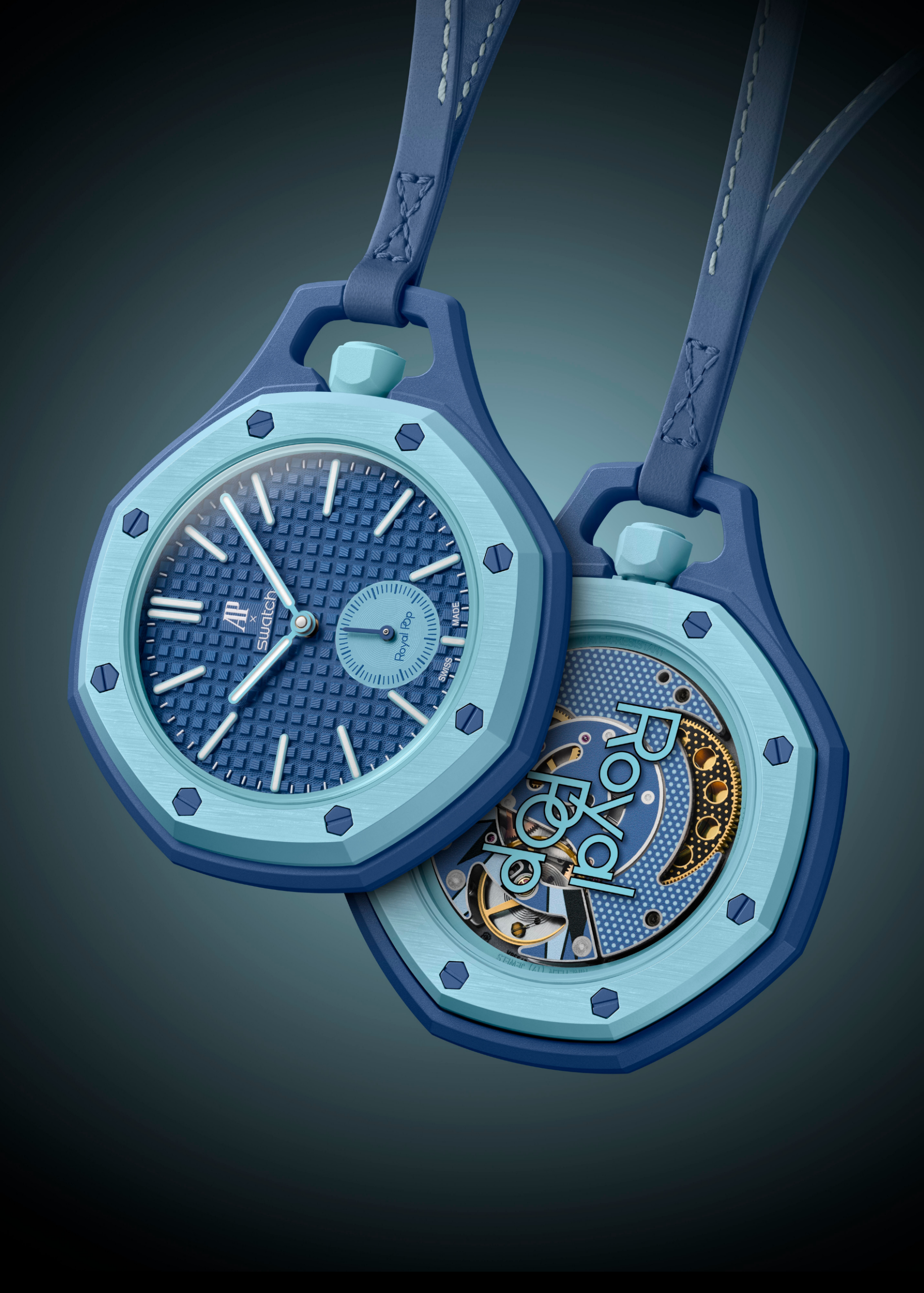
As it turns out, the answer was not quite the MoonSwatch-style Royal Oak many might have imagined. Instead, Royal Pop takes the look of the Royal Oak and pulls it into a Bioceramic pocket watch format inspired by the Swatch Pop watches of the 1980s. The octagonal bezel, eight screws and “Petite Tapisserie”-style dial are all there, but the watch has been taken off the wrist and reworked into something that can be worn around the neck, clipped to a bag, carried in the pocket, or placed on a desk with its removable stand.
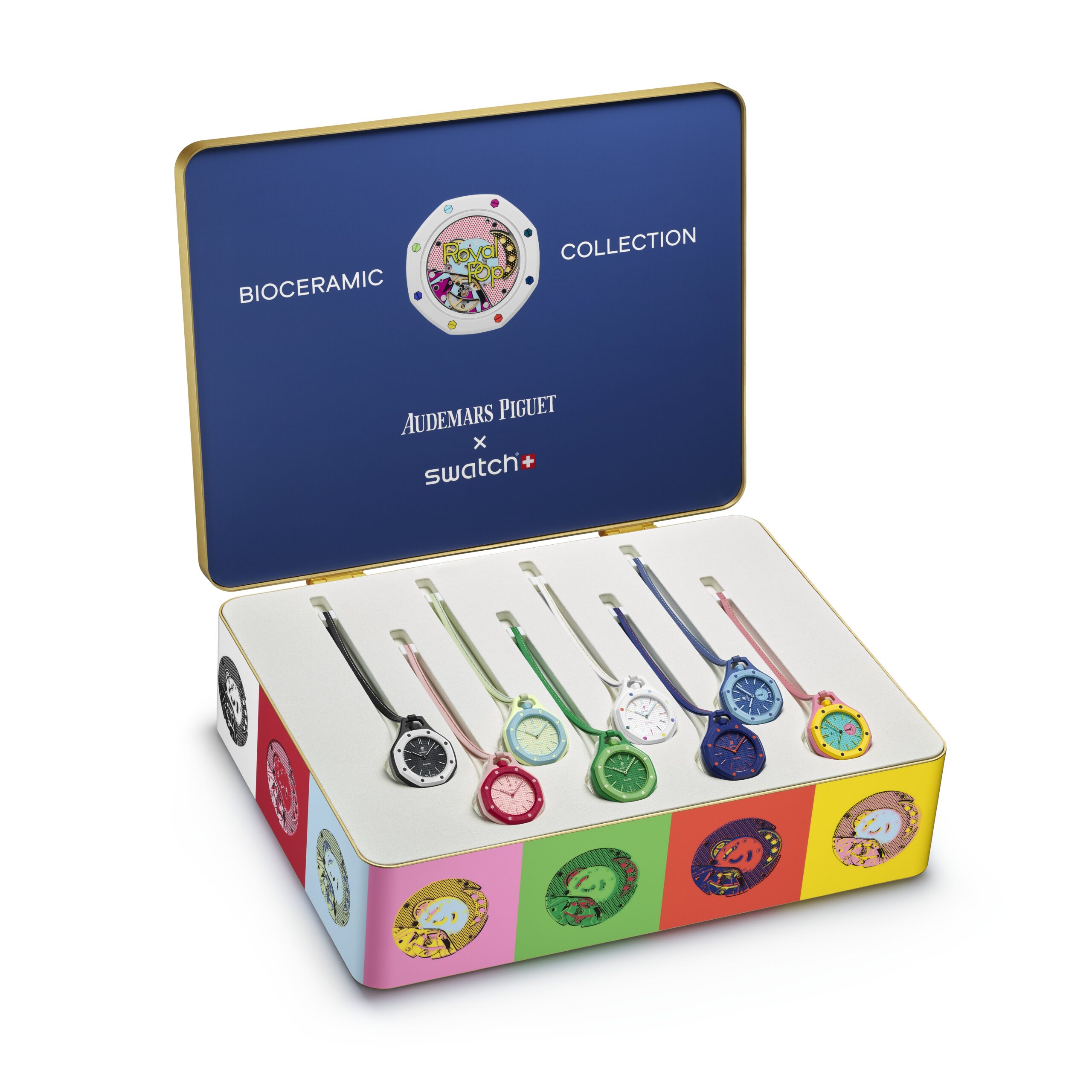
Audemars Piguet X Swatch Royal Pop Collection
Understandably, this may have burst the bubble for anyone hoping for an affordable Royal Oak to wear on the wrist. But look at it more closely, and the choice of a pocket watch makes a great deal of sense. If anything, the Royal Pop arrives at a particularly sweet timing, just as pocket watches are having a moment of their own.
The Royal Oak, Reworked As A Swatch POP
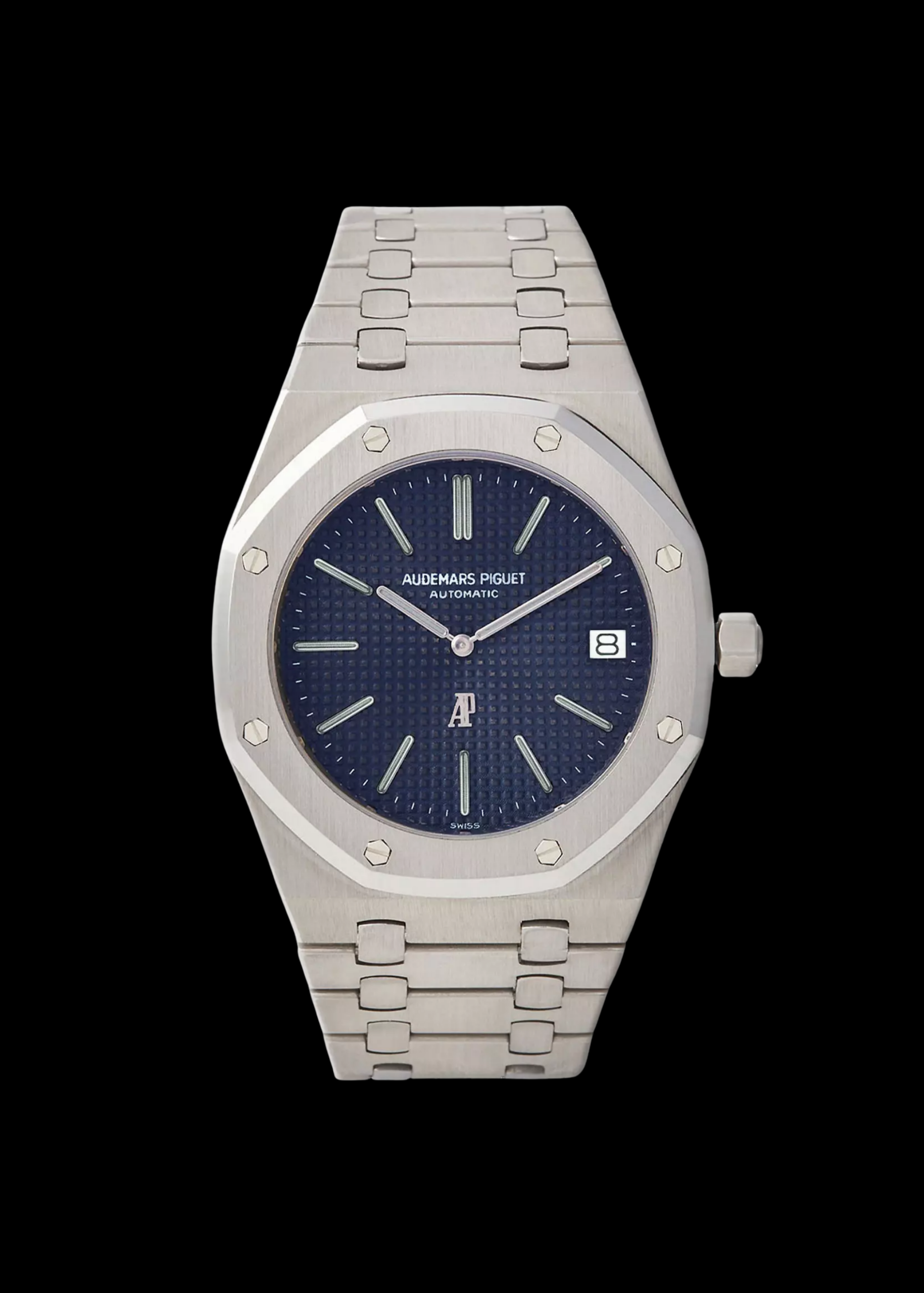
“Royal” hardly needs much unpacking. It pointed, unmistakably, to the Royal Oak — Audemars Piguet’s 1972 Gérald Genta-designed icon, with its octagonal bezel, exposed screws, integrated bracelet and tapisserie dial.
“Pop” pulls the story in a different direction. For Swatch, Pop is not just a word. It refers to one of the brand’s most playful historical formats, introduced in the 1980s, where the watch head could be popped out of its case and worn in different ways.
-
- Royal Pop
-
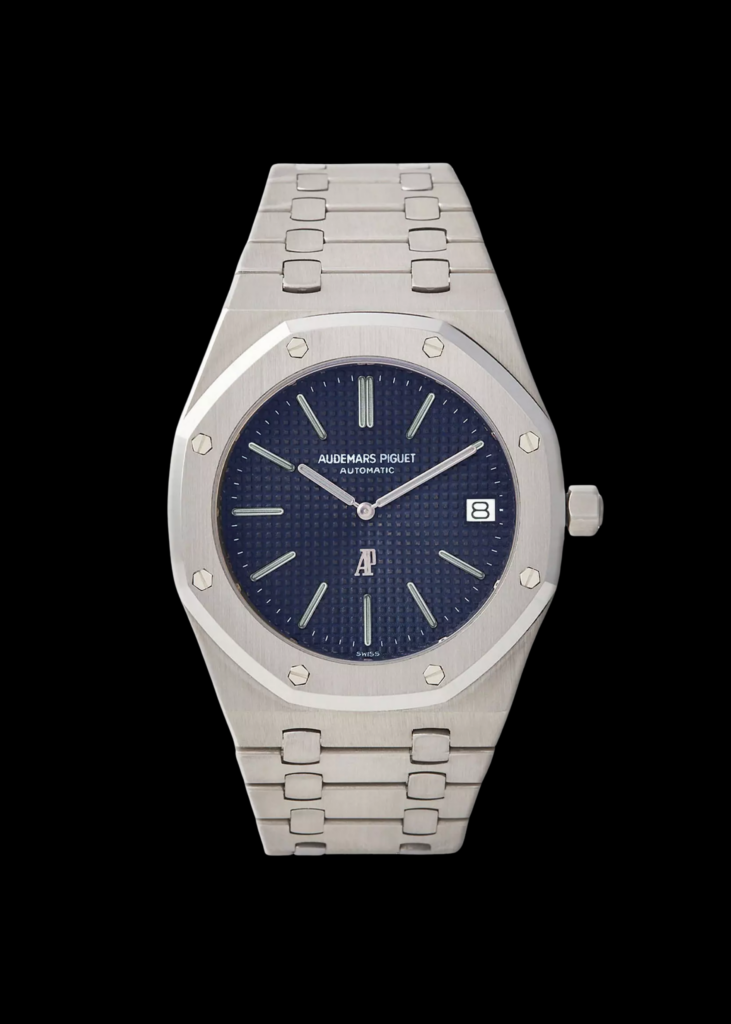
- Audemars Piguet Royal Oak 5402ST
-
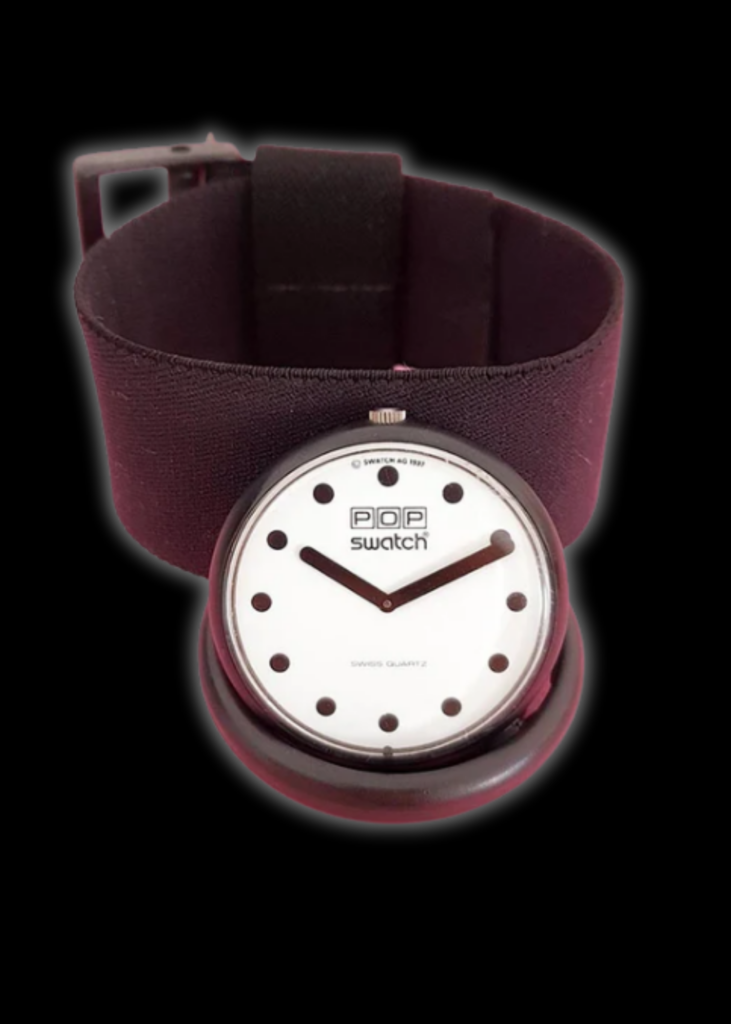
- Swatch POP from the 1980s
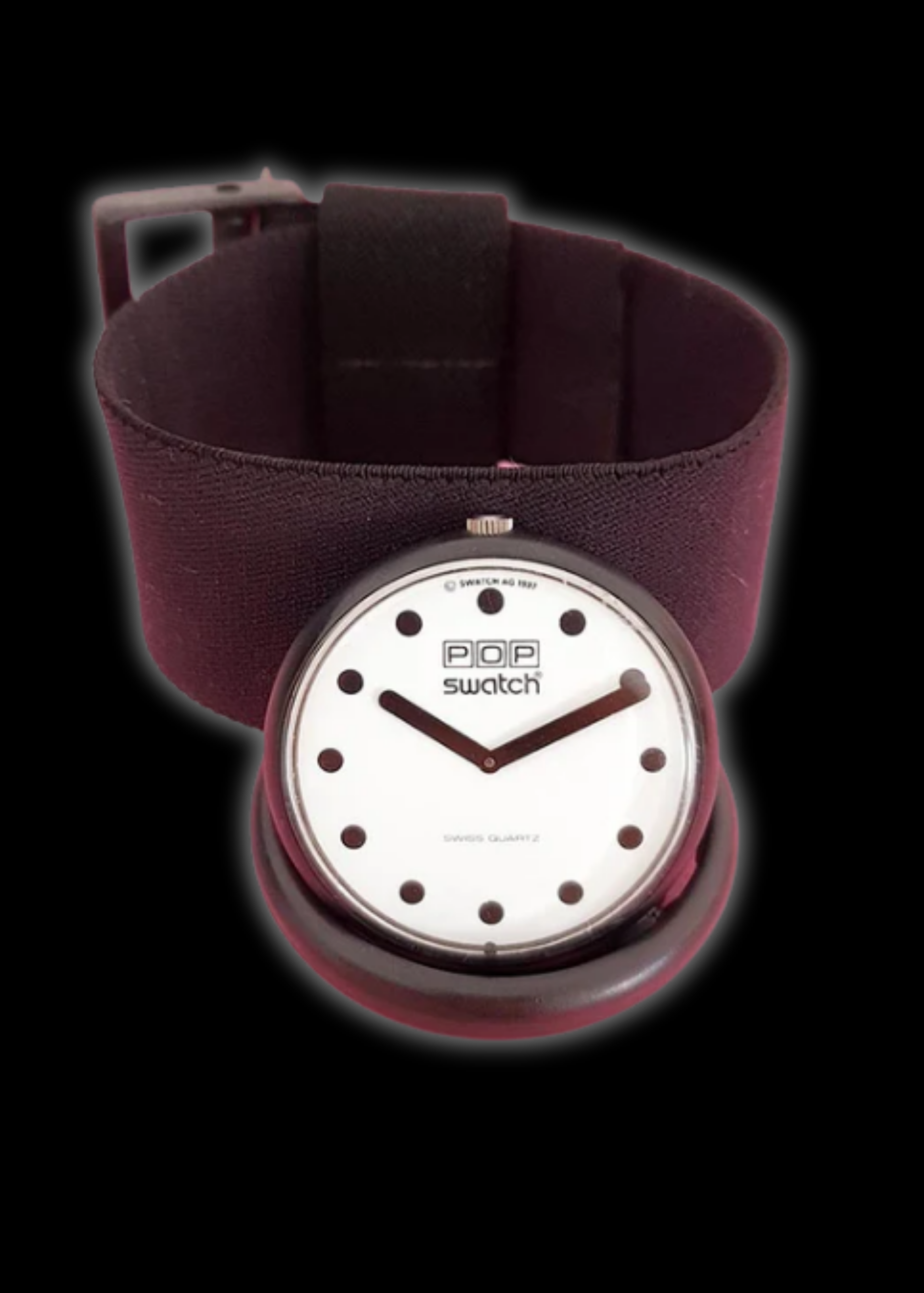
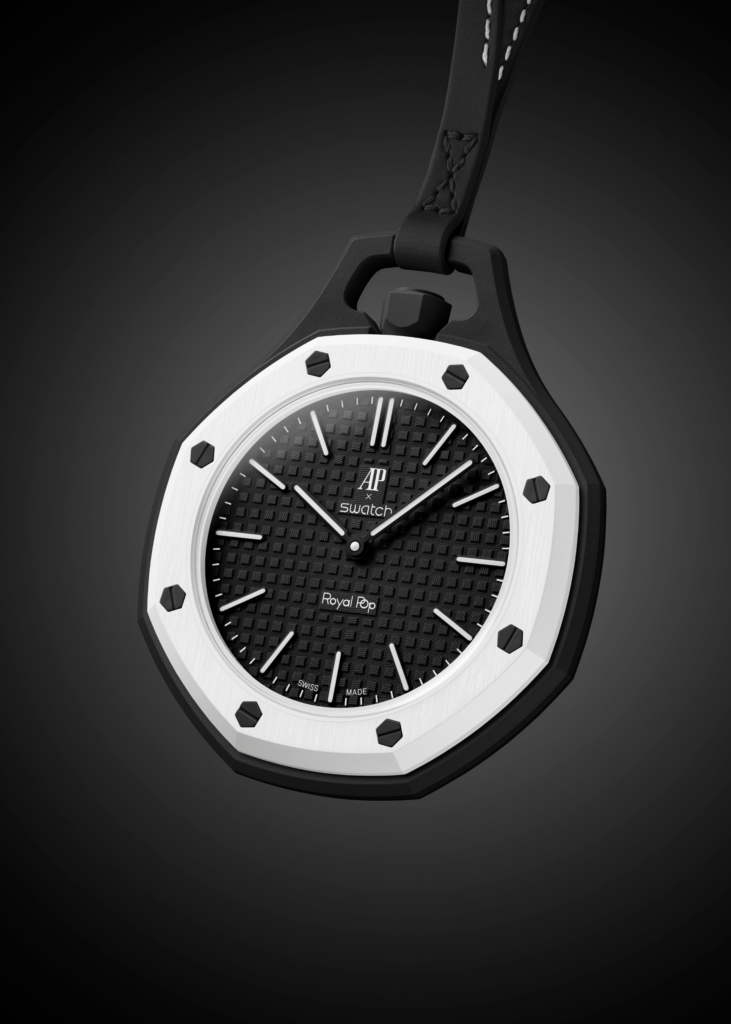
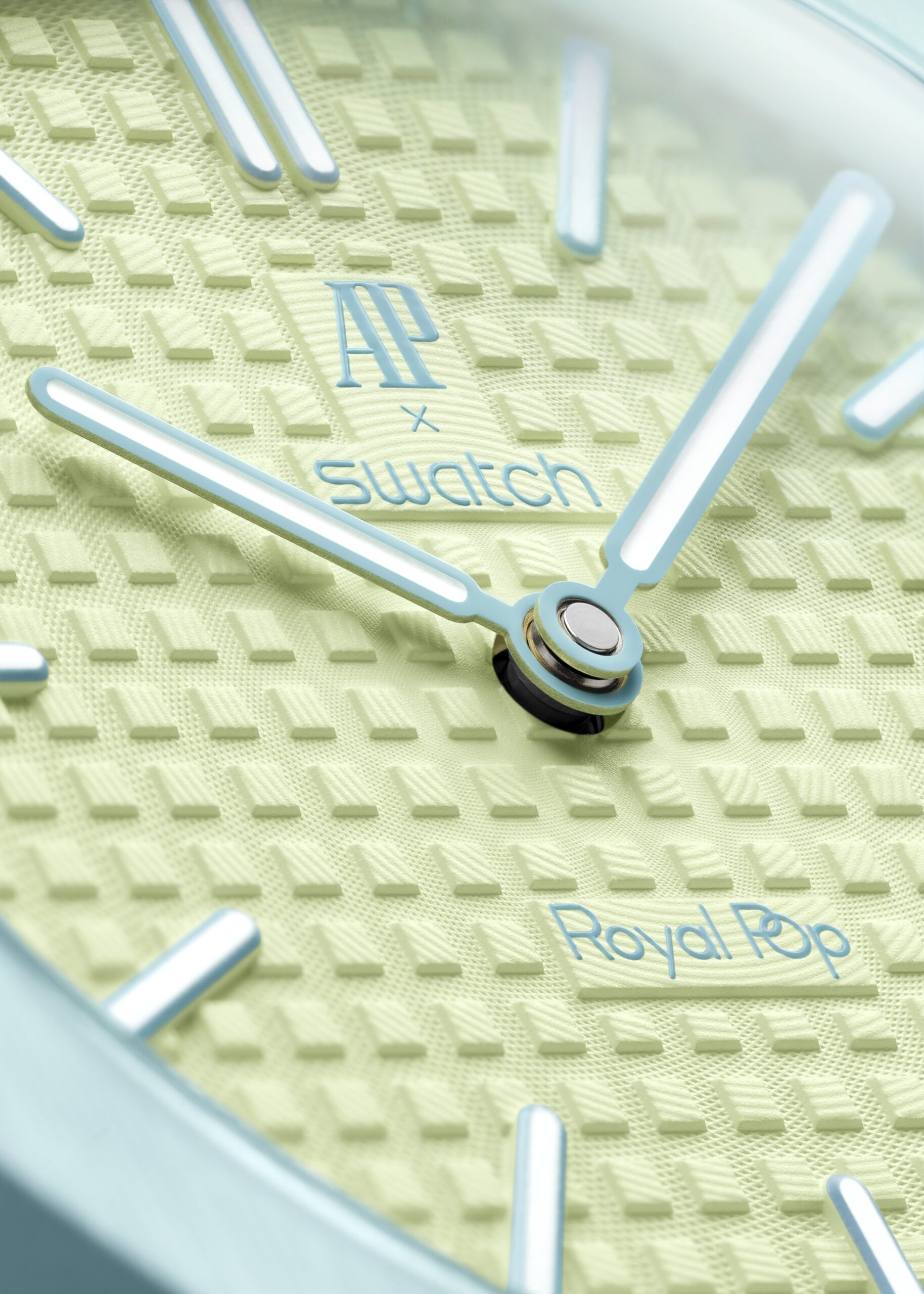
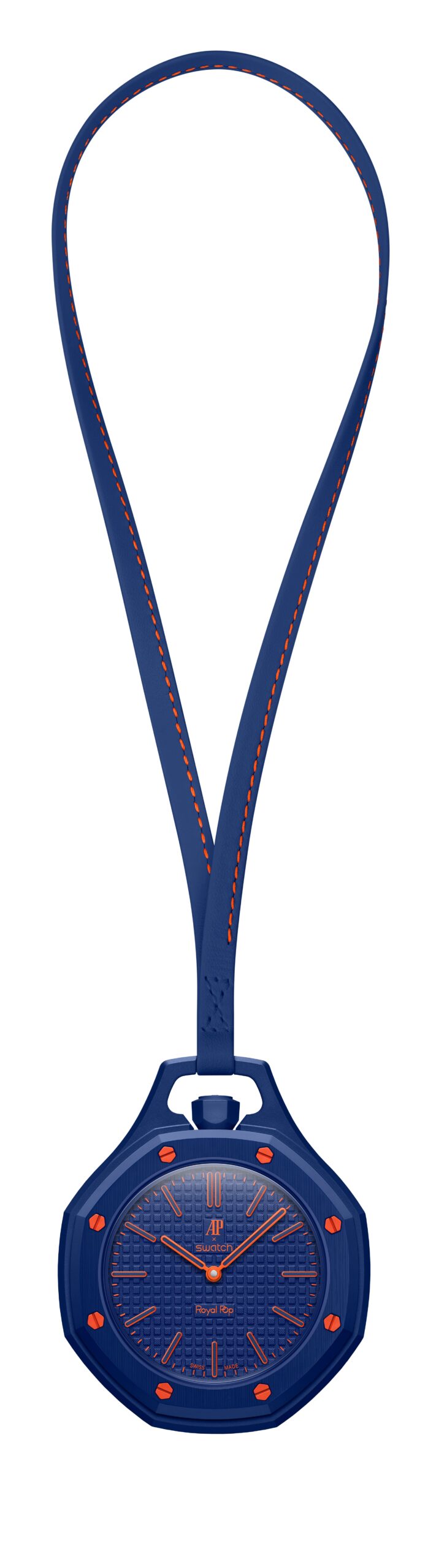
Across the collection, the Royal Oak references are direct and features an octagonal bezel, eight screws, a “Tapisserie”-style dial and vertical satin finishing on the bezel and caseback. The number eight is carried through the project as well, with eight models in the collection as a nod to the Royal Oak’s eight-sided bezel and eight screws. According to Swatch, the Royal Pop case construction is also protected by eight additional patents, reflecting the complexity of translating the Royal Oak’s rounded octagon, circular and barrel-shaped geometry into this new Bioceramic format. Even the act of attaching the watch has been considered, with the watch head clipping onto its mount with a clicking sound that Swatch describes as part of the collection’s acoustic signature.
-
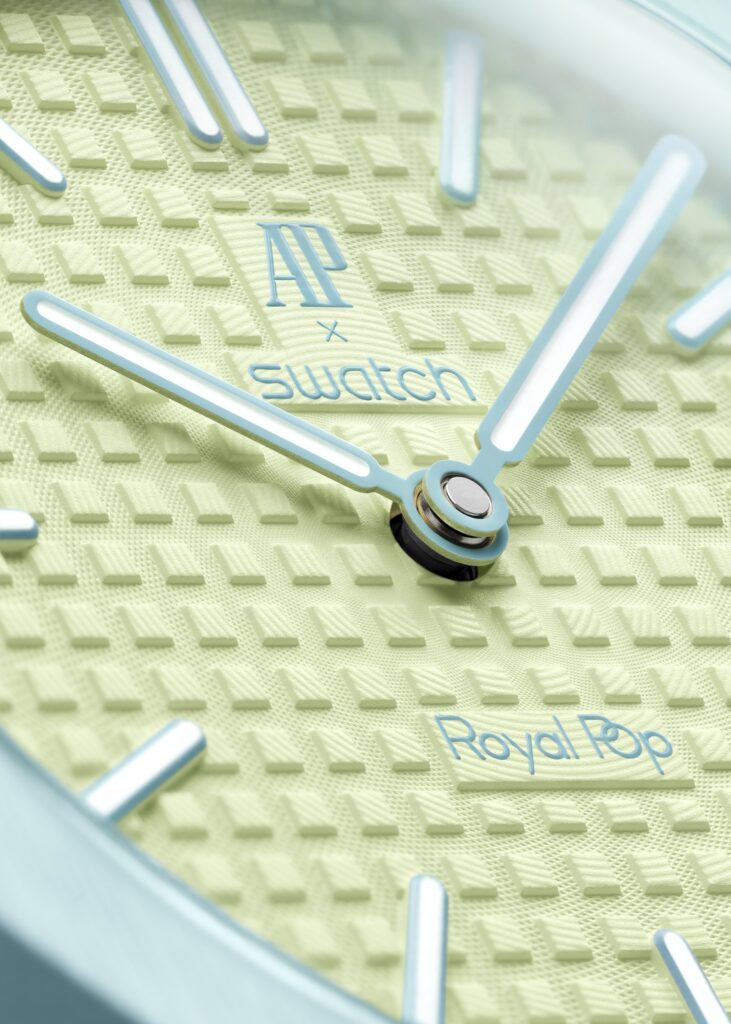
- The Royal Pop features the same “Tapisserie”-style dial seen in the original Royal Oak
-
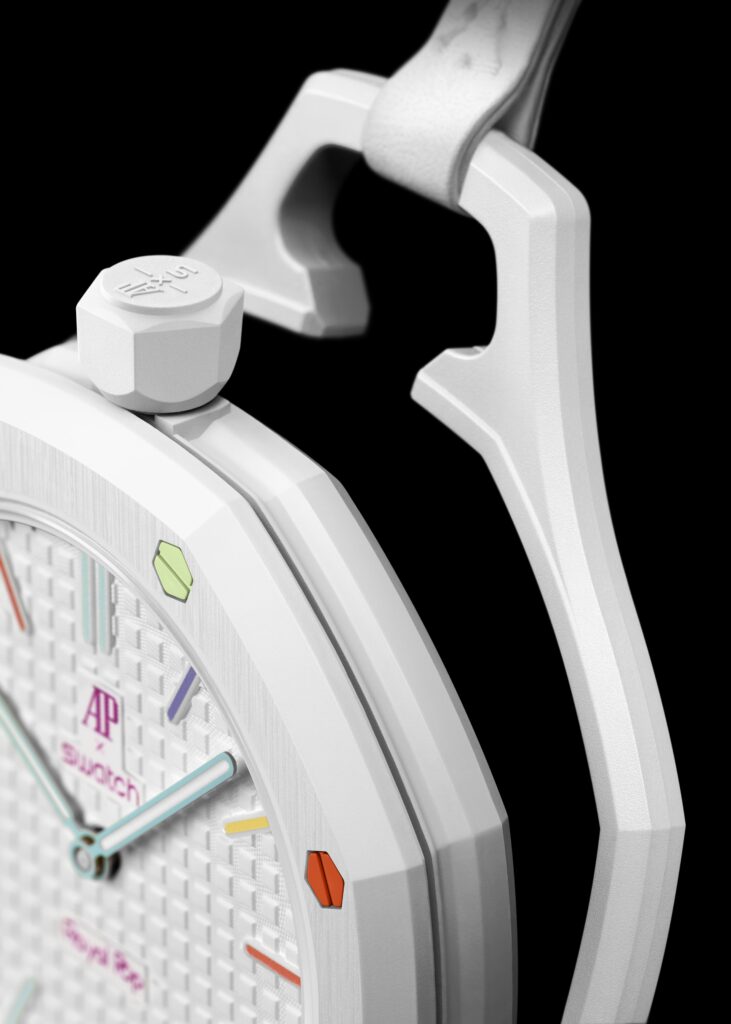
- The Royal Pop also features the octagonal bezel, eight screws, and vertical satin finishing
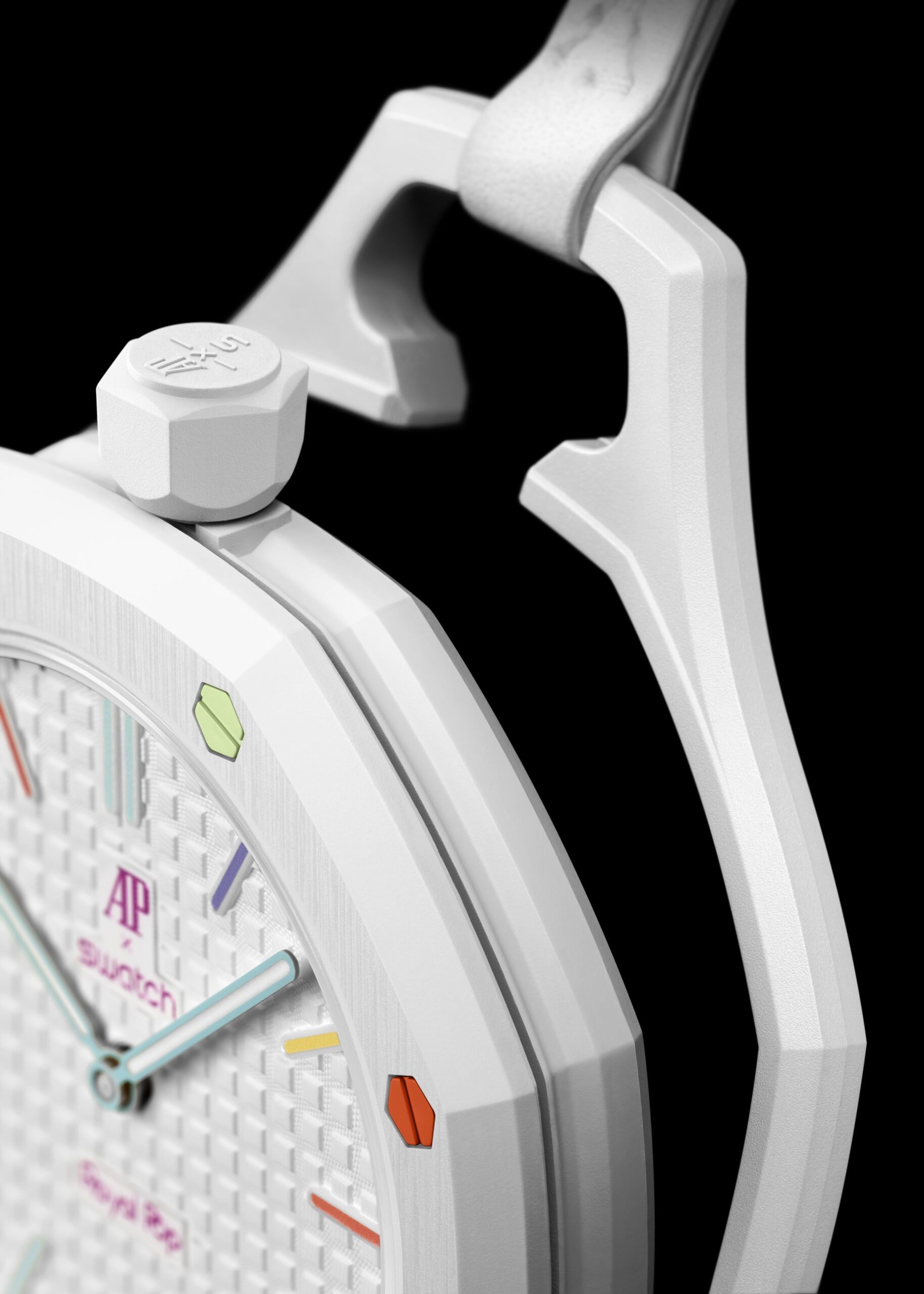
The Royal Pop is powered by a new hand-wound version of Swatch’s Sistem51 movement with 15 active patents. It is a move from the automatic Sistem51 used in previous Swatch mechanical collaborations like the Scuba Fifty Fathoms. A manually wound movement makes more sense in a pocket-watch-style object than it would in a conventional high-volume sports or diver’s watch. It also makes the watch more tactile. You do not simply strap it on and let the rotor do its work. You wind it, handle it, clip it, unclip it and decide how it is worn.
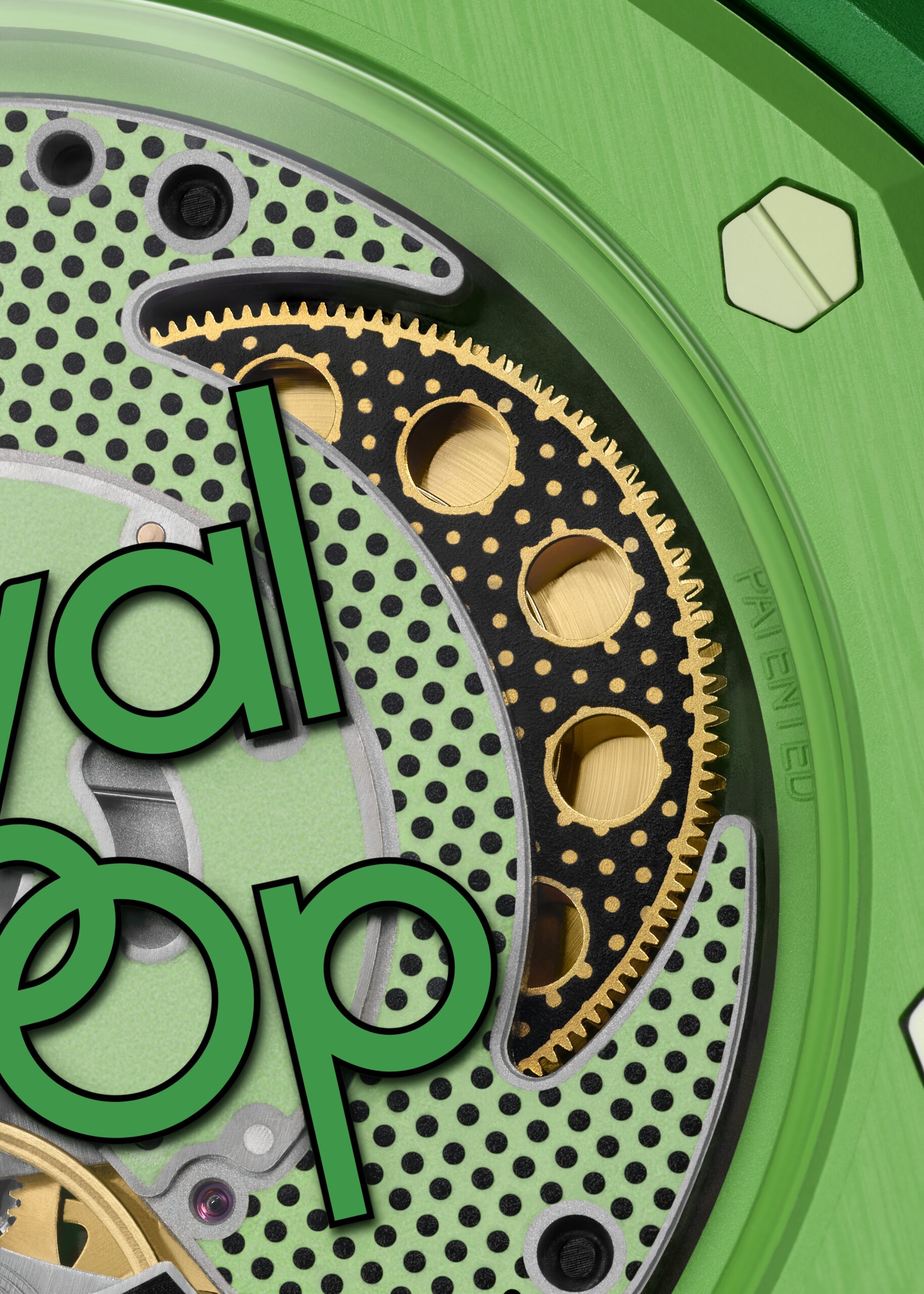
One of the more interesting patented features is the barrel drum, which doubles as a power reserve indicator. When the barrel chambers appear gray, the coils of the mainspring are visible, signaling that the watch needs to be wound. When they turn gold, the mainspring is fully compressed and the watch is running at full power.
-
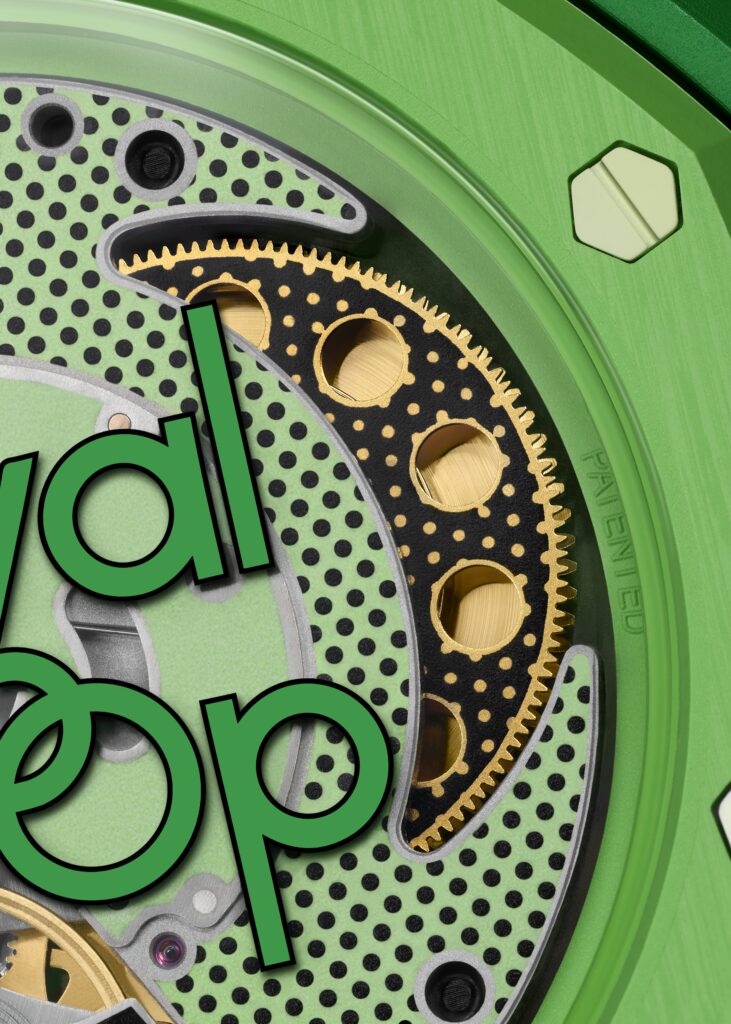
- When the barrel chamber turns gold, the mainspring is fully compressed and the watch is running at full power
-
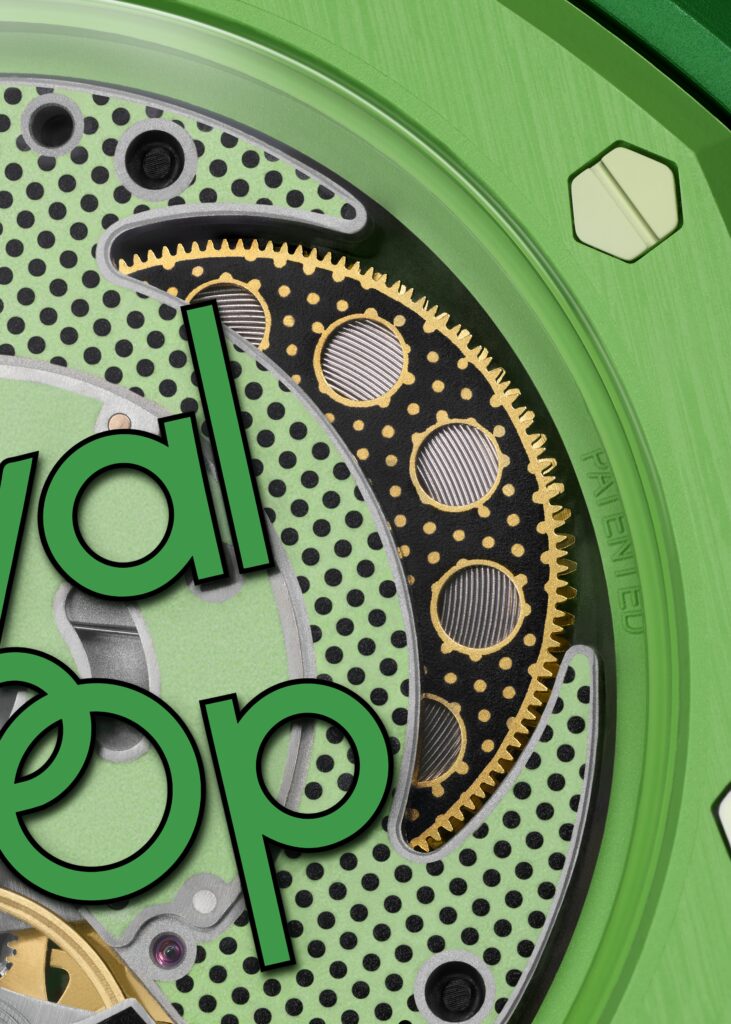
- When the barrel chambers appear grey, the coils of the mainspring are visible, signalling that the watch needs to be wound
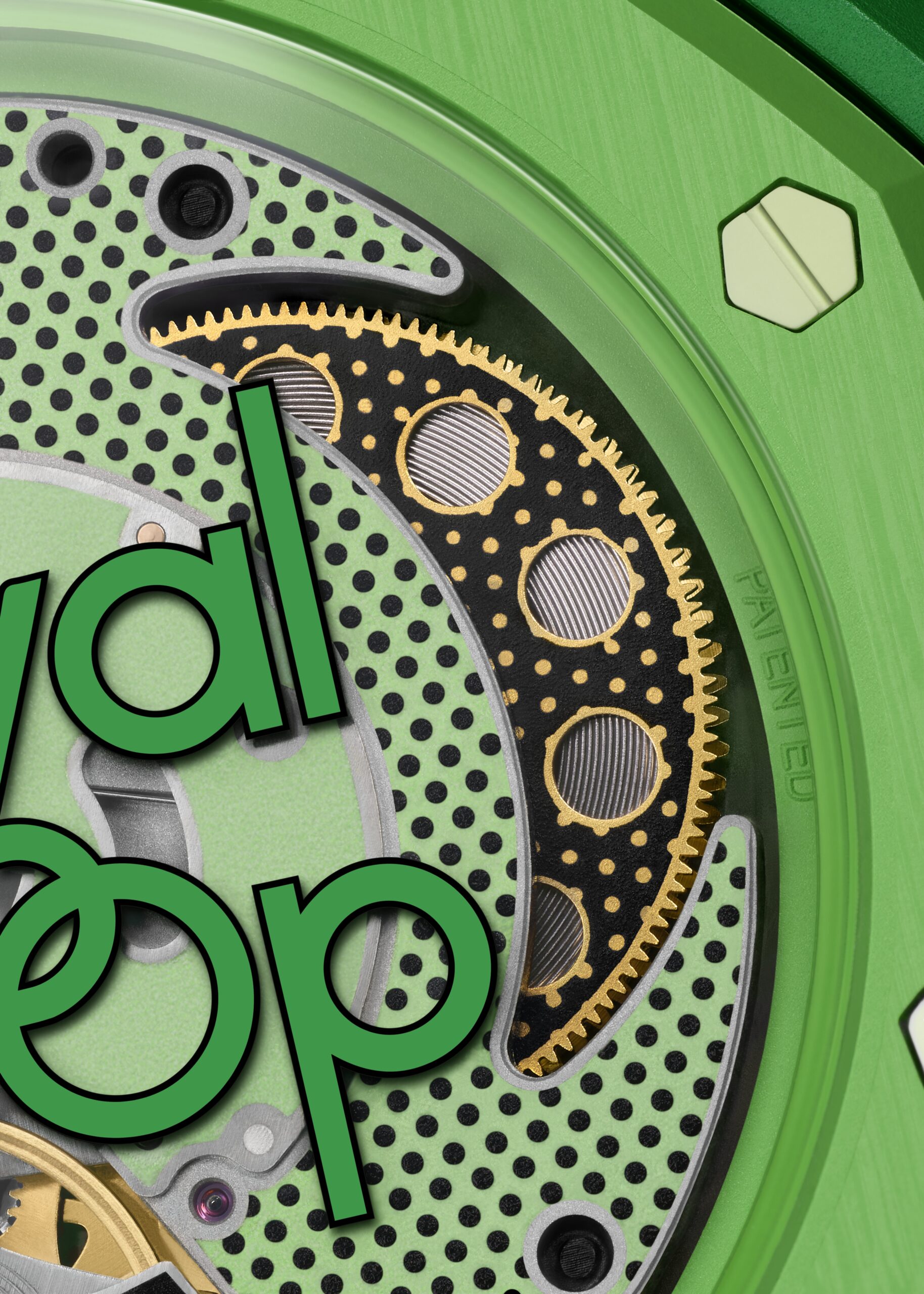
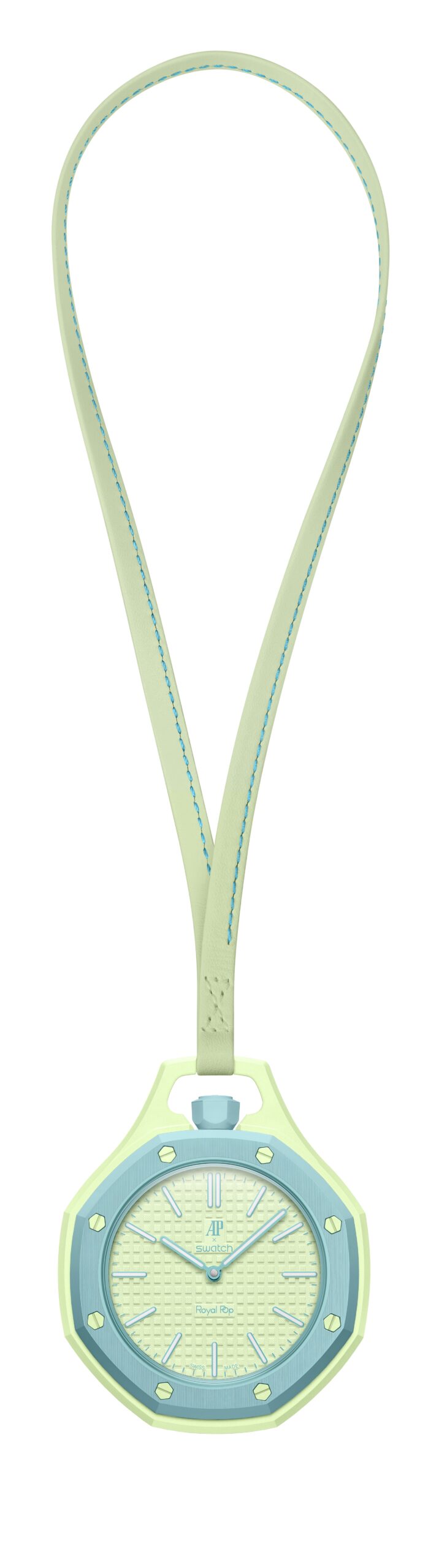
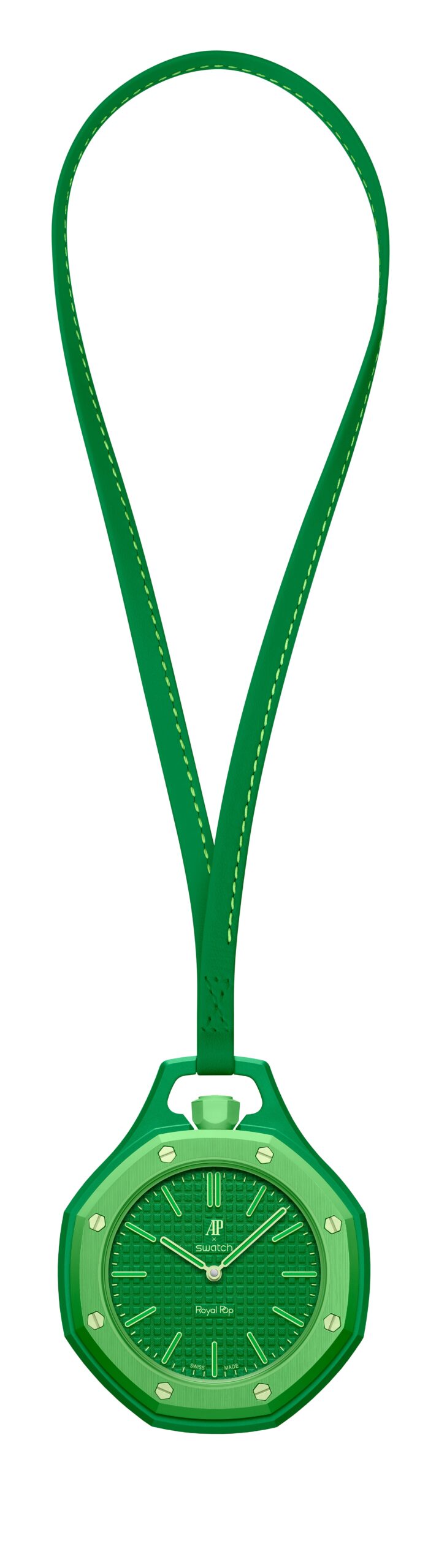
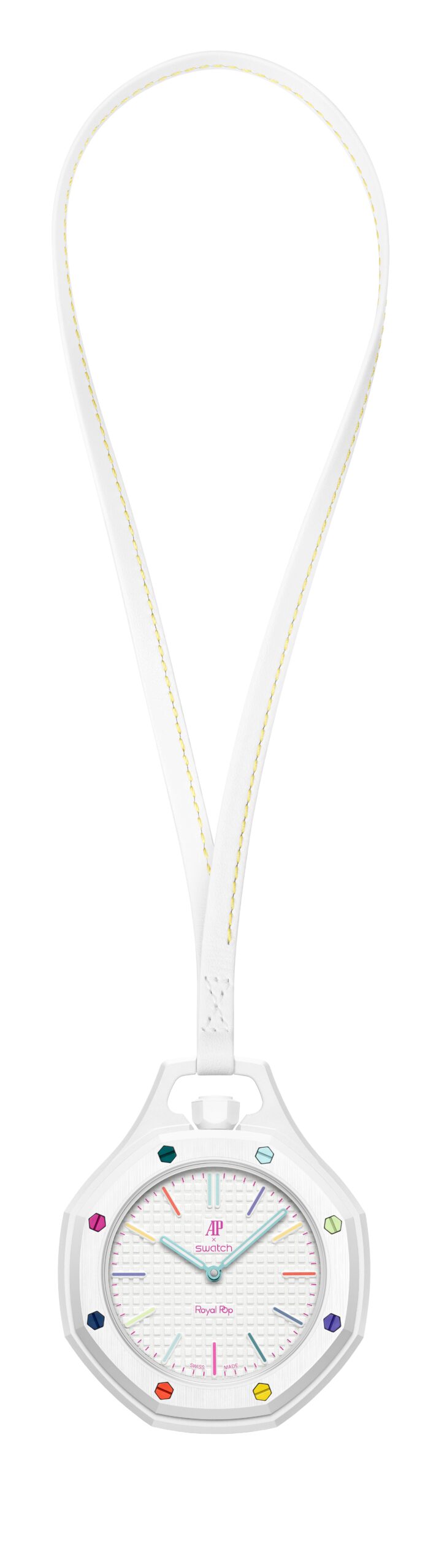
There are two configurations across the eight models. Six are Lépine-style pocket watches, with the crown positioned at 12 o’clock and a simplified two-hand display for hours and minutes. The remaining two are Savonnette-style models, with the crown at 3 o’clock and a small seconds subdial at 6 o’clock. Priced at USD 400 and USD 420 respectively, all eight are Swiss-made, executed in Bioceramic, fitted with front and back sapphire crystals, and attached to a calfskin lanyard with contrast stitching.
-
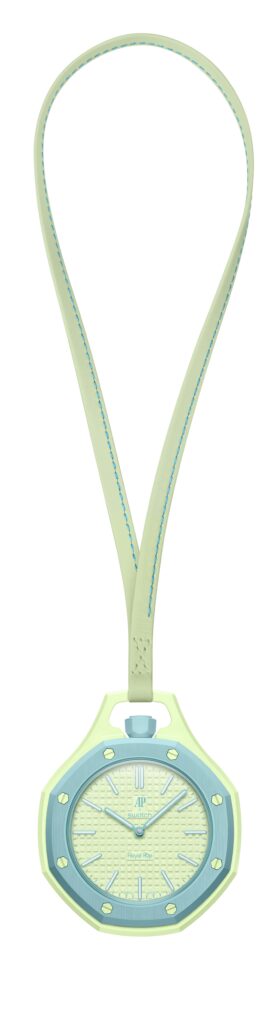
- Blue Acht
-
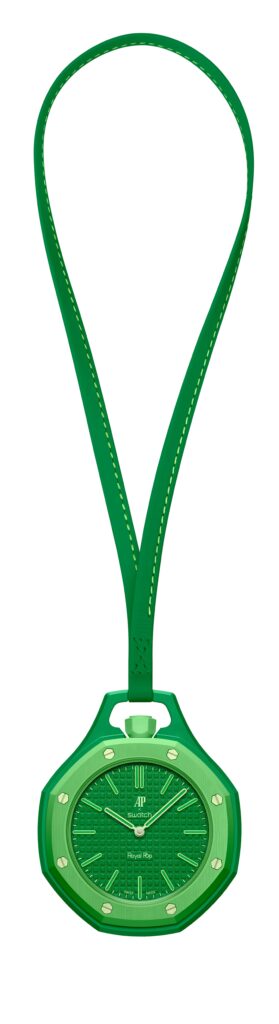
- Green Eight
-
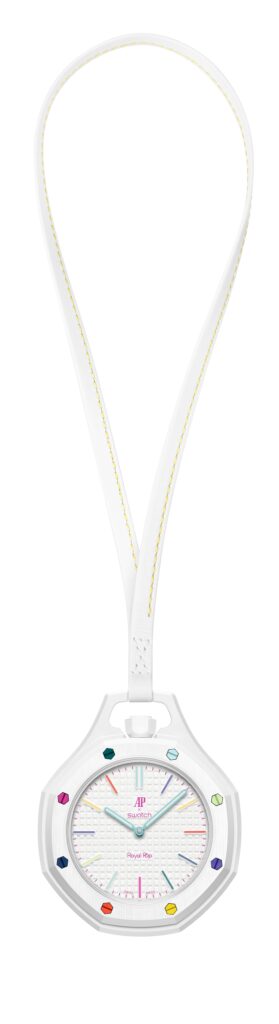
- Huit Blanc
-
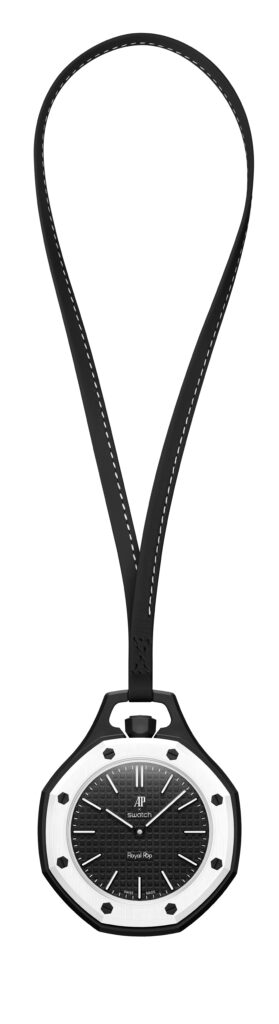
- Ocho Negro
-
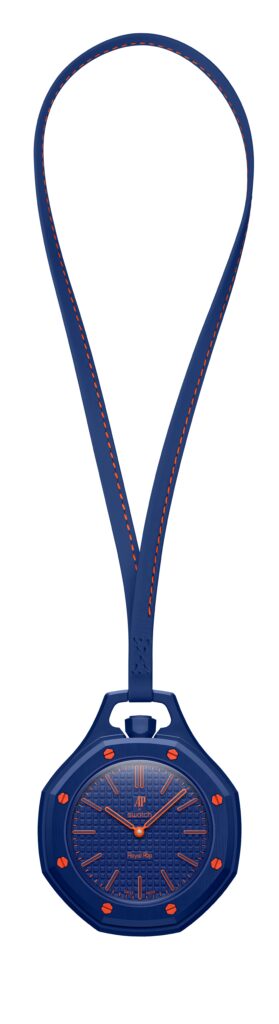
- Orenji Hachi
-
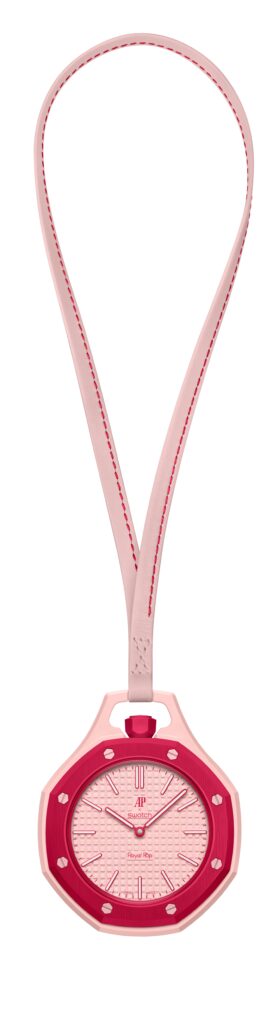
- Otto Rosso
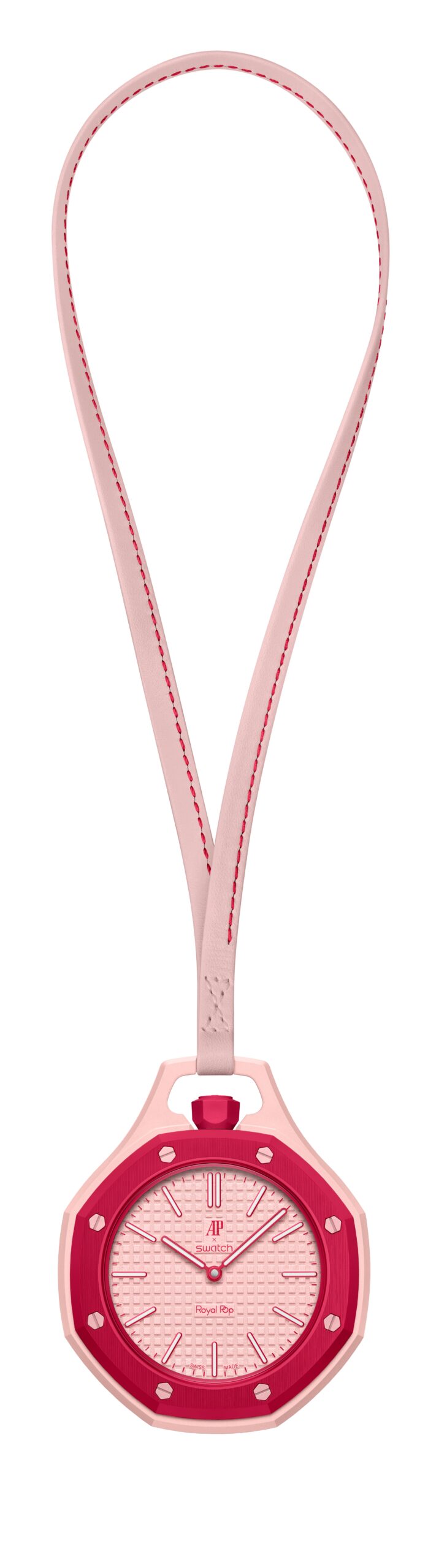
-
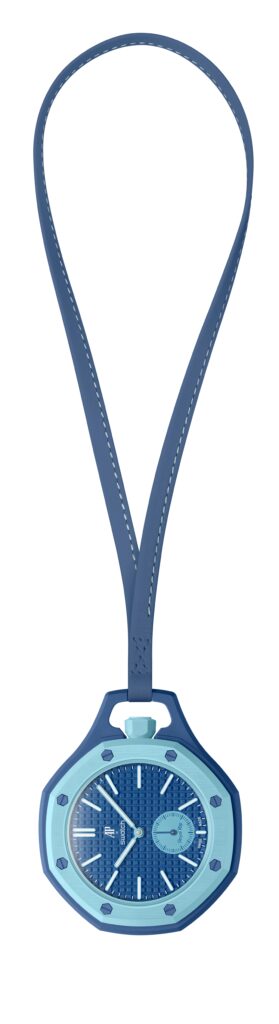
- Lan Ba
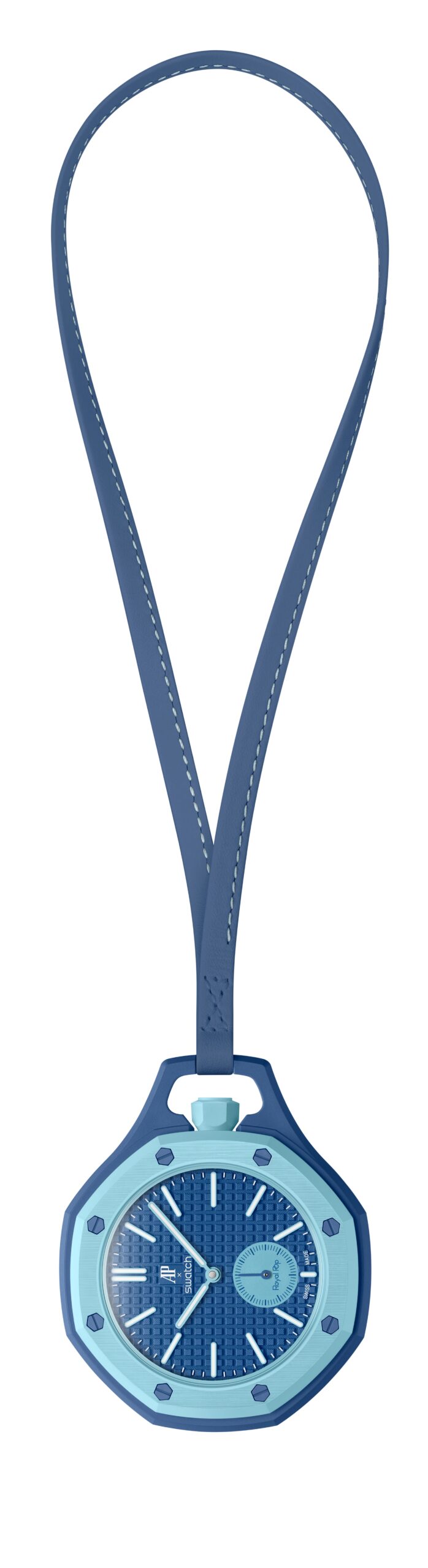
-
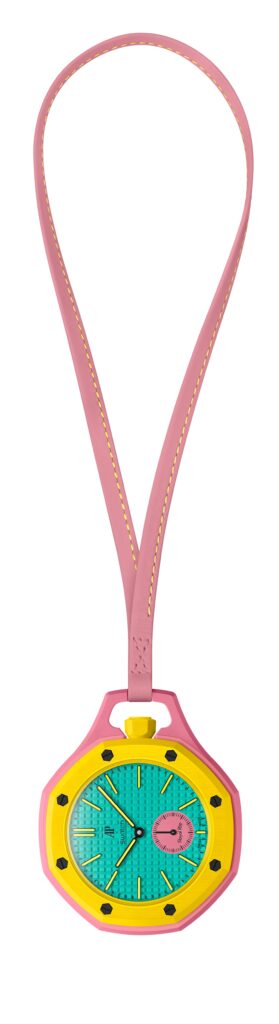
- Otg Roz
Why A Pocket Watch Makes Sense
Now that Royal Pop has arrived as a pocket-watch piece, it certainly has not come out of nowhere.
The pocket watch has been enjoying a quietly active moment lately, and not simply as a heritage prop. In 2025, Phillips sold the 1907 J. Player & Sons “Hyper Complication” pocket watch for CHF 2.238 million, setting a world record for an antique English pocket watch and reminding the market of the format’s collector weight. Recent releases have also pushed it in different directions, from Hublot’s futuristic MP-16 Arsham Droplet with Daniel Arsham and Breguet’s Classique Grande Sonnerie 1905, to Louis Vuitton’s high-craft pocket watches and Christopher Ward and Studio Underd0g’s fully luminous Alliance 02. The style world has played its part too, with pocket watches appearing on red carpets like the Met Gala, worn as accessories with renewed personality.
-

- Cillian Murphyin Peaky Blinders: The Immortal Man

-

- Omega brand ambassador Eddie Redmayne with a 19-ligne pocket watch from 1894

-
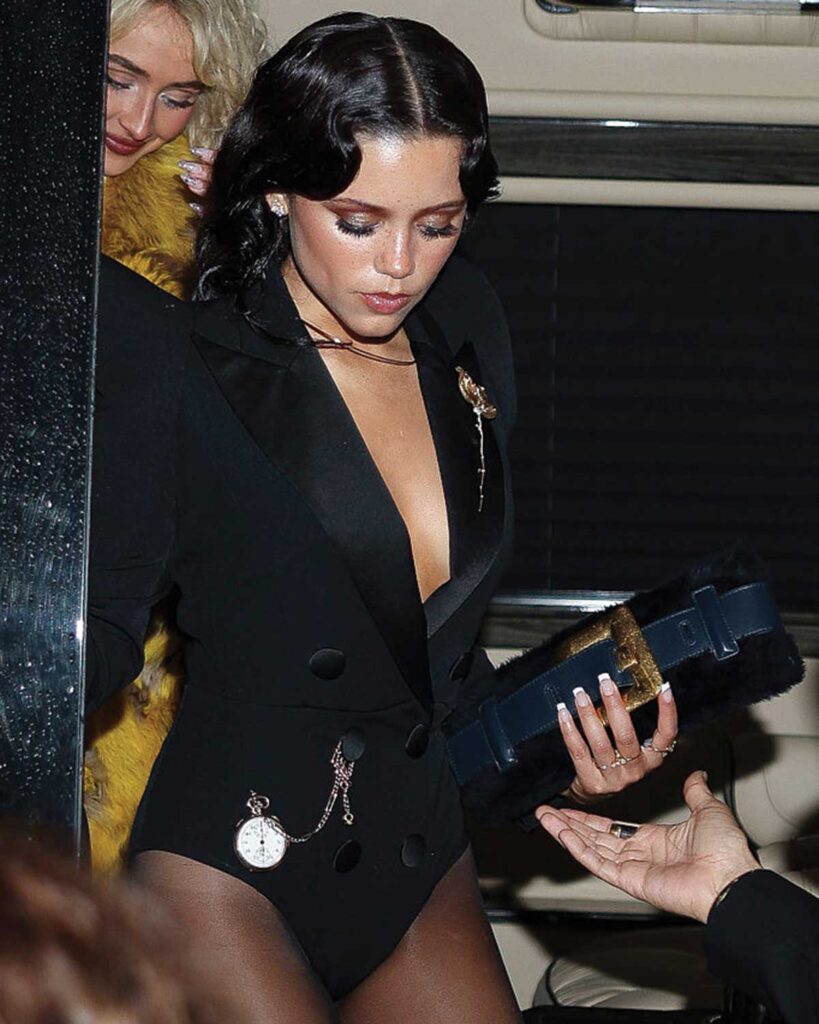
- Jenna Ortega wearing a 14K gold Heuer pocket watch chronograph at the 2025 Met Gala afterparty (Image: GettyImage)
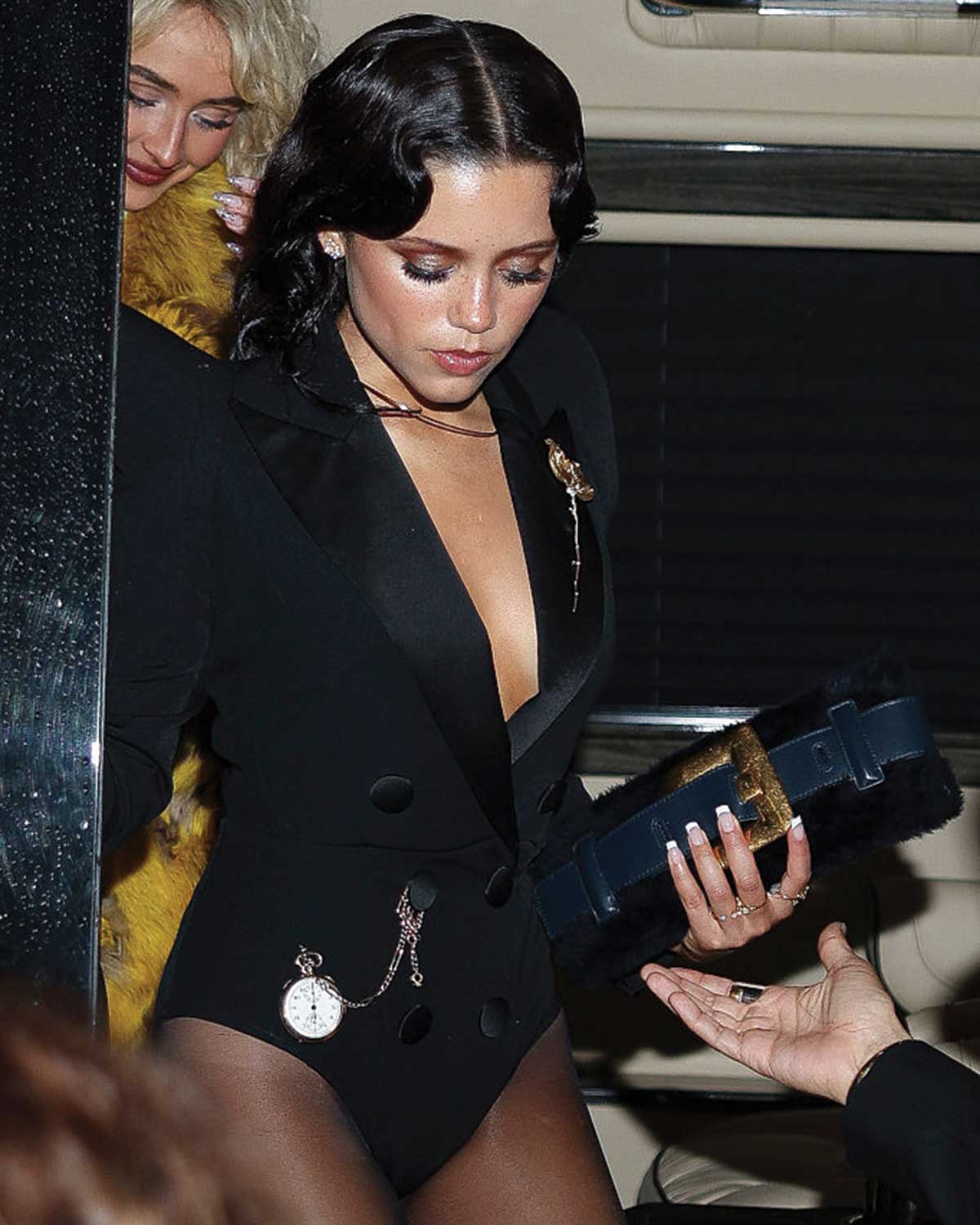
A pocket watch today does not have to mean waistcoats, chains and Edwardian nostalgia. It can be a pendant, a bag charm, a styling object, a collectible, a piece of design theater. In Swatch’s hands, and with AP’s Royal Oak as the visual starting point, it could become something more playful that sits between pop culture and traditional horology.
A Way Around The Royal Oak
There is also a strategic reason for taking this route. The Royal Oak remains one of the most recognizable designs in modern watchmaking, but its very recognizability has also made it difficult to control in a legal sense. In recent years, Audemars Piguet has faced setbacks in attempts to secure trademark protection for the Royal Oak’s configuration in markets including Japan and the U.S. With that, a pocket watch Royal Pop sounds like the right move for AP as they take control of the conversation first: by reworking its own icon with Swatch, before the market fills the space with unofficial parodies.
-
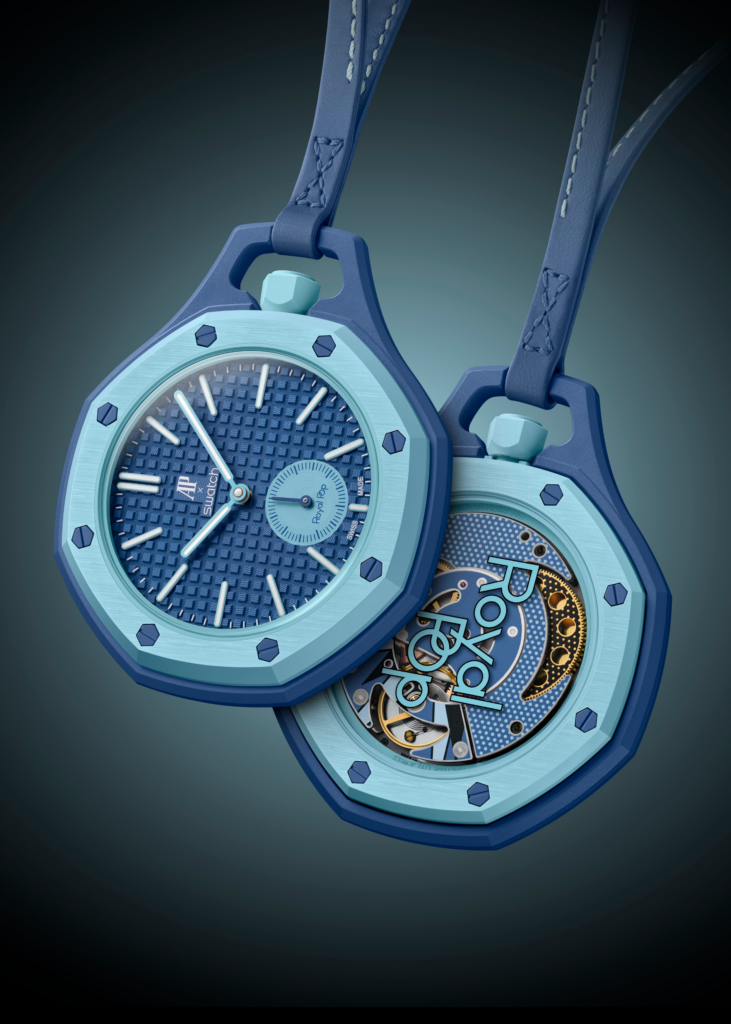
- Royal Pop “Lan Ba”
-
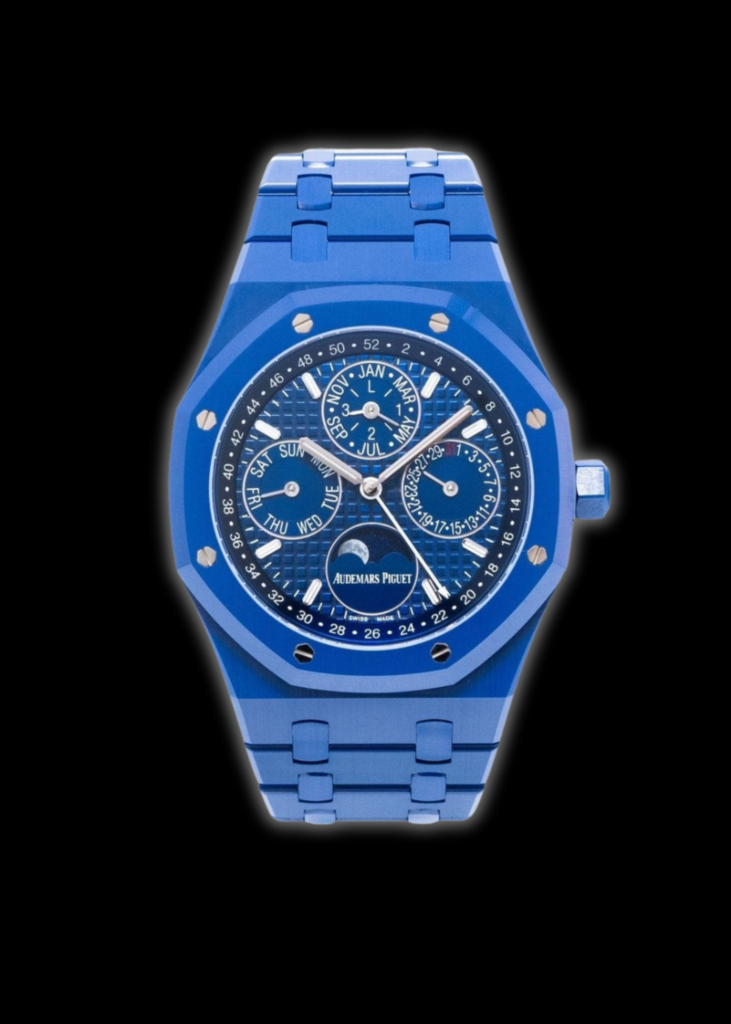
- Audemars Piguet Royal Oak in Blue Ceramic 26579CS
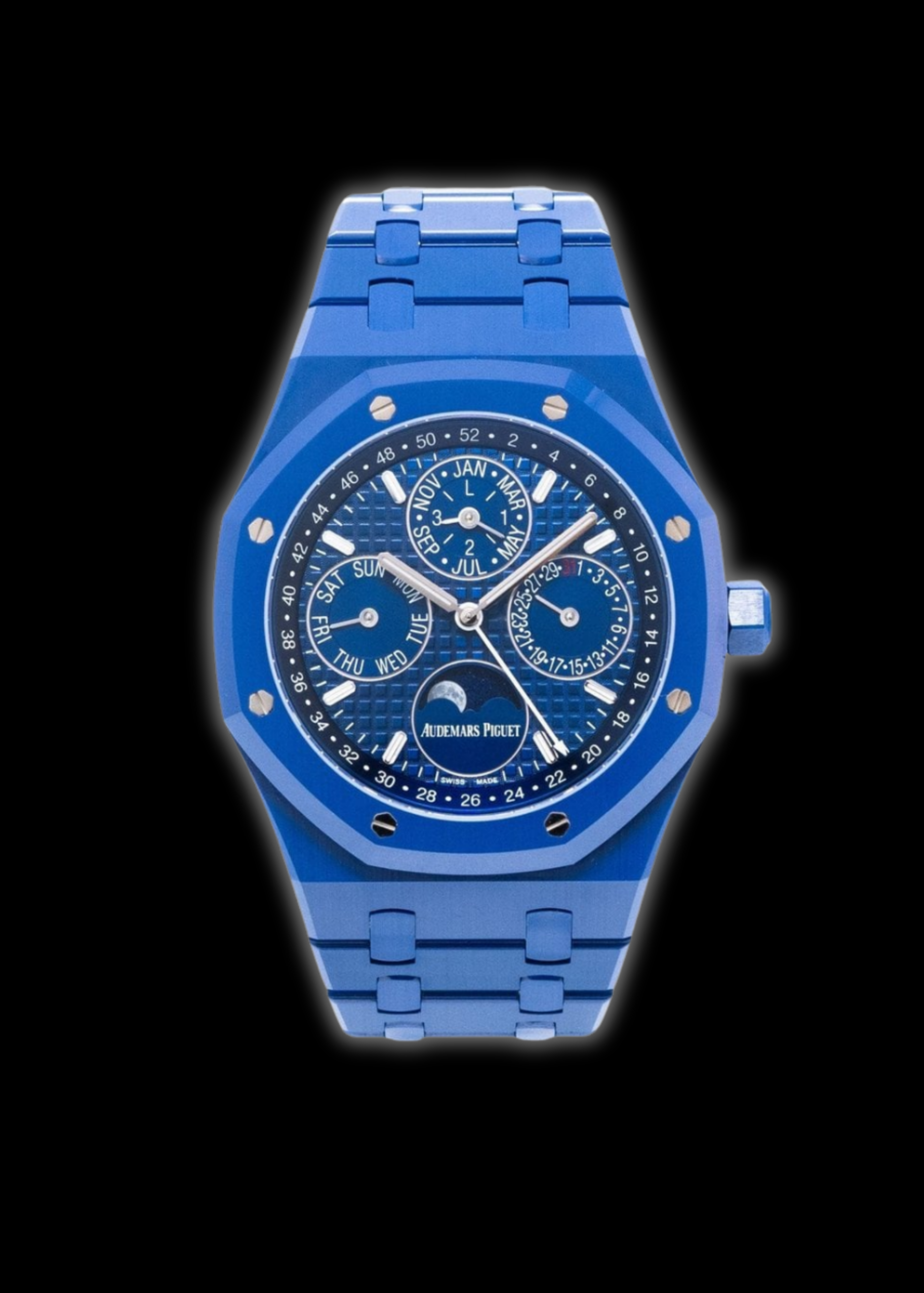
It would also avoid creating something that could be mistaken for a direct, affordable substitute for the Royal Oak. It keeps the halo and value of the real thing intact — no one is going to confuse a blue ceramic Royal Oak with a Swatch collaboration. At the same time, the format gives the collaboration enough distance from the original.
All in all, the Royal Pop is fantastic for what it is. It may not be the affordable Royal Oak many had imagined, but perhaps that was never the point. Swatch has once again found a way to make watchmaking feel exciting, accessible and impossible to ignore — this time by breaking the internet with Audemars Piguet, and by bringing the pocket watch back to the masses as a playful object of style.
You may also like
News
Last Week In Watches: Rolex Revives the Padellone, Hublot Goes Full Koons
Sep 21, 2026
News
Last Week In Watches: Rolex Revives the Padellone, Hublot Goes Full Koons
Sep 21, 2026
Editorial
Last Week In Watches: IWC Mercedes-Benz 140th Anniversary, Total Solar Eclipse MoonSwatch, Zandvoort TAG Heuer and more
Aug 17, 2026
Editorial
Last Week In Watches: IWC Mercedes-Benz 140th Anniversary, Total Solar Eclipse MoonSwatch, Zandvoort TAG Heuer and more
Aug 17, 2026
Editorial
Padel Is Now Watchmaking’s Newest Court of Play
May 18, 2026
Editorial
Padel Is Now Watchmaking’s Newest Court of Play
May 18, 2026