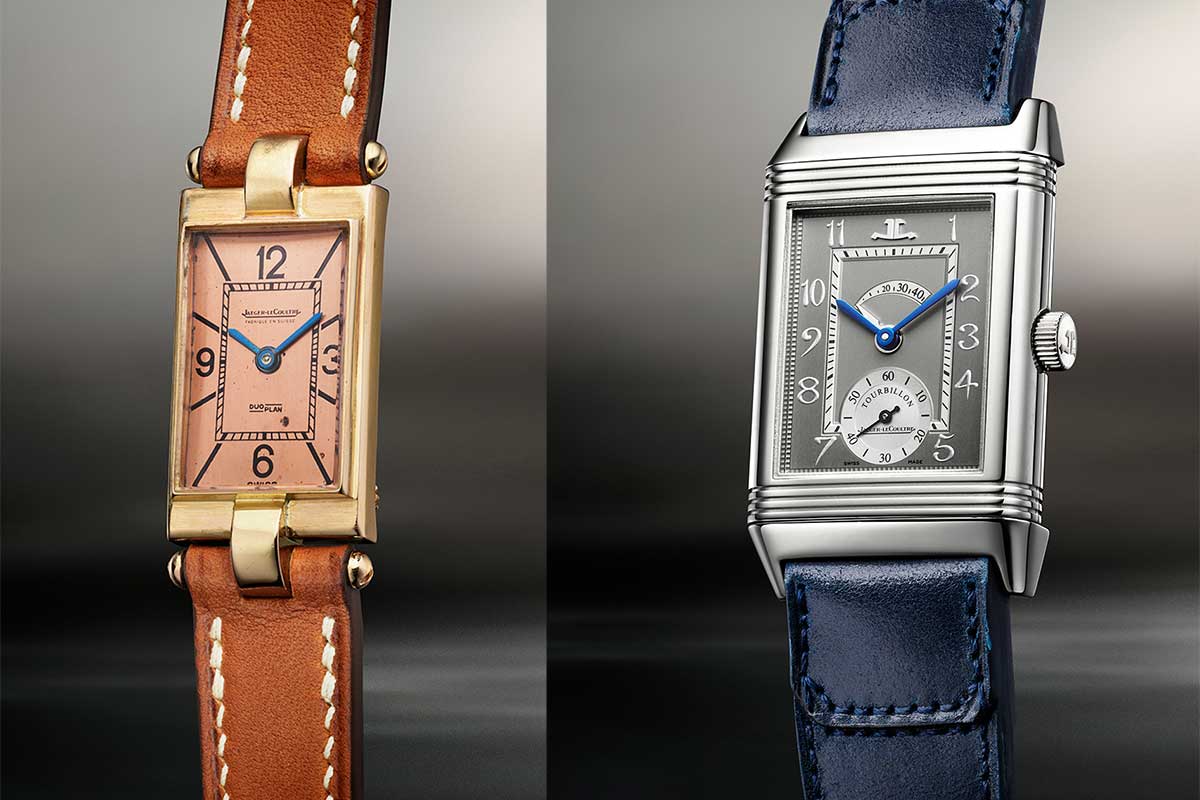
Collecting Time with Jaeger-LeCoultre’s The Collectibles
Editorial
Collecting Time with Jaeger-LeCoultre’s The Collectibles

Old is gold, at least for me in my present vintage. Of course I am biased, but then again, vintage never looked this good.
Just last week, Jaeger-LeCoultre marked the launch of The Collectibles VII capsule collection in grand fashion with a first-ever exhibition for its vintage program in Hong Kong. Guests were immersed in the rich heritage of La Grande Maison, complete with a live demonstration of the intricate processes involved in restoring a vintage watch. Sixteen pieces spanning across three families — Duoplan, Reverso and Memovox — as well as a looser category the brand calls “Precision”, were showcased. Eight were immaculately restored mid-20th-century vintage pieces while the remaining watches represented modern evolutions of their design.

Jaeger-LeCoultre’s The Collectibles VII exhibition in Hong Kong
But the real star of the show is probably the brand’s vintage program itself. The Collectibles was launched in 2023 to mark the manufacture’s 190th anniversary, alongside a sumptuous tome documenting its most emblematic watches from between 1925 to 1974. Under The Collectibles, some of these rare and iconic timepieces have been carefully tracked down, then painstakingly restored, and in some instances, rebuilt by in-house experts. Thereafter, they are presented to the public for sale, giving watch lovers an incredible opportunity to own a piece of the maison’s watchmaking history. The icing on the cake is, of course, that each piece comes with an extract from the maison’s archives, and where available, the original box, papers, and strap or bracelet. Of course, it is fastest fingers first, so chances are, pieces are already sold out. Still, for those of us whose love of watches far outstrips our bank account, it is a reminder of Jaeger-LeCoultre’s rich legacy even if we can’t take a piece home.
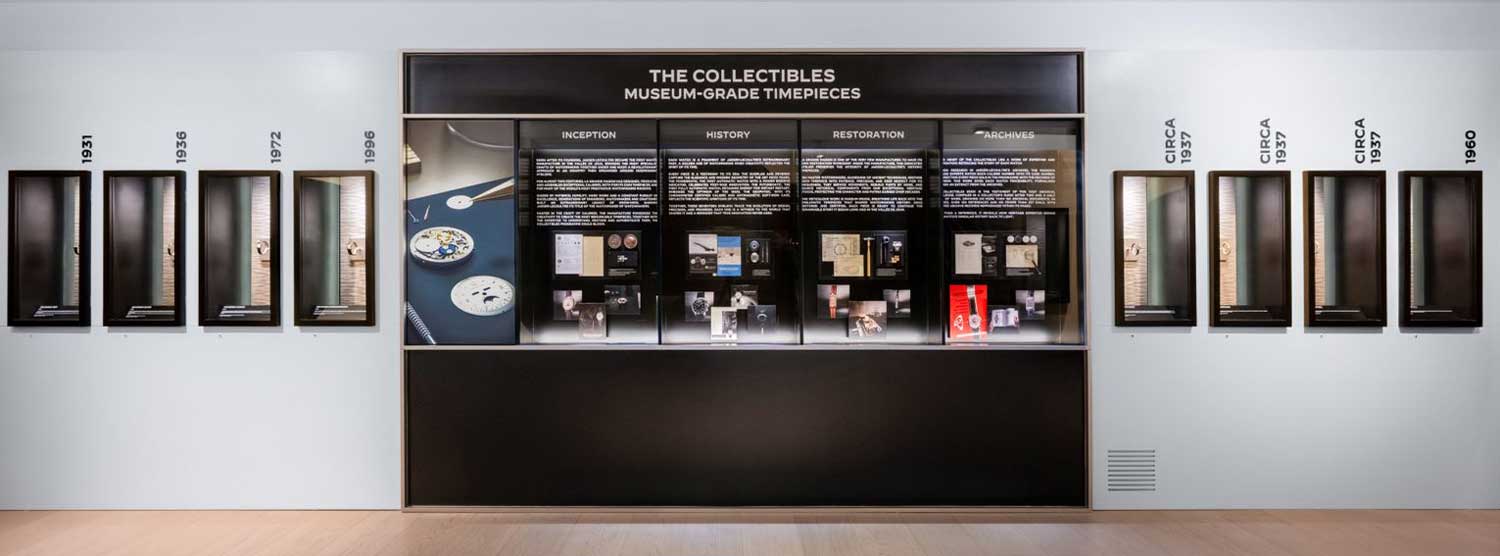
An invitation to the rich legacy of Jaeger-LeCoultre at the maison’s Hong Kong exhibition
Among others, the inaugural collection featured a Geophysic (1958), the Master Mariner Deep Sea (1968), and Jaeger-LeCoultre’s first-ever chronograph that has three interchangeable bezels (diving, telemeter and world time), the Shark Deep Sea from 1968. Other gems followed, including several fine examples of the Memovox family, the Futurematic from 1951, and of course Reversos from its earliest days in the 1930s.
-
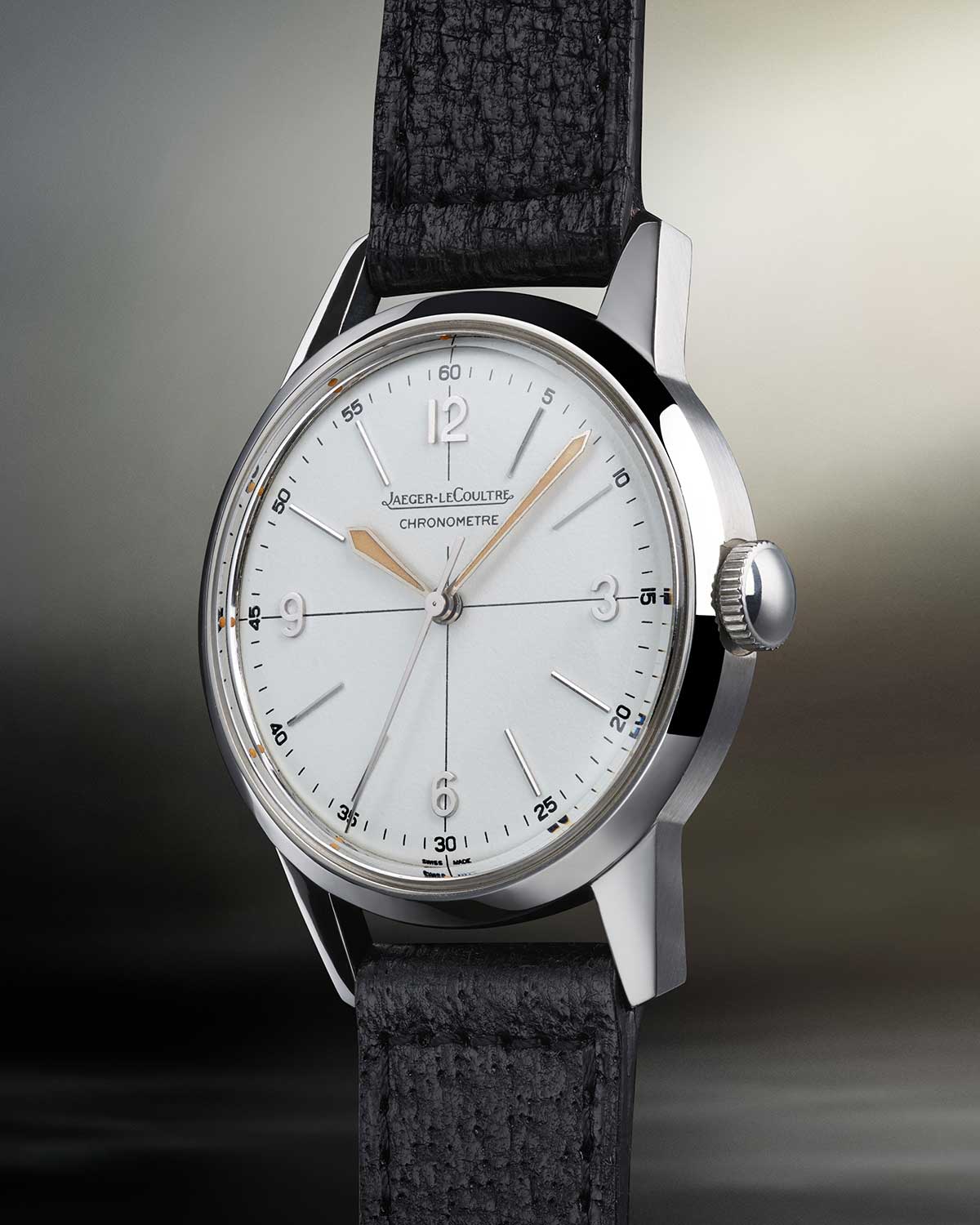
- Geophysic, 1958
-
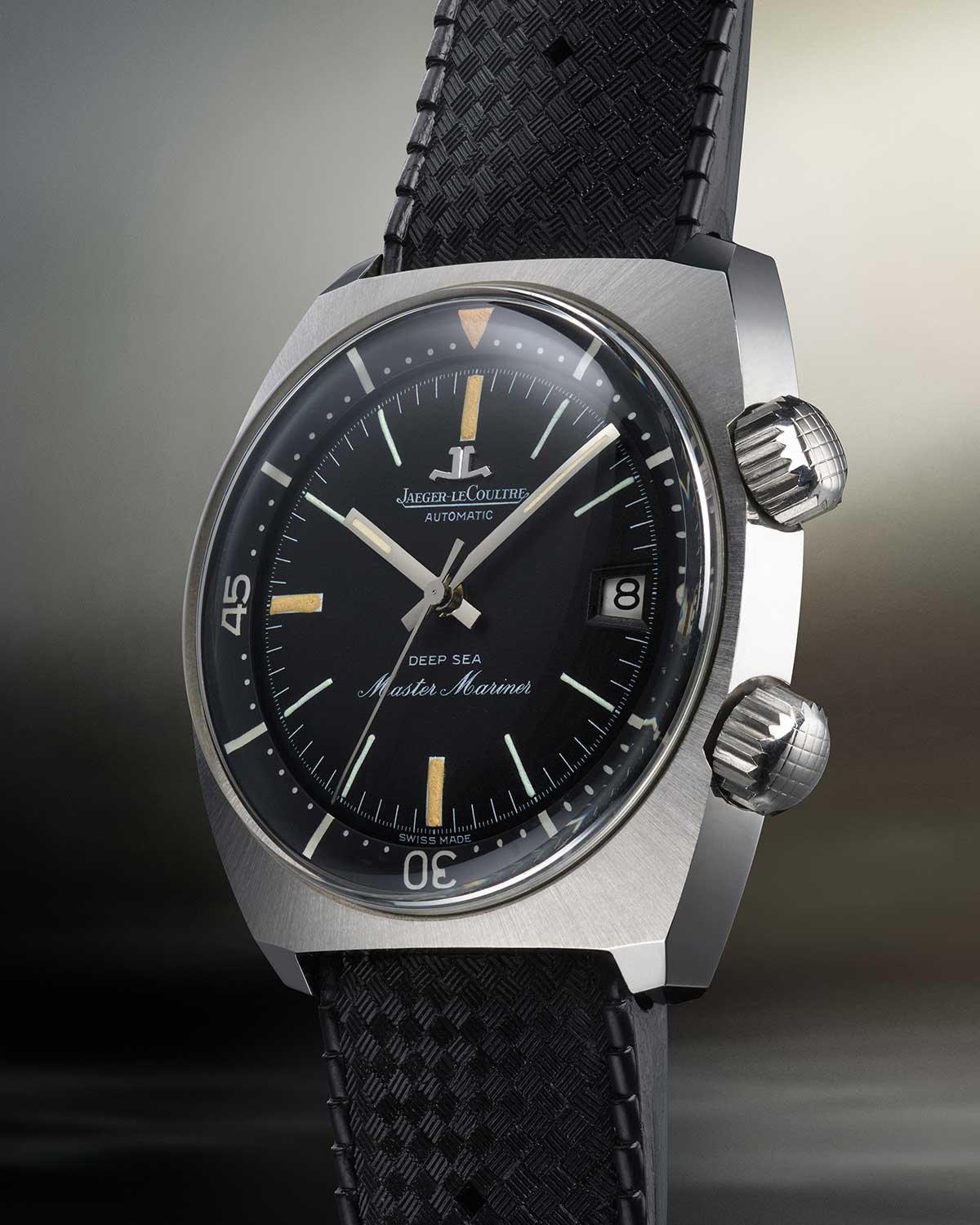
- Master Mariner Deep Sea, 1968
-
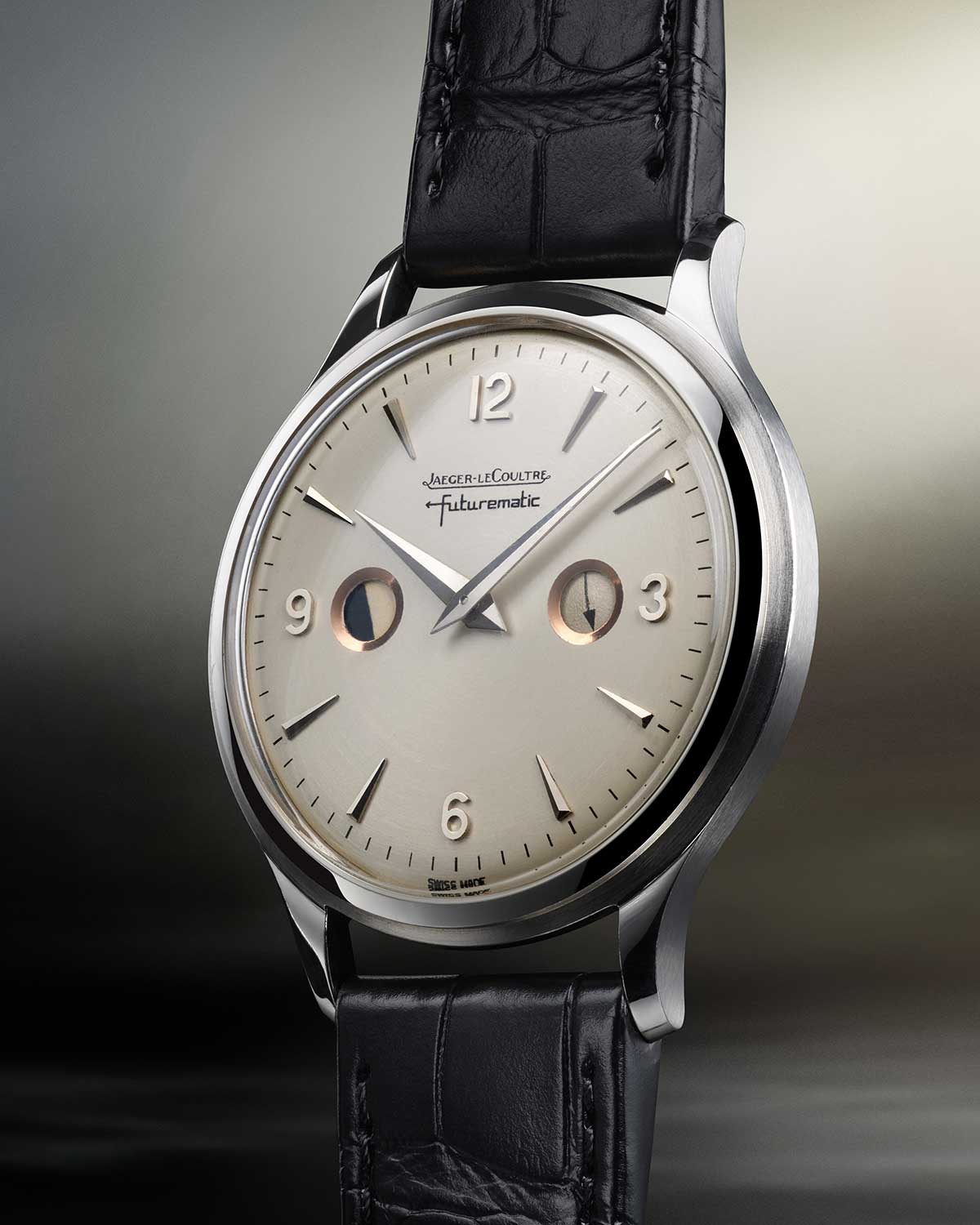
- Futurematic, 1957
-
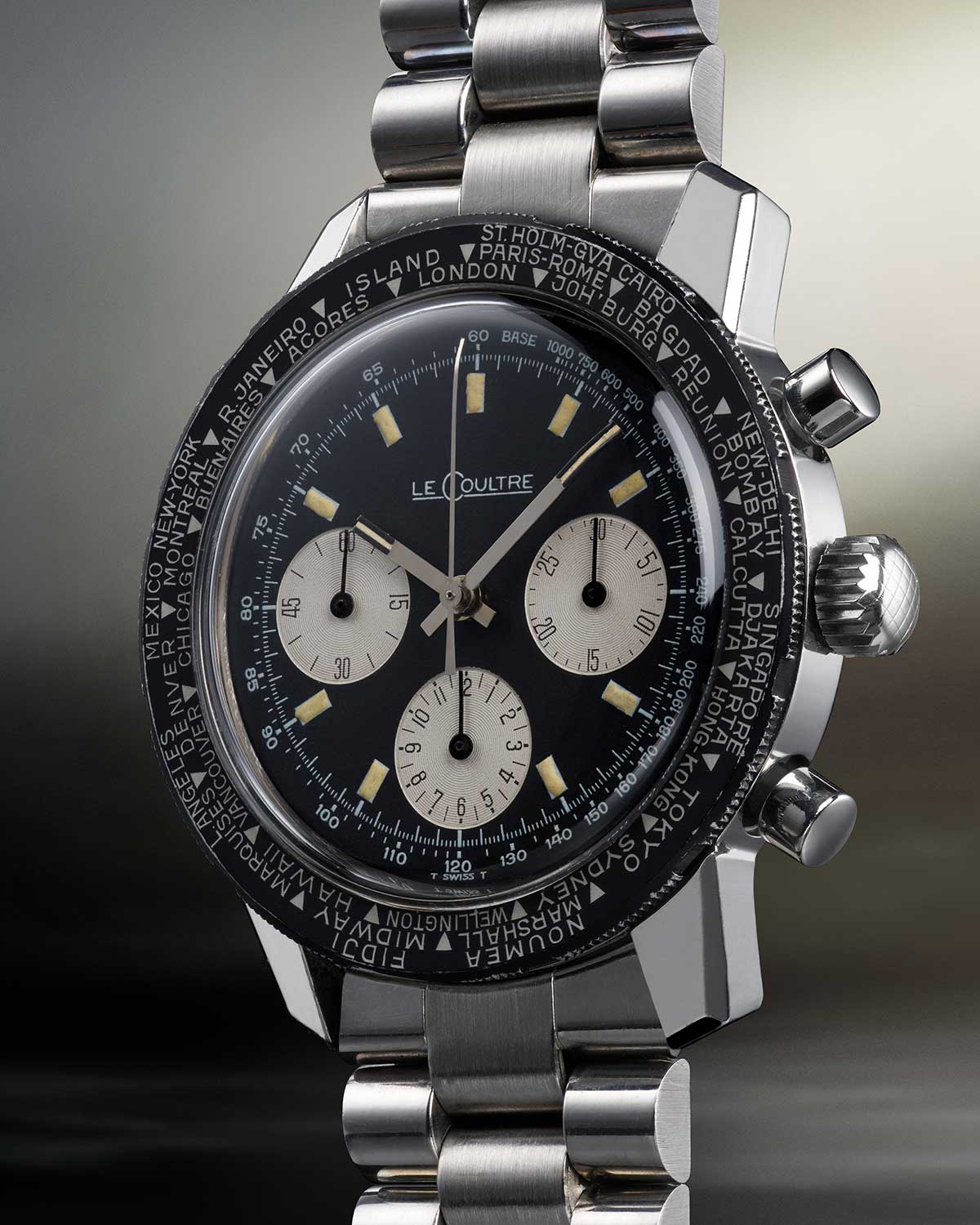
- Shark Deep Sea, 1968
For its latest and seventh Collectibles capsule collection, Jaeger-LeCoultre has curated another 10 exceptional pieces, each a part of its storied history. As in earlier collections, Jaeger-LeCoultre’s Duoplan watches feature prominently. First unveiled in 1925, the Duoplan caliber was revolutionary in both its size and concept for its time. It was the brainchild of Henri Rodanet, a Parisian watchmaker who became the technical director of Etablissements Ed. Jaeger in Paris at the end of World War I. Even today, the idea remains ingenious: to ensure maximum precision while keeping the size of the caliber as small as possible, the Duoplan caliber comprises two planes stacked one above the other.
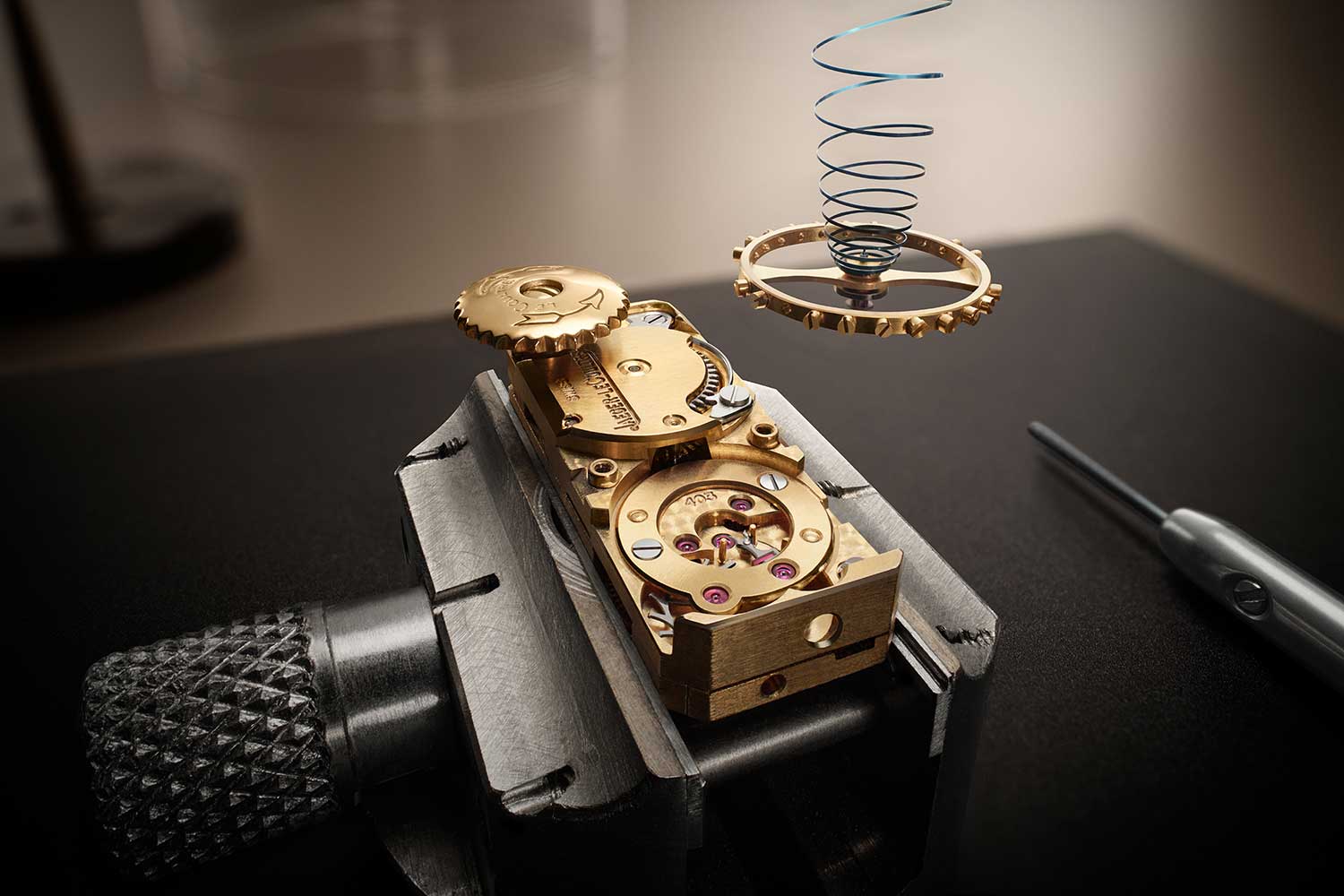
To keep it as small as possible, the Duoplan caliber comprises two planes stacked one above the other
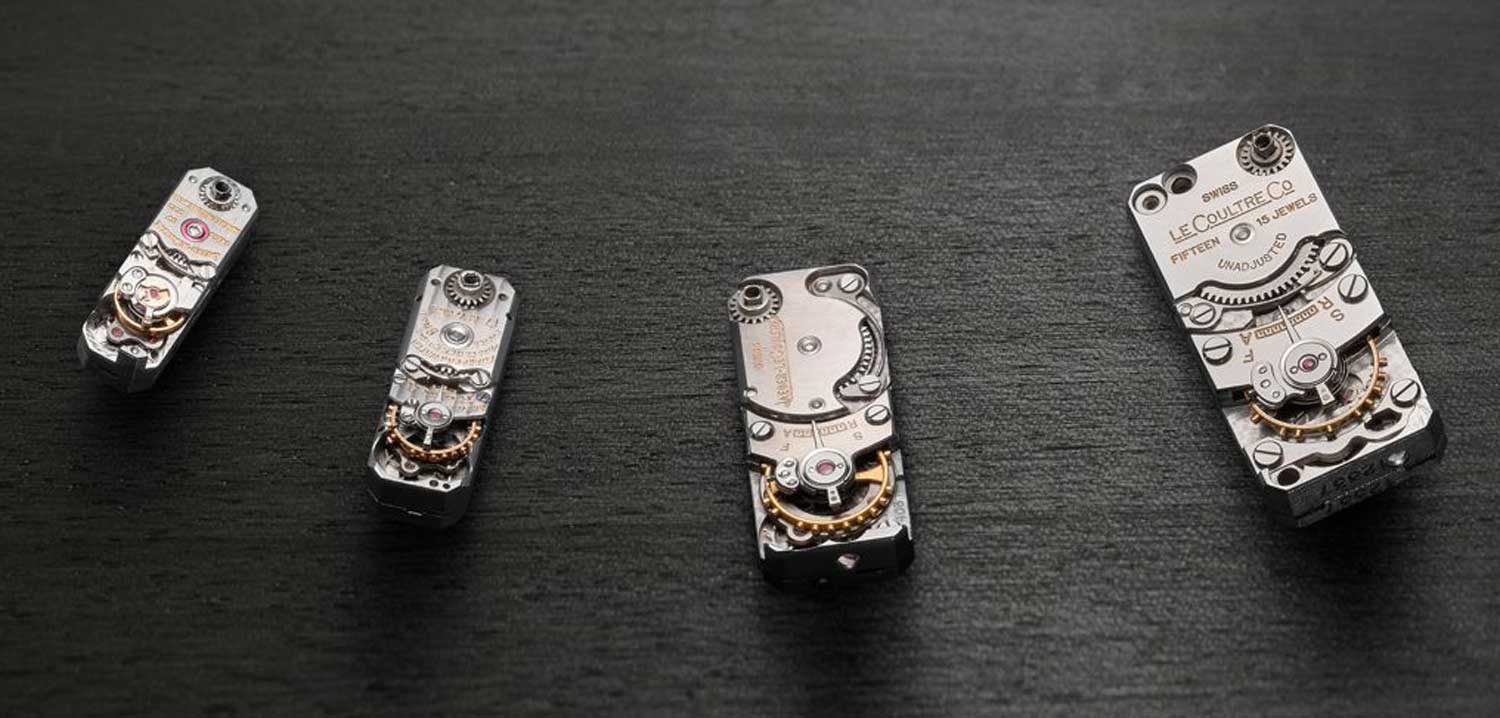
Four main Duoplan calibers were released. From left to right: Caliber 101 (L14 x W4.8 x H3.4mm), Caliber 104, Caliber 403 and Caliber 409 (L23 x W10.5 x H4mm).
As per its name, it has dual planes. A large balance wheel oscillating at 18,000vph sits on one, while gear trains operate on a second plane below. A total of four different sized Duoplan calibers have been produced since 1925, and one of them — the Caliber 101 — remains in production. Measuring just 14mm long, 4.8mm wide and a wafer 3.4mm thin, it was the world’s smallest mechanical movement when launched in 1929. It still holds the crown today; there have been thinner movements but not smaller, and the fact that it was created almost a hundred years ago blows the mind.
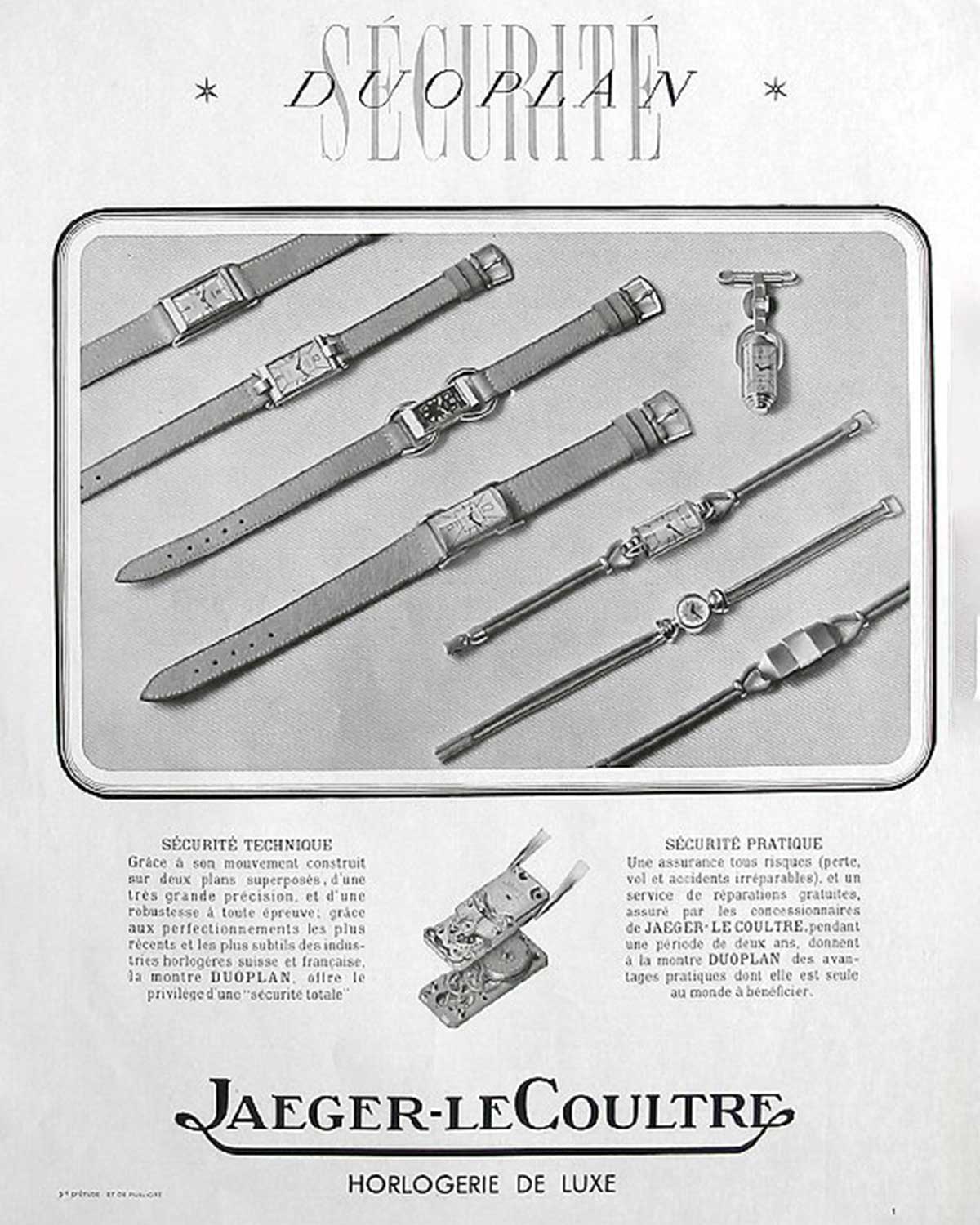
A vintage Duoplan advertisement
The present capsule collection features just one such example with the Art Deco-style Caliber 101 from the 1950s, which puts the caliber into an equally dainty platinum case measuring just 6.15mm wide and 5.84mm thick, festooned with some 22 baguette-cut diamonds, counting those on the two rings on the cordonnet bracelet.
-
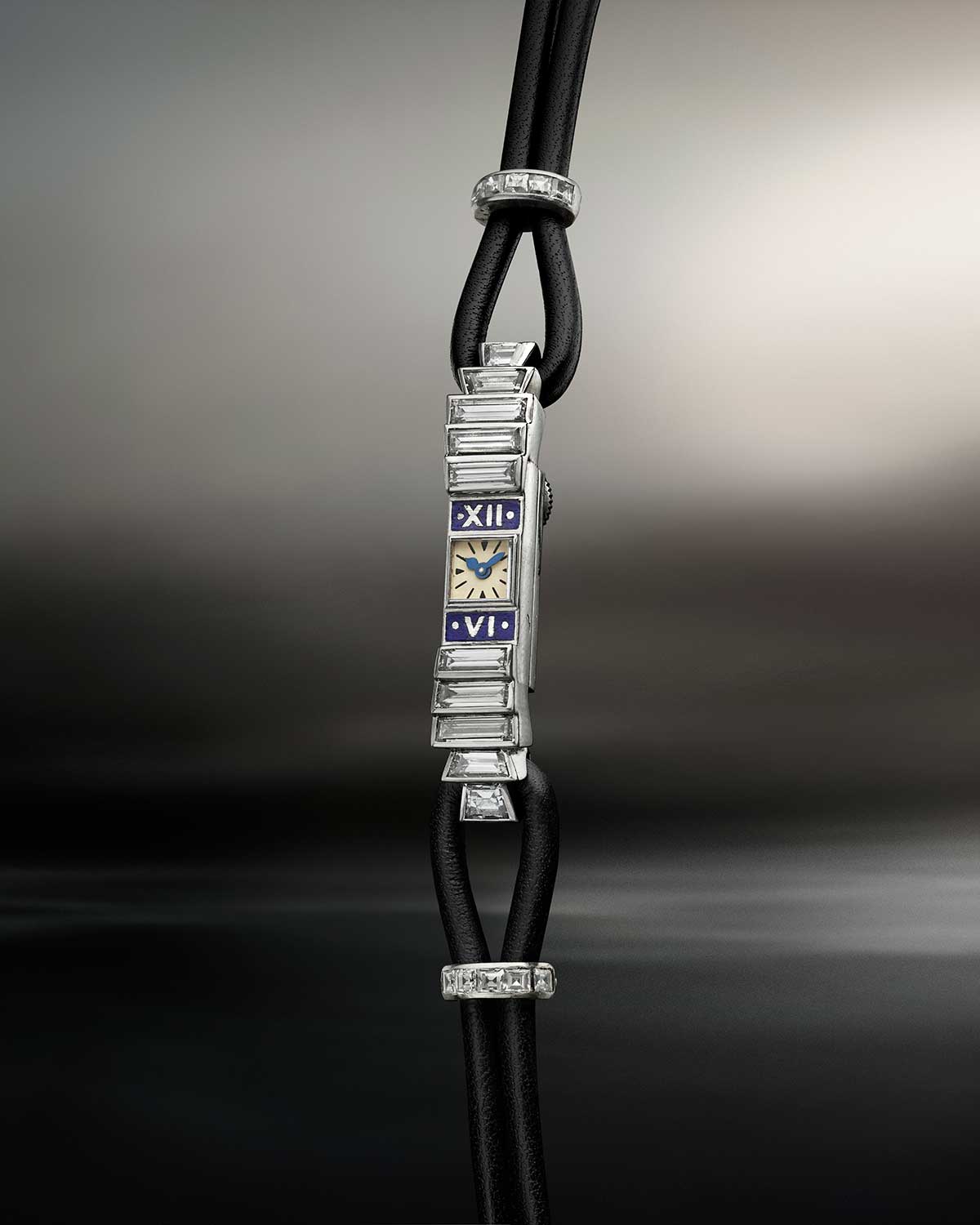
- Art Deco-style Caliber 101 watch from circa 1951
-
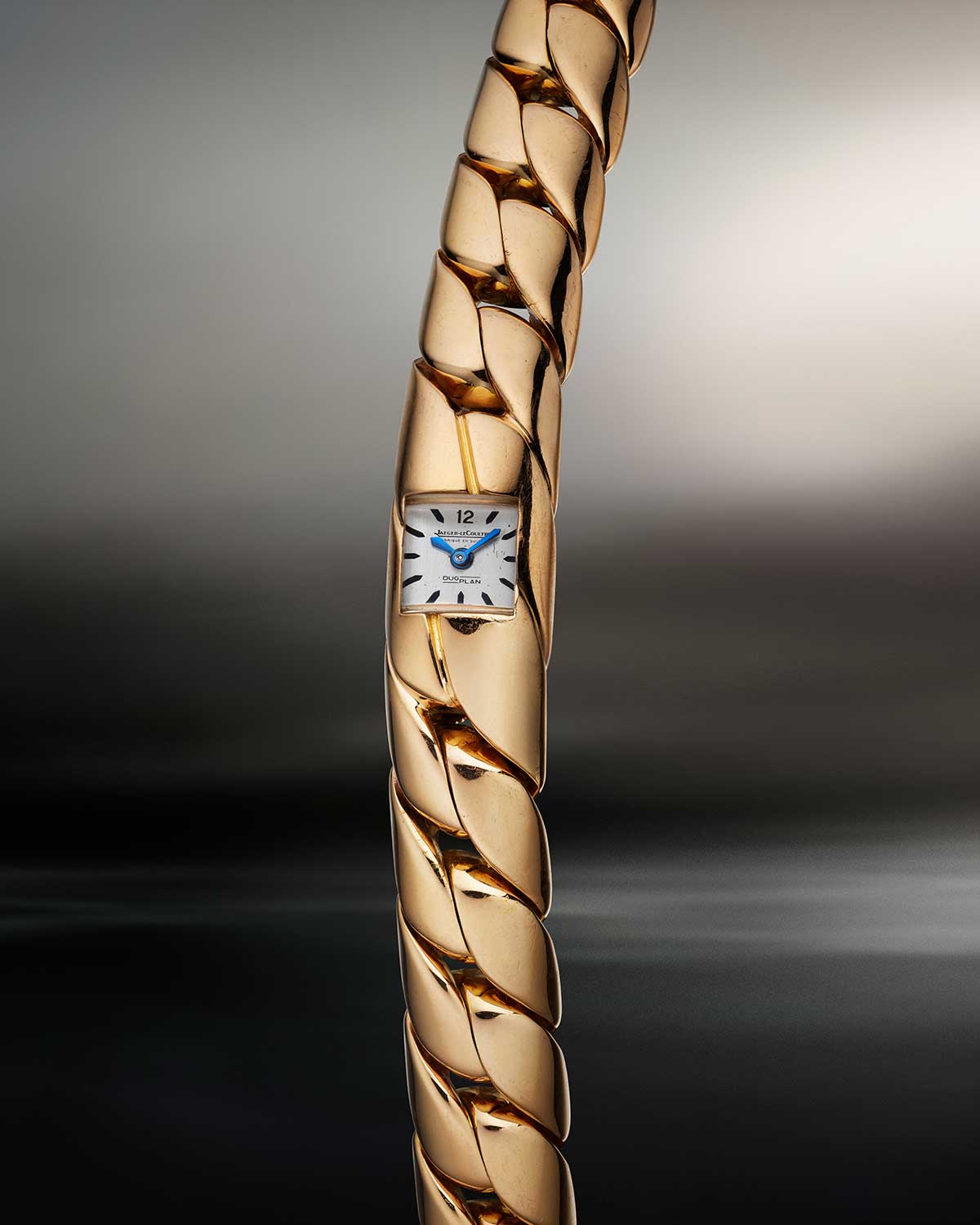
- The Duoplan Chain from 1955
There is also a Duoplan Chain from 1955 crafted from solid 18K pink gold — all 73.9g of it — with an elegant polished bracelet that drapes around the wrist. It is powered by the Duoplan Caliber 403 that was introduced in 1927 and produced until 1966. The same caliber powers the gorgeous Duoplan Tubogas secret watch from 1949 with ribbed pink gold bracelet and contrasting yellow gold case that slips over the dial. Another rare find is the single-lug Duoplan powered by the Caliber 409, circa 1935 with just one rounded lug on each side of the case and a polished attachment bar.
-
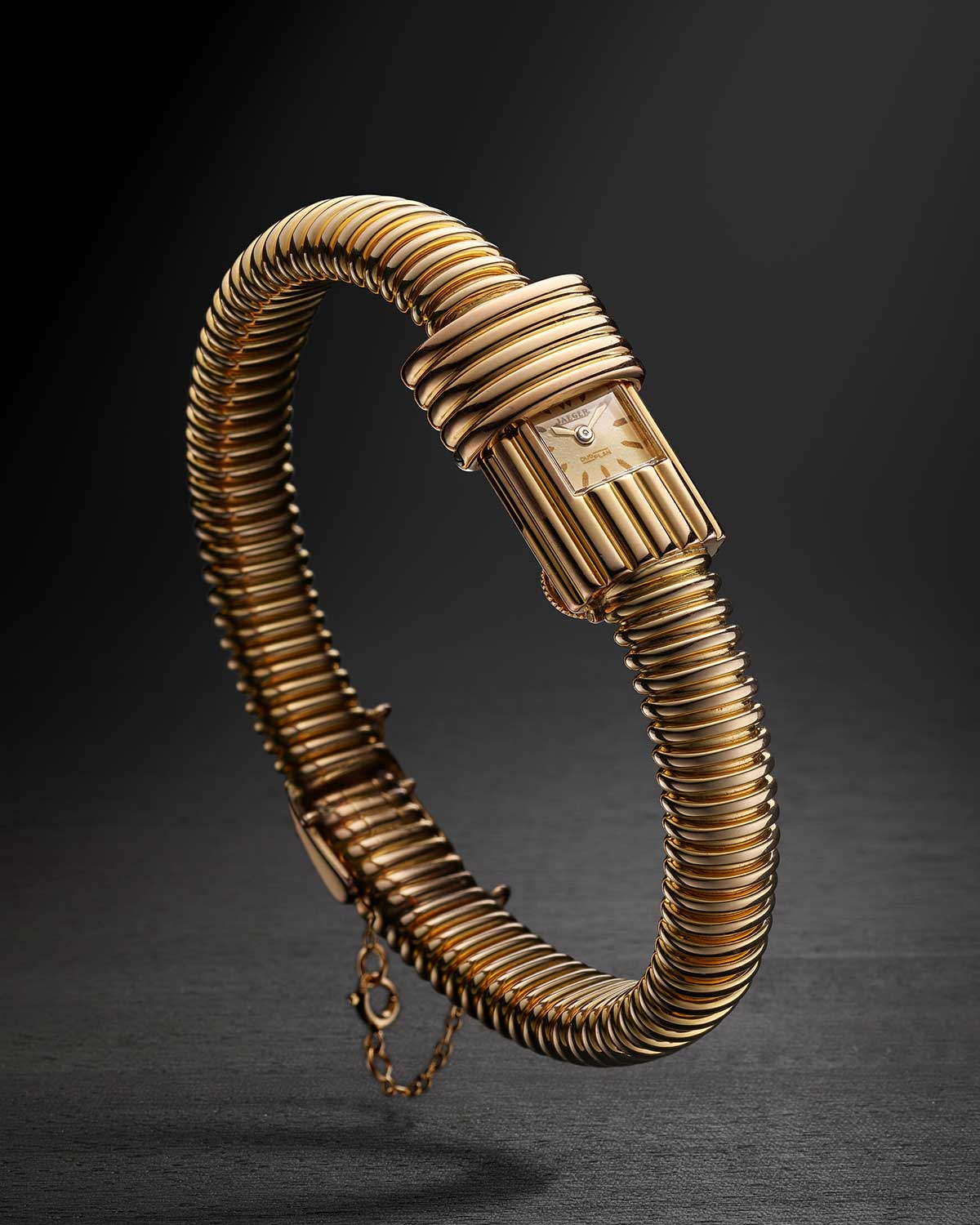
- Duoplan “Tubogas“ Coulissante
-
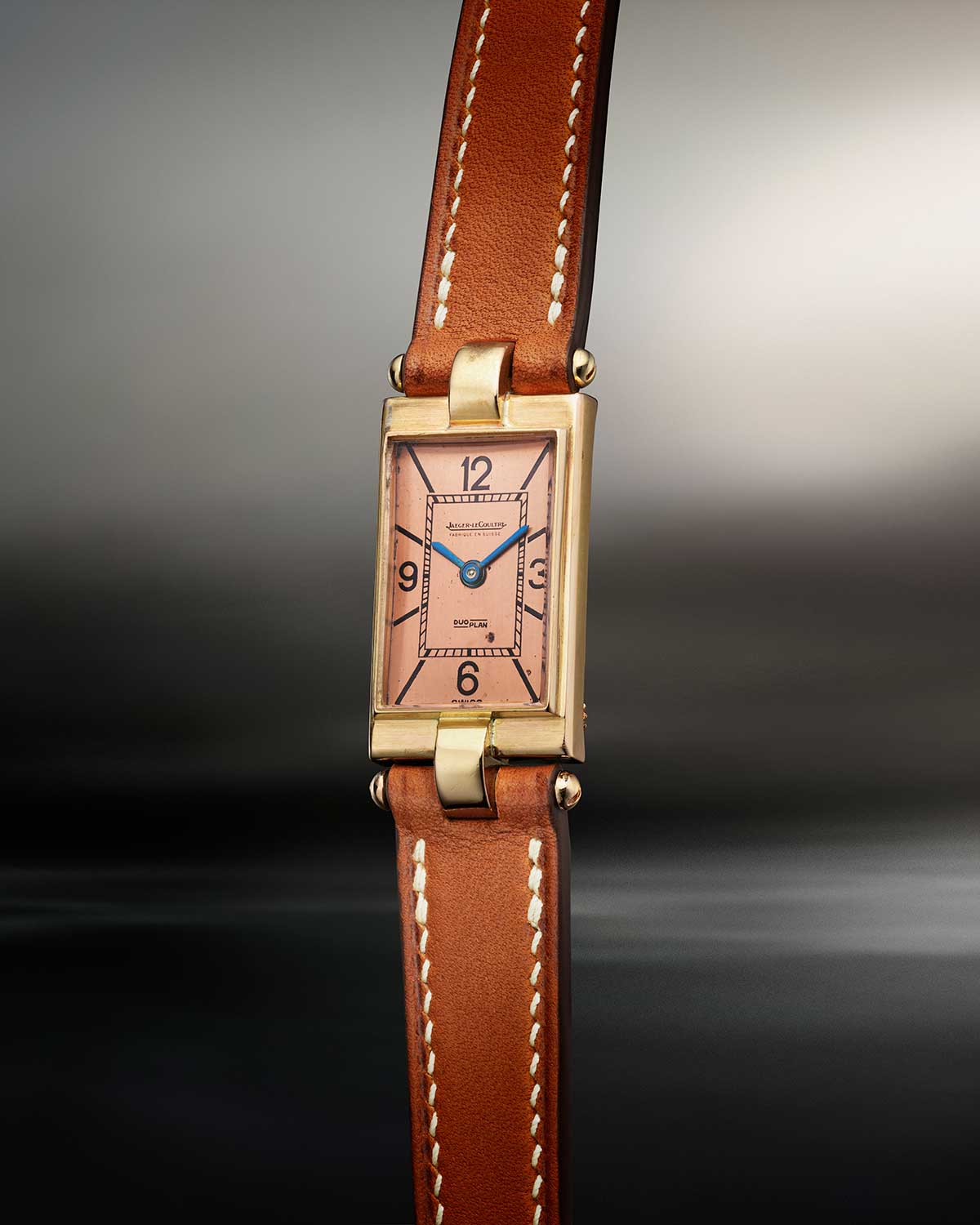
- A single-lug Duoplan dating to circa 1935
The Reversos presented are equally striking, beginning with a first-generation 1931 Reverso Cordonnet with a steel case fitted with the Caliber T051 supplied by Tavannes. This was before Jaeger-LeCoultre developed its in-house rectangular Caliber 410 in 1933, tailored to the Reverso case.
From its earliest days, the maison leapfrogs forward to the turn of the 21st century with the next two offerings: a pair of limited-edition platinum watches featuring Reverso calibers. The Reverso Platinum Number 1 from 2001 and the Reverso Platinum Number 2 from 2003 both feature sapphire crystal casebacks that bring their movements into view. The former shows off its intricately skeletonized and hand-engraved caliber, while the latter features a spinning tourbillon with mirror-polished bridge.
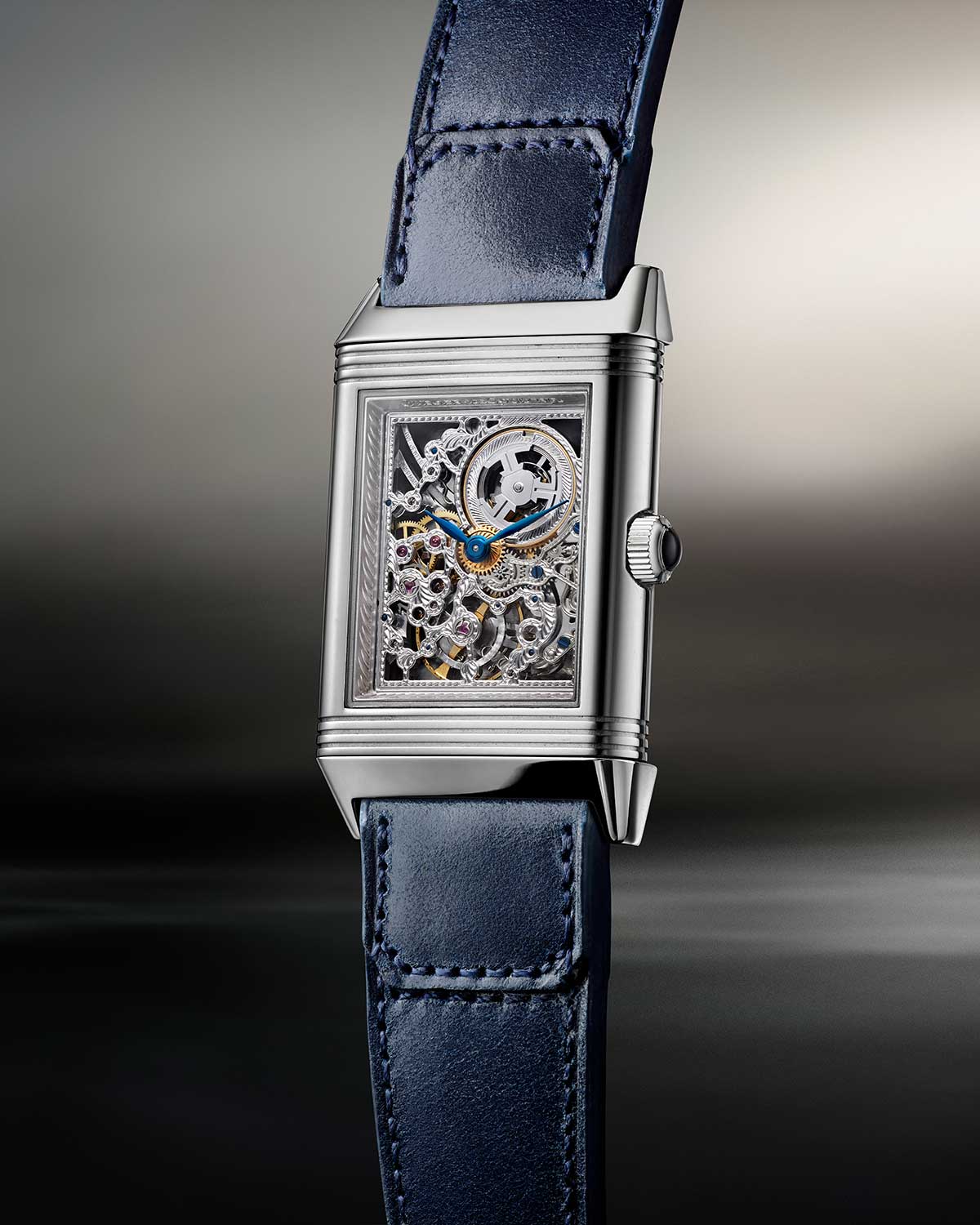
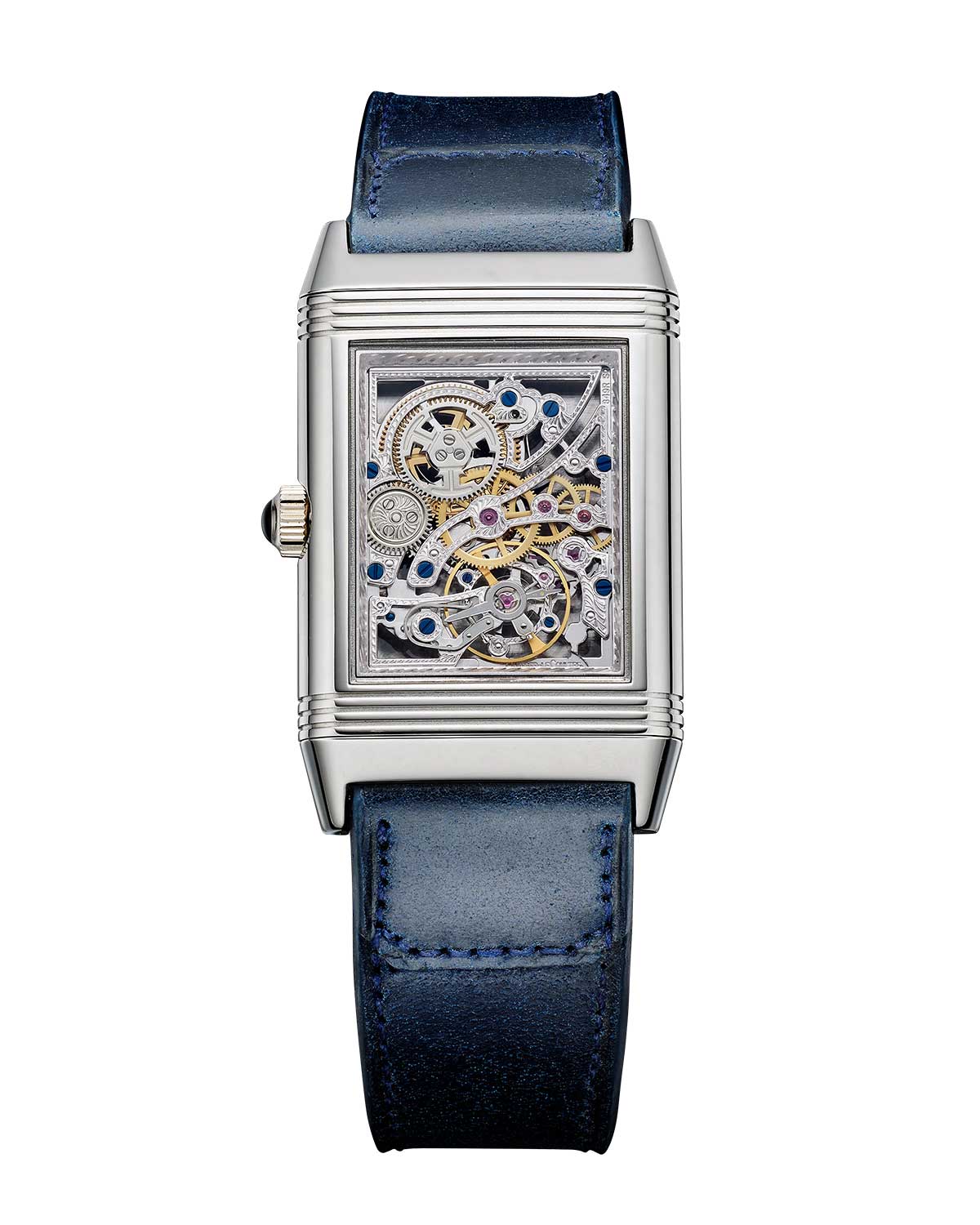
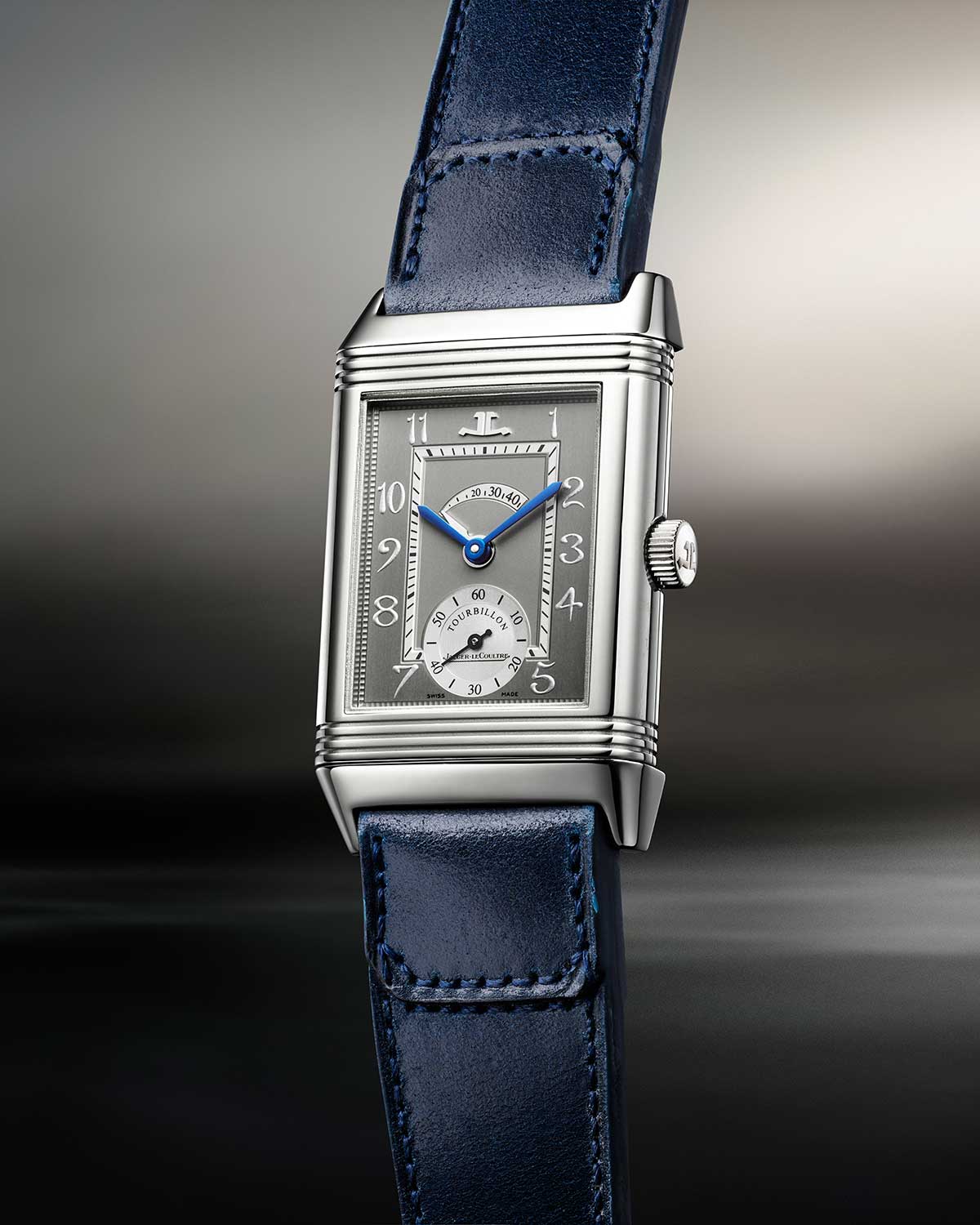
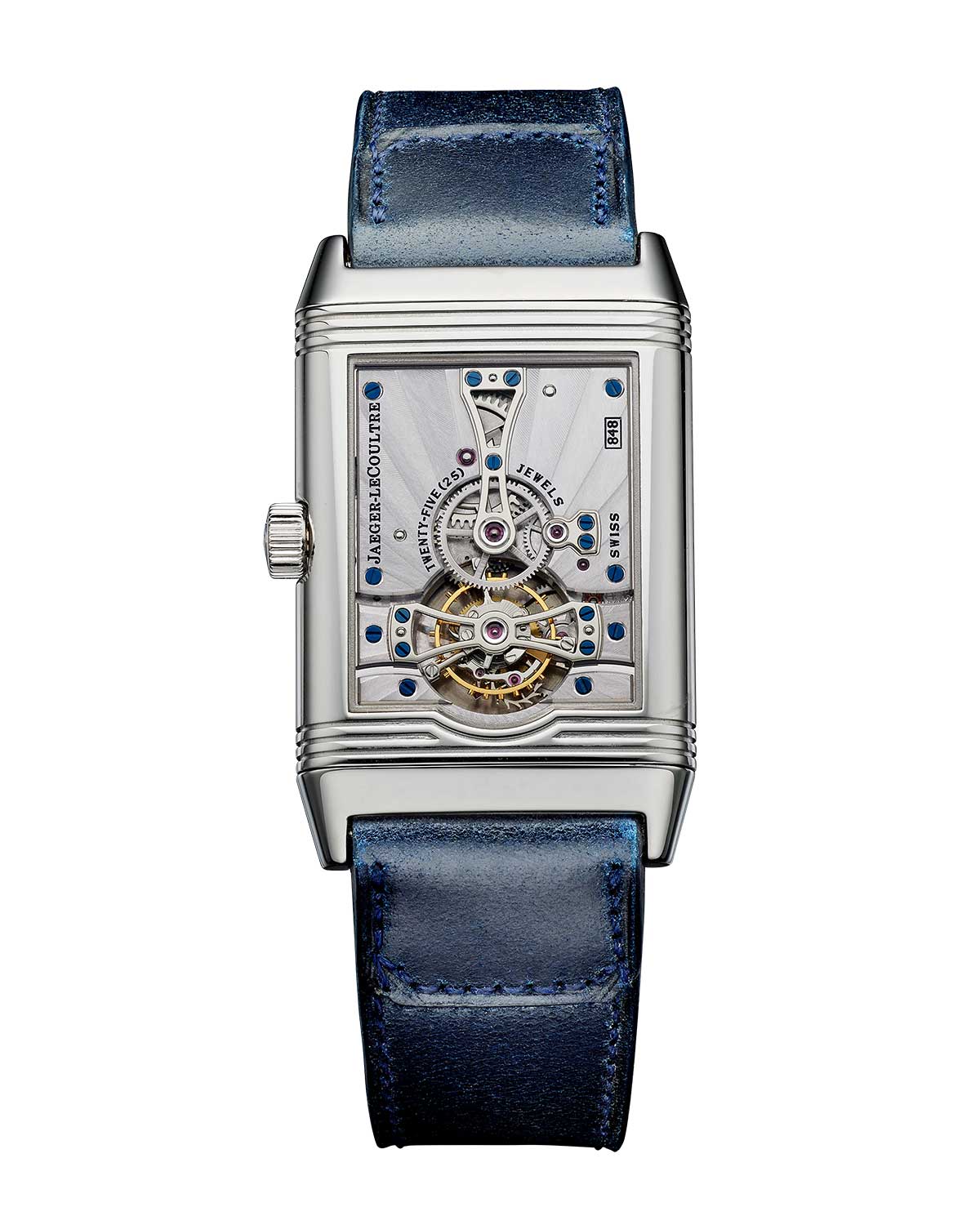

The final trio in the collection is led by a voluptuous 1949 Triple Calendar customized for the Portuguese market, with day and month indications in Portuguese and beautiful teardrop lugs. There is also a rare 1958 Futurematic E502, nicknamed “Porthole” for the two small windows that display the power reserve and small seconds.
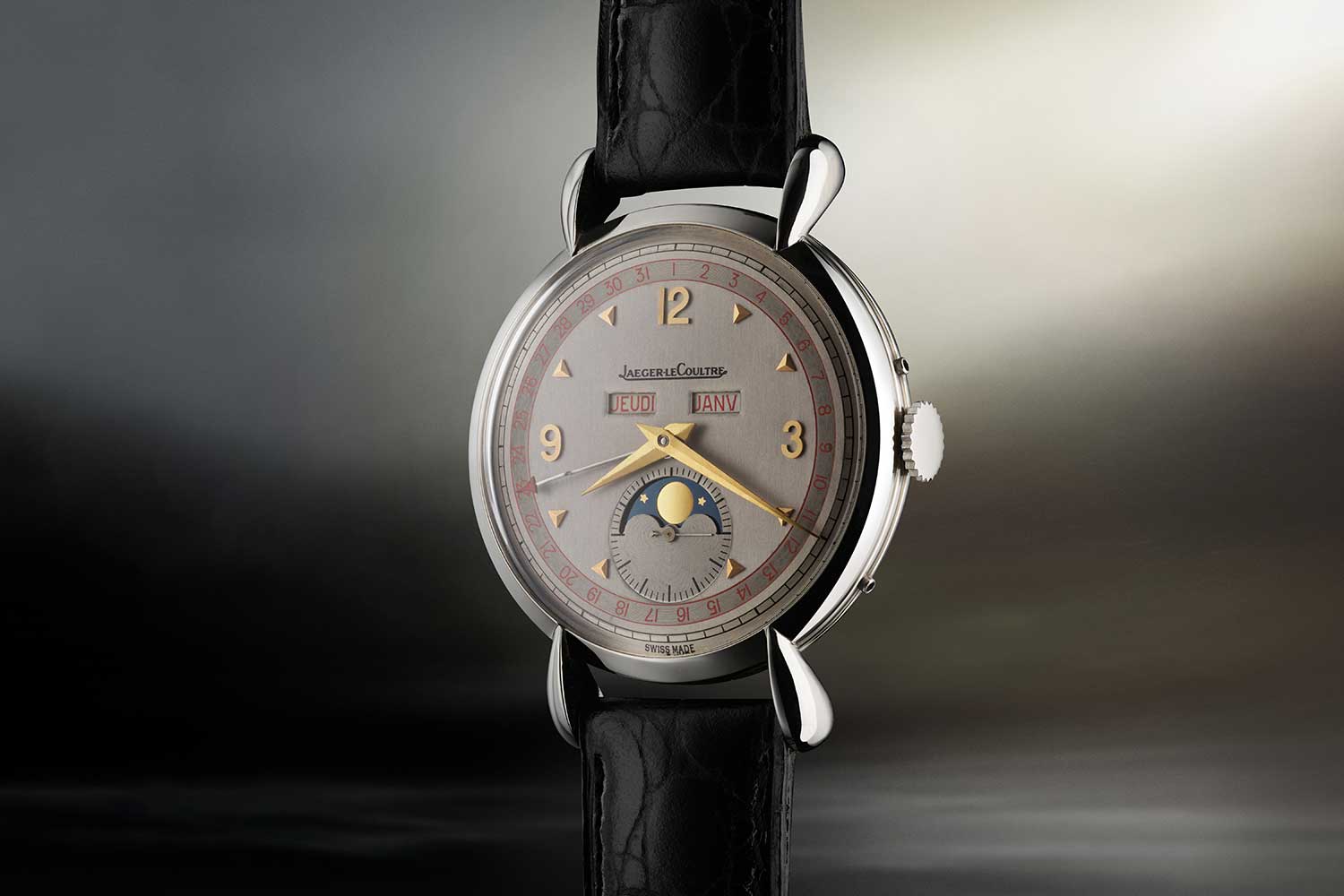
Triple Calendar, 1946
Last but not least is the cute, quirky Memovox Parking from 1958 with its iconic blue and white pictogram, which, as its name suggests, is designed to remind its wearer when the parking is up. It features the hand-wound Caliber 814 that’s built around the Memovox alarm functions, with a central disk that has gradations marking different parking times to let the wearer set the alarm to the 1950s standard parking durations — 30, 60, 90 and 120 minutes.
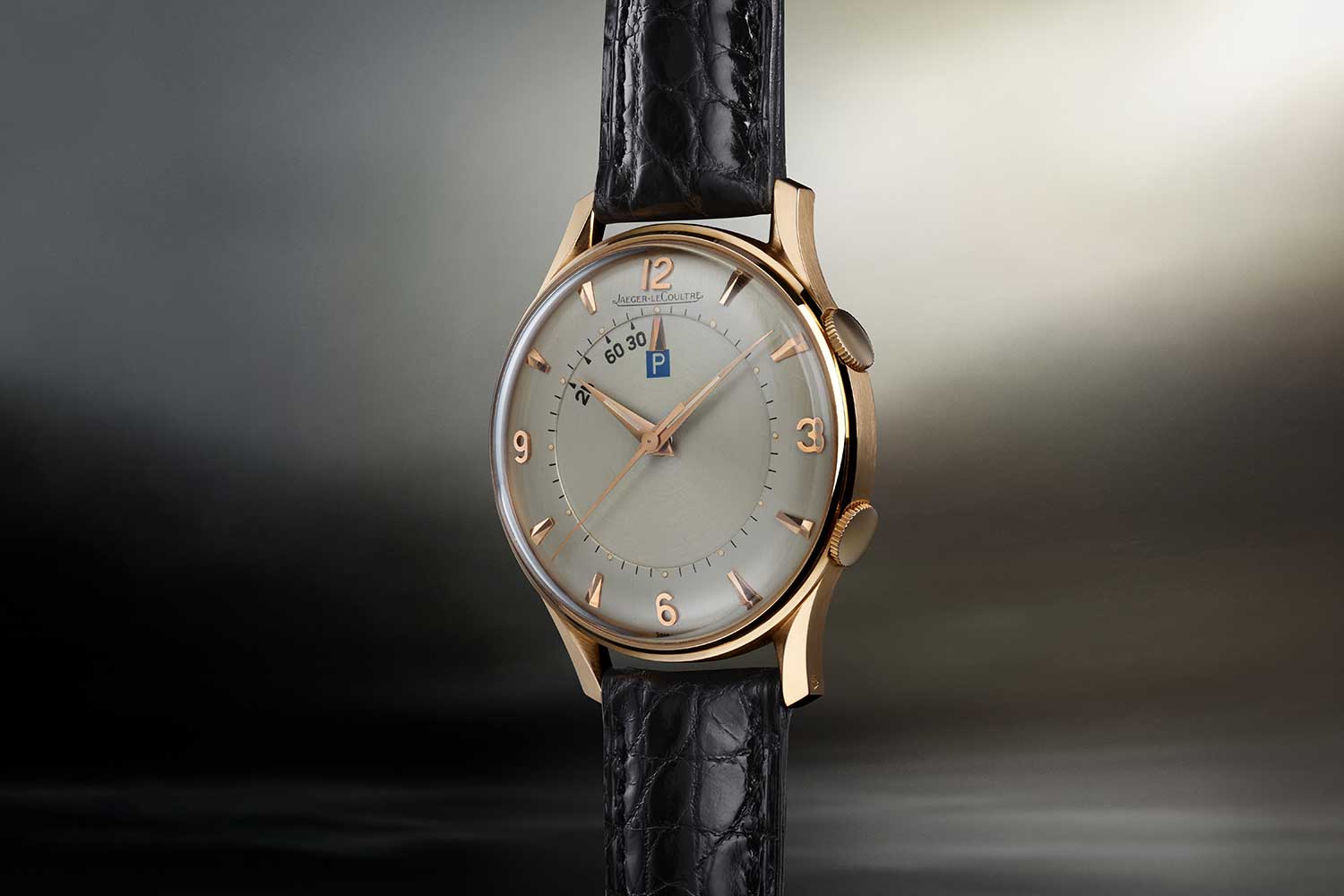
Memovox Parking, 1958
It is, all in all, a fine trove of collectibles from Jaeger-LeCoultre. And for those fortunate enough to take one home, you have our eternal envy.
Jaeger-LeCoultre

You may also like

Editorial
Master of Control: Robert Pattinson
Oct 21, 2026
Editorial
Master of Control: Robert Pattinson
Oct 21, 2026
Editorial
Last Week In Watches: TAG Heuer Carrera, JLC Grande Sonnerie, Louis Vuitton Spin Time and more
Sep 15, 2026
Editorial
Last Week In Watches: TAG Heuer Carrera, JLC Grande Sonnerie, Louis Vuitton Spin Time and more
Sep 15, 2026

Interviews
Jérôme Lambert, CEO of Jaeger-LeCoultre, explains the new Master Control Collection
Aug 14, 2026
Interviews
Jérôme Lambert, CEO of Jaeger-LeCoultre, explains the new Master Control Collection
Aug 14, 2026