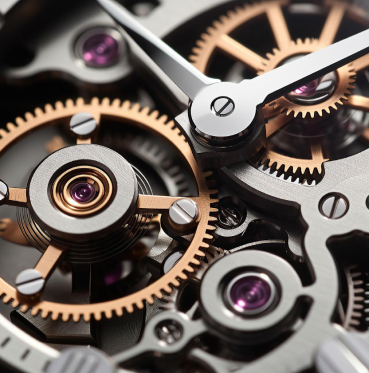

Independent Watchmakers of Our Time
Editorial
Independent Watchmakers of Our Time

Independent watchmaking is in the spotlight as collectors embrace the bold ideas and uncompromising craft of its leading makers, and watchmakers like Rexhep Rexhepi and Simon Brette enjoying superstar status. However it’s important to note that the independent artisanal watchmaking tradition is full of pioneers, innovators and champions. In a series of articles we’re going to the explore the OGs, the New Wave and the Rising Stars of one of the most exciting and important genres of watchmaking, and examine their impact on the broader industry. Today we look at those defining the current landscape.
Armin Strom
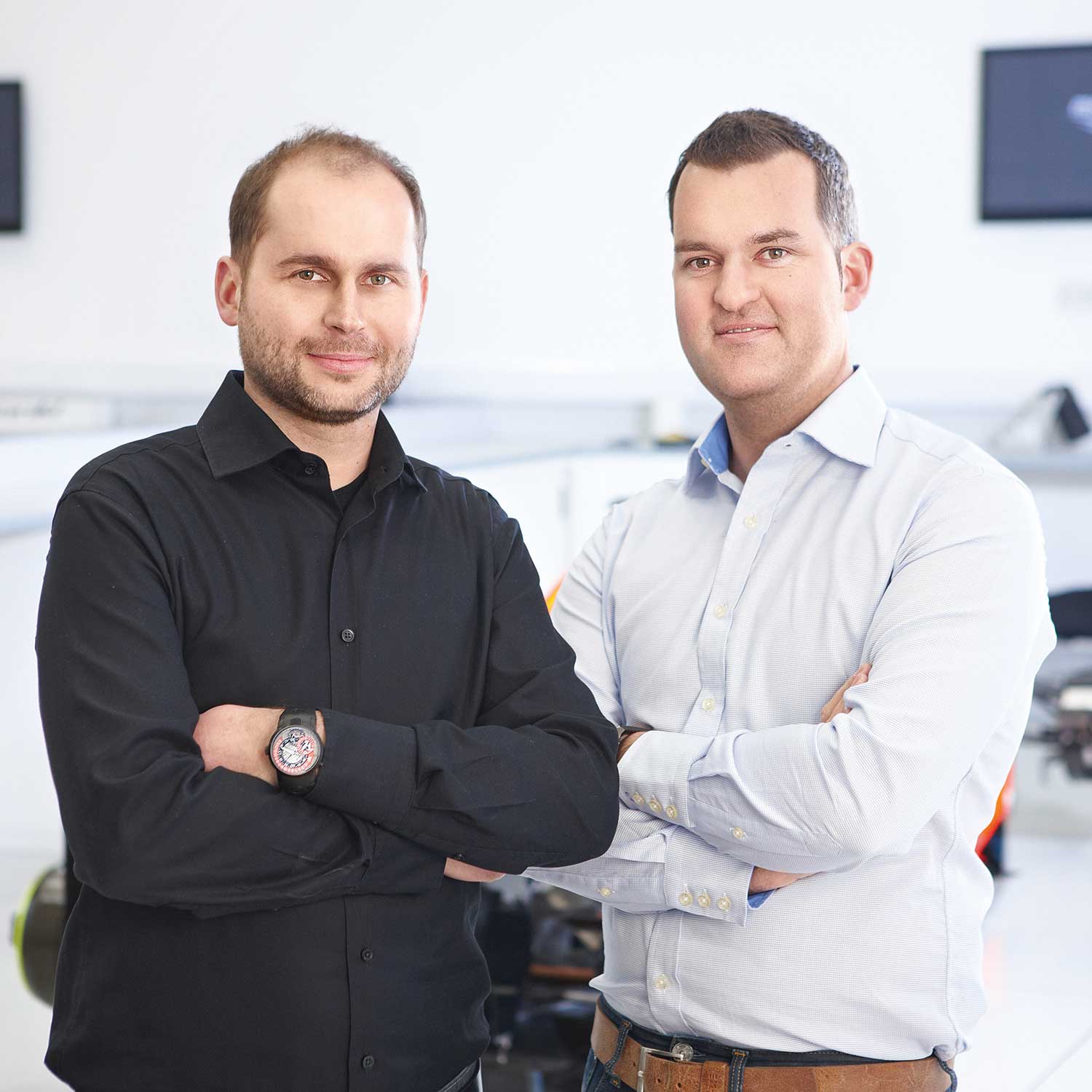
Armin Strom is one of the few manufactures to produce resonance watches in series. The company was founded in 1967 by the Swiss watchmaker Armin Strom and acquired by the Michel family in 2006. It is now led by Serge Michel and his childhood friend, the watchmaker Claude Greisler, who oversees its technical development.
Introduced in 2016, the Mirrored Force Resonance represented an important advance in the development of coupled oscillators. The achievement lies in turning a delicate physical phenomenon into a repeatable and comparatively robust system. Rather than relying on the extremely weak inertial interaction transmitted through a rigid common mainplate, Armin Strom created a direct elastic connection between the two regulating organs. Its patented clutch spring links the outer attachment points of the two hairsprings, allowing energy to pass between them as the balances oscillate.

Mirrored Force Resonance
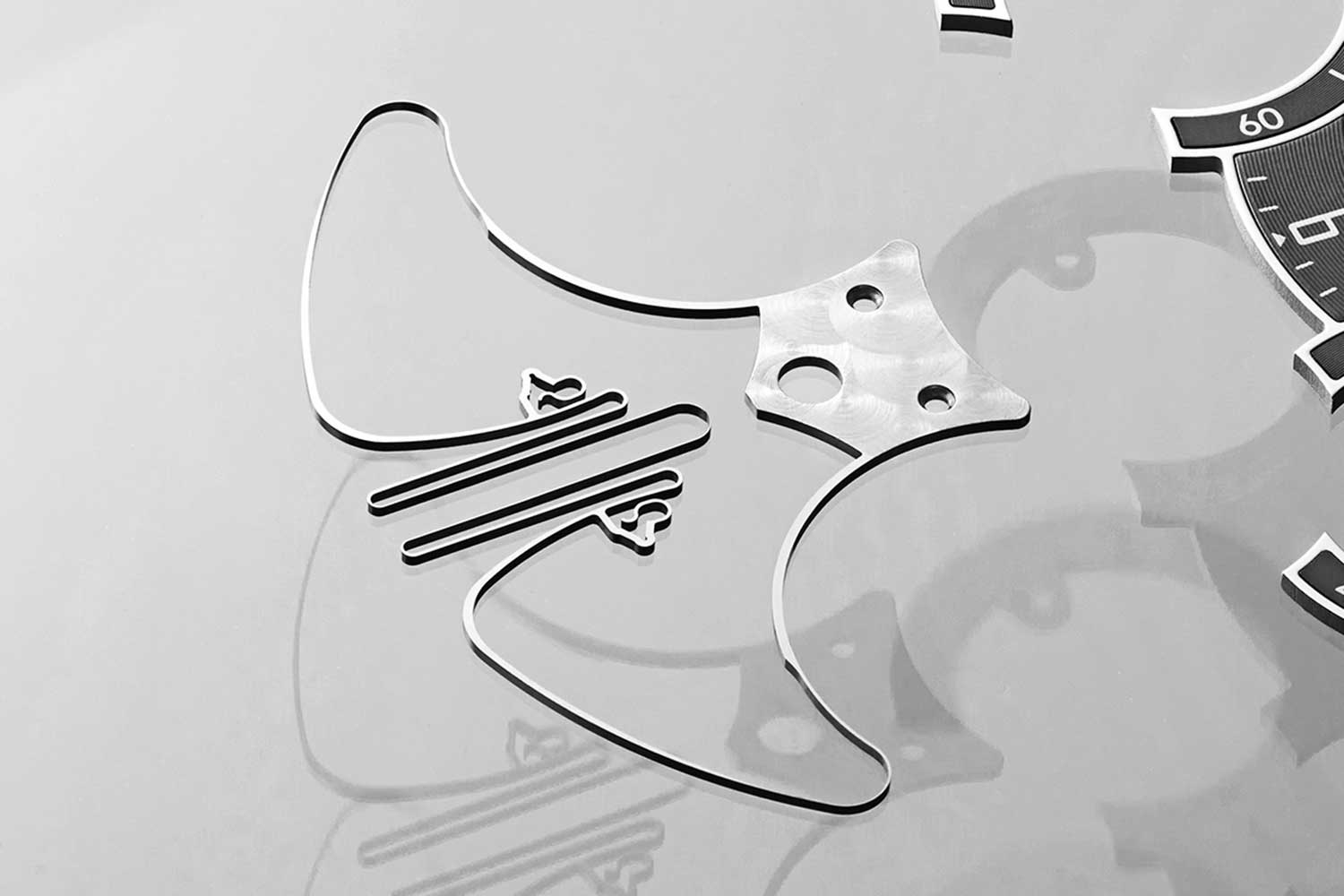
The clutch spring
The spring is alternately flexed and relaxed by the movement of the two balances, encouraging them to settle into a stable anti-phase relationship in which one rotates clockwise as the other moves counterclockwise. The clutch spring broadens the range within which synchronization can occur and helps the balances recover their shared rhythm after a disturbance. Armin Strom states that the oscillators can synchronize even when their uncoupled rates differ by as much as 250 seconds per day, whereas an inertially coupled system may require the two balances to be regulated within only a few seconds per day of one another. Its visible motion also makes the exchange of energy visible, transforming an otherwise microscopic interaction into one of the most distinctive mechanical displays.
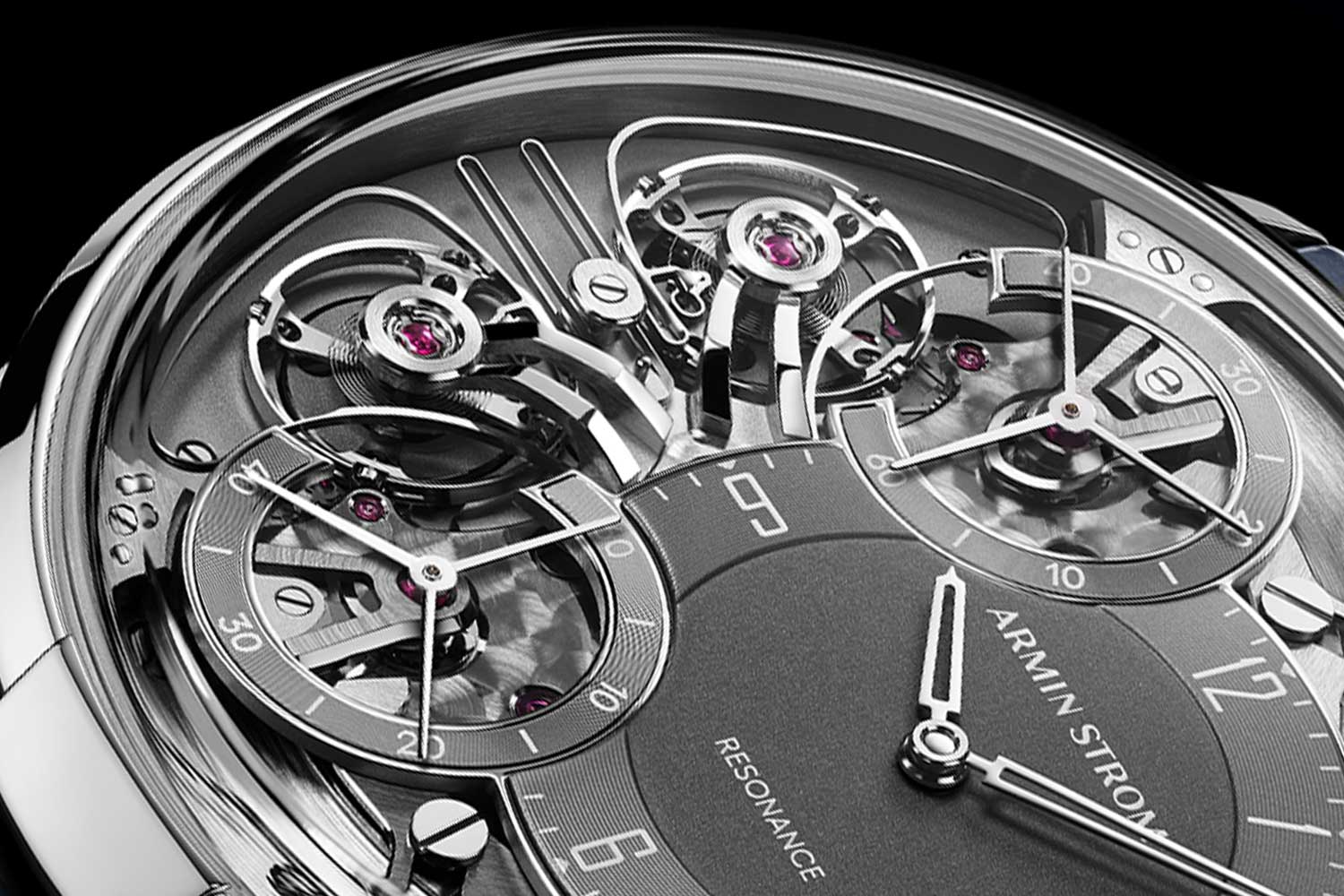
Closed up on Mirrored Force Resonance First Edition
It has since formed the basis of an unusually varied family of complicated watches, including the Dual Time Resonance, the Minute Repeater Resonance and, most recently, the remarkable Minute Repeater Resonance 12:59 First Edition, which combines resonance with a four-gong Westminster repeater capable of striking either the displayed time or the longest possible sequence on command.
-
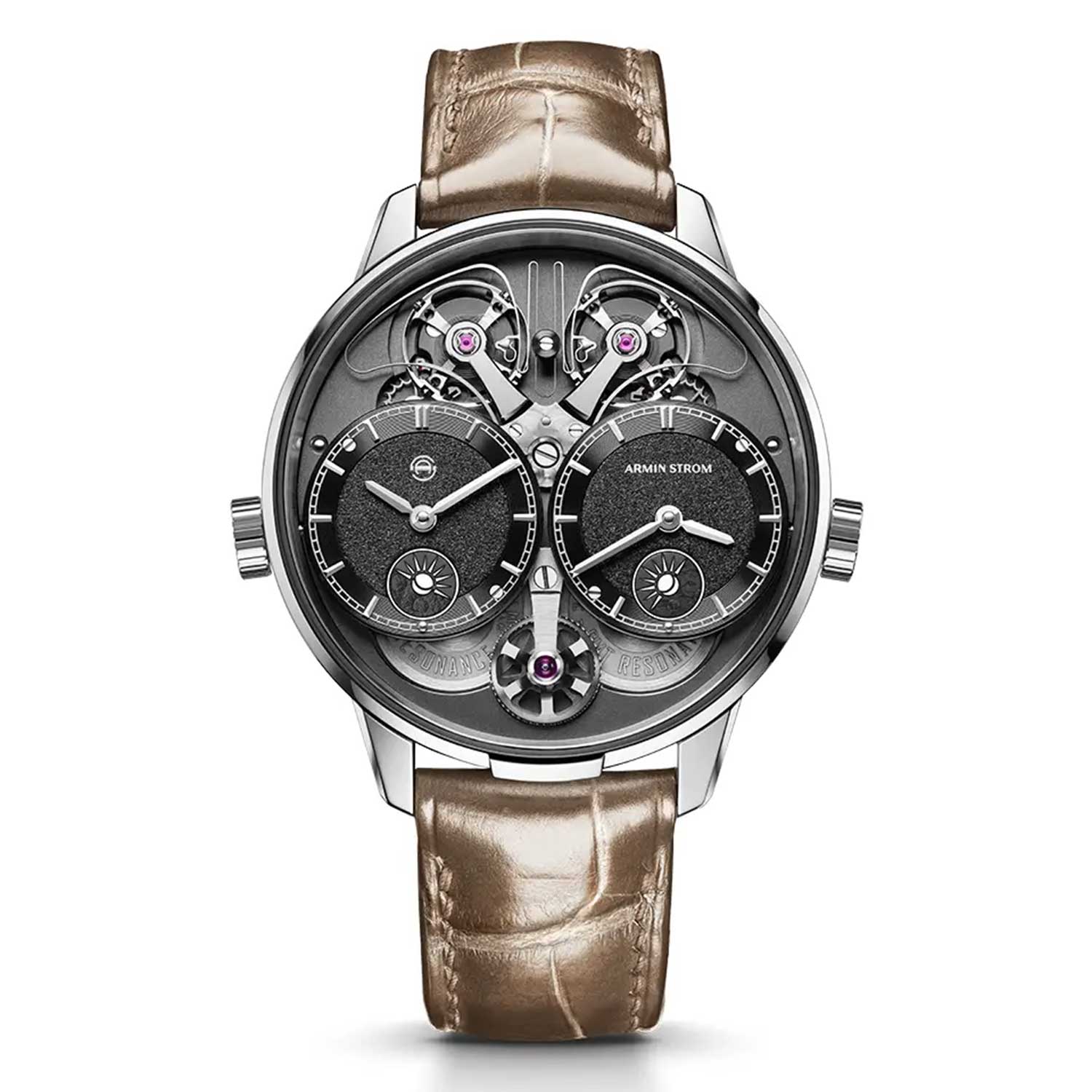
- Dual Time GMT Resonance Manufacture Edition Black
-
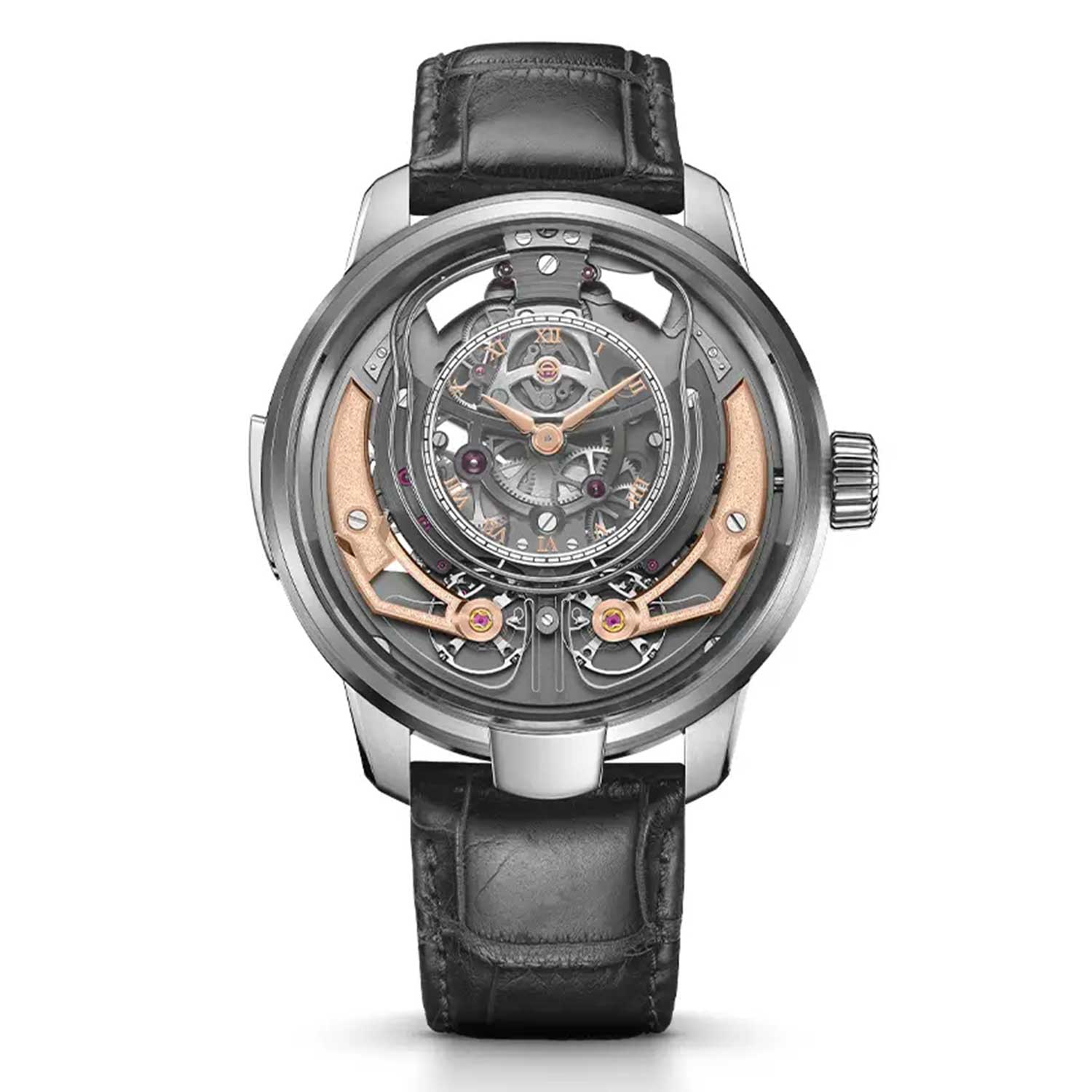
- Minute Repeater Resonance
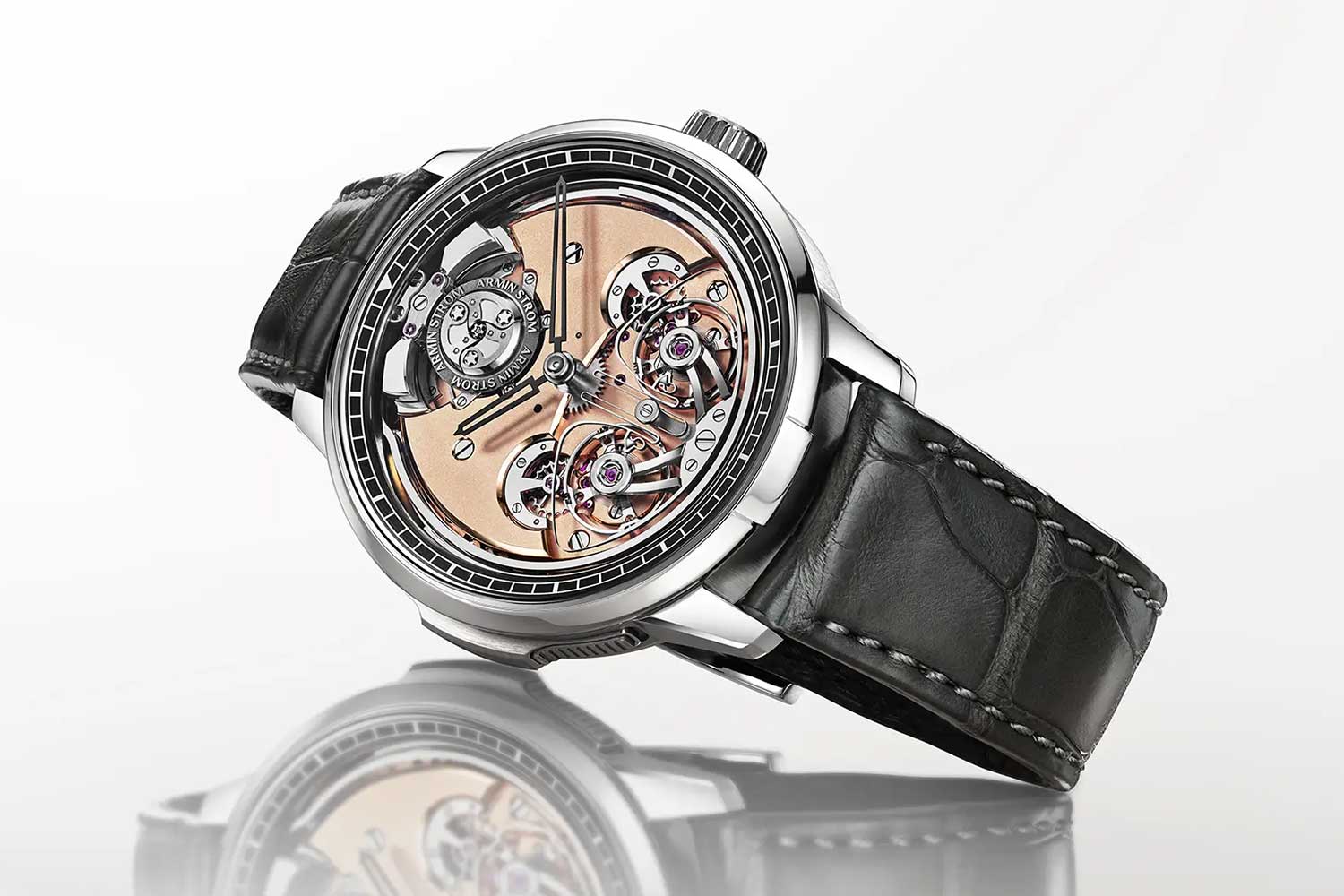
Minute Repeater Resonance 12:59 First Edition
Ludovic Ballouard
There is little chance of mistaking a Ludovic Ballouard watch for the work of anyone else, and the reason is immediately apparent on the dial. They are a rare category of watches where a philosophical idea, an unconventional display and a serious technical solution are inseparable.
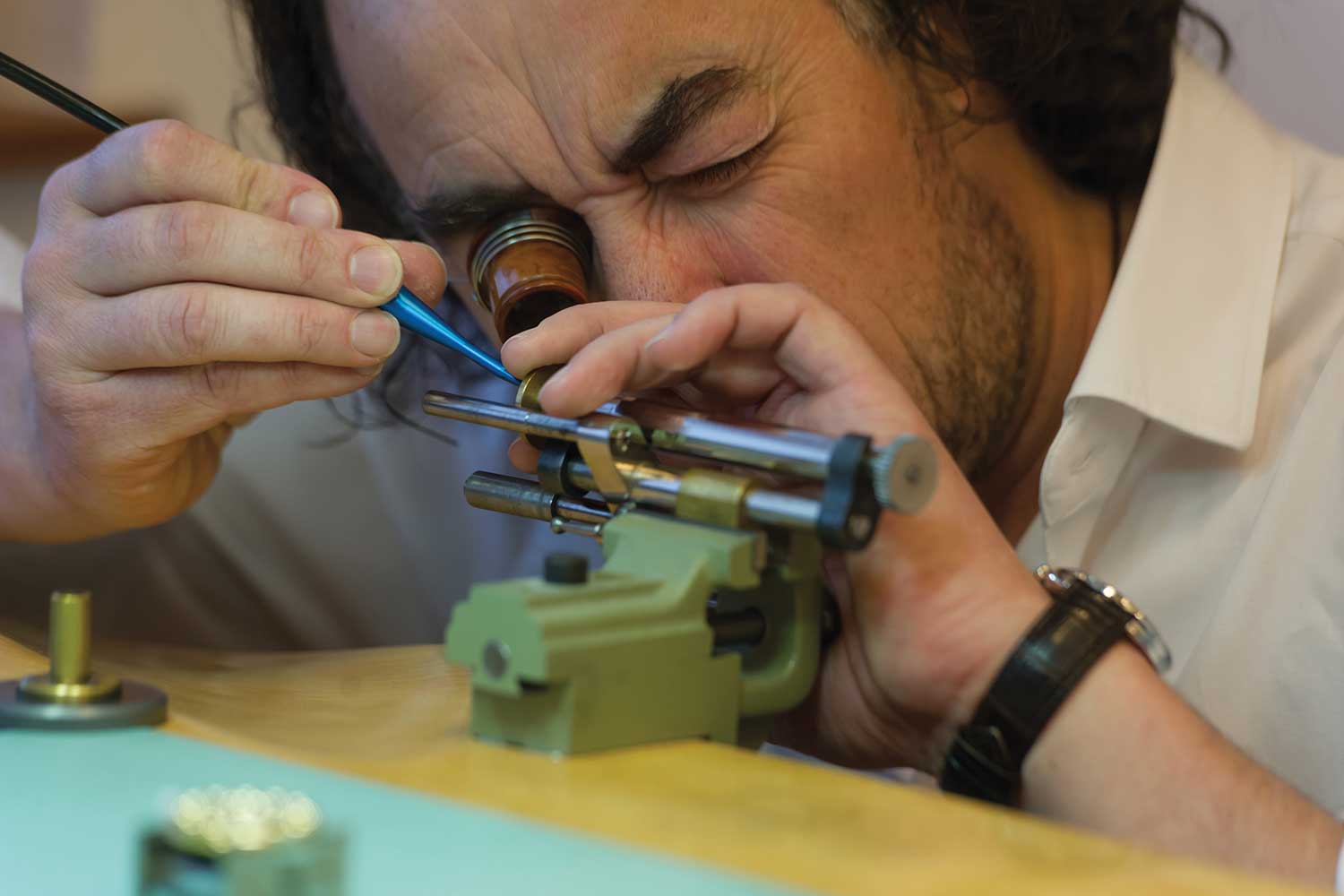
Ludovic Ballouard
Born in Brittany in 1971, he trained in watchmaking at Rennes, although the shortage of opportunities led him to spend six years making aircraft instrument panels. He moved to Geneva in 1998, joined the after-sales department at Franck Muller and later spent seven years at F.P. Journe. During his final three years there, he was entrusted with assembling the Sonnerie Souveraine.
Ballouard set up his own workshop in 2009, at the height of the financial crisis. His first watch, the Upside Down, appeared that December. Through a system of Maltese crosses, the 12 hour disks turn in pairs at the top of each hour, with the departing numeral rotating upside down as the new hour turns upright and is marked by a dot.
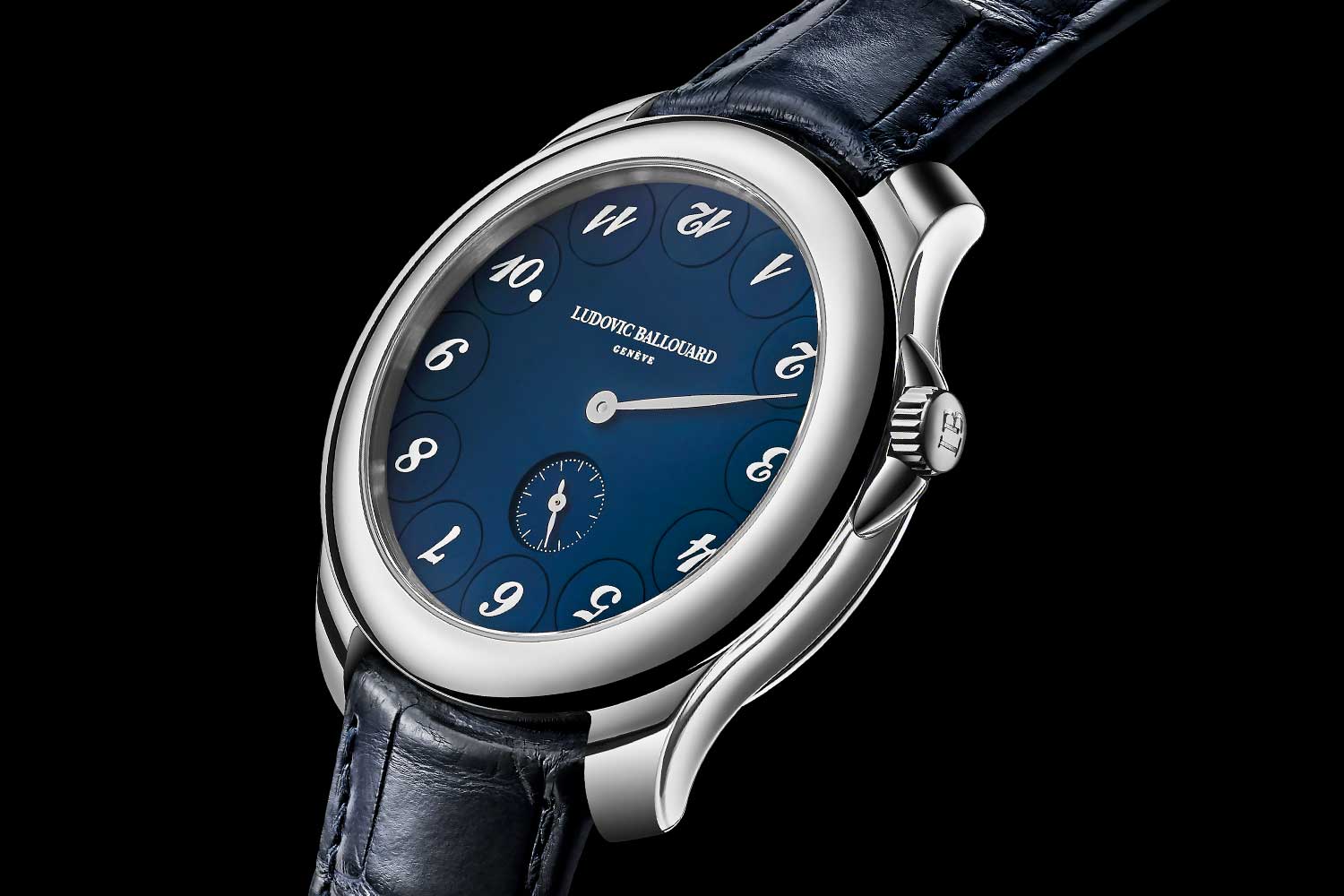
Upside Down
The Half Time of 2012 developed the same idea through a different mechanism. Each hour numeral is divided between two superimposed disks rotating in opposite directions. Only at 12 o’clock do the halves meet to form a legible number, while the minutes are shown by a retrograde hand below. In 2013, Ballouard extended this taste for mechanical theater to the Harry Winston Opus XIII, with 59 pivoting minute hands, 11 rotating triangular hour hands and a sliding shutter that reveals the emblem at noon and midnight.

Half Time
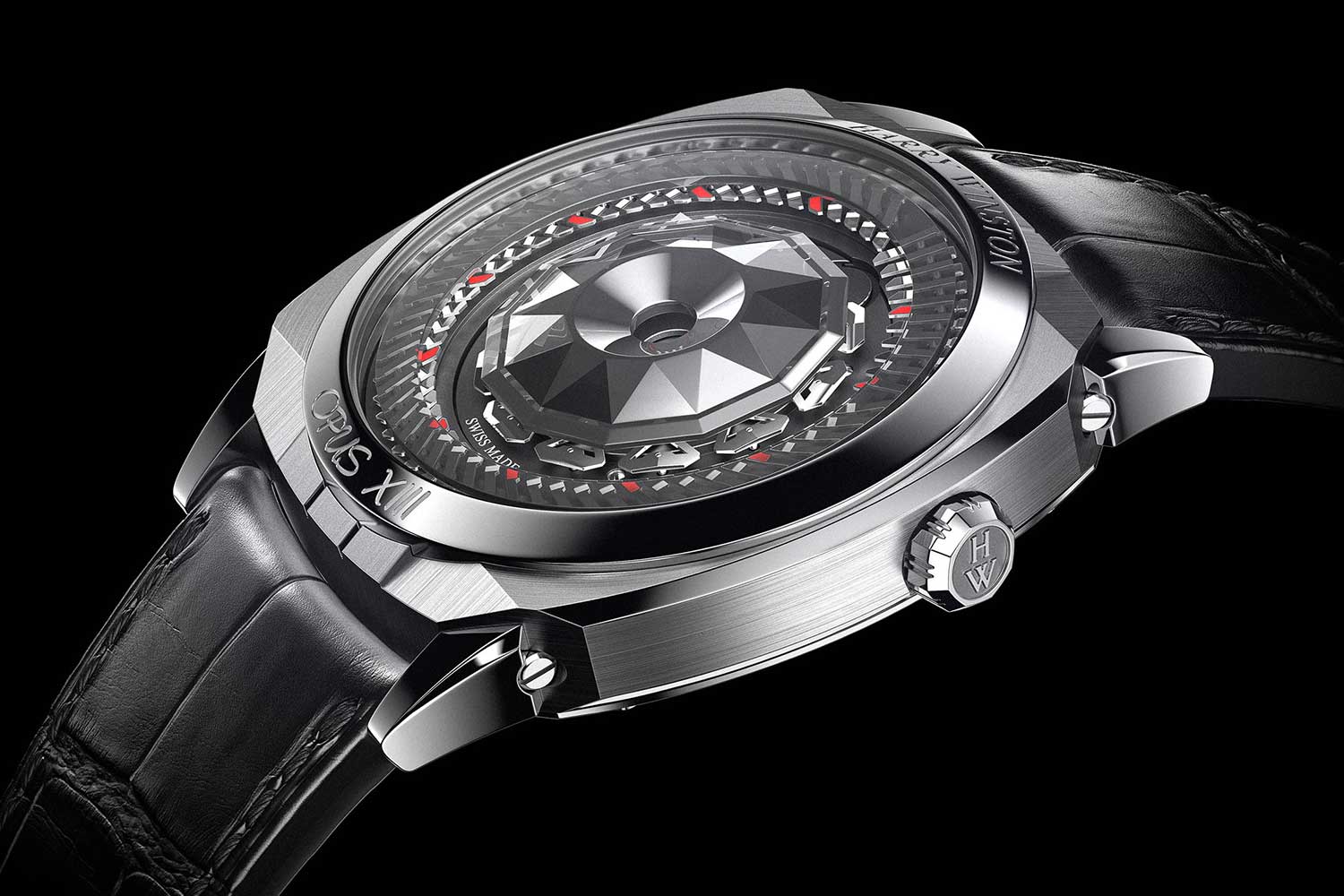
Harry Winston Opus XIII
He has a highly complex chronograph in the pipeline, in which the same hour, minute and seconds hands are used in two entirely different displays. In normal use, they show the current time. When the chronograph is activated, those same hands are reassigned to indicate elapsed hours, minutes and seconds.
Théo Auffret
Théo Auffret occupies a distinctive place among the young French independents because his work is rooted as much in Parisian watchmaking as it is in handcraft. A graduate of the Lycée Edgar Faure in Morteau, he trained in restoration with the Paris-based clock and watch restorer Denis Corpechot before apprenticing with Jean-Baptiste Viot, whose Chronomètre à Paris helped shape his own approach to construction and style. He later worked with Luca Soprana in Switzerland but returned to France to establish his workshop near Paris.

Théo Auffret
Auffret first attracted attention in 2018, when his handmade regulator tourbillon won the F.P. Journe Young Talent Competition. Refined into the Tourbillon à Paris, it became a 20-piece souscription series intended to finance his enterprise. The watch features a regulator-style display, with an off-centered hour dial, central minutes and a massive 14mm tourbillon that doubles as the seconds indicator. The tourbillon cage and exposed barrel are supported by large German silver finger bridges, which along with the mainplate are decorated with his signature charbonnage finish. The rear of the watch features two beautifully shaped finger bridges, one of which supports a massive third wheel, decorated with polished beveled spokes and sharp interior angles. This was followed by the Tourbillon Grand Sport in 2022, featuring central hours and minutes on a sapphire dial and a more elaborate case to accommodate an integrated strap.
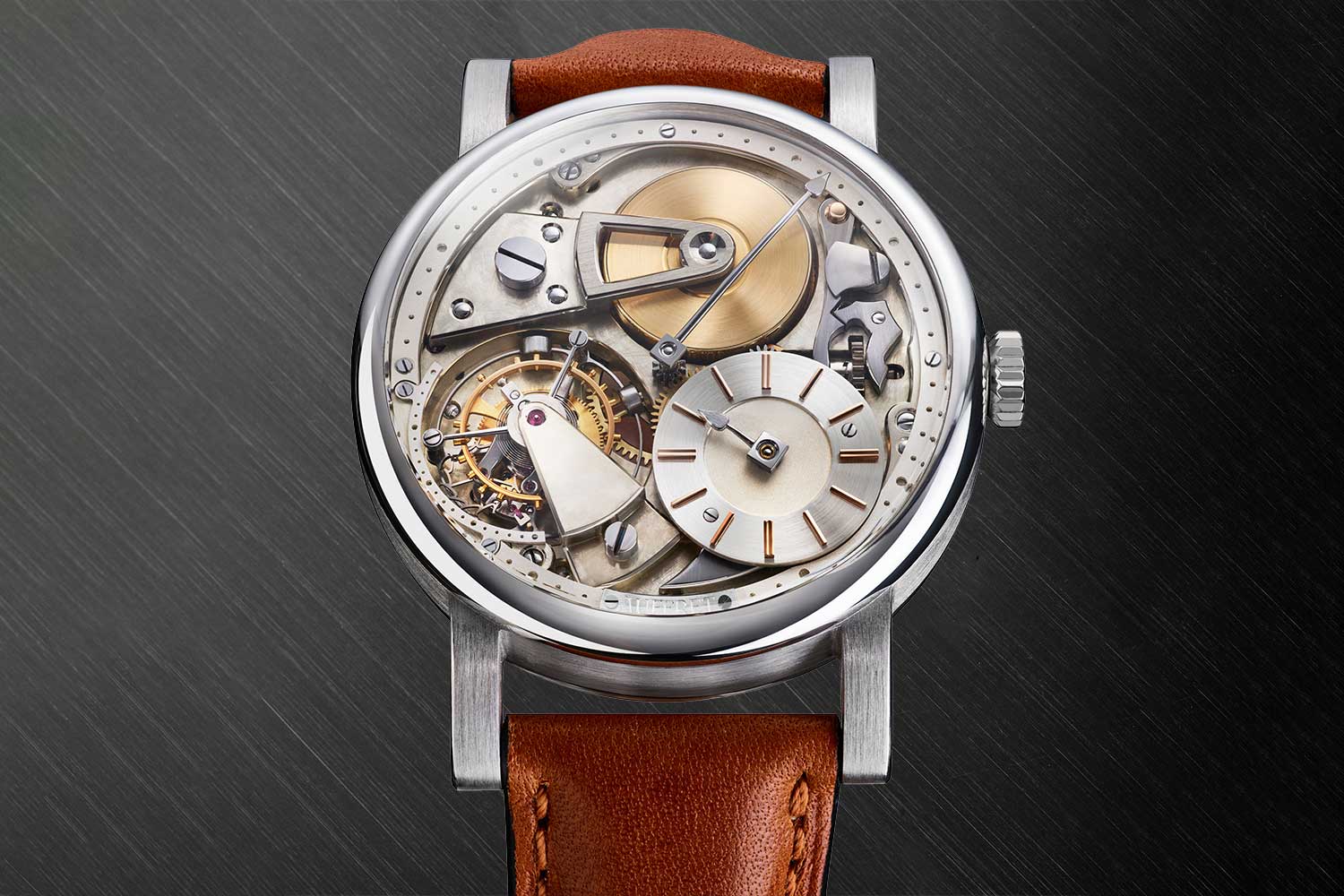
Tourbillon à Paris
He has also pursued a more futuristic and accessible form of watchmaking through SpaceOne, co-founded with entrepreneur Guillaume Laidet in 2023, and most recently collaborated with Baltic on the Seconde Majeure jump hour watch.
-
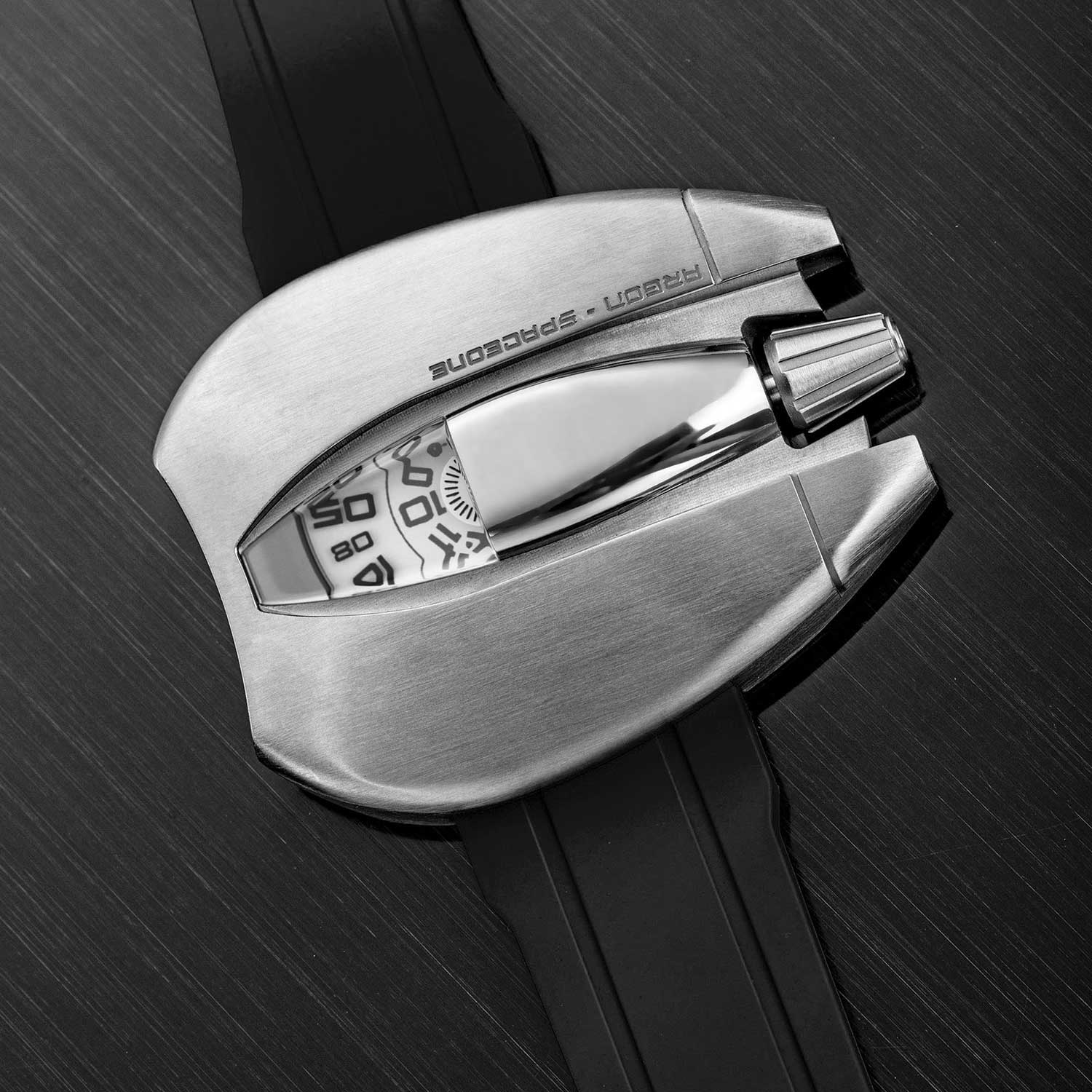
- SpaceOne
-
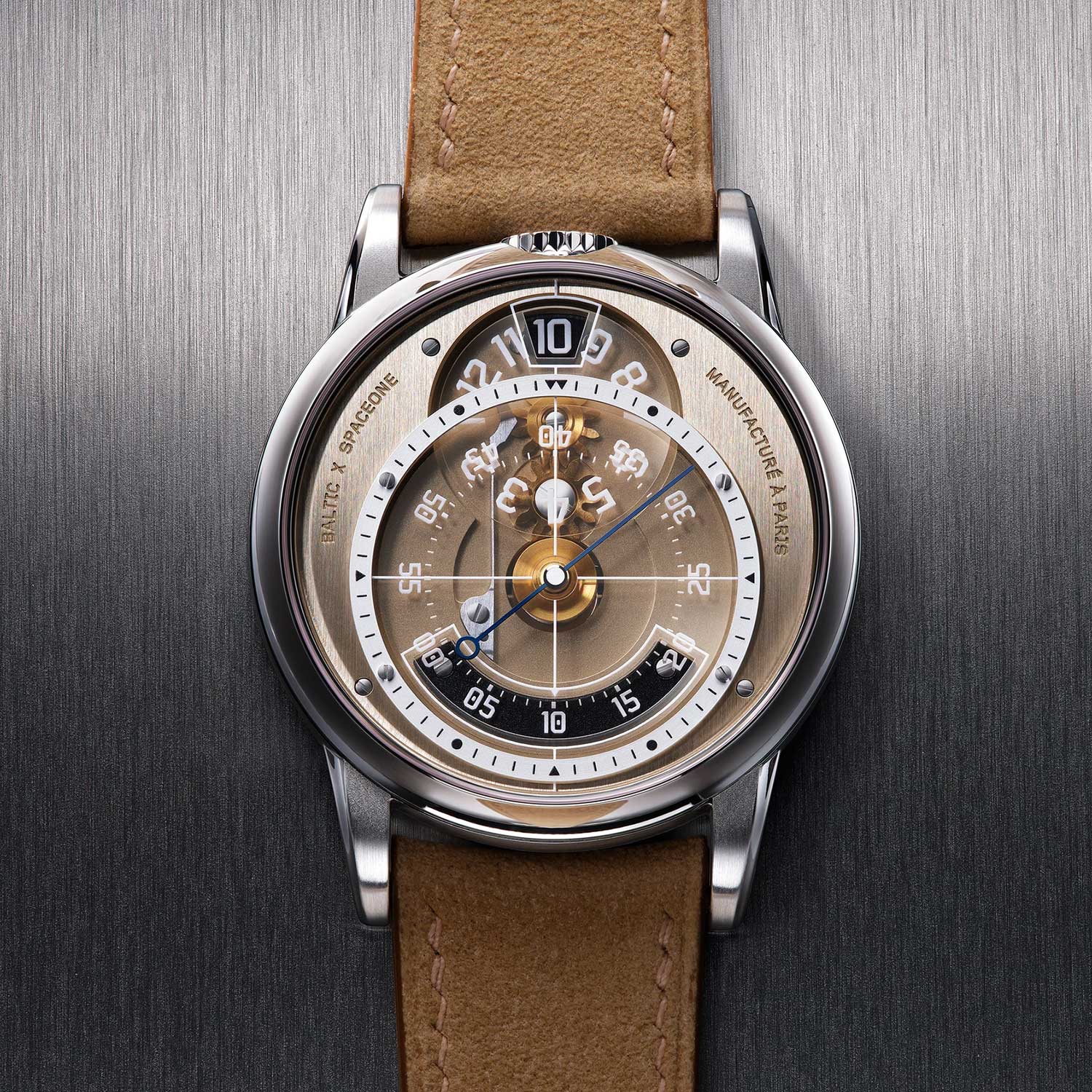
- Seconde Majeure
Felix Baumgartner and Martin Frei
Felix Baumgartner and Martin Frei have given avant-garde watchmaking one of its most recognizable forms and shown that radical design could be matched by equally original mechanics. Baumgartner, born in Schaffhausen in 1975, grew up in the restoration workshop of his father, a specialist in historic clocks, before studying watchmaking in Solothurn and moving to Geneva as an independent watchmaker. Frei, born in Winterthur, followed an entirely different path. He trained in graphic design in Zurich and later studied art in Lucerne under the Swiss artist Roman Signer.
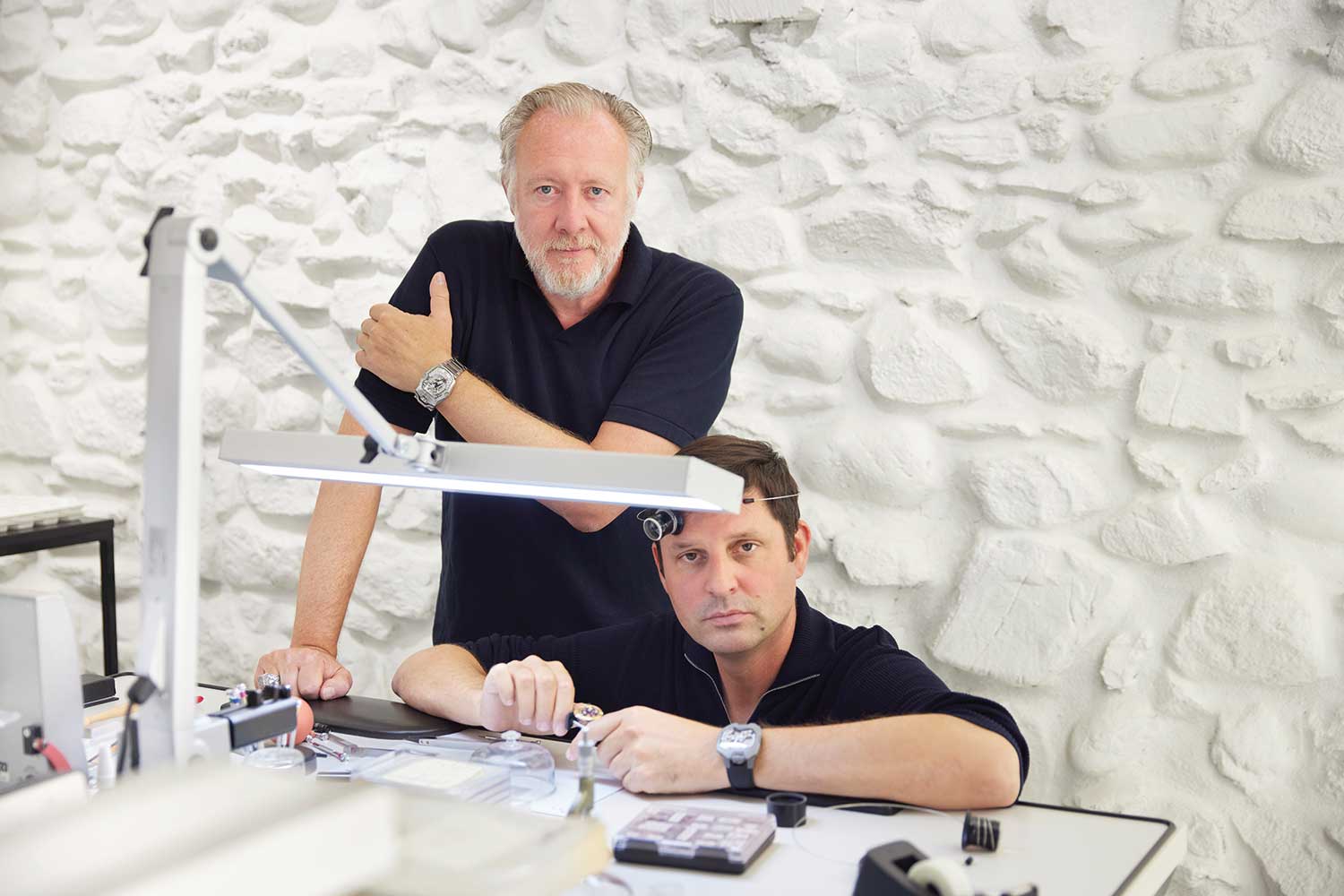
Felix Baumgartner and Martin Frei
The two met in 1995 through Baumgartner’s brother Thomas and founded Urwerk with him in 1997. The UR-101 and UR-102 of 1997 reinterpreted the centuries-old wandering-hours display — a complication Baumgartner knew from his father’s restoration of a 17th-century papal night clock — in compact 38mm cases. Their sparse, handless presentation anticipated the radically different language that came into focus with the landmark UR-103 of 2003.
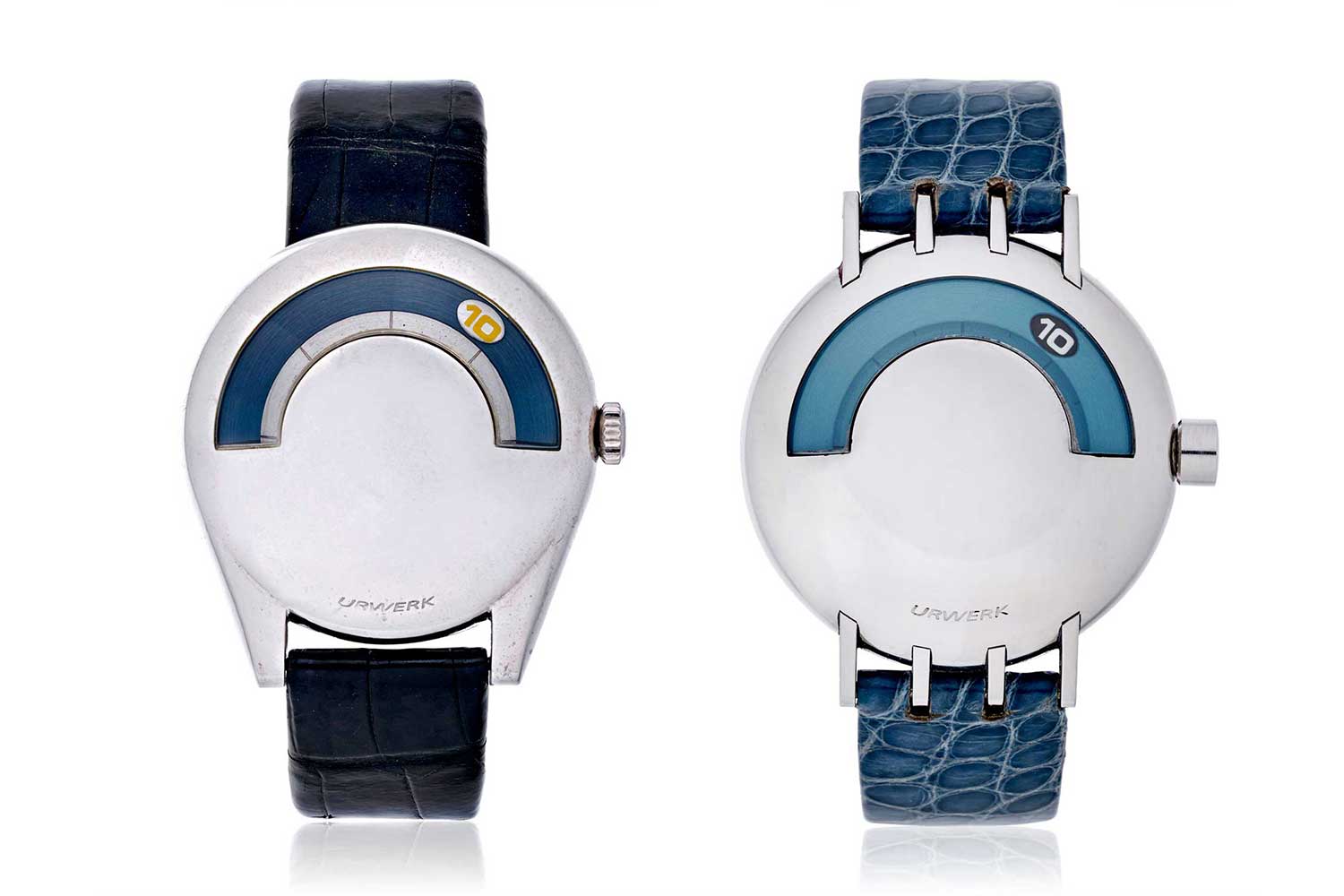
UR-101 and UR-102

URWERK UR-103.01 Red Gold
The Harry Winston Opus V of 2005 introduced the revolving satellite display that became Urwerk’s signature, along with a retrograde minute hand that glides across a 120-degree scale. The UR-201 of 2007 introduced telescopic minute hands, which extend and retract so their tips stay on the 120-degree minute scale divided into three sectors. It is hand-wound, however; automatic winding came with the UR-202 in 2008, which pairs the rotor with twin air turbines acting as dampers, letting the wearer set the winding rate via a selector on the caseback.
-
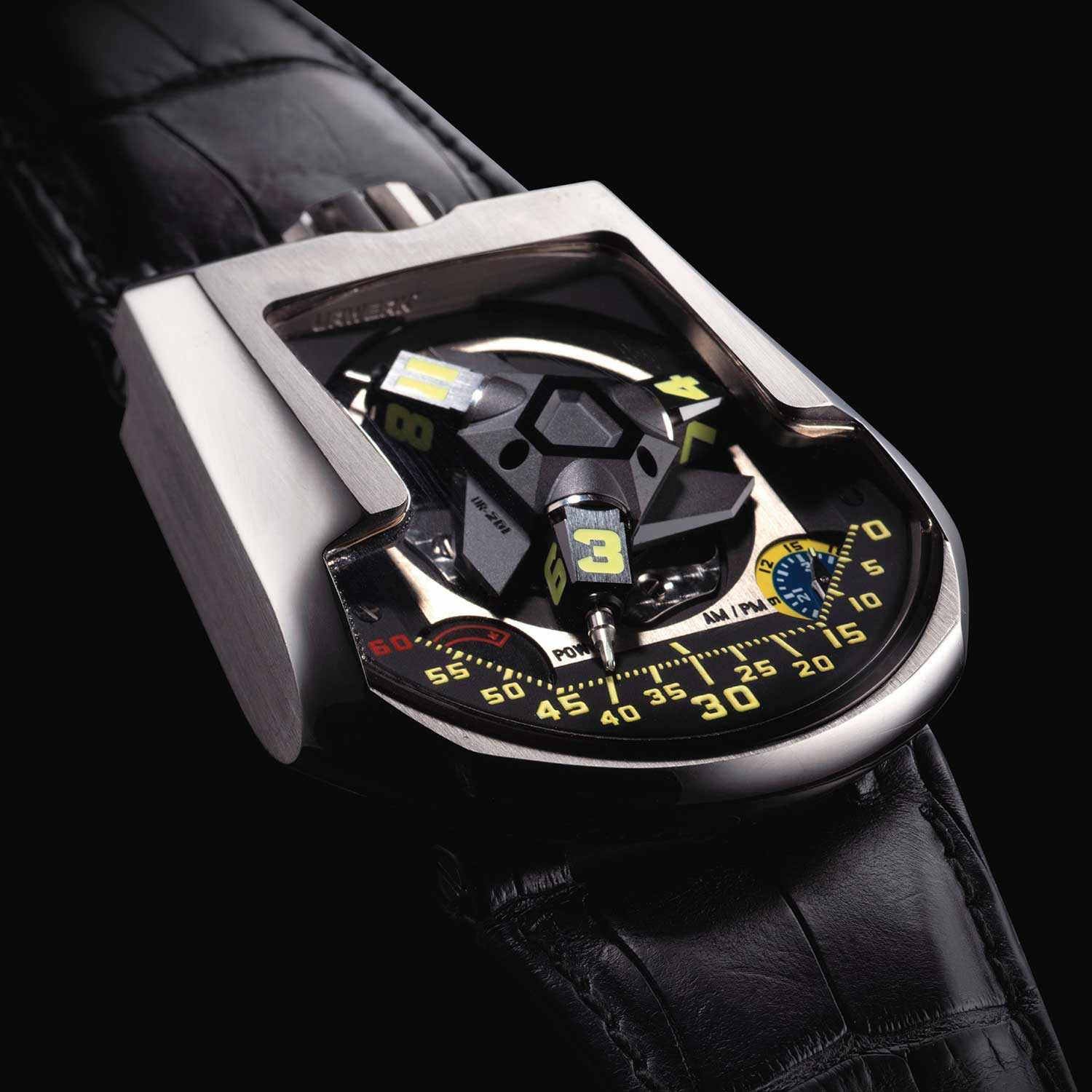
- UR-201 (Credit: Christie’s Images)
-
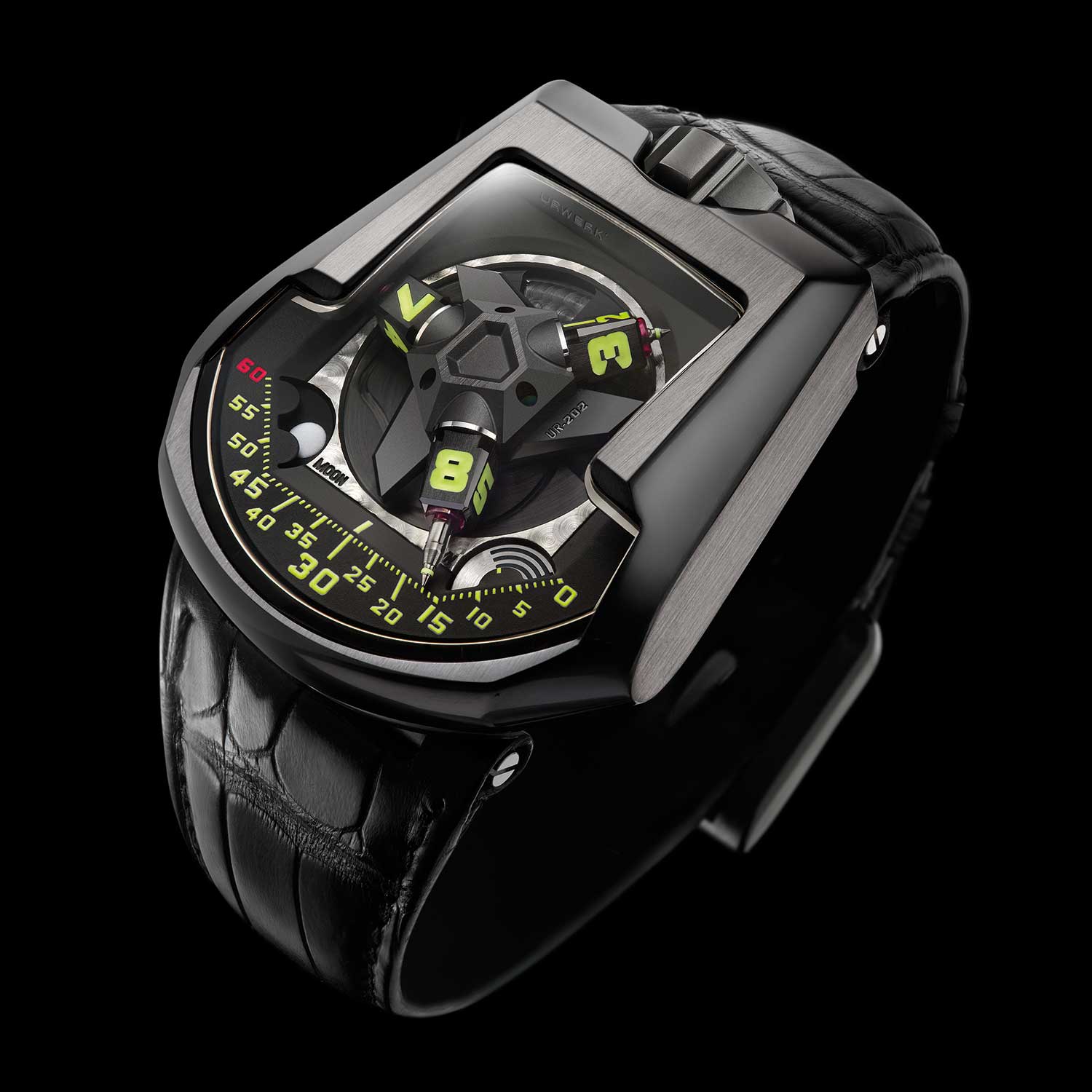
- UR-202
The UR-CC1 of 2009 took an entirely different route, displaying the time linearly on two horizontal cylinders — one for the jump hour and the other for the retrograde minutes — while the seconds are shown on a rotating disk both digitally and linearly. The UR-210 was notable for combining the revolving hour satellite display with a massive three-dimensional retrograde minute hand, and for introducing a winding efficiency indicator that shows whether wrist activity is generating enough energy to keep the mainspring wound.
-
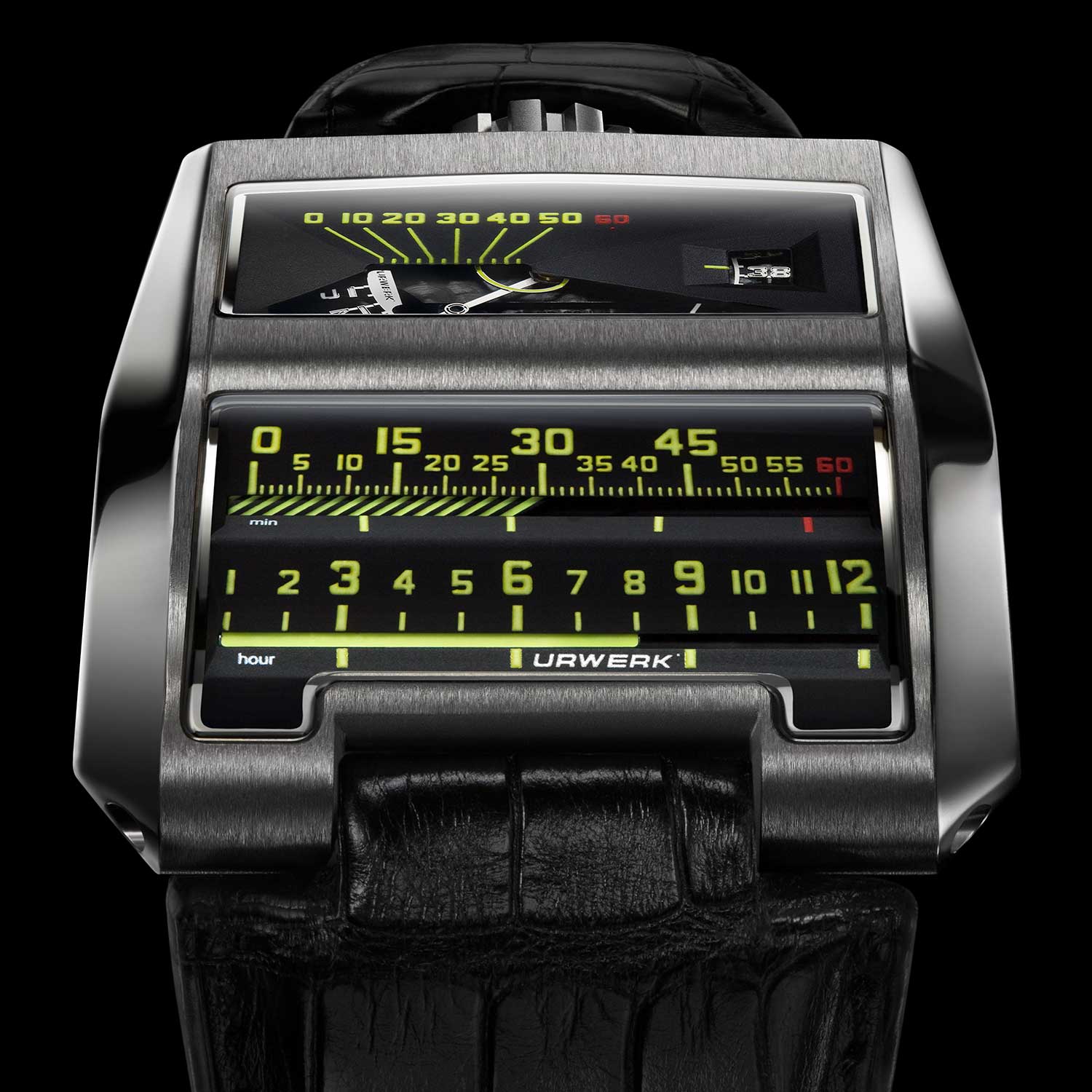
- UR-CC1
-
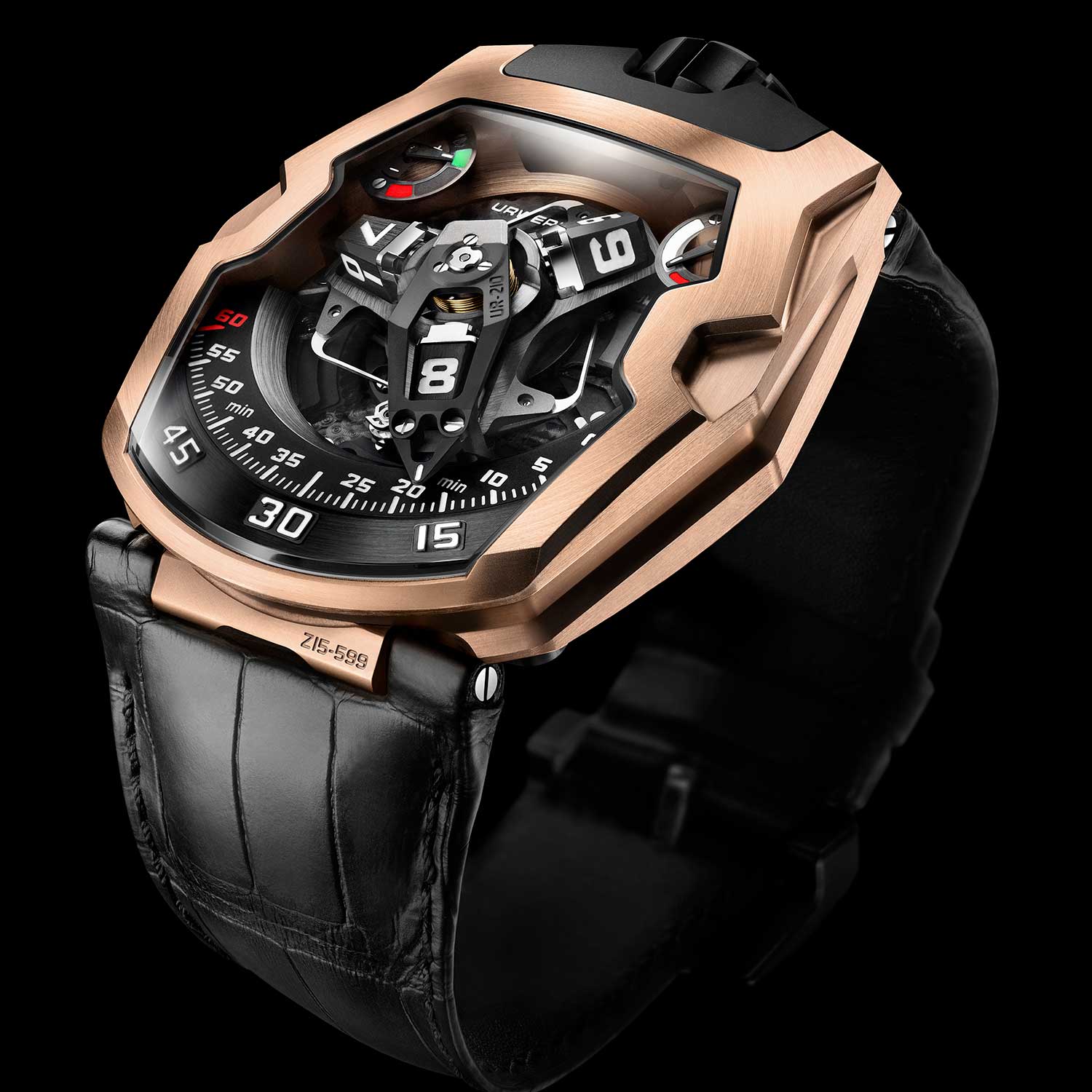
- UR-210
The monumental UR-1001 Zeit Device of 2011 then brought together many of Urwerk’s defining ideas in a pocket watch, combining satellite displays for both the time and annual calendar with a running-time indicator built to track the operating life of the watch for up to 1,000 years.

UR-1001 Zeit Device
Running alongside these explorations in display was Baumgartner’s fascination with chronometry. The Electro Mechanical Control (EMC) of 2013 was the first mechanical wristwatch whose rate could be electronically measured by its owner. An optical sensor reads the balance against a 16MHz reference and reports the deviation in seconds per day, leaving the wearer to correct it with a fine-tuning screw on the caseback. The idea culminated in the Atomic Master Clock (AMC) of 2018, where a mechanical wristwatch docks in the cradle of a rubidium atomic master clock that regulates its rate, resets its indications and winds it, translating Breguet’s Sympathique principle into the 21st century.
-

- Electro Mechanical Control (EMC)
-
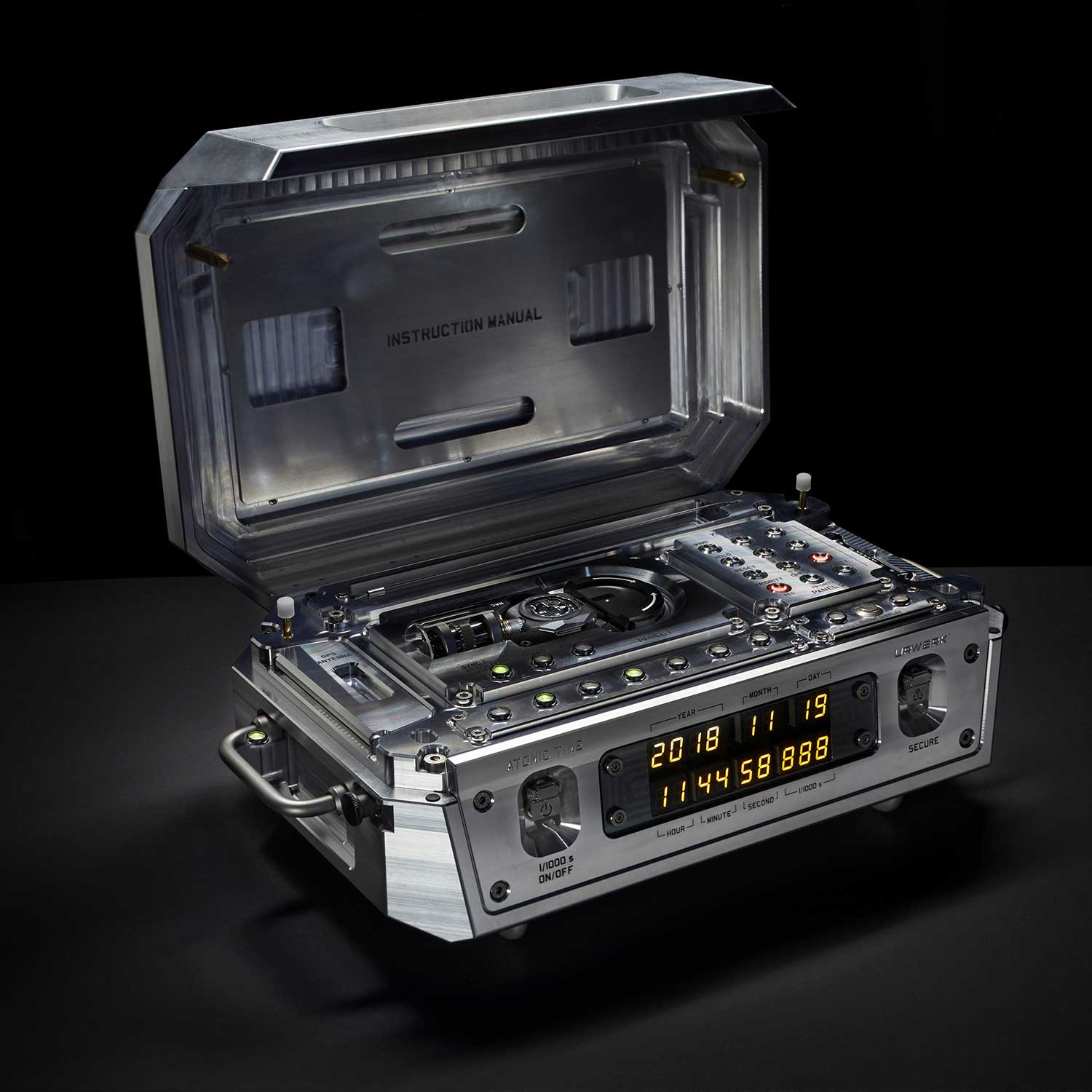
- Atomic Master Clock (AMC)
Maximilian Büsser
Few individuals have had a greater influence on modern independent watchmaking than Max Büsser. Long before he established his own company, Büsser recognized something that now seems obvious but was far from it at the turn of the century — the fact that some of the most original ideas in watchmaking were coming not from the grande maisons, but from individuals working in relative obscurity. As the driving force behind the Harry Winston timepieces, he invited independent watchmakers to collaborate on the Opus series, bringing talents such as François-Paul Journe, Vianney Halter, Christophe Claret and others to a stage they might not otherwise have reached. When Büsser founded MB&F in 2005, he carried that philosophy with him. From the outset, MB&F was conceived as a creative laboratory where engineers, finishers, case makers and artists would collaborate openly.
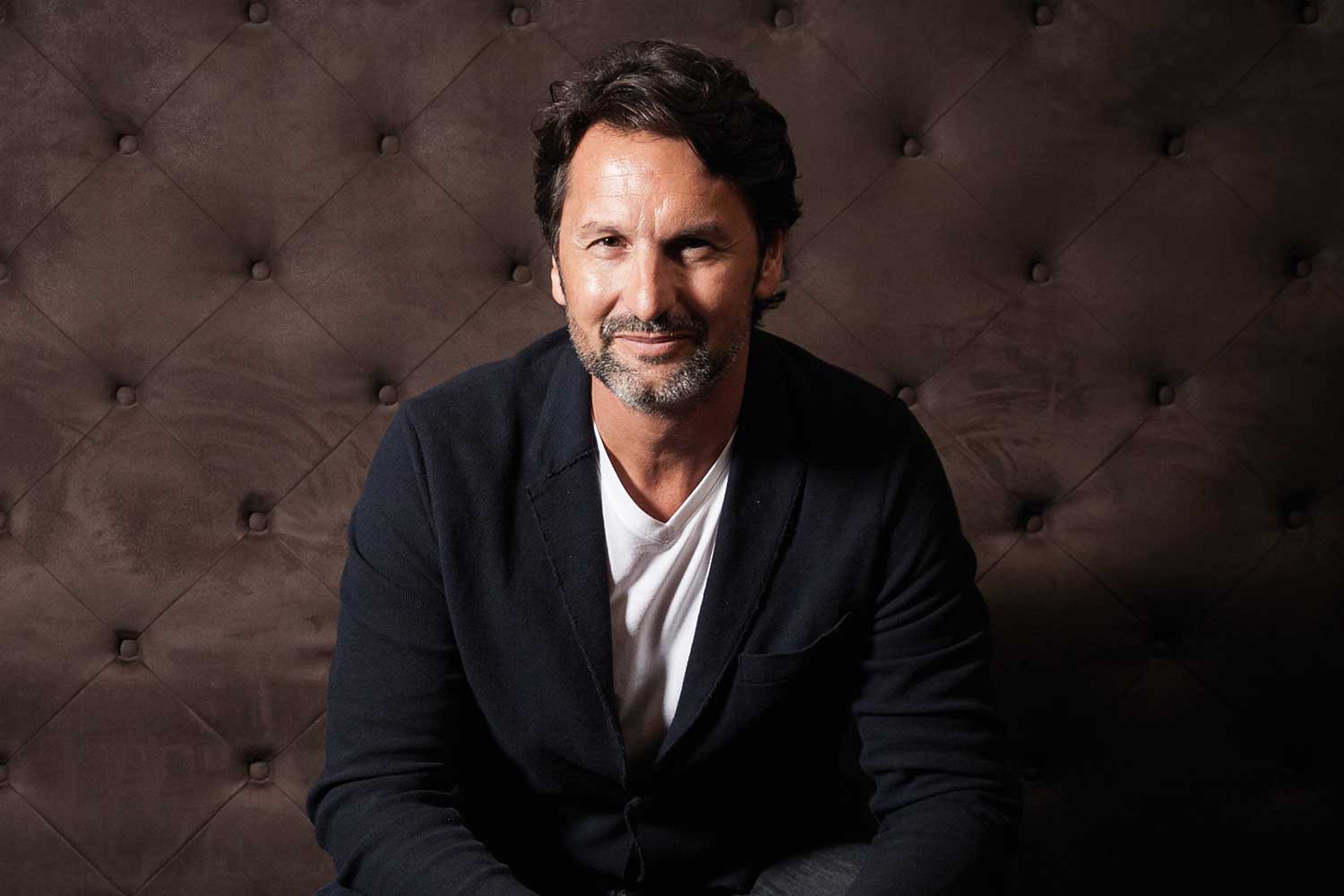
Maximilian Büsser
Since then, he has been a leading figure in opening up the constrained language of fine watchmaking. The Horological Machines discarded almost every assumption about what a wristwatch ought to look like, replacing familiar forms with three-dimensional sculptures built around conceptual worlds spanning space, science fiction, aviation and supercars to animals and architecture. The Legacy Machines, on the other hand, explored how much originality could be achieved within the familiar vocabulary of a round case and classical complications. The LM Perpetual and LM Sequential Flyback, in particular, are milestones in the history of their respective complications.

HM1 (Horological Machine No°1)
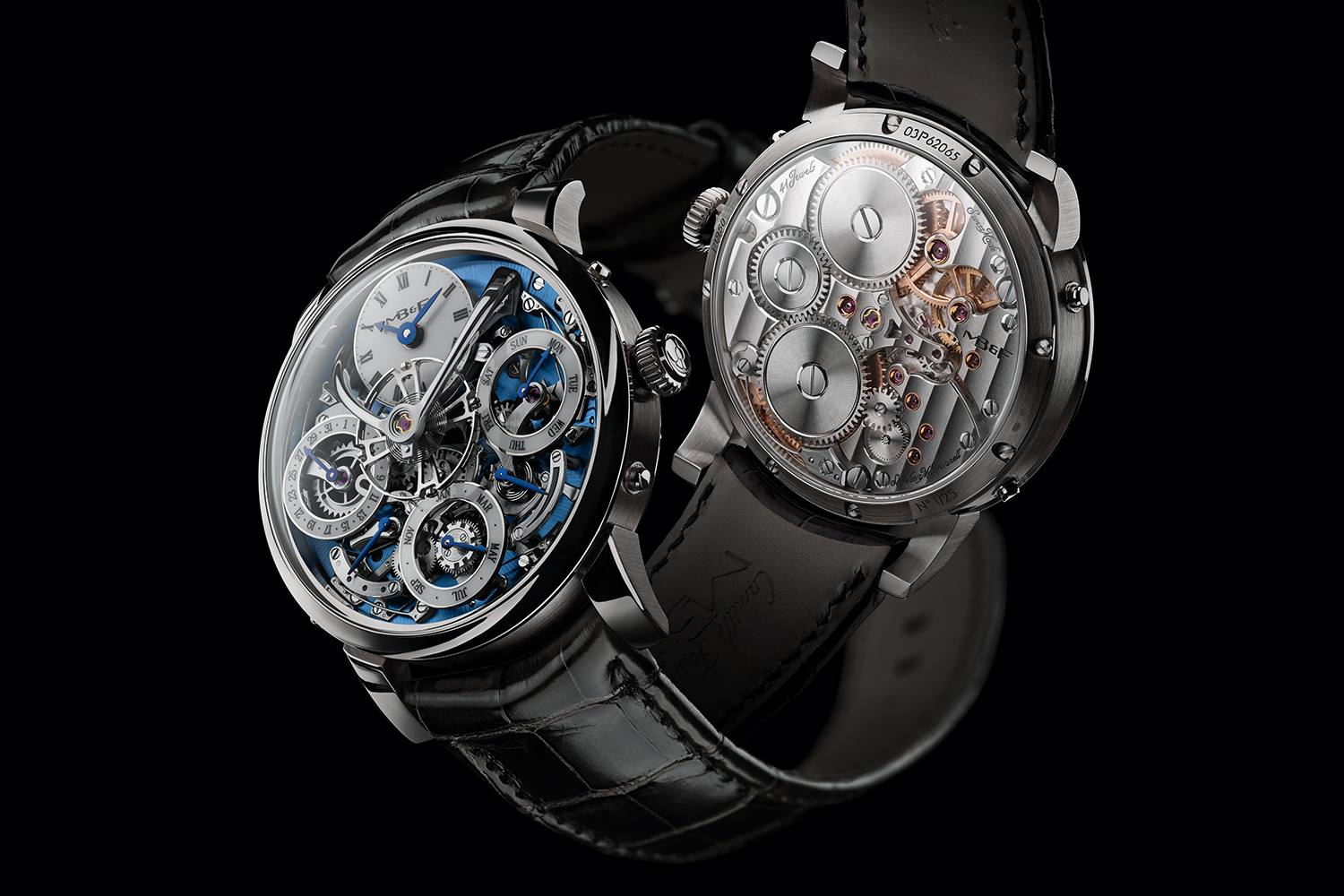
LM Perpetual
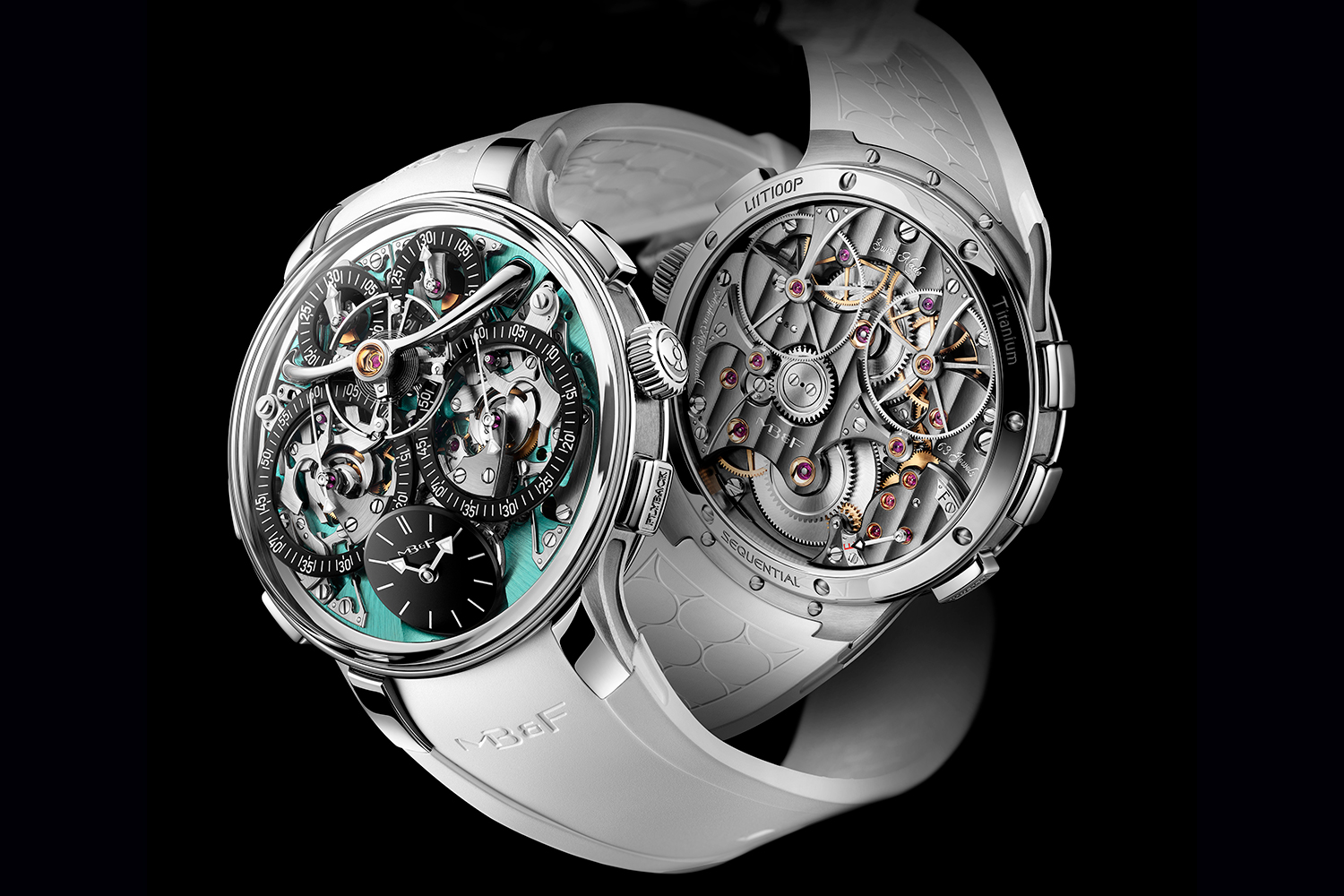
LM Sequential Flyback EVO Duo
There are 12 Horological Machines and a growing family of Legacy Machines to date, along with Special Projects, Performance Art pieces, clocks and the numerous variations within each family. Such fecundity is remarkable in itself, particularly because a new model requires the conception of an entirely new movement. Yet the greater achievement lies in the unity that governs this diversity. However different these works may be in form and purpose, each may be recognized at once as the product of MB&F, and this extends even to the more accessible creations of its offshoot M.A.D. Editions.

M.A.D.Editions M.A.D.1 “Friends & Tribe”
Aaron Becsei
Aaron Becsei may have caused quite a stir with his latest watch, the Pameus, but among those in the know, his name has carried significance for many years. Born in Budapest in 1979, he represents the third generation of a family of watch and clock restorers. His formal watchmaking education was largely theoretical, so his practical education came at his father’s bench, where missing components often had to be reconstructed from scratch. He later studied CAD/CAM design at the School of Technical Sciences of Budapest, adding the tools of modern engineering to a foundation in traditional handcraft.

Aaron Becsei
His first completed timepiece was the Miniature Zappler of 2003, a pendulum clock only 35mm high. This was followed by two increasingly complex tourbillon clocks before the Primus of 2008, his first wristwatch. Its triple-axis tourbillon dispenses with ball bearings in favor of traditional pivots with jewel bearings, a patented solution made entirely in his workshop. Becsei joined the Académie Horlogère des Créateurs Indépendants (AHCI) in 2009.
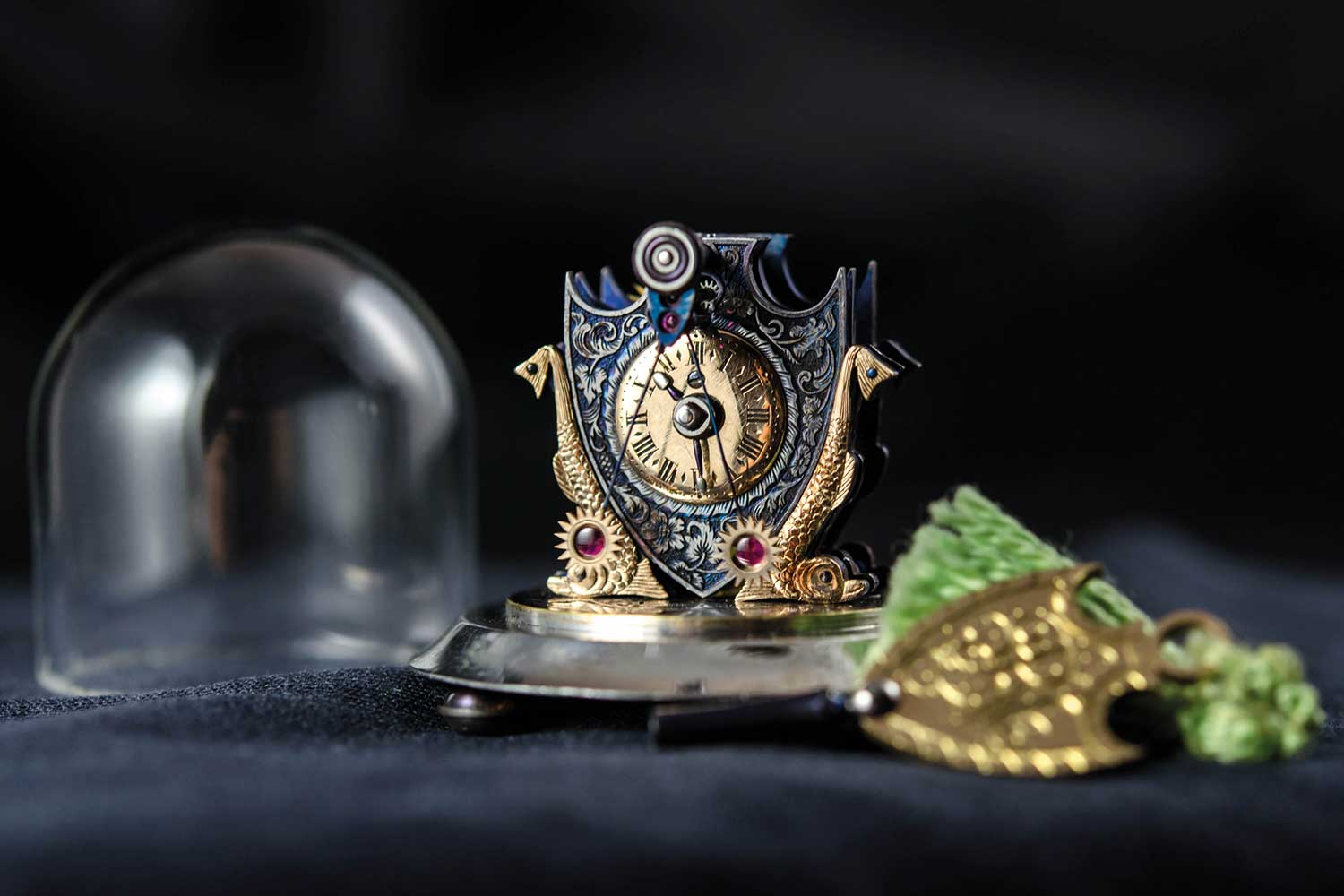
At 35mm high (with dome), the Miniature Zappler is the smallest known working pendulum clock in the world
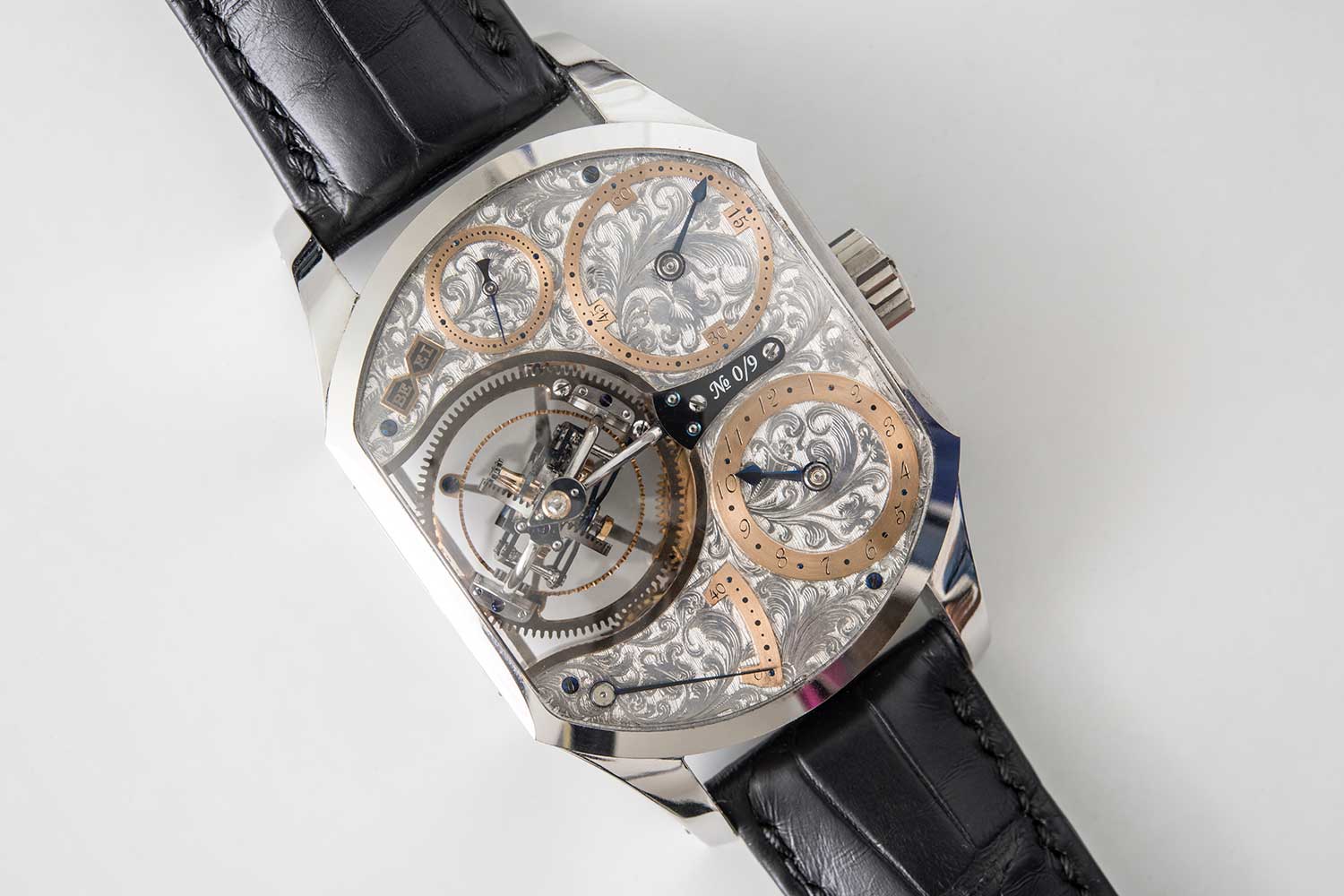
Bexei Primus Triple Axis Tourbillon
The later Dignitas Pure brought his elaborate handcraft into a time-only watch. Its broad rounded bevels, ornate engraving and distinctive double-ellipse case give it a markedly Baroque character. The one-off Vox Vinum of 2019 was still more ambitious, a grande and petite sonnerie with a minute repeater based on a historical pocket watch ébauche.
-
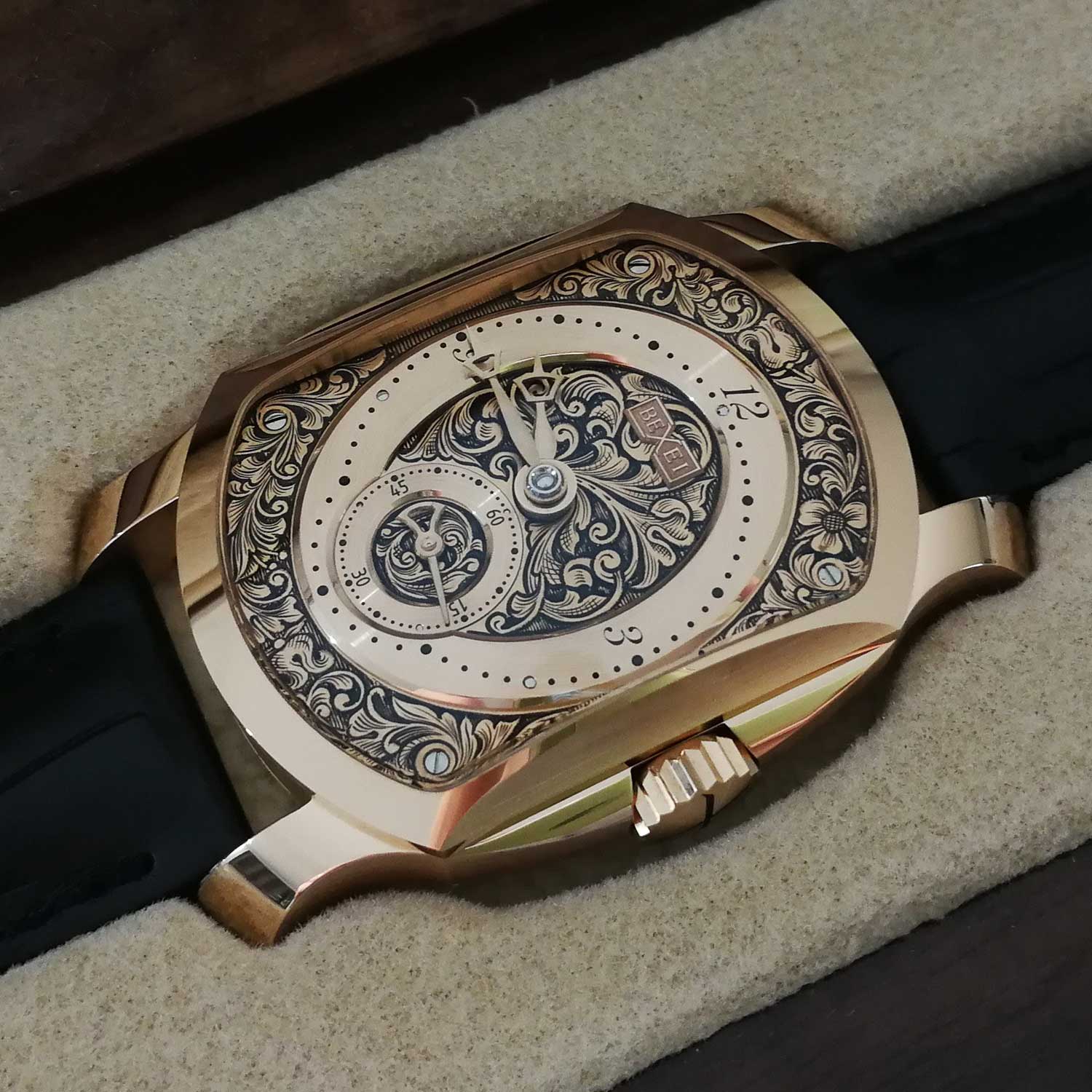
- Dignitas Pure
-
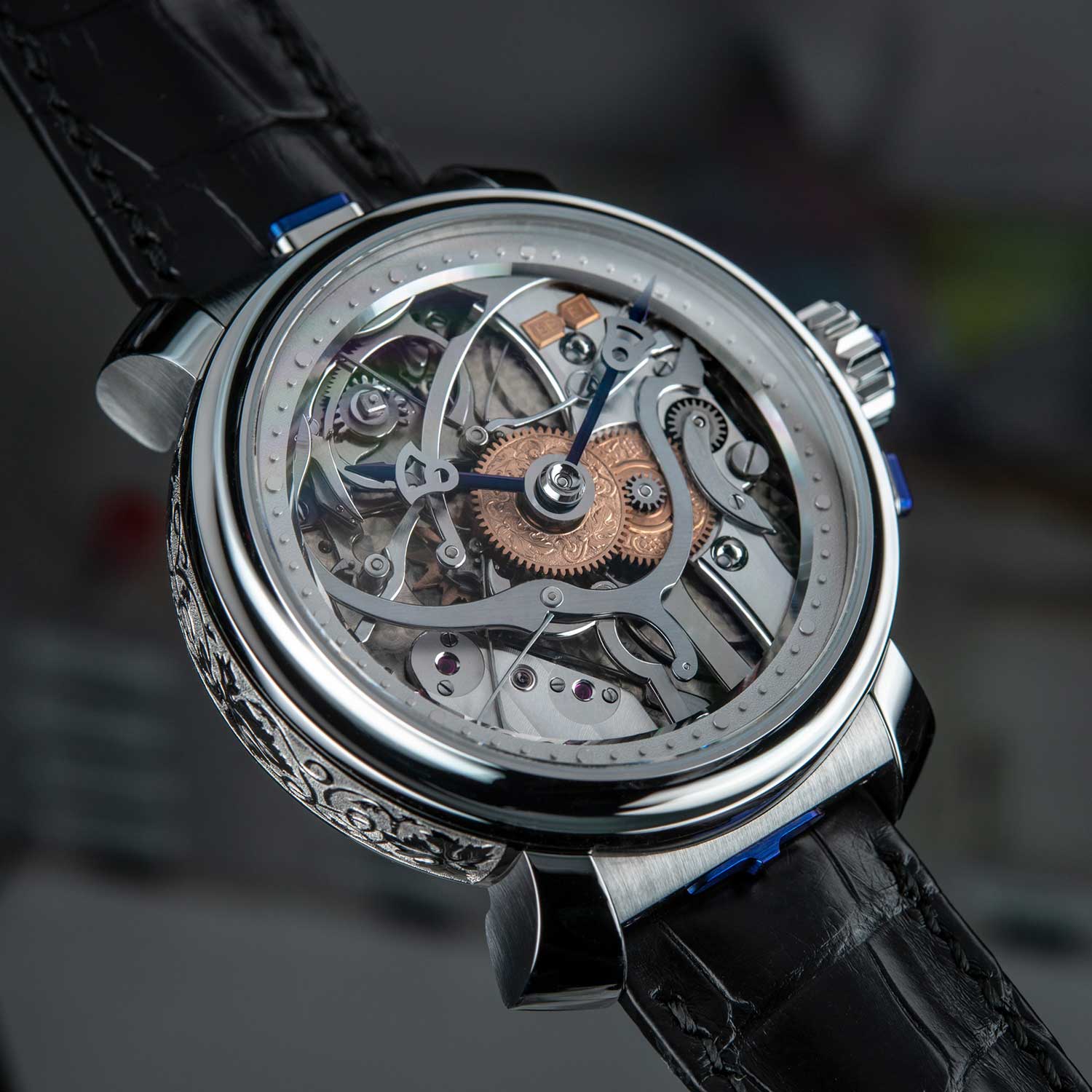
- Vox Vinum
In 2026, Becsei began a new chapter under his full name with the Pameus. It tempers the exuberance of his earlier design language while remaining an unstinting display of handcraft. Apart from the crystal, mainspring and strap, every component is made in-house. Few independents today design, manufacture, finish and assemble so much themselves, and fewer still do so from a Budapest workshop, far beyond the established Swiss supplier network.
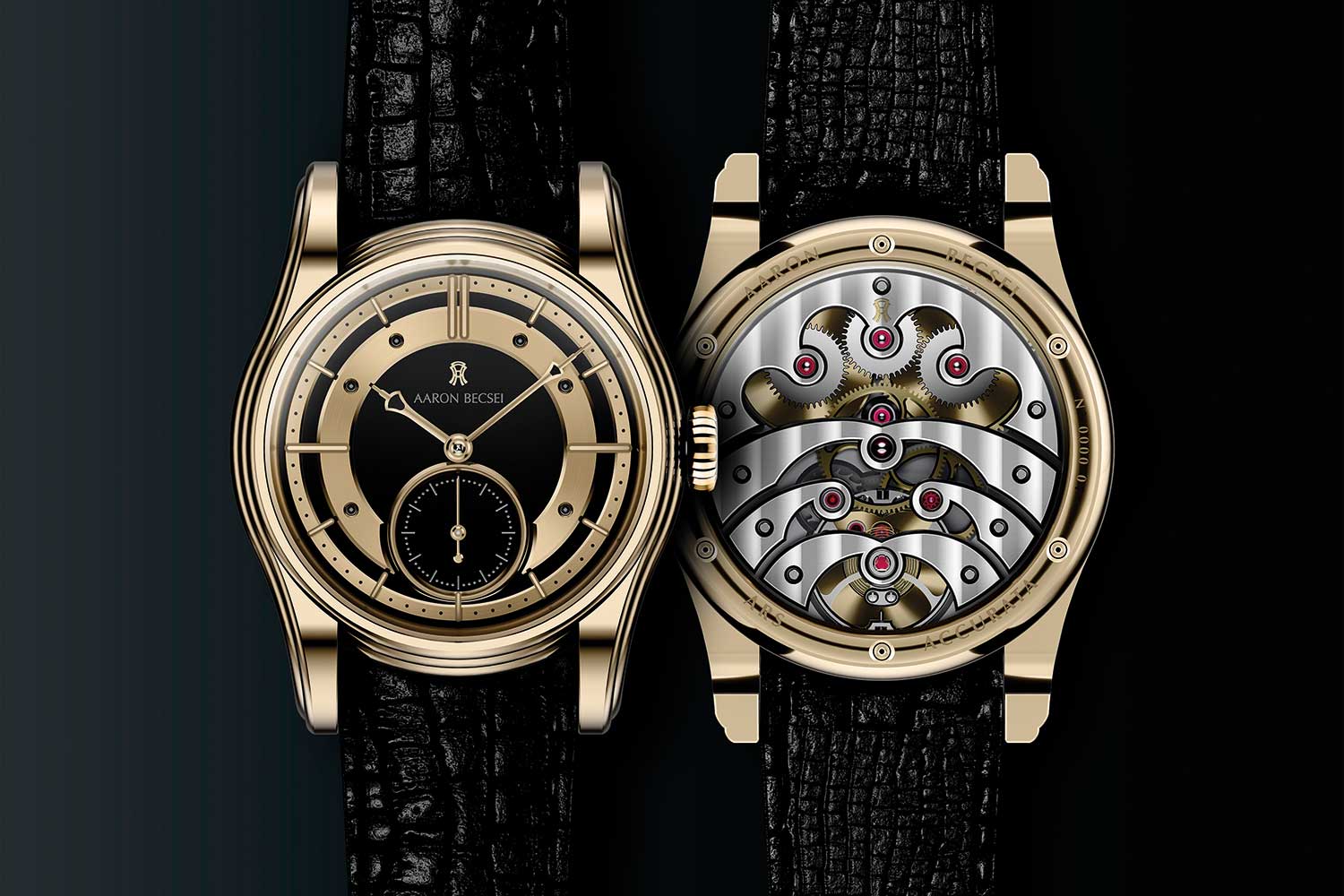
Becsei Pameus
Simon Brette
Simon Brette achieved almost immediate recognition with his first watch, Chronomètre Artisans, which has since become one of the most sought-after time-only watches in contemporary independent watchmaking. Raised in France’s Auvergne region, the son of a carpenter, he studied watchmaking engineering in Neuchâtel and graduated in 2011. He then joined Jean-François Mojon’s Chronode as a movement constructor, where he worked on projects including the early MB&F Legacy Machines. He later moved to MCT and finally MB&F, contributing to the HM10 Bulldog, the sapphire-cased HM9 and, most significantly, the LMX.

Simon Brette
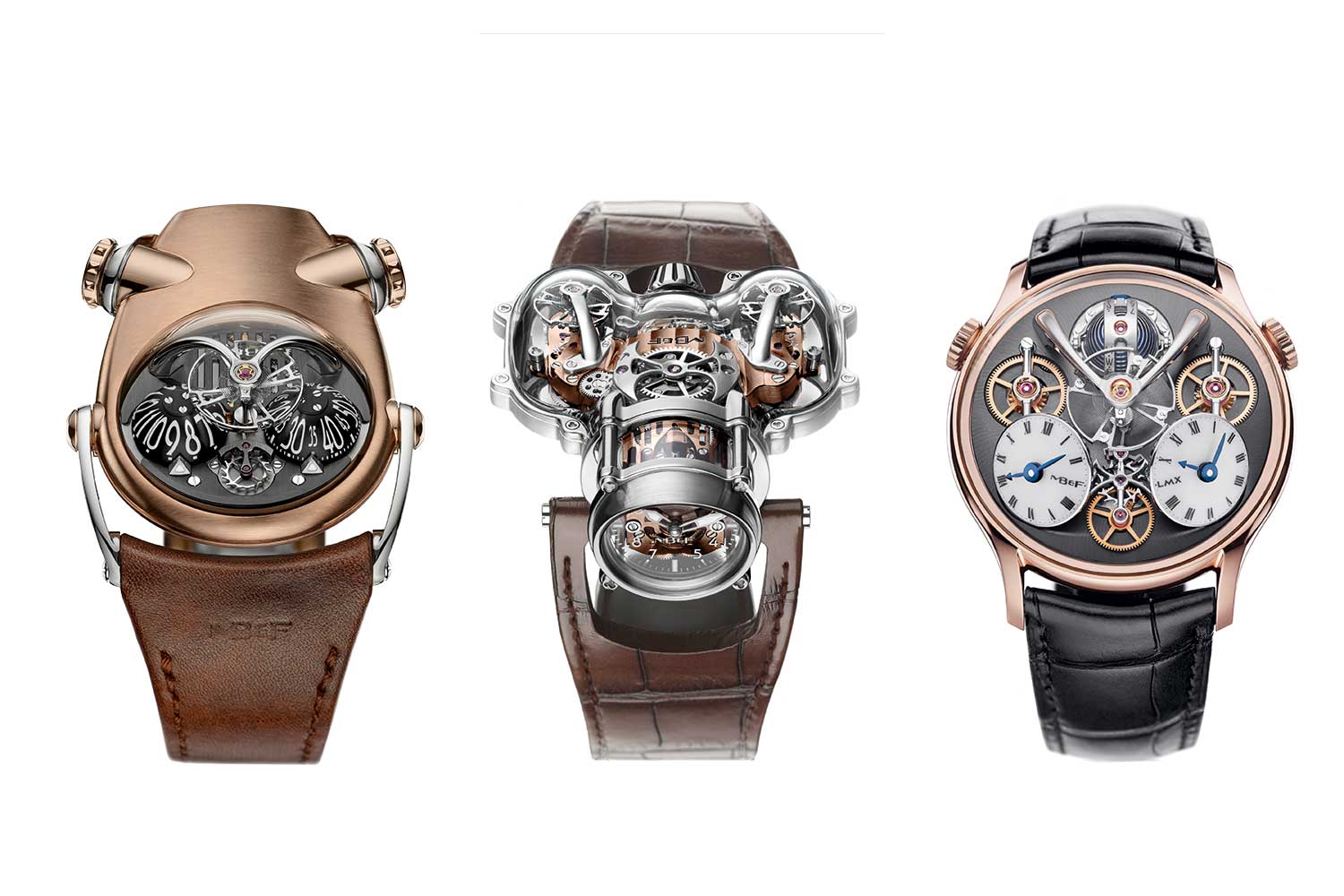
From left: HM10 Bulldog, HM9 and LMX
Brette left MB&F in 2021 to begin work on his own and introduced the Chronomètre Artisans in 2023. It was one of those watches whose appeal required very little explanation. The watch was an instant hit, immediately generating a half-decade-long waitlist. Its architecture draws on classical chronometers, with a large free-sprung balance running at 2.5Hz, a Breguet overcoil, twin barrels providing a 72-hour power reserve. Its remarkable finishing is central to its conception. Concave black-polished screws, rounded bridges, gold chatons and hand-engraved dials give the watch a classical yet sculptural richness. Just as important is Brette’s insistence on naming the specialist artisans responsible for its construction and decoration, a response to the anonymity that often surrounds outsourced craft in Swiss watchmaking. The Chronomètre Artisans Souscription won the Grand Prix d’Horlogerie de Genève (GPHG) Horological Revelation Prize in 2023. On the strength of one watch, the industry is already waiting to see what follows.

Chronomètre Artisans Souscription
David Candaux
Best known for his nearly two decades as a constructor at Jaeger-LeCoultre, David Candaux now makes watches under his own name that are intriguing in both their mechanics and their design. Born and raised in the Vallée de Joux, David Candaux entered the regional technical school at 15 and joined Jaeger-LeCoultre after graduation. He began in restoration, later ran its training program and eventually moved into the complications department. His credits there include the Reverso Triptyque, Master Minute Repeater and Hybris Mechanica Grande Sonnerie. After leaving in 2011, he worked behind the scenes as an independent constructor on projects including MB&F’s HM6 Space Pirate.
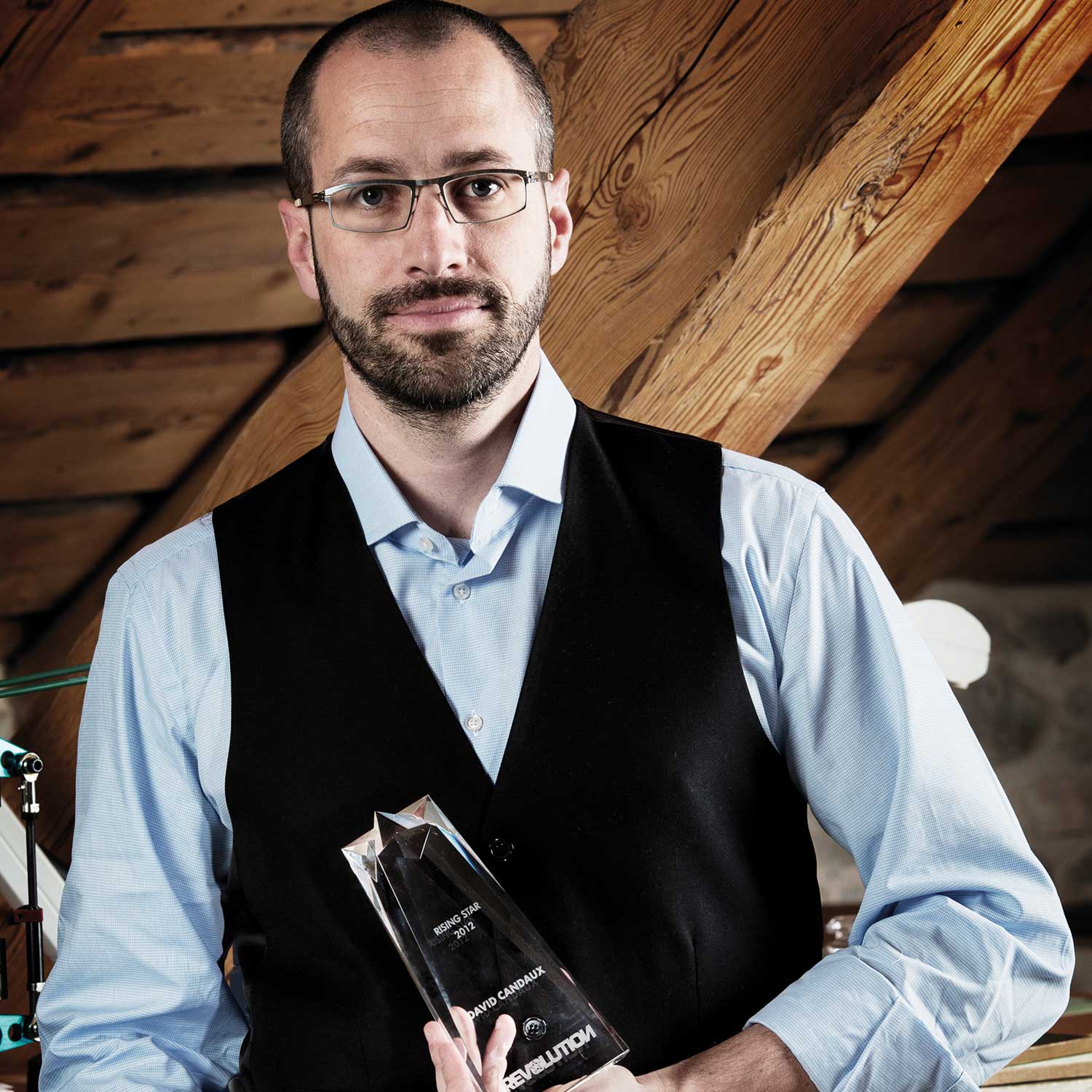
David Candaux
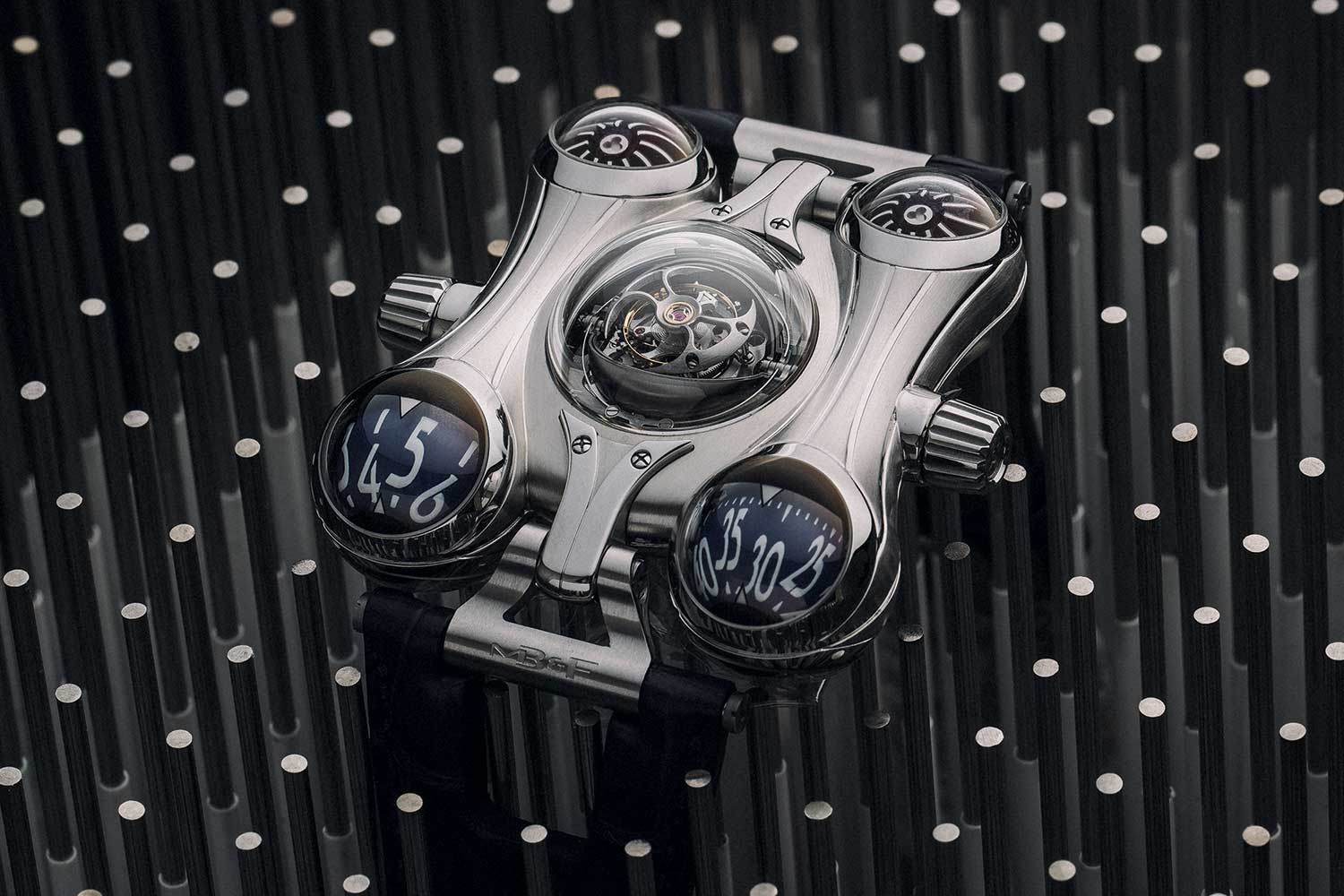
MB&F HM6 Space Pirate
Candaux established his own marque in 2017 and launched the 1740 The First 8, named for the year watchmaking took root in the Vallée de Joux. The watch set out the codes that still distinguish his work — an inclined movement, a 30-degree inclined flying tourbillon, a bassinet-shaped case and the retractable “Magic Crown” at 6 o’clock. The model was reinterpreted in the DC6 Half Hunter, which features an engine-turned dial and domed sapphire crystals over the subdial and tourbillon aperture, while the subsequent DC7 Genesis has a simpler design with a new movement featuring an inclined tourbillon at 12 o’clock.
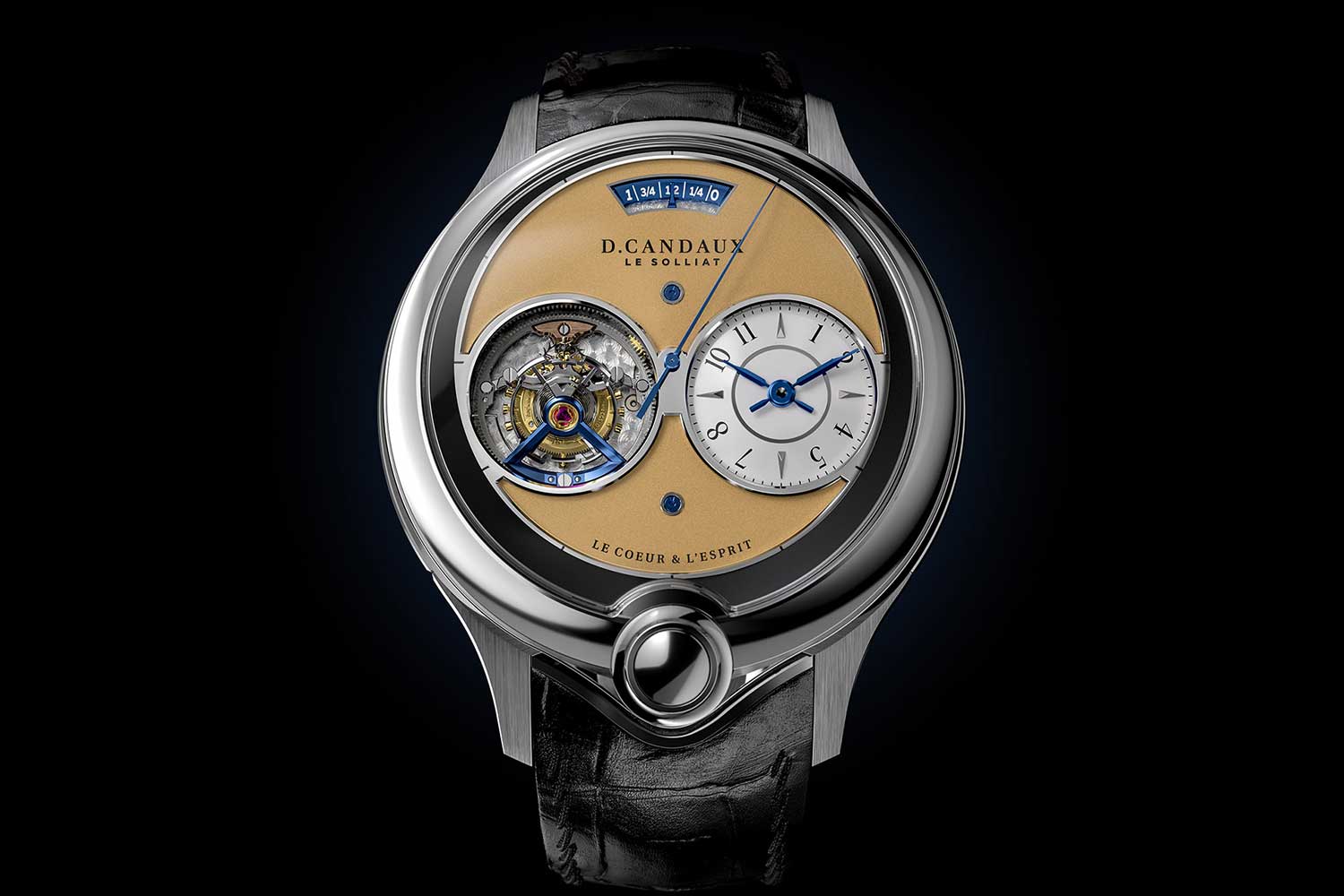
1740 The First 8
-
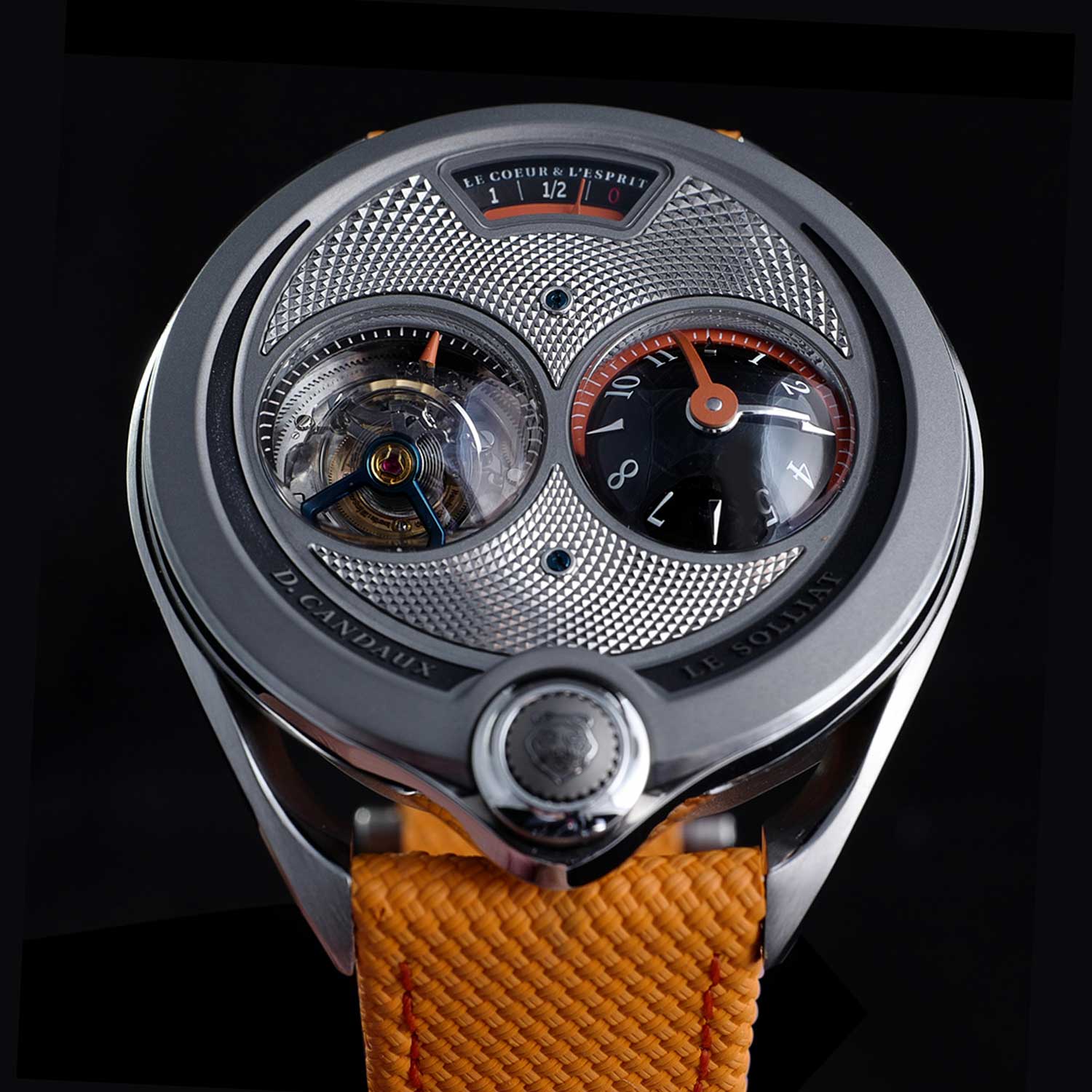
- DC6 Half Hunter
-
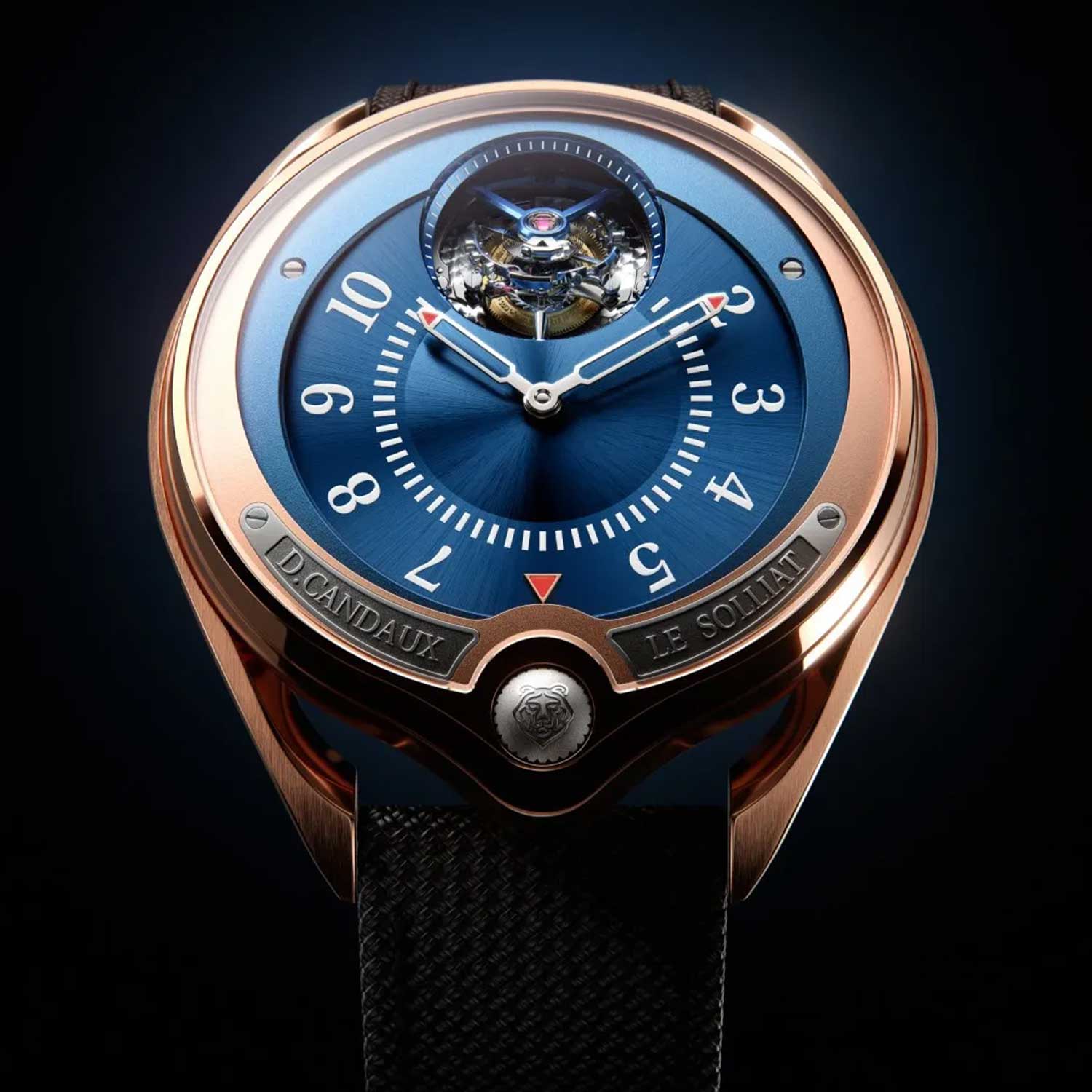
- DC7 Genesis
The impressive DC12 MaveriK of 2025 opened a new chapter. It is equipped with two balances linked by a differential, a mechanism that seems to be inspired by a 1930s EPVJ Double Régulateur pocket watch he encountered as an apprentice. His solution, however, departs from the conventional differential by incorporating a spiral spring. When one escapement is locked while the other unlocks, energy naturally follows the path that is free to move, leaving the locked escapement unable to accept its share. Candaux, therefore, connected the differential carrier to one of the output wheels through a spiral spring, which temporarily stores the surplus energy and releases it when the second escapement is ready to receive it.

DC12 MaveriK
Charles Frodsham
The modern chapter of Charles Frodsham is led by owners Philip Whyte and Richard Stenning (pictured), who around the turn of the century began discussing the possibility of producing a chronometer wristwatch. Their work at the time centered largely on restoration and major commissions, including the completion of Derek Pratt’s reconstruction of John Harrison’s H4 and a reconstruction of H3 for the National Maritime Museum’s Ships, Clocks and Stars exhibition in 2014.

Richard Stenning
The decisive turn came in 2004, after their experiments with spring-detent wristwatches had shown that a single-impulse escapement could not deliver the reliability they wanted. During a meeting at the company’s Sussex workshop, Pratt proposed adapting George Daniels’ Independent Double-Wheel escapement to the wristwatch, and within nine months the first prototype was running.
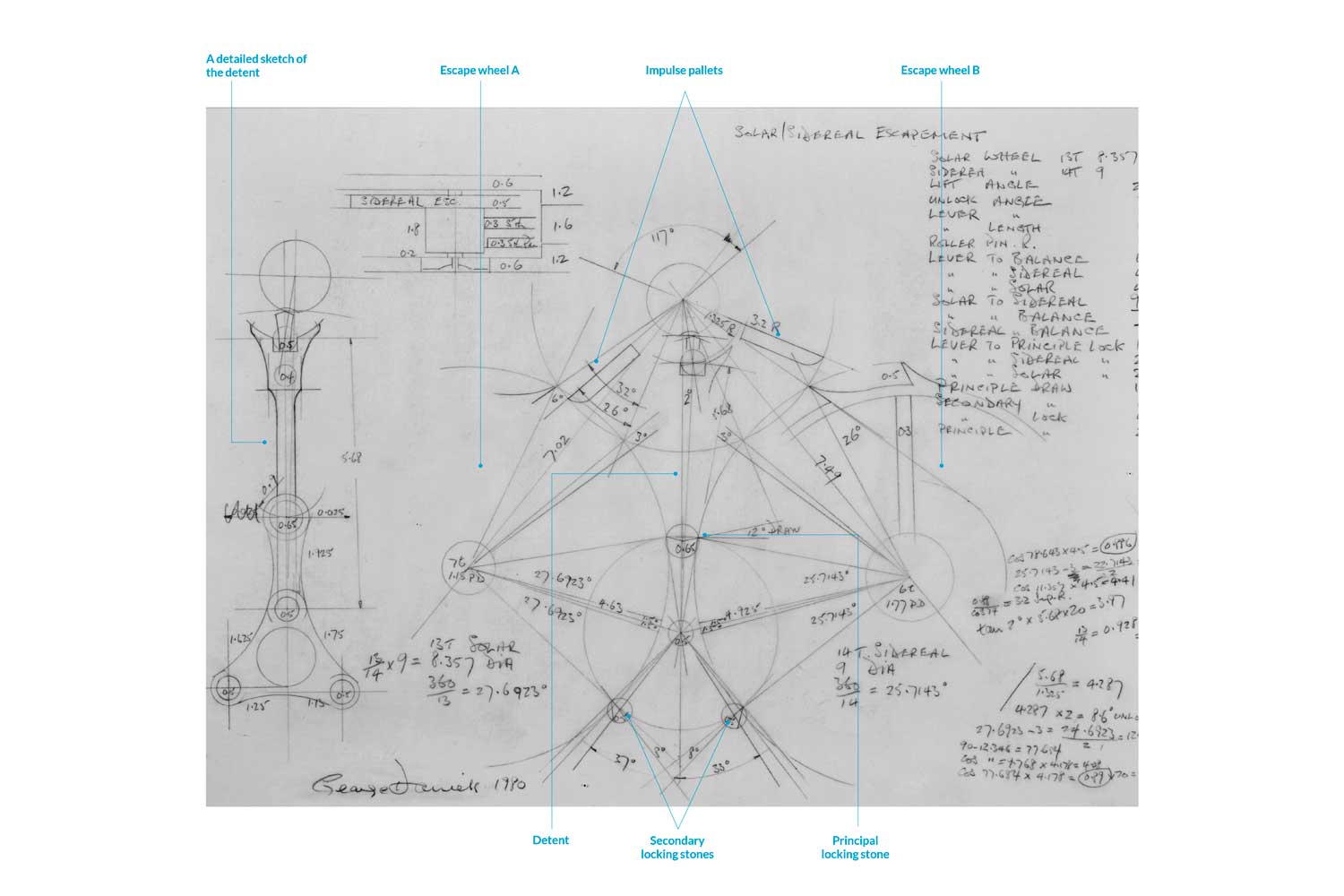
George Daniels’ sketch of the double-wheel chronometer escapement
The Independent Double-Wheel escapement addressed the shortcomings of Breguet’s natural escapement, which gave direct impulse in both directions but linked its two escape wheels through gearing, resulting in high inertia and play that could produce variable impulse. Daniels instead drove each escape wheel with a separate train, allowing them to move alternately with low inertia and secure locking.
What followed was a lengthy process of development and pre-production before the Charles Frodsham Double Impulse Chronometer was unveiled in 2018. The two trains curve symmetrically around a large 3Hz balance and terminate in escape wheels that rotate in opposite directions. A lightweight titanium detent positioned between them locks and releases each wheel in turn, while a safety brake keeps the trains synchronized and prevents the movement from starting until it has been fully wound. For all its technical significance, it is also a watch of quite exceptional beauty.
-
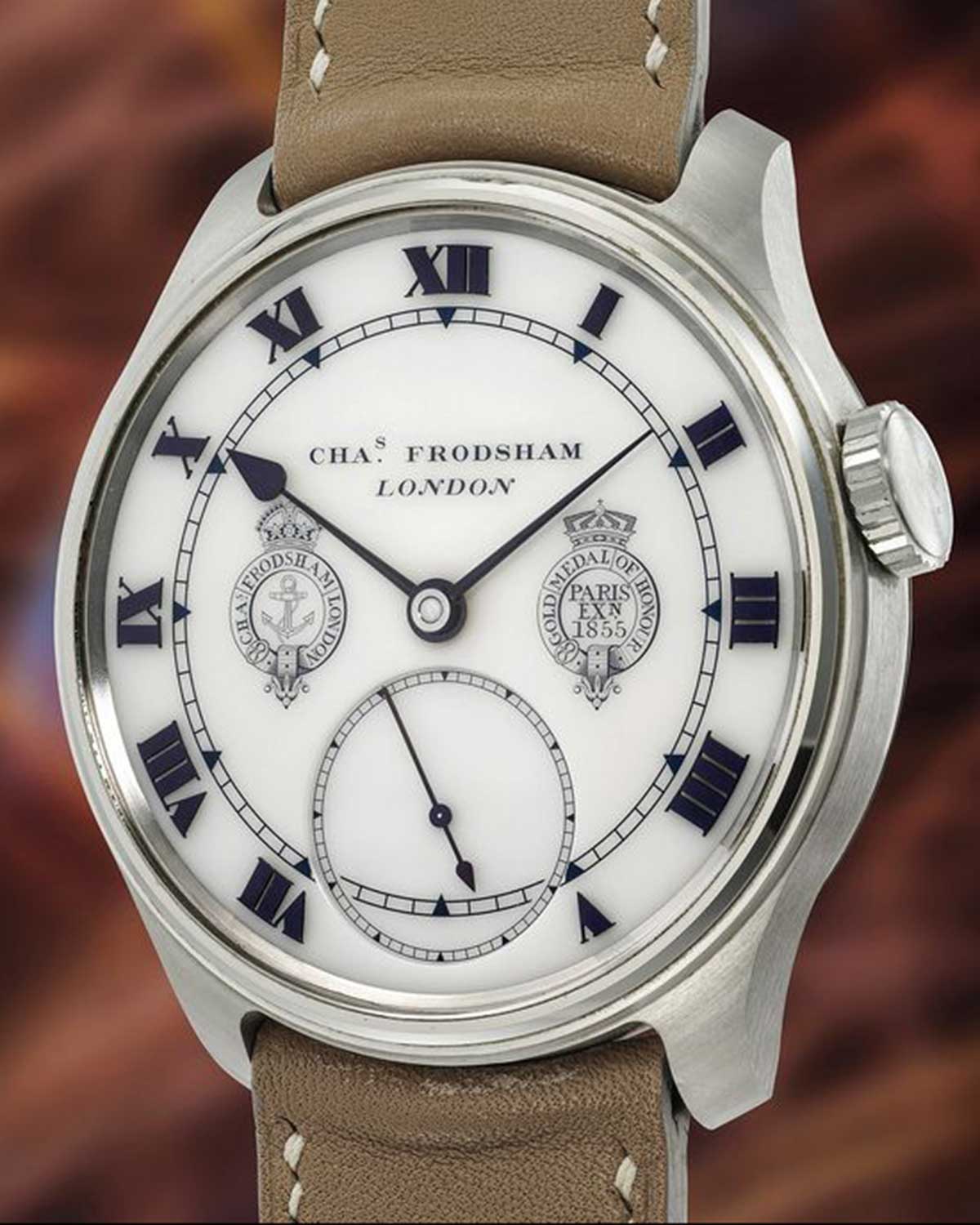
- Charles Frodsham Double Impulse Chronometer (Image: Phillips)
-
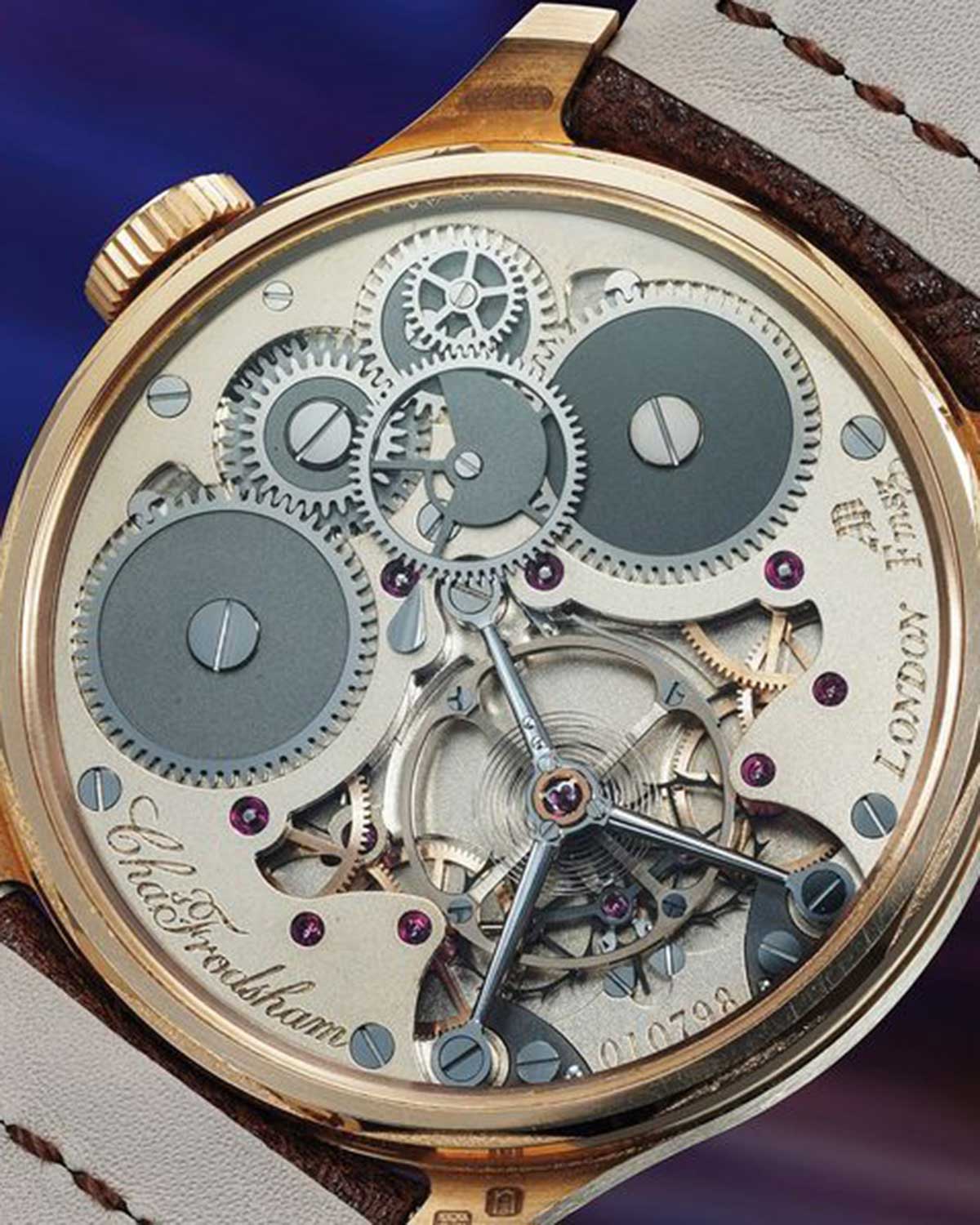
- Charles Frodsham Double Impulse Chronometer (Image: Phillips)
Konstantin Chaykin
One of the most fascinating minds in independent watchmaking, Konstantin Chaykin’s career has been every bit as unconventional as the mechanisms that made his name. Born in Leningrad in 1975, he trained in radio engineering and entered the watch trade almost by accident. Fascination with mechanisms soon displaced commerce. He taught himself through books, repair work and the study of antique watches, then began constructing a tourbillon table clock in 2003. It became the first tourbillon made in Russia in 175 years.
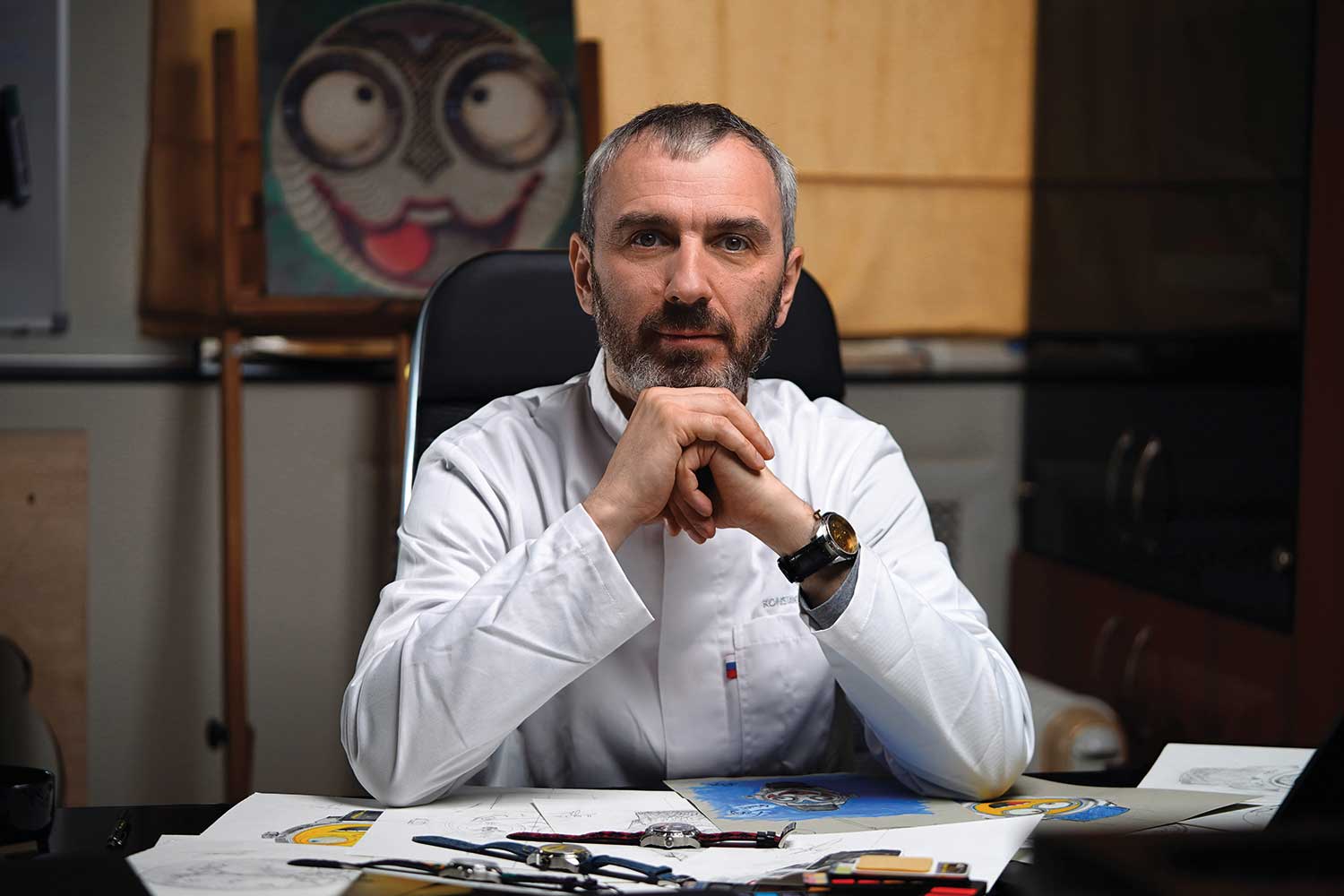
Konstantin Chaykin
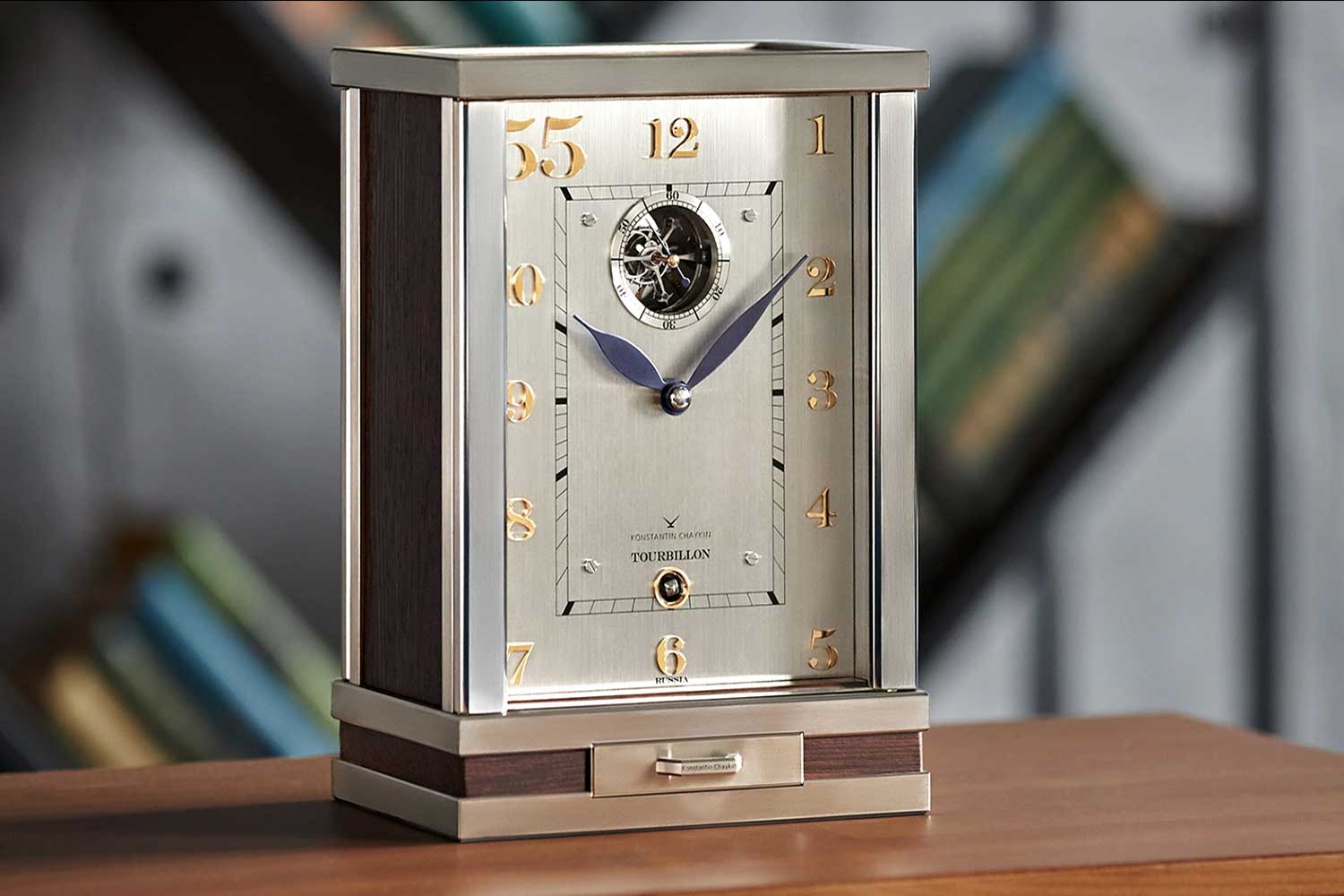
Tourbillon 55
Chaykin quickly moved beyond established complications. In 2005, he filed a patent for a mechanical computus capable of displaying the correct date of Orthodox Easter. The mechanism translated the Julian computus into two programmed disks: a 19-tooth disk representing the Metonic cycle, which governs the recurrence of the ecclesiastical lunar phases, and a 28-tooth disk representing the Julian solar cycle, after which calendar dates return to the same days of the week. As the disks advance each year, matching holes select one of the 35 possible dates for Easter, from March 22 to April 25 in the Julian calendar. Since the two cycles coincide only once every 532 years, the mechanism encodes the complete Julian Paschal cycle. The idea culminated in the Moscow Computus Clock of 2016, which had a 2,506-part movement that combined the Easter indication with 26 further complications and functions including a Tellurium, sunrise and sunset, equation of time, and even an analemma indicator. His work brought him into the AHCI in 2010, and he served as its president from 2016 to 2019.

Moscow Computus Clock
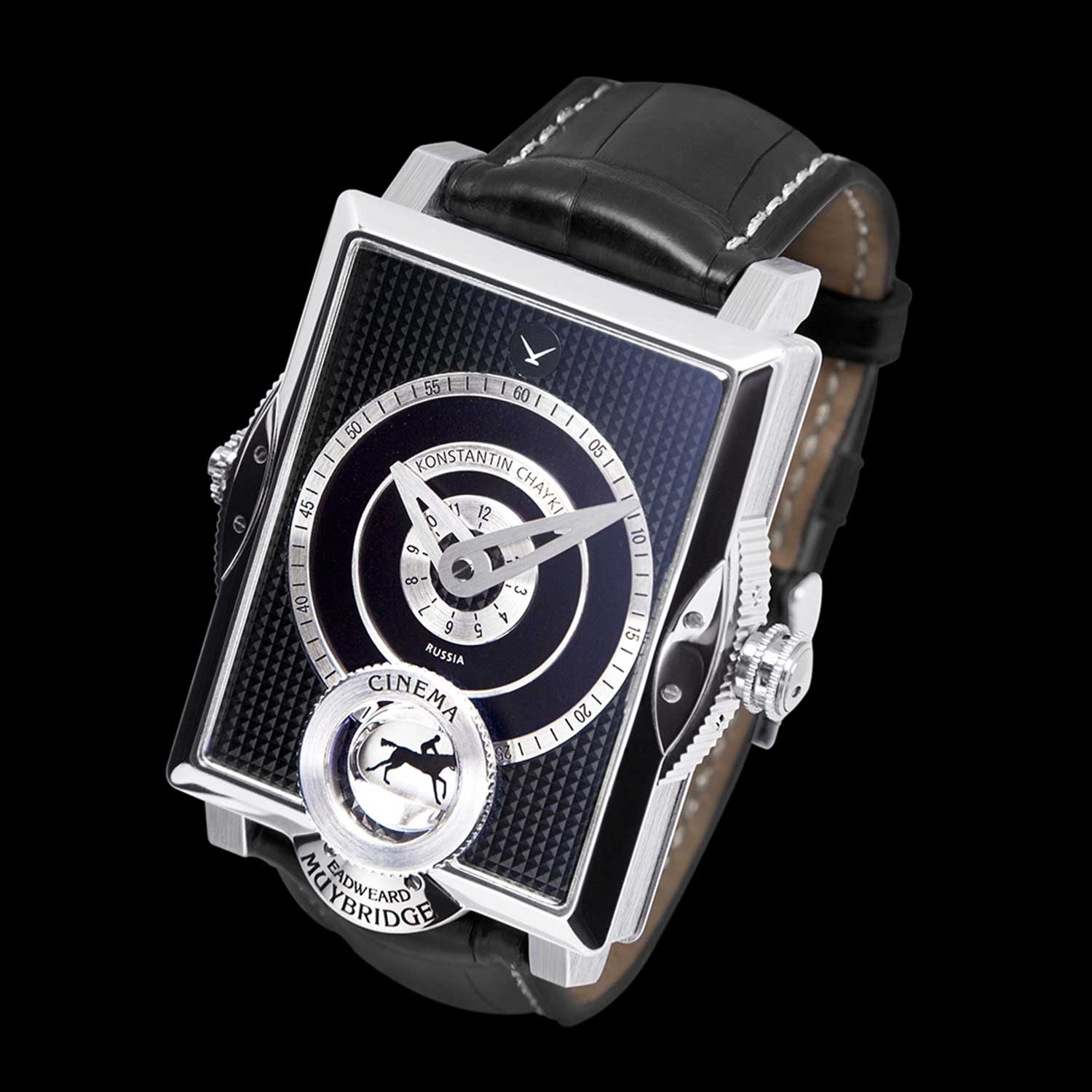
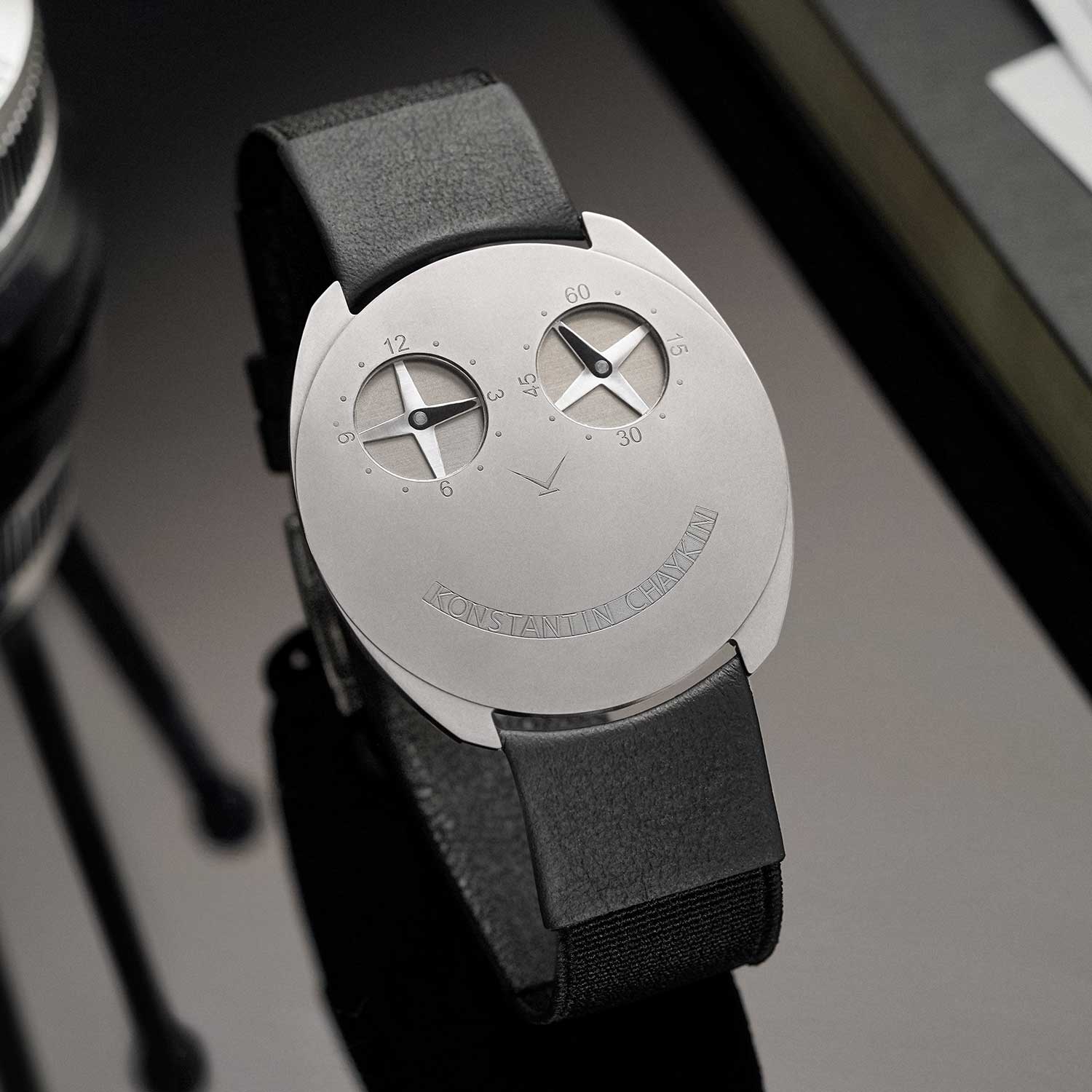
His wristwatches reveal a restless imagination. The Cinema of 2013 contains a miniature mechanical animation inspired by Eadweard Muybridge’s galloping horse, while the Genius Temporis displays hours and minutes from a single hand. Beginning in 2017, the Mars Conqueror project explored Martian time through a patented reduction gear that converted Earth time to the longer Martian sol, eventually encompassing a Martian calendar, mission-duration display and indications for the relative positions of Earth, Mars and the Sun. Yet it was the Joker of 2017 that put him on the map. Its rotating hour and minute disks form the eyes of an expressive face, while the moonphase display becomes its changing smile. The concept developed into the Wristmons family, and the Clown received the GPHG Audacity Prize in 2018.
-
- Cinema
-

- Joker
The playfulness should not obscure the seriousness of his watchmaking. The 17-complication Stargazer of 2023 is his most complicated wristwatch, while the ThinKing and ThinKing Mystery takes his work in the opposite direction. At only 1.65mm thick, it required the movement to be integrated into the caseback, the click wheel to be integrated into the barrel arbor, and the oscillator to be deconstructed with the balance and hairspring on one axis, while the impulse pin and safety roller are transferred to a second, geared axis.

Stargazer
-
- ThinKing
-

- ThinKing Mystery
With more than 100 patents to his name, Chaykin remains exceptional both for the breadth of his work, which ranges from calendar computation and astronomical complications to automata, anthropomorphic displays and extreme thinness, and for the rare combination of having both the hand of an artisan and the mind of an inventor.
Rémy Cools
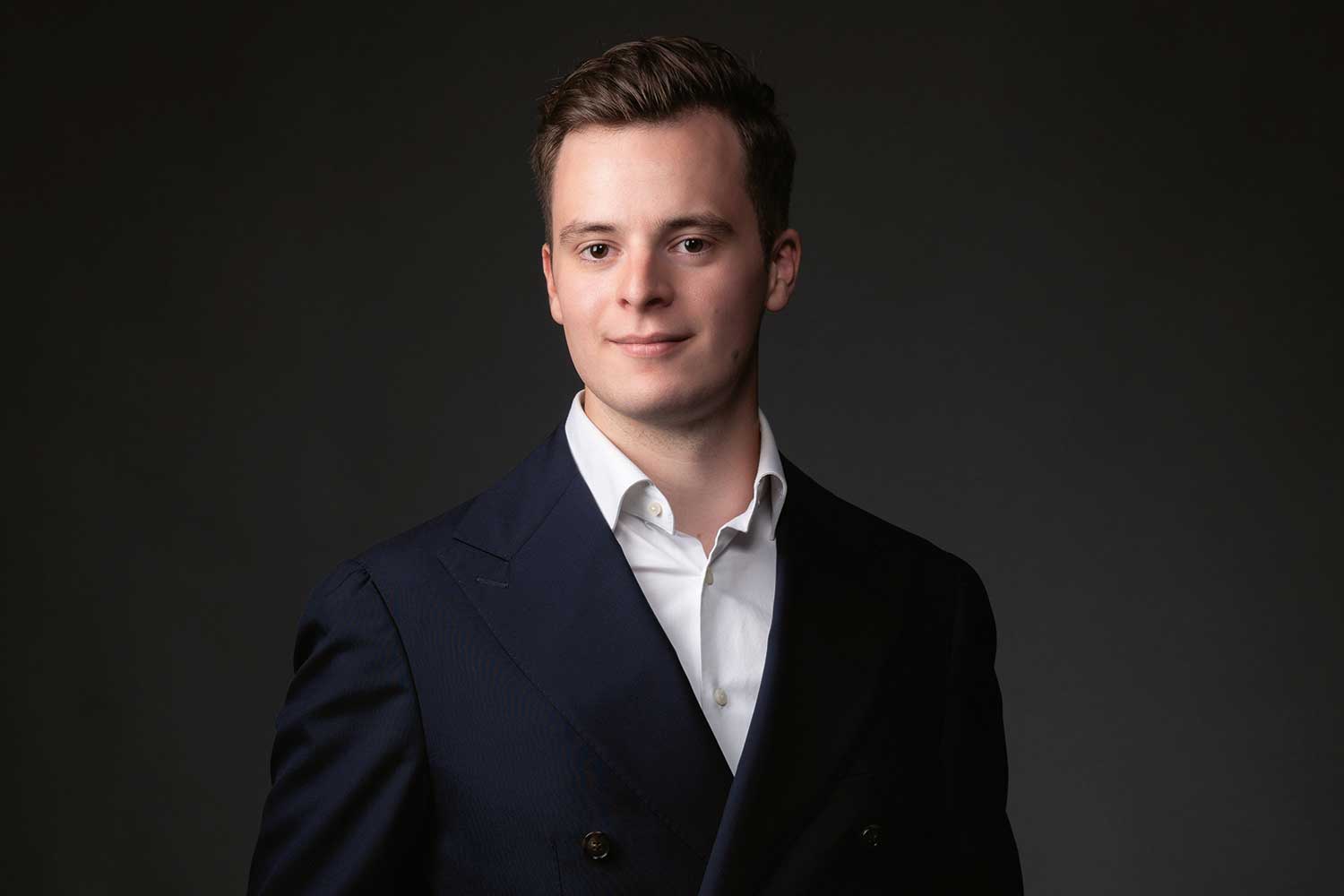
At just 29, Rémy Cools belongs unmistakably to the youngest generation of independent watchmakers, though there is something of the old soul in both his methods and his preoccupations. He trained at the Lycée Edgar Faure in Morteau, where his interest in 18th- and 19th-century French watchmaking developed into an ambition to work independently. Cools first attracted attention in 2018, when his Mechanica Tempus Pendulette Tourbillon won the F.P. Journe Young Talent Competition. After graduating, he joined Greubel Forsey and contributed to the Hand Made 1 project, an experience that reinforced his preference for traditional construction and production by hand. He established his workshop near Lake Annecy in 2019.
Rémy Cools
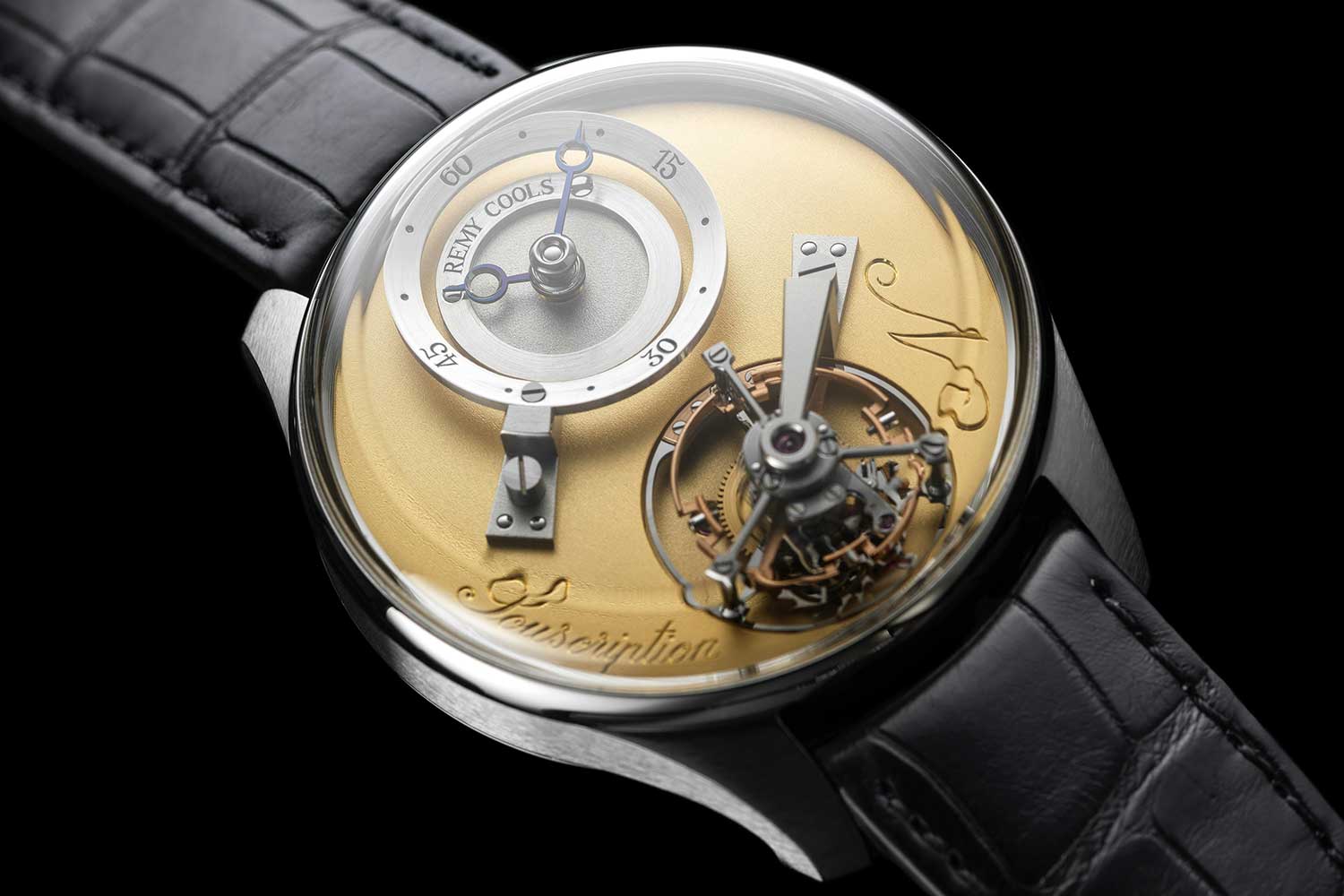
His first commercial watch, the Tourbillon Souscription, was launched in 2020. Derived from his school watch, it combined a tourbillon, vertically arranged time display and domed crystal with two folding keys on the back for winding and setting. Only nine were made. Its successor, the Tourbillon Atelier, retained the symmetry but was redesigned throughout. The platinum case shrank to 39mm by 12mm, and a crown replaced the rear keys. Much of the movement is produced and finished in Cools’ workshop, including bridges, plates, wheels and the hand-formed overcoil. Production is limited to 12 watches annually. In 2024, the Tourbillon Atelier received the GPHG Horological Revelation Prize, confirming Cools as one of the most promising young watchmakers working today and very much one to watch.
Tourbillon Souscription
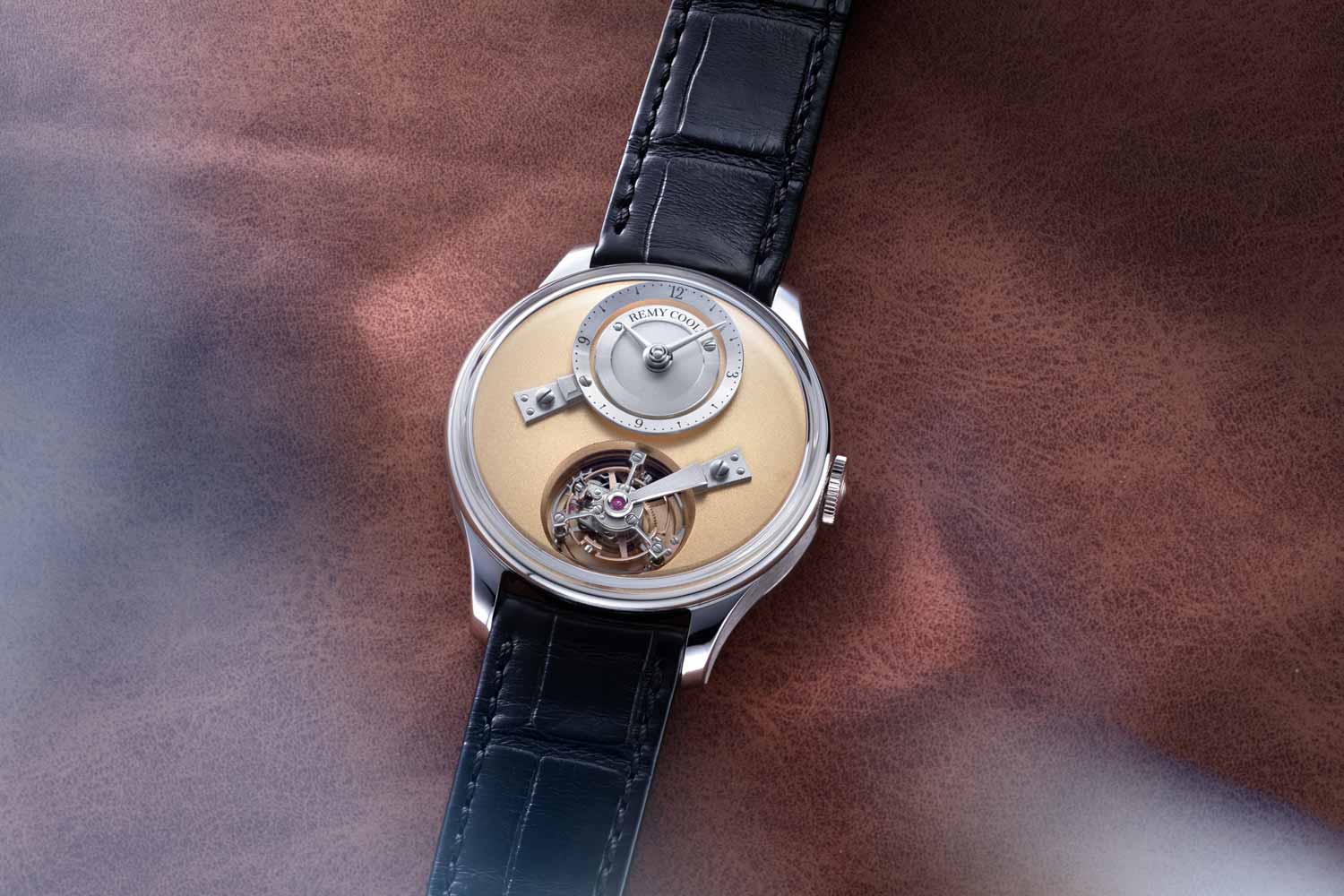
Tourbillon Atelier
Bernhard Lederer
For anyone with an interest in chronometry and fundamental technical watchmaking, Bernhard Lederer is a name that tends to lodge in the memory. Born in Kornwestheim in 1958, Lederer apprenticed at the Wuppertal Watchmaking Museum and continued his training in Pforzheim. He subsequently restored historical timepieces for auction houses and museums before qualifying as a master watchmaker. His 1986 masterpiece was a table clock with a gravity escapement, a secular perpetual calendar accurate through a 3,200-year cycle, and lunar indications requiring correction only once in 800 years. He joined the AHCI in 1985 as one of its earliest members.

Bernhard Lederer
Lederer later worked on monumental clocks, established the BLU watch brand and created unconventional wristwatches such as the cageless Majesty Tourbillon MT3. Much of his career, however, unfolded behind the scenes through MHM, his Saint-Blaise manufacture, which developed movements and mechanisms for other companies.
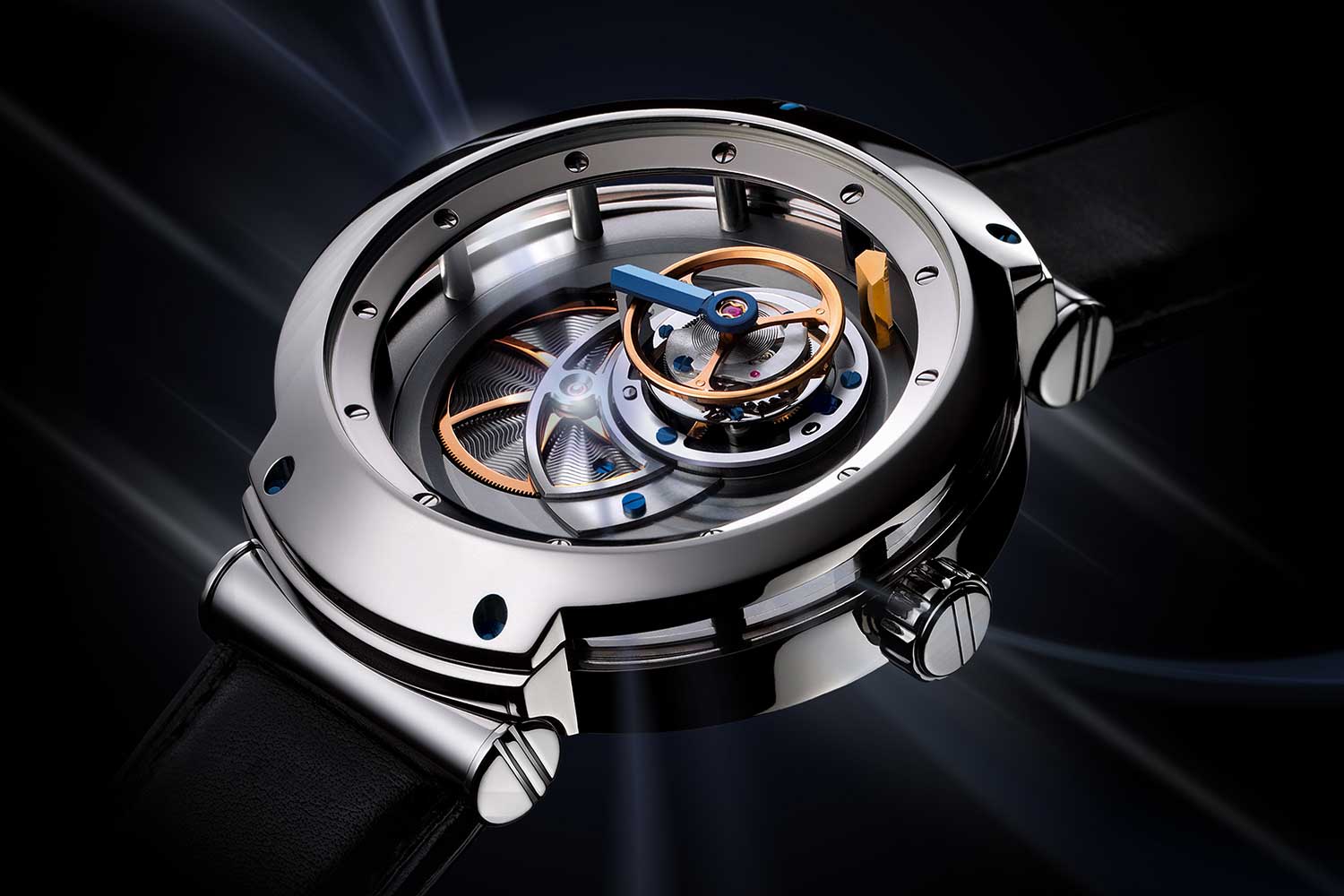
Majesty Tourbillon MT3
In 2021, he debuted the Central Impulse Chronometer. Inspired by George Daniels’ Independent Double-Wheel escapement, it uses two barrels, two gear trains and twin remontoirs to deliver alternating direct impulses to the balance. Lederer also made the escapement self-starting and shock resistant, turning an escapement Daniels considered impractical for a wristwatch into a reliable mechanism. It won the GPHG Innovation Prize in 2021. He is currently working on several other escapements, and the prospect is tremendously exciting. At a time when independent watchmaking is so often judged chiefly by the quality of its finishing, his work remains a celebration of mechanics and the continuing pursuit of precision.
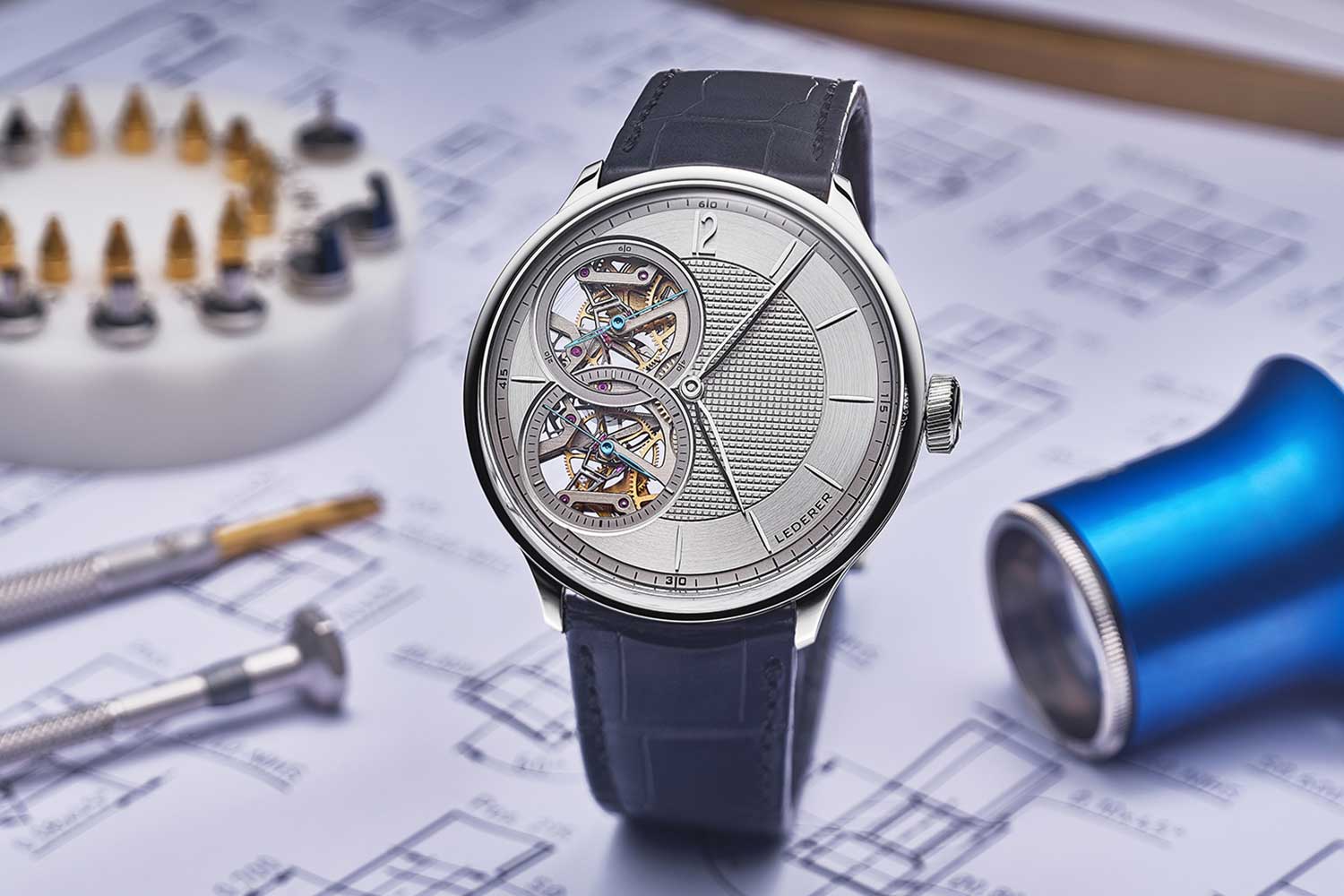
Central Impulse Chronometer
Denis Flageollet
Few contemporary horologists have moved as fluently across watchmaking, movement development and experimental research as Denis Flageollet, a fourth generation watchmaker from Gérardmer in northeastern France. He studied both watchmaking and micromechanics at the Technicum du Locle before beginning his career at the Watch Museum of Le Locle, where he restored antique timepieces. In 1982, he joined Michel Parmigiani’s restoration workshop, the finest in the world at the time.

Denis Flageollet
In 1989, he co-founded Techniques Horlogères Appliquées (THA) in Sainte-Croix with François-Paul Journe. Vianney Halter, Dominique Mouret and other watchmakers subsequently joined the company. As technical director, Flageollet established the workshops and oversaw the construction of movements, clocks and components commissioned by brands and private clients. During his 12 years at THA, he directed projects that included Cartier’s CPCP Monopoussoir Chronograph and the monumental Breguet Sympathique No. 1.
-
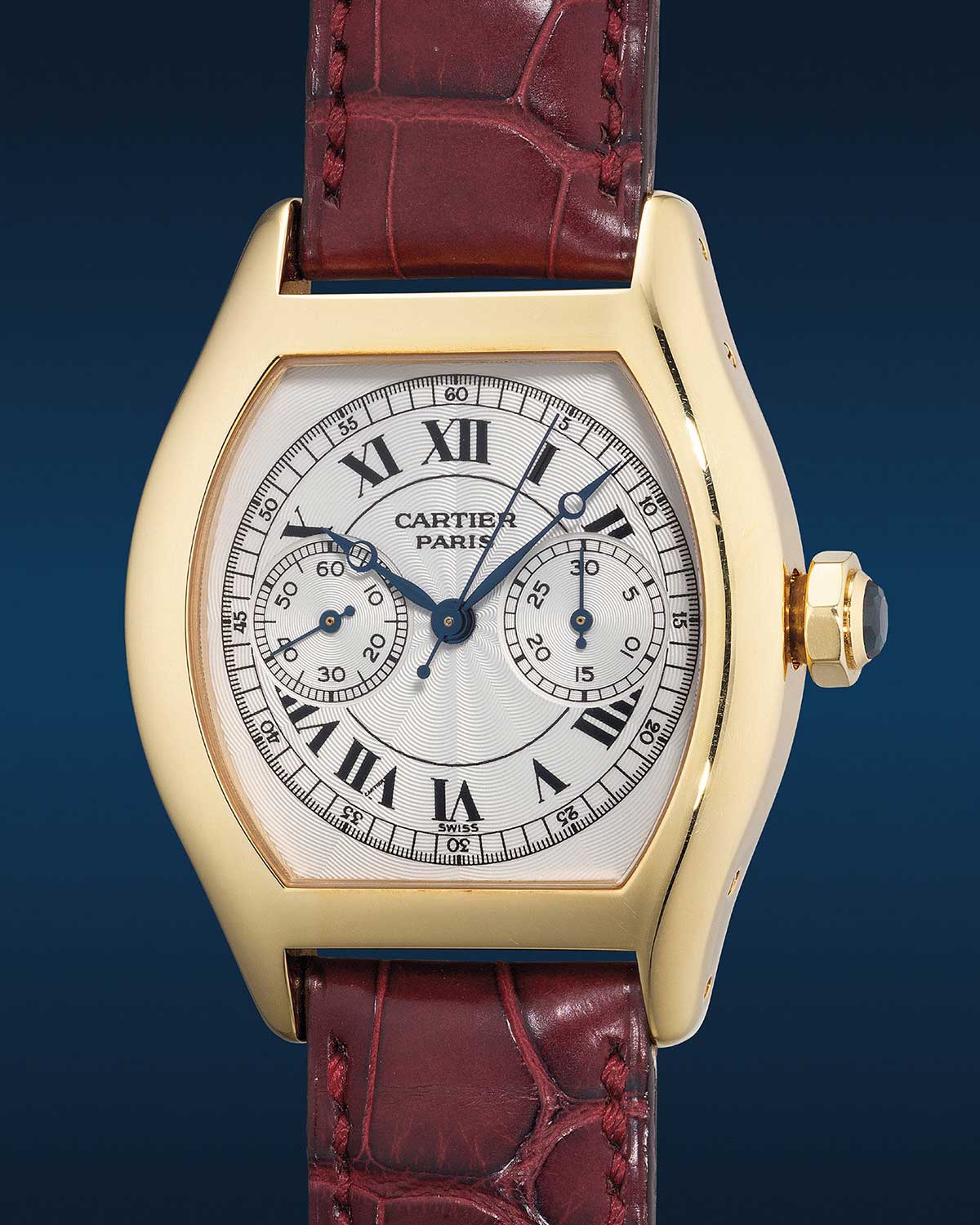
- Cartier Ref. 2356B Tortue Monopoussoir CPCP (Image: Phillips)
-
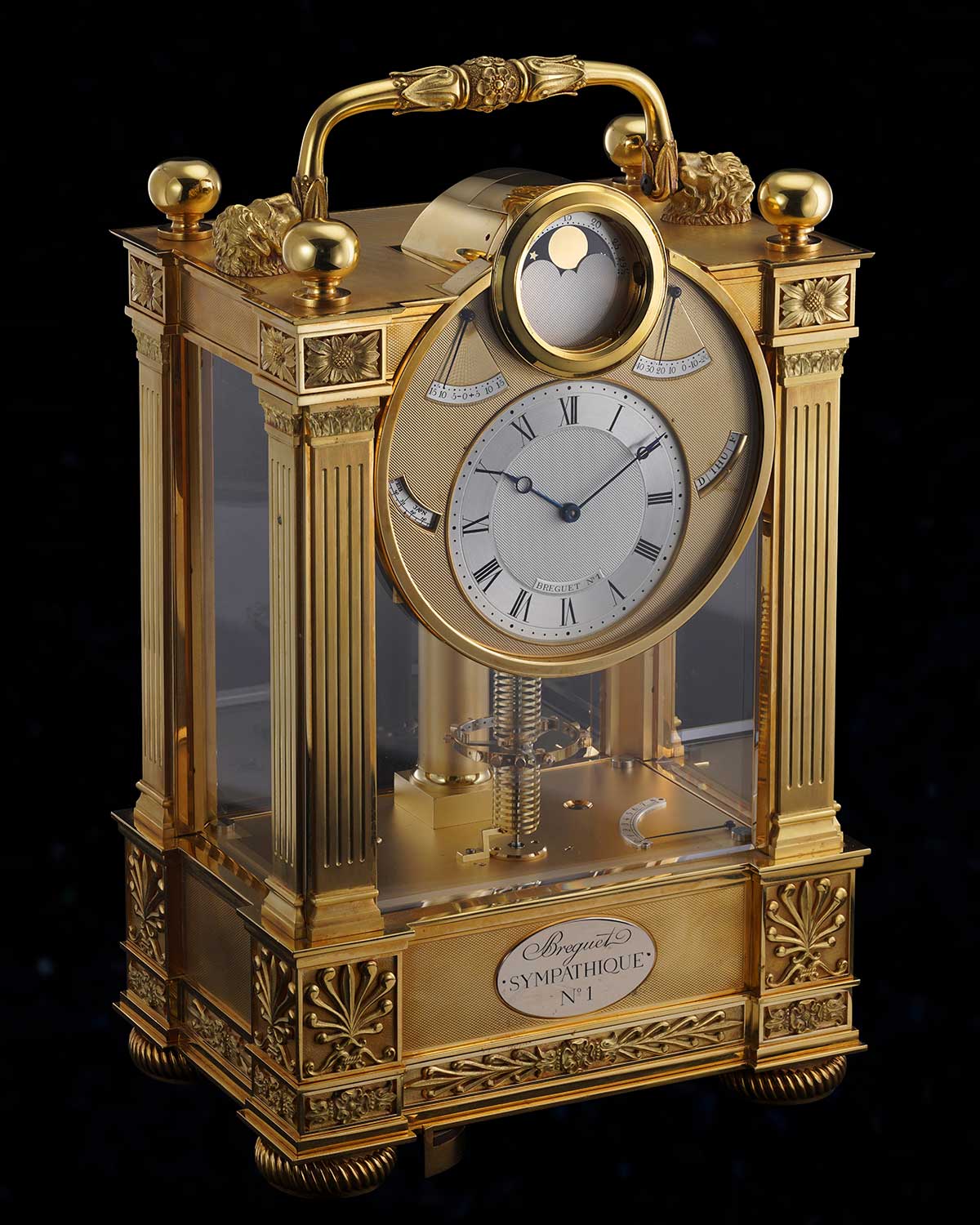
- Breguet Sympathique N°1
In 2002, Flageollet founded De Bethune with the collector David Zanetta, who left the company in 2017. Its watches represent an unusual intersection of futuristic design, historical watchmaking and sustained research into materials, regulating organs and chronometry.
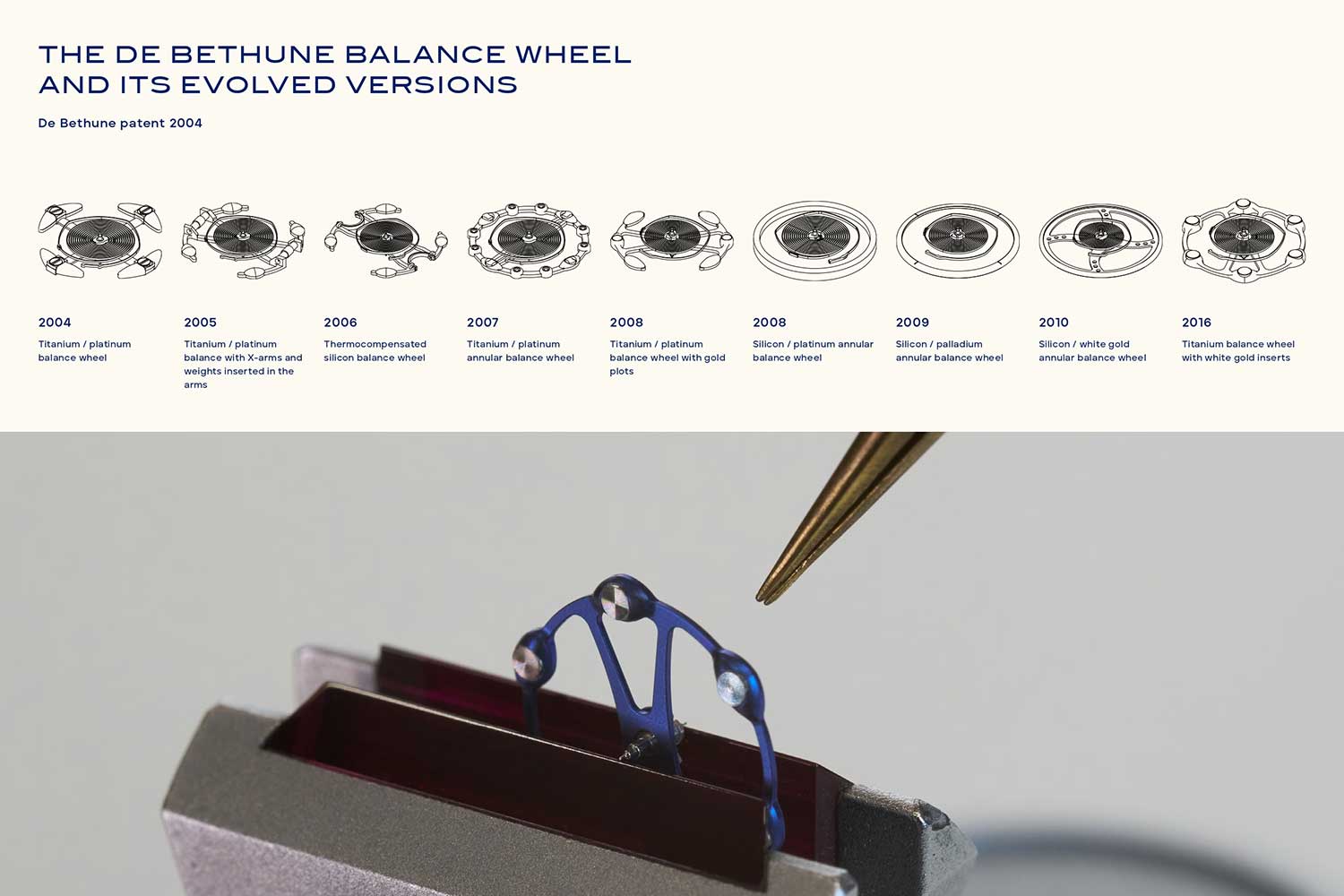
Among Flageollet’s most important developments was an optimized hairspring featuring a flat terminal curve, patented in 2004. Between 2004 and 2010, De Bethune introduced a new balance design with optimized weight/ inertia ratio practically every year, using materials such as titanium and silicon. The company was an early adopter of silicon, with the use of silicon escape wheels and balance wheels, and briefly explored a kilohertz magnetic oscillator through the Résonique project. Some of the brand’s most memorable calibers include the 5Hz 30-second tourbillon and the Maxichrono with three column wheels and five hands on the central axis.
In 2022, he launched Mecavers, a monumental mechanical representation of the Solar System containing 71 celestial bodies and indications for astronomical phenomena including solstices, equinoxes and the equation of time. Earlier this year, he collaborated with Louis Vuitton on the LVDB-03 Sympathique Louis Varius. Equipped with an 11-day, or 264-hour, power reserve and a constant-force escapement, the clock winds the matching De Bethune GMT wristwatch over nine to 12 hours and corrects its displayed time incrementally every two hours while it is docked. Alongside his work as a watchmaker and inventor, Flageollet has played an active role in preserving and transmitting the mechanical arts of Sainte-Croix through training programs, exhibitions and institutions, such as the Association Mec-Art and the Institut de la Mécanique d’Art.
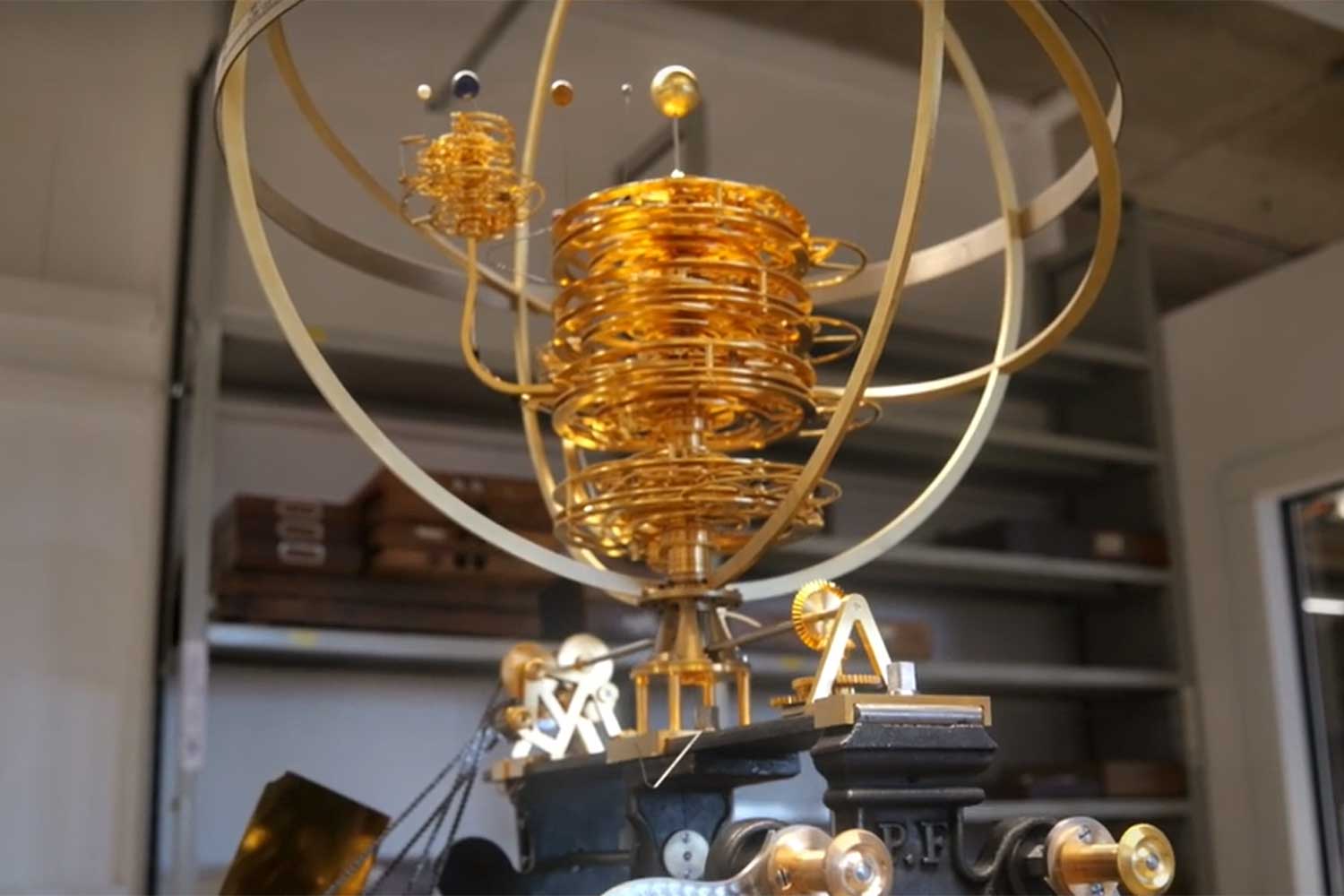
De Bethune the Mecavers project

LVDB-03 Sympathique Louis Varius
Laurent Ferrier
Fine independent watchmaking is today a crowded field but for most of the 2000s and 2010s, it was anything but. When Laurent Ferrier founded his eponymous brand in 2010, there were remarkably few independents producing watches that combined original movement construction, exceptional hand finishing and highly refined classical aesthetics. Alongside a handful of contemporaries, Ferrier helped lay the foundations for what has since become one of the most dynamic sectors of modern horology.
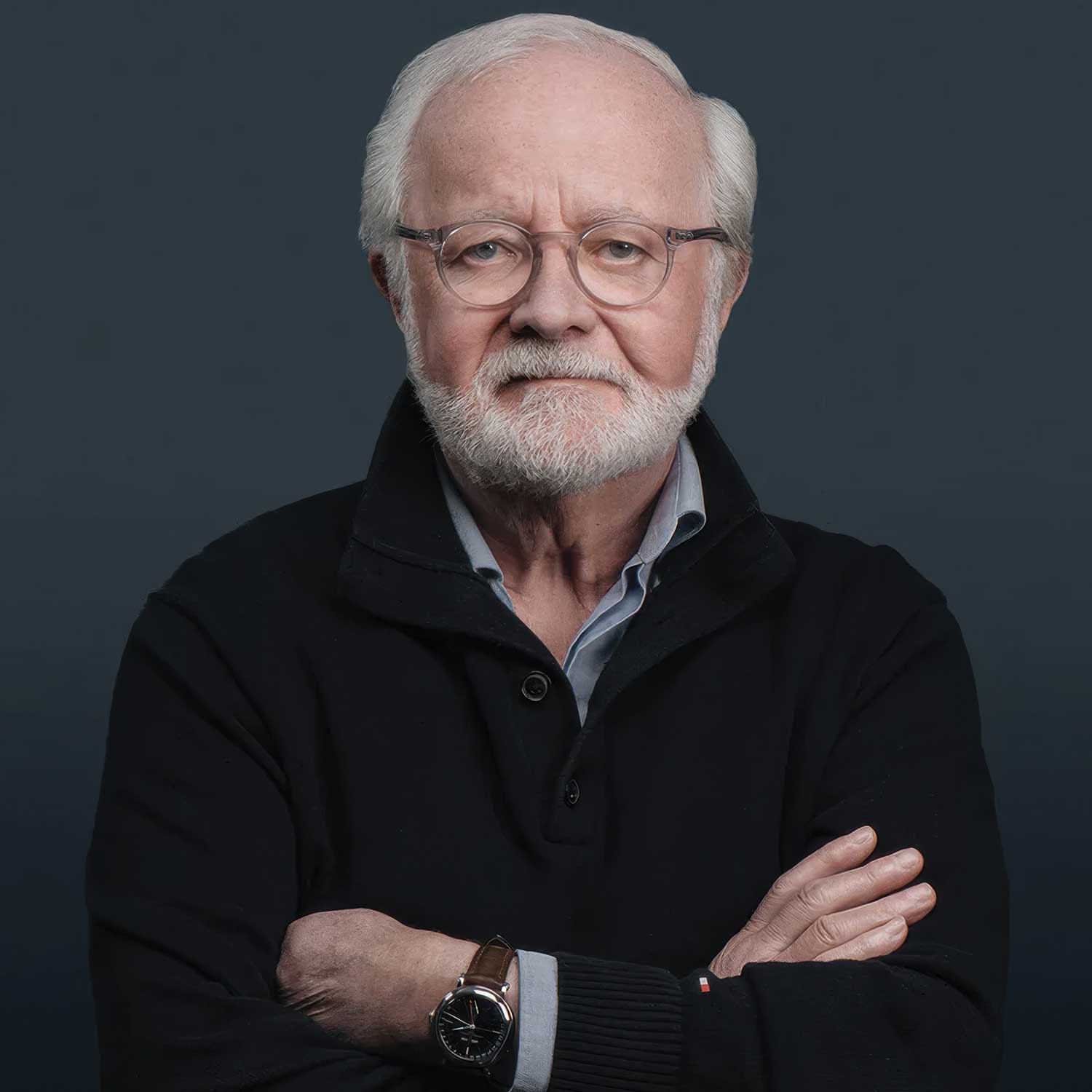
Laurent Ferrier
By the time he founded his own company, Ferrier had already spent almost four decades at Patek Philippe, working across several departments before eventually becoming head of product development. During that time, he contributed to some of the manufacture’s most important projects, including the development of the Nautilus and later the Aquanaut.
Sacrificing his retirement benefits just three years short of 40 years of service, he founded Laurent Ferrier at the age of 63 together with his longtime friend, Le Mans teammate and businessman François Servanin, fulfilling a dream they both had since the ’70s. Ferrier’s son Christian was central to the undertaking from the outset. Having worked at La Fabrique du Temps, he oversaw the technical development of its calibers, while Laurent shaped their design and underlying philosophy.
The first watch, the Galet Classic Tourbillon Double Spiral, developed with the help of Michel Navas and Enrico Barbasini, immediately established him as one of the most serious new names in haute horlogerie, winning the GPHG Best Men’s Watch Prize in 2010. It was followed by the Galet Micro-Rotor with the Double Direct-Impulse escapement inspired by Breguet’s natural escapement. It is the only natural escapement currently in production that dispenses with drive wheels altogether. Thanks to LIGA fabrication, one nickel-phosphorus escape wheel drives the other directly, while their vertically formed teeth alternately lock and unlock a silicon lever. Other notable creations followed, including the Galet Traveler and Classic Traveler, the École Annual Calendar and the Galet Minute Repeater.
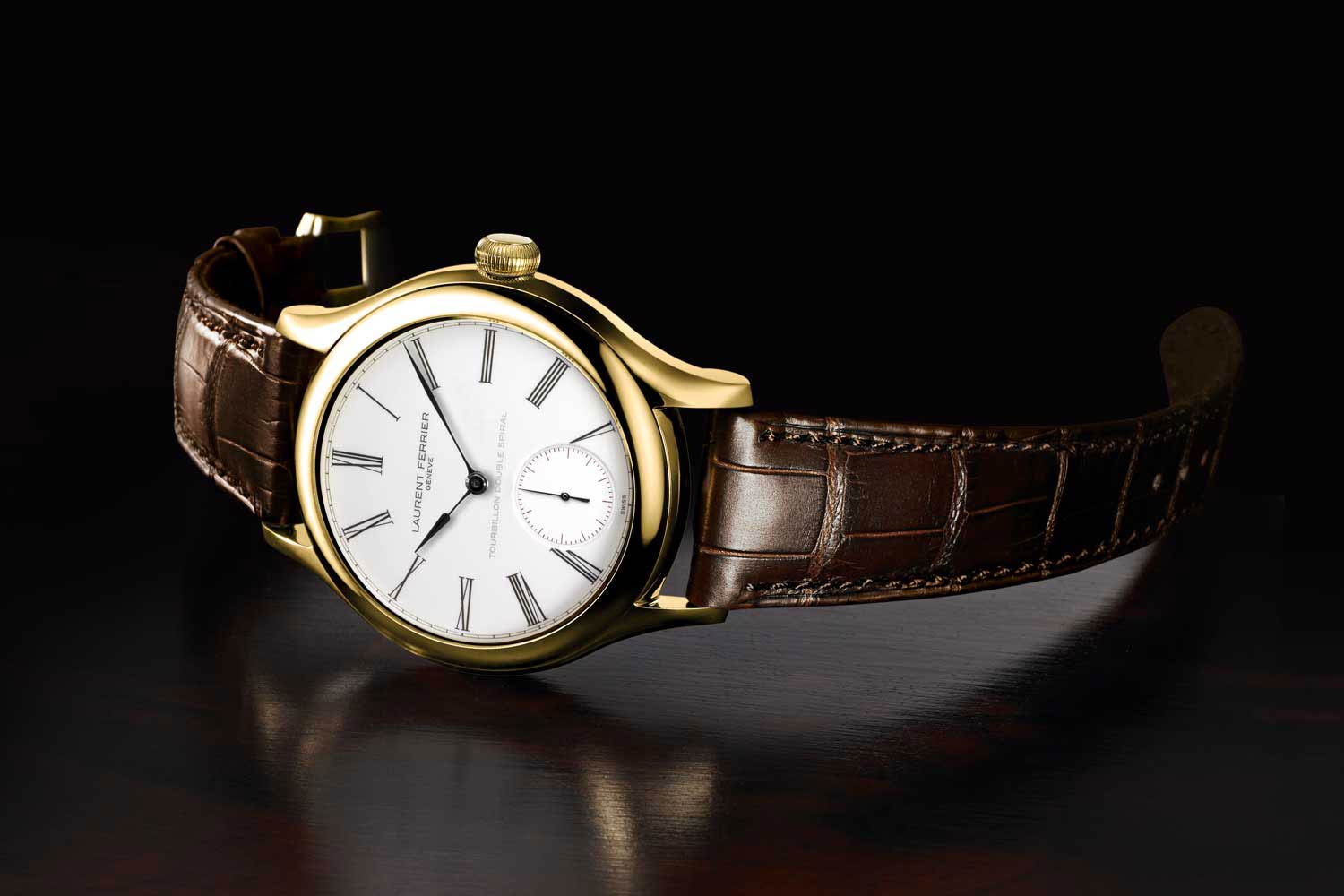
Galet Classic Tourbillon Double Spiral
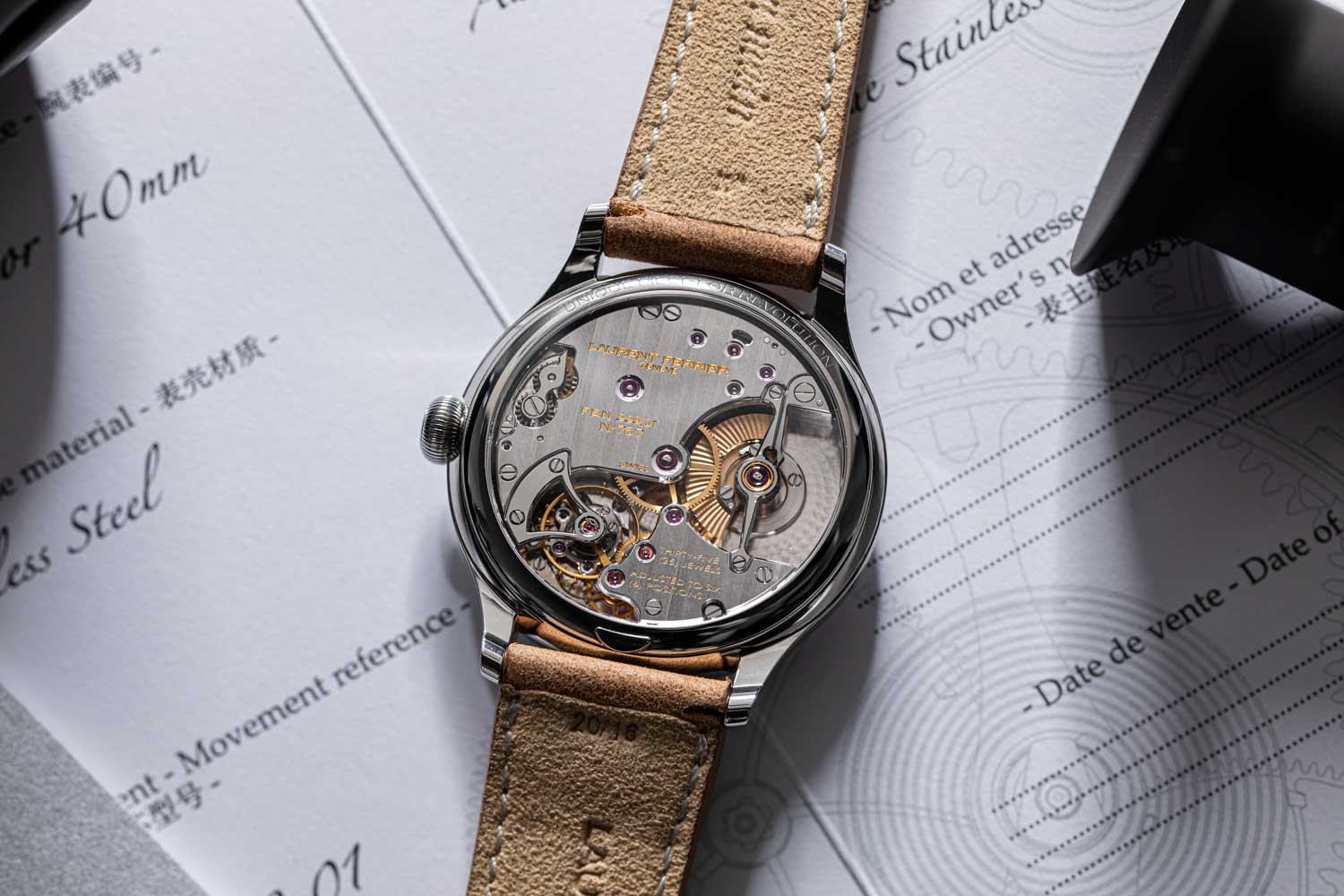
The Laurent Ferrier Steel Galet Micro-Rotor Salmon Dial pièce unique for Revolution is powered by the self-winding FBN 229.01 micro-rotor movement which initially launched in 2012; the movement has a double direct impulse on its balance, an exclusive double direct-impulse escapement design in silicon directly incorporated into the balance (©Revolution)
-
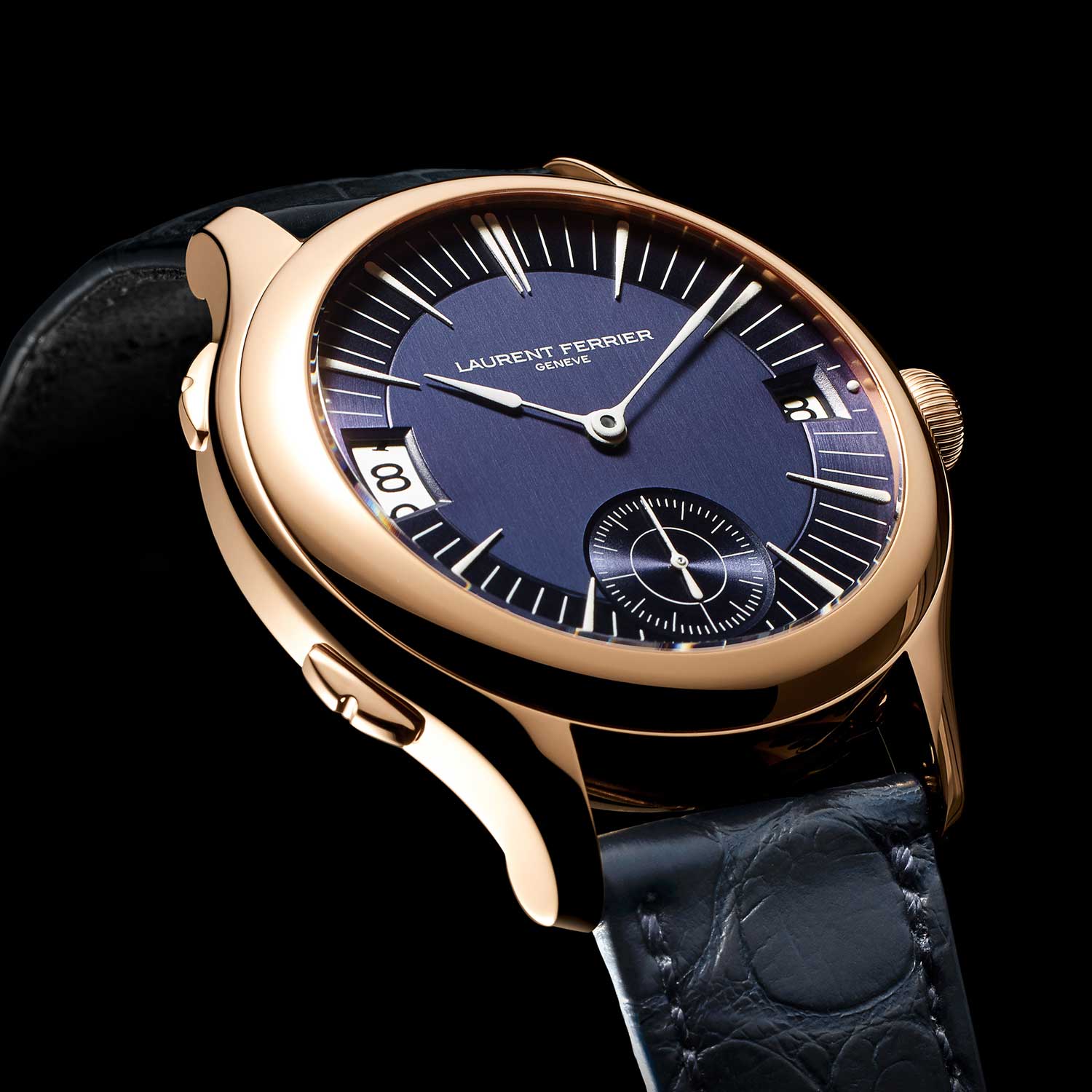
- Galet Traveler
-
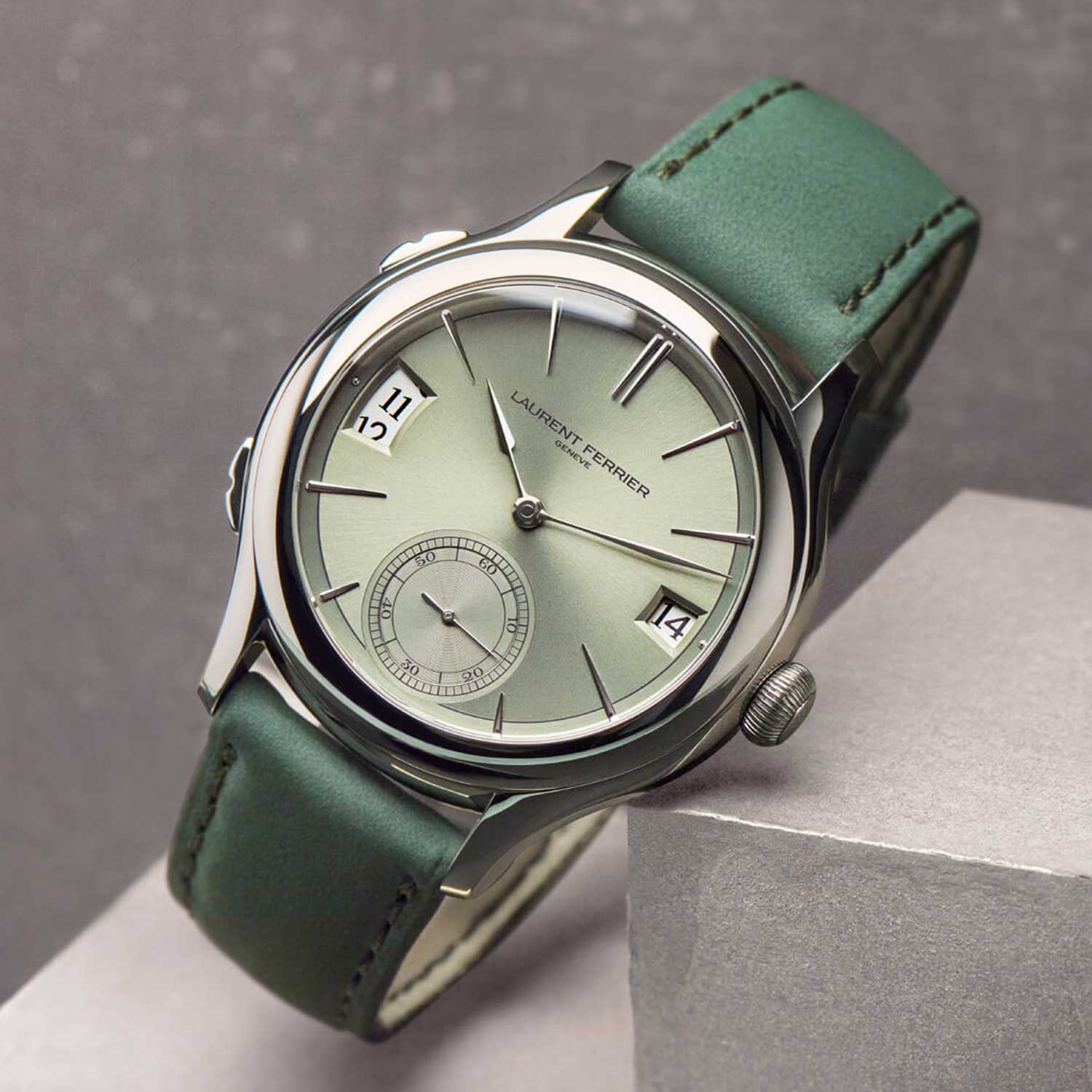
- Classic Traveler
-
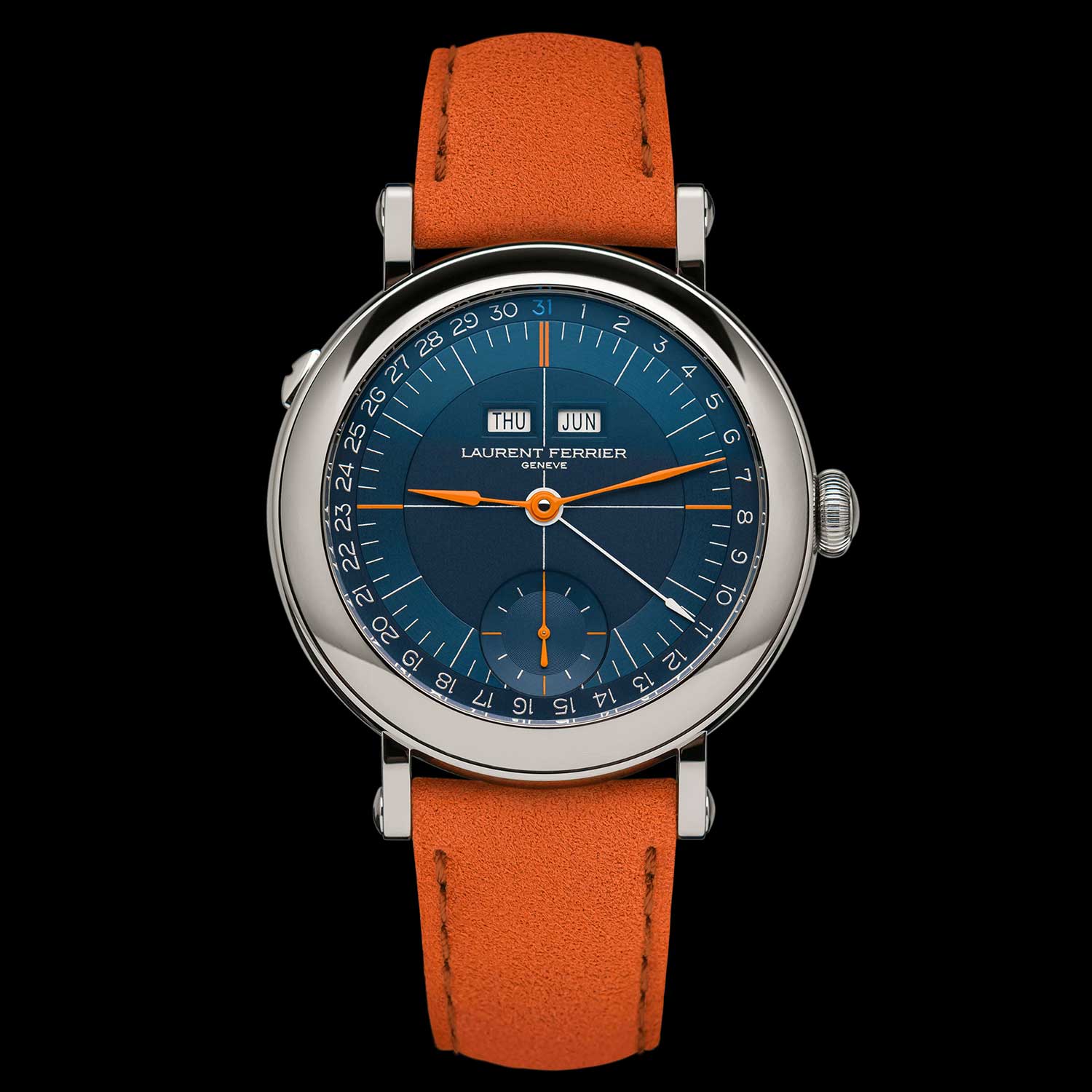
- École Annual Calendar
-
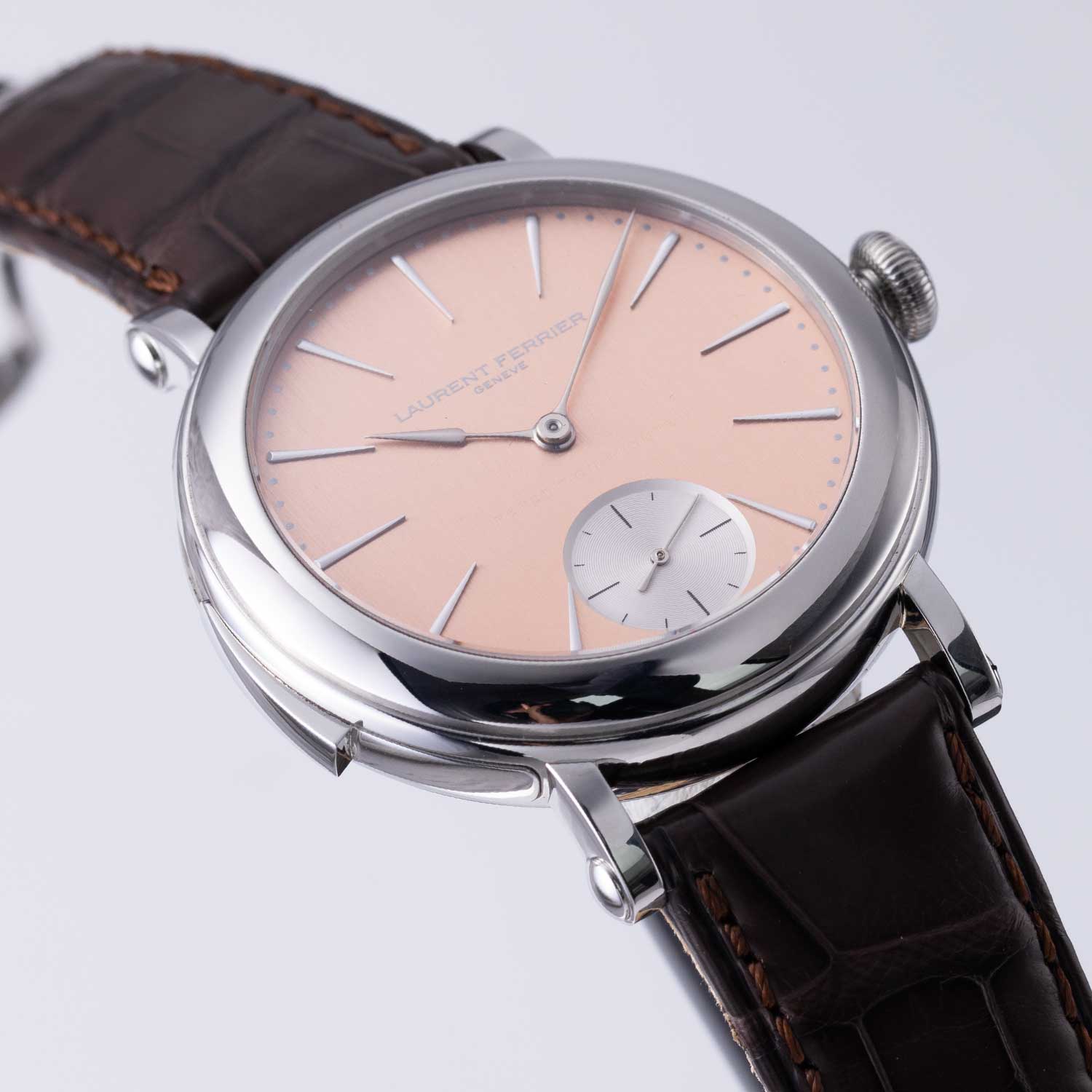
- Galet Minute Repeater
Among the firm’s more recent creations is the exceptionally beautiful Classic Moon, introduced in 2024 and awarded the Calendar and Astronomy Watch Prize at the GPHG that year. Ferrier also entered the luxury sports watch segment with the Sport Auto and Sport Traveler. Both use an updated version of his micro-rotor caliber, raised to 4Hz and equipped with a Swiss lever escapement for greater robustness, while preserving a standard of hand finishing that remains extremely rare in the genre.
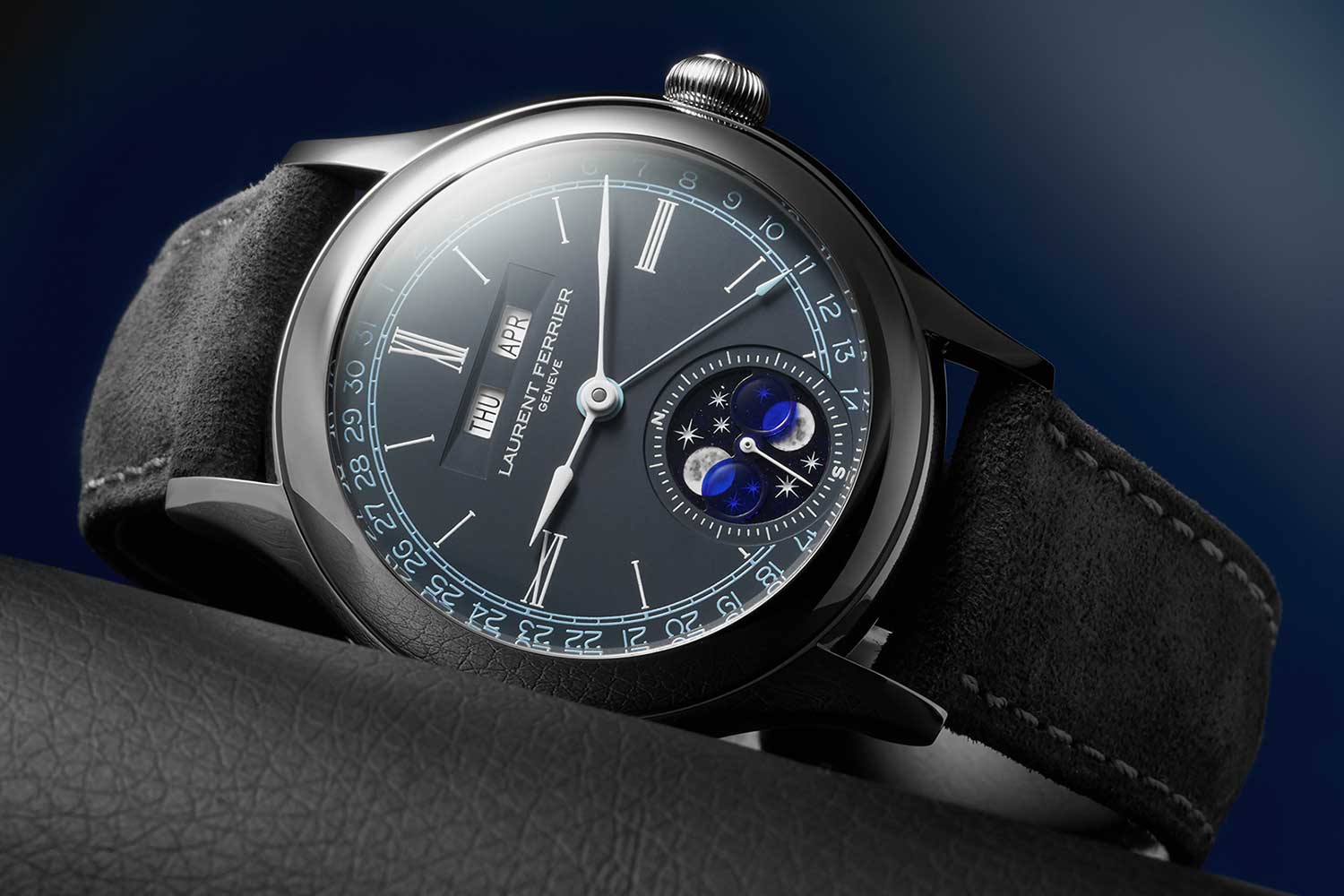
Classic Moon
Romain Gauthier
Romain Gauthier was among the early pioneers of watches that combined technical innovation with superlative hand finishing. For much of the noughties and into the following decade, his workshop was one of the very few places to find rounded anglage. But more than that, his movements were remarkably original.
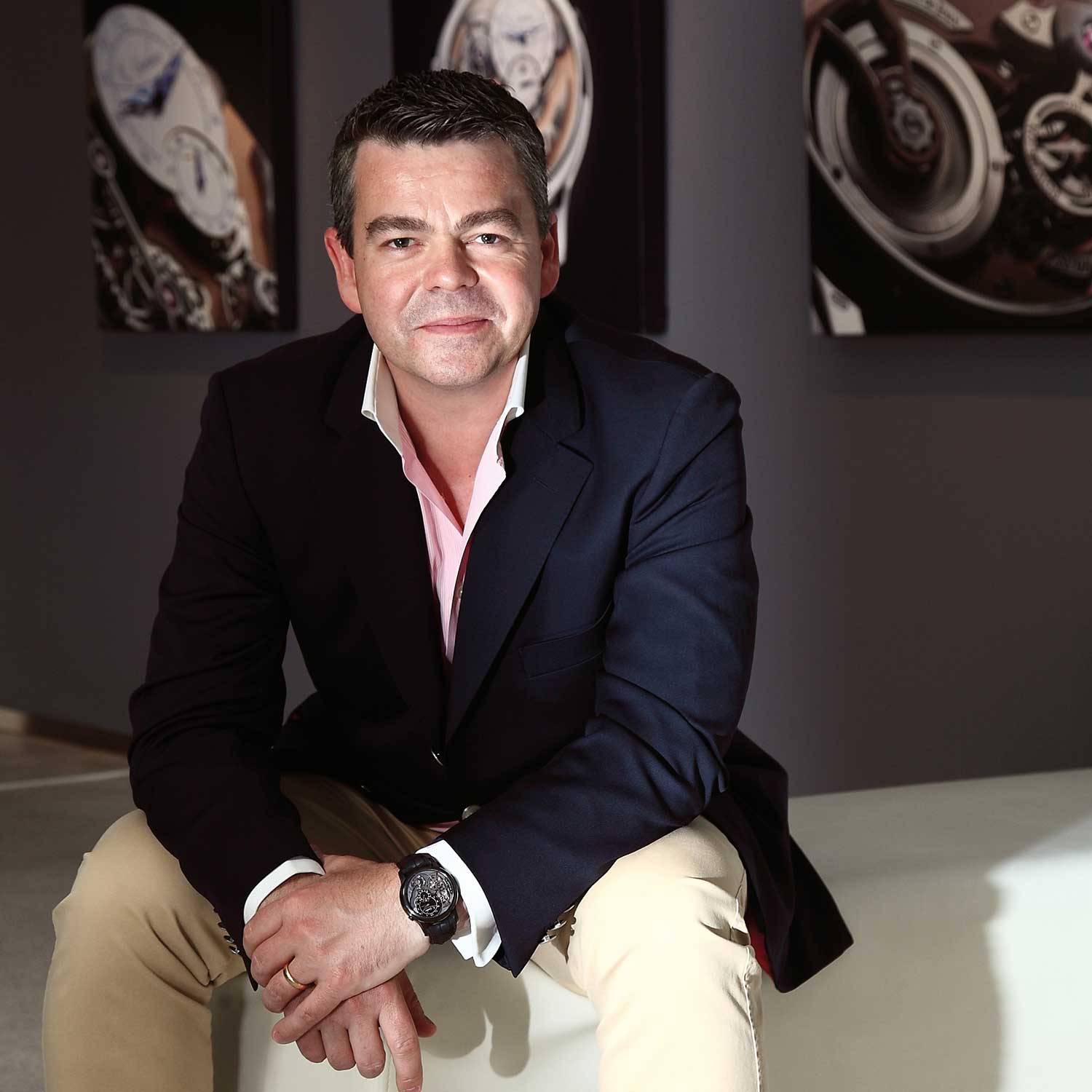
Romain Gauthier
Born in 1975 in the Vallée de Joux, Gauthier studied precision mechanics at the Technical School of the Vallée de Joux and then later worked as a lathe technician for a major part supplier. In 2005, he founded his eponymous company in Le Sentier and debuted his first watch, the Prestige HM, at Baselworld in 2007. The watch was characterized by an unusual crown that sits flat on the caseback, known as a “back wind,” meant to give the case an uninterrupted silhouette and allow the wearer to wind the watch while it is on the wrist. It was among the earliest independent watches in which the movement was designed from the ground up to showcase anglage — rounded anglage specifically, which can only be achieved by hand and differs from the usual flat, 45-degree chamfer. It involves creating a second shallower angle after the first bevel, and the two are then progressively blended by hand into a continuous curve, forming the rounded profile.
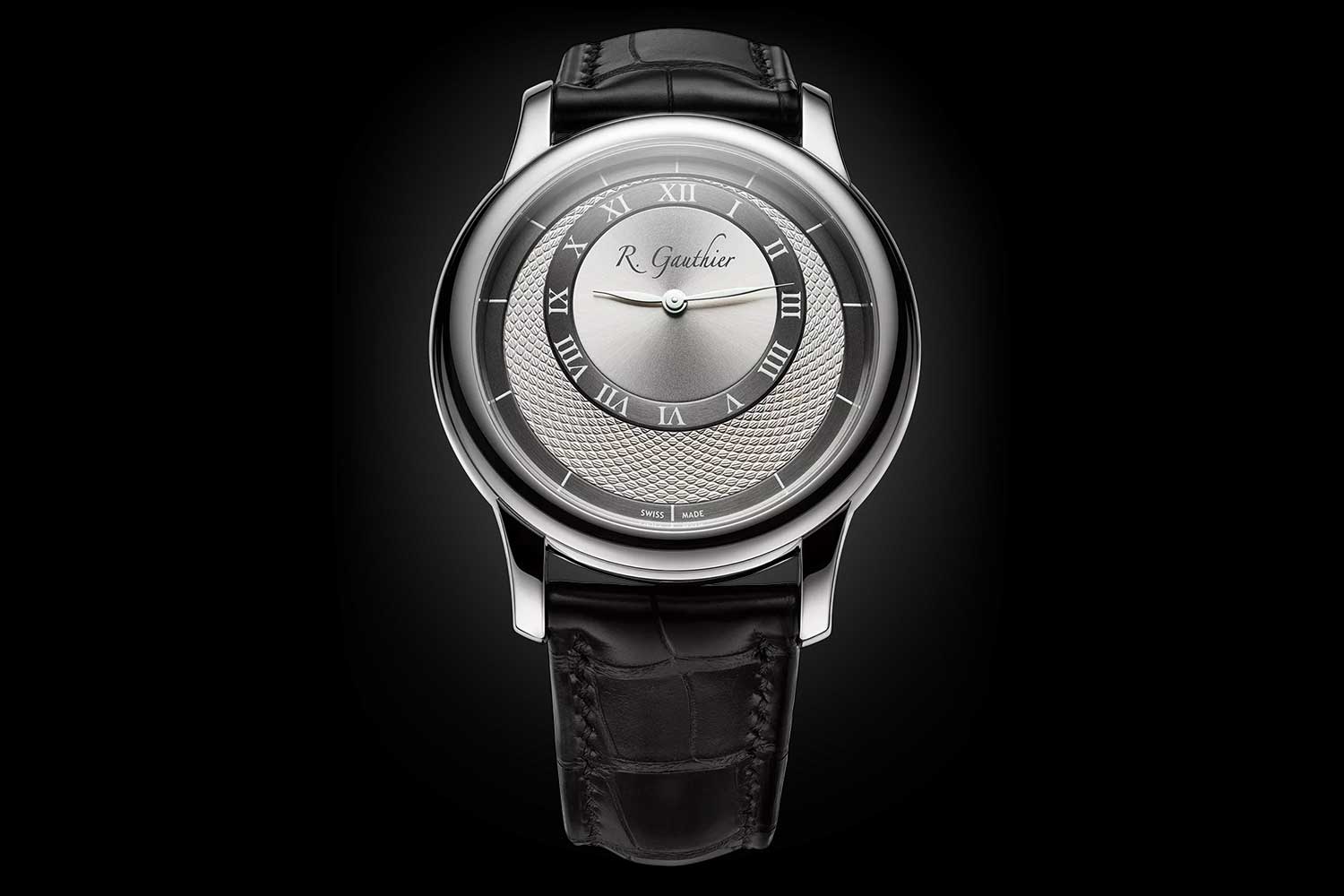
Prestige HM
But the watch that put him on the map was the Logical One of 2013, which won the Men’s Complication Prize at the GPHG. It employs a compact and highly innovative fusée-and-chain transmission. The fusée is not a conventional cone but a flat snail cam. As the barrel unwinds, the effective radius of the cam progressively increases, compensating for the falling torque while allowing the chain to transmit force in a straight line. This eliminates offset angles, significantly reducing stress on the chain links. The chain itself was highly optimized. Press-fitted caps simplify assembly, while freely rotating ruby rollers reduce friction where the chain engages the barrel or fusée. Additionally, the chain was significantly shorter, wrapping less than one revolution around the specially shaped cam. This was made possible by a reduction gear placed between the barrel and the cam, which slowed the barrel’s seven or so revolutions during the power reserve to less than a single revolution at the cam.
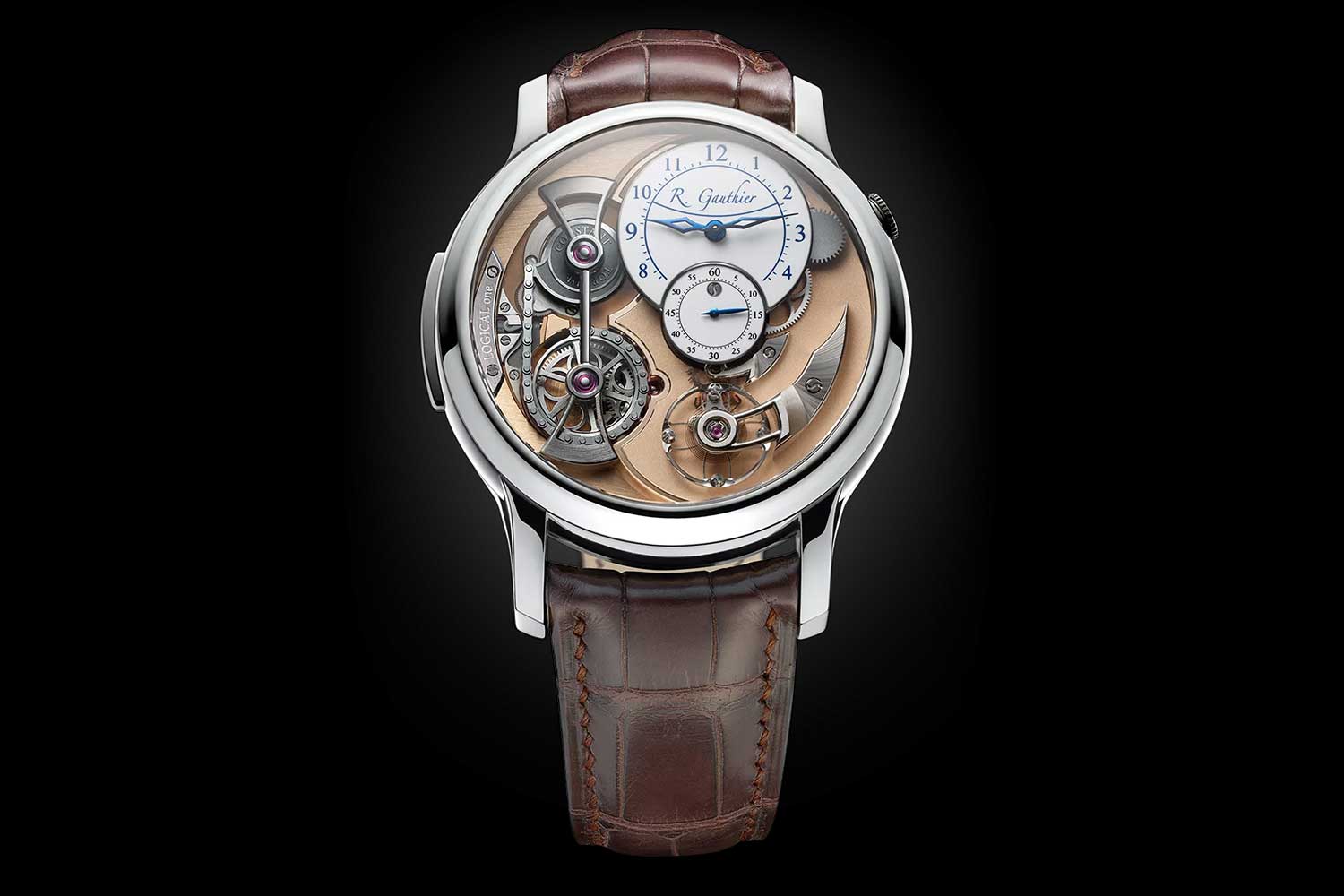
Logical One
Another notable watch was the Insight Micro-Rotor launched in 2017, which remains amongst the most elaborately constructed and finished time-only automatic movements in production. His most recent collection is the C by Romain Gauthier, introduced in 2021 as his interpretation of the luxury sports watch. A good part of Gauthier’s business also includes developing components for other watch companies, including Chanel, which holds a significant but minority stake in his brand.
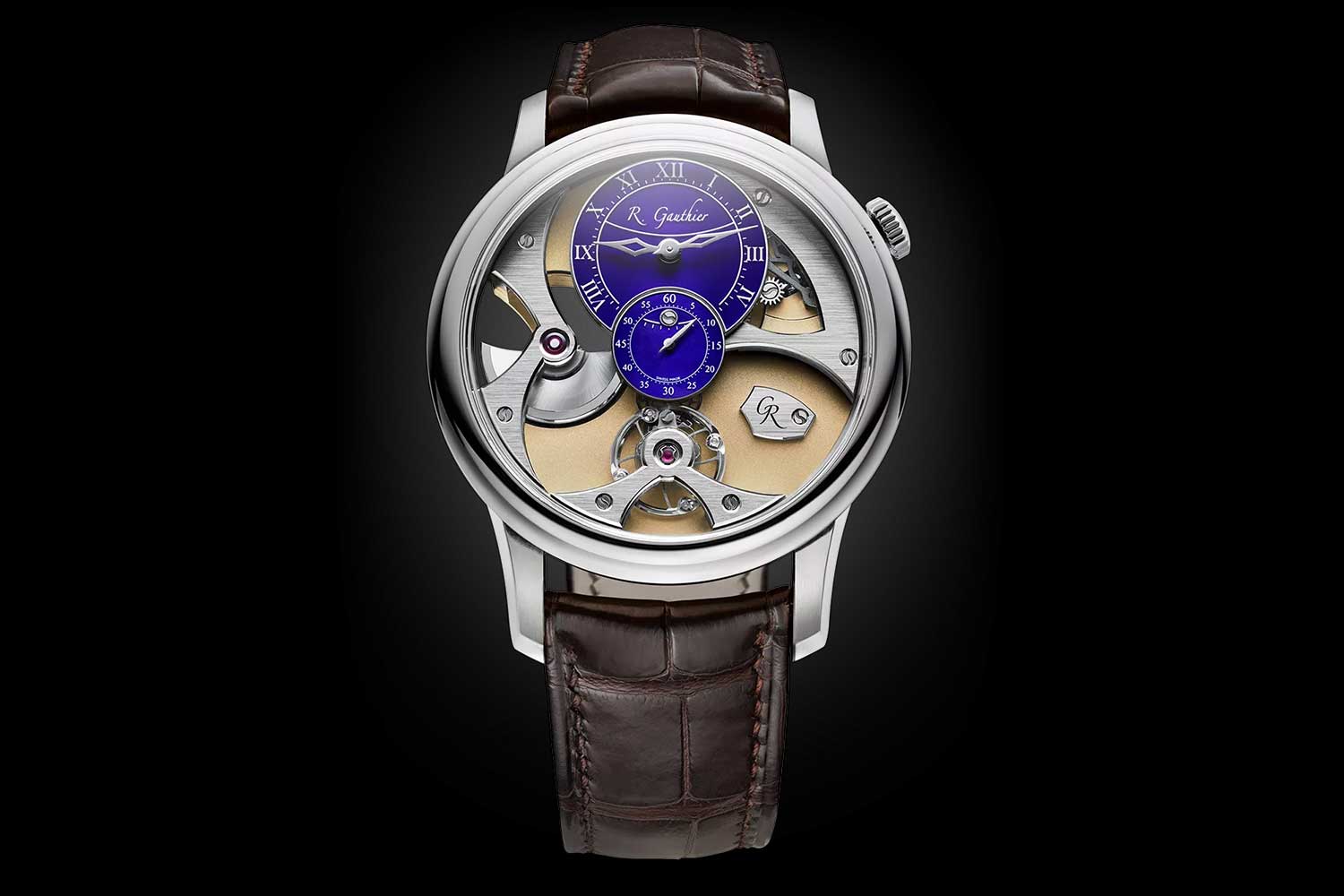
Insight Micro-Rotor
Bart and Tim Grönefeld
Since 2008, Bart and Tim Grönefeld have produced a succession of watches distinguished by considerable technical ingenuity. They represent the third generation of a watchmaking family from Oldenzaal in the Netherlands. After completing their initial training in their home country, both brothers moved to Switzerland, where they attended WOSTEP before joining Renaud & Papi, then the industry’s leading specialist in complicated watchmaking.
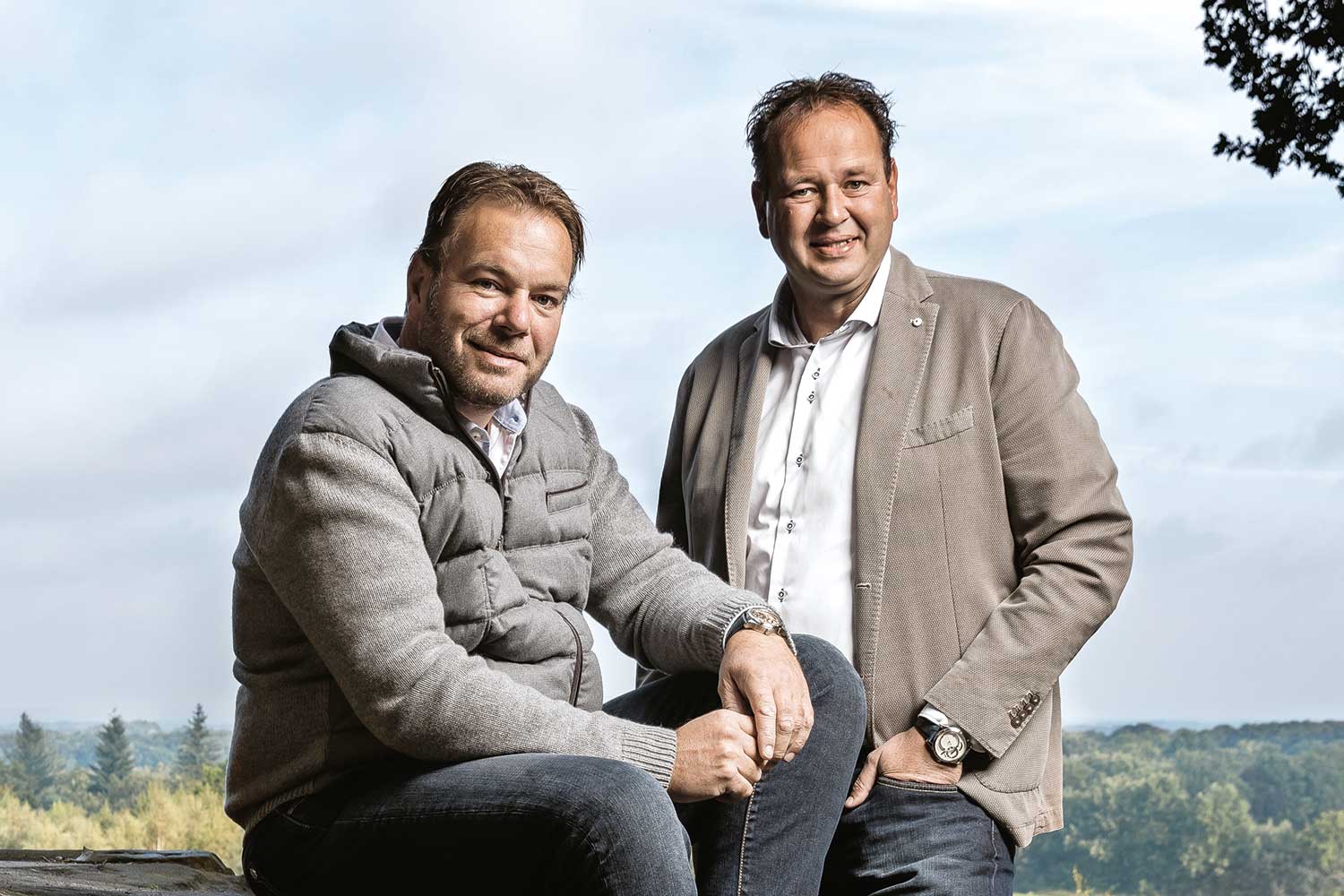
Bart specialized in striking watches, earning the nickname “Ding Dong,” while Tim developed expertise in tourbillons and regulating organs, becoming known as “Tick Tock.” More importantly, their years at Renaud & Papi immersed them in the design, construction and finishing of grand complications, an experience that would shape their philosophy as independent watchmakers.
In 1998, the brothers returned to Oldenzaal and established a workshop beside the family jewelry business. For the next decade, they worked largely behind the scenes, restoring complicated watches and developing movements for other companies while refining ideas of their own.
In 2008, they debuted the GTM-06 Tourbillon Minute Repeater, the first watch to bear the Grönefeld name. It was based on a Christophe Claret movement that was finished and assembled in-house. Their breakthrough came two years later with the One Hertz. It was the first serially produced wristwatch with an independent deadbeat seconds mechanism. It has two barrels and two going trains — one powers the timekeeping function as well as a secondary double-sided lever escapement, which then releases the secondary gear train once per second.
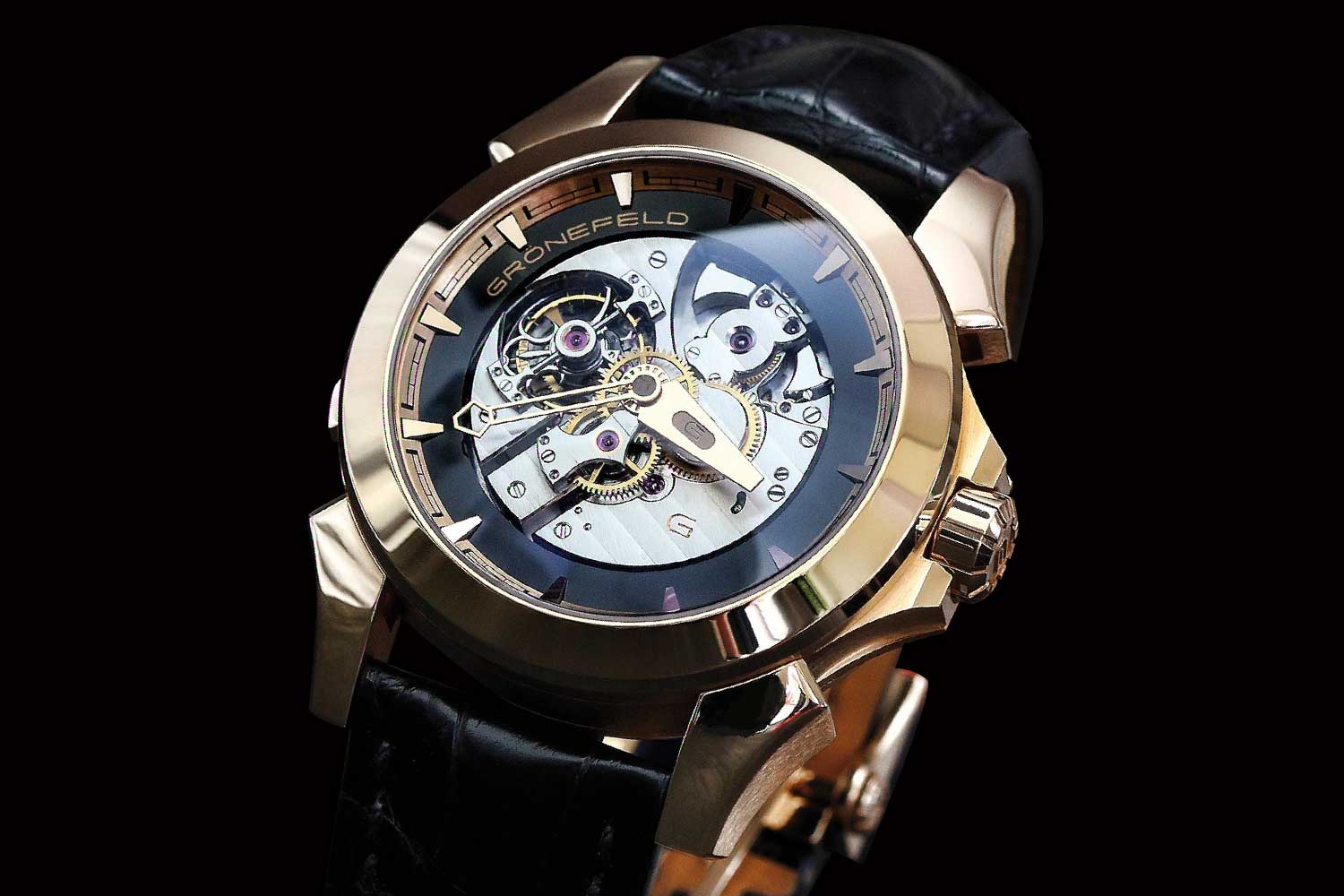
GTM-06 Tourbillon Minute Repeater
This was followed in 2014 by the impressive Parallax Tourbillon, with an innovative central seconds and a stop-seconds function, and the 1941 Remontoire in 2016, which contains what may be the most complicated remontoir d’égalité in watchmaking. In essence, the latter brings together constant force, uninterrupted power transmission during rewinding through a differential, an exact eight-second release governed by a three-arm anchor that skips alternate locking positions under the control of an additional lever, pallets and a cam, a counterweight that absorbs the shock of relocking, and a stopwork that prevents the barrel from unwinding completely. Both the Parallax Tourbillon and the 1941 Remontoire won their respective GPHG categories in the years of their debut.
-
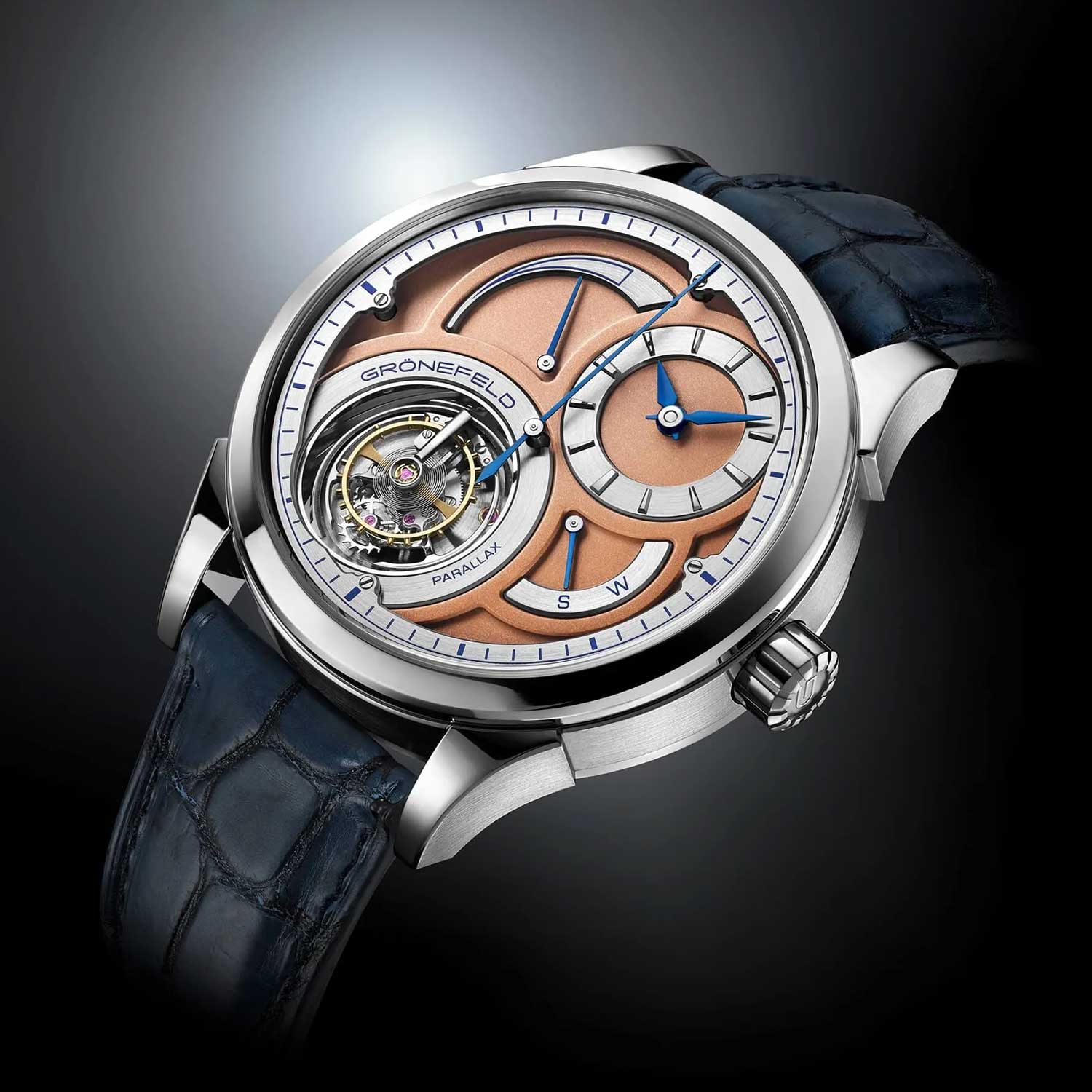
- Parallax Tourbillon
-
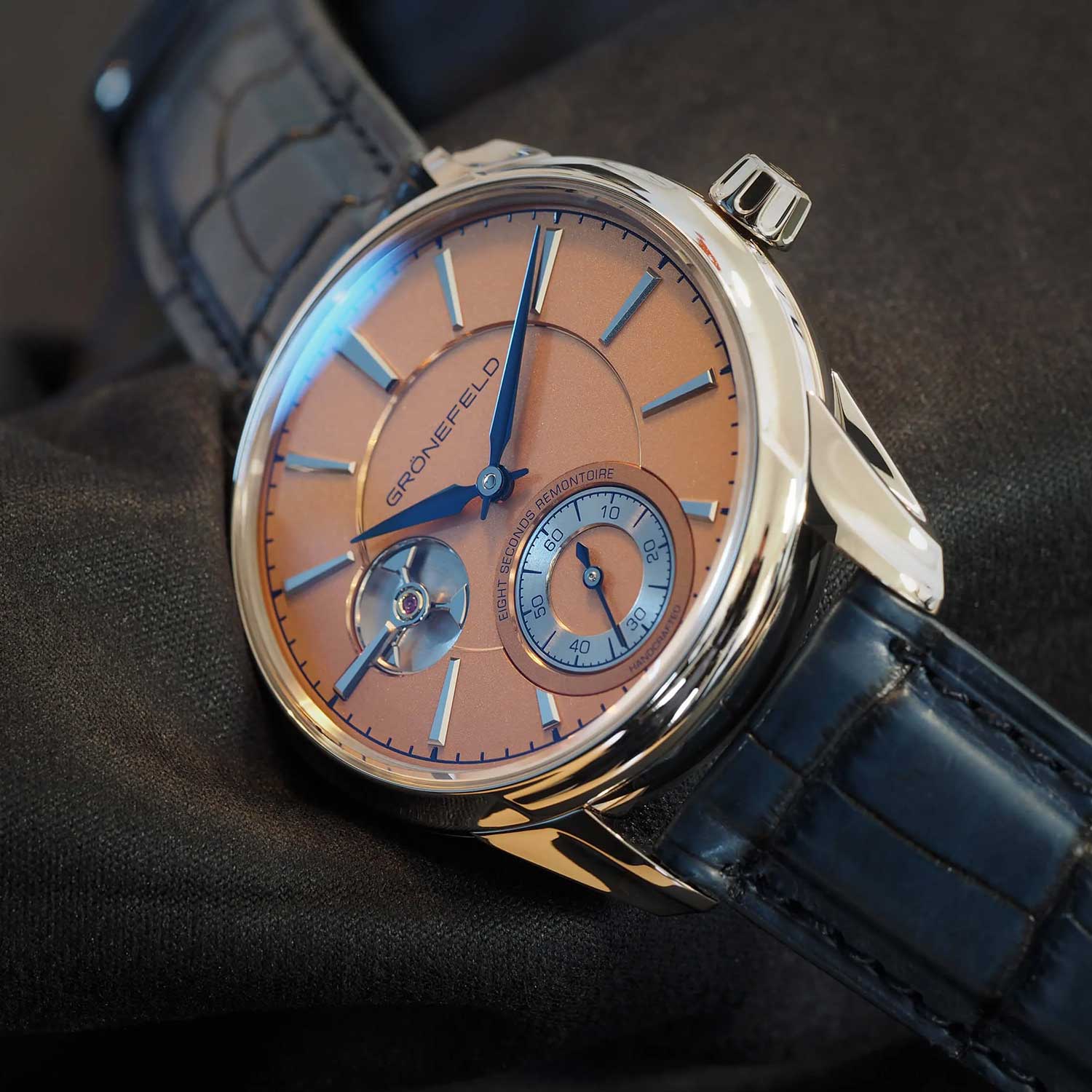
- 1941 Remontoire
Another landmark was the 1941 Grönograaf, launched in 2022 as the brothers’ first chronograph. It has an instantaneous jumping minute counter and incorporates a governor to control the speed at which the hammers reset the hands. The hammers themselves are equipped with ruby rollers to reduce sliding friction. Throughout their work, the emphasis remained on rigorous engineering, expressive movement architecture and hand finishing.

1941 Grönograaf
Beat Haldimann
Beat Haldimann is an outlier even within independent watchmaking, producing highly innovative watches by hand. Born in Oberdiessbach in 1964, he trained as a watchmaker and repairer under the village watchmaker Paul Dällenbach, completing his apprenticeship in 1985. He then worked in ETA’s research and development department before joining Chronometrie Bangerter in Thun. In 1991, at the age of 27, he established Haldimann Horology, initially supporting himself through restoration and development work for other watch companies. A 10-year contract with a major firm included a non-compete clause that prevented him from producing wristwatches or pocket watches of his own. Table clocks were not covered, so he directed his focus towards them, developing the patented Haldimann escapement and presenting the H101 Resonance double-pendulum clock in 2000.
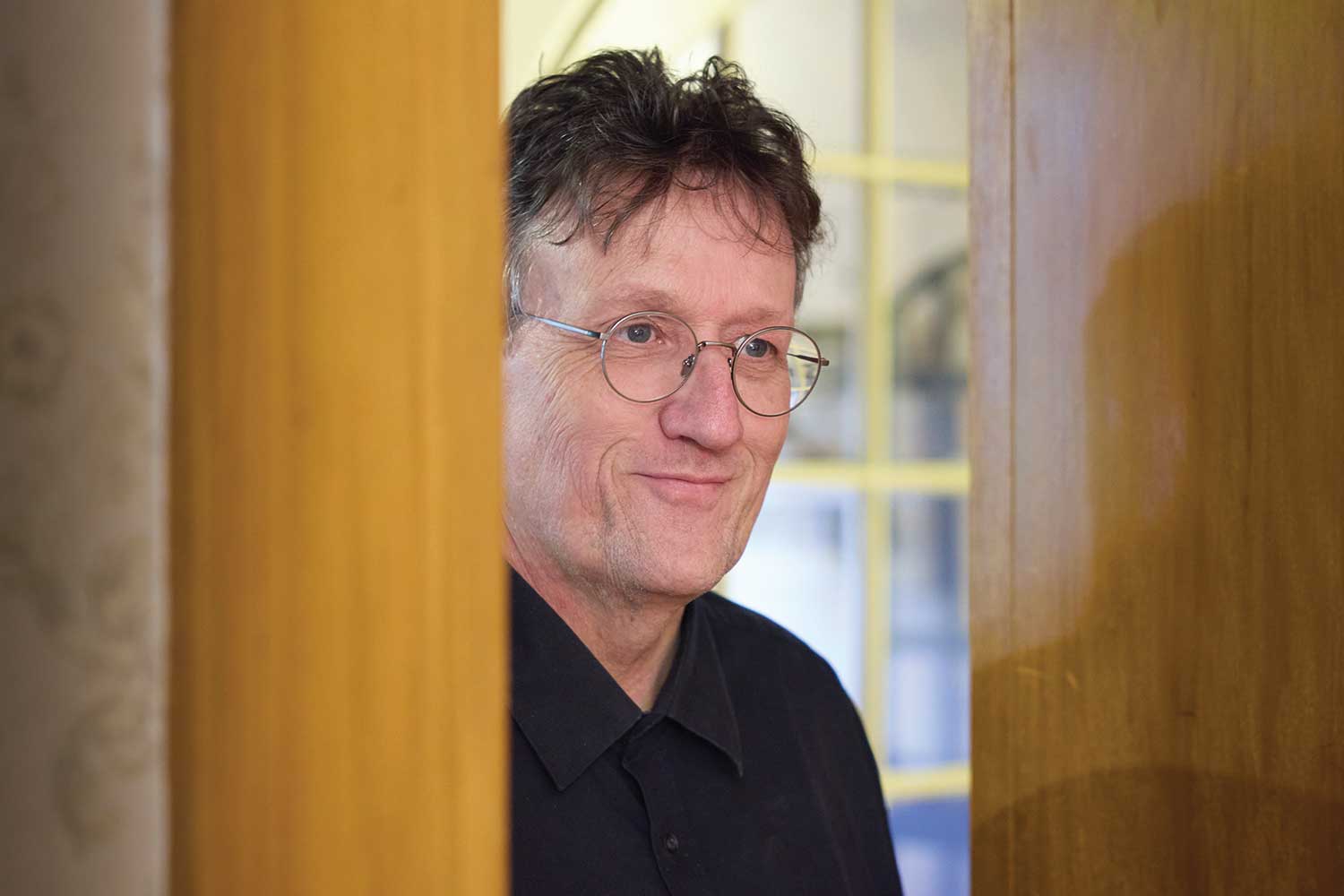
Beat Haldimann
The H101 contains two independent weight-driven movements that stand side by side in glass-paneled housing. Their pendulums are coupled through a common suspension beam, allowing them to gradually enter resonance and oscillate synchronously. Each movement uses Haldimann’s patented detached magnetic escapement. Rather than transmitting impulse through direct mechanical contact, the movement loads two drive springs, which deliver energy to the pendulum through repelling magnets. Adjustable stop screws limit the anchor’s travel and ensure that each spring is displaced by a repeatable amount during each cycle, producing a constant impulse.
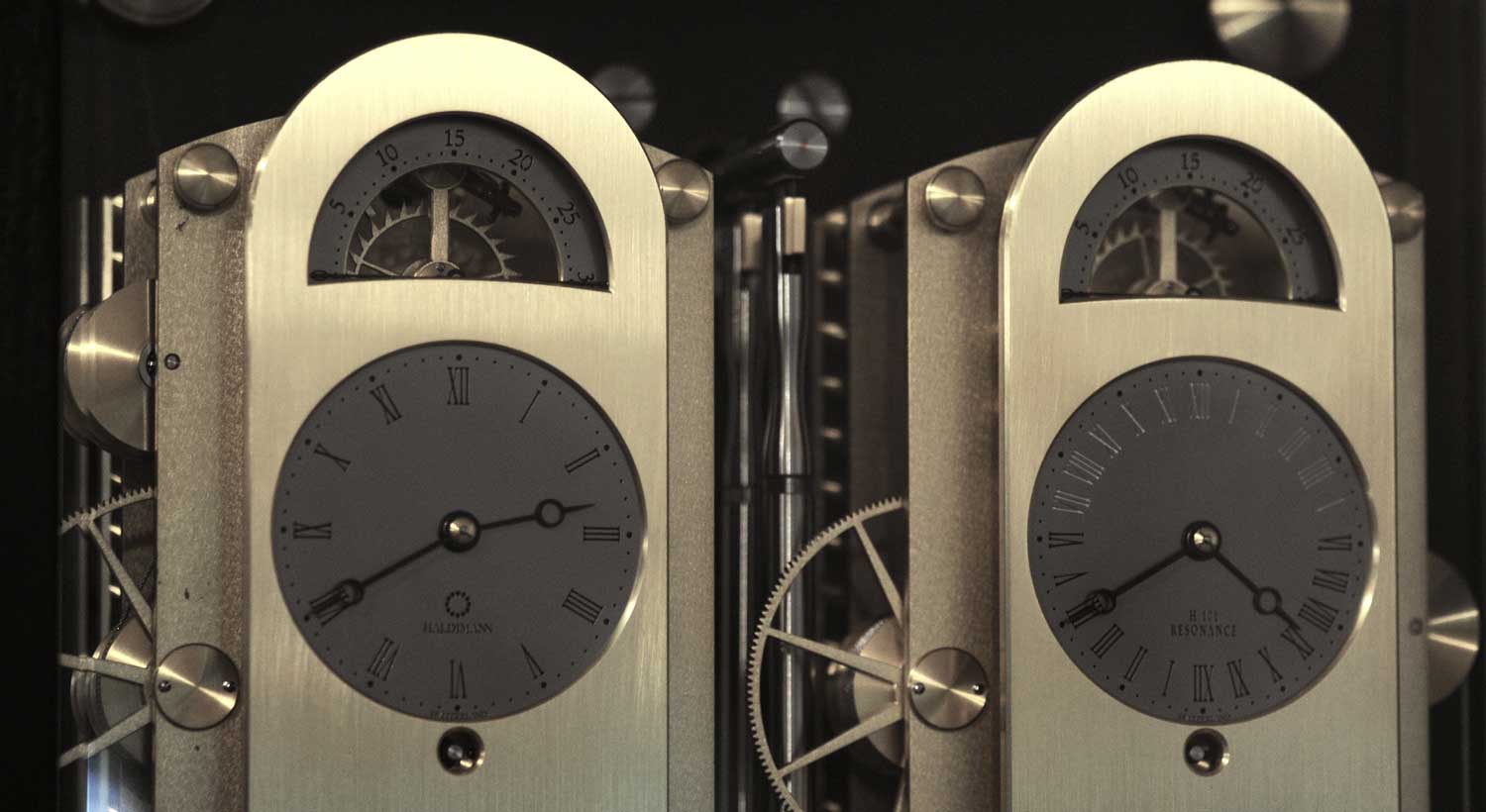
H101 Resonance double-pendulum clock
Once the contract expired in 2001, Haldimann was free to transfer his ideas to the wrist. The H1 Flying Lyra of 2002 placed a large flying tourbillon at the center of the dial, with the hour and minute hands carried by rotating disks around it. It was followed in 2005 by the H2 Flying Resonance with a central tourbillon that contains two balances and two escapements supplied by a single going train. This is made possible by the use of a remontoir on one of the escape wheels that acts as a buffer. The pinning points of the hairsprings are joined by a thin blade spring, creating a direct path through which the oscillators influence one another and synchronize.
-
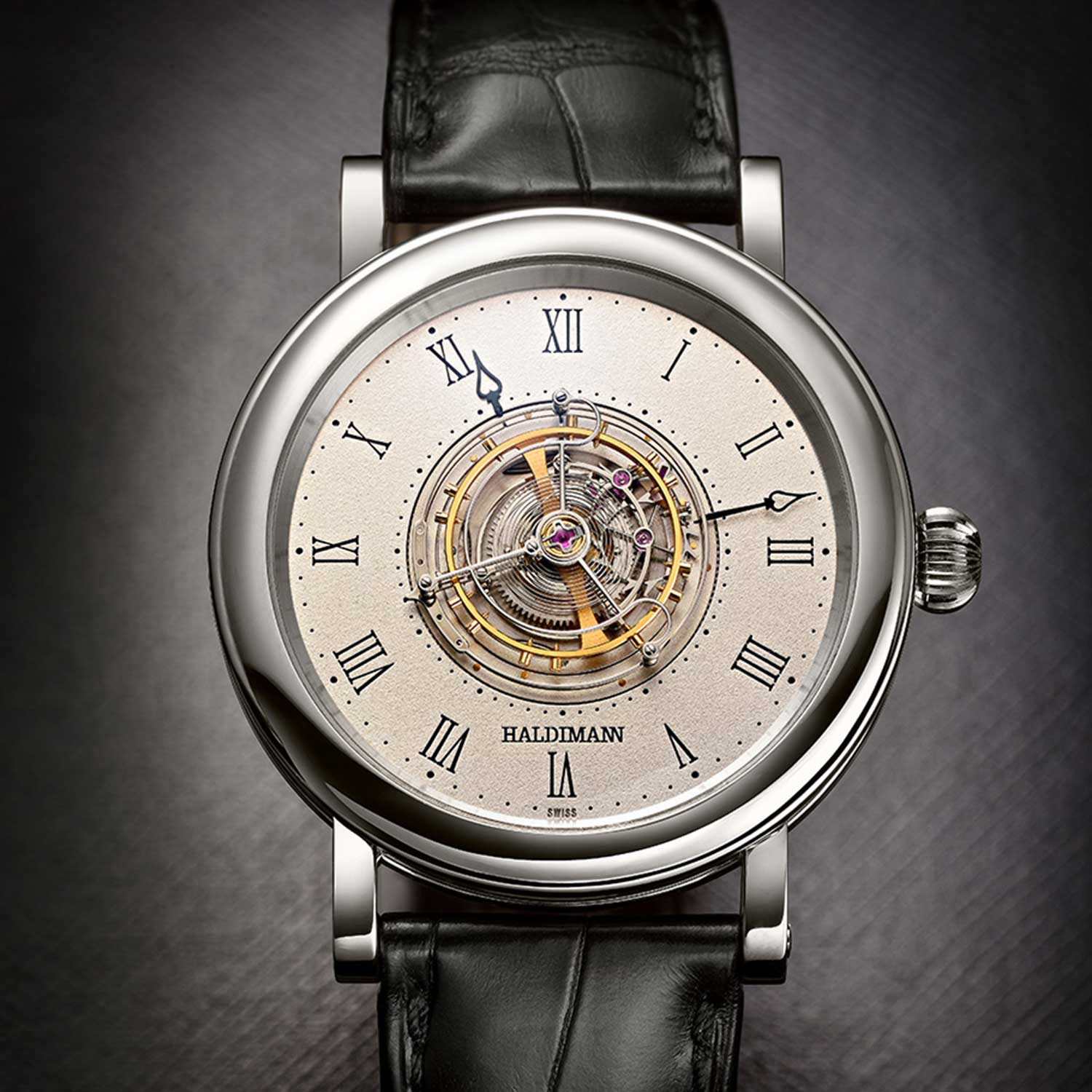
- H1 Flying Lyra
-
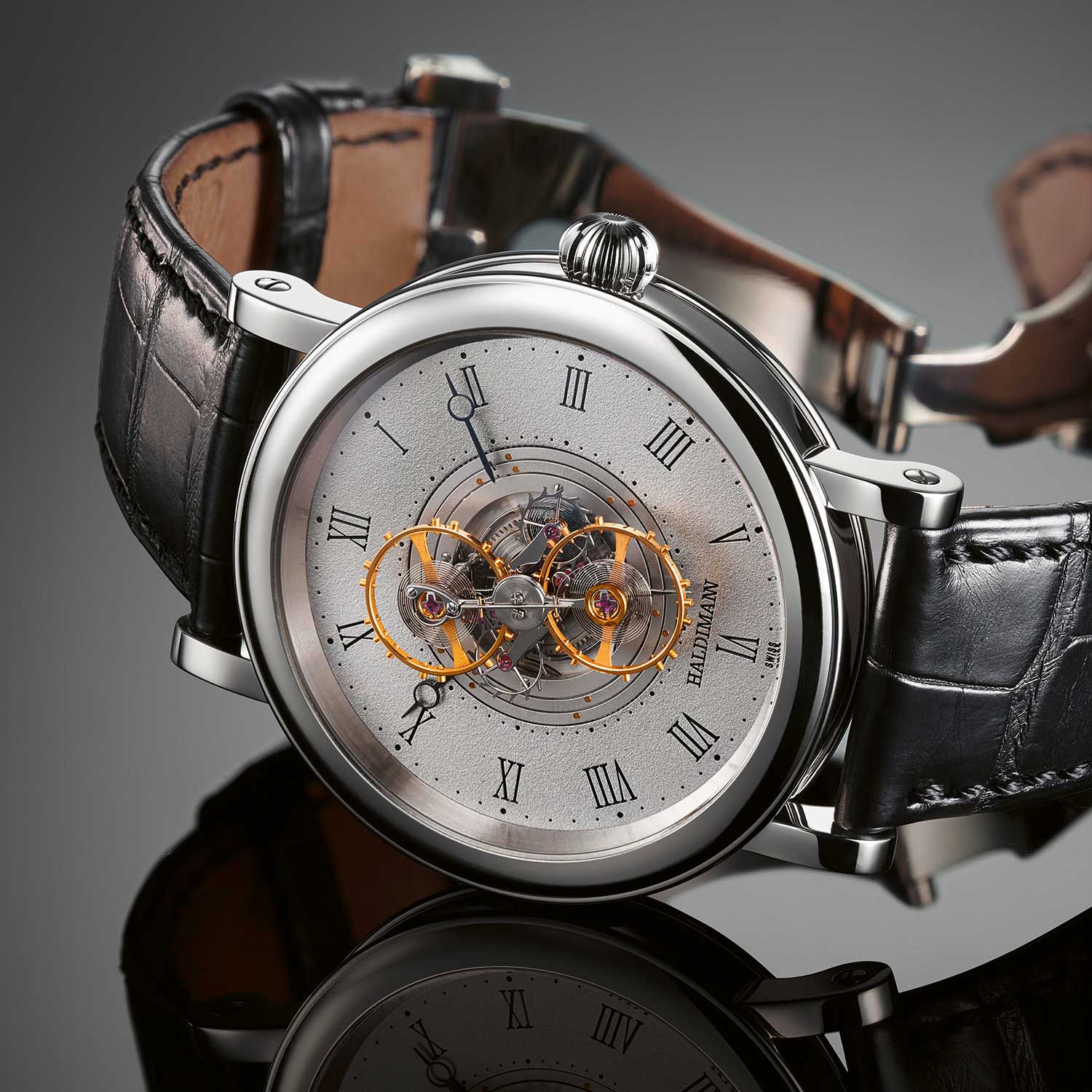
- H2 Flying Resonance
His later watches increasingly questioned whether a watch must display time at all. The H8 Flying Sculptura retained the central tourbillon but dispensed with hands. The H9 concealed the movement and time display beneath an opaque black dial, while the H3 communicated time through a minute repeater rather than a visual indication. The H11 returned to a conventional display, with its centrally mounted balance visible from the back rather than occupying the center of the dial.
-
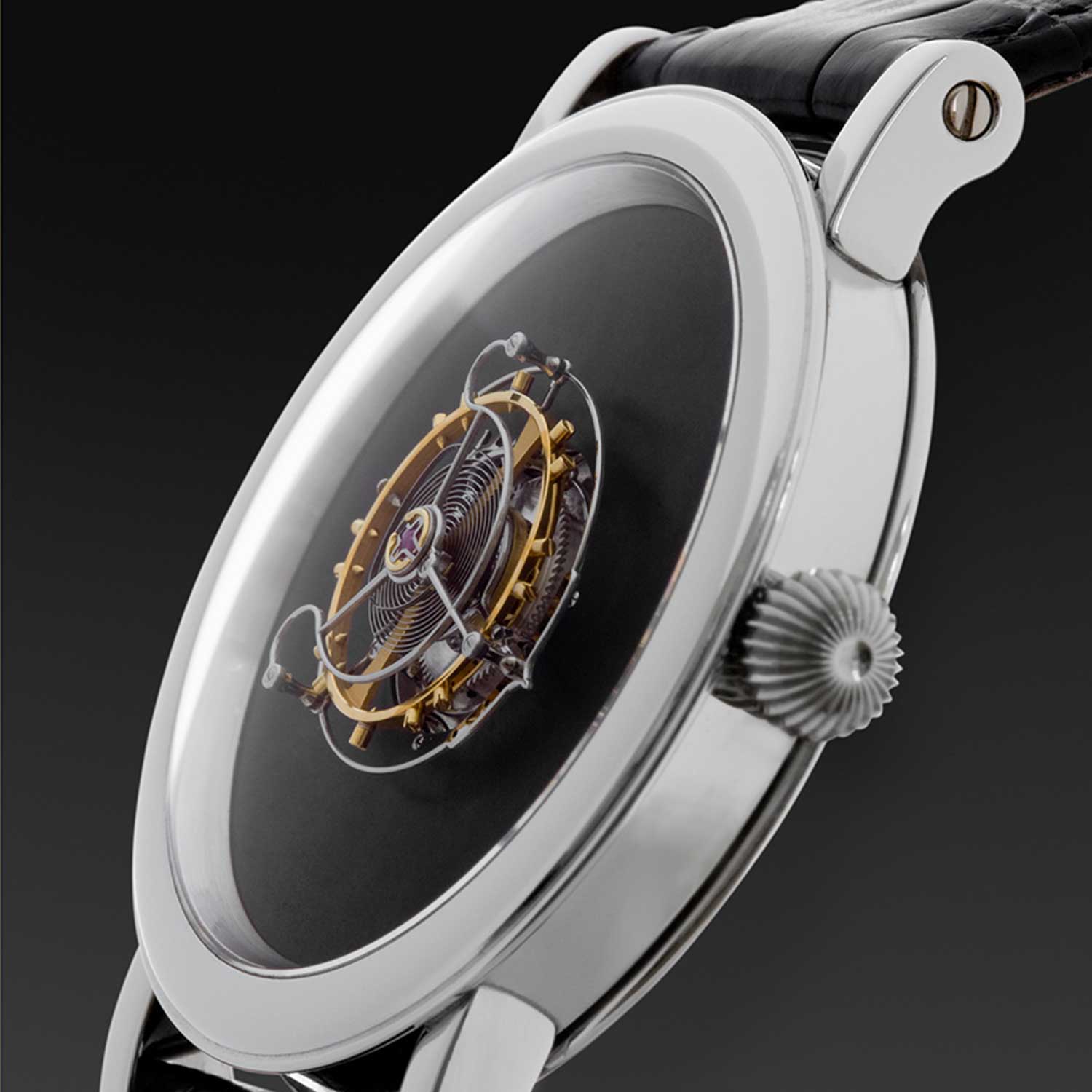
- H8 Flying Sculptura
-
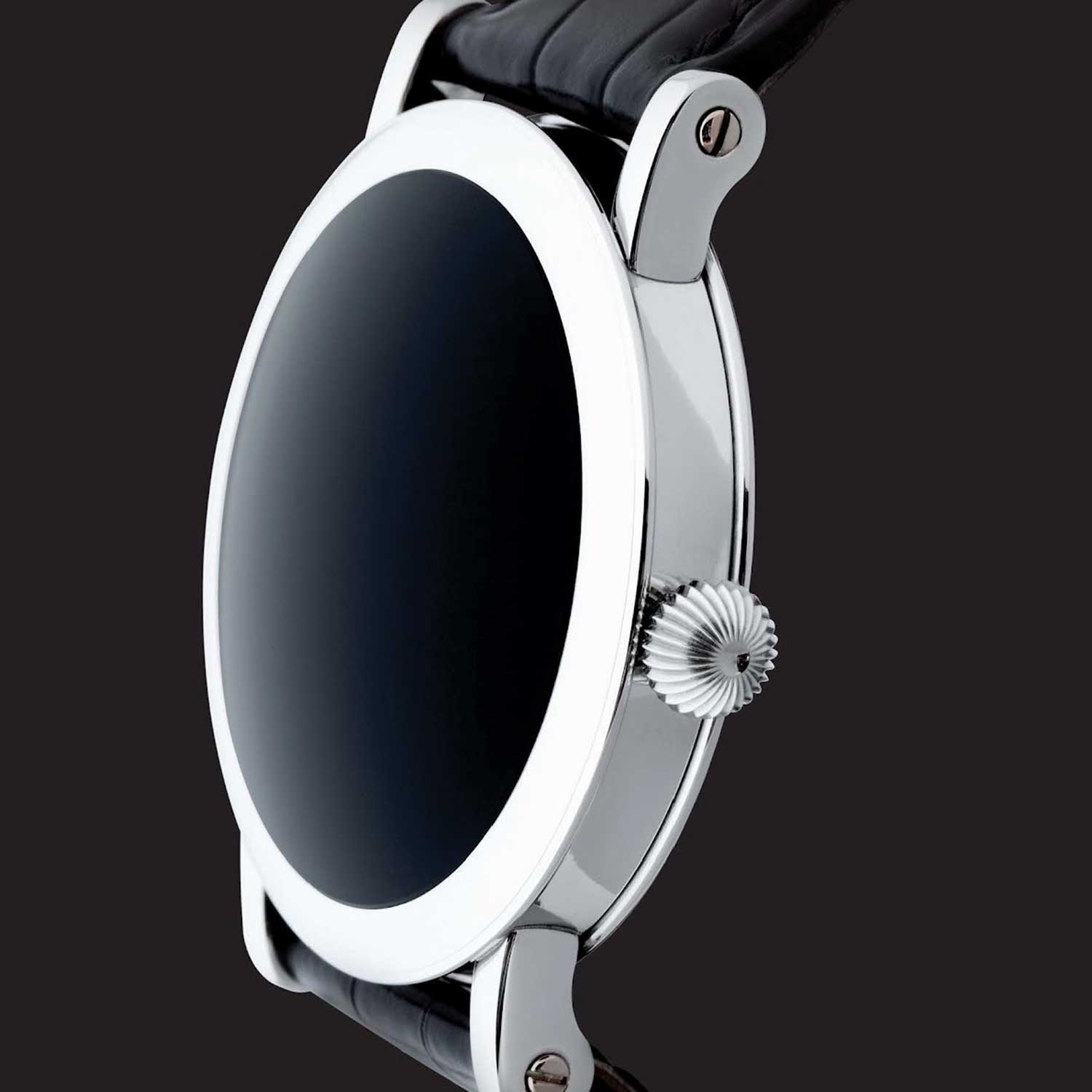
- H9 Reduction
-
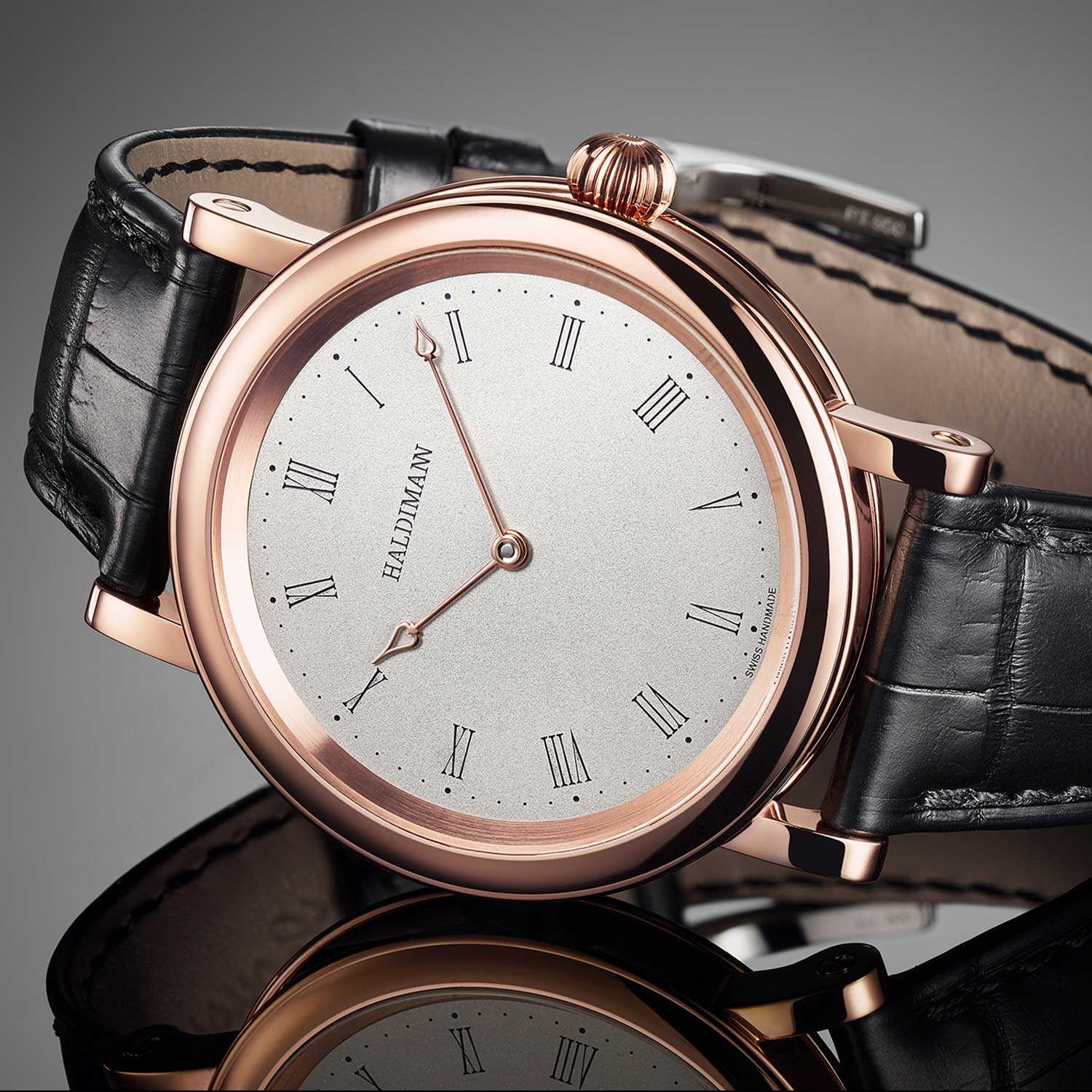
- H11 Central Balance Pure
-
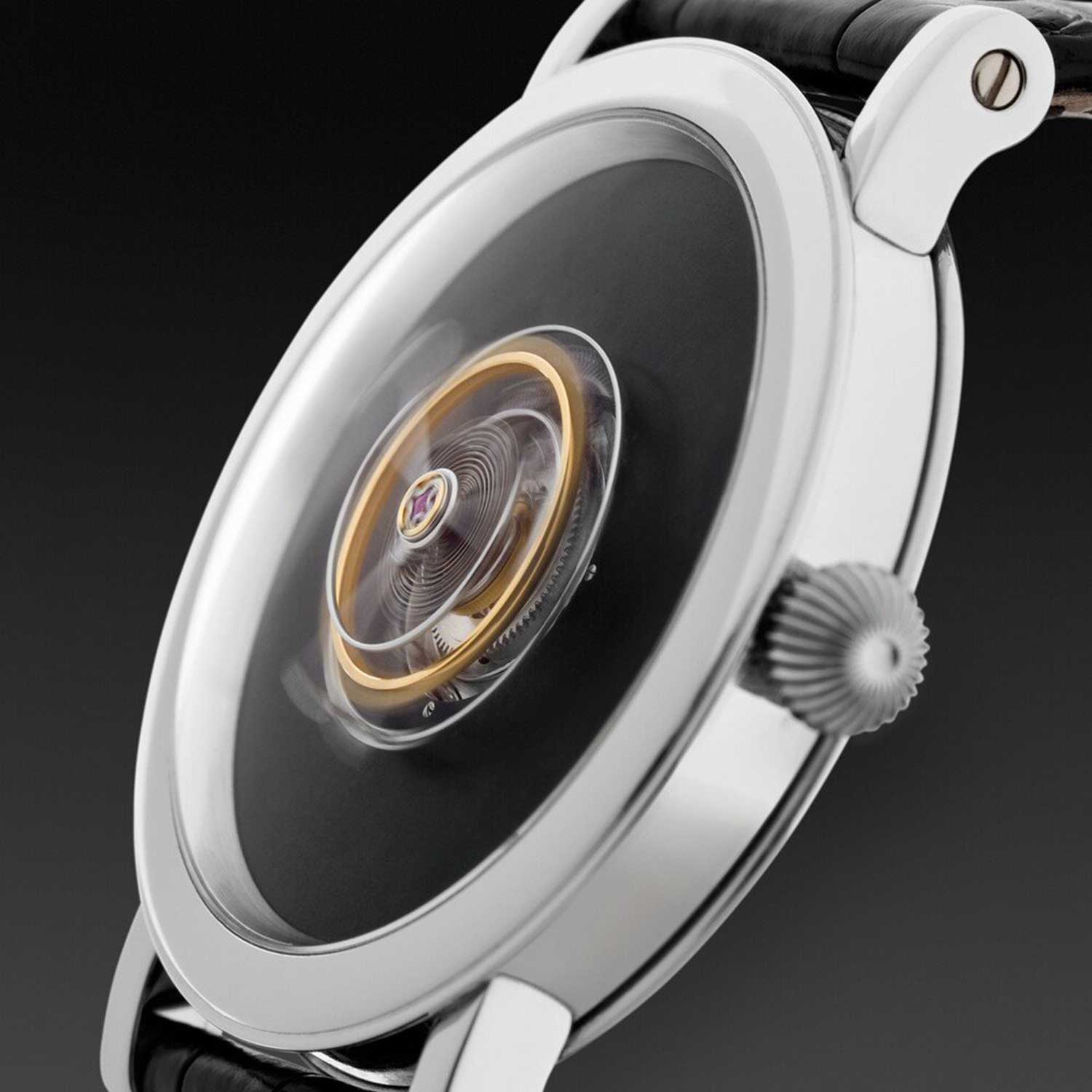
- H3 Flying Sculptura
Haldimann’s watches are made in his Thun workshop with manually operated machinery rather than CNC equipment. Movements, cases and dials all are produced in-house. In 2009, he received the Prix Gaïa for Craftsmanship-Creation. Both his methods and his preoccupations have set him apart — resonance, central oscillators and the physical experience of time have remained the key concerns of his work for more than three decades.
Vianney Halter
Independent watchmaking as we know it today was shaped not only by those who preserved traditional craft, but equally by the handful who imagined entirely new directions for mechanical watchmaking. Vianney Halter was among the most radical of them. His defining work, the Antiqua, emerged from a collaboration with American graphic designer Jeff Barnes, who conceived the extraordinary porthole case and deconstructed display. Introduced in 1998, it was unlike anything the watch world had seen. The hours, minutes and calendar indications were distributed across four separate dials, each framed by a riveted bezel and set into a highly complex 130-part case that evoked a scientific instrument from an imagined Victorian future. Equally remarkable was the movement beneath, where Halter developed his own instantaneous perpetual calendar mechanism and introduced the mystery rotor that would become a signature of his work.
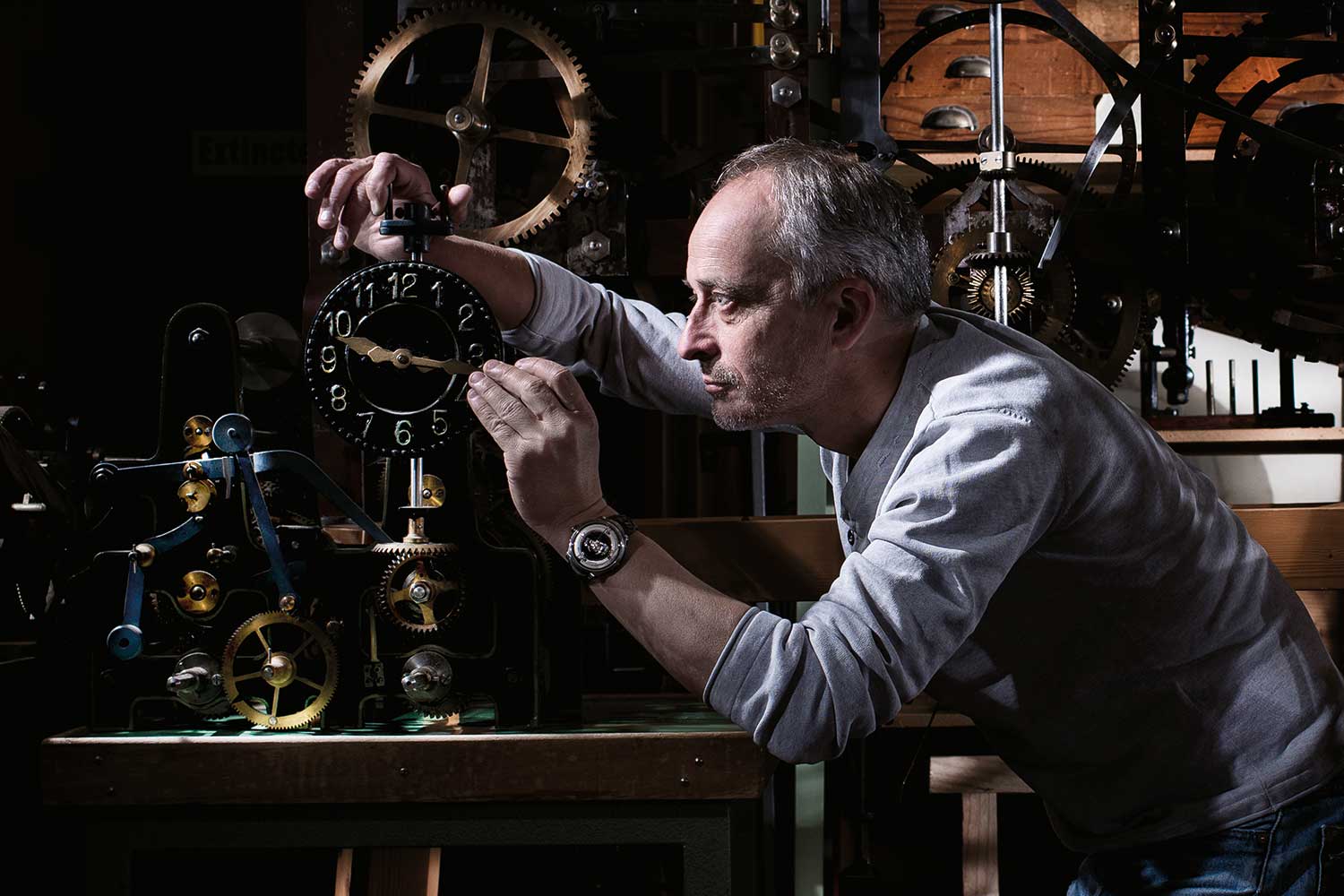
Vianney Halter
Halter subsequently launched the Classic in 2000, which distilled the same visual identity into a simple three-hander, while the Trio introduced in 2007 once again separated the indications, presenting the hours, minutes, seconds and date through individual apertures within a sharply rectilinear case. The Janvier Moon and Sun introduced to mark his 10th anniversary demonstrated a completely different side of Halter’s abilities, combining a running equation of time, annual calendar, lunar calendar and moonphase in homage to the great 18th-century clockmaker Antide Janvier.
-
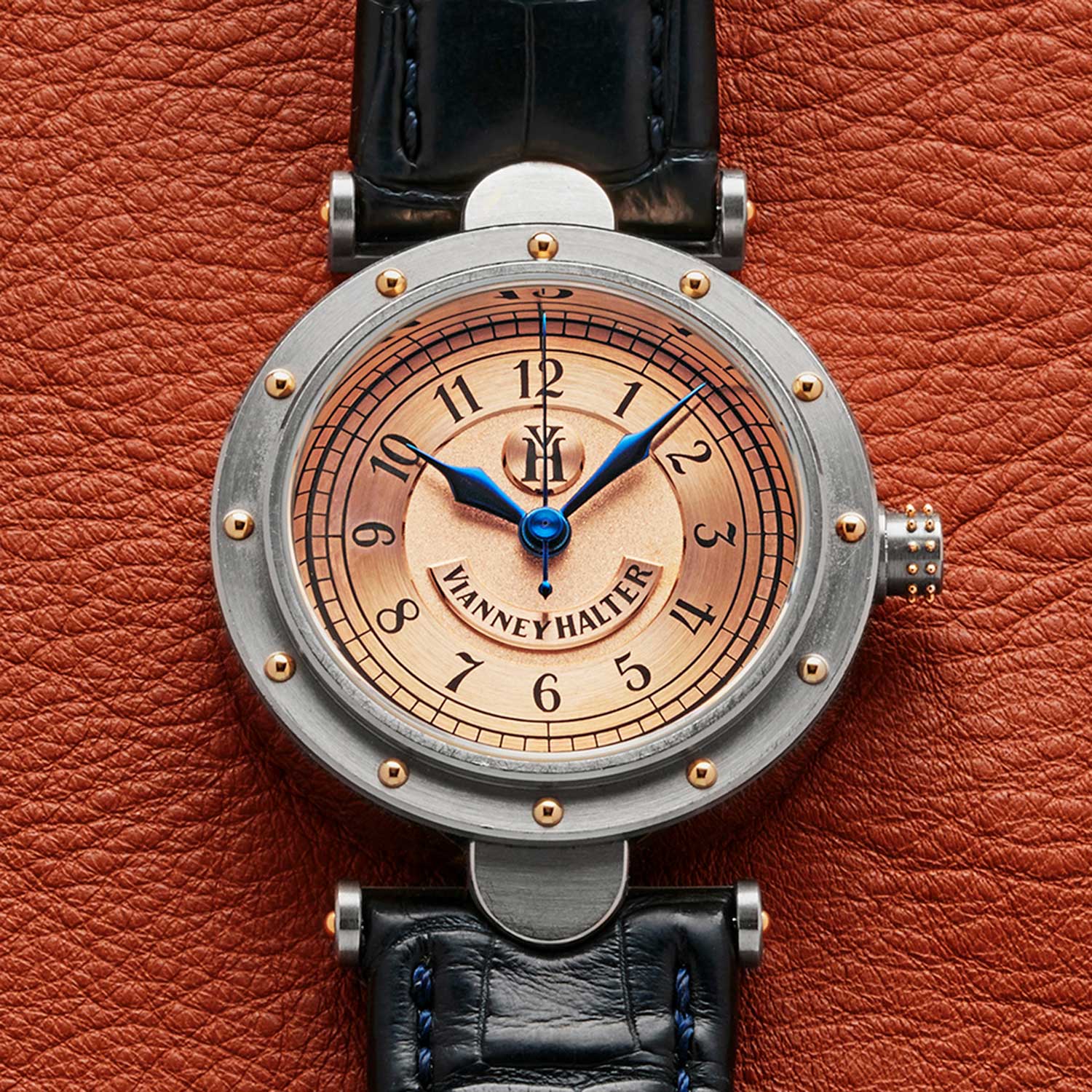
- Classic (Image: Ineichen)
-
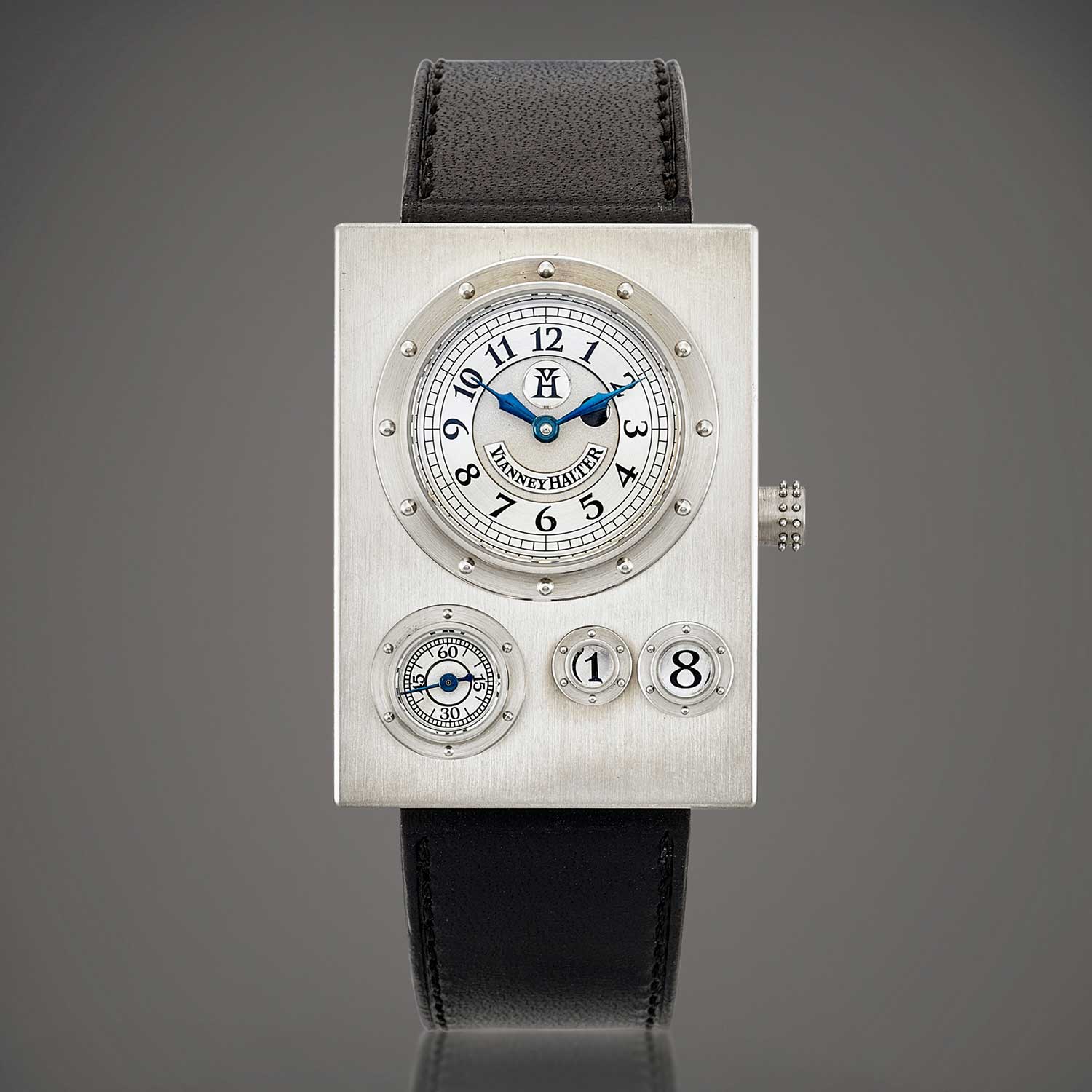
- Trio Grande Date (Image: Sotheby’s)
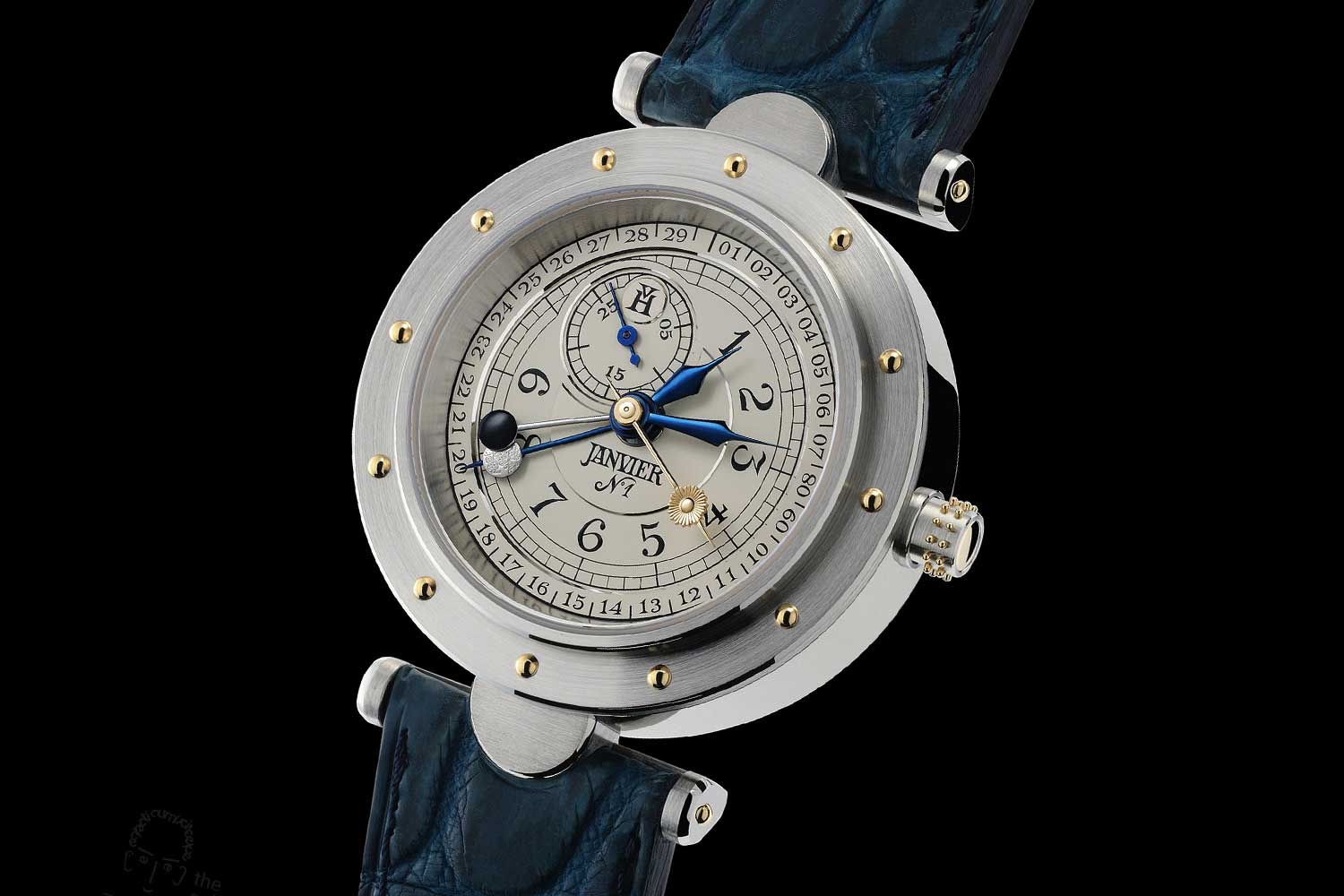
Janvier Moon and Sun
For Harry Winston, Halter conceived the Opus 3, one of the most original digital mechanical watches ever attempted. Rather than merely replacing hands with numerals, it transformed the final four seconds before the hour into a visible mechanical countdown before the hours and minutes jumped simultaneously.
Later, Halter turned his attention to the regulating organ itself. The Deep Space Tourbillon reimagined the architecture of a multi-axis tourbillon by placing the regulating organ at the center of the movement and relocating the time display to the periphery. Three rotating axes remain completely unobstructed, while a jumping peripheral display advances the minute ring one step per minute via a gear on the rotating cradle and a jumper. This arrangement keeps the hands entirely independent of the tourbillon during time setting, while the peripheral display train improves legibility without obscuring the regulating organ.
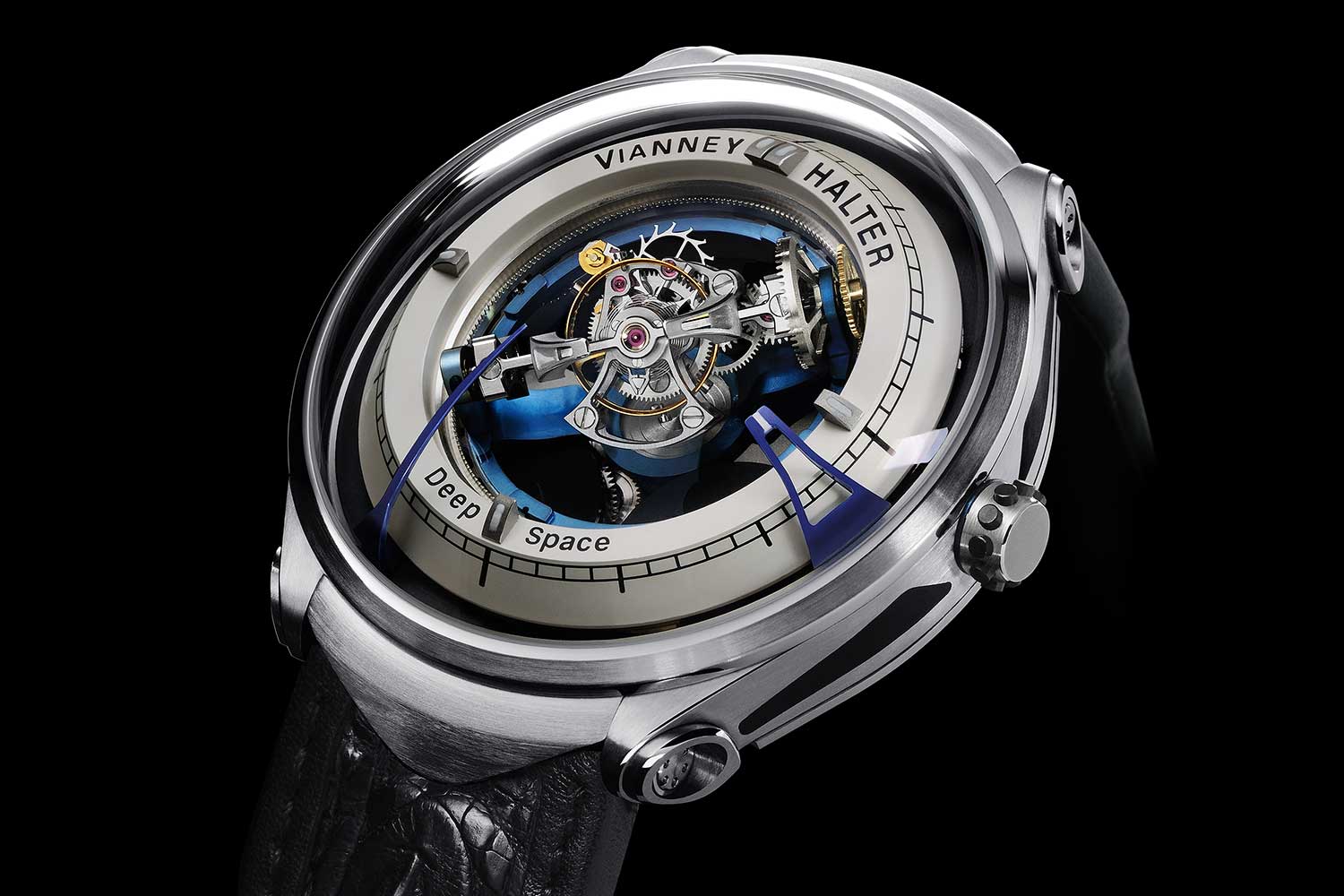
Deep Space Tourbillon
The Deep Space Resonance, on the other hand, applied the principle of resonance through mechanically coupled co-axial balances within the innermost cage of the triple-axis tourbillon. The two balance wheels occupy parallel planes and are geometrically identical, but arranged anti-symmetrically. Viewed along their common axis, the hairsprings are wound in opposite directions, causing the balances to oscillate in opposing rotational directions. The outer ends of both hairsprings terminate at a shared stud positioned midway between the two oscillators.
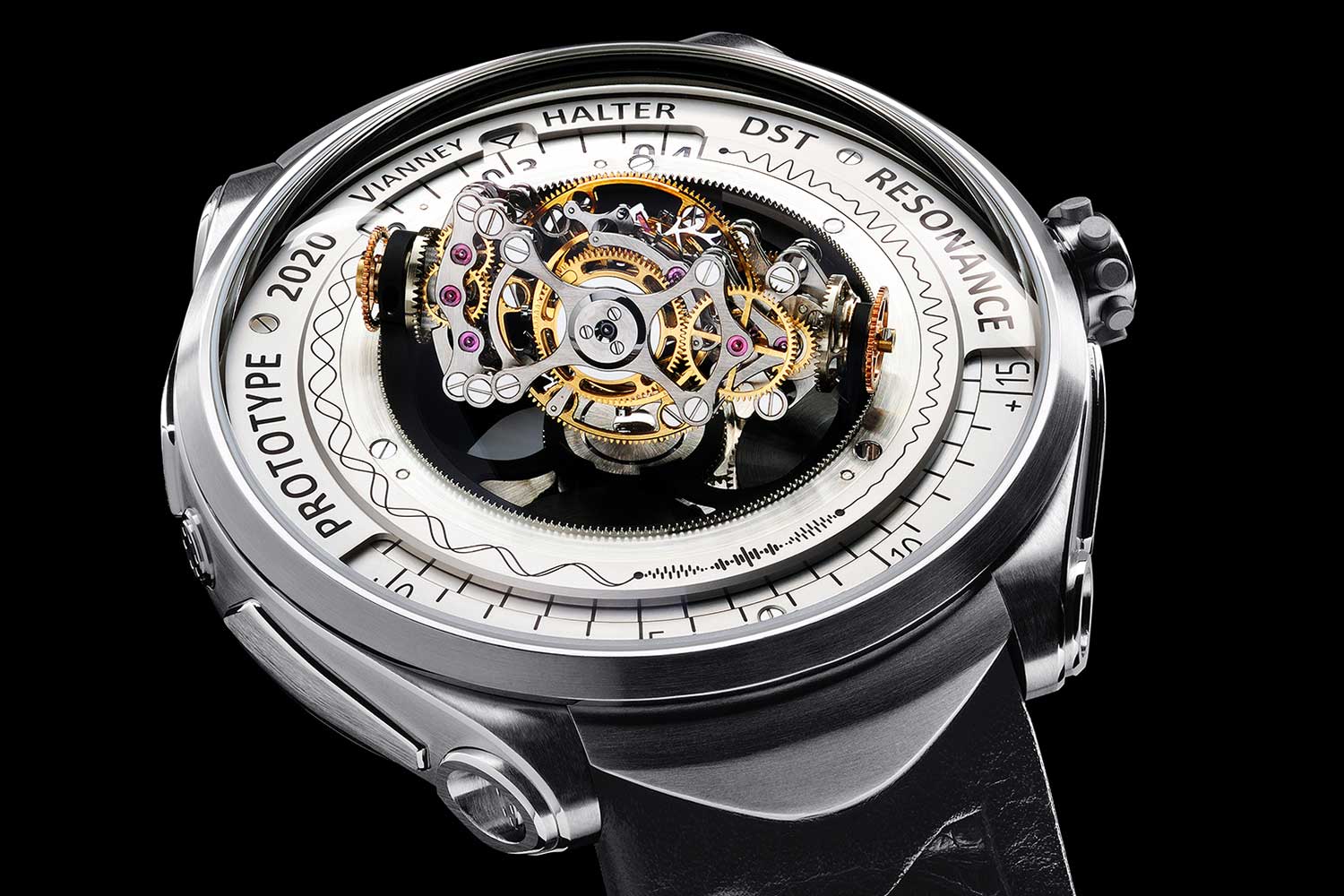
Deep Space Resonance
Krayon (Rémi Maillat)
One of the most memorable developments in astronomical complications over the last decade is Krayon’s execution of the sunrise-and-sunset complication. The company was founded in 2013 by Rémi Maillat, a movement constructor who had previously spent six years at Cartier in the fine watchmaking department led by Carole Forestier-Kasapi.
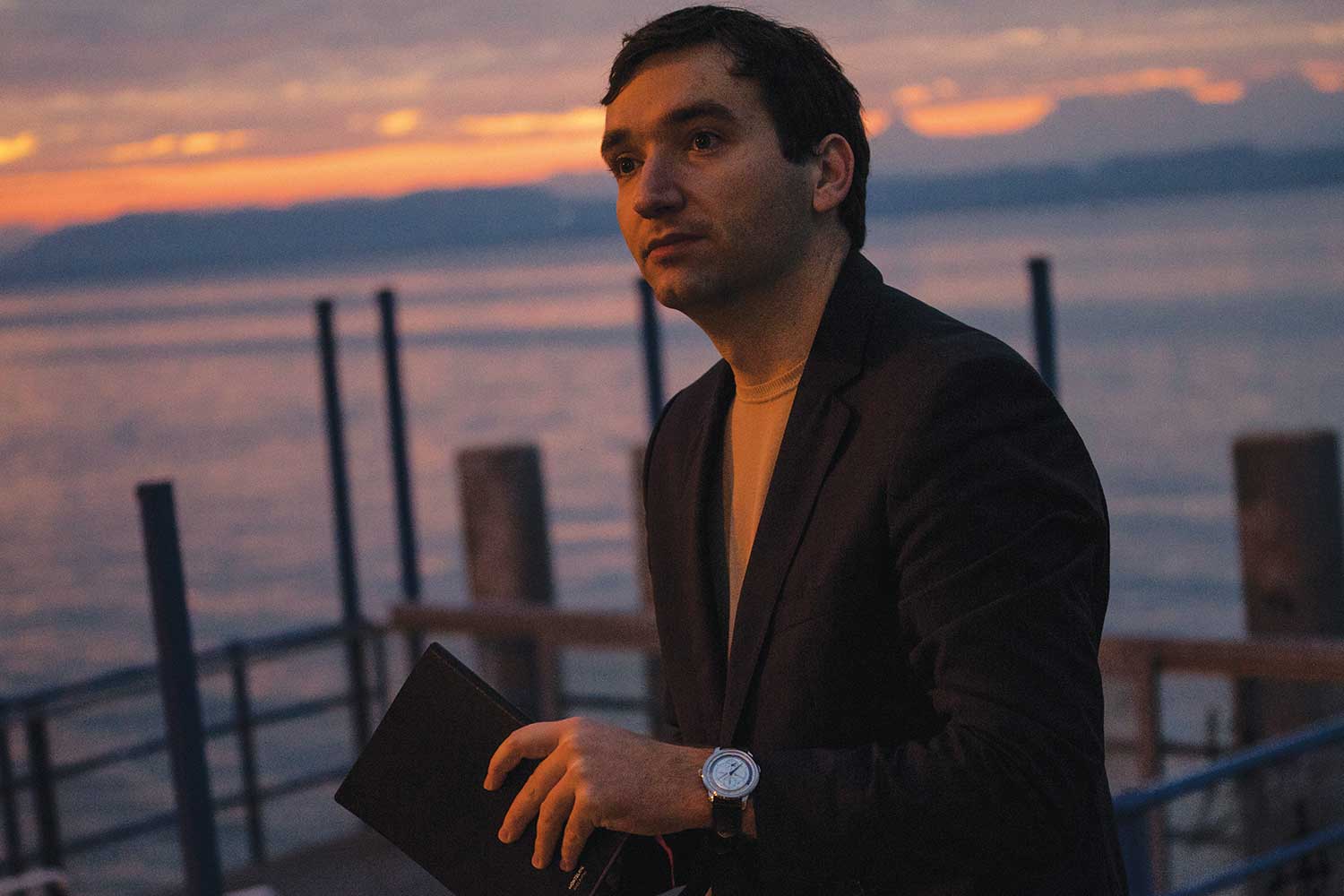
Rémi Maillat
Conventional sunrise-and-sunset displays are inherently limited because the mechanism must be programmed for a specific latitude. A watch calibrated for Geneva, for instance, will not indicate the correct times in Singapore, and changing the reference location generally requires the intervention of the manufacture. This is one reason such displays have traditionally appeared in multi-complication watches, often as limited editions or unique pieces.
The Krayon Everywhere launched in 2017 fundamentally expanded the usefulness of the complication. Once the wearer enters the date, time zone, latitude and longitude, the watch can calculate sunrise and sunset for any location between 60 degrees north and 60 degrees south. At the heart of the mechanism is an eccentric cam with an elongated central slot, which allows its geometry to be adjusted according to latitude. The resulting caliber is exceptionally complex, comprising 595 components and four differentials.

Krayon Everywhere
Maillat later introduced the Anywhere, a more focused interpretation of the same idea. It displays sunrise and sunset for a single location chosen by the owner, which is programmed into the watch by Krayon. Although mechanically simpler than the Everywhere, it preserves the essential achievement of the original by translating a complex astronomical calculation into a display that can be read at a glance.
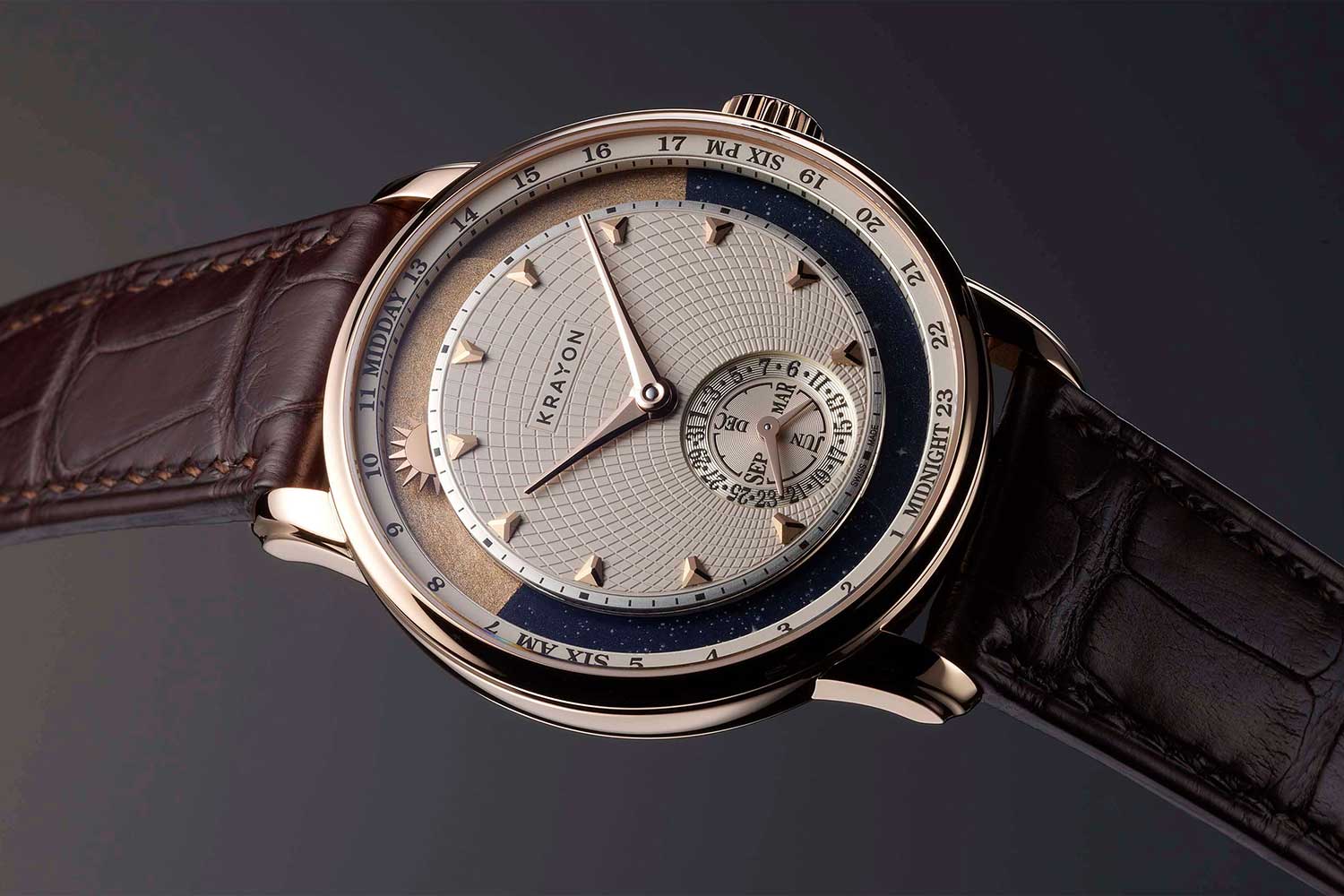
Krayon Anywhere
More recently, Maillat turned from astronomical cycles to the practical problem of navigating a calendar. Introduced in 2025, the Anyday displays the complete relationship between dates and weekdays for an entire month, allowing the wearer to see at a glance which day of the week any date falls on. The peripheral display also includes the final four days of the preceding month and the first four of the following one. It relies on two cams, one to accumulate energy for the instantaneous daily advance and another to govern the progression of the calendar over a 31-day cycle. As it is a simple rather than annual calendar, it requires five manual corrections each year, which can be made through the crown.
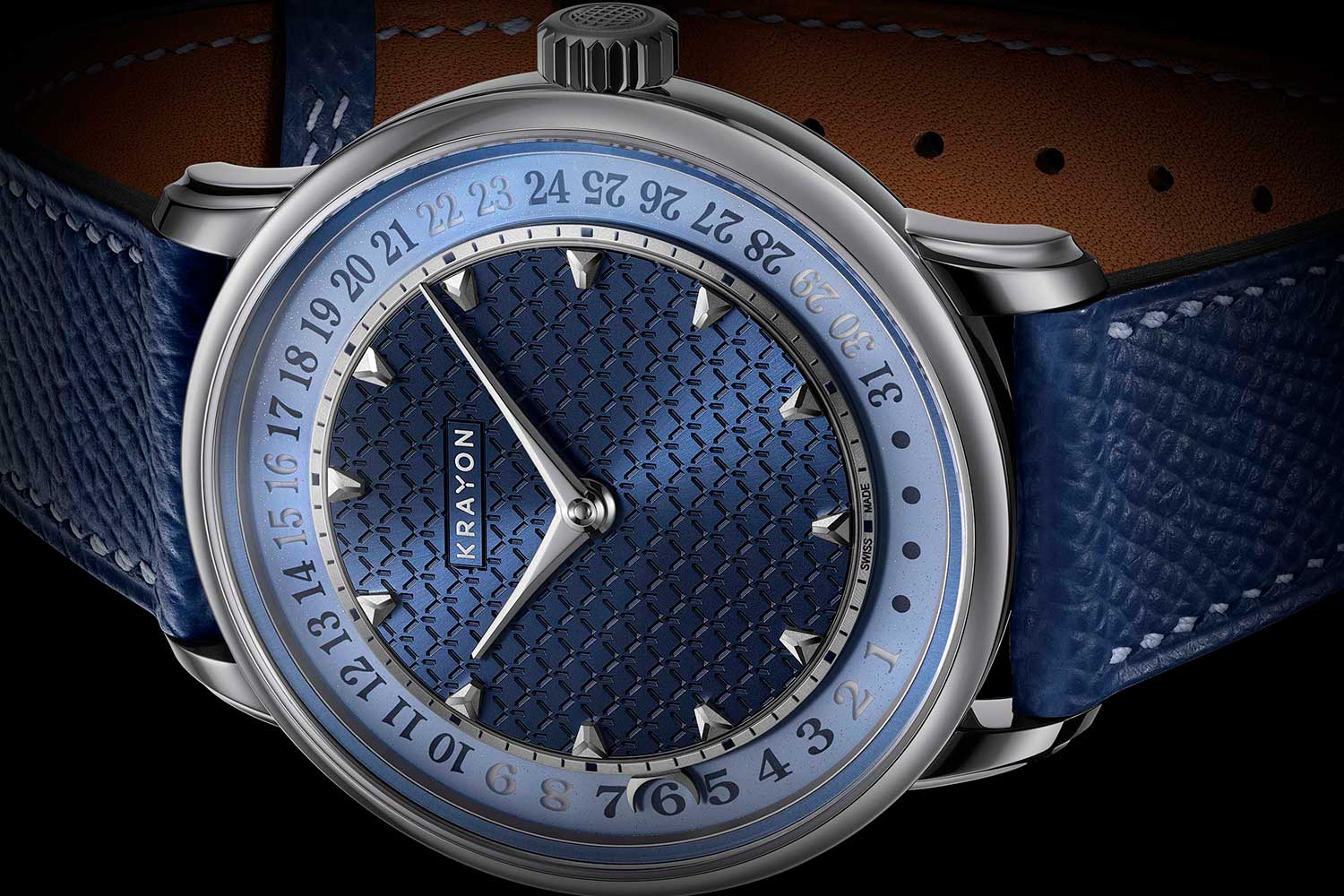
Krayon Anyday
Raúl Pagès
Raúl Pagès has risen sharply among the independents in recent years. Born in 1983 and raised in the Neuchâtel Jura, he earned diplomas in watch restoration in 2005 and complication construction in 2006 at CIFOM in Le Locle. He then spent six years in restoration, first in Parmigiani Fleurier’s workshop from 2006, where the pocket watches, clocks and automata of the Maurice Sandoz collection passed through his hands, and later working on restorations for the Patek Philippe Museum.
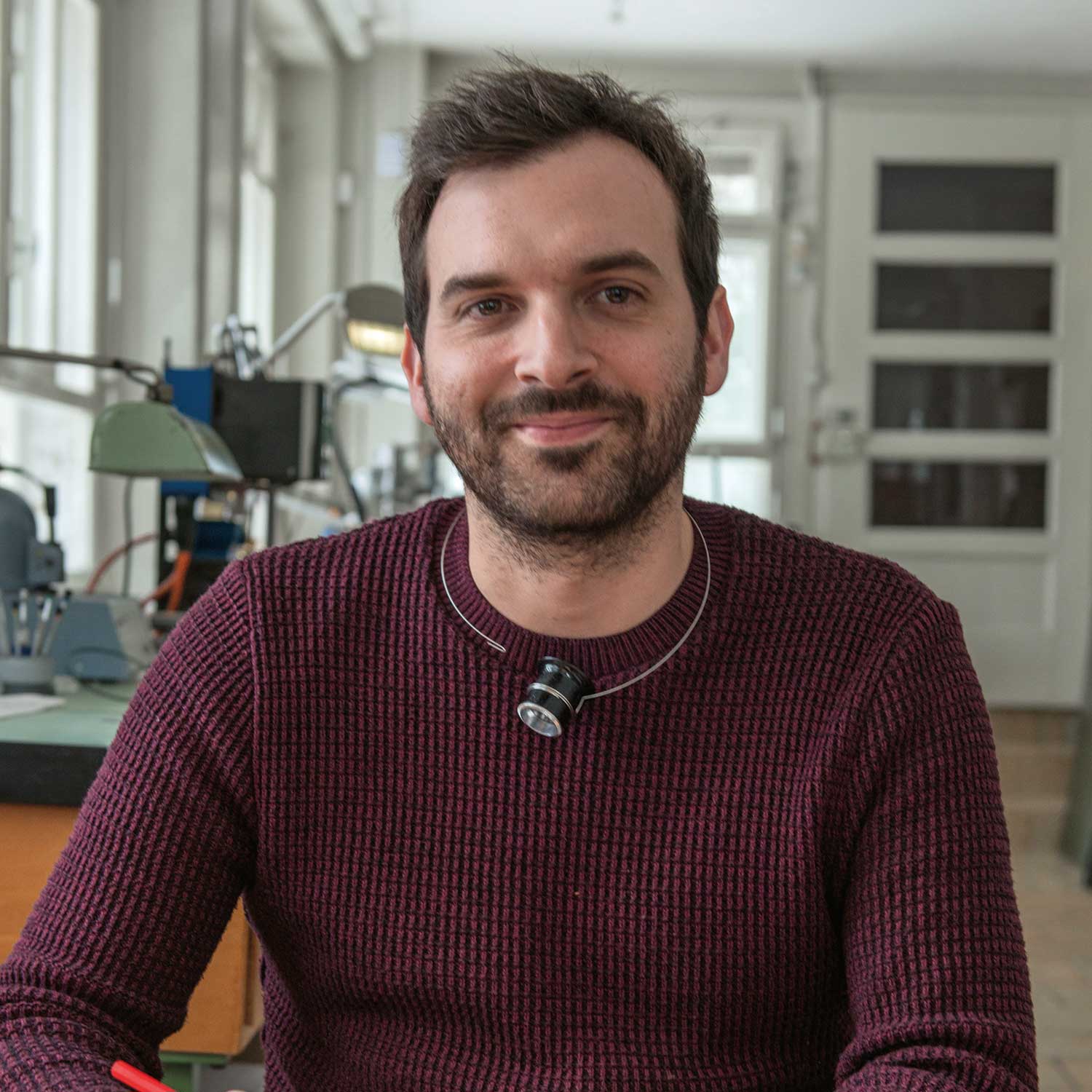
Raúl Pagès
Pagès established his own workshop in 2012, and his first creation, the Tortue, an automaton of 352 handmade parts, was completed the following year. His first wristwatch, the Soberly Onyx of 2016, was limited to 10 pieces, as many as he could source of the vintage Cyma 586K caliber that he rebuilt and finished for it. He joined the AHCI in 2017.
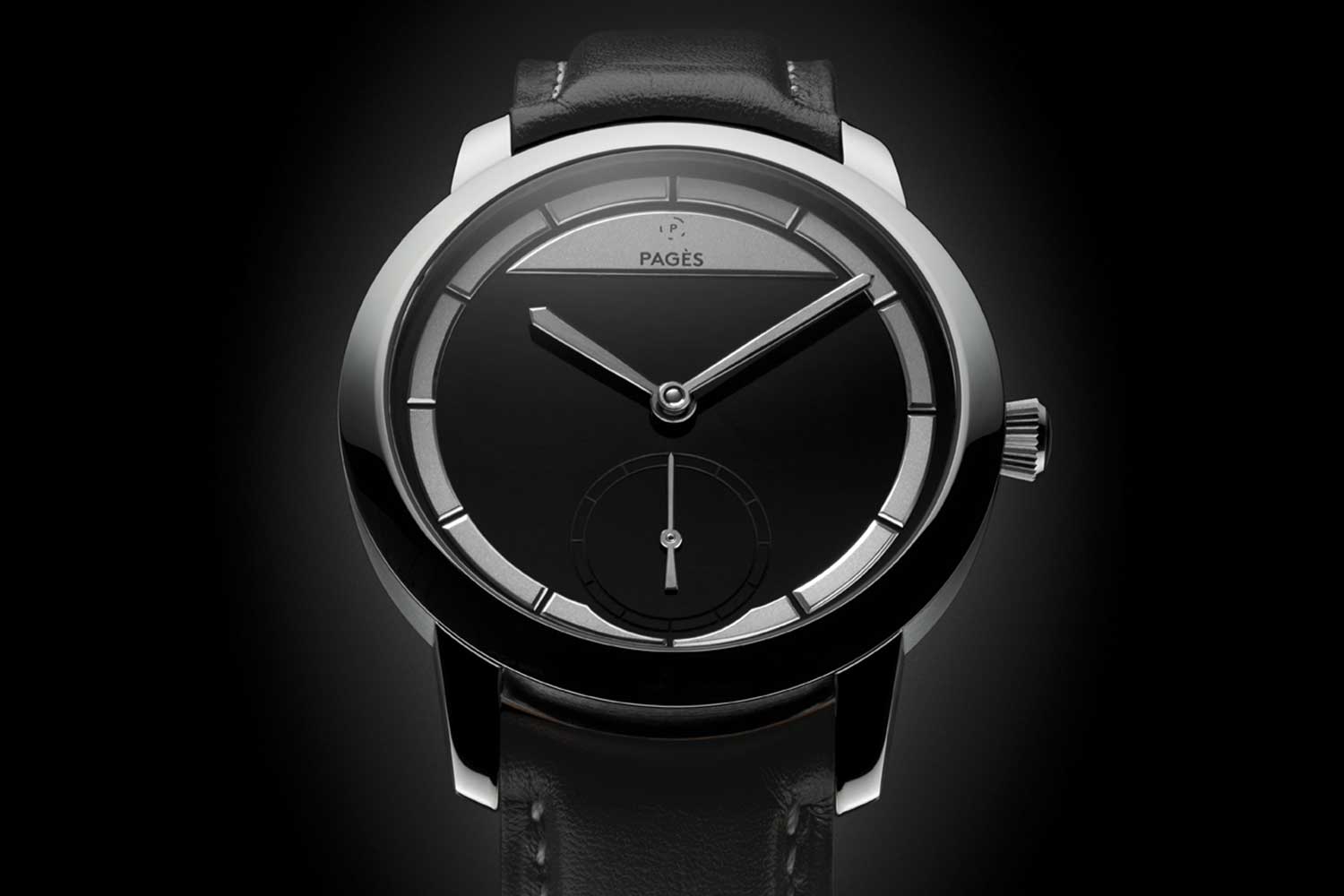
Soberly Onyx
The breakthrough, however, came in 2022 with the Régulateur à Détente RP1, one of the few wristwatches to ever incorporate a pivoted detent escapement. Pagès incorporated a nifty solution to address the shock sensitivity that has historically made the escapement unsuitable for wristwatches. It is based on a patent originally granted to Emile James in 1891. The balance staff carries several rollers, including a notched safety roller. When the unlocking pallet acts on the detent, the safety beak enters the roller’s notch, so the detent can move far enough to release the escape wheel. The beak and unlocking pallet occupy different planes, so they do not obstruct one another. At every other point in the balance’s rotation, the beak faces the solid circumference of the roller. Should a shock displace the detent, the beak immediately encounters this surface and prevents the locking pallet from releasing the escape wheel. The detent is then returned to rest by its spiral spring. In 2024, the RP1 won the inaugural Louis Vuitton Watch Prize for Independent Creatives.
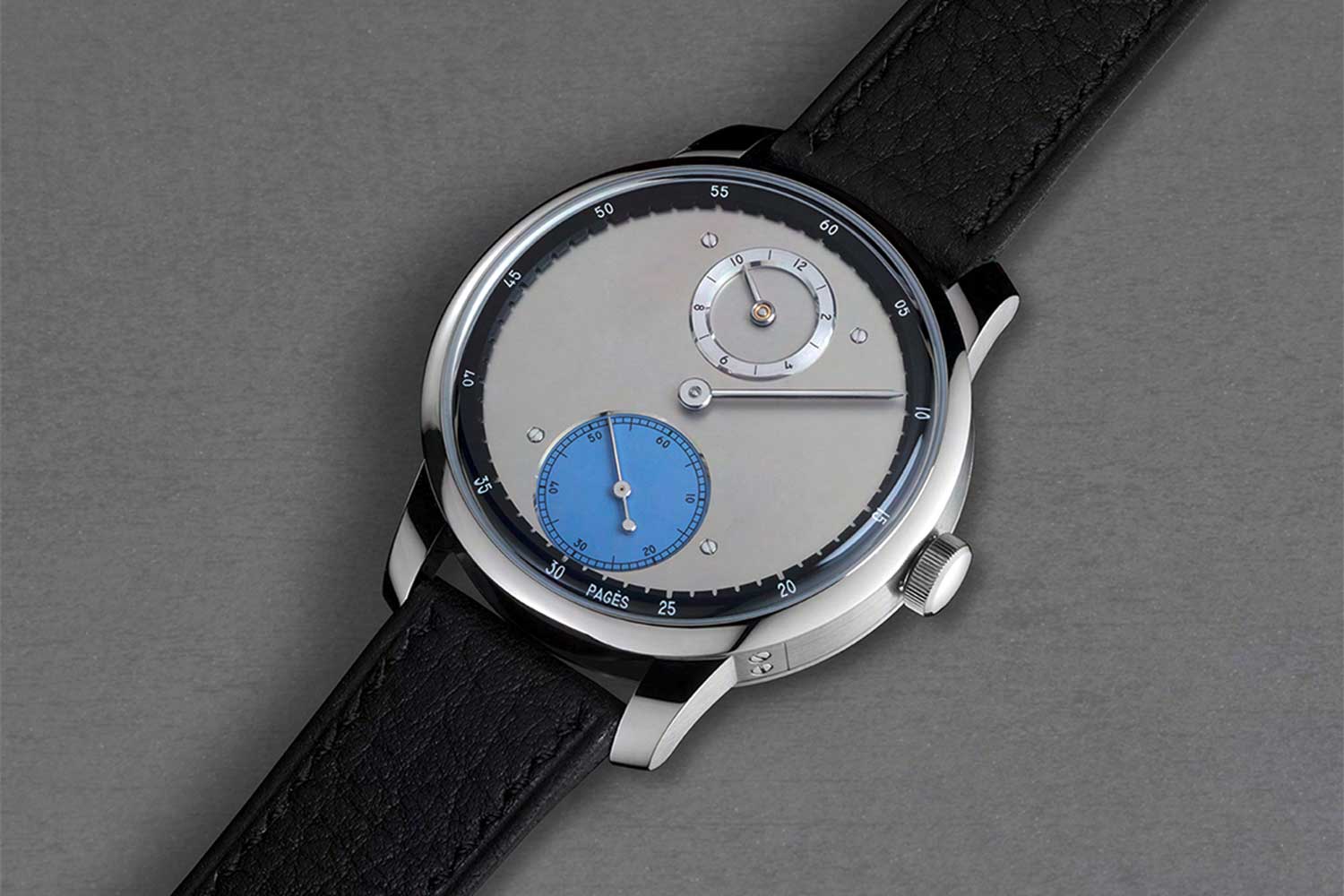
Régulateur à Détente RP1
Last year, he unveiled the RP2, a time-only three-hander in steel with a white agate dial and a new caliber with a counterweighted lever escapement and a 12.5mm variable-inertia balance. For the first time, Pagès has turned to external specialists for many raw components so he can concentrate on finishing and assembly.
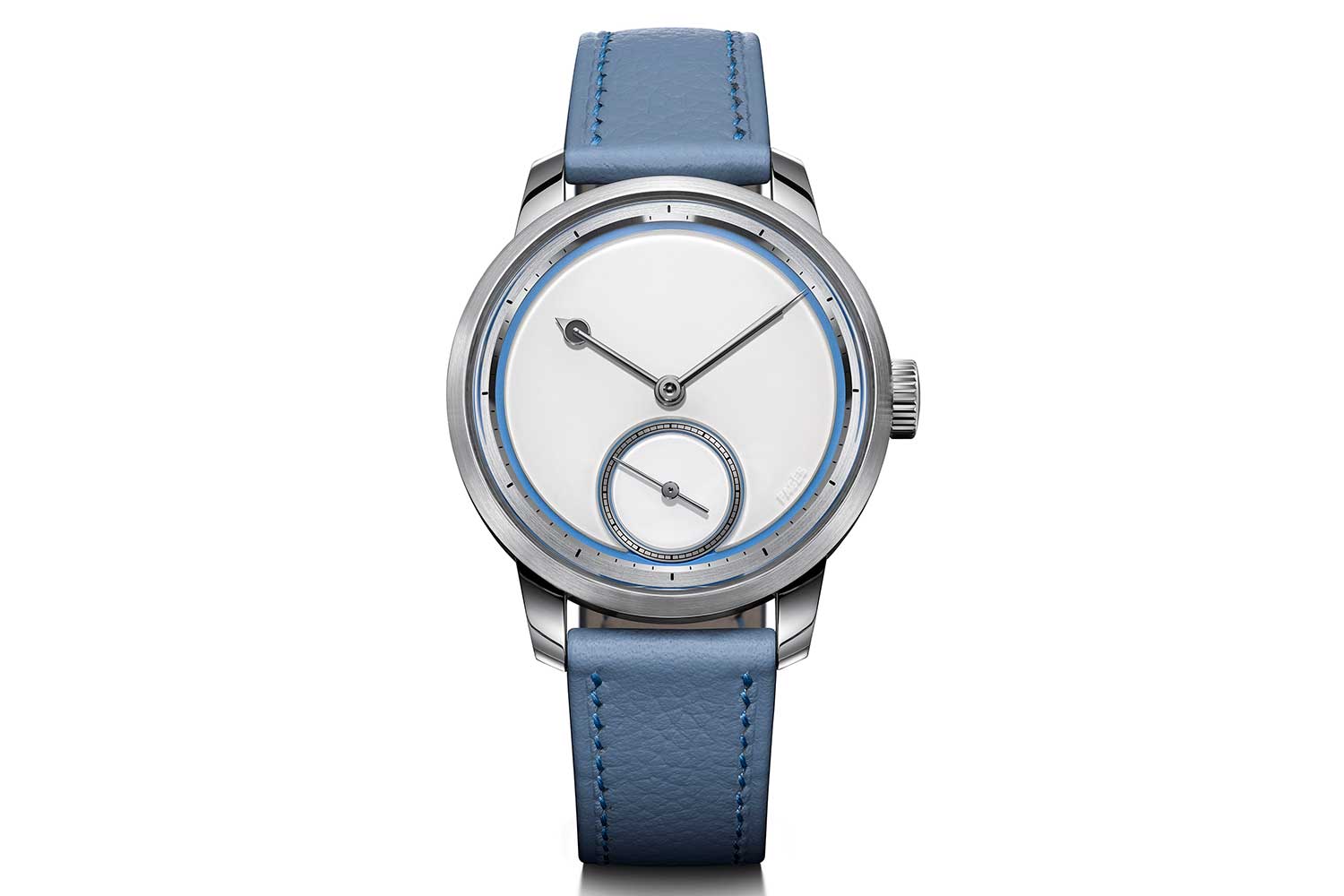
RP2
Greubel Forsey
One of the more unusual things about Greubel Forsey has always been that, for all the visual extravagance of its watches, the company has never been in the business of spectacle for its own sake. Founded in 2004 by Robert Greubel and Stephen Forsey, both formerly of Renaud & Papi, the company has rooted every major invention, beginning with the Double Tourbillon 30°, in a rather old-fashioned question: could the mechanical watch still be made to keep better time? Inclined tourbillons, high-speed rotating cages, double balances and constant-force mechanisms all grew out of a sustained exploration of chronometry that few other manufactures, independent or otherwise, have pursued with such persistence. At the same time, it has also pushed traditional complications such as the grande sonnerie and the perpetual calendar in new directions.
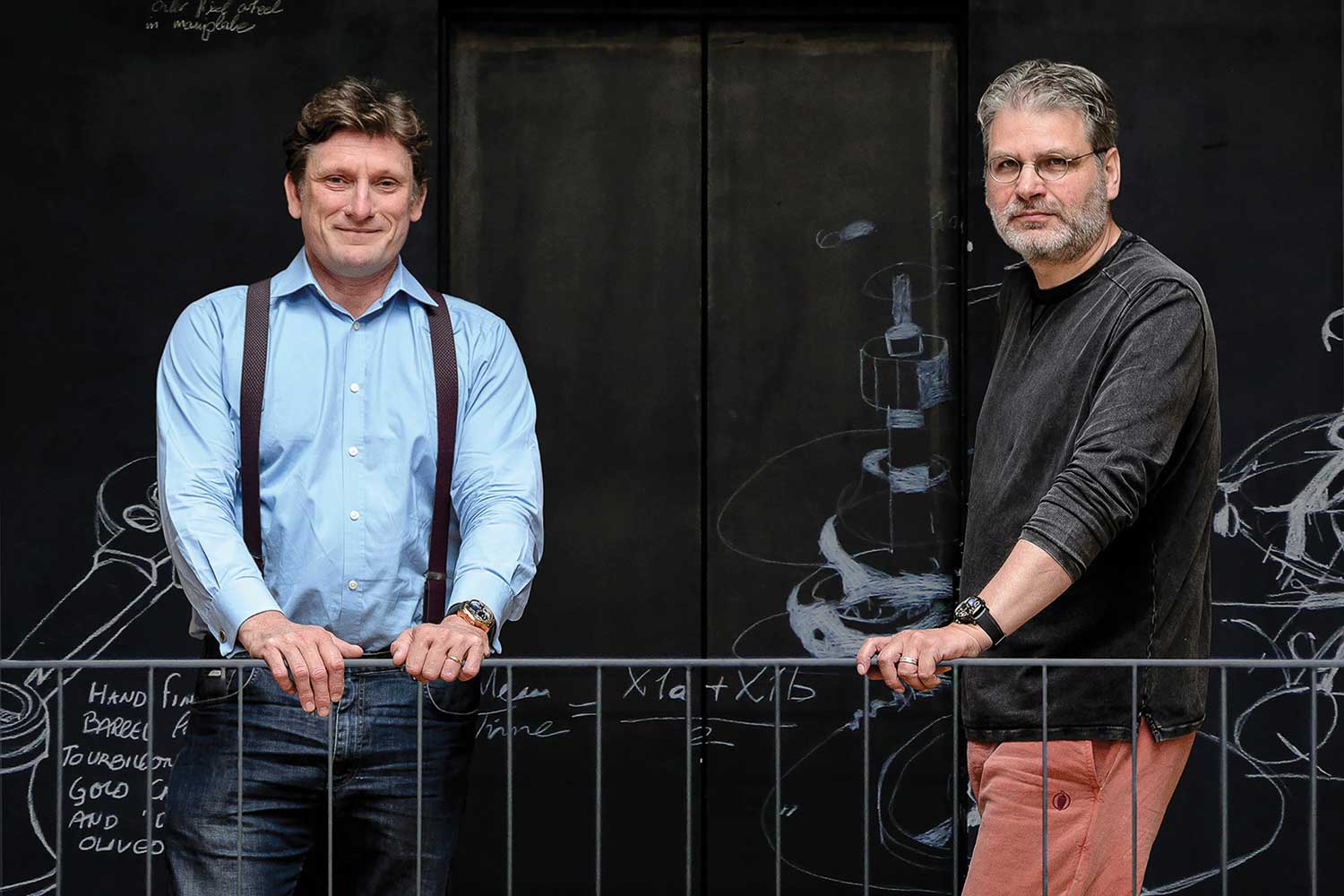
Robert Greubel and Stephen Forsey
Equally distinctive is the refusal to separate technical innovation from traditional craftsmanship, culminating eventually in the Hand Made 1 and 2. Their movement architectures are typically deliberately exposed in three dimensions, inviting the owner to understand how each mechanism works, while every component is finished to an exceptionally high standard.
-
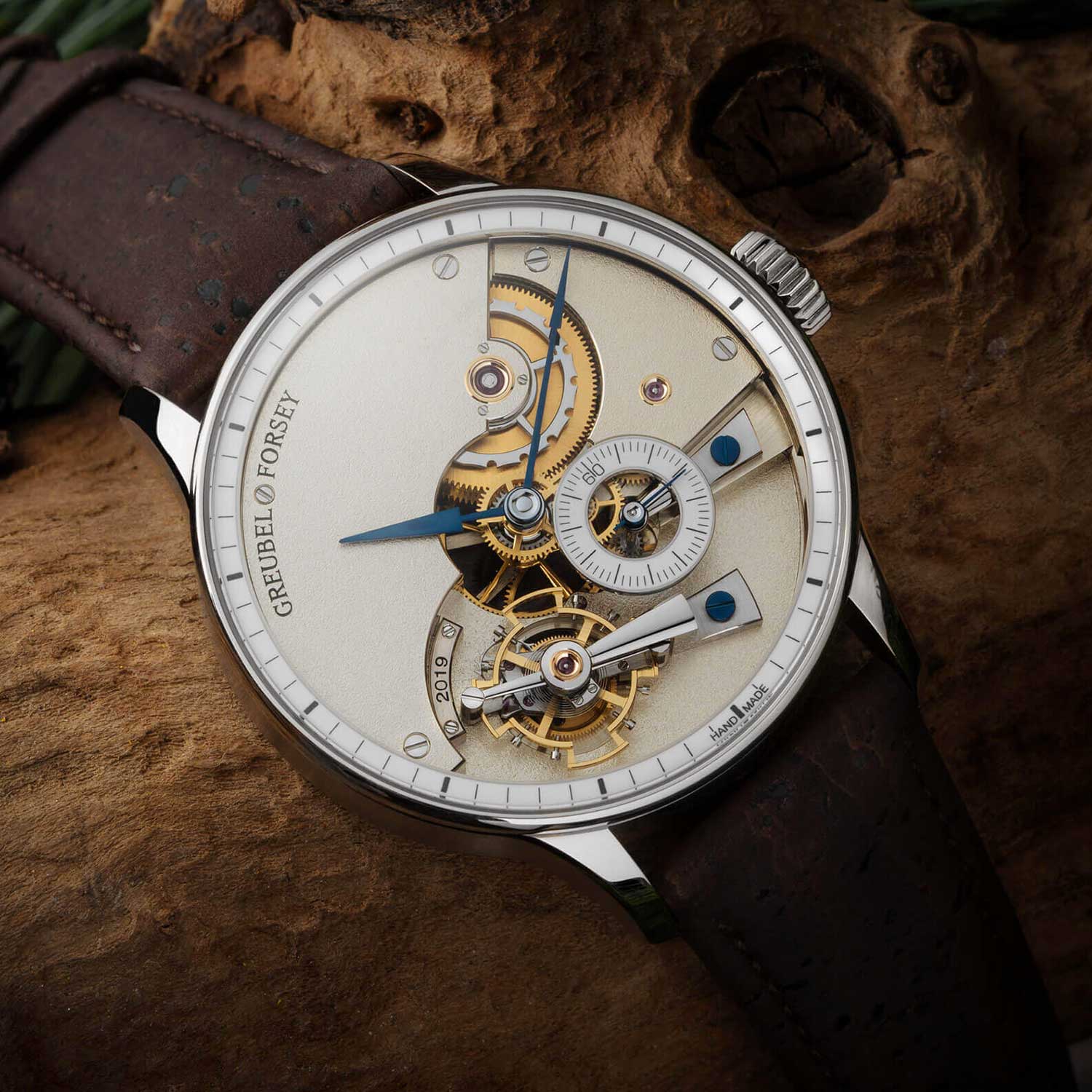
- Hand Made 1
-
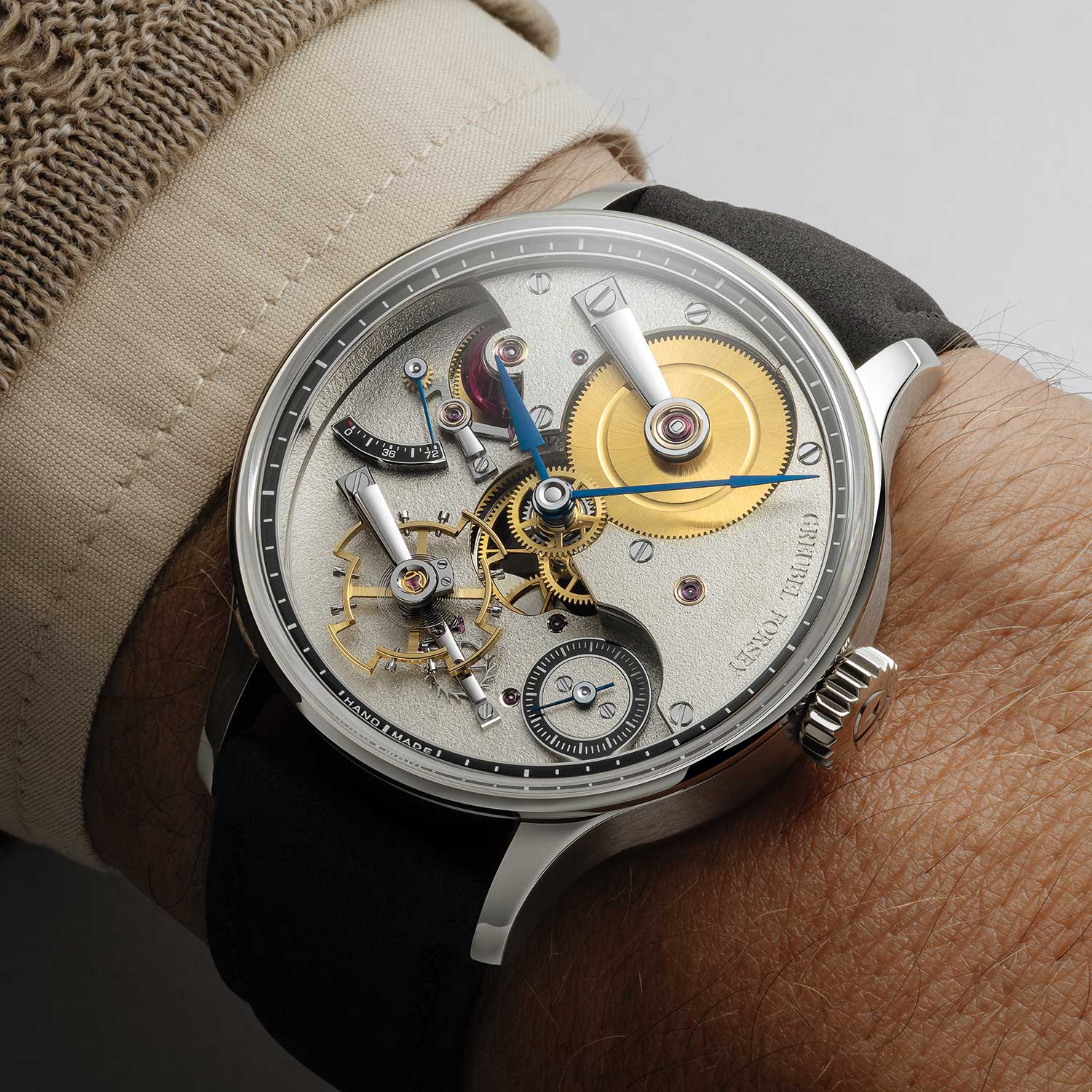
- Hand Made 2
The pursuit of excellence in all these aspects has defined Greubel Forsey for more than 20 years, which makes the company’s current transition especially noteworthy. Earlier this year, Stephen Forsey departed from the company. Shortly afterwards, Greubel Forsey announced that its existing calibers would be retired gradually as part of a transition to an almost entirely new collection. The Balancier QM “Qualité Musée” is the first watch to emerge from that process. Closing the chapter on two decades of technical experimentation inevitably raises expectations for what comes next. With that said, the path they charted over the past two decades leaves the company with an unusually strong foundation on which to build its next chapter.

Balancier QM
Petermann Bédat
Petermann Bédat was founded in 2017 by Gaël Petermann and Florian Bédat, two watchmakers who first met at the Geneva watchmaking school and later spent their formative years at A. Lange & Söhne. Still in their early thirties, they established a workshop in Renens beside that of Dominique Renaud, co-founder of the complications specialist Renaud & Papi.
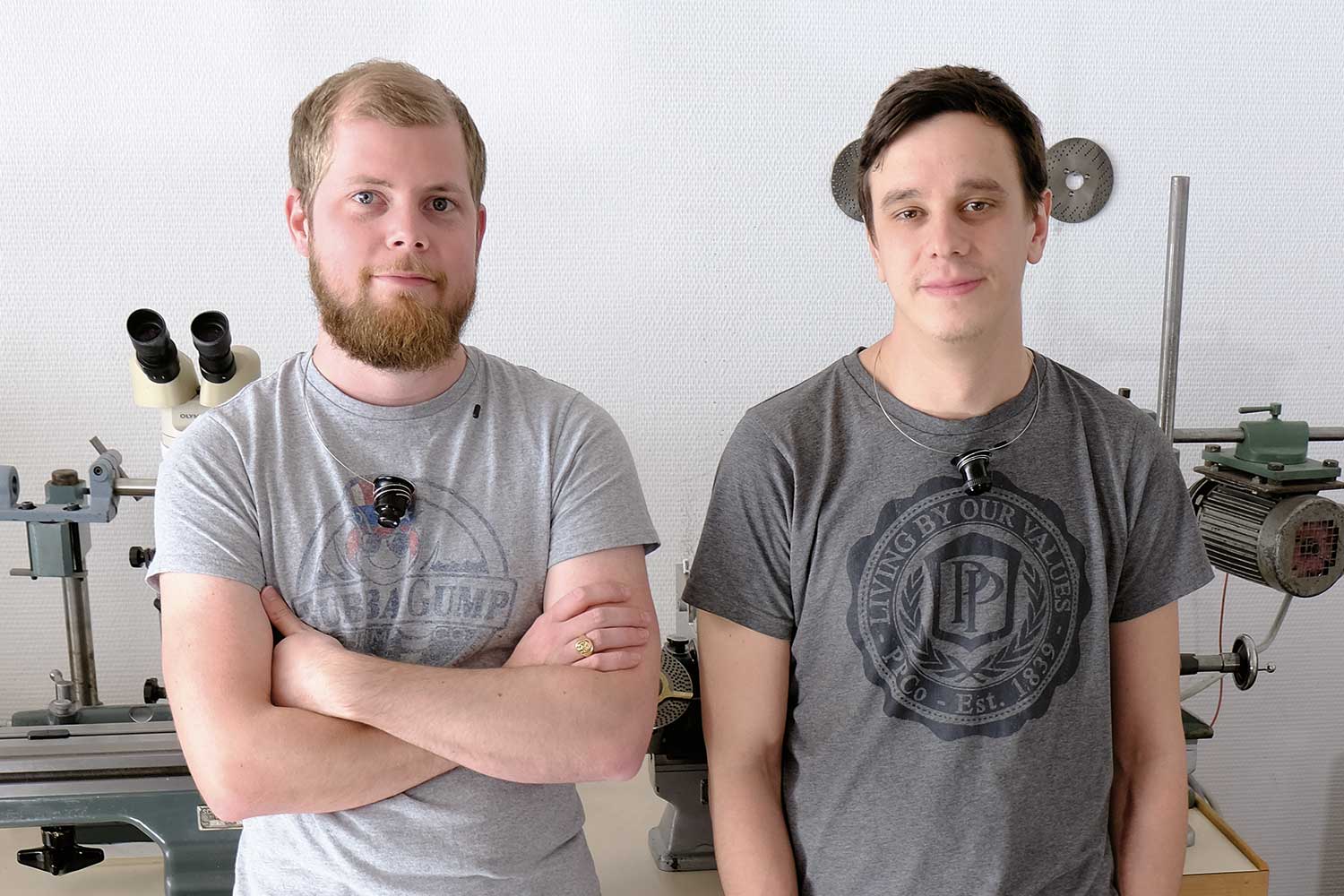
With Renaud’s help, they developed the Caliber 171 for their inaugural watch, the 1967 Deadbeat Seconds. It was inspired by a 1940s deadbeat seconds tourbillon pocket watch designed by Robert Gafner, a teacher at the watchmaking school of La Chaux-de-Fonds. It is one of the most impressive deadbeat seconds watches on the market. It utilizes a secondary escapement with a double-sided anchor to control the locking and unlocking of both escape wheels, resulting in a captivating yet refined motion. The movement and open-worked sector dial are both finished by hand to an exceptionally high standard.
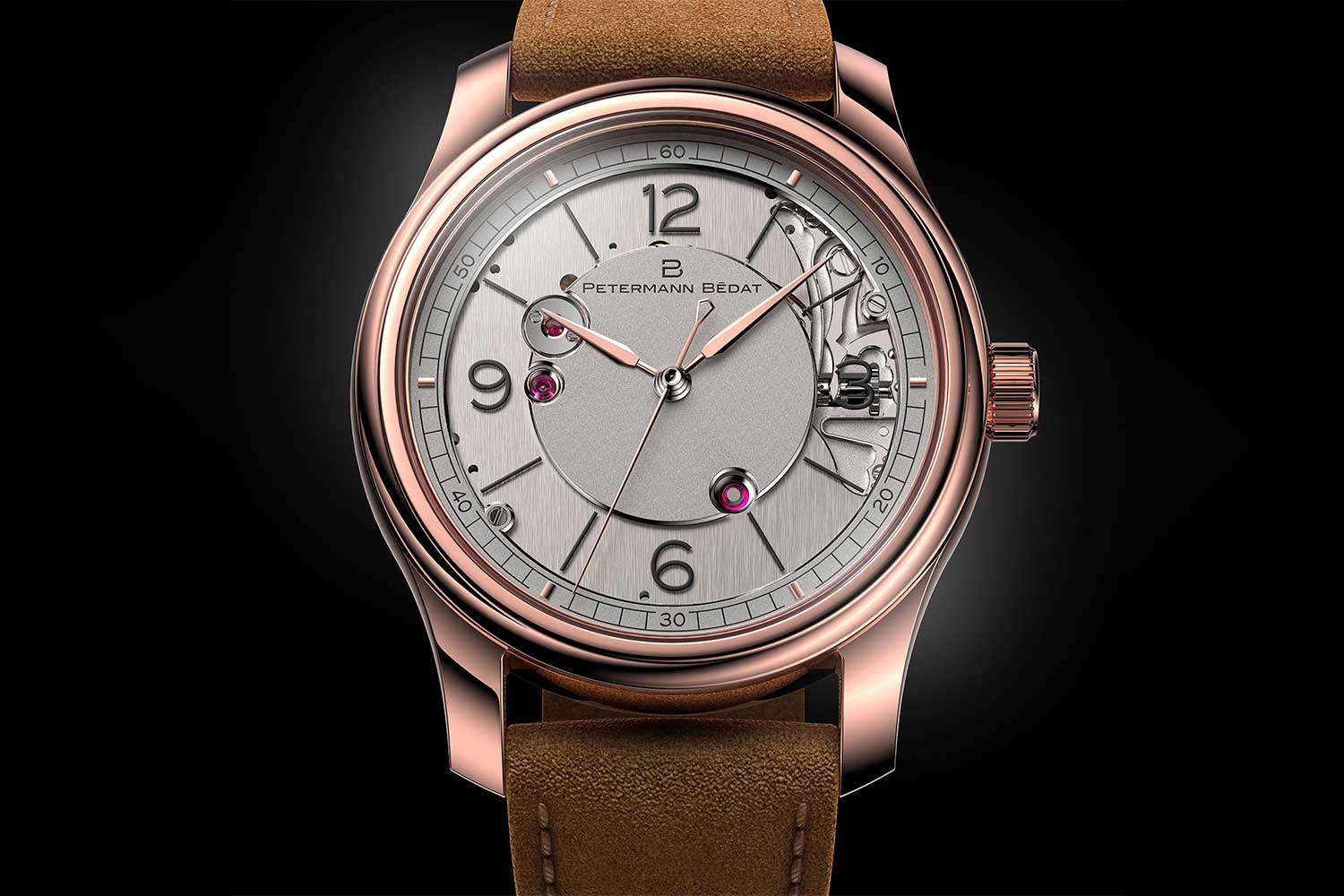
1967 Deadbeat Seconds
In 2023, the pair unveiled the Reference 2941, a single-pusher split seconds chronograph that has been finished to a remarkable degree. It has a traditional design with a horizontal clutch and an instantaneous jumping minute register, and features many classically beautiful elements, such as slender, sinuous levers and black-polished steel caps, while the split seconds mechanism is built on the dial plate of the movement. Most recently, the duo has launched a time-only watch, Reference 1825, with a newly constructed movement that combines a large, slow-beating free-sprung balance and overcoil hairspring with a beautiful bridge layout dominated by a bell-shaped center bridge.
-
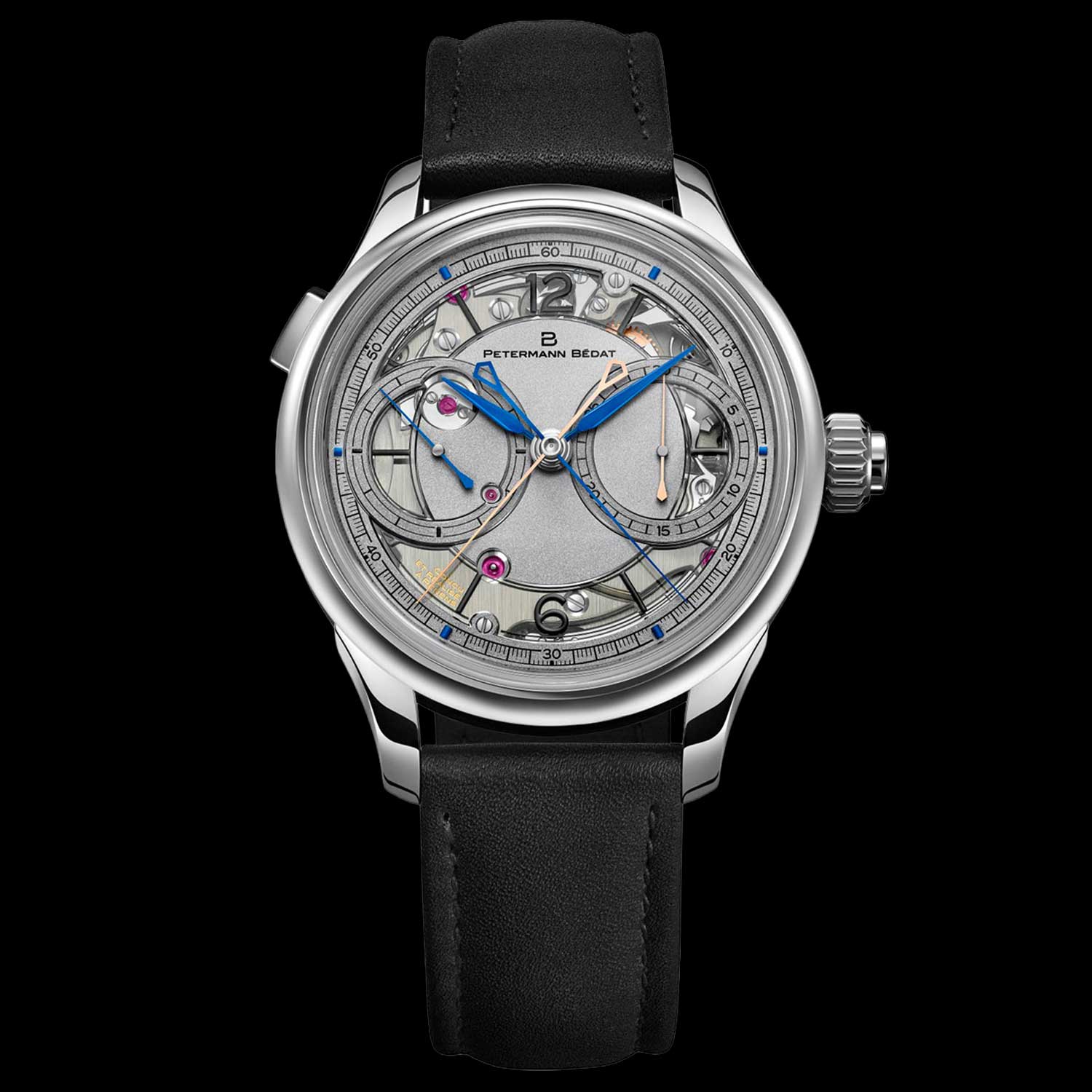
- Chronographe Rattrapante Ref. 2941
-
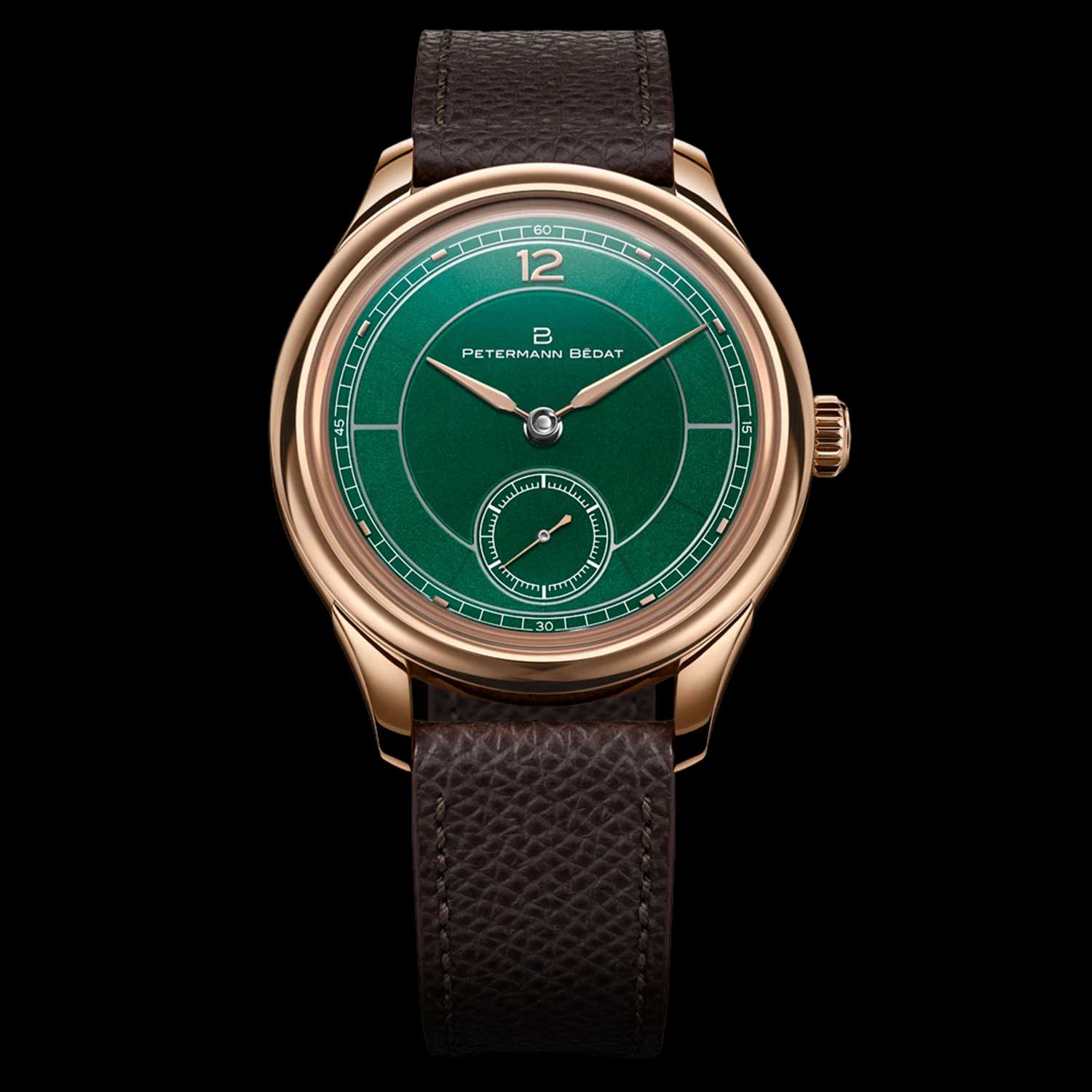
- Reference 1825
The duo is equally attentive to the business behind the watches. Their priority is to develop production without compromising quality, while managing demand that far exceeds supply. In the long term, they hope to build a fully vertically integrated manufacture in the mold of Voutilainen.
Sylvain Pinaud
Sylvain Pinaud has emerged as one of the most talented independent watchmakers in recent years. The son of a watchmaker, he spent much of his childhood beside his father’s bench, watching the restoration of watches and clocks before deciding to enter the profession himself. That led him to the renowned Lycée Edgar Faure in Morteau, where he completed a four-year Baccalaureate course, graduating in 1998. After completing his studies, he joined the complications department at Franck Muller, before working on the restoration of important clocks by Breguet, Berthoud and Janvier alongside Dominique Mouret. After five years, he joined THA in Sainte-Croix, the movement specialist founded by François-Paul Journe and Denis Flageollet, which was by then owned by Carl F. Bucherer.
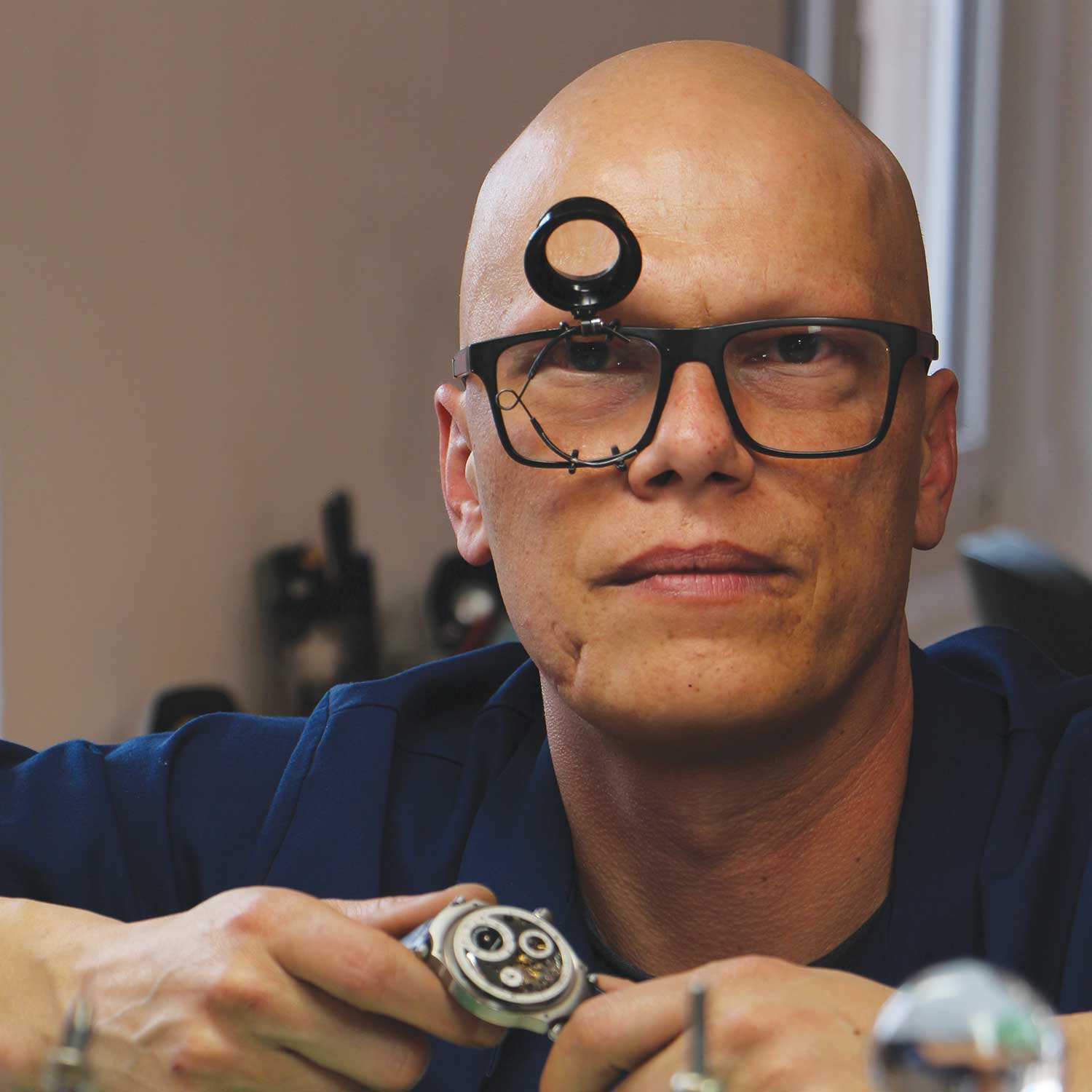
Sylvain Pinaud
When the company moved to new premises at the end of 2016, Pinaud chose to remain in Sainte-Croix and rented a small workshop. In 2018, he began developing the Monopoussoir Chronograph for the prestigious Meilleur Ouvrier de France competition. Over the course of a year, he taught himself CAD and designed the chronograph mechanism. Completed in 2019, the watch won the competition in the restoration watchmaker category.
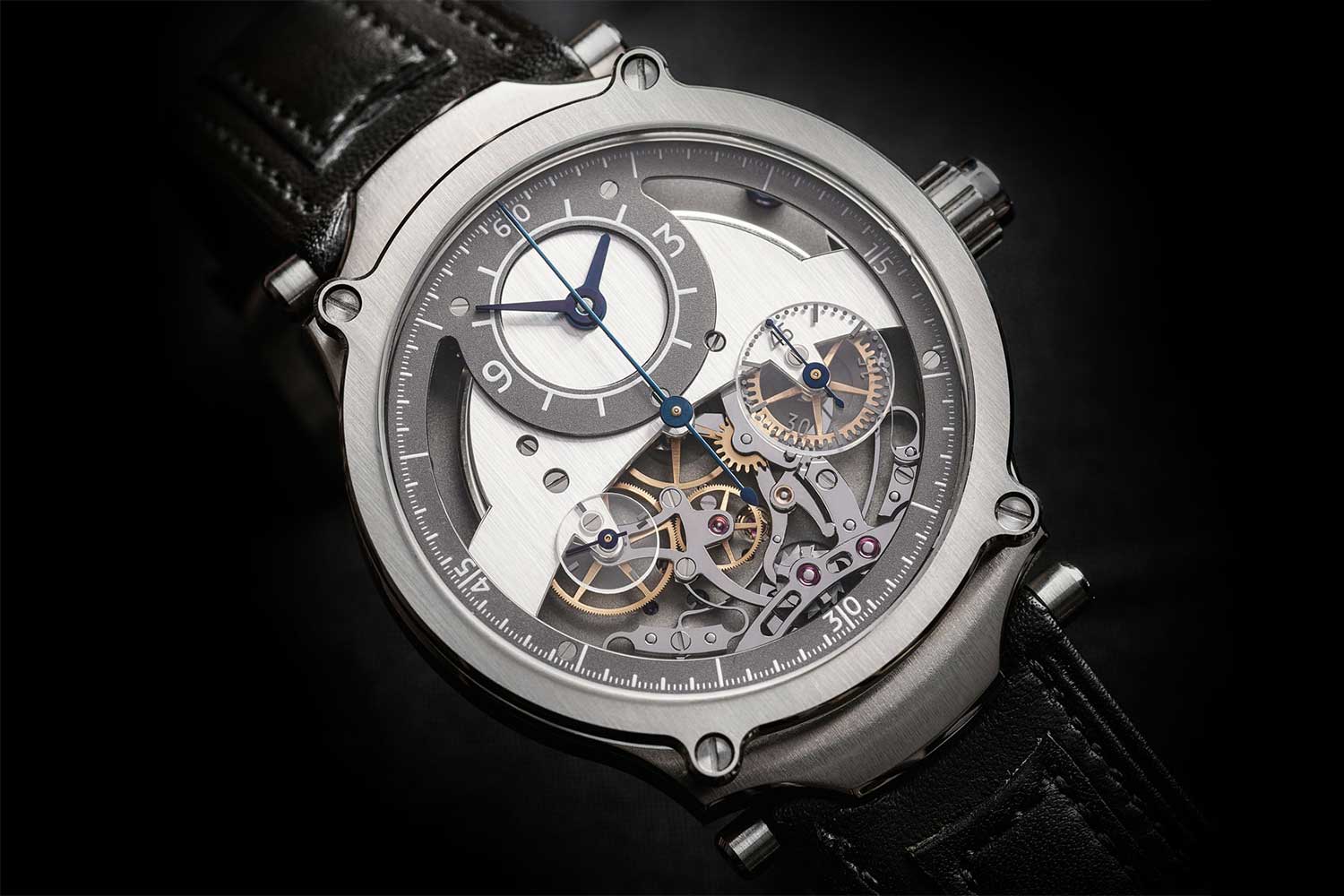
Monopoussoir Chronograph
Built on a gear train of a Unitas 6497, it placed the chronograph works on the dial side, exposing both its operation and the quality of its hand finishing. In 2022, he unveiled the Origine, a time-only watch powered by an original, largely handmade caliber with a 13.2mm balance positioned prominently at 6 o’clock that combined an asymmetrical display with exceptionally refined movement decoration. It received the GPHG Horological Revelation Prize that year.
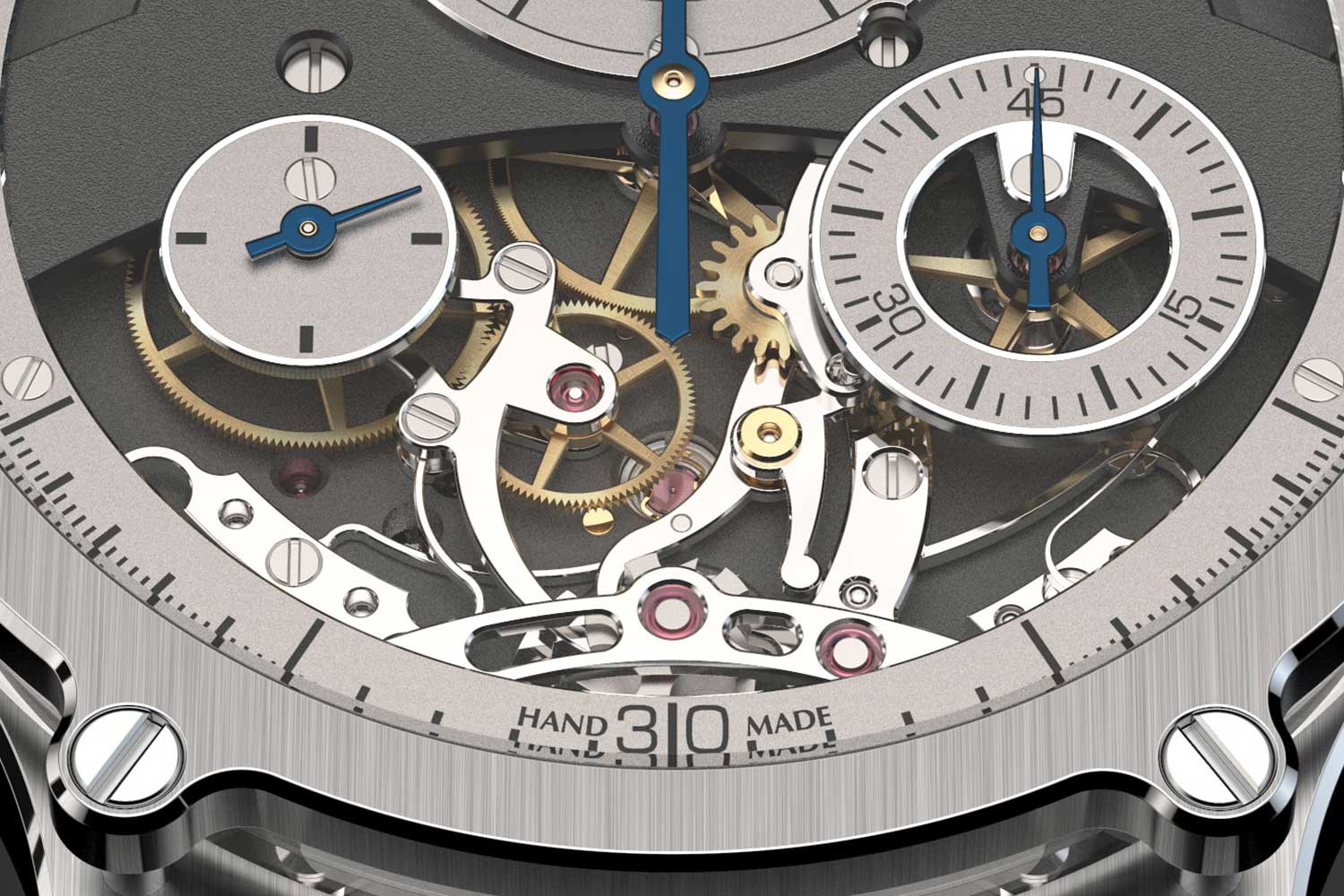
His 30-Second Tourbillon launched this year develops this chronometric direction further. The all-new movement combines a 30-second tourbillon with a titanium cage, zero-reset seconds and two series-coupled barrels for a 100-hour power reserve. The movement is remarkably striking with a single bridge that spans the train. Its broad curves are interrupted by sharp inward turns, while the large wheels create a clear and airy path of power across the movement. The architecture provides generous scope for finishing, with polished bevels, sharp interior angles, frosted surfaces and carefully worked wheels. The result is a lavish display of both construction and craft.
Giulio Papi
Few watchmakers have left a deeper mark on the modern complicated wristwatch than Giulio Papi. Through Renaud & Papi, the specialist workshop he co-founded with Dominique Renaud, he created an enterprise that became the hidden engine of the modern complication renaissance.
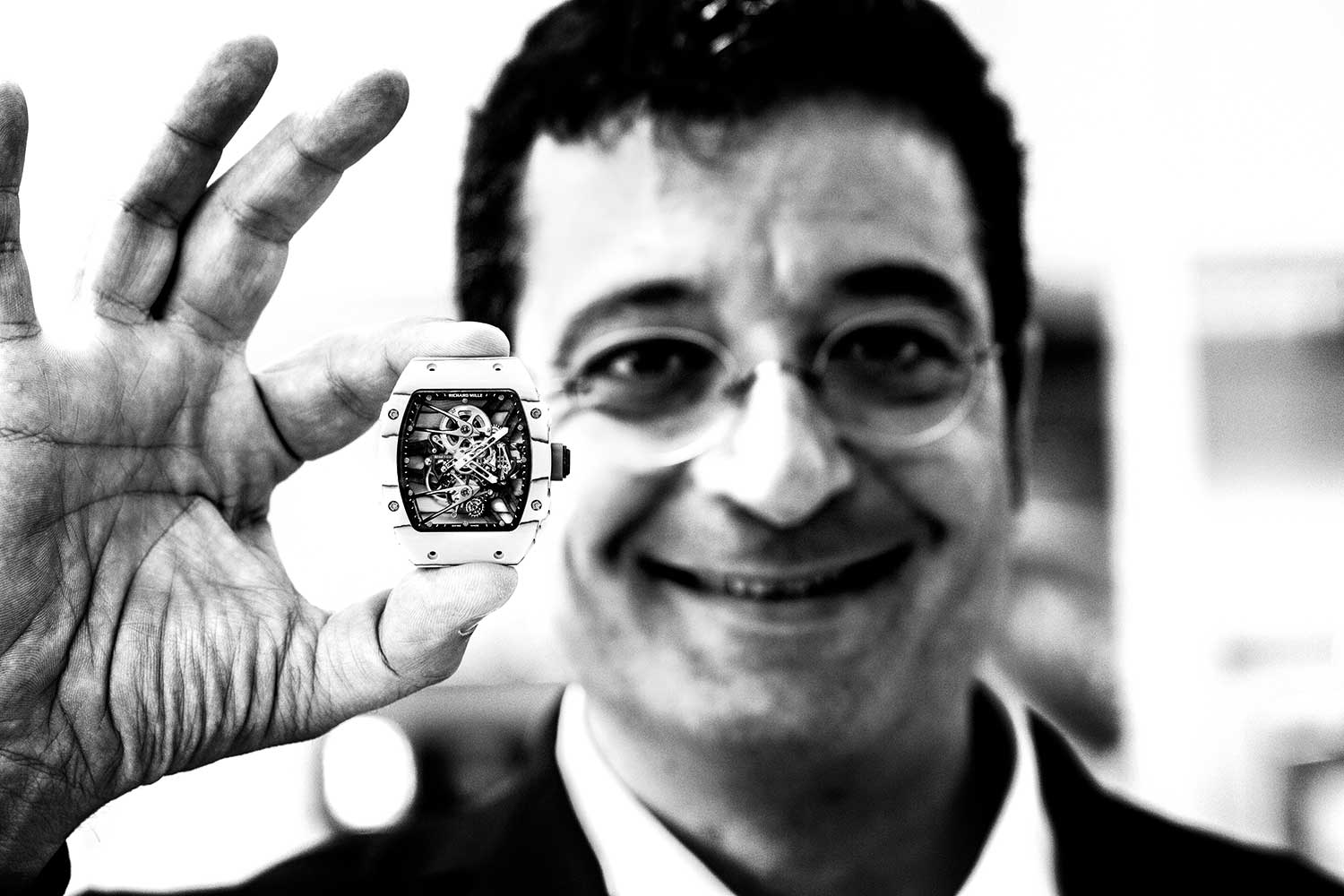
Giulio Papi
Papi completed his apprenticeship during the depths of the Quartz Crisis and joined the Audemars Piguet skeleton workshop in 1984, hoping eventually to work on complications. When he was told that he might have to wait 20 years for such an opportunity, he and Renaud decided to create one for themselves. In 1986, at just 21 years old, Papi co-founded Renaud & Papi in Le Locle.
The workshop rapidly became the industry’s premier technical laboratory. Günter Blümlein was among the first to recognize its potential, commissioning the minute repeater module for IWC’s Grande Complication of 1990, followed by work on the Il Destriero Scafusia. Audemars Piguet became both client and investor, while Richard Mille later entrusted the atelier with the development of the RM 001 Tourbillon, the watch that launched his brand in 2001. Over the following decades, Renaud & Papi contributed to an extraordinary range of grand complications, tourbillons, repeaters and experimental mechanisms.
No less significant was its role as a school for complicated watchmaking. Robert Greubel, Stephen Forsey, Andreas Strehler, Bart and Tim Grönefeld, Carole Forestier-Kasapi and Anthony de Haas all worked there before going on to distinguished careers of their own.
In 1992, Audemars Piguet acquired a majority stake in Renaud & Papi, renaming it Audemars Piguet Renaud & Papi while allowing it to continue serving outside clients. Today, as the director of watch conception at Audemars Piguet, Papi continues to oversee the manufacture’s most ambitious developments.
Dominique Renaud
After leaving Renaud & Papi in 2000, Dominique Renaud largely withdrew from commercial watchmaking for roughly a decade while continuing to develop mechanical ideas privately. He returned to Switzerland and established Dominique Renaud as an independent research laboratory, before joining HYT in 2014 to lead its fine watchmaking department. By then, his interest had shifted from adding complications to reconsidering the regulating organ itself. The result was the DR01 of 2016, an exotic horological experiment with a new direct-impulse escapement and blade-shaped oscillator controlled by a blade spring, which vibrates at 12Hz, and with a very low amplitude of just 30º.

Dominique Renaud
Renaud’s next important watches emerged from his collaboration with the much younger watchmaker Julien Tixier. Their first major project was the Tempus Fugit of 2022, a secular perpetual calendar with a personalized “life reserve” indication, calculated from an estimate of the owner’s life expectancy. They returned to the secular calendar for the Furlan Marri unique piece announced for Only Watch in 2023.
Renaud and Tixier formally established Renaud Tixier in 2023 and launched their first watch, the Monday, with a high-efficiency micro-rotor system, the following year. In 2026, Renaud introduced the Pulse60 with a massive 20mm balance oscillating at 1Hz. At such a low frequency, the balance would ordinarily be more vulnerable to shocks. Renaud compensated with an exceptionally large, high-inertia balance running at very high amplitude. To make this possible, the balance staff drives a separate impulse wheel that interacts with the escapement lever during unlocking and impulse. This allows the balance to turn through more than 360º without the impulse wheel making the same excursion, avoiding overbanking. It makes for a particularly interesting exploration of how a very low-frequency oscillator can be made practical in a wristwatch.
Rexhep Rexhepi
Independent watchmaking now occupies a place in horology that would have been difficult to imagine a generation ago, and among the figures who have come to embody its rise, few loom larger than Rexhep Rexhepi. Born in Kosovo in 1987, he arrived in Switzerland at the age of 11 as war unfolded in his home country. At 15, he began a five-year apprenticeship at Patek Philippe, where he acquired the foundations of traditional Genevan watchmaking. Thereafter, Rexhepi joined BNB Concept, the movement specialist responsible for some of the period’s most ambitious complicated watches. His responsibilities expanded rapidly, and he eventually managed a team of more than 10 watchmakers. An 18-month stint at F.P. Journe followed, giving him experience of how an established independent manufacture organized production before he founded Atelier Akrivia in Geneva in 2012 at the age of 25.

Rexhep Rexhepi
Akrivia’s earliest watches were mechanically ambitious and visually assertive. The AK-01 of 2013 combined a flying tourbillon and monopusher chronograph in a movement that traces back to the work he undertook at BNB Concept. The subsequent AK-02 and AK-03 continued with the tourbillon, with the latter incorporating a jump hour complication and a passing strike on the hour. Recognition came gradually. The decisive watch was the Chronomètre Contemporain of 2018, the first model signed with Rexhepi’s own name. Its classical case, grand feu enamel sector dial and symmetrical hand-wound movement established a more restrained language and won the Men’s Watch Prize at the GPHG that year.
The Chronomètre Contemporain II followed in 2022 with an entirely new caliber. Its twin barrels separately power the going train and an independently driven deadbeat seconds mechanism, while hacking and zero-reset functions allow precise setting. It earned Rexhepi a second GPHG Men’s Watch Prize.
His atelier has meanwhile expanded through dedicated workshops for machining, case making, enamel dials and leather straps. Recent projects have included the antimagnetic RRCA for Only Watch, the Louis Vuitton LVRR-01 Chronographe à Sonnerie, with a chiming elapsed minute indication, and his first in-house chronograph, the RRCHF, an integrated flyback chronograph with an instantaneous jumping minute register. Through it all, hand finishing has remained his raison d’être. His watches are exceptionally generous in this aspect and feature some of the finest rounded anglage in the business.
Joshua Shapiro
Joshua Shapiro is among the most outstanding engine-turners working today. His guilloché dials are among the finest, and most complex, in the world, including unique patterns he developed himself. An educator by trade and training, with degrees in U.S. history, he studied watchmaking through the British Horological Institute’s distance learning program and apprenticed with the watch and clock maker David Walter. He began by making traditional engine-turned dials for other watchmakers. In 2018, he founded J.N. Shapiro and introduced the Infinity Series, which debuted the Infinity Weave, an extremely fine guilloché pattern formed by nesting one basketweave within another. The miniature baskets are interrupted cuts, meaning each has to be engraved individually without encroaching on the larger baskets that surround it. The pattern required a custom pattern bar, which he developed himself. Completing just one Infinity dial takes about a week.
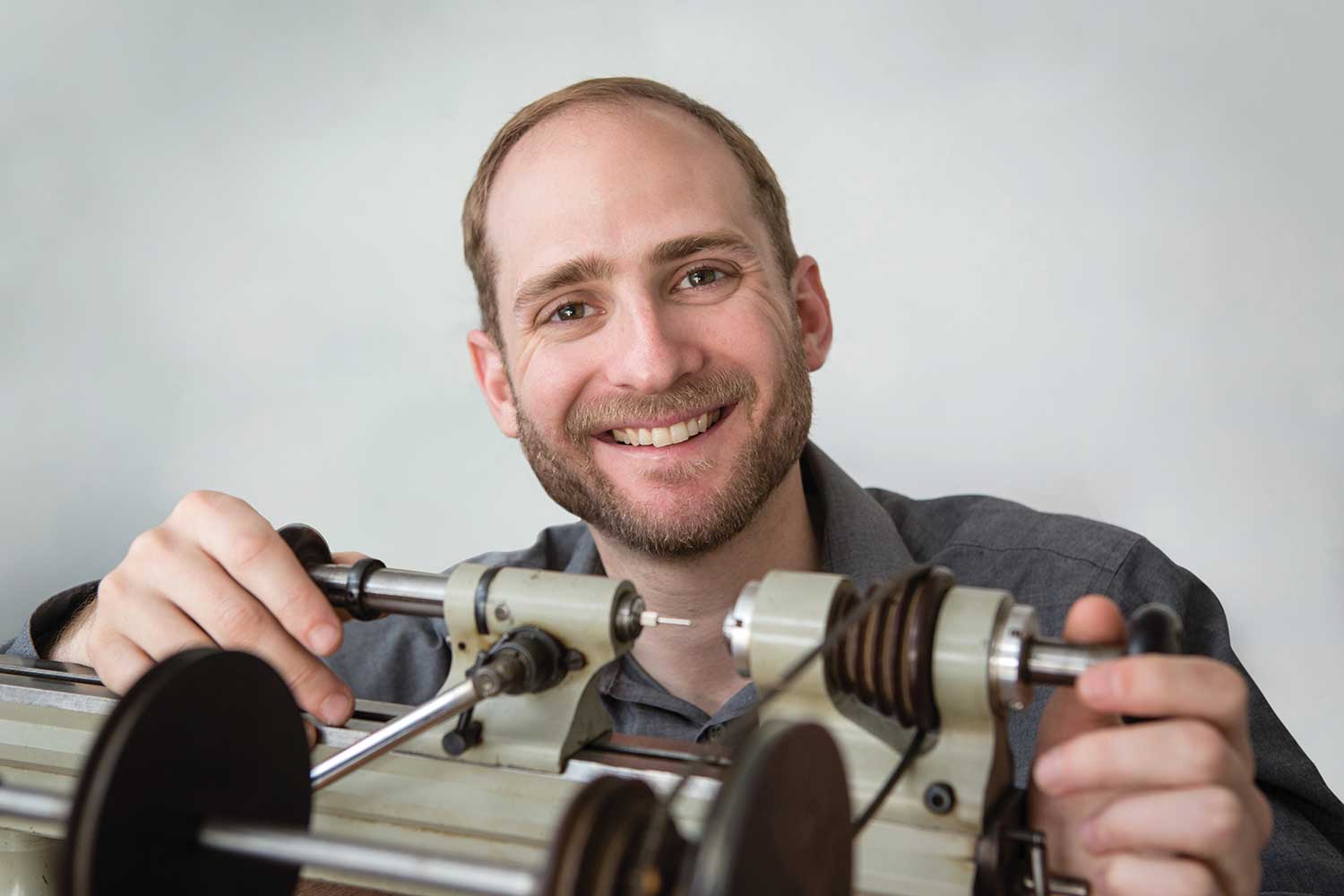
Joshua Shapiro
He then set out to produce the most American-made watch possible with the Resurgence, launched in 2023, which now has a multi-year waitlist. The case, bridges, wheels, pinions, balance and hairspring are all produced in-house. The 18,000vph movement, damaskeened bridges and 14K gold wheels drew consciously on the language of high-grade American pocket watches. The dial comprises 20 separate components, each of which may receive a different guilloché pattern or form part of a single continuous design extending across several concentric layers. The latter is considerably more difficult, since every component must be aligned to within one micron for the pattern to pass cleanly from one layer to the next. The caseband was also turned on a rose engine before the separately made lugs are attached. Each cut requires more passes to reach full depth without chatter or slippage, while remaining perfectly concentric and upright across both flat and curved surfaces.
He is also one of the very few watchmakers to have mastered tantalum in-house, producing both tantalum cases and bracelets. Most recently, he unveiled the new Radiant series, a monopusher chronograph with a tantalum case and two dial options, one of which involves engine-turning on meteorite. Today J.N. Shapiro operates from a 7,000-square-foot workshop in Torrance, California, with a team that has doubled in size over the past year.
Roger W. Smith
Roger W. Smith OBE has made only a small number of watches over the past quarter of a century, but the esteem his work commands could scarcely be higher. Born in Manchester in 1970 and raised in Bolton, he entered the Manchester School of Horology at the age of 16 and graduated in 1989 with the British Horological Institute’s Bronze Medal. While still a student, he asked a visiting George Daniels what watch he was carrying, and was shown the second Space Traveler. It was proof to him that one man could still conceive and make a complete watch by hand. Smith began his career at TAG Heuer after graduation, but repair work soon proved too narrow a field for his ambitions. He wrote to Daniels asking to become his apprentice, only to be told that he should first make a watch of his own.

Roger W. Smith
His first handmade tourbillon pocket watch, completed after 18 months, failed to satisfy Daniels, who thought it looked too handmade. Smith responded by spending another five and a half years on a second, far more ambitious pocket watch incorporating a tourbillon, spring detent escapement and perpetual calendar. This time, Daniels pronounced him a watchmaker. Smith had begun work on a third pocket watch, his first commission, when Daniels invited him to move to the Isle of Man in 1998 as his apprentice and collaborate on the Millennium series, created to celebrate Omega’s adoption of the Co-Axial escapement. In 2000, Smith completed his third pocket watch, which had a power reserve indicator, a Peto cross detent escapement and a remarkable 15-second remontoir.
Smith founded his company in 2001. His original Series 1 with a rectangular case used the train, winding and hand-setting mechanisms, and lever escapement from a Swiss ébauche, around which he made new movement plates, a retrograde calendar mechanism, case, dial and hands. The Series 2 was the first of his watches conceived for manufacture in-house according to the Daniels Method, and its movement was the first designed specifically around Daniels’ original two-wheel Co-Axial escapement.
Smith subsequently developed the escapement through three generations. He first transferred the teeth of the upper impulse wheel onto the lower wheel, then cut the escape wheel’s weight by 23 percent, and finally reduced its diameter from 6mm to 4.5mm, lowering inertia and improving efficiency. Each step allowed a weaker mainspring, reducing wear and extending service intervals. His body of work now encompasses four unique tourbillon wristwatches and six production series. The latest, Series 6, arrived in 2025 and presents a beautiful, pared-back application of the instantaneous traveling date aperture, a complication Smith devised in 2014 to solve the legibility problem created by the date hand. It is powered by a new caliber with the latest generation of his single-wheel Co-Axial escapement.
The unique Great Britain watch of 2013 featured one of his most elaborate dials, a relief interpretation of the Union Jack assembled from 30 individually worked silver components, each engine-turned before being soldered into place. His watches retain the solidity and beauty of traditional English pocket watches, with raised bridges, frosted and gilded plates, gold chatons, flame-blued screws and engine-turned dials. Annual production currently stands at approximately 15 to 20 pieces.
Andreas Strehler
To long-standing collectors, Andreas Strehler is a familiar and highly regarded figure. Born in Winterthur in 1971, he trained as a watchmaker in Frauenfeld while attending the watchmaking school in Solothurn. After graduating in 1991, he joined Renaud & Papi, where he rose to head of prototyping and gained experience developing complicated movements. In 1995, he established his own atelier, initially restoring antique timepieces before gradually turning to original movement construction. In 1998, he unveiled his first creation at the Basel fair — the astounding sympathique perpetual calendar desk clock, or Tischkalender. It consists of two parts — a pocket watch and a desk perpetual calendar in a half-moon shape with the date, month and year on one dial and the day of the week on another. The pocket watch is docked into a cradle while it is on the desk, powering the clock in normal operation. When removed, the calendar stops. Yet when the watch is returned days or even weeks later, the calendar immediately advances to the correct date.

Andreas Strehler
A year later, he presented the ingenious Zwei (German for “two”), a pocket watch that allowed the existing time display to serve a second purpose. At the press of a pusher at 10 o’clock, the hour and minute hands would leave their normal positions to indicate the month and date respectively, each traveling by the shortest path to its new position. Pressing the pusher again would return them, just as directly, to the correct time. The mechanism relied on a differential and clutch for each hand. Under normal operation, the hands remained coupled to the motion works. When the pusher was actuated, the differentials temporarily uncoupled them, allowing each hand to align independently with the calendar display before seamlessly returning to its timekeeping role. The mechanism was subsequently adapted to a wristwatch in 2001.
Then in 2008, he unveiled the Papillon, which captured his distinctive philosophy of movement design. “Papillon” is French for butterfly, and the name refers immediately to the broad, symmetrical bridge that forms open-worked wings spread across the caliber. The movement was reduced to an unusually spare gear train consisting of only two wheels and dominated by a large central wheel. Achieving the necessary reduction in so few stages required unusually high gear ratios, reflected in the exceptional size of the wheels themselves. Strehler omitted the conventional seconds indication altogether, removing what he regarded as a needlessly hectic element from the display. The balance consequently oscillated at the traditionally slow rate of 18,000 vibrations per hour, which gave it the calm, organic character he was seeking.
In 2013, he introduced the Sauterelle, which debuted one of his most distinctive inventions, a compact remontoir d’égalité that delivers constant force to the escapement while serving as the mechanism for the deadbeat seconds. His best-known creation, however, is perhaps the Sauterelle à Lune Perpétuelle 2M, introduced in 2014. Its moonphase indication, achieved with just four components through an ingenious gear train using internal and external gearing together with carefully chosen prime-number tooth counts, is so accurate that it requires a correction of one day only after approximately 2.045 million years.
Although he has produced a number of remarkable watches under his own name, he is equally influential as a movement constructor. For decades, he has quietly been the person many brands and watchmakers have turned to when lacking in-house capacity or capability. His work ranges from manual and automatic base movements to high complications, such as H. Moser & Cie.’s ingenious instantaneous perpetual calendar, which can be adjusted both forwards and backwards via a single crown.
Kari Voutilainen
Kari Voutilainen is one of the few watchmakers who possesses a universality of competence. His mastery extends from fundamental precision timekeeping to high complications, decorative and finishing crafts while his aesthetic judgment has produced a design language that is truly original. At the same time, he has also shown himself to be an unusually astute and disciplined businessman, a quality that, as the history of independent watchmaking repeatedly demonstrates, is uncommon. Over the course of little more than two decades, he has built something approaching a complete horological ecosystem, capable of producing movements, dials, cases and hands for his own watches as well as for those of other independent makers. His watches did much to establish the now-familiar language of classical proportions, immaculate hand finishing, engine-turned dials and a traditional approach to chronometry centered on large, slow-beating balances.
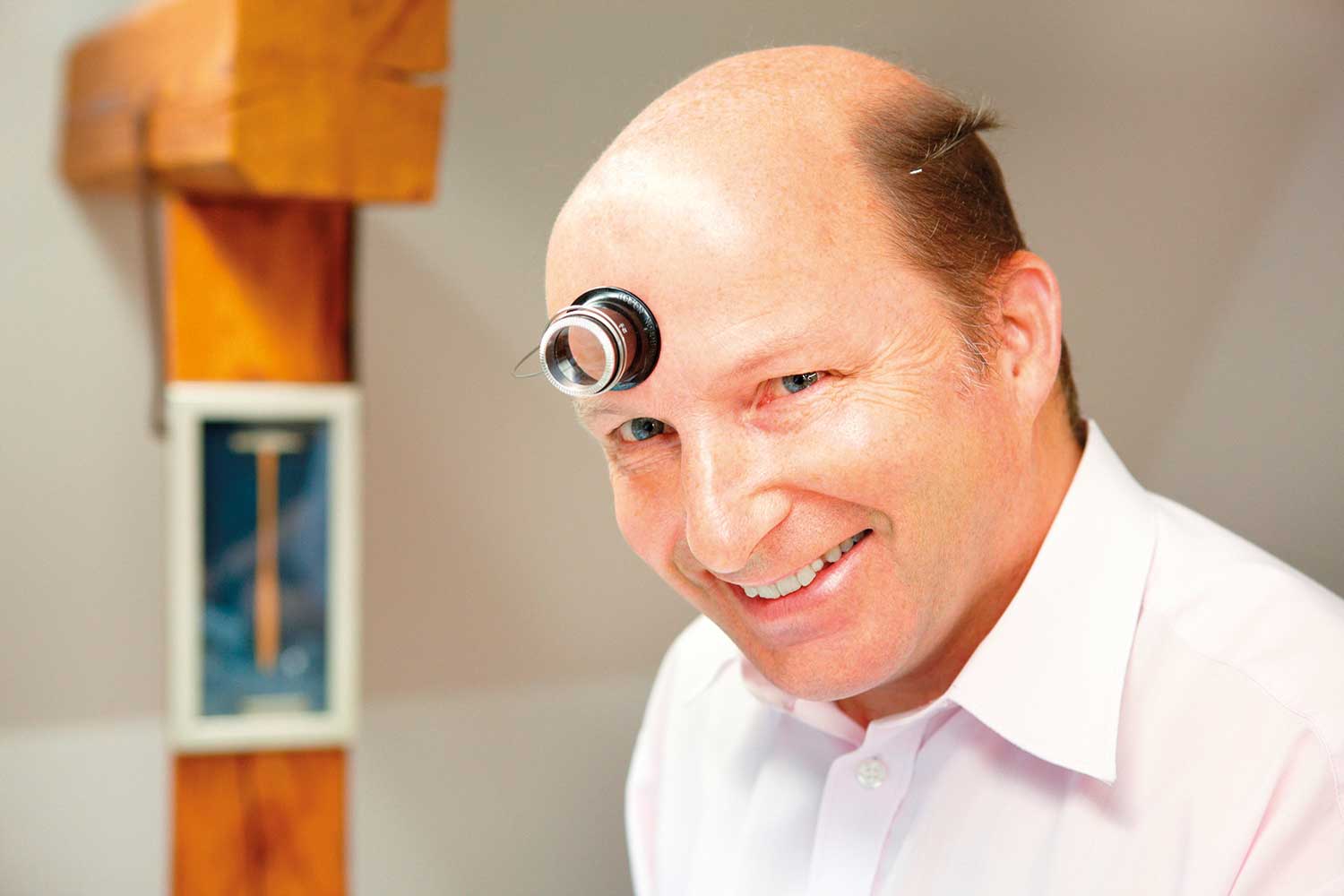
Kari Voutilainen
After leaving his native Finland for Switzerland in 1988, Voutilainen joined Michel Parmigiani’s restoration workshop, then regarded as one of the finest in the world. His first watch, a pocket tourbillon completed in 1995 while still at Parmigiani, already displayed the elegant architecture and superlative finishing that would become hallmarks of his later work. In 2002, he launched the world’s first decimal minute repeater.
Thanks to a clever reworking of steps and teeth on the strike works, it sounds the hours, the 10-minute interval and then the exact minutes.
The watch that did much to cultivate a market for finely finished time-only watches was the Observatoire, introduced in 2007. Powered by a meticulously reworked observatory-grade Peseux 260 movement, it combined classical styling with chronometric performance and a level of hand finishing that immediately distinguished it from almost everything else on the market. It was awarded the Men’s Watch Prize at the 2007 GPHG.
When the Observatoire was succeeded by the Vingt-8 in 2011, little changed outwardly. Inside, however, was the Caliber 28, Voutilainen’s first fully in-house movement. He introduced a natural escapement that owed much to Breguet’s original design, which he had encountered during his time as a restorer. It was paired with a massive balance on an overcoil hairspring. The hairspring combines a Phillips terminal curve with the far rarer Grossmann inner curve, which corrects the slight eccentricity introduced where the innermost coil meets the collet. Since then, Voutilainen has developed the new KV20i and KV21 movements, which have inverted architectures, yet the underlying principles have remained unchanged — chronometric performance, uncompromising craftsmanship and a profound respect for traditional watchmaking.

You may also like
Editorial
The Magic Is in the Material
Nov 13, 2026
Editorial
The Magic Is in the Material
Nov 13, 2026
Editorial
Scorpio Rising: The Blancpain Ladybird Colors Zodiaque
Nov 13, 2026
Editorial
Scorpio Rising: The Blancpain Ladybird Colors Zodiaque
Nov 13, 2026

Editorial
IAMWATCH Showcases 5 Of the Latest Independent Artisanal Releases
Nov 13, 2026
Editorial
IAMWATCH Showcases 5 Of the Latest Independent Artisanal Releases
Nov 13, 2026