Balloon Dogs, Tourbillons And The Art Of Acceptance
Editorial
Balloon Dogs, Tourbillons And The Art Of Acceptance

Jeff Koons greets me by name before asking a question that has nothing to do with watches. “What part of the city are you in?”
When I tell him I’m in New York’s East Village, the interview is briefly suspended while he starts reciting old addresses. Fourth Street. Fifth Street. Bond Street before it became NoHo. Friends who owned the Red Bar on the corner of Seventh and First. I tell him they would now be my neighbors and for a few minutes we are comparing notes on Manhattan. Koons is like this throughout our conversation: warm, unhurried and analytic. He pauses before answering my questions and smiles almost constantly, whether the subject is Michelangelo, childhood memories, or the complex mechanics of a tourbillon.
We are supposed to be talking about the two new Hublot watches that the brand has made with one of the defining artists of the past half century. On one side sits the Classic Fusion Balloon Dog, which translates one of the best-known works from Koons’ Celebration series into a watch. On the other is the MP-14 Origin, a sapphire and titanium tourbillon inspired by the creation of the universe. Visually they have little in common, but Koons keeps returning to the same thoughts and ideas and, after 45 minutes, they no longer seem that far apart.
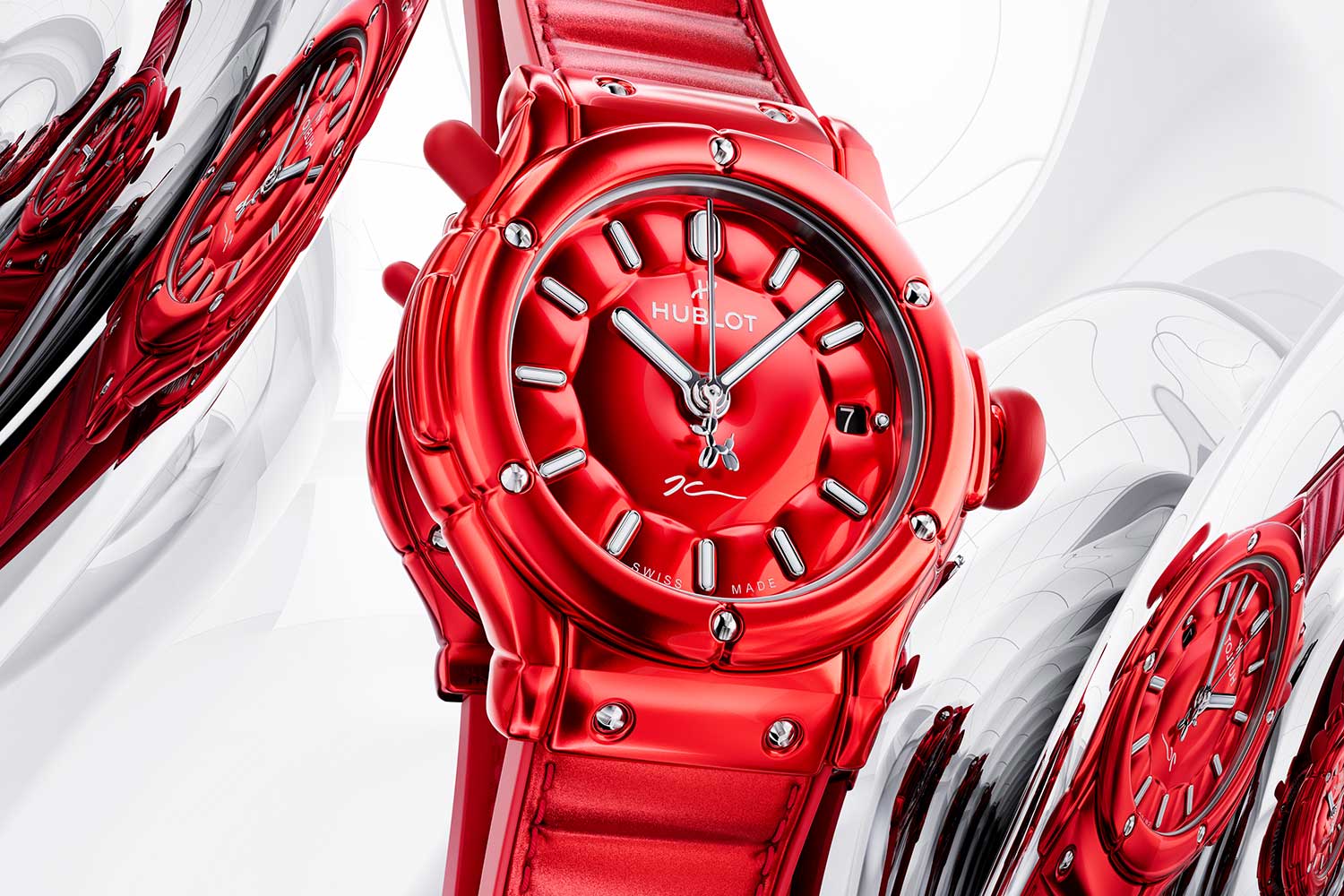
Hublot Classic Fusion Balloon Dog Red
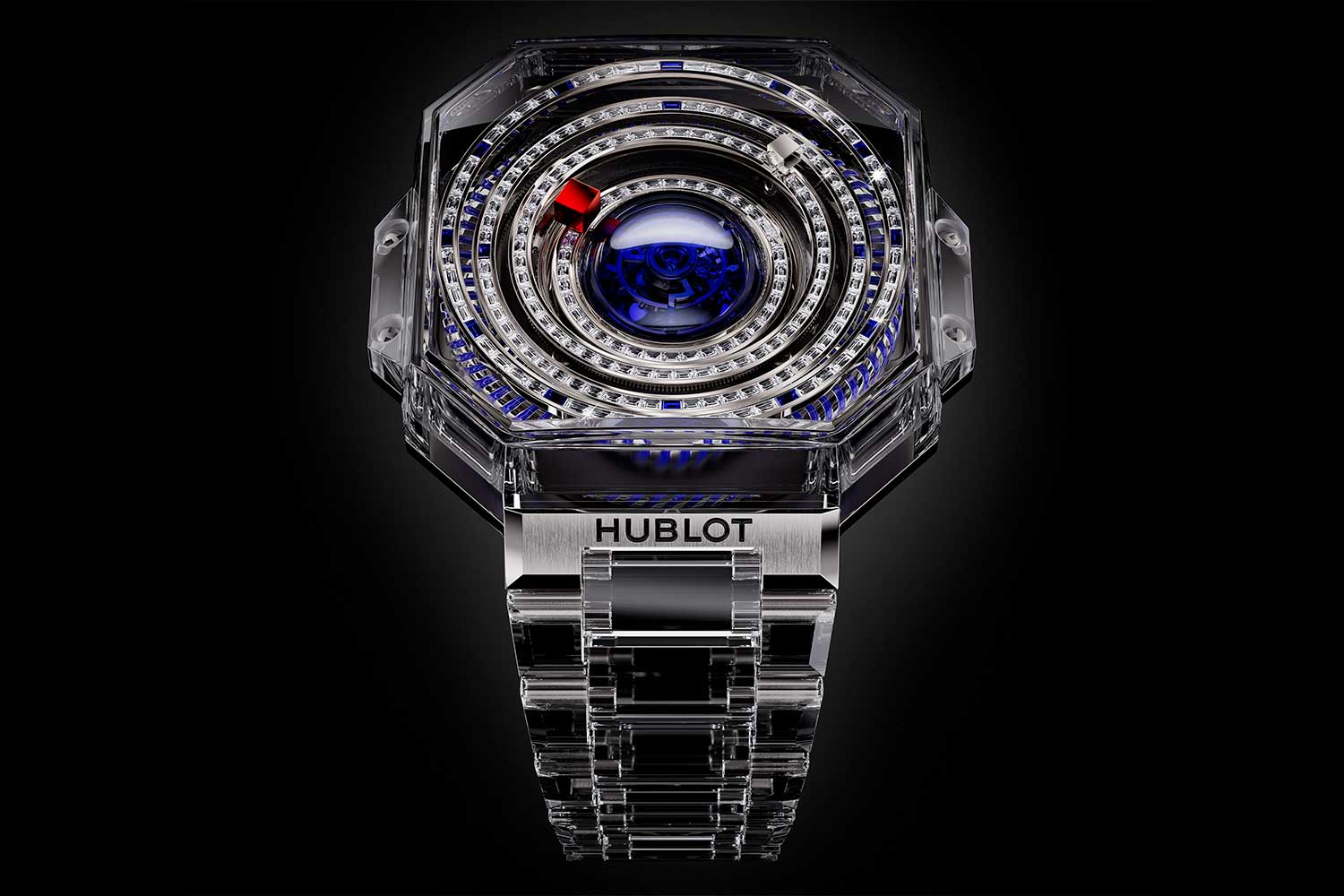
Hublot MP-14 Origin by Jeff Koons
I begin by asking about acceptance because it is a theme that has run through Koons’ work for decades. He repeatedly asks his audience to reconsider objects that we may have initially rejected on grounds of taste and value. I am interested in where that obsession comes from, and in replying he goes back to his early childhood. Growing up in a middle class American family, museums played only a small part in his early life. Instead, he learnt to appreciate the objects around him, whether they were toys, ornaments or knick-knacks belonging to his grandparents.
“Through my kind of dialogue with the external world — with different images, different objects — I’ve tried to practice an acceptance that everything is perfect in its own being,” he explains. “If my grandparents had a little ashtray that I enjoyed playing with, that’s equivalent to looking at and appreciating a Michelangelo sculpture, because the only thing that’s relevant is the amount of awe and wonderment you have in that interaction. There is no hierarchy… It’s all equal, so there is no place for hierarchy.”
The same philosophy runs through his work including The New, Banality and Celebration. With Balloon Dog, the shiny surface and childlike familiarity are only part of what Koons sees. He also connects it to something rooted in much older ideas, a topic we return to later. First though, our discussion on beauty in the mundane moves in a rather unexpected direction: luxury.
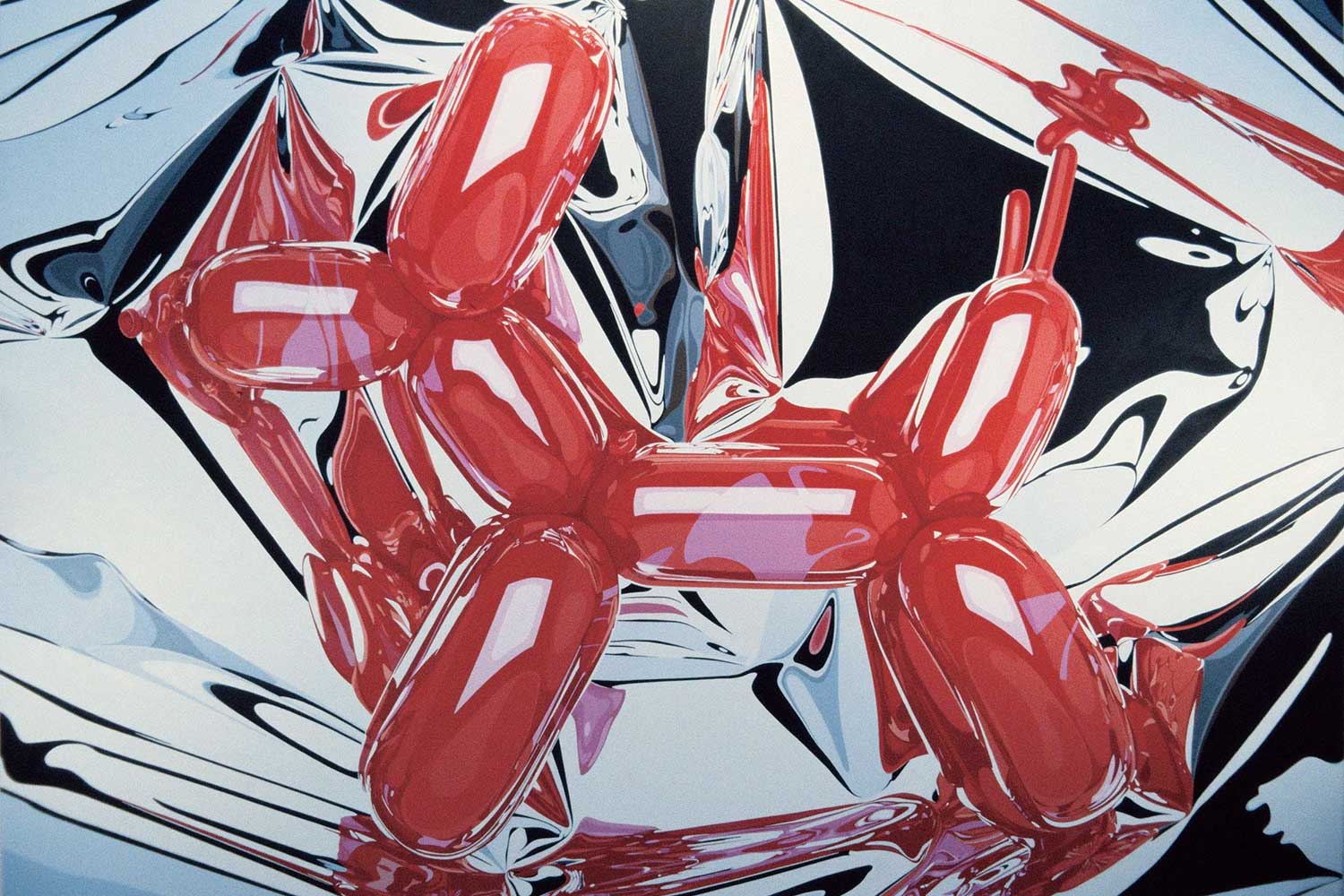
Balloon Dog by Jeff Koons
The Turning Point
When Luxury and Degradation was first shown in 1986, Koons was looking at advertising and the aspiration it creates. He talks about the series differently today. Collaborations with Louis Vuitton, BMW, and now Hublot, have made him appreciate something he had largely overlooked before: the extraordinary amount of care invested in making exceptional objects.

Hublot Ambassador Jeff Koons wearing the Classic Fusion Balloon Dog by Jeff Koons Red
“My concept of luxury has changed,” he says. “Luxury and Degradation was really trying to communicate to people not to fall for luxury… but I now realize the amount of care and the quality of the materials. Of course, Hublot cares completely about all the materials [and] the quality of their manufacturing. They try to make the best timepiece they can.”
The word, “care,” returns repeatedly. I mention that both the brand and his own work can provoke strong reactions, but he is not interested in the comparison and waves it away. Provocation, he says, never entered his thinking in this partnership. What stayed with him after visiting the manufacture was the seriousness of the people making the watches, from the engineers and materials specialists to the apprentice watchmakers.
“I never thought about the division,” he says. “I thought about the quality, the commitment to making something the best they could.” For Koons, that commitment was demonstrated in the constant effort to improve things. During the collaboration, his requests for a different sheen, transparency and reflection did not simply receive a ‘yes’ or ‘no’, they became technical issue to work through. “Hublot was always seeking solutions to material problems.”
The process is similar to that in Koons’ own studio. Both rely on specialists solving problems that may be almost invisible in a finished object, and both have a history of asking difficult things of materials. When I point out this connection, Koons goes somewhere altogether less technical. What stays in his mind is how excited the team became when a new technique worked.
“We could be looking at a sapphire, and everybody would smile at each other and light up. ‘Look at that color. Look at the transparency of that material.’ Or if looking at a tourbillon, how it functions and its turning and spinning — everybody would look at each other and be excited.”
It is the same turn of phrase he used earlier when talking about his grandparents’ ashtray and Michelangelo. The materials have changed but the reaction has not. From here, the Classic Fusion Balloon Dog, makes perfect sense. Not simply because Hublot has turned one of the best-known sculptures of the past 30 years into a watch, but because Koons talks about it in terms of the same awe and wonderment.
Balloon Dog Reimagined as a Watch
When Koons first saw the Classic Fusion, the discussion was never about placing Balloon Dog on a dial. Koons and Hublot began with the watch and worked out how far they could push its shape towards the sculpture. Some things simply could not be made at the scale of a wristwatch and Hublot told him so. What Koons remembers is that the conversation rarely ended there. If the first answer was ‘it can’t be done,’ they looked for a way to get as close as possible.
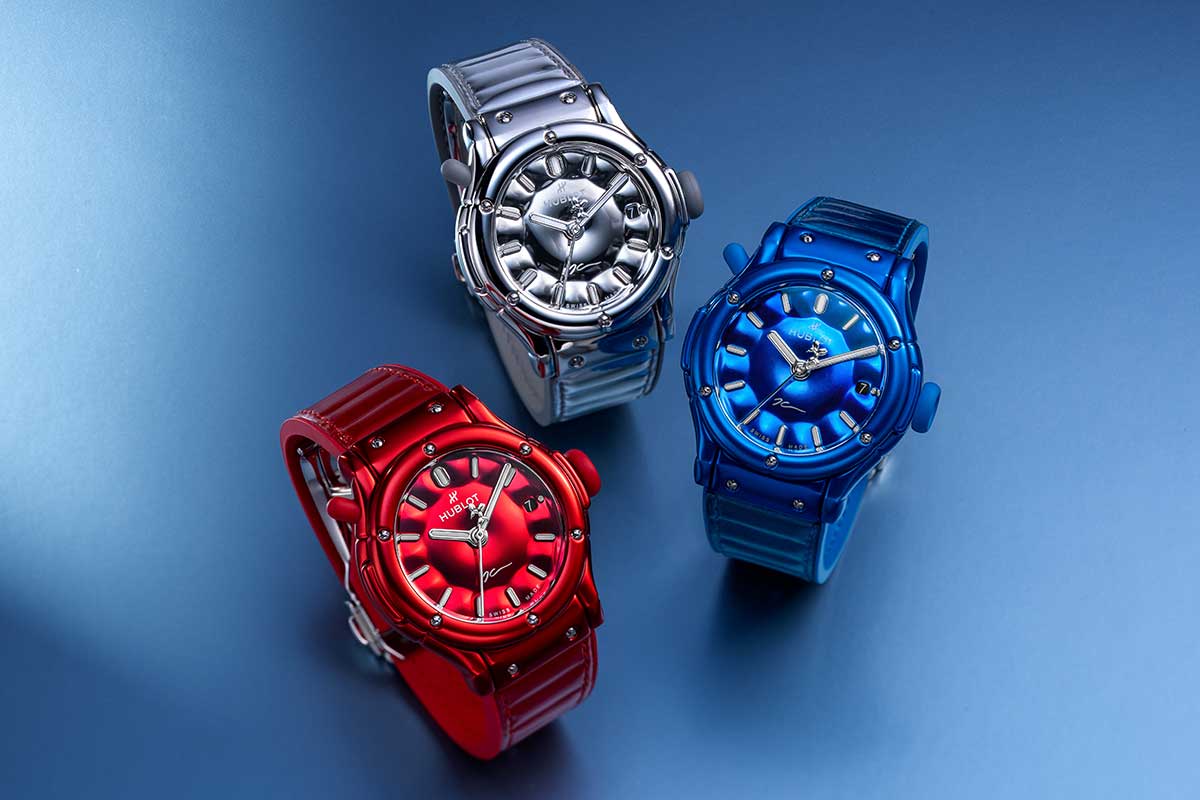
Three versions were created, in mirror-polished stainless steel, red anodized aluminum and blue anodized aluminum, each limited to 200 pieces. The changes to the watch go well beyond the dial. The crystal is more domed, the case softer and rounder and the screws more prominent. The strap and clasp were redesigned too, all in an attempt to give the watch something of Balloon Dog’s inflated form. There is a balloon-shaped crown and bulbous dog tail protruding from the case at 10:30, as well as a dog on the counterweight of the seconds hand. Even the HUB1710 self-winding movement was altered, receiving a custom oscillating weight with the same rounded character.
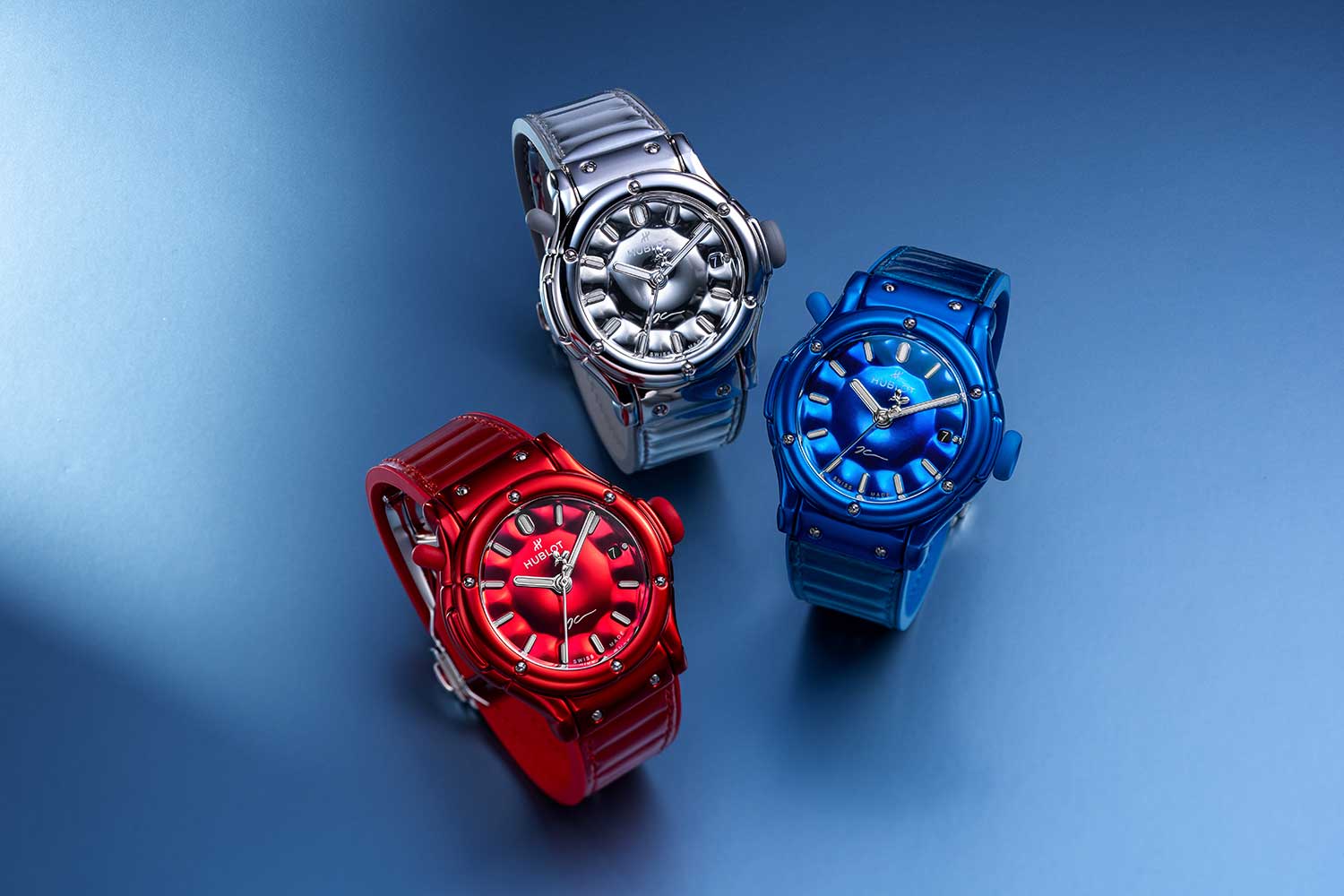
Hublot Classic Fusion Balloon Dog (©Revolution)
“The Classic Fusion is a watch that has a very nice comfortability about it,” Koons says. “I think it captures the quality of the Balloon Dog that I like. It has enough optimism. It’s an optimistic piece, but at the same time, it has a sense that it’s tied to something that has a more profound base to it.”
Most people stop at the optimism. Part of the appeal is that almost everyone knows Balloon Dog on sight, even if they have never thought much about what it means. Koons, unsurprisingly, has spent more than 30 years doing exactly that.
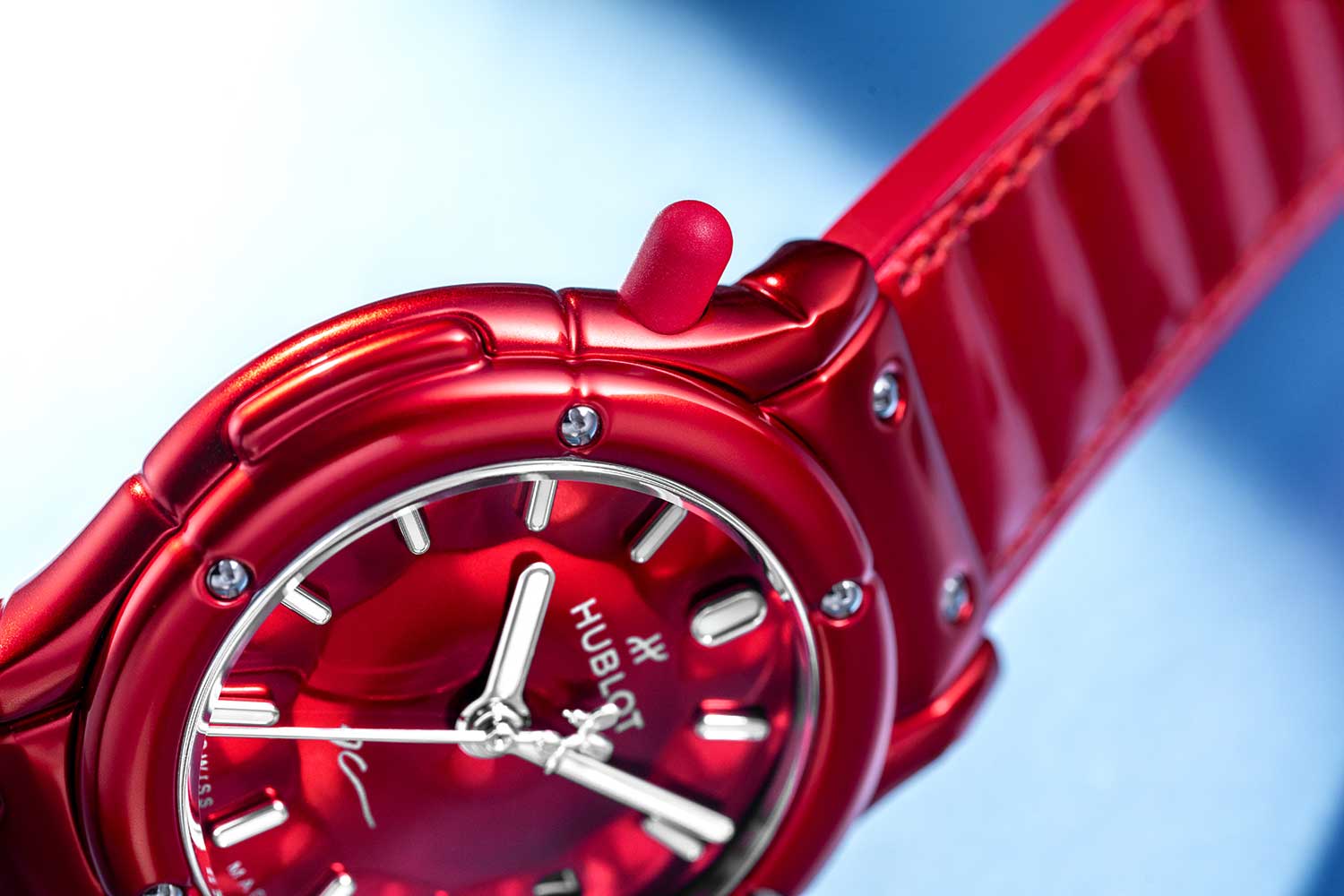
Hublot Classic Fusion Balloon Dog Red (©Revolution)
“I always like to think of Balloon Dog as having some iconic aspect to it,” he continues, “it’s not only something very contemporary that represents optimism and excitement in the moment, but you could think of it almost like a ritualistic-type image… in Paleolithic times, a whole community could have rallied around an image or an object similar to a balloon dog.”
He pauses before taking the thought to another level. “It comes to do with a sense of profoundness of membrane. All of our organs, our body, all have membranes, and what’s highlighted in a balloon dog is its membrane. I believe that is the conceptual anchor.” Like most people, I have seen Balloon Dog countless times, but after hearing Koons talk about membranes, ritual and the human body, I find myself looking at it differently. The same is true of the watch.
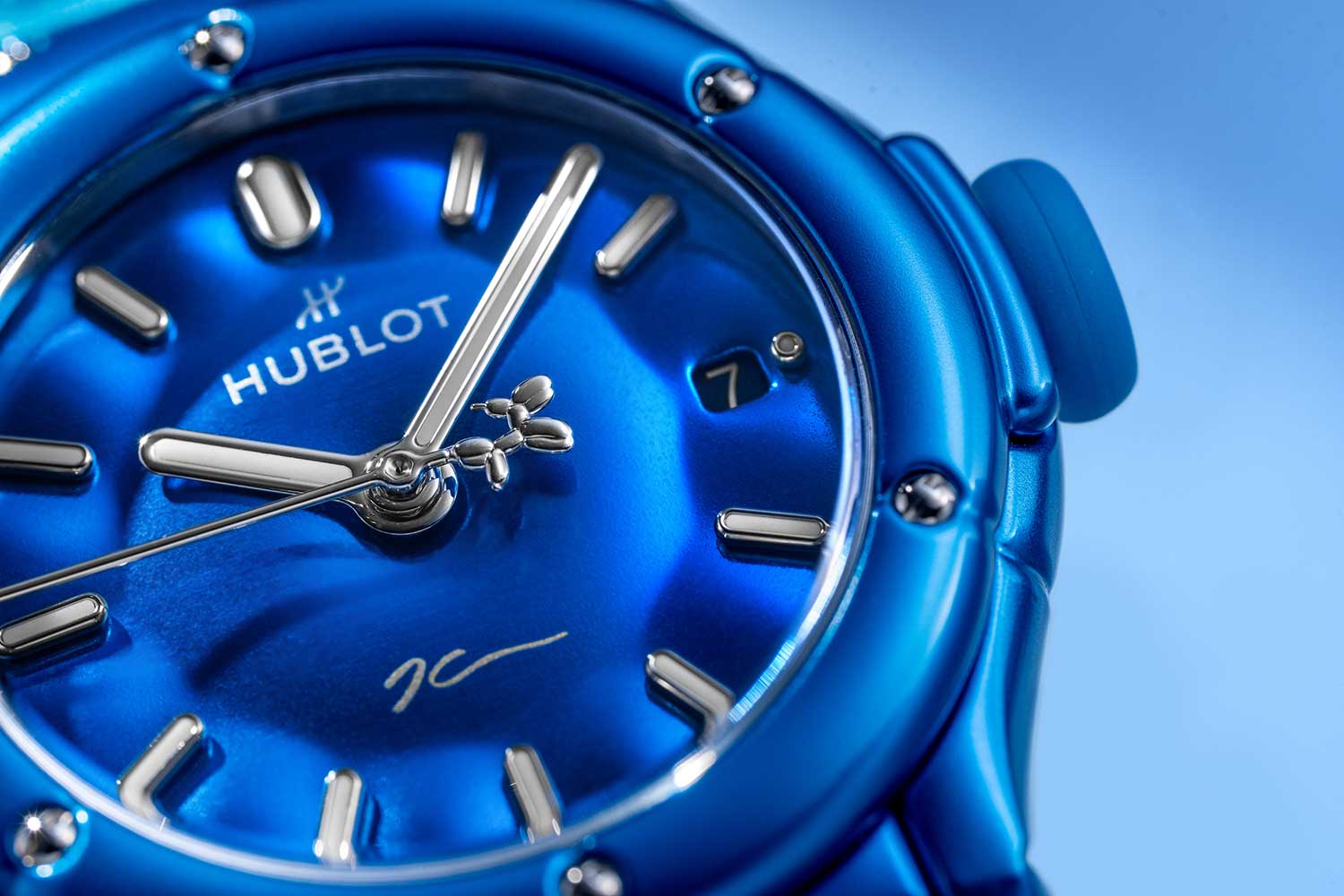
Hublot Classic Fusion Balloon Dog Blue (©Revolution)
“I’m very honored to have this dialogue with Balloon Dog,” he says. “I’ve wanted to be involved in communication. That’s what art is. It’s to create something, create a vocabulary, and through that vocabulary to try to communicate with people. I feel that I’ve been able to achieve that through the Balloon Dog.”
He is reluctant to leave the sculpture there, though. There is another layer he wants to explain. “I love pastoral poetry,” he says with a smile. “It’s art about art. If you look at the poetry, the different rhymes, the different rhythms, it’s all based on mathematics… it’s based on the ideal of Arcadia, but at the same time, there is death in Arcadia. It’s just like thinking of time and space. You have the past, you have the present, and you have the future… A balloon dog is functioning on all these levels. We have all the excitement of this moment, an optimism going forward, and also in the past.”
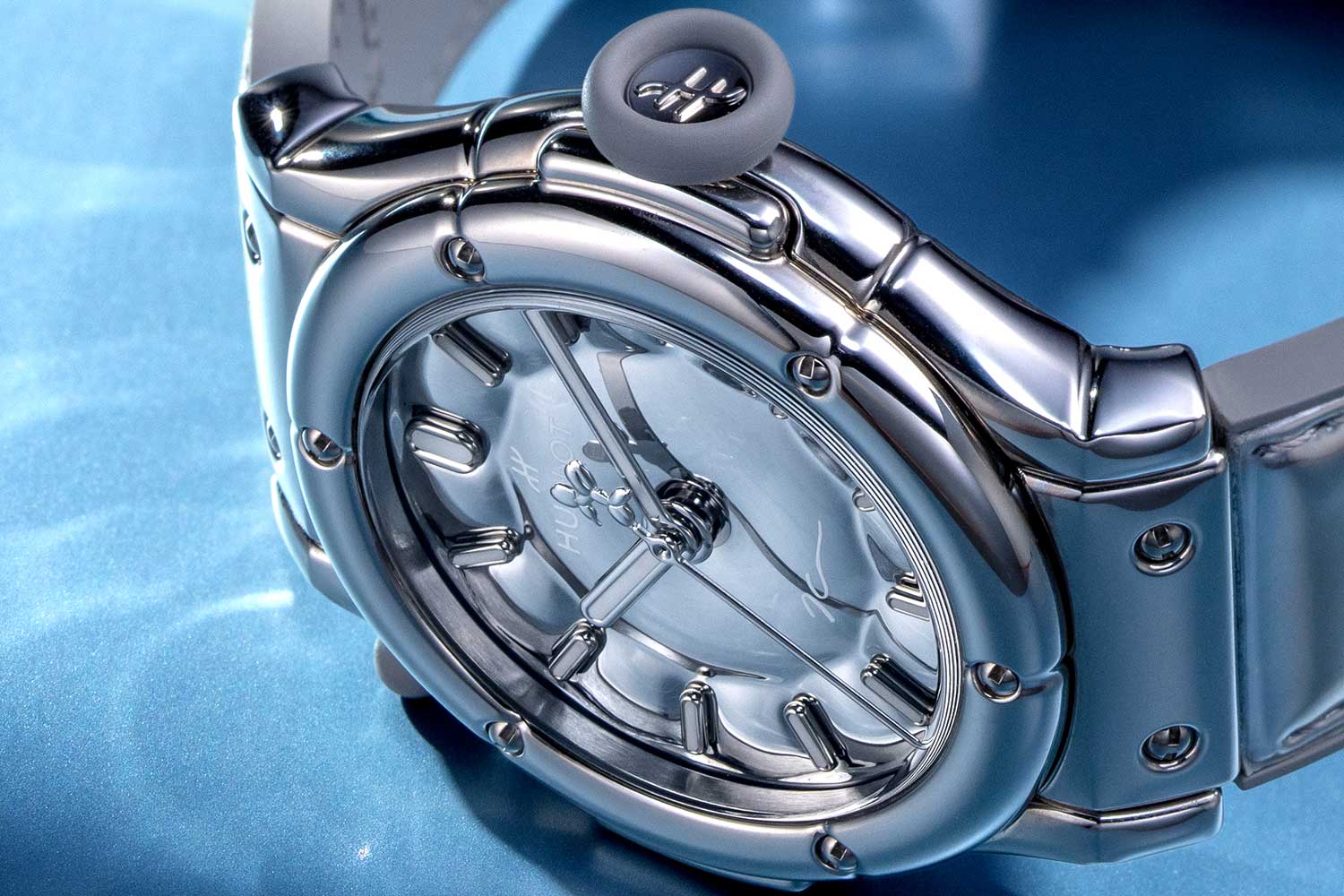
Hublot Classic Fusion Balloon Dog Silver (©Revolution)
It is an extraordinary answer to a question about what many people would simply call a shiny balloon animal. But it gets to something central in Koons’ work. For him, the lines between popular culture and philosophy are blurred and a familiar object is often how he presents a bigger idea.
Classic Fusion Balloon Dog is only half of this collaboration. The other watch, the MP-14 Origin, takes watchmaking to a very different space. It is built in sapphire and titanium around Hublot’s first automatic central tourbillon. Koons talks about it in terms of the beginning of the universe rather than a representation of the universe as it is today.
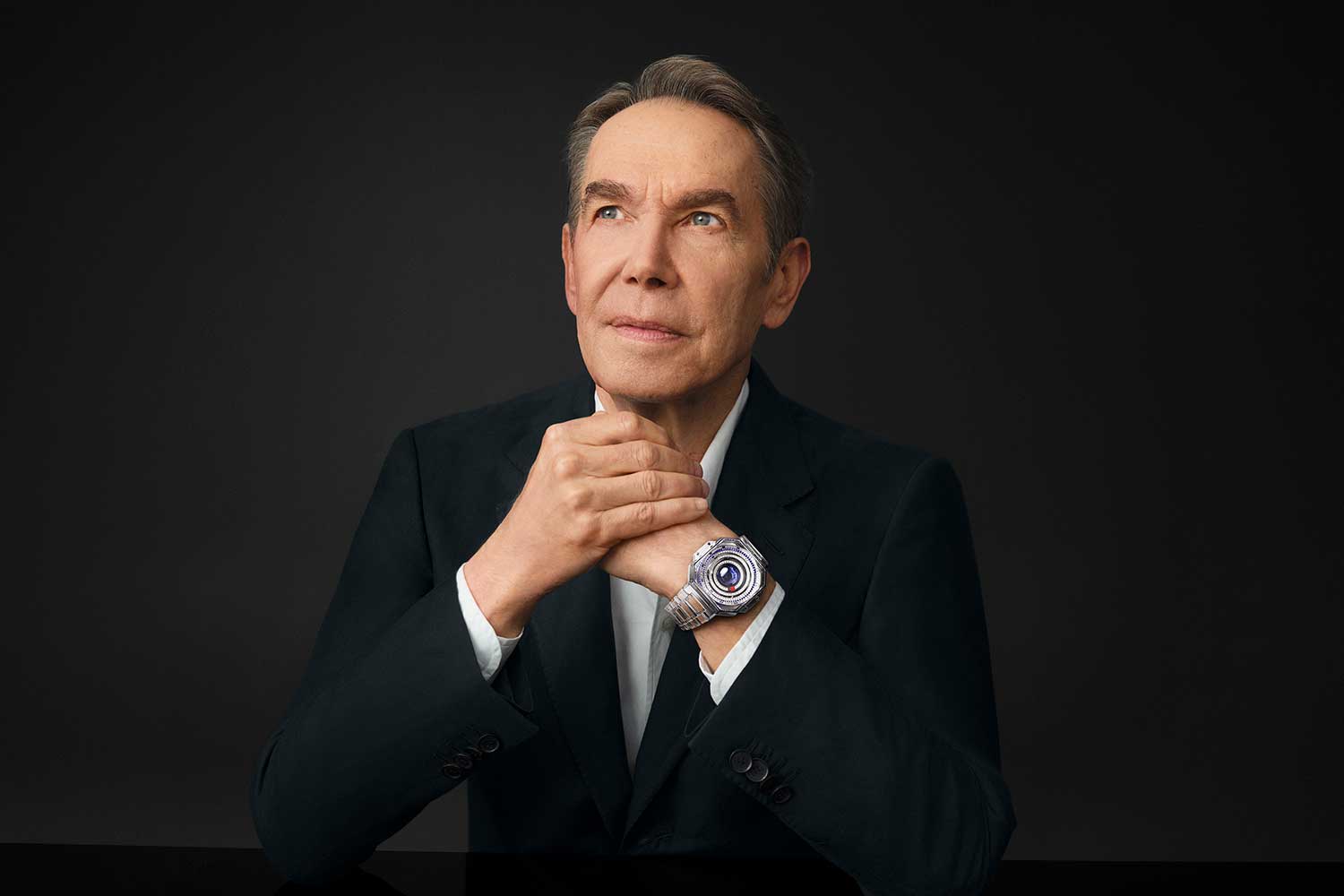
Hublot Ambassador Jeff Koons wearing the MP-14 Origin by Jeff Koons
MP-14 Origin: The Eye of the Universe
The 44mm octagonal sapphire case alone takes more than 500 hours to machine. Within it, rings of white gold, diamonds and blue sapphires surround a central tourbillon concealed beneath a translucent blue sapphire dome inspired by Koons’ Gazing Ball series. Cubes travelling around the dial indicate the hours and minutes, with the movement appearing to be almost suspended inside the case.
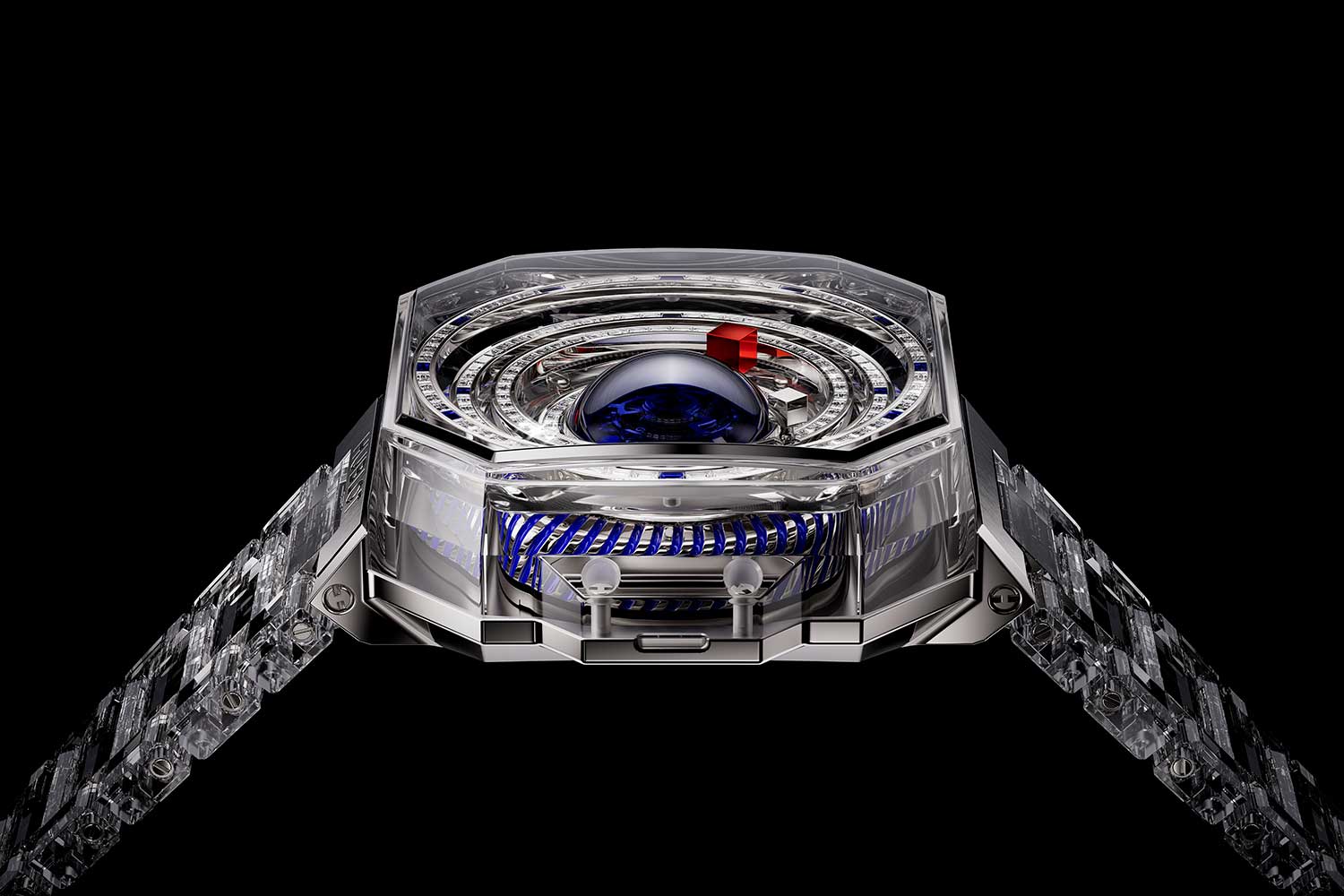
Hublot MP-14 Origin by Jeff Koons
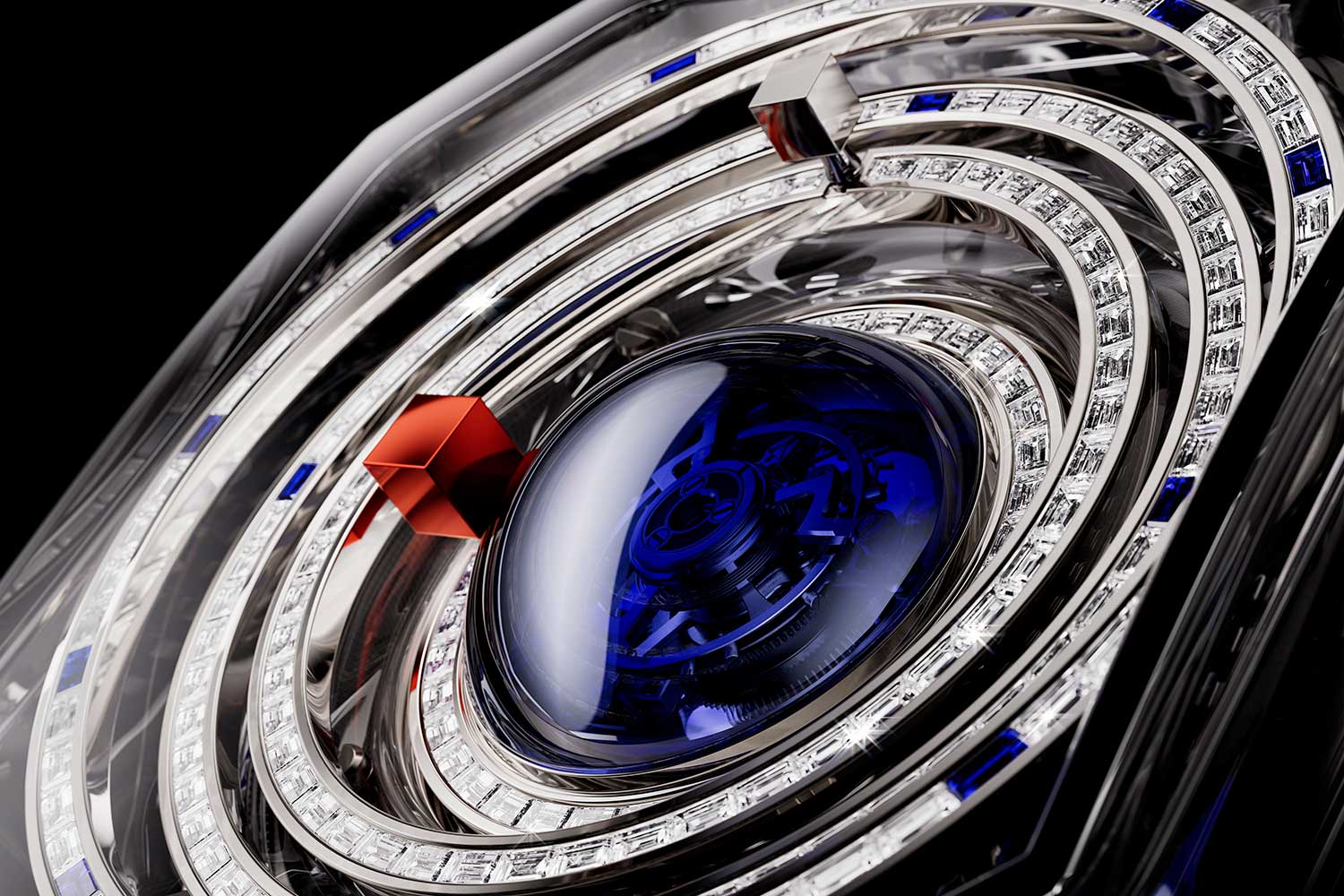
The new HUB9014 caliber, contains 594 components and uses peripheral winding so that nothing obscures the view through the center. Hublot describes the tourbillon as the point from which everything else radiates — the horological version of the cosmos’s Big Bang. The integrated sapphire bracelet, with fixed titanium screws, continues this idea of expansion out onto the wrist.
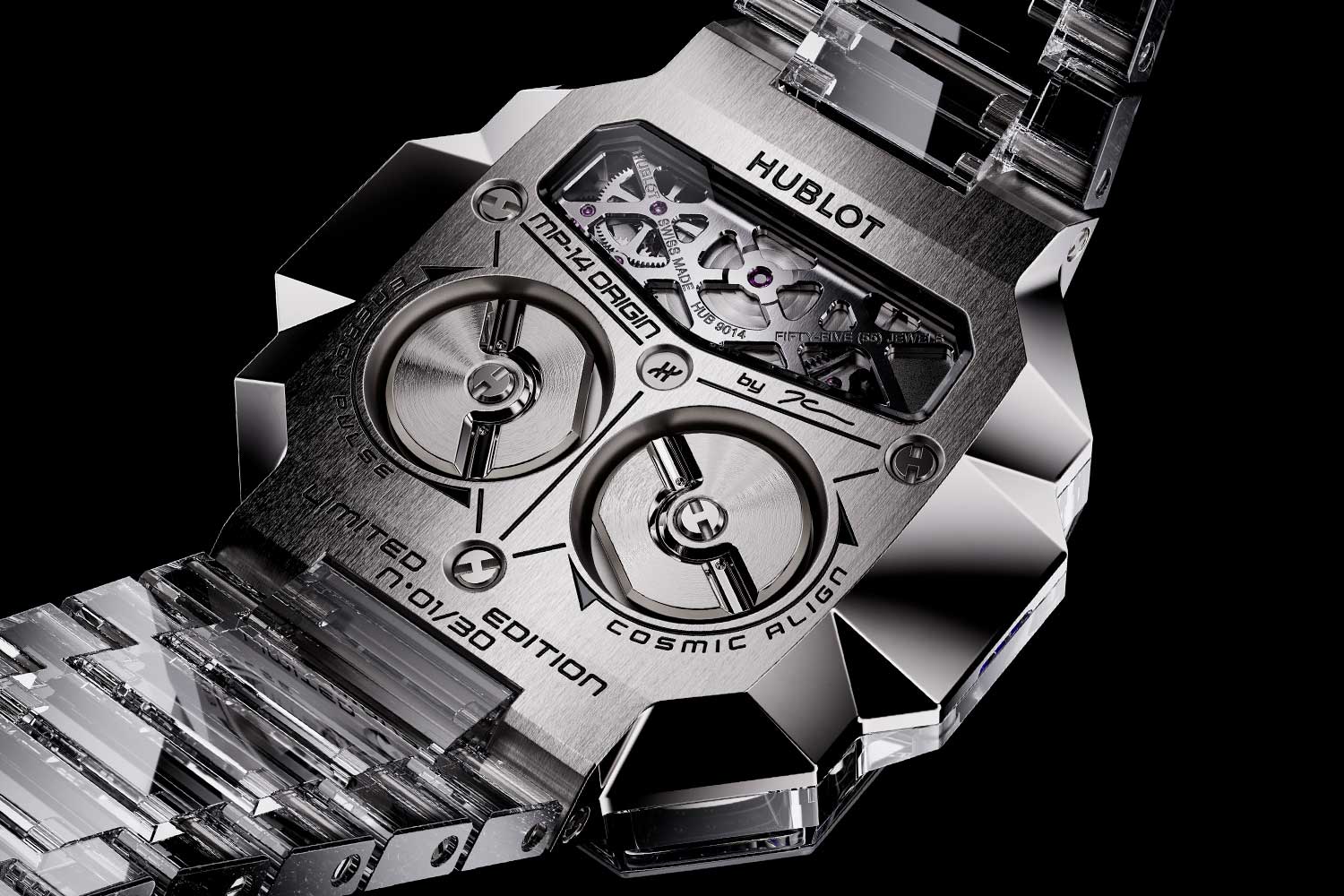
HUB9014 calibre
Koons says that both watches are connected in a sense that may not be obvious from just looking at them. “In a way,” he says, “I think both the pieces are about abstraction.” With Classic Fusion Balloon Dog, that comes from the ideas he has spent years attaching to the sculpture. The MP-14 takes us towards physics, time and space and the Big Bang. “It’s dealing with abstraction, too — the reality of being and existence of the universe — where the Balloon Dog watch would have more archetypes laid on top of it.”
When I put to him that he has compressed the creation of the cosmos onto a wrist, he laughs gently. “I wanted to make something that had some sense of wonderment when looking at it, and that would have an expansive quality to it. A sense of having a center, but at the same time an expansiveness.”
Both watches took almost two years to develop and Koons is clear to point out that he was involved throughout, rather than simply supplying an image and signing off the finished watch. His studio and Hublot worked through repeated versions, using three-dimensional modeling and AI visualization as the designs evolved.
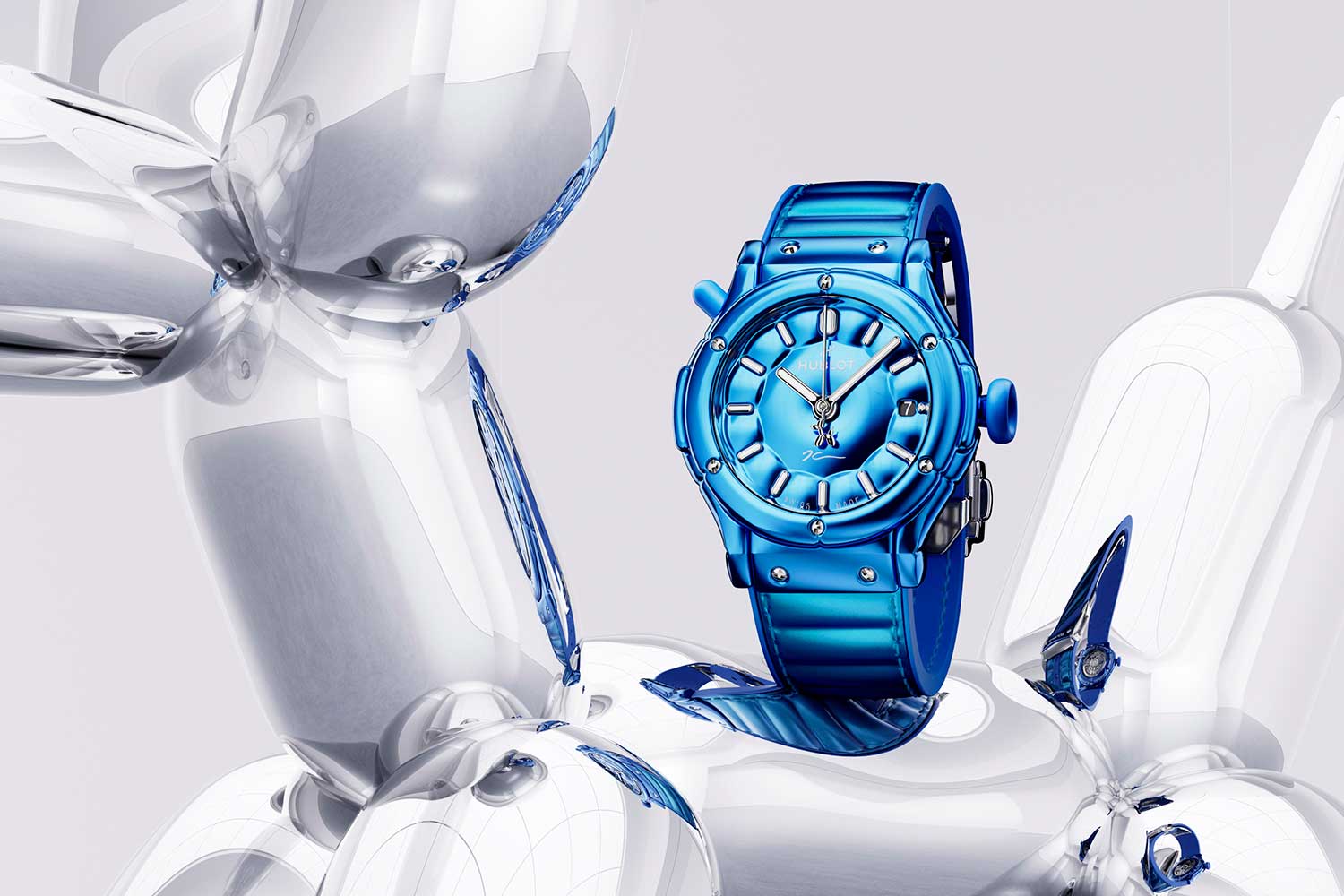
Hublot Classic Fusion Balloon Dog Blue
“I was very involved,” he says. “I’m right there. I’m at the center of all of this. We were in dialogue about the creation of a watch for approximately a two-year time period, trying different ideas, different dimensions, different developmental design forms, and we were able to accomplish what we set out to do.”
A limited edition of 30 pieces, the MP-14 Origin is a watch that very few people will ever own, yet Koons has spent the past 30 minutes talking about universality, communication and shared experience. I wonder whether those ideas can ever sit comfortably alongside something so exclusive. His answer arrives through a painting.
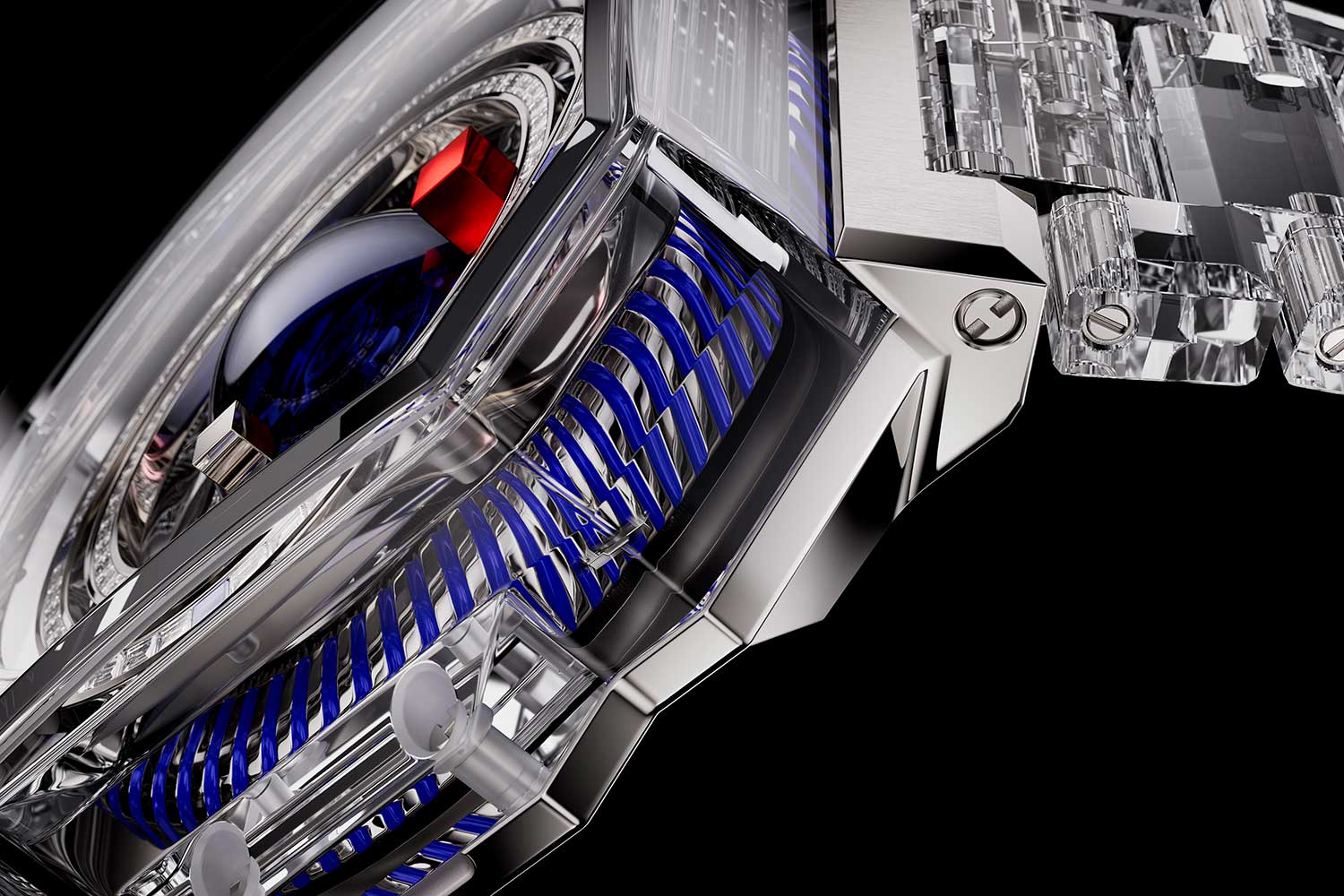
Hublot MP-14 Origin by Jeff Koons
“I love the Mona Lisa. I don’t own the Mona Lisa. The ownership of the Mona Lisa is meaningless to me. I’m glad I don’t own it. If I owned it, oh my gosh, all the problems I would have taking care of it.” He laughs before continuing, “It’s about the idea. I get excited thinking that people are maybe walking through Piccadilly and can see an ad, or maybe they see something in Times Square, or in a magazine. It’s exposure to the ideas. That’s really what’s relevant.”
This has been evident throughout the interview: Koons almost never talks about owning things. He is more interested in the feelings and memories created from just encountering them. He illustrates the point again, this time by referencing Michelangelo’s Pietà. “I melt in front of it,” he says. “I am so amazed at all the different levels of humanism in the dialogue. [As for] ownership, you can carry it when you walk out of the room. It’s how that interaction has transcended you, how it becomes part of you. It’s about what’s in your being. Not about what still is externalized. It’s about what’s inside you.”
There is an obvious parallel here with watches. Collectors can talk for hours about rarity, value and provenance, but what tends to stay with us is the first reaction to a watch. For Koons, owning an object is less important than what happens when you encounter it.
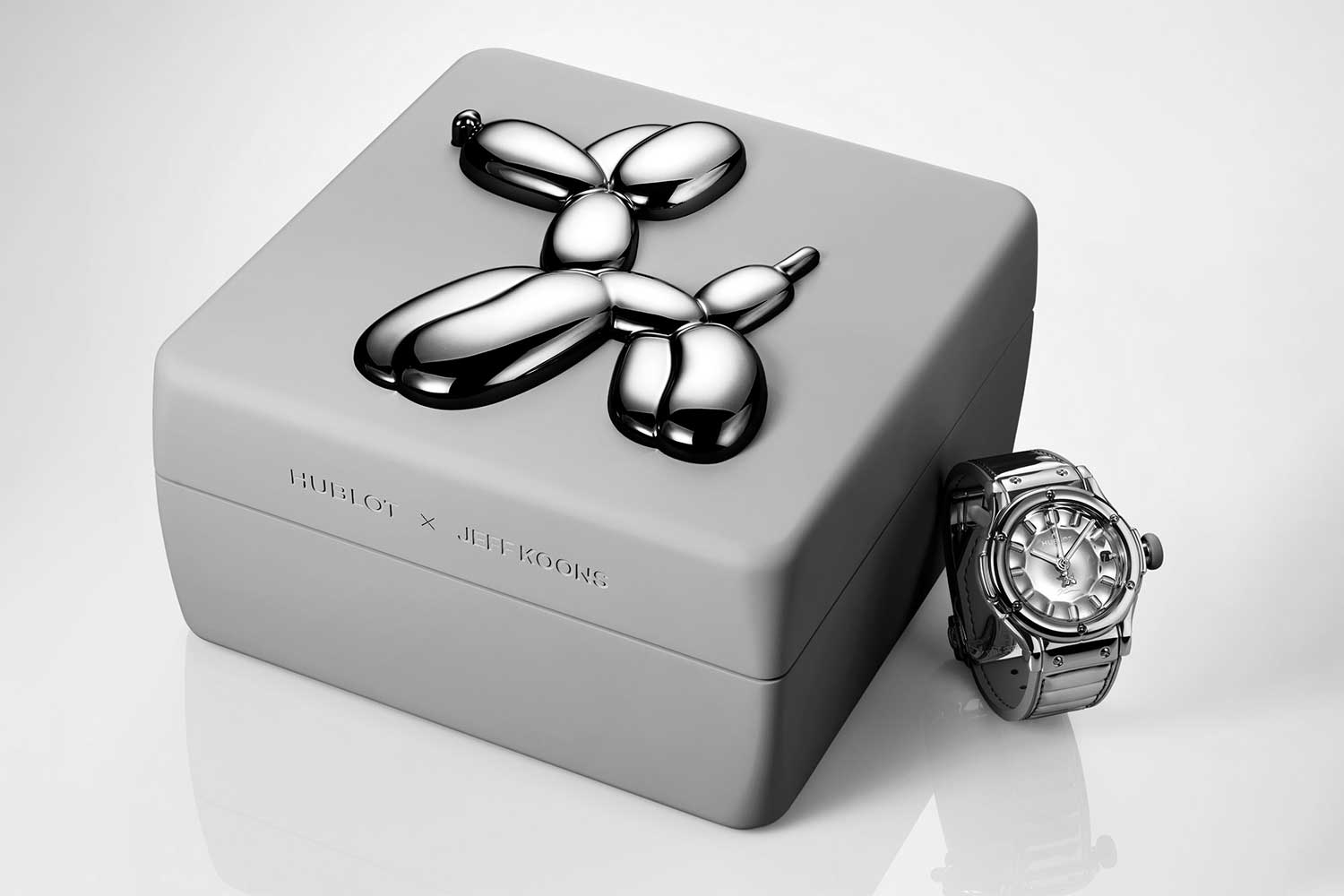
Hublot Classic Fusion Balloon Dog Silver
The Watch as an Invitation to Connect
By now, time is running out and I ask him something that I have been thinking about almost from the beginning. Koons’ work is often described as provocative, exuberant, even confrontational. The man on my screen has been patient and warm for more time than I was originally allotted, taking every question seriously and never rushing through an answer. Where, I ask, does his more unruly side go during an interview?
He smiles. “I’m the same person,” he says. “I really try to be open to everything. I have no place for judgements, and I believe that empowers me. I always try to communicate the empowerment of [that], because when you remove judgement, everything’s available to you to participate in and to be involved in.”
The answer circles effortlessly back to where we began. Acceptance. The absence of elitism. Removing prejudice. “If I look back through all my bodies of work,” he continues, “the dialogue has always been about acceptance and the removal of judgement. When you don’t have any hierarchies, all anxiety is removed. There’s nothing to be anxious about, and if you can remove anxiety, that’s enlightenment.”
I ask whether that outlook is something he has always possessed or something he has learnt. “I would say that I learnt it over time,” he replies. “Through being engaged with my work and trying to always have an understanding — at least for myself — of what is art? How can art serve?”
It turns out to be the perfect bridge to one final question. Long before Jeff Koons became one of the world’s best-known artists, he was a remarkably successful salesman. As a child, he sold wrapping paper, greetings cards and chocolates door to door. Later he worked on Wall Street while establishing himself as an artist. Few people have thought more deeply about desire, persuasion and human behavior. I ask whether those experiences are connected. “I always have enjoyed sales,” he says, laughing. “I have eight children, and I always try to tell all of my children that sales is communication. It’s in every aspect of everything that people do.”
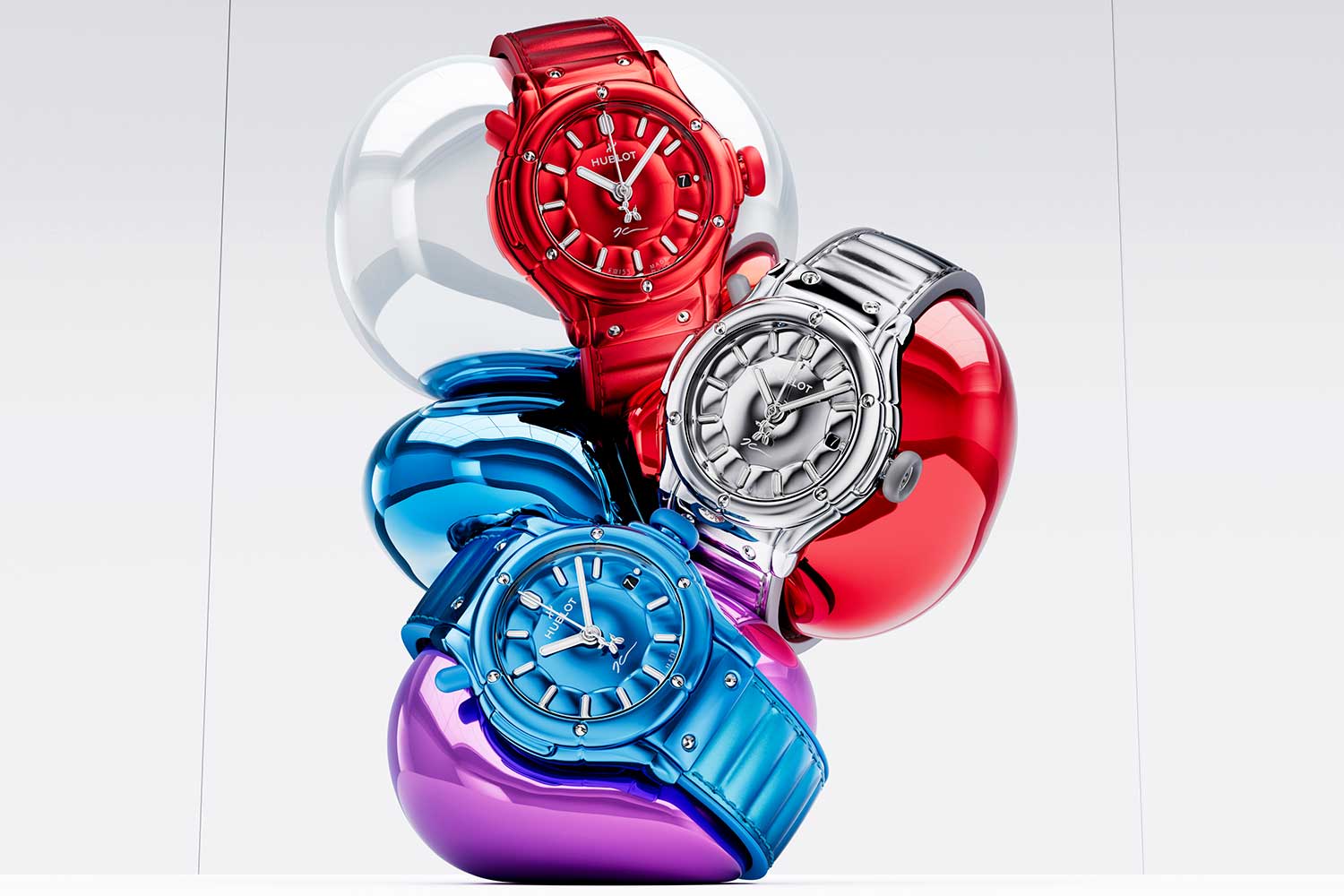
Hublot Classic Fusion Balloon Dog
He remembers knocking on strangers’ doors as a boy, never knowing who might answer or whether he would be invited in. He now credits those experiences with having taught him to be open to whatever, and whoever, he found on the other side. “I never knew what the person who answered the door was going to look like. I never knew if they would invite me into the home, or what the home would look like. I was open to everything… and in the long run, it is really all about communication.”
He pauses before bringing the conversation gently to its conclusion. “We’ve been speaking about objects the whole time, about watches, speaking about art, but at the end of the day, we’re serving people… everything eventually goes to dust… what’s of meaning is our relationship to each other.”
A few seconds later the interview is over. Koons smiles once more, thanks me for the conversation and disappears from the screen.
I find myself thinking back, not to the Classic Fusion Balloon Dog or the MP-14 Origin, but to those opening moments spent talking about a few streets in the East Village. It seems strangely appropriate. We started with a place that meant something to both of us and progressed with Koons explaining, in one form or another, why an object is only ever a part of its own story. A child’s balloon, a tourbillon, a Michelangelo sculpture or a watch can all be a starting point. What he cares about is the connections they create between people.
Tech Specs: Hublot Classic Fusion Balloon Dog
References 542.UR.8170.NR.JKN26 (red); 542.UB.5170.NR.JKN26 (blue); 542.SX.0820.NR.JKN26 (silver)
Movement HUB1710 self-winding calibre; 185 components; 27 jewels; 4Hz frequency; 50-hour power reserve; custom oscillating weight inspired by the rounded forms of the case
Case 42mm mirror-polished stainless steel, red anodised aluminium or blue anodised aluminium; domed sapphire crystal; balloon-inspired crown; decorative tail at 10.30; 50m water resistance
Dial Inflated metallic construction with domed indexes; balloon dog counterweight on the seconds hand; Jeff Koons signature at 6 o’clock
Strap Colour-matched rubber and metallic leather strap with deployant clasp
Price USD 25,100
Availability 200 pieces of each version
Tech Specs: Hublot MP-14 Origin by Jeff Koons
Reference 914.NJ.0100.JX.9941
Movement HUB9014 manufacture calibre; Hublot’s first automatic central tourbillon; 594 components; peripheral winding system; 3Hz frequency; 60-hour power reserve
Case 44mm octagonal sapphire and titanium case; integrated sapphire bracelet; 30m water resistance
Dial Polished sapphire crystal with two polished white-gold rings set with baguette diamonds and blue sapphires; stainless steel cube, with translucent red varnish for hour indicator; stainless steel cube for minute indicator; central tourbillon; translucent blue sapphire dome inspired by Koons’ Gazing Ball series
Price USD 488,000
Availability 30 pieces
Hublot
You may also like
Editorial
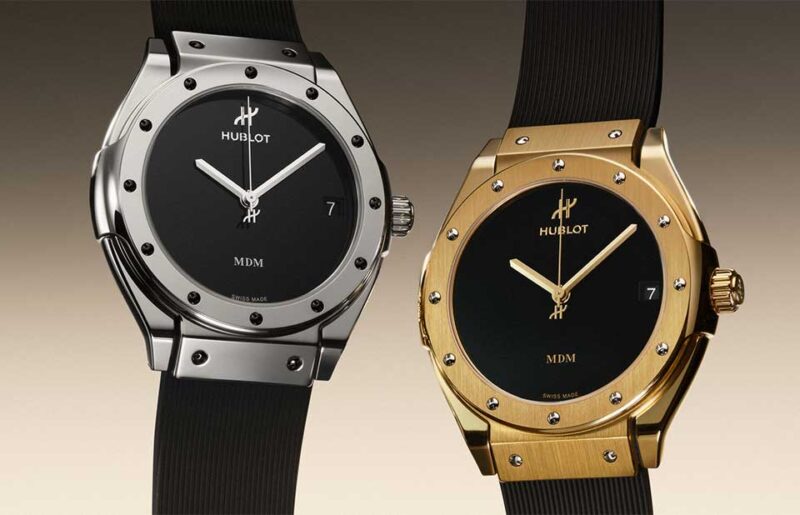
Hublot Hits Rewind
Oct 15, 2026
Editorial
Hublot Hits Rewind
Oct 15, 2026
News
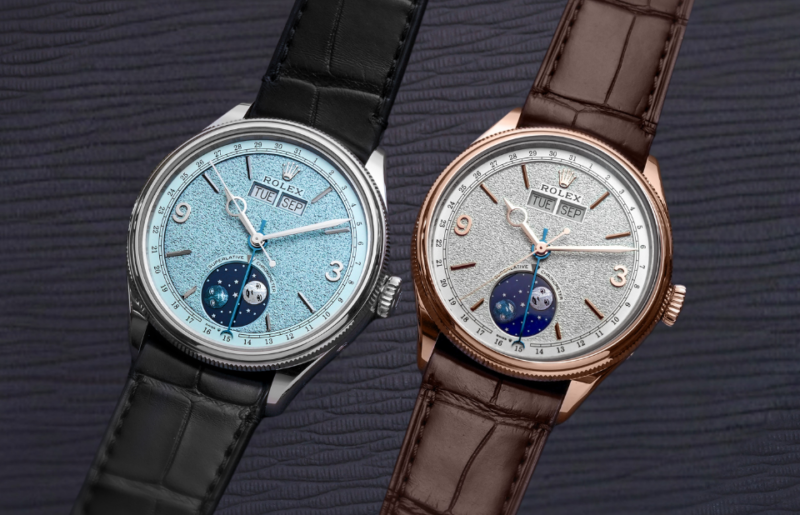
Last Week In Watches: Rolex Revives the Padellone, Hublot Goes Full Koons
Sep 21, 2026
News
Last Week In Watches: Rolex Revives the Padellone, Hublot Goes Full Koons
Sep 21, 2026
Editorial
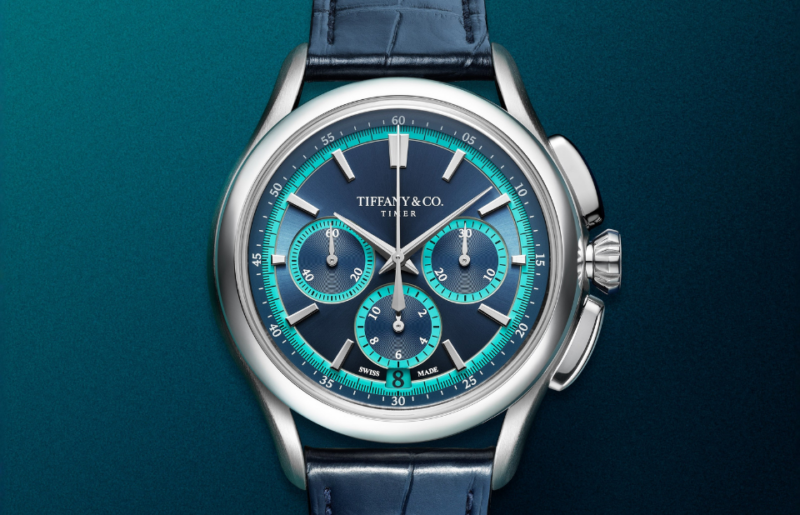
Last Week in Watches: New Releases Ahead of Geneva Watch Days 2026
Aug 31, 2026
Editorial
Last Week in Watches: New Releases Ahead of Geneva Watch Days 2026
Aug 31, 2026