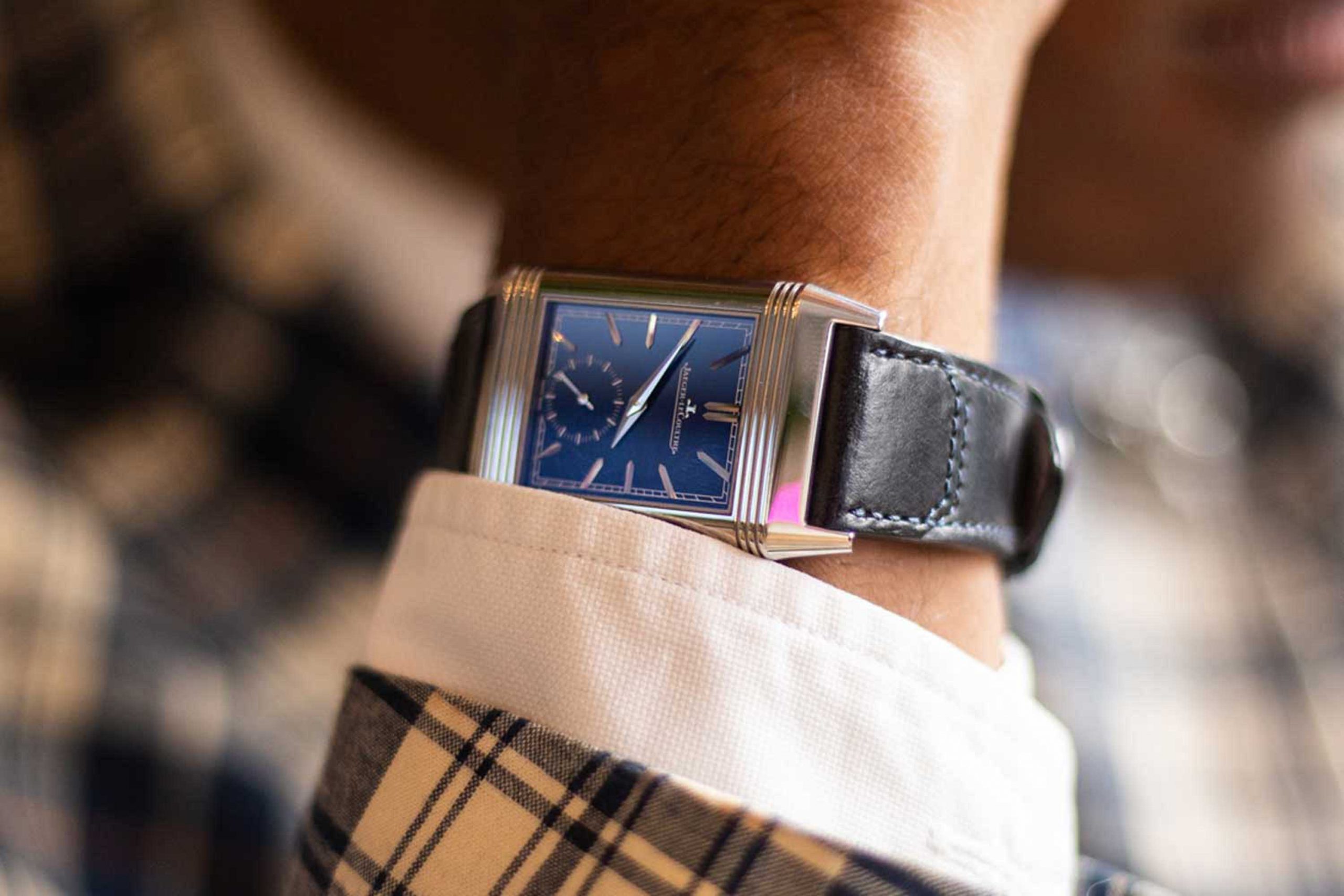
Available in the Shop: Flip it and Reverse it, two takes on the iconic Reverso
Jaeger-Le Coultre’s Reverso, an icon for 90 years, has never had that problem. Not only does this masterfully distinctive watch have an uncommon shape, it’s also got its signature move — the reversing case. While this watch these days is most commonly seen as something dressy, the Reverso has sporty roots and, as these two examples demonstrate, can project vastly different moods.
The Origins of the Reverso
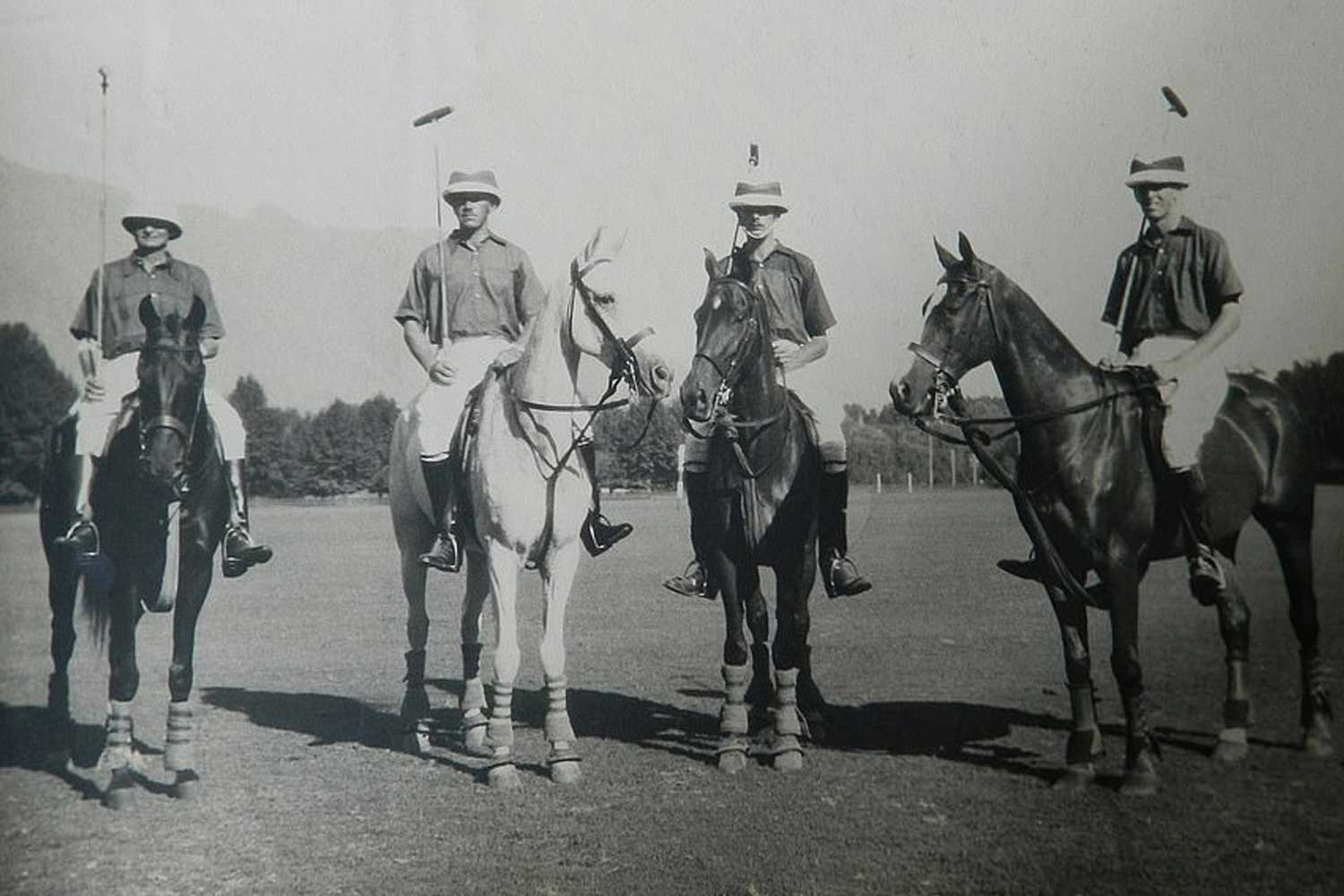
British officers playing polo in India
This issue was brought to the attention of Swiss businessman and watch trader César de Trey while he was visiting India. Players wanted a timepiece they could wear which was strong enough to withstand the numerous beatings given out by the gentlemen’s mallets. Upon his return to Switzerland, he reached out to his good friend Jacques-David LeCoultre to task him with coming up with a solution. LeCoultre partnered with Edmond Jaeger and his company to create the case design that would solve the issue. René-Alfred Chauvot was the French engineer in charge of the development of this new watch case and on March 4th, 1931 the patent n.712.868 was submitted to the Paris patent office for a watch whose case could reverse and flip 180 degrees so as to protect the fragile front glass of the timepiece.
Apart from the protective aspect of the swivelling case, what Chauvot accomplished is nothing short of a tour-de-force. Take into consideration that the idea is fairly simple and the action happens in a few seconds when you click it open, flip it around, and click it home again. Yet, the balance of the tactile and audible feedback is utterly flawless and unseen in any other timepiece. It is addictive and infinitely satisfying.
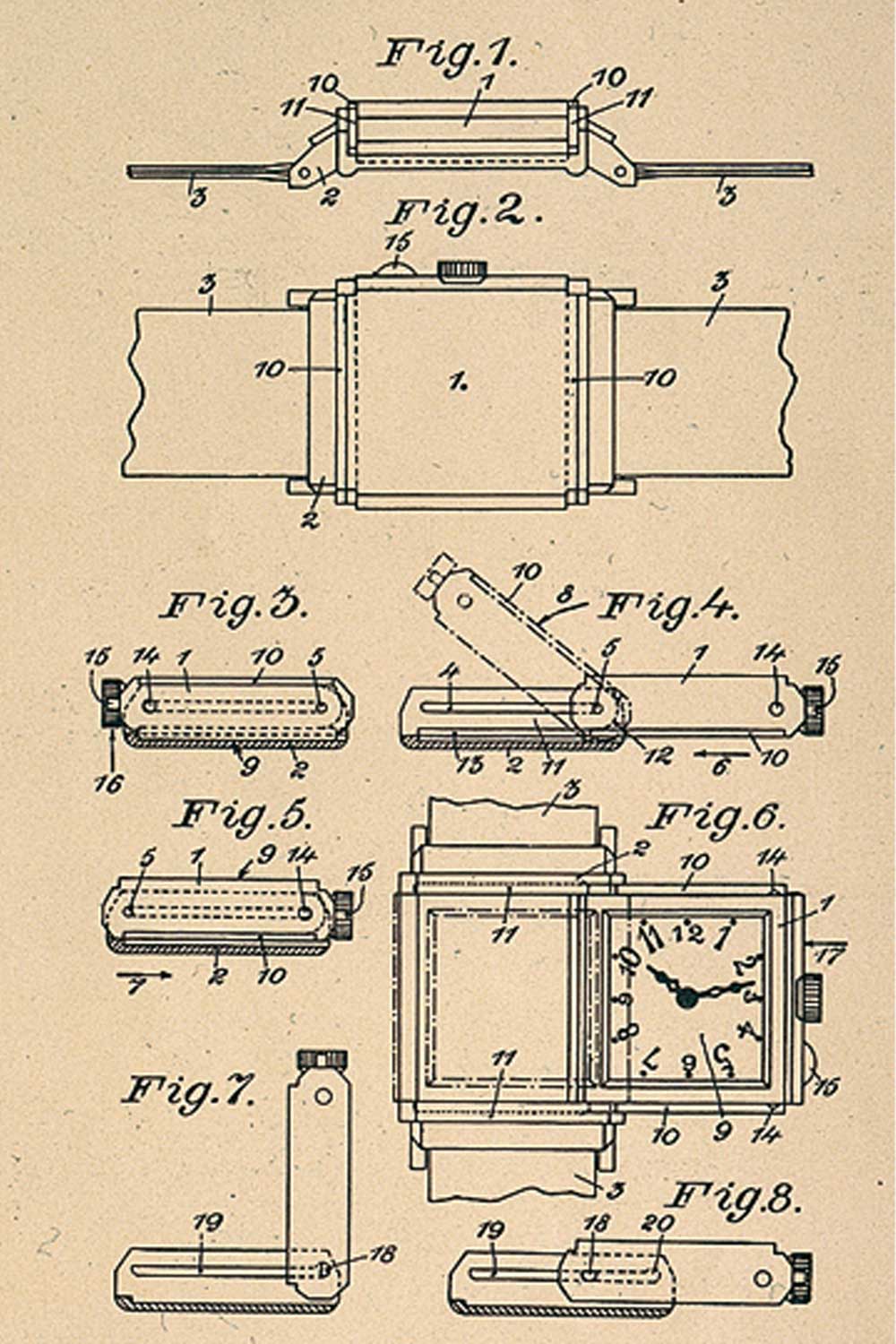
The patent for the Reverso
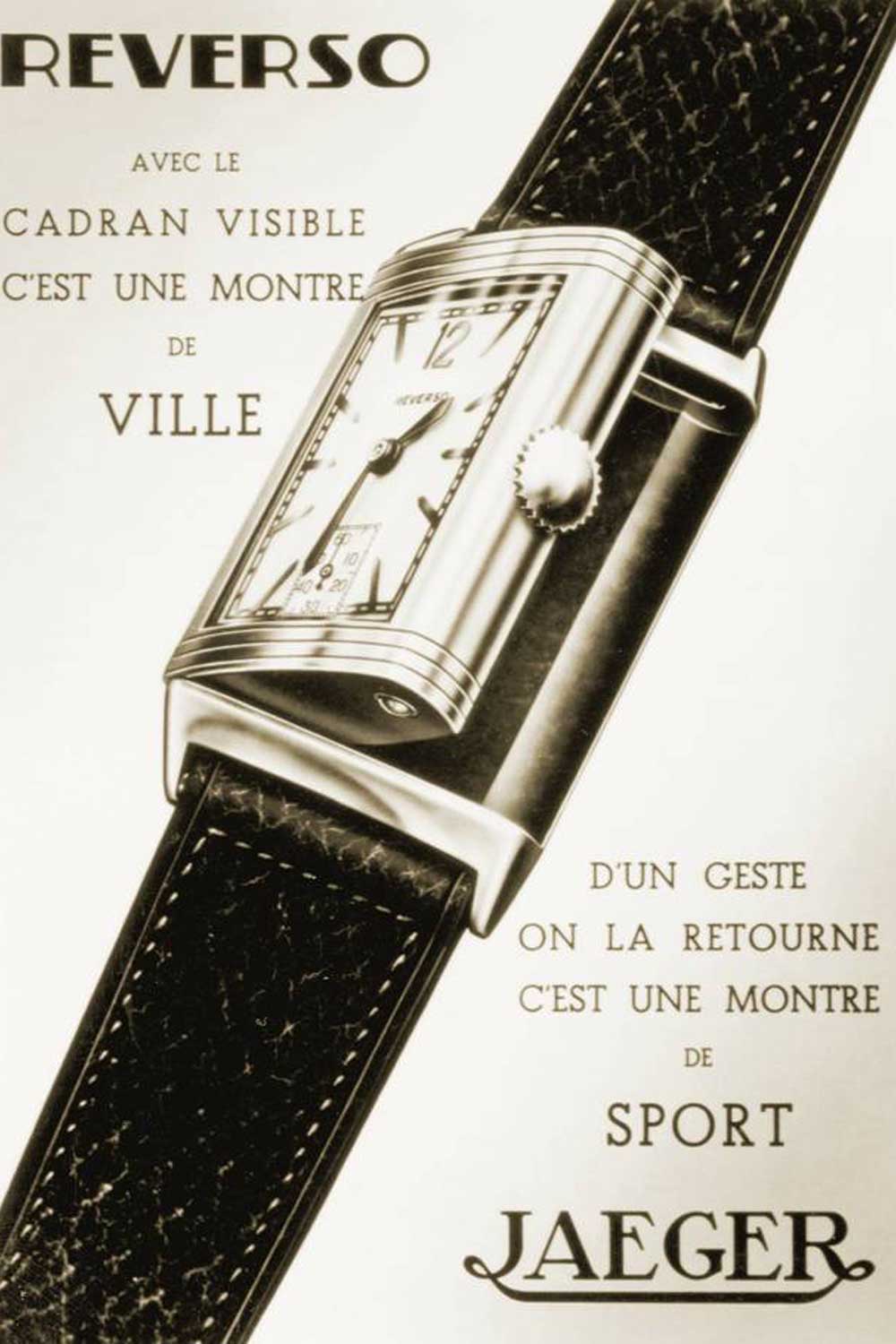
Old advertisement for the Reverso and its swiveling case
Two Watches in One
The Reverso is all about flipping the watch around so as to protect one side or the other. As originally, conceived, it was the glass front that was meant to be protected. Now, we’ve discovered that the back of the Reverso is a fun place to put all sorts of interesting things. But if an engraved caseback isn’t your bag, then what about a whole other watch?
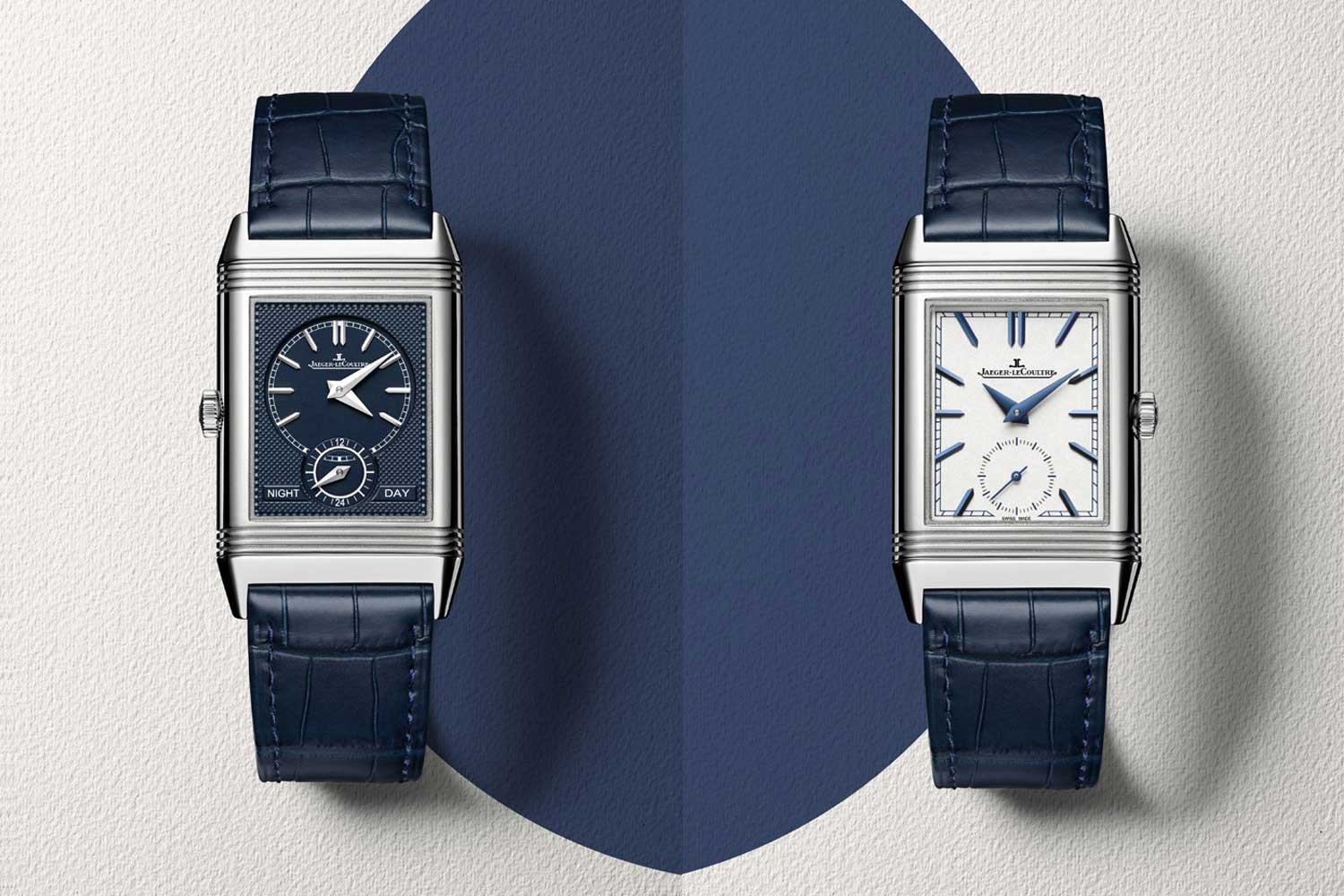
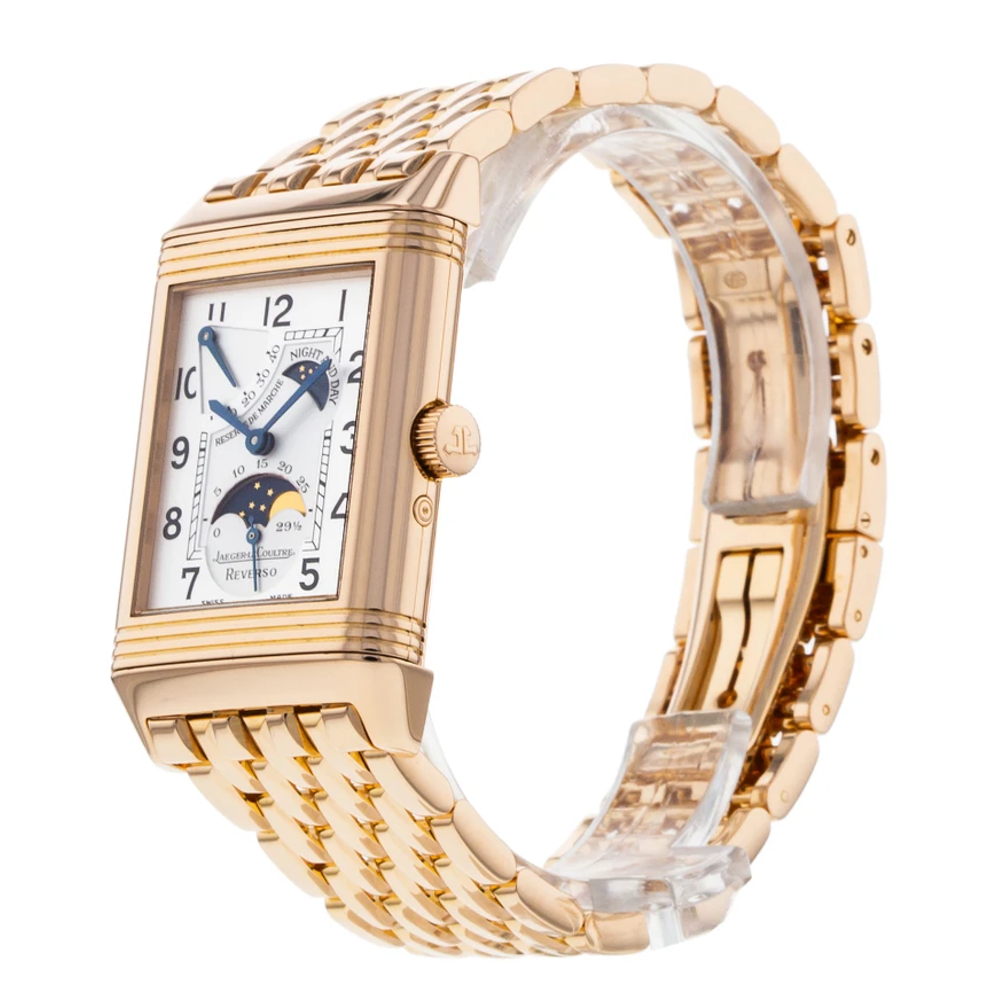
Certain models bring to life two dials, displaying two time zones and a practical day/night indicator.
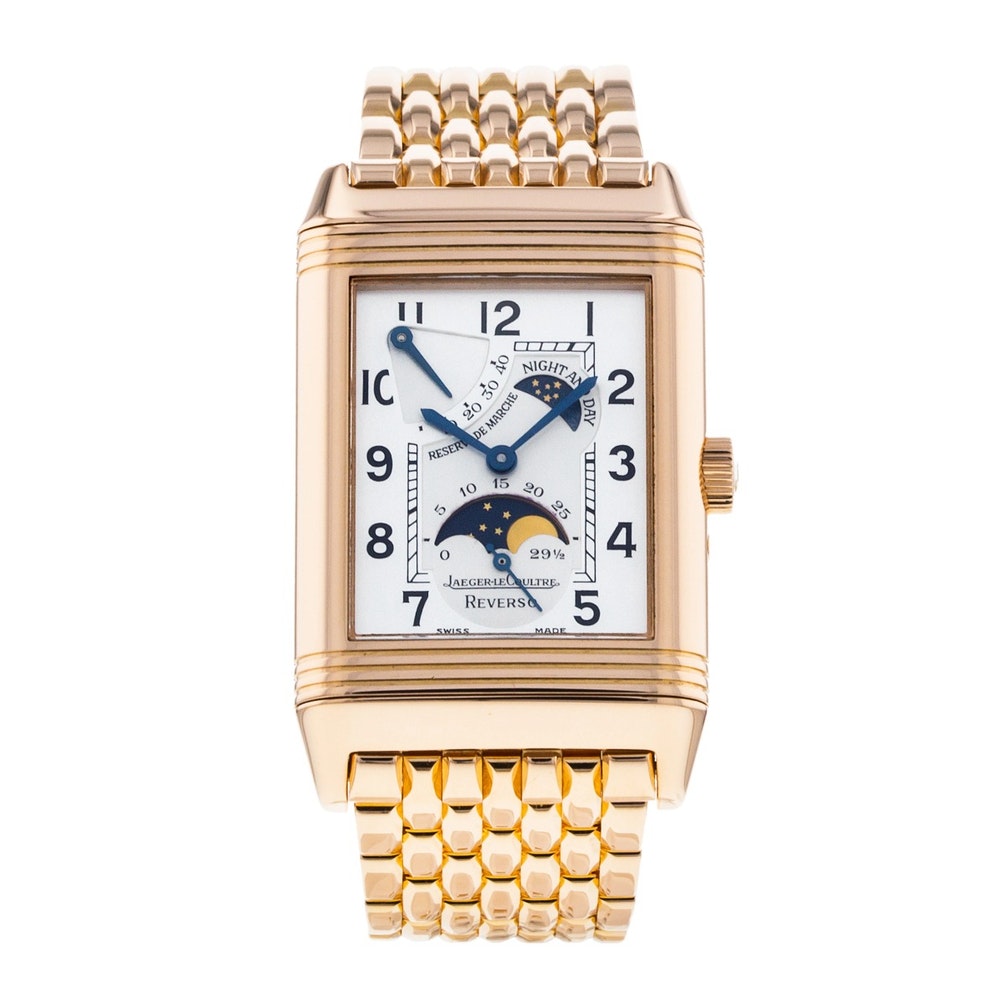
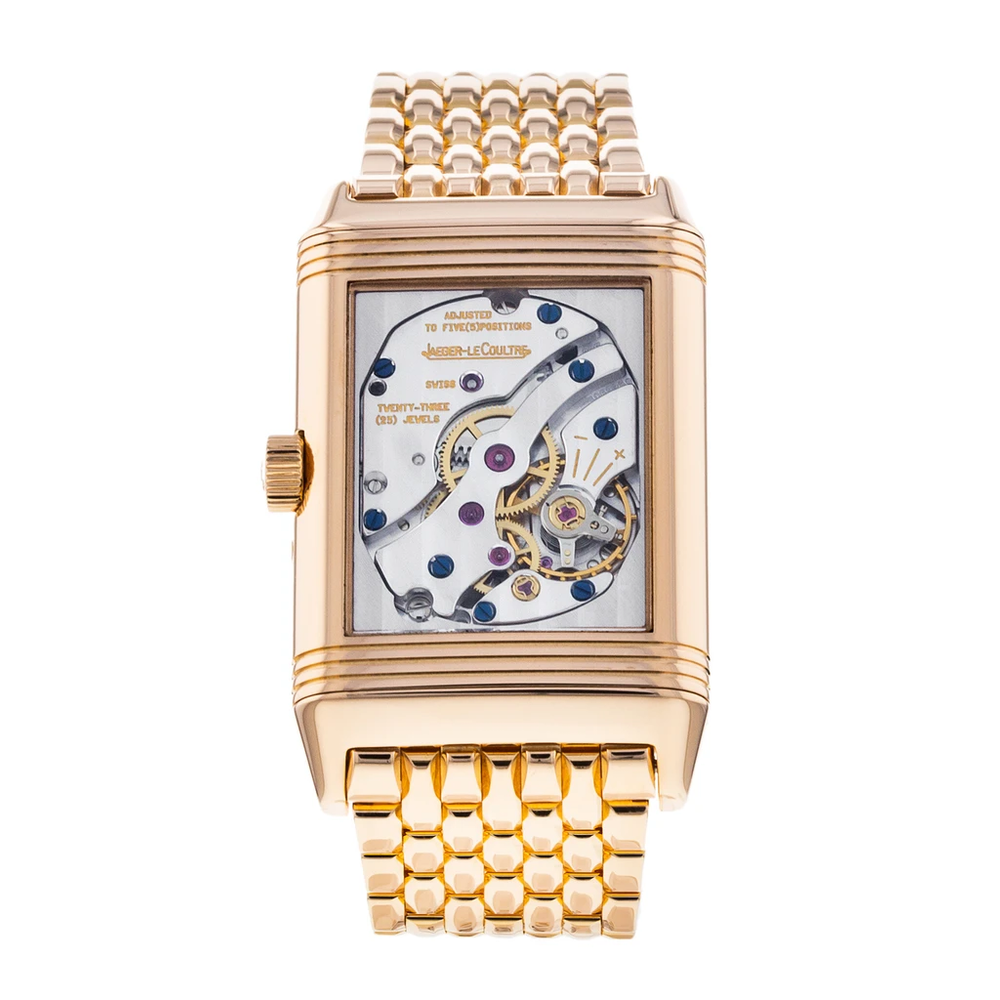
Jaeger-LeCoultre Reverso Sun Moon 2752120
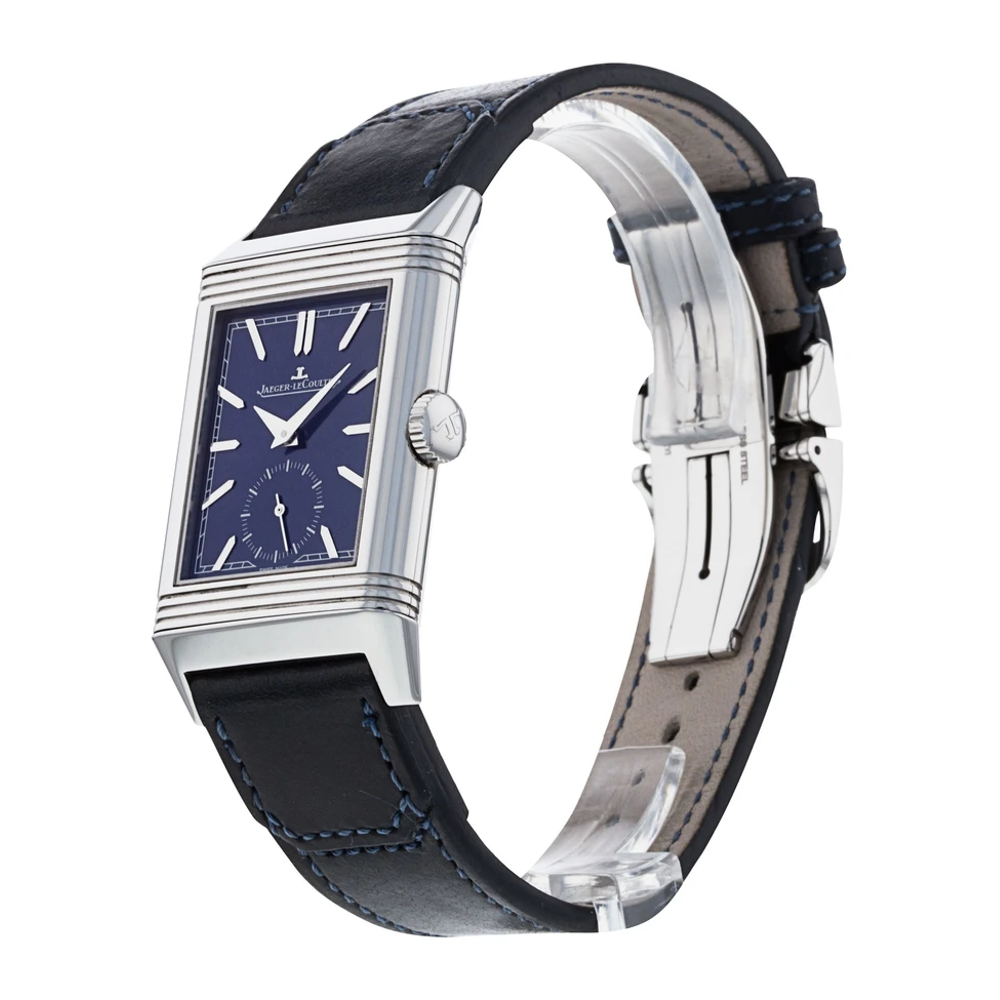
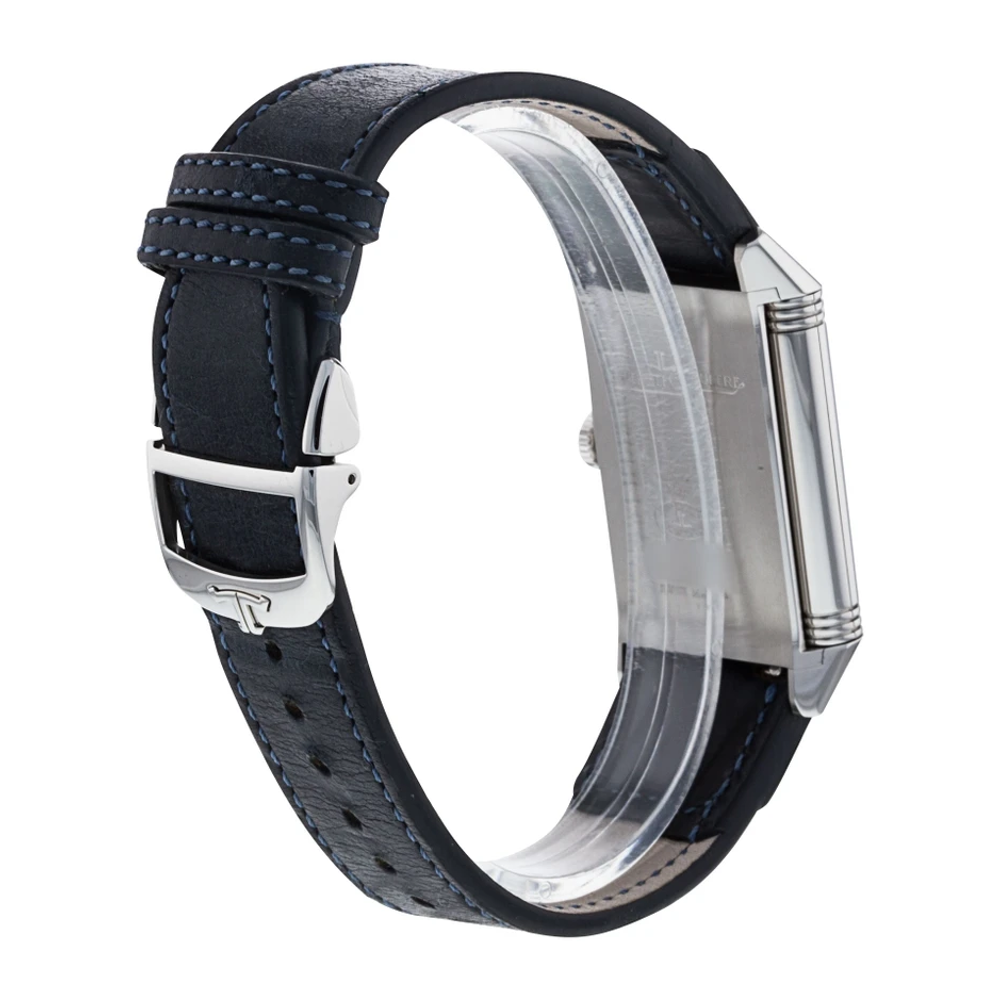
Jaeger-LeCoultre Reverso Tribute Small Seconds 3978480
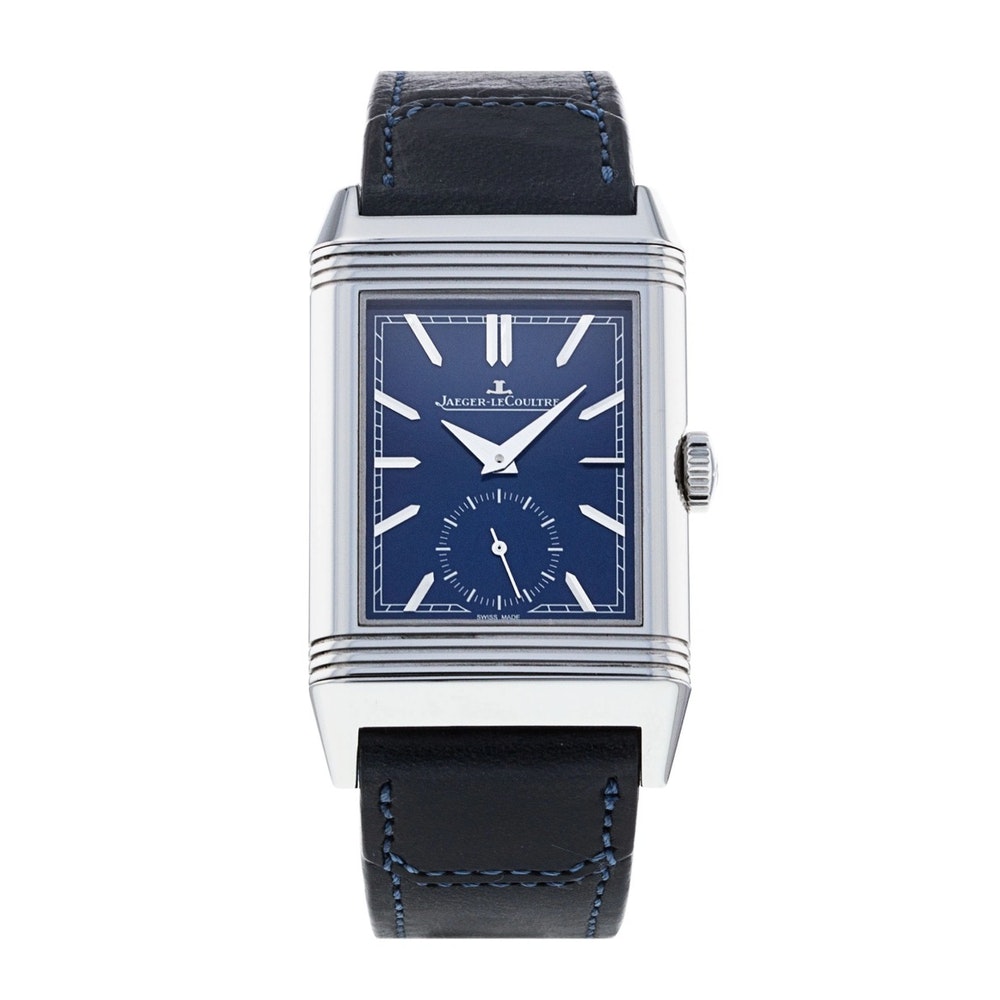
Jaeger-LeCoultre Reverso Tribute Small Seconds 3978480
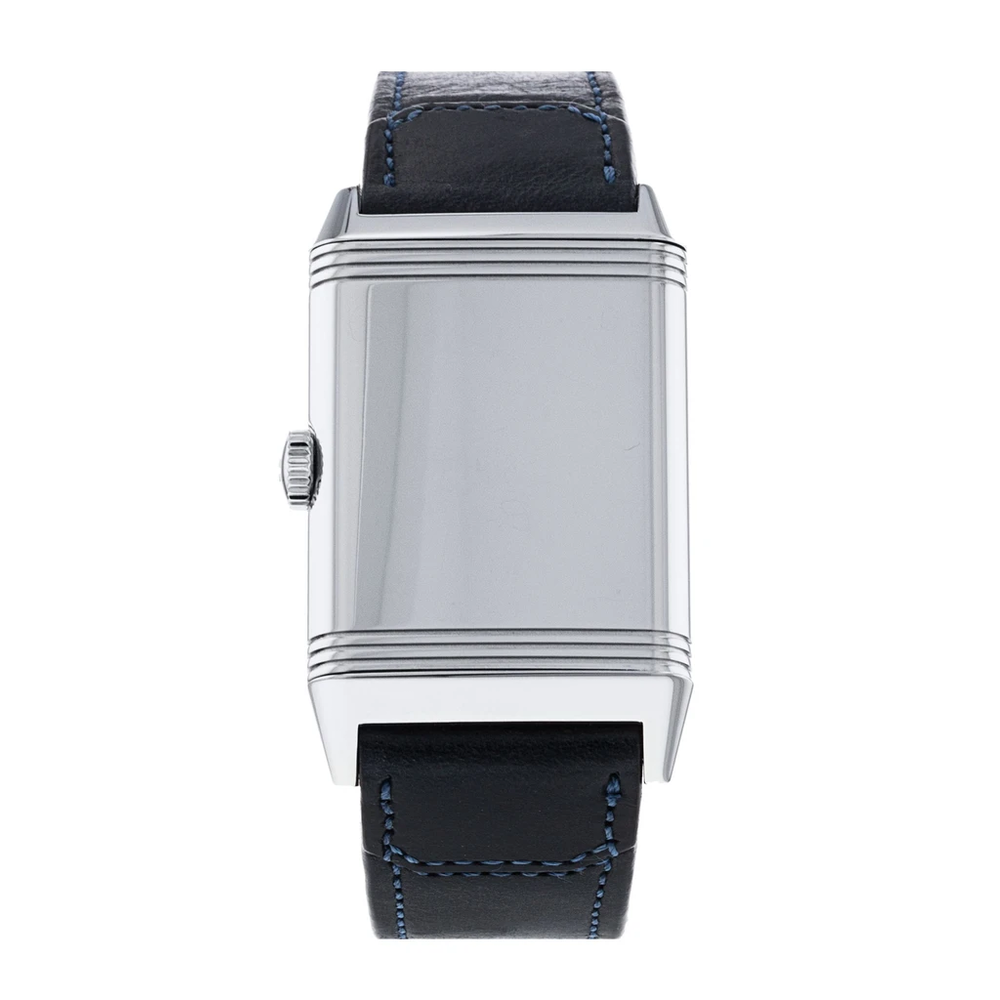
Jaeger-LeCoultre Reverso Tribute Small Seconds 3978480
The Duo is but one of a long line of inventive and successful Reverso watches that has included ladies’ models such as the Reverso Cordonnet from 1938, the astonishing Grande Complication à Triptyque, which presented a concerted perpetual calendar display spanning all three available surfaces of the watch, and the Gyrotourbillon 2 with its JLC calibre 174, which in 2009 won the precision timekeeping contest, Concours International de Chronométrie.
An Icon
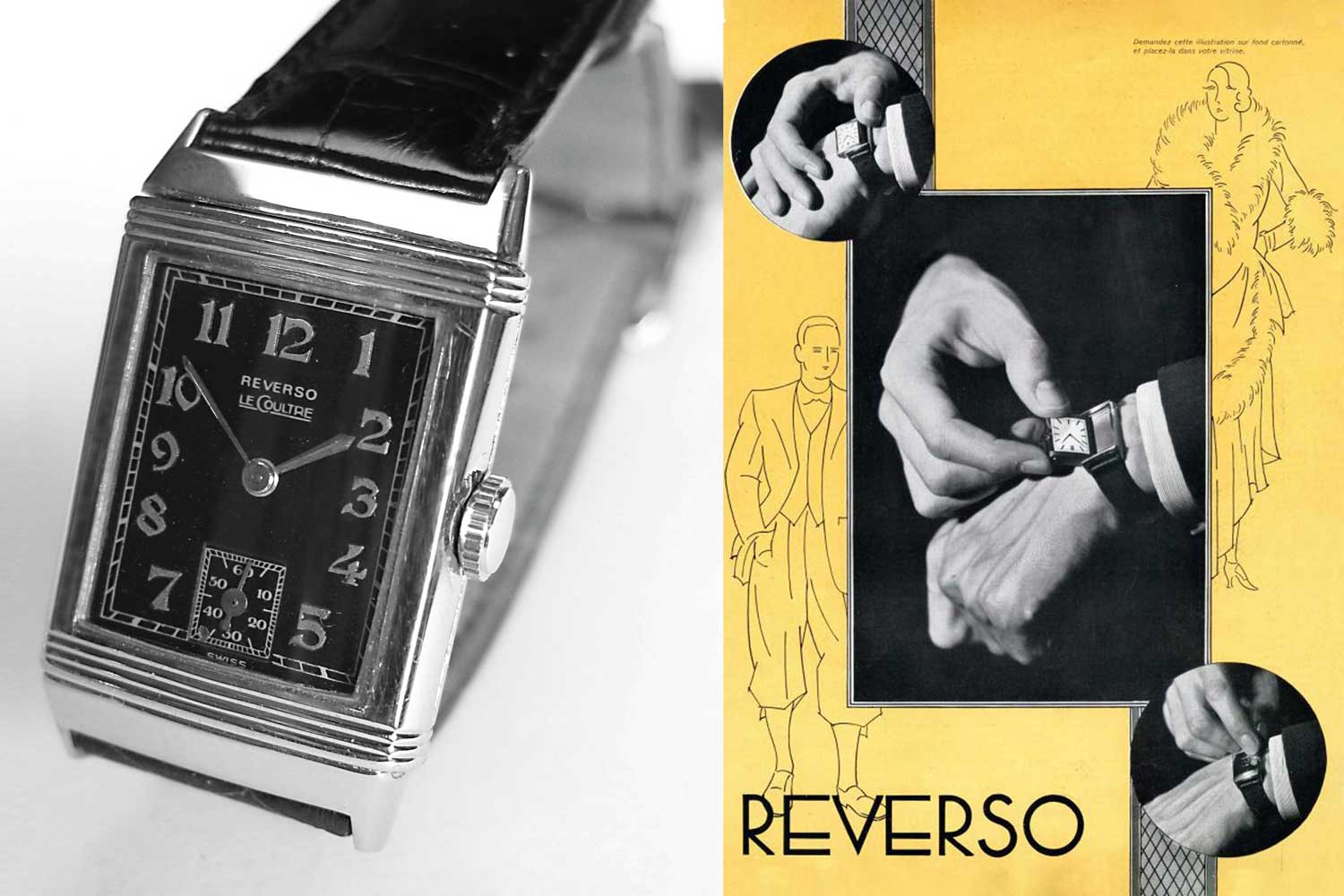
This vintage Reverso shows how little the design has changed over its almost 90 year history
During the burgeoning period of wristwatch development that was the 1930s, the nascent watch-case industry had very little to go on when it came to style and technique. Most manufacturers scaled down pocket watches and added wire lugs onto them. When most other wristwatches were cased in what amounted to little more than elaborate sweethearts’ lockets, the Reverso case was a pinnacle of technical ingenuity.
Ever since, Jaeger-LeCoultre has been sensitive to the design cues laid down by the man who originally commissioned the Reverso, César De Trey. The grooved bands at the head and tail of the case have remained extant in just about every edition of the Reverso. People love to recall the Art Deco aspect of these rectilinear details. With such powerful design cues and associations, the Reverso’s guardians have had to weigh their responsibility carefully, so as to preserve the spirit of the thing without transforming it into a pastiche.
Jaeger-LeCoultre Reverso Sun Moon 2752120
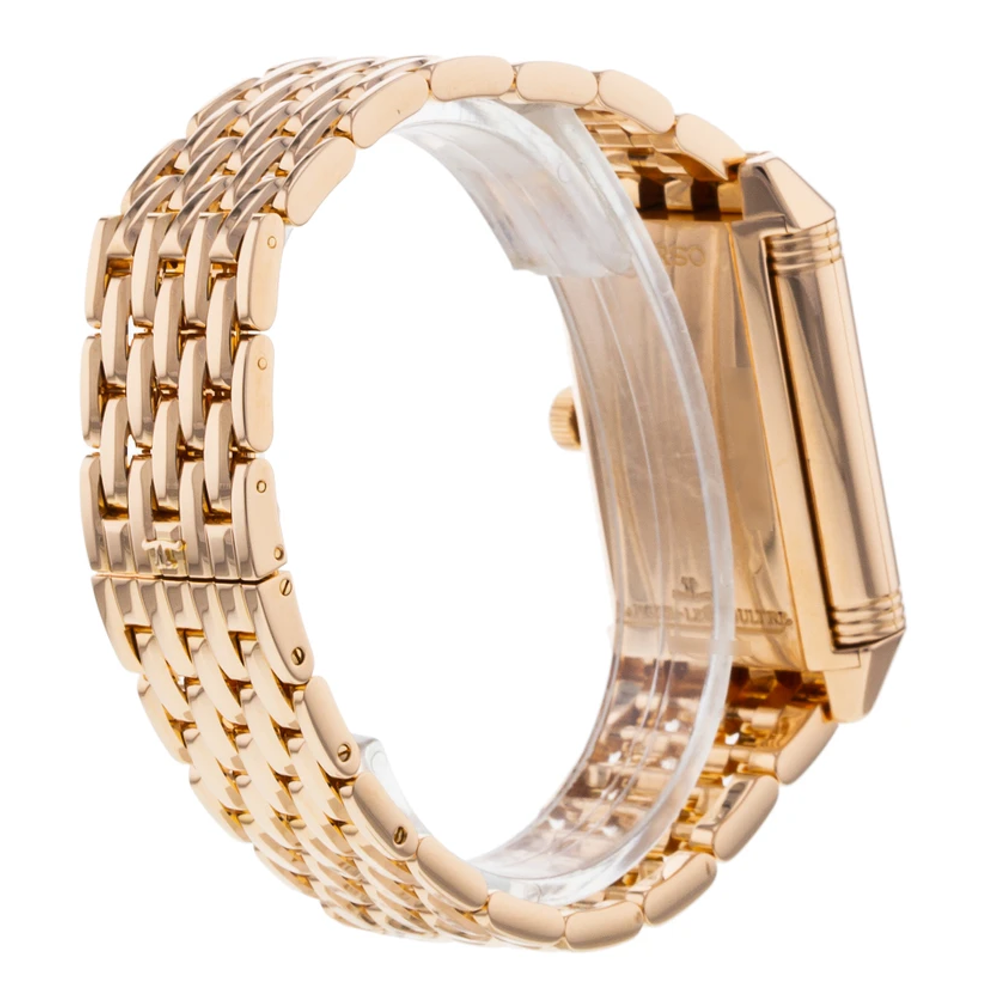
Jaeger-LeCoultre Reverso Tribute Small Seconds 3978480

You may also like
Editorial
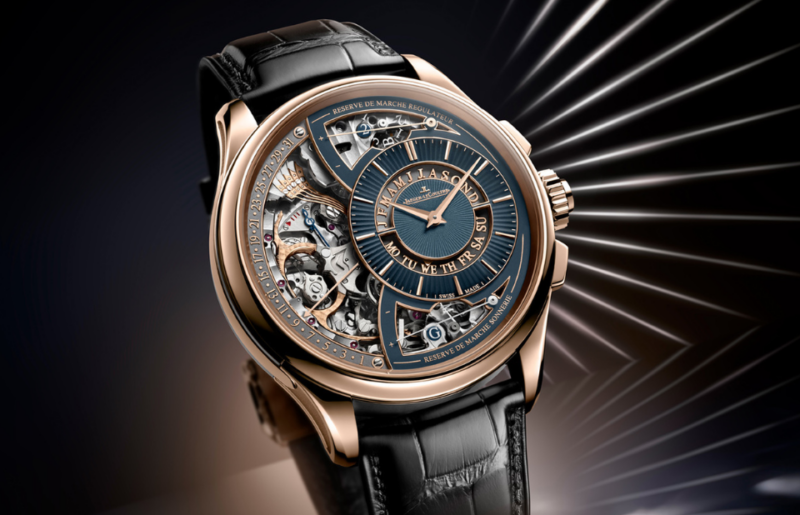
Last Week In Watches: TAG Heuer Carrera, JLC Grande Sonnerie, Louis Vuitton Spin Time and more
Sep 15, 2026
Editorial
Last Week In Watches: TAG Heuer Carrera, JLC Grande Sonnerie, Louis Vuitton Spin Time and more
Sep 15, 2026

Interviews
Jérôme Lambert, CEO of Jaeger-LeCoultre, explains the new Master Control Collection
Aug 14, 2026
Interviews
Jérôme Lambert, CEO of Jaeger-LeCoultre, explains the new Master Control Collection
Aug 14, 2026
Editorial
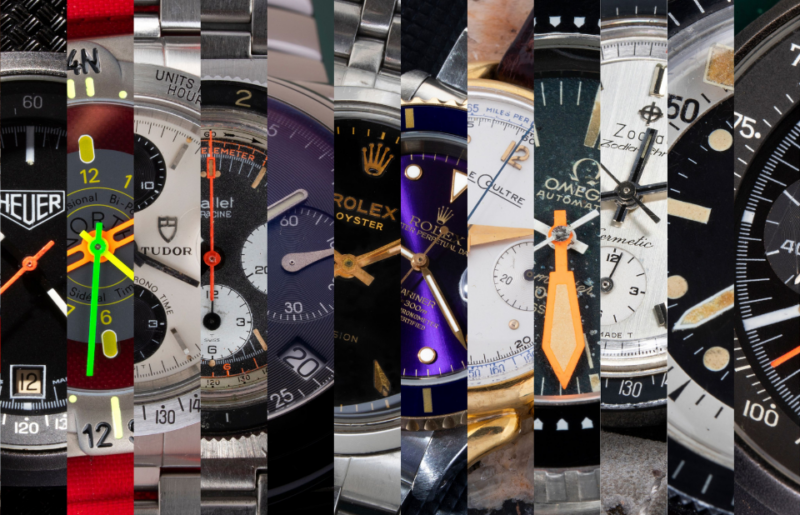
Instruments of individuality in the Patrick Parrish Collection
May 25, 2026
Editorial
Instruments of individuality in the Patrick Parrish Collection
May 25, 2026