
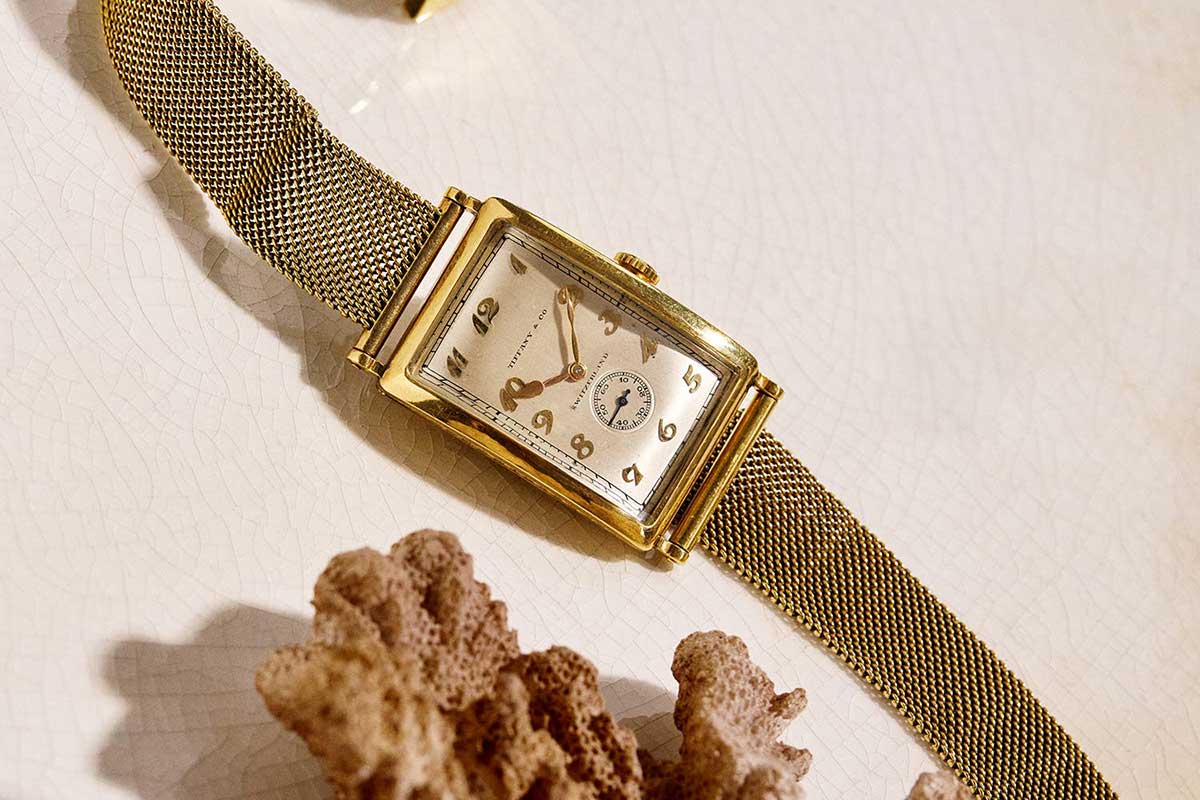
A Tiffany & Co-signed Patek and the Man Who Built America
Auctions
A Tiffany & Co-signed Patek and the Man Who Built America

Revolution stories about auction lots usually begin with a watch. This one begins with a building. Not just any building, but the Empire State Building, the structure that for generations has defined the New York skyline and, in many ways, America’s image of itself. Nearly a century after its completion, the edifice remains one of the most recognisable landmarks on earth. Ask a child to draw a skyscraper and there is a good chance they will sketch something that looks remarkably similar.

The Empire State building defined the New York skyline (Image: Gettyimages)
This coming weekend, at Phillips’ New York Watch Auction: XIV, a watch connected directly to that story will go under the hammer. Offered as Lot 27 on June 13 with an estimate of USD 15,000 – 30,000, it is an oversized Tiffany-signed rectangular Patek Philippe wristwatch from 1929 that belonged to Paul Starrett, the contractor responsible for bringing the Empire State Building to fruition.
-
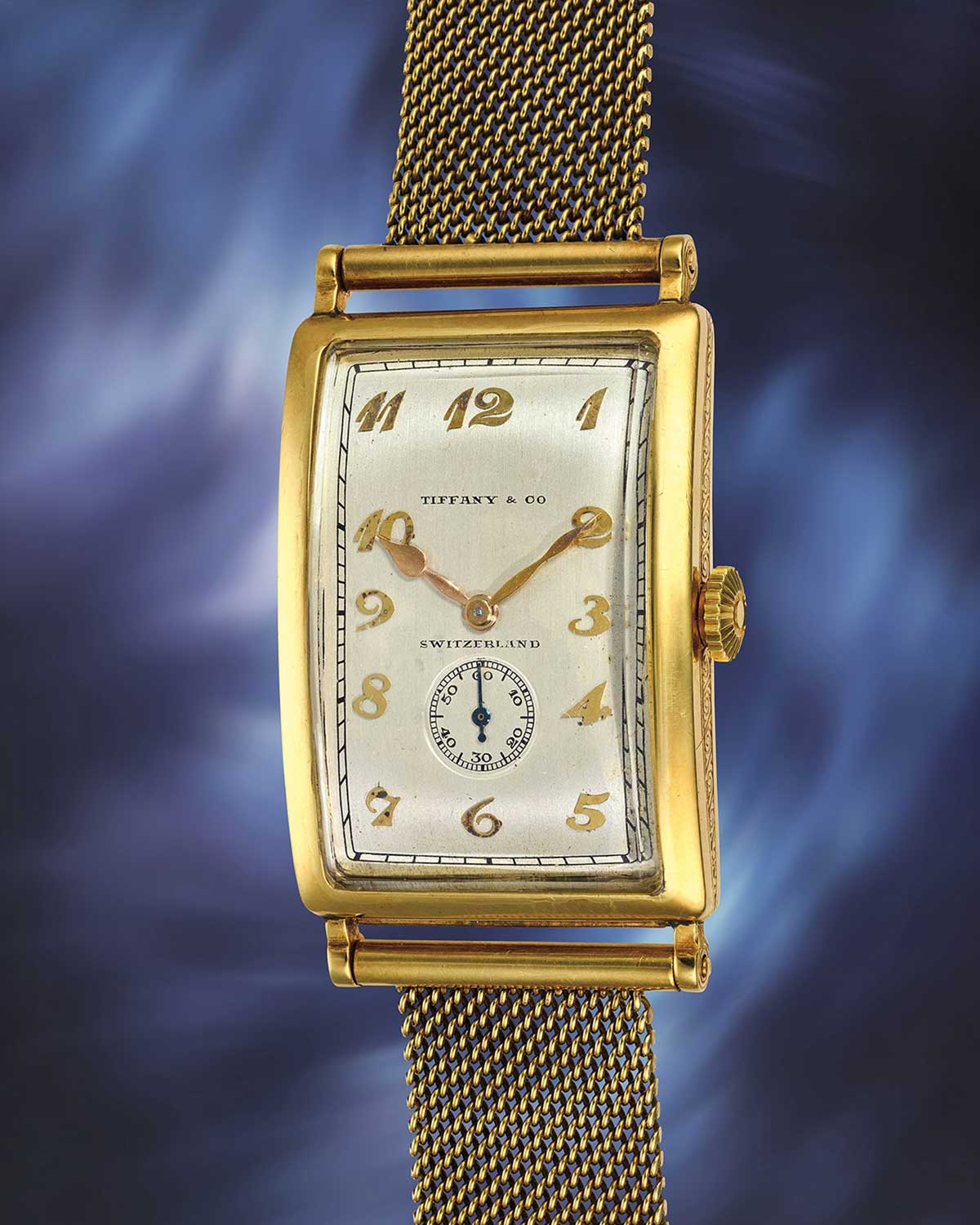
- Lot 27: Patek Philippe “Tiffany & Co., Paul Starrett” (Image: Phillips)
-
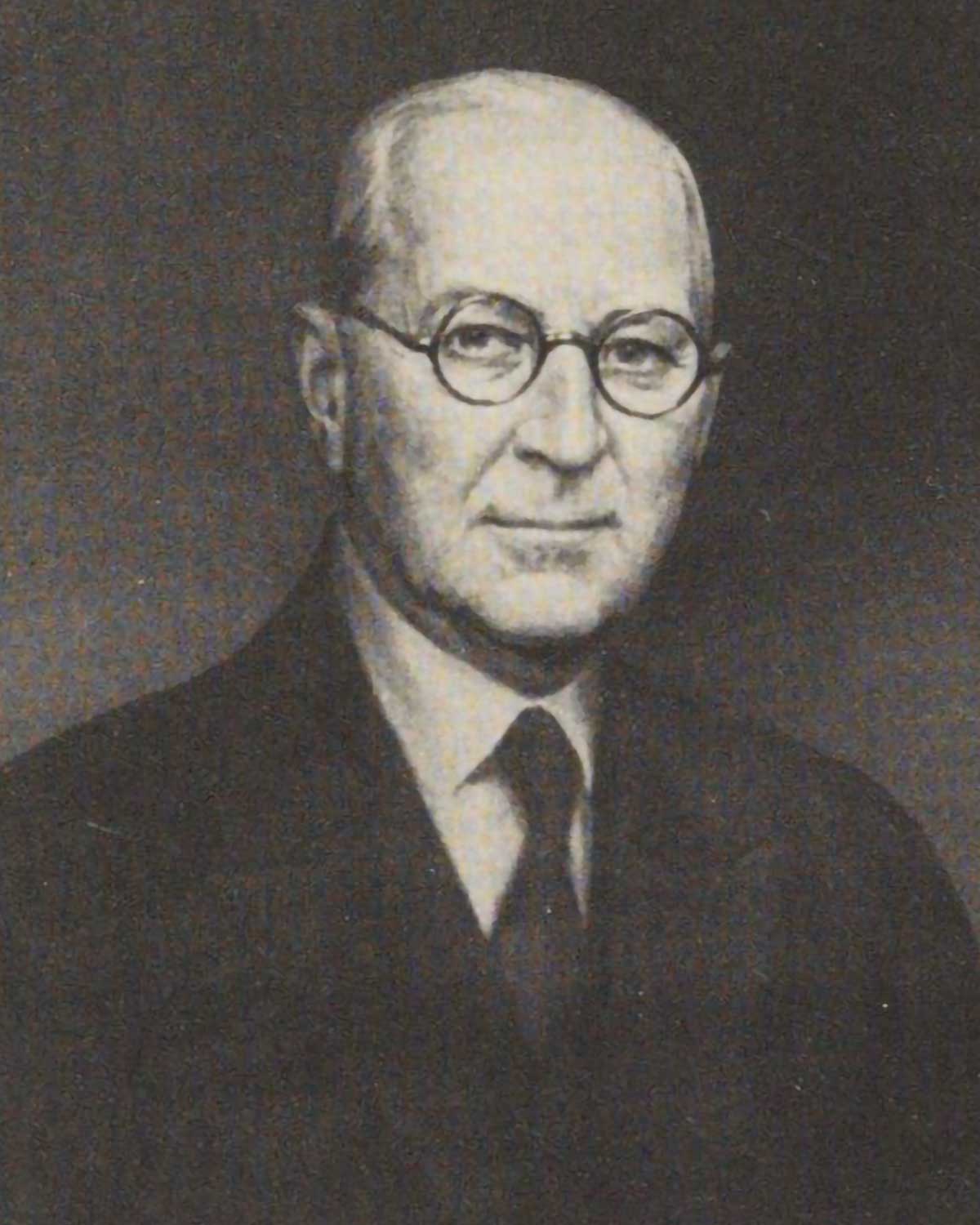
- Paul Starrett
On paper, the watch has plenty to shout about. It is a beautifully preserved Art Deco Patek Philippe, complete with an untouched dial, period-correct bracelet and unusually large proportions for the era. Yet none of those details are the real reason collectors are paying attention. The fascination lies with the initials engraved on the caseback: “PS”.
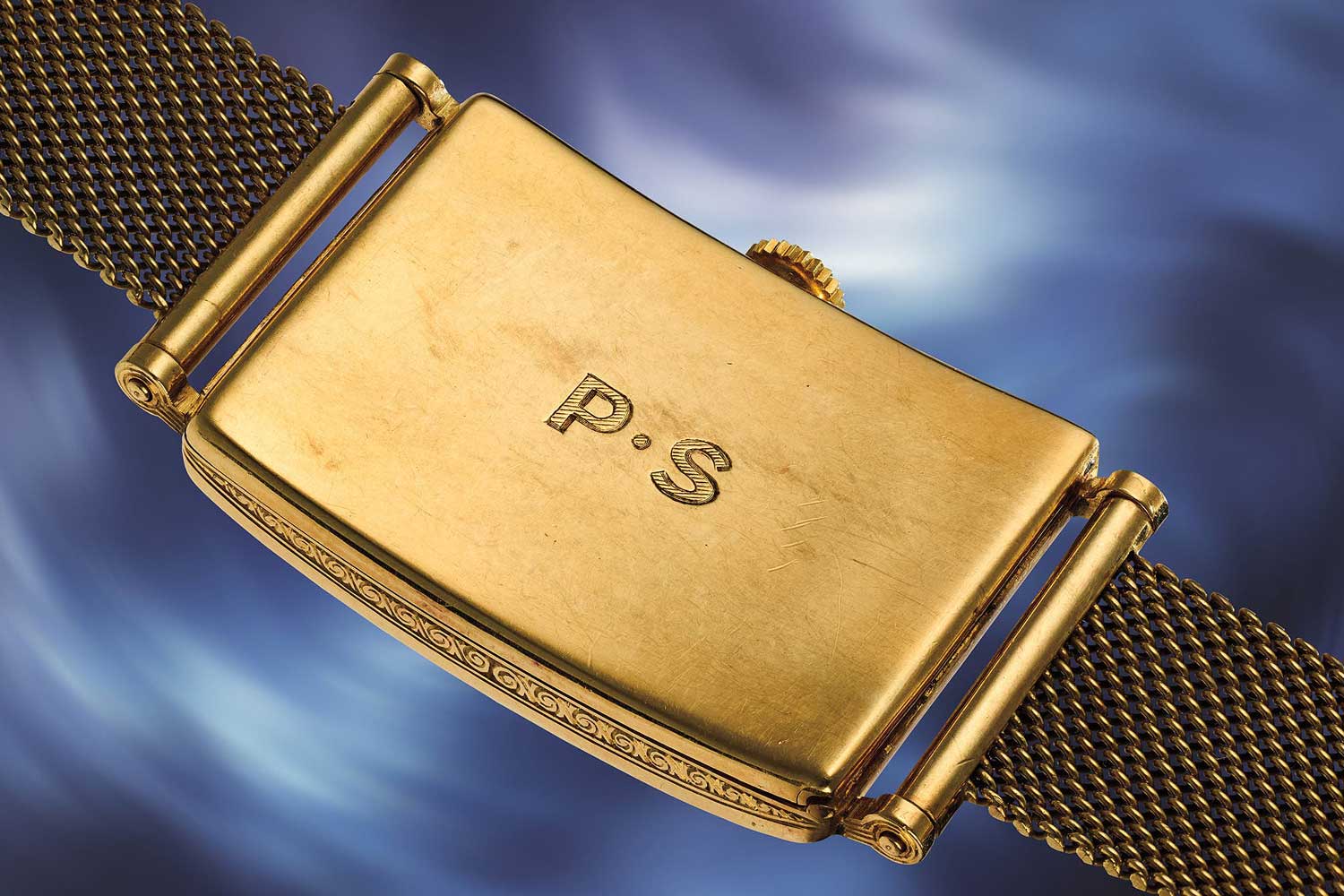
Paul Starrett’s initials engraved on the caseback: “PS”
Paul Starrett is not a household name today. The buildings he created became famous. He did not. For Paul Boutros, Deputy Chairman and Head of Watches, Americas at Phillips, that is precisely what makes the watch compelling. “We were very fortunate to receive an email from the grandson of Paul Starrett,” he tells Revolution. “I immediately got back to him, as I absolutely love this story.”
For auction specialists, discoveries of this kind are rare. “That email is kind of what we live for in our day-to-day job,” says Boutros. “It’s our favourite thing that happens when these watches basically fall into our laps.”
The watch has remained in the Starrett family for decades. When Boutros eventually met Starrett’s grandson in San Francisco, the watch arrived in a Tiffany & Co. pouch where it had apparently spent much of its life. “The condition of the watch just blew me away,” he recalls. “It was just so well preserved.” What followed was the sort of provenance research that reminds collectors why watches can be far more than mechanical objects.
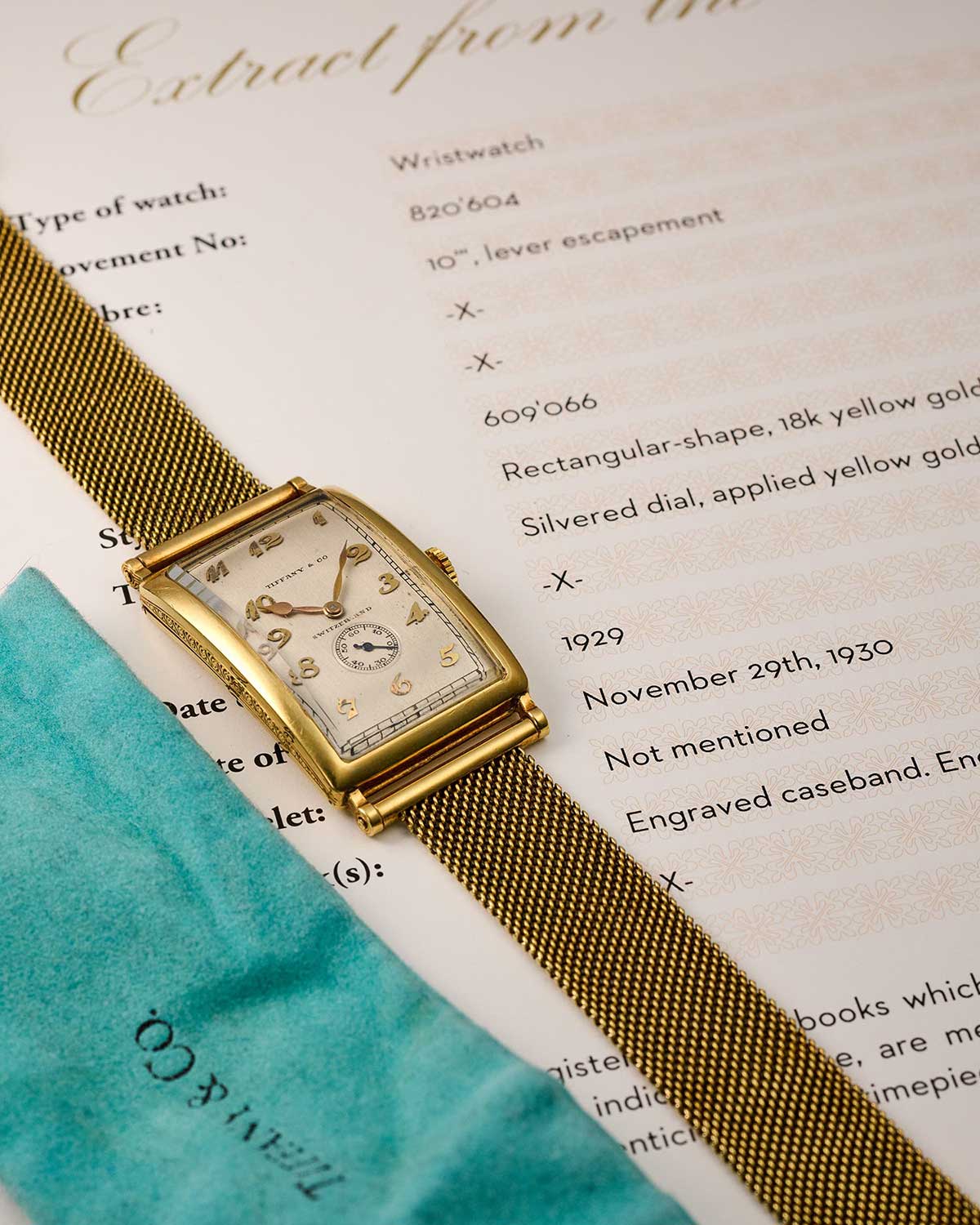
Patek Philippe “Tiffany & Co., Paul Starrett” (Image: Phillips)
Starrett’s story begins in Chicago but his legacy belongs largely to New York. Together with his identical twin brother William, he built one of the most successful construction businesses in America. Through Starrett Brothers and Eken, he became responsible for some of the most significant projects of the early 20th century.
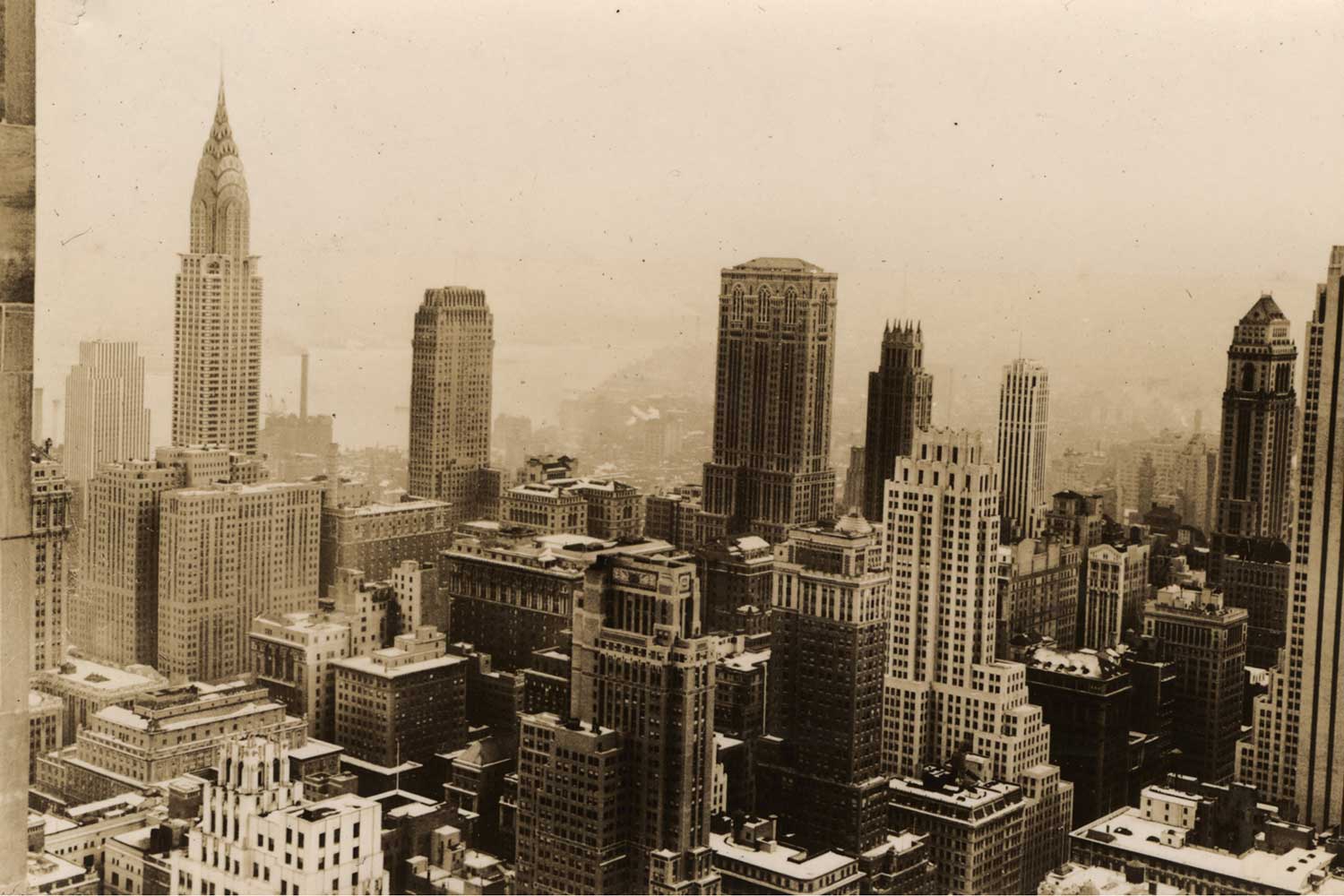
New York City Midtown from Rockefeller Center
The Empire State Building dominates the list, but it was far from his only achievement. The Flatiron Building. The Plaza Hotel. The original Pennsylvania Station. The Biltmore Hotel. The Lincoln Memorial in Washington D.C. All bear Starrett’s fingerprints in one form or another.
Boutros is unequivocal about his importance. “He was seriously accomplished,” he says. “Not only the Empire State Building, but so many others. He was a hugely important builder.” Yet while industrialists, financiers and politicians of the period often cultivated public profiles, Starrett appears to have preferred a quieter existence.
Phillips’ research led the team to Changing the Skyline, Starrett’s autobiography. There they found a man who seemed far more interested in achievement than celebrity. “What we found out is that he was an extremely private individual and kept a very low profile,” says Boutros. “He was clearly a quiet achiever and didn’t seek limelight, but actually sought to build the best things he possibly could.”
His own words reveal a similar outlook. “I was to build the world’s tallest,” Starrett wrote. “Not only the tallest one but one which expresses most completely and honestly the skyscraper idea.”
The Empire State Building was more than a construction project. It was a race. Competing against both the Chrysler Building and 40 Wall Street, it was conceived as a challenge for the title of world’s tallest building. Construction advanced at an astonishing pace, rising at approximately four and a half storeys each week. The project was completed ahead of schedule, in just 410 days, and came in under budget, an achievement that seems almost inconceivable today. For 41 years it remained the tallest building on earth. “Imagine he completed the Empire State Building ahead of schedule in a time when there were no computers or computer-aided machinery,” says Boutros. “It’s unbelievable.” That achievement becomes even more remarkable when viewed through the lens of the Great Depression.
-
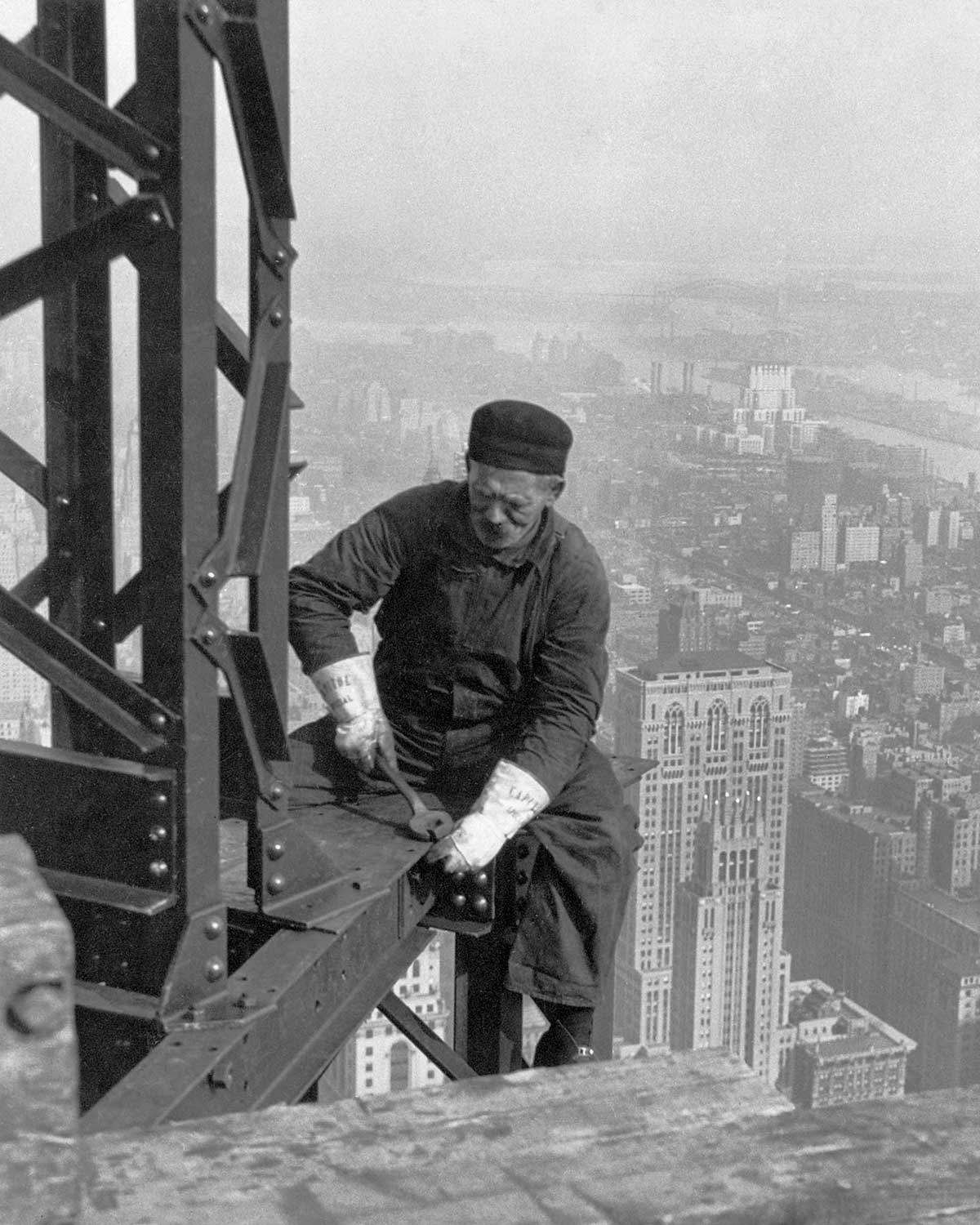
- Old timer structural worker
-
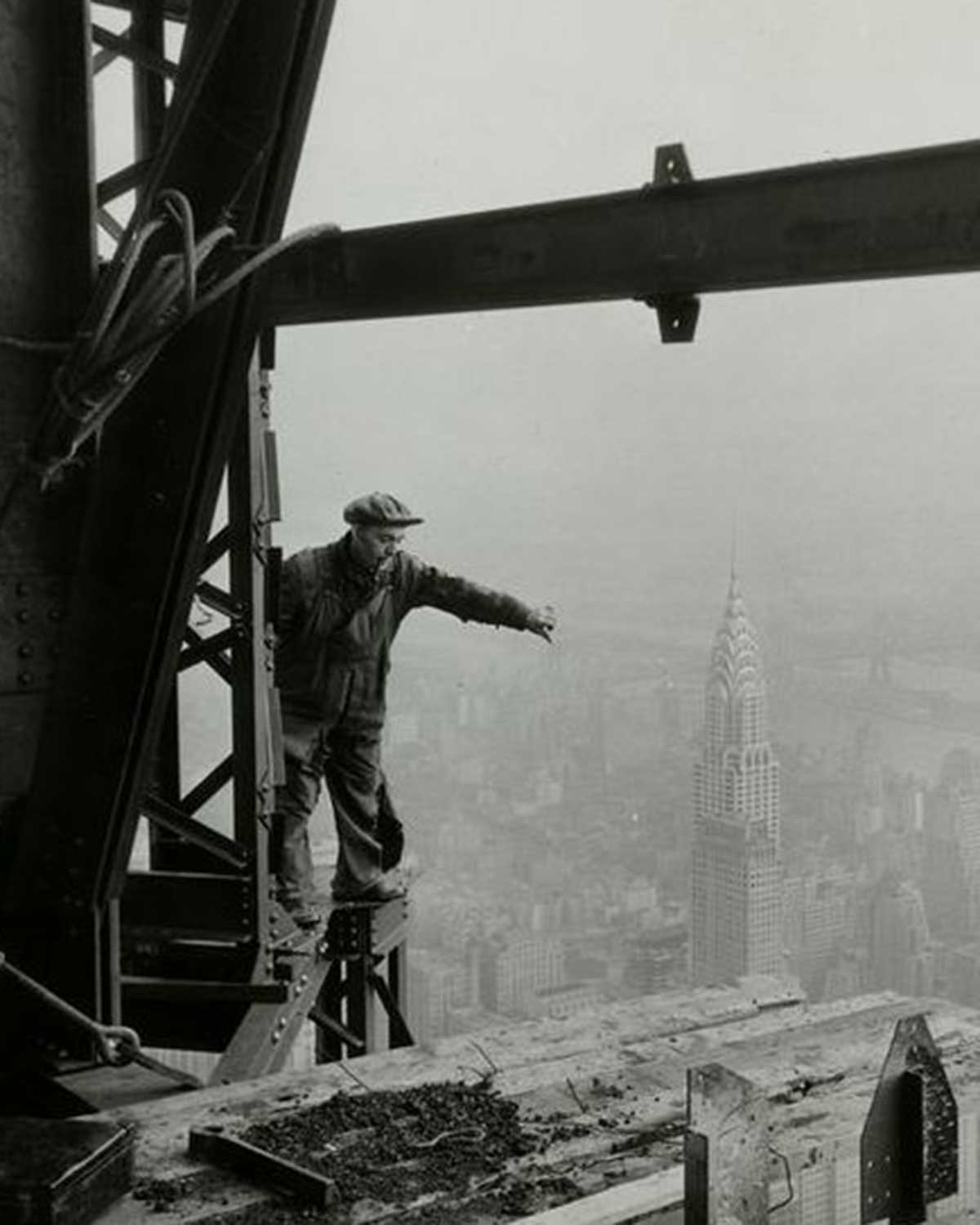
- Worker signaling below
The watch was delivered in November 1930 according to Patek Philippe’s archives. America was in economic crisis. Unemployment was soaring. Banks were failing. Yet the Empire State Building continued its ascent above Manhattan.
By the time the watch arrived, the steel frame was largely complete and the building’s famous mooring mast had just been erected. Six months later, on May 1, 1931, President Herbert Hoover officially opened the building. Boutros believes Starrett may well have been wearing the watch at the time.
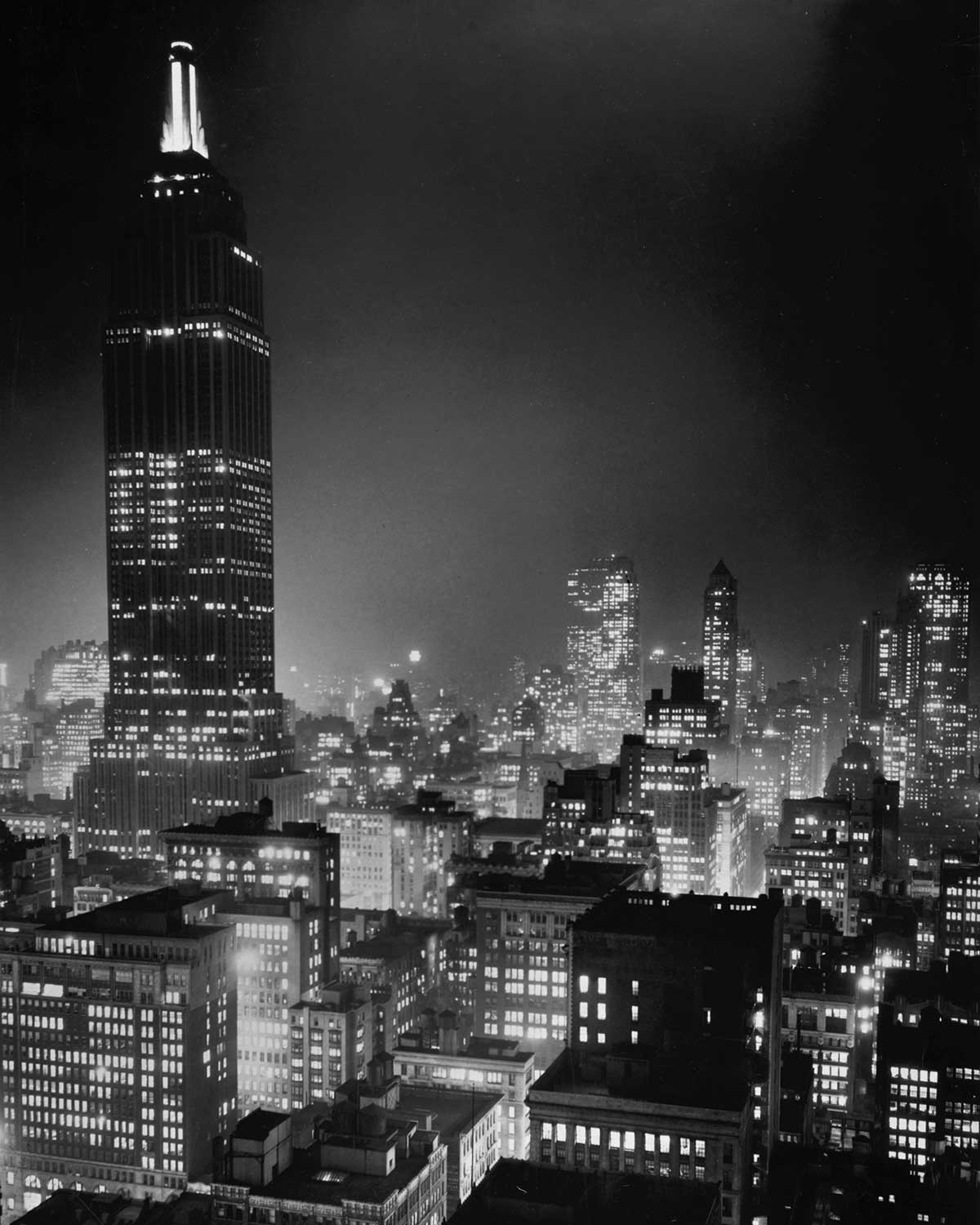
The Empire State building at night during 1937 (Image: Vincent Lopez)
“We believe he himself purchased the watch,” Boutros says. “I like to think he bought it to celebrate. It would be a few months later when the grand opening happened and you have to imagine he was probably wearing this very timepiece.”
The circumstances surrounding that purchase add another layer to the story. At the time, Tiffany & Co. occupied premises on Fifth Avenue just round the corner from the Empire State Building site. “We imagine he walked three blocks from the construction site,” says Boutros, “purchased the watch, had his initials engraved on the caseback and opted for a very beautiful bracelet.”
The year 2026 marks the 250th anniversary of American independence. Seen against that backdrop, the watch becomes something more than a luxury object. It brings together Tiffany & Co., America’s most famous jeweller. It connects directly to the Empire State Building, arguably the most famous skyscraper in the world. It was purchased by the man responsible for creating it. And it contains a movement produced by one of Switzerland’s greatest watchmakers.
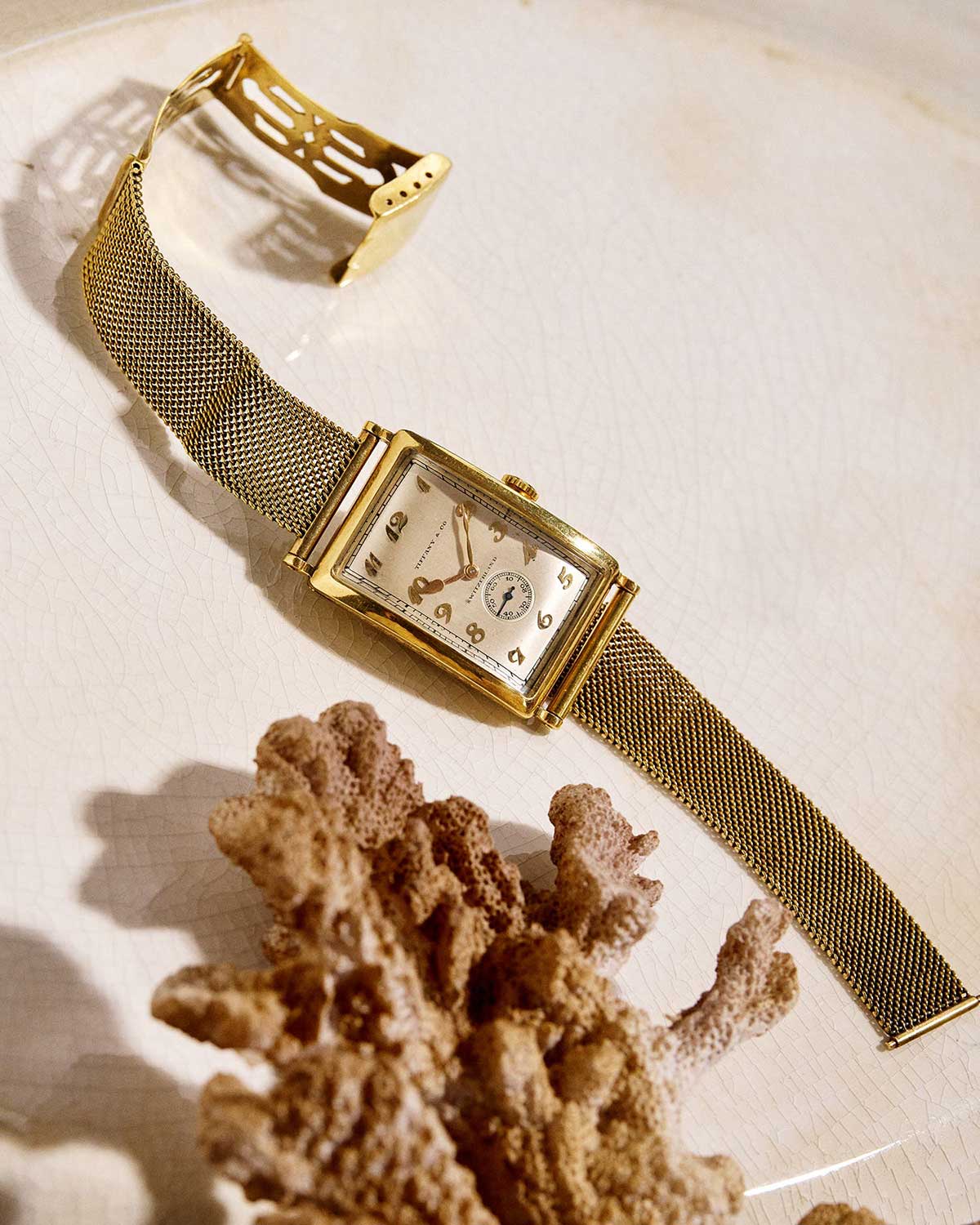
Patek Philippe “Tiffany & Co., Paul Starrett” (Image: Phillips)
As objects go, it is unusually complete. “The watch creates a perfect storm,” says Boutros. “It’s Patek Philippe. It’s Tiffany. It has this beautiful tie to architecture and the ultimate symbol of Art Deco design.” The watch itself would attract attention even without Starrett’s ownership. Rectangular Patek Philippes from this period have become increasingly appreciated by collectors in recent years, particularly examples retaining their original dials and proportions.
This one measures 36.5mm long and 26mm wide, making it unusually large for its era. Phillips notes that it recalls some of the oversized rectangular cases produced for Chronometro Gondolo and is distinguished by floral engraving along the caseband, a feature not commonly found on similar examples.

Floral engraving along the caseband (Image: Phillips)
“The case is fabulous,” says Boutros. “They put handwork everywhere back then.” The condition, meanwhile, borders on extraordinary. “It’s completely original,” he says. “The dial was never restored in any way. It is absolutely a time capsule piece.”
The dial carries only the Tiffany & Co. signature, as was often the practice during the period, while the movement and case are signed Patek Philippe. Starrett’s initials remain sharply engraved on the caseback and the original gold mesh bracelet survives intact.
-
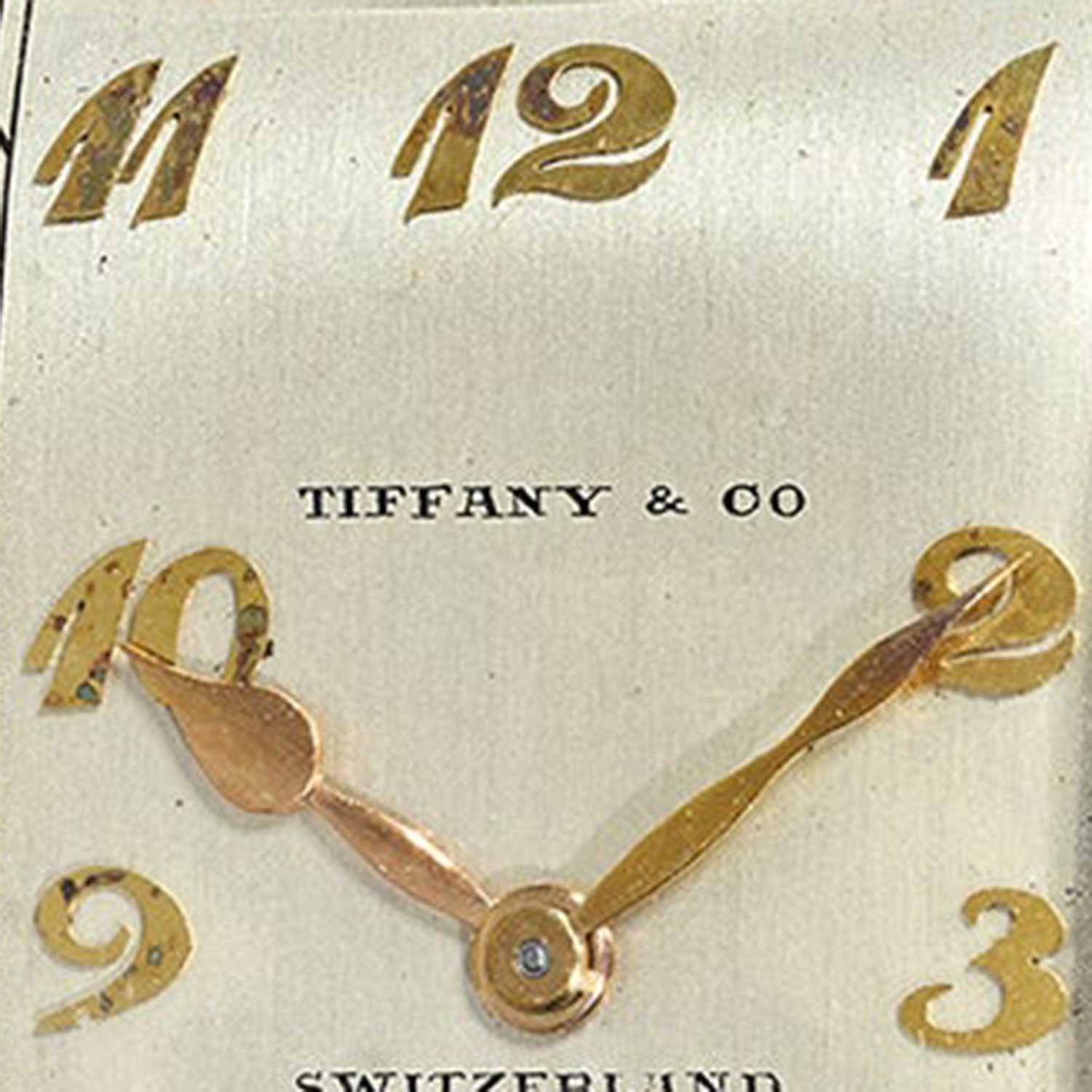
- Tiffany & Co. signature on the dial (Image: Phillips)
-
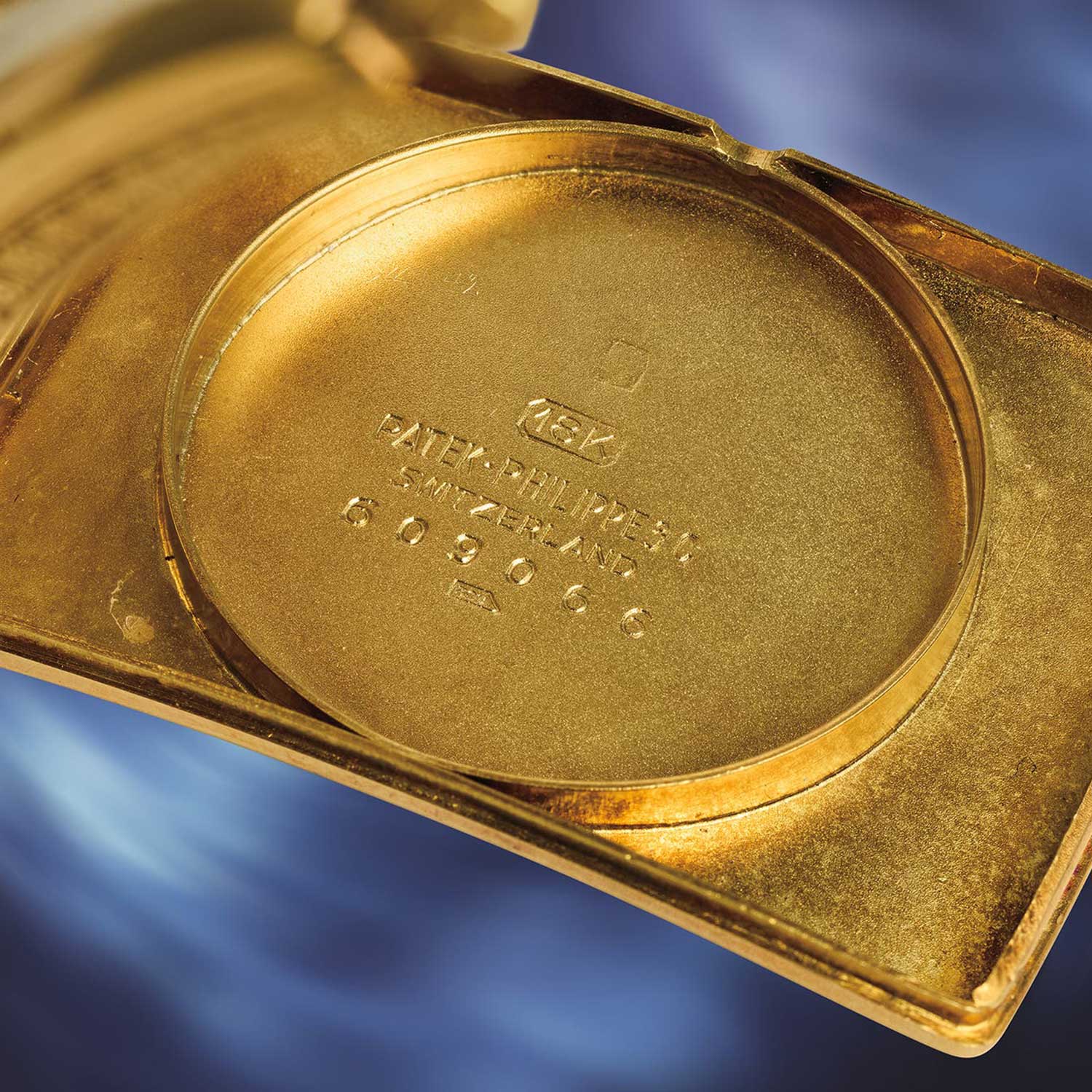
- Details of the case (Image: Phillips)
-
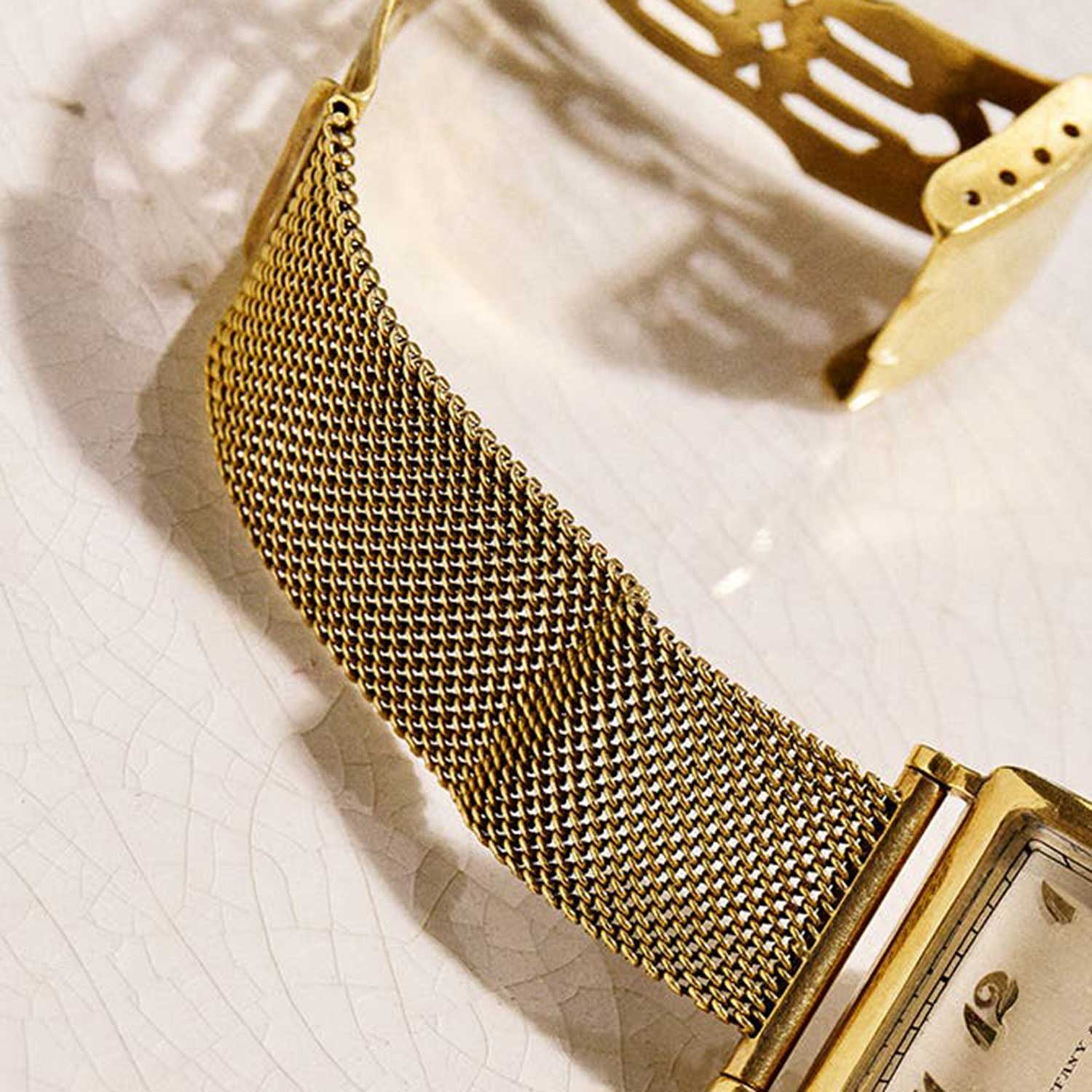
- The original gold mesh bracelet (Image: Phillips)
-

- Details on the lock bukle (Image: Phillips)
Yet however attractive the watch may be, it is difficult to escape the conclusion that the real attraction lies elsewhere. We often speak about the importance of provenance. Most provenance centers on celebrity, but with this watch it is different. The significance comes not from fame but from achievement. It belonged to a man who helped shape the physical landscape of America. A man whose work still defines New York nearly a century later.
When asked what future collectors will remember about the watch, Boutros does not mention Patek Philippe or Tiffany. Instead, he returns to the building. “I do believe that the Empire State Building connection is the strongest and most powerful thing about it,” he says. “The Empire State Building is known by everybody around the world.”
Most people can identify the building instantly. Far fewer could name Paul Starrett. That may begin to change when Lot 27 crosses the block in New York this weekend.

You may also like
News
Last Week in Watches: Patek Philippe Takes Milan, G-Shock Turns to Blue Sapphire
Oct 5, 2026
News
Last Week in Watches: Patek Philippe Takes Milan, G-Shock Turns to Blue Sapphire
Oct 5, 2026
News
Patek Philippe’s Rare Handcrafts Take an Italian Grand Tour
Oct 1, 2026
News
Patek Philippe’s Rare Handcrafts Take an Italian Grand Tour
Oct 1, 2026

Editorial
Patek Philippe Debuts 6 New Gondolo Ladies First Watches in Milan
Oct 1, 2026
Editorial
Patek Philippe Debuts 6 New Gondolo Ladies First Watches in Milan
Oct 1, 2026