8 Watch Designers You Should Know Besides Gérald Genta
8 Watch Designers You Should Know Besides Gérald Genta

We live in a time when product designers are named and put on well-earned pedestals, but that hasn’t always been the case. Pre-millennium watch lovers might have known gérald genta, but the brand was king before Philippe Starck brought product design to the headlines in the nineties.
This has changed with the massive rise in values and social media exposure of a handful of grail watches, a term that might be scrutinized, but that is for another story. This is a look at the best and often lesser-known watch designers.
Brands today see the value in letting the names of watch designers trickle through. However, discovering the work of the best designers of the past decades is a task worthy of the best FBI detectives. This story aims to shed some light on the noteworthy designers who have conceptualized and manifested their ideas, bringing them to life on our wrists. Many have crossed over from other industries like architecture and jewelry, imbuing their designs with a deeper knowledge.
Jorg Hysek

Hysek is one of the designers who long languished in the shadows of the mighty Genta, as did his main claim to fame. At a time when designers were neither named nor pictured in the sales brochures of big brands, Jorg Hysek worked for Cartier, Rolex, Seiko and many more, with a notable 1977 debut for Vacheron Constantin. Hysek was behind the original 222, the slim forefather of the Overseas family. This watch was lithe and elegant but had engineering at its roots, which is notable for its cog-like scalloped bezel. Sure, the case was also a tonneau shape like the rival Royal Oak and Laureato, but the intrinsic details, like the embedded Maltese cross on the case corner, shone through.
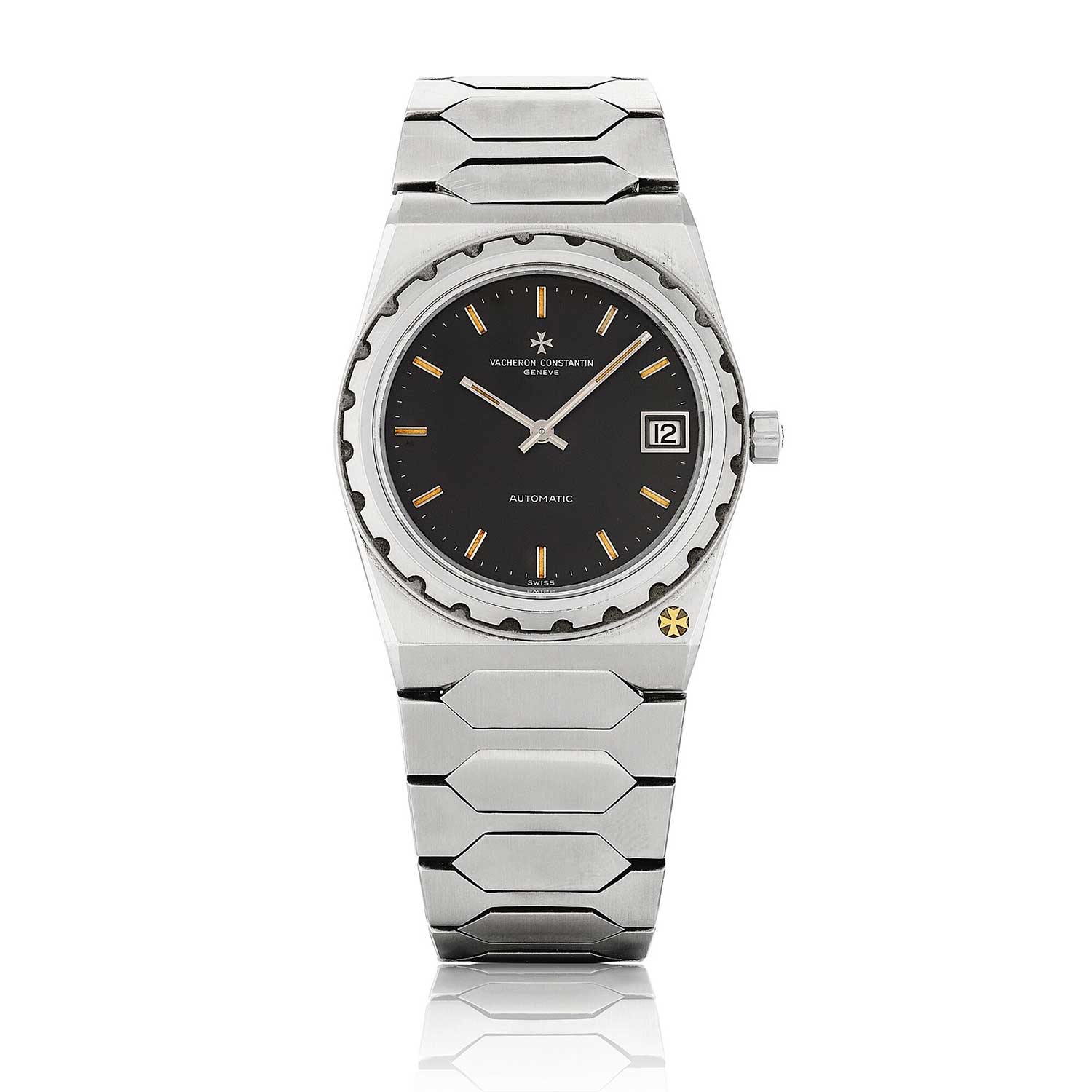
Vacheron Constantin's foray into the stainless steel sports-chic integrated bracelet watch genre was the 222, ref. 44018, designed by Jörg Hysek was launched in 1977 (Image: sothebys.com)
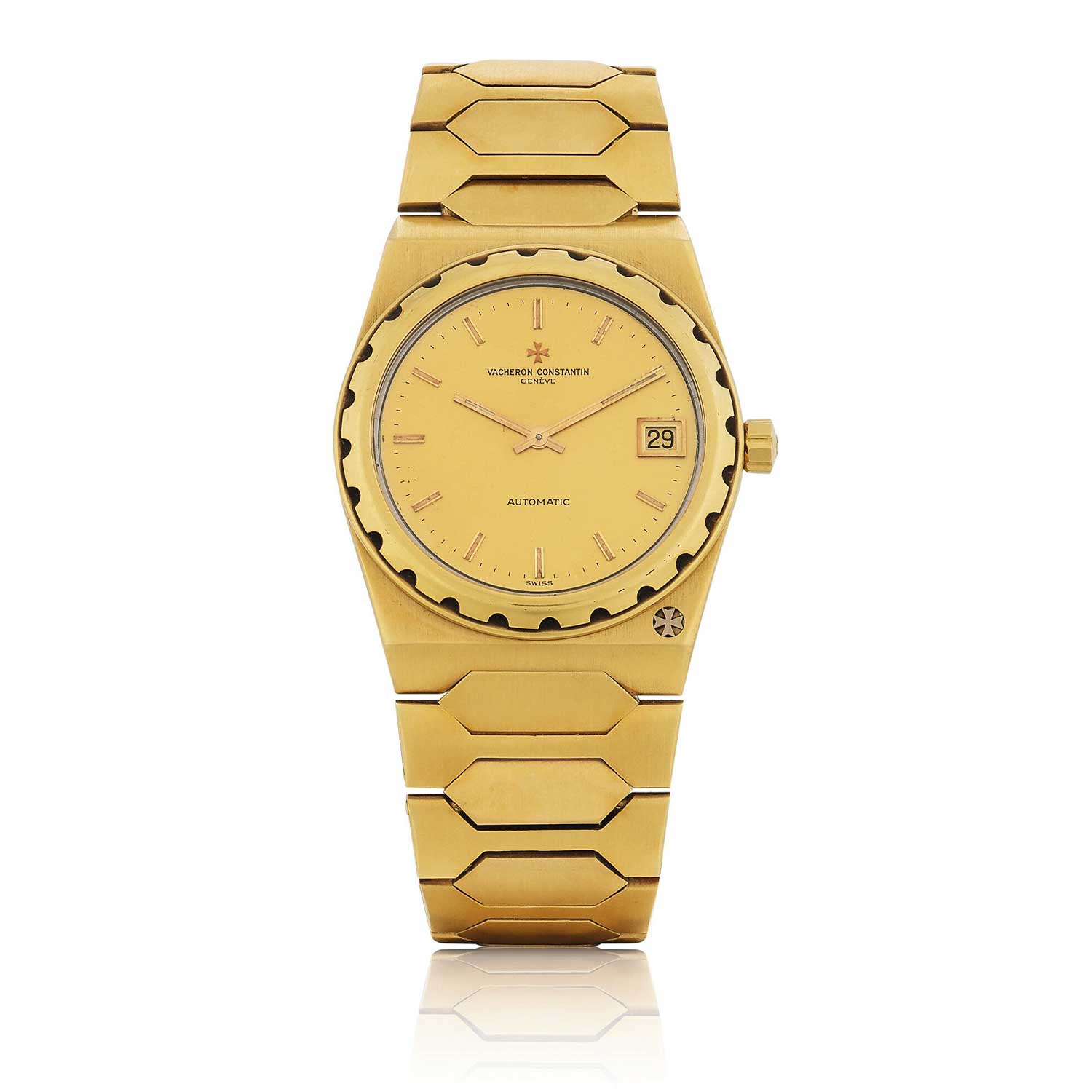
Vacheron Constantin's 222, ref. 44018, designed by Jörg Hysek was also available in yellow gold (Image: sothebys.com)

Vacheron Constantin reissued the 222 "Jumbo" watch in 18K yellow gold in 2022 (left) and in steel in 2025 (right)
The 222 bracelet was also unique, with hexagonal links giving us an entirely different vibe than H-links and Genta designs like the recognisable Nautilus. The success of the 2022 reissue in its pitch-perfect size and look must have felt rewarding to Hysek, a man who has now pivoted to art. In fact, the solid 18K brushed marvel of the 37mm Vacheron Constantin Les Historiques 222 has, for good reason, remained on many a best-of list for the last couple of years. Needless to say, the Vacheron Constantin Historiques 222 has become permanently seared within our collective consciousness as the epitome of desirability in contemporary haute horlogerie. And with Vacheron commemorating its 270th anniversary this year, the manufacture welcomes a new yet not altogether unfamiliar reference, the Historiques 222 in stainless steel.
Rupert Emmerson
2024 was a year marked by a big resurgence of shapes, introducing a new audience to more than circles and rectangles. One of the year’s biggest hits was the Berneron Mirage, so it seems fitting to talk about Rupert Emmerson, whose oeuvre is the 1967 Cartier Crash. These days, we see the Crash as one of Cartier’s most important pieces, bar the Tank, but that wasn’t always the case (pun not intended) for the wild-shaped one. And Rupert hails from an age where brands did not name designers; in fact, being a designer was not even considered a profession, except in Fashion circles.

The London Crash of 1967

A Crash from the 400-piece 1991 limited edition that had 'Paris' on the dial instead of 'London' and only came in yellow gold. (image: Sotheby's)
Legend has it that a customer showed up at Cartier in London with a Baignoire that had been with him in a car crash, where the heat from the following fire melted the case. Jean-Jaques Cartier worked with his designer, the artisan Rupert Emmerson, to create this evocative shape, loosely based on the client’s unrecognisable and beyond-repair Baignoire. We don’t know if the legend is true, and in Francesca Cartier’s book “The Cartiers”, a crash was never mentioned. However, Francesca did underline Emmerson’s important role in designing what has become an odd-shaped legend by an unsung hero of wrist design that history has quietly passed by.
Emmanuel Gueit
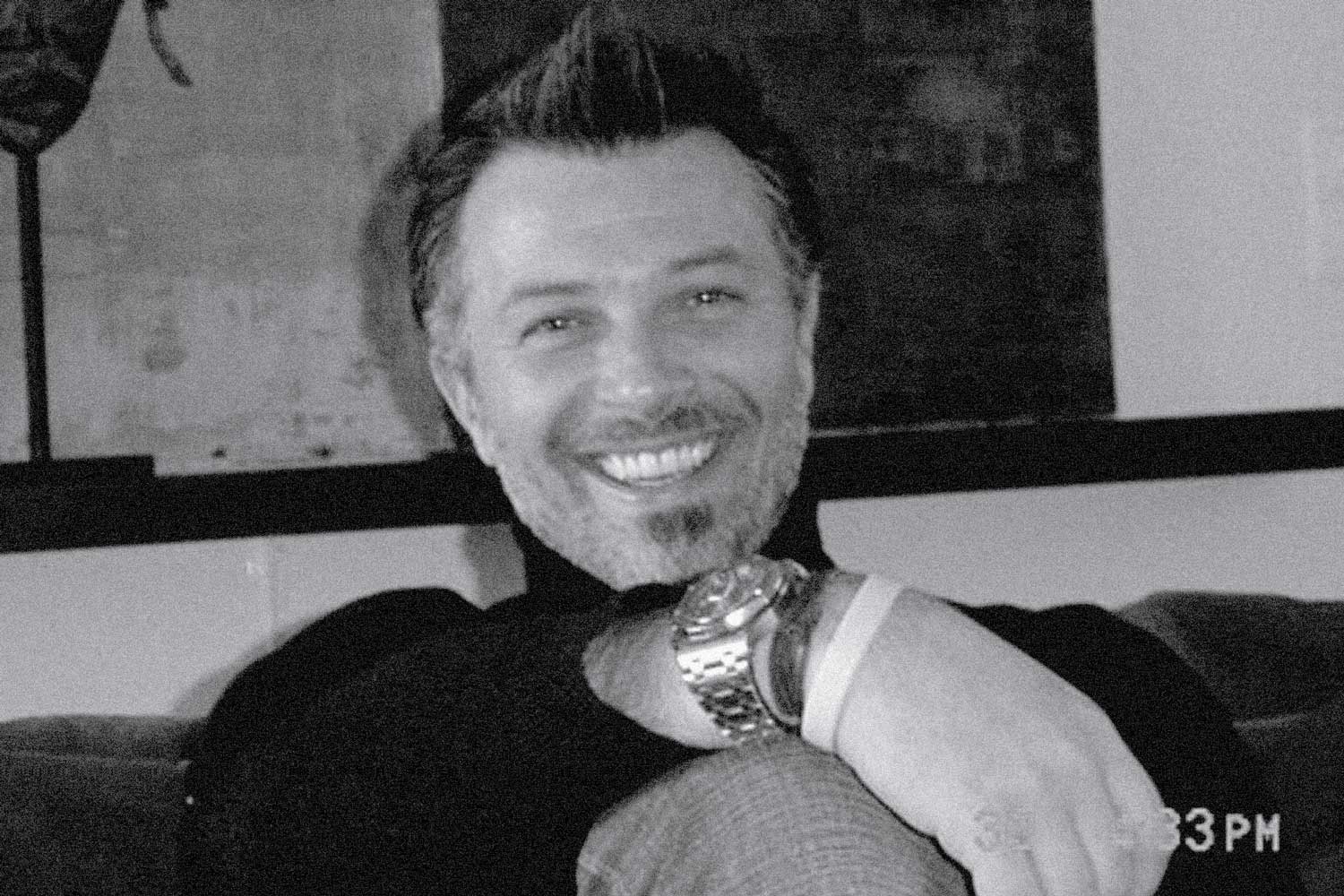
Emmanuel Gueit, the designer of the Royal Oak Offshore.
Following our obsession with Gérald Genta’s legacy, Emmanuel Gueit is a name that needs remembering. After being one of the lesser-mentioned designers working for big brands like Audemars Piguet, he now has the recognition he deserves while having a small-brand hit on his hands in 2024. So, where does Emmanuel Gueit fit into the octagonal puzzle of wrist-grails? Long before the virality of all things Genta, when watches had a dip in popularity, 1993 saw the release of the first AP Royal Oak Offshore. It was nicknamed “The Beast”. It was deeply polarising then, but the ruckus caused by the Royal Oak Offshore laid the early foundations for the Big Bangs and 47mm Panerais of the 2000s.
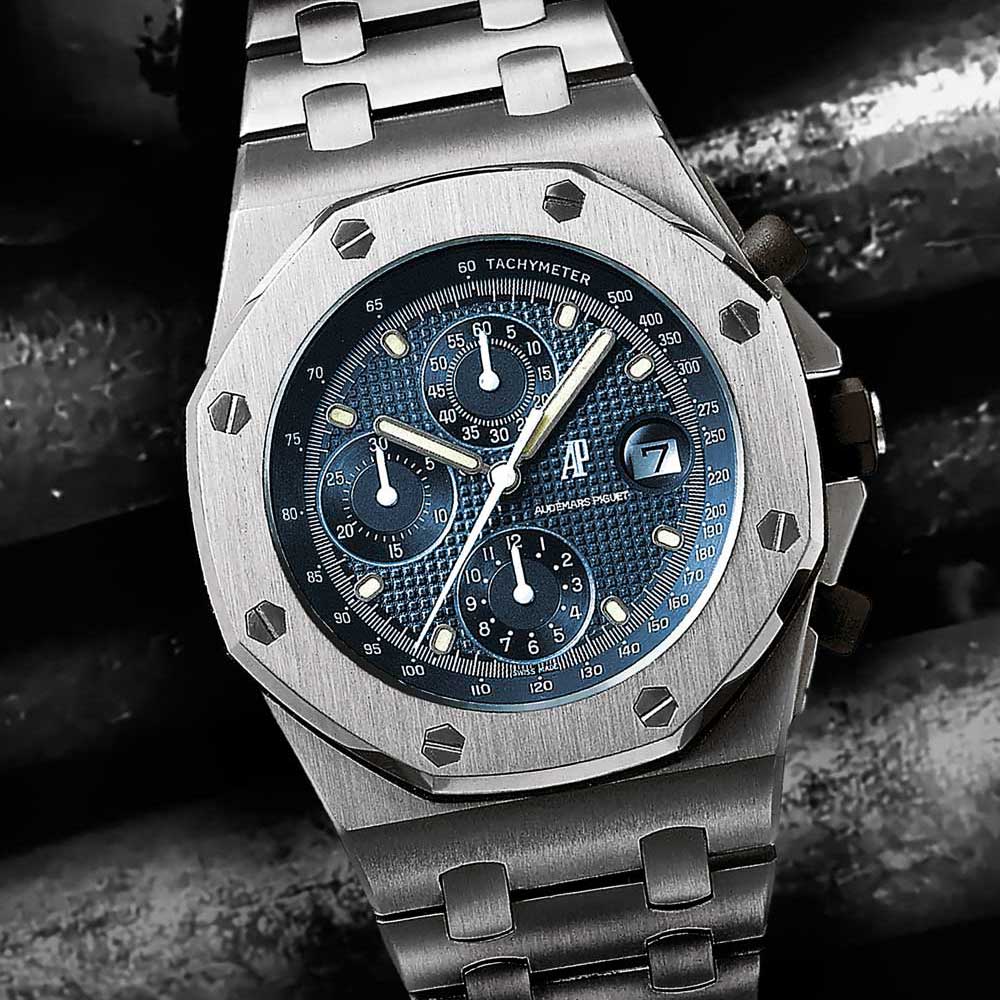
The Royal Oak Offshore broke through the size barrier with its 42mm case in 1993, establishing an unheard-of precedent for large-sized watches. Coming with the blue dial to echo the original Royal Oak, it was the first of the Offshore line.
Remarkably for a top-tier brand like Audemars Piguet the task was handed to a 22-year-old Gueit. The young designer created the now-celebrated 42mm Audemars Piguet Royal Oak 20th Anniversary edition, becoming an outsized celebration of the octagonal-bezel grail and revamped Audemar Piguet’s image. Big, brawny luxury brands and latter-day hits like the Big Bang might never have seen the light of day had Gueit not invited the Royal Oak to stay at his virtual boot camp to bulk up. Gueit has amassed a bulging portfolio designing for Harry Winston, Piaget, Hermès, and Zenith. But he has also proven to be the multi-faceted designer behind the demure, revamped 2014 Rolex Cellini. His latest hit is Dennison’s sleek and shapely 2024 design, offering stone dials, the material du jour, for less than $1,000.
Eric Giroud

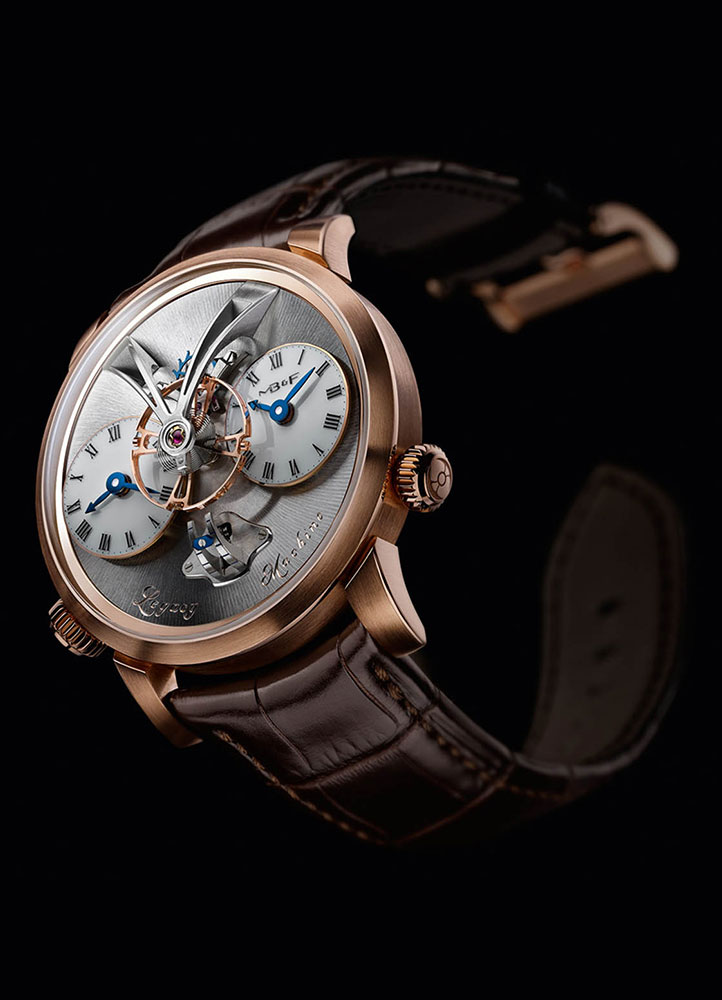
Sporting his trademark bold-framed glasses, Eric Giroud has the understated look of an architect, easily giving away his background. At a certain point, perhaps in 2023 in the now defunct Baselworld, one could see designs by his hand with eight different brands. And this might not even have been his peak moment in the watch world. Eric started as an architect in 1989 with his eponymous practice but has transformed his work to include graphic design and what we’re here for: Wristwatches. Eric Giroud is a quietly spoken designer who can claim to be the secret weapon of many brands, including his long-standing relationship with Max Büsser.

Circa 2007: Max with one of his closest friends and superbly talented watch designer, Eric Giroud who was instrumental in the design of a multitude of MB&F's timepieces including the LM1 (©MB&F)
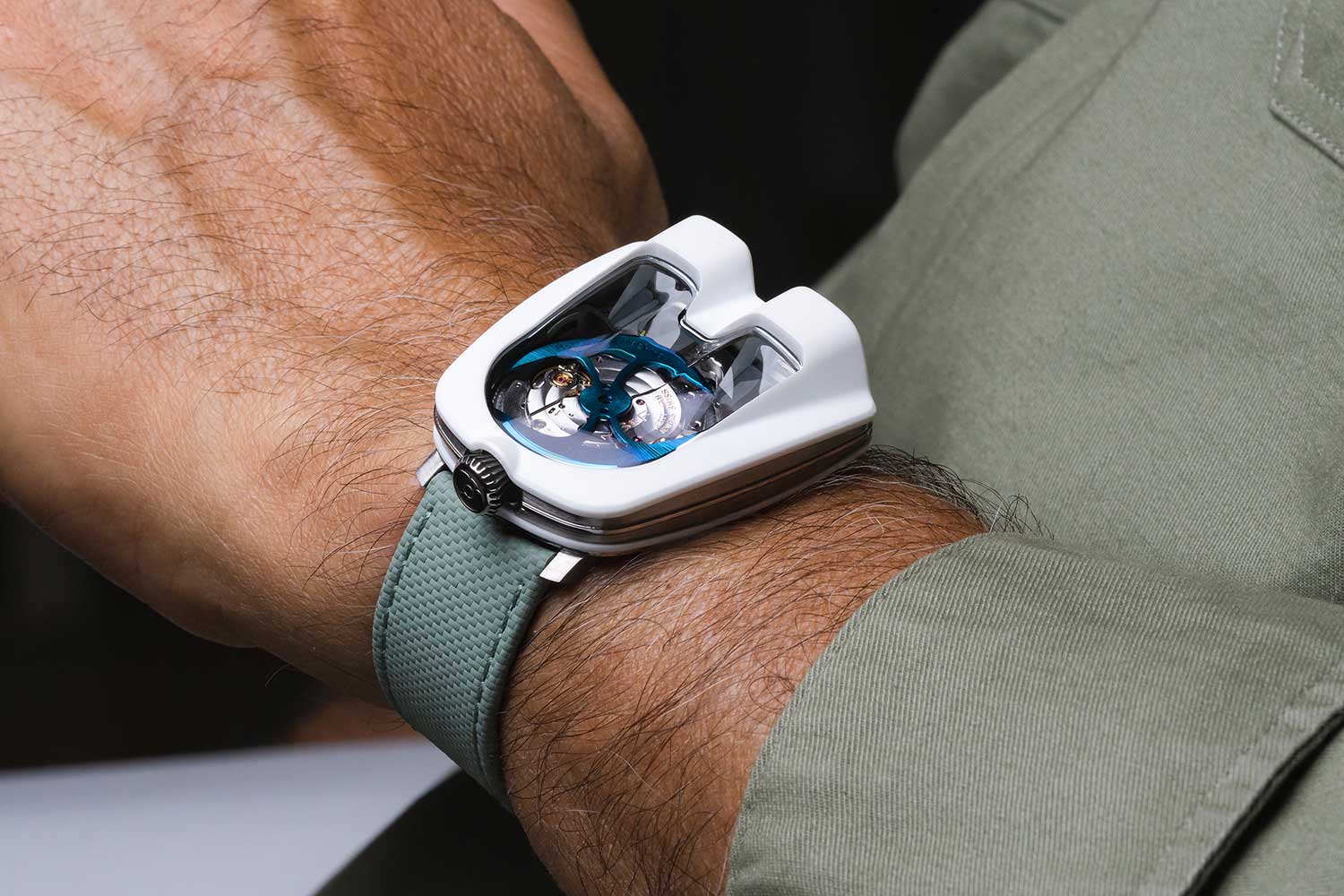
MB&F HM8 Mark 2
The sleek spaceship-like form of the HM8 Mark 2 is one of his designs, as is the 2006 debut HM1. Eric proves that design is a multi-faceted task that benefits from extended knowledge and cross-genre education. Giroud has a vast wristwear portfolio, including winning the coveted Red Dot award in 2013 for his work with Swarovski on the Crystallium. Not all brands will trumpet his penmanship, but he made his mark on various designs, including watches from Tissot to Vacheron Constantin, with big-budget indies like MCT and Harry Winston showing his creative repertoire.
Yves G. Piaget

Yves G. Piaget

An automatic Polo 27mm Ref. 561 from the '80s. (Source: Christie's)
The Piaget Polo has always been a strong sleeper watch for those in the know, with the suave eighties infusing the brand’s entire image. Despite technical tour de force pieces like the award-winning thin Altiplano, the Polo has always been an ace in the Piaget deck. There might have been unnamed in-house designers involved, but Polo was Yves G. Piaget’s favourite pastime, and it is safe to assume his main role as the designer. For a collector in the know, the Polo S was a sharp reinvention of the sports watch. Equipped with a form-fitting rubber strap, we’d easily rate it as a great alternative to grails like the Aquanaut and Oysterflex-equipped Yacht-Masters. But in a year of geezer watches and wild polished stone dial art, Piaget chose just the right moment to drop a perfectly reimagined version of the solid gold Polo ’79.
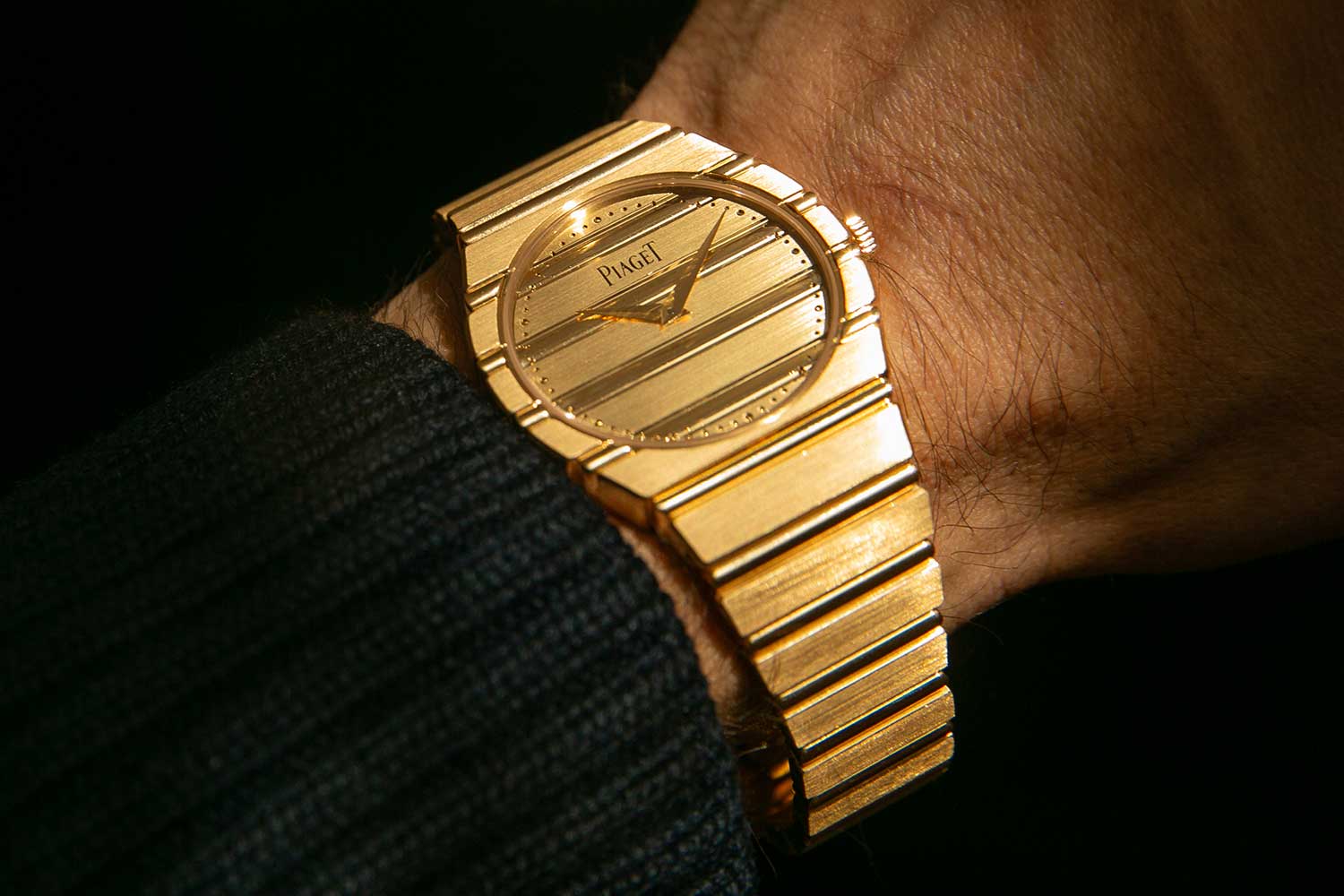
Piaget Polo ’79 (Photo: Zen Love)
The ’79 rocked our world when it was released in May last year and takes the original 1979 design by Yves G. Piaget to its natural place in the spotlight. Sure, we all love a good integrated bracelet, but the Polo ’79 cements the legacy of Yves, finally celebrating the brand’s eighties heyday. The revived design has crystal clear hallmarks of the eighties boom of glamorous wristwear, except for a mechanical calibre where the OG had quartz nestling in a solid gold case. The striated Polo in its many guises was de rigeur for the jet-set, trumping the steel of the Royal Oak and Nautilus and innovatively echoing the bracelet’s link pattern through the actual dial, giving its many iterations the enviable 10-foot recognition brands would pay a fortune for. Yves G. Piaget’s quote: “I wanted to show that our watches and jewellery are real works of art and that the people who make them are real artists” has never rang truer.
René-Alfred Chauvot
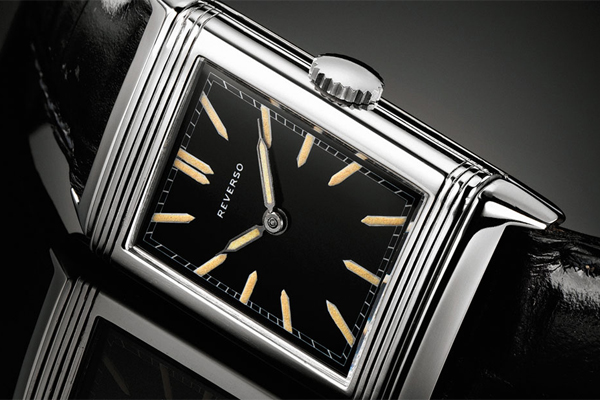
If you ask a non-watch person, perhaps an architect or a design-oriented bon vivant, to name a rectangular watch, they’ll probably know the Jaeger-LeCoultre Reverso. This flip-able watch design defies its 93-year-old history, so let’s go back to the origins of this über-rectangle and its designer. In the late 1920s, Swiss businessman César de Trey watched a polo match in India where a player got his watch crystal broken in the heat of battle. He was challenged with creating a polo-proof watch. He passed the baton to Jacques-David LeCoultre, the owner of the LeCoultre manufacturer, who provided the movements for a new watch.

The patent for the Reverso

Old advertisement for the Reverso and its swiveling case
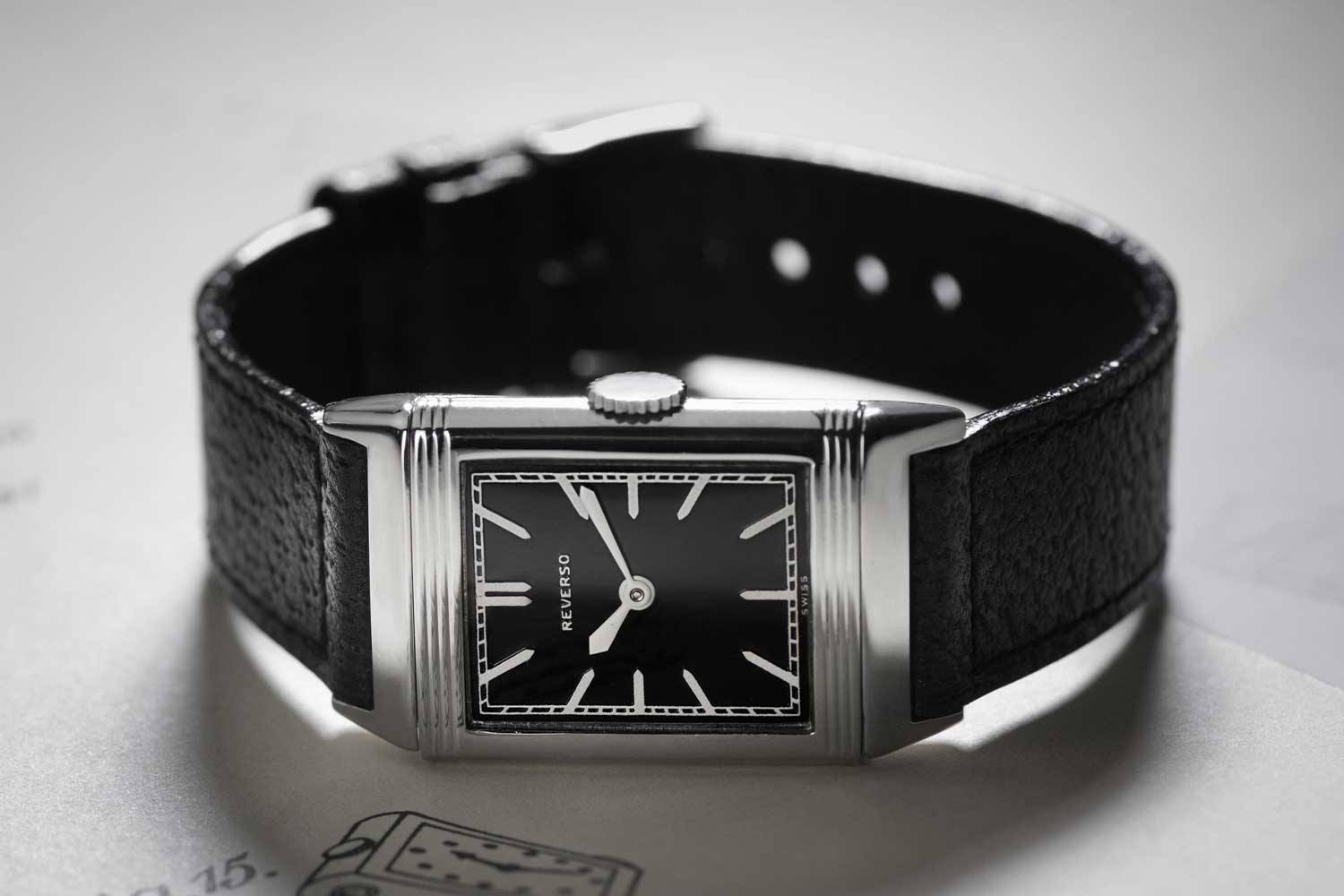
1931 Reverso in steel with black lacquered dial, silver-toned hour markers and white hands.
Jaeger S.A. was appointed to create the reversible case, and the French designer René-Alfred Chauvot was introduced to the project. Chauvot was an industrial designer and the innovative inventor of the unique slide-flip mechanism of the Reverso. We don’t know that much more René-Alfred Chauvot, probably because he was more of an engineer than a designer. Chauvot filed the swivelling watch base and case design with the Paris patent office in 1931, and despite trying hard, similar designs have never caught on or worked as well as the original. The fact that his basic design is still used by Jaeger-LeCoultre today, 93 years later, speaks volumes about Chauvot’s ingenious blueprint.
Jean-Daniel Rubeli
In the halcyon days of the late sixties, Jean-Daniel Rubeli was the Chef de Creation, head of the R&D department, or in today’s speak, the head of design. Rubeli is an important name for Patek, and his name often comes up in stories about the great Gérald Genta. And he does so for a single, very important reason, or misconception centring around the Patek Philippe Ellipse. The Ellipse was designed based on the golden ratio and is a watch that has regained its significance in the wake of the Geezer Watch trend and a new focus on shaped watches. This year, the watch will have its scarcely believable 57-year anniversary, and many believe the late great Gérald Charles Genta designed it.

Patek Philippe Ellipse Ref. 3546, circa 1977 (Image: Antiquorum)
In hindsight, it seems that the balanced proportions of the Ellipse were the work of Rubeli, to the point that Genta named him in a December 2009 interview. Genta told the interviewer:”[Patek Philippe] made the Ellipse with Rub[e]li“, a quote that many have since forgotten. Rubeli stated that he wouldn’t have conceived the Ellipse if it hadn’t been for Gérald Genta, so it’s fair to say that we’re not surprised that the story has been misinterpreted. But there is a final, titillating detail from the story of Rubeli’s design of the storied Ellipse, also shared by Genta himself. Jean-Daniel Rubeli originally designed the Ellipse, or a similar watch design, for Audemars Piguet before being put in production by Patek Philippe.
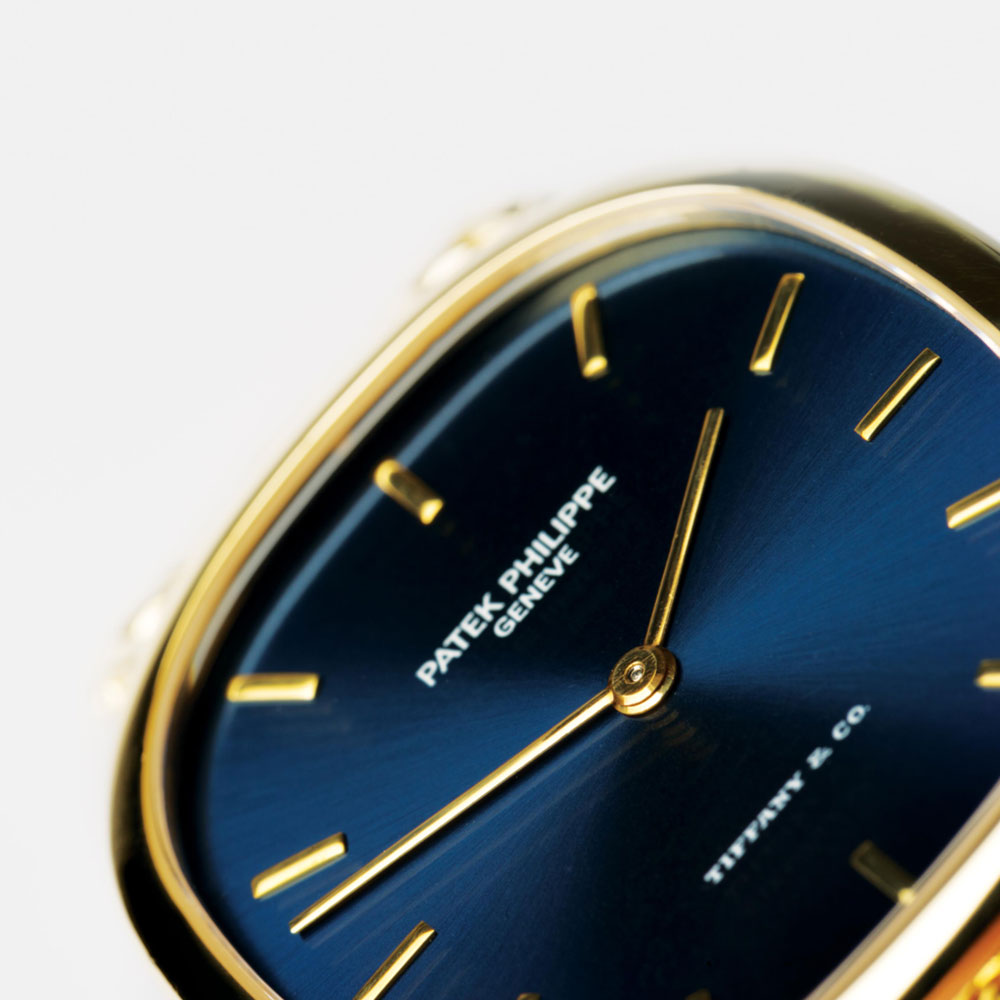
The ultra-sleek, consummate 1980s dress watch, the Golden Ellipse, with Tiffany on the dial
Giampiero Bodino

Image: Giuliano Bekor
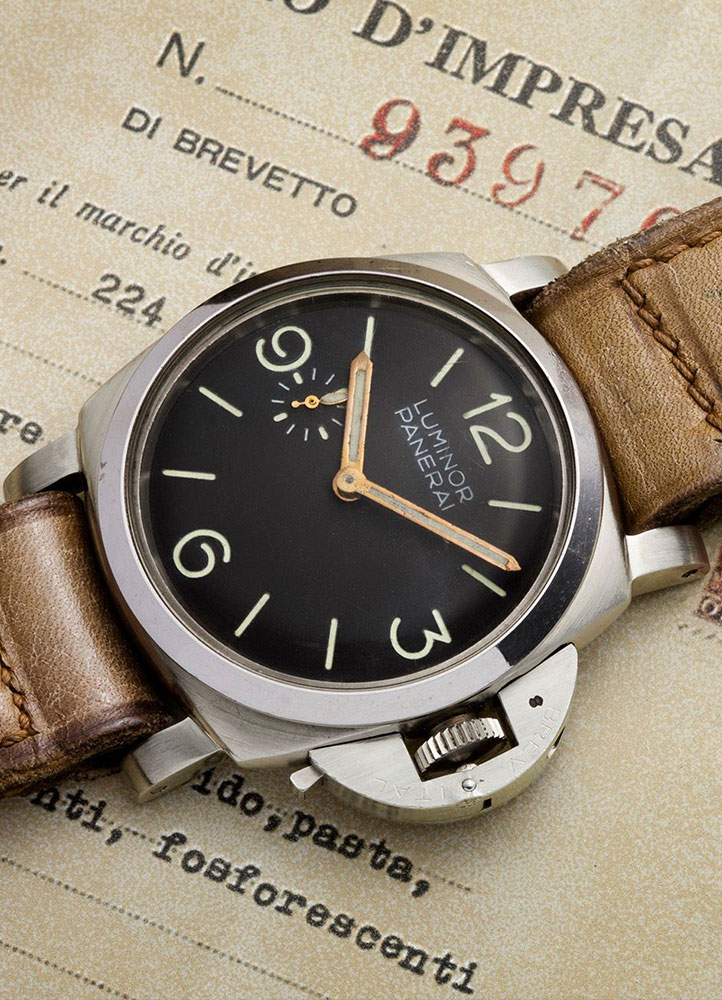
Image: The Hour Markers
Bodino is a multihyphenate designer who graduated in architecture in Turin under Giorgetto Giugiaro. Today, he runs his eponymous Haute Gioiallerie brand, and judging from its maximalist chic, you would not associate Giampiero with tool watches. As a designer, he had a strong hand in the massive popularity of Panerai, together with Franco Cologni, on the design of iconic models like the Luminor. Looking back at older interviews with Giampiero his obsessive sense of detail is obvious. This boils down to the smallest detail, including the recognizable crown protector, reshaped to better fit the soft case silhouette, unlike the historical one with its much square silhouette.

Giampiero Bodani's design for the Rosa dei Venti secret watch for Van Cleef & Arpels
Throughout the 2000s, he was also instrumental in designing Gucci timepieces, Versace jewellery, and even Van Cleef and Arpels. Over the last decade, Bodino has returned to his love of watchmaking with “secret” watches. In the Secrets of Time collection, scintillating gem-set bracelets offer small pavè watch dials hidden under a diamond-set flower or ornamental motif, perhaps the ultimate combination of art and timekeeping for the wrist.
The future of watch design
It seems fitting to round up this story with Giampiero Bodino for a significant reason. Bodino is also instrumental in bringing new talents to the game, which is how our industry will thrive. As Art Director of Richemont and Creative Academy, he last year united twenty design students from thirteen countries to the 21st edition of the Master of Arts in Design and Applied Arts. The students are given the opportunity to participate in a highly professional and distinctive learning experience focusing on the design of jewellery, watches, and fashion accessories, which aligns with Richemont’s three business areas.

The 21st Edition of the Master of Arts in Design and Applied Arts launched on 10th January 2024, welcoming twenty young designers to Milan. Giampiero Bodino (far right) serves as the Art Director of the Richemont Creative Academy