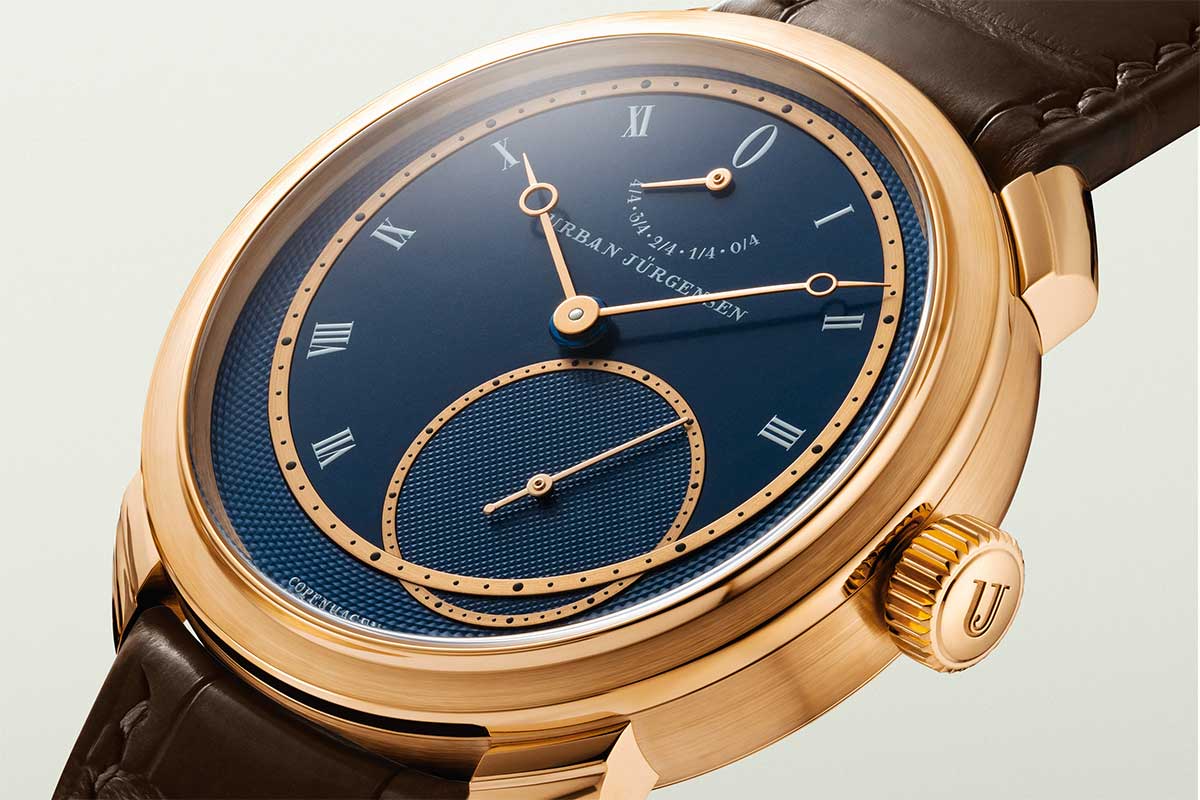
The Long View with Alex Rosenfield, Urban Jürgensen
Editorial
The Long View with Alex Rosenfield, Urban Jürgensen

When Urban Jürgensen made its comeback in June 2025, there was nothing tentative about it. After several years away, Urban Jürgensen could have returned cautiously, perhaps with a single watch or a limited edition. Instead, it came back with three new models, nine references, a new visual identity and a spectacular launch in Los Angeles. It was an unusually complete return, and one that made clear the Rosenfields were thinking beyond a single revival piece.
For Alex Rosenfield, who had spent almost five years working on the project with his father, Andrew, and Kari Voutilainen, the seemingly sudden arrival was anything but. “LA feels both like it was eight years ago and like eight weeks ago,” he says, a year after the launch. “So much has happened since then.”
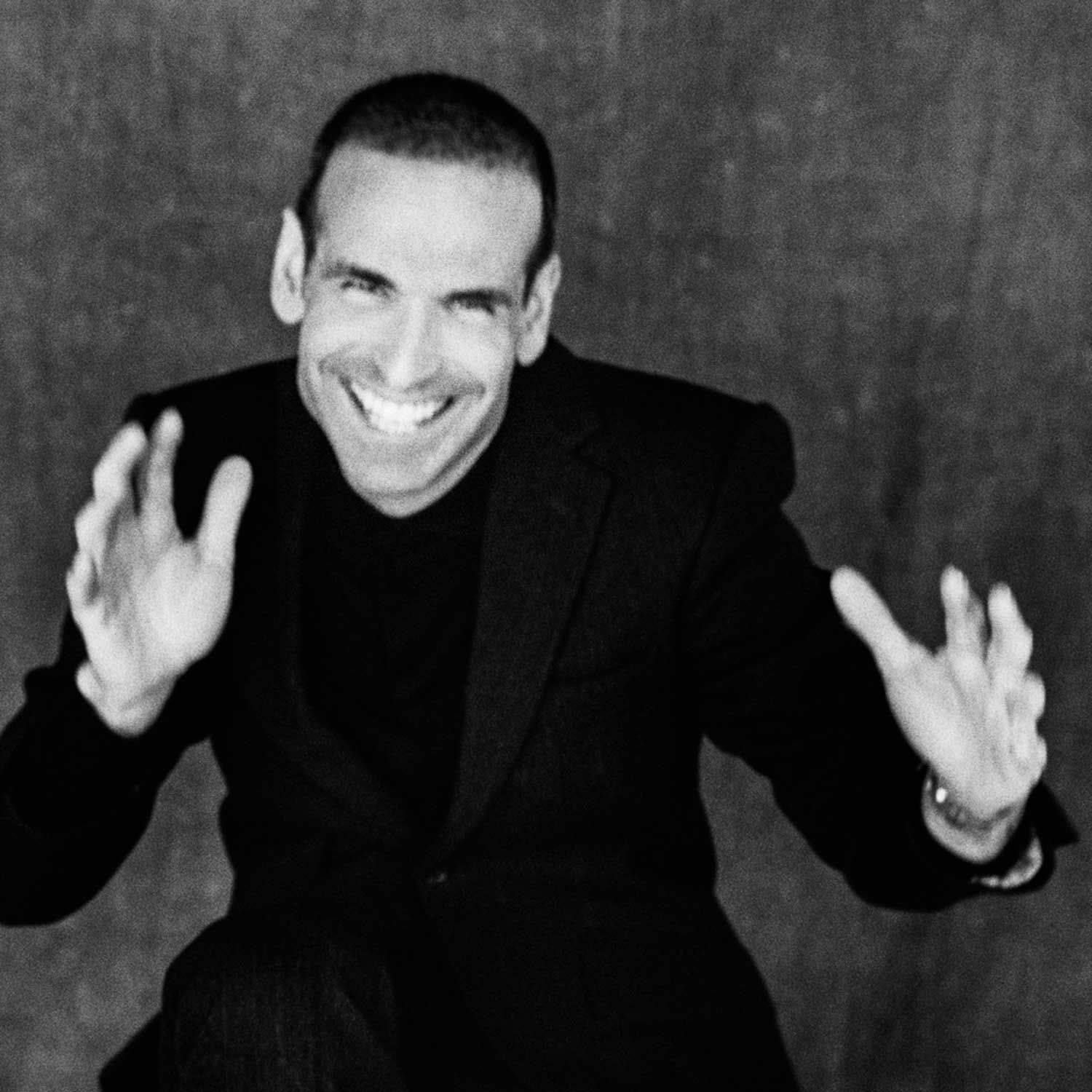
Urban Jürgensen CEO Alex Rosenfield
Preserving the Name, Defining the Future
Revolution has already examined the watches and the history behind them in detail. It all began in Copenhagen in 1773, when Jørgen Jørgensen established the business that his son Urban would go on to turn into one of Denmark’s most important names in watchmaking. Much later, in the 1970s, Peter Baumberger and Derek Pratt began a new chapter for Urban Jürgensen, producing watches that are now among the most admired of the independent era. Ownership changed again in the years that followed, before the Rosenfield family acquired the company in 2021.
The latest incarnation was built around Voutilainen, who became both shareholder and co-CEO (today he is Senior Strategic Advisor), and a debut collection that gave a clear indication of the company’s goals. The UJ-1 took Pratt’s famous Oval pocket watch and turned it into a wristwatch with a tourbillon, remontoir d’égalité and deadbeat seconds. The UJ-2, on the other hand, showcased Voutilainen’s unique interpretation of the double-wheel natural escapement in a simple yet elegant time-only watch. Meanwhile, the UJ-3, developed in collaboration with Andreas Strehler, introduced a perpetual calendar and instantaneous moonphase. However, for all we know about what Urban Jürgensen is making, rather less has been said about the person deciding where the company goes next.
-
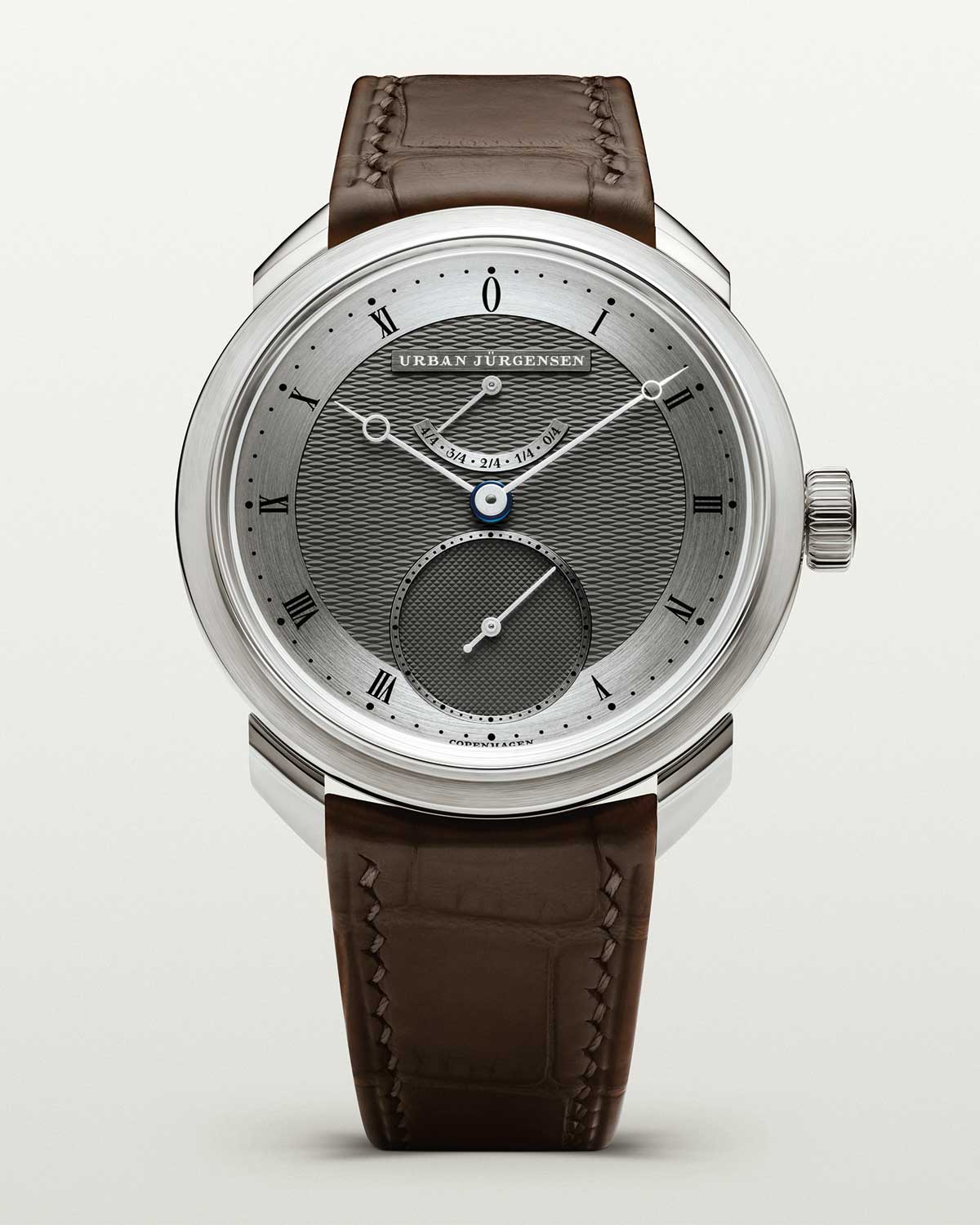
- Urban Jürgensen UJ-1
-
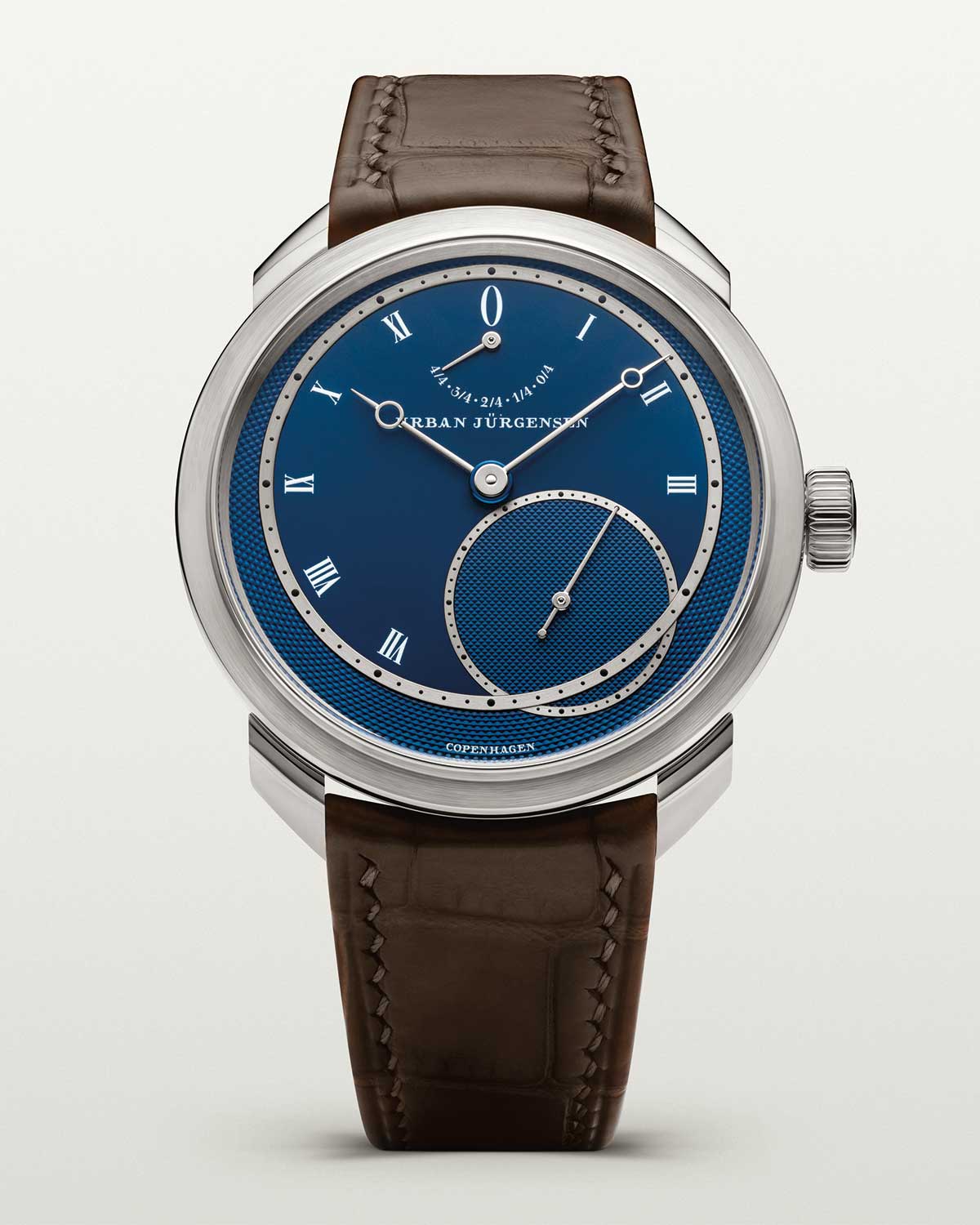
- Urban Jürgensen UJ-2
-
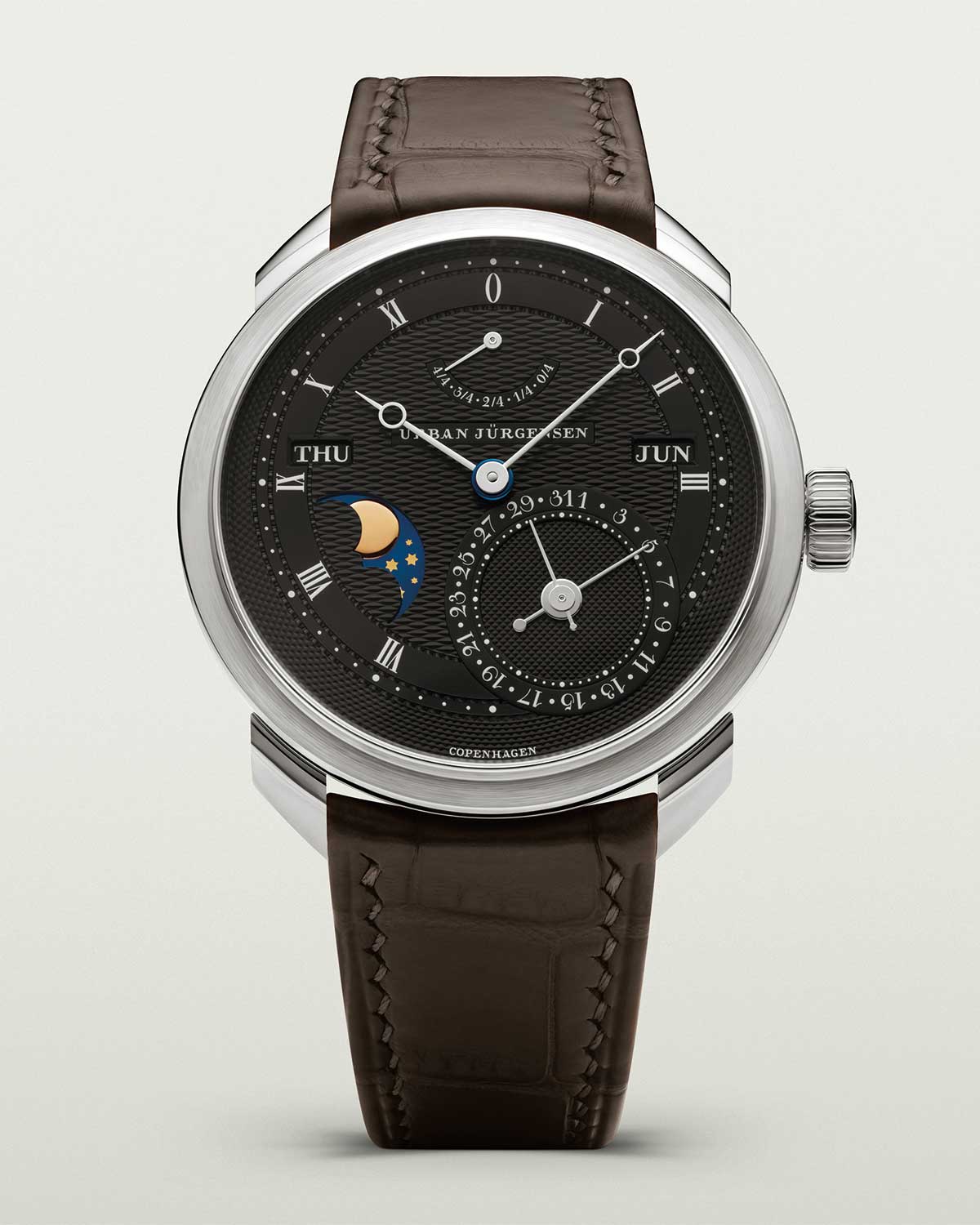
- Urban Jürgensen UJ-3
Rosenfield is not a watchmaker and has never claimed to be one. He came to Urban Jürgensen from outside the Swiss industry, with a background in business and fashion. Voutilainen brought the technical expertise. Rosenfield’s role was different: to work out what the company should become and how to give it a clear identity. “My father and I don’t cosplay as watchmakers,” he says. “We don’t have technical edits. We really relied on Kari completely to do that.”
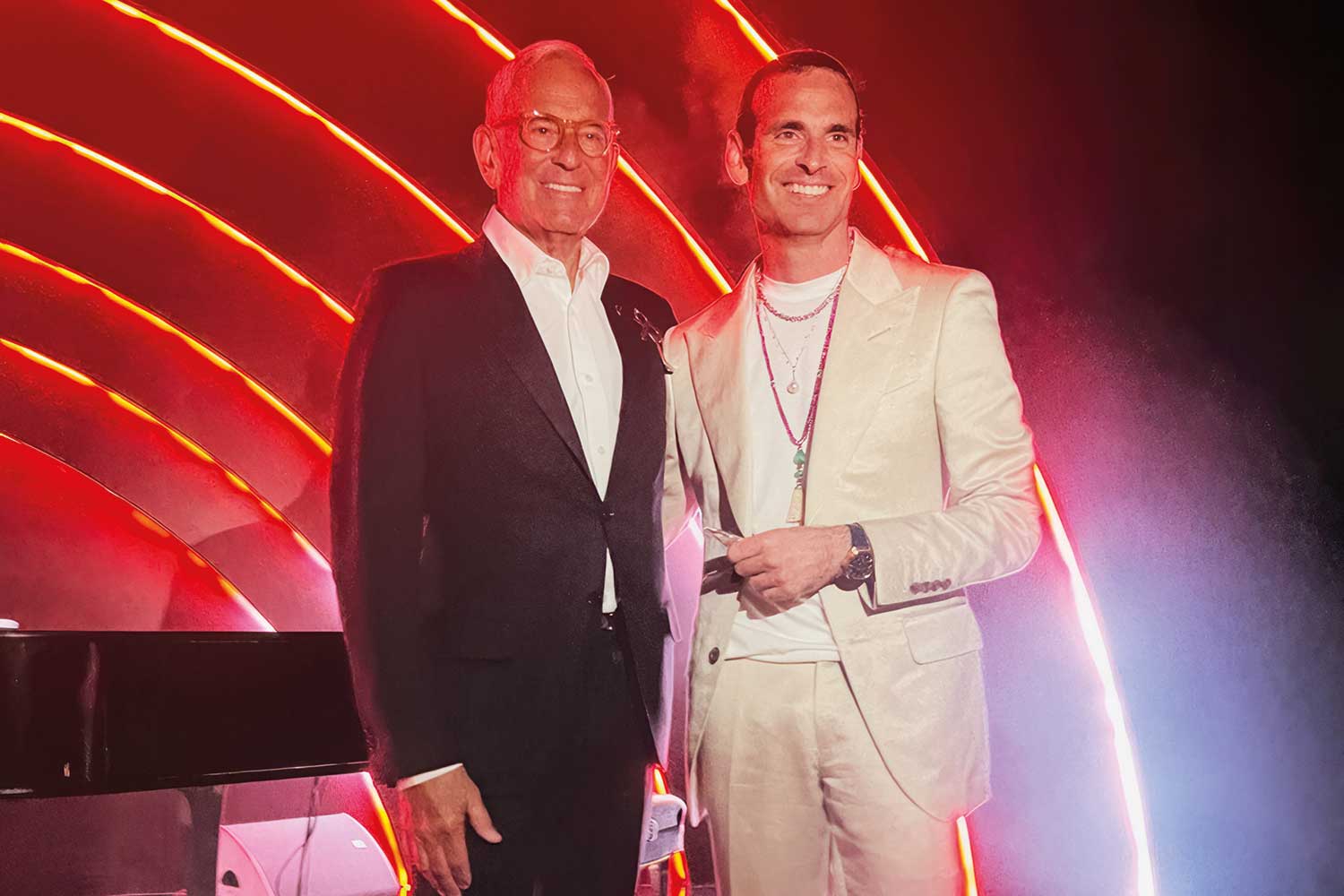
Father and son: Andy and Alex Rosenfield at the 2025 Urban Jürgensen launch in Los Angeles
That might suggest the Rosenfields simply provided the backing and left the watchmaking to others, but Alex’s role is more involved and more complex than that. Urban Jürgensen is deliberately bringing together different makers and different points of view, and he sees his job as making sure those individual contributions still add up to something recognizably Urban Jürgensen. “I see my role very much as creating that consistency and being the guardian of what the Urban Jürgensen legacy is and what the future of it will be,” he explains. “We can have different voices making things, but we have to have a sense of continuity.”
It is an unusual approach. Urban Jürgensen is looking to work with some of the best watchmakers and constructors in the industry, and to give them proper credit without making every watch feel like a one-off collaboration. Voutilainen is still closely involved with Urban Jürgensen and is already working on what comes next, but he is not the only maker involved. Others were brought into the project early on, although Rosenfield is not ready to name them yet. What matters to him is that the people behind the watches are acknowledged, and that the connection between maker and watch is not lost as the company grows.
“When you understand whose mind, life experience, point of view and philosophy go into making something, that object becomes much richer and more meaningful,” Rosenfield says. “You understand how Philippe Dufour’s view of perfect Swiss watchmaking goes into creating the Simplicity. That connection is what you get with the independents.”
Urban Jürgensen is trying to keep that sense of closeness between maker and watch while building something that can survive beyond any one person. Individual watches may have a recognizable author, but they still have to make sense as part of a company with 253 years of history behind it. Rosenfield sees Urban Jürgensen as sitting somewhere between an independent maker and a traditional watch house, which also helps explain why the comeback began with a collection rather than a single watch. If they had only released a single piece, it might have seemed like a one-time project. But with three, they could show their visual style, technical skills and long-term plans. As Rosenfield puts it, “You have one chance to make a first impression, and you have the most attention in one moment. With one watch, it is very hard to understand your ambitions, your goals and your aesthetic.”
When planning the launch, a key point of reference was the comeback of A. Lange & Söhne in 1994, when the German manufacture presented four watches together, each one playing a part in shaping the overall vision for the revamped brand. Urban Jürgensen’s introduction was designed with a similar vision of making a strong statement about the brand’s ultimate intentions: a commitment to quality and craftsmanship, while also offering a unique perspective on watchmaking.
The watches were kept remarkably confidential. When the company began the acquisition process in 2020 and completed it the following year, there was no fixed launch date. The watches would appear when Voutilainen considered them ready. At one point, he suggested making a special watch for Only Watch in 2023 to celebrate the company’s 250th anniversary, but Rosenfield and his partners decided that this new era needed to kick off with something much bigger.
Secrecy protected the work while it was being developed, and this allowed the watches, imagery, typeface, films and philosophy to be encountered together. “It is very easy to pick things apart piece by piece,” Rosenfield says. “If you see everything holistically, you understand a vision. We think a lot about world-building, and you need to offer enough of a world for people to start feeling something.”
From Vision to Operation
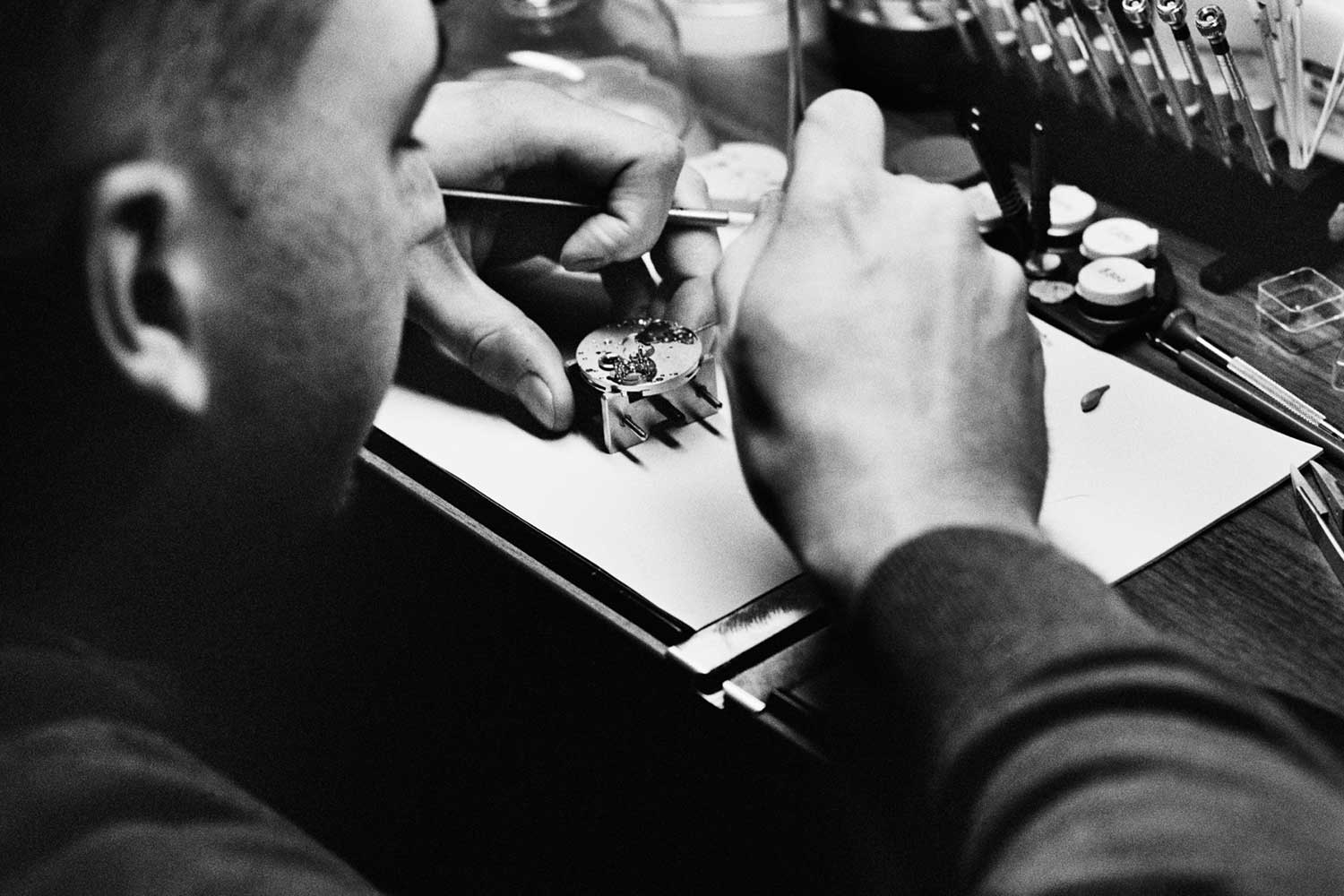
This past year has been pretty low-key for UJ compared to the launch. Much of the work has been practical, from strengthening the supply chain and adding constructors, prototypers and watchmakers to bringing more decoration in-house. Even the anglage is now undertaken internally.
The fragility of artisanal production became evident during development. A shortage of hairsprings delayed prototypes during the pandemic. Later, the specialist responsible for cutting the ruby positioned between the double balances injured his elbow while skiing, reducing his capacity by half. Neither problem could be solved by demanding that an anonymous supplier work faster. “We want to keep working with them,” Rosenfield says. “But we also have to make sure we have a sufficiently steady supply chain, with backups and multiple sources.”
There has also been the less visible business of turning an intense creative project into an operational company. For a time, the team was remarkably small. Watchmaker (and Kari’s daughter) Venla Voutilainen initially ran after-sales service and then took on the role of COO before leaving to work more closely with her father at Voutilainen. Bertrand Savary joined to run the Swiss watchmaking operations, while Elizabeth Pan came into the business as CMO during what Rosenfield cheerfully describes as his “meltdown” after the Geneva press previews. Jake Rosenfield, Alex’s brother, joined as CFO. The CCO, Joseph D. Carlucci, arrived only a week before the public unveiling. “We were building the airplane while we were flying it,” he says.
That is not to suggest Urban Jürgensen was previously treated as a diversion for the Rosenfields and has only now become a serious undertaking. Alex says the commitment was there from the beginning. The difference today is that more people are able to share the workload and, with the pressure of the launch behind them, there is more time to think about what comes next. “I am actually having more fun now,” he says. “There are more people, more to do and more time.”
That time is being used to formalize a product plan extending as far as a decade into the future. Some of the watches currently under development may require eight years to complete. Urban Jürgensen will not, Rosenfield insists, introduce a new model simply because another year has passed.
“A watch is meant to last for so long that, if it doesn’t have an enduring quality that allows you to communicate it for many years, somebody is not going to own it for generations,” he says. “It is inherently untrue to watches for them to be replaceable or always in search of newness.”
Collector Instinct
For Rosenfield, the essence of Urban Jürgensen lies in its innovative spirit, but he draws the line at innovation for the sake of novelty alone. He draws attention to the UJ-2, where a highly refined natural escapement is showcased through traditional bridge architecture, hand finishing and a design that pays homage to the company’s rich heritage. “We take something that is new and innovative in terms of how it is done, and we ask how we can present it using the most traditional techniques. The great watchmakers we work with only want to make movements that they feel are doing something new. They would not be interested in producing an acceptable rehash of what already exists.”
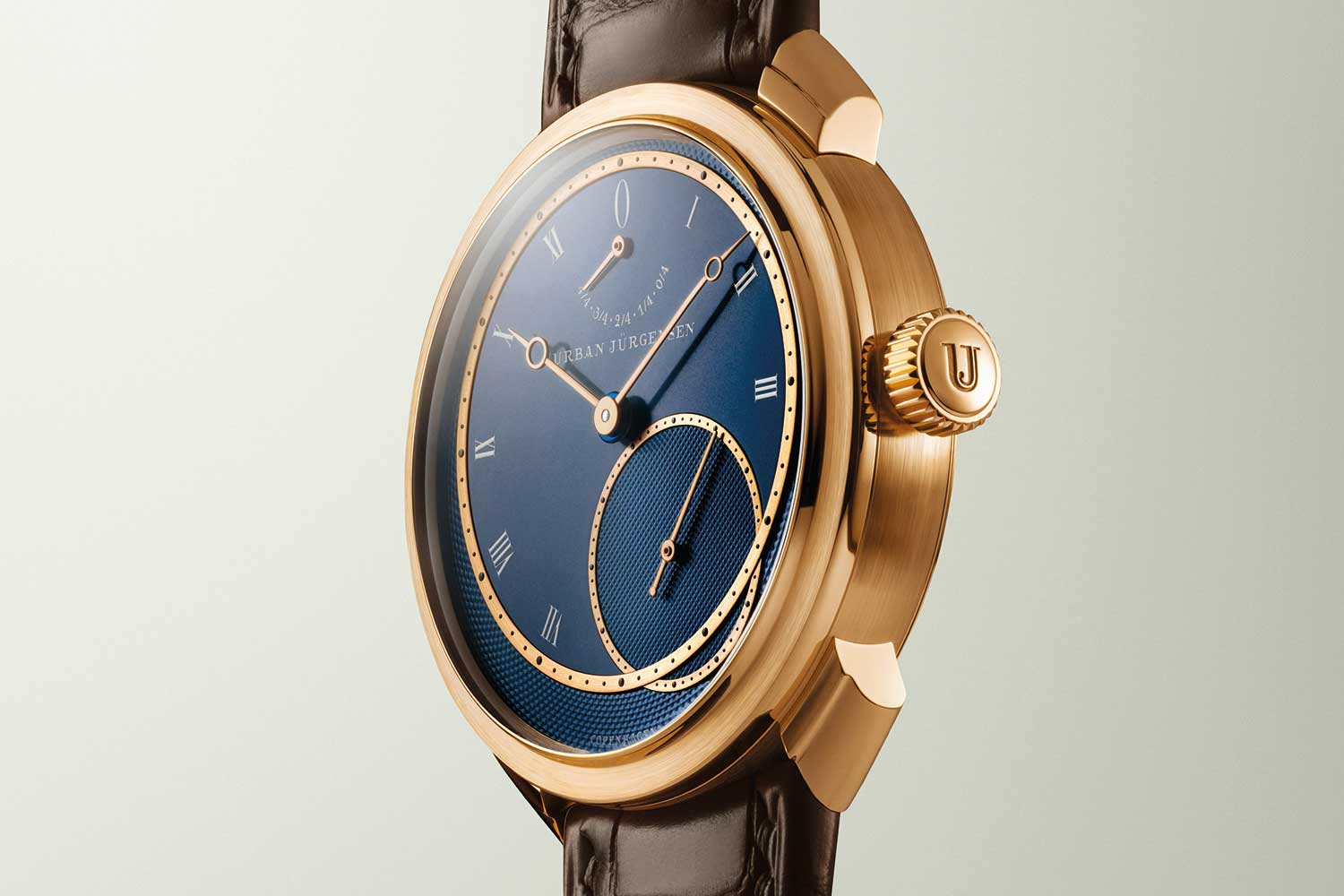
The UJ-2 features a 39mm case and a movement with a double-wheel natural escapement
Rosenfield’s collector instinct has had a significant impact in this area. When it comes to new watches, the selection process isn’t about following a specific pattern of price points and complications. Instead, the team considers more personal questions. What would they like to wear? What appears to be absent from the existing collection? Which complication has emotional as well as technical interest? “We think much more like collectors,” he says. “What is the watch we want to see in the world? What is the watch we want to put on our wrists?” By prioritizing their own desires and interests, they’re able to craft watches that are not only technically impressive but also emotionally resonant.
Not having to follow traditional expectations has been a big plus. When the company started, it didn’t have a lot of preconceived notions about how much sales it would make, how many people would buy watches after seeing them, or how long it would take for someone to decide to make a purchase. The focus was on making high-quality watches and communicating clearly with customers. Many of the typical business metrics, like sales volumes and conversion rates, were not set in stone. According to Rosenfield, if they had filled in all those blanks, they would have been tempted to run the company based on numbers that might not have been relevant to their unique product and goals.
That does not mean he has ignored the lessons of the first year. Four versions of the UJ-2, for example, have proved unexpectedly difficult for some clients to choose between. Faced with three variations of the UJ-1, buyers tend to identify their favorite immediately. With the four UJ-2 references, many narrow the decision to two and remain undecided for months. Future variations are likely to be more clearly differentiated.
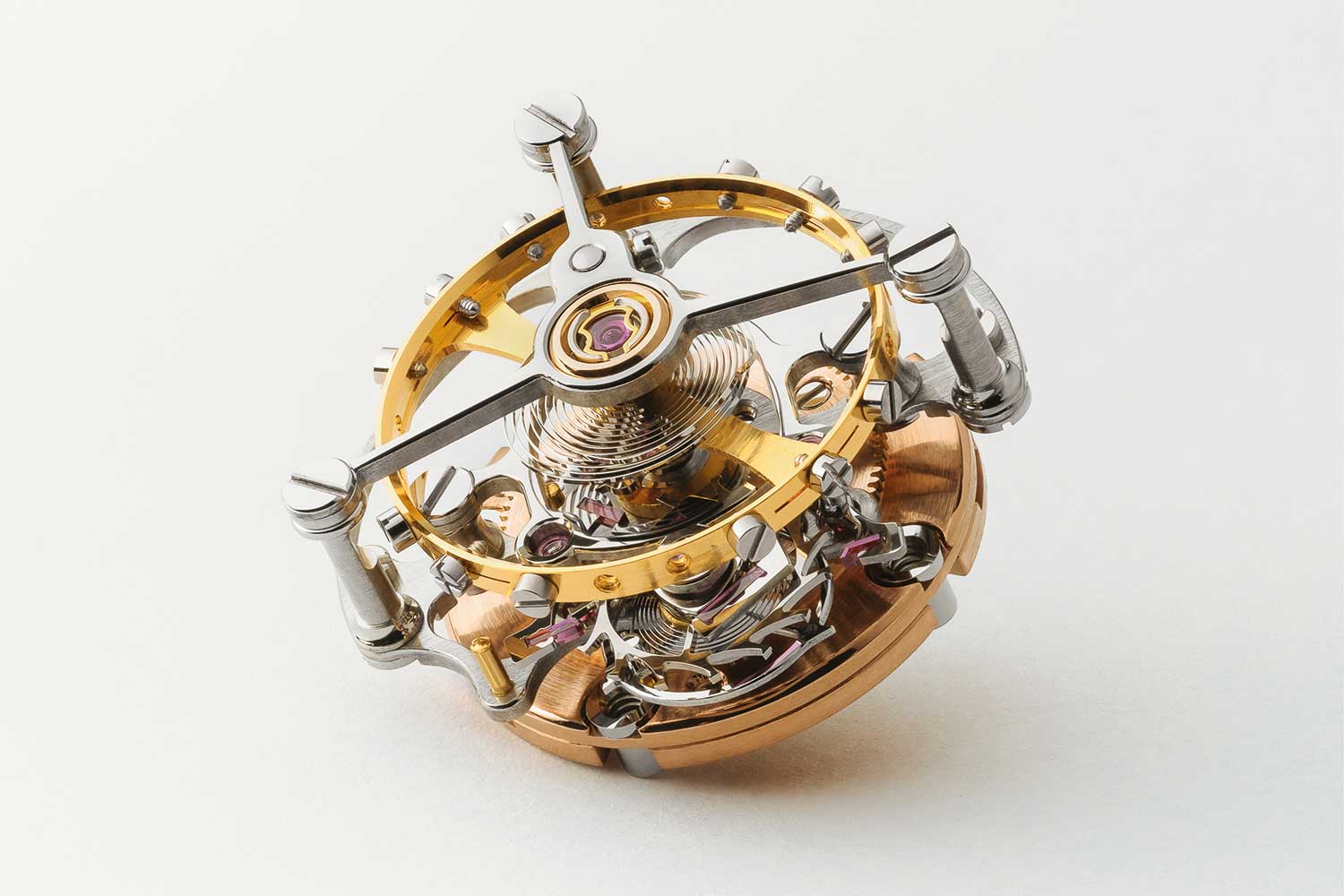
The tourbillon and remontoir carriage of UJ-1 are a masterpiece in traditional hand-finishing and independent watchmaking heritage
The dials, in particular, are being developed through physical experiments rather than computer renders. “You don’t get an emotional feeling from them until you are holding a physical dial and seeing how everything fits together,” Rosenfield says.
Creating a Community
The company has also tested different forms of communication. Paid social media, it discovered, produced little beyond showing the campaign to people who had already encountered it. Editorial work, events and spending time with potential clients proved far more effective. The finding confirmed Rosenfield’s suspicion that the size of an audience is less valuable than the depth of its interest. “Having a higher follower count doesn’t mean anything to us,” he says. “Being meaningful and having resonance within a person’s life is more valuable.”
Rosenfield’s ambitions for Urban Jürgensen are not limited to the relatively small number of people who can afford its watches today. With the UJ-2 starting at around USD 140,000, the current audience is inevitably a narrow one, but he is already thinking about how the company might reach further without losing what makes the watches distinctive. “We are building something in people’s imaginations and lives that I think will last a very long time,” he says. “Some of that might turn into sales and some of it never will. But there are things in the care, craft, love and handmaking that can have an emotional and personal resonance even if you are never going to own one.”
The aspiration is to create a community rather than treating every encounter as a sales opportunity. In that respect, the past year has introduced Rosenfield to a side of the watch industry he had not anticipated. His previous experience of fashion had prepared him for a more guarded environment. Instead, he found watchmakers, collectors, journalists and competitors willing to offer advice, introductions and reassurance. Before his first Geneva press presentation, Voutilainen told him he’d be right there with him the whole time. Wei Koh even changed his schedule so he could be there, and William Massena just showed up to lend his support.
The 2025 Grand Prix d’Horlogerie de Genève was a moment of deja vu, with the same feeling of excitement and surprise returning when the UJ-2 won the Men’s Watch Prize, just five months after the company’s launch. Rosenfield went to the ceremony with no expectation of winning and, by his own admission, little idea of how these things worked. When Urban Jürgensen’s name was called, a more seasoned guest sitting next to him had to tell him that this was the moment to get up and head for the stage. “It felt emotional because I felt part of that community and that I was being welcomed into it,” he says. “It was an acceptance of what we were doing and an appreciation of all the work that had gone into it.”
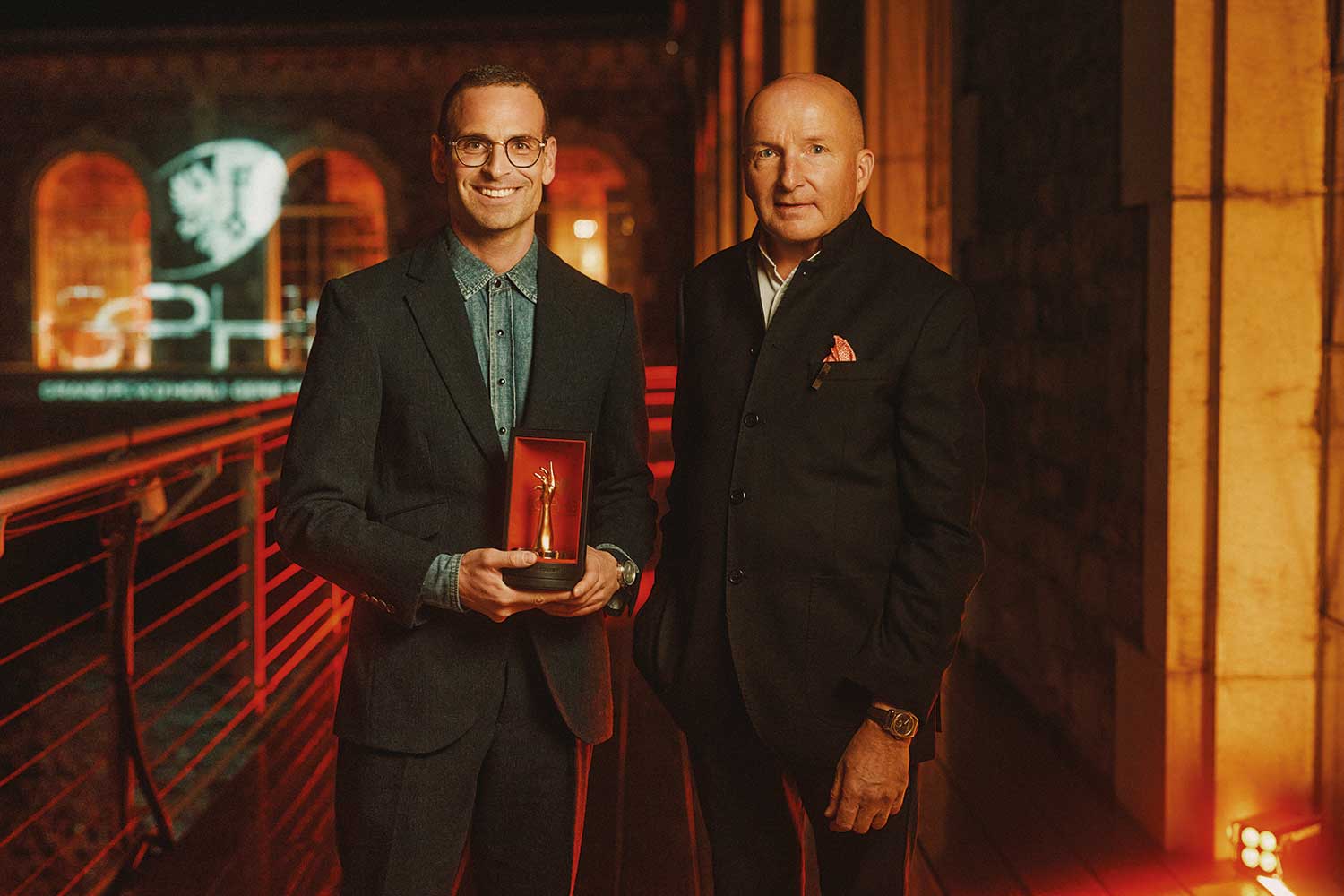
Alex Rosenfield (left) and Kari Voutilainen with their GPHG award for UJ-2
Of the three watches, the UJ-2 was the one he most wanted the industry to recognize. The UJ-1 is rarer and mechanically more complex, but Rosenfield sees the time-only watch as the clearest statement of the company’s future. “If you asked which watch represents the direction Urban Jürgensen is moving in, it is the UJ-2,” he says. “It is really the heart of what we are doing.”
Its victory has not increased the pressure surrounding the next launch. The award was welcome, but Rosenfield says it did not alter the way the company was working or what it wanted to achieve. More noticeable changes will take time. Among them is the possibility of an Urban Jürgensen at a lower price, although “accessible” is necessarily relative here. Rosenfield talks about getting below USD 100,000, which would be a considerable drop from where the collection sits today, even if it would hardly put the watches within everyone’s reach. He’s also toying with the idea of making smaller watches, both for women and for collectors drawn to vintage Urban Jürgensen, enabling the company to stay ahead of the curve in the world of high-end watchmaking.
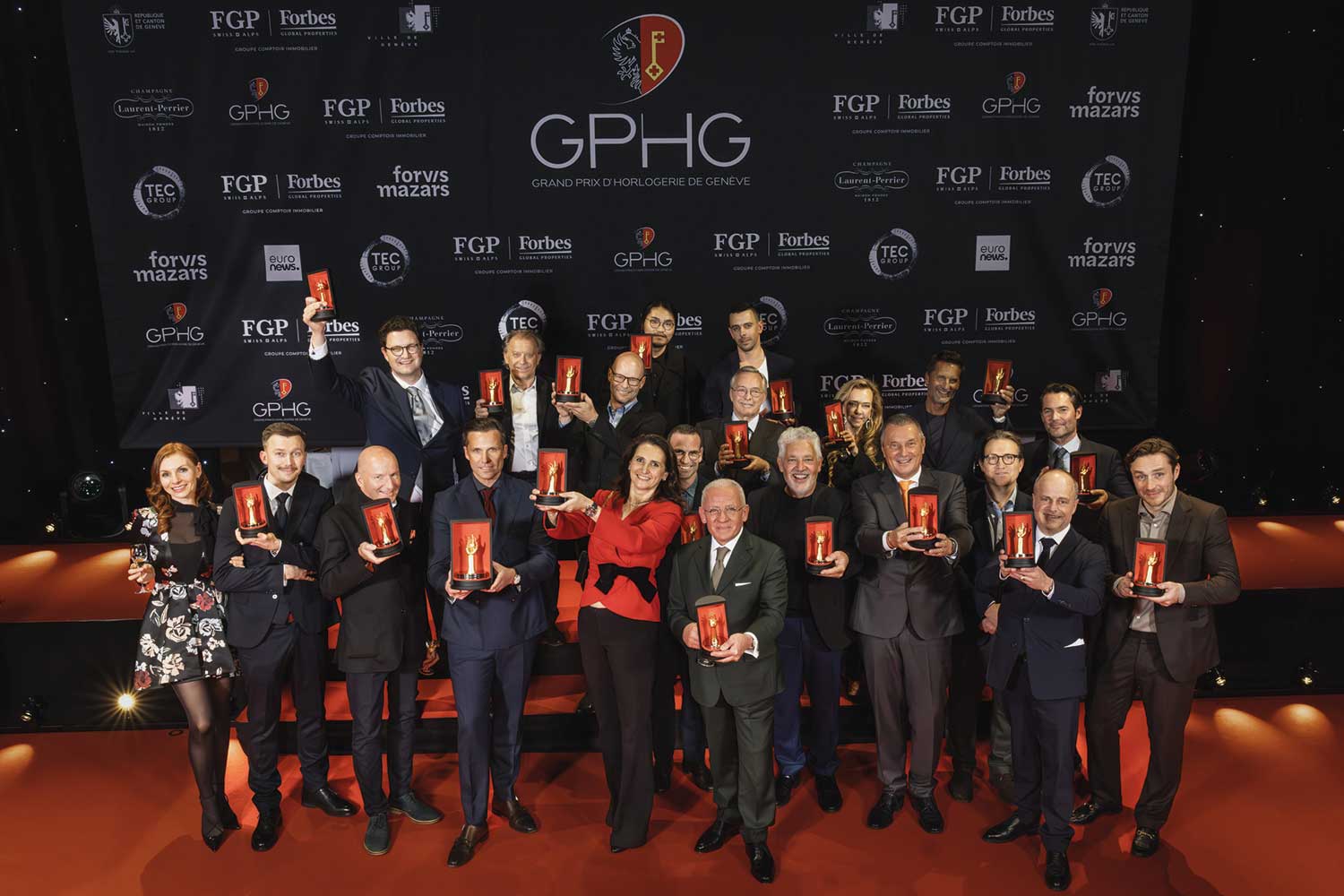
The winners of the 2025 GPHG Awards
Building Across Generations
The first customers have proved to be a broader group than Rosenfield expected. He estimates that 70 to 80 percent are serious collectors, but others have come to Urban Jürgensen after buying brands such as Cartier, Patek Philippe, Rolex and Audemars Piguet rather than contemporary independents. There is no obvious geographical pattern either, with clients in the U.S., Europe, Asia, Mexico and the Middle East. Rosenfield says the best introduction is often simply seeing one on someone else’s wrist and asking about it.
One particularly visible wrist belongs to Timothée Chalamet, who first encountered Urban Jürgensen shortly before its launch through a mutual friend. A meeting between him and Rosenfield, expected to last 10 minutes, continued for almost two hours as the actor asked about Derek Pratt, the double-wheel escapement, the company’s history and even the development of its typeface.
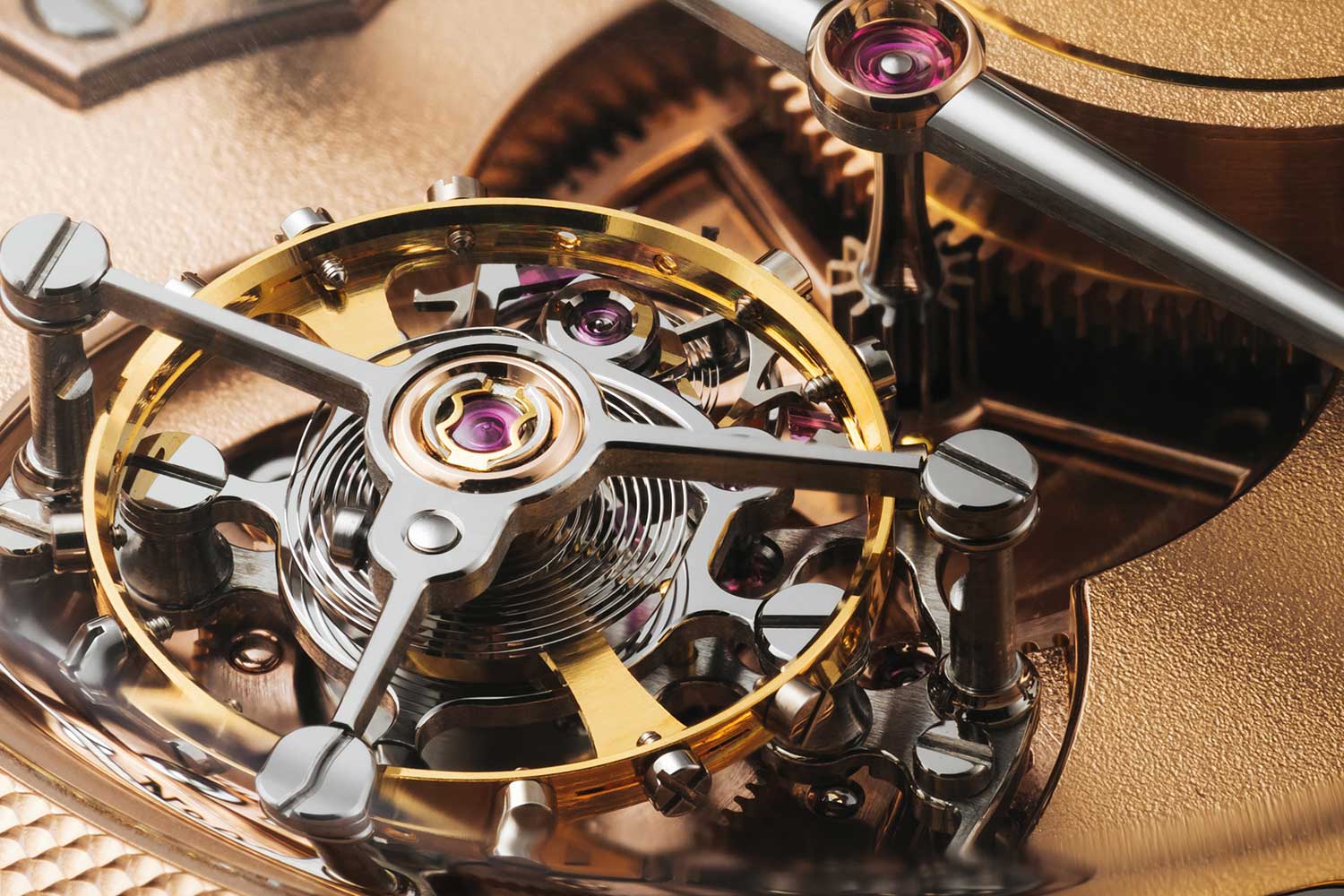
The Urban Jürgensen UJ-1 recreates Derek Pratt’s tourbillon and cage-mounted remontoir for the wrist
Chalamet later became a minority shareholder, but the relationship was never conceived as an ambassadorial arrangement. For Rosenfield, his importance lies in his desire to participate creatively rather than function as a familiar face attached to a campaign. “He was excited about being part of a company, not a billboard for a company,” Rosenfield says. “He gets plenty of offers to be a spokesman or a face. That wasn’t what we wanted from each other.”
The generational range is useful too. Andrew Rosenfield is a generation older than Voutilainen, who is a generation older than Alex, who in turn is older than Chalamet. This age gap means each person has a unique perspective on objects, media and collecting. Chalamet, for instance, has his own ideas about the kind of watches he’d like to see created, but there’s no specific product or deadline tied to his involvement with the project. This approach is reflective of the new Urban Jürgensen’s overall philosophy — they’re taking things as they come and seeing where their ideas lead them.
A Sense of Belonging
Asked whether, knowing what he knows now, he would acquire the company and relaunch it in the same way, Rosenfield does not hesitate. “Absolutely,” he says. “I think we would do it exactly the same way again.”
Urban Jürgensen is now his full-time occupation. More unexpectedly, watchmaking has become the industry in which he feels at home. “It really has blown my mind,” he says. “I had not started meeting people until about a year ago, and now I feel so connected to them. I feel as though I have known some of these people for so much longer.”
-
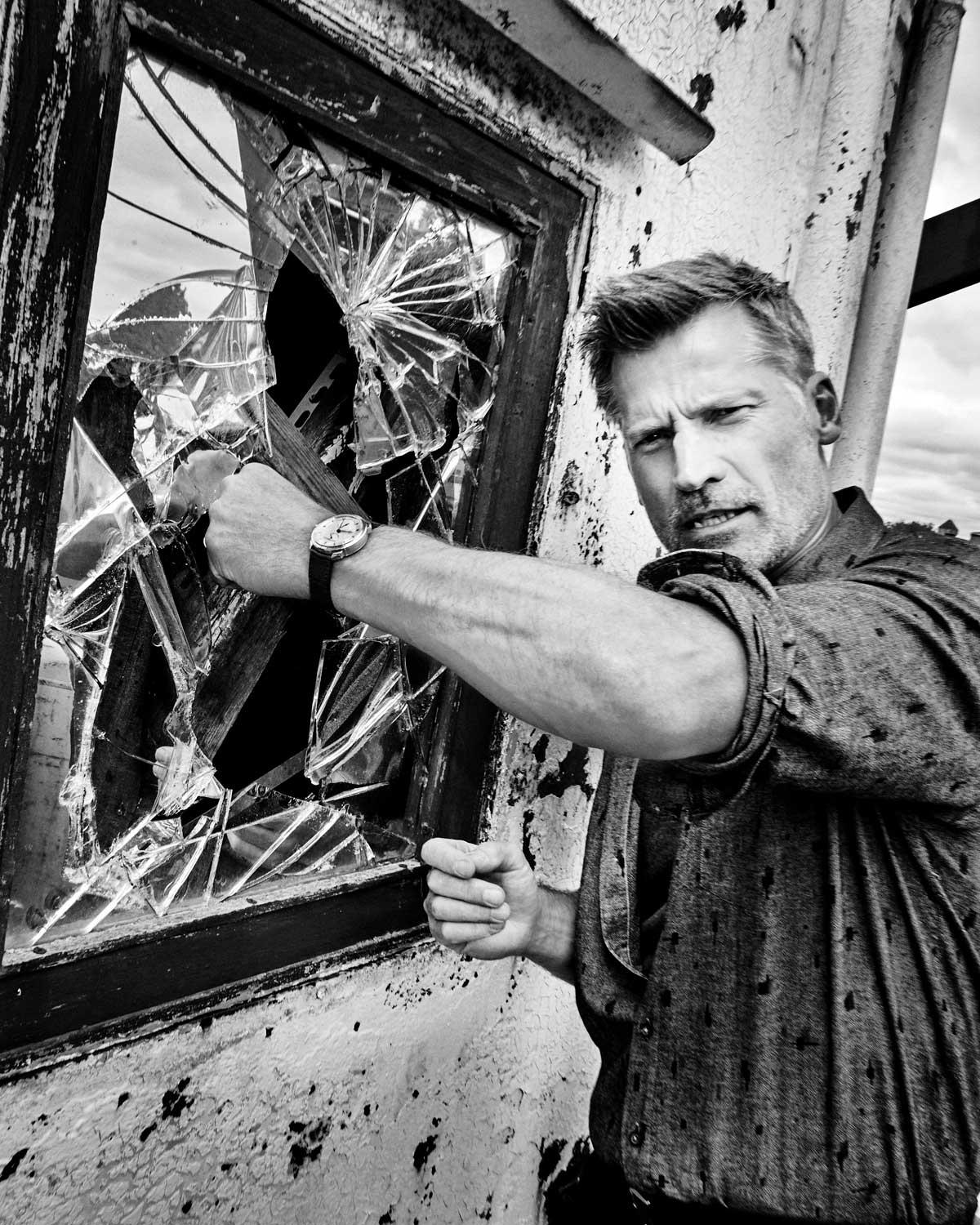
- Urban Jürgensen’s ongoing “Time Well Spent” portraits shot by Ellen von Unwerth: Danish actor Nikolaj Coster-Waldau
-
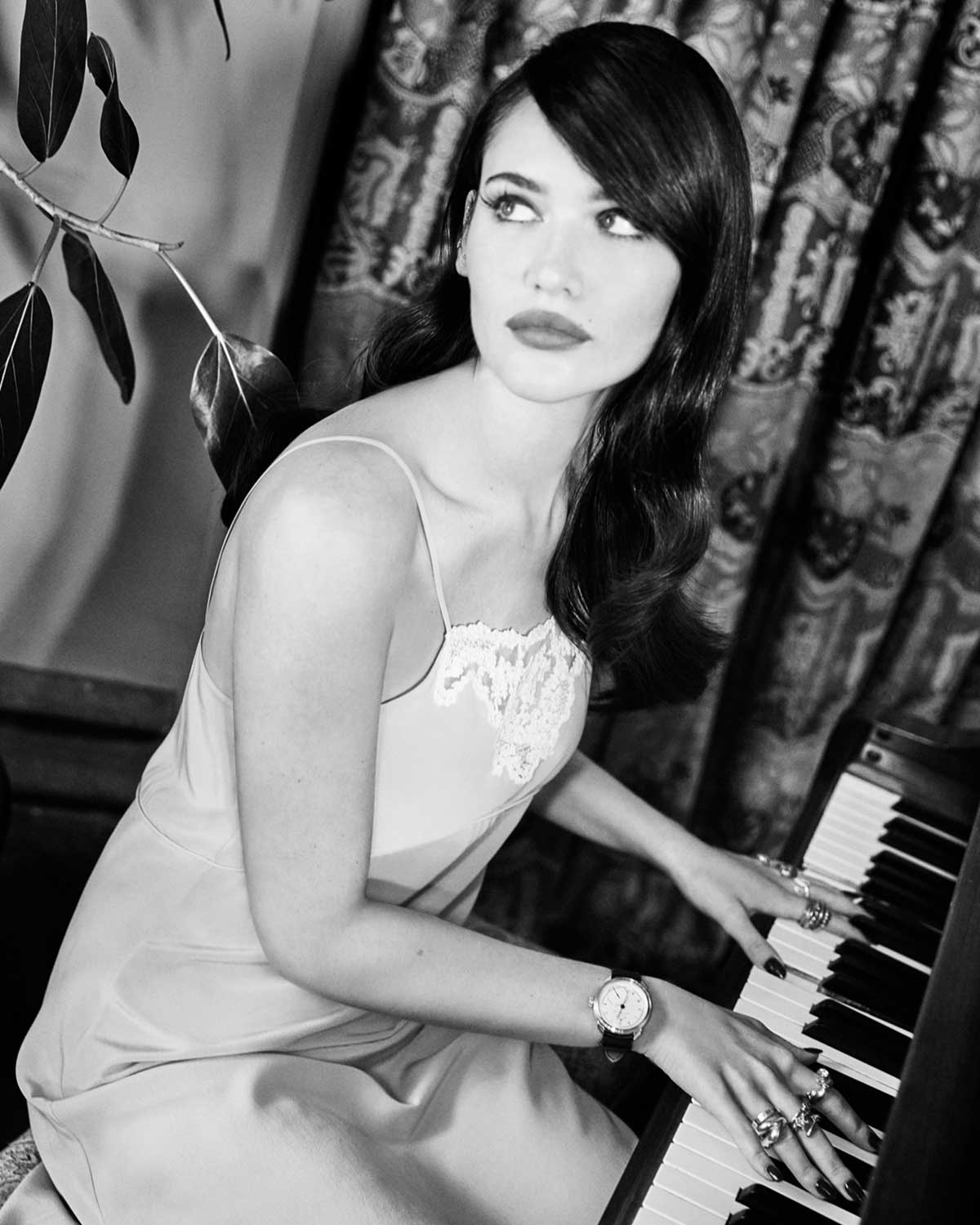
- Urban Jürgensen’s ongoing “Time Well Spent” portraits shot by Ellen von Unwerth: British singer-songwriter Sienna Spiro
-
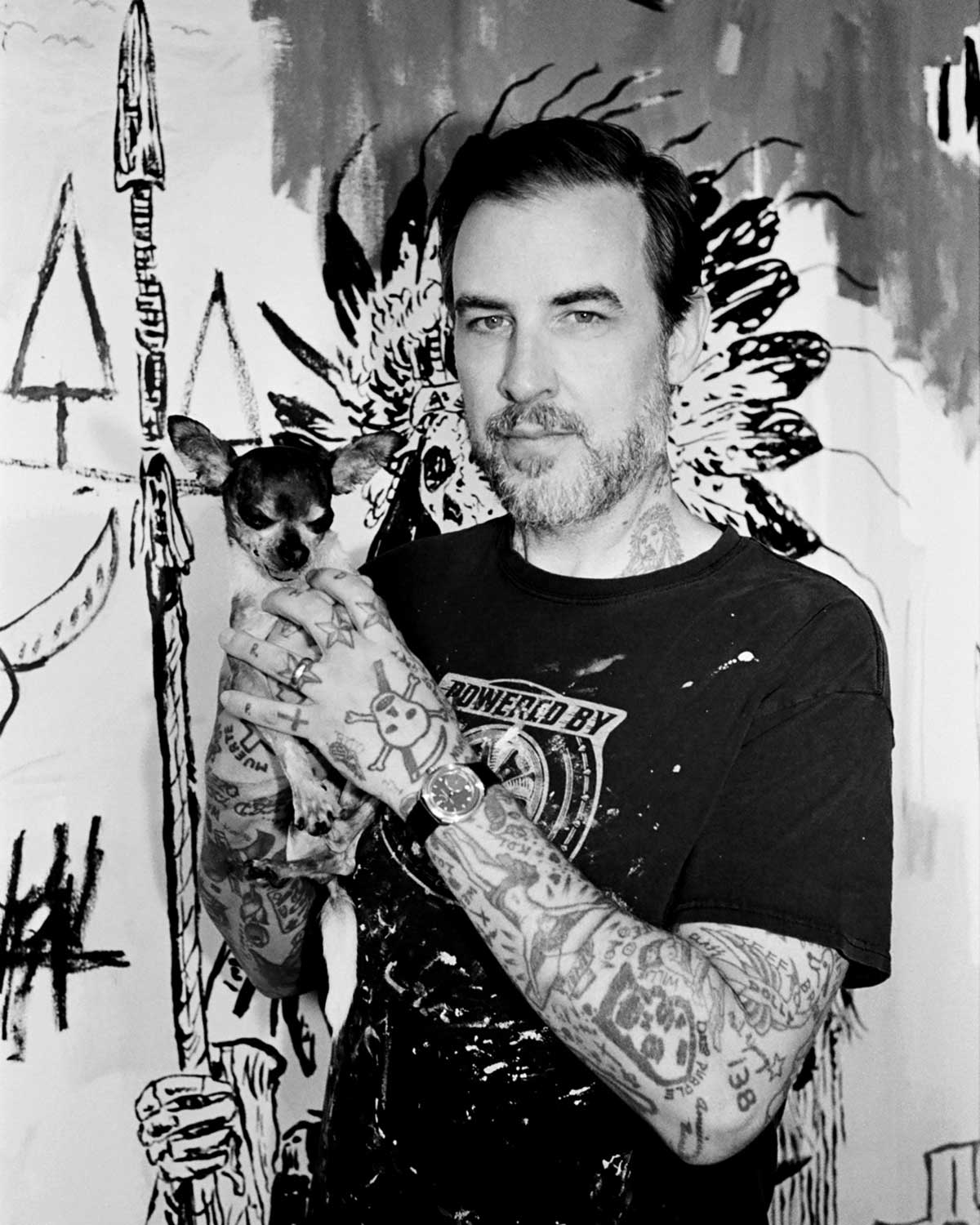
- Urban Jürgensen’s ongoing “Time Well Spent” portraits shot by Ellen von Unwerth: American visual artist Wes Lang
Rosenfield came to watchmaking because he loved watches, but what keeps him here now is less the object itself than the people around it: the makers, the collectors and the community that forms around both. For him, it’s about creating a legacy that reflects the collective spirit of those involved, and continues to inspire future generations of watchmakers and enthusiasts alike.
That is the core of Urban Jürgensen’s latest life: a centuries-old name being directed by someone new to the industry, who is collaborating with some of the most seasoned experts in the field. One year in, Rosenfield no longer feels like an outsider looking in. He has found his place at the table, and seems genuinely delighted to be there.
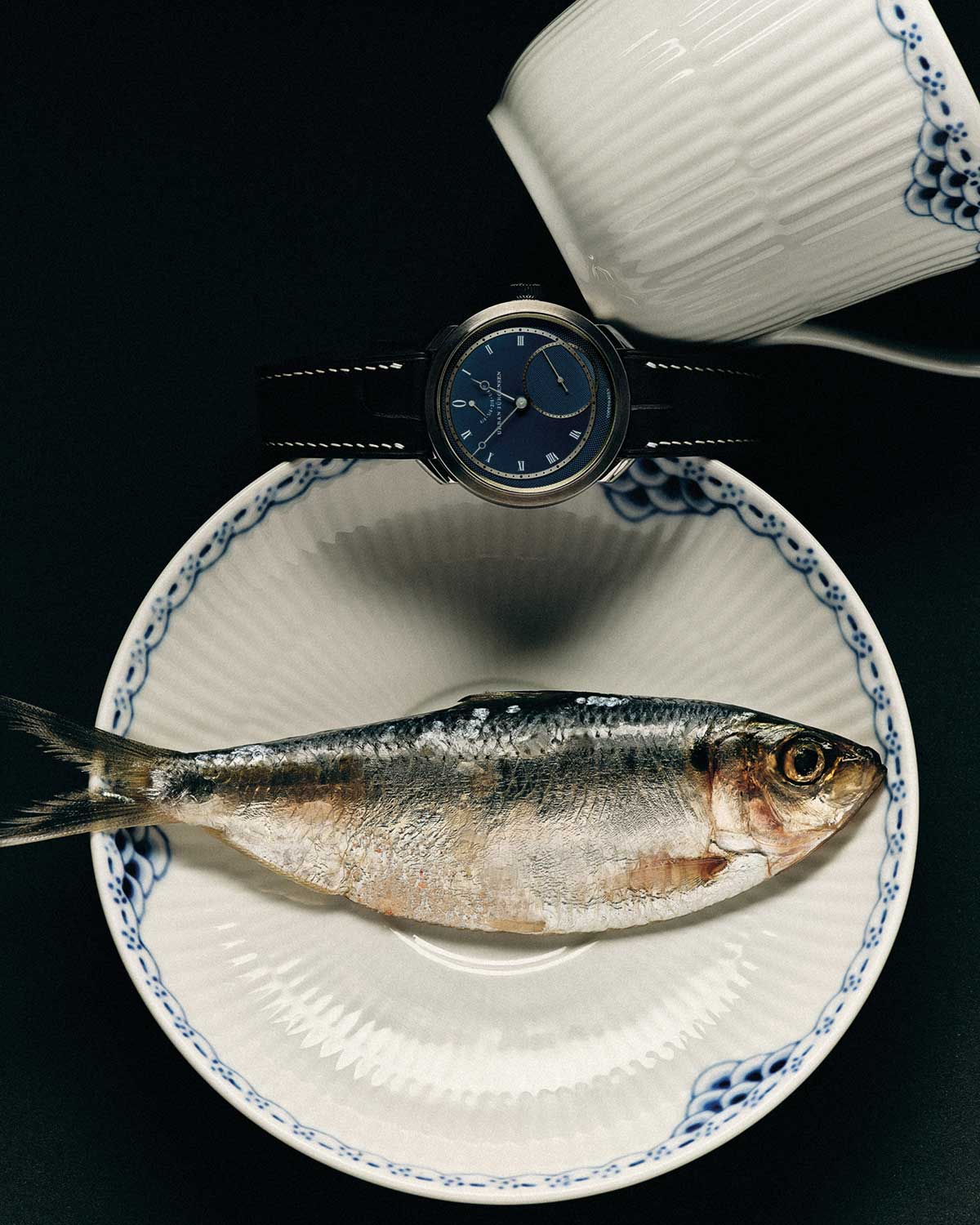
Part of the Urban Jürgensen launch campaign shot by Casey Zhang, focusing on Danish icons
Urban Jurgensen
You may also like

News
Timothée Chalamet Joins Urban Jürgensen as Partner
Apr 22, 2026
News
Timothée Chalamet Joins Urban Jürgensen as Partner
Apr 22, 2026
Editorial
Revolution Awards 2025: Best Tourbillon — Urban Jürgensen UJ-1
Jan 27, 2026
Editorial
Revolution Awards 2025: Best Tourbillon — Urban Jürgensen UJ-1
Jan 27, 2026

Editorial
The Revolutionary List: 24 Technically Brilliant Watches – Urban Jürgensen UJ-1
Dec 12, 2025
Editorial
The Revolutionary List: 24 Technically Brilliant Watches – Urban Jürgensen UJ-1
Dec 12, 2025