
Omega’s Olympic Legacy: A Century of Precision Timekeeping
Omega’s Olympic Legacy: A Century of Precision Timekeeping

The excitement of the Olympic Games comes not only from the world-class athletes who give their all for striking performances but also from the foundation of precise timekeeping that underpins every event. For over a century, this crucial role has been a fascinating dance among various watchmakers. While the involvement has seen its share of intriguing twists and turns, Omega has undeniably emerged as a major player.
Omega’s Olympic journey began in 1932, although it wasn’t the first to rise to the prestigious stage. Before Omega, Longines and Heuer held the title. Over the years, Seiko, Swiss Timing groups, and even Omega’s sister brand, Swatch, also took turns as the official timekeeper.

The 31 cities where Omega guarded time for the Olympics
Omega’s innovative contributions
Omega’s role in sports timing is nothing short of historic. They haven’t merely kept time; they’ve revolutionized the way we experience athletic competition. In 1948, the “Magic Eye” photoelectric cells and the slit photofinish camera arrived, eliminating the age-old debate of who crossed the line first. This technology captured the exact moment of victory, leaving no room for dispute. Eight years later at the Melbourne Olympics, Omega unveiled another game-changer: the Swim Eight-O-Matic. This world-first semi-automatic swimming timer used electronic counters for each lane, bringing a new level of accuracy to poolside competition.

No more close calls: The combination of the slit photofinish camera and Magic Eye ensures fair play at the 1948 Olympics
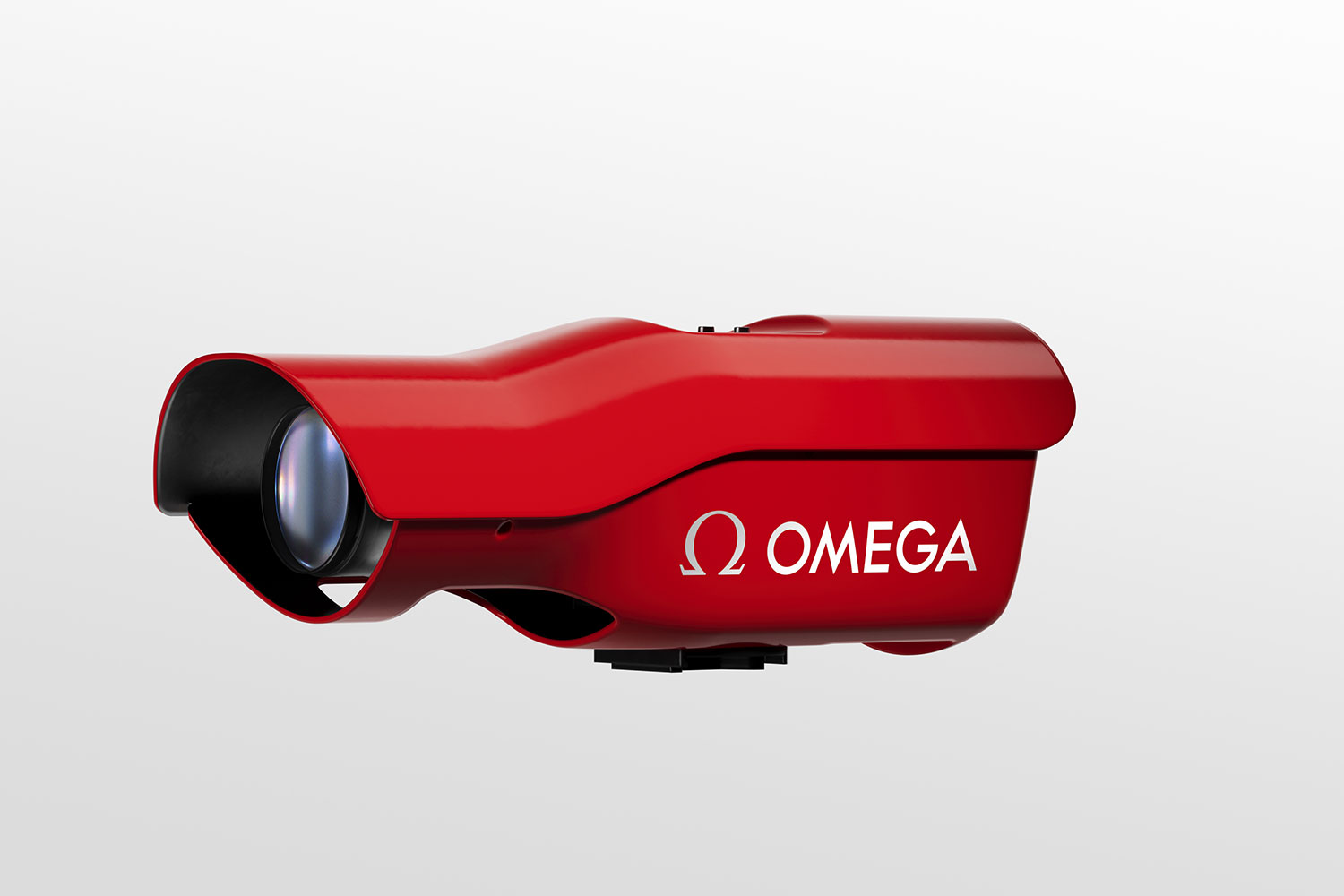
2024: The Scan‘O’Vision ULTIMATE can capture up to 40,000 digital images per second on the finish line of races

Starting the clock on history: Omega times the 1932 Los Angeles Olympics

From ticking gears to crystal clarity: Omega's 2012 Quantum Timer delivers enhanced resolution of one millionth of a second
Omega’s impact wasn’t limited to the water. 1960 saw the introduction of large electronic scoreboards. This marked a turning point, not just for timekeeping precision, but also for television coverage. Viewers could now follow the action in real-time with unprecedented clarity.

When the Electronic Starting Pistol is "fired", a start pulse is given to the timing device and a sound is played behind each athlete, giving them all an equal start time

The Hi-Resolution Scoreboards display not only text and live information, but also animations, athlete pictures, and visual imagery

At the end of a swimming race, the famous touchpads positioned at both ends of the pool allow swimmers to “stop the clock” by exerting a pressure of between 1.5 and 2.5 kg (3.3 and 5.5 pounds)
Omega’s Quantum Timer has an enhanced resolution of one millionth of a second
The story continues with a steady stream of advancements since Omega’s return as the official timekeeper in 2006. The 2010 electronic pistol ensured a level playing field with its synchronized light, sound, and timing pulse for a fair start. The 2012 Quantum Timer, boasting accuracy 100 times greater than its predecessors, measured time to a millionth of a second. Today, Omega pushes the boundaries even further. The 2024 Scan-O-Vision Ultimate captures a staggering 40,000 digital images per second, while the 2024 Computer Vision technology meticulously tracks athletes and the ball across various sports, providing a treasure trove of data on movement, speed, technique, and shot types.
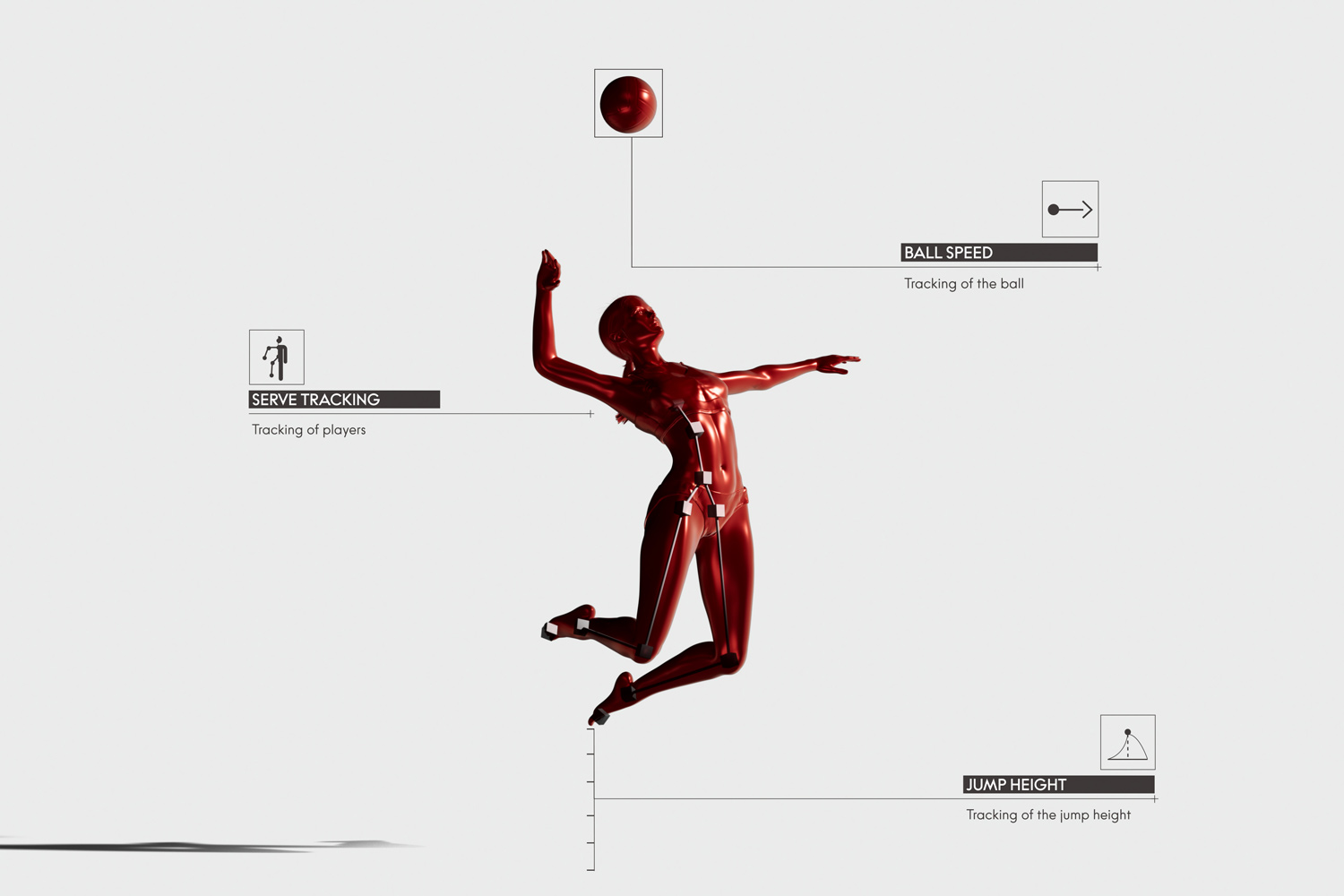
See beyond the speed: Omega's 2024 Computer Vision captures every athlete's move with Artificial Intelligence

In a tennis game, Computer Vision measures the reaction time of each returned serve, the speed of the return, and the exact position of the racket
Classic timepiece tributes to the Olympic Games: mid to late 20th century
In 1956, Omega commissioned the Seamaster Olympic Cross of Merit, an all-gold watch made in just 100 pieces with a special seal on the dial. Two decades later in 1976, Omega introduced the Seamaster Chrono-Quartz Montreal Olympics Albatross, an early quartz watch featuring both analog and digital displays, most notably in a distinctive rectangular case design with an integrated bracelet.
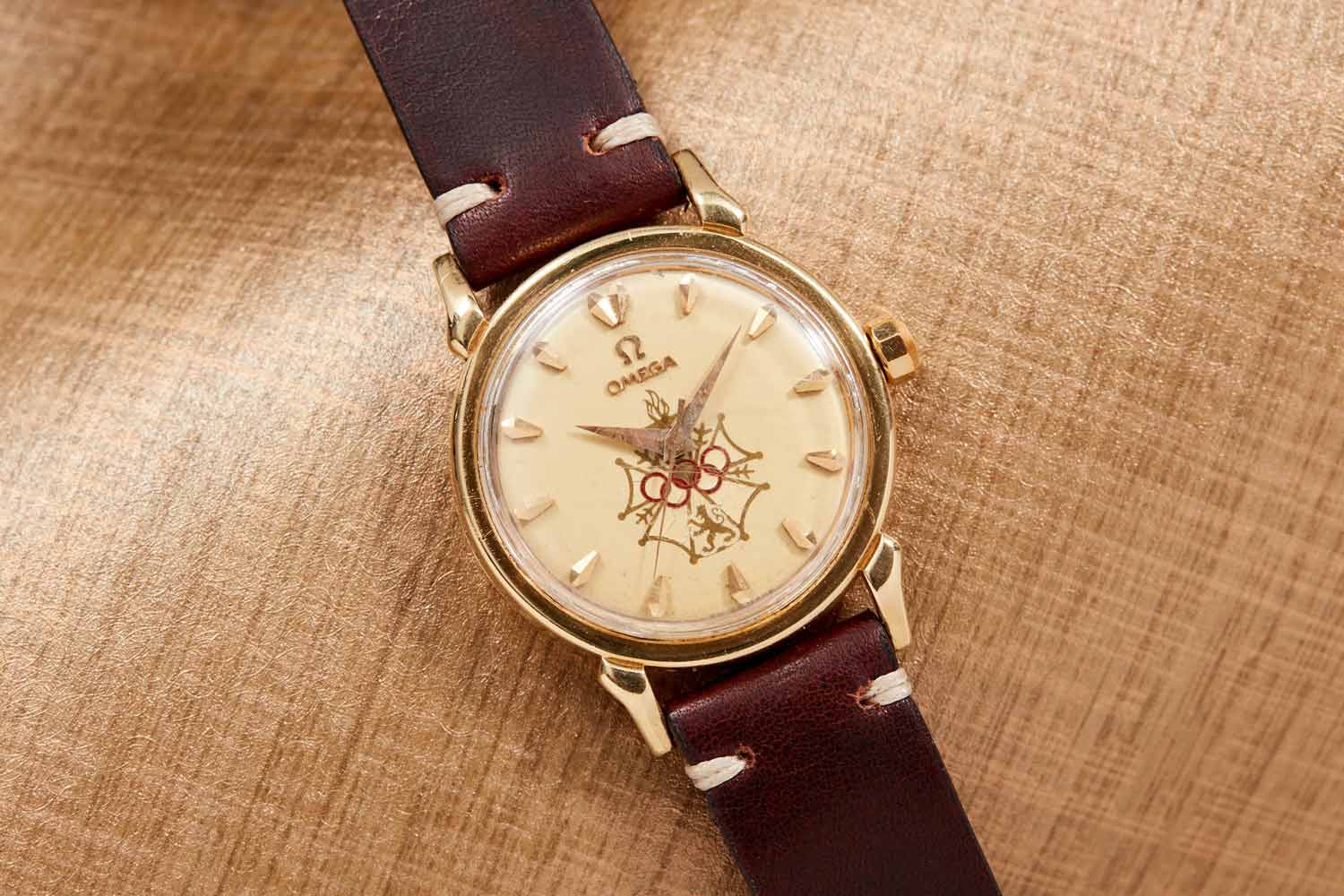
The Seamaster Olympic Cross of Merit from 1956. Image by Analog Shift

The 1976 Seamaster Chrono-Quartz

The Seamaster Polaris Albertville from 1992. Image by Hatton Square
Also notably in 1992, Omega released the Seamaster Polaris Albertville, a quartz analog chronograph with an unusual cushion-shaped case that had a mild hexagonal outline. The case material was particularly interesting, combining a steel or titanium base with 2mm thick 24K gold inlaid to form a motif.
Top five significant limited editions from the 21st century
After a brief hiatus, the 21st century saw Omega reclaim its top spot in Olympic timekeeping in 2006, a position it holds to this day. This period also saw the release of a slew of Olympic-themed limited edition watches, much to the delight of watch enthusiasts. Here, we round up the top five modern examples from this collection.
2007: Olympic Pocket Watch 1932 Rattrapante Chronograph
After Omega resumed its role as the official timekeeper for the Olympics, it revisited its very first watch produced for the event in 1932, a pocket watch chronograph. The new Limited Edition Pocket Watch 1932 remains faithful to the original, featuring a manual wind movement — the cal. 3889A — built using vintage kits stored in the factory since 1932. This isn’t just any chronograph; it’s a split-second chronograph. The watch is available in three versions: white gold, pink gold, and yellow gold. Each version is limited to 100 copies, and all are COSC certified.

The 2007 Olympic Pocket Watch 1932 Rattrapante Chronograph

The manual-wind cal. 3889A of the Rattrapante Chronograph
2008: Speedmaster “Beijing”
Typically, a chronograph has three counters, and if it incorporates a perpetual calendar, it might have four. However, the Speedmaster “Beijing” features five sub-dials, arranged in a pattern reminiscent of the Olympic rings. The functions include a small seconds counter, a 7-day chronograph recorder, a day indicator, a 12-hour chronograph recorder, and a 30-minute chronograph recorder. If you are the most enthusiastic Olympic fan and looking for a statement piece, look no further. And if you are seeking one of the most unusual Speedmasters, this is the watch for you.

2008: Seamaster XXIX Limited Edition, Countdown 0
While Omega’s Olympic legacy is primarily built on sporty chronographs, the brand occasionally ventures into dressier territory. The Countdown 0, for example, pays homage to the classic 1956 Seamaster Olympic Cross of Merit. This all-gold dress watch echoes its predecessor’s elegance with a period-correct 37mm size (though slightly larger than the original). Despite its size, the sturdy case design, particularly the signature angular Seamaster lugs, ensures a commanding presence on the wrist.
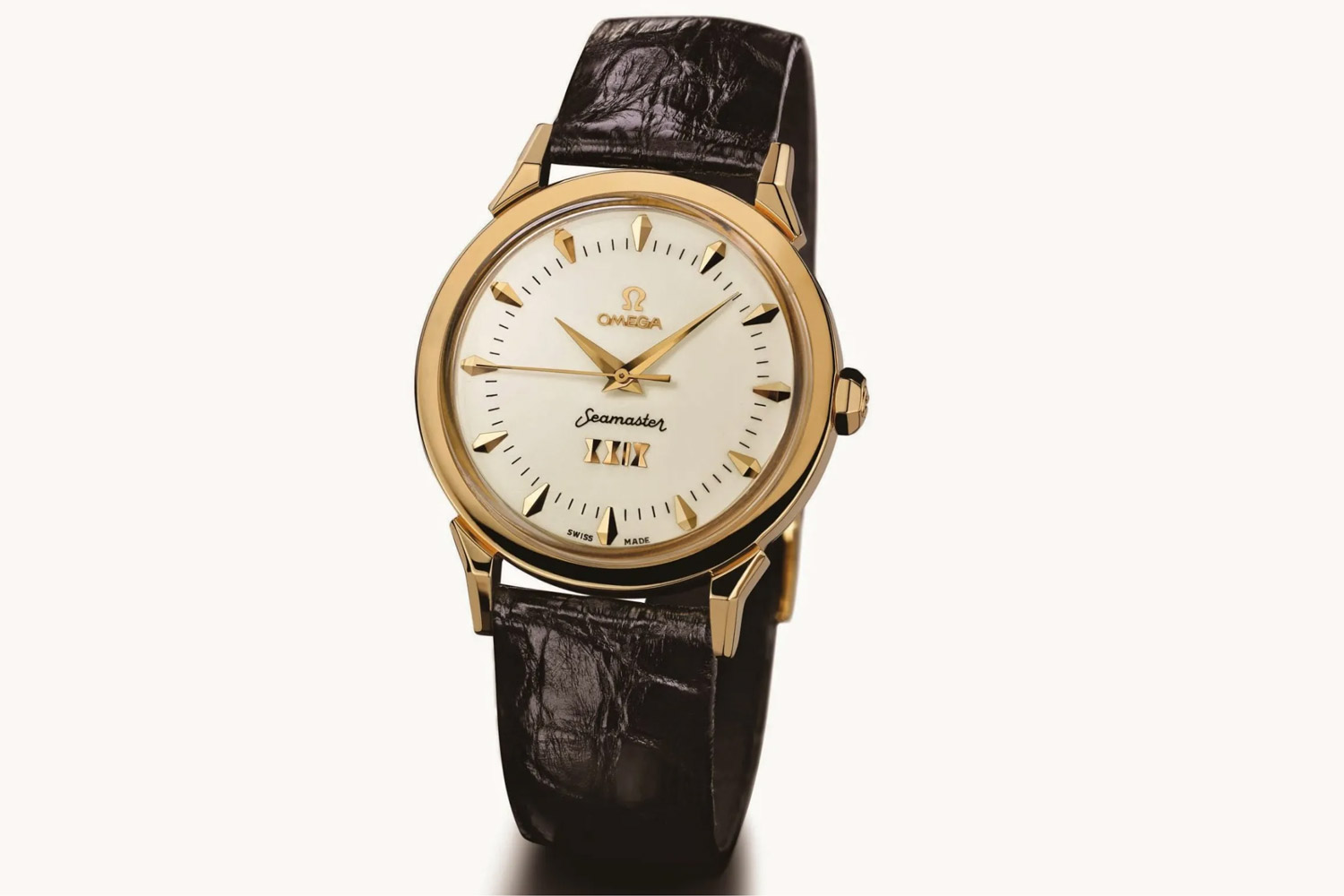
The 2008 Seamaster XXIX Limited Edition. Image by MasterHo
The tasteful ivory dial features a polished finish and a subtle nod to the Beijing Olympics with an applied XXIX logo at six o’clock, signifying the 29th installment of the Games.
2018: Seamaster Olympic Games Limited Edition Collection
If you find the five-color ring on one watch too much, Omega once released a limited edition set of five pieces, each featuring the same design but in a distinct color of the Olympic rings. These are simple time-and-date watches, with a dial design inspired by the brand’s stopwatches made for the Montreal and Innsbruck Olympic Games in 1976. As a result, the dial features a two-tone design with the middle in black and large Arabic numerals — a combination not found in other regular production Omega watches.
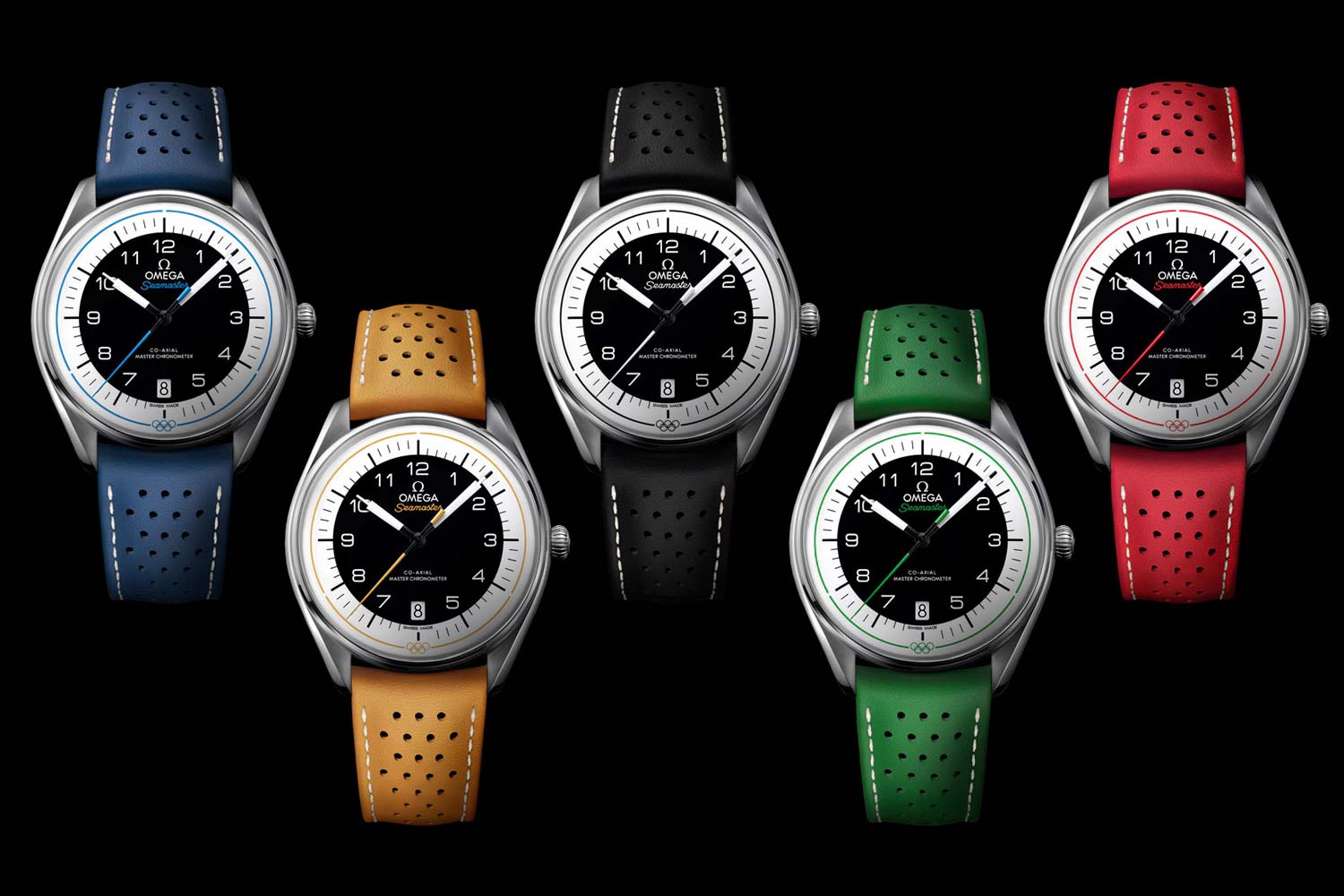
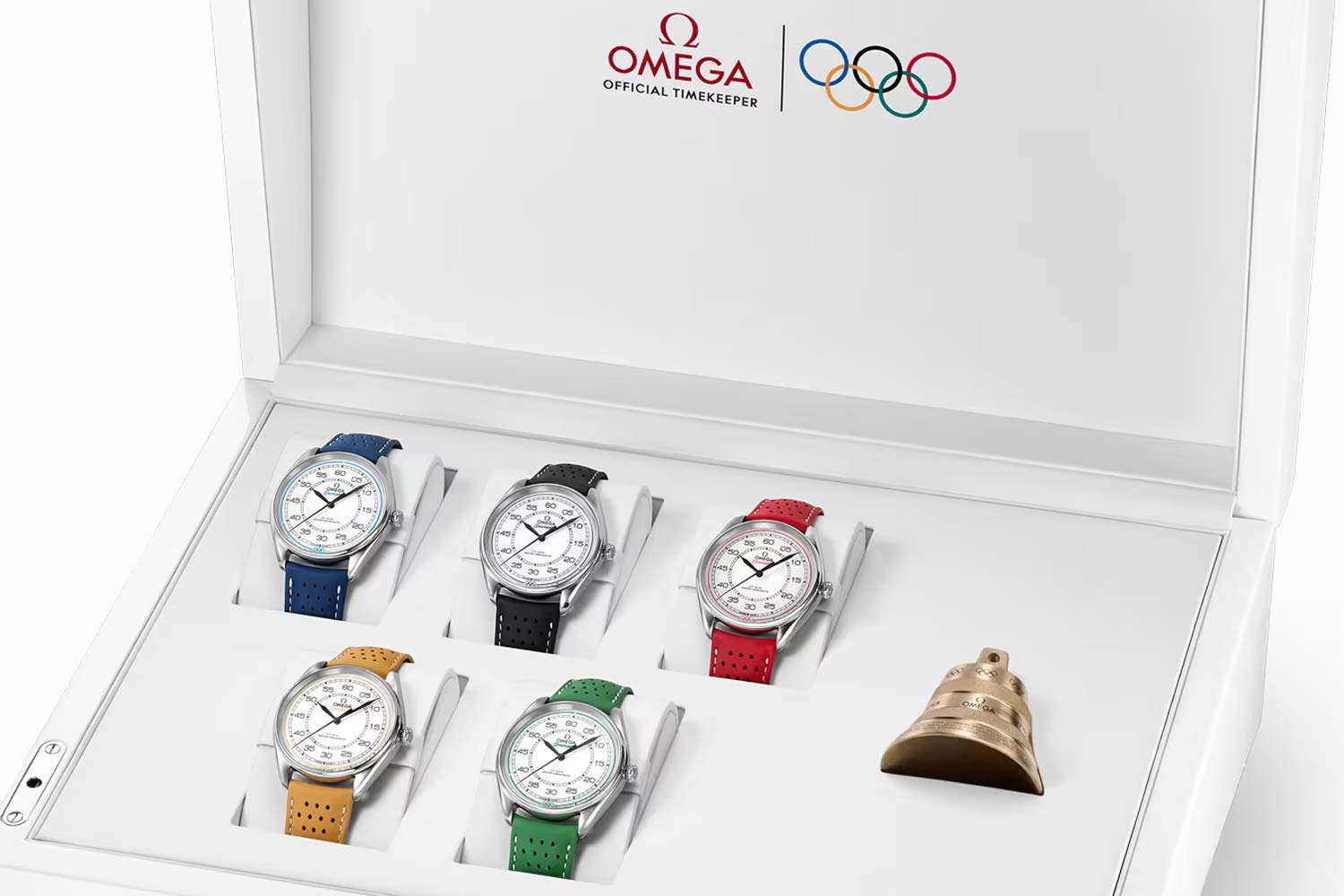
The colors are subtly incorporated into the seconds hand and outer ring of the minute track, making them recognizable without standing out too prominently. These five pieces also come in a lesser-known box set where the dial is entirely white instead of two-tone.
2020: Speedmaster Tokyo 2020 Olympics Collection
Once again, in a five-piece set, the Tokyo 2020 Olympics Collection features Speedmasters instead of simple time-and-date models. This collection is arguably more intriguing than the Seamaster mentioned earlier due to its creative use of color. Each Speedmaster in the collection has its own unique design, reflecting the warmth and coolness associated with its respective color.

The 2020 Speedmaster Tokyo Olympics collection
For instance, the blue version features a tone-on-tone blue bezel and dial with a sunburst finish, a departure from the typical Moonwatch model. The red version stands out with a sandblasted dial in light grey, emphasizing the vivid red ring in strong contrast. The white version adopts a classic “panda” design, while the black and green versions incorporate gold accents on the dial for a luxurious two-tone effect.
A partnership with unlimited possibilities
The 21st century’s explosion of the internet has fueled a global collecting phenomenon, and Omega keeps pace by creating a diverse range of Olympic-themed limited editions. While the previously mentioned watches are some of the most sought-after, they represent just a fraction of Omega’s interesting offerings. Countless other exciting models exist, from the understated 2018 Seamaster Olympic Official Timekeeper in platinum with a black enamel dial to the 2024 Speedmaster Chronoscope Paris 2024, featuring a full gold case and bracelet — a first for Olympic editions. Ultimately, the perfect Olympic Omega is the one that resonates with you and inspires you to embody the Games’ motto: faster, higher, stronger.

Omega
You may also like
Editorial
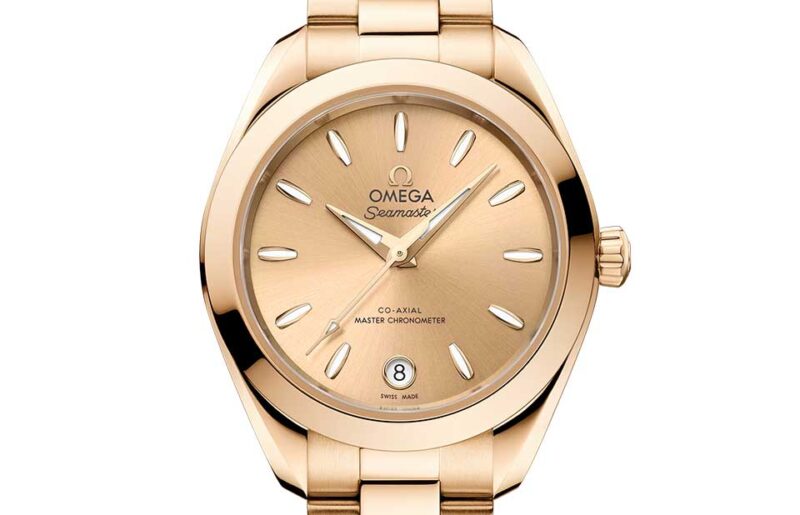
Revolution Awards 2025: Best Women’s Watch — Omega Seamaster Aqua Terra 150M 30mm, Moonshine Gold on Moonshine Gold
Jan 27, 2026
Editorial
Revolution Awards 2025: Best Women’s Watch — Omega Seamaster Aqua Terra 150M 30mm, Moonshine Gold on Moonshine Gold
Jan 27, 2026
Reviews
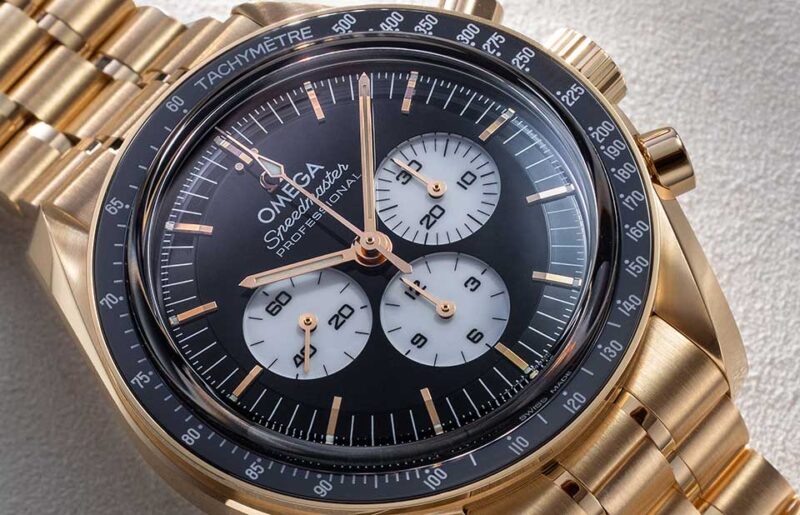
A Closer Look: Omega Speedmaster Moonwatch “Reverse Panda”
Jan 21, 2026
Reviews
A Closer Look: Omega Speedmaster Moonwatch “Reverse Panda”
Jan 21, 2026
Editorial
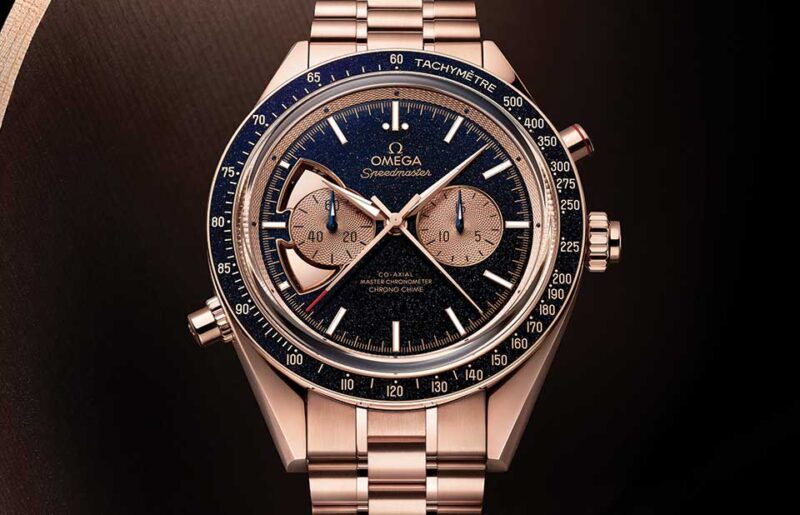
The Revolutionary List: 30 Pioneering Watches – the Omega Speedmaster Chrono Chime
Dec 2, 2025
Editorial
The Revolutionary List: 30 Pioneering Watches – the Omega Speedmaster Chrono Chime
Dec 2, 2025