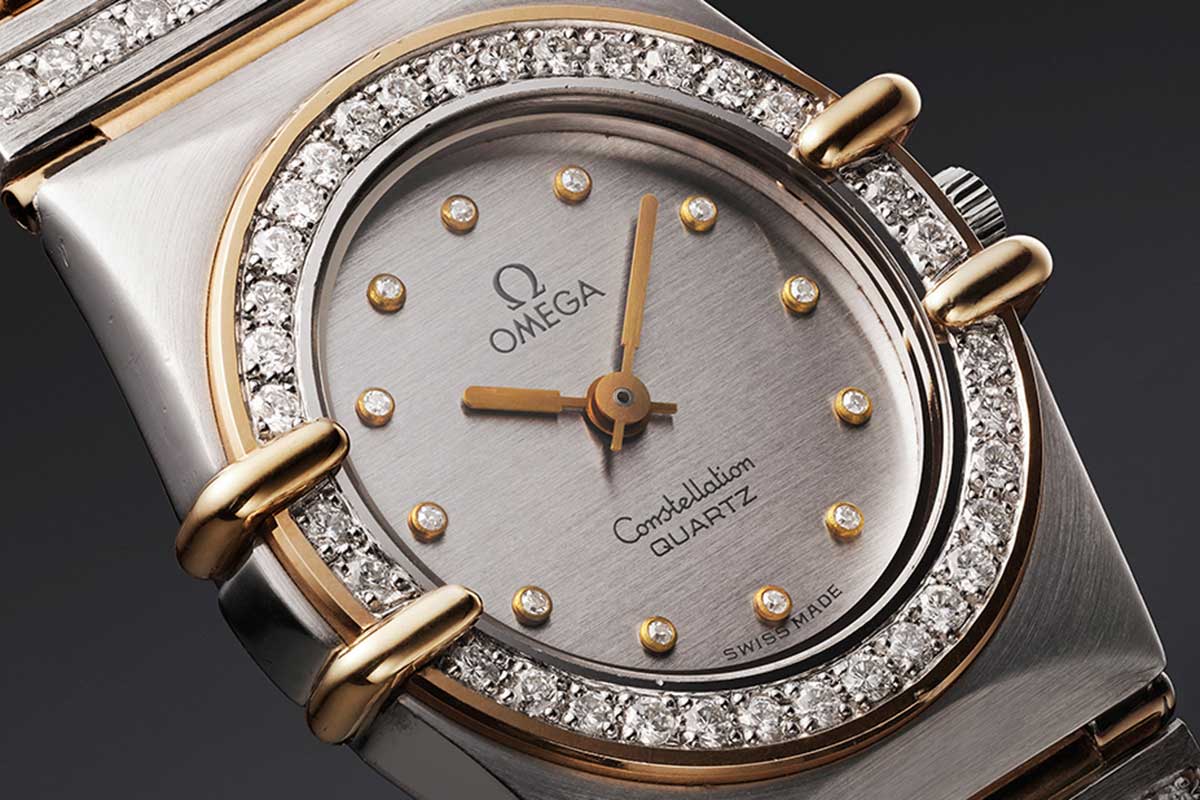
Omega and the Met Gala: an archive-led strategy
Editorial
Omega and the Met Gala: an archive-led strategy

The Met Gala was never actually intended for this level of interest. When Eleanor Lambert pulled the first dinner together in 1948, it was a fundraiser for the Costume Institute, a localized affair for New York society. Back then, the event lived on in the next day’s newspapers, it didn’t explode across global feeds in real-time. That frantic, digital theater came much later.

A portrait of Eleanor Lambert (Image: GettyImages)
It was the 1990s, under Anna Wintour, that saw the event mutate into an extravaganza. The guest list turned into a high-stakes puzzle, the themes became gateways to the unexpected rather than simple dress codes, and the frantic few minutes on those iconic steps became the entire point of the evening. People still sit for dinner, but nobody is looking at the plates anymore, they’re looking at the spectacle.
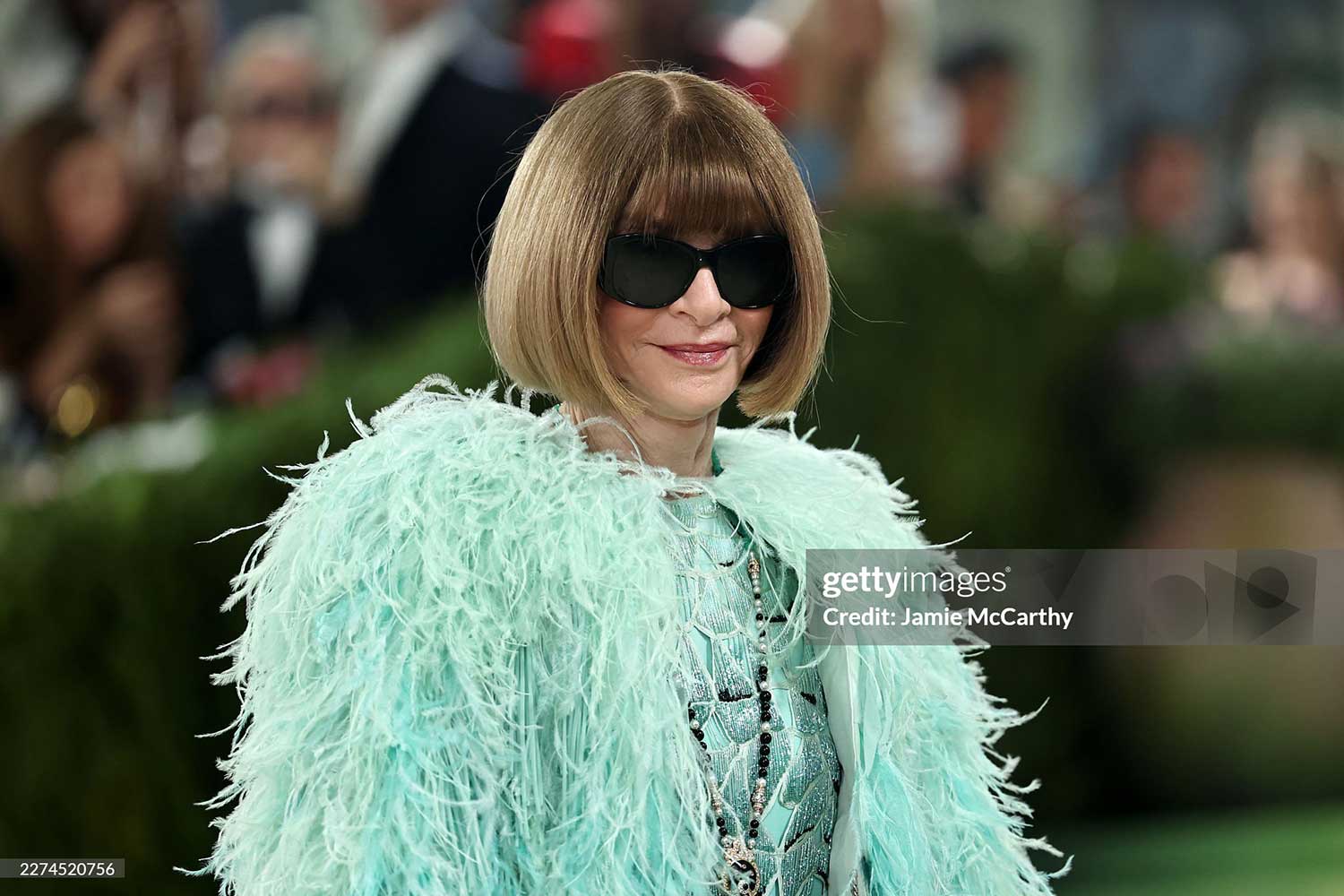
Anna Wintour attends the 2026 Met Gala celebrating “Costume Art” at the Metropolitan Museum of Art on May 04, 2026 in New York City. (Photo by Jamie McCarthy/Getty Images)
This year’s “Fashion is Art” theme pushed that logic to its limit. It leaned into the growing sentiment that an archive carries just as much cultural currency as a new collection making history something to be revisited and reworn, not just cataloged. In the world of couture, this has been the standard for years; stylists hunt for vintage McQueen or Dior like holy grails. For watch brands, however, this direction presents a trickier set of questions.
A red carpet isn’t a controlled environment like a boutique or a print ad. It’s chaos. A watch only grabs attention if it genuinely earns it by playing off the fabric, the cut, and the silhouette of the wearer. If the watch fits the “soul” of the outfit, it’s noticed. If not, it looks like an afterthought and vanishes from the collective memory by morning.
Most brands still try to solve this with volume. They go for the “kitchen-sink” approach: bigger cases, more carats, and loud colors that can be seen from the back of the room. While the likes of Jacob & Co. or Audemars Piguet provide enough heft and sparkle to be visible from the back of the line, Omega’s approach this year felt considered rather than reactive, a sophisticated swerve — and a genuine risk.
The new Constellation Observatory collection only hit the shelves last month. With the return of the “pie-pan” dial and the technical bravado of a two-hand movement hitting Master Chronometer standards, Omega had plenty of newness to justify a standard marketing push. But the brand chose a more nuanced path.
Instead of just showing the new, they turned the clock back to 1982 when the Constellation underwent its most radical evolution, emerging as the “Manhattan” — a sleek, integrated-bracelet hit that arrived during some of the darkest years for Swiss watchmaking. It is a polarizing era to revisit; for some, the “Manhattan” silhouette still carries the baggage of the quartz crisis, but in this context, it felt like a deliberate pivot toward historical continuity.
Nicole Kidman, who has always had a knack for picking the right vintage Omega for the right room, wore a 1982 Manhattan in its most elevated jewelry form. It was a delicate mix of white and yellow gold, with a bezel and bracelet dusted with white diamonds. It set the tone.
-
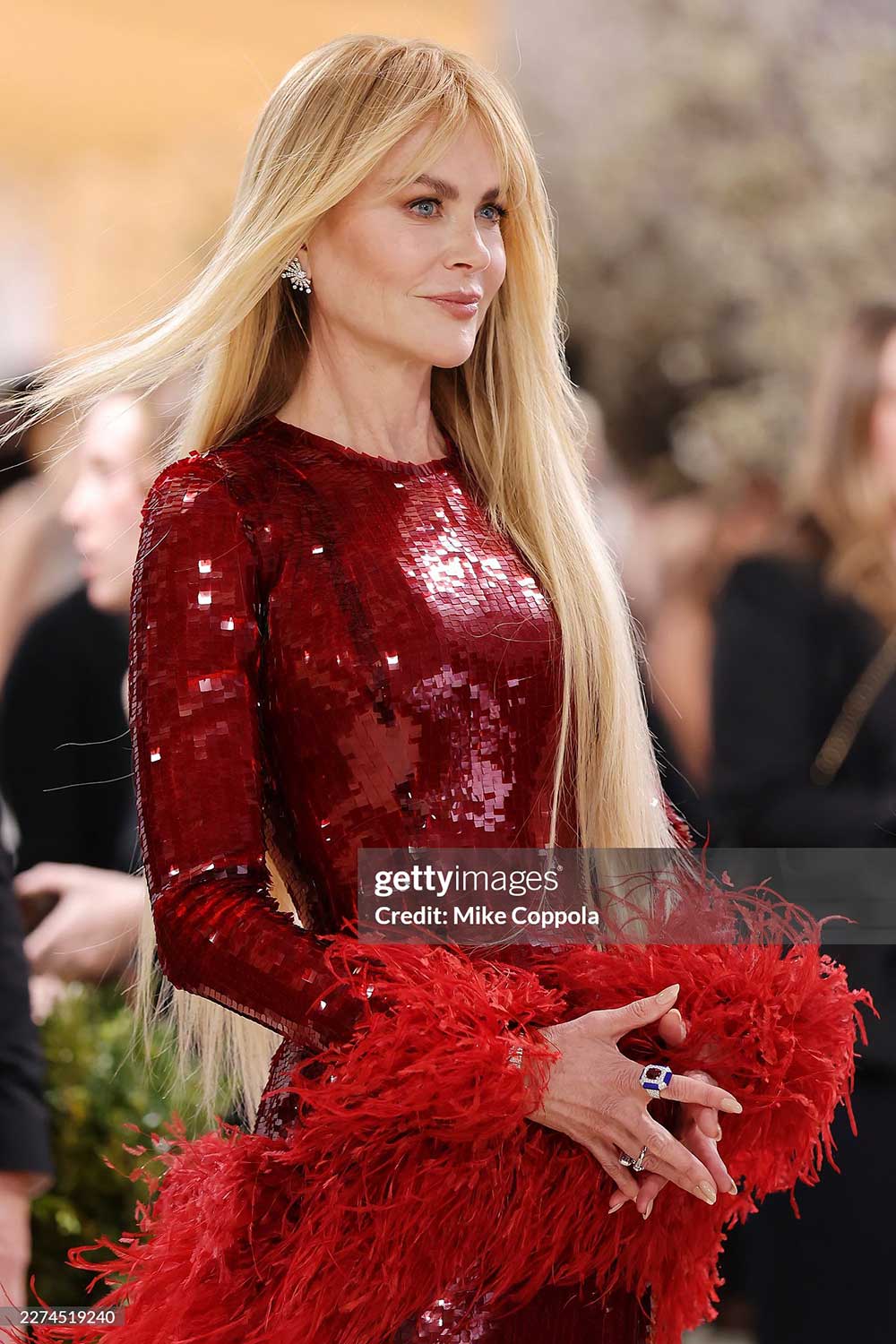
- Nicole Kidman attends the 2026 Met Gala celebrating “Costume Art” at the Metropolitan Museum of Art on May 04, 2026 in New York City. (Photo by Mike Coppola/Getty Images)
-
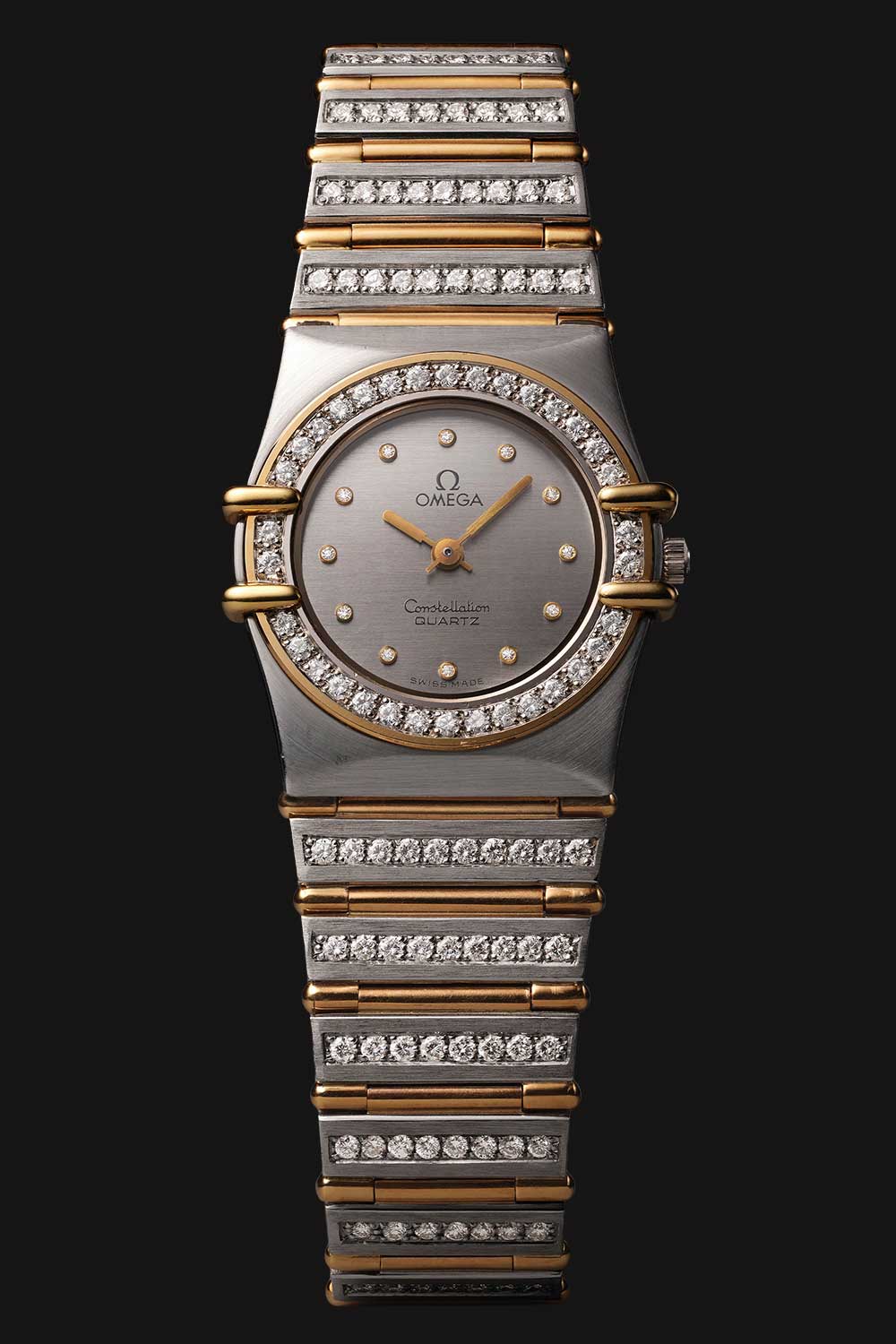
- Omega Vintage Constellation Manhattan Jewelry 1982
Colman Domingo, who is quickly becoming the most reliable style presence on any carpet he touches, took that 1982 silhouette in a different, moodier direction. His Manhattan Grand, in steel and yellow gold with a sharp black dial, sat remarkably flat against the wrist. That integrated line is something the Constellation does better than many others in the category, and on Domingo, it looked slightly sculptural.
-
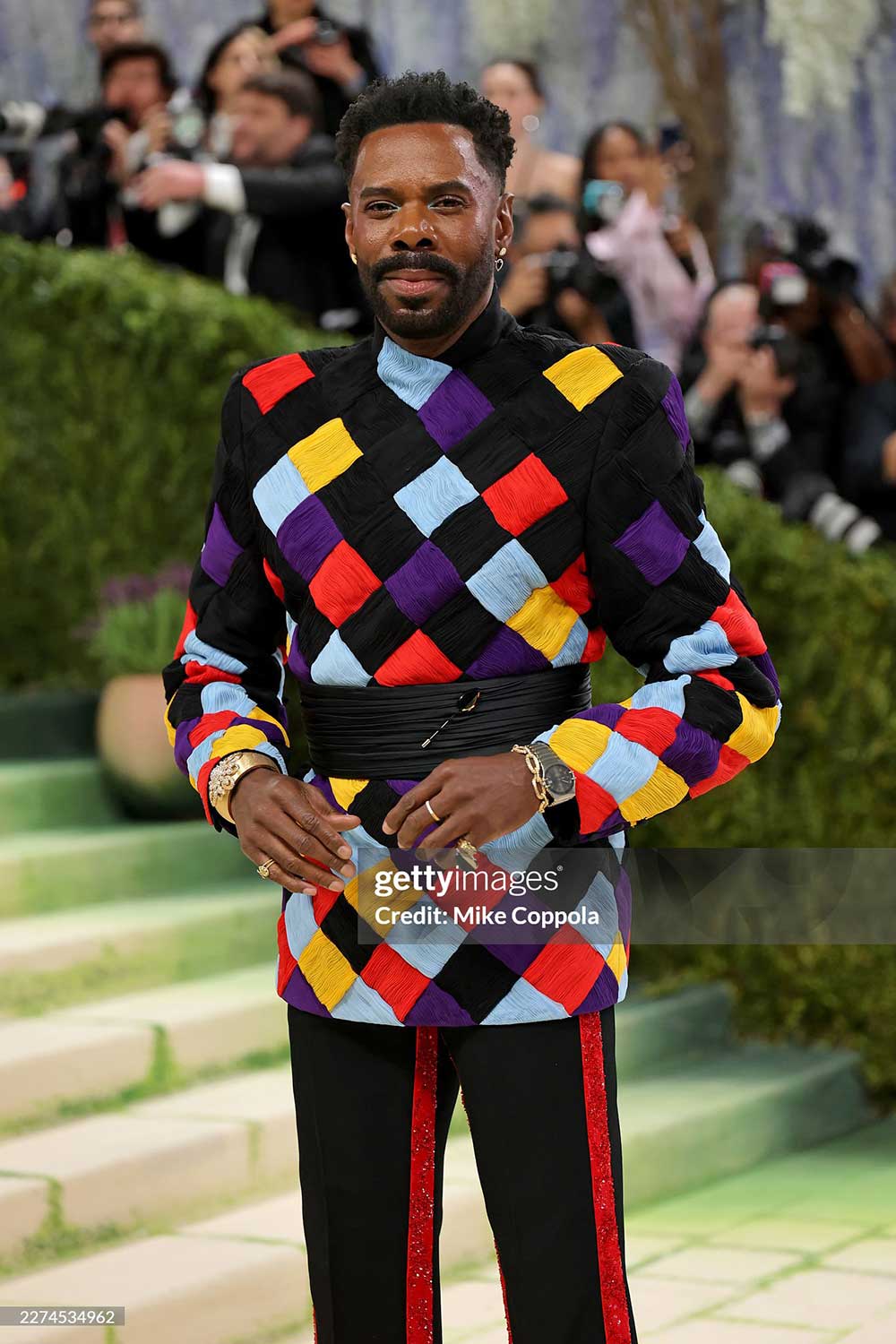
- Colman Domingo attends the 2026 Met Gala celebrating “Costume Art” at the Metropolitan Museum of Art on May 04, 2026 in New York City. (Photo by Mike Coppola/Getty Images)
-
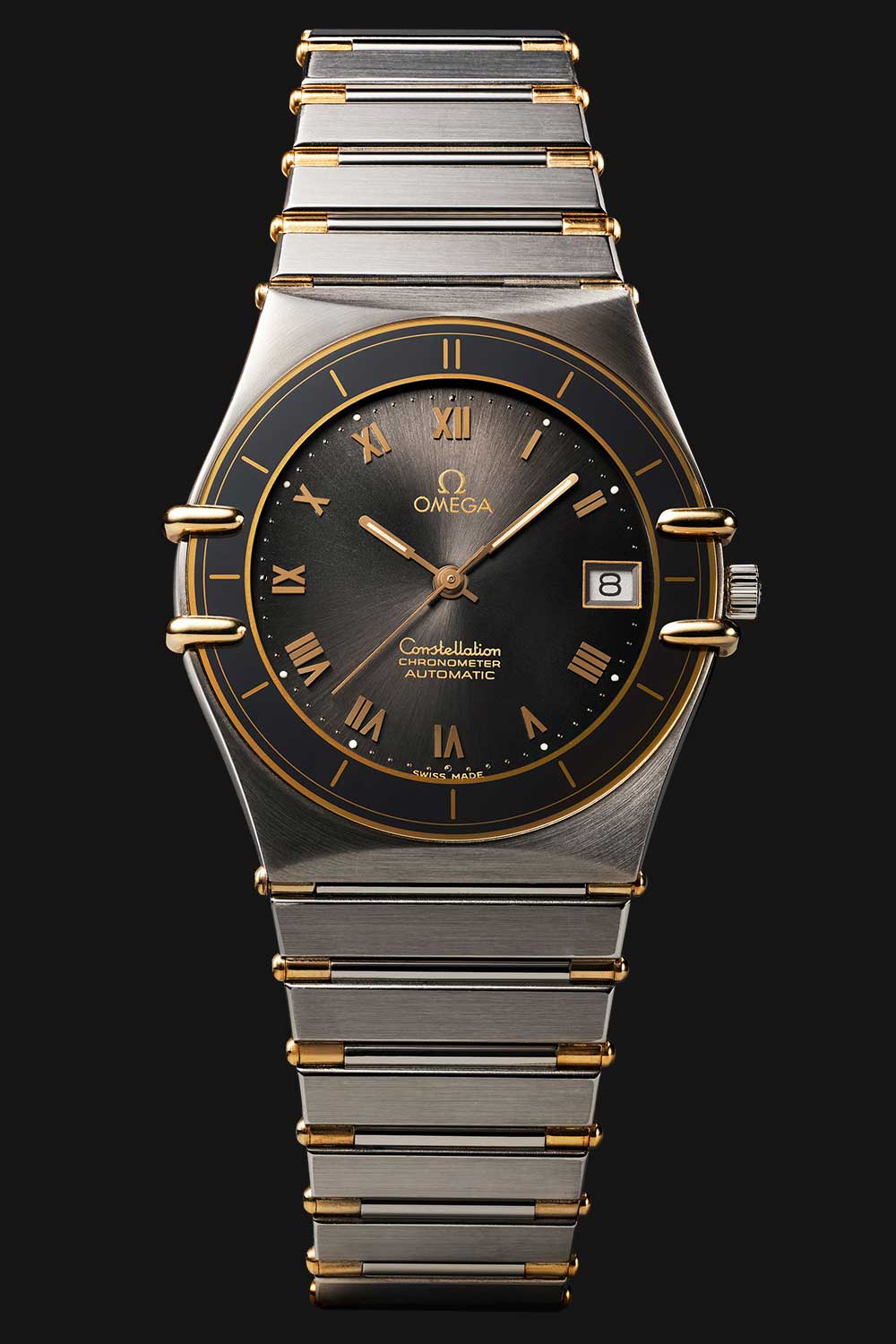
- Omega Vintage Constellation Manhattan Chronometer
Then there was Mondo Duplantis. The Olympic pole vaulting champion went for a tonal approach — same era, but with a gold-hued dial that blurred the lines between the case and the bracelet.
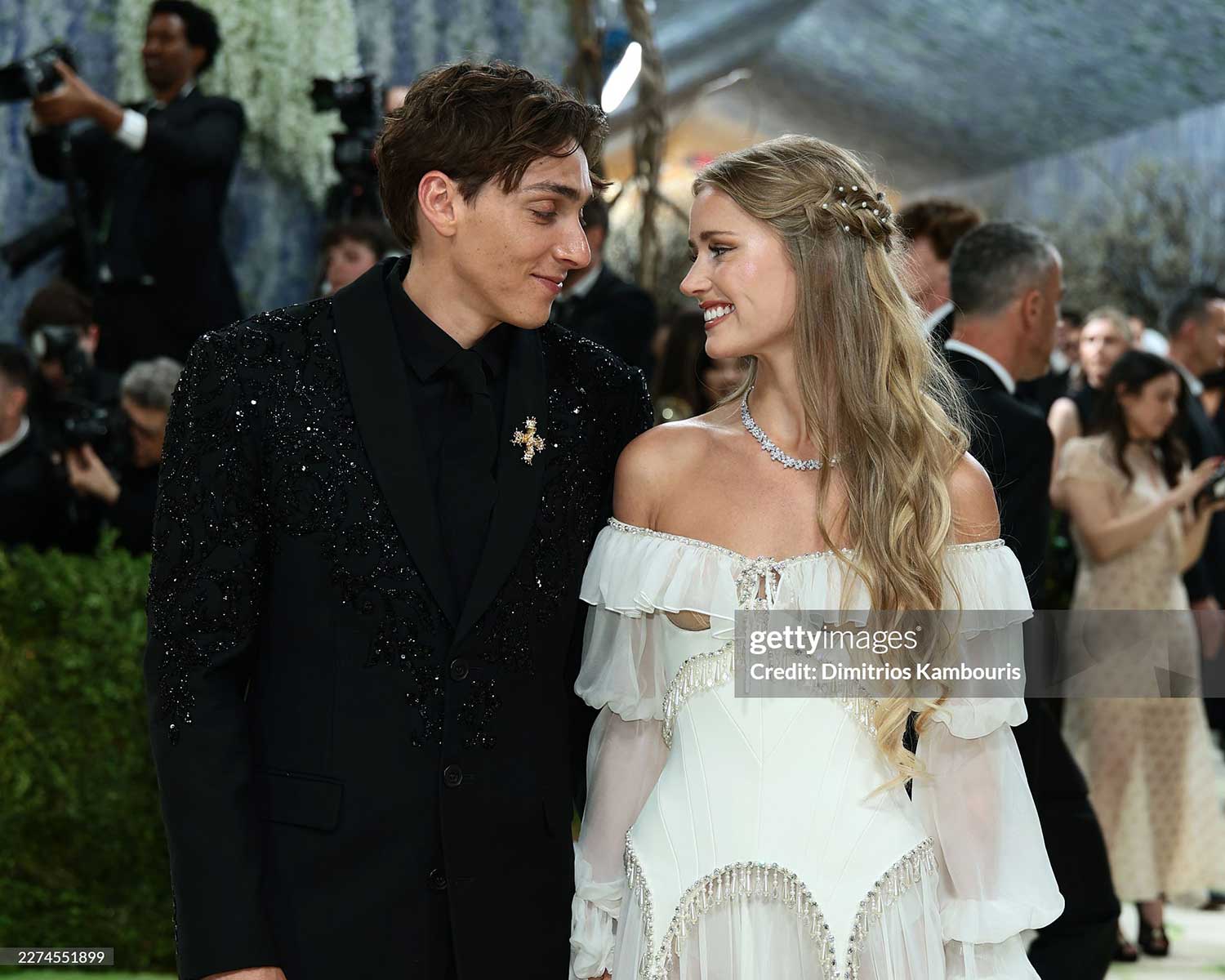
Mondo Duplantis and Desire Iglander attend the 2026 Met Gala celebrating “Costume Art” at the Metropolitan Museum of Art on May 04, 2026 in New York City. (Photo by Dimitrios Kambouris/Getty Images for The Met Museum/Vogue)
These vintage pieces subliminally set the stage and by the time the modern watches appeared, the context was already built. Swedish influencer Desiré Inglander wore a contemporary, downsized Constellation in steel, with mother-of-pearl dial and diamond bezel. The feature Carol Didisheim-designed “claws” from ’82 were there, just refined for a 21st-century eye.
-
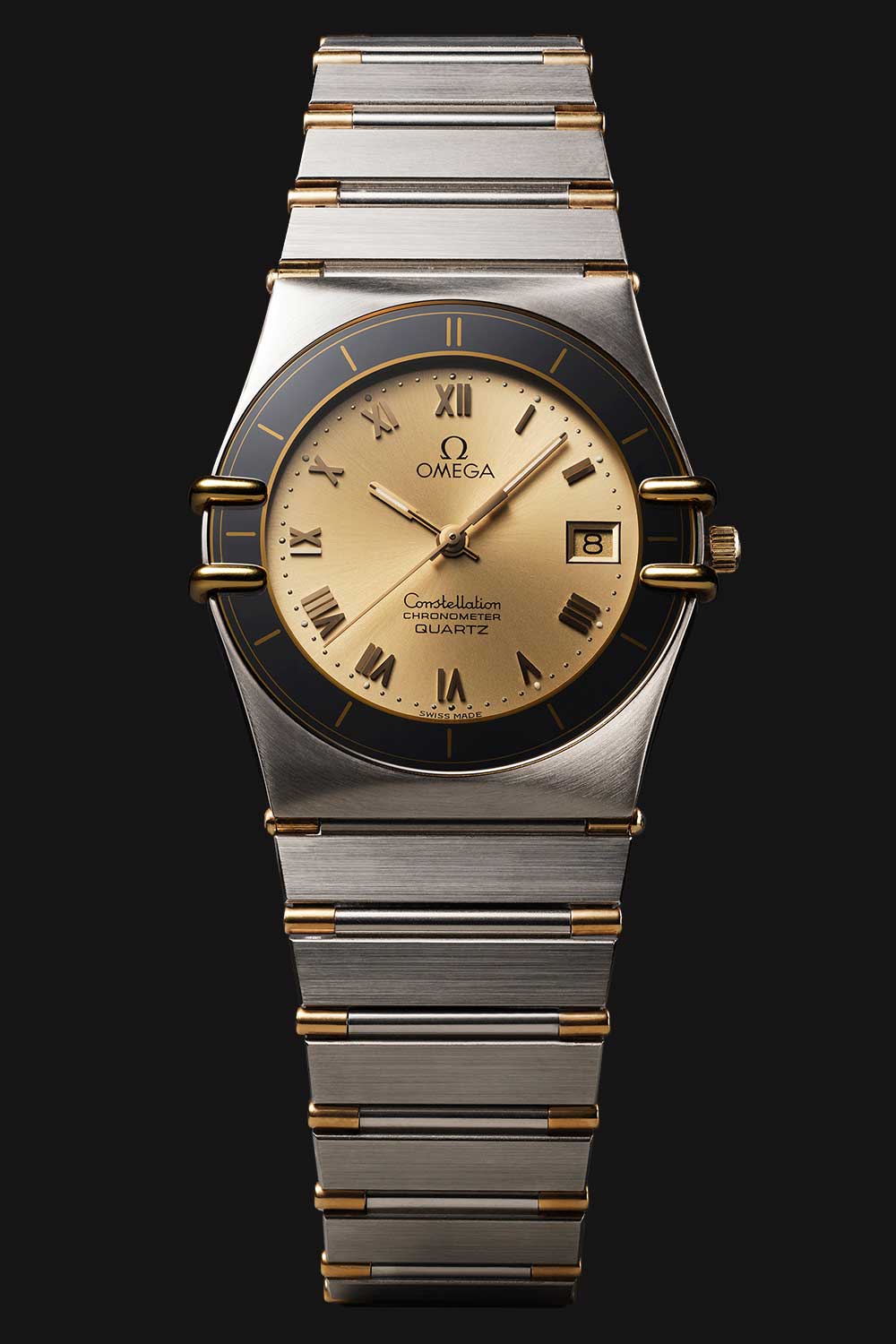
- Omega Vintage Constellation Quartz
-
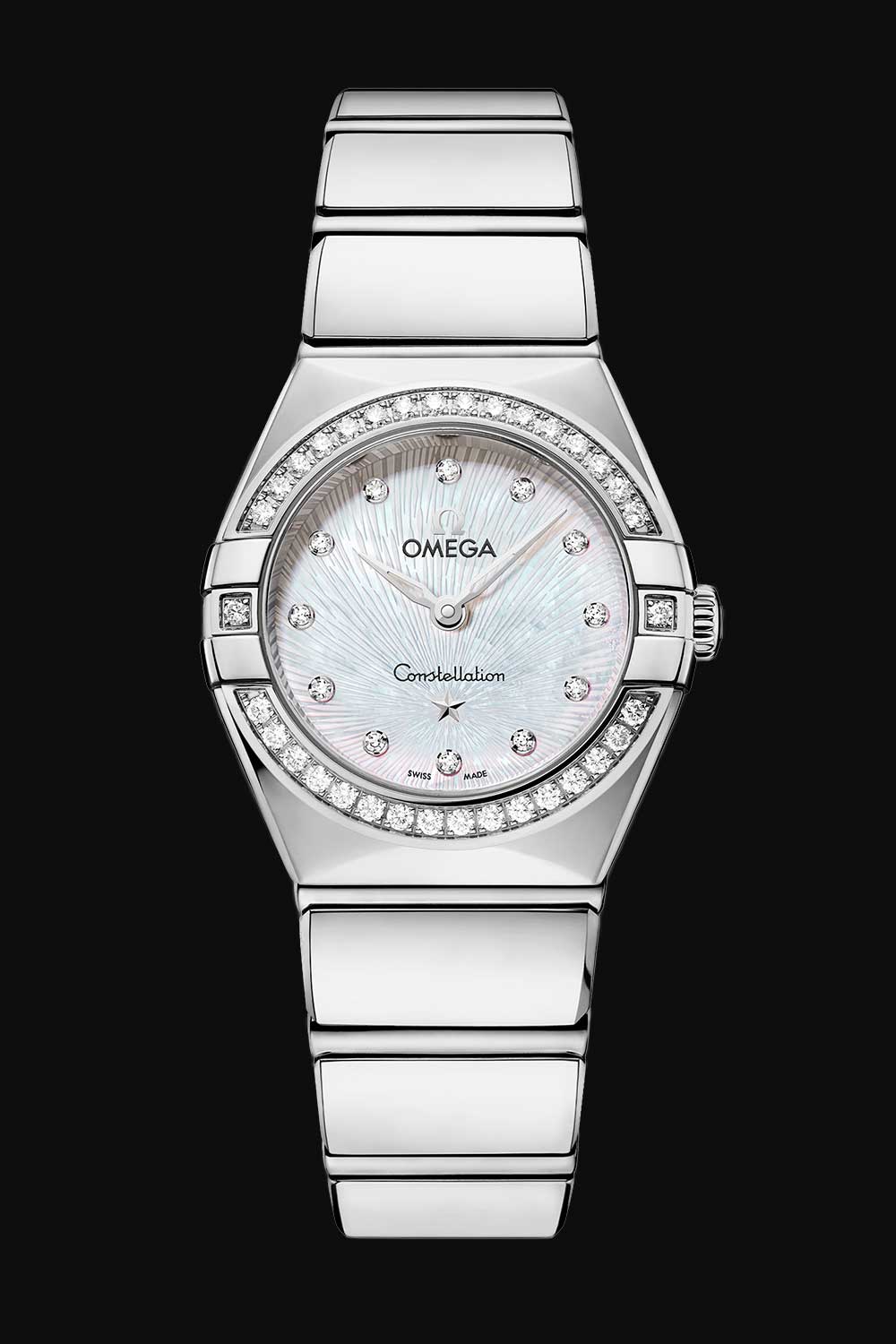
- Omega Constellation 25mm with mother-of pearl dial and diamond bezel
British actor Tom Francis and Irish actor Dónal Finn then brought the new Constellation Observatory models into the light. Francis opted for the Canopus Gold model, while Finn went for the high-contrast look of steel paired with a deep green dial. Heated Rivalry’s Connor Storrie also opted for the Constellation Observatory, this time in Moonshine gold on bracelet.
-
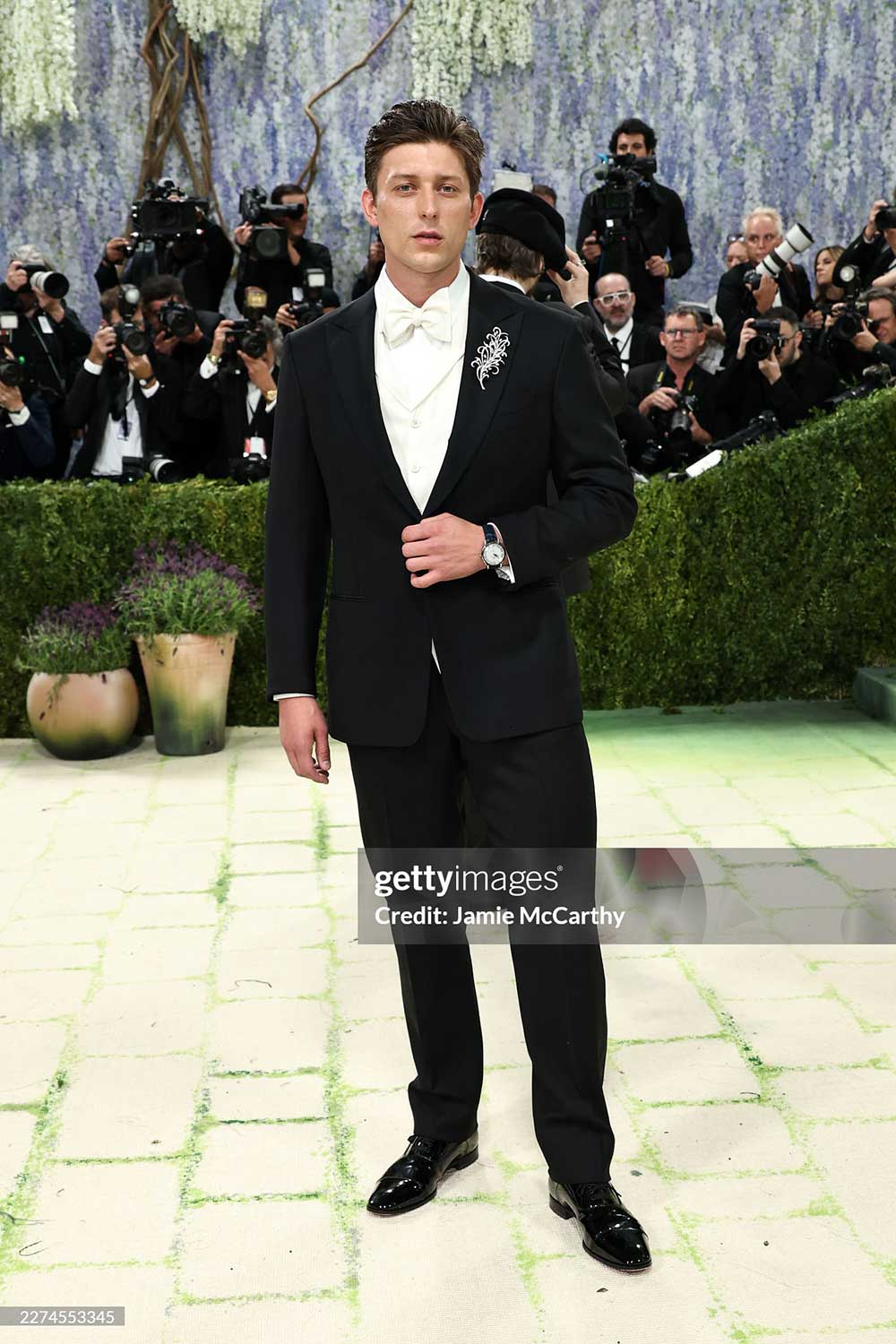
- Tom Francis attends the 2026 Met Gala celebrating “Costume Art” at the Metropolitan Museum of Art on May 04, 2026 in New York City. (Photo by Jamie McCarthy/Getty Images)
-
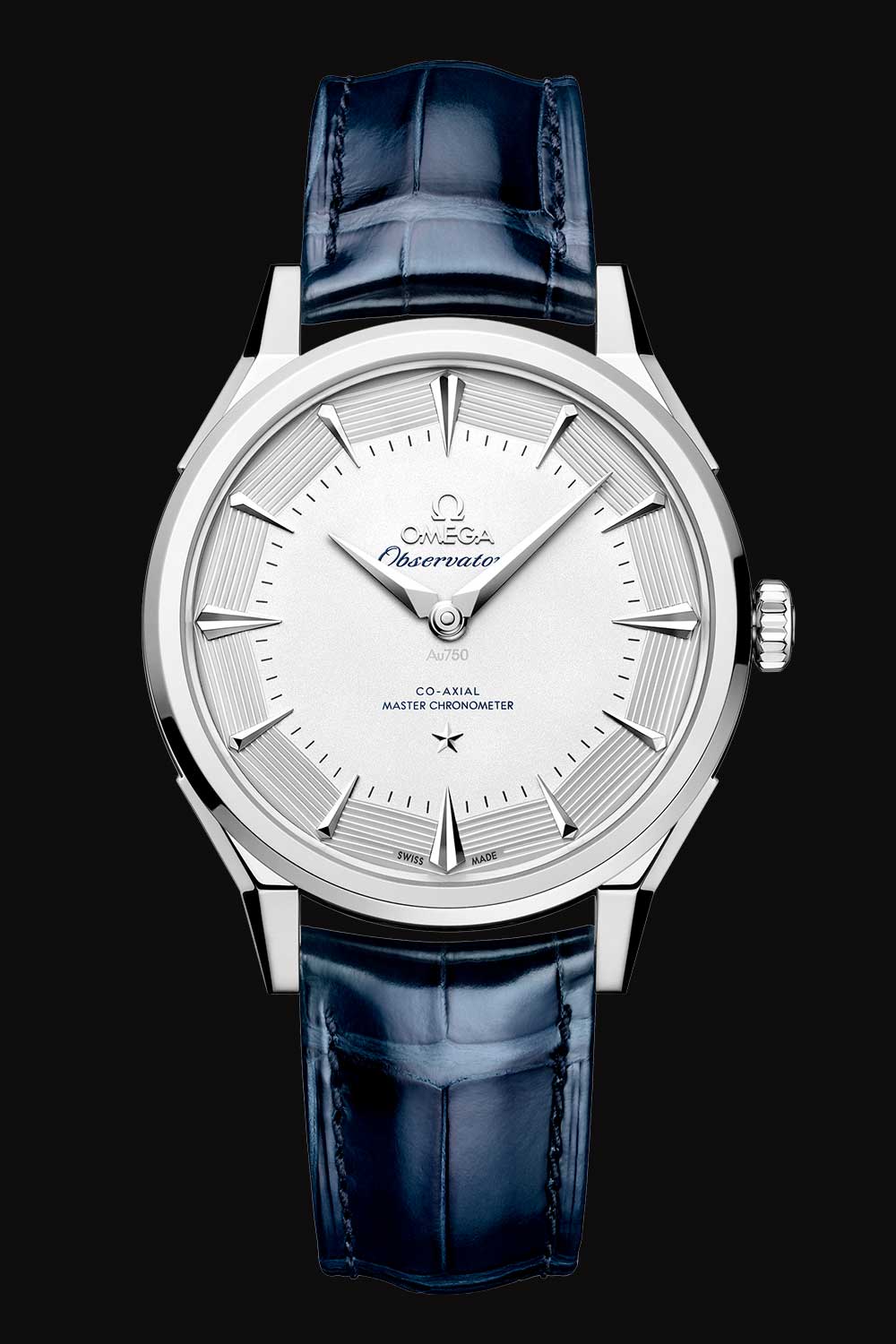
- Omega Constellation Observatory 39.4 mm, Canopus Gold™ on alligator
-
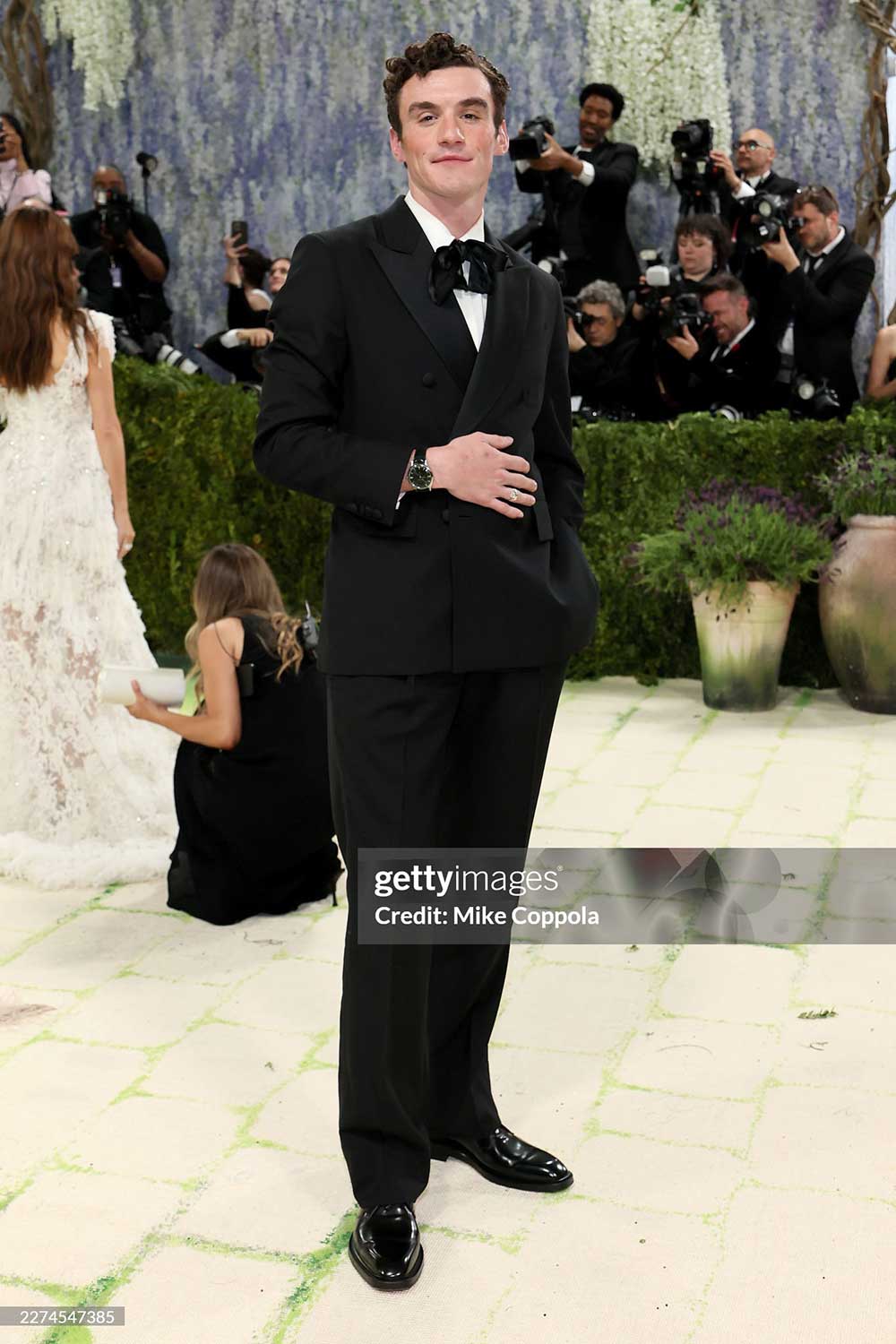
- Donal Finn attends the 2026 Met Gala celebrating “Costume Art” at the Metropolitan Museum of Art on May 04, 2026 in New York City. (Photo by Mike Coppola/Getty Images)
-
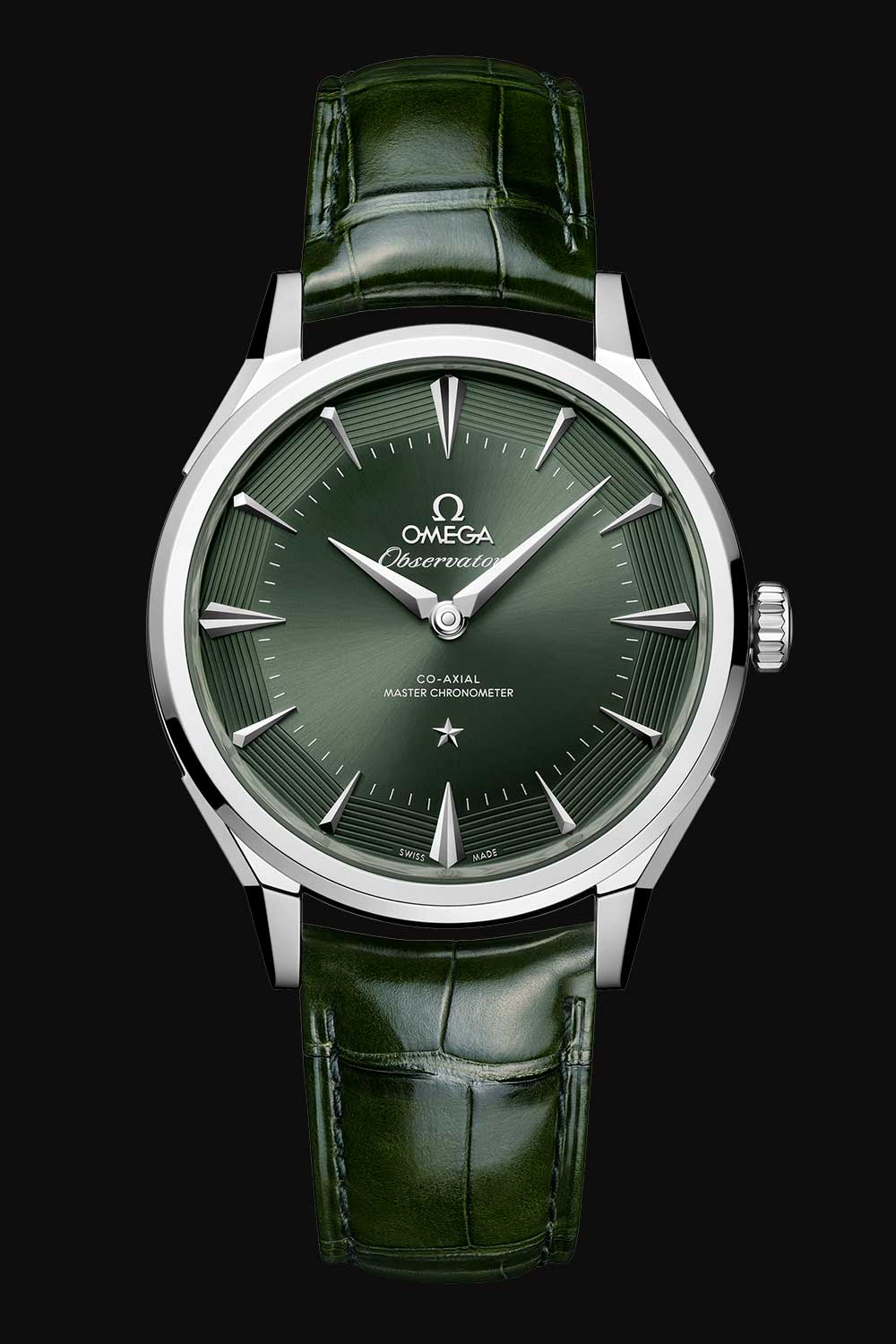
- Omega Constellation Observatory 39.4 mm, O‑MEGASTEEL on alligator
-
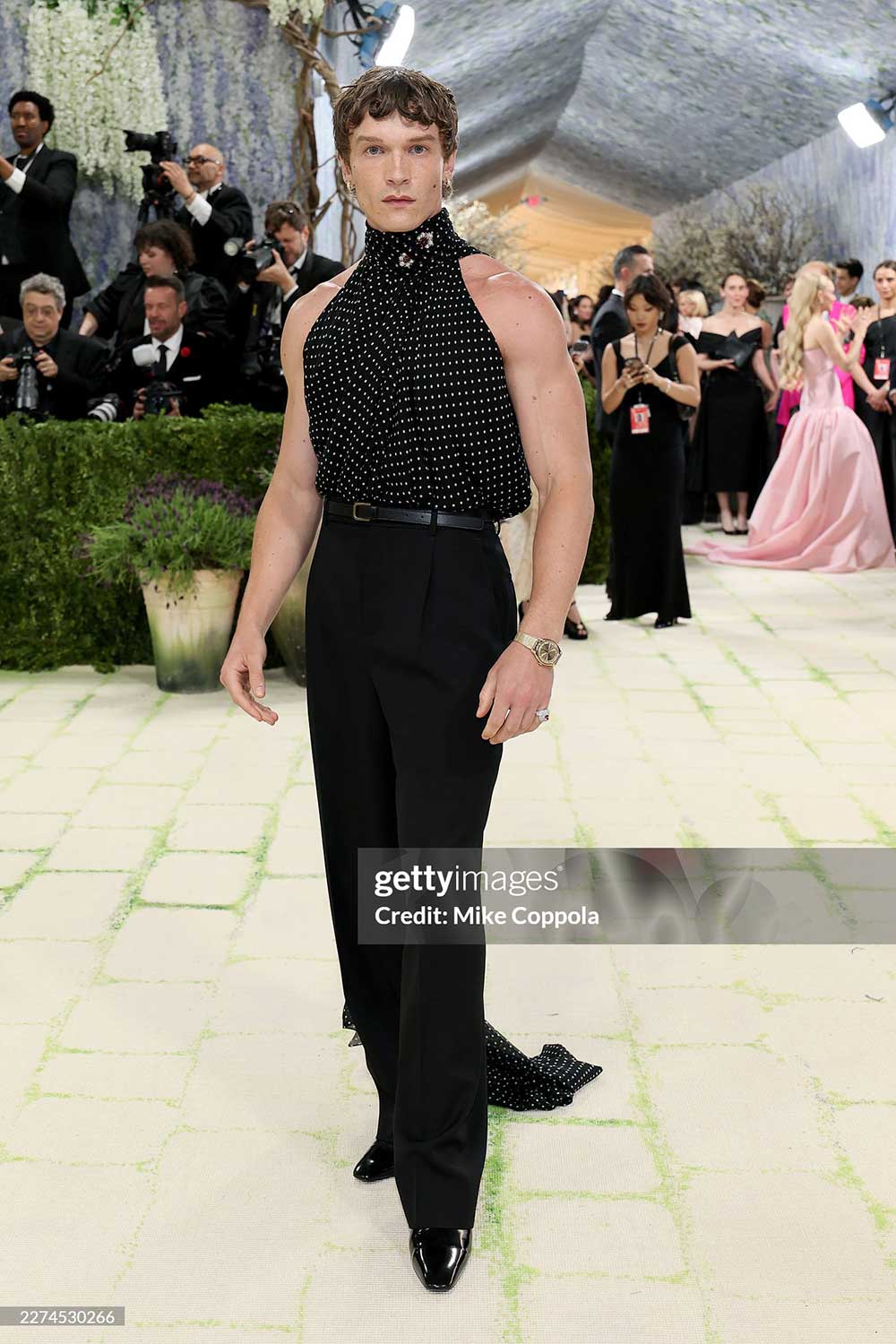
- Connor Storrie attends the 2026 Met Gala celebrating “Costume Art” at the Metropolitan Museum of Art on May 04, 2026 in New York City. (Photo by Mike Coppola/Getty Images)
-
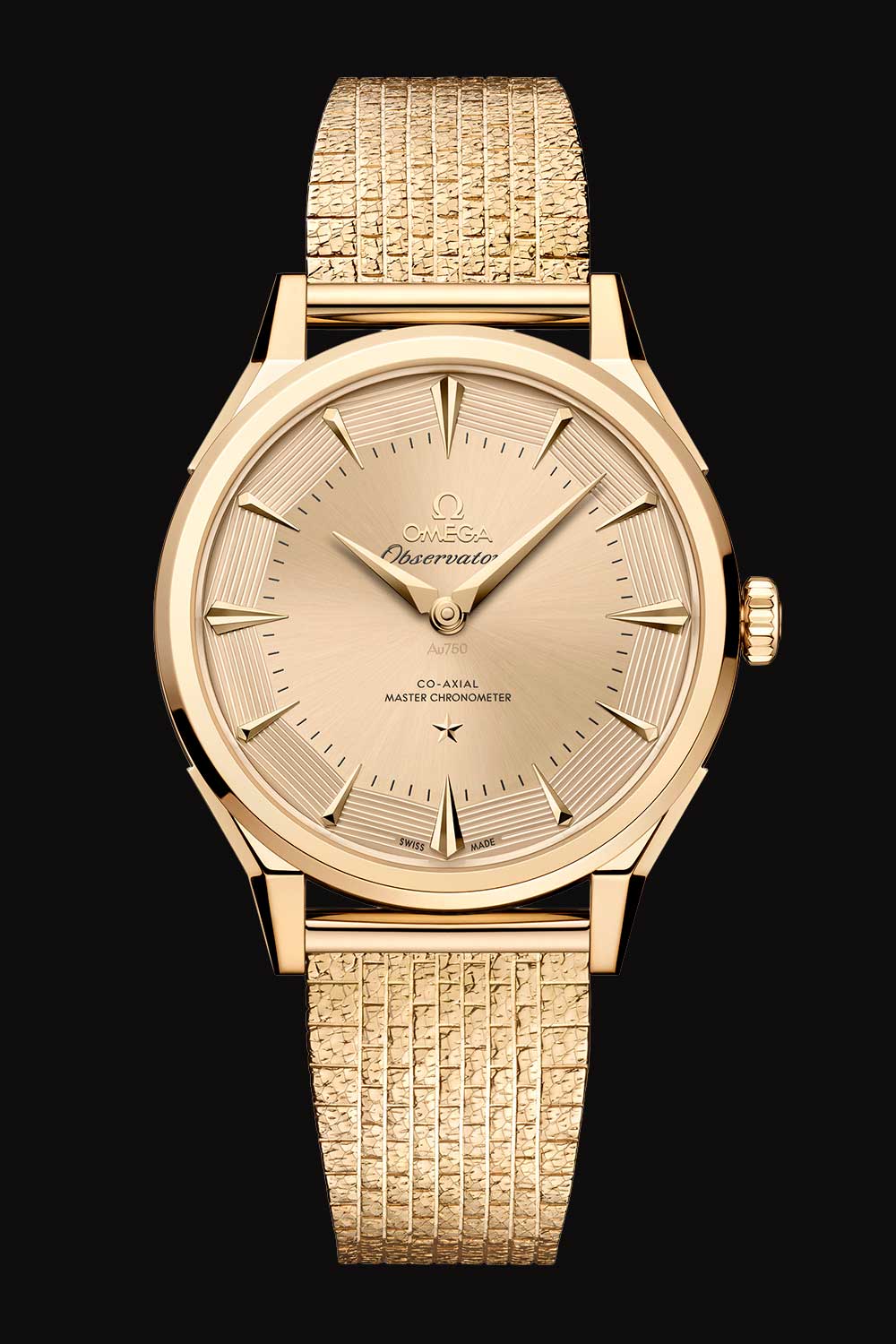
- Omega Constellation Observatory 39.4 mm, Moonshine™ gold on Moonshine™ gold
Individually, these watches weren’t trying to break the sound barrier. But as a collective presence, they were striking. While other houses were leaning into the “more is more” philosophy of scale and sparkle, Omega went the other way. Steel, gold, smaller cases, two hands.
The parallel here is fashion itself. The Met is the one place where a stylist can pull a Marilyn “Happy Birthday” dress or a vintage Versace and have it be the biggest story of the night. Omega just applied that same archival logic to horology.
By taking “Fashion is Art” literally, the brand treated the red carpet like a curated gallery instead of a shop window. The 1982 watches provided the context, and the 2026 models were the conclusion. That’s the real gamble: most brands assume the public needs to be hit over the head with the “new” product. Omega took the risk that if you place a 1982 Manhattan next to a 2026 Observatory, 44 years of evolution would speak for itself.
Omega
You may also like
Editorial
Last Week in Watches: New Releases Ahead of Geneva Watch Days 2026
Aug 31, 2026
Editorial
Last Week in Watches: New Releases Ahead of Geneva Watch Days 2026
Aug 31, 2026
Editorial
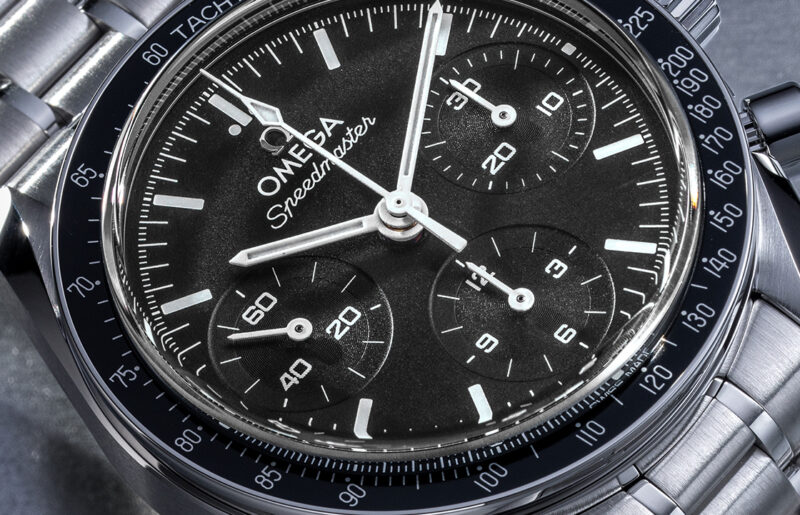
Omega brings the Speedmaster 38mm closer to its Moonwatch roots
Aug 25, 2026
Editorial
Omega brings the Speedmaster 38mm closer to its Moonwatch roots
Aug 25, 2026
Editorial
Last Week In Watches: IWC Mercedes-Benz 140th Anniversary, Total Solar Eclipse MoonSwatch, Zandvoort TAG Heuer and more
Aug 17, 2026
Editorial
Last Week In Watches: IWC Mercedes-Benz 140th Anniversary, Total Solar Eclipse MoonSwatch, Zandvoort TAG Heuer and more
Aug 17, 2026