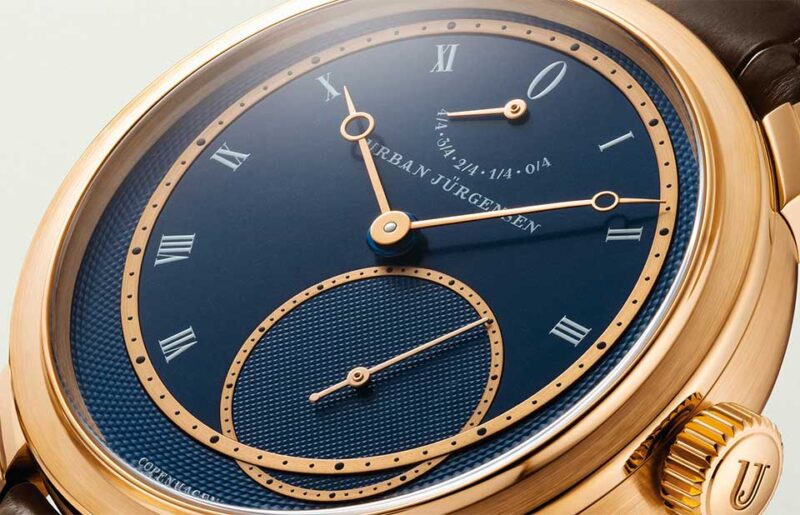
Tudor is very much something of a timeless rock star in the horological world. Whilst the watch market seems to be saturated with brands, both old and new, people never seem to tire of Tudor’s offerings and their products rarely come across as stale. This year they celebrated revisited their relationship with Rolex; not something we have seen for many years and testament to the growing strength of the ‘shield that protects the crown’. The joint celebration of the GMT Master has been one of the biggest hits of Baselworld 2018 alongside the Black Bay 58. But where did it all begin?
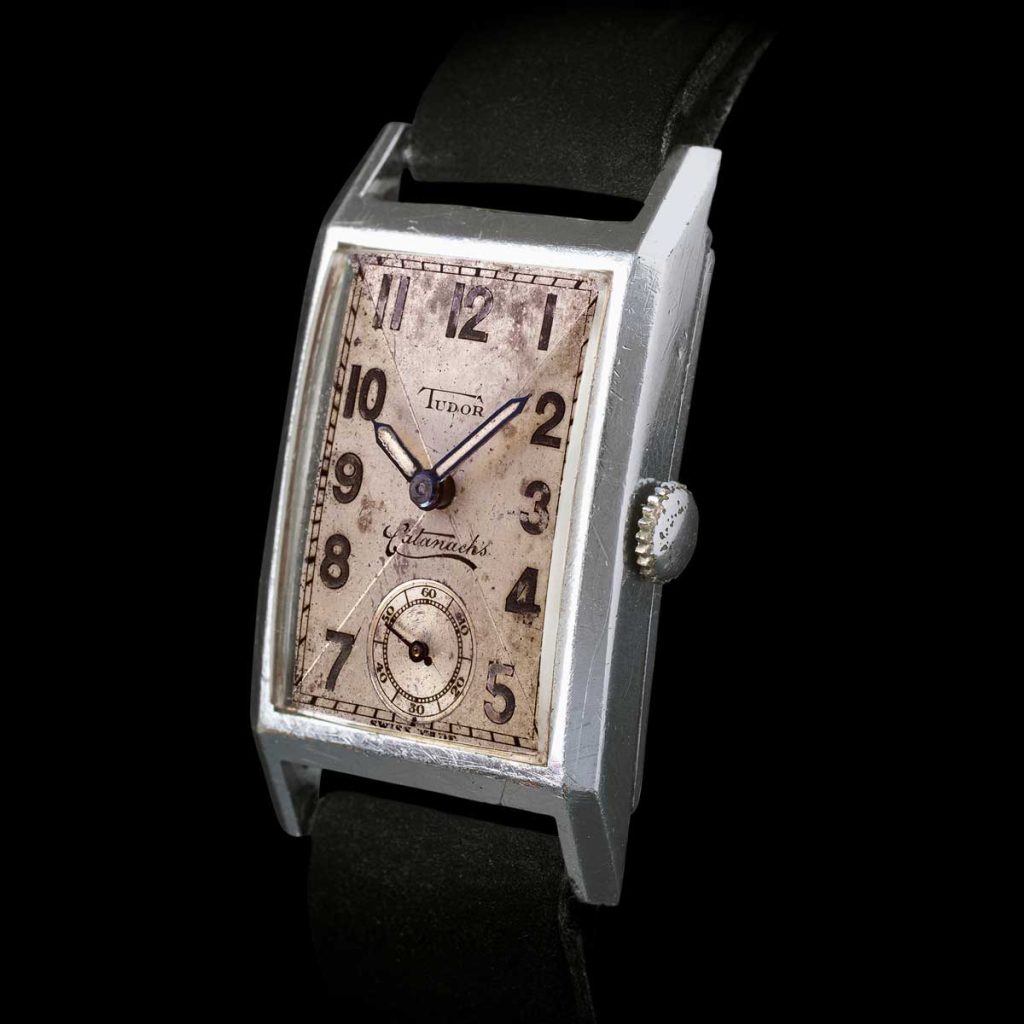
A 1932 Tudor rectangular timepiece called the "Cacatanachs", sold very exclusively within the Australian market (Image © Tudor)
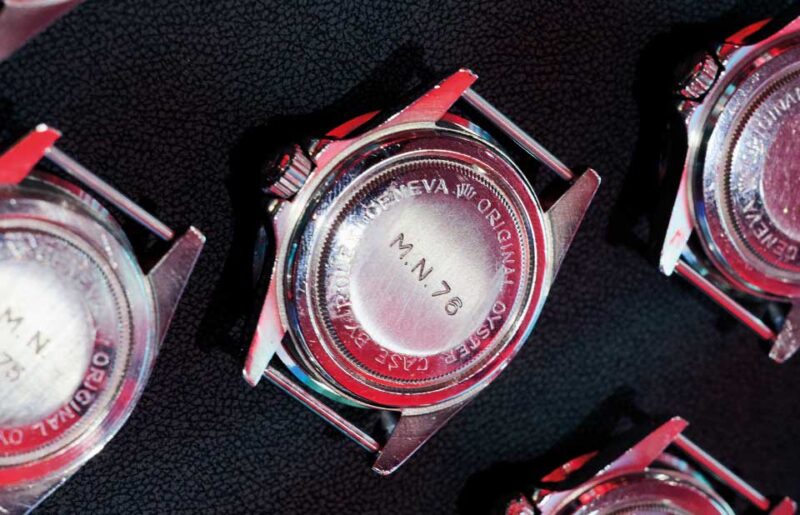
The name Tudor was registered by Hans Wildorf in 1926 and the first Tudor watches started to appear in the early 1930s. The watches were fairly simple, square and rectangular shaped pieces. Two decades later, in 1946, Montres Tudor S.A. was formally launched. Hans Wilsdorf was adamant that the Tudor watches would be of the same very high quality as the Rolex watches he was producing. Tudor was very much part of his family of watches and being the equitable ‘father’ that he was, he bestowed the two key features that had made Rolex a huge success — the Oyster case and automatic movements. They would also benefit from being granted the full Rolex guarantee — which is still the case with Tudor watches today!
It was in the same year, 1946 that the Oyster watches started to appear and half a decade later the ‘Oyster Prince’ was introduced. The ‘Prince’ designation signified the presence of an automatic movement. I have often said that, in my opinion, the Oyster case one of the most pleasing aesthetic designs of the 20th Century. It is timeless and is still as relevant today as it was 60 years ago — much like the Porsche 911 and the Fender Stratocaster. It has been interpreted in a multitude of different ways starting from its original and purest form in the 1950’s Oyster watches, through to the Black Bays GMT and 58 today. When you compare the style and form of a late 1950’s Tudor Big Crown Submariner against a Heritage Black Bay 58, the DNA running through both pieces is writ large across the six decades age difference between the pieces.
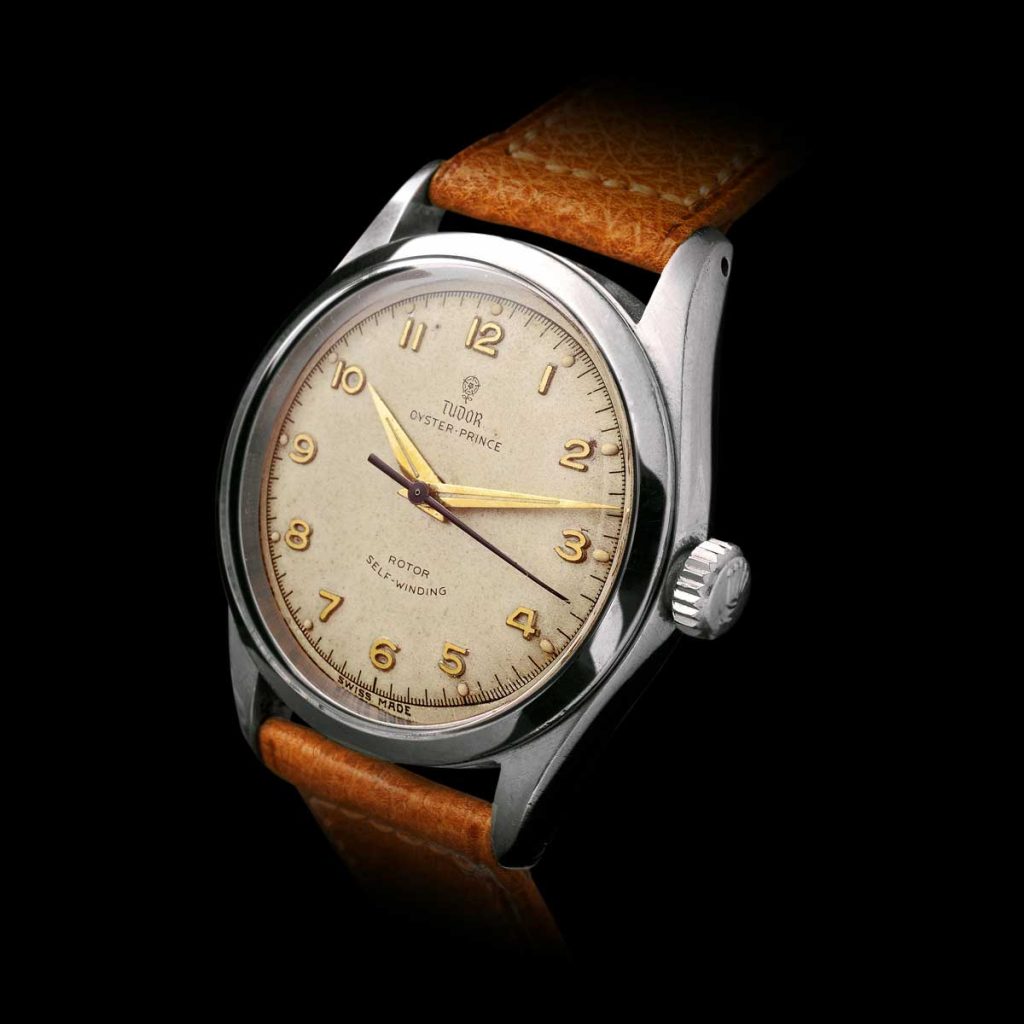
A 1952 Tudor Oyster Prince (Image © Tudor)
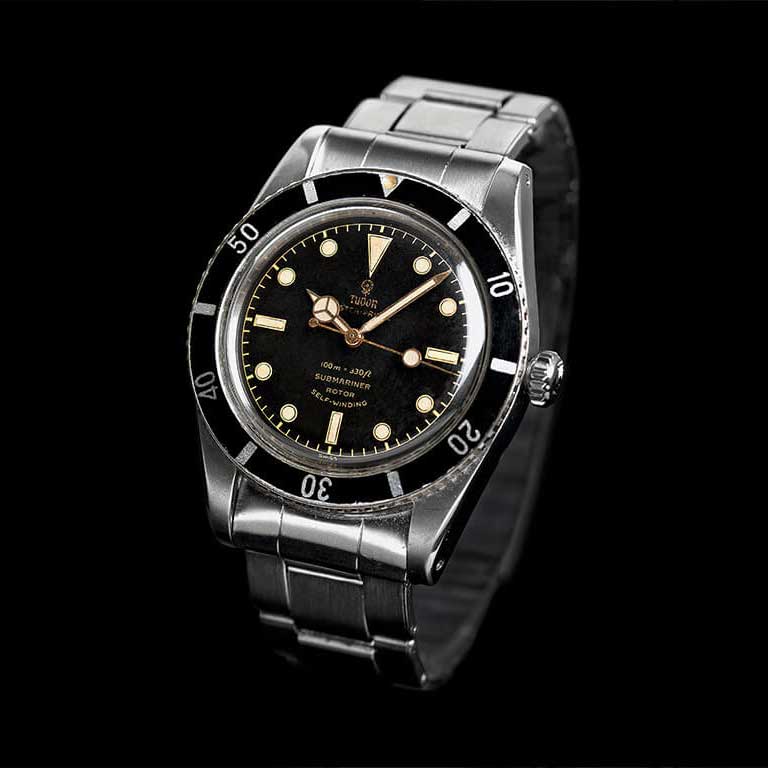
A 1954 Tudor Oyster Prince Submariner ref. 7922 (Image © Tudor)
Tudor has had two major hits in its back catalogue, both of which are still celebrated today. The first is the mighty Submariner, a watch that appeared across both Tudor and Rolex and which arguably Tudor has done more experimental development of.
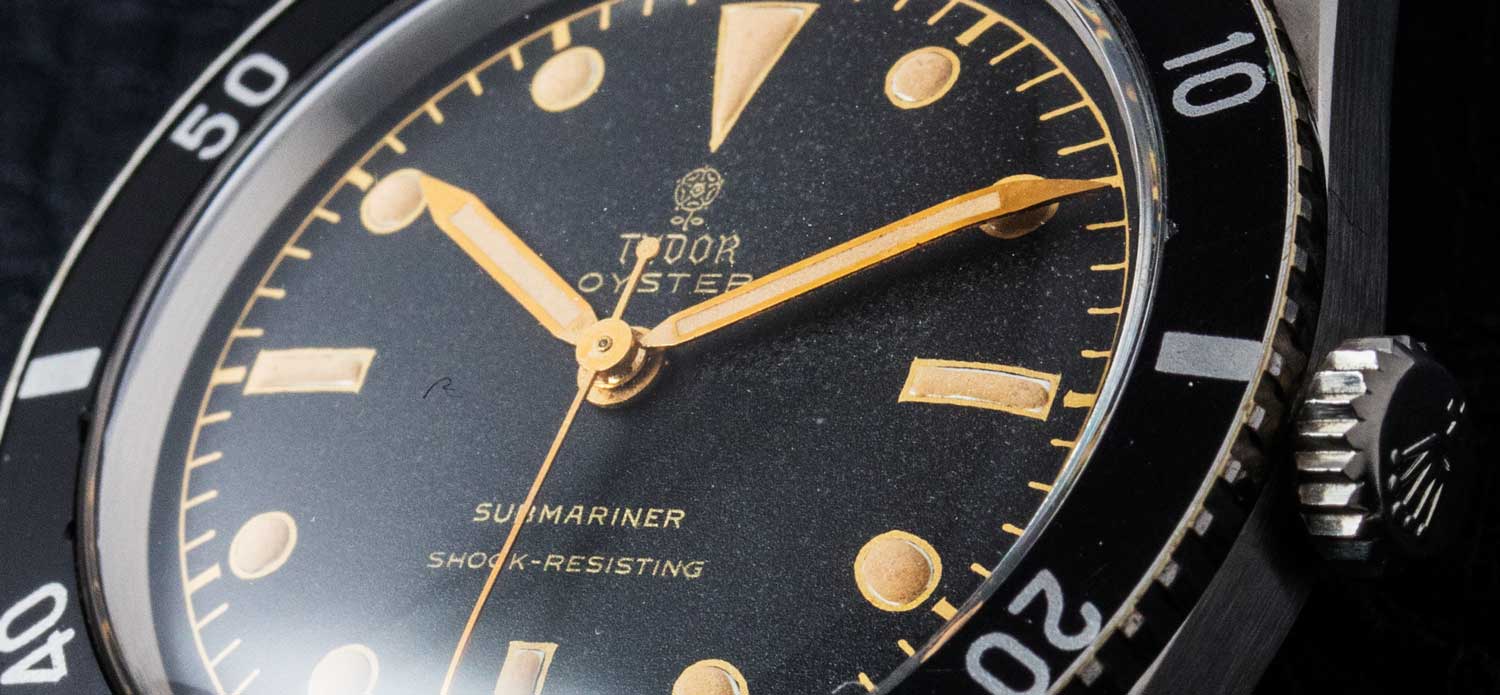
I have written fairly extensively on the development of the Tudor Subs and the relationship with the French National Navy. From the Big Crown Submariner reference 7922 to the 7928s and then the introduction on the Snowflake hands, all the developments were done to enhance the watches’ capability to function as tool watches. When people buy a Black Bay today, I’m sure the most aquatic adventure that vast majority of those watches get is a dip in the Med or a shower at the gym! However, the original purpose of these watches was for divers to time their dives and in the case of Tudor watches a lot of military divers.

1959 Tudor Oyster Prince Submariner Square Crown Guards ref. 7928 (Image © Tudor)
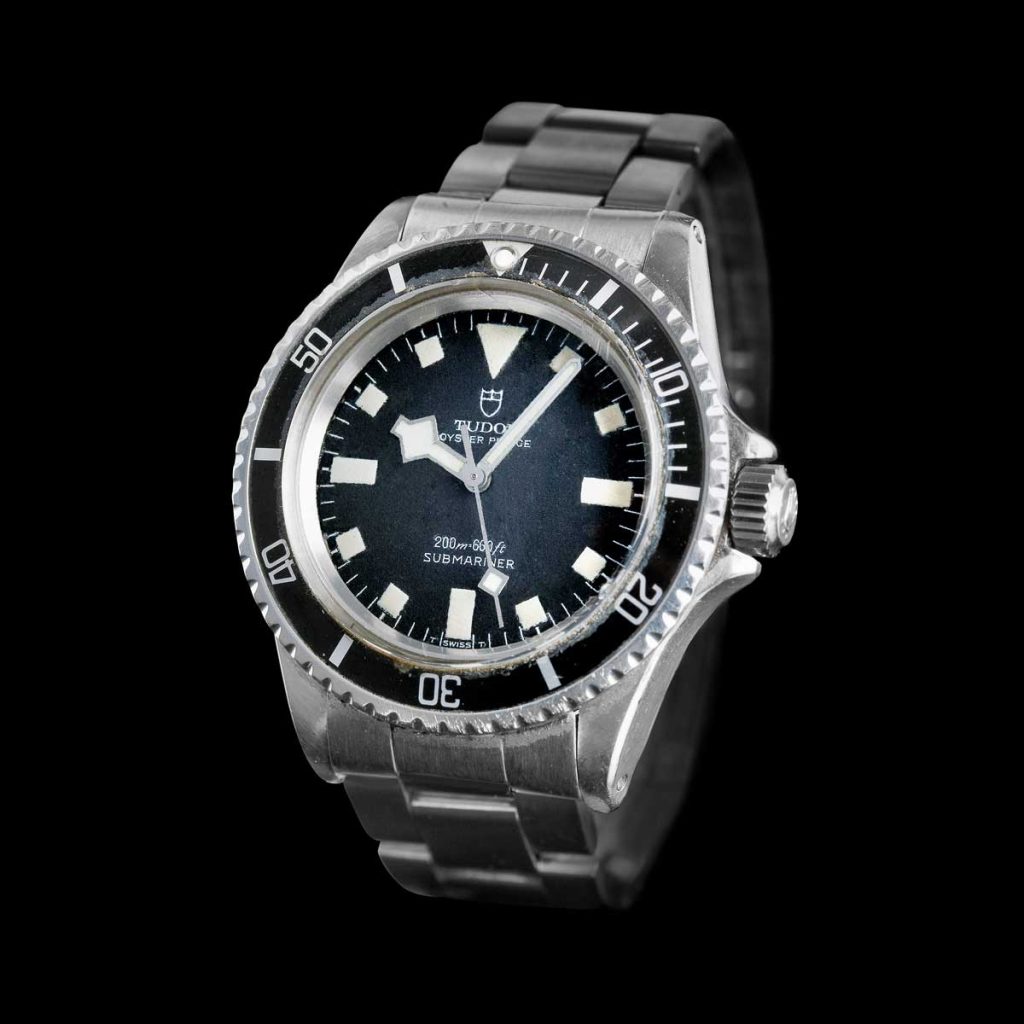
A 1969 Tudor Oyster Prince Submariner with the iconic "snowflake" hands (Image © Tudor)
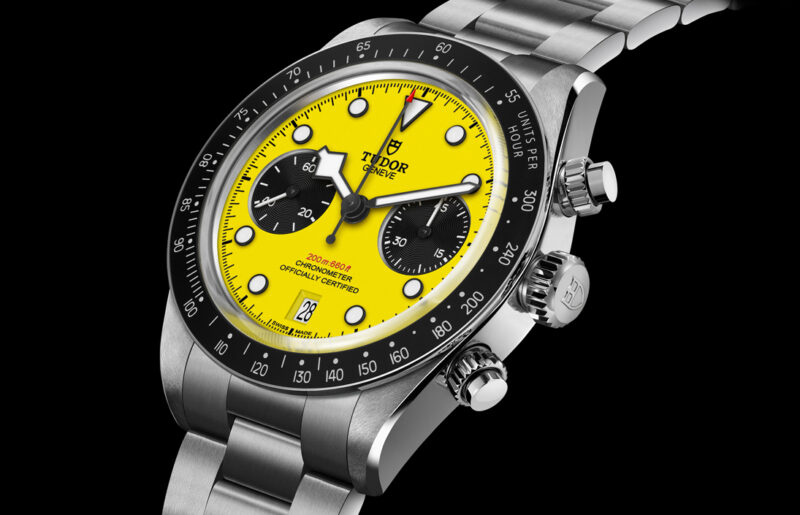
The second icon of Tudor is the chronograph. First launched in 1970 as the Homeplate and then revamped as the Monte Carlos for the second series, the use of daring colours in the dial designs set these watches apart from their contemporaries in the Wilsdorf stable. Whilst keeping the Oyster case, screw pushers and trip lock crown in the Wilsdorf style, their dials to these watches to new levels. They were also of much larger proportions than the Daytona and so were sportier and had greater presence on the wrist. And of course the thirds series of chronos, the Big Block was the first automatic chronograph from either Rolex and Tudor.
One common thread through all Tudor watches over the years has been the use of modified third party movements including Fleurier, Valjoux and ETA. In 2016 Tudor unveiled their first ever in-house movements and in a turning of the tables actually allowed Breitling to modify the Tudor in-house calibre movement in their most recent Super Ocean. In the same breath as moving forward, however, they continue to have most success with their Heritage lines, which celebrate their past. Heritage was launched in 2010 to a rapturous response for the Heritage Chronograph; a modern interpretation of the original Tudor Home Plate. In 2012 they unleashed the Black Bay which was a reimagined dive watch based on the Big Crown 7924 watch with influences from the later snowflake pieces. Without a doubt Tudor is here for the next 90 years and beyond.