Introducing the Vincent Deprez Scientific Tourbillon
News
Introducing the Vincent Deprez Scientific Tourbillon

Among independents, the tourbillon is something of a rite of passage and arguably the most ubiquitous non-complication after the simple time-only watch. The Scientific Tourbillon by French watchmaker Vincent Deprez is notable for both the quality of execution and the fact that the vast majority of its components are made by Deprez himself, in his workshop, using only traditional, manual watchmaking methods. That the watch is also exceptionally beautiful right down to the smallest details does not hurt matters in the least.
Deprez is based in Plan-les-Ouates, home to some of the biggest names in Swiss watchmaking. After finishing his training at the Geneva Watchmaking School, he began his career at Vacheron Constantin at just 15 years old. He spent a decade working across several workshops including assembly, regulation and ultra-thin watches. He later joined the restoration department at Patek Philippe, where four years spent working on antique watches provided an education of a different kind. Restoration, he explains, offered the opportunity to study the work of past masters, to understand their technical solutions and also the attention they devoted to even the smallest details. By the time he left Patek Philippe, the desire to put that accumulated knowledge into practice became impossible to ignore.

Vincent Deprez
Now in his thirties, Deprez made his debut in 2022 with the Classical Tourbillon Souscription, produced in a limited run of 10 pieces and at a rate of two to three pieces a year. The latest Scientific Tourbillon is a further development of that watch with several meaningful refinements. Likewise, just 10 examples will be made, and all have already found owners, which is unsurprising.
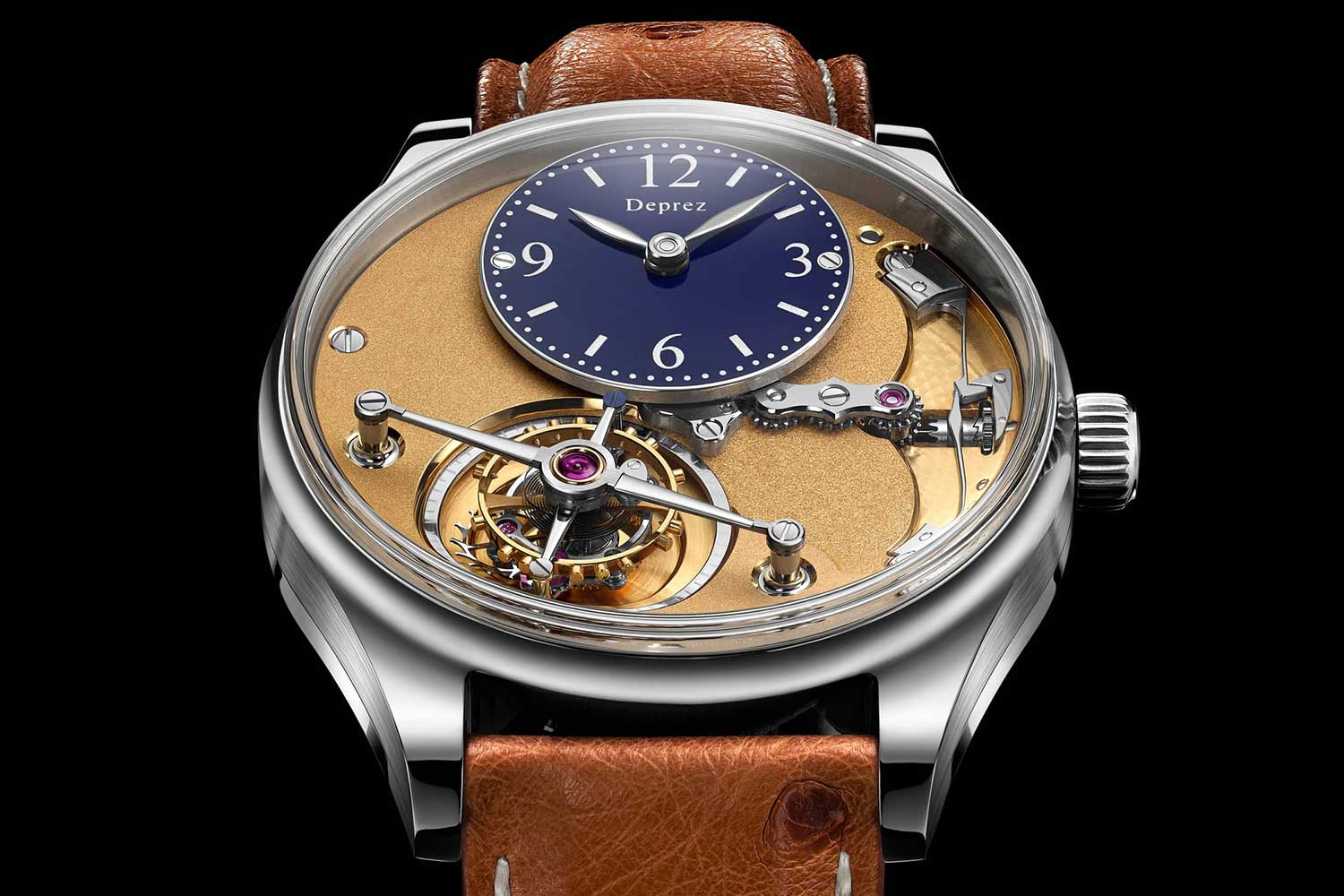
Vincent Deprez Tourbillon Classique Souscription Edition
The tiny production run and pace alone should provide an indication of the manner in which they are made. Today it is common practice for an independent watchmaker to make prototype by hand before turning some parts of production over to specialist suppliers or otherwise adopting less time-intensive manufacturing methods such as CNC machining. Producing only a handful of watches each year is a difficult way to make a living, and the realities of a modern market mean that most independent watchmakers, sooner or later, have to think about growth. They might bring in additional staff and embrace techniques that make a larger output possible, and it is hard to fault them for it, as the economics of handcraft seldom reward such an approach.
Deprez, however, remains committed to a mode of watchmaking that is closer in spirit to the great workshop traditions of the past. Most of the components are made by hand using traditional machinery and methods that were abandoned by the industry decades ago. More remarkably, he has no desire to change the way he works and intends to continue working alone.
The bridges, mainplate and caseback, for instance, are produced using a pantograph. It is a traditional device that copies a master template at a different scale. A larger model of the part must first be made. Then by tracing the pattern manually with a stylus, the machine guides a cutting tool through the same motions, allowing shapes and details to be reproduced with precision on a smaller scale. Long before CNC machining, pantographs were a mainstay in watchmaking workshops for producing plates, bridges, engraving and other watch parts. Their continued use today is uncommon, as they are slower and require manual skill, but they offer the watchmaker direct control over the cutting process.
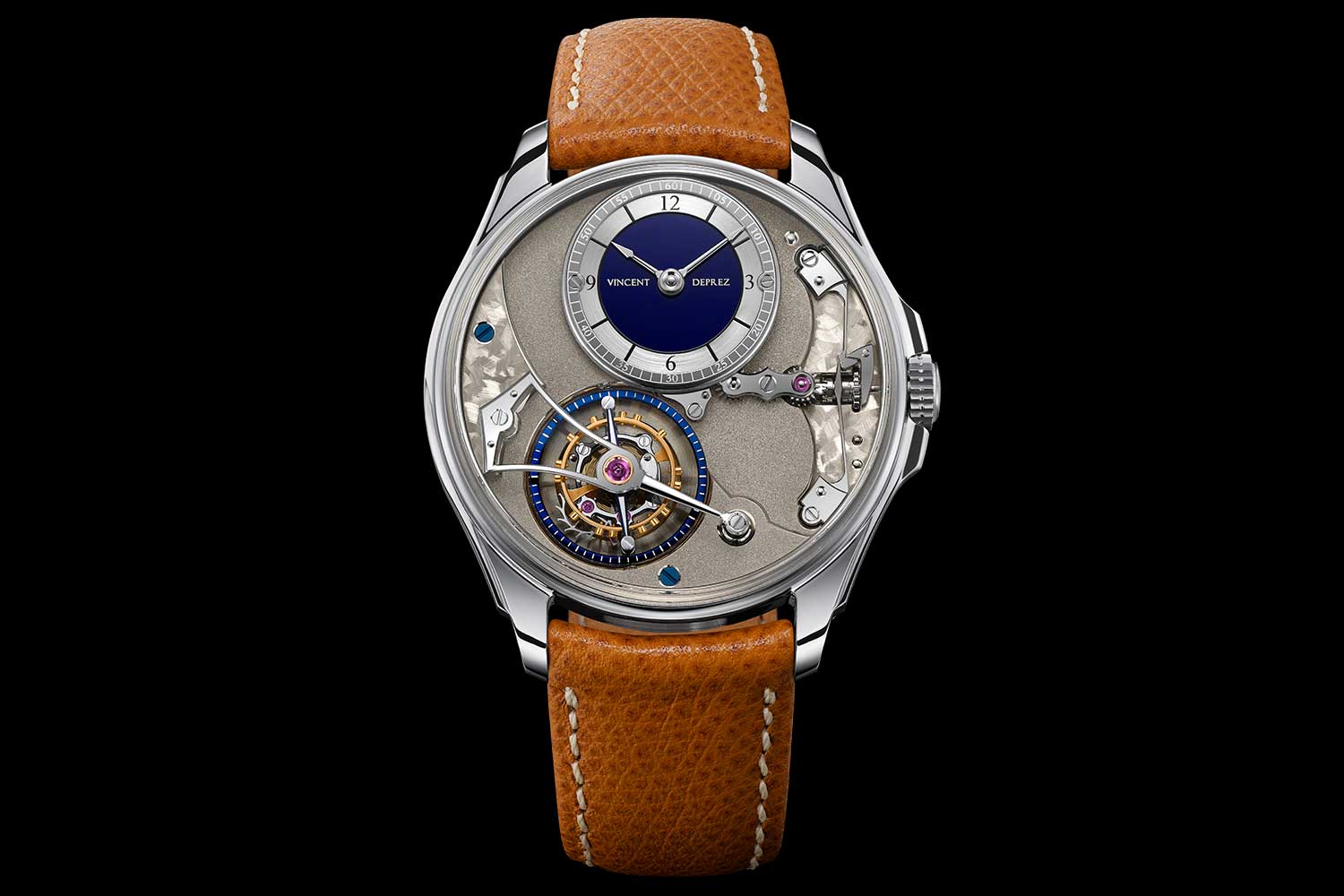
The case measures 39mm x 11.3mm and consists of two parts. The case middle is made of 316L steel and shaped from a rough blank, while the caseback is fashioned from Grade 5 titanium, chosen for its hypoallergenic properties. The caseback sits flush within the case middle, and despite the traditional methods employed, the fit between the two components reveal impressively tight tolerances.
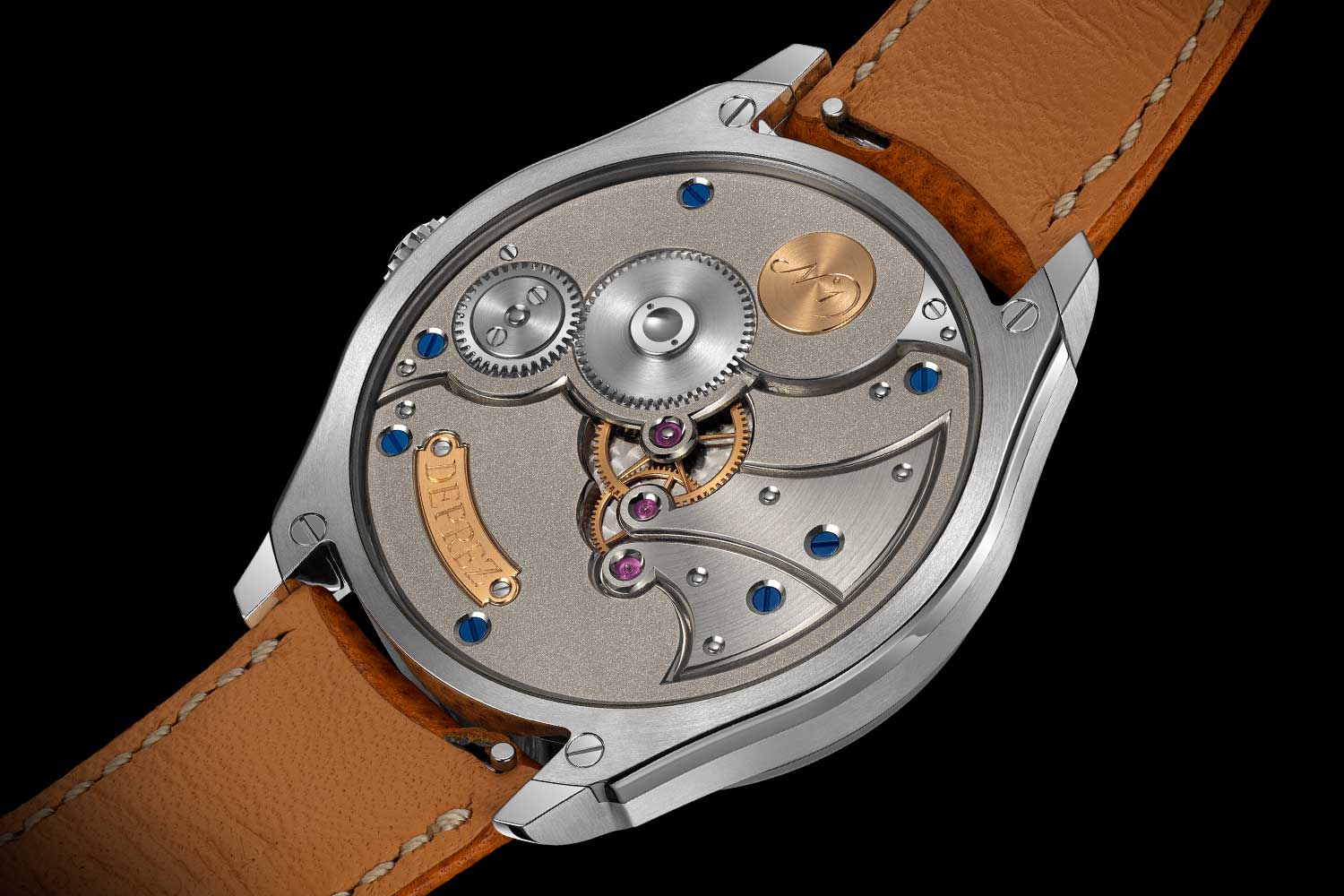
This was accomplished by first using the pantograph to machine the caseback slightly larger than the case middle. It is then painstakingly adjusted by hand with lapping compound until a perfect fit is achieved. The caseback is fastened through the lugs and integrates seamlessly, resulting in an entirely flat underside. The case is water-resistant to modern standards, with a 30m rating. The crown guards along with a subtle shoulder along the case lugs give the watch a slightly more sporty character compared to the Classical Tourbillon, though the overall impression remains overwhelmingly classical. There is no bezel, so the eye is drawn immediately to the dial, which is thoroughly traditional in design and execution.
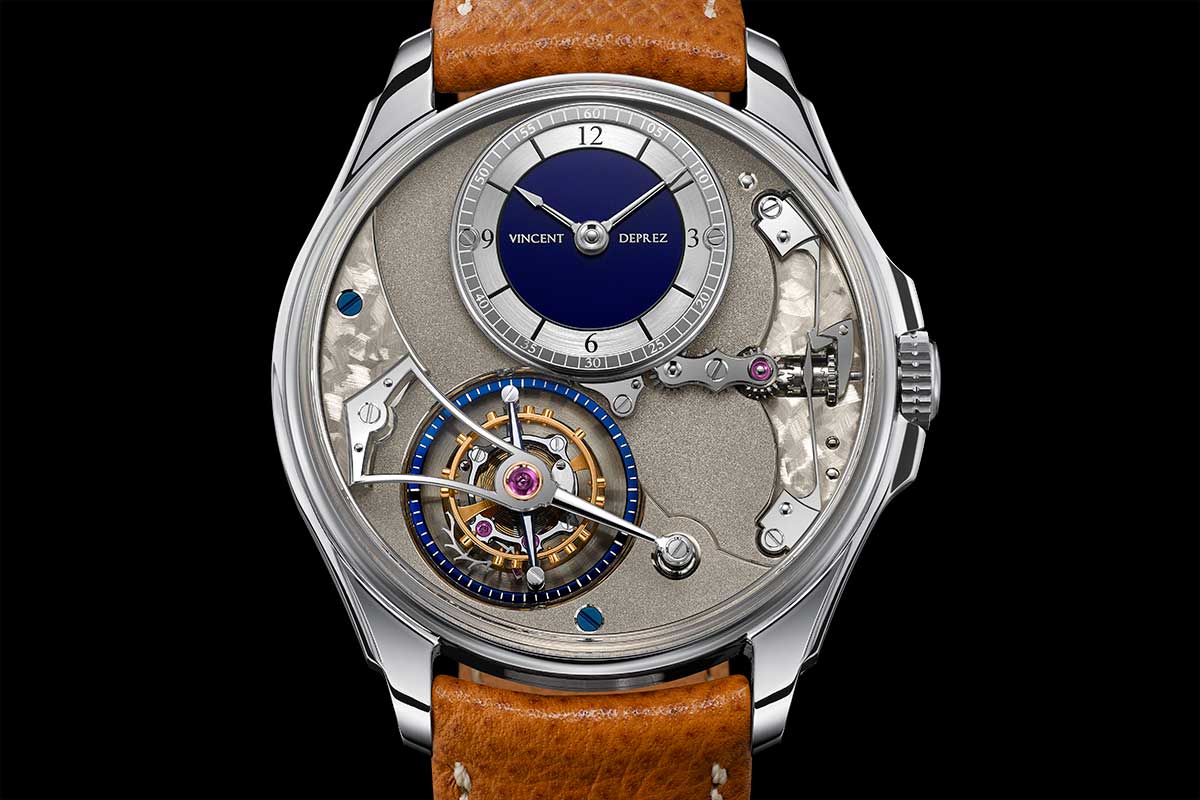
The off-centred dial is very elaborate and entirely the work of Deprez himself. At its centre is a deep blue grand feu enamel disc, fired repeatedly at high temperatures to achieve its rich colour and lustrous surface. A steel chapter ring surrounds the enamel centre and the minute ring is mounted above it and fixed by screws. The hands are particularly elegant with mirror polished shafts that are impressively domed and sculpted from a block of material.
One of the most striking aspects of the watch is the exposed keyless works. They are impossibly elegant and rank among the finest examples of the craft. The setting lever, its spring and the yoke with its integral spring are all visible. The springs are exceptionally long and slender, yet both are black polished and finished with anglage along their edges. These are among the humblest components in any watch, yet they are executed with a level of care normally reserved for more celebrated mechanisms.
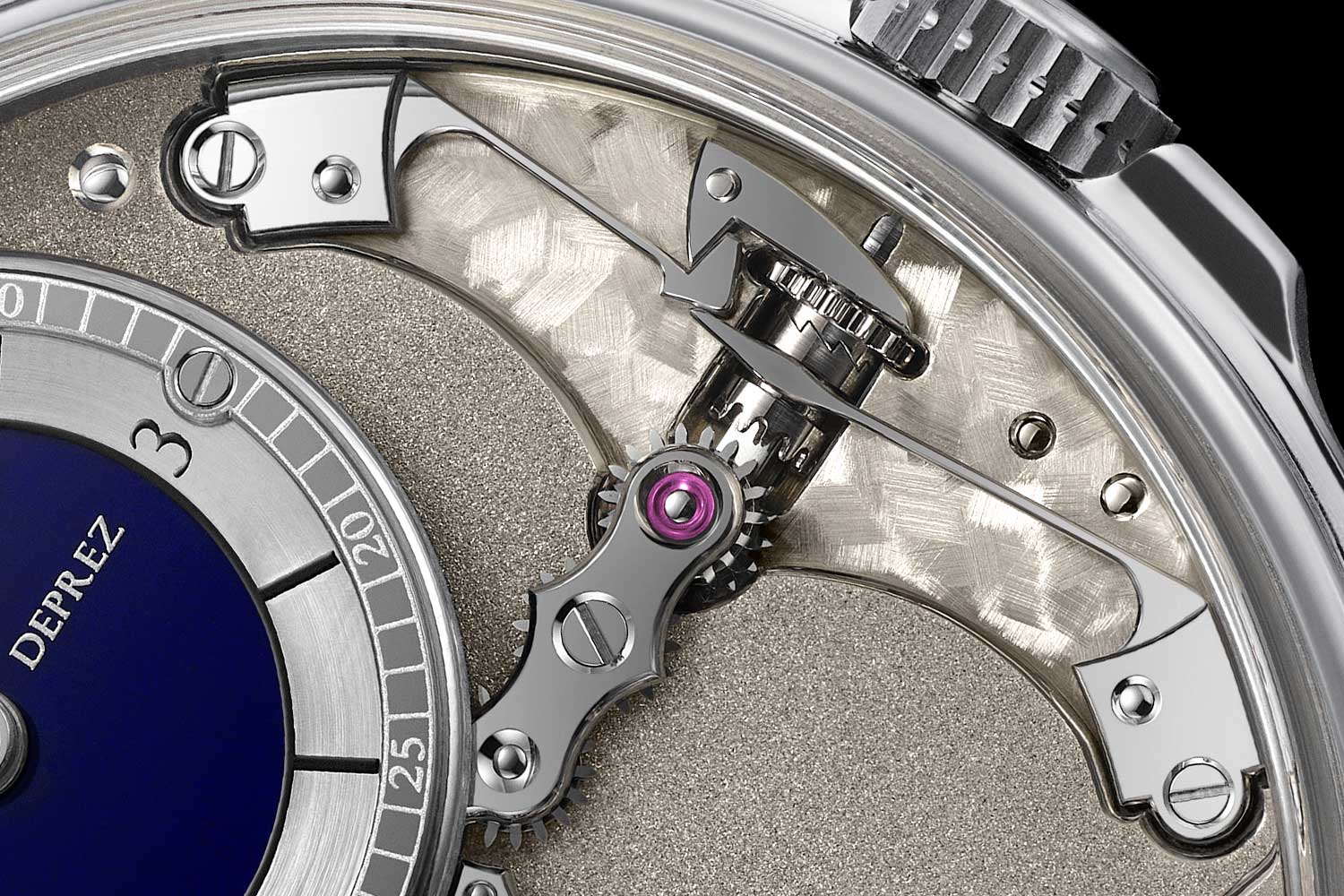
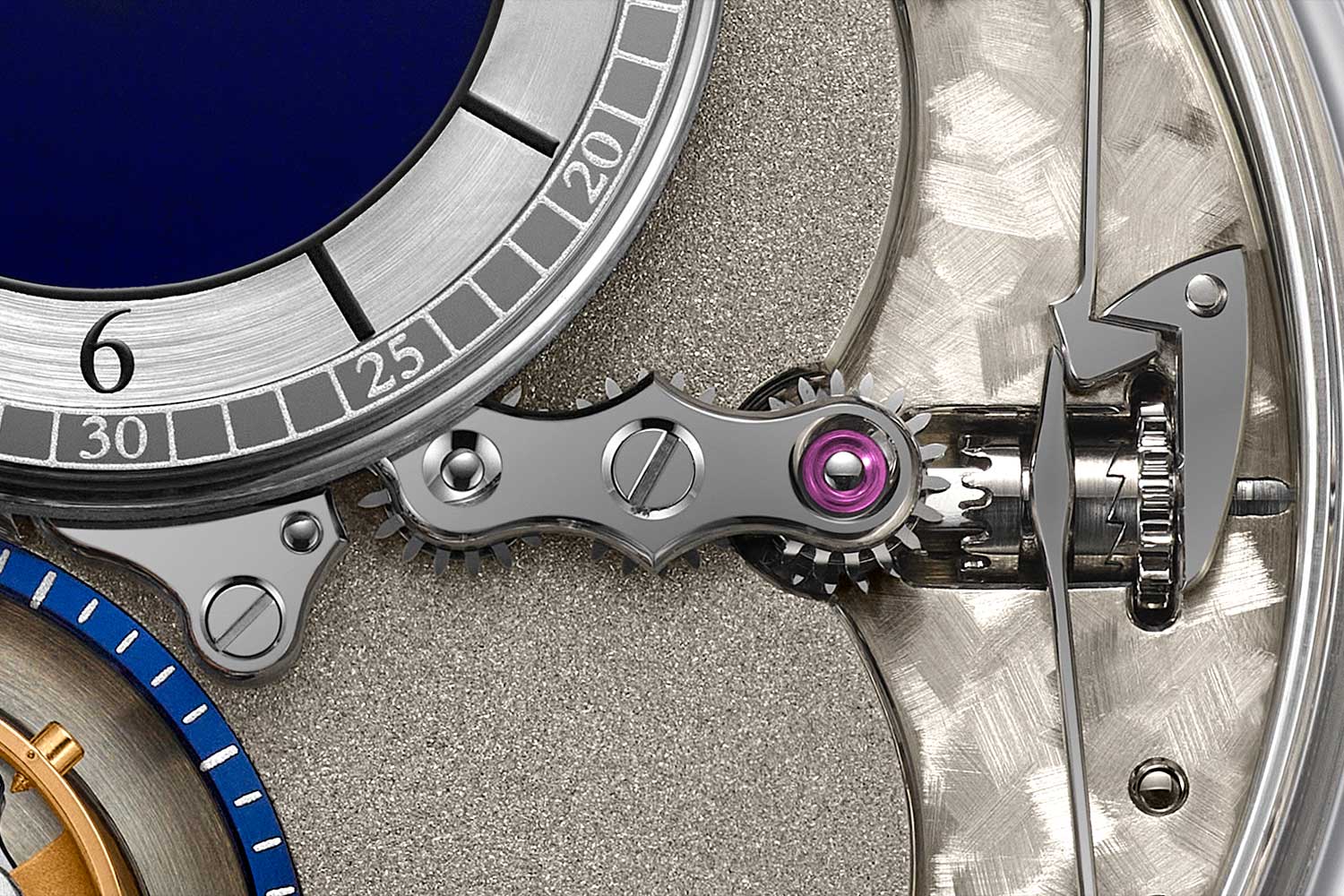
Made of German silver, the mainplate as well as the bridge beneath the tourbillon bridge is finished with gratté. Gratté finishing is essentially a controlled scratching technique that remains uncommon outside of a small circle of independent watchmakers. At first glance, it recalls carbonnage, a hand-applied finish produced with charcoal and oil, but the visual effect is different. Carbonnage tends to produce a soft, cloudy matte surface, while gratté is achieved from countless short, block-like abrasive strokes. The technique originates in machine-tool finishing. Historically, similar textures were applied to machine beds and lathe components to achieve a perfectly flat surface. In watchmaking, however, the finish is purely aesthetic. It is applied using a wooden file glued with a small piece of abrasive sandpaper to impress overlapping short strokes into the metal. Under changing light, some strokes catch reflections while others recede, producing a shimmering, mosaic-like effect.
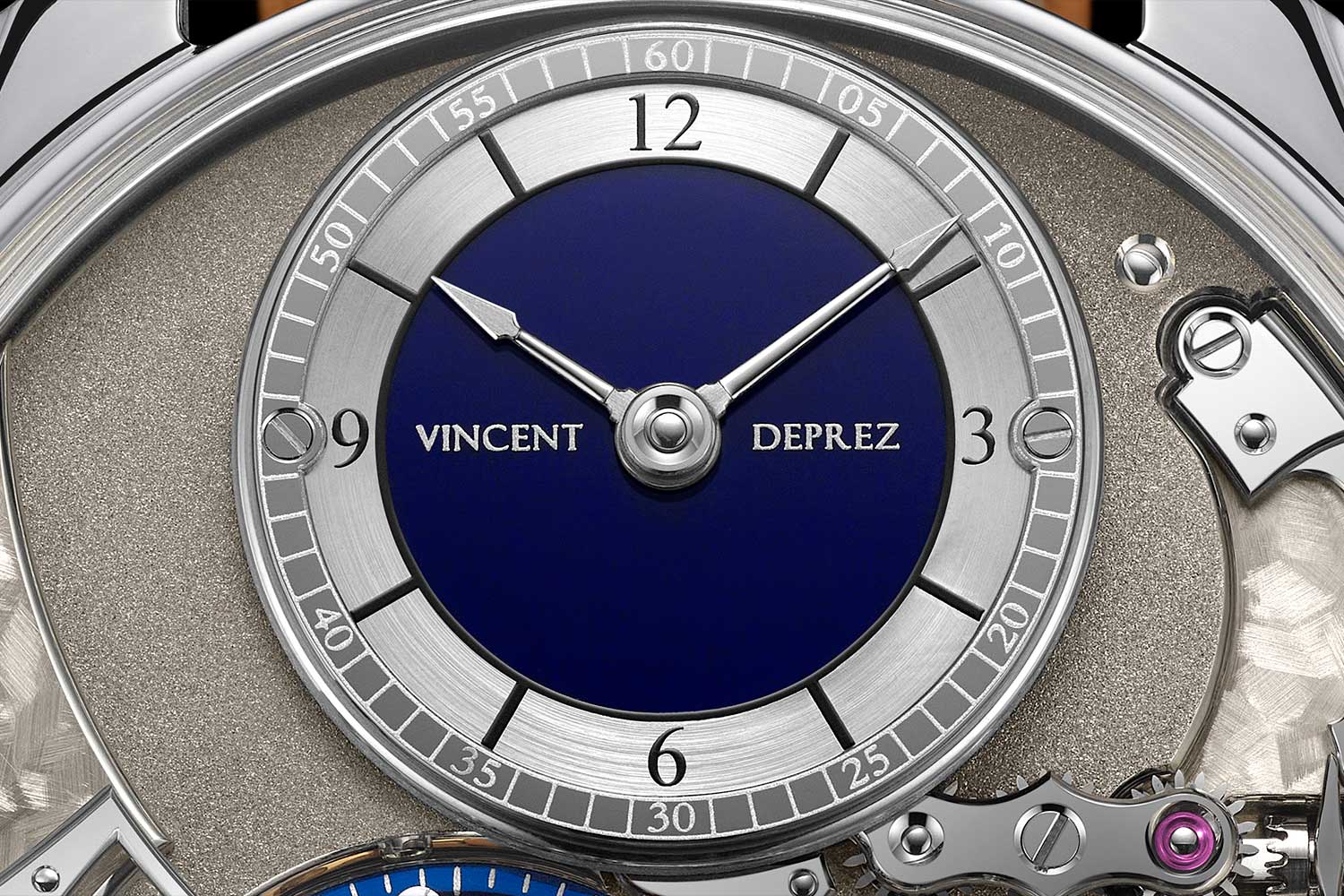
The bridges, meanwhile, are finished with hand-applied frosting, a decoration found on some of the grandest timepieces ever made, especially those of the great English makers. The frosted bridges are also embellished with anglage and polished countersinks, which are not easy to execute cleanly after frosting.
The grained texture provides a wonderful contrast for the steelwork, which is among the most outstanding features of the watch. The tourbillon bridge is particularly impressive. One end is delicately open-worked, black-polished and filled with sharp internal angles, while the other end is rounded and mirror-polished, creating a pleasing contrast between lightness and solidity.
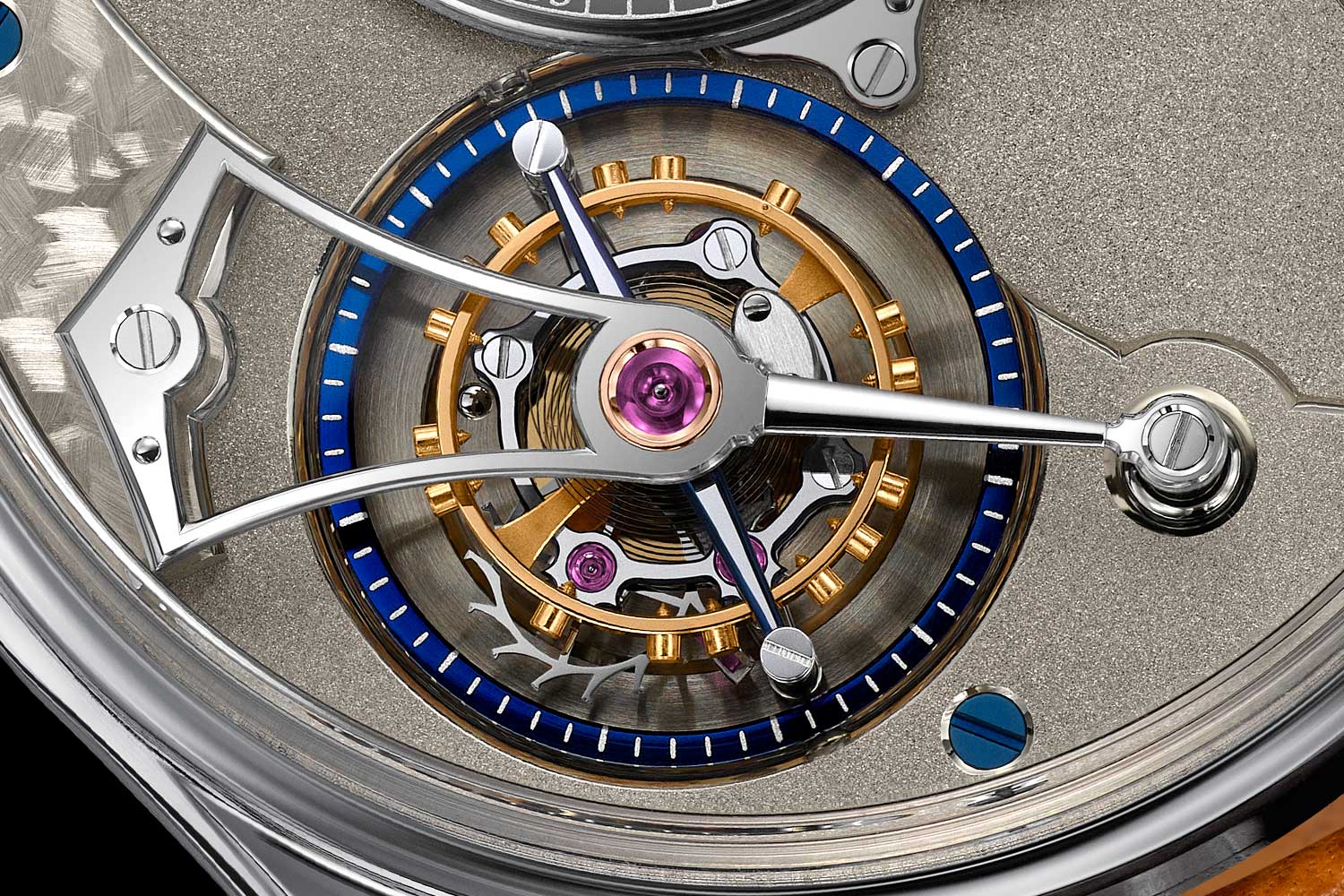
The balance vibrates at 18,000 times per hour and is attached to a Breguet overcoil hairspring. Regulation is by means of balance screws. The one-minute tourbillon carriage is of the two-arm type, with its upper surface black polished and its edges bevelled and polished. This form of construction requires particular care in construction to maintain perfect alignment of the bearings and staff. The escapement bridge is formed as a complete ring and secured to the lower plate by three screws. This provides a rigid mounting for the escapement and contributes to an even distribution of mass within the carriage.
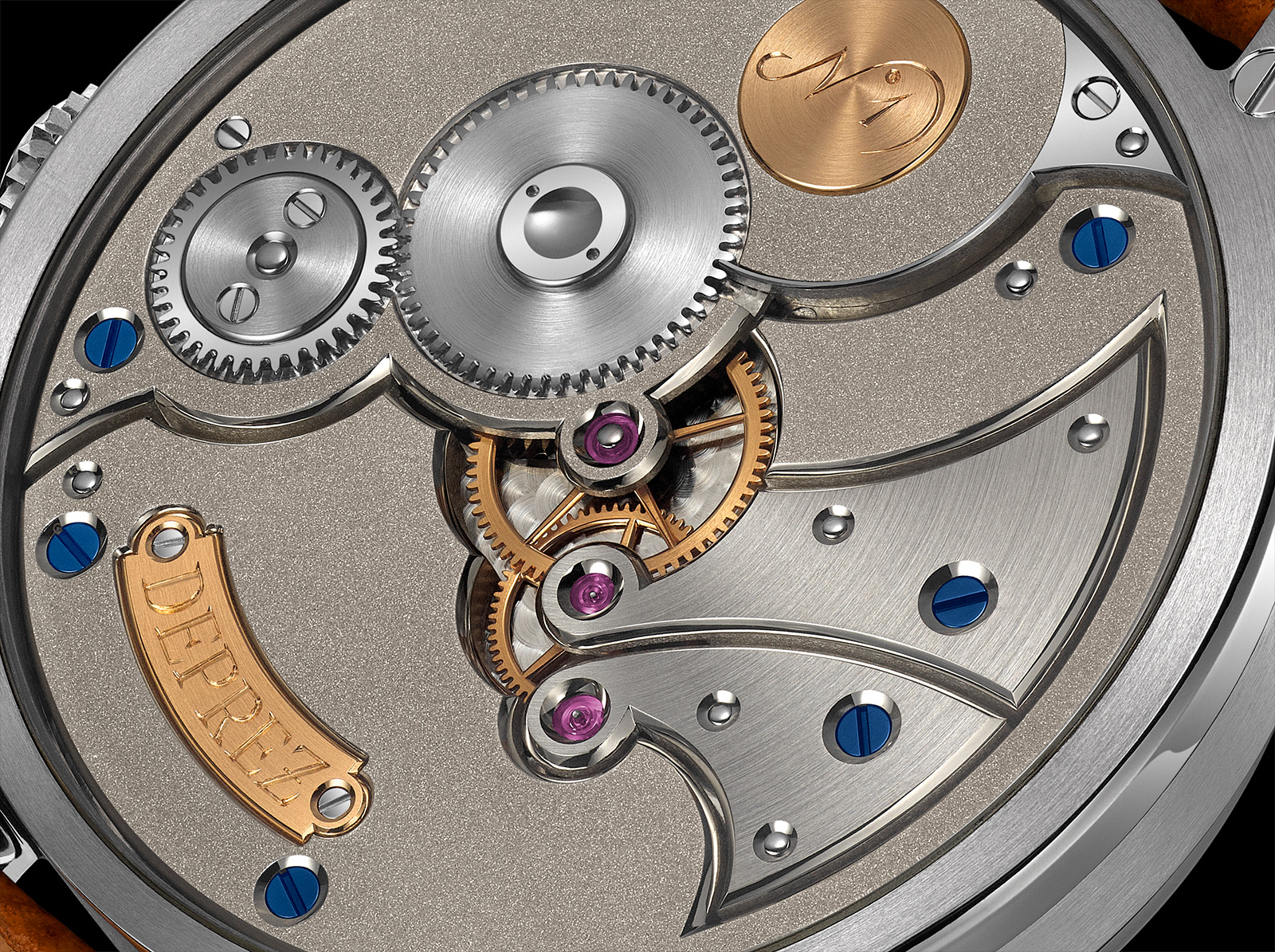
The reverse of the watch makes for an interesting view. It is almost fully covered by bridge work and yet offers an abundance of anglage. The bridges are shaped around one another in an arrangement of sweeping curves and sharp angles that frame the exposed going train. The pivots and wheels are turned on a Schaublin 102 lathe and finished by hand. Of particular note are the two large inward angles in the main bridge, which receives the outward angles of the third-wheel and tourbillon bridges.
The attention given to detail is evident throughout the movement. Even the cartouche is finished with anglage and internal angles. The screws, jewels and even the locating pins, which are used to position the bridges on the mainplate, are all set within broad, polished countersinks. Of particular interest, despite its subtlety, is the slender, almost invisible steel winding click that traces the curve of the barrel bridge. It is yet another example of how the most humble watch components can be elevated to the level of art.
Even within independent watchmaking, this represents a very different kind of watchmaking. There are very few watches left whose maker’s name appears on the dial and for whom the word “maker” is still true in the fullest sense. More than an exhibition of craft, the Scientific Tourbillon is a complete expression of one watchmaker’s abilities, and of a rare ethos in modern watchmaking that regards hand-making as inseparable from watchmaking.
All of this is to say that Vincent Deprez is a name worth following. The watch is impressive, but it is equally intriguing as an indication of what’s to come.
Tech Specs: Vincent Deprez Scientific Tourbillon
Movement Manually wound tourbillon movement; 52-hour power reserve; 18,000vph or 2.5Hz
Functions Hours, minutes, and running seconds indicated by the 60-seconds tourbillon cage
Case 39mm diameter × 11.3mm height; 316L stainless steel case with Grade 5 titanium caseback; domed sapphire crystal; water-resistant to 30m
Dial Midnight-blue grand feu enamel
Strap Grained calfskin strap
Price Upon request
Availability Limited edition of 10 pieces; sold out
Vincent Deprez