
The Story of Seiko’s Innovative Chronographs
The Games of the XVIII Olympiad
Given the inherently sporty nature of the chronograph complication, it makes perfect sense that the first Seiko chronograph was introduced at the 1964 Tokyo Olympics — an event that symbolised a new era for Seiko, and for all of Japan.
Hosting the Olympic Games is a hugely significant event for any country, but for Tokyo, hosting the 1964 Summer Olympics represented a turning point — one that saw Japan return to the global stage as an independent, economically prosperous nation, and Tokyo as a thriving, technologically advanced city. The ’64 Games prompted an incredible infrastructure boom that gave the world — amongst other things — the famous Shinkansen bullet trains. The total cost of hosting the Games is estimated to be the equivalent of the entire annual budget for the nation.
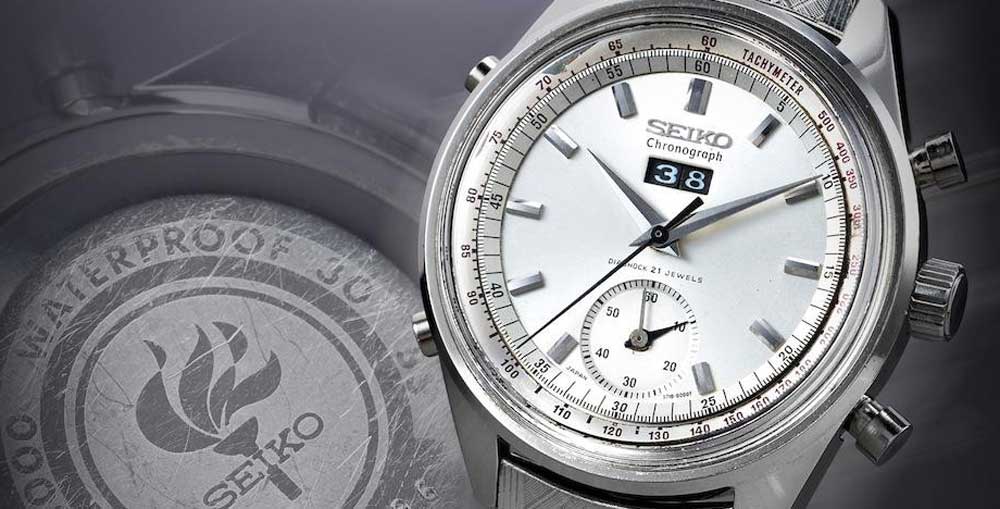
The rare Seiko reference 5718-8000. (Image: Bonhams)
If things were looking on the up-and-up for the Japanese brand prior to 1964, the Tokyo Olympics raised the stakes even higher, as Seiko was the official timekeeper of the 18th Olympiad, developing 36 models and 1,278 timing devices to be used at the Games, overseen by specially trained Seiko staff. One particularly relevant innovation is that the ’64 Olympics marked the first-ever use of a quartz-regulated stop clock, a deskbound device that showed just how far Seiko’s mastery of quartz technology would progress in a few short years. Understandably, Seiko was proud of their achievements and even published an informative brochure on the types and uses of timing equipment at the Games.
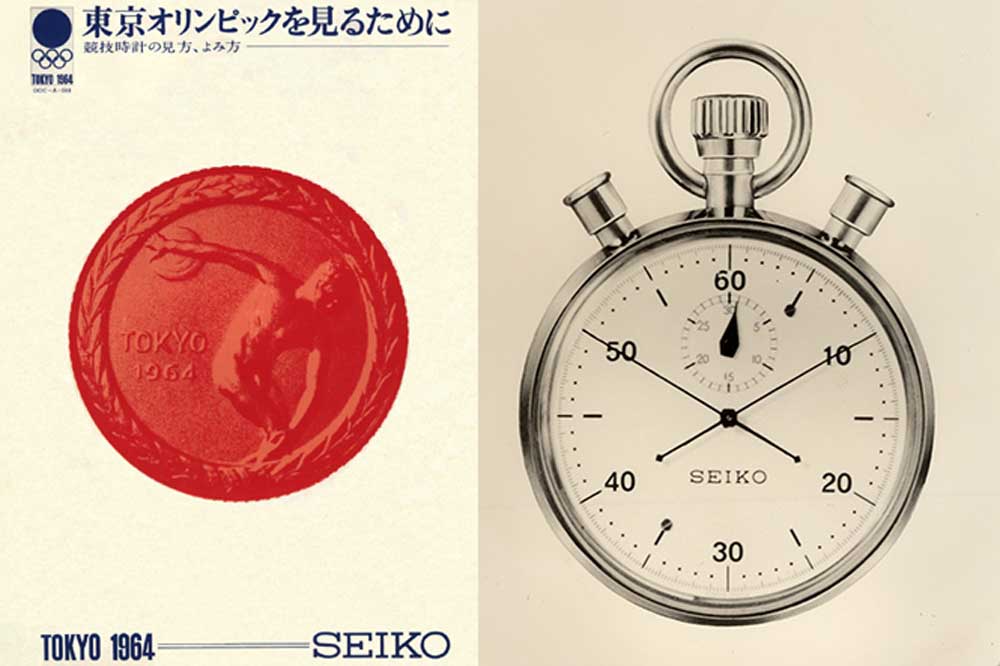
(From left) Seiko was the official timekeeper of the 1964 Tokyo Olympics, it developed 1,278 timing devices to be used at the Games; Seiko’s stopwatch with split second function made for the Tokyo Olympics in 1964.
The Crown Chronograph
This pride expressed itself in another way, too, in the form of Japan’s first wristwatch chronograph, the reference 5719A-45899. This 38mm watch, known as the Crown Chronograph, proudly bore an engraving of an Olympic torch on the caseback, and was a monopusher column-wheel chronograph, powered by the manually wound calibre 5719. The movement developed by Suwa Seikosha was, like many of Seiko’s calibres, a mix of no-frills finish and solid specifications. The 12-ligne movement beat at 5.5Hz and offered 38 hours of power reserve with the stopwatch running.
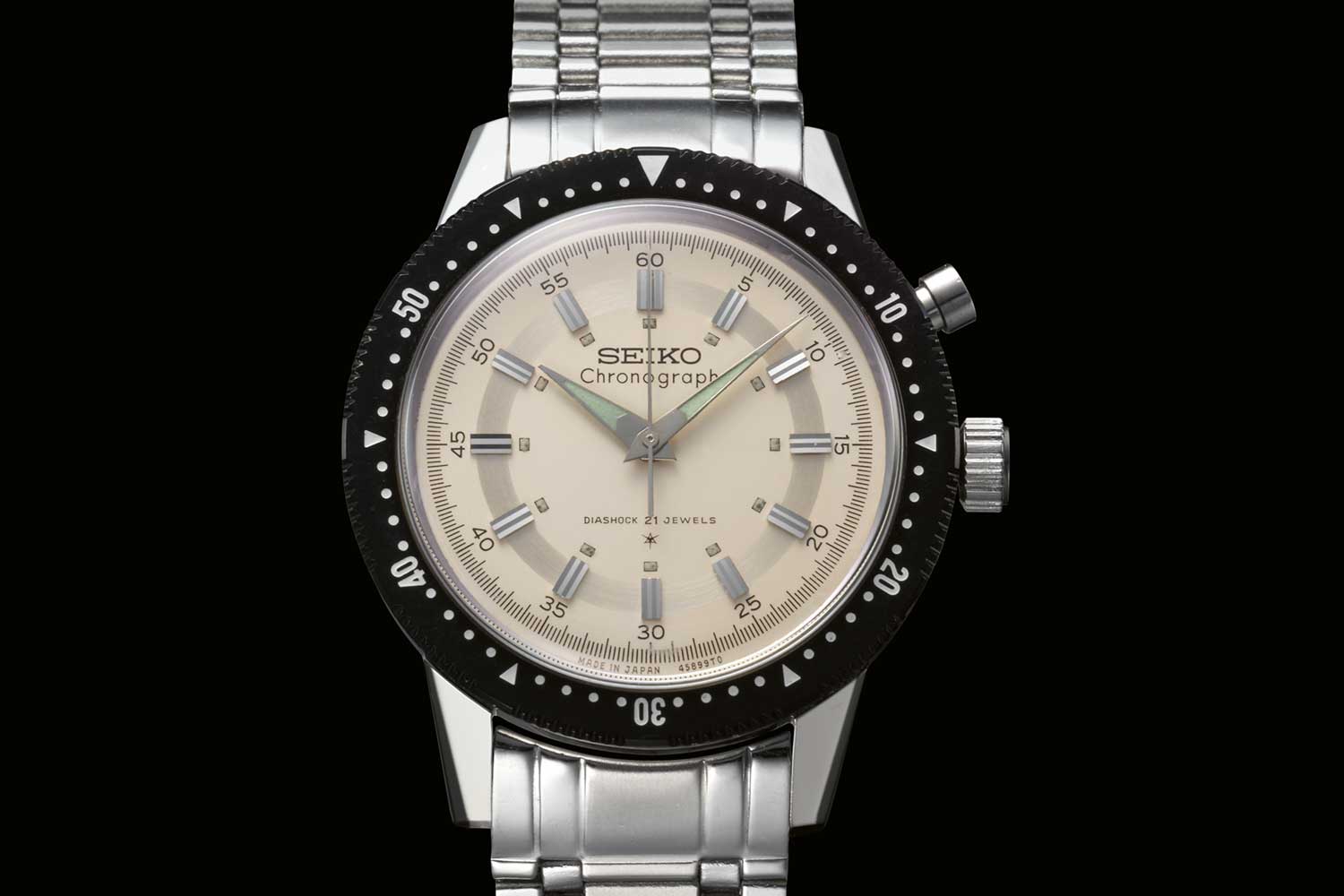
Seiko’s first chronograph, the reference 5719A-45899 ‘Crown’ Chronograph.
The reference 5719A-45899 wasn’t the only chronograph Seiko made in 1964. They also produced the exceptionally rare reference 5718-8000, a much more complicated watch that was sold at the Olympic Village during the Games. This reference features an elapsed-minutes counter at the bottom of the dial (stacked with running seconds) as well as a manually operated counter at the top of the dial that could be used to keep track of laps or points. This 37mm watch is very rarely seen, which explains the fact that the second model to be sold at auction, by Bonhams Hong Kong in August 2020, achieved a price of HKD138,125 — or around USD18,000.
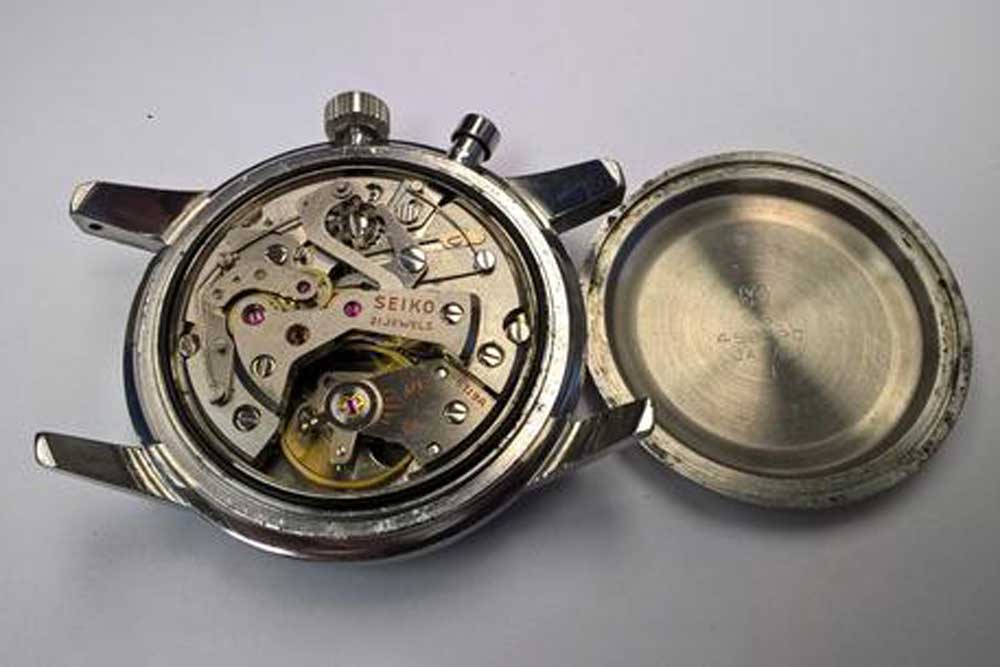
Developed by Suwa Seikosha, the calibre 5719 was a12-ligne movement with a frequency of 5.5Hz. It offered 38 hours of power reserve with the stopwatch running.
1969: A Revolutionary Year
The year 1969 was a busy one on every front. Socially and politically, it was the era of counterculture and protest, of Woodstock, The Beatles, the Stonewall riots, and even Sesame Street. It was a year that saw the birth of the Internet and the Concorde’s maiden flight. And it was the year that man landed on the moon. It was a year of change all over the world, but watchmakers — especially watchmakers at Seiko — were focusing on an entirely different kind of revolution.
Seiko didn’t take long to build off their early chronograph offerings, and in 1969, the brand released their first automatic chronograph, the calibre 6139. Much has been made of the trinity of automatic chronographs released in 1969: Zenith’s El Primero and the Project 99 consortium’s Chronomatic (also known as Calibre 11). In contrast, Seiko’s trumpeting of their achievement with the cal. 6139, an integrated 3Hz model with column wheel and vertical coupling, seemed a little underwhelming. After all, while the Swiss spent many years achieving their automatic chronographs, it is said that Seiko only began working on the calibre 6139 and its sister calibre 6138 in 1967. And these movements, while announced after the Swiss models, were the first to actually be sold in stores.
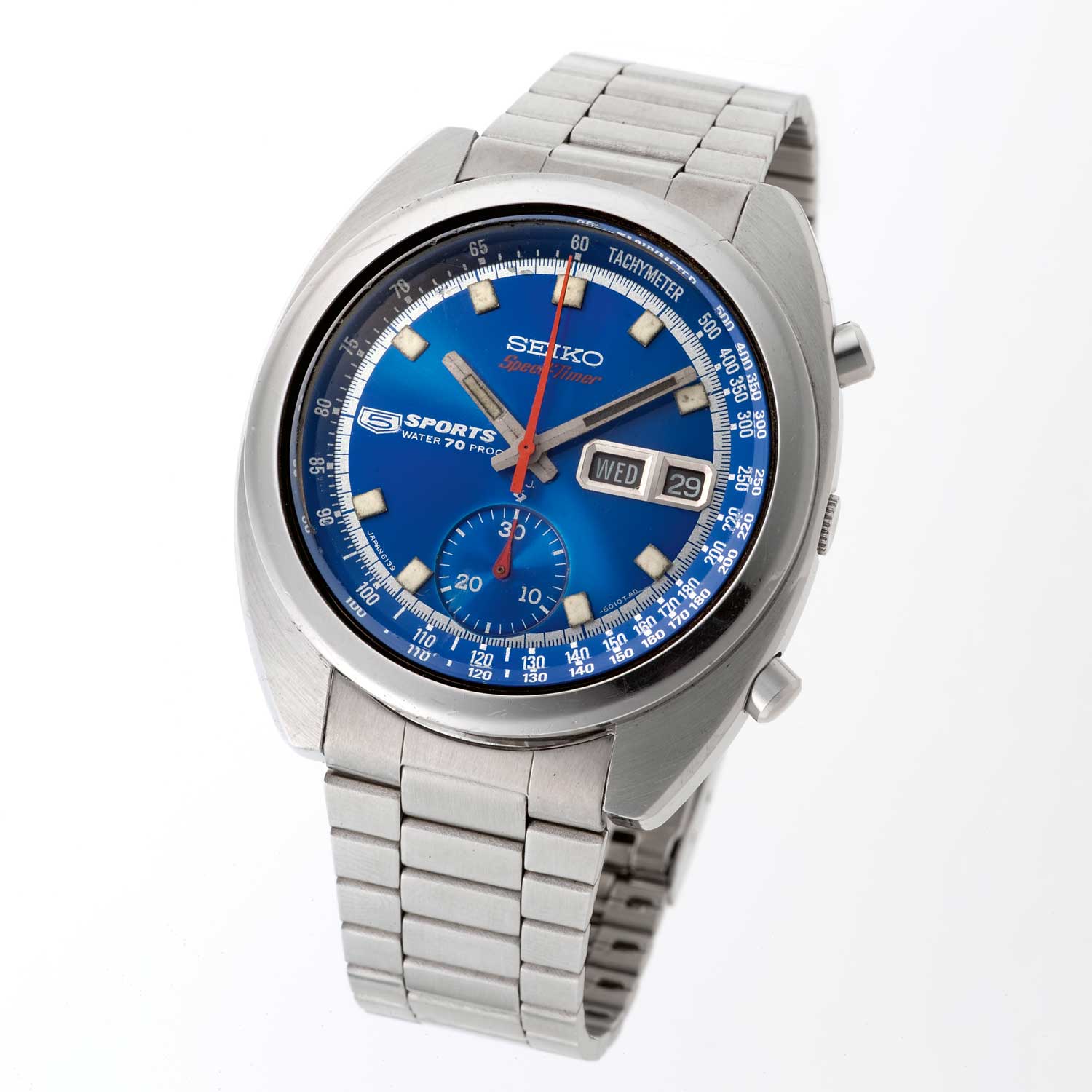
In 1969, Seiko made the world’s first mass produced automatic chronograph powered by Calibre 6139. Seen here is the Seiko 5 Sports Speed-Timer.
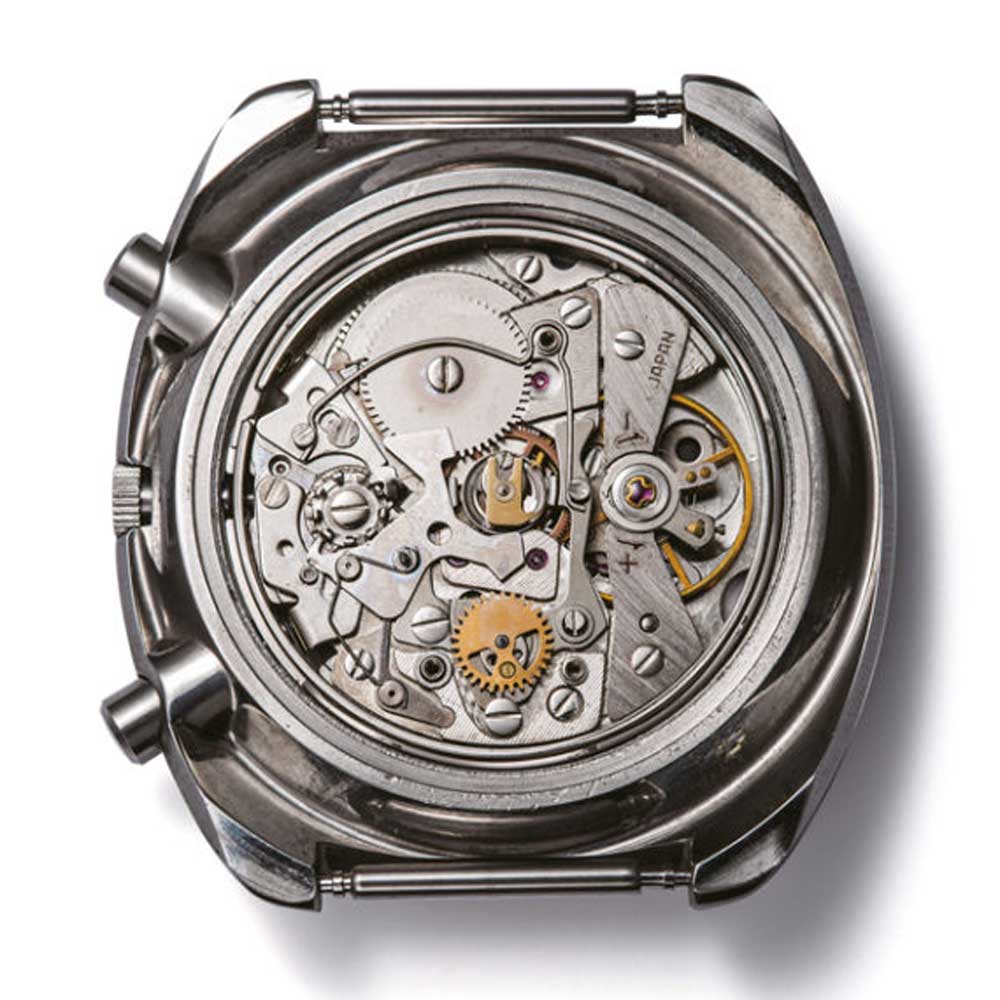
In 1969, Seiko made the world’s first mass produced automatic chronograph powered by Calibre 6139. Seen here is the Seiko 5 Sports Speed-Timer.
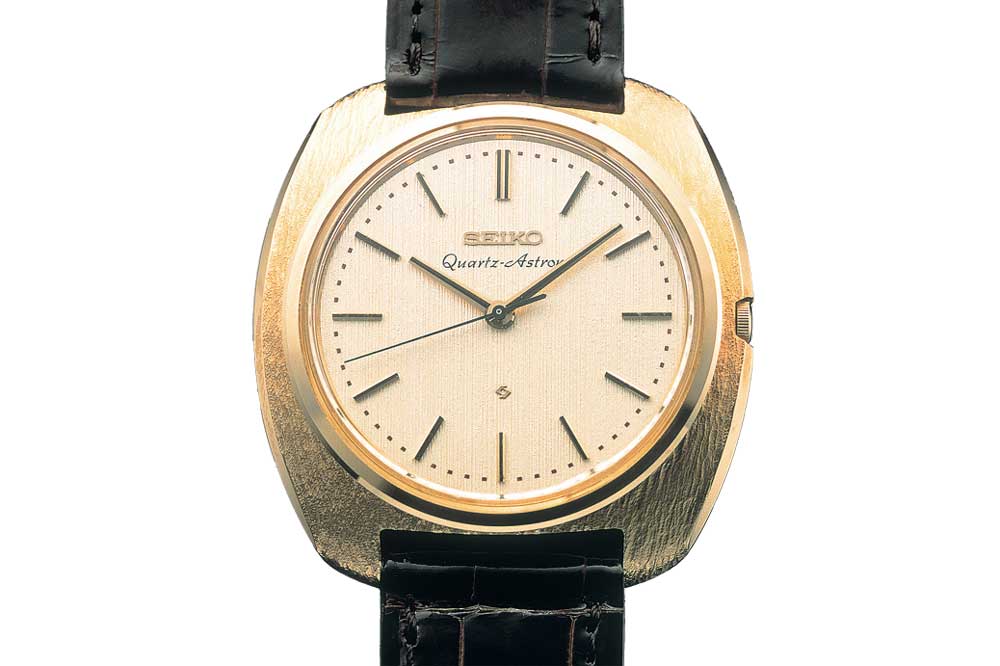
In December 1969, Seiko introduced the world’s first quartz watch, the Astron.
The 6139
The full impact of quartz technology would not be felt for some time, and in the meantime, Seiko went wild with its automatic chronographs, powered by the 6139 and 6138 movements. As was so often the case with Seiko, there were a lot of models, references and variants, so we’re going to stick to some of the major beats here, starting with the 6139-600X series.
Commonly referred to as the Speed-Timer, as some Japanese market models had it printed on the dial, for many, this was the quintessential vintage Seiko chronograph — and with good reason. Production on this movement ran from 1969 until 1978, and the watches look very much of the era. With a large 40mm case, a fixed aluminium bezel in a chunky, cushion-shaped case with short lugs, a recessed winding crown and simple pushers, the Speed-Timers stood out. And that’s before we even get to the dials. There were quite a lot of variations in the dial design and text, but the commonalities were the day-date at three o’clock, the single 30-minute counter at six o’clock, and the charming, if somewhat redundant, internal bezel. Dials came in blue, silver and yellow.
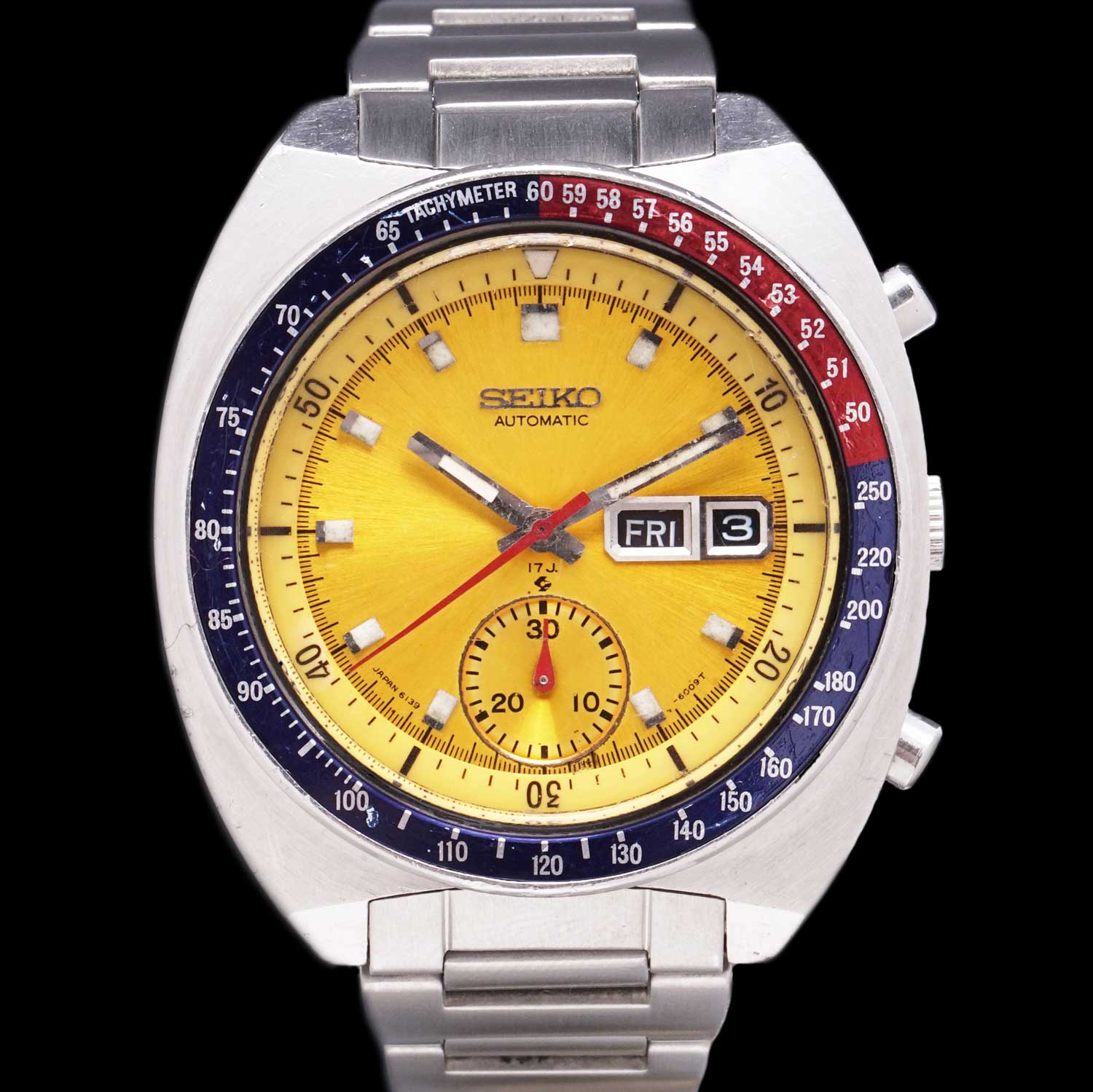
Seiko 6139-6005 ‘Pogue’ (Image: Craft+Tailored)
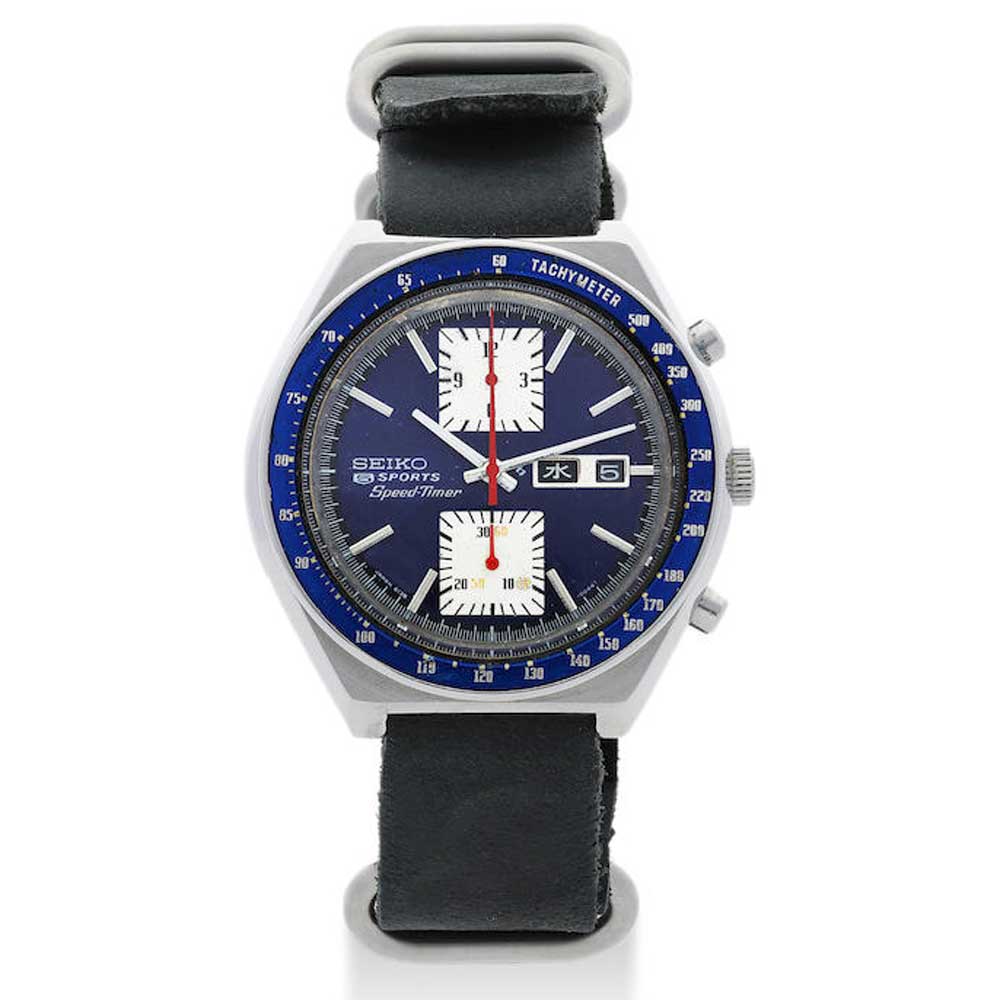
A stainless steel “Kakume Speed-time” chronograph Ref. 6138-0030 from 1976
Traditionally, Seiko watches have been a lower-priced product, and the 6139s are no different (though it must be said that the value proposition provided by these personality-filled pieces is tremendous). Up until a few years ago, it wasn’t hard to find a decent example in the low hundreds. However, the rising demand is leading to increasing scarcity and prices, and it’s not uncommon to see honest pieces retail for around the high hundreds and low thousands.
Seikos in Space
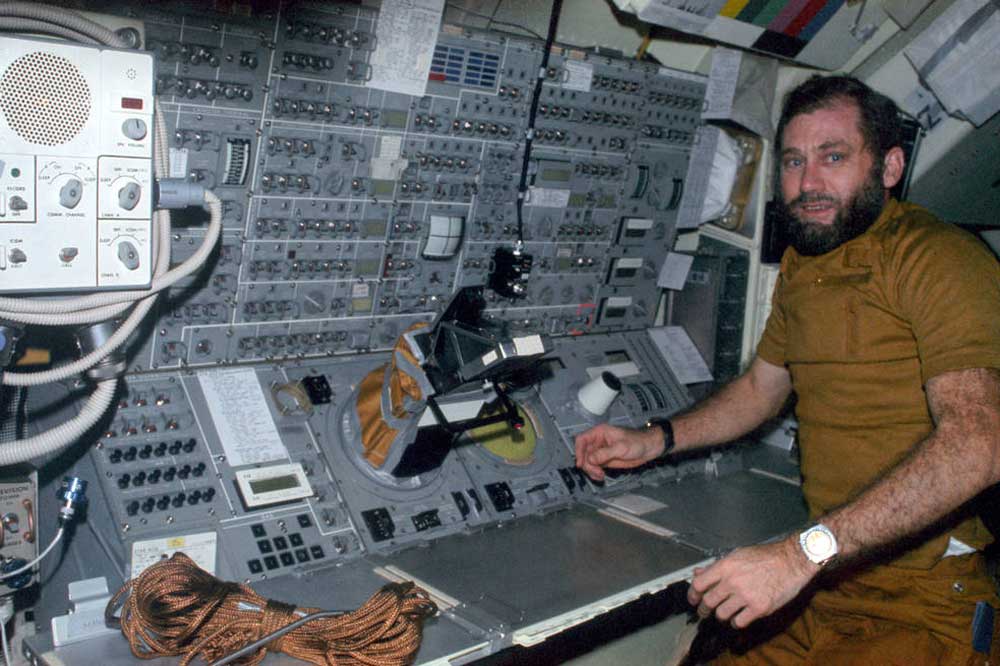
Colonel William Pogue wearing his Seiko on Skylab 4. (Image: NASA)
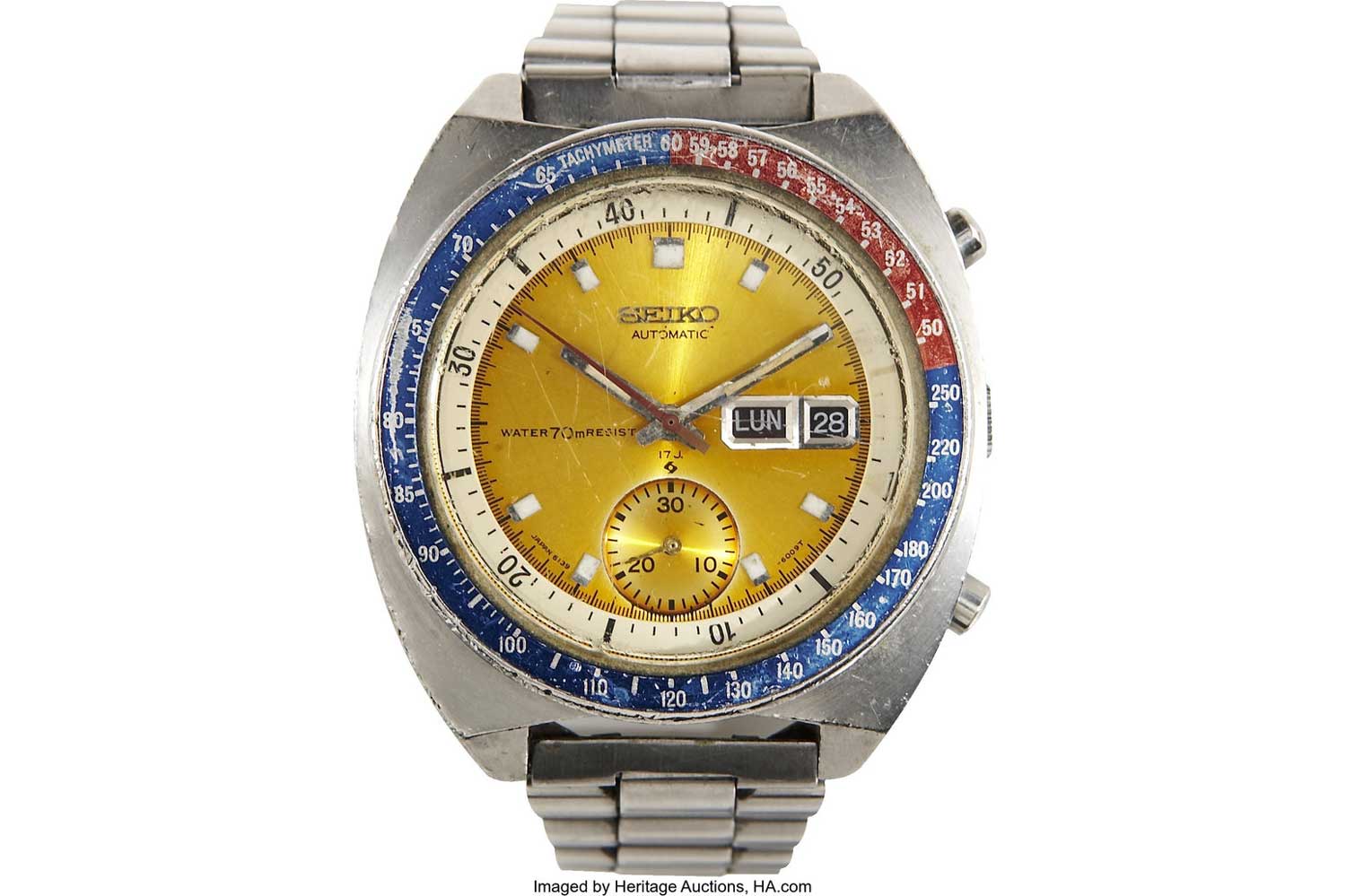
Colonel Pogue’s Seiko 6139 ( Image: Heritage Auction)
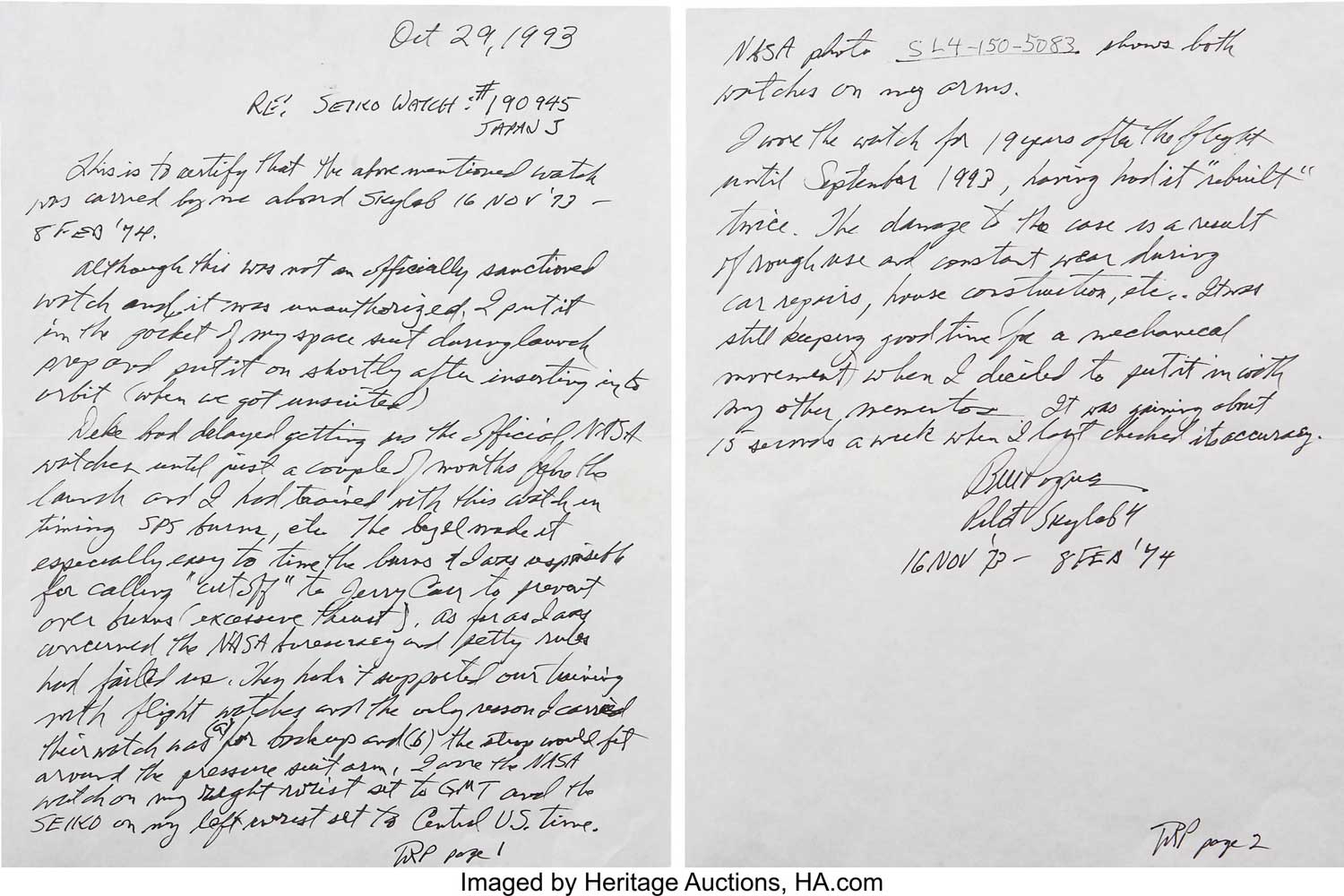
Authentication letter from Colonel Pogue ( Image: Heritage Auction)
The 6138
The 6139 and the 6138 lines of movements were both released in the same year, and are mechanically very similar, with one key difference: the 6139 was a single register, while the 6138 was a double. In fact, there were actually two versions — the 6138A and the 6138B. Both movements were 27.4mm wide by 7.9mm tall, beating at 21,600 beats per hour. Both used the same column-wheel construction with vertical coupling as the 6139, and both had day-date displays. The only difference was that the 6138A had 21 jewels, and the 6138B had 23.
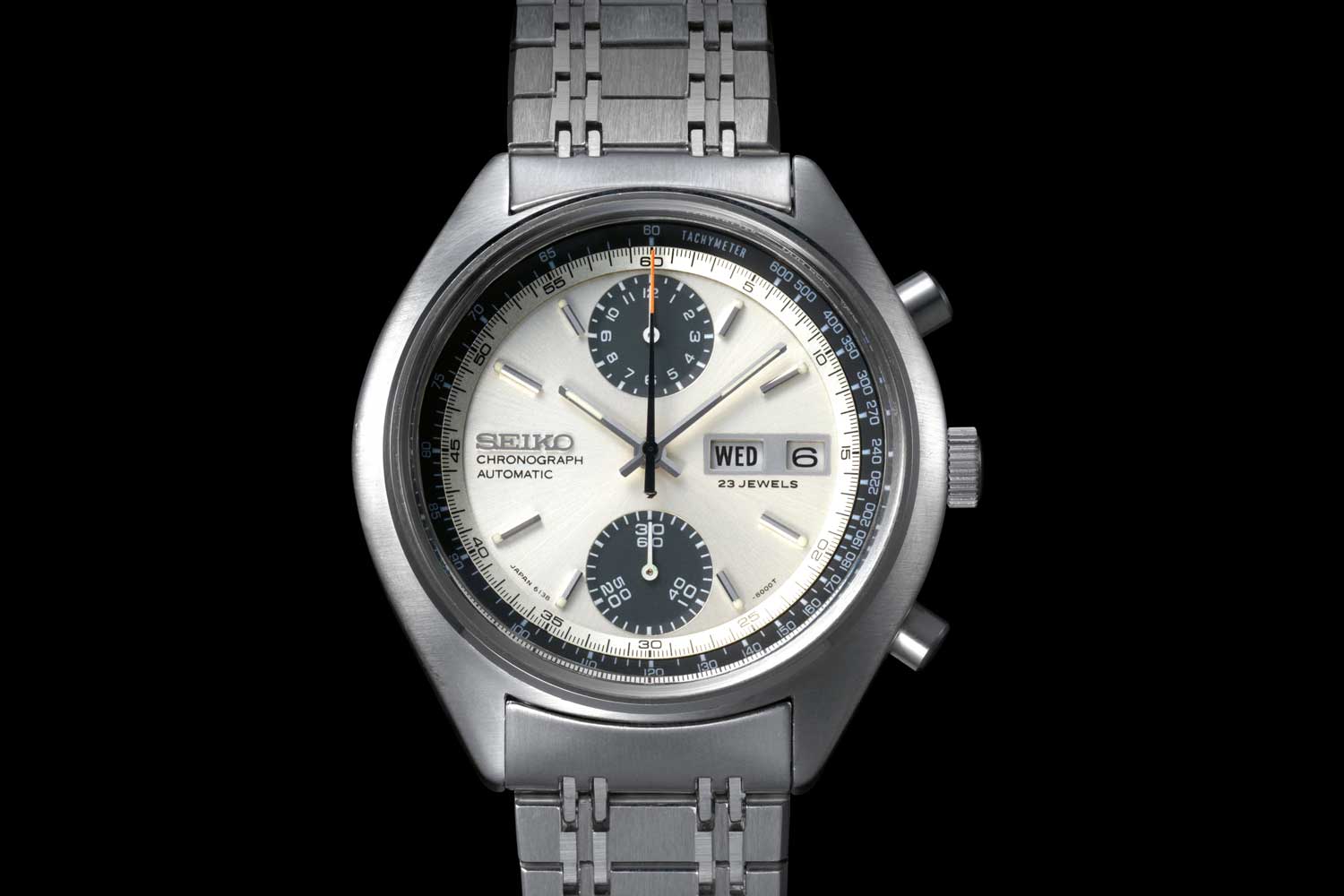
One of the most popular of the 6138 chronographs is the so-called ‘Panda’.
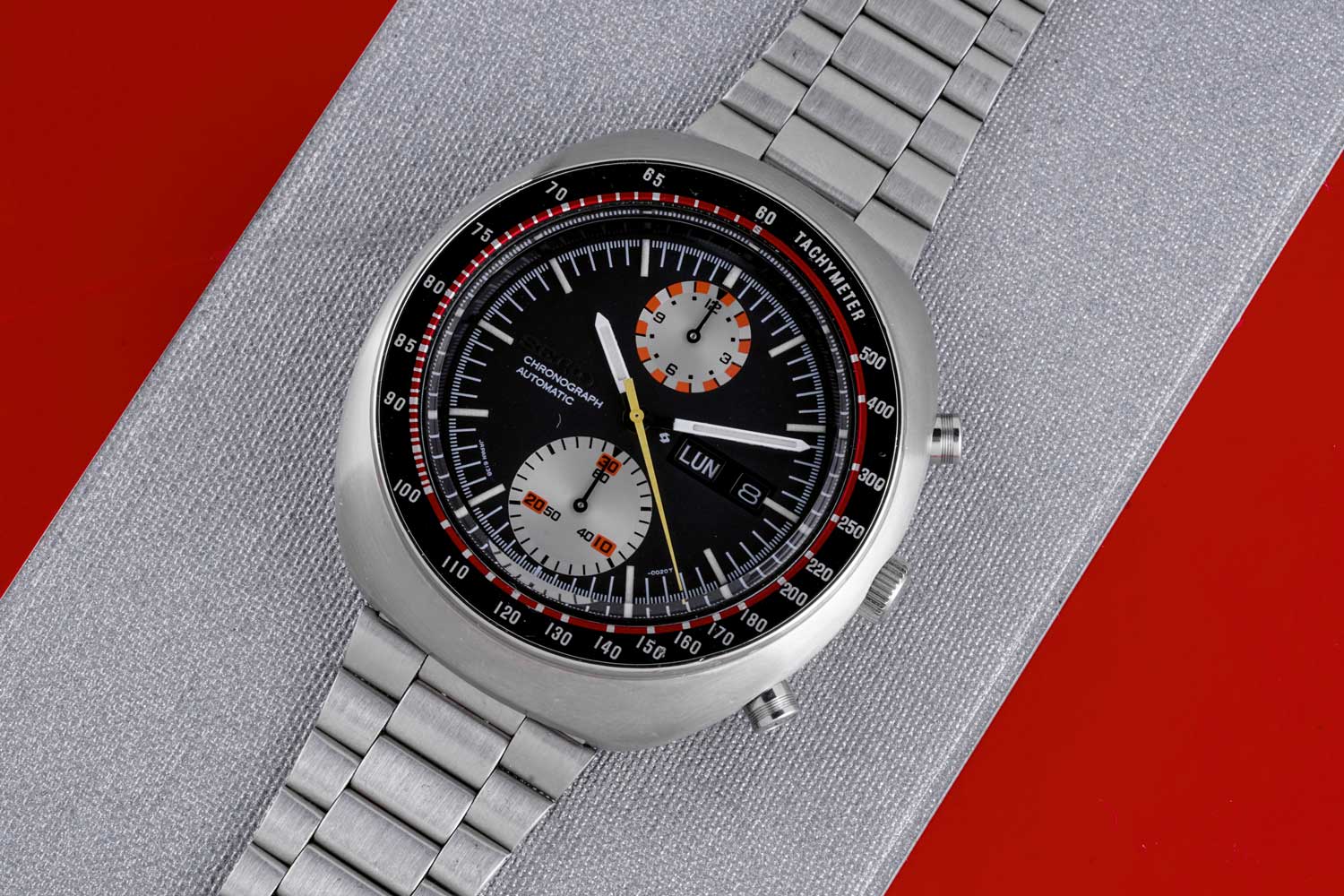
Seiko 6138-0020 ‘UFO’ (Image: Craft+Tailored)
The 7017, 7018 and 7016 Calibres
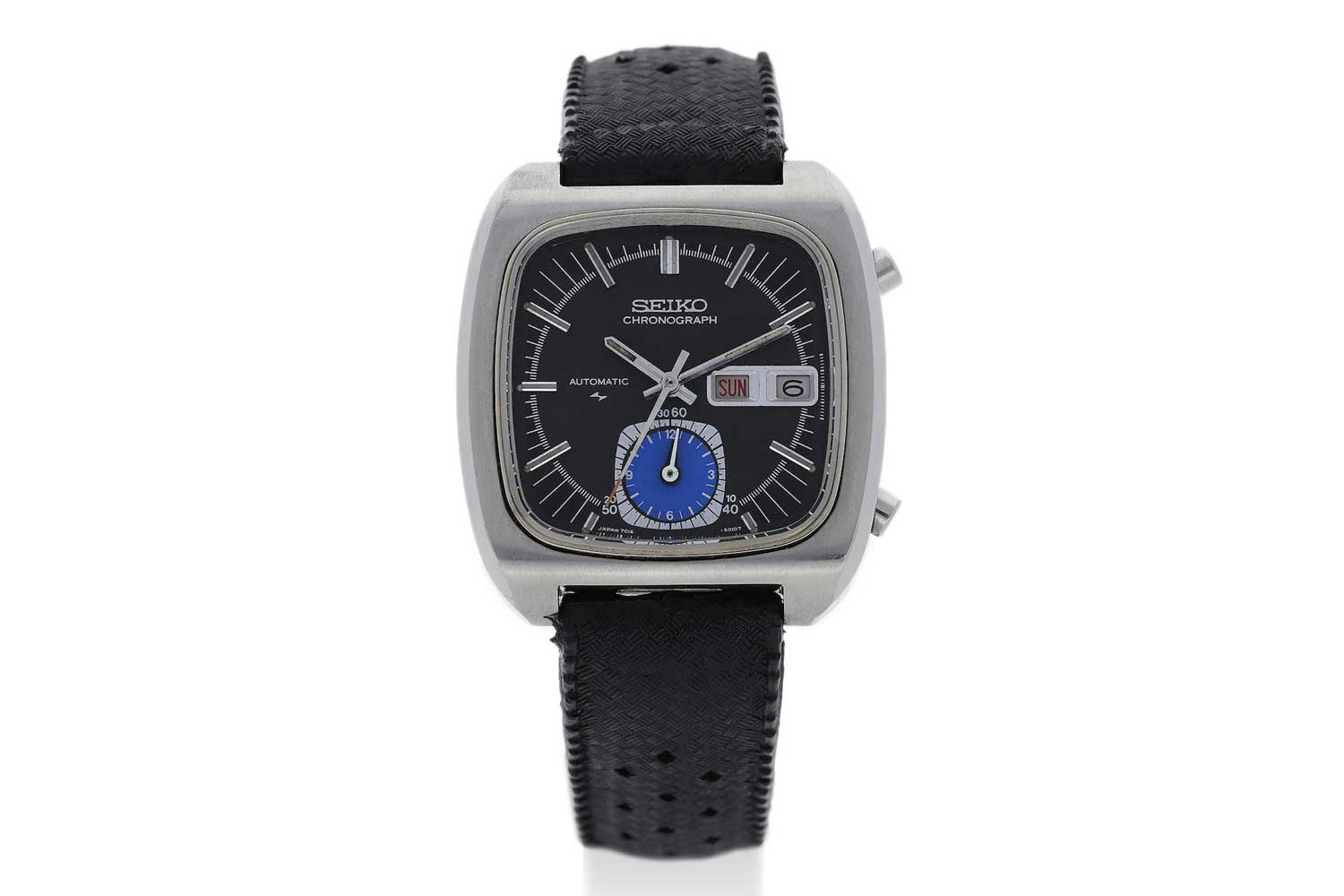
Seiko 7016-5010. (Image: Bonhams)
The End of an Era
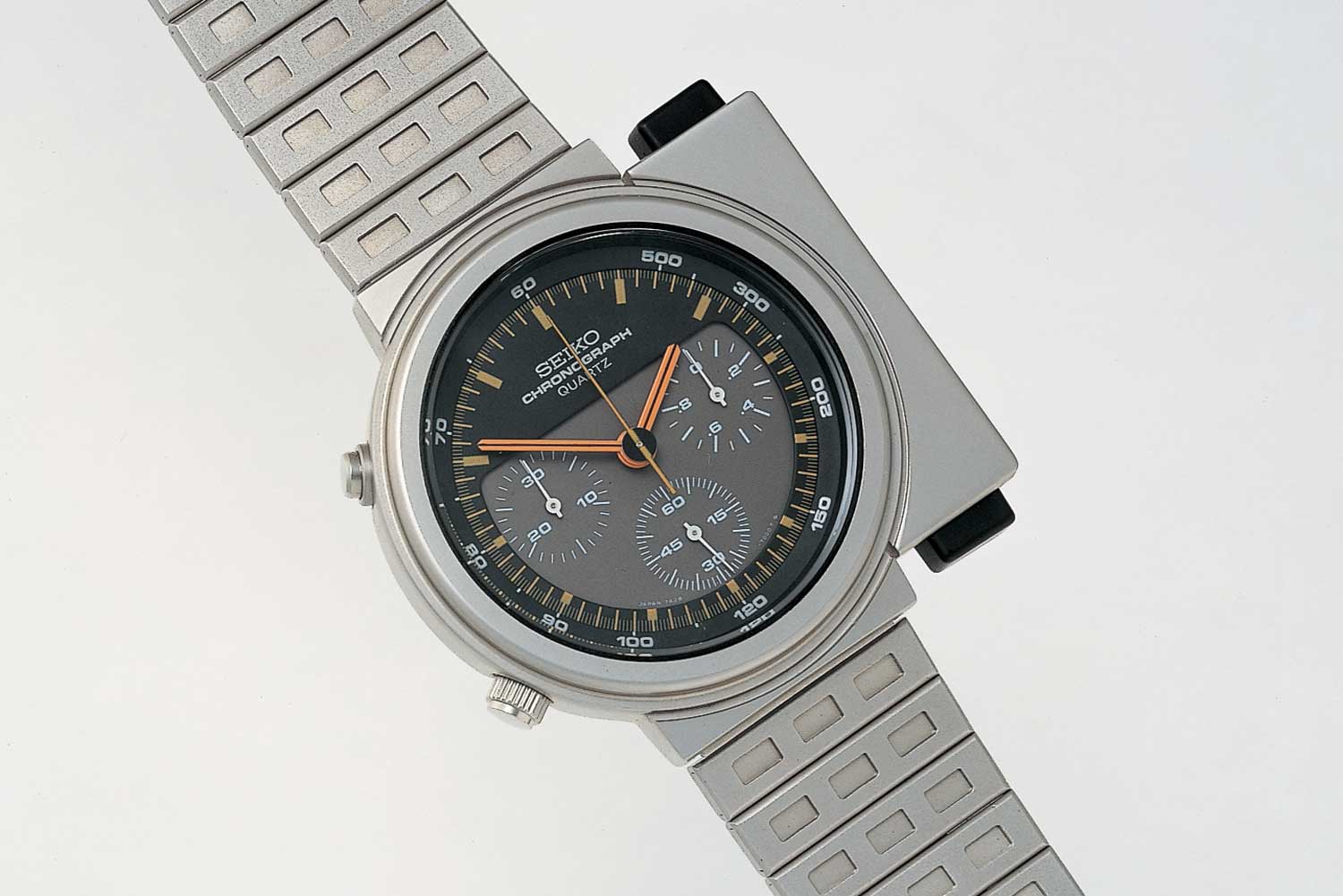
The iconic Seiko quartz 7A28-7000 worn by Sigourney Weaver in the film Aliens
You may also like
Editorial
The Seiko Presage Classic Series
Dec 3, 2025
Editorial
The Seiko Presage Classic Series
Dec 3, 2025
Editorial
Can A Watch Bring 1970s Japanese Glamour Back? The King Seiko VANAC Thinks So
Nov 3, 2025
Editorial
Can A Watch Bring 1970s Japanese Glamour Back? The King Seiko VANAC Thinks So
Nov 3, 2025
News
This Seiko Porcelain Dial Has A Detail Few Will Notice
Aug 21, 2025
News
This Seiko Porcelain Dial Has A Detail Few Will Notice
Aug 21, 2025