The History and Evolution of Guichet Watches
Reference
The History and Evolution of Guichet Watches

Long before jazz legend Duke Ellington made the Cartier Tank à Guichets a signature of his style in the 1930s — an era defined by effortless cool and avant-garde tastes — the concept of a “digital” mechanical watch had been centuries in the making. According to horological lore, its origins trace back to 1656, when the Campani brothers created the first wandering hour clock for Pope Alexander VII. The Pope’s request was simple: a silent clock that wouldn’t disrupt his sleep. The brothers delivered a masterpiece — an oil lamp illuminated the rotating numerals, making the time visible even in the dark. These clocks weren’t just functional but artistic marvels that showcased elaborate designs featuring motifs such as flowers and foliage, mythological figures, angels and other religious imagery. (As an interesting aside, many of the clocks by other makers of the same period were also adorned with memento mori motifs to remind viewers of the fleeting nature of time.) It’s believed that the Campani brothers collaborated with artists Carlo Maratta and Filippo Lauri, whose intricate artwork further elevated the timepieces. These early creations set the stage for what would later evolve into the jump hour watch — a mechanical marvel that replaced traditional hands with rotating disks visible through a small “guichet” or window.
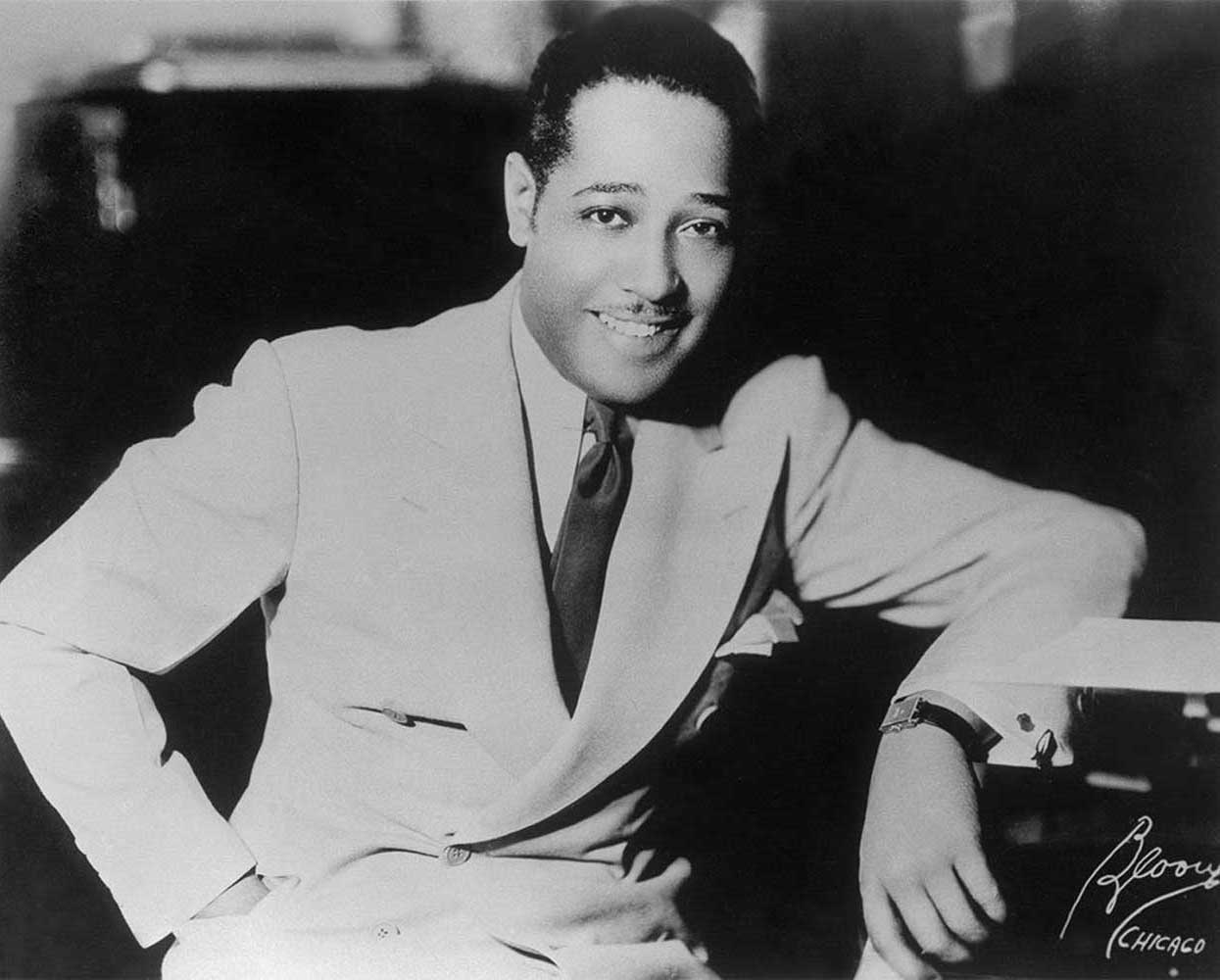
Duke Ellington wearing a Tank à Guichet watch circa 1930
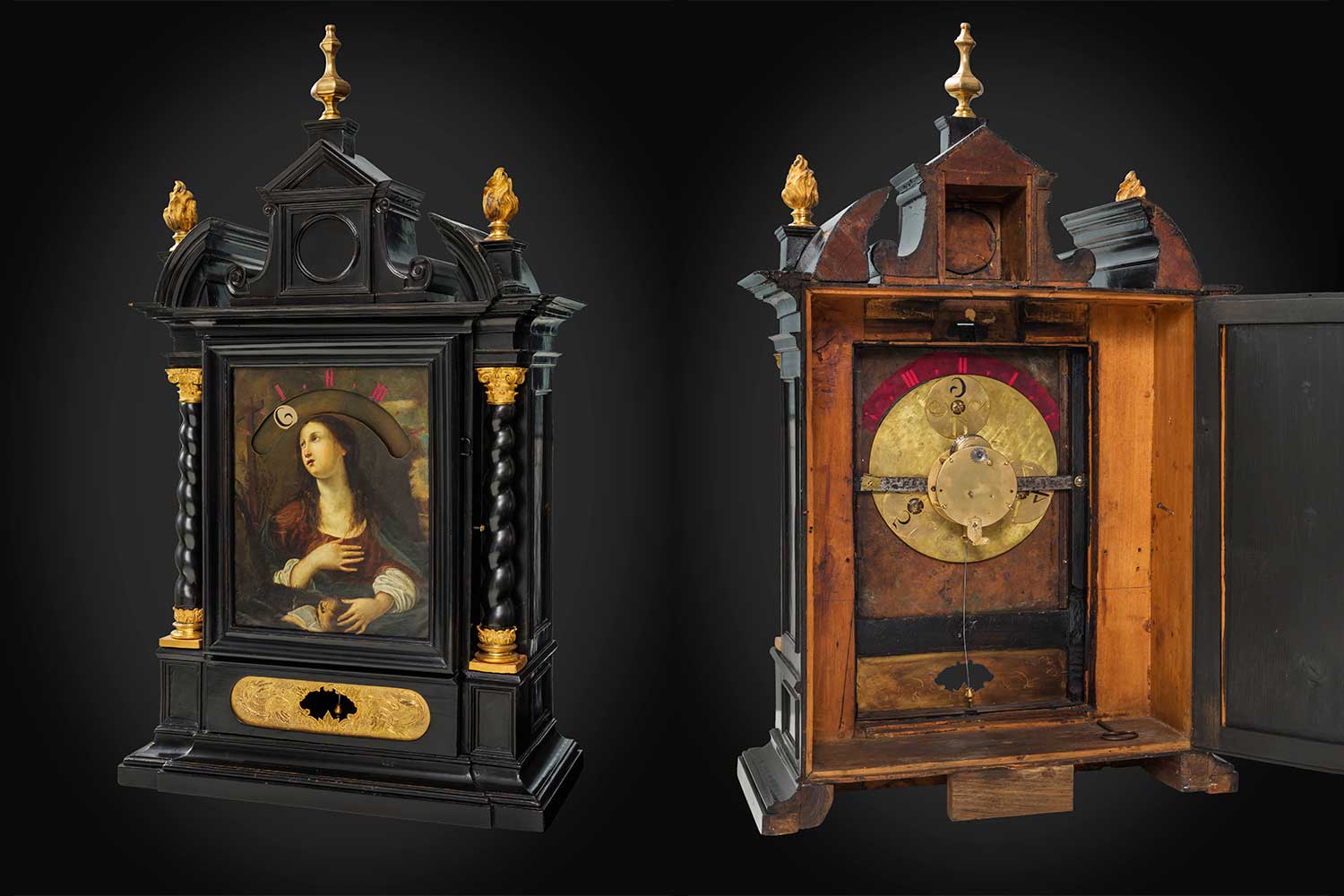
Campani bothers’ table night clock from the 17th century
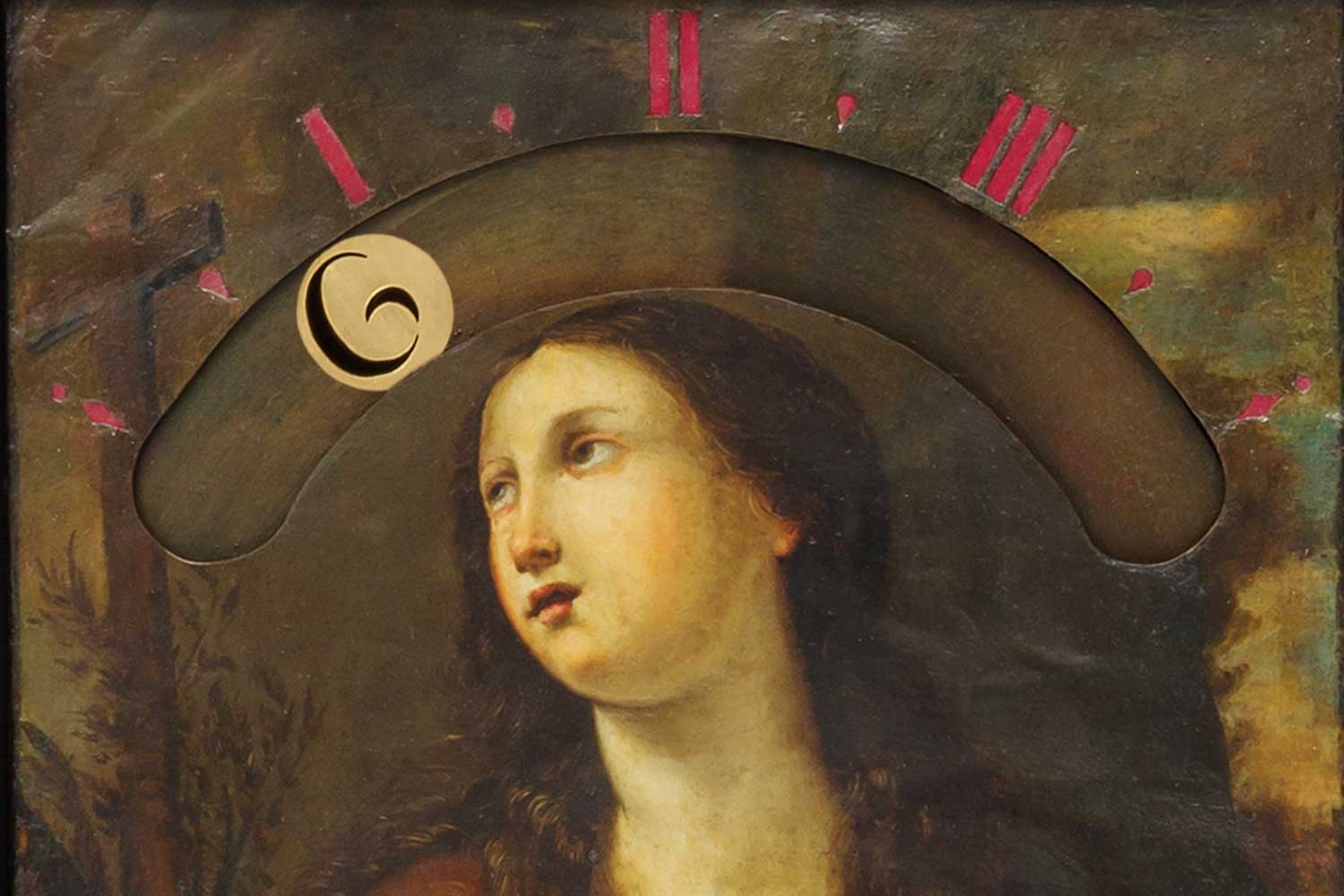
The “guichet” a.k.a. window
This 17th century creation inspired URWERK’s signature rotating three-dimensional satellites that have forged what can be considered to be the most unique and all-new time-telling language in modern horology
Timeless Elegance, Minimalist Appeal
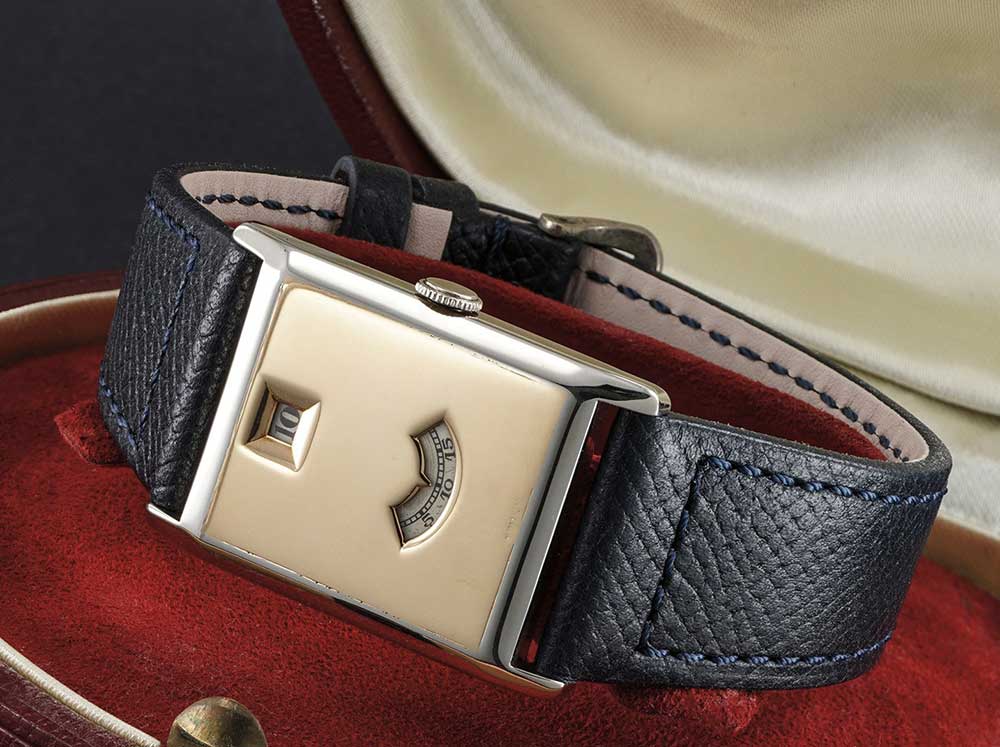
Fast forward to the 20th century, guichet watches became the epitome of refined minimalism. By stripping away traditional hands in favor of numerical disks, these timepieces embodied a sleek sophistication. Cartier’s Tank à Guichets, first introduced in 1928 and later reissued in rare limited editions, remains one of the most iconic examples. The guichet watch represents a particular era and design style in horology. Although the format had existed before 1930, it gained prominence in wristwatches during the early years of the Great Depression in 1929 and 1930.
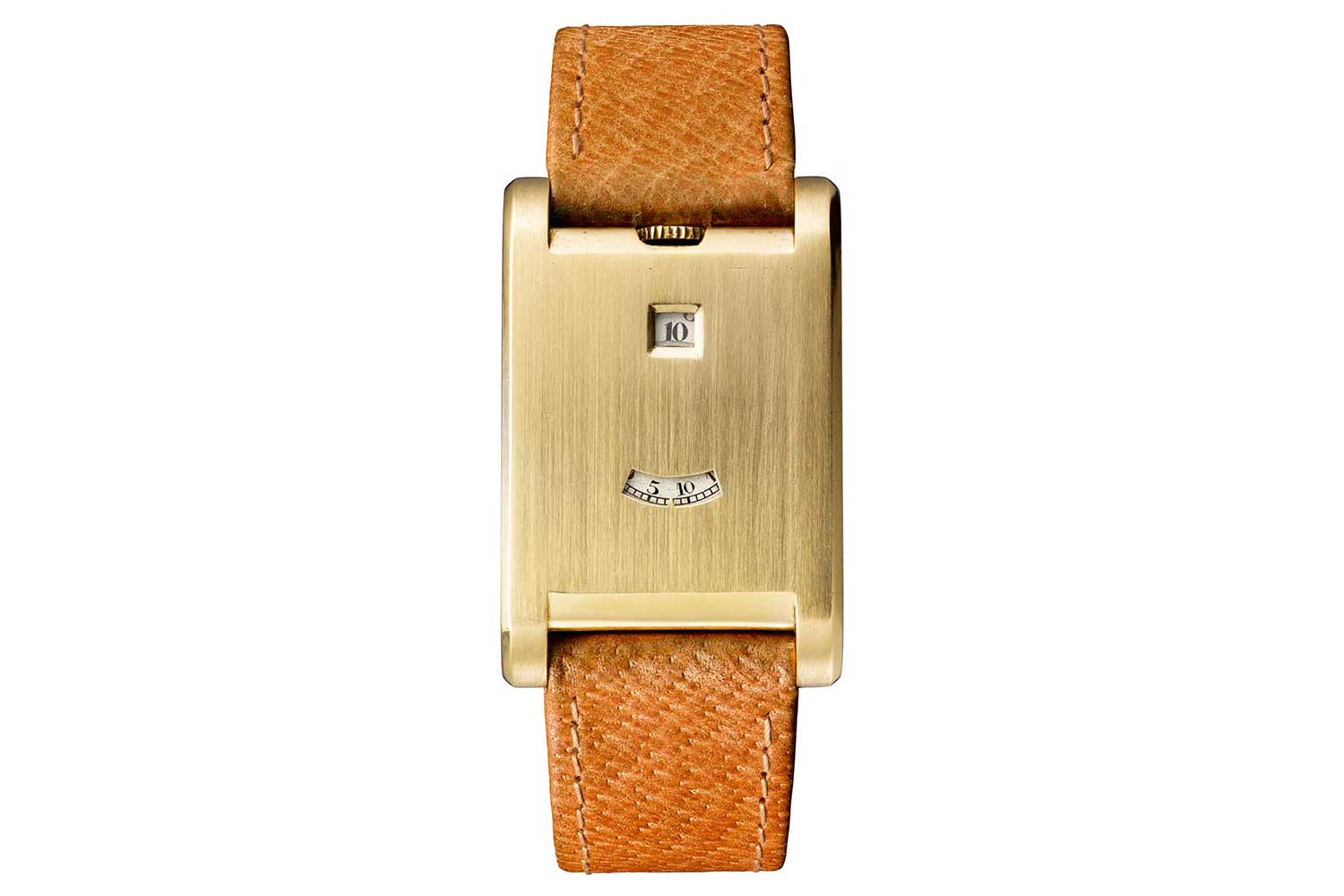
Cartier Tank à Guichets
As collector Roni Madhvani reflects, “The design embraces those austere and sober times when the world underwent one of the most difficult and struggling eras, and additionally, the jump hour on wristwatches embraces the Art Deco style, which is dear to my heart. As a result, the simplicity of the design, combining the functionality of timekeeping, makes it ever so special.”
For watch geeks, the jump hour’s appeal lies not just in aesthetics but also in the mechanics. “I would consider every watch that has an hourly jumping hour disk officially a jump hour. I prefer a loud ‘click’ sound when the hours jump!” says Ruud van Rijn, who has been collecting jump hour timepieces since 1995. He adds, “There are also ‘wandering hours.’ These are watches where the hour disk is not jumping but simply turning, like an hour hand would do.” While some brands have incorporated this complication into elaborate designs, there’s a growing fascination with time-only jump hour watches — no excess, just pure function and intrigue. This return to simplicity is drawing brands and collectors alike, as seen with Louis Vuitton’s latest release.
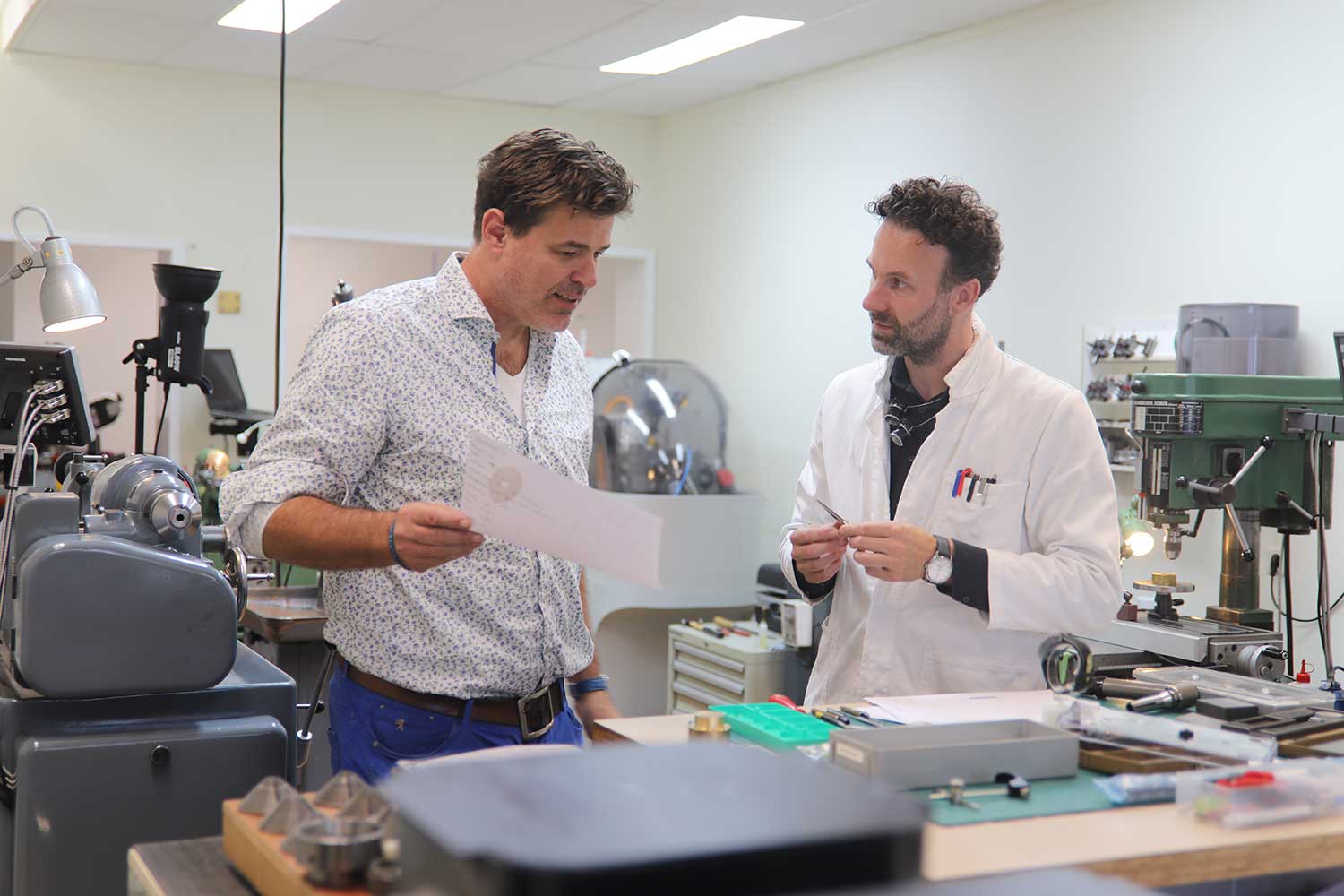
Ruud van Rijin in Atelier
The Louis Vuitton Tambour Convergence takes inspiration from traditional “digital” pocket watches, displaying time through rotating disks visible through two small windows at the top of the dial. However, unlike a true jump hour mechanism, the Convergence features what Louis Vuitton terms “dragging hours and minutes.” Rather than a sharp, instantaneous jump, the hour display rotates gradually, providing a softer transition between numerals. This novel design, combined with a compact 37mm case, offers an elegant, vintage-inspired aesthetic that’s atypical of Louis Vuitton’s usual offerings. Equally remarkable is the newly developed in-house caliber, the LFT MA01.01, part of a new movement family that will underpin future Louis Vuitton timepieces. The Convergence debuts in two variants: 18K rose gold with a polished front, and platinum with 795 snow-set diamonds totaling 1.71 carats. Both feature brass-plated time display disks matching the case material, while the numerals and scales on the disks maintain a uniform dark blue across both models.
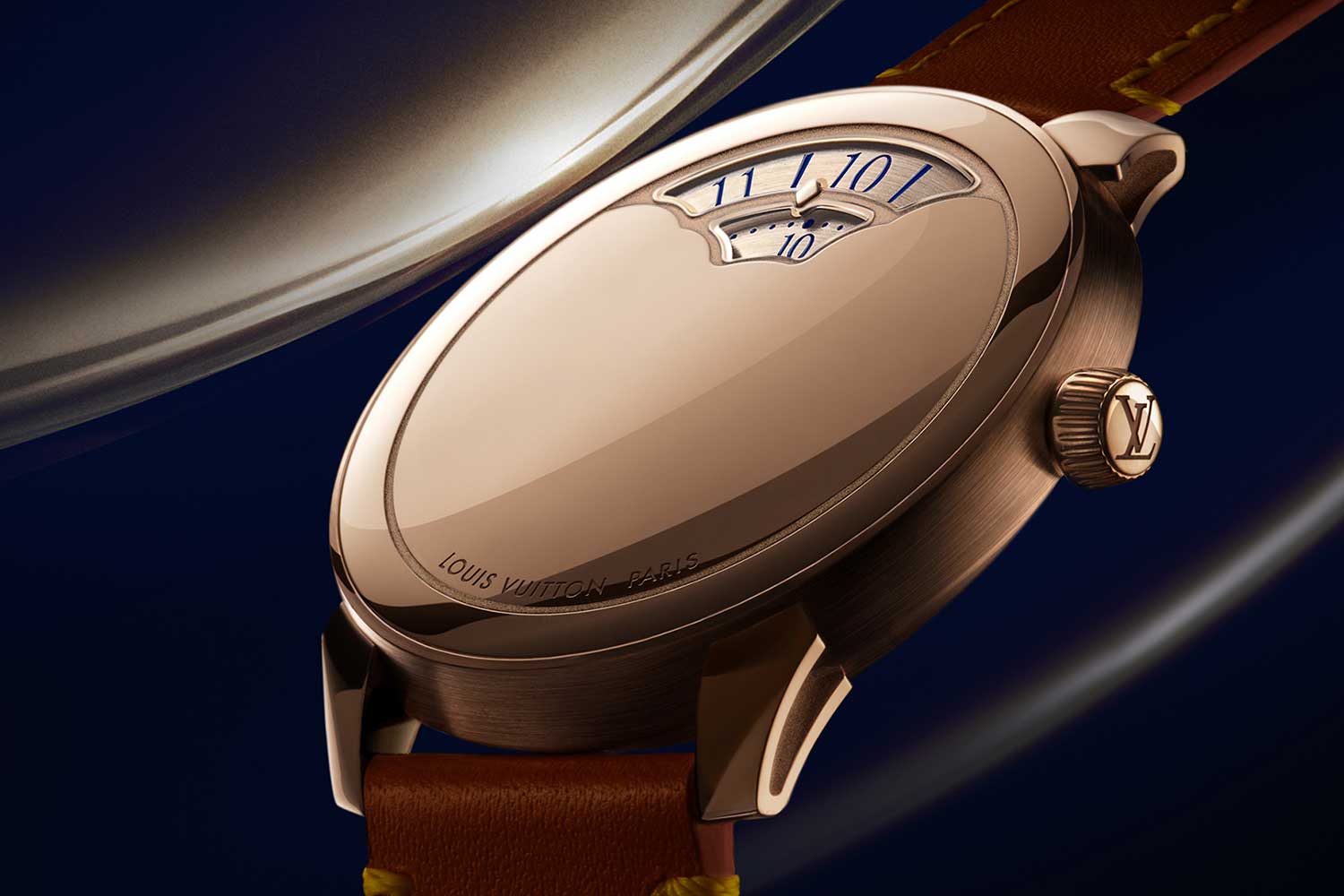
Louis Vuitton Tambour Convergence in rose gold
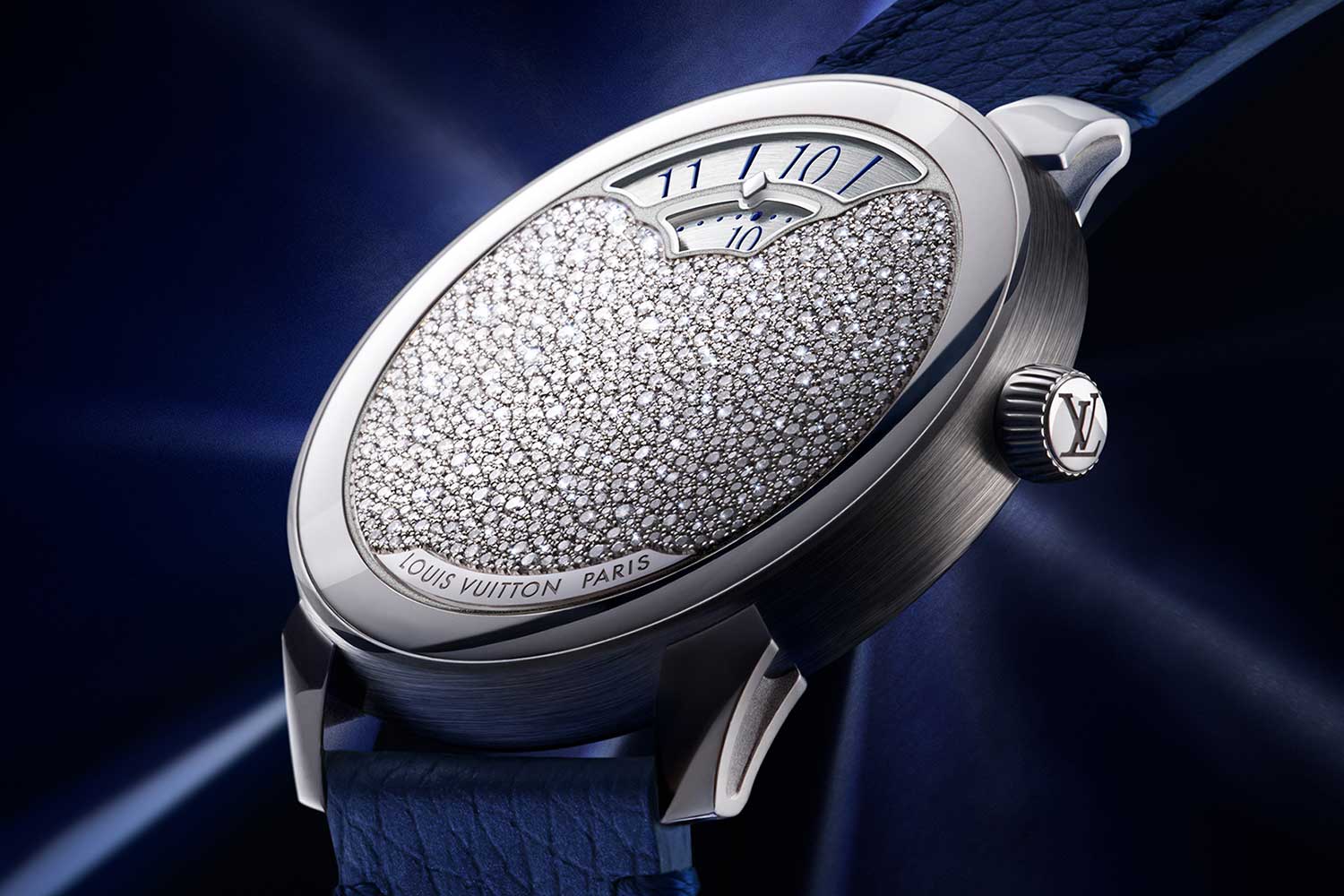
Louis Vuitton Tambour Convergence in platinum set with 795 diamonds
With designers pushing boundaries and enthusiasts chasing rare finds, the guichet watch is back in the spotlight. After all, who doesn’t appreciate a bit of mystery in timekeeping? “The jump hour technique is an underestimated complication,” says Ruud.
“Especially the three-disk jump hours, which are technically very complex. Watch collectors, having already amassed 10 or 20 ordinary three-hand watches, often seek something different. That’s why serious collectors usually have at least one jump hour piece in their collection.”
“The jump hour technique is an underestimated complication. Especially the three-disk jump hours, which are technically very complex … That’s why serious collectors usually have at least one jump hour piece in their collection.”
Jumping Back in Time: The Most Iconic Examples
As mentioned earlier, the first spark of “digital” timekeeping was ignited by the Campani night clock, which introduced a form of digital display in 1656. The earliest known jump hour pocket watch was created by Eckhart of Friedberg, around 1700, and it marked the beginning of an era where time was displayed not by hands, but through apertures. This leap was not only a technical innovation but also an artistic one, influencing the design of timepieces for centuries.
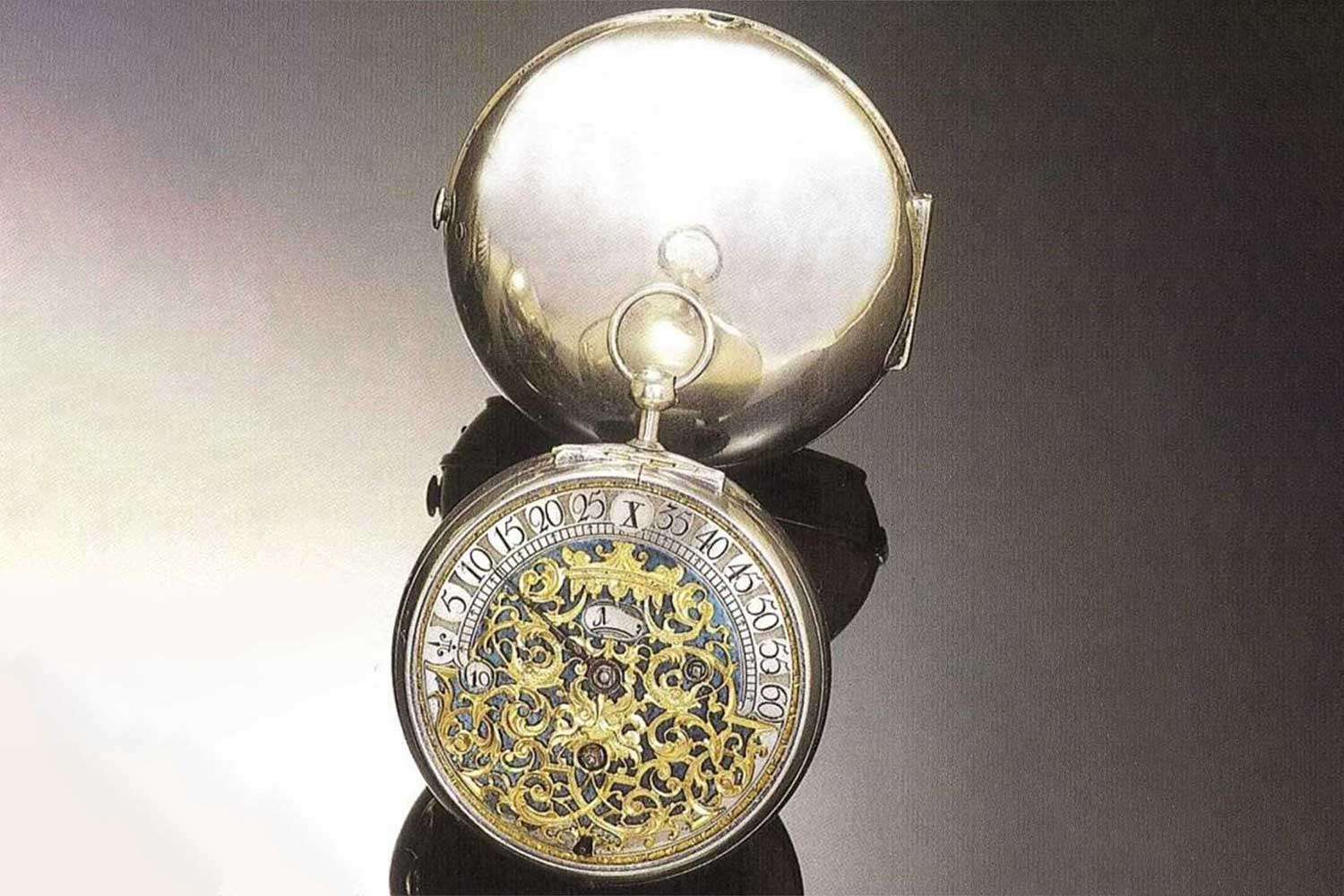
Eckhart jump hour pocket watch from the 1700s
This groundbreaking creation, a precursor to the genre, paved the way for the patented mechanism by Josef Pallweber in 1883, which would play a pivotal role in jump hour watches to come. The fascination with jumping digits grew as the century unfolded, and by 1915, Arthur Dubois and Alfred Spori had designed the first jump hour wristwatch, taking the concept out of pocket watches and into a new realm of wearable timepieces.
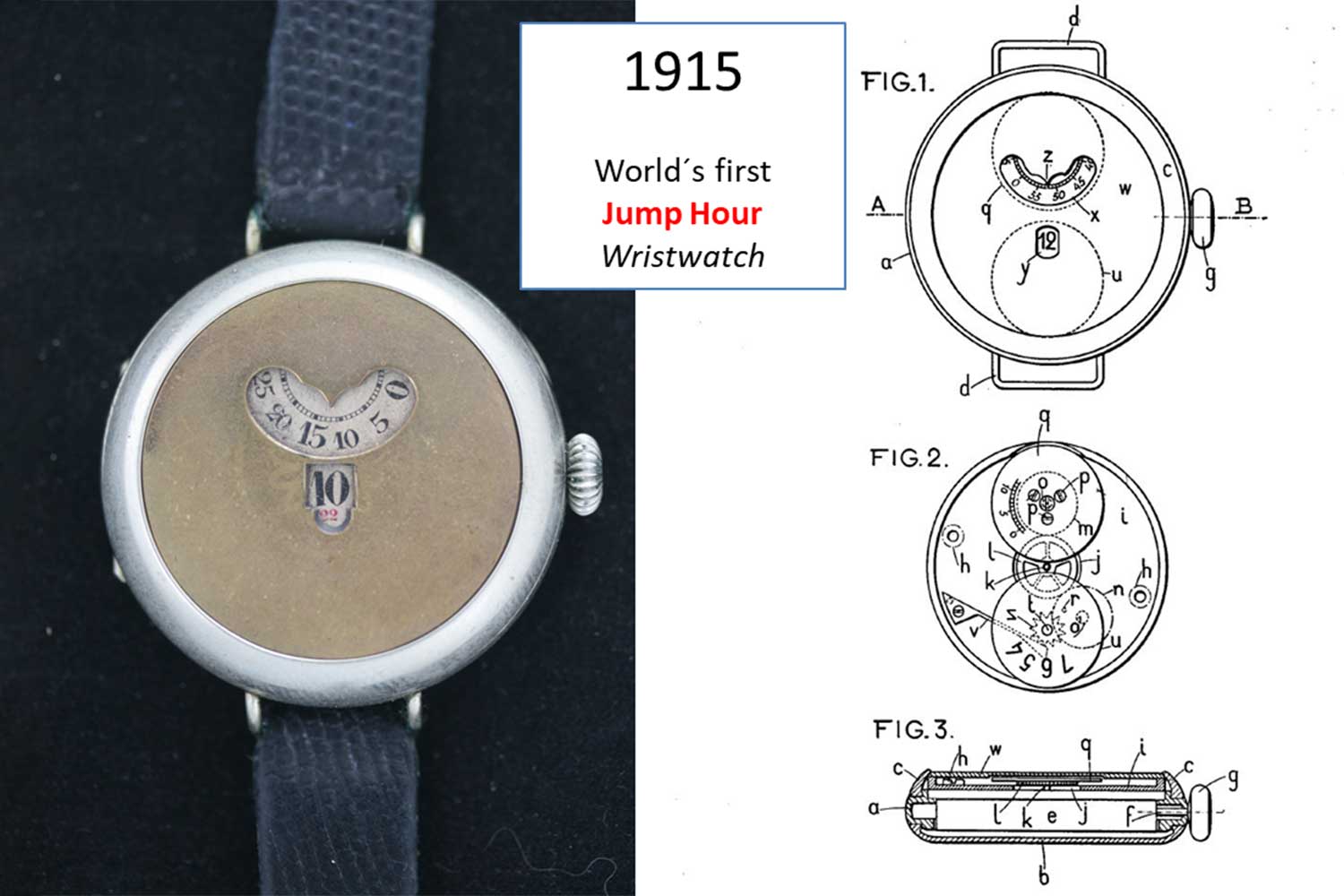
The world’s first jump hour wristwatch, Alfred Spori (1915)
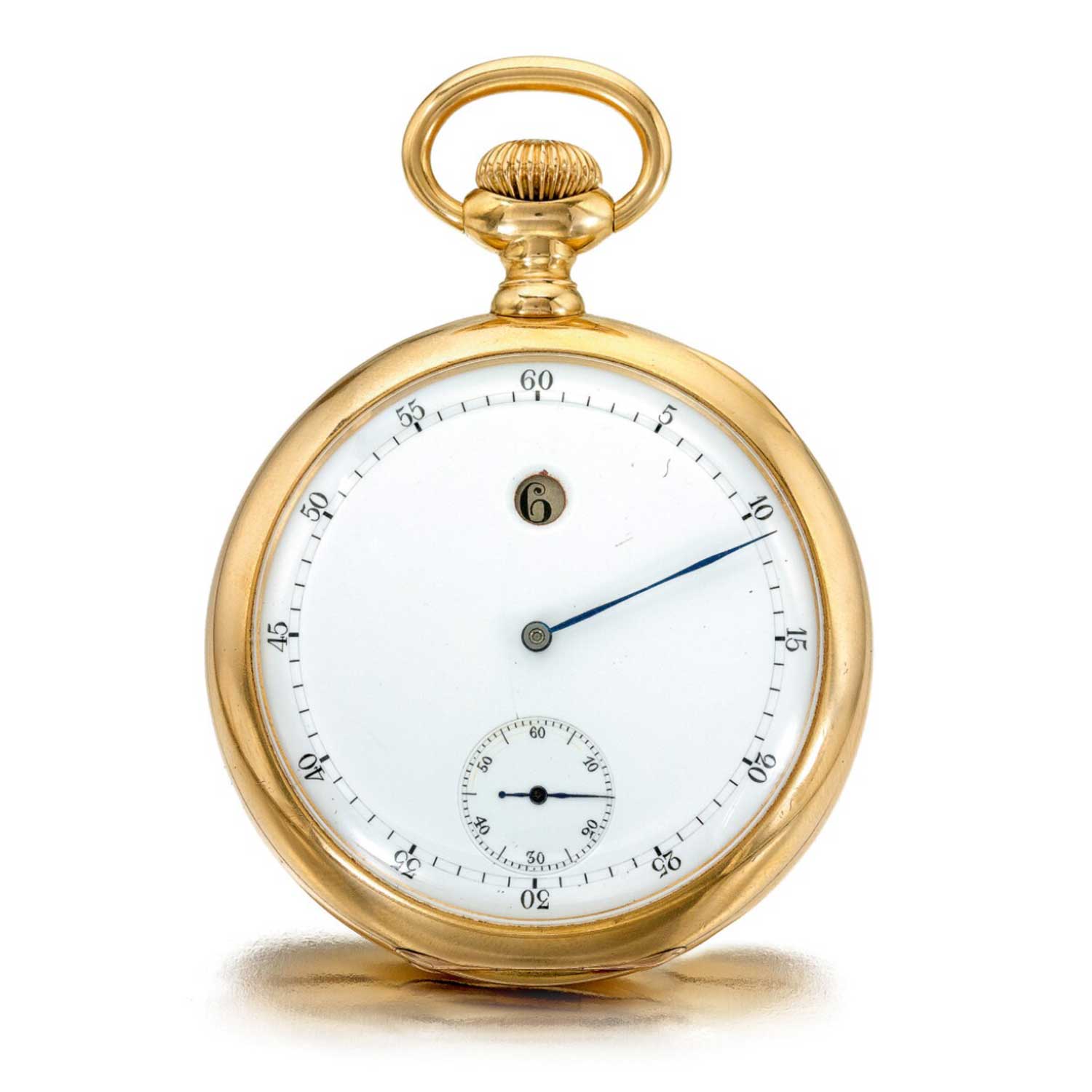
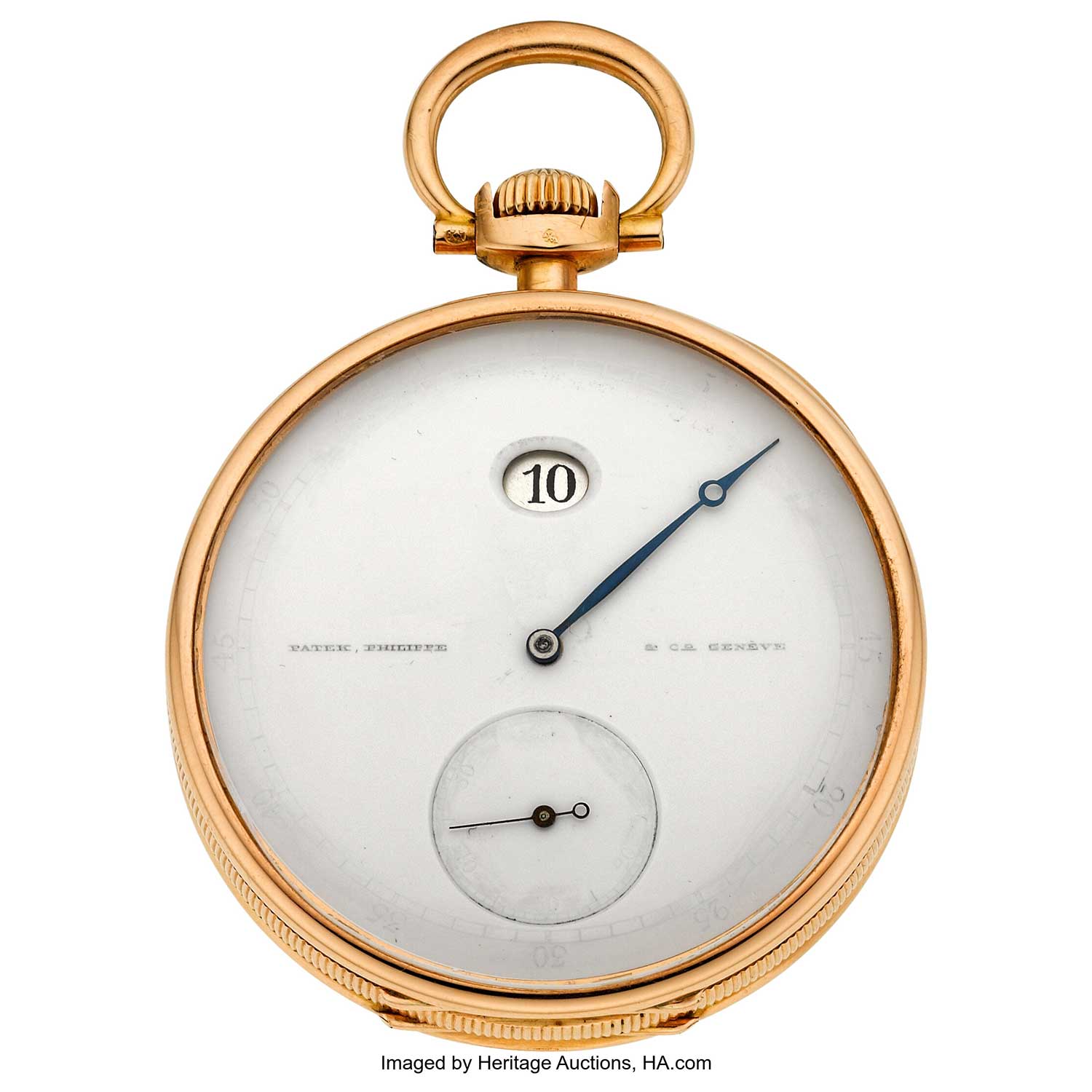
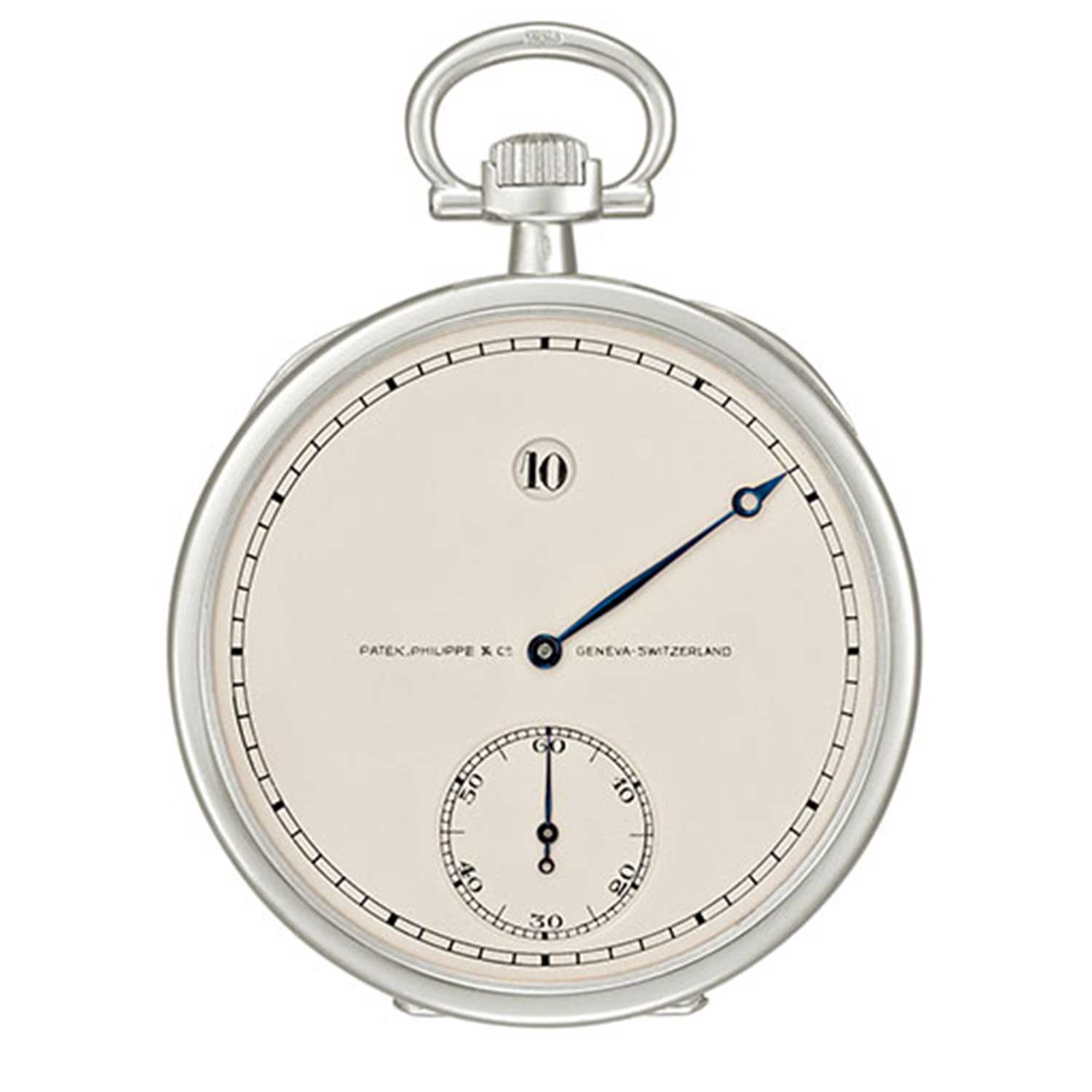
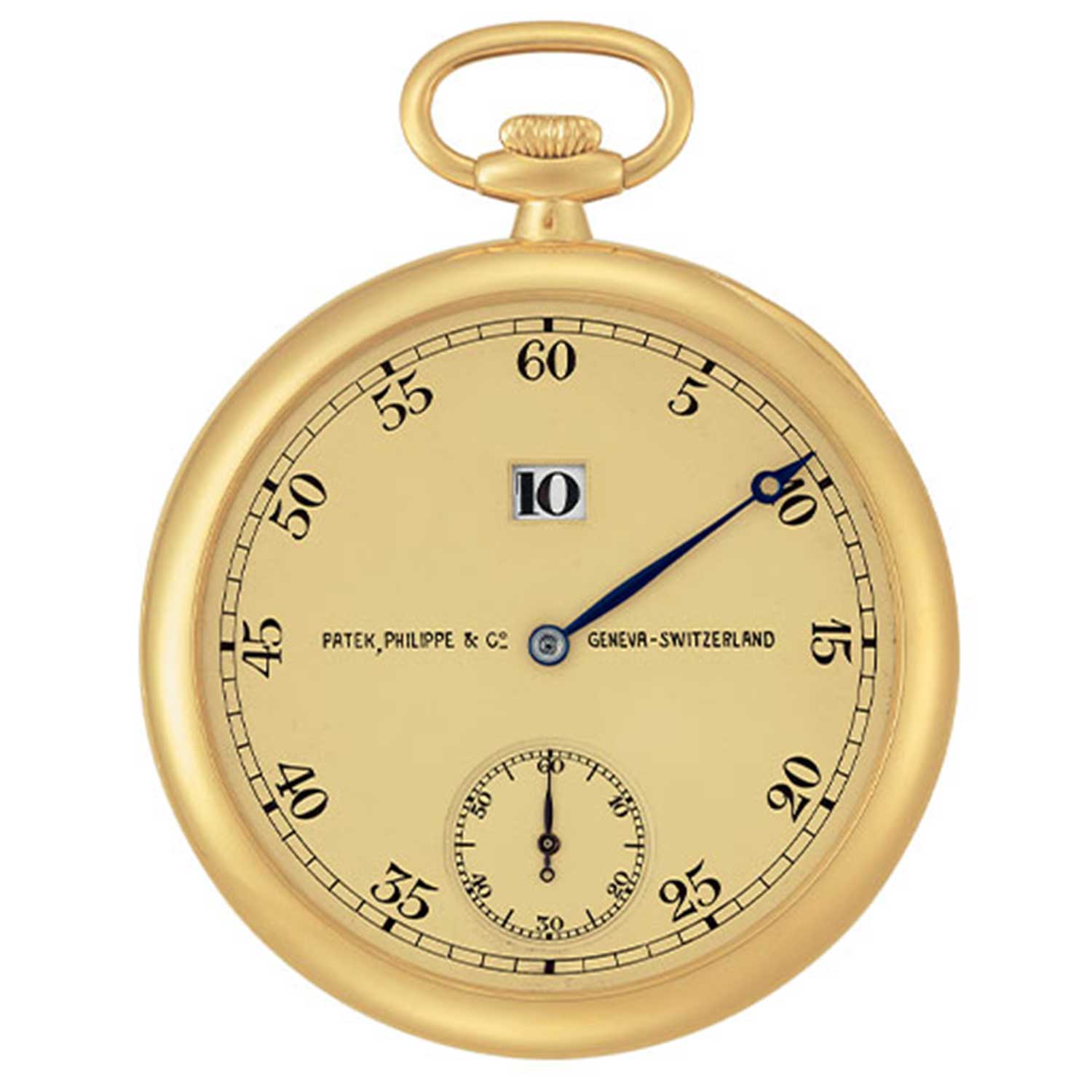
Watchmakers like Breguet, LeRoy & Fils, and Vacheron Constantin embraced the jump hour format, pushing the boundaries of design. Patek Philippe, known for its horological mastery, showcased several jump hour models between 1889 and 1928, cementing its place in the history of these timepieces.
-

- A Patek Philippe open faced jump hour pocket watch, circa 1889 (Image: Sotheby’s)
-

- A Patek Philippe jump hour pocket watch, circa 1892 (Image: Heritage Auctions)
-

- Patek Philippe platinum jump hour pocket watch, circa 1921 (Image: Patek Philippe Musuem)
-

- Patek Philippe 18K yellow gold jump hour pocket watch, circa 1928 (Image: Patek Philippe Musuem)
Among the earliest and most celebrated models from the 1920s was the Cartier Tank à Guichets, which featured two jump hour windows at 12 and 6 o’clock, displaying the hours in a unique manner while the minutes were shown in 5-minute intervals. This design became a symbol of refinement and technical mastery.
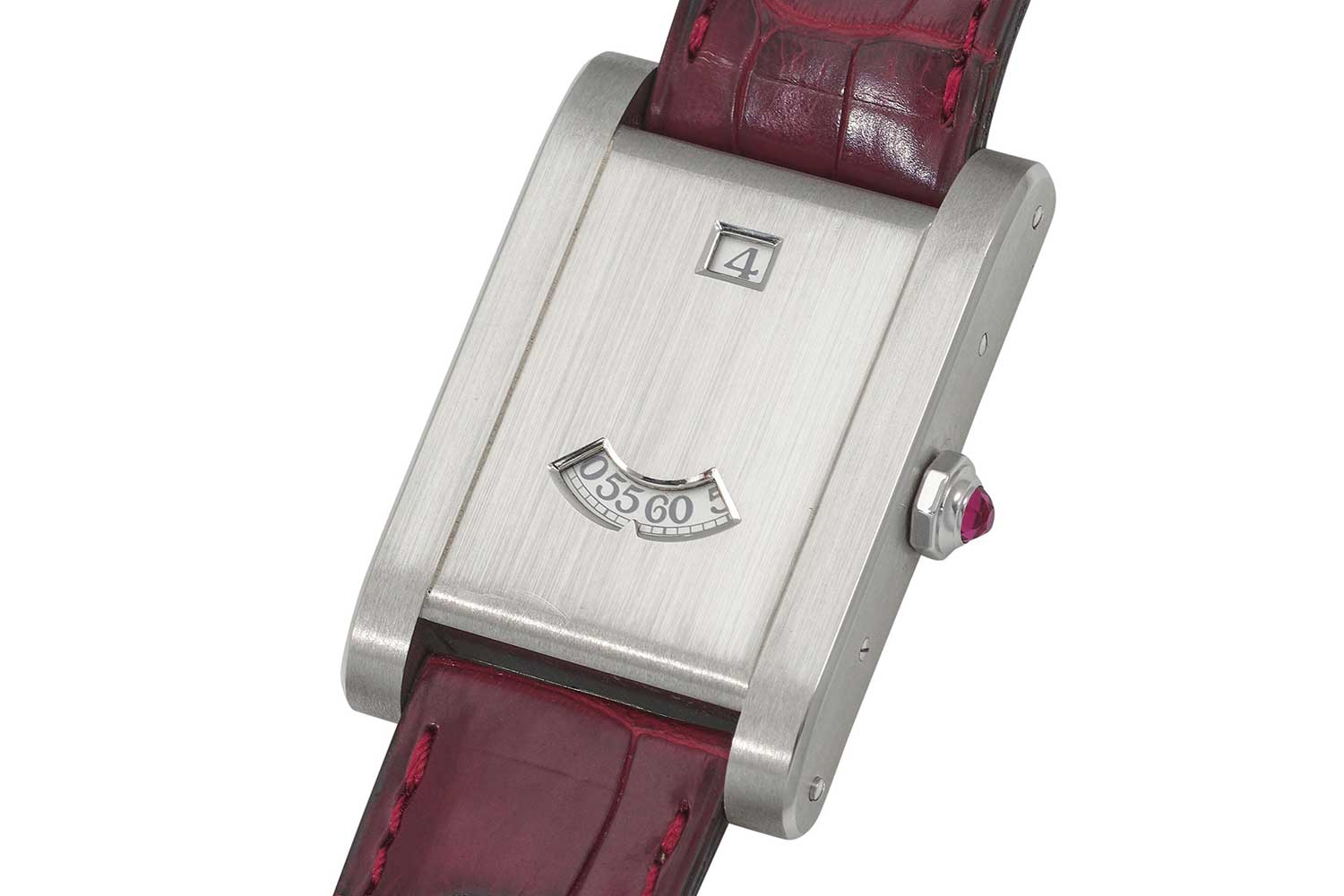
Cartier Platinum Tank à Guichets (Image: Sotheby’s)
As Madhvani notes, “What makes Cartier’s Tank à Guichets stand out is that the maison interpreted the case design in its own special style — something Cartier always excels at. While the jump hour complication has never been universally loved, often considered too stark or simple, its rarity and Cartier’s signature flair make it an object of desire for many today.”
The 1930s saw these watches adopting a fresh aesthetic, with lacquered faces adding a glossy elegance to their already unique designs. In 1957, Patek Philippe unveiled the Cobra, a groundbreaking timepiece that displayed time like never before: minutes appeared as a steadily advancing black line on a white background, while the hour line advanced in jumps. Powered by the beautifully crafted Caliber 9-90, this movement featured a cylinder-drive mechanism on the left and a leaf-spring retrograde device on the right. Despite its revolutionary design, the Cobra never went into serial production, and its solitary example now resides in the Patek Philippe Museum.
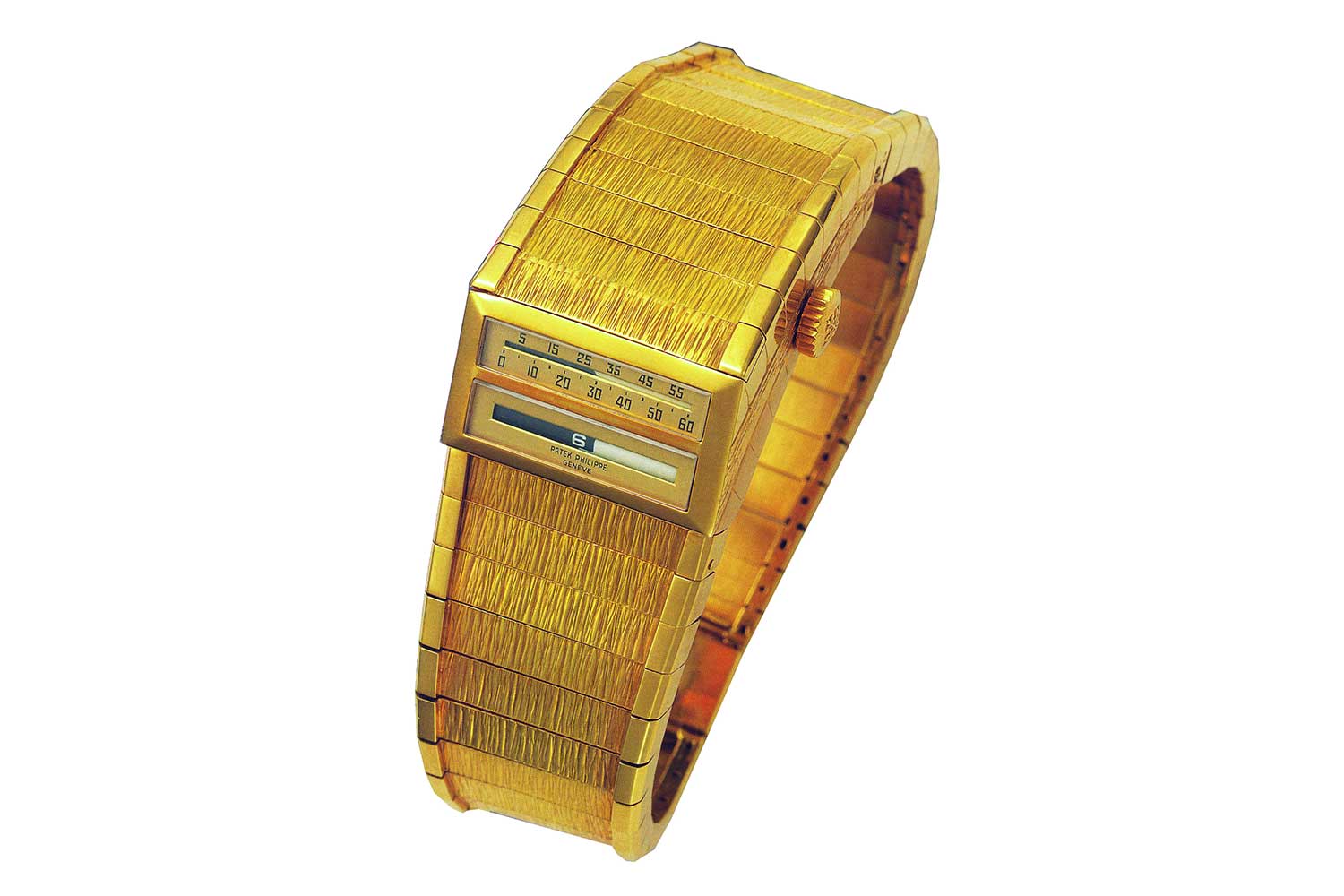
The Patek Philippe Cobra reference 3414
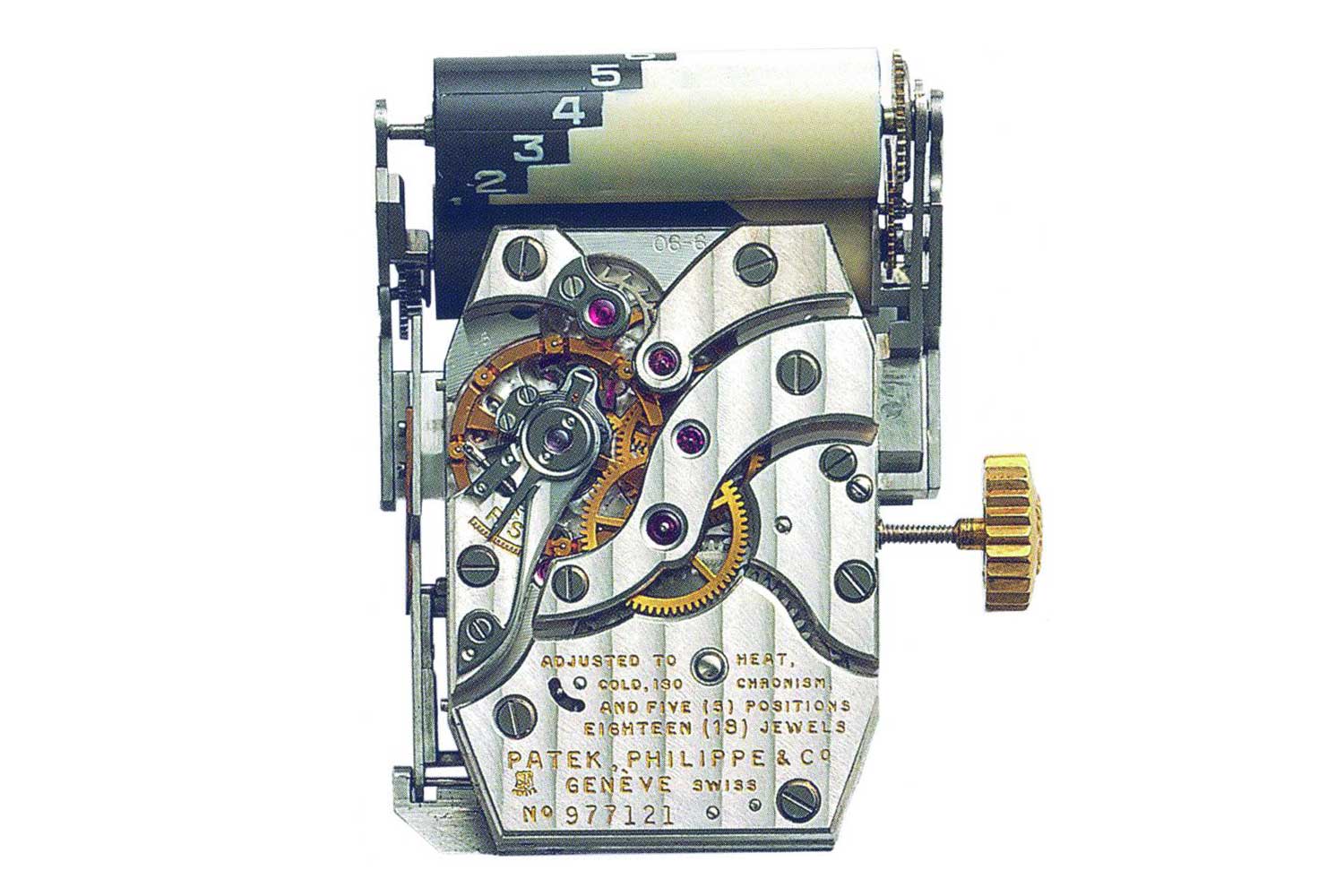
The calibre 9-90 by Patek Philippe, showing how the hours jumped to create the illusion of a linear display
By the 1970s, as quartz movements dominated the market, mechanical jump hour watches experienced a revival. Brands looking to stand out during the quartz revolution introduced jump hour watches in more vibrant and affordable forms, such as the Bulova “White Prince”, which gained popularity for its whimsical Art Deco style.

Bulova “White Prince” Jump hour watch
“In the USA, the jump hour watches were quite attractive with curly engravings on the cases. The White Prince and the Ranger had good quality FHF [Fabrique d’Horlogerie de Fontainemelon] calibers and looked fancy,” notes Ruud. Brands like Patek Philippe and Vacheron Constantin, along with newcomers like Bulova, brought the jump hour format to the American market, making it more accessible to collectors.
The 1990s saw a resurgence of interest in mechanical watches, especially those with historical or technical significance. Patek Philippe reissued its Ref. 3969 in 1989 to mark its 150th anniversary, while Cartier launched a series of limited edition Tank à Guichets between 1996 and 2005, celebrating both innovation and heritage. The rarity of these models made them highly coveted among collectors. A particularly rare example was worn by actor Brad Pitt during a photoshoot for USA Weekly in 2013 — a 27mm Cartier Tank à Guichets Reference 2817, limited to just 100 pieces worldwide.
-
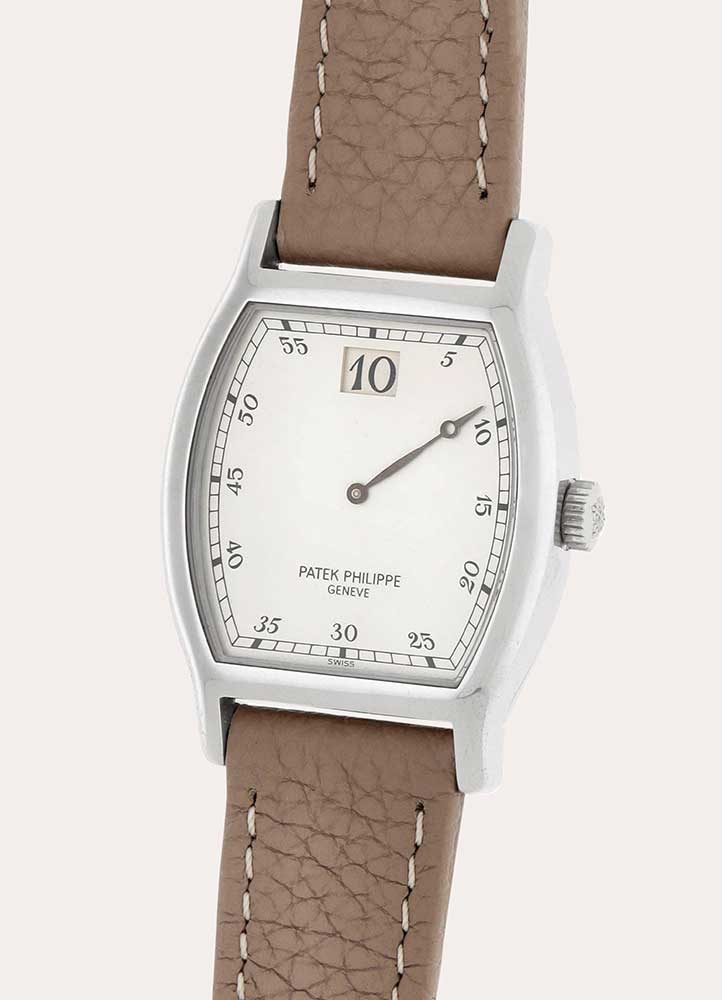
- Patek Philippe Ref. 3969, 1989 (Image: Sotheby’s)
-

- Brad Pitt wearing a 27mm Cartier Tank à Guichets Reference 2817 during the photoshoot for USA Weekend in 2013 (Photo by Larsen and Talbert/Contour by Getty Images)
The Future of Jump Hour: Evolving and Pushing Boundaries
The jump hour watch made a resurgence in the 21st century, with brands like IWC breathing new life into the format. In 2018, IWC introduced the Pallweber Edition “150 Years” wristwatch, a tribute to the Pallweber system developed in 1883. Initially produced between 1885 and 1887, these early IWC Pallweber pocket watches have become rare and collectible. The Pallweber Edition “150 Years,” with its striking red gold case and Caliber 94200 movement, was limited to just 250 pieces, making it highly sought after by collectors.
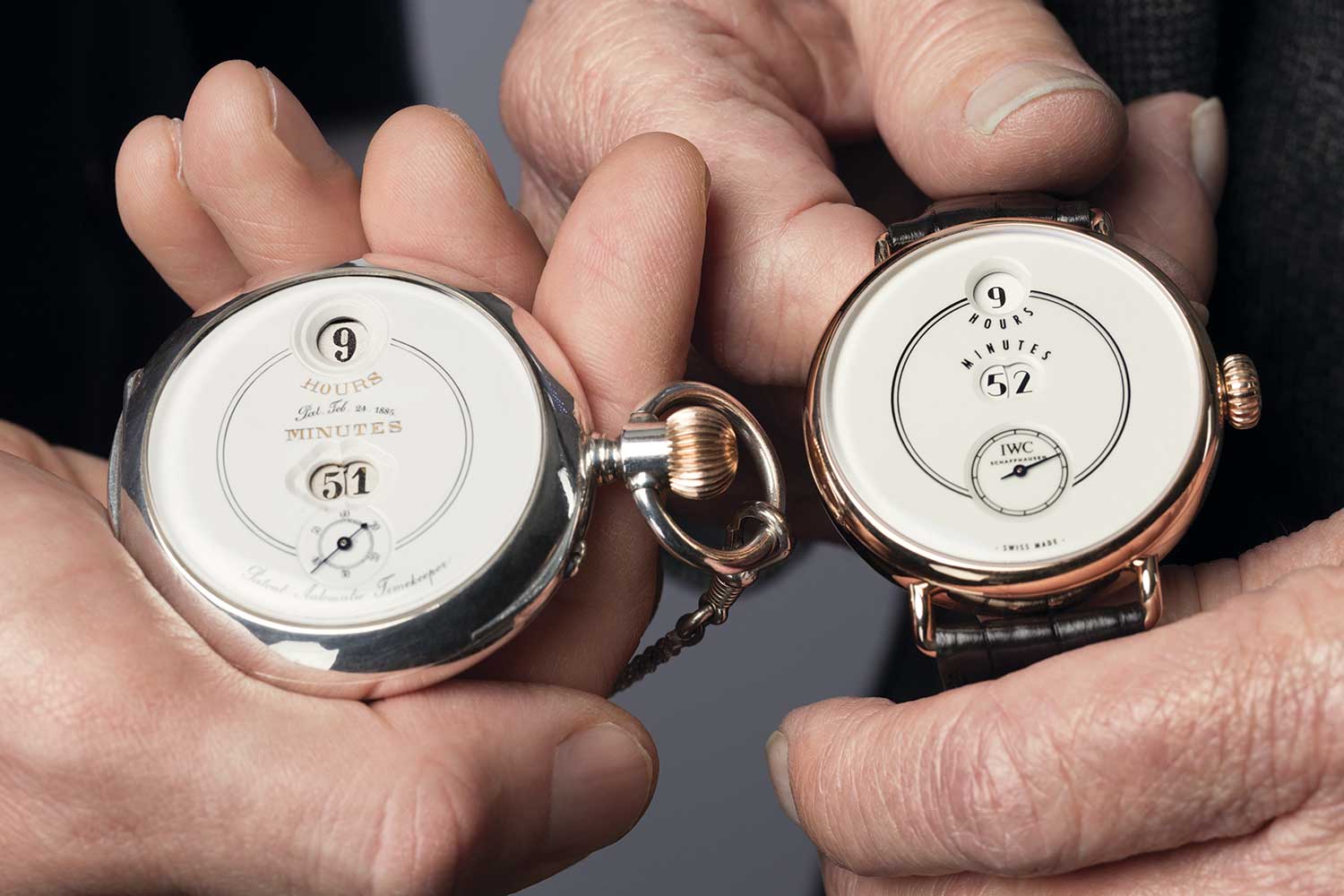
Held side by side, it’s clear to see that the IWC Tribute to Pallweber Edition “150 Years” (right) is a modern iteration of its illustrious pocket-watch predecessor
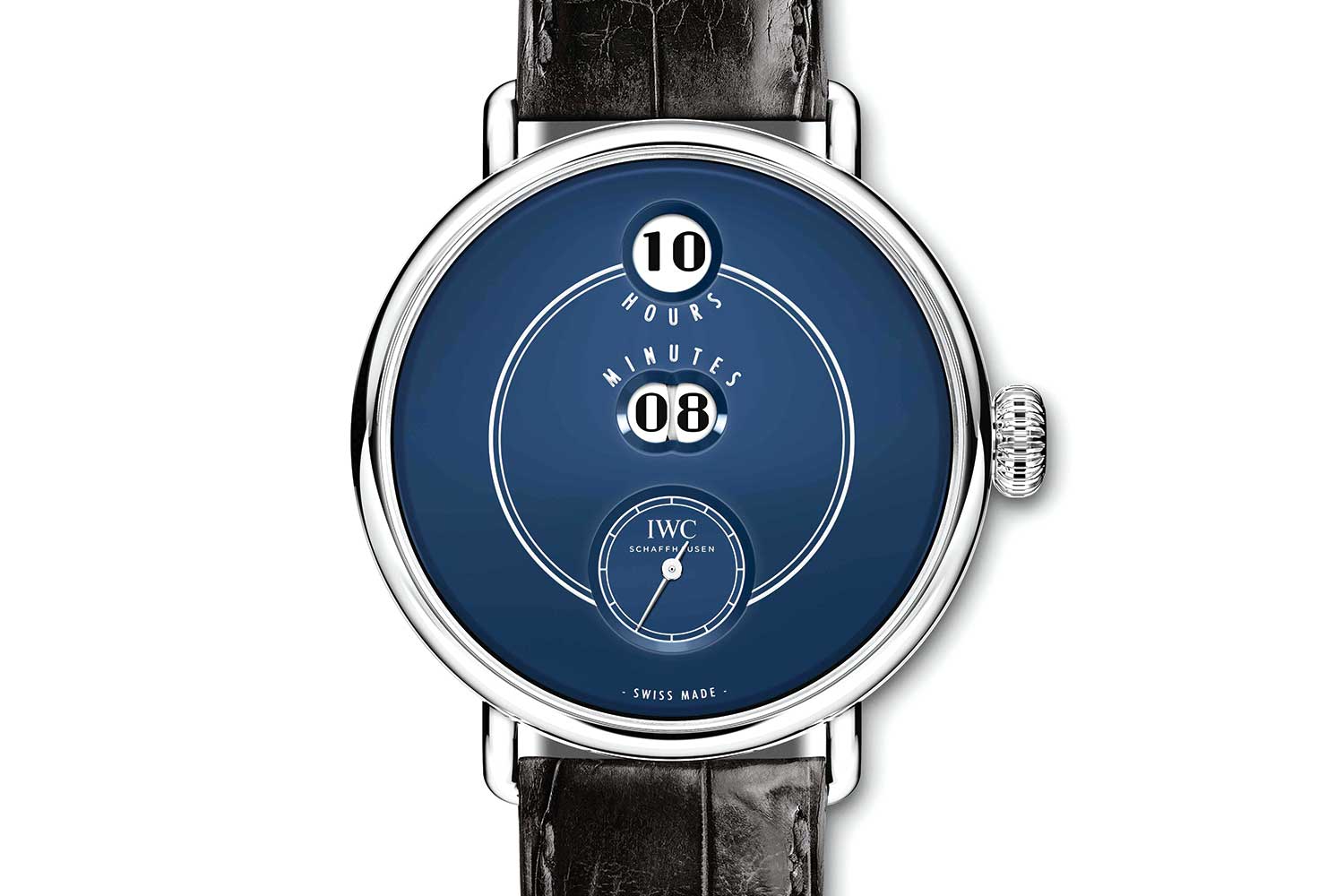
Tribute to Pallweber Edition “150 Years”
The rise of independent watchmakers has been instrumental in keeping the jump hour alive. Felix Baumgartner and Martin Frei of Urwerk, known for their forward-thinking designs, have reimagined the complication for the modern era. Their debut watch, the UR-101, drew inspiration from the 17th century Italian night clocks made for the Pope. Unveiled at Baselworld in 1997, its case — reminiscent of Han Solo’s Millennium Falcon from Star Wars — immediately set it apart. Equally groundbreaking was its display, featuring wandering hours that traveled along a semicircular minute track, redefining traditional time-telling.
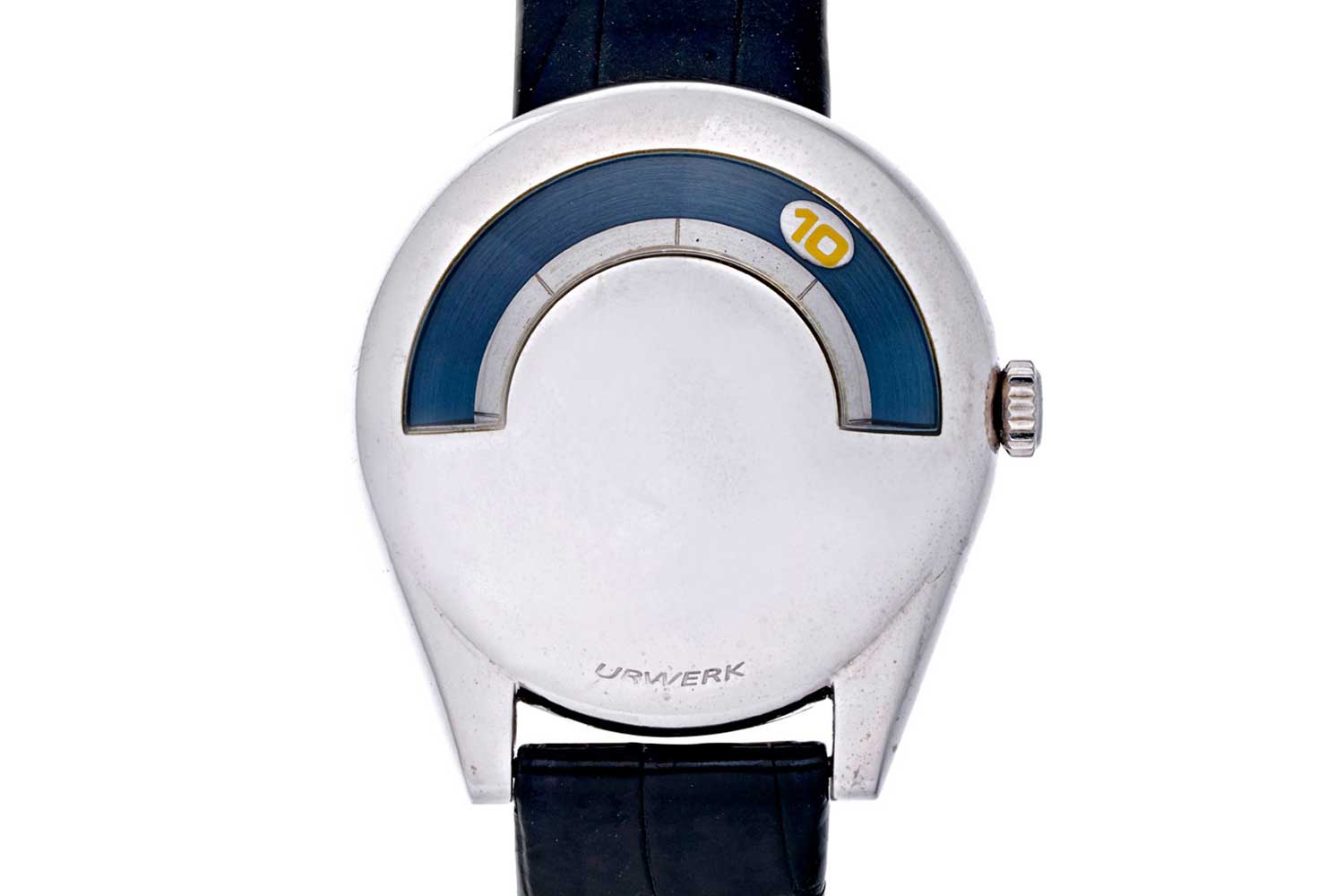
The URWERK UR-101 (Source: Christies.com)
Meanwhile, De Bethune’s Dream Watch 5 pushes the guichet format into the future, blending a mechanical digital display with a cosmic aesthetic. This manually wound jump hour features minutes displayed on a rotating disk and a tiny moonphase complication, all revealed through an aperture in a spaceship-like case crafted from mirror-polished titanium. The DW5’s sculptural form is remarkable, with even its underside meticulously finished — fully mirror-polished and engraved with the signatures of De Bethune’s visionary founders. It’s an artistic reimagining of high watchmaking, proving that the jump hour can be as avant-garde as it is mechanically compelling.
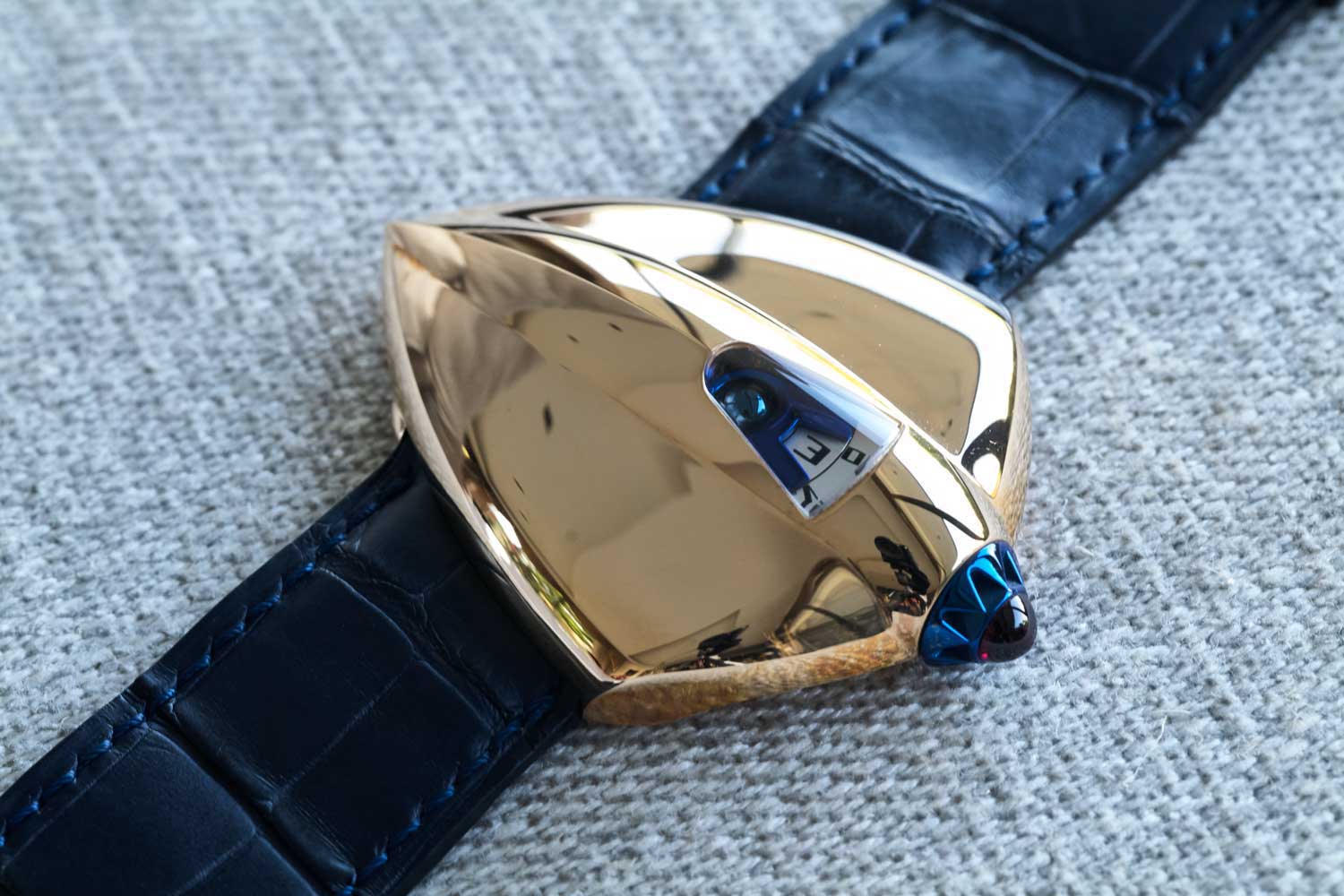
De Bethune’s Dream Watch 5 (©Revolution)
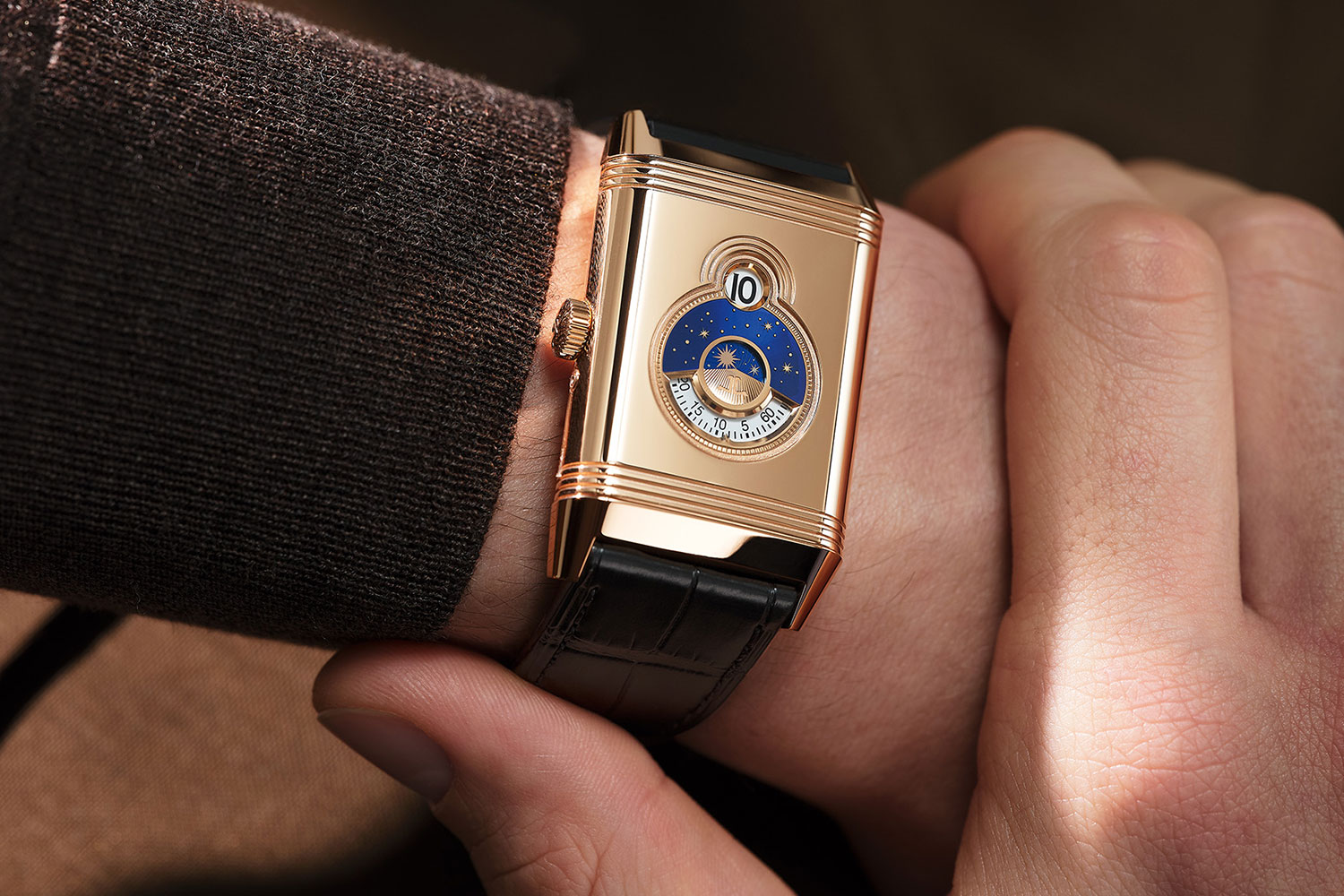
Jaeger-LeCoultre presented the Reverso Tribute Nonantième in 2021. The solid pink-gold caseback is dominated by two round apertures of different sizes, arranged like a figure-eight; the small upper aperture displays a semi-jumping digital hour indication. Seen for the first time in a Reverso, this complication recalls digital displays developed by the Manufacture for wristwatches in the 1930s.
But what exactly is it that draws modern collectors to the jump hour? It’s more than just the mechanics — it’s the artistry, the design and the conversation piece that these watches represent. “A jump hour watch isn’t just a timepiece; it’s a statement,” says Ruud.
“It’s a watch that doesn’t look like everything else. It makes people look twice and ask questions. It’s a conversation piece.” And indeed, the appeal of a jump hour is as much about the visual spectacle as it is about the technical ingenuity behind it.
“The mechanical intricacies also require precision — several jewels are necessary to operate the jump hour mechanism, ensuring that the disks jump flawlessly with each passing moment. This level of craftsmanship is what attracts collectors to these fascinating timepieces,” he says.
One standout in the collection of jump hour watches is the Audemars Piguet Jump Hour Minute Repeater. A rare combination of digital time display and high complications, this watch draws upon designs from the brand’s 1928 jump hour watch. Its square case, along with the inclusion of a minute repeater, showcases the harmonious marriage of complexity and elegance that has always been a hallmark of Audemars Piguet’s watchmaking prowess.
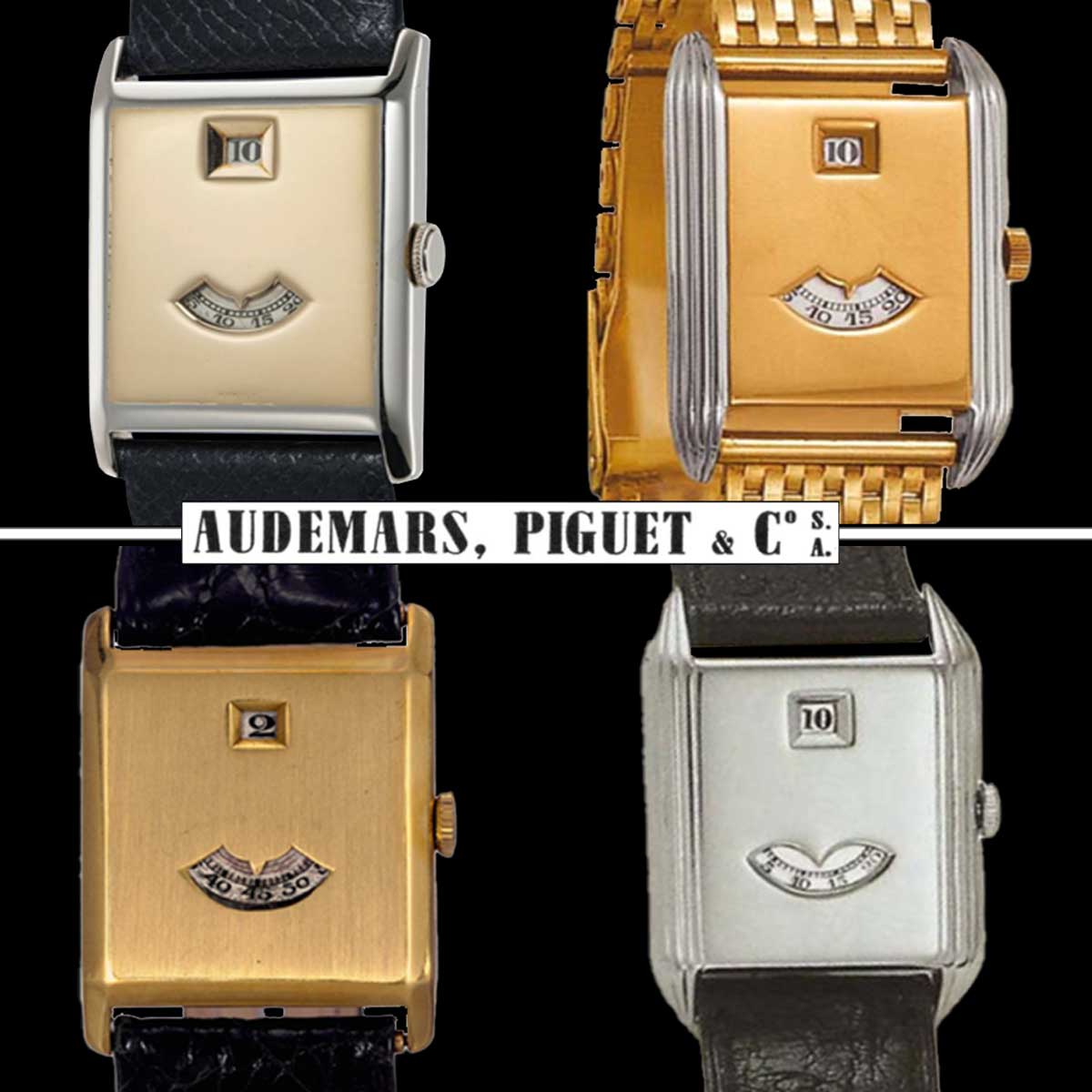
Audemars Piguet vintage Jump Hour Minute Repeater
It’s mostly the new, independent creators who are pushing the limits of this concept that have truly captured the zeitgeist of today’s watch culture. From the Urwerk to the Space Jump Hour prototype by DeRhenum, there’s a clear trend of pushing boundaries.
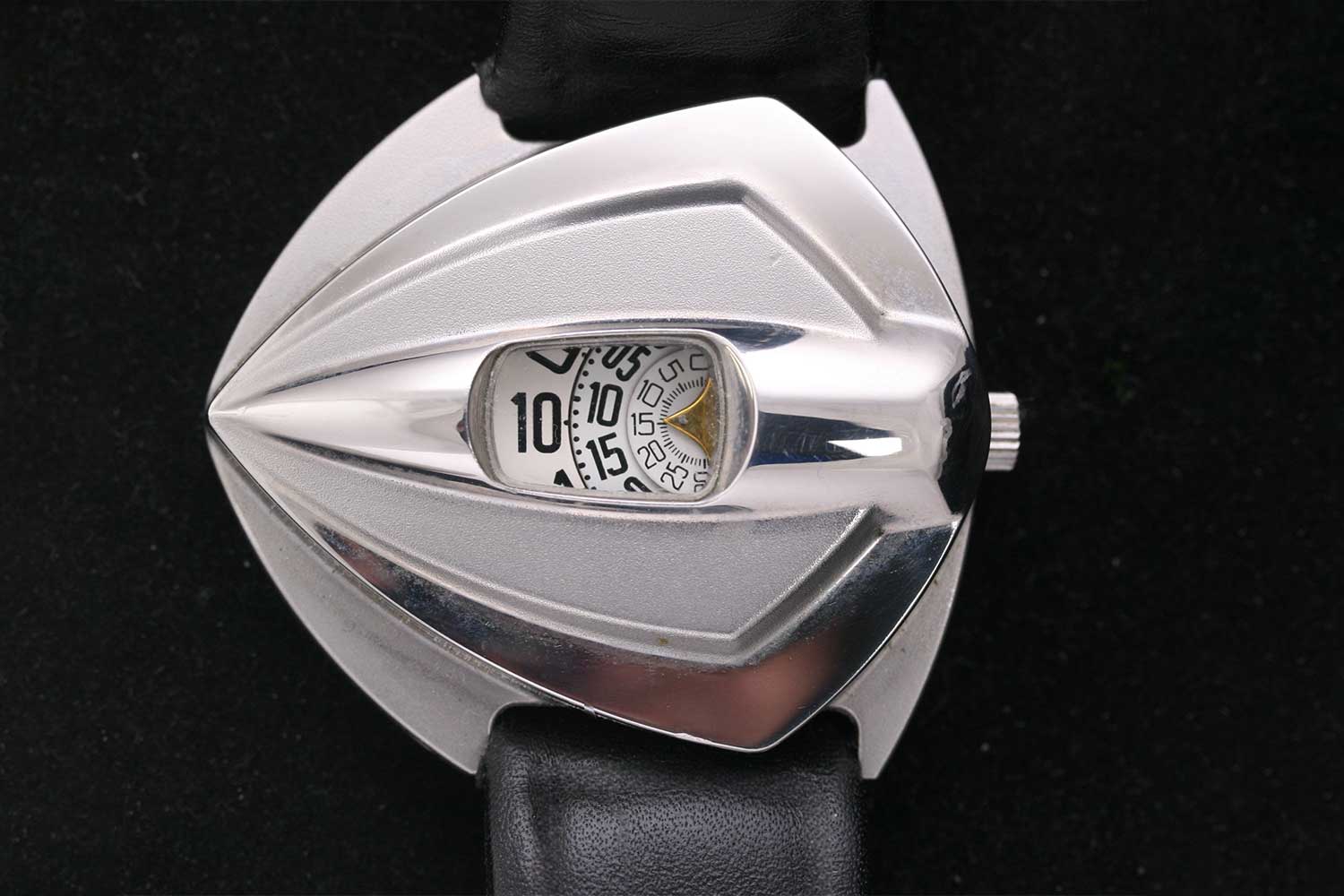
DeRhenum Space Jump Hour
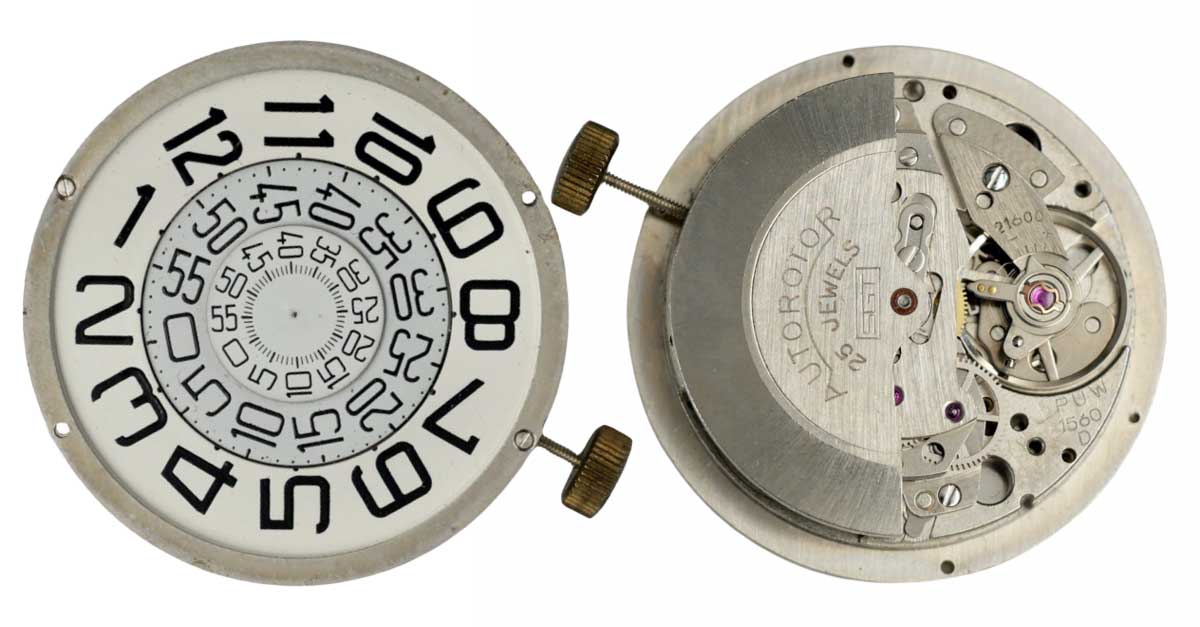
DeRhenum Space Jump Hour Calibre
“I started the Space Jump Hour project last year, and as of March 2025, I’ll have 25 pieces available. It’s a fresh take on the jump hour, combining space design with mechanical digital watches,” shares Ruud. “My Jump hour Bullhead Chrono prototype will be ready in April 2025. Two pieces are being produced now.”

DeRhenum Chrono Bullhead
A Niche with Growing Collector Appeal?
Jump hour watches remain a niche within the watchmaking world, but their appeal is undeniable. Ruud explains that for collectors who have already amassed a collection of standard three-hand watches, the allure of the jump hour is almost inevitable. “Every collector that has 10 to 20 of ordinary three-hand watches in round cases at some point wants something else,” he says, noting that pieces like the Meistersinger Salthora, Reservoir retrograde power reserve, or Christopher Ward C9 are great entry points into the world of jump hour collecting.
-
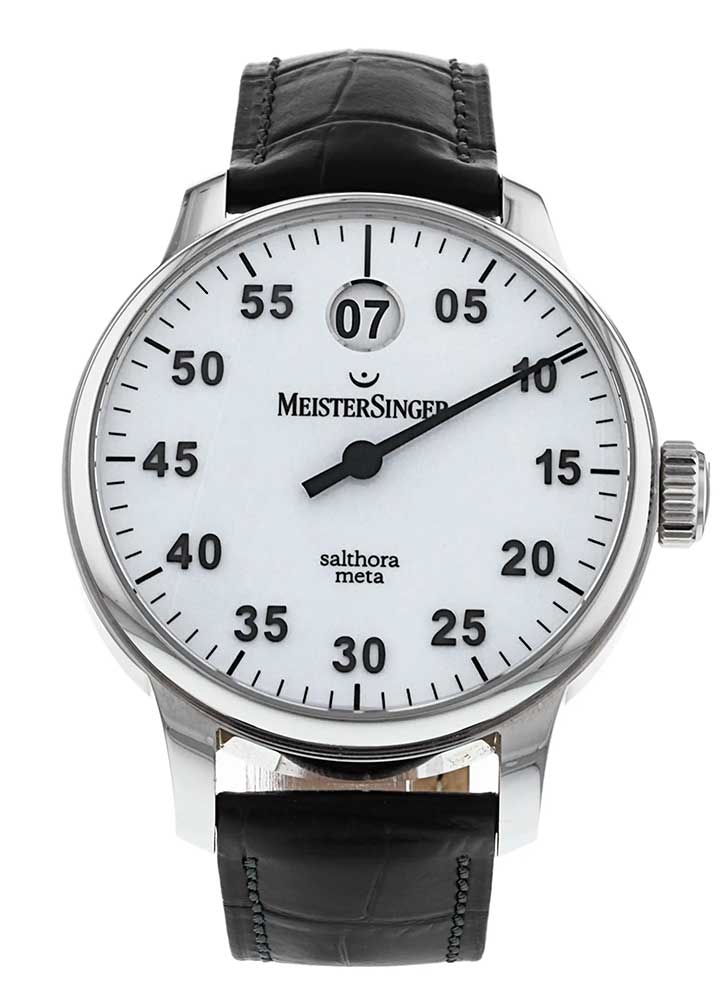
- Meistersinger Salthora
-
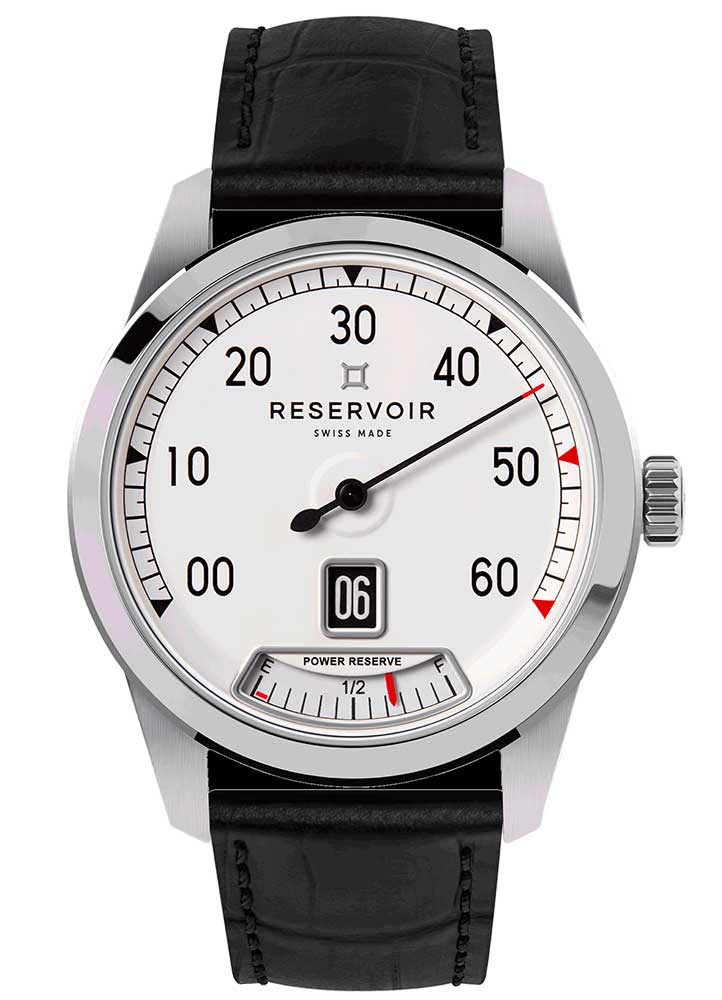
- Reservoir retrograde power reserve
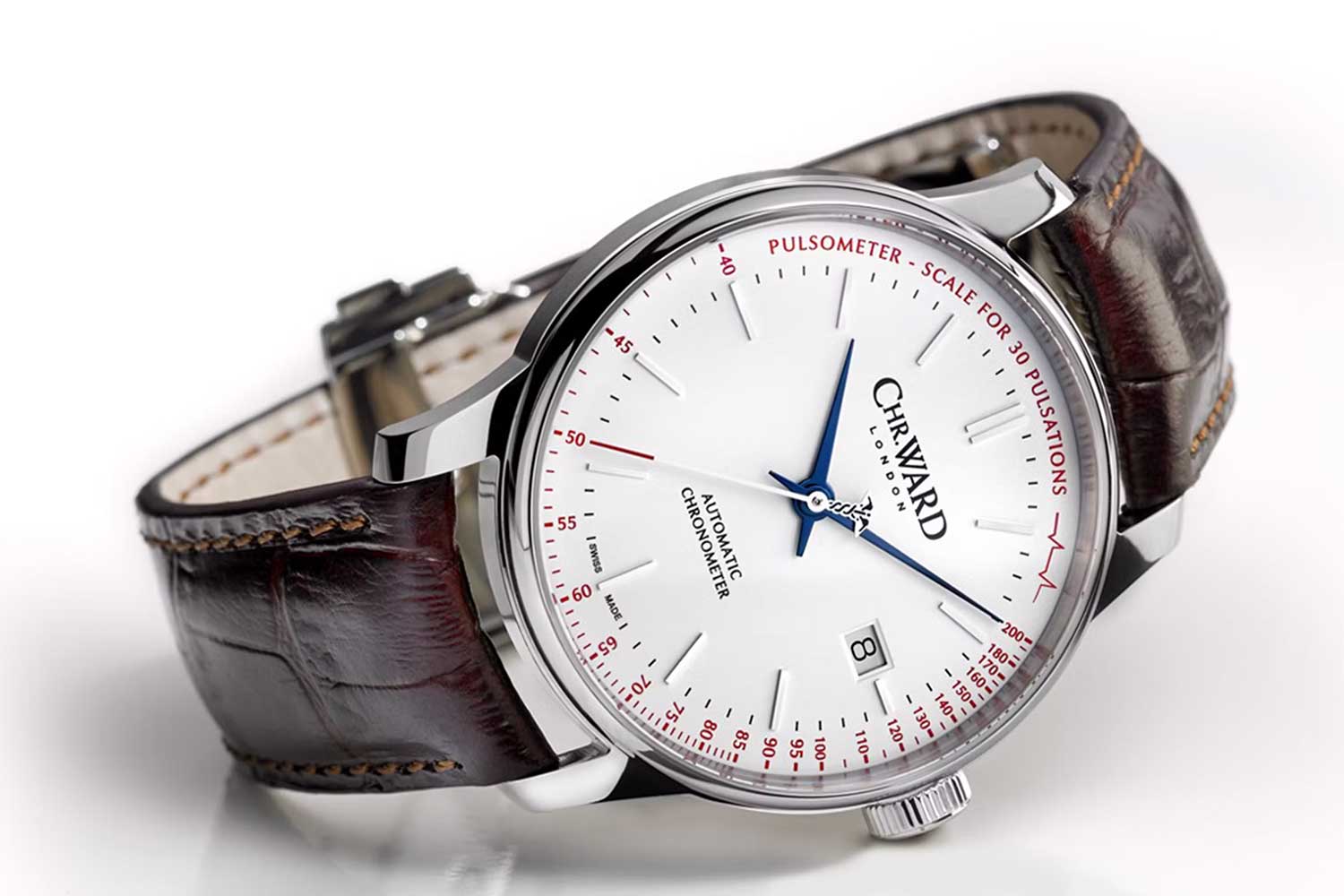
Christopher Ward C9
“From there, collectors can move on to more high-end pieces from brands like Gérald Genta and Vincent Calabrese, with prices ranging from EUR 5,000 to EUR 10,000, before diving into the rarefied world of Urwerk, Lange Zeitwerk, or F.P. Journe Vagabondage,” he says.
The resurgence of jump hour watches, while unlikely to ever achieve mainstream status, undeniably reflects the evolving tastes of modern watch collectors. In an era where precision and individuality are prized above all, the jump hour has emerged as a symbol of both. “I think every brand, apart from the conservative Rolex, will have at least one jump hour design in their collection. But it will stay a niche in my opinion. History tells us that every now and then jump hours become more popular for a few years,” says Ruud.
However, as Madhvani observes, “There have been some interesting recent interpretations from independent brands, but I don’t see a mainstream resurgence. If Cartier were to re-release the Tank à Guichets, there would undoubtedly be a frenzy.” The guichet watches may not be for everyone, but for those who appreciate their mechanical intricacies and unique style, they remain an enduring obsession.
You may also like
Reference
Five Chapters of Innovation in Complications: The Audemars Piguet RD Series
Oct 22, 2025
Reference
Five Chapters of Innovation in Complications: The Audemars Piguet RD Series
Oct 22, 2025
Reviews
The Slow Burn: My Love Affair with Grand Seiko
Jul 28, 2025
Reviews
The Slow Burn: My Love Affair with Grand Seiko
Jul 28, 2025
Reference
TAG Heuer Formula 1: Back On Track
Jul 14, 2025
Reference
TAG Heuer Formula 1: Back On Track
Jul 14, 2025