The 20 Winners of the 2026 GPHG Awards
News
The 20 Winners of the 2026 GPHG Awards

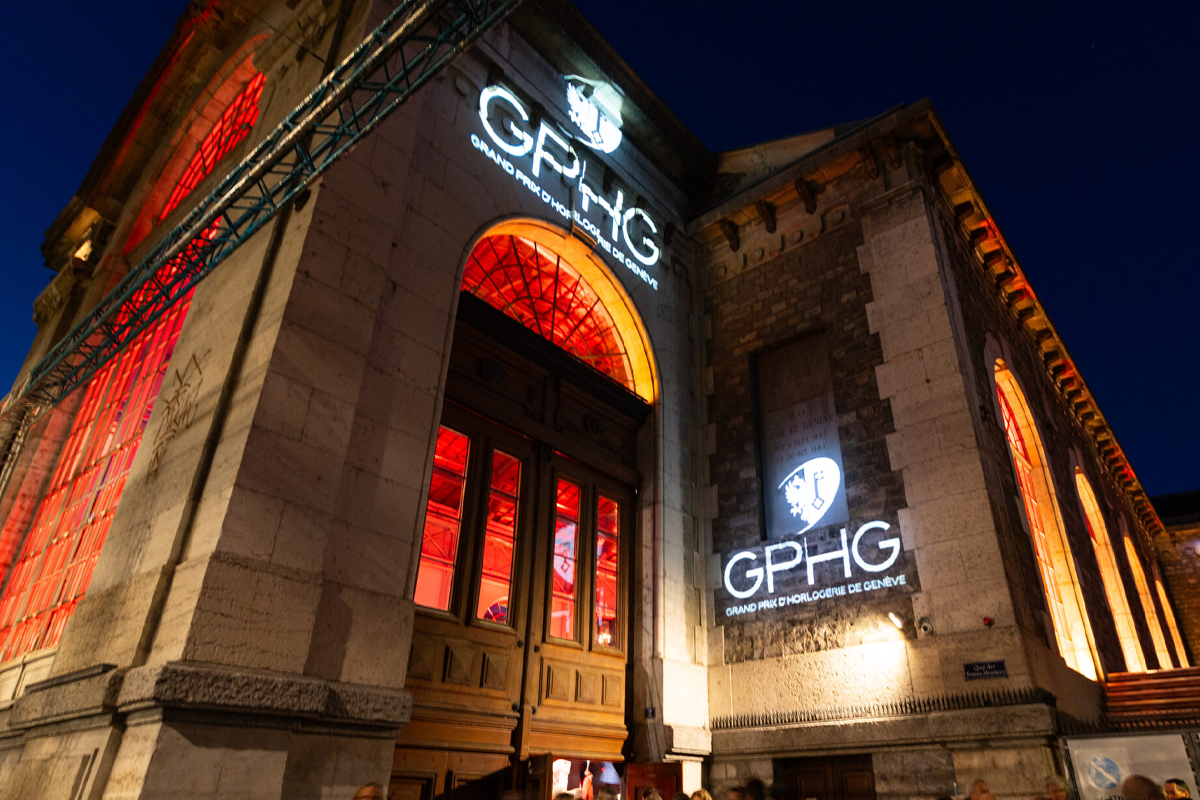
The Grand Prix d’Horlogerie de Genève returned to the Bâtiment des Forces Motrices for its 26th edition, bringing together some of the most compelling watches, watchmakers and creative voices in contemporary horology.
This year also marked one of the more substantial changes to the GPHG format in recent memory. Essential, Complication and Gemset joined the category structure, replacing the former gender-based divisions and shifting the competition towards a framework more explicitly based around the watches themselves. In total, 84 nominated timepieces across 14 categories competed for the wider set of 20 prizes awarded during the evening.
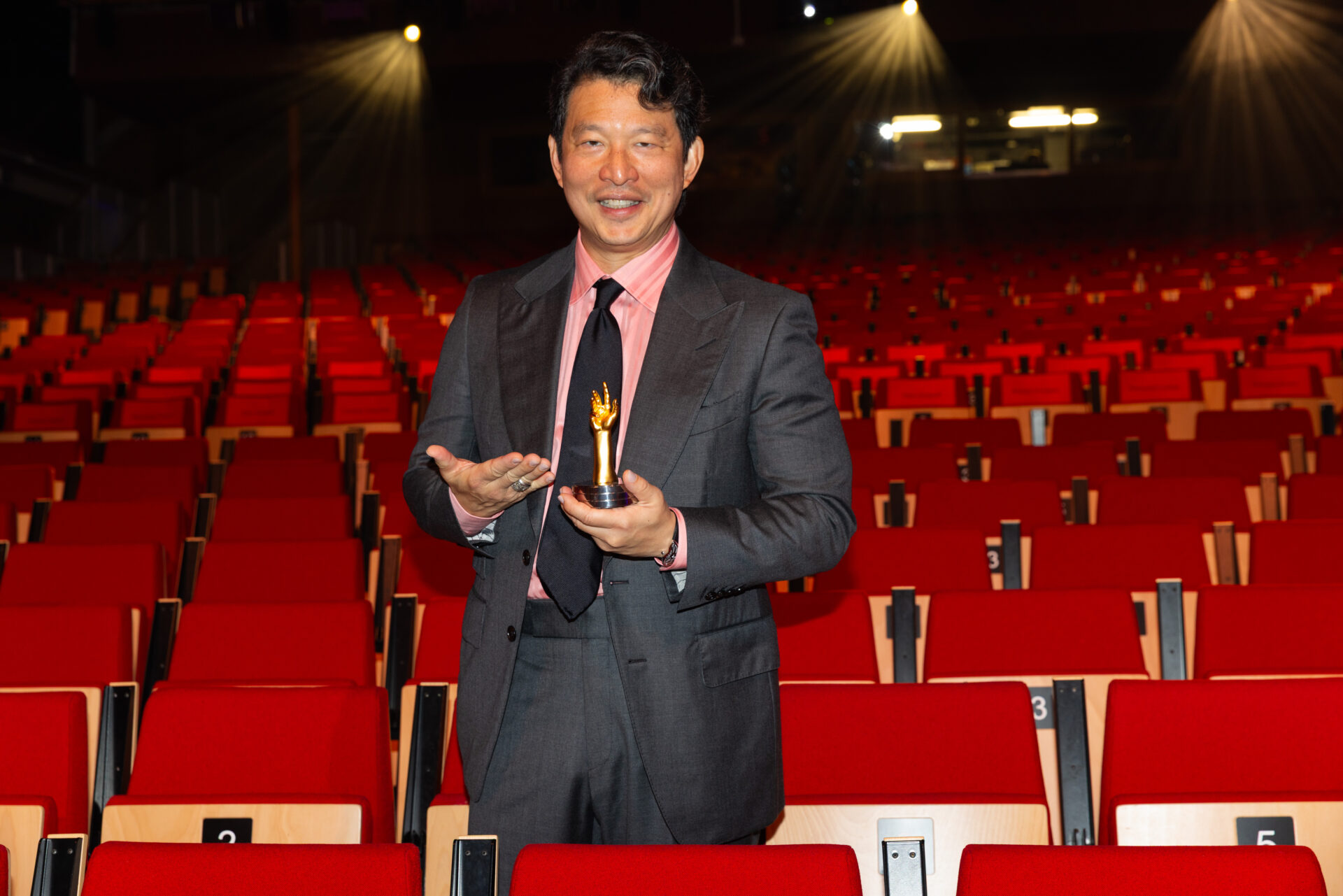
The 2026 edition also marked a new chapter for the jury, with Revolution founder Wei Koh serving for the first time as President of the GPHG Jury. The 24-member panel physically evaluated the competing watches behind closed doors, while the wider GPHG Academy contributed one-third of the final result through its own vote.
At the top of the night was one of independent watchmaking’s most closely watched figures, Rexhep Rexhepi, whose first flyback chronograph claimed the “Aiguille d’Or” Grand Prix.
Here is the complete 2026 GPHG prize list.
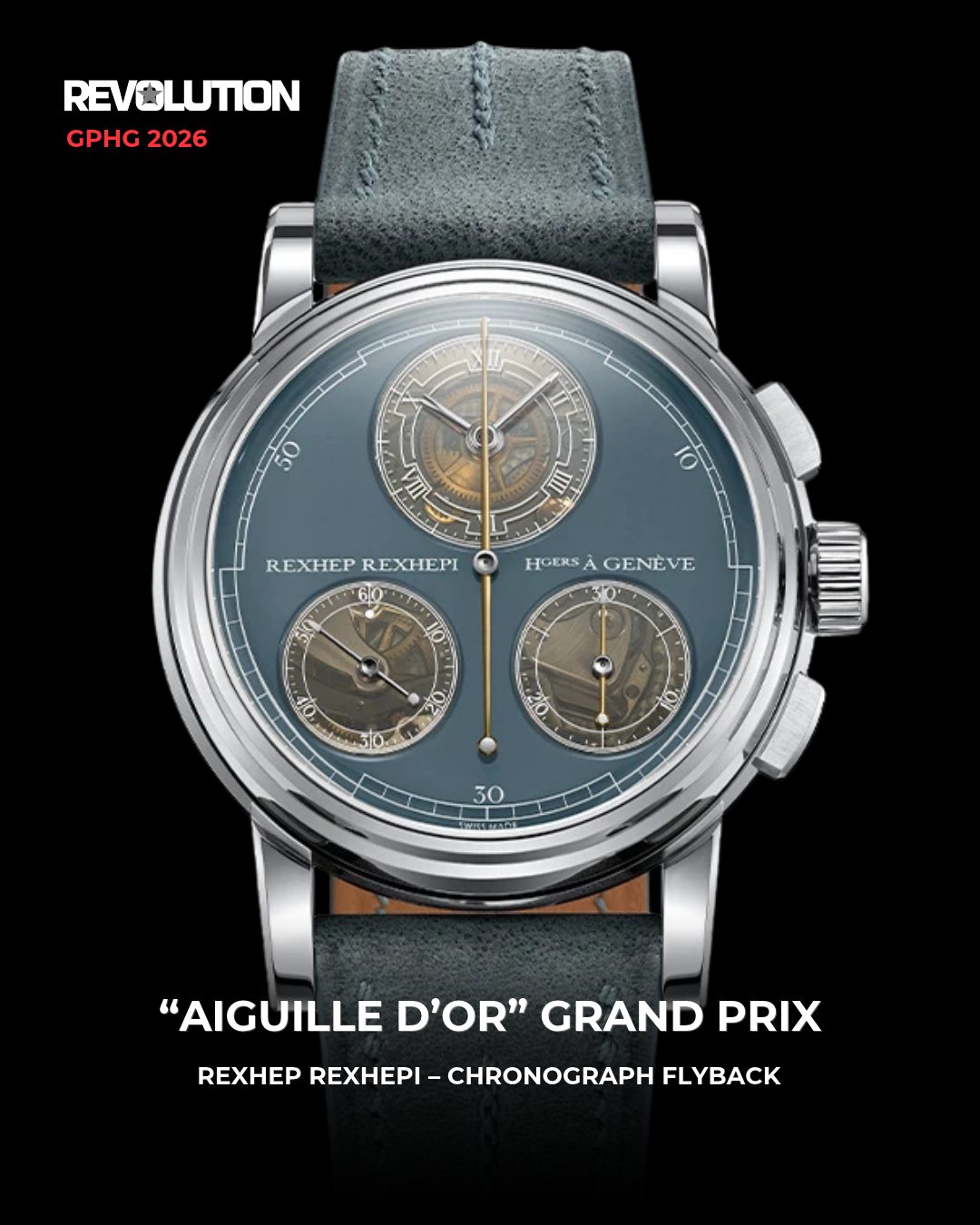
“Aiguille d’Or” Grand Prix: Rexhep Rexhepi, Chronograph Flyback
Finishing is only part of the story with Rexhep Rexhepi’s Chronograph Flyback.
The RRCHF is built around an entirely new in-house, manually wound integrated flyback chronograph calibre with a column wheel, horizontal clutch and instantaneous jumping-minute counter. The movement contains 320 components and delivers 72 hours of power reserve, yet Rexhepi has managed to package it inside a 38.8mm case measuring just 9.7mm thick.
Then there is the execution. The platinum version pairs a storm-blue Grand Feu enamel dial made in Rexhepi’s own workshops with smoked sapphire counters, while the movement receives the level of black polishing, inward anglage, engraving and hand-finishing that has become synonymous with his work.
The Aiguille d’Or recognises a complete watch rather than a single technical achievement, and the RRCHF brings movement architecture, proportion, craft and design together with remarkable coherence.
For Rexhepi, it is also a significant moment: the independent watchmaker’s first flyback chronograph has taken watchmaking’s biggest prize.

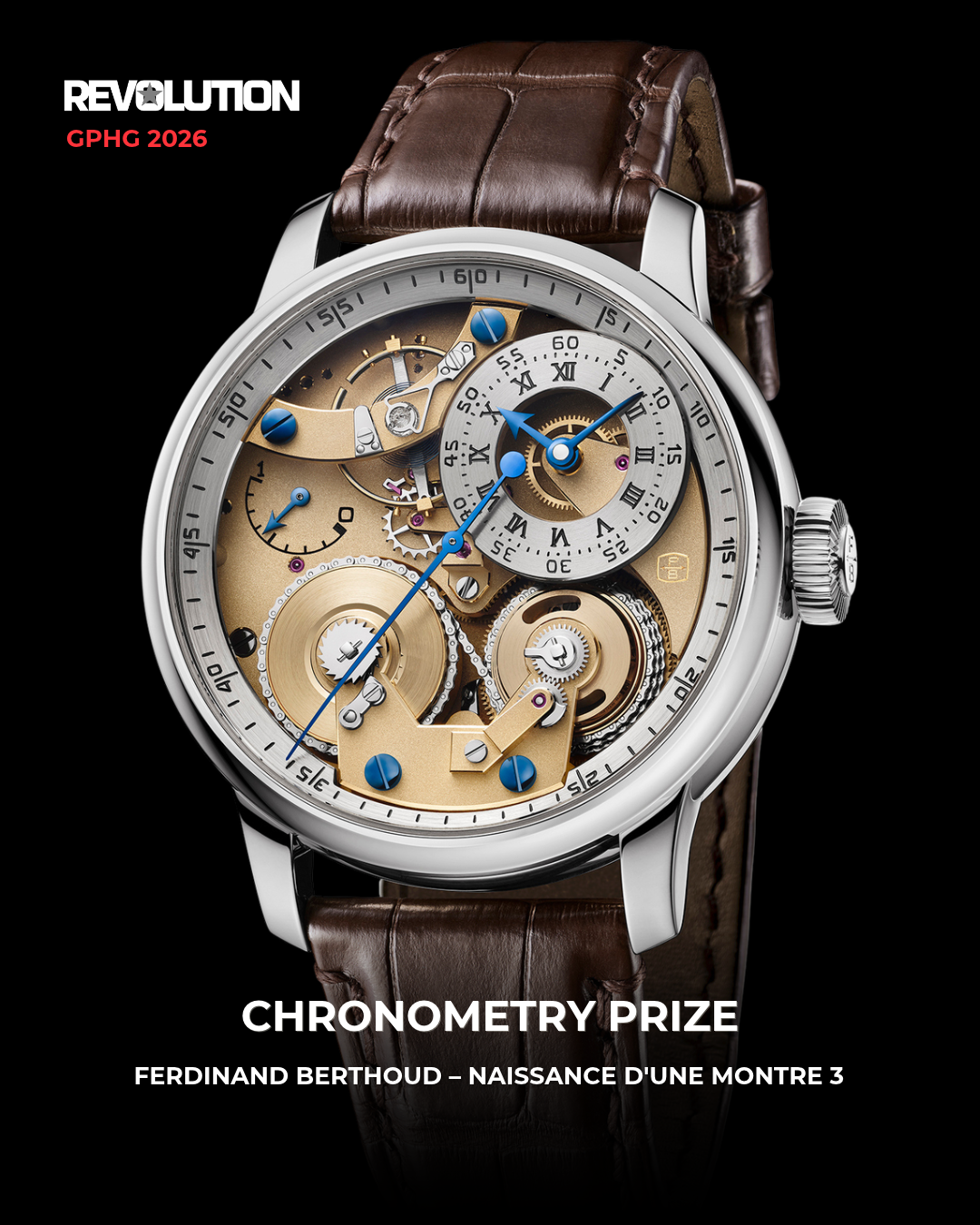
Chronometry Prize: Ferdinand Berthoud, Naissance d’une Montre 3
There is something fitting about a chronometry prize going to a watch conceived around the preservation of traditional watchmaking knowledge.
Naissance d’une Montre 3 is built using historic production methods and tools, with the project deliberately rejecting many of the digital manufacturing processes that dominate contemporary production.
Its architecture draws on some of classical precision watchmaking’s most important solutions, including a fusée-and-chain transmission and a Guillaume-type bimetallic balance, while the completed movements are still expected to satisfy modern chronometric standards.
The project ultimately asks a fascinating question: can the methods used by watchmakers generations ago still deliver the levels of performance demanded today?
The jury’s answer appears to be yes.
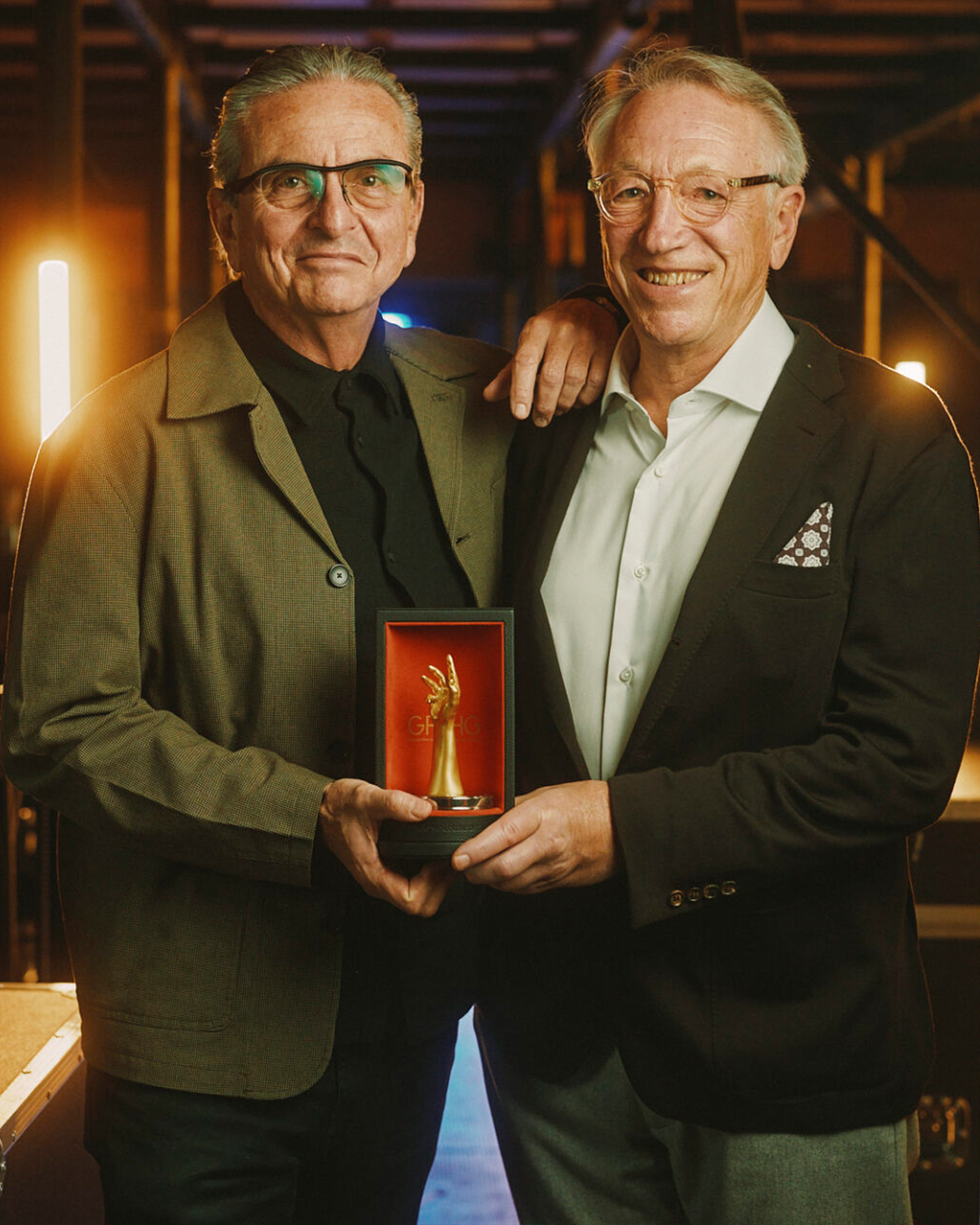
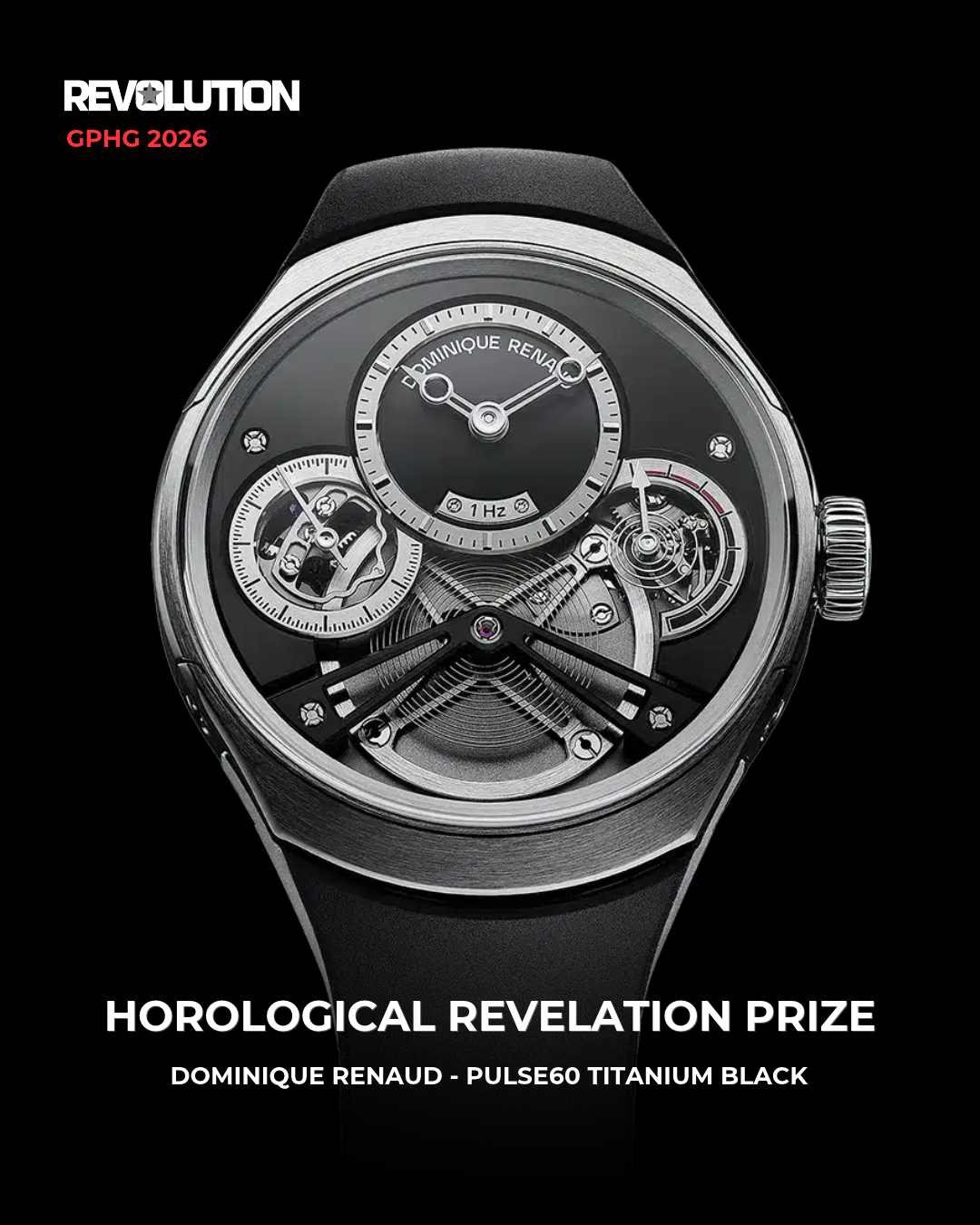
Horological Revelation Prize: Dominique Renaud, Pulse60 Titanium Black
Awarding a Revelation Prize to Dominique Renaud might initially sound unusual for anyone familiar with his immense contribution to modern complicated watchmaking.
But the Pulse60 represents the beginning of something distinctly new: Renaud’s own namesake project and a fresh exploration of the regulating organ.
Its BUA2024 calibre runs at just 1Hz, or 7,200 vibrations per hour, around an enormous 20mm balance. The challenge with such a low frequency and large oscillator is controlling amplitude, and Renaud’s architecture was developed to allow the balance to travel beyond the conventional limits associated with overbanking. The result is also immediately visible in the natural half-second beat on the dial.
The Pulse60 is less about revisiting Dominique Renaud’s past than seeing where one of modern watchmaking’s great technical minds wants to go next.
That makes “revelation” rather appropriate after all.
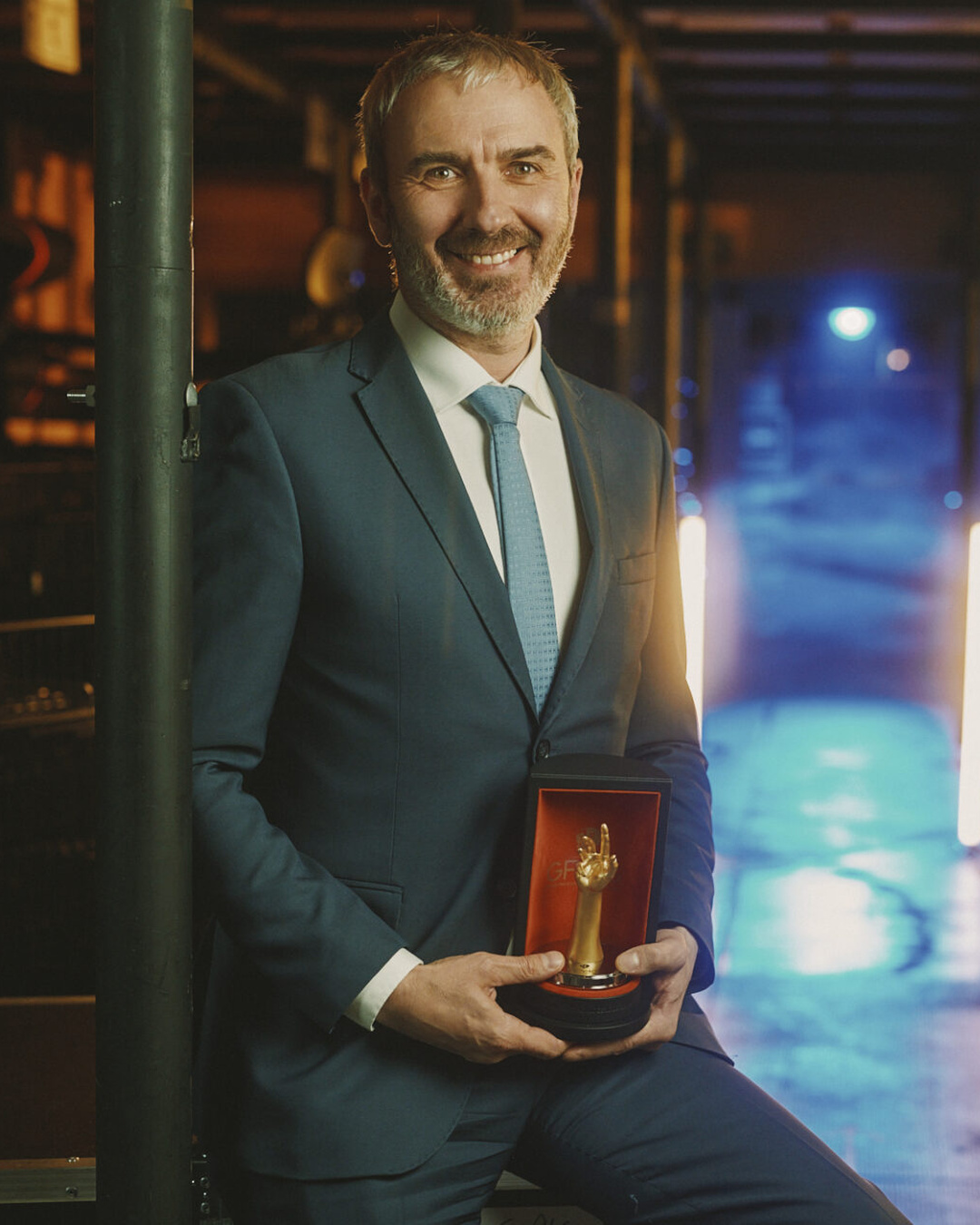
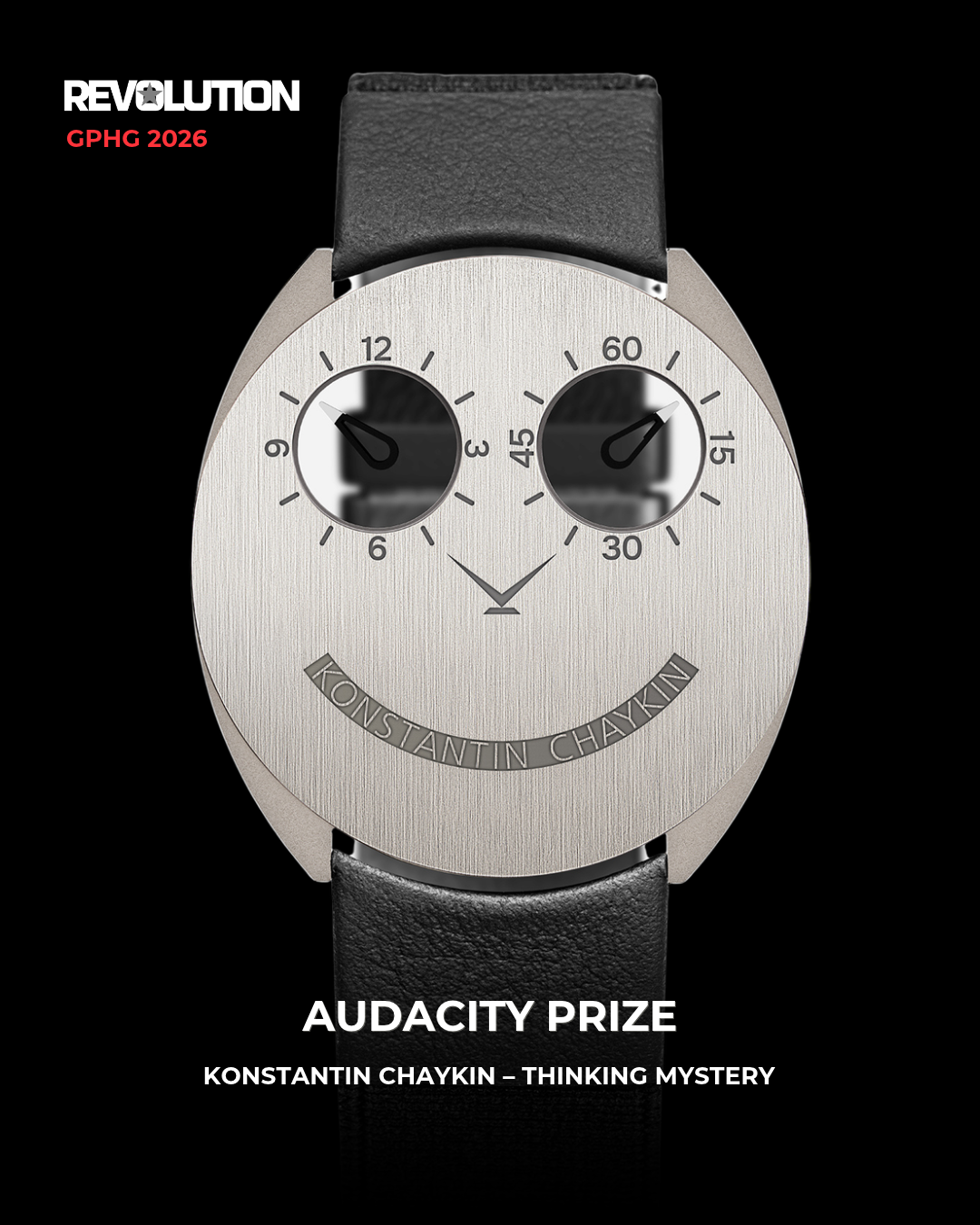
Audacity Prize: Konstantin Chaykin, ThinKing Mystery
Konstantin Chaykin has never been particularly interested in doing things the conventional way.
The ThinKing Mystery continues that tradition while adding one particularly extreme constraint: thickness.
At just 1.65mm, the watch combines Chaykin’s ultra-thin mechanical architecture with a mysterious time display, taking a format usually associated with decorative illusion and forcing it into an extraordinarily compressed construction. Chaykin himself describes it as his record-thin watch.
Ultra-thin watchmaking is already an unforgiving discipline. Introducing a distinctive display on top of that makes the challenge considerably more difficult.
The result is strange, technically ambitious and immediately recognisable as a Konstantin Chaykin creation.
Few watches fit the definition of Audacity more naturally.
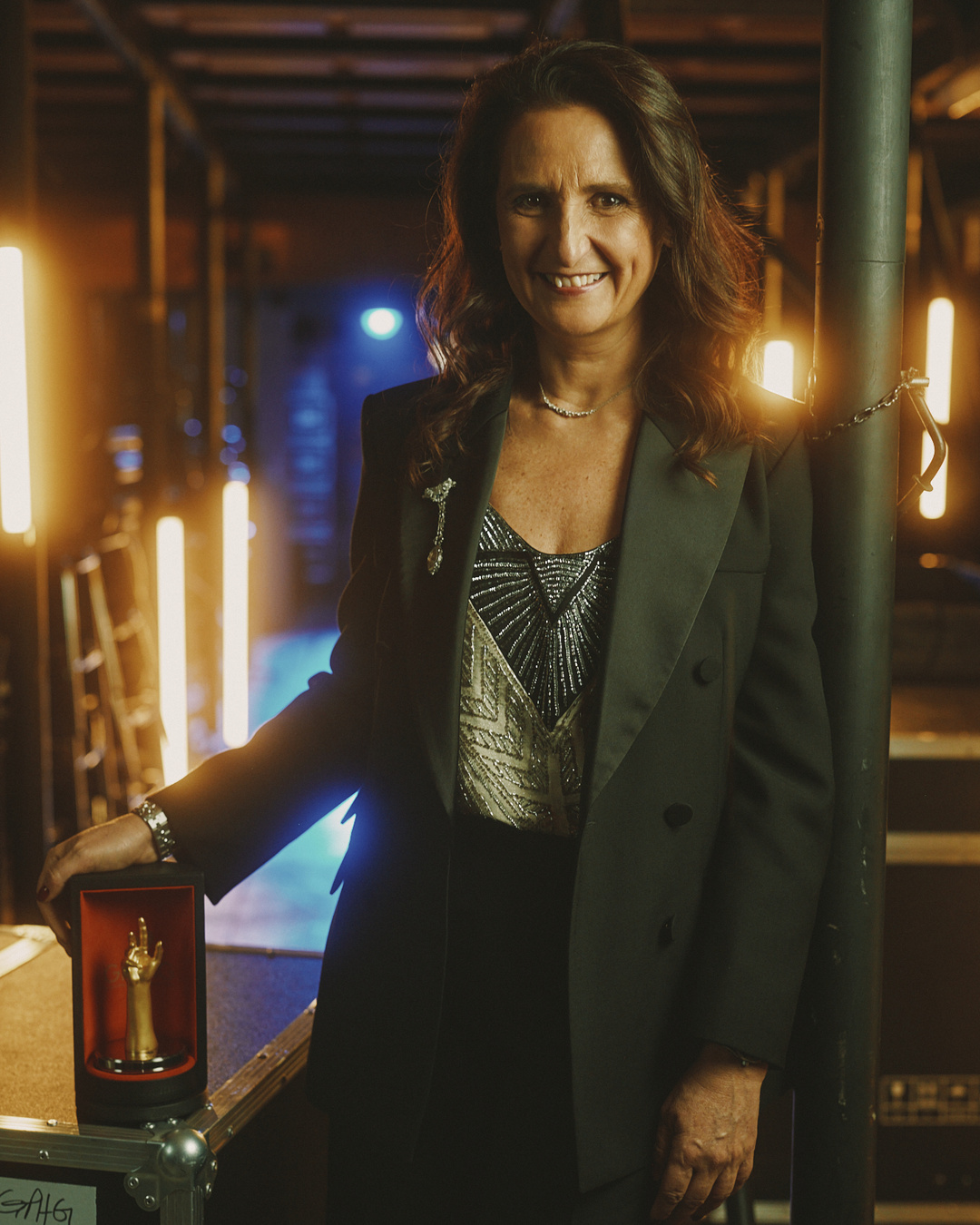
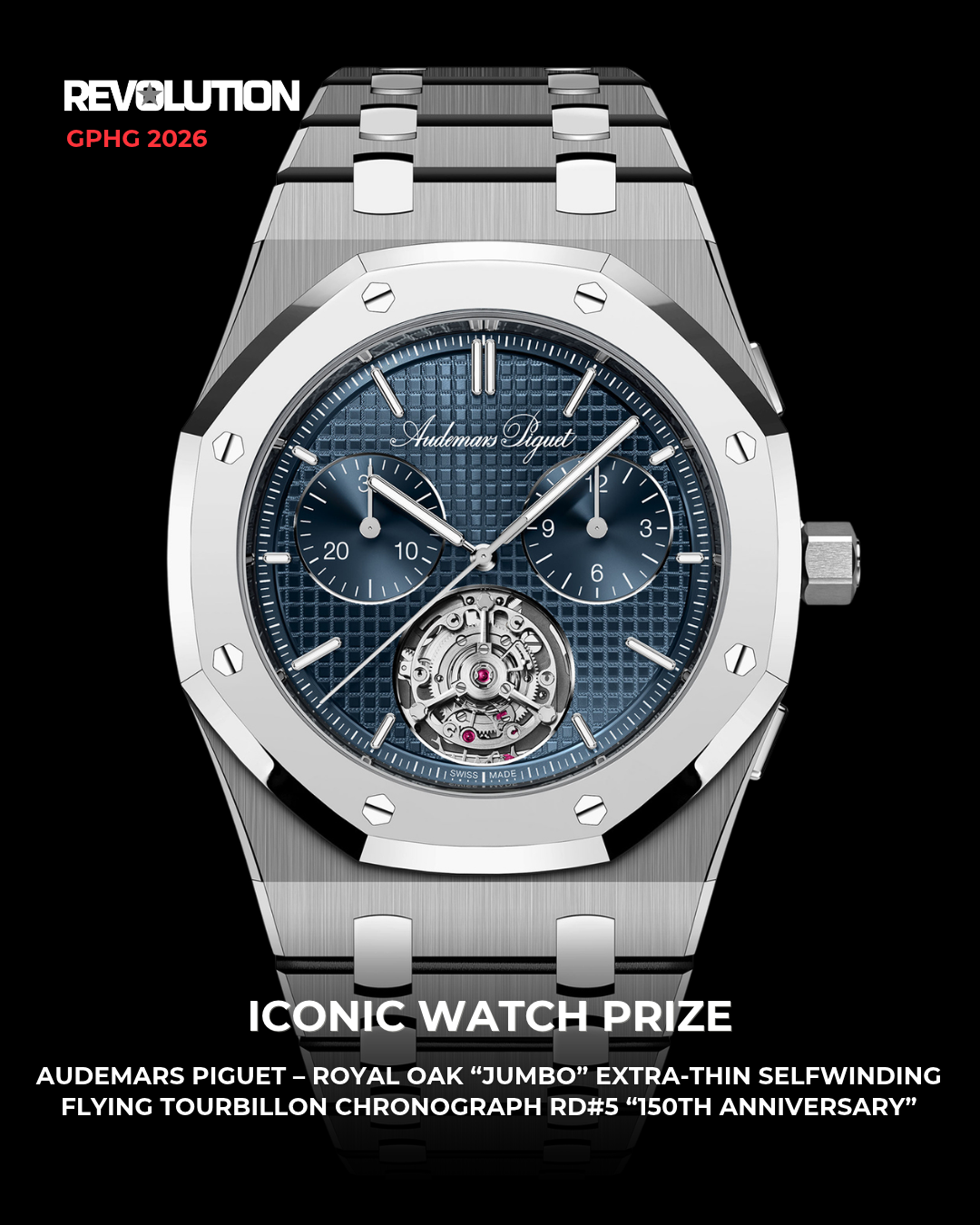
Iconic Watch Prize: Audemars Piguet, Royal Oak “Jumbo” Extra-thin Selfwinding Flying Tourbillon Chronograph RD#5 “150th Anniversary”
Few designs meet the GPHG’s definition of an icon as convincingly as the Royal Oak.
More than five decades after its debut, Audemars Piguet continues to use the familiar 39mm “Jumbo” architecture as a platform for increasingly ambitious mechanical ideas.
The RD#5 is perhaps the most technically complex expression yet. Its titanium case houses a selfwinding flying tourbillon and chronograph in the slender proportions associated with the Jumbo, continuing Audemars Piguet’s decade-long Research & Development programme.
What makes the watch particularly relevant to the Iconic Prize is the way new watchmaking is layered onto an instantly identifiable design without losing the proportions and character that established the Royal Oak in the first place.
An icon survives because it can evolve. The RD#5 makes that case rather effectively.
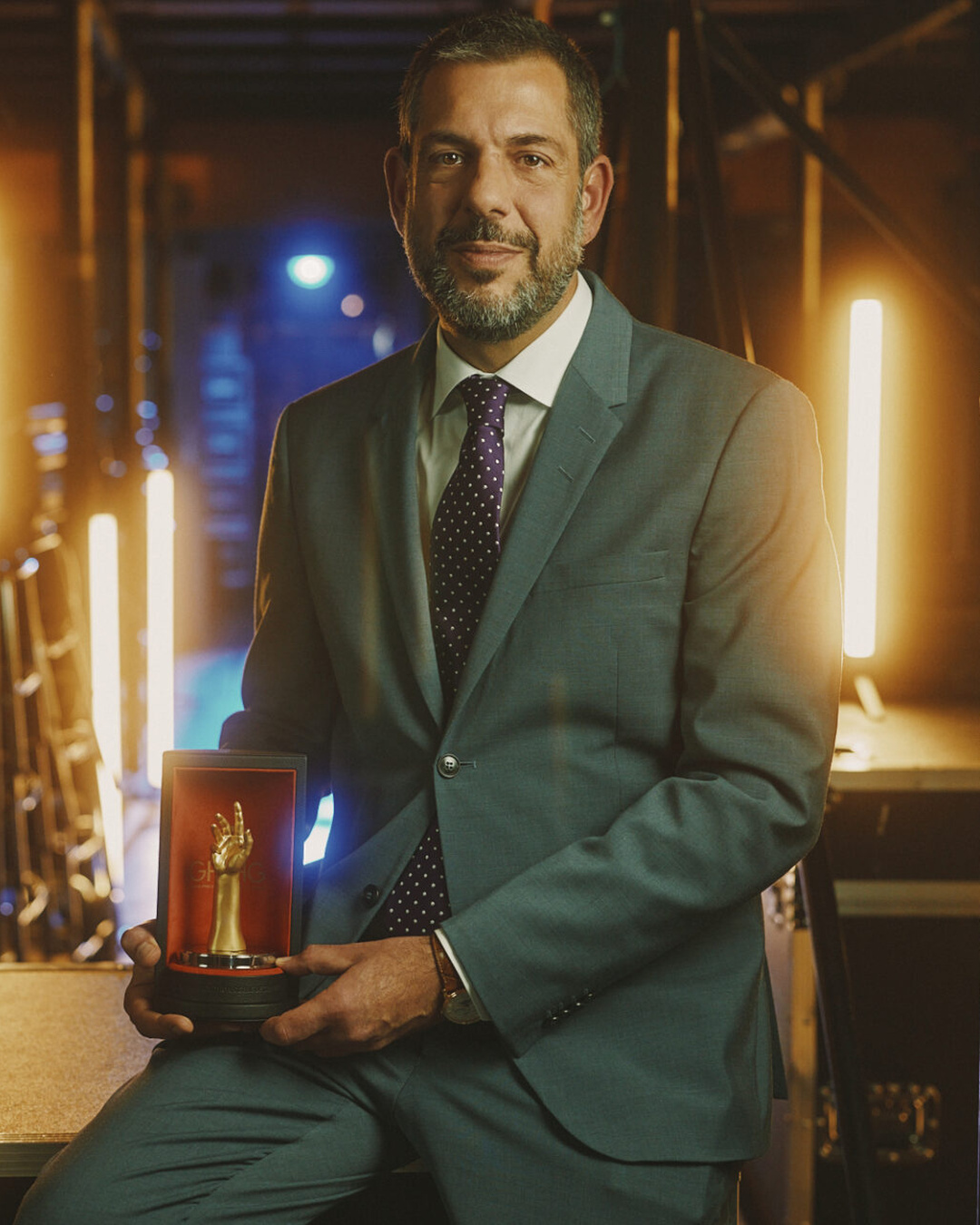
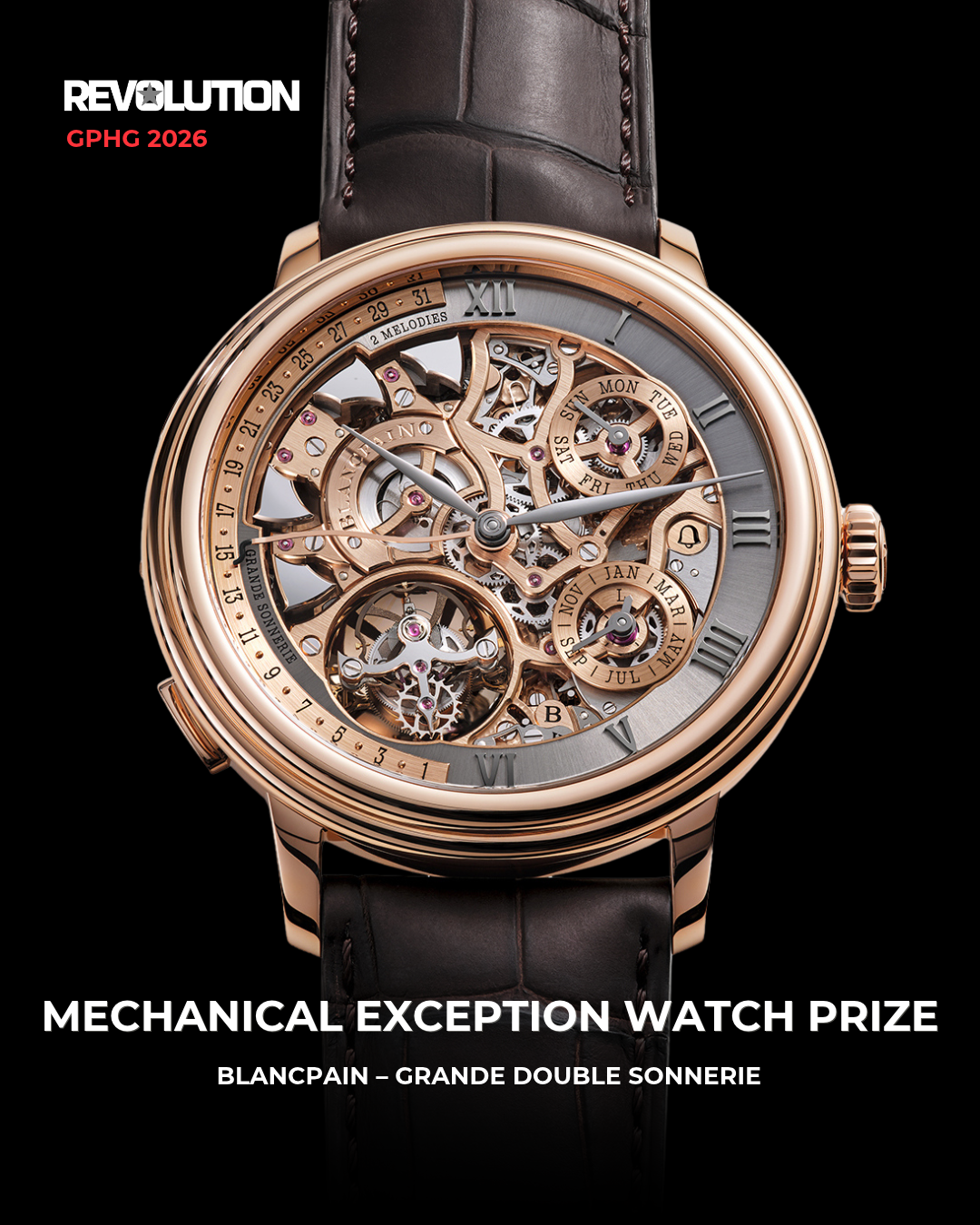
Mechanical Exception Watch Prize: Blancpain, Grande Double Sonnerie
There are complicated watches, and then there is the Blancpain Grande Double Sonnerie.
Eight years in development, the movement contains 1,053 components and combines a grande sonnerie, petite sonnerie and minute repeater with a fully integrated retrograde perpetual calendar and flying tourbillon.
The acoustic architecture is equally remarkable. Blancpain developed four individual notes produced by four hammers and gongs, allowing the owner to select between the traditional Westminster chime and an original melody composed by Eric Singer. The project generated 1,200 technical drawings and 21 patents during development, 13 of which made it into the final watch.
Mechanical Exception is the category designed for watches where conventional boundaries begin to break down.
The Grande Double Sonnerie fits comfortably within that description.
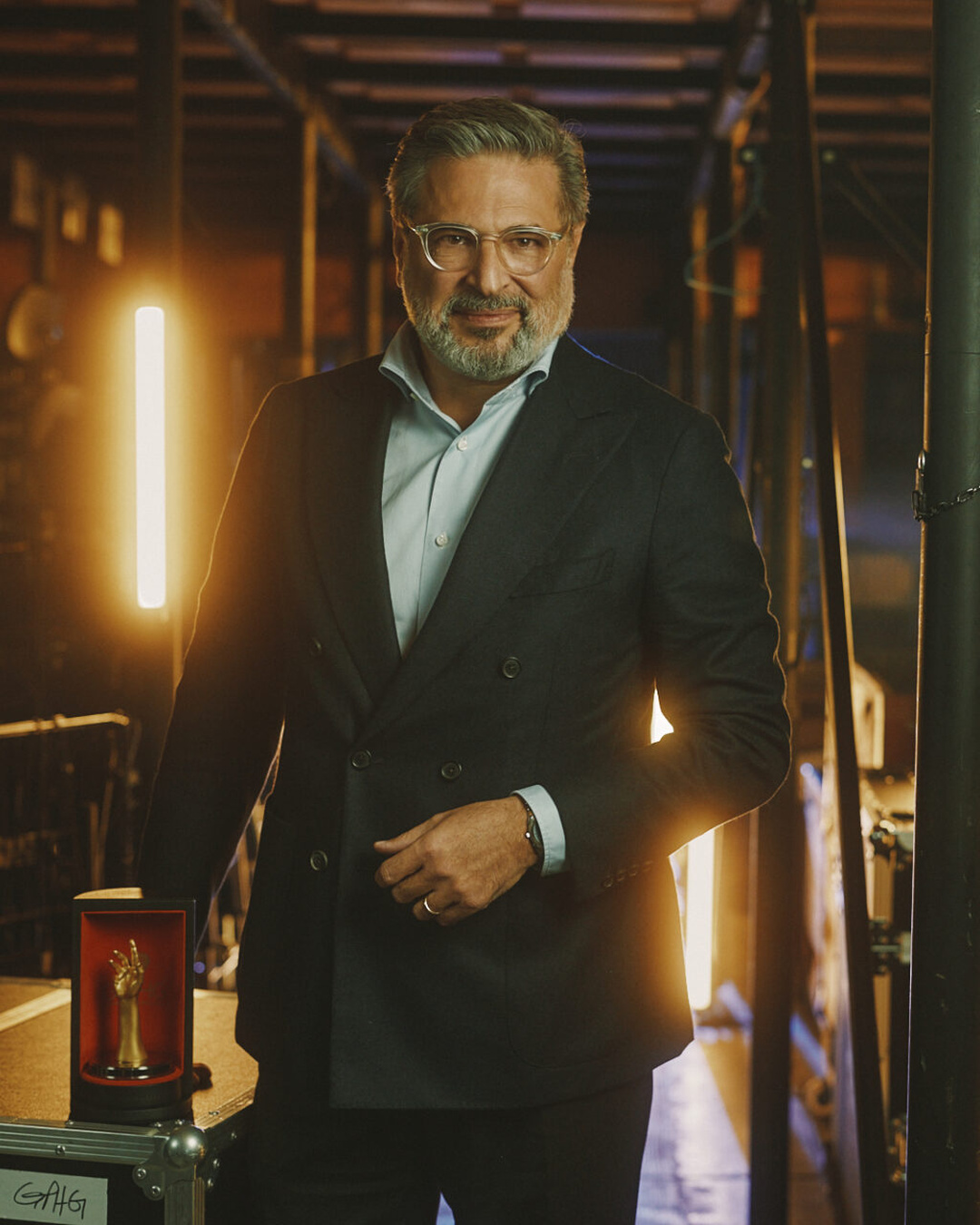
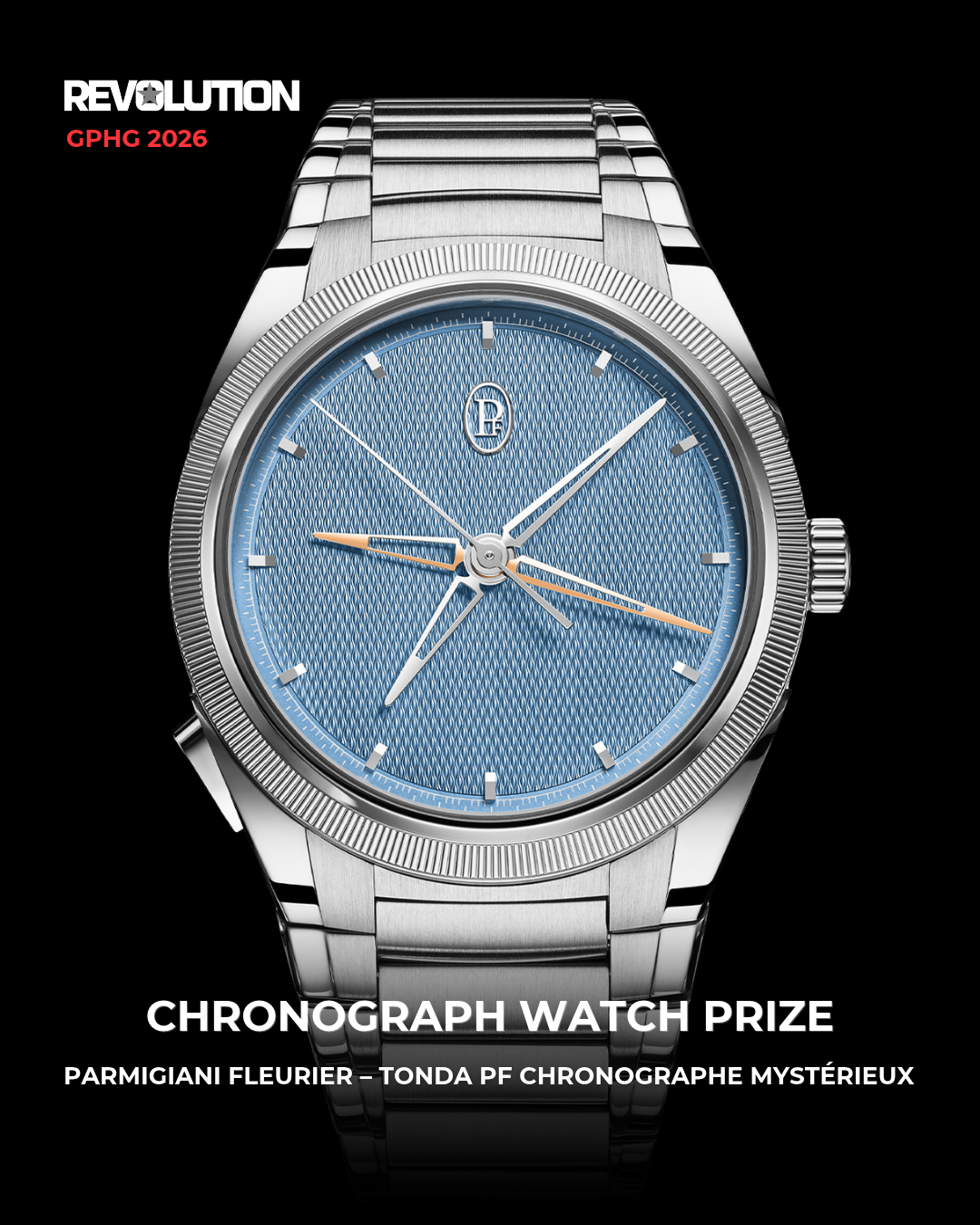
Chronograph Watch Prize: Parmigiani Fleurier, Tonda PF Chronographe Mystérieux
The chronograph is one of watchmaking’s most familiar complications, which makes finding a genuinely different way of displaying one increasingly difficult.
Parmigiani Fleurier’s Tonda PF Chronographe Mystérieux effectively makes the complication disappear.
At rest, five coaxial hands sit perfectly superimposed, allowing the watch to read like a clean three-hand Tonda PF. Activate the monopusher and the system separates, with three hands taking over chronograph hours, minutes and seconds while the remaining pair continues displaying civil time.
Calibre PF053 was developed specifically around this idea and uses a sophisticated triple-clutch architecture consisting of one vertical and two horizontal clutches.
The beauty of the concept is that the complexity does not dominate the dial.
The chronograph appears when required, performs its function and then disappears again.
Tourbillon Watch Prize: Ferdinand Berthoud, Chronomètre FB 2TV
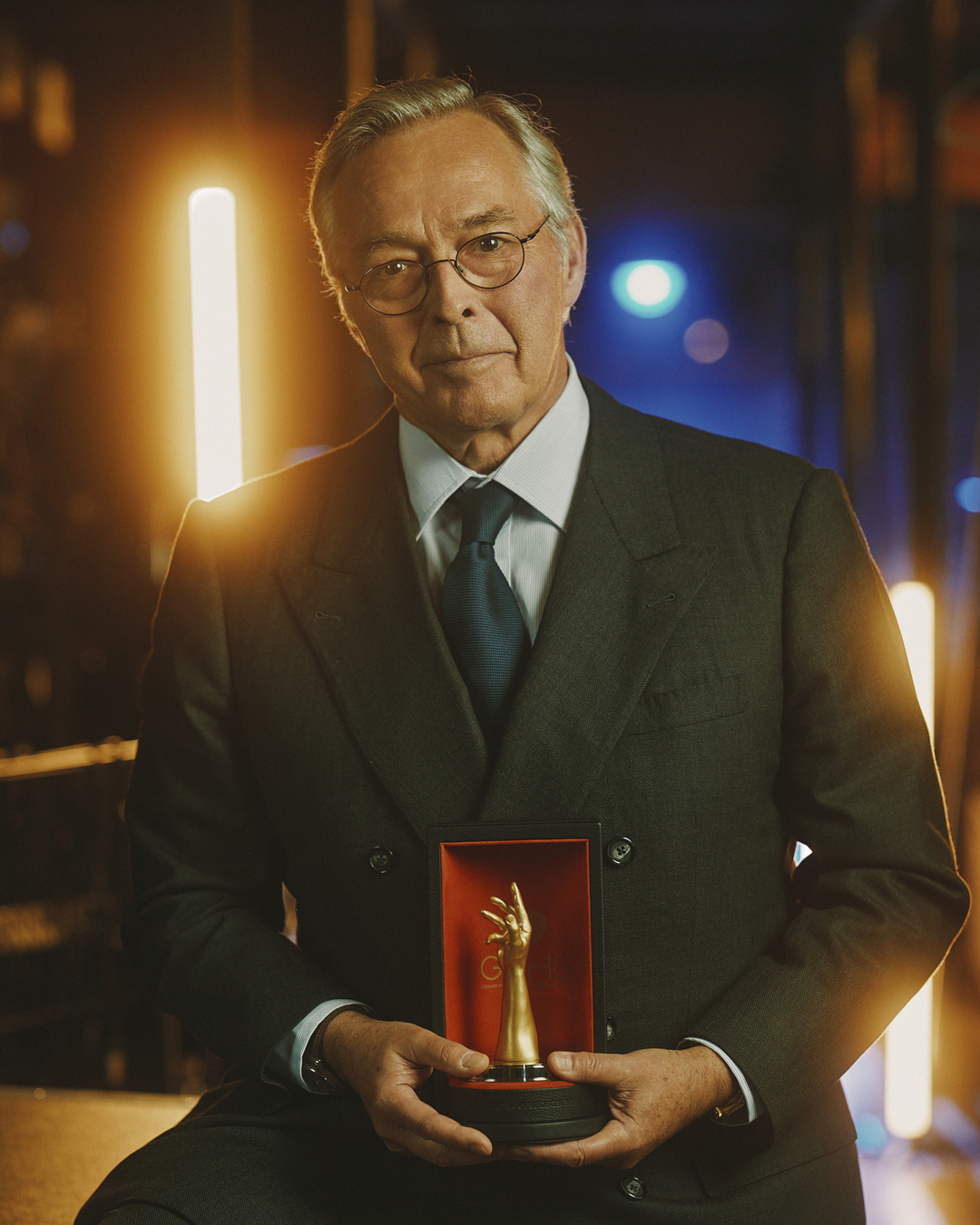
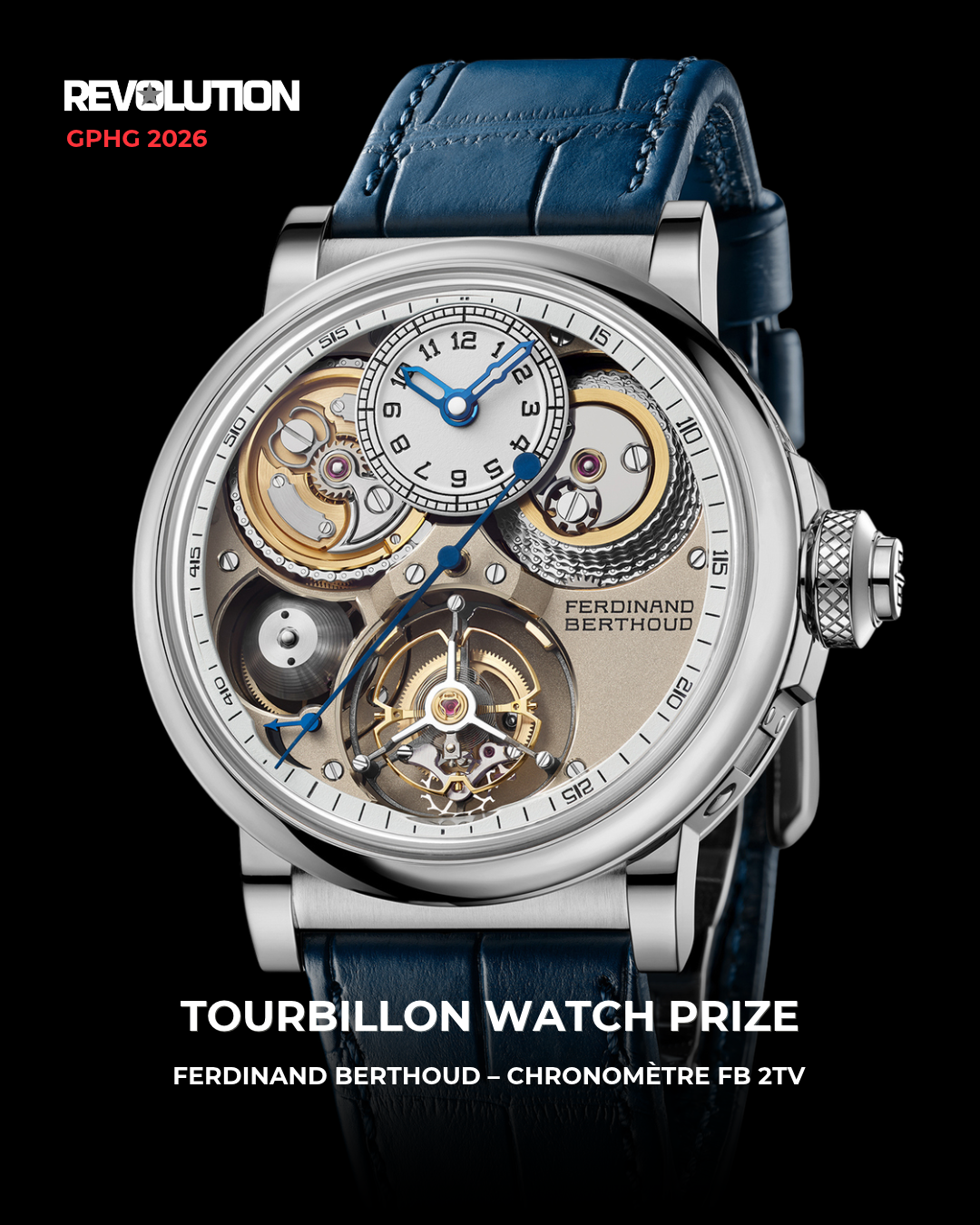
A decade after the first modern Ferdinand Berthoud calibre, the Chronomètre FB 2TV turns much of the manufacture’s mechanical identity towards the wearer.
The movement architecture has been effectively inverted, placing the flying tourbillon, fusée-and-chain transmission and much of the regulating system directly on the dial side.
Calibre FB-TV.FC contains 1,240 components and introduces stop-seconds together with a flyback-style zero reset for the central seconds hand, both intended to enable exceptionally precise time-setting. A redesigned fusée-and-chain system also increases the power reserve to 60 hours.
There is tremendous visual drama here, but the underlying objective remains chronometry.
The tourbillon is not simply something to look at. It forms part of an entire system dedicated to controlling the delivery and measurement of time.
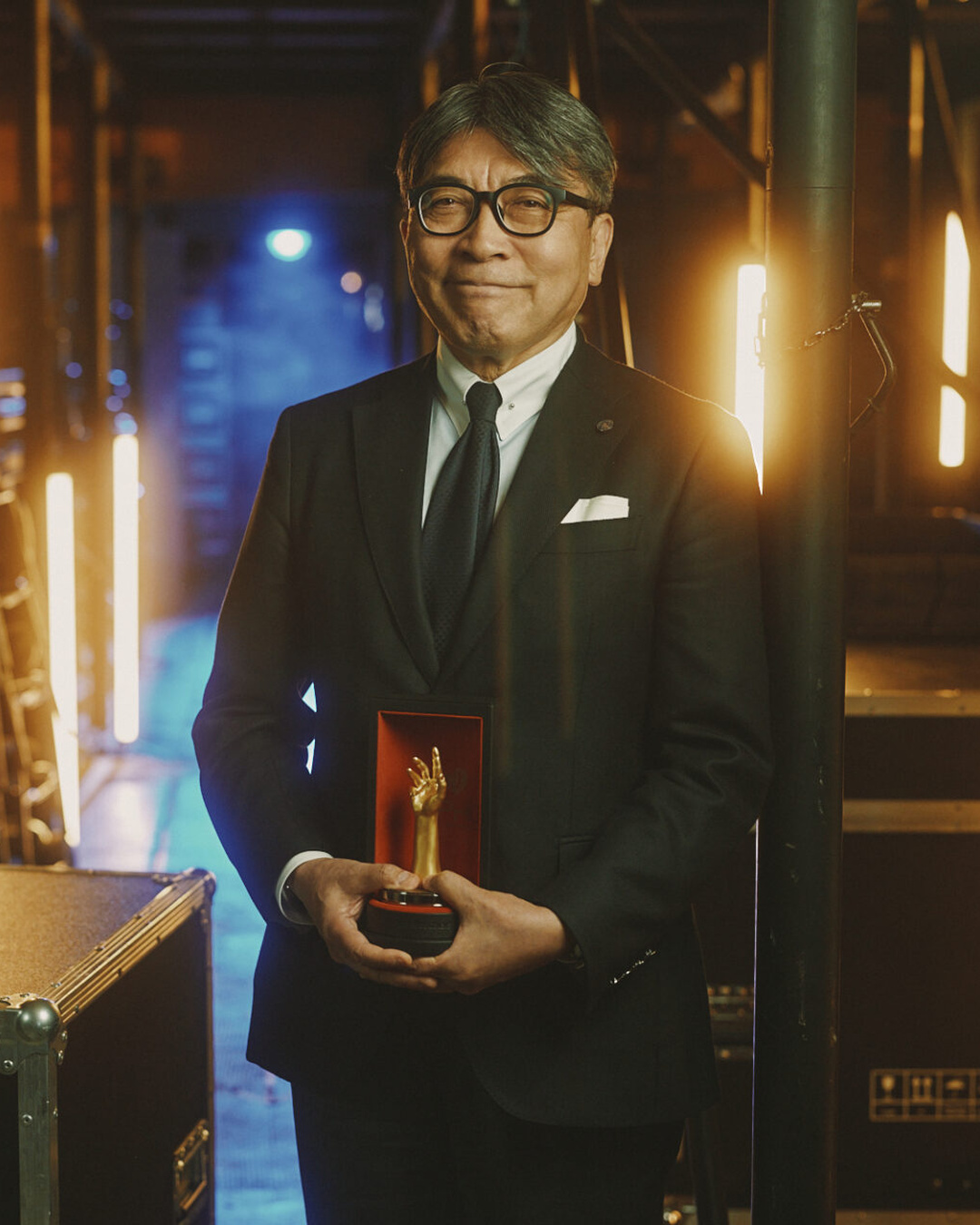
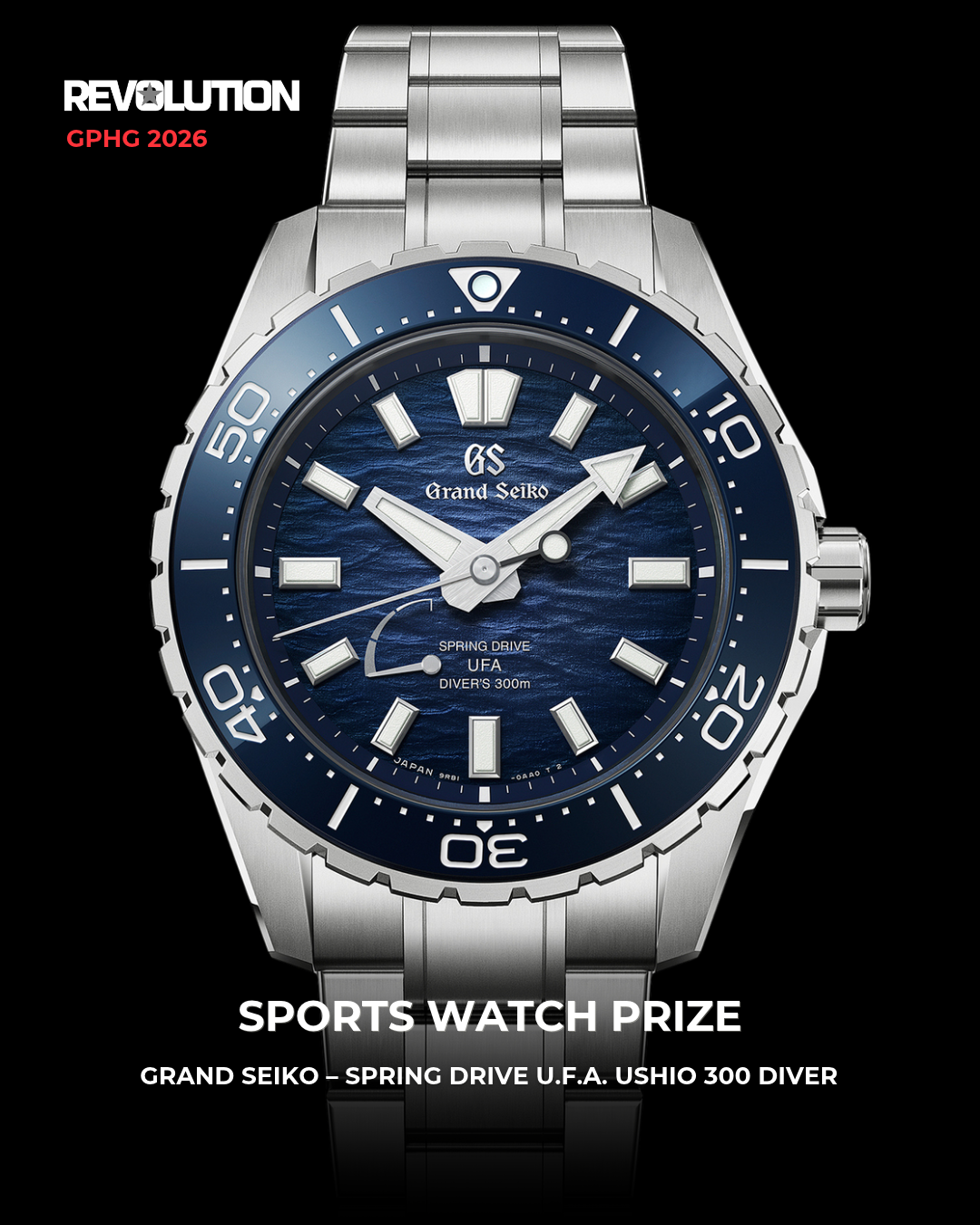
Sports Watch Prize: Grand Seiko, Spring Drive U.F.A. Ushio 300 Diver
Grand Seiko’s Ushio 300 Diver brings one of the manufacture’s most important recent advances into a genuinely functional sports watch.
Calibre 9RB1 carries Grand Seiko’s Ultra Fine Accuracy designation and is rated to ±20 seconds per year. The movement is housed in a 40.8mm High-Intensity Titanium case, making this Grand Seiko’s smallest diver to date, with 300 metres of water resistance and a newly developed bracelet clasp offering both micro-adjustment and diving extension.
The smaller case is important here.
Rather than allowing technical performance to result in an oversized tool watch, Grand Seiko has combined accuracy, durability and practicality with proportions that make the Ushio 300 unusually wearable.
A sports watch ultimately has to function beyond the specification sheet, and this one does.
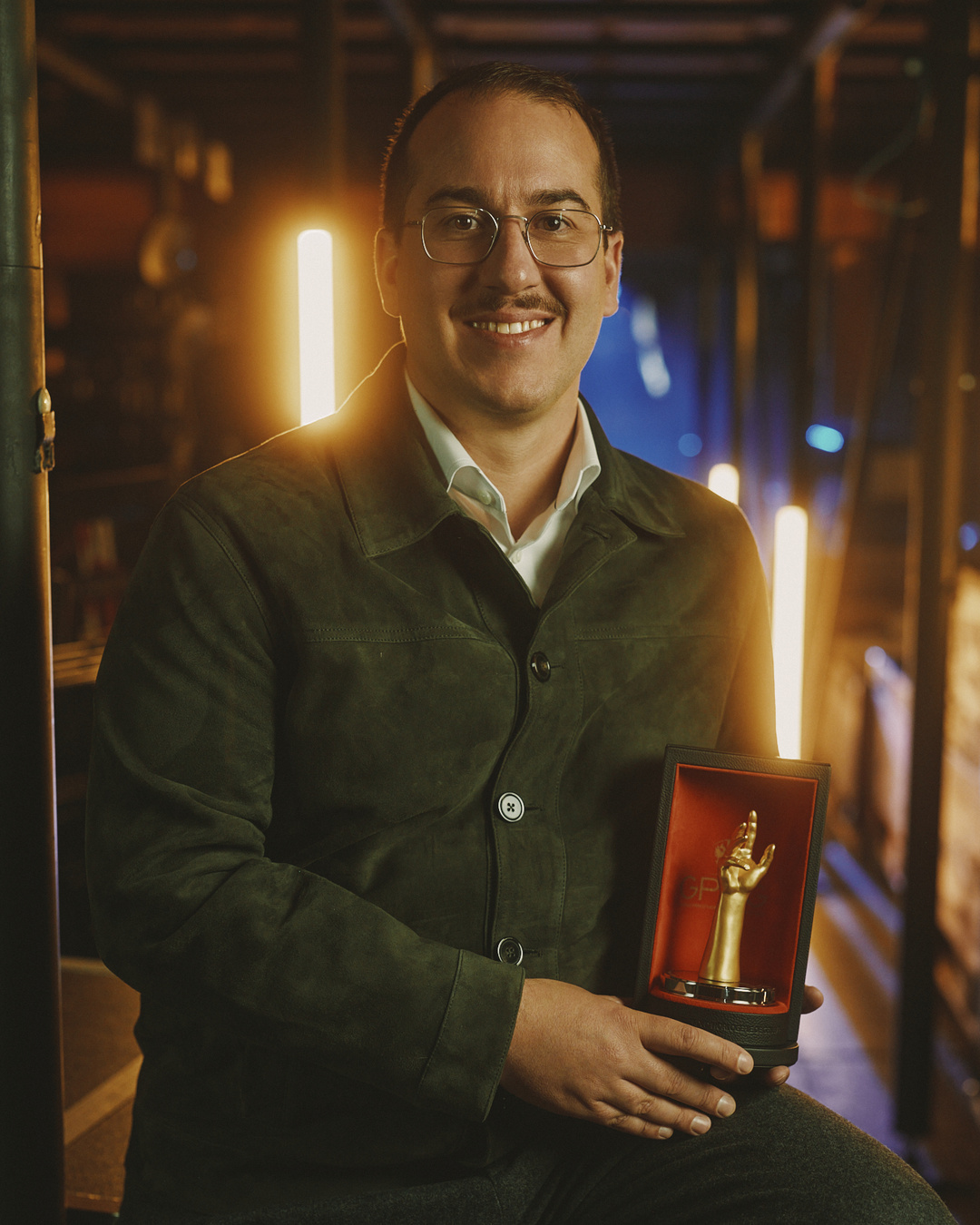
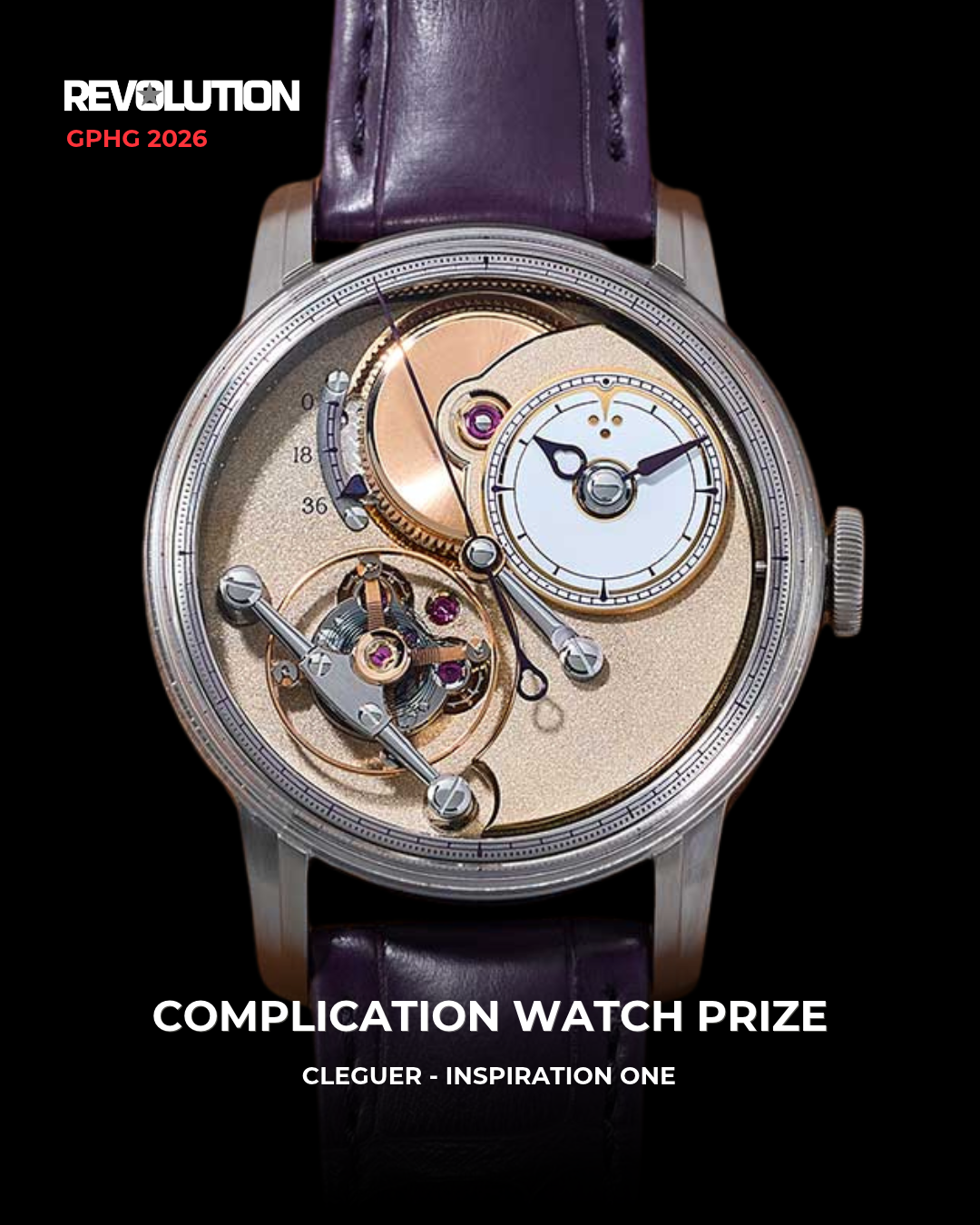
Complication Watch Prize: Cleguer, Inspiration One
For a debut watch, the Cleguer Inspiration One sets itself a remarkably ambitious task.
Founder Mathieu Cleguer built the watch around his proprietary Innate escapement, which takes inspiration from the natural escapement while addressing one of its longstanding weaknesses: reliable self-starting.
The system combines the dual escape wheels associated with a natural escapement with tangential impulse through a central lever influenced by the Fasoldt architecture. It sits beneath an oversized 12.9mm balance and forms the visual and mechanical centre of an unusually layered 38.5mm watch.
There are plenty of ways to launch a new independent brand.
Designing your own escapement for the first watch is certainly one of the more difficult ones.
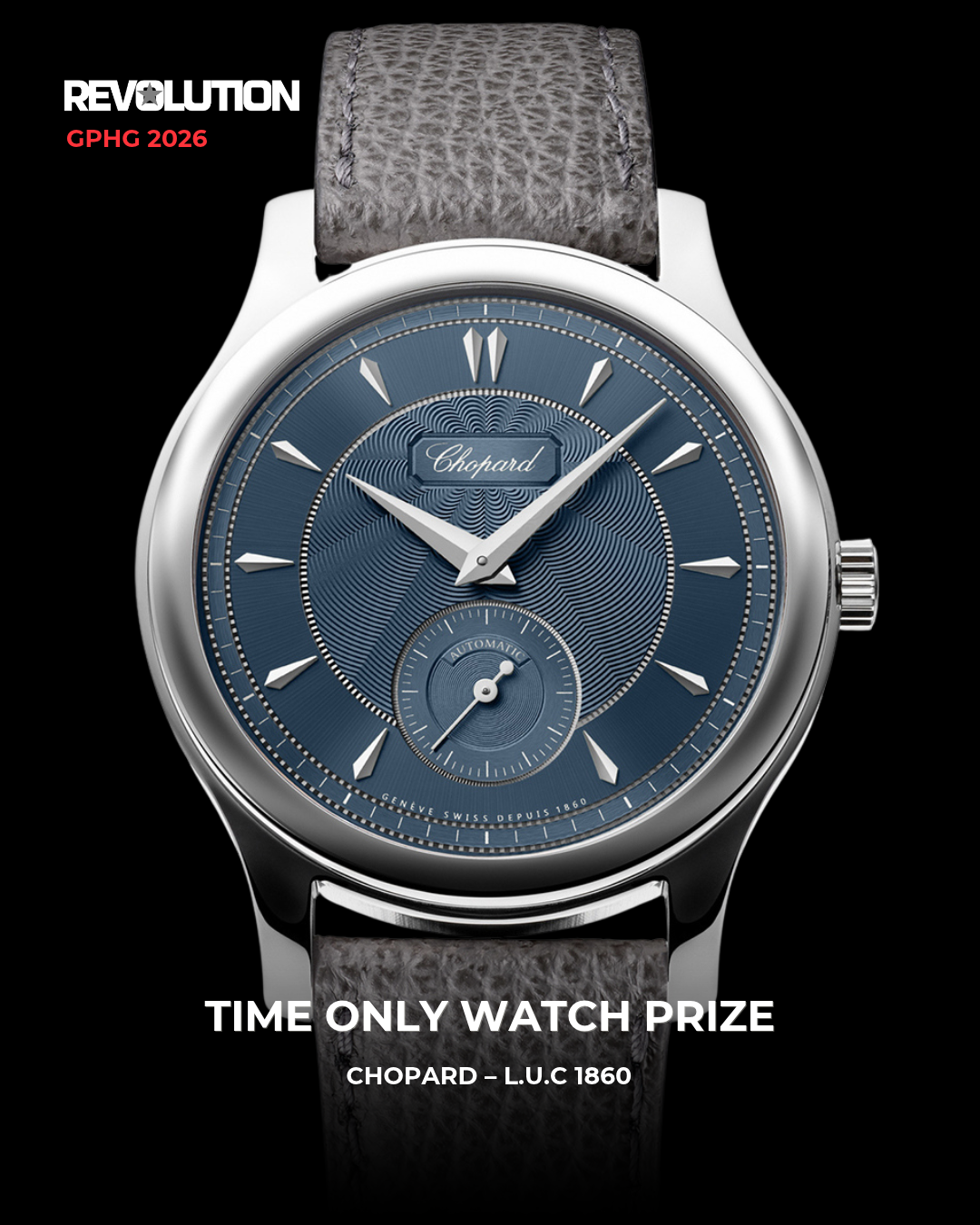
Time Only Watch Prize: Chopard, L.U.C 1860
Chopard returned to the watch that started its modern manufacture story for the 30th anniversary of Chopard Manufacture in Fleurier.
The new L.U.C 1860 retains the elegant 36.5mm diameter associated with the original while introducing a Lucent Steel case and hand-guilloché blue dial.
Inside is the L.U.C 96.40-L, an automatic calibre with a 22k gold micro-rotor and twin barrels delivering approximately 65 hours of power reserve. It is COSC chronometer certified and carries the Poinçon de Genève, an unusual distinction for a watch housed in steel.
The Time Only category rewards watches with very little room for distraction.
Here, proportion, movement, dial work and finishing are allowed to carry the entire argument.
They do it convincingly.
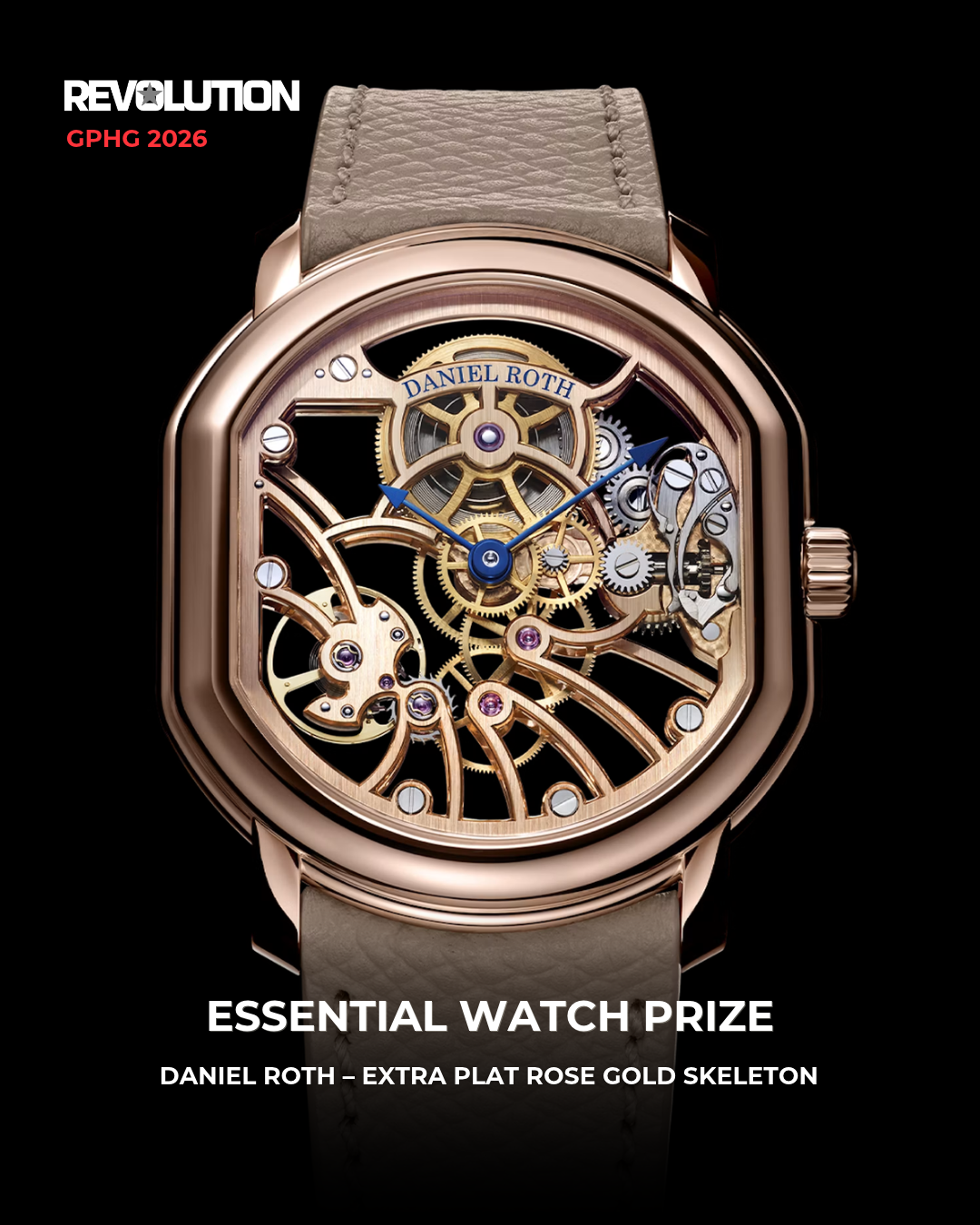
Essential Watch Prize: Daniel Roth, Extra Plat Rose Gold Skeleton
The Daniel Roth Extra Plat Rose Gold Skeleton makes skeletonisation feel unusually disciplined.
Rather than cutting away material from an existing finished calibre, the new DR002SR was reconfigured specifically for openworking, allowing the bridges and plates to maintain structural integrity while exposing as much of the architecture as possible.
The movement itself is executed in solid 18k rose gold and extensively finished by hand, while the familiar Daniel Roth double-ellipse case remains only 6.9mm thick.
That slimness matters.
The visual complexity of the movement never overwhelms the proportions or refinement that define the Extra Plat.
For the inaugural Essential Prize, it is a particularly elegant winner.
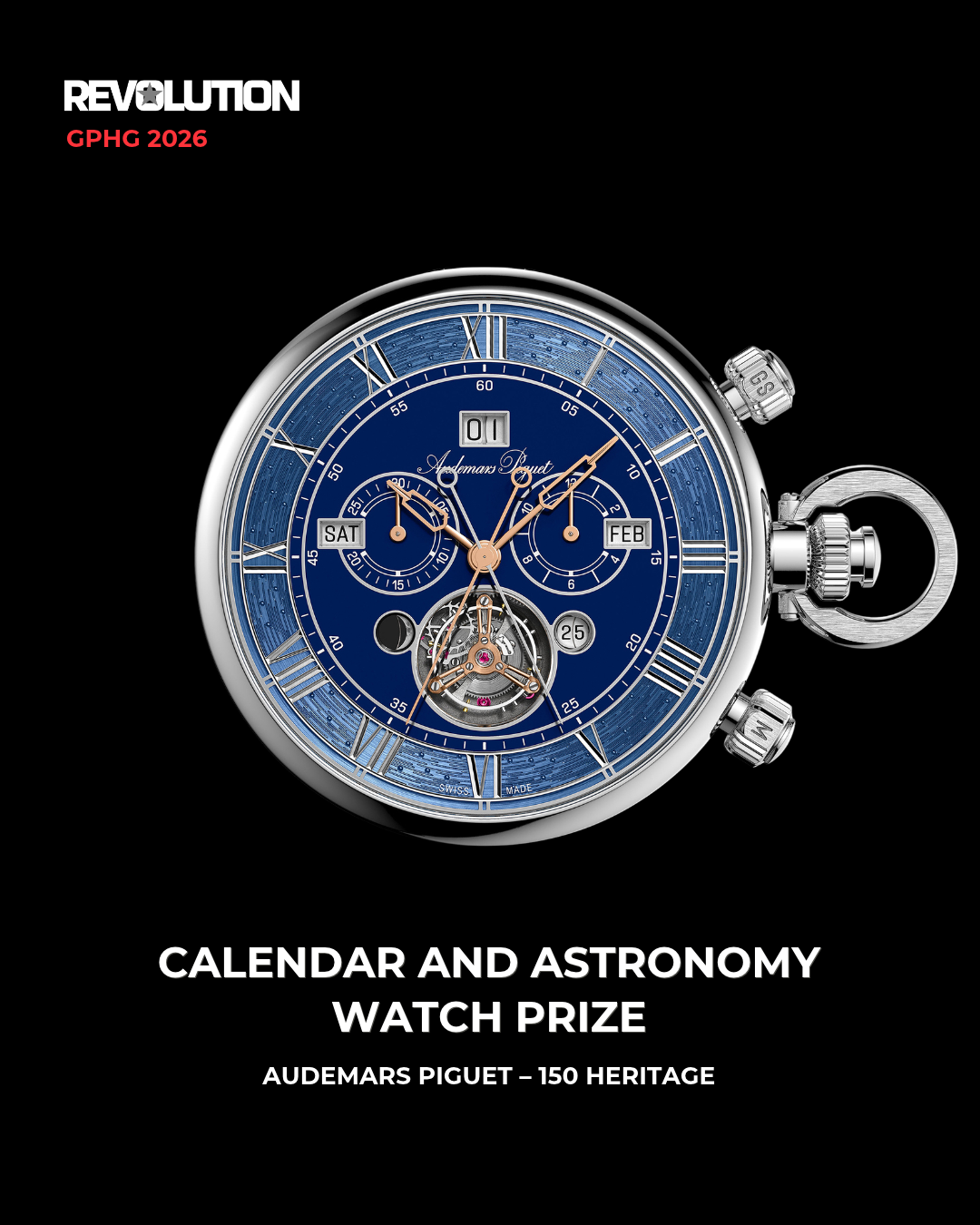
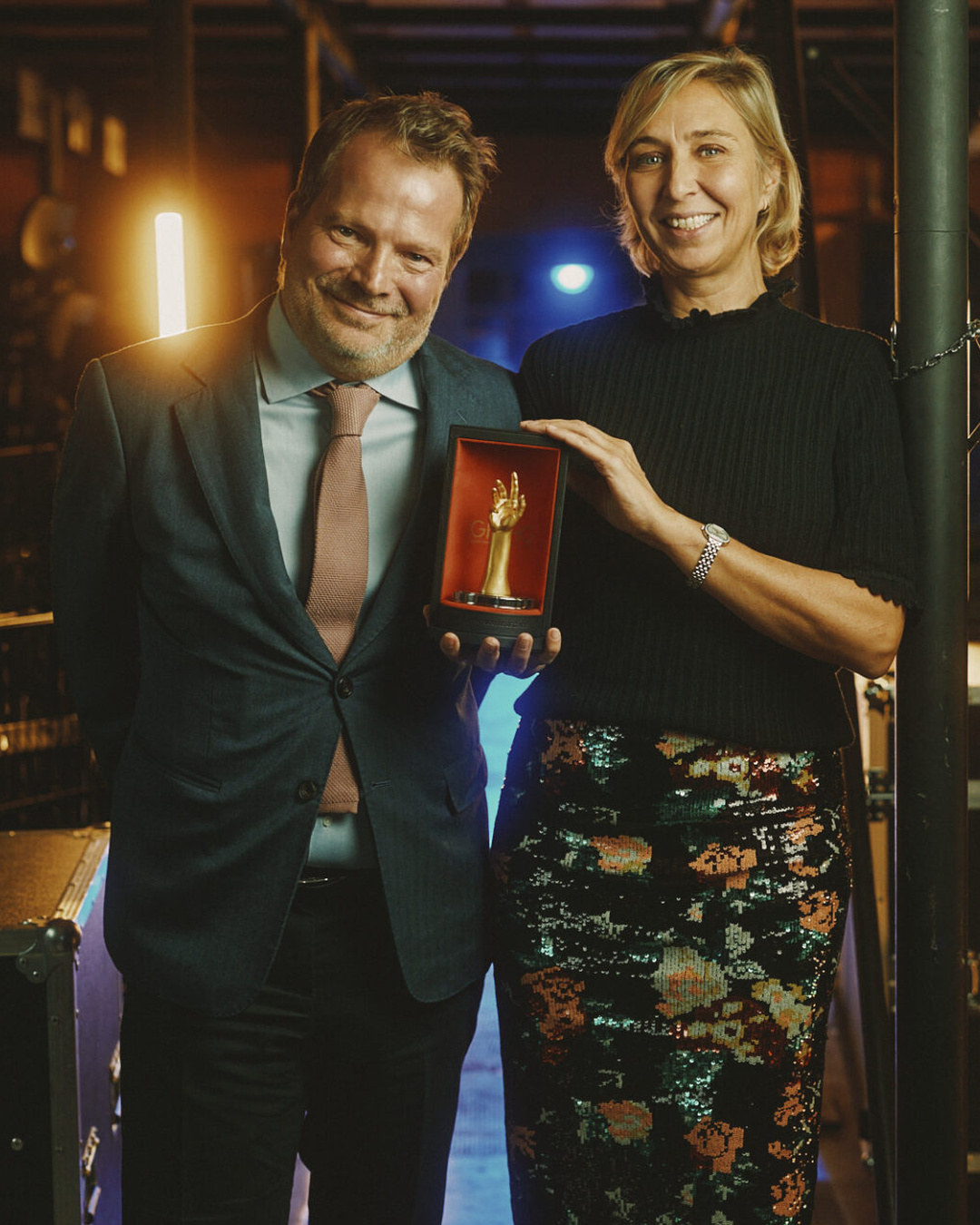
Calendar and Astronomy Watch Prize: Audemars Piguet, 150 Heritage
The Audemars Piguet 150 Heritage is less wristwatch than a catalogue of what the manufacture has learned over a century and a half.
The 50mm platinum pocket watch contains 47 functions, including 30 complications. Alongside a grande and petite sonnerie, minute repeater, flying tourbillon and split-seconds flyback chronograph is a semi-Gregorian perpetual calendar.
The reverse adds an independent universal calendar combining solar, lunar and lunisolar systems across 18 indications, including equinoxes, solstices and major religious holidays. The entire mechanism is built around the 1,099-component Calibre 1150.
It is an enormous piece of horological theatre, but the calendar system is what makes it especially relevant here.
Few watches attempt to place so many different ways of measuring the year into one mechanical object.
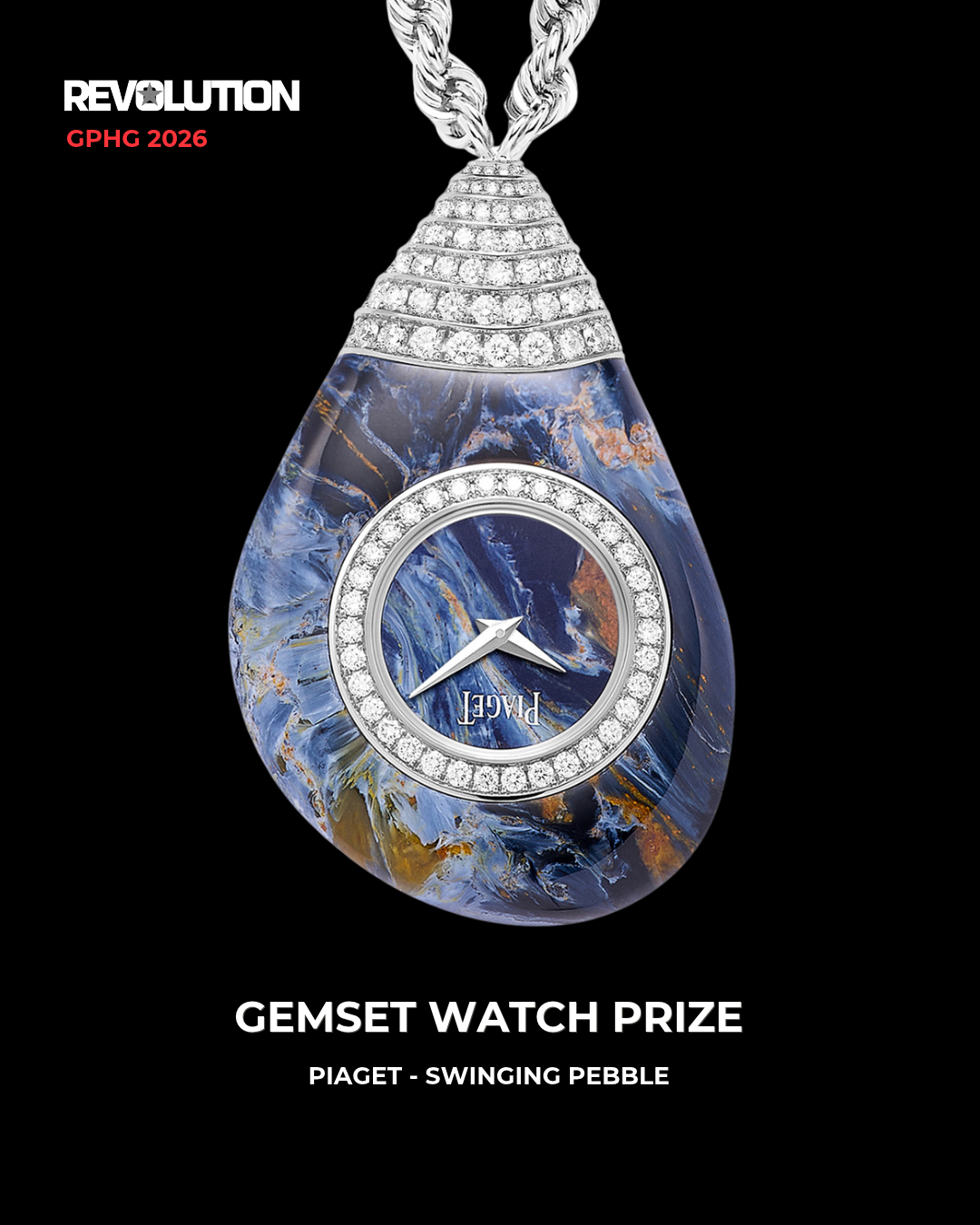
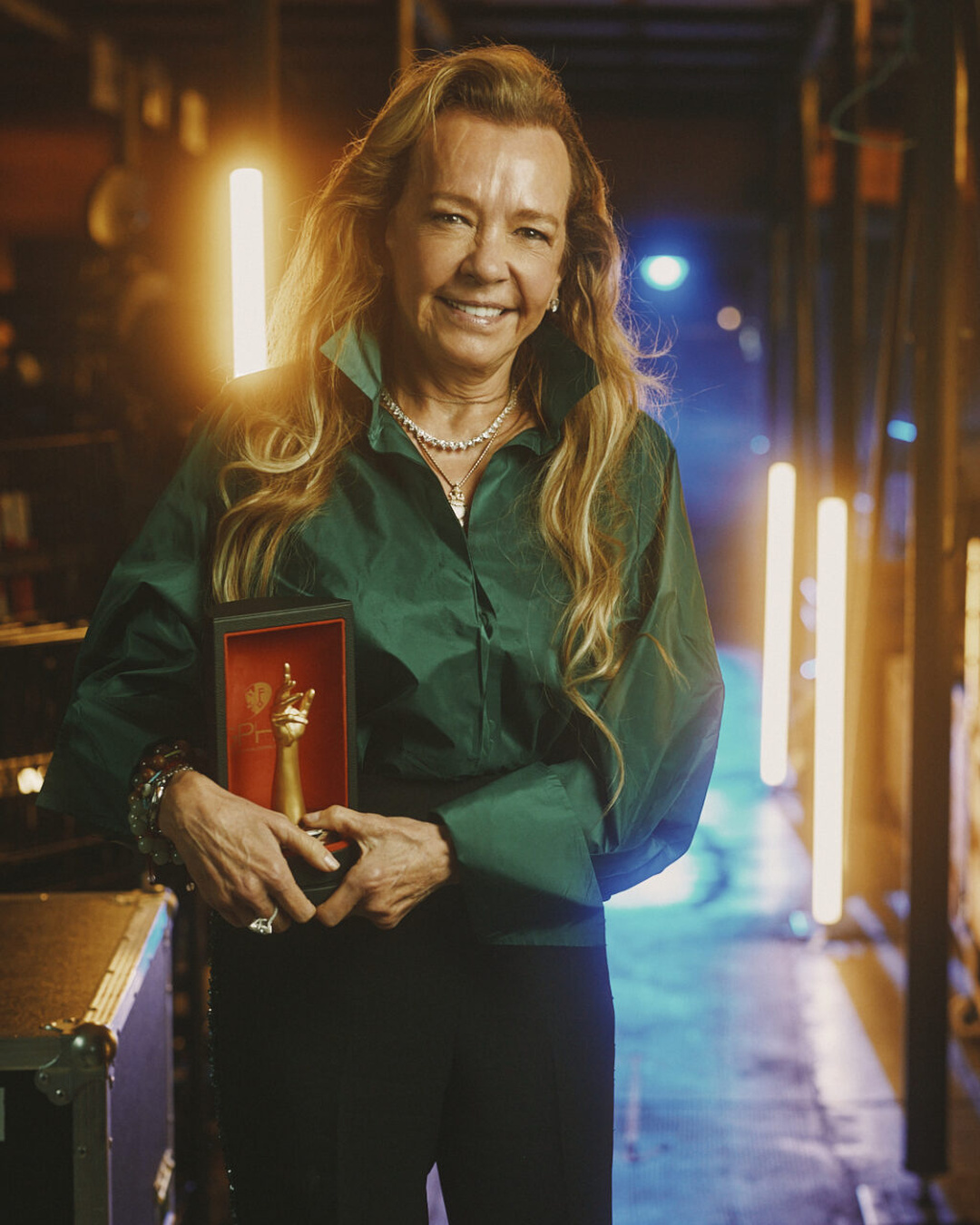
Gemset Watch Prize: Piaget, Swinging Pebble
Piaget has spent decades blurring the boundary between watchmaking and jewellery, and the Swinging Pebble draws directly on one of the maison’s most expressive periods.
The collection revisits the long sautoir watches associated with Piaget in the late 1960s and 1970s, combining gold chains with sculptural pieces of ornamental stone.
Each Swinging Pebble is carved from a single slice of tiger’s eye, verdite or pietersite, which is hollowed to accommodate the watch movement. The concept takes inspiration from Piaget’s historic “Kimono” pocket watches and its long fascination with decorative hard stones.
Gemsetting is only one part of the composition.
The greater achievement is the way gold, stone, diamonds and movement come together as one fluid object.
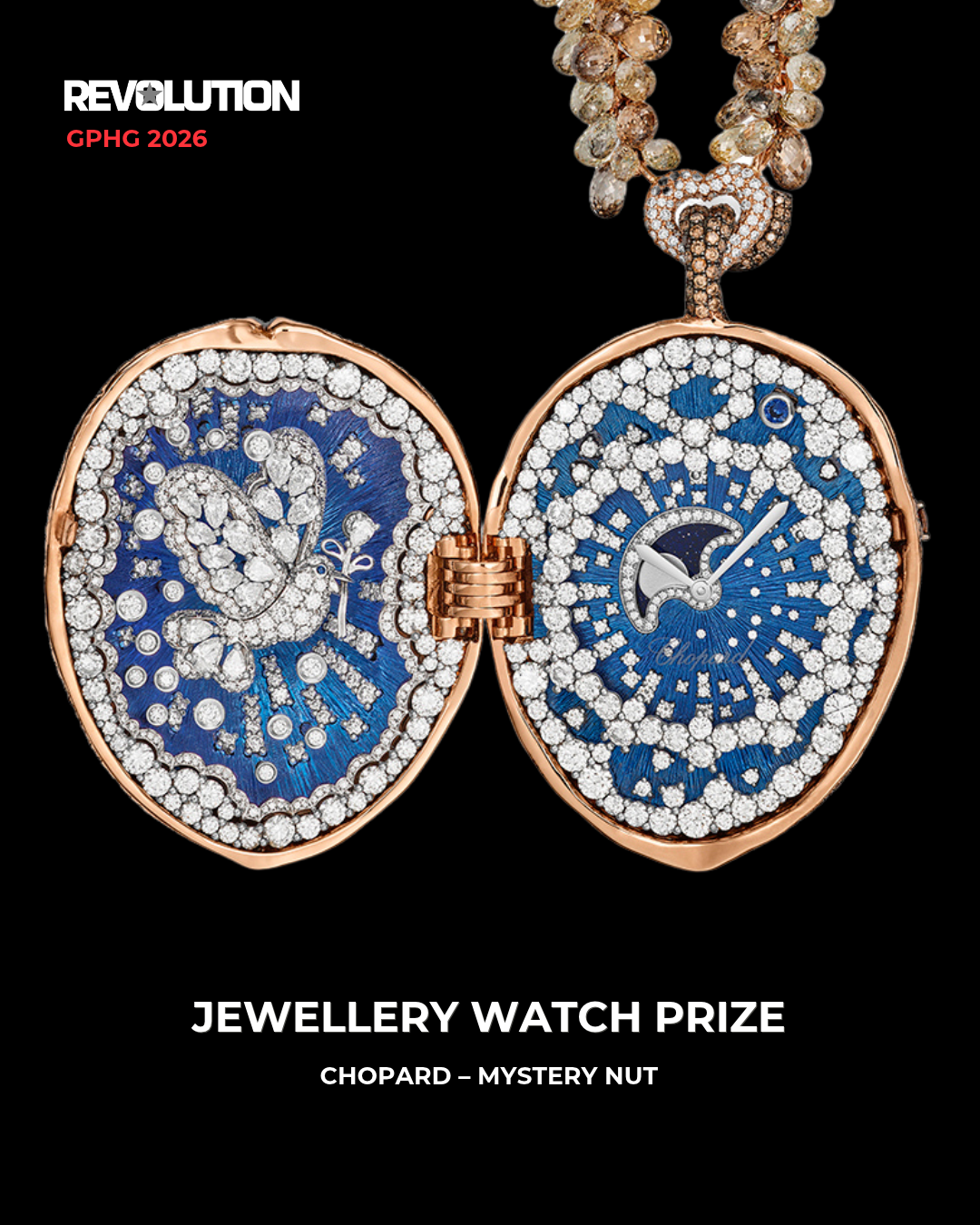
Jewellery Watch Prize: Chopard, Mystery Nut
There is something wonderfully theatrical about a watch that refuses to reveal itself immediately.
The Mystery Nut takes the form of a walnut-shaped high-jewellery pendant rendered in ethical rose gold, its surface treated and set with brown and cognac diamonds to recreate the texture and colour of the natural shell.
A custom hinge allows the nut to open through 180 degrees, revealing a hidden watch within displaying the hours, minutes and moon phase. The unique creation required close to 600 hours of work from Chopard’s artisans.
It is technically a watch, but the act of discovering the time becomes part of the object itself.
That sense of surprise is exactly what makes the Mystery Nut such an effective piece of jewellery watchmaking.
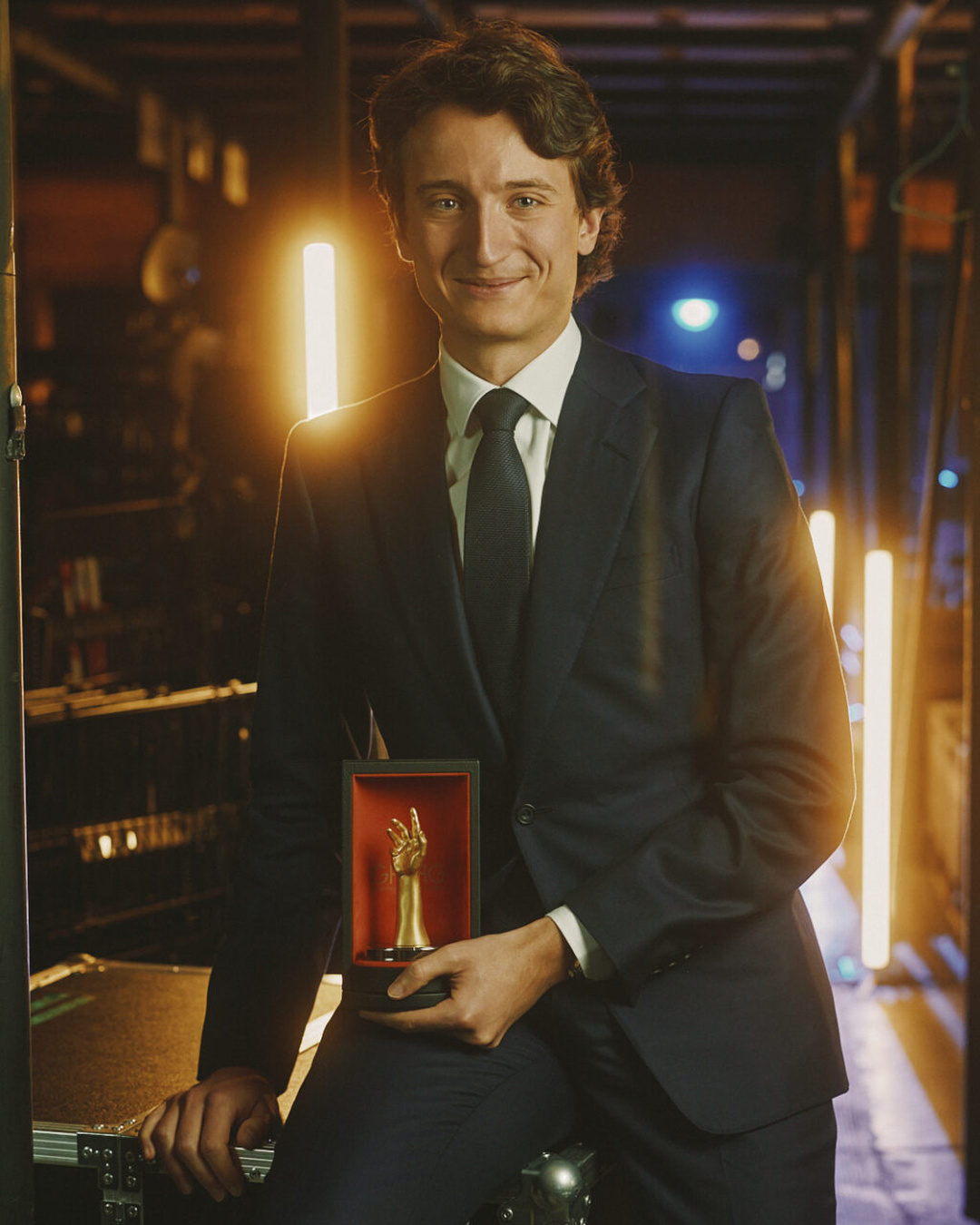
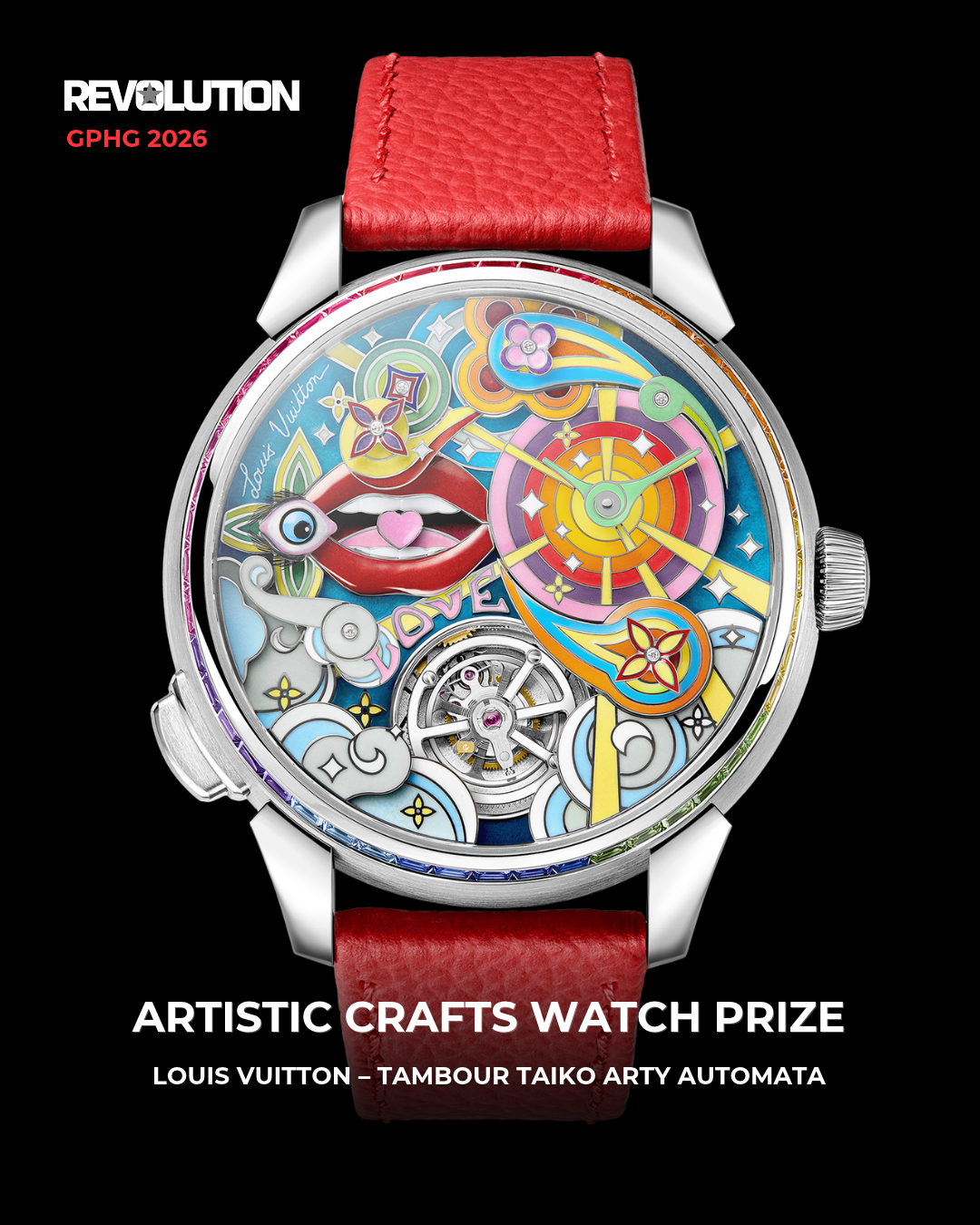
Artistic Crafts Watch Prize: Louis Vuitton, Tambour Taiko Arty Automata
The Tambour Taiko Arty Automata may look exuberant, but behind its colourful dial is an extraordinary concentration of craft.
The composition uses 23 colours of Grand Feu enamel across multiple levels, with more than 250 hours of handwork involved in the dial alone.
Activate the automaton and seven separate elements spring into motion while the one-minute flying tourbillon continues rotating beneath the scene. Louis Vuitton’s La Fabrique du Temps developed the mechanical architecture, while La Fabrique des Arts handled the artistic execution.
That combination is important.
The decoration does not simply sit on top of the mechanism. The animation and artistic crafts are conceived as parts of the same performance.
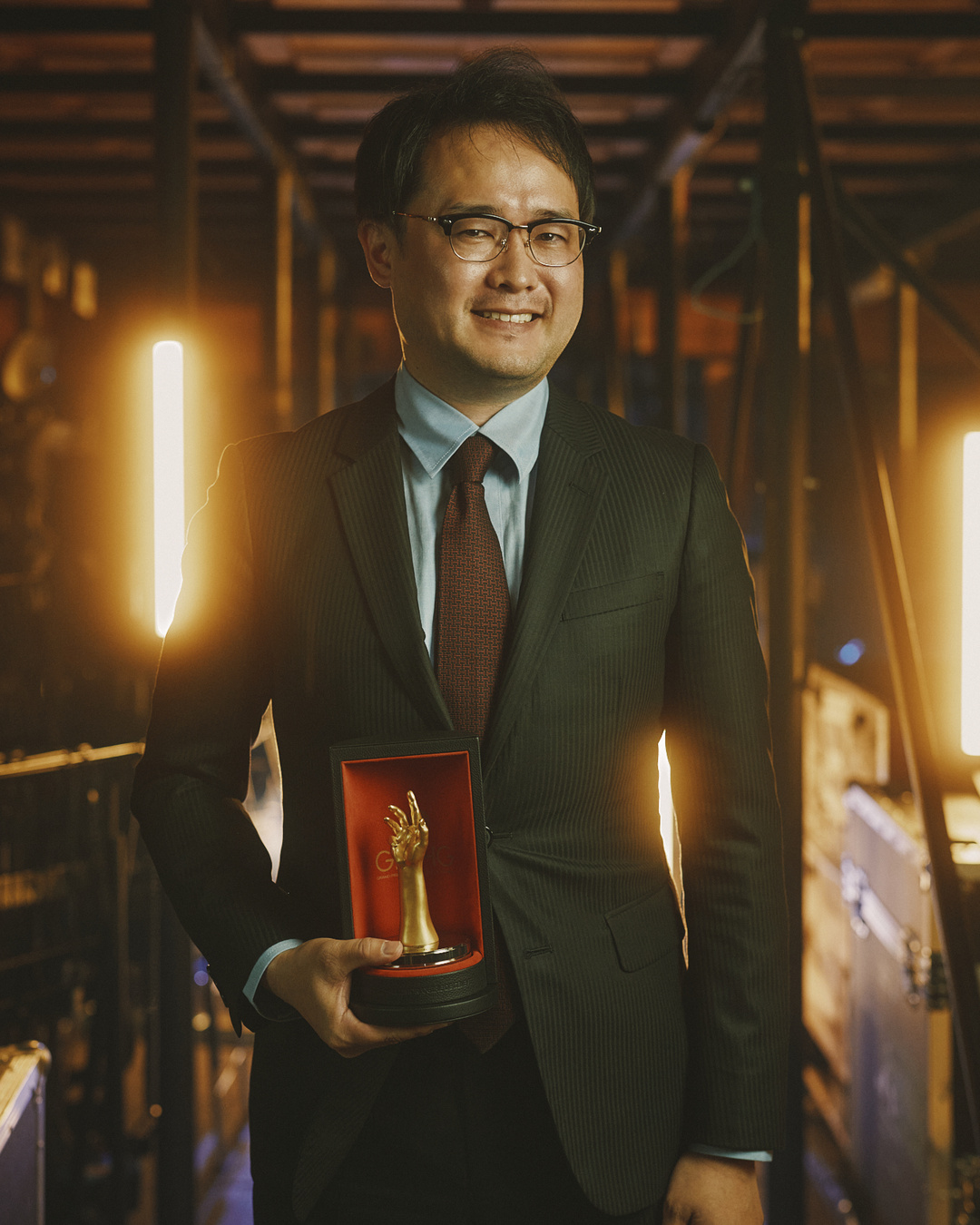
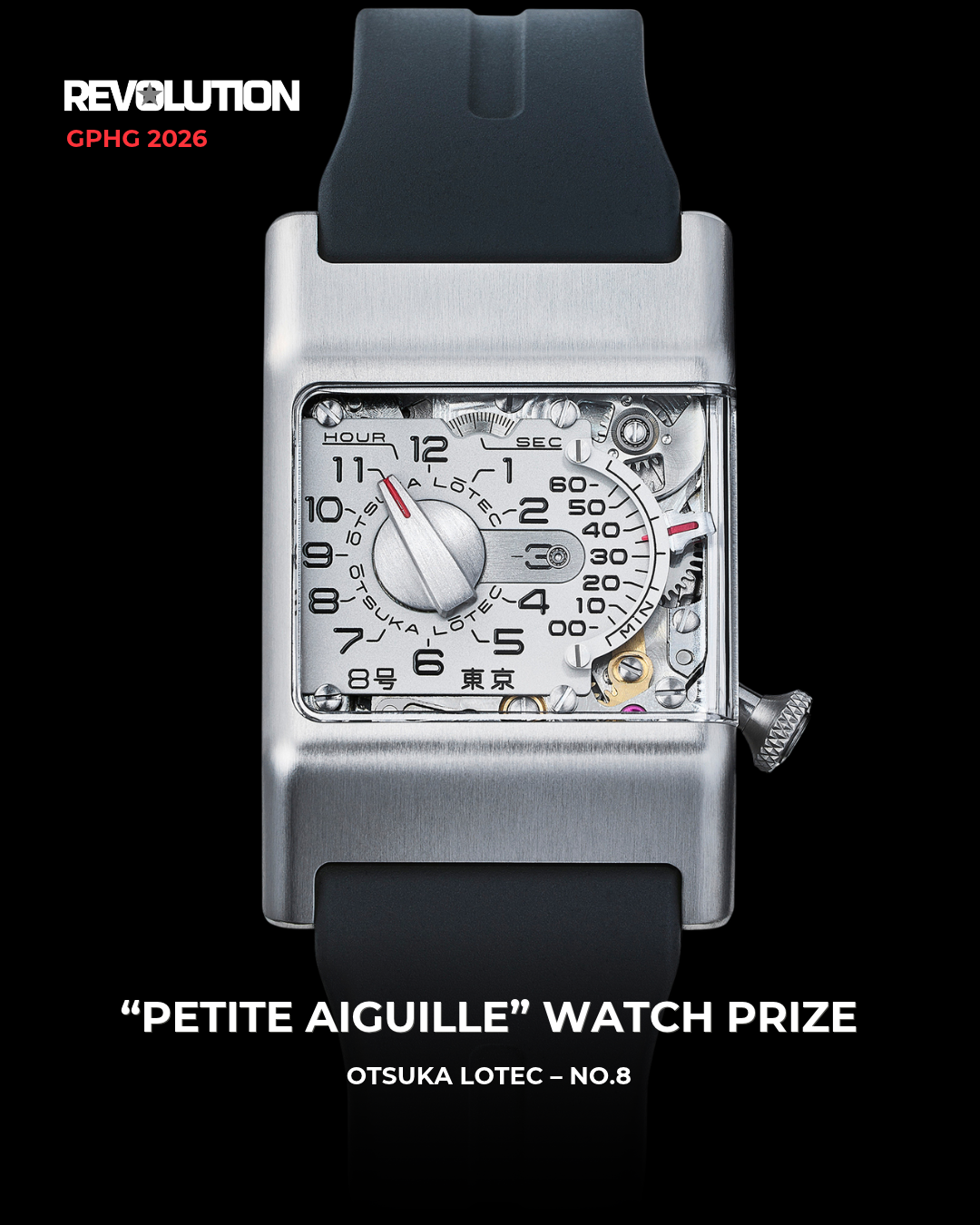
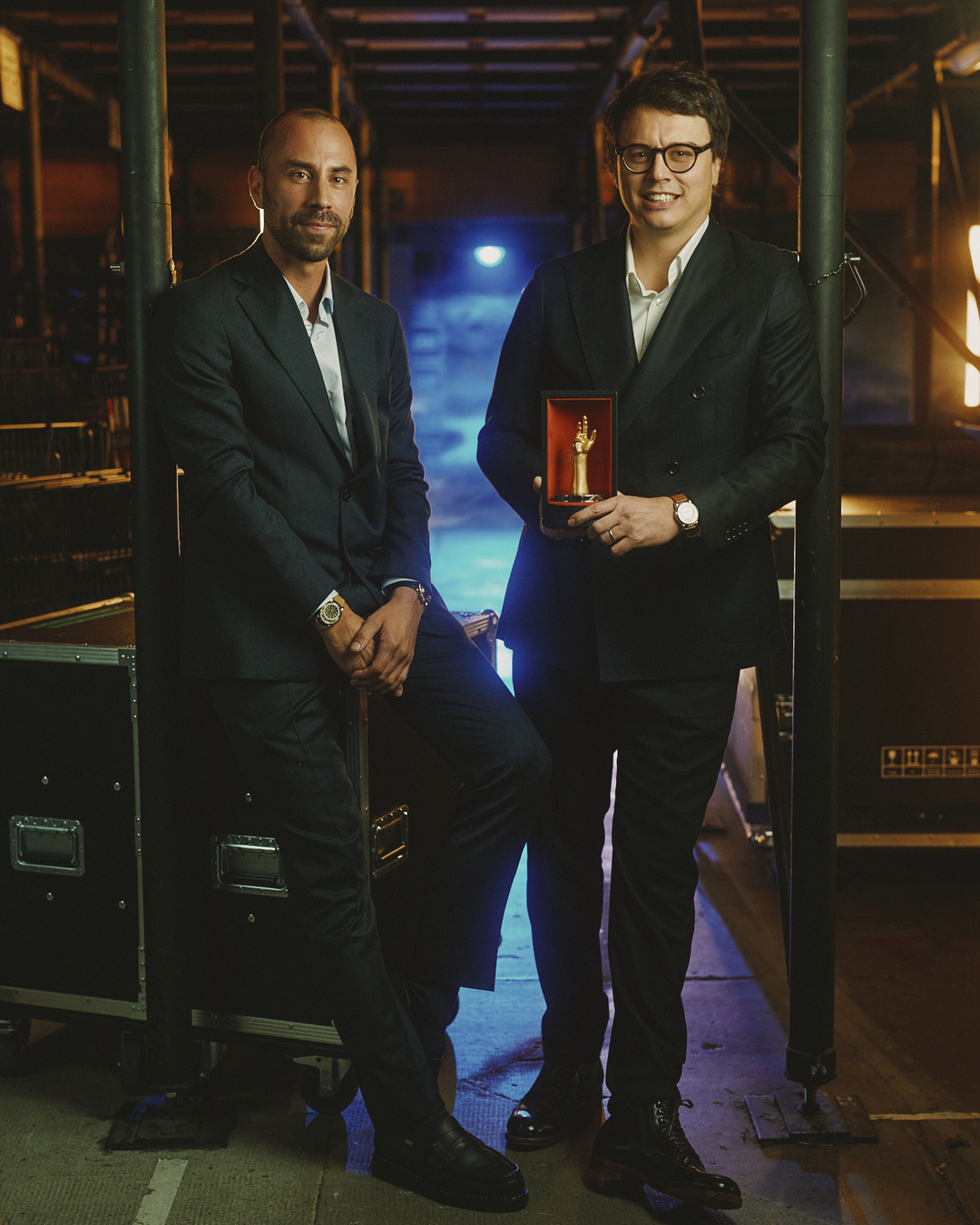
“Petite Aiguille” Watch Prize: Otsuka Lotec, No.8
Few watches in this year’s field have as much personality as Otsuka Lotec’s No.8.
Inspired by analogue mixing consoles, it displays the hours through a jumping aperture while the minutes are shown by a retrograde “fader”. When the indication reaches 60, a flywheel regulates its return to zero, creating a mechanical action that becomes part of the visual experience.
The in-house module contains 62 components and sits above a Miyota base calibre, helping keep the watch within the CHF 4,900 price point required for the category.
That balance between accessible industrial production and genuinely original mechanical thinking is precisely what the Petite Aiguille is capable of rewarding.
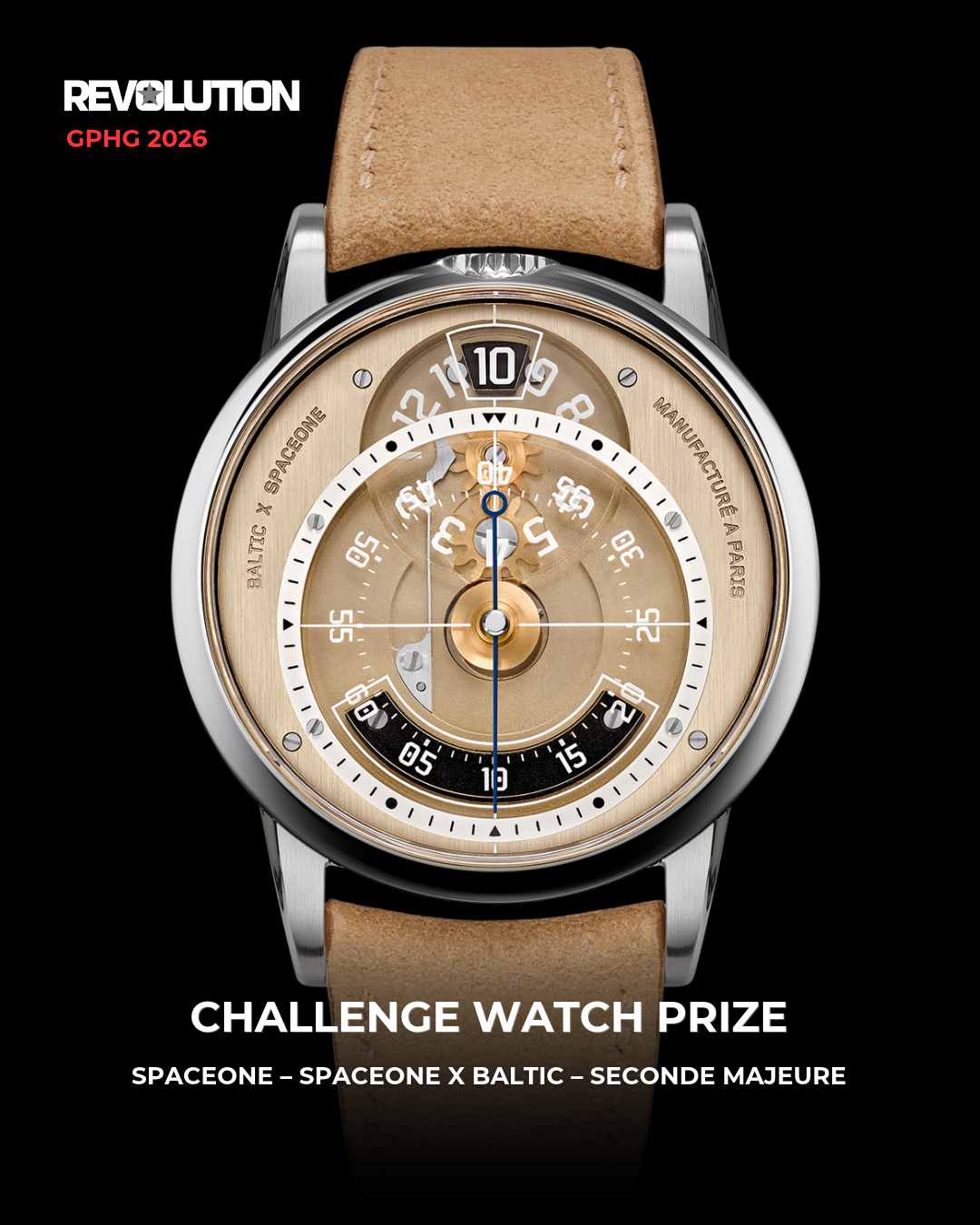
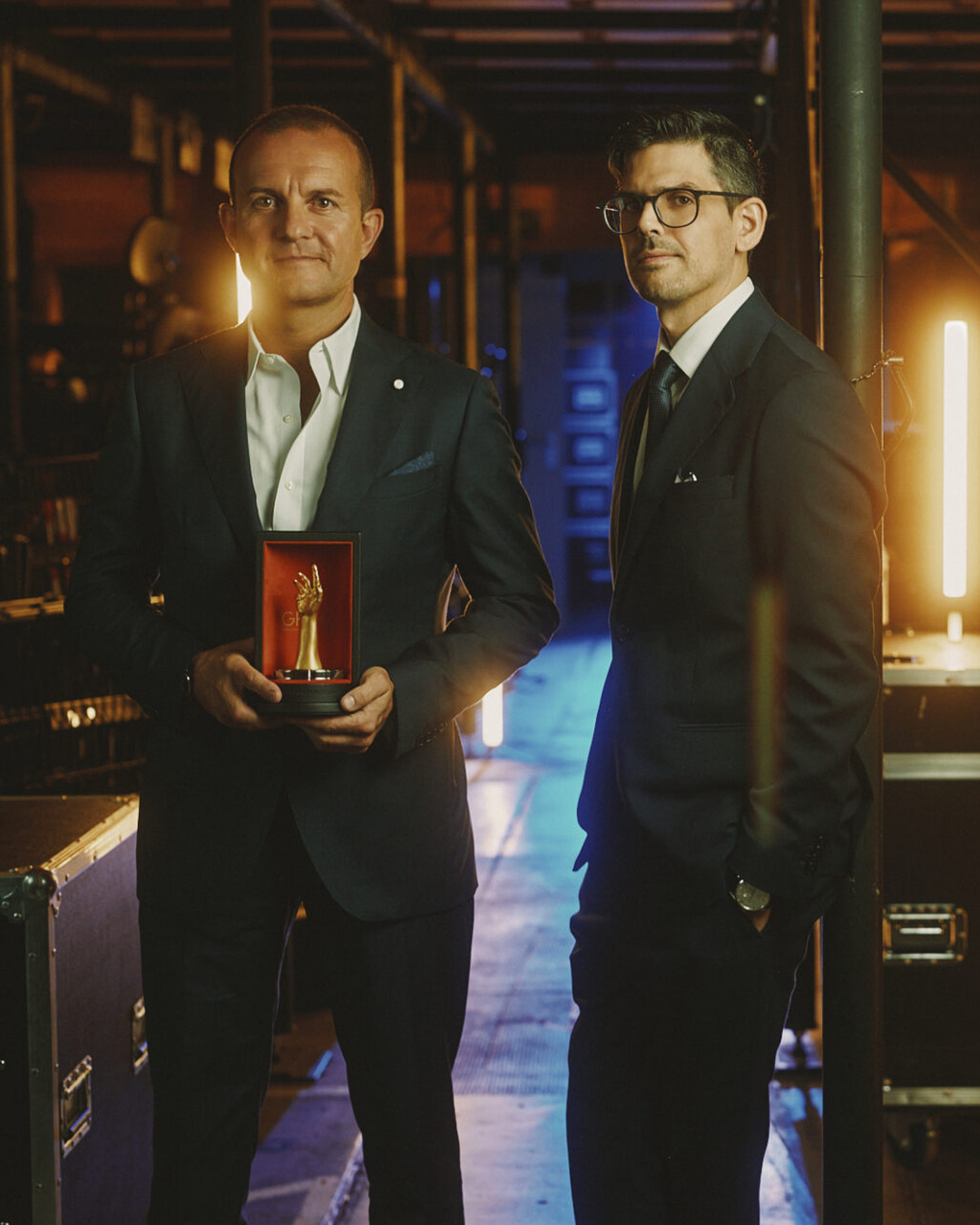
Challenge Watch Prize: SpaceOne, SpaceOne X Baltic – Seconde Majeure
The Seconde Majeure brings together two brands with very different visual languages around a mechanism developed by independent watchmaker Théo Auffret.
At the centre is a jumping-hour display, with the movement architecture intentionally exposed rather than hidden beneath a conventional dial.
The collaboration traces back to the relationship between Baltic and Auffret that eventually helped give rise to SpaceOne, making the finished watch feel like the natural result of that shared history rather than a simple branding exercise.
The Challenge Prize often rewards watches that deliver an unusually strong idea at an accessible price.
The Seconde Majeure certainly has one.
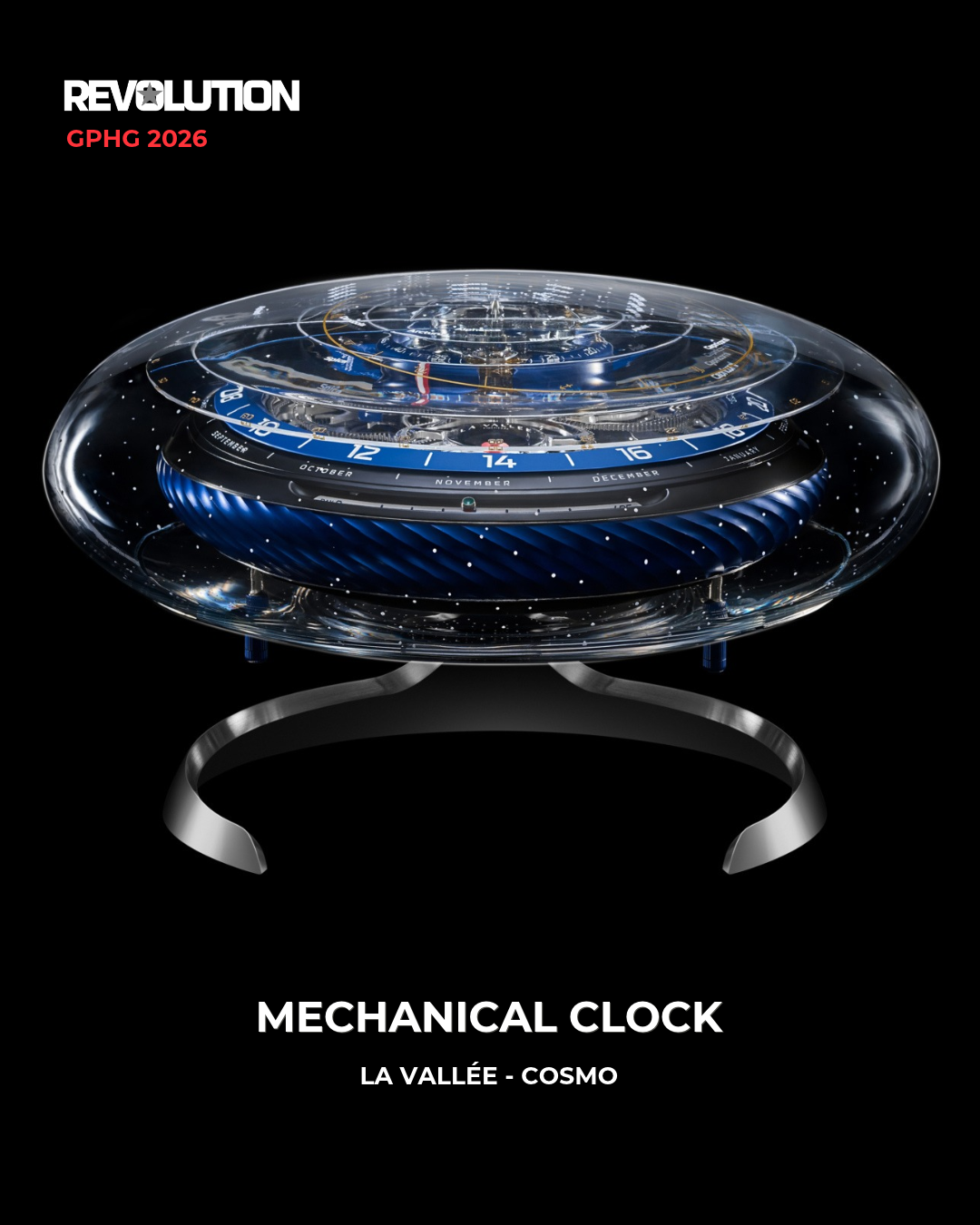
Mechanical Clock Prize: La Vallée, Cosmo
La Vallée’s Cosmo operates at a scale far removed from anything intended for the wrist.
The fully mechanical clock is housed beneath a hand-blown Murano glass dome, with its entire movement completing one revolution every sidereal day, or 23 hours, 56 minutes and four seconds.
Its astronomical indications include sunrise, sunset, dawn, dusk, solar time, zodiac information and the position of the sun and stars. Most remarkably, a single wind provides an extraordinary 406-day power reserve through a patent-pending transmission system.
Even the escapement is unusual. Its magnetically suspended balance can be customised to beat at the resting heart rate of its owner.
Cosmo treats a mechanical clock less as a static instrument than a moving model of celestial time.
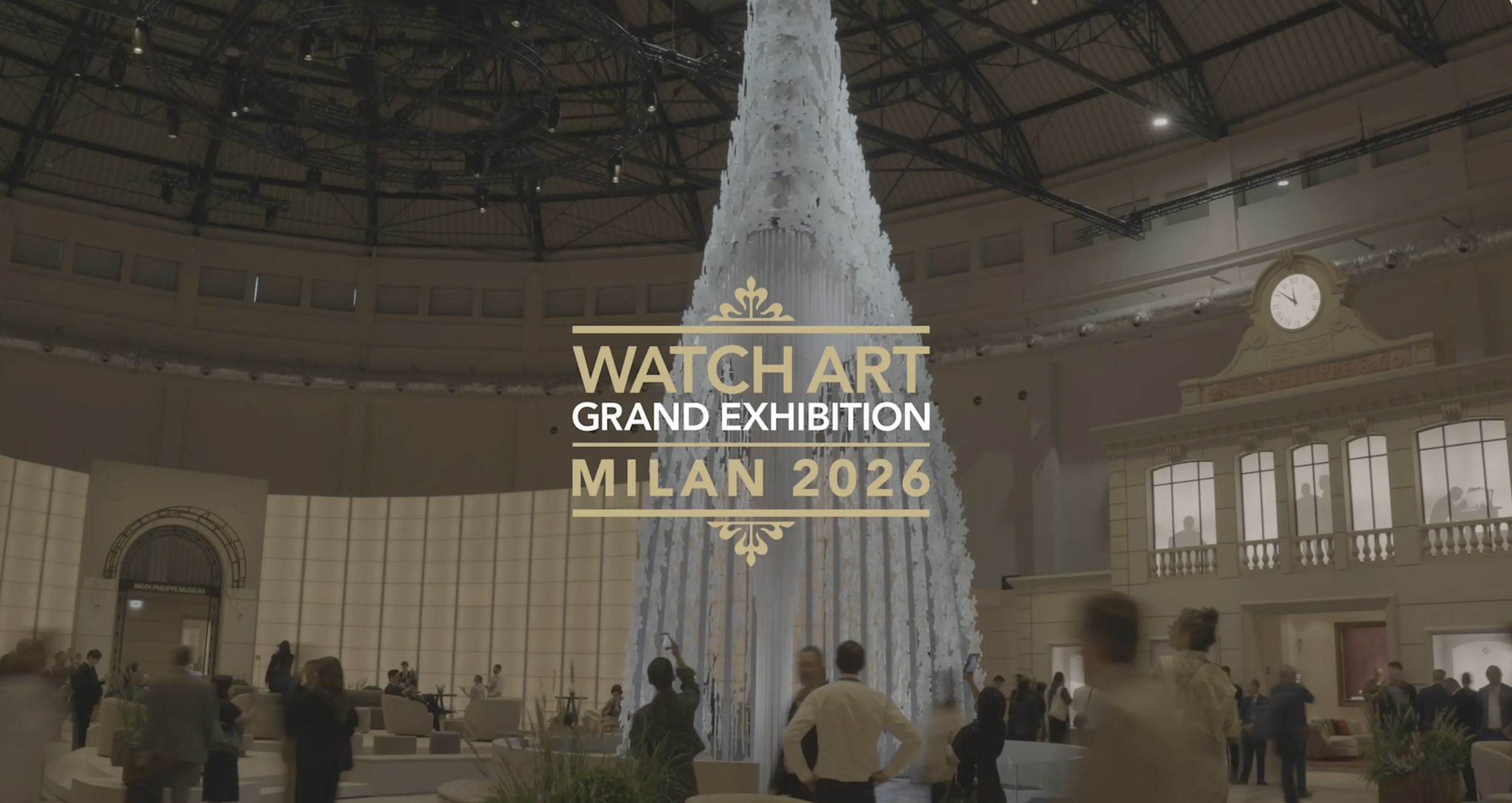
Special Jury Prize: Patek Philippe, “Watch Art” Grand Exhibitions
The Special Jury Prize gives the GPHG room to recognise contributions that extend beyond one watch, and this year it went to Patek Philippe’s “Watch Art” Grand Exhibitions.
Since 2012, the exhibitions have taken Patek Philippe’s watches, museum pieces, artisanal techniques and history directly to the public through large-scale events around the world.
The series began in Dubai and has since travelled to Munich, London, New York, Singapore, Tokyo and, most recently, Milan. The 2026 Milan edition attracted 68,000 visitors across more than 2,900 square metres, making it the largest exhibition Patek Philippe has organised to date.
The significance of the initiative goes beyond promoting a brand.
These exhibitions expose a wider audience to watchmaking history, craft and production at a scale few other manufactures attempt.
Young Student Prize 2026: Matt Jorgensen and Yuma Miyai
The ceremony also recognised Matt Jorgensen and Yuma Miyai as the winners of the Young Student Prize 2026.
Presented alongside the main GPHG awards, the Young Student Prize sits outside the 20-prize competition and turns the spotlight towards the next generation entering the field.
In a ceremony largely concerned with celebrating the finest finished objects in contemporary watchmaking, it is an important reminder that the future of the craft ultimately depends on the people who will inherit it.
Congratulations to Matt Jorgensen and Yuma Miyai.

A New Chapter for the GPHG
The 2026 edition represented a meaningful transition for the Grand Prix d’Horlogerie de Genève.
Essential, Complication and Gemset brought a new category structure built more directly around product and function, while the Iconic Watch Prize was opened to eligible watches from across the wider market. The Special Jury Prize can now also recognise a brand alongside individuals and institutions.
The resulting prize list is appropriately broad.
Rexhep Rexhepi’s classical yet highly accomplished flyback chronograph sits alongside the mechanical excess of Blancpain’s Grande Double Sonnerie, Parmigiani Fleurier’s disappearing chronograph, Cleguer’s new escapement, Piaget and Chopard’s jewellery creations, and a 16-kilogram astronomical clock capable of running for more than a year on a single wind.
Independent watchmaking also had an especially strong evening. Rexhep Rexhepi claimed the biggest prize of all, while Cleguer, Dominique Renaud, Ferdinand Berthoud and Otsuka Lotec each took home awards of their own.
If there is one conclusion to draw from this year’s GPHG, it is that exceptional contemporary watchmaking currently has no single definition.
And that may be exactly what makes it so interesting.
You may also like
News
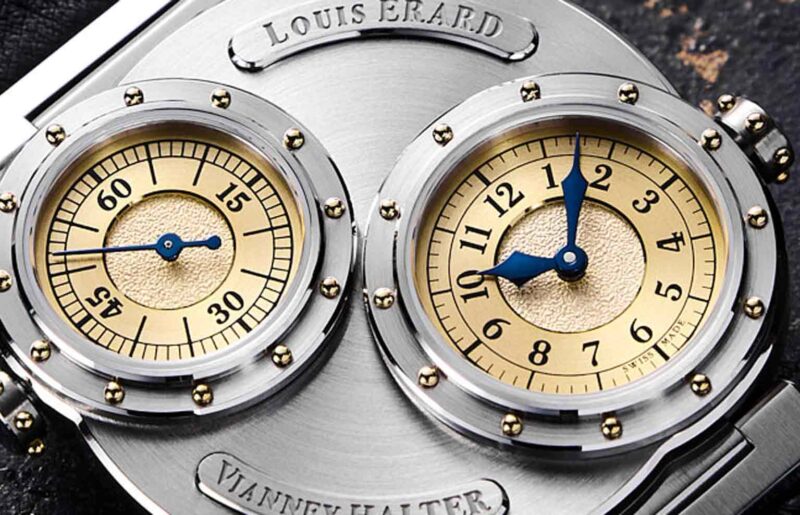
Louis Erard Unveils Its Most Striking Vianney Halter Collaboration Yet
Oct 30, 2026
News
Louis Erard Unveils Its Most Striking Vianney Halter Collaboration Yet
Oct 30, 2026
Exhibitions
Why George Daniels 100: “The Genesis of Artisanal Watchmaking” at IAMWATCH is a Must-See
Oct 29, 2026
Exhibitions
Why George Daniels 100: “The Genesis of Artisanal Watchmaking” at IAMWATCH is a Must-See
Oct 29, 2026
News
A. Lange & Söhne Introduces the Datograph Perpetual in Platinum and Diamond
Oct 24, 2026
News
A. Lange & Söhne Introduces the Datograph Perpetual in Platinum and Diamond
Oct 24, 2026