The 20 Winners of the 2025 GPHG Awards
News
The 20 Winners of the 2025 GPHG Awards

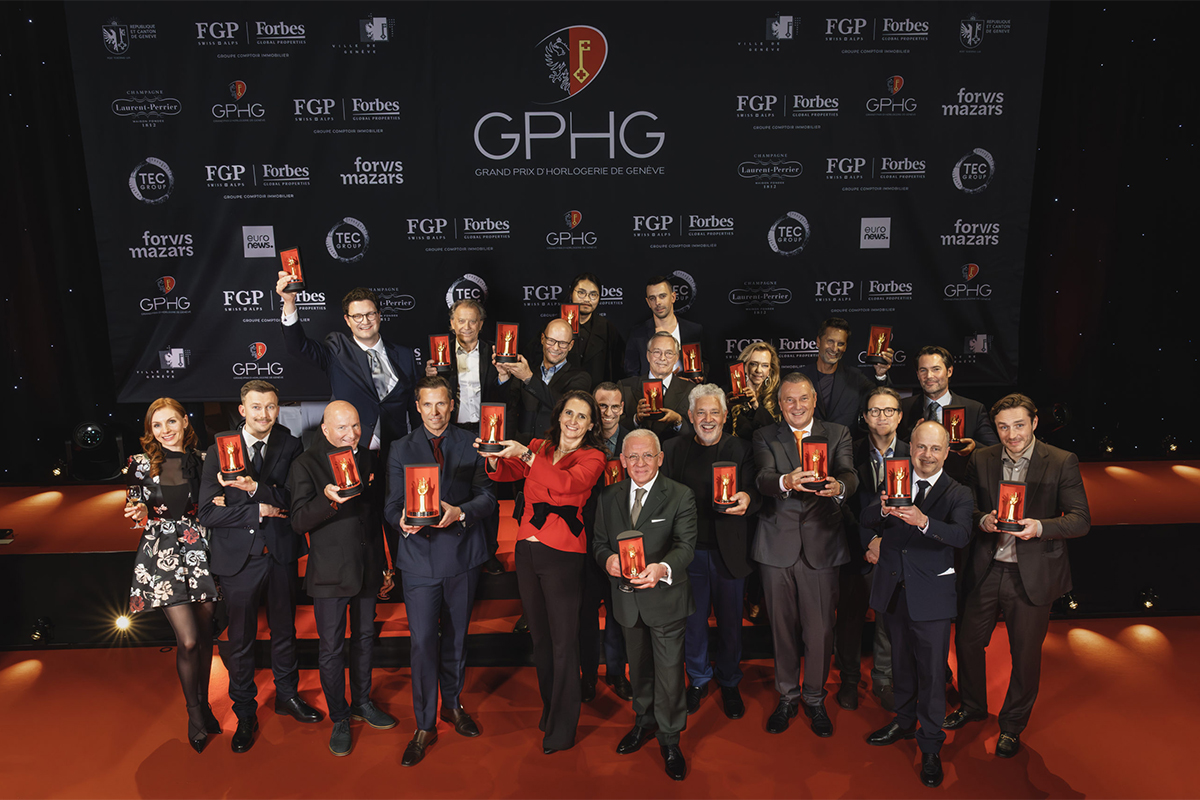
‘The Oscars of Watchmaking’ is an overused phrase when it comes to the GPHG, but there’s more than a kernel of truth to it. Last night in Geneva, the Grand Prix d’Horlogerie d’Genève pulled out all the stops and delivered a truly Oscar-worthy performance, with the “Aiguille d’Or” Grand Prix being fittingly won by Breguet’s excellent Classique Souscription 2025, the perfect capstone to a banner year for the 250-year-old brand. Other highlights include the remarkable Möbius by Fam Al Hut taking the Audacity Prize, the Extra Plat Rose Gold from Daniel Roth taking the Time Only Prize and the Bvlgari Octo Finissimo Ultra Tourbillon winning for best tourbillon. Of course, that’s just the top line — read on for some more in-depth analysis from the Revolution editorial team from around the world, including Tracey Llewellyn, Isreal Ortega, Jola Chudy, Cheryl Chia, Sheng Lee and Felix Scholz.
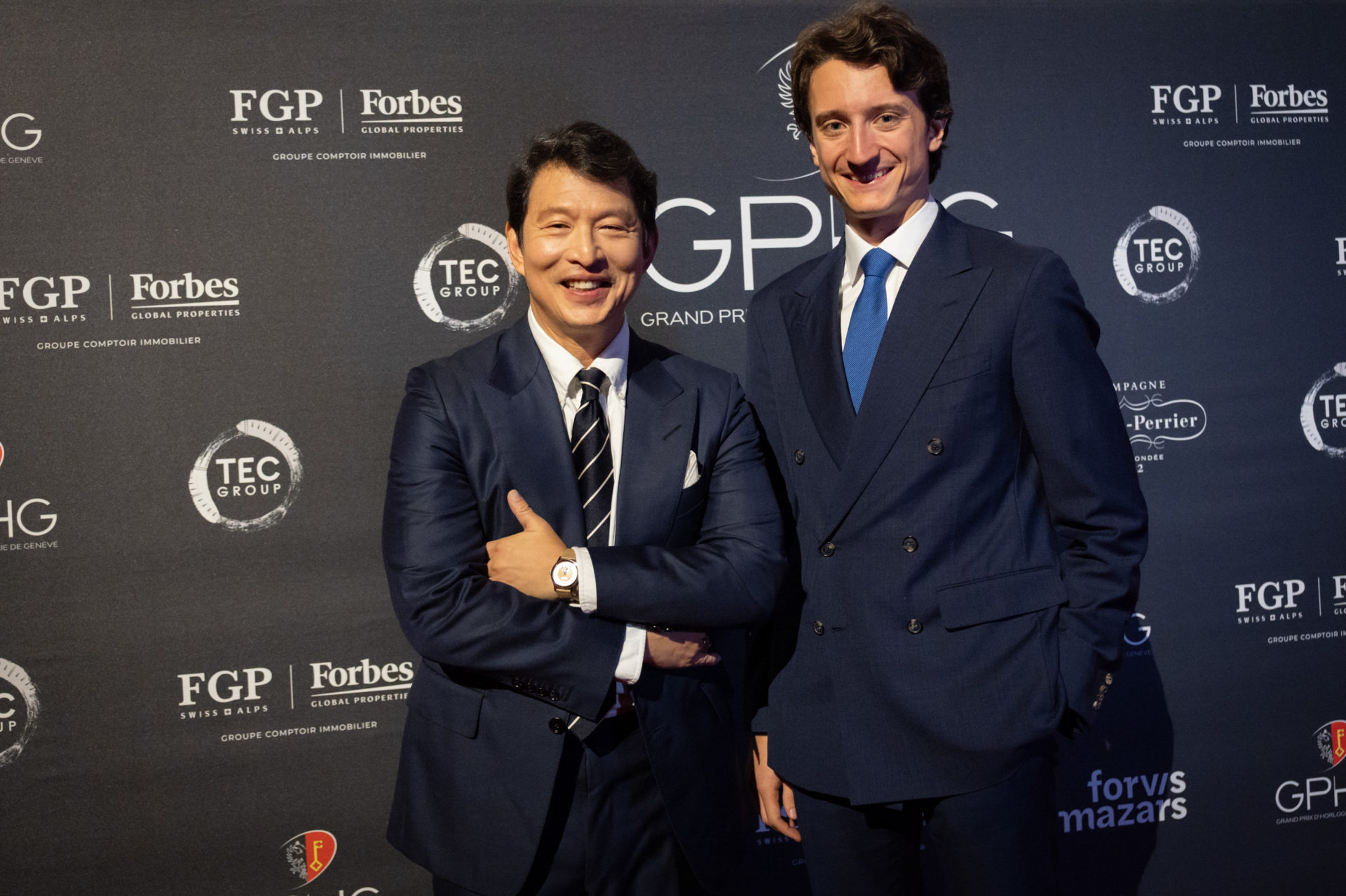
Wei Koh with Jean Arnault, Director of Watches
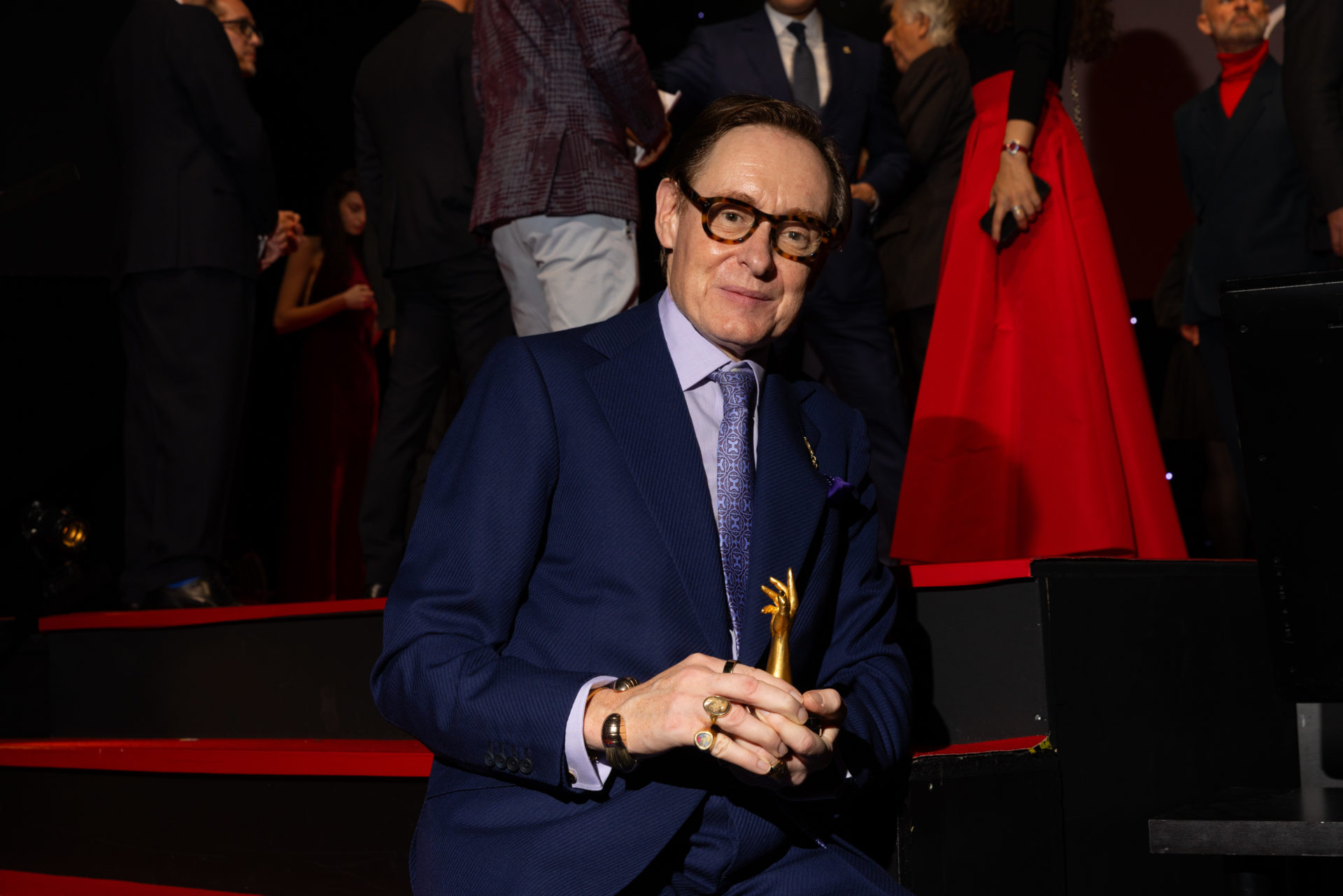
Nick Foulkes, President of Grand Prix d’Horlogerie de Genève
“Aiguille d’Or” Grand Prix : Breguet, Classique Souscription 2025
It seems only right that Breguet won the top prize. You could say that 2025 has been the year of Breguet, who spent it celebrating their 250th anniversary with a mighty roster of tribute timepieces that bring an energy to the brand that has everyone excited. Part of this excitement is around the dynamic new CEO, Gregory Kissling. As for the Classique Souscription 2025 itself, it feels like a microcosm of the modern watch industry — deeply and profoundly rooted in history and tradtiton, yet full of contempory details and modern touches. Bravo Breguet! – Felix Scholz
-
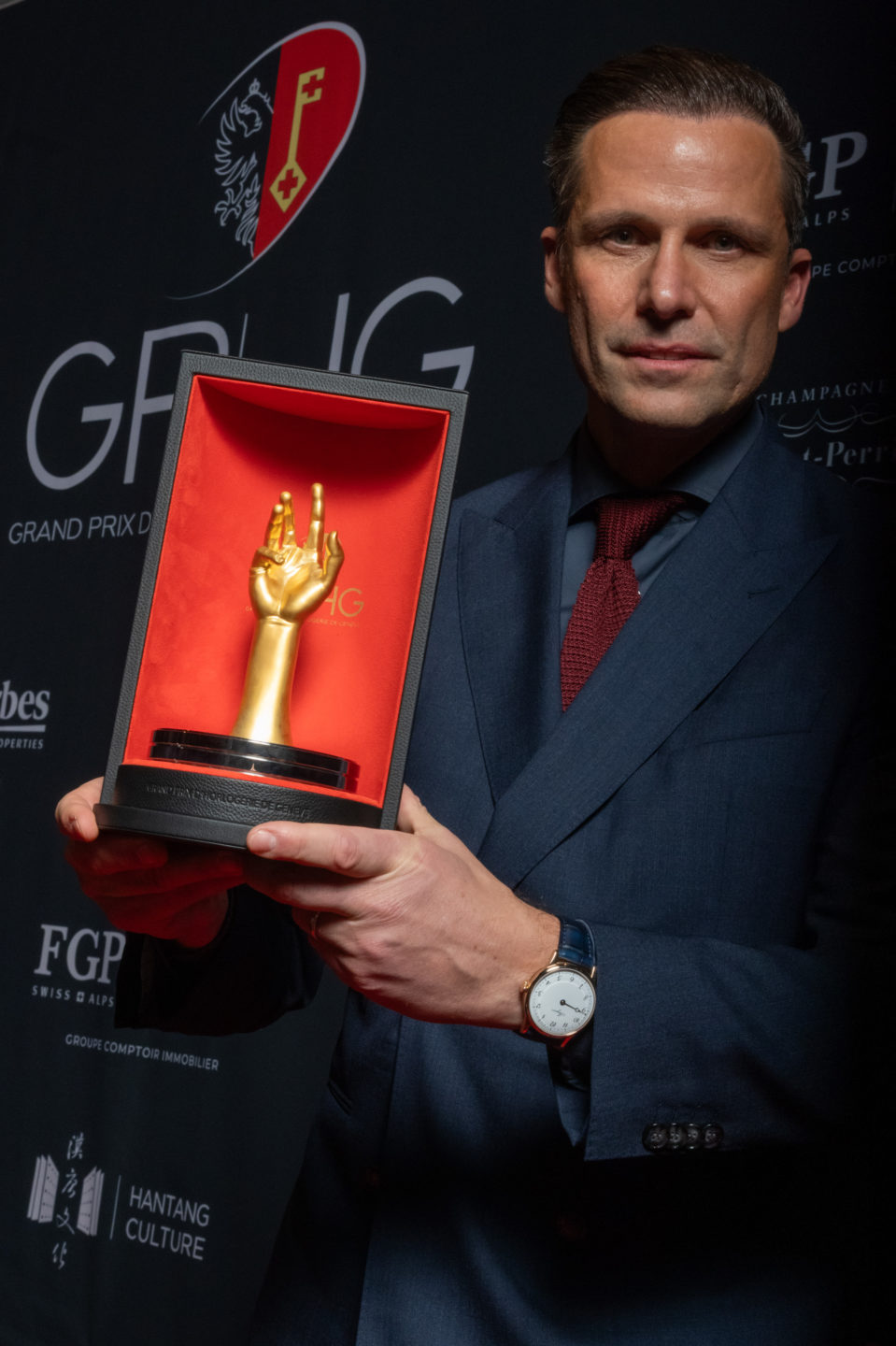
- Gregory Kissling, CEO of the House of Breguet, winner of the “Aiguille d’Or” Grand Prix 2025
-
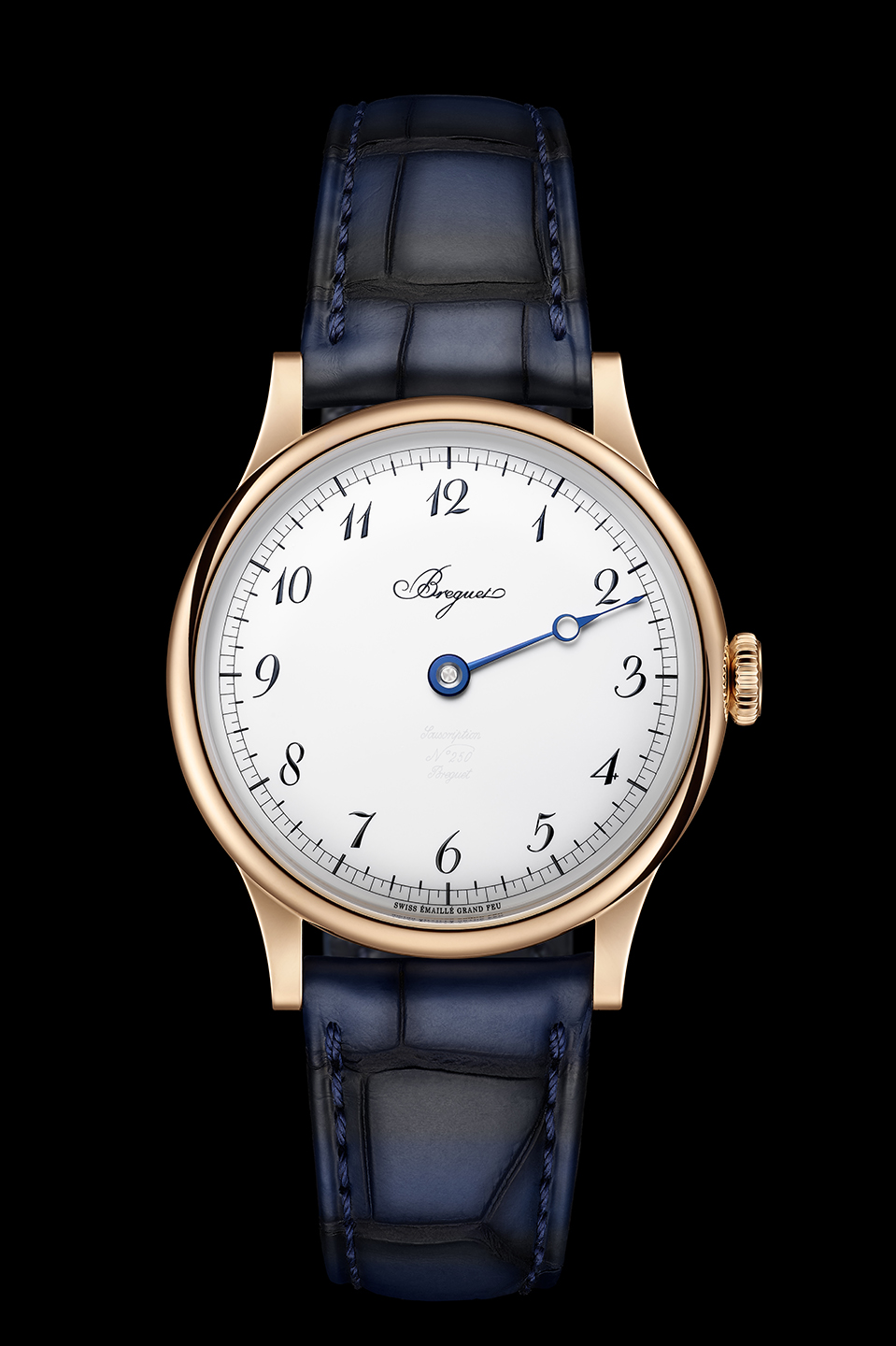
- Breguet, Classique Souscription 2025
Chronometry Prize: Zenith, G.F.J. Calibre 135
Zenith’s G.F.J is a remarkable watch, though to be honest, I was much more enraptured by its hand-worked platinum bracelet than the Calibre 135 inside it, but perhaps the movement is clearly no slouch either. The historic Calibre 135 won some 235 chronometry prizes before production ceased in 1962. So a faithful recreation of this historic movement with some quality of life improvements for 2025 is something worth celebrating. And while the watch is rated to -/+ 2 seconds a day, I think this is a deserving win for the spirit and values of chronometric excellence themselves, something the Calibre 135 exemplifies. – Felix Scholz
-
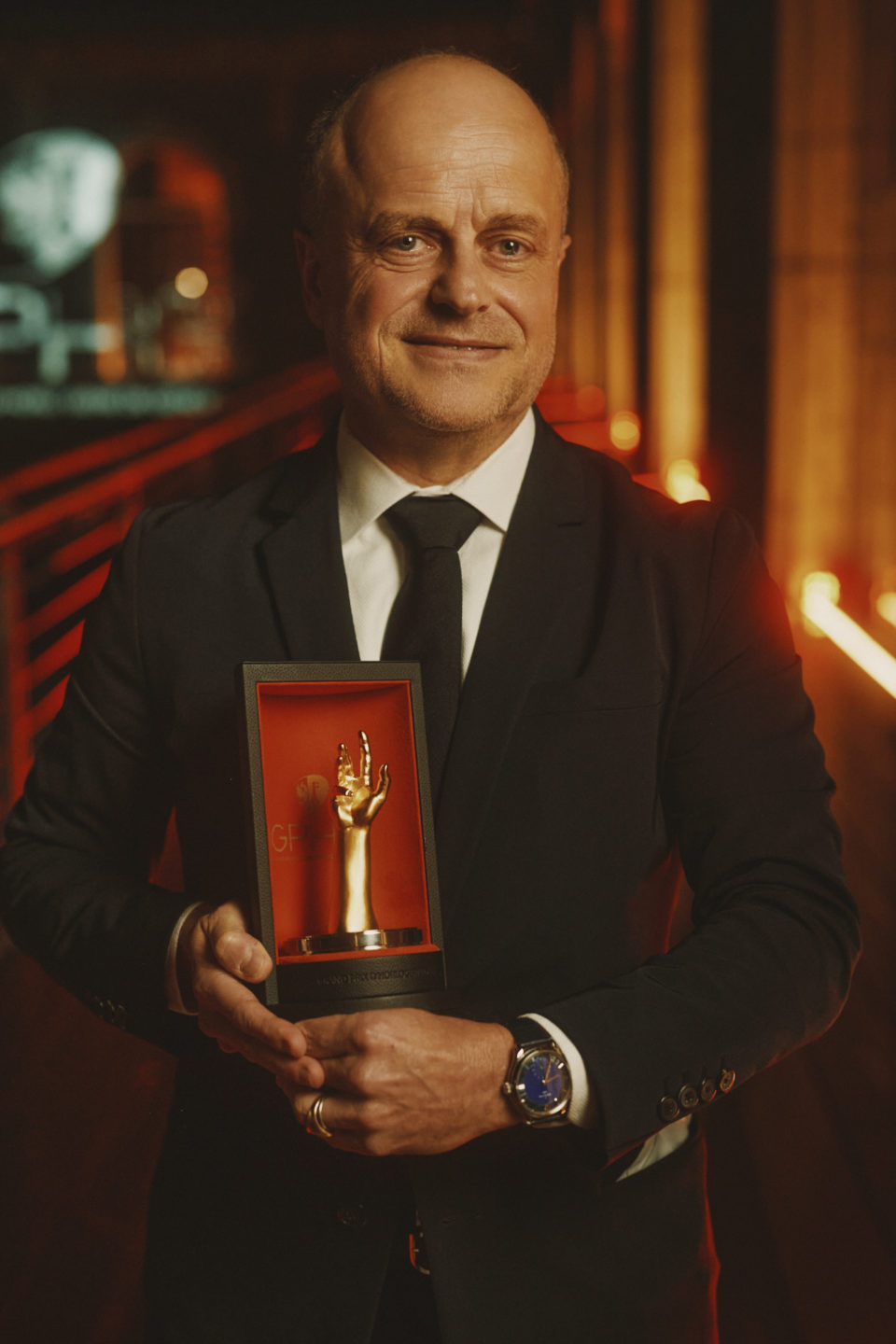
- Benoît de Clerck, CEO of Zenith, winner of the Chronometry Prize 2025
-
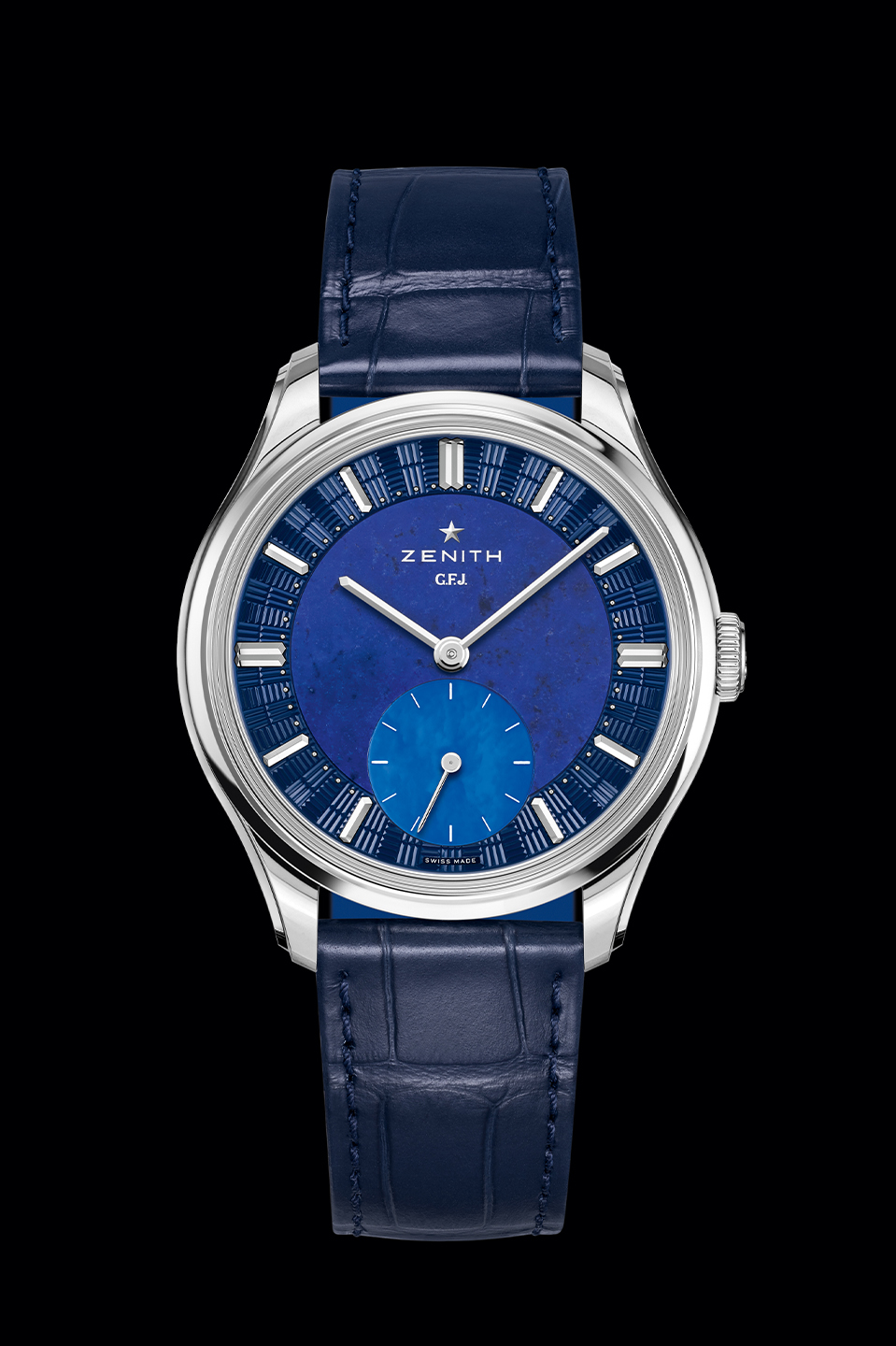
- Zenith, G.F.J. Calibre 135
Horological Revelation Prize: Anton Suhanov, St. Petersburg Easter Egg Tourbillon Clock
Some of the recent winners of the Horological Revelation Prize include Furlan Marri, Sylvain Pinaud and Simon Brette. Based on this pedigree, we can only expect great things from Russian independent watchmaker Anton Suhanov. Drawing on the rich legacy of Fabergé eggs, the St. Petersburg Easter Egg Tourbillon Clock presents a combination of exceptional finishing, with a hand-guilloched and enamelled ‘shell’ and technique, in the form of a 24-second tourbillon and a worldtime display. It’s stunningly contemporary, and we suspect that for many, seeing it for the first time with this win, it will truly be a revelation. – Felix Scholz
-
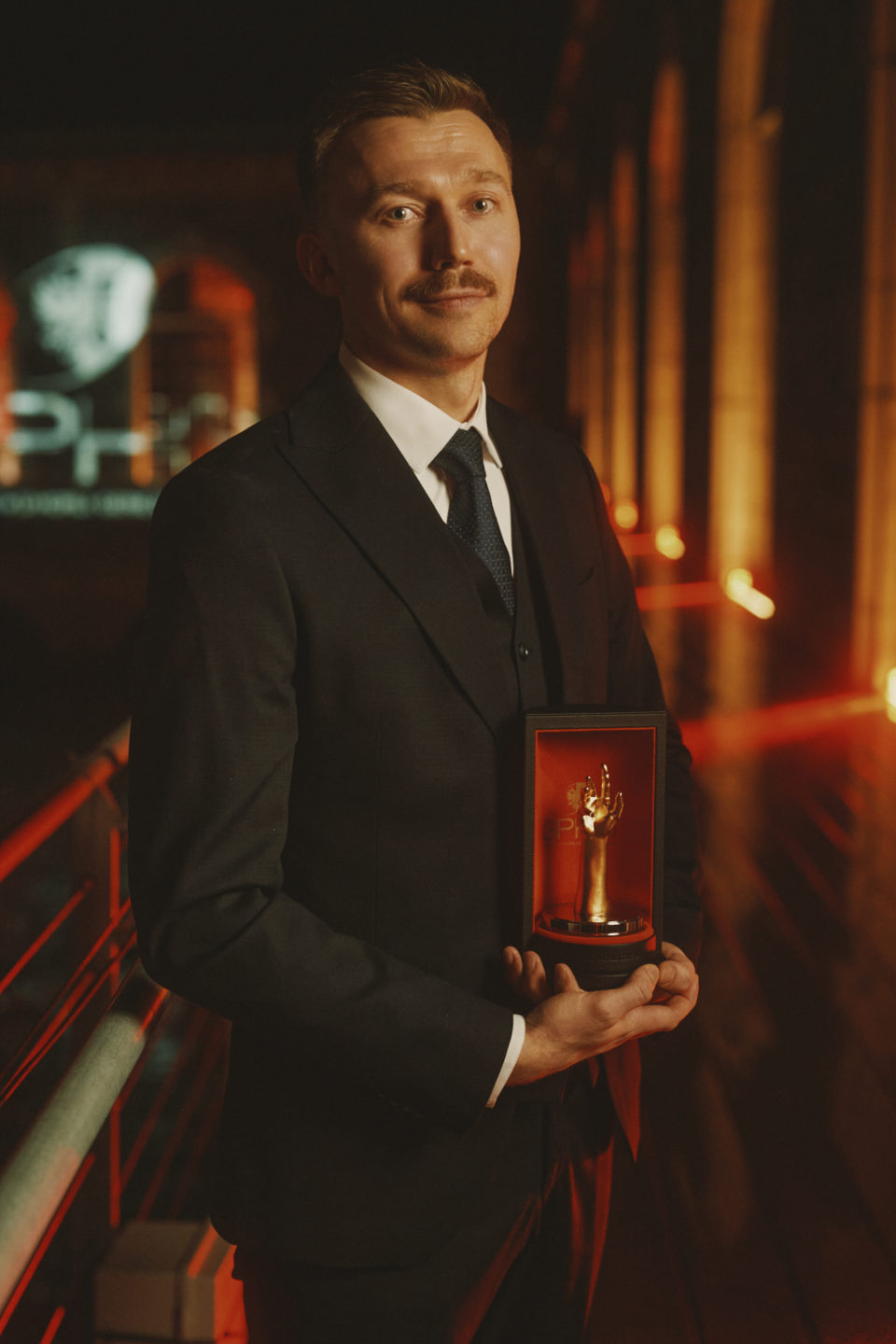
- Anton Suhanov, Founder and chief designer of Anton Suhanov, winner of the Horological Revelation Prize 2025
-
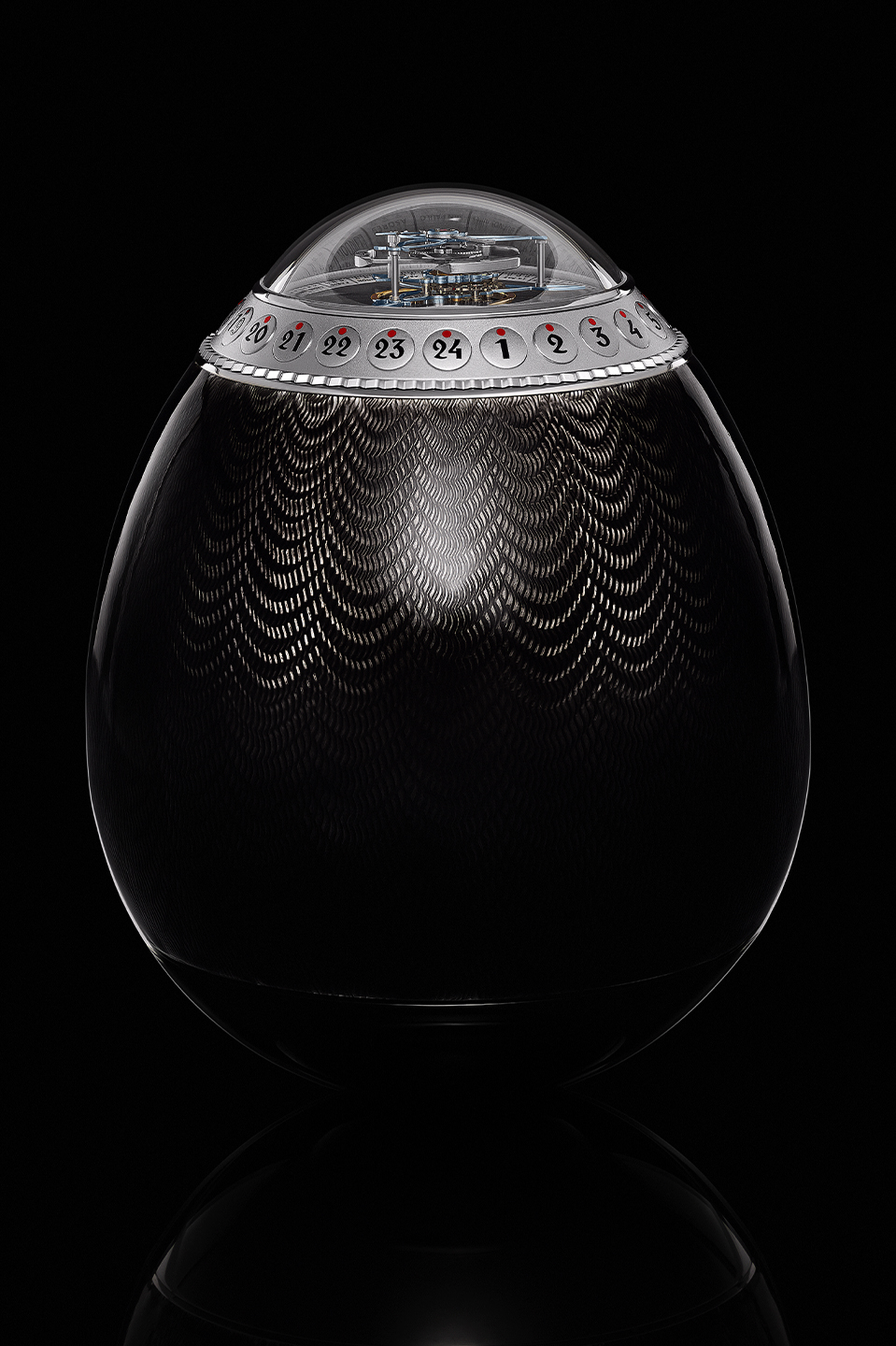
- St. Petersburg Easter Egg Tourbillon Clock
Audacity Prize: Fam Al Hut, Möbius
The Audacity Prize is one of the special GPHG awards, given to one watch from the entire field of entries that exemplifies creativity, boldness and, well, audacity. Chinese watchmaker Fam Al Hut was a worthy winner with their form and mind-bending Möbius. But we have to admit, we’re a little biased. – Felix Scholz
-
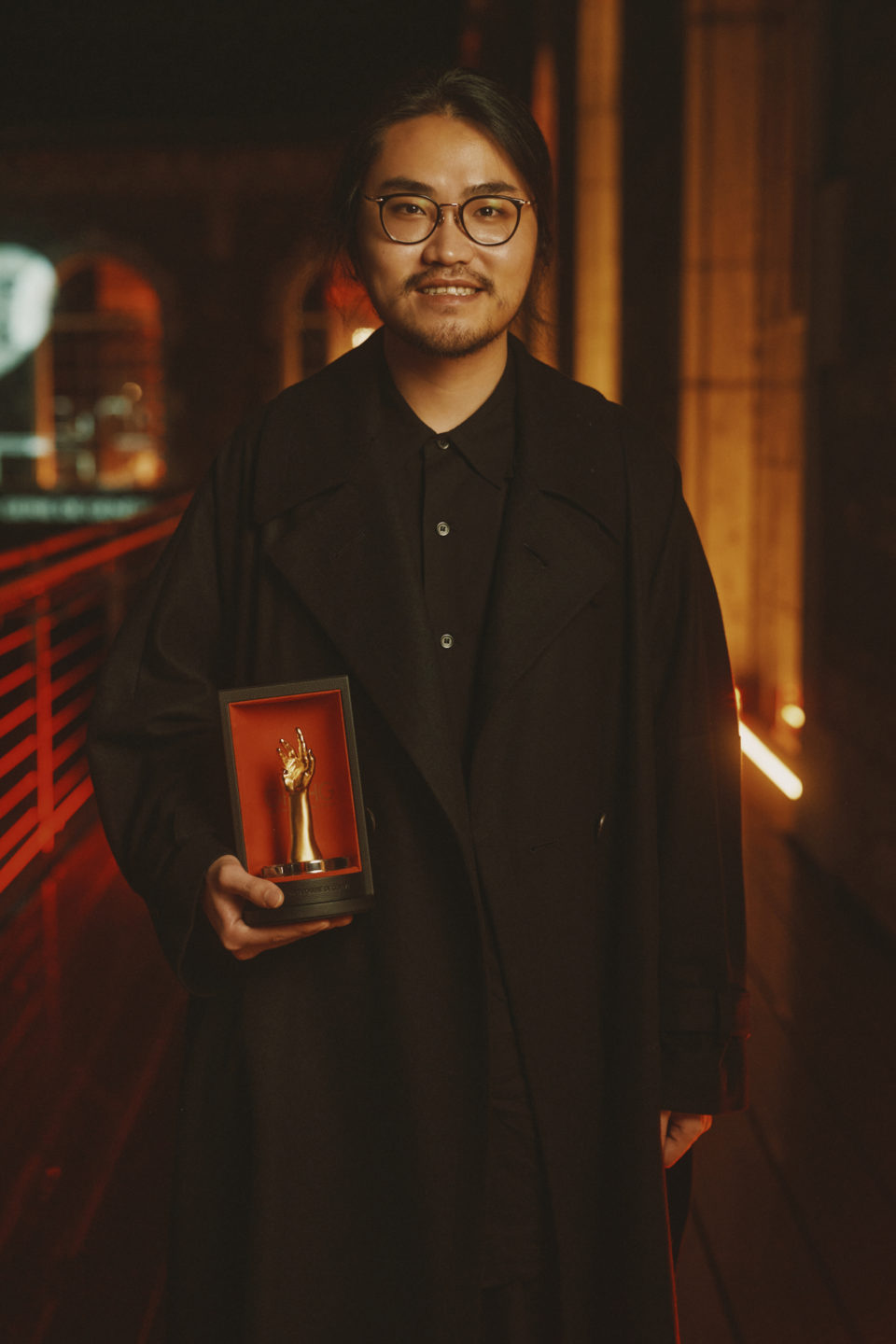
- Dai Xinyan, Founder of Fam Al Hut, winner of the Audacy Prize 2025
-
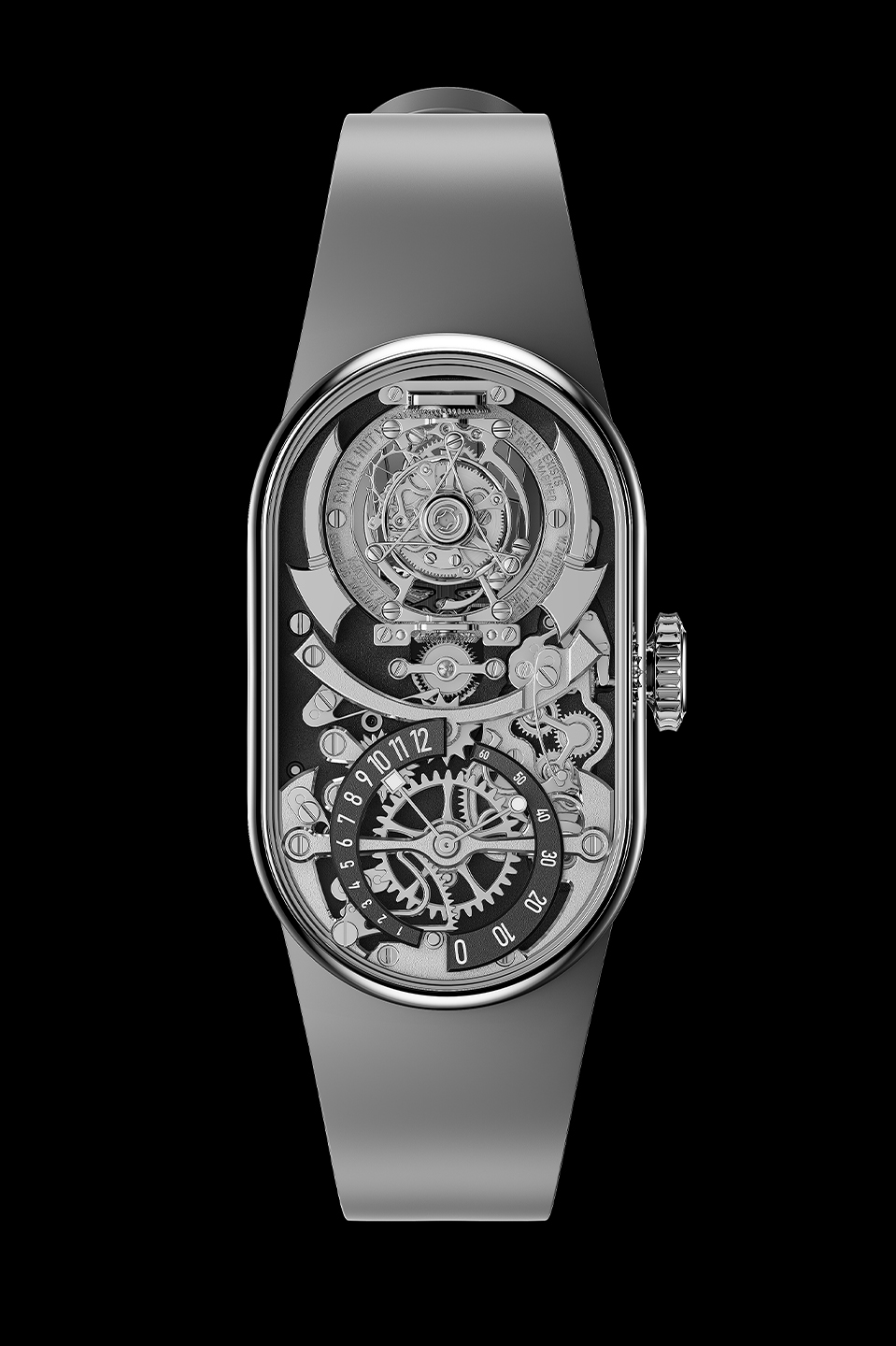
- Fam Al Hut, Möbius
Iconic Watch Prize: Audemars Piguet, Royal Oak Perpetual Calendar
The Iconic Watch prize was awarded to the Audemars Piguet Royal Oak Perpetual Calendar, a landmark creation and one of the most influential timepieces of the past half-century.
This category —often a catch-all field where everything from mid-century revivals and historical reinterpretations to avant-garde design statements converge— has this year fittingly recognized a true horological icon. The Royal Oak continues to evolve through one of its most sophisticated and coveted expressions: the perpetual calendar, whose development began in 1983 for a 1984 launch. This milestone merged Gérald Genta’s revolutionary design with one of the most complex complications in haute horlogerie.
The latest generation of AP’s perpetual calendar marks a bold reimagining of one of watchmaking’s most revered complications. Introduced in 2025, it debuts the in-house Calibre 7138. This refined movement unifies all calendar functions within a more efficient architecture and, for the first time, allows every adjustment to be made directly via the crown—eliminating the traditional case-side correctors. With this evolution, the Royal Oak Perpetual Calendar reaffirms its dual nature as both a benchmark of technical mastery and a statement of modern elegance. – Isreal Ortega
-
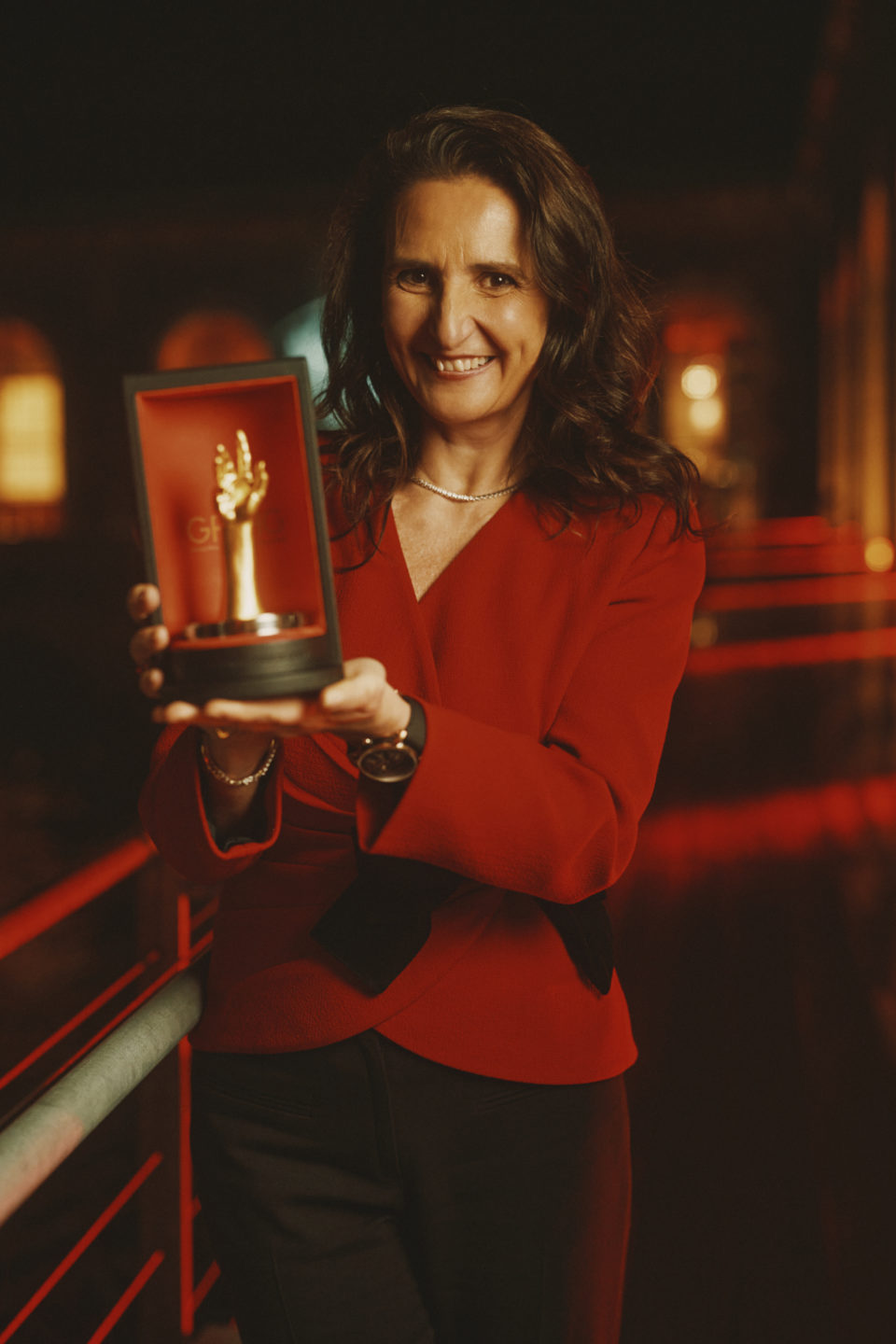
- Ilaria Resta, CEO of Audemars Piguet, winner of the Iconic Watch Prize 2025
-
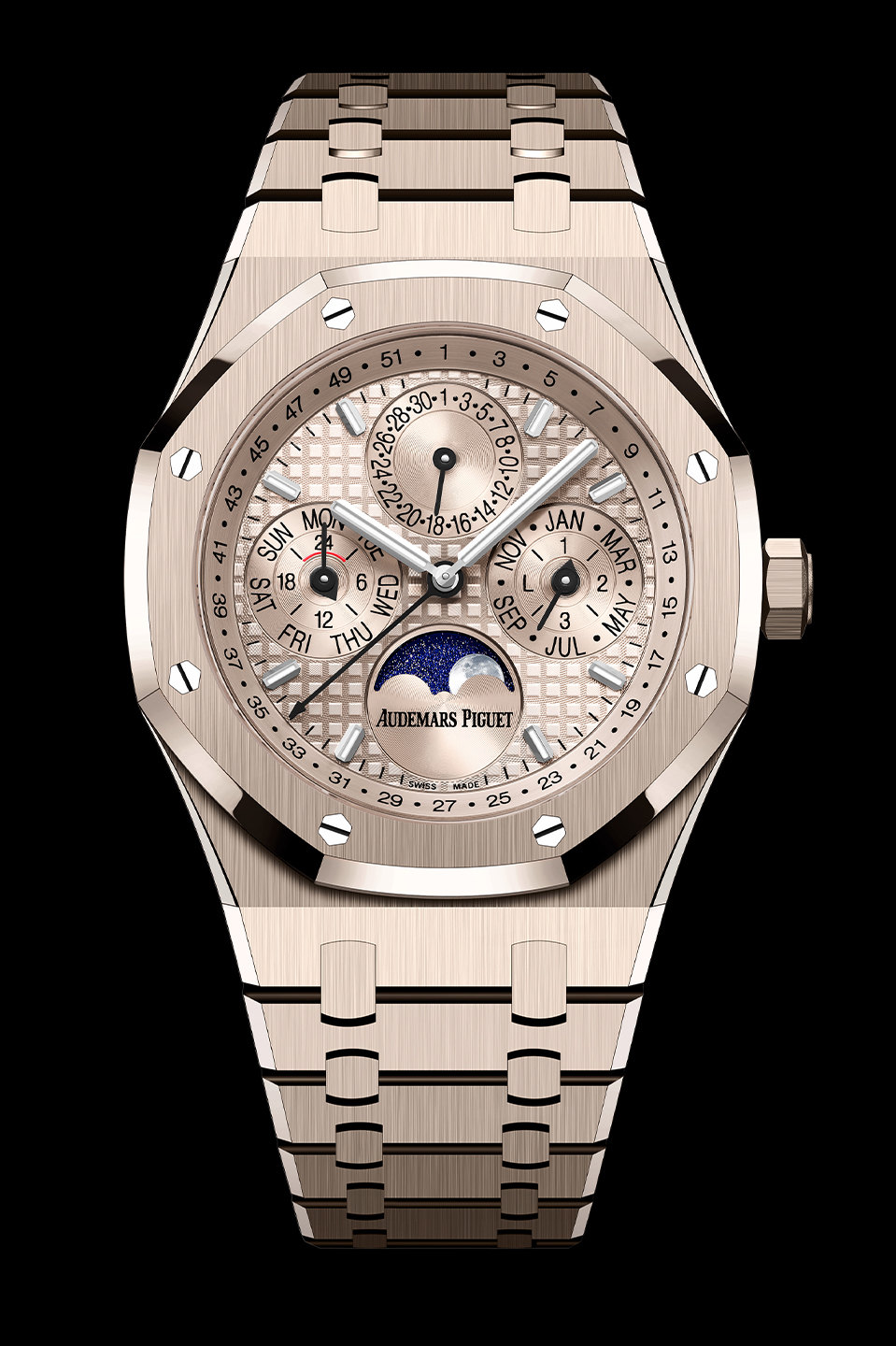
- Audemars Piguet, Royal Oak Perpetual Calendar
Mechanical Exception Watch Prize: Greubel Forsey, Nano Foudroyante
Mechanical exception: For a category defined by special mechanisms and bold horological ideas, the Greubel Forsey Nano Foudroyante is a fitting winner. First shown as a concept in 2024 and realised this year, it is the brand’s first chronograph and first flying tourbillon, but its real achievement is the tiny lightning second indicator mounted on the tourbillon. Jumping six times per second while staying upright as it completes a one minute rotation, it delivers a clever display that also cuts energy consumption to one eighteen hundredth of a typical lightning second, which is ultimately why it wins. – Sheng Lee
-
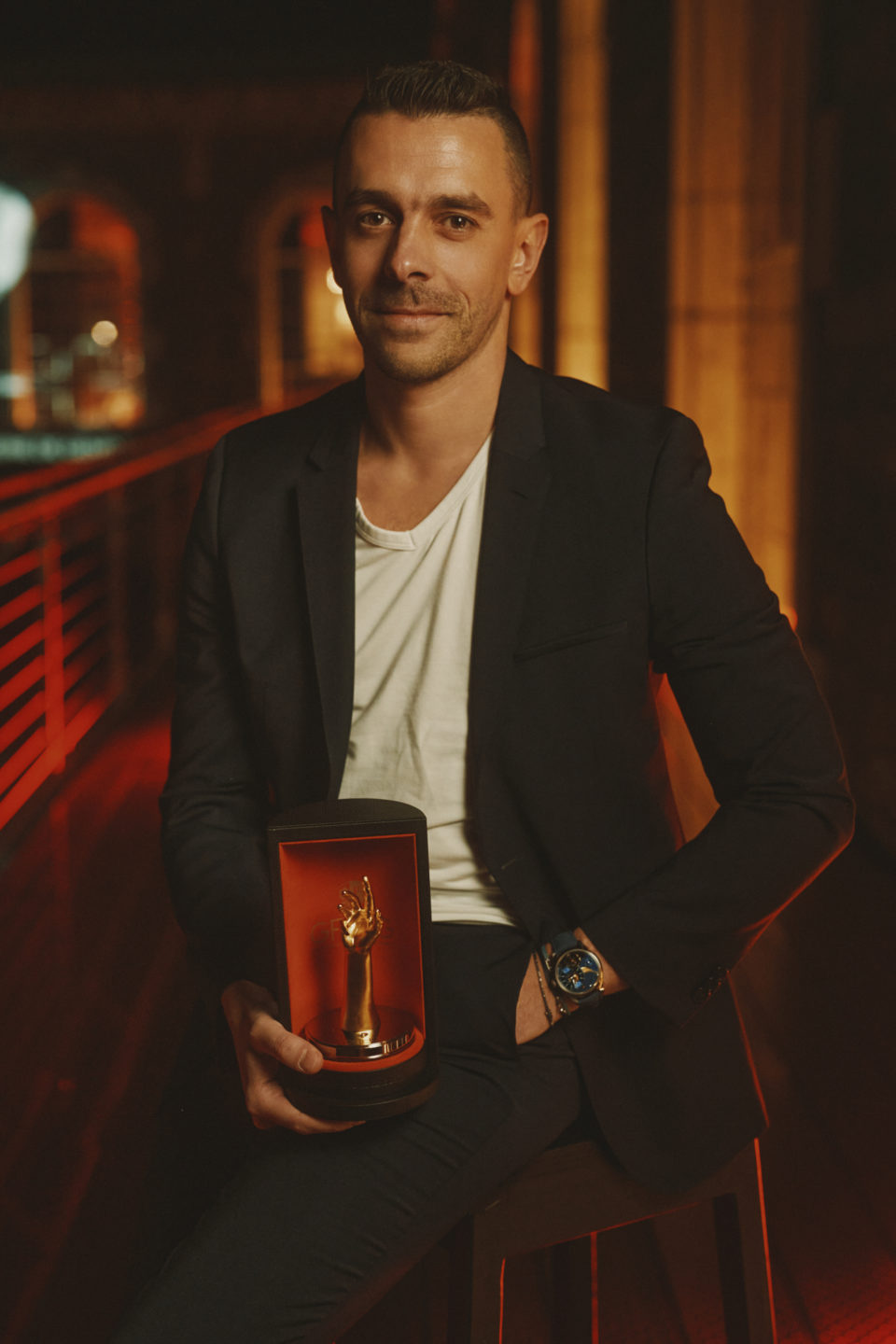
- Michel Nydegger, CEO of Greubel Forsey, winner of the Mechanical Exception Watch Prize 2025
-
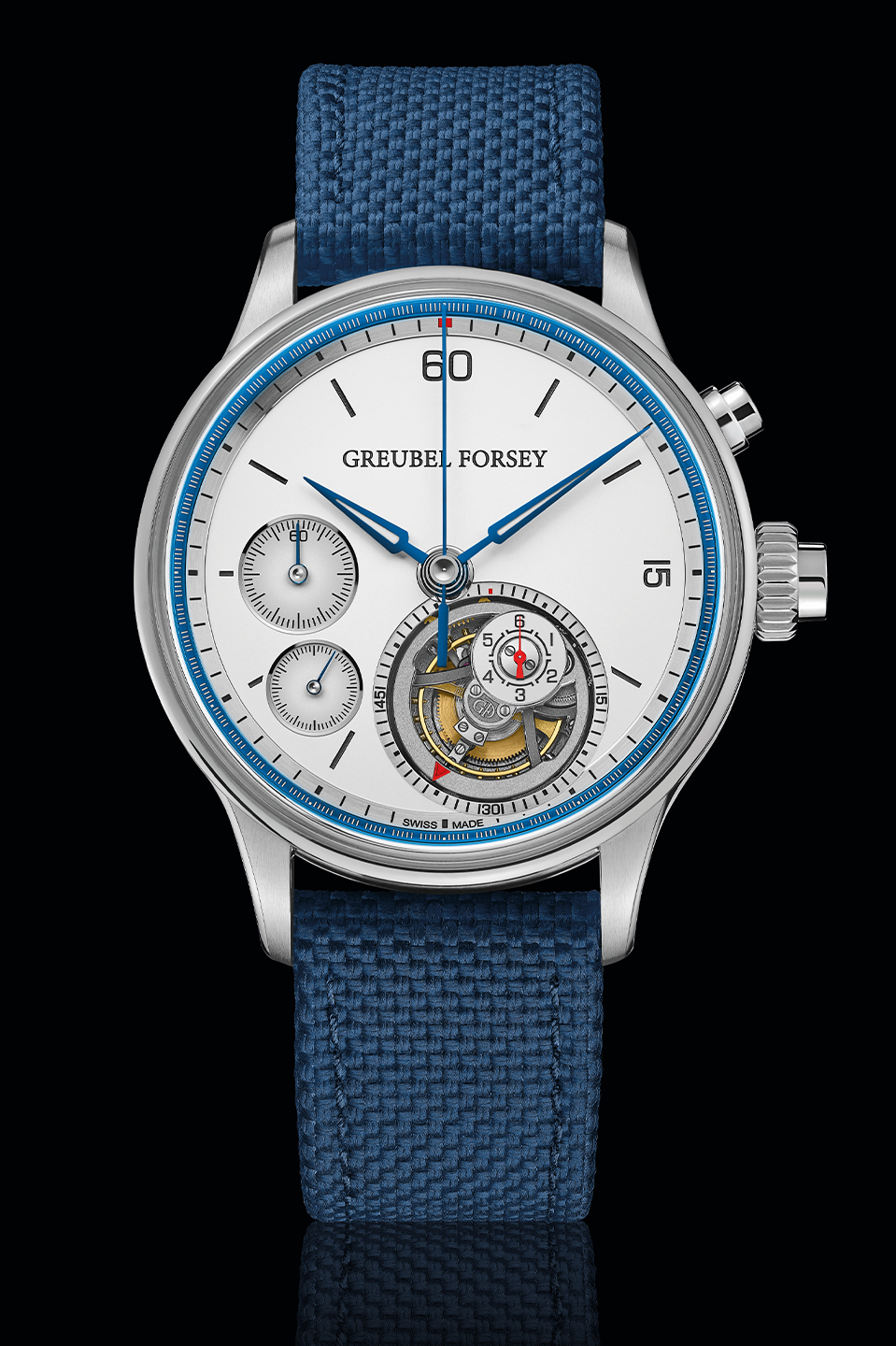
- Greubel Forsey, Nano Foudroyante
Chronograph Watch Prize: Angelus, Chronographe Télémètre Yellow Gold
The Angelus Chronographe Télémètre Yellow Gold claimed the Chronograph Prize at the Grand Prix d’Horlogerie de Genève 2025, a major triumph for the independent watchmaker. Housed in a 37 mm 18-carat yellow-gold case, this 15-piece limited edition boasts a white-nickel dial with snailed counters, telemeter scale, and 3N golden appliques; at the heart lies the manual-winding A5000 calibre with integrated mono-pusher chronograph, column-wheel actuation, horizontal clutch and a 42-hour power reserve – a glowing tribute to chronograph design and a deserving winner in a highly competitive category. – Jola Chudy
-
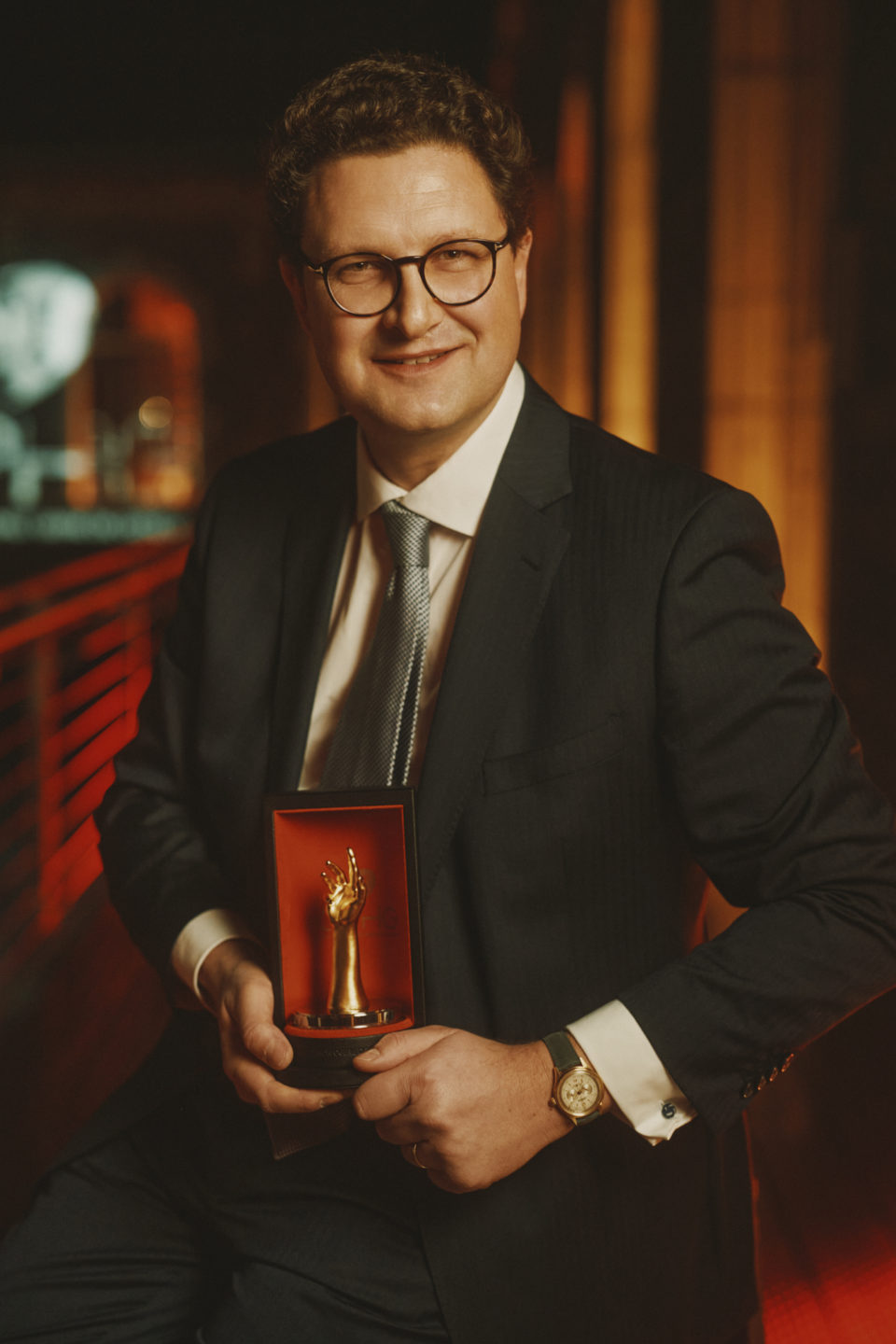
- Pascal Béchu, Managing director of Angelus, winner of the Chronograph Watch Prize 2025
-
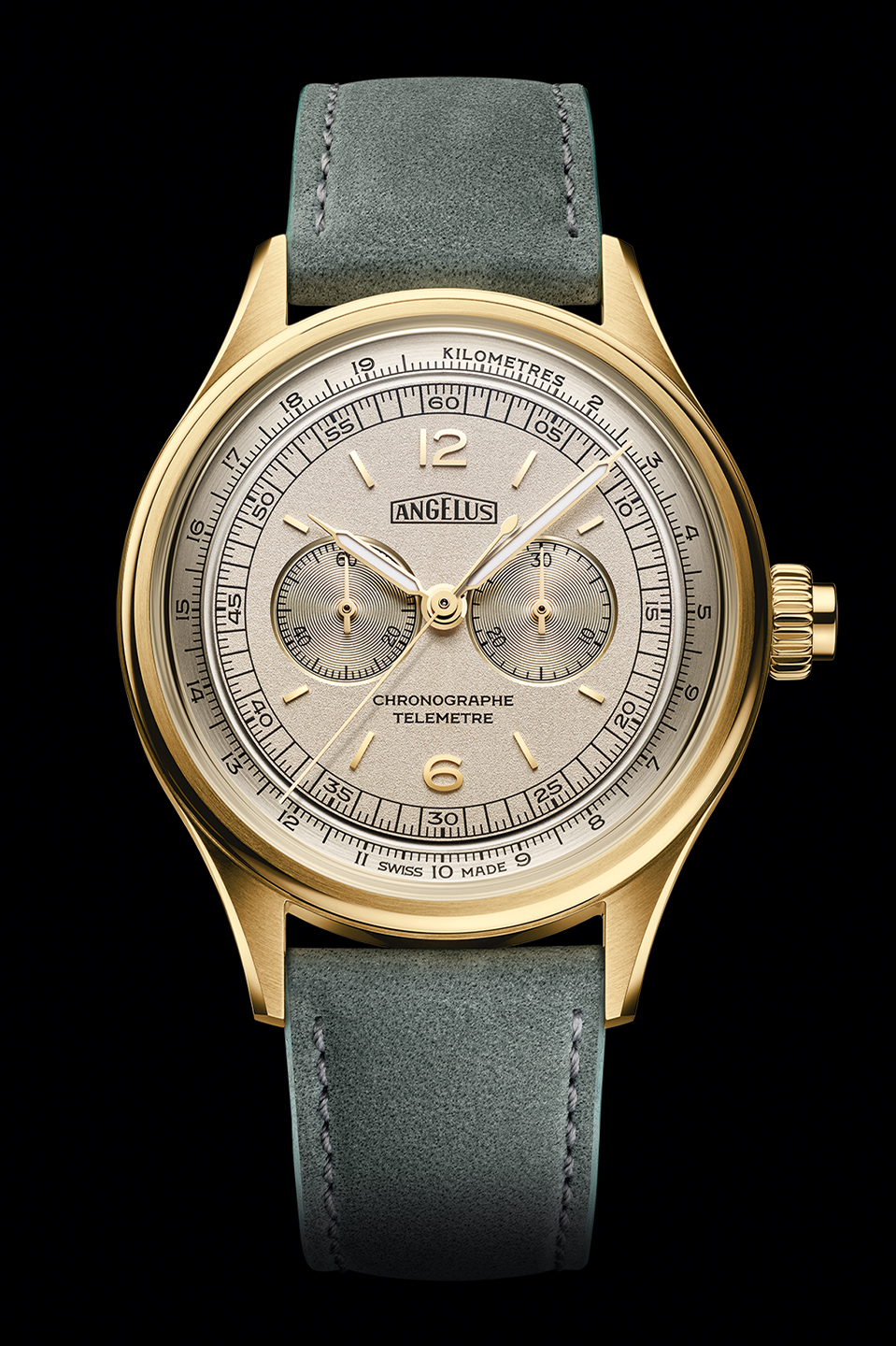
- Angelus, Chronographe Télémètre Yellow Gold
Tourbillon Watch Prize: Bvlgari, Octo Finissimo Ultra Tourbillon
There are hardly any losers in this category, but the winner is the winner because it is extremely challenging to make the tourbillon, the most three-dimensional of mechanisms, operate in a space so thin it barely exists. Compressing a rotating cage, its bearings, its fixed wheel and its regulator into a 1.85mm watch is not a matter of incremental thinning but of reconceiving every structural assumption the mechanism normally relies on. The lower cage bridge doubles as the driving wheel to allow the cage to be driven on its periphery, an internal-toothed fixed ring encircling it rather than sitting beneath it, and compliant, openworked arms that suspend the pivot bearings while absorbing shocks in lieu of a traditional shock absorber.
But the feat does not end with the regulator. The entire movement is built on radical solutions. Using the caseback as the base plate is only the beginning. Bridges disappear, replaced by ball bearings seated directly in the base plate. The barrel is reduced to a cylindrical wall with peripheral teeth running on tiny rollers, with the ratchet wheel serving as its upper cover. No keyless works; winding and setting trains are arranged on the same plane, positioned on opposite sides of the watch requiring a differential to allow the time-setting mechanism to be decoupled from the gear train during setting. It is a radical piece of engineering, and one that is also fully realized as a design object. – Cheryl Chia
-
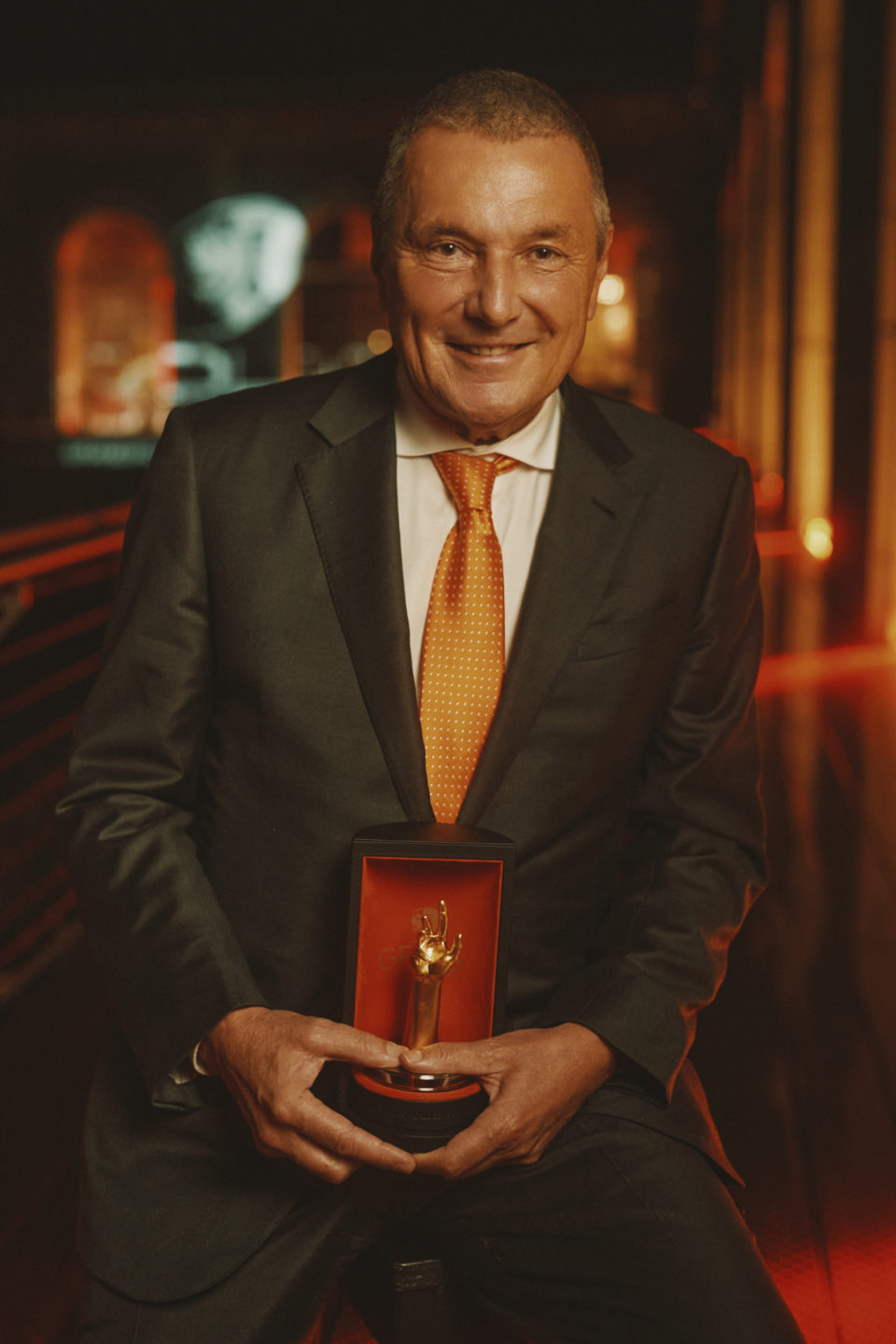
- Jean-Christophe Babin, CEO Bvlgari & CEO of LVMH Watch Division, winner of the Tourbillon Watch Prize 2025
-
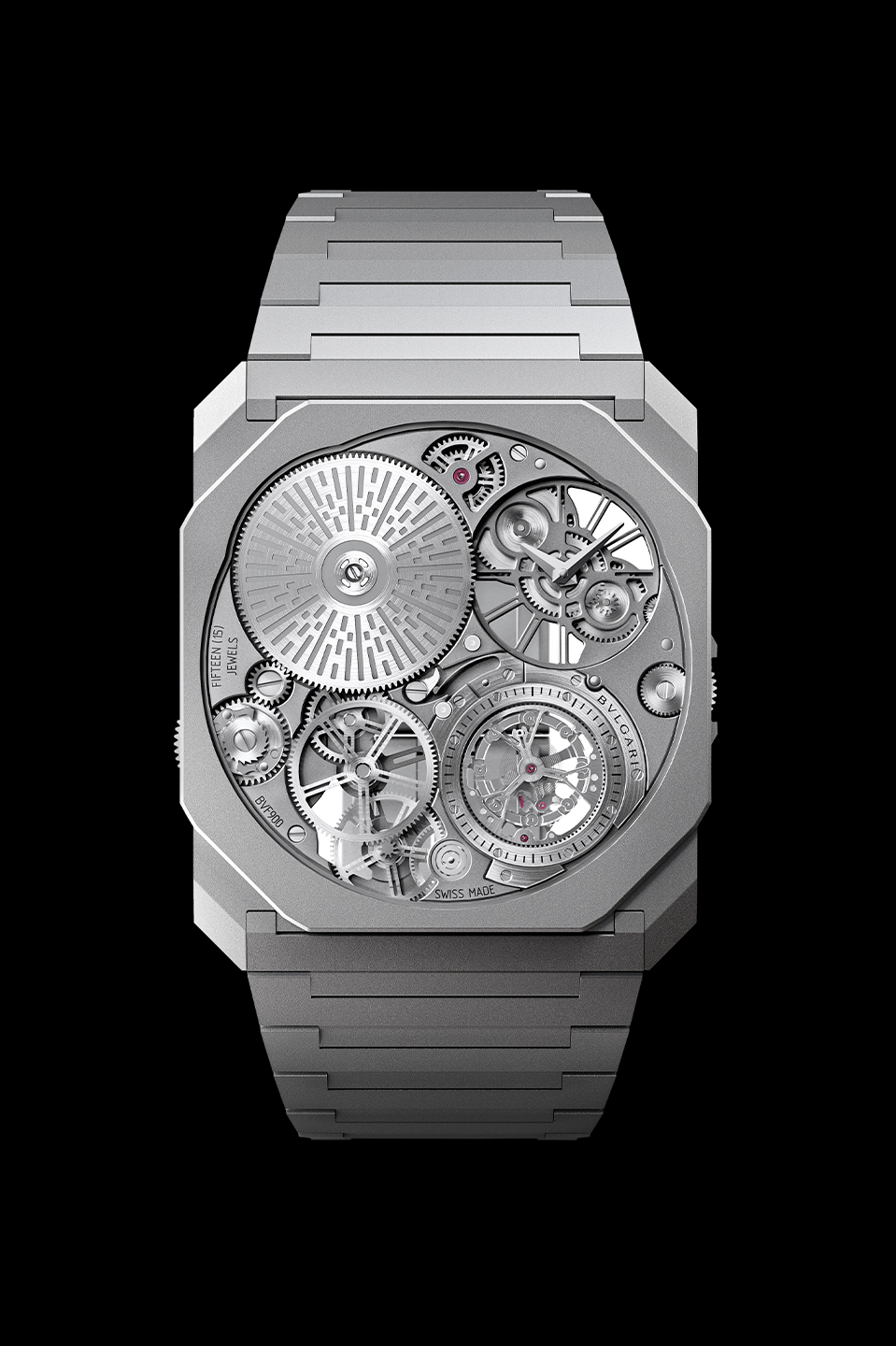
- Bvlgari, Octo Finissimo Ultra Tourbillon
Sports Watch Prize: Chopard, Alpine Eagle 41 SL Cadence 8HF
If rubber straps and integrated cases excite you, this is your category. Chopard saw off heavyweights like AP and Grand Seiko, as well as more boutique brands like Ressence, with its winner, an ultra-light, high-frequency, low-profile take on the Alpine Eagle. This limited edition shows just how much the Alpine Eagle concept has evolved over the years, and it’s a watch that I remember liking very much when I tried it on in Geneva. It feels like everything a high-end sports watch should be, making it a worthy winner in my eyes. – Felix Scholz
-
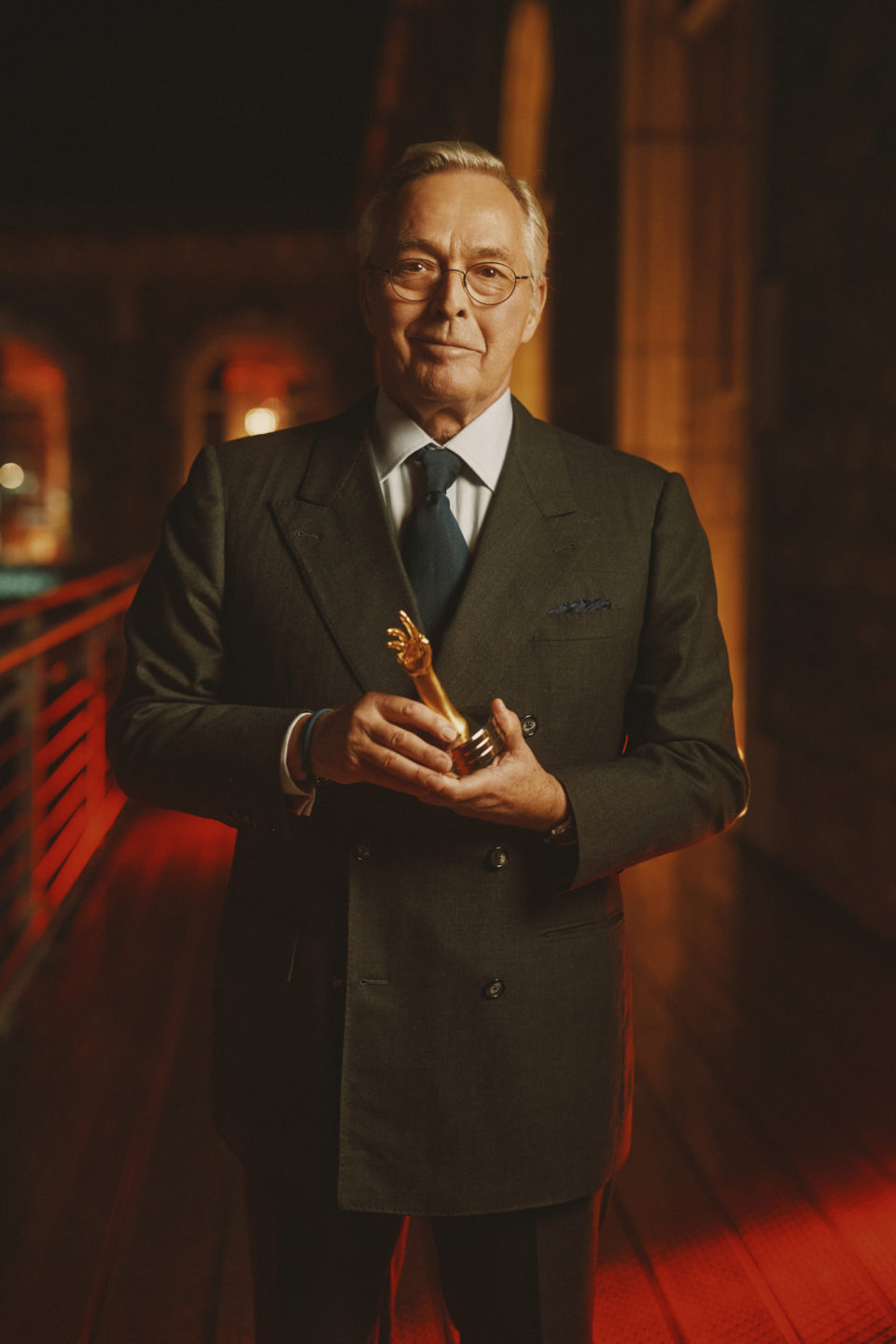
- Karl-Friedrich Scheufele, Co-president of Chopard, winner of the Sports Watch Prize 2025
-
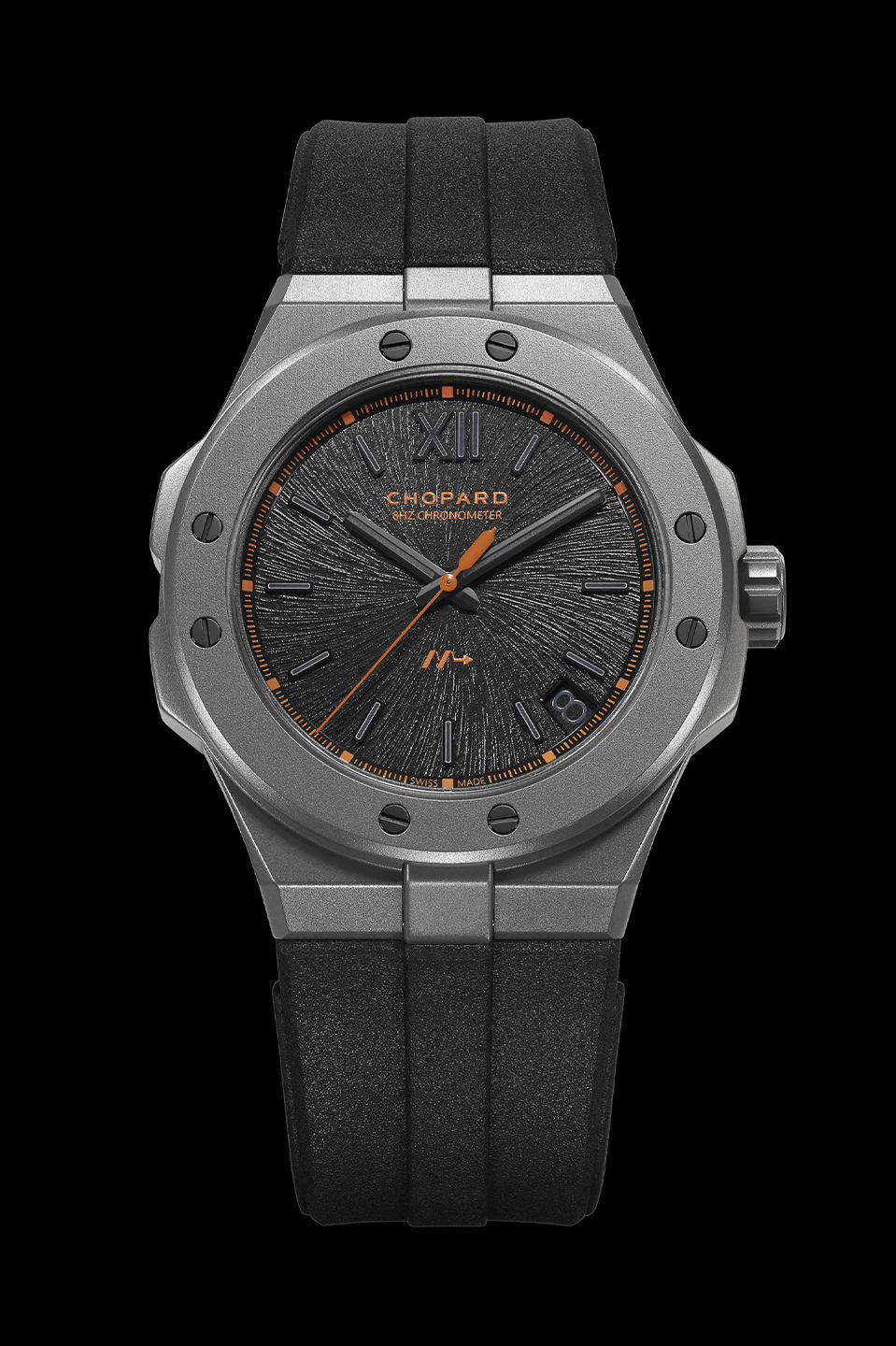
- Alpine Eagle 41 SL Cadence 8HF
Men’s Complication Watch Prize: Bovet 1822, Récital 30
There are a couple of exceptional watches in this category, but only one genuine breakthrough, so its win comes as no surprise. Last year, Bovet set the tone with the Récital 28 Prowess 1, the first watch to display Daylight Saving Time around the world in real time, and one that paired this feat with a perpetual calendar and a tourbillon. It deservedly took home the Mechanical Exception prize.
This year, Bovet has distilled the essence of that invention with the Récital 30, a cleaner, daily-wear expression of the concept. Measuring 42mm by 12.9mm, it is markedly more compact, giving pride of place to the ingenious roller-based world-time display while dispensing with the perpetual calendar and tourbillon. Notably, the display manages 25 zones, including India’s GMT+5:30, and is calibrated for the same four timekeeping periods — UTC, AST, EAS and EWT— selected via the pusher at two o’clock. A day-and-night indicator tied to local time sits at the centre of the dial.
New Delhi is printed in black and marked by a yellow arrow, identifying the city to which the secondary minutes hand corresponds. This additional hand supplies India’s 30-minute offset, allowing the wearer to read IST without mental arithmetic, regardless of the seasonal changes underway elsewhere in the world. It is, in essence, the most complete expression of a world time watch, which is exactly what the Complication prize exists to recognize. – Cheryl Chia
-
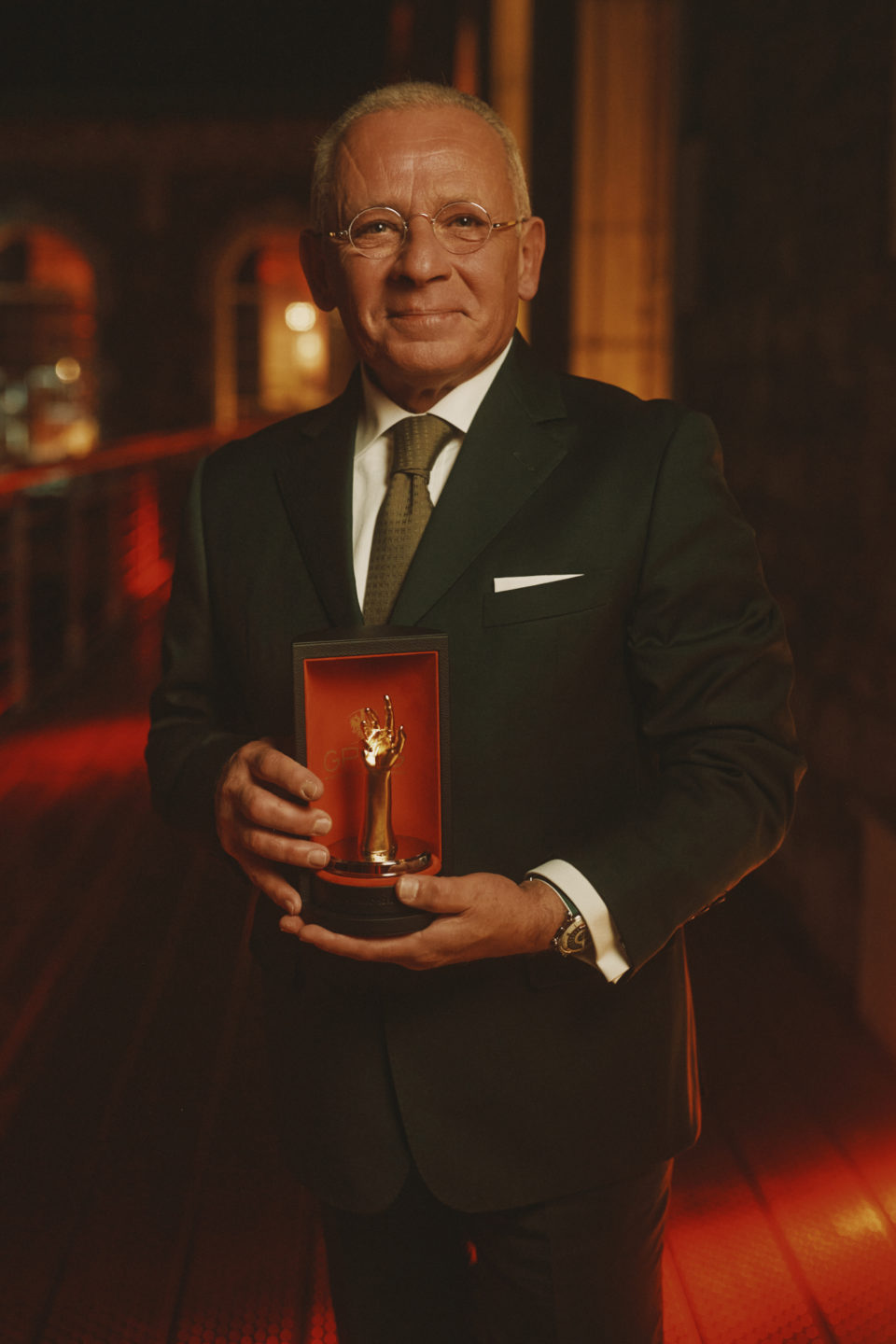
- Pascal Raffy, President of Bovet 1822, winner of the Men’s Complication Watch Prize 2025
-
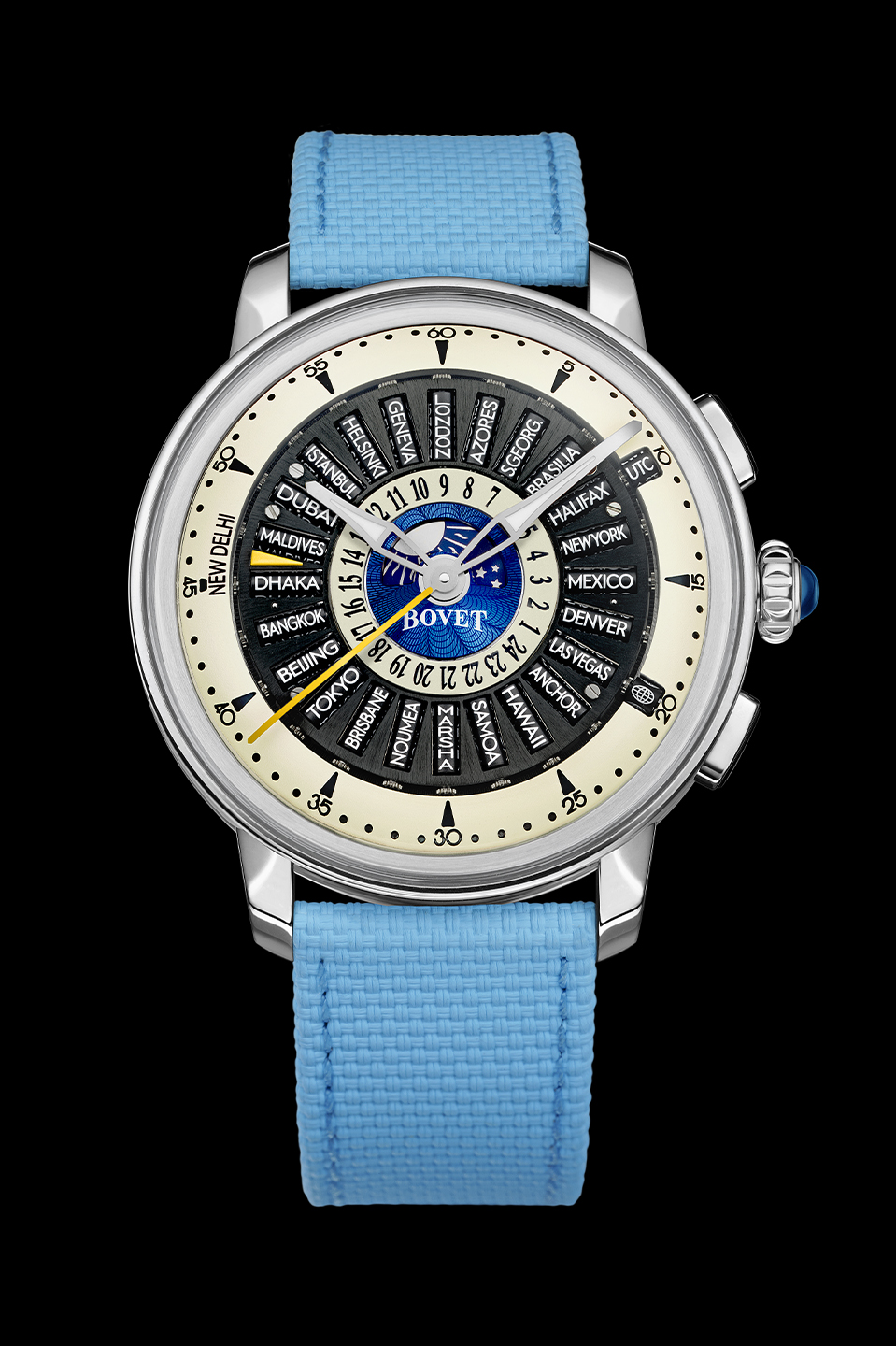
- Bovet 1822, Récital 30
Men’s Watch Prize: Urban Jürgensen, UJ-2: Double wheel natural escapement
Urban Jürgensen re-entered the watch world this year with intent and when the UJ-2: Double Wheel Natural Escapement took home the Men’s Watch Prize last night it was a clear signal that the brand’s return has real weight behind it.
The UJ-2 is, at every turn, a pure classic with its 39mm diameter and a height of just under 11mm, in rose gold or platinum, with a guilloché dial in silver or blue. Beneath that elegant dressing, however, lies a double-wheel natural escapement, descended from Breguet’s 18th-century design and revived here with modern precision. The system delivers direct impulse to the balance and around 30 percent greater efficiency than a standard lever escapement. What really stands out here is the coherence of the complete watch. The movement is designed around the escapement, the layout and proportions precise, the finishing to the highest standards. Nothing feels purely decorative and it seems that everything serves a purpose.
Without reading the minds of the jury members, one can only imagine that UJ-2 won because it represents a clear idea and a depth of execution, exactly what the Men’s category should stand for. – Tracey Llewellyn
-
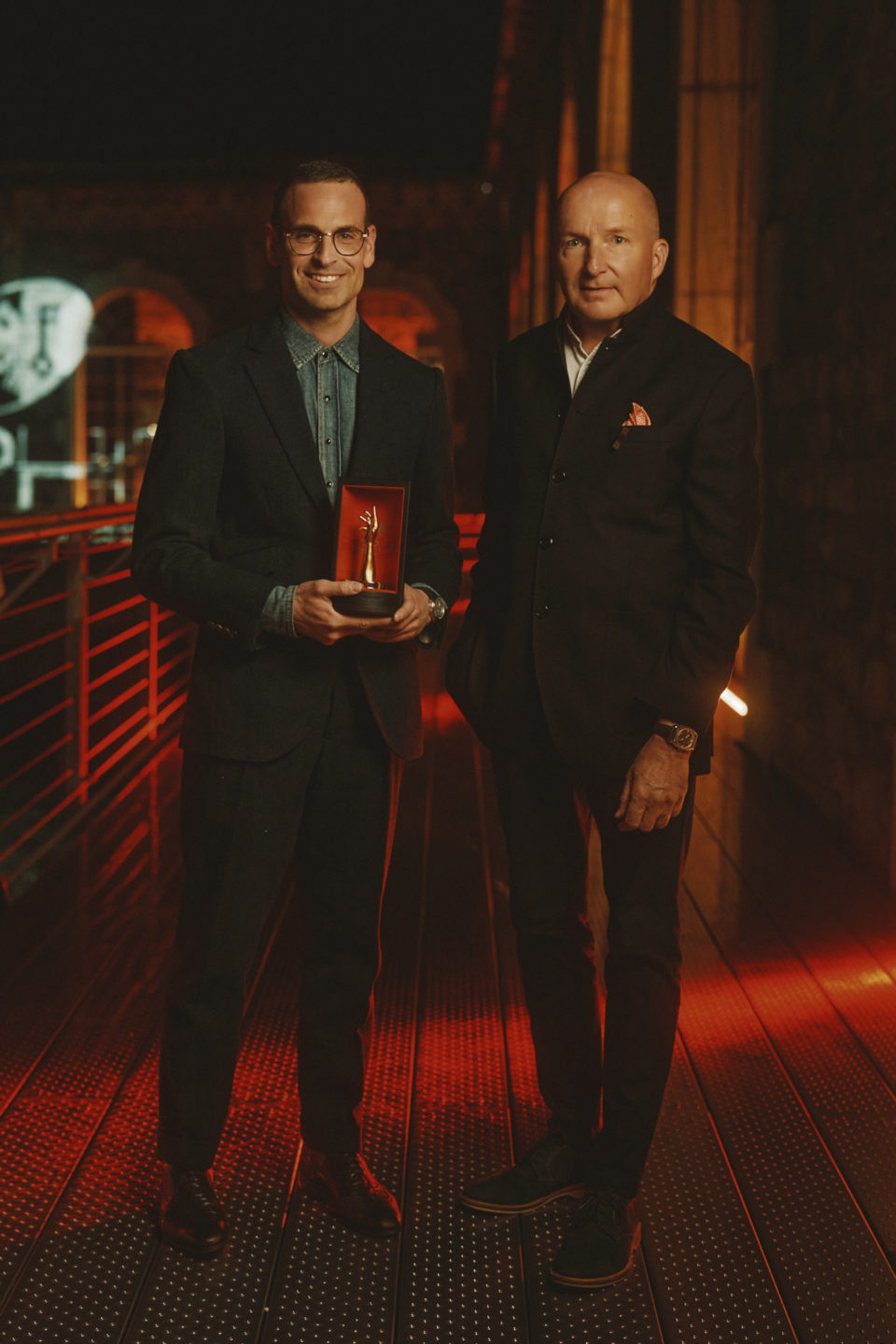
- Alex Rosenfield and Kari Voutilainen, Co-CEOs of Urban Jürgensen, winners of the Men’s Watch Prize 2025
-
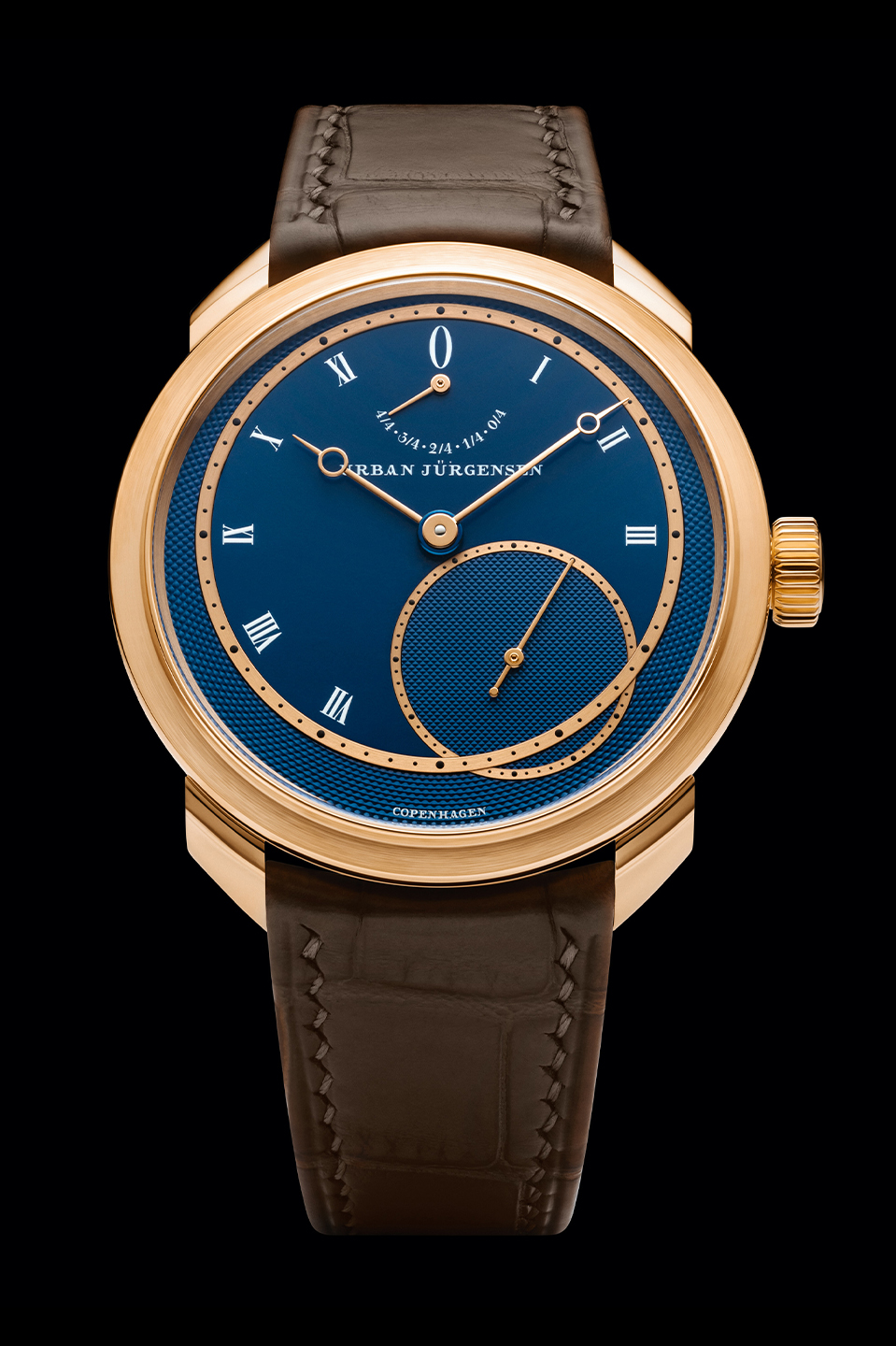
- UJ-2: Double wheel natural escapement
Time Only Watch Prize: Daniel Roth, Extra Plat Rose Gold
In my opinion this was one of the most hotly contested categories in the entire lineup, with a diverse array of entries including the stunning Piaget Andy Warhol and the popular Parmigiani Fleurier, as well as the surprising and charming Fiona Kruger-designed Tasaki Face of Tasaki. But the powerhouse of LVMH’s watch division cannot be denied, and this modern take on the classic Daniel Roth case shape is a win for quality and tradition, if not for the little guy. – Felix Scholz
-
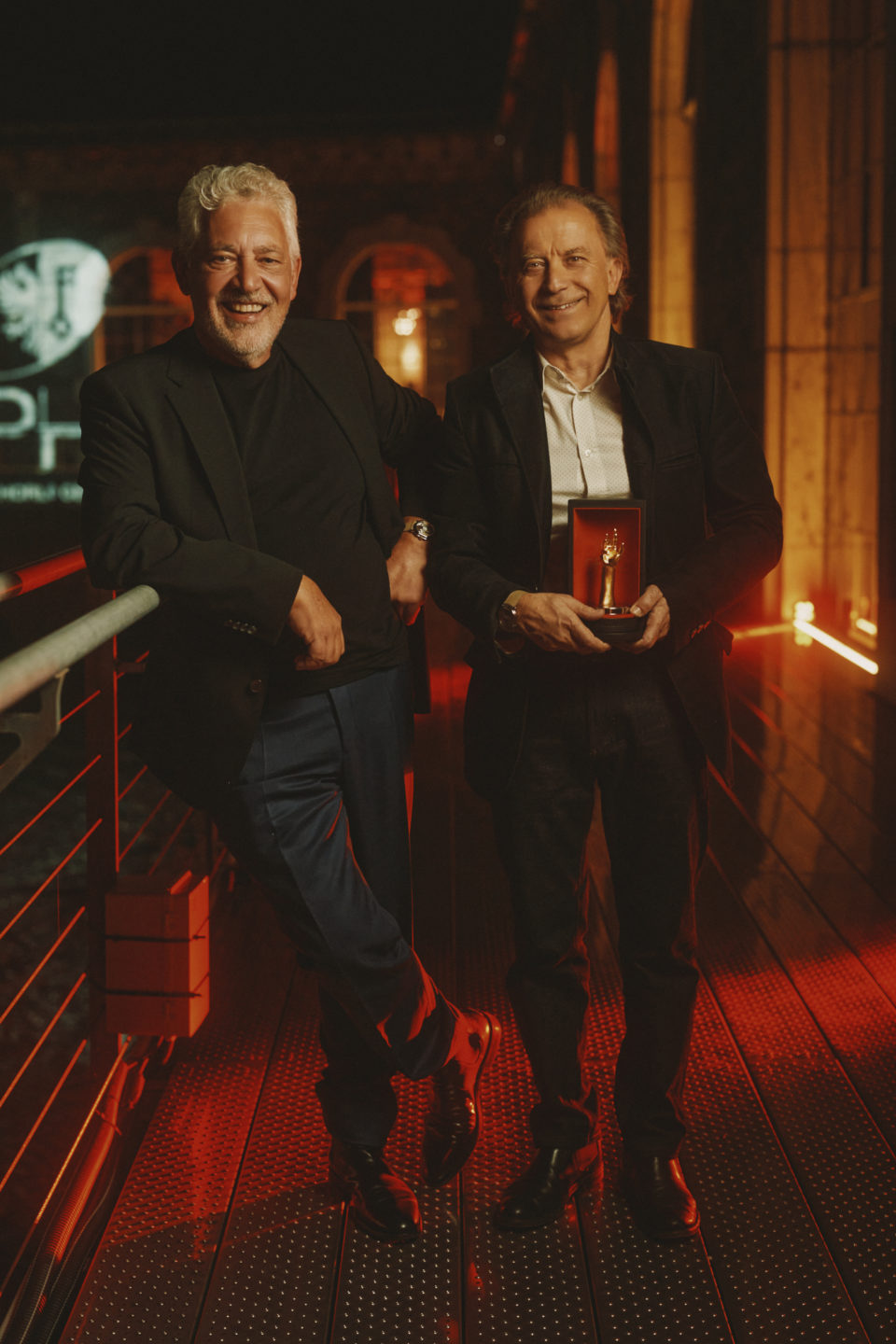
- Michel Navas and Enrico Barbasini, Master watchmakers and founders of La Fabrique du Temps Louis Vuitton, representatives of gérald genta, winners of the Time Only Watch Prize 2025
-
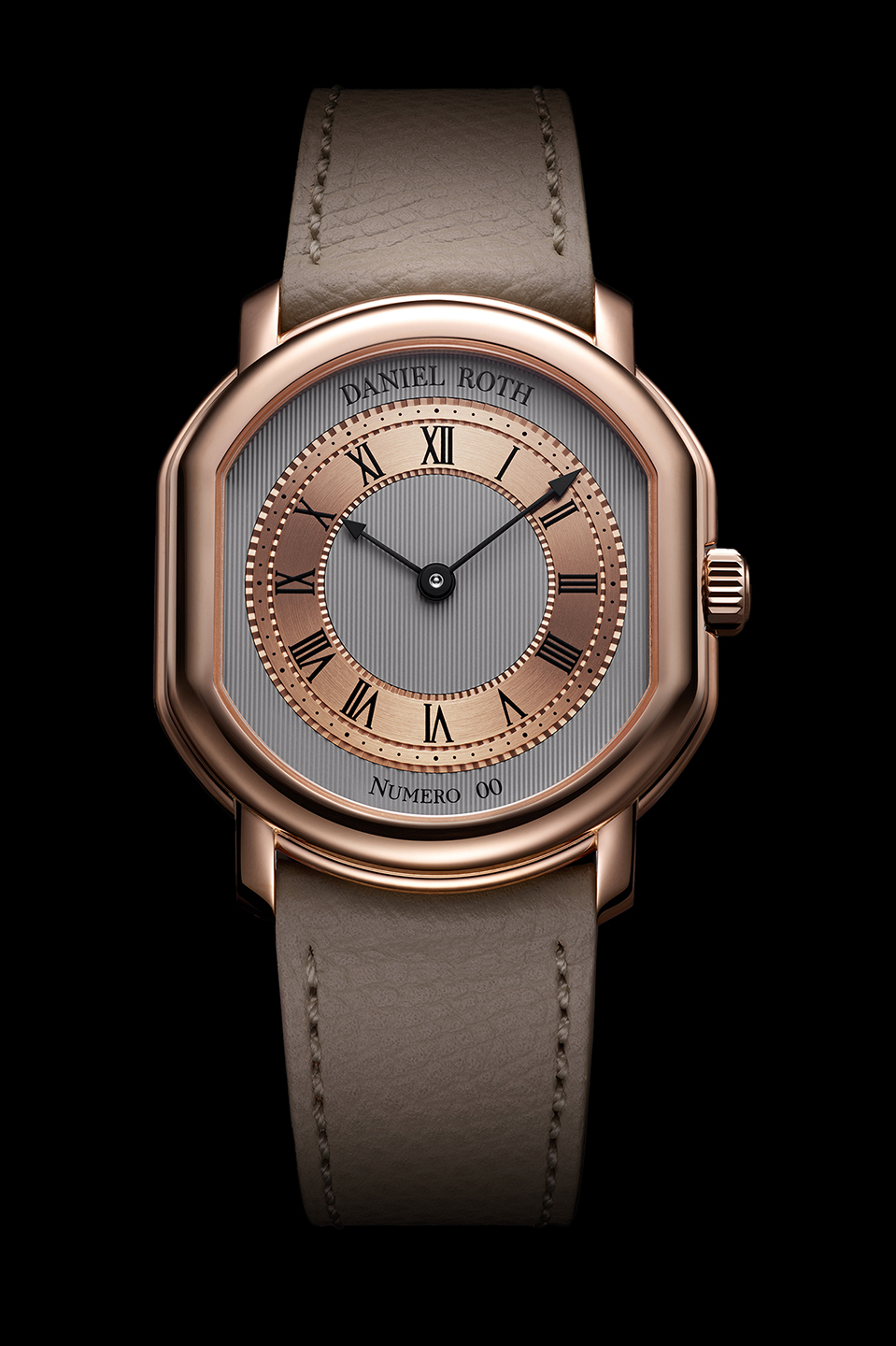
- Daniel Roth, Extra Plat Rose Gold
Jewellery Watch Prize: Dior Montres, La D de Dior Buisson Couture
This exceptional timepiece is crafted in pink gold and adorned with 1,088 precisely hand-set stones including diamonds, pink sapphires and tsavorites arranged to evoke luxuriant garden florals. The design expresses the aesthetic of Victoire de Castellane’s Jardins de la Couture collection, with petals of gemstones forming textured clusters across the dial, bezel and case-back. With more than 150 hours of painstaking gem-setting hand-work, the work is a glittering celebration of Dior’s mastery of haute-joaillerie watchmaking.
Its victory reflects a seamless fusion of fine jewellery artistry and elegant watch design and rightly recognition as one of the most compelling creations of the year. – Jola Chudy
-
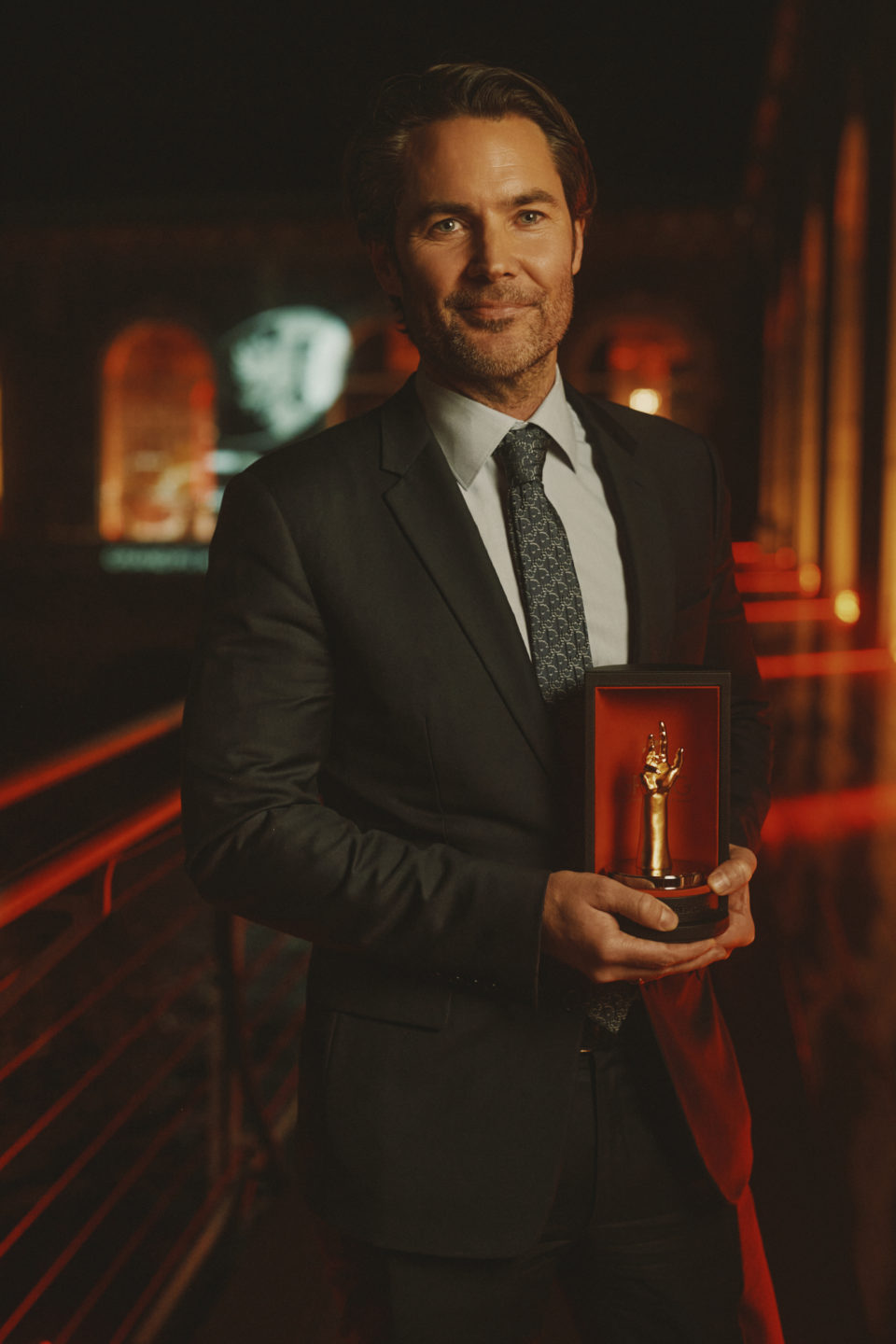
- Dominic Backes, Dior General Manager, Central and Eastern Europe, representative of Dior Montres, winner of the Jewellery Watch Prize 2025
-
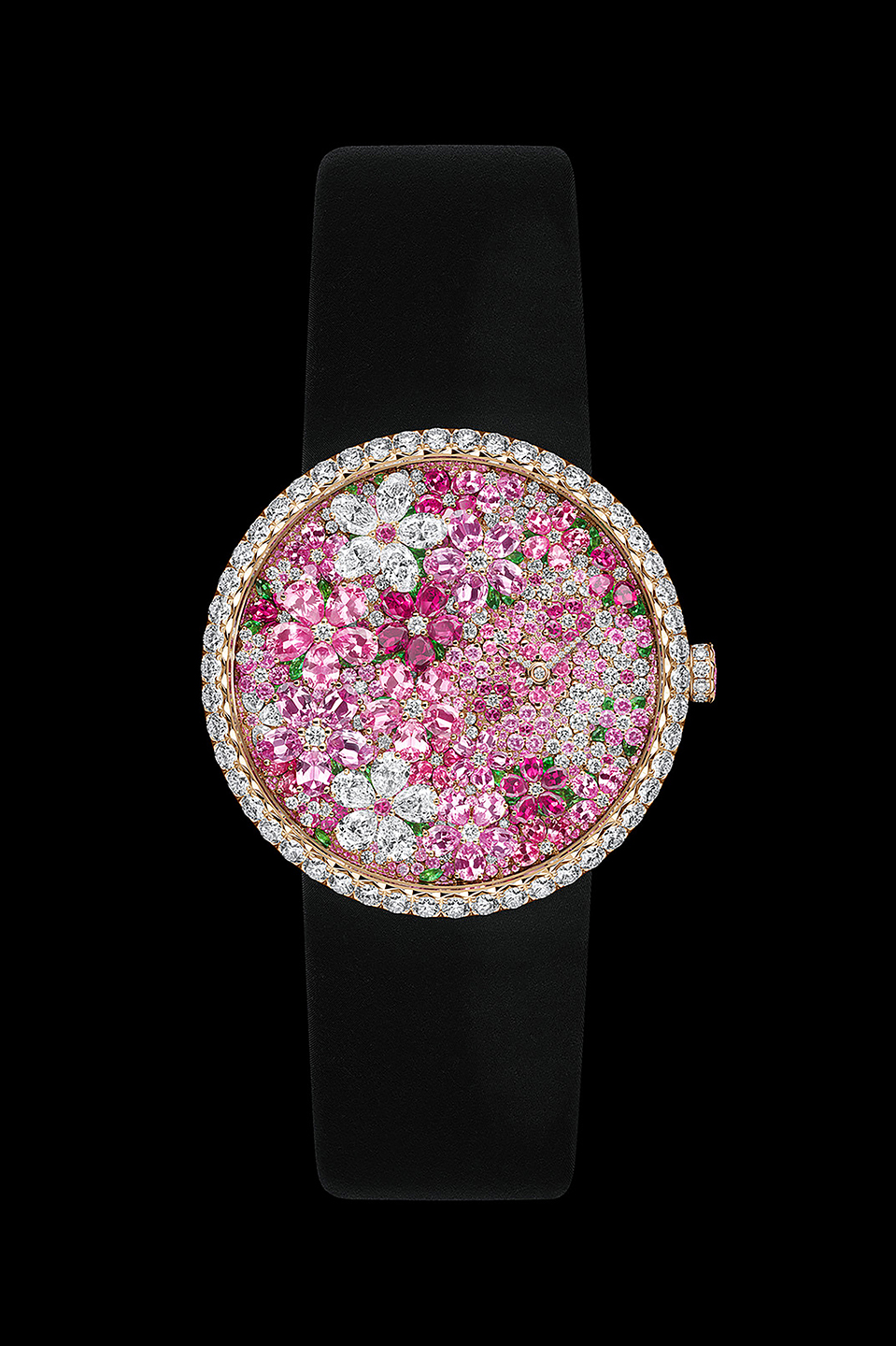
- Dior Montres, La D de Dior Buisson Couture
Artistic Crafts Watch Prize: Voutilainen, 28GML SOUYOU
If any stats nerds are reading this, can you confirm or deny that Kari Voutilainen has won more GPHG awards than anyone else? Seriously, Kari walks into a room and is given awards. It couldn’t happen to a nicer guy, and the 28GML SOUYOU is a masterclass in traditional lacquer techniques and dynamic design that is as stunning as you could wish for, but there’s a not-so-small part of me that’s sad the wonderfully whimsical Hermès horse-with-a-tongue watch didn’t take home the prize. – Felix Scholz
-
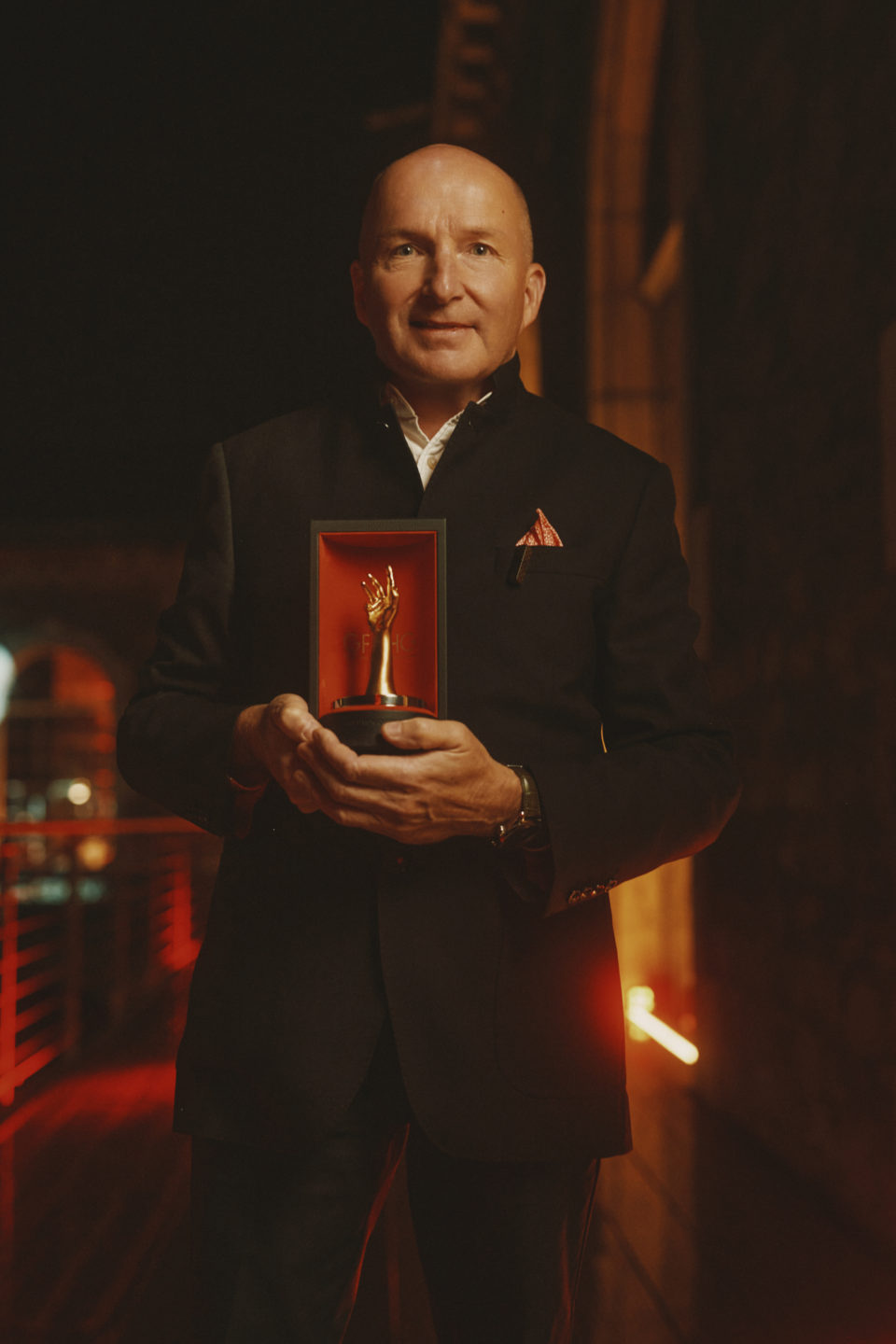
- Kari Voutilainen, Owner and watchmaker of Voutilainen, winner of the Artistic Crafts Watch Prize 2025
-
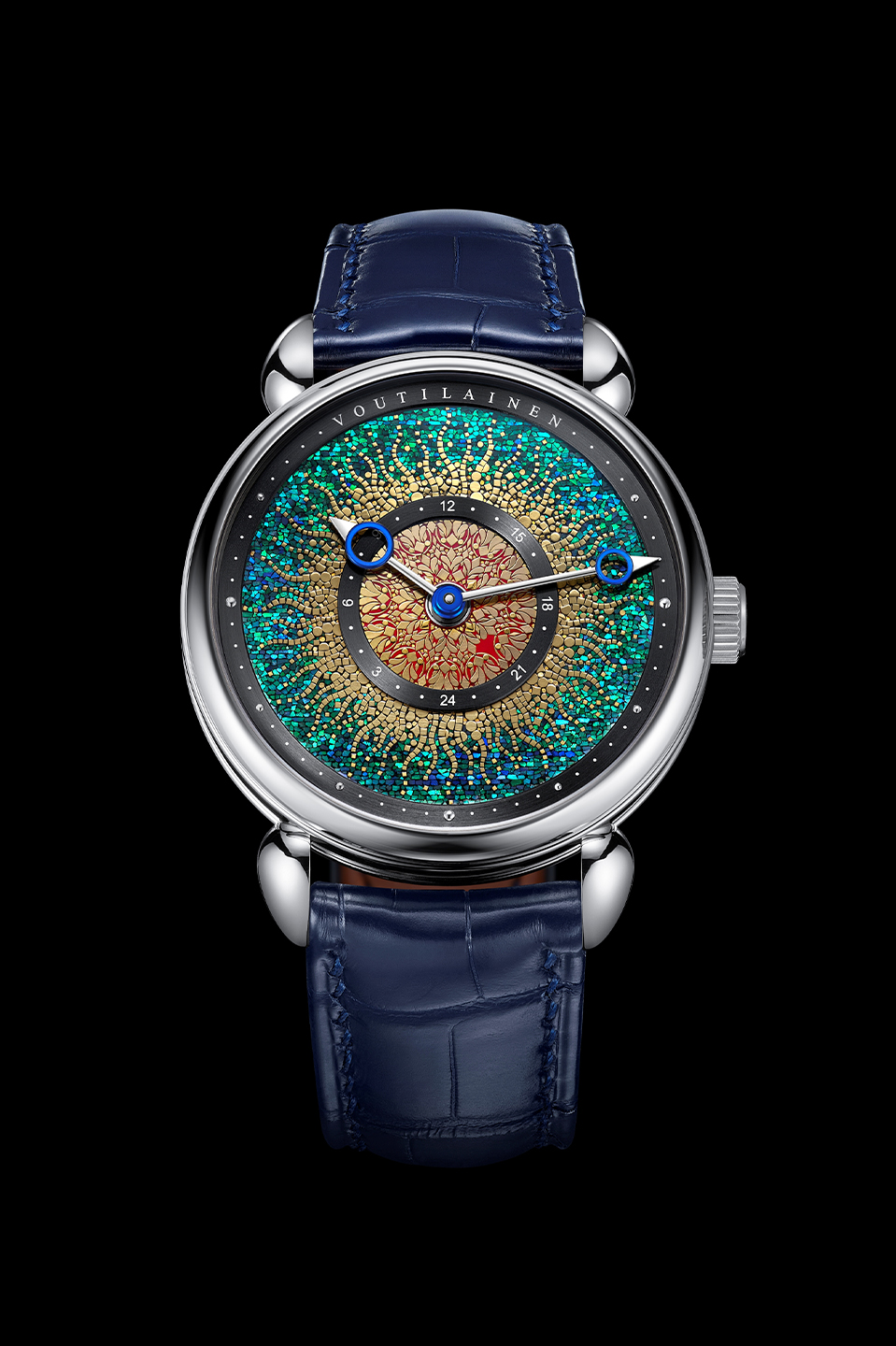
- 28GML SOUYOU
Ladies’ Complication Watch Prize: Chopard, Imperiale Four Seasons
Chopard has long been a maison that combines design with substance, and last night it confirmed its form, taking home two awards, including the Ladies’ Complication Watch Prize for the Imperiale Four Seasons. The watch continues the Imperiale story that began in 1994. At its center is a hand-painted disc in mother-of-pearl that makes a full turn each year, showing the seasons as they change in colour and light. The effect is calm and exact, the sort of idea that feels inevitable once you’ve seen it. The lotus motif, a signature of the collection, is shaped in white gold across the upper dial and the case and crown are set with diamonds. Inside is Chopard’s own L.U.C movement, built with the precision and finish that have become part of the brand’s identity. Four interchangeable straps, each one echoing a season, complete the design. The Imperiale Four Seasons won this category because it’s clear, intelligent and beautifully made. It treats the complication as part of the design, not an addition. That balance between concept, craft and restraint is what defines everything Chopard does and it’s why it is my personal brand of the year. – Tracey Llewellyn
-
- Karl-Friedrich Scheufele, Co-president of Chopard, winner of the Sports Watch Prize 2025
-
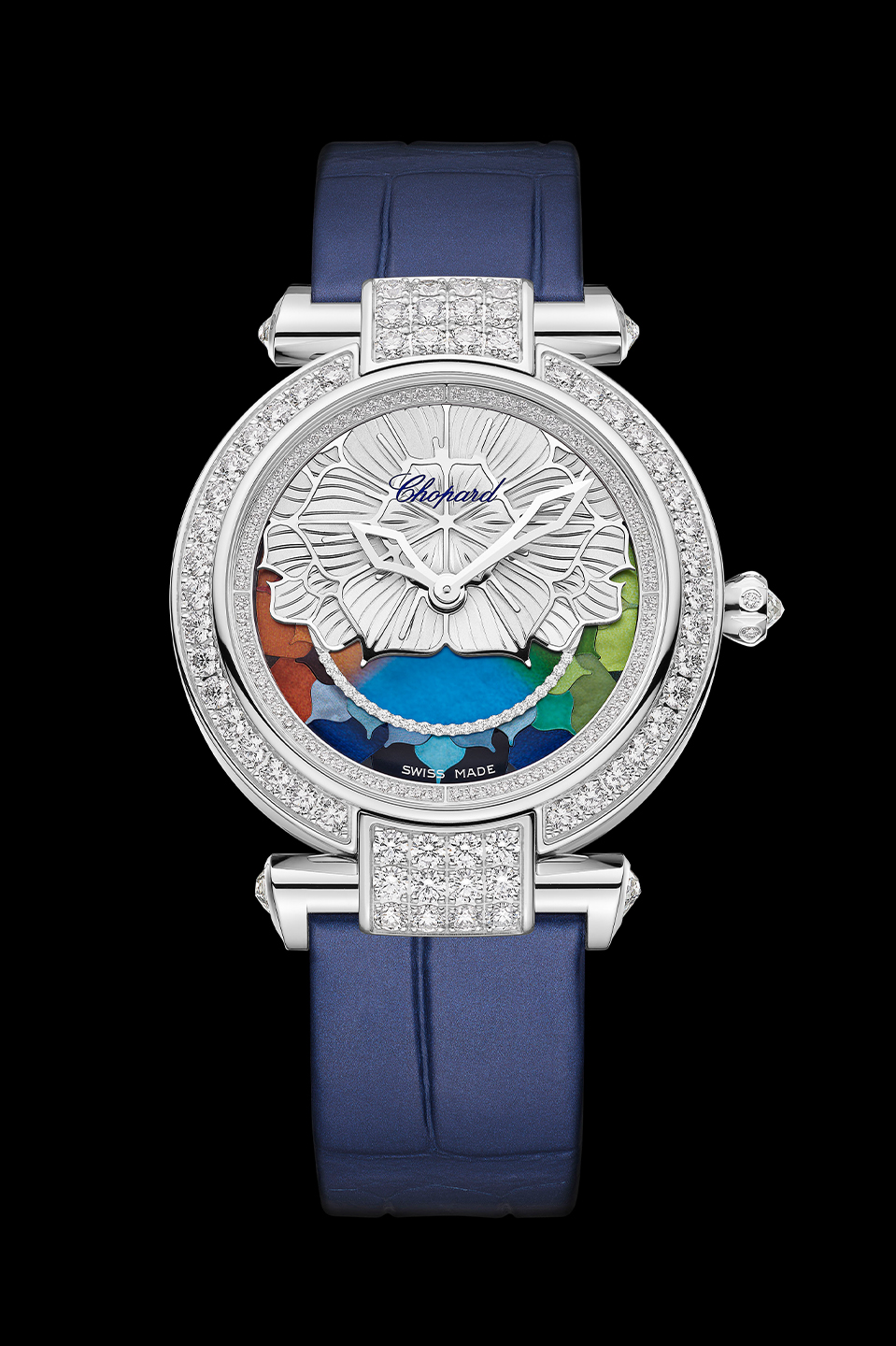
- Chopard, Imperiale Four Seasons
Ladies’ Watch Prize: gérald genta, Gentissima Oursin Fire Opal
The Gentissima Oursin Fire Opal revives Gérald Genta’s iconic sea-urchin-inspired silhouette, a fiery celebration of superlative gem-setting craftsmanship. Framed in 36.5 mm of gold with a glass-blasted finish, the bezel features 137 individually screwed Mexican fire opals, each hand-set on yellow gold pins. Centre-stage of this flame-hued confection is the unmissable vibrant orange carnelian dial. The timepiece is powered by GG-005 Zenith Elite movement, featuring a specially designed 18-karat yellow gold oscillating mass by La Fabrique du Temps Master Watchmakers Michel Navas and Enrico Barbasini. Interpreting Genta’s fascination with organic forms and vibrant colour, the piece was recognised by the GPHG jury for its jewellery artistry and watchmaking excellence. – Jola Chudy
-
- Michel Navas and Enrico Barbasini, Master watchmakers and founders of La Fabrique du Temps Louis Vuitton, representatives of gérald genta, winners of the Time Only Watch Prize 2025
-
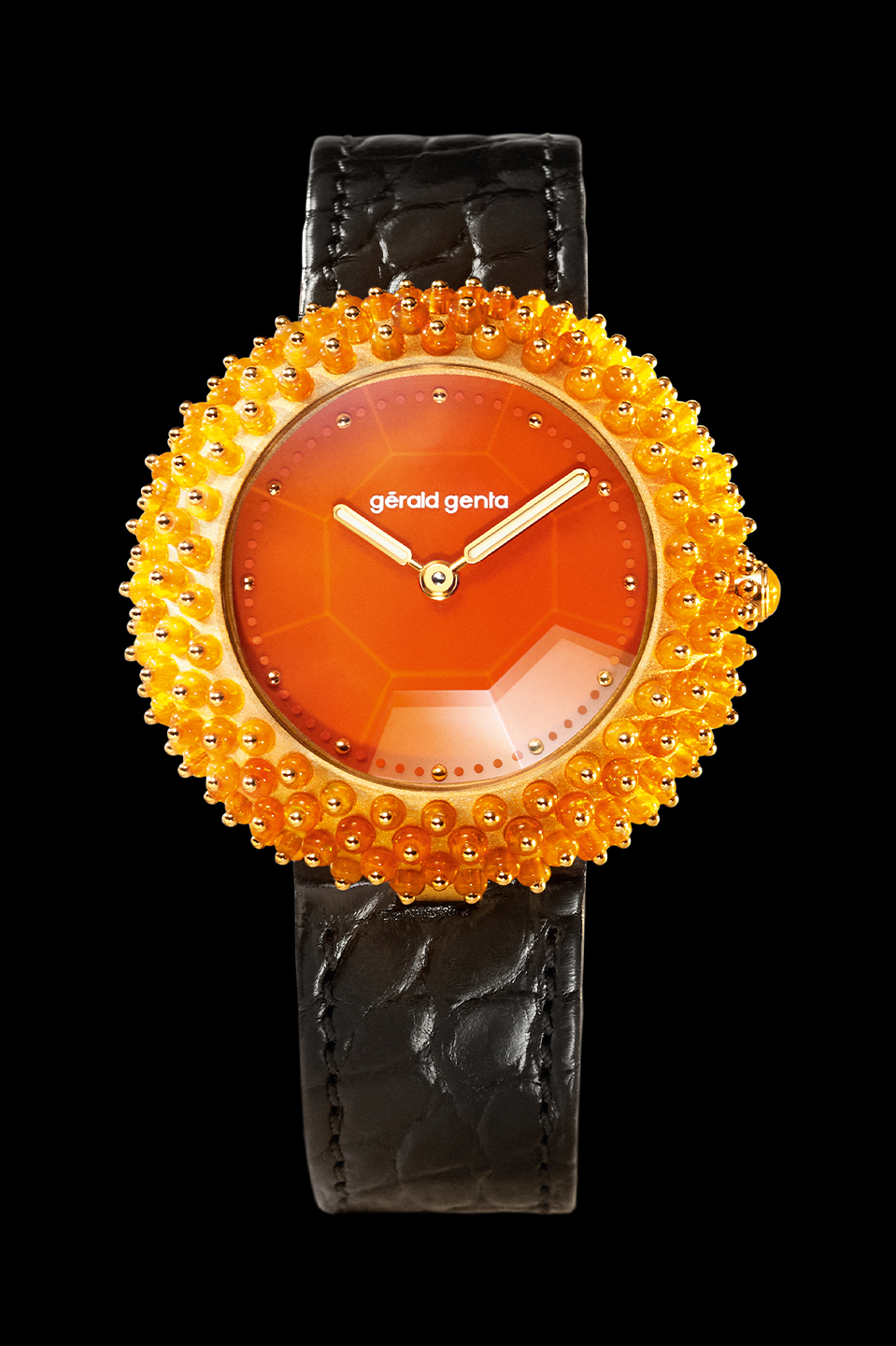
- gérald genta, Gentissima Oursin Fire Opal
“Petite Aiguille” Watch Prize: M.A.D. Editions, M.A.D.2 Green
This category, for watches between 3000 and 10,000 CHF had some real heat in the finalists, including Christopher Ward, Amida and critic darling Nomos Glashütte, but the M.A.D. Editions is a worthy winner. The use of the LJP jump hour is a welcome switch in formula for the M.A.D. Editions, and long-time MB&F collaborator Eric Giroud is one of the best watch designers working today. – Felix Scholz
-
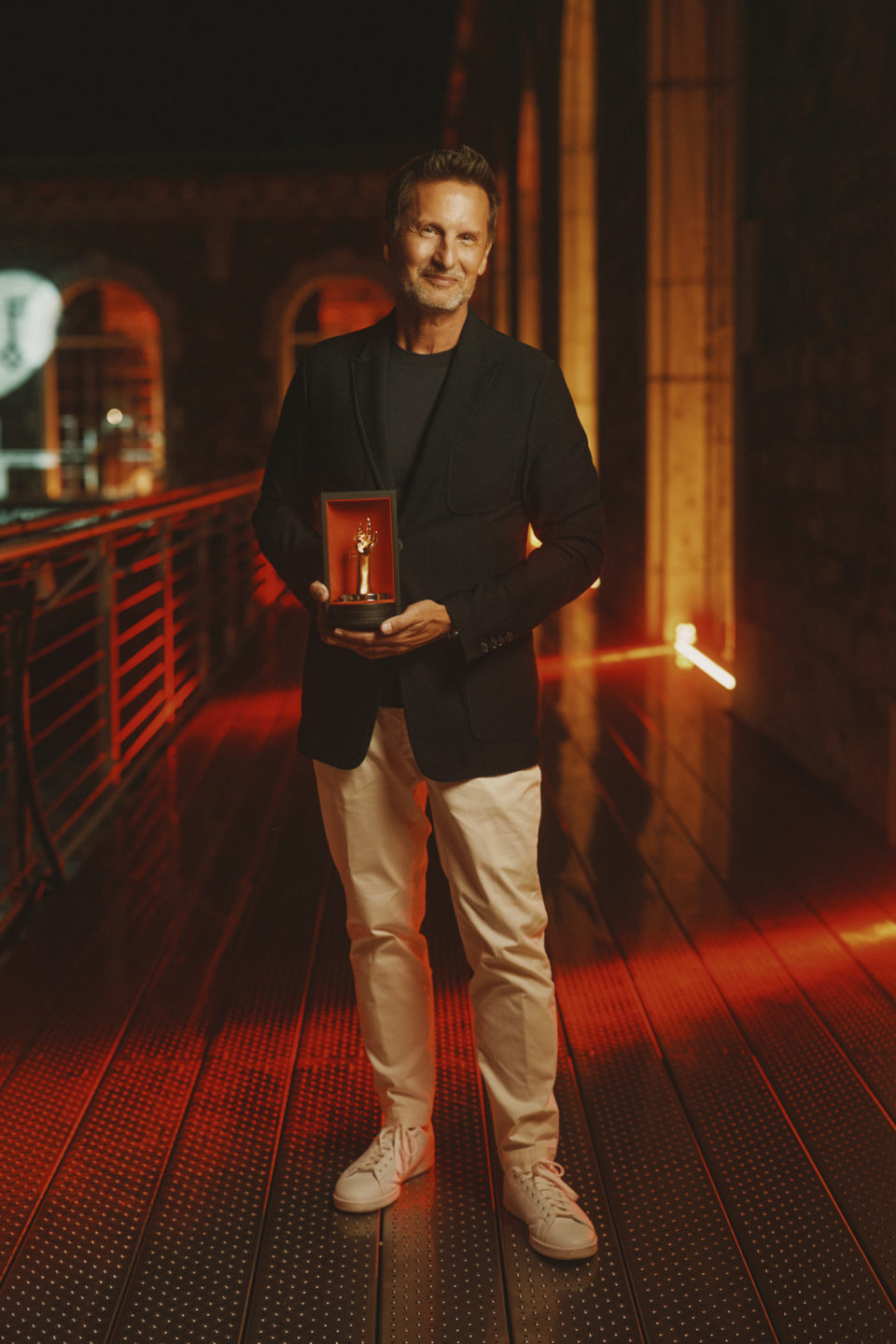
- Maximilian Büsser, Owner and creative director of MB&F and M.A.D. Editions, winner of the “Petite Aiguille” Watch Prize 2025
-
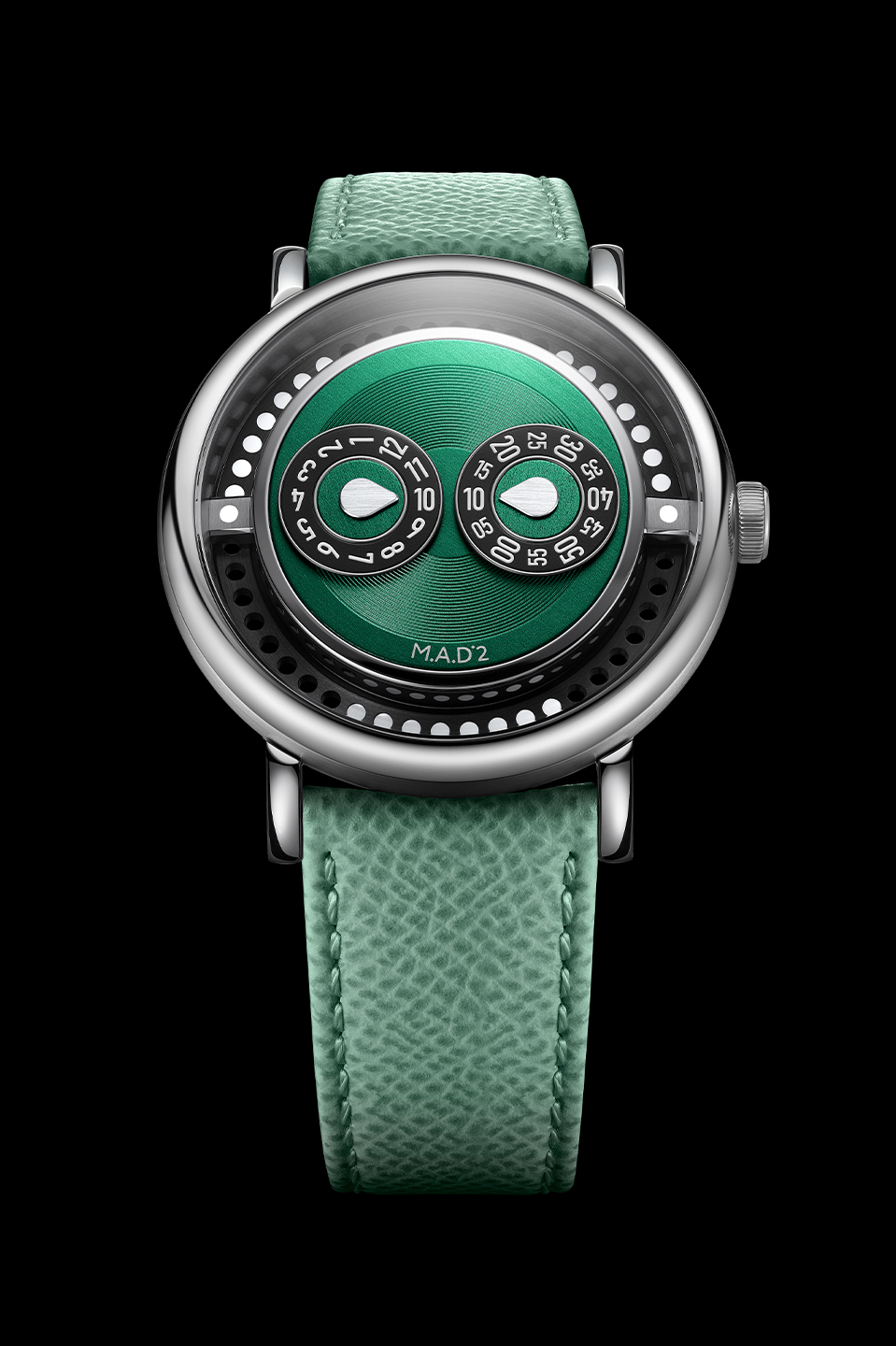
- M.A.D. Editions, M.A.D.2 Green
Challenge Watch Prize: Dennison, Natural Stone Tiger Eye In Gold
The challenge category rewards strong value under CHF 3,000, with smart watch nominations allowed, so competition is intense. Despite contenders like Atelier Wen and Kurono Tokyo, the winner was something far more affordable, the Dennison Natural Stone Tiger Eye at just CHF 600. Its 37 mm gold coloured PVD cushion case and natural tiger eye dial give it a distinct 1960s character, while the quartz movement keeps it accessible. That blend of style and affordability is likely what won over the jury. – Sheng Lee
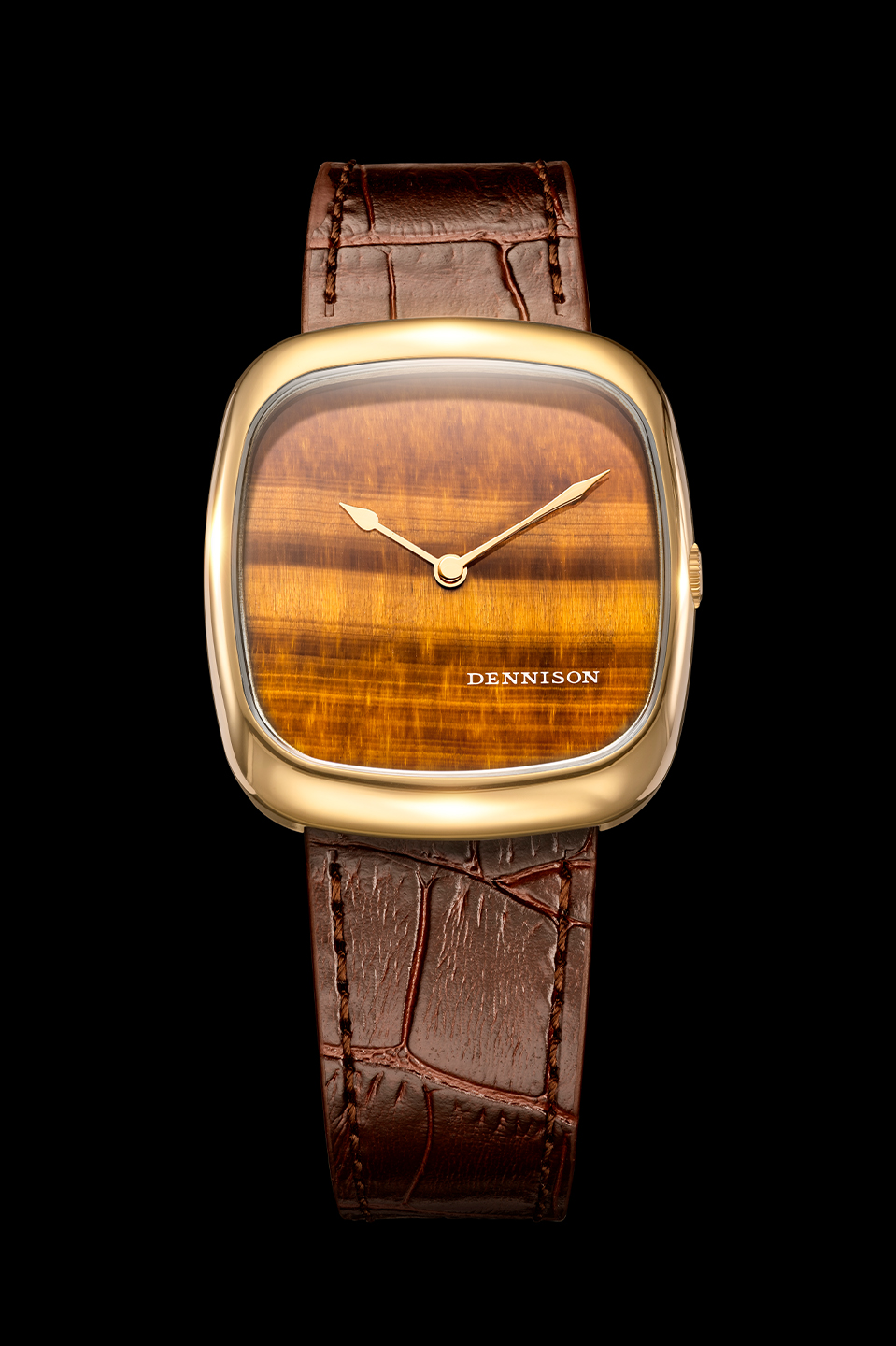
Dennison, Natural Stone Tiger Eye In Gold
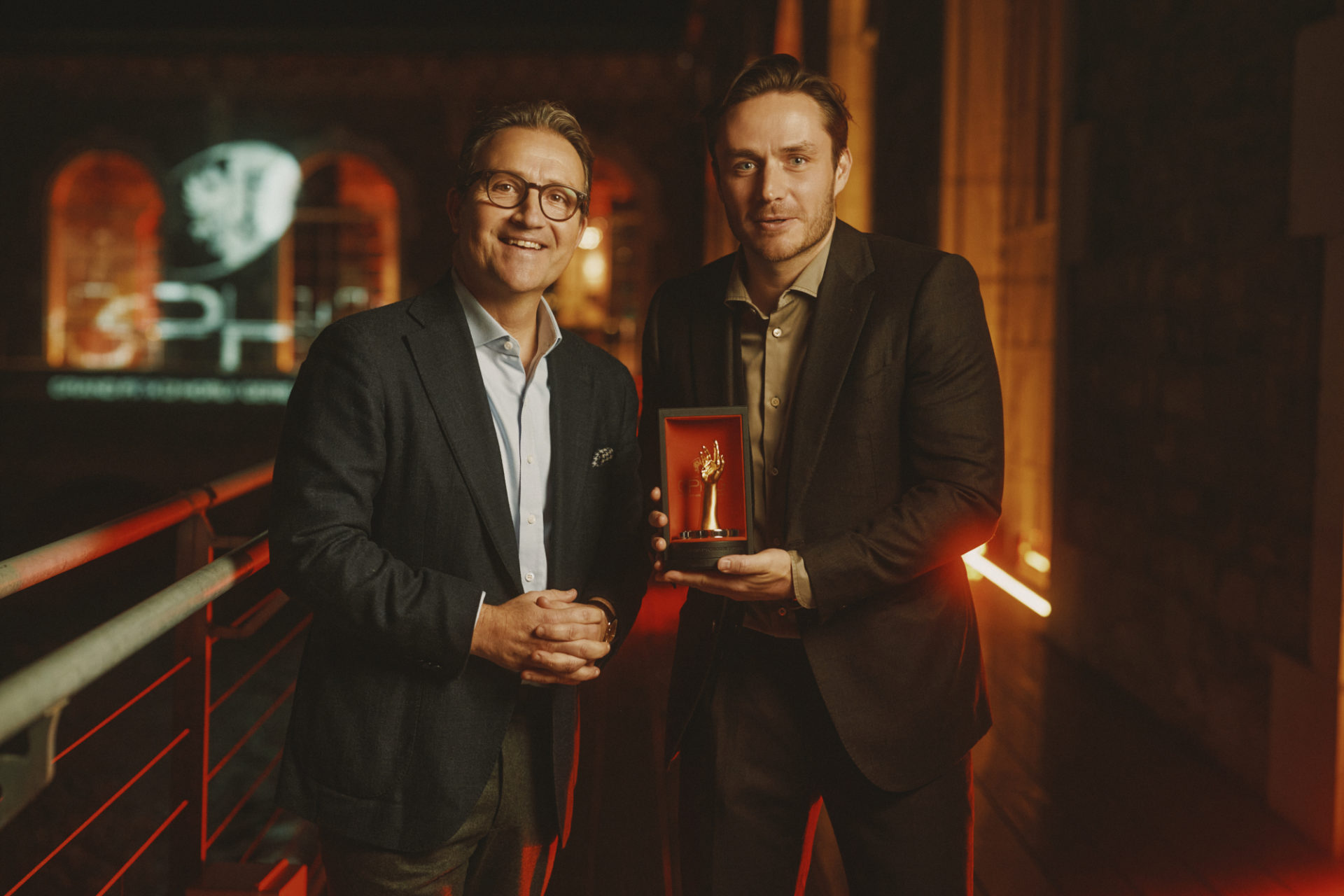
Stephane Cheikh and Toby Sutton, Co-directors of Dennison, winner of the Challenge Watch Prize 2025
Mechanical Clock Prize: L’Épée 1839, Albatross L’Épée 1839 X MB&F
Once again, there are no losers in this category. Unlike the watch categories, every nominee in here is compelling. Two were made by L’Épée 1839, but one of them – the eventual winner – is executed on a far more elaborate scale. While it appears to have quite a classic L’epée movement at first glance, it is actually a striking clock with automaton.
The Albatross combines an hour and half-hour strike with a full automaton composed of 16 pairs of propellers that animate on the hour. It allows the owner to choose full operation, complete silence, propellers without sound, or sound without propellers. A repeat-on-demand control repeats whichever program is selected or, if preferred, sets the propellers into continuous motion. There are two separate movements and three barrels in total: one for timekeeping, one for the strike, and one to power the animation. Coordinating the various modes requires a level of complexity that is not far removed from a grande sonnerie and all in the form of Jules Verne’s fictional airship. It doesn’t get better. – Cheryl Chia
-
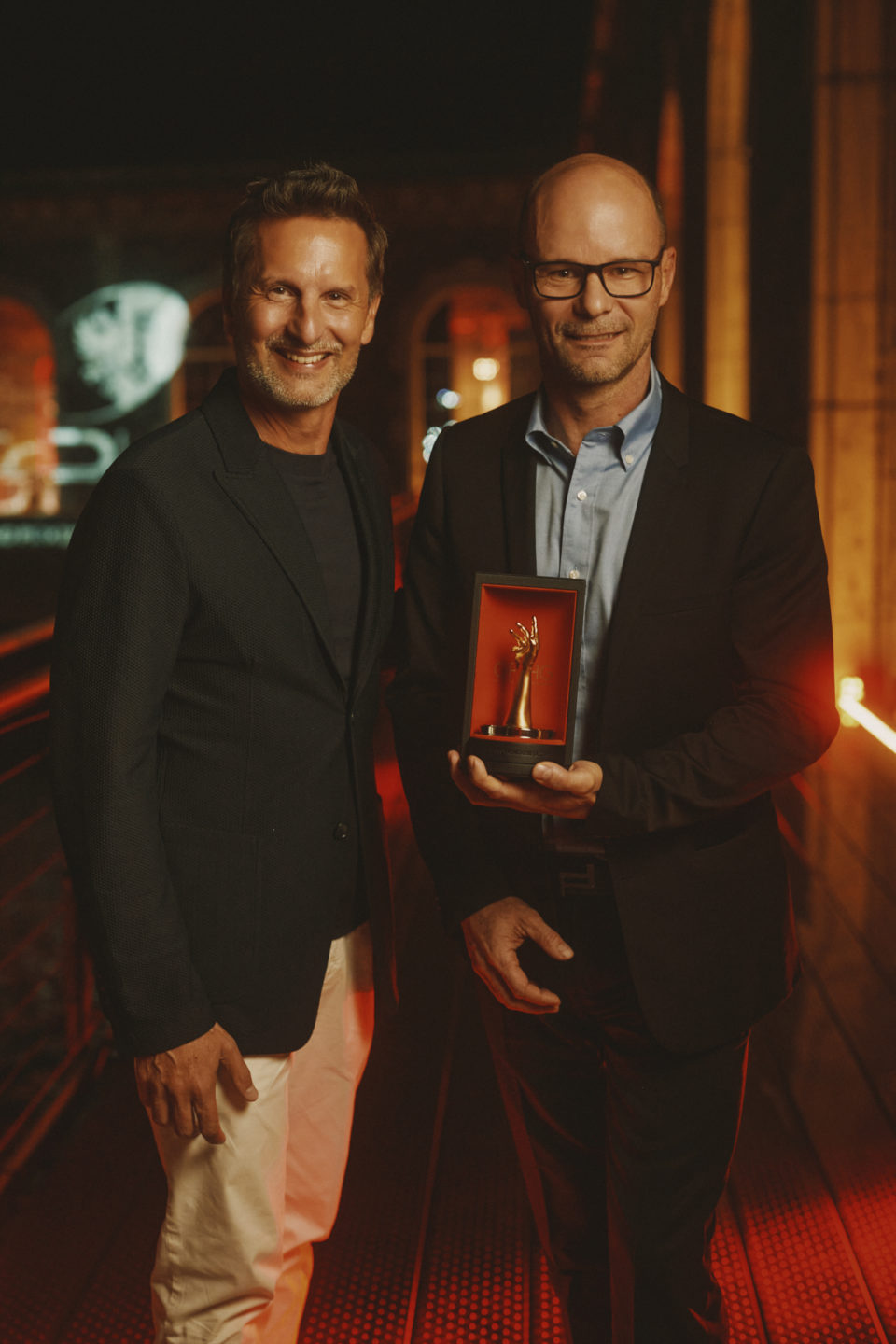
- Arnaud Nicolas, CEO and creative director of L’Épée, winner of the Mechanical Clock Prize 2025 and Maximilian Büsser, Owner and creative director of MB&F and M.A.D. Editions
-
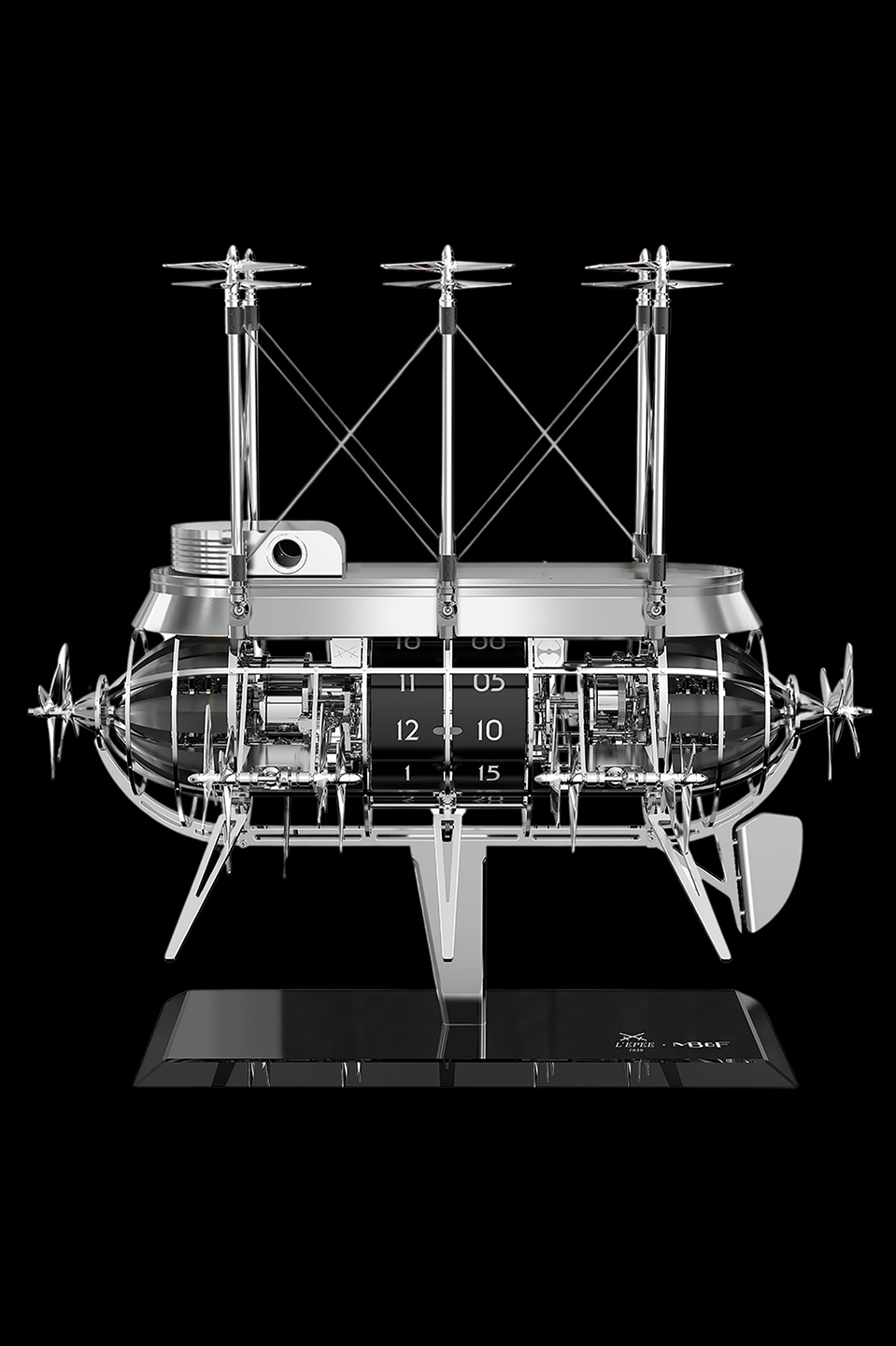
- Albatross L’Épée 1839 X MB&F
Special Jury Prize: Alain Dominique Perrin
The figure of Alain Dominique Perrin looms large in the watch industry, he’s the president of the Fondation Cartier pour l’art contemporain, but his legacy in the industry encompasses much more. Perrin was the CEO of Cartier from 1975 to 1998, a period of immense consolidation and creativity for the brand, and one of the legendary leaders from an era that formed the foundations that allowed mechanical watchmaking to reach such dizzying heights in the twenty-first century.
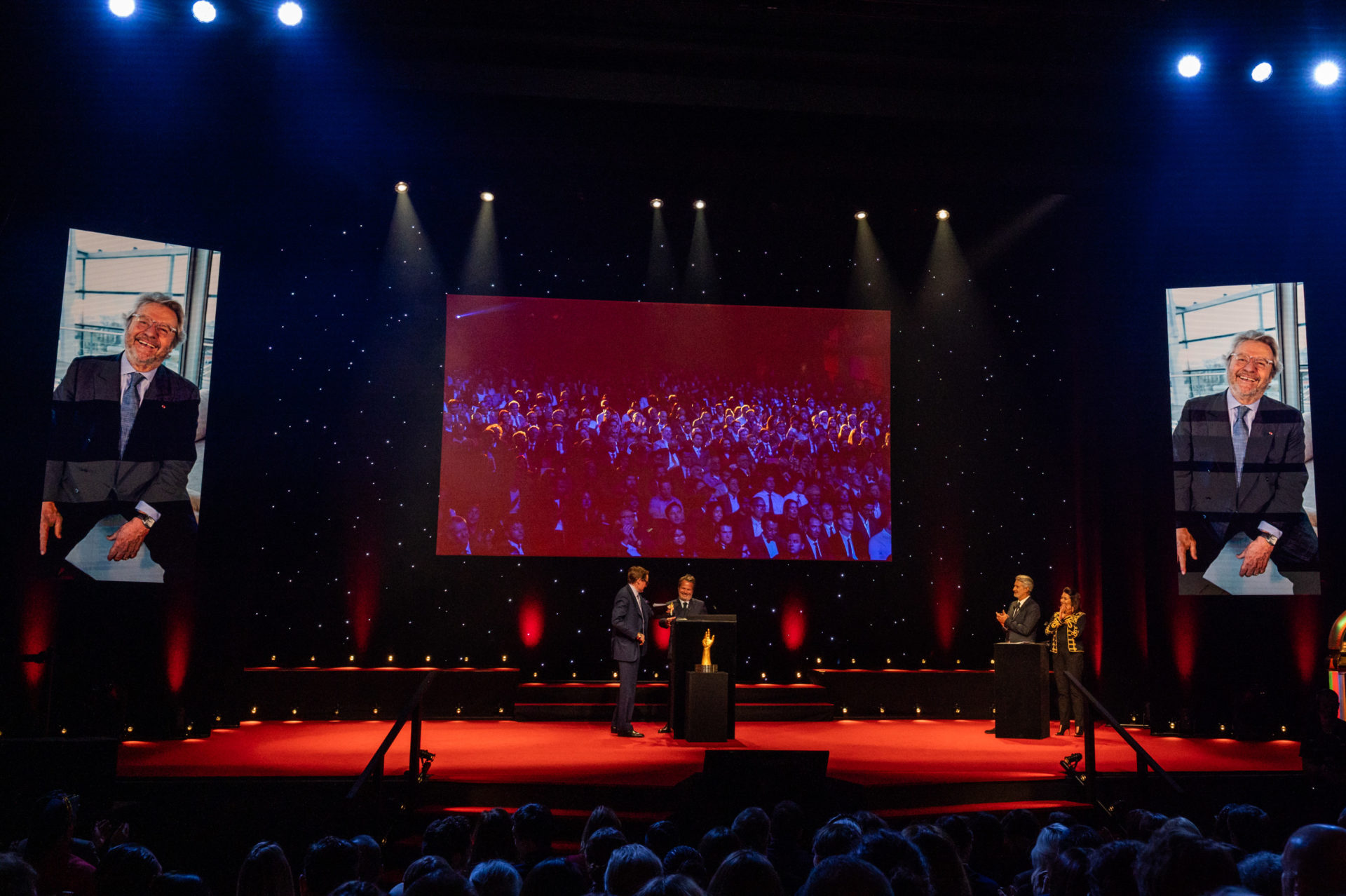
Special Jury Prize, Alain Dominique Perrin, President of the Fondation Cartier pour l’art contemporain
You may also like
News
Swatch Group Responds to Morgan Stanley Report in Open Letter
Mar 3, 2026
News
Swatch Group Responds to Morgan Stanley Report in Open Letter
Mar 3, 2026
News
What we can learn from Morgan Stanley’s Ninth Annual Swiss Watch Report
Feb 24, 2026
News
What we can learn from Morgan Stanley’s Ninth Annual Swiss Watch Report
Feb 24, 2026

News
Jung Kook Joins Hublot as Global Ambassador
Feb 13, 2026
News
Jung Kook Joins Hublot as Global Ambassador
Feb 13, 2026