Swiss COSC establishes the ‘Excellence Chronometer’, a new standard for accuracy
Editorial
Swiss COSC establishes the ‘Excellence Chronometer’, a new standard for accuracy

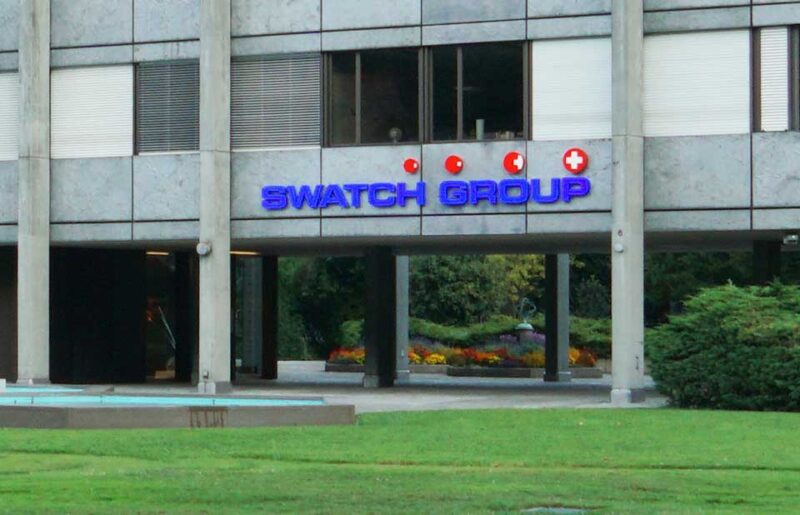
The Swiss Contrôle Officiel Suisse des Chronomètres (COSC) was founded in 1973 as a unifying body for the testing and awarding of chronometre standards for timekeeping, a task which, in the decades prior, had primarily been the domain of individual observatories. For 50 years, a COSC-certified chronometre had to meet a series of tests, collectively grouped under ISO 3159, undertaken over 15 days and including, most prominently, an accuracy range of between -4 and +6 seconds per day.


While COSC has long been regarded as the household name of chronometry, in the last few decades its dominance has come into question, with many brands — notably Rolex and Omega — instituting their own, internal accuracy standards to better reflect the changing standards of modern chronometry. Omega’s METAS, instituted in 2015, requires accuracy in a range of 0/+5 – 0/+7 seconds per day. Rolex’s Superlative Chronometre standard requires a precision of -2/+2 seconds per day. Both also incorporate testing on a cased watch, as well as other
COSC’s new ‘Excellence Chronometre’ standard is the organisation’s recognition and response to this changing landscape, and presents a rigorous new standard, backed by COSC’s integrity and reputation.
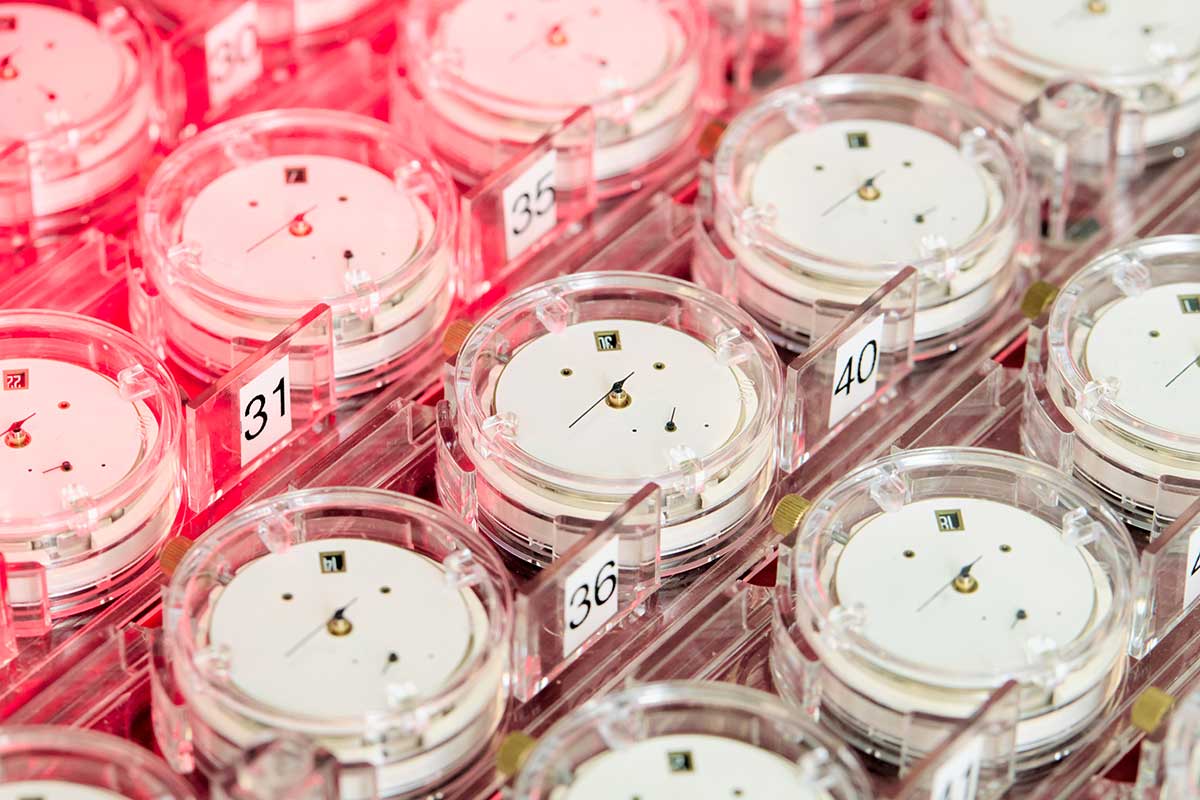
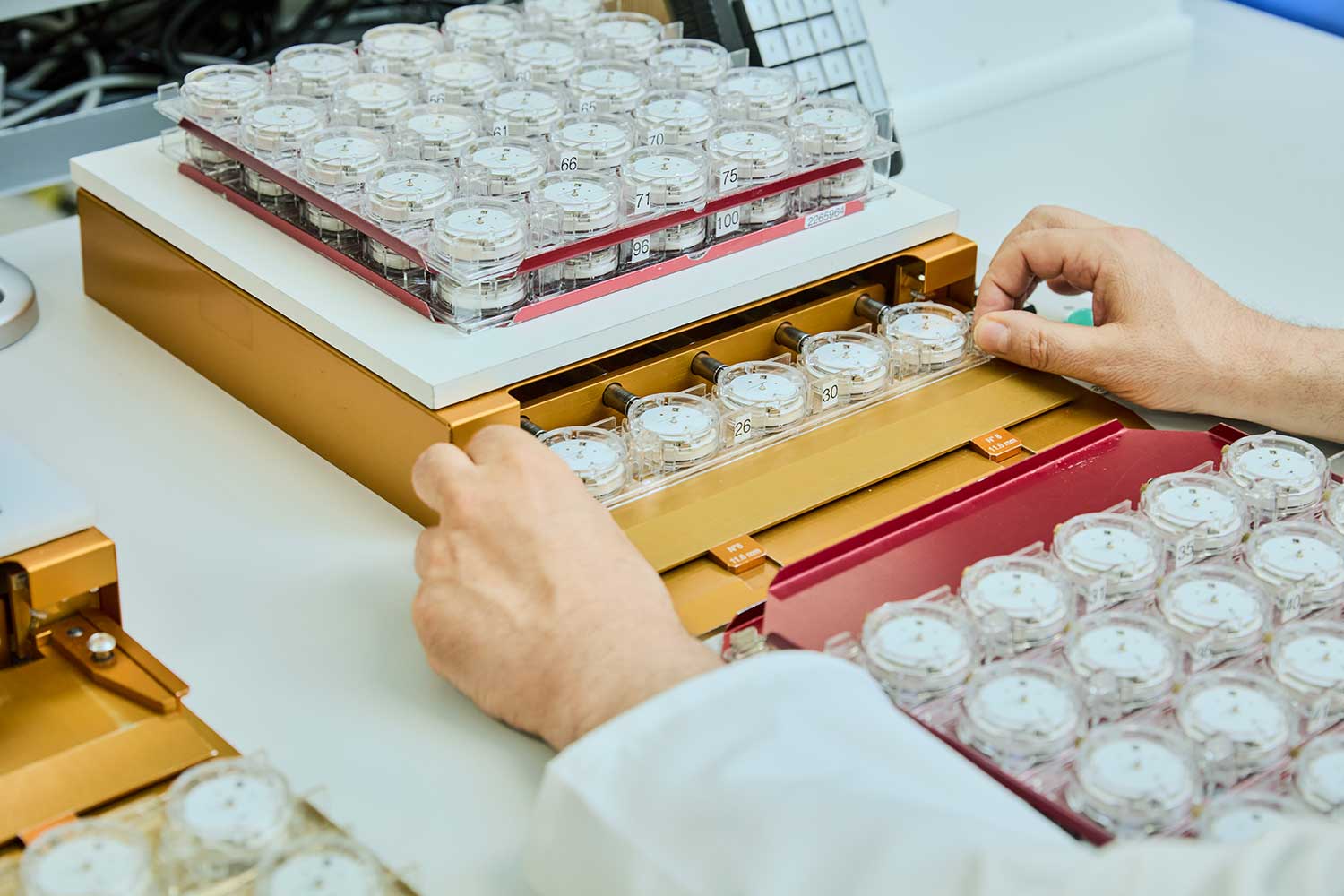
Expanding upon the core COSC certification, this extension requires a tighter accuracy range, six seconds instead of 10, magnetic resistance u to 200 Gauss, and verified power reserve. In addition to these three new metrics, the Excellence Chonometre tests movements uncased, and then tests them again once they have been cased. As with all COSC-certified watches, the testing applies to each individual movement, and this new standard adds an additional five days of testing to the already extensive 15 days required by the base COSC standard.
Testing for this new standard is due to begin in March, with deployment proper being slated for October 2026.

You may also like

Editorial
Bremont shows off its playful side with the Altitude MB Meteor Felix the Cat
Mar 5, 2026
Editorial
Bremont shows off its playful side with the Altitude MB Meteor Felix the Cat
Mar 5, 2026
Editorial
The Ressence Type 9 IKE creates a rainbow light show for the wrist
Mar 3, 2026
Editorial
The Ressence Type 9 IKE creates a rainbow light show for the wrist
Mar 3, 2026

Editorial
Exploring the Micromilspec Milgraph T5
Mar 2, 2026
Editorial
Exploring the Micromilspec Milgraph T5
Mar 2, 2026