Revolution Awards 2025: Horological Heroes — Michel Navas and Enrico Barbasini
Editorial
Revolution Awards 2025: Horological Heroes — Michel Navas and Enrico Barbasini

Michel Navas and Enrico Barbasini have spent more than four decades shaping the mechanics of modern watchmaking. Their names seldom appear on dials, yet among the watchmakers who build and service the highest complications, their influence is regarded as foundational. As the technical core of La Fabrique du Temps Louis Vuitton, they have not only created movements but also defined the watchmaking identities of several maisons now entering new chapters. Their recognition as Revolution’s Horological Heroes acknowledges a contribution as deep as it is enduring.
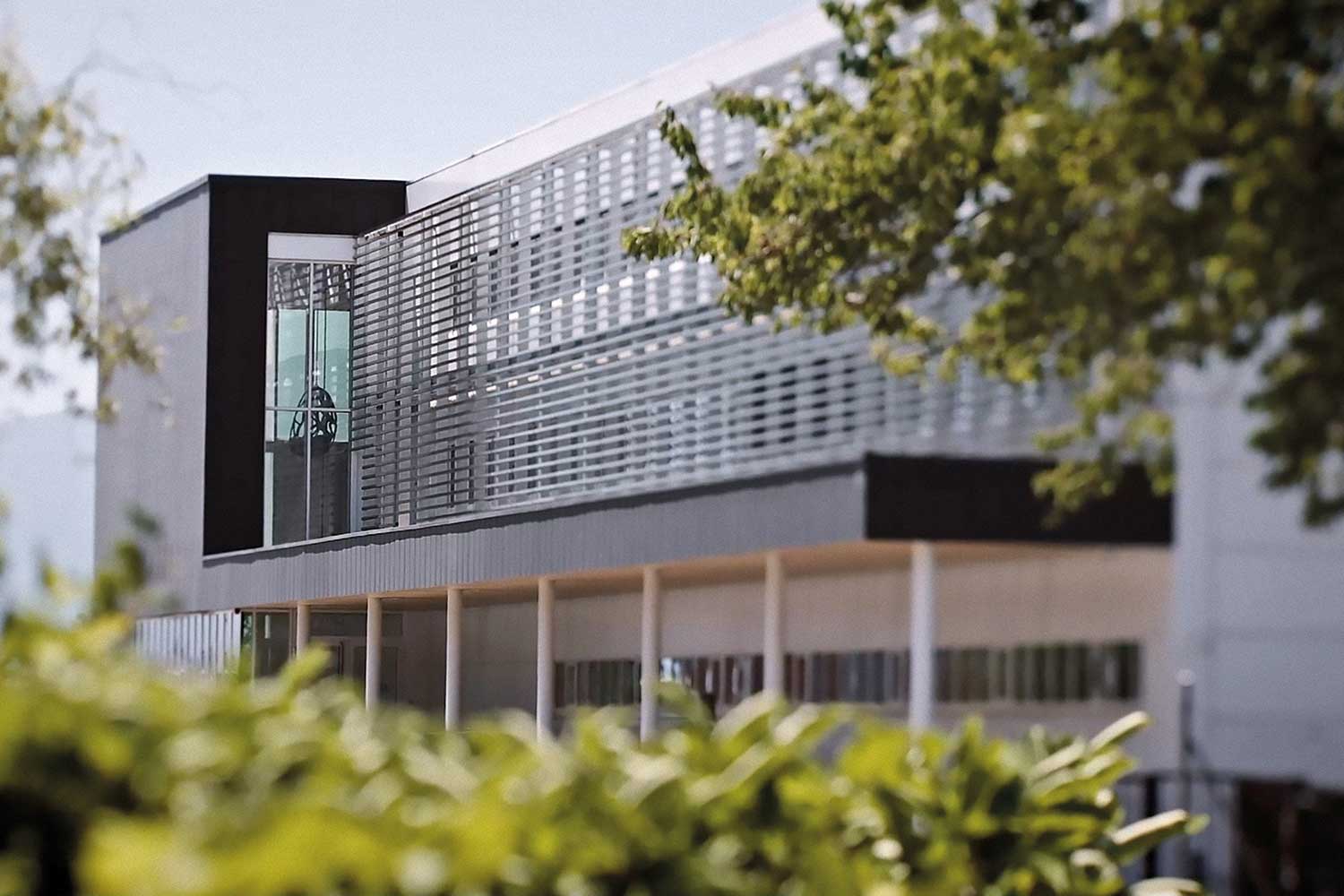
La Fabrique du Temps Louis Vuitton in Meyrin, Switzerland
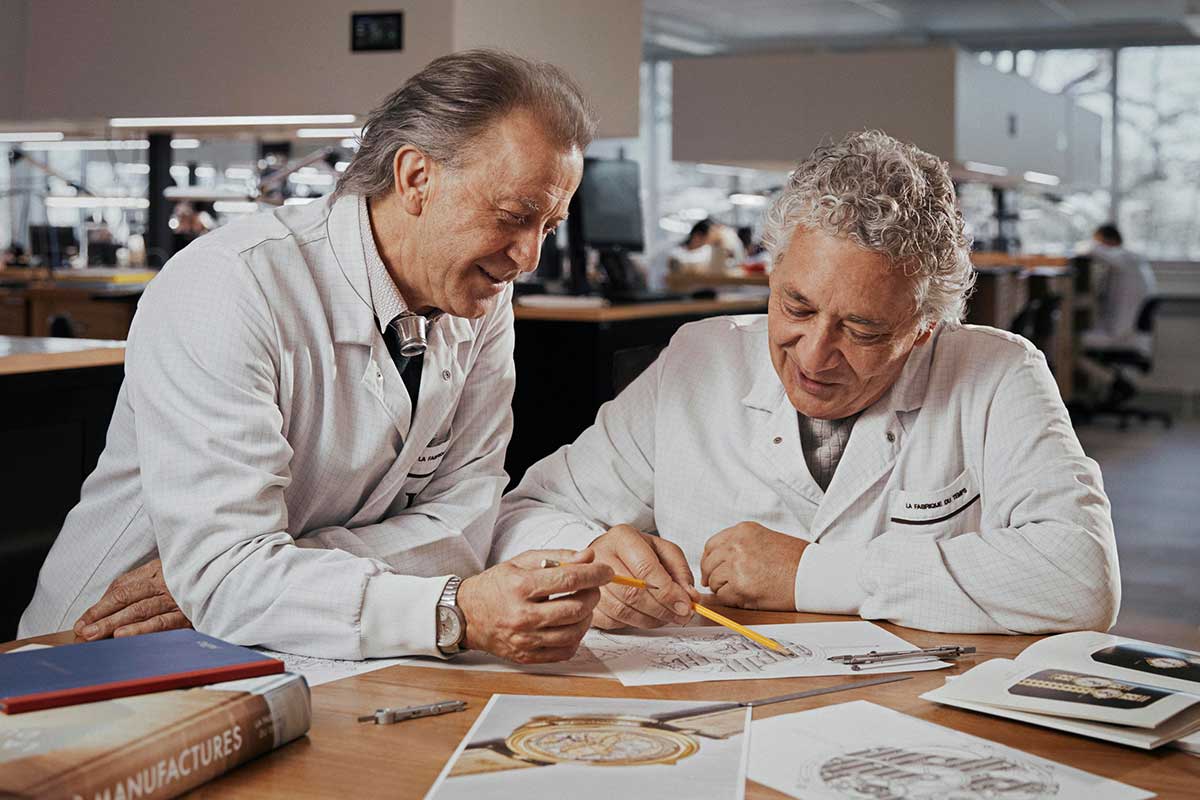
Their partnership began in the 1980s at Gérald Genta, then one of the most forward-leaning workshops in Geneva. It was an environment where chiming watches and complex regulators were not side projects but daily work. Within that context, Navas and Barbasini established the dynamic that continues to define them: Navas as the generator of mechanical ideas, sketching architectures that stretched convention; Barbasini as the interpreter and stabilizing force who translated those ideas into manufacturable, reliable mechanisms. Their early work on grand sonneries and minute repeaters forged a professional bond built on absolute trust.
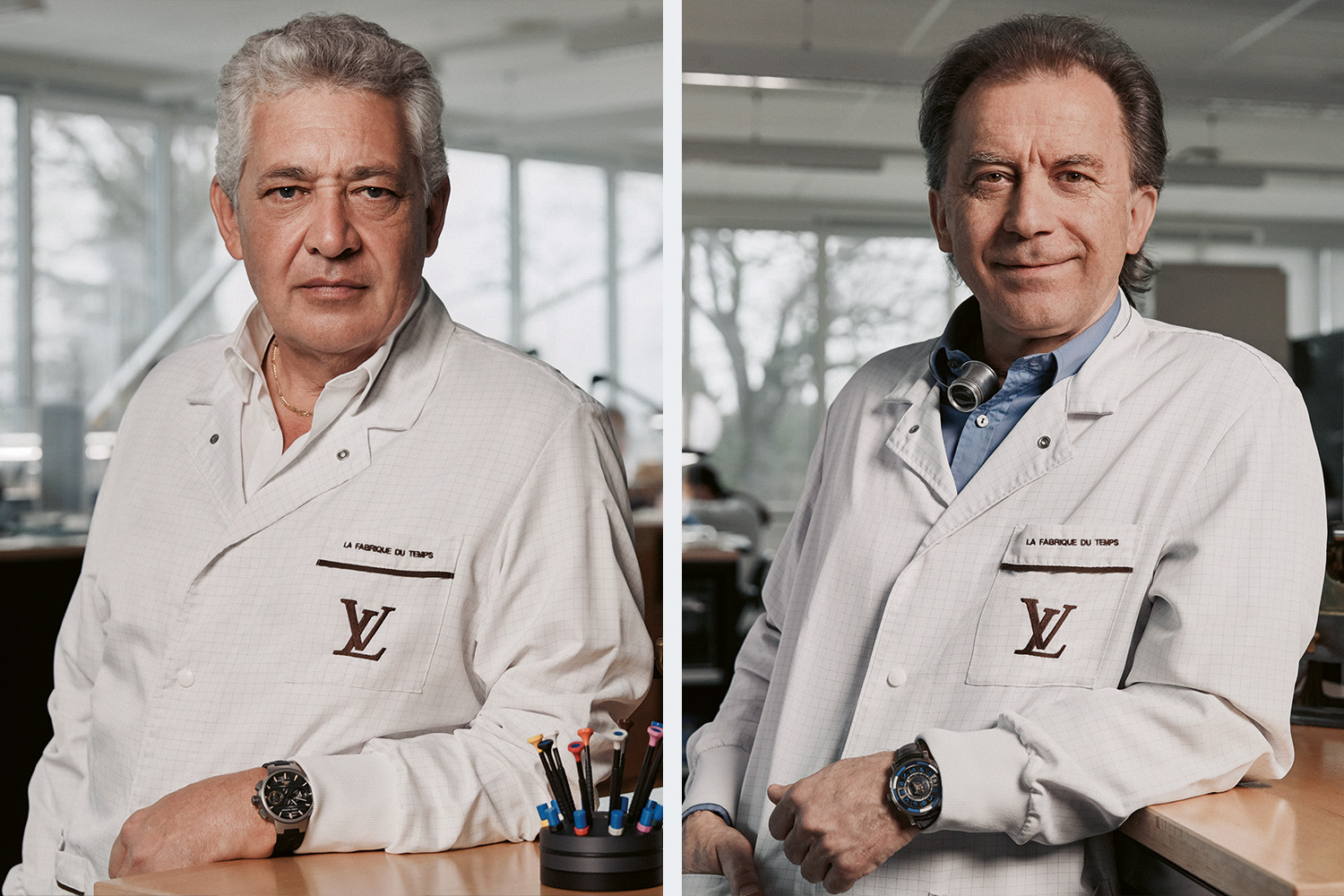
(From left) Enrico Barbasini and Michel Navas
By 2004, their experience made them natural co-architects of BNB Concept, the complications atelier created with Mathias Buttet. BNB became a technical back-office for many of the decade’s most expressive independent brands. Multi-axis tourbillons, novel chronographs and unorthodox displays emerged from its benches, even if other names appeared on the dials. For a time, BNB crystallized what the new wave of independent watchmaking could look like. Its closure during the post-2008 downturn did little to diminish the importance of the work produced there.
Crucially, Navas and Barbasini had already anticipated the need for autonomy. In 2007 they founded La Fabrique du Temps in Geneva, creating a workshop designed around complications that were so much more than mere marketing tools. When Louis Vuitton acquired the manufacture in 2011, the partnership proved unusually fertile: the maison provided resources and freedom, while Navas and Barbasini provided a coherent mechanical vision. The result was a progression from Spin Time displays to tourbillons, repeaters and, ultimately, entire collections rebuilt around rigorous movement construction.
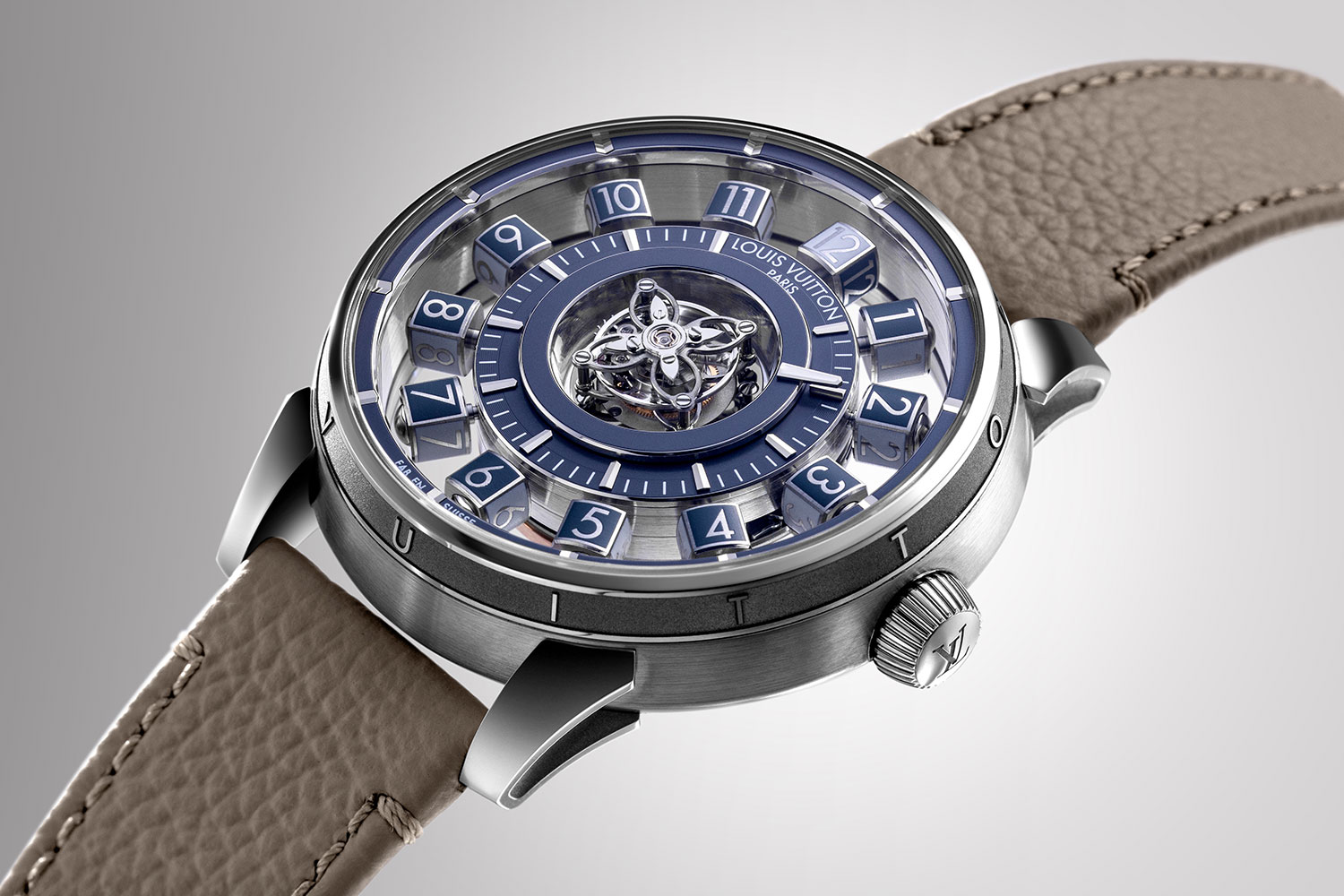
Louis Vuitton Taiko Spin Time Flying Tourbillon
This year’s Grand Prix d’Horlogerie de Genève offered formal confirmation of their impact across the Louis Vuitton horological portfolio. Daniel Roth’s Extra Plat Rose Gold, a model that reasserts the purity of traditional watchmaking through finely judged movement architecture, won the Time Only Watch Prize. Gérald Genta’s Gentissima Oursin Fire Opal, a watch whose technical underpinnings again carry the imprint of Navas and Barbasini’s workshop, won the Ladies’ Watch Prize. Though awarded to two distinct maisons, both victories stem from the same technical culture shaped by the pair.
-
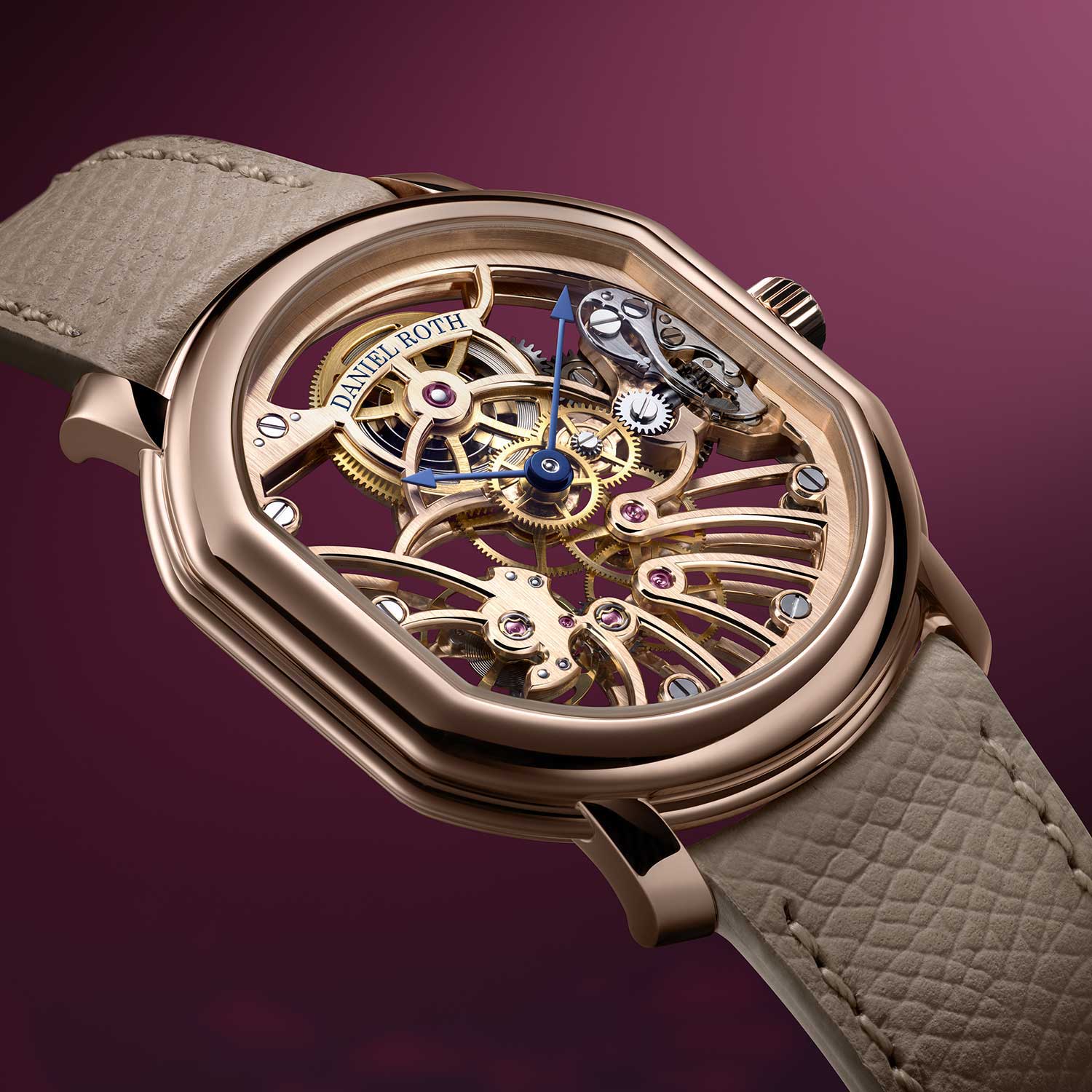
- Daniel Roth Extra Plat Rose Gold
-
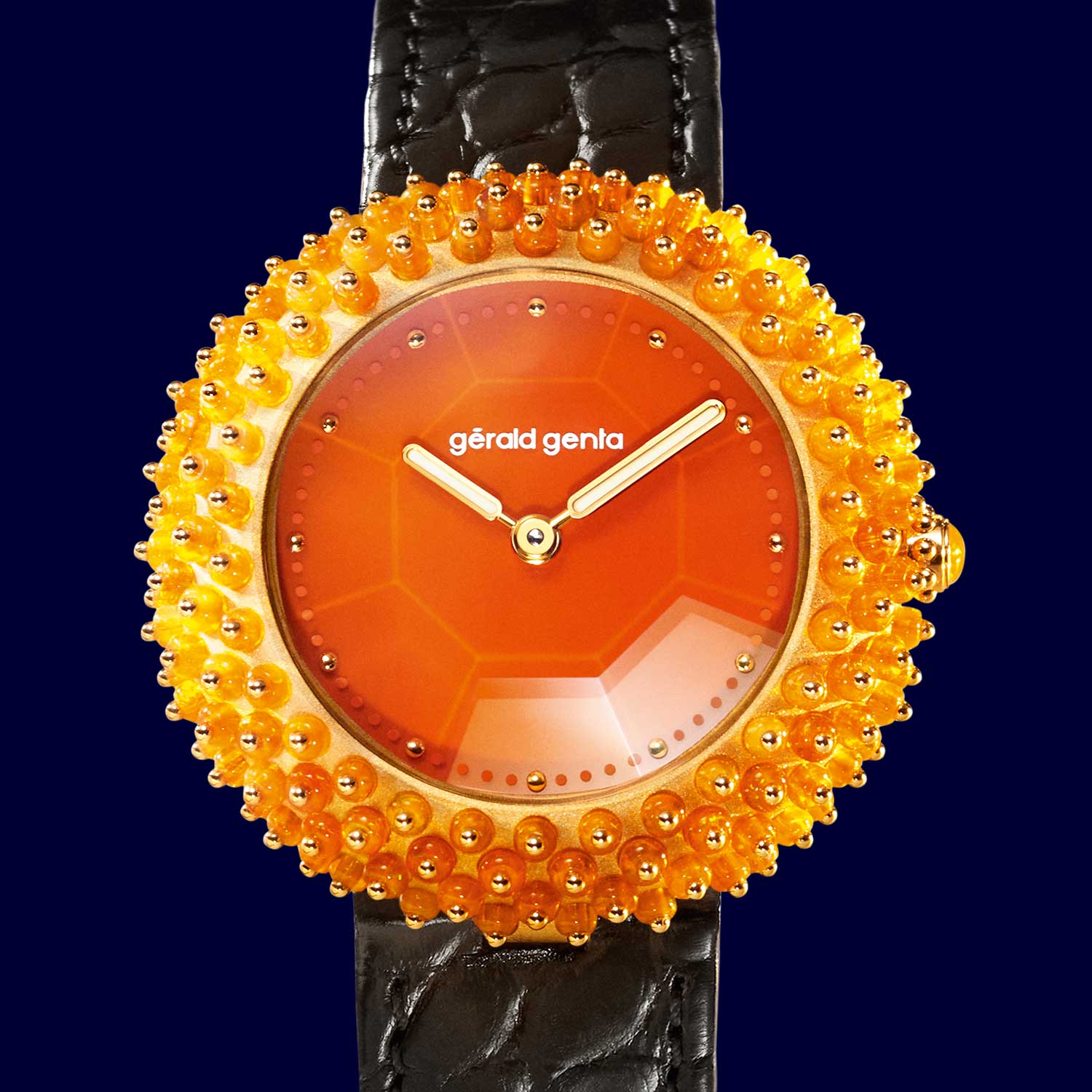
- Gérald Genta Gentissima Oursin Fire Opal
Step inside La Fabrique du Temps today and the dialogue that began in the 1980s continues uninterrupted: sketches traded across a bench, prototypes adjusted by hand and two watchmakers refining each other’s thinking. Their award recognizes not only longevity, but also a body of work that continues to guide the direction of contemporary horology.
Louis Vuitton

You may also like
Editorial
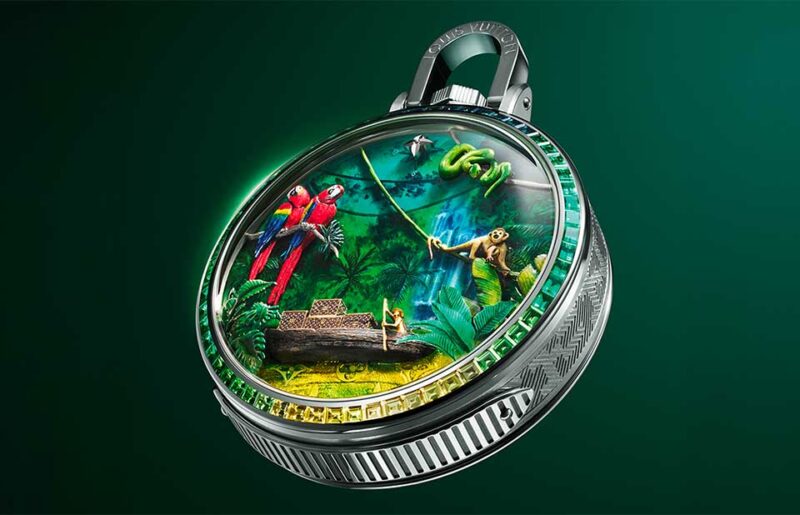
Revolution Awards 2025: Best Métiers d’Art — Louis Vuitton Escale en Amazonie
Jan 27, 2026
Editorial
Revolution Awards 2025: Best Métiers d’Art — Louis Vuitton Escale en Amazonie
Jan 27, 2026
Watch Fairs
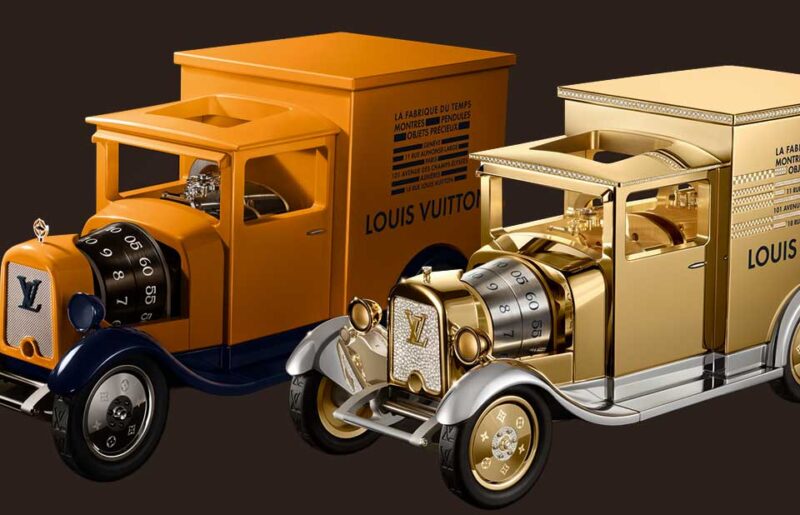
LVMH Watch Week 2026: Louis Vuitton’s La Camionnette — The Art of Travel in Miniature
Jan 19, 2026
Watch Fairs
LVMH Watch Week 2026: Louis Vuitton’s La Camionnette — The Art of Travel in Miniature
Jan 19, 2026
Watch Fairs
LVMH Watch Week 2026: Louis Vuitton’s Pure Convergence
Jan 19, 2026
Watch Fairs
LVMH Watch Week 2026: Louis Vuitton’s Pure Convergence
Jan 19, 2026