LVMH Watch Week 2026: The Tiffany Timer from Tiffany & Co.
Watch Fairs
LVMH Watch Week 2026: The Tiffany Timer from Tiffany & Co.

Chronographs have always been functional objects first and cultural ones second, and enthusiasts tend to be impatient with anything that reverses that order. If the layout doesn’t make sense, or the movement choice feels non-committal, the conversation ends quickly. This is what makes Tiffany & Co.’s decision to introduce the limited-edition Tiffany Timer as the first in its new chronograph collection so revealing.
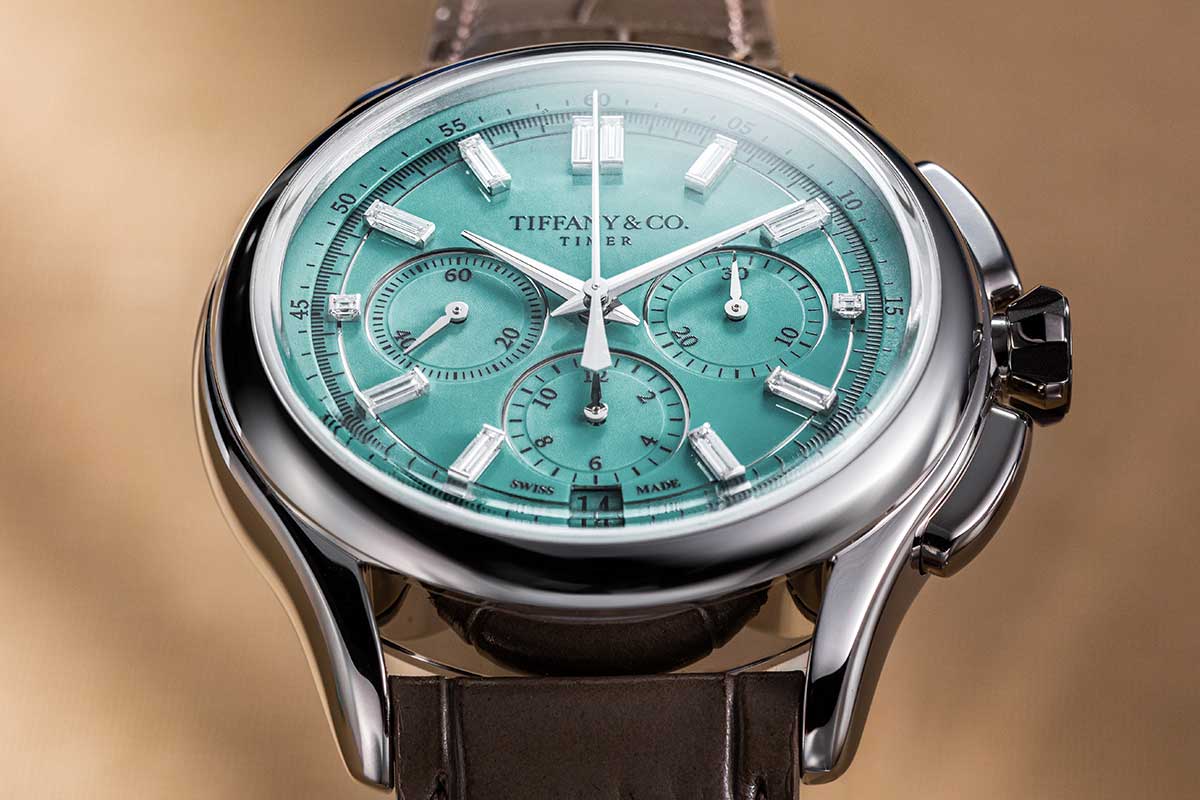
Unveiled at LVMH Watch Week 2026, the Tiffany Timer is a 40mm platinum chronograph, limited to 60 pieces and powered by a customized Zenith El Primero. The name is taken directly from Tiffany’s past, but it doesn’t ask to be read as a revival, or as an act of brand archaeology. Instead, it places Tiffany back into territory it has occupied for far longer than its modern watch output suggests: serious timekeeping, approached from the standpoint of a jeweler.
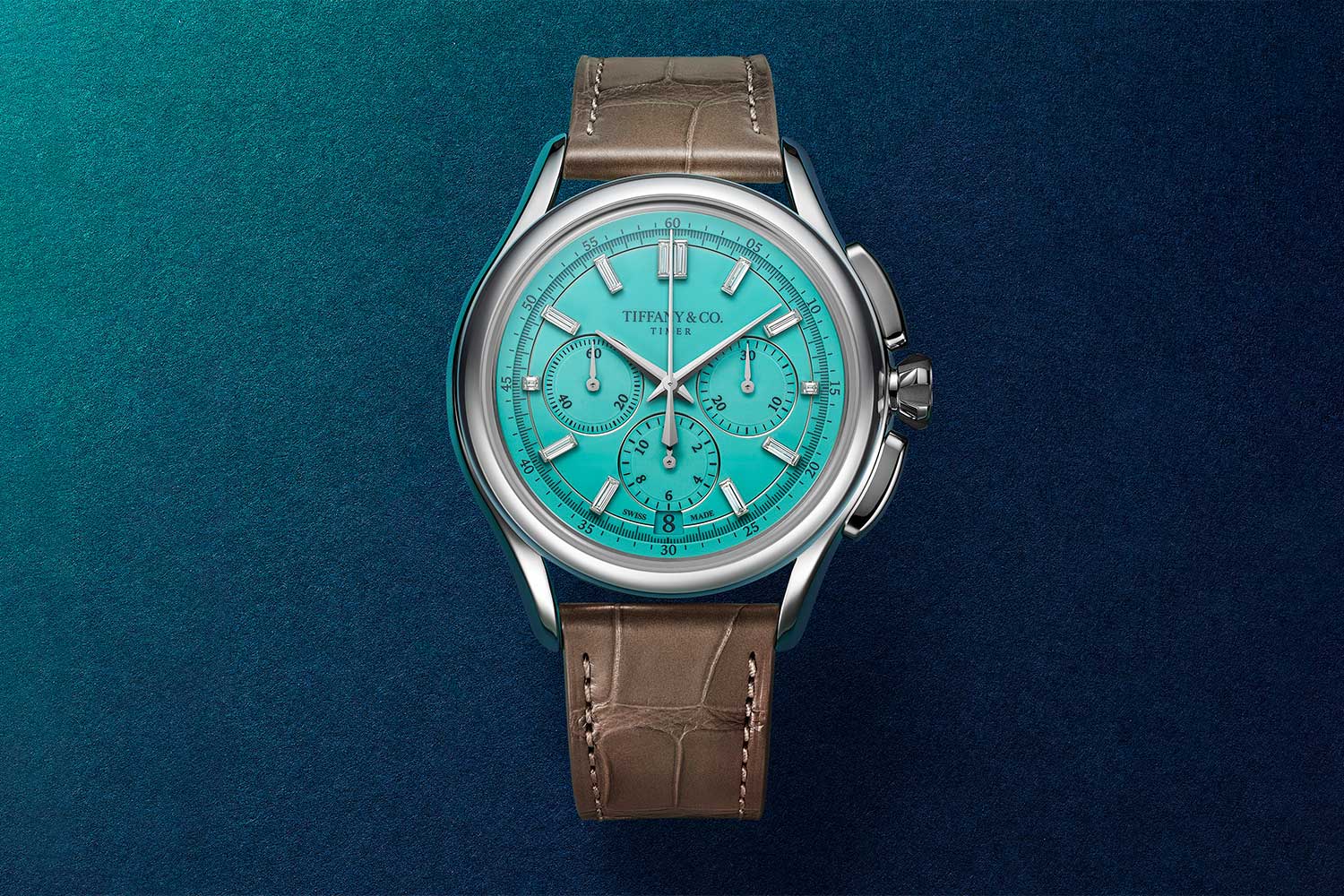
Tiffany Timer Watch in Platinum
That seriousness matters and Tiffany & Co.’s Vice President of Watches Nicolas Beau is clear about why. “We didn’t want to make a chronograph that required an explanation,” he tells Revolution. “If you have to explain why it works, then it doesn’t really work.”
Chronographs allow very little room for ambiguity. They are read quickly, judged quickly and dismissed just as fast if they cause any hesitation. For a jeweler, the risk is not whether a chronograph can be made — that problem has long been solved — but whether it understands what a chronograph is meant to do once it leaves the display case. “A chronograph is an instrument,” Beau says. “If it doesn’t operate that way, nothing else really matters.”
That logic runs through the Timer. Layout and legibility first. Everything else follows.
Timing Before Status
Tiffany began retailing watches in 1847, quickly developing a reputation for selecting high-precision European timepieces. In 1866, the house introduced what it now recognizes as its first stopwatch — a pocket watch designed for scientific use as well as for timing sporting events. Two years later, the name “Tiffany & Co. Timer” appeared, coinciding with the opening of a watch assembly workshop in Switzerland.
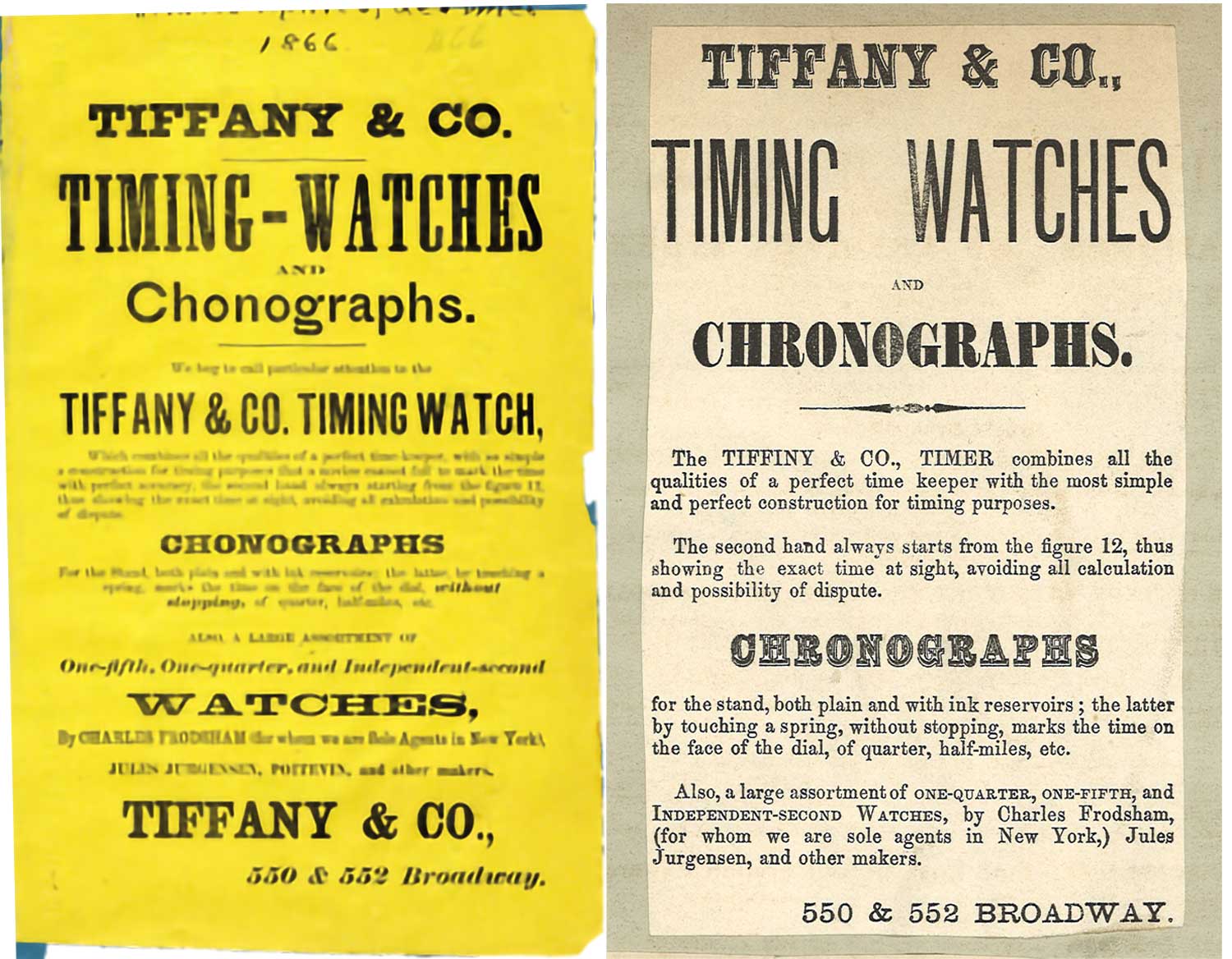
Advertisement for timing watches 1866 & 1868 (Source: The Tiffany Archives)
By 1874, Tiffany had inaugurated a full watchmaking manufacture in Geneva, producing timepieces with complications including chronographs. This is where the story often gets simplified — and where it shouldn’t.
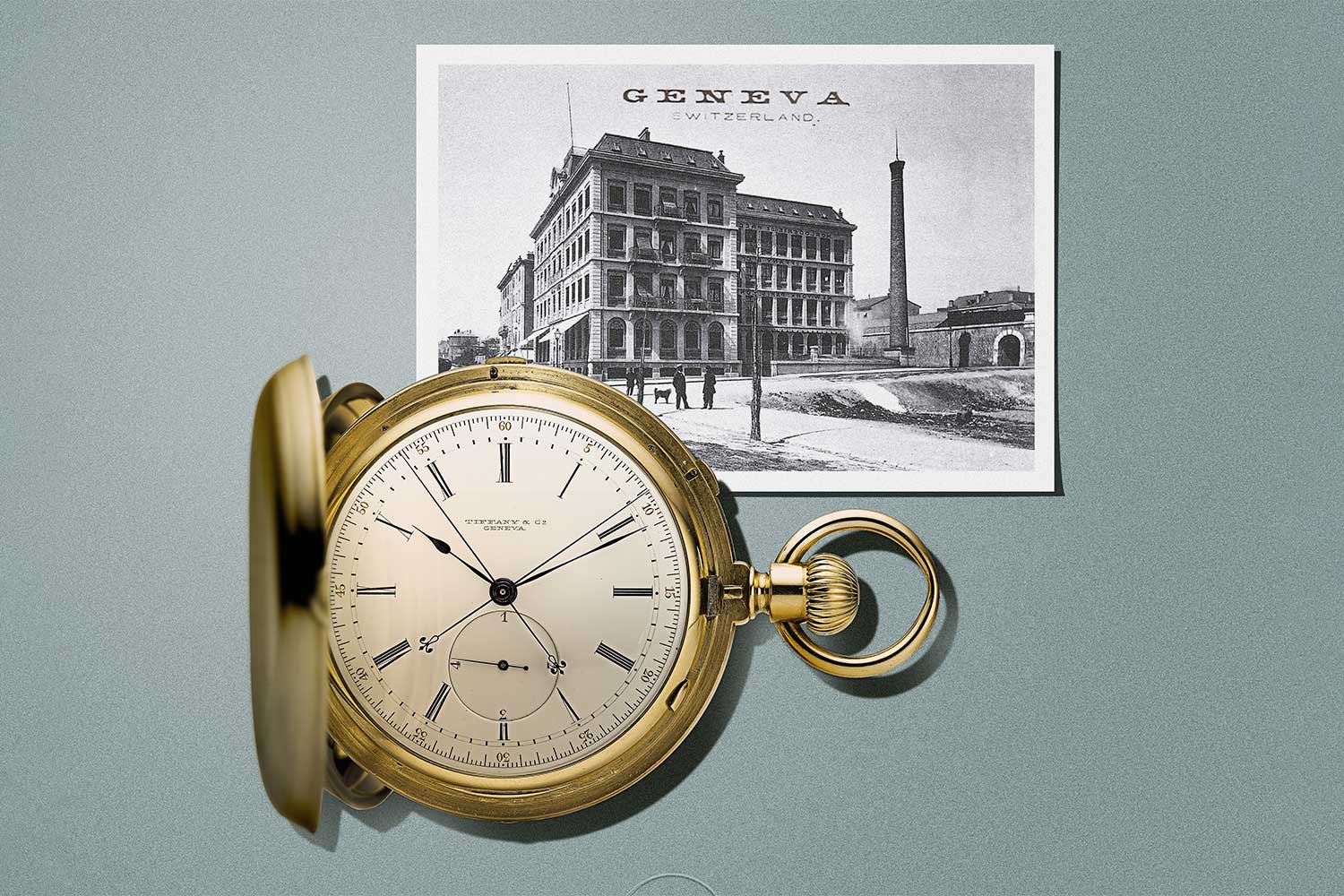
A split-second pocket watch manufactured at the Tiffany & Co. Geneva facilities, 1874 (Source: The Tiffany Archives)
What matters here is not continuity of wristwatch production, but use. Tiffany’s early chronographs and timers were conceived for scientific, sporting and professional contexts, and sold to clients who understood precision and were willing to pay for it. On its launch, Tiffany placed three 19th-century chronographs beside the new Timer, including two split seconds examples marked “Geneva” on the dial — the point of succession was made with objects rather than mere words.
It is a discipline that translates, almost verbatim, to the metal. Beau is unusually explicit about the process. “We always start with the design,” he says. “Then we choose the movement. And then we make sure the two belong together.”
It’s a jeweler’s sequence rather than a watchmaker’s habit, and the Timer’s case illustrates it perfectly. Rendered in polished platinum, the 40mm form has gently contoured edges and a consistent finish throughout. The chronograph pushers curve into the profile and double as crown protectors. The crown itself is faceted, echoing the six-prong Tiffany Setting, not as ornament but as a familiar structural form translated into metal.
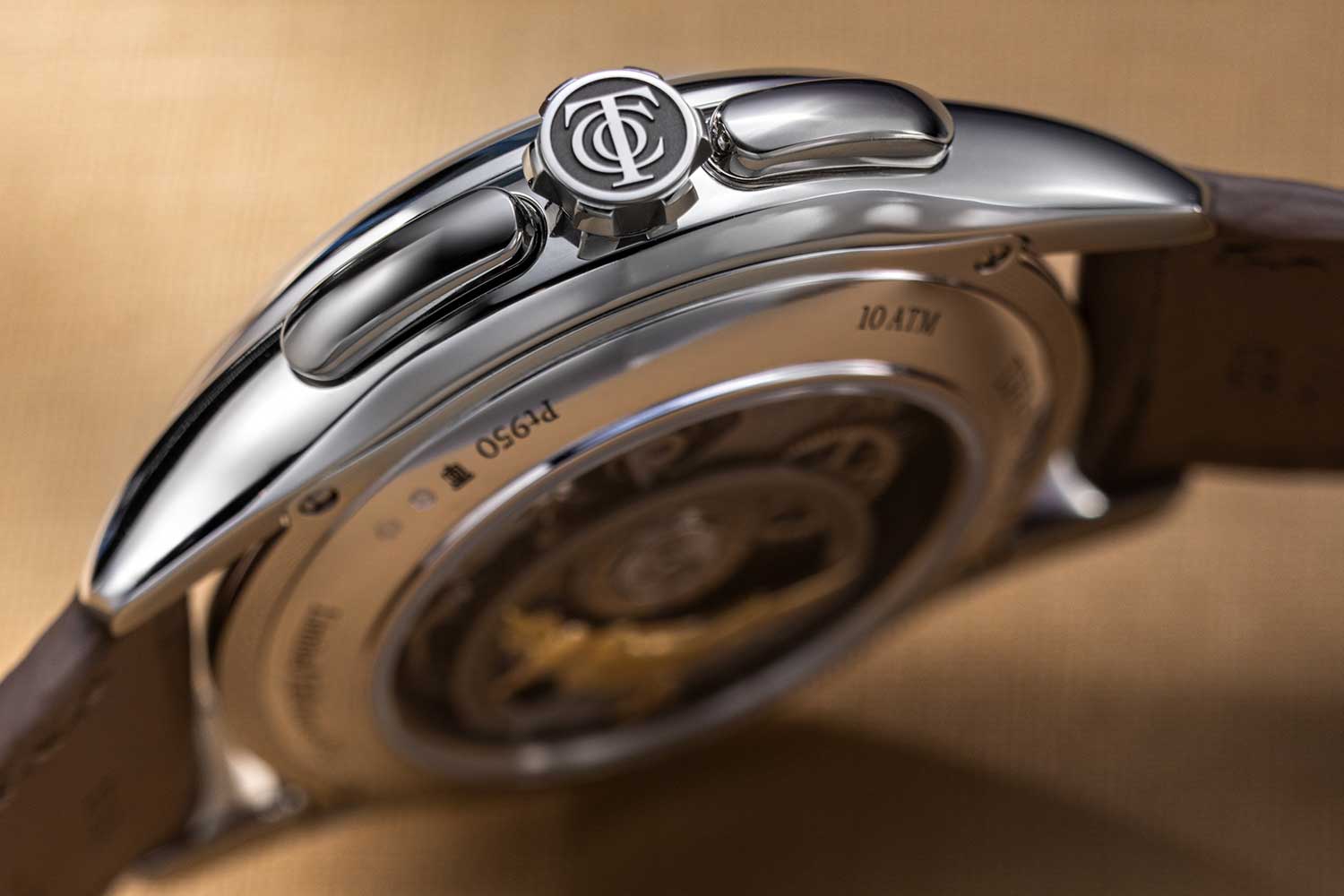
The crown itself is faceted, echoing the six-prong Tiffany Setting (©Revolution)
None of this is decorative and that principle governs the dial as well. Twelve baguette-cut diamonds mark the hours on the surface, chosen for how they read rather than how they sparkle. Baguettes offer flat surfaces and controlled reflections, reducing glare and keeping the dial easy to read. In this context, the diamonds function like applied indexes on a traditional chronograph. “We never discussed them as decoration,” Beau says. “We only ever talked about them as markers.”
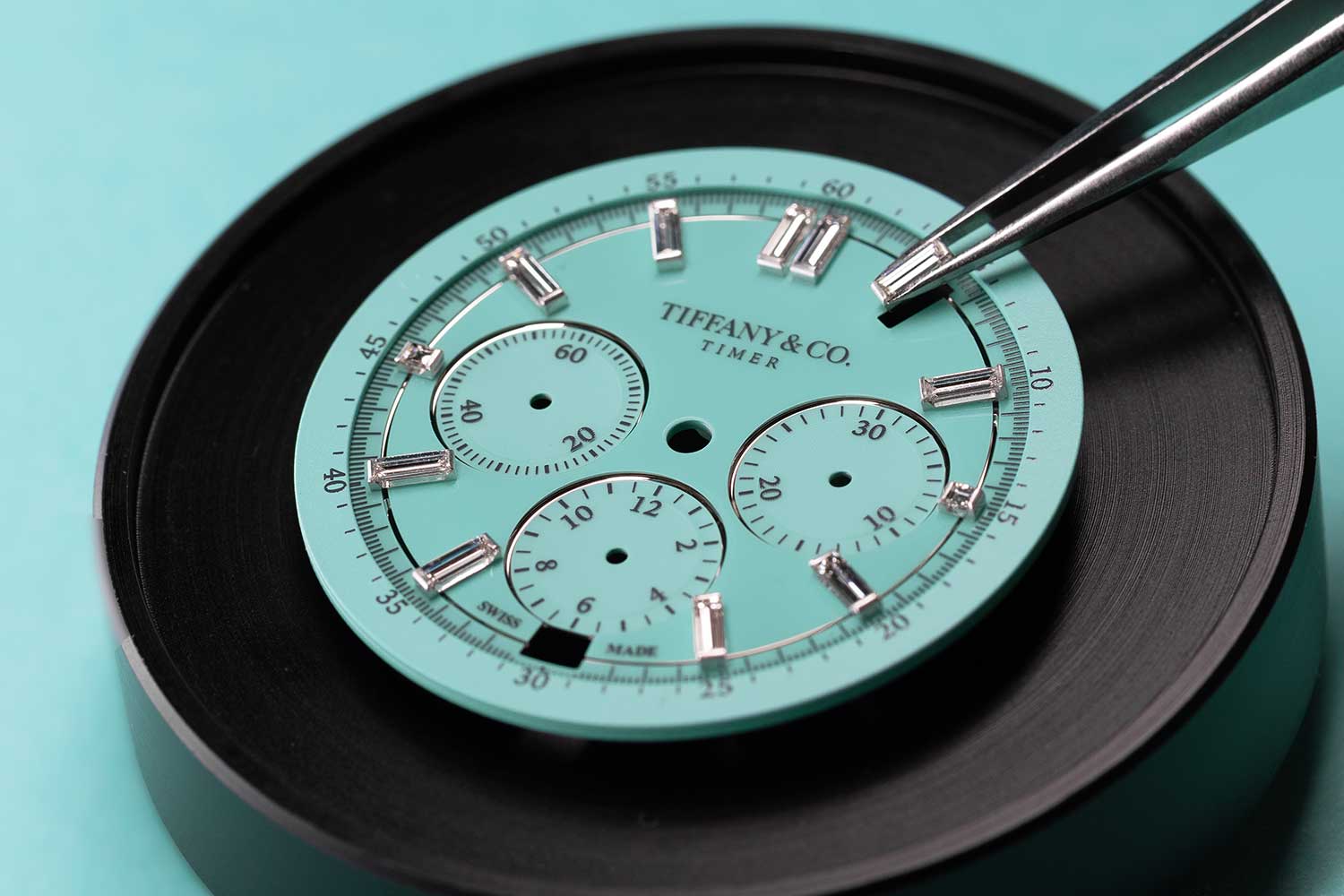
An artisan sets the dial of the Tiffany Timer watch with baguette diamond indexes
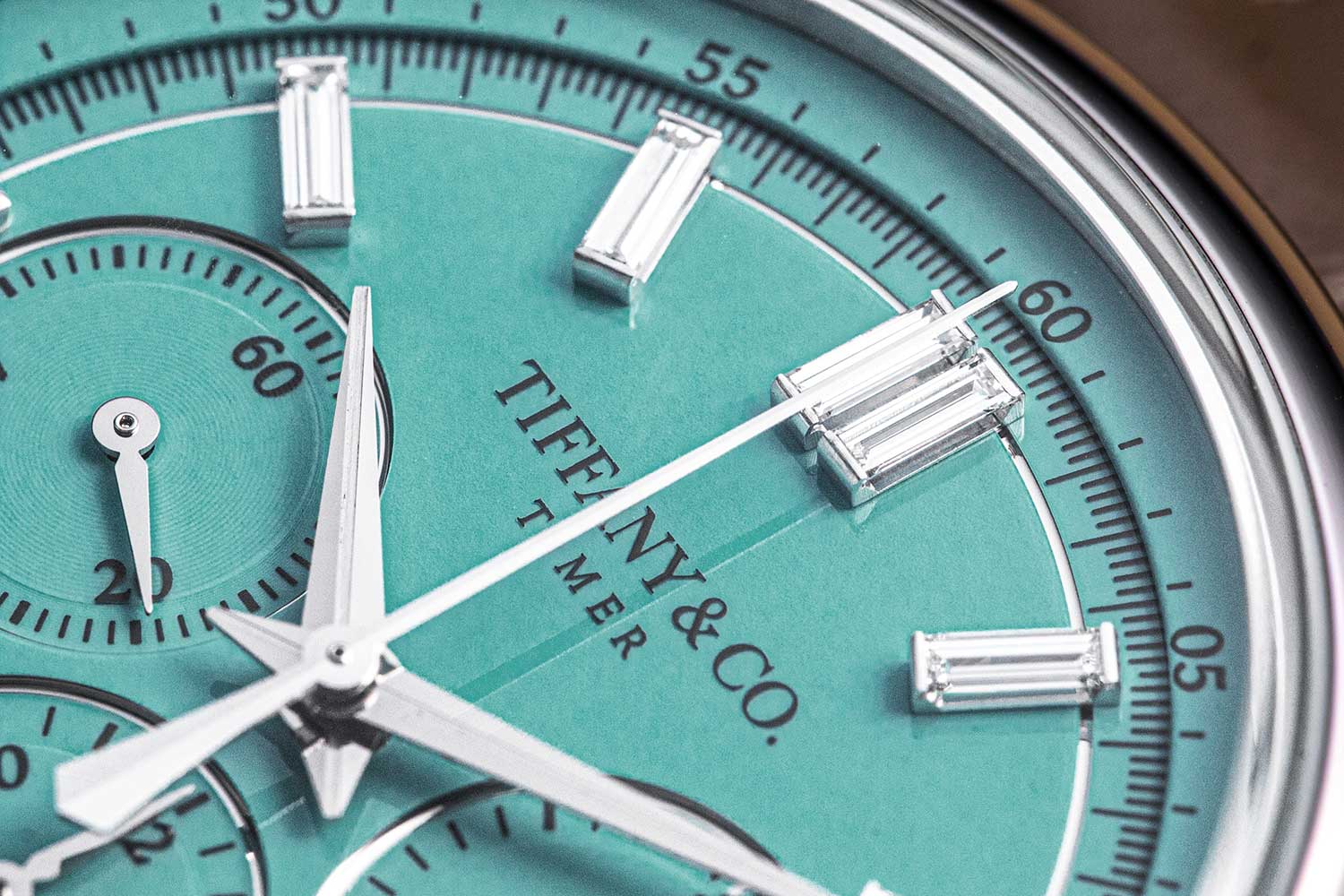
The baguette-cut diamonds mark the hours offer flat surfaces and controlled reflections, reducing glare and keeping the dial easy to read (©Revolution)
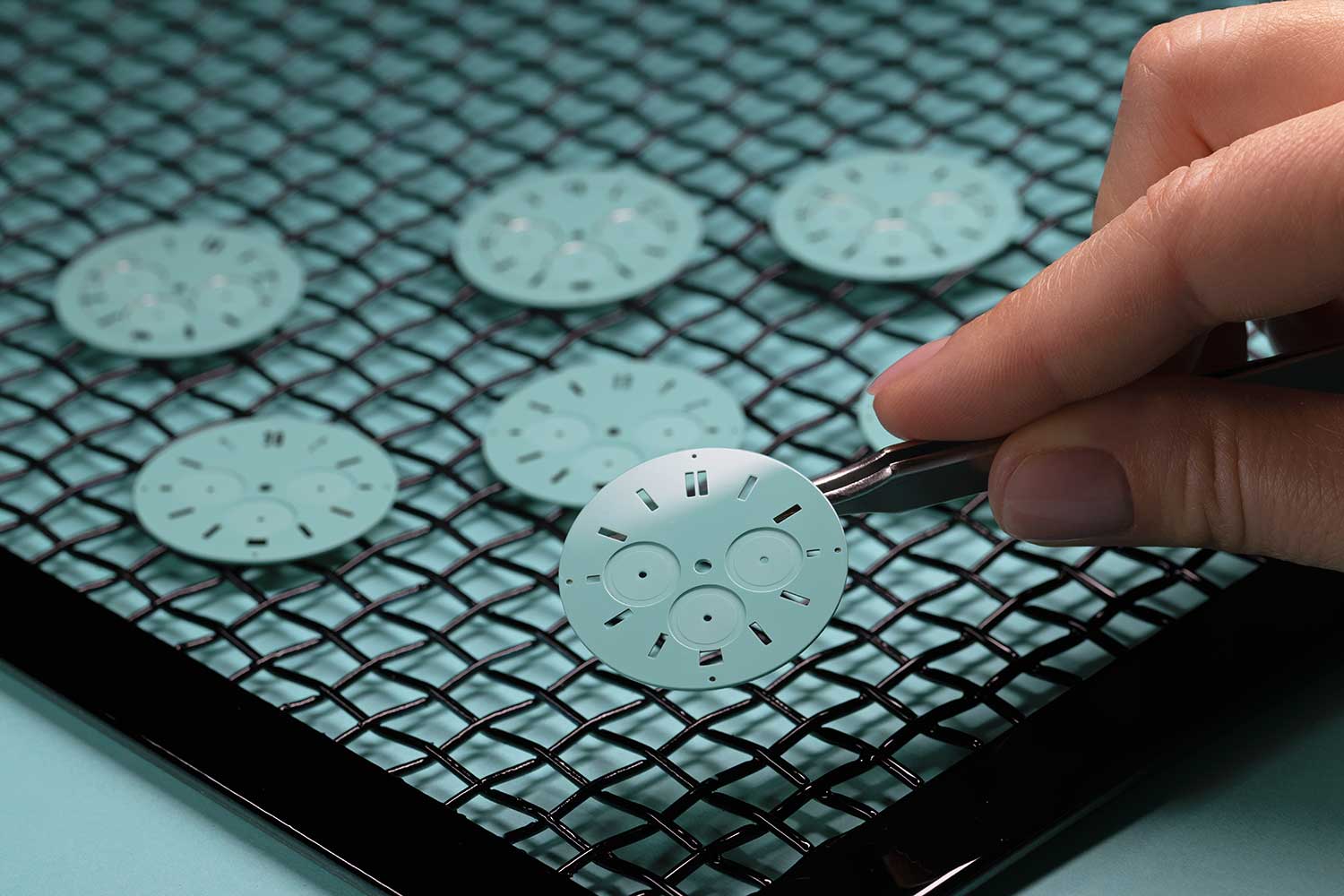
The dial itself is, naturally, in Tiffany Blue. This was never a neutral design choice and could not be treated as “simply a color.” It is a house signature with a long commercial and cultural history, and that places a different responsibility on its use. “The color had to be perfect with no deviation,” Beau says. “Once it’s in a case, it behaves differently. Light, depth, curvature… everything affects it. Consistency is the hardest part as it has to look right in the hand, not just under studio lights.”
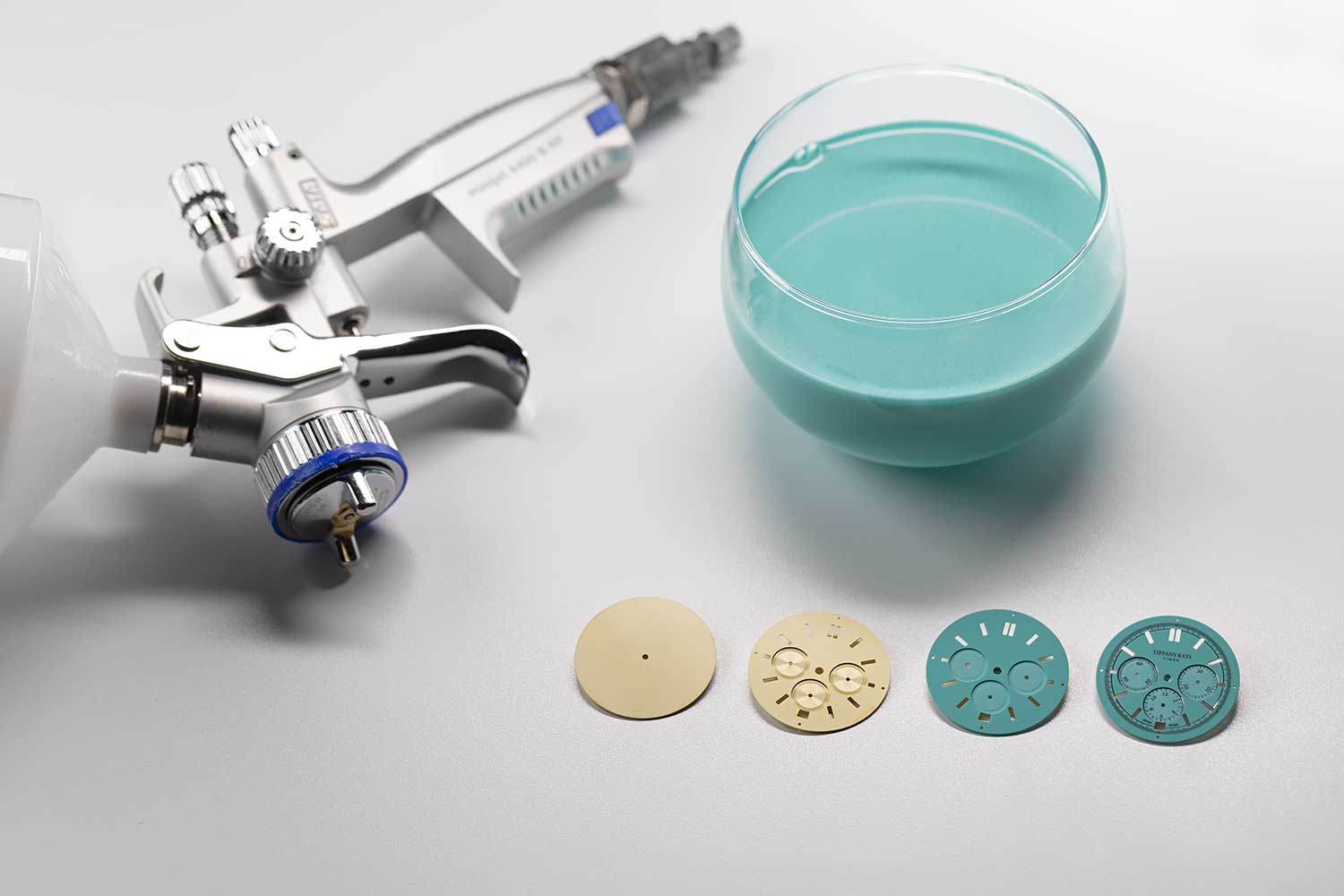
Making of the Tiffany Timer watch dial in Tiffany Blue® lacquer
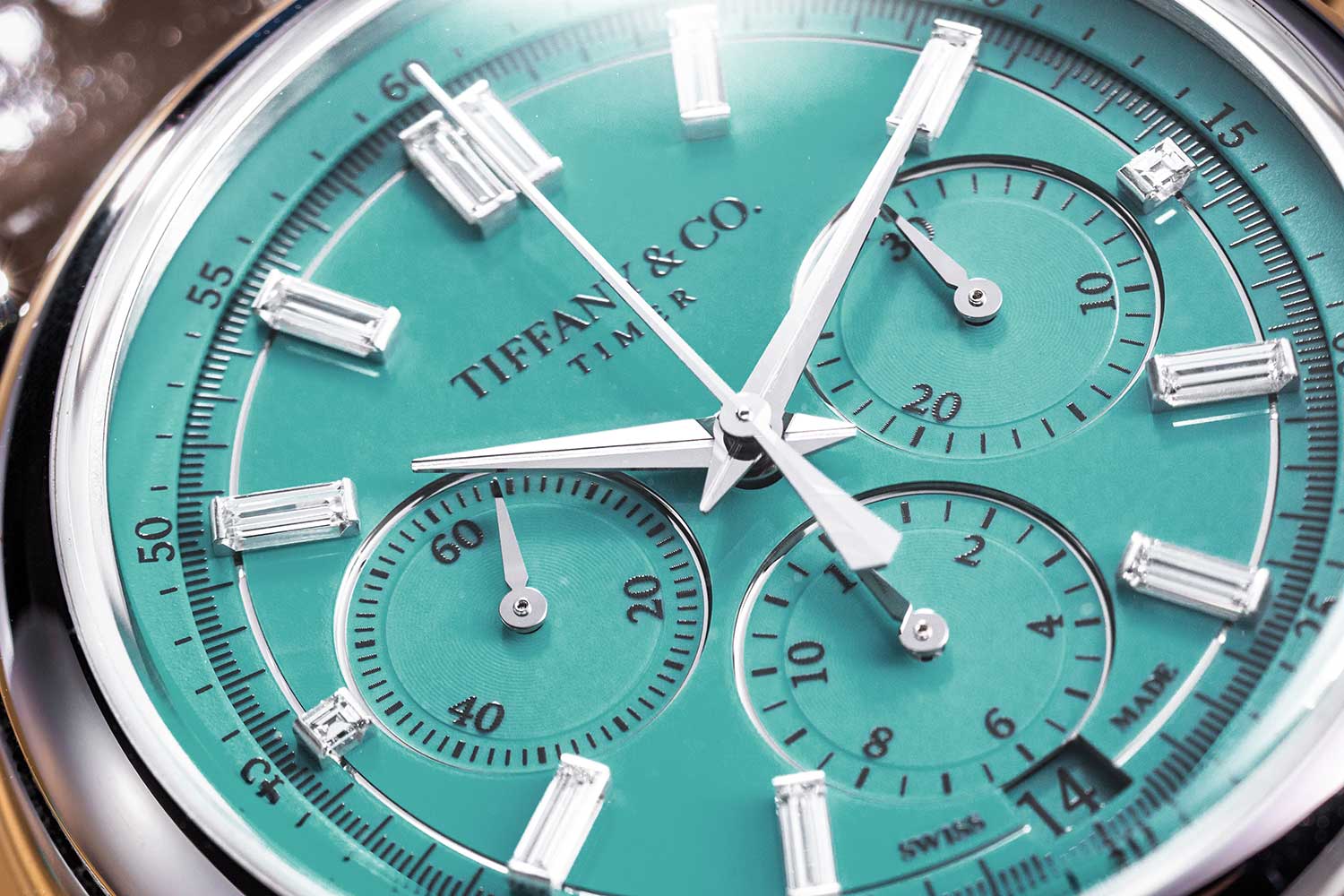
The Tiffany Blue® is a house signature with a long commercial and cultural history (©Revolution)
Beau and his team chose lacquer over enamel to control tone and consistency. The process is time consuming, involving more than 50 hours of work, but it keeps the color stable across changes in light, curvature and case material. In a platinum chronograph, that control matters.
Why Zenith, and Why El Primero?
Ultimately, it is movement choice that defines credibility in a chronograph and Tiffany’s decision to work with LVMH stablemate Zenith places the Timer on firm ground. The customized El Primero 400 is not used here for ease of acquisition, but for its build: integrated, automatic and designed from the outset to measure elapsed time clearly, accurately and repeatedly.
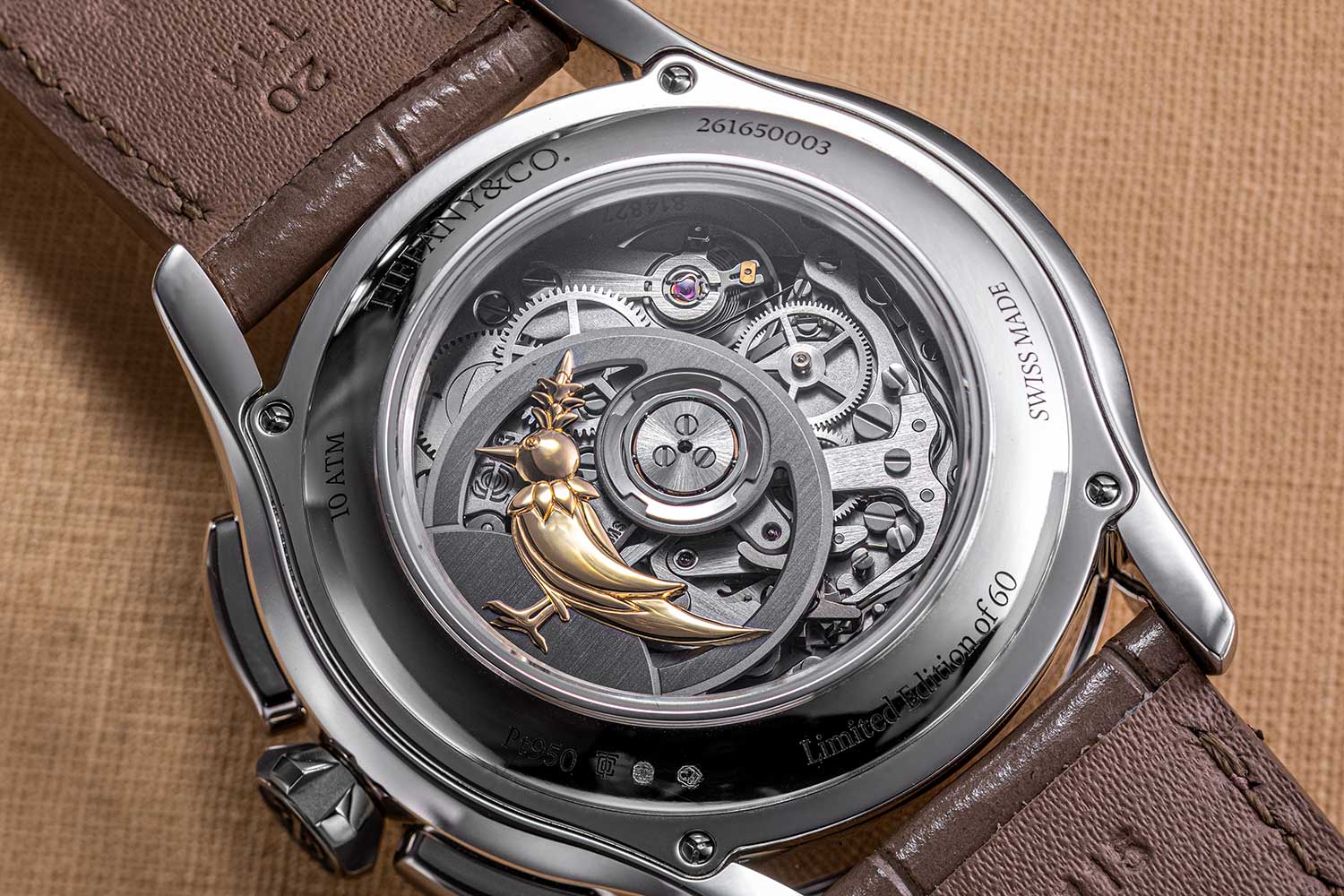
The customized movement El Primero 400 integrated column wheel chronograph (©Revolution)
Introduced in 1969, the El Primero remains a benchmark not because of nostalgia, but because its fundamentals still hold up. It is mechanically coherent, robust and easy to read, all qualities that matter more than novelty in a chronograph intended to be worn rather than admired at arm’s length.
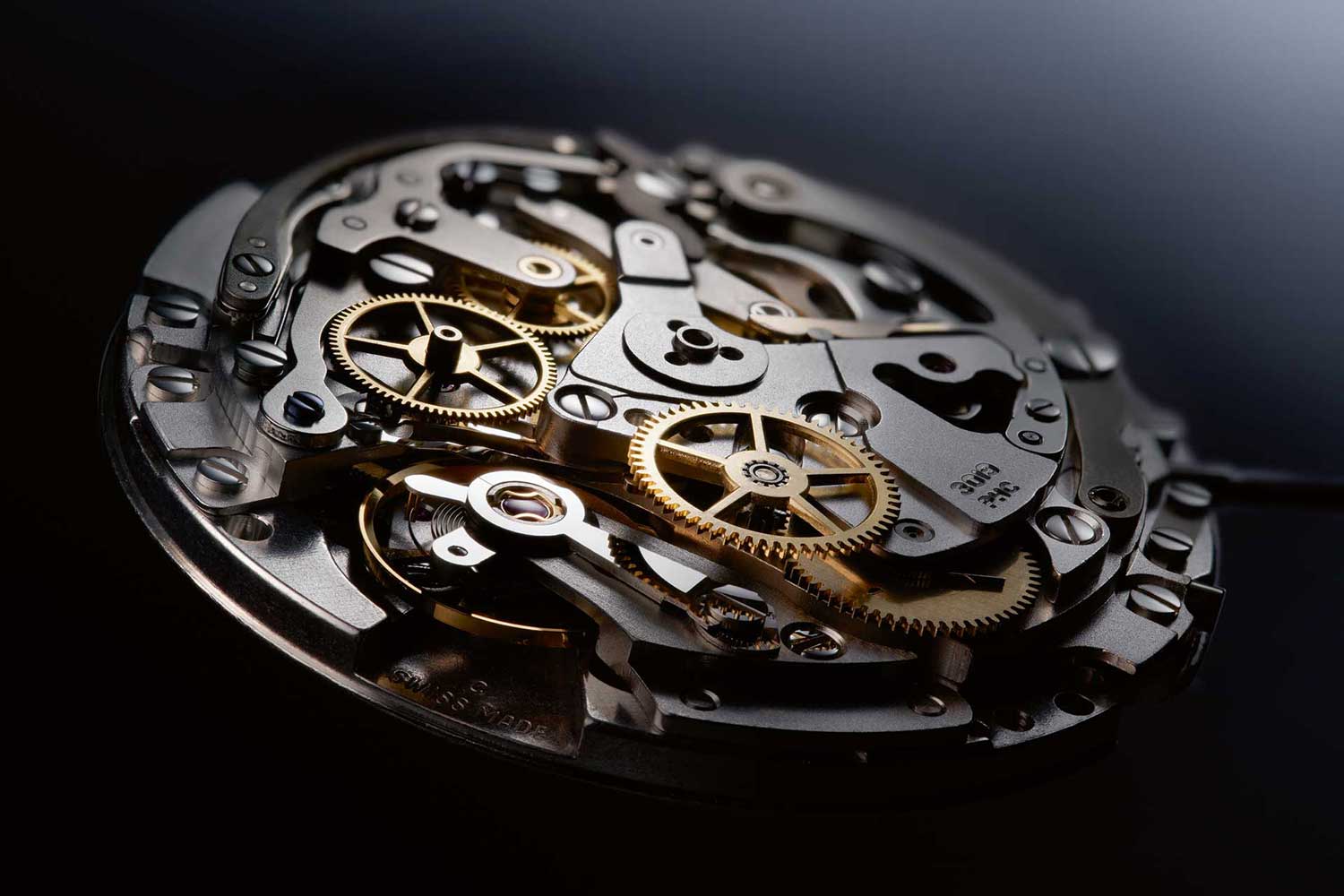
The original 1969 Zenith El Primero movement
Beau doesn’t over-dramatize the decision. “For this kind of chronograph, there weren’t really alternatives,” he says. “The question wasn’t whether El Primero was right, but how we would make it right for Tiffany.”
Rather than turning the movement into a decorative showcase, Tiffany chose restraint. The caliber remains relatively simple and the layout continues in its traditional format. The chronograph does what it is supposed to do. “We weren’t looking for anything exotic,” Beau continues. “We were looking for something that made sense.”
This mirrors the house’s historical practice. In the mid-20th century, Tiffany retailed chronographs powered by the best movements from producers such as Valjoux and Lemania, less interested in claiming manufacture status than in ensuring quality. The Timer follows that same logic without pretending otherwise.
The jeweler’s emblematic Bird on a Rock sits on the rotor. Mounted on the open-worked oscillating weight, the hand-sculpted 18K yellow gold avian is faithful to Jean Schlumberger’s original design. Integrating it required recalibration of the rotor’s mass by Zenith but for Tiffany it was non-negotiable.
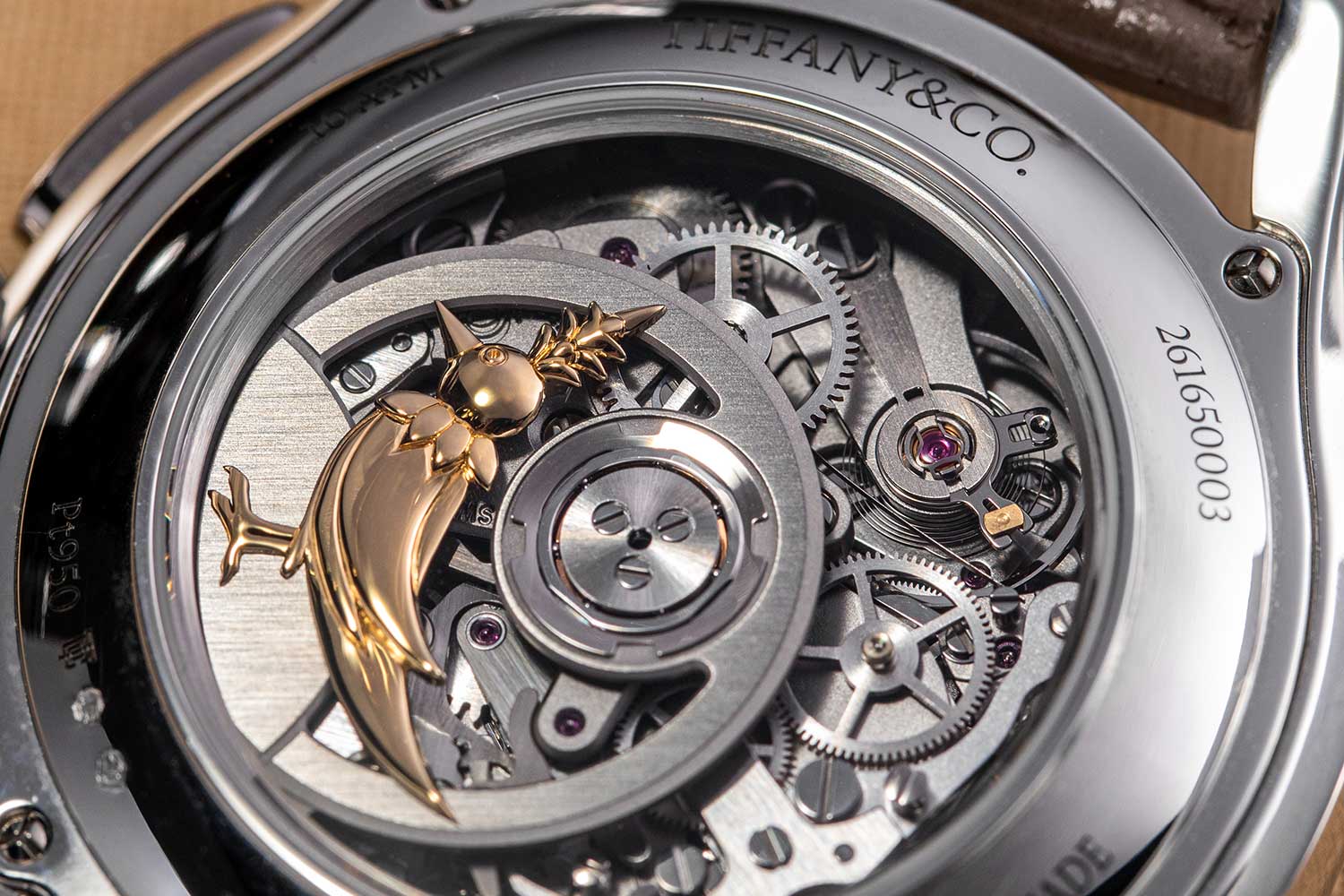
Oscillating weight with custom 18k yellow gold Bird on a Rock (©Revolution)
The caliber itself is finished in a restrained, largely monochrome palette so the bird remains the single point of color and motion. It is not surface decoration, and it is not a flourish. It is intended as a repeating feature of the Timer collection, anchored to function rather than display. In Beau’s words, “the caliber becomes the frame. The bird is something you discover. It’s not there to announce itself.”
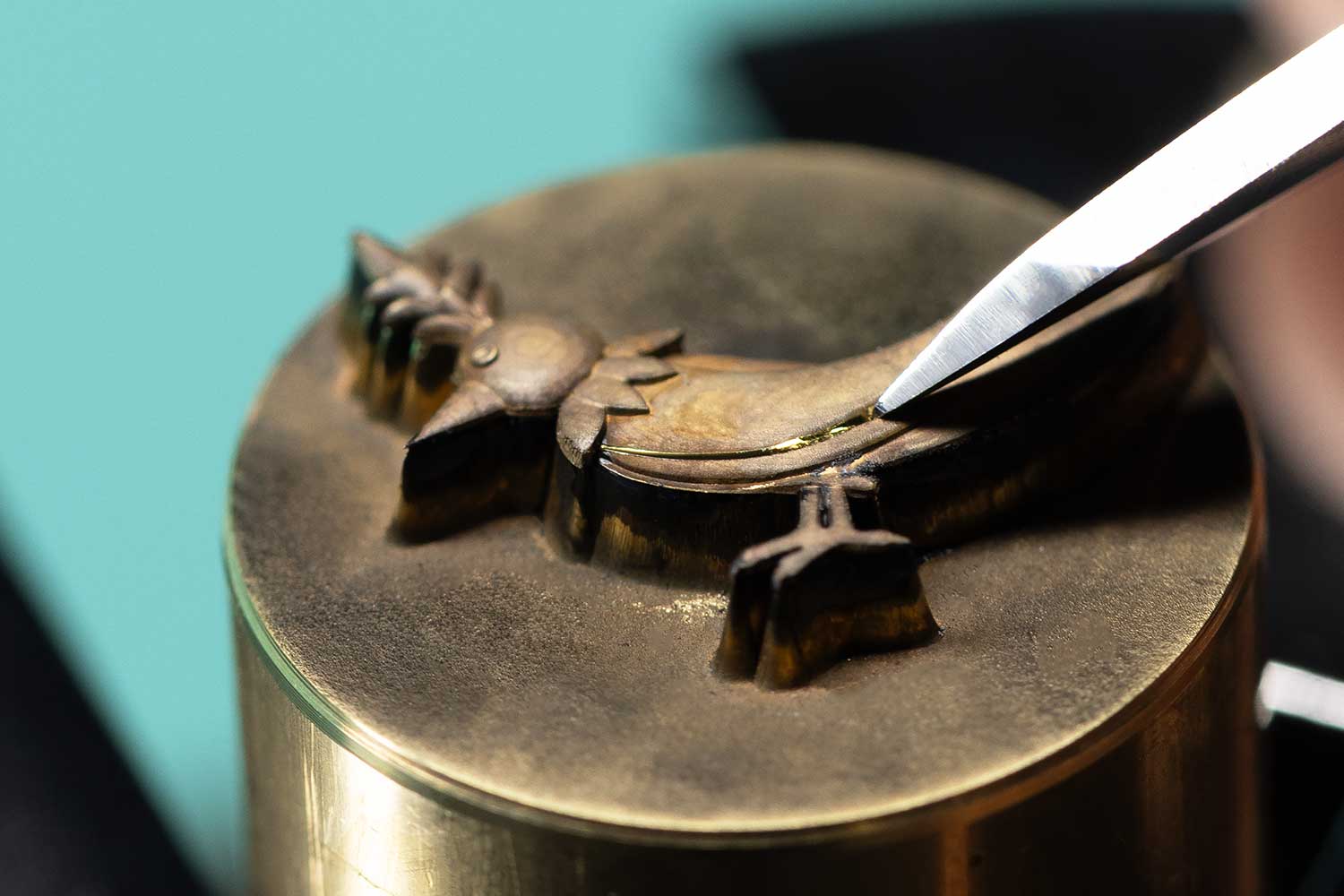
An artisan sculpts the Bird on a Rock motif featured on the oscillating weight of the Tiffany Timer watch
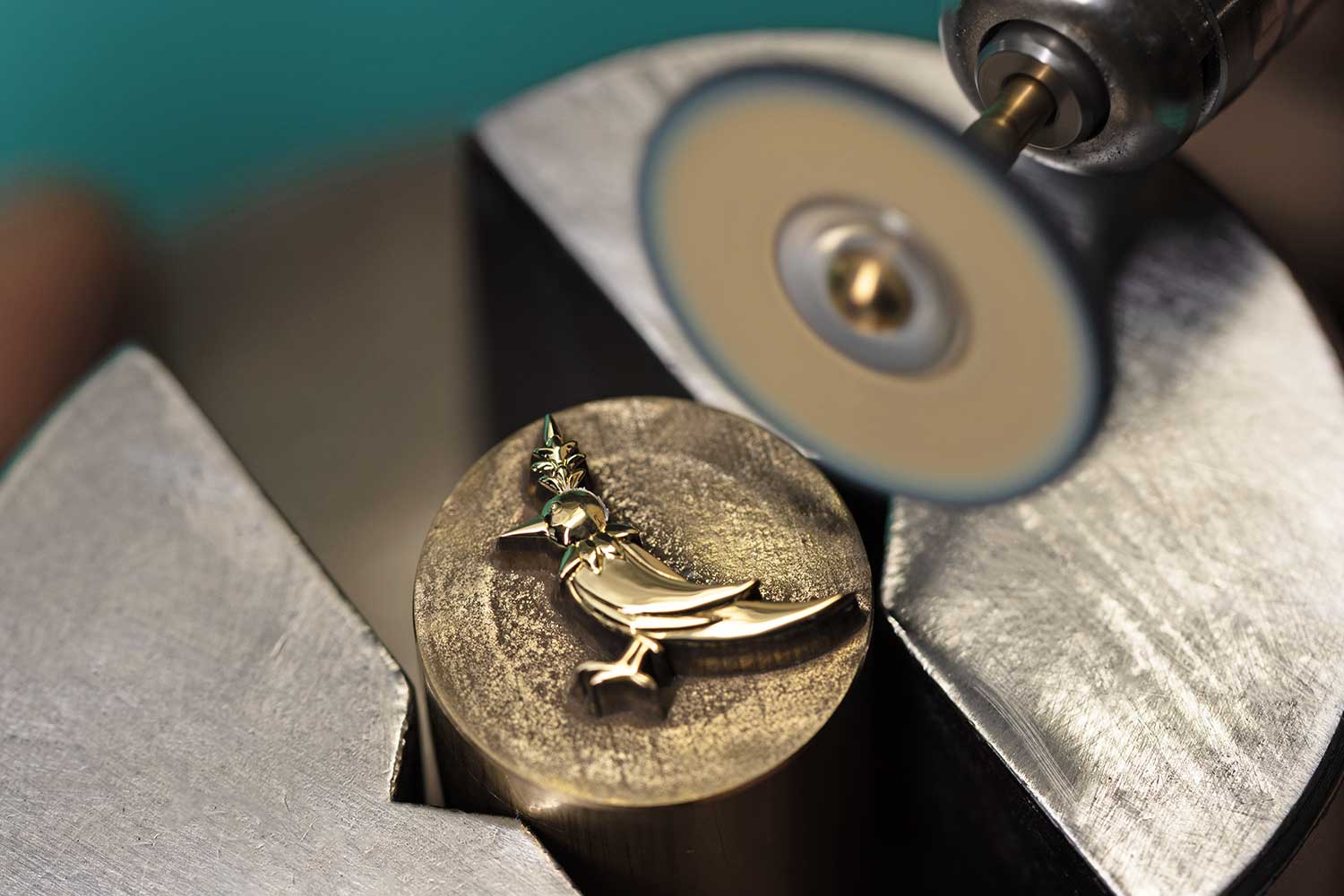
An artisan polishes the Bird on a Rock motif featured on the oscillating weight of the Tiffany Timer watch with a wooden stick and a polisher brush
Wearing the Tiffany Timer
Tiffany avoids gendered language around the Timer, and there is little reason to impose it. At 40mm, with a classic three-register layout and real weight on the wrist, the watch sits comfortably in territory long associated with men’s chronographs.
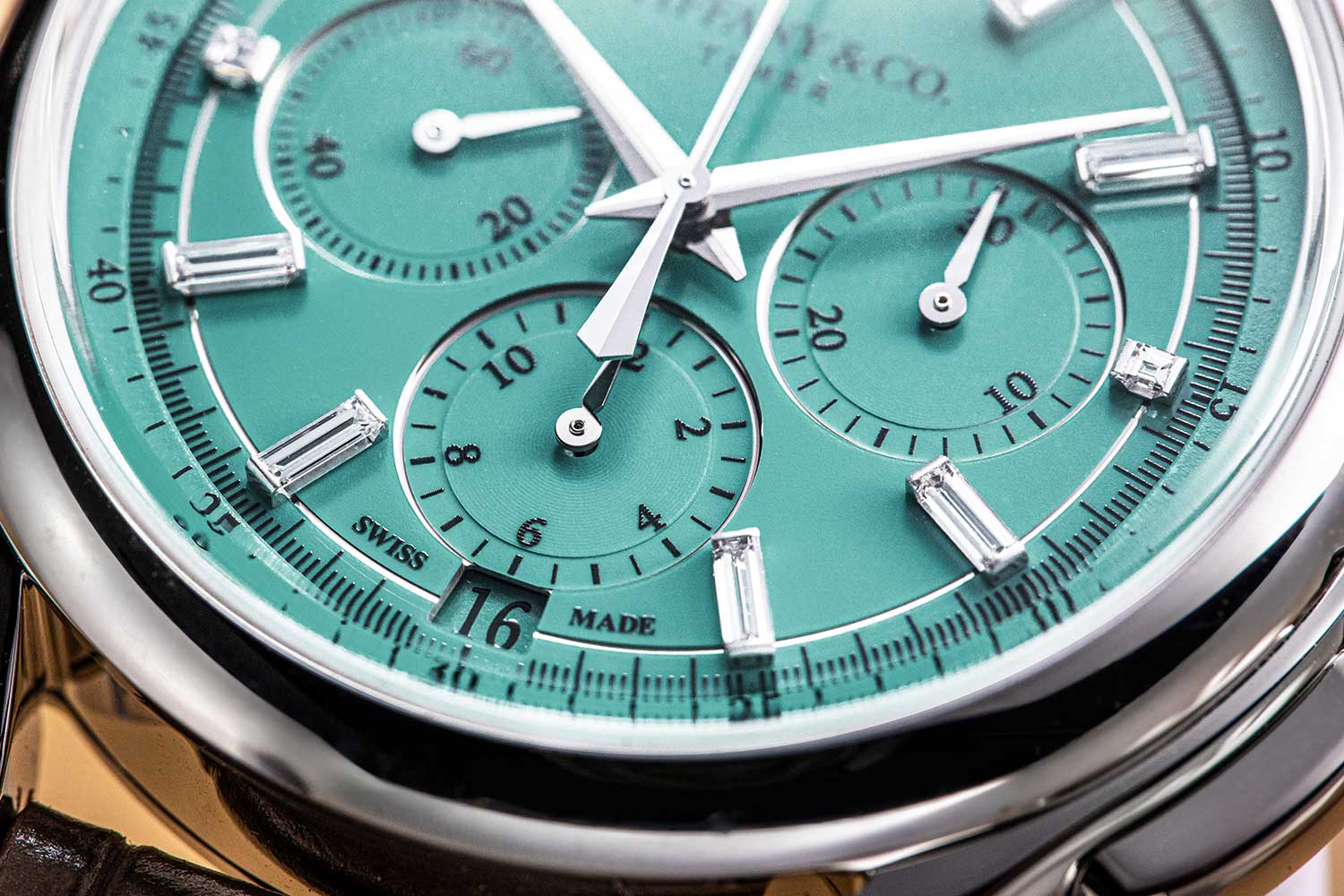
The classic three-register layout on dial (©Revolution)
Beau frames it differently. “Chronographs are instruments,” he says. “This one is about making that instrument work, and then letting Tiffany’s design language sit around it.”
To that end, the Timer is shaped by a jeweler’s priorities: clear reading, controlled surfaces, finishes that wear well over time. It is not aimed at first-time buyers. It assumes knowledge of a chronograph layout, of the El Primero’s place in watchmaking and of the benefits of platinum to watch design. “This isn’t about convincing anyone,” Beau says. “It’s for people who already know what they’re looking at.”
The Tiffany Timer doesn’t attempt to sum up the house’s watchmaking history, nor does it rely on a sense of revival. Tiffany’s link to chronographs has not come from manufacturing bravado. It has evolved through selection, from knowing what to include and when not to interfere.
Some may look at this watch and want it to be more groundbreaking. A different movement. Fewer diamonds. No diamonds at all. That reaction misses the point.
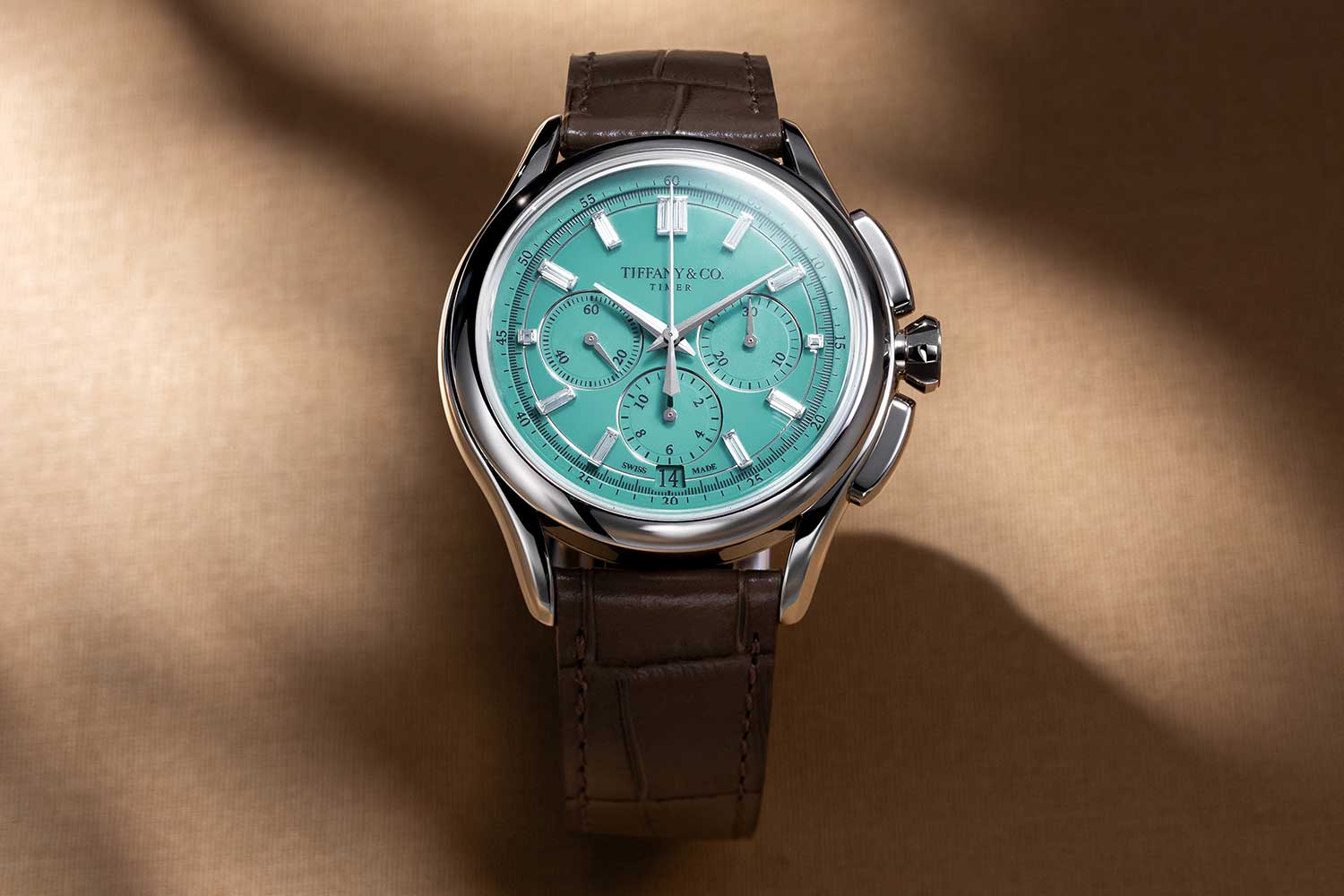
Tiffany Timer Watch in Platinum (©Revolution)
The Timer isn’t trying to win an argument inside the watch industry. It’s aimed at people who already understand what a chronograph is, who know why the El Primero matters, and who don’t need convincing that platinum carries horological weight in every way. What Tiffany adds is control over layout and color, and knowing when to stop.
Most brands, when they delve into the world of chronographs, add. Tiffany subtracts. It removes white noise. It sticks to a traditional layout. It lets the movement do its job. It stamps its identity in a way that if you know, you know.
It may not speak to everyone, but that’s fine – this is a watch for the connoisseur. But for a jeweler making a chronograph, not as an experiment but as a collection, this feels like a credible place to stand.
Tech specs: Tiffany & Co. Tiffany Timer
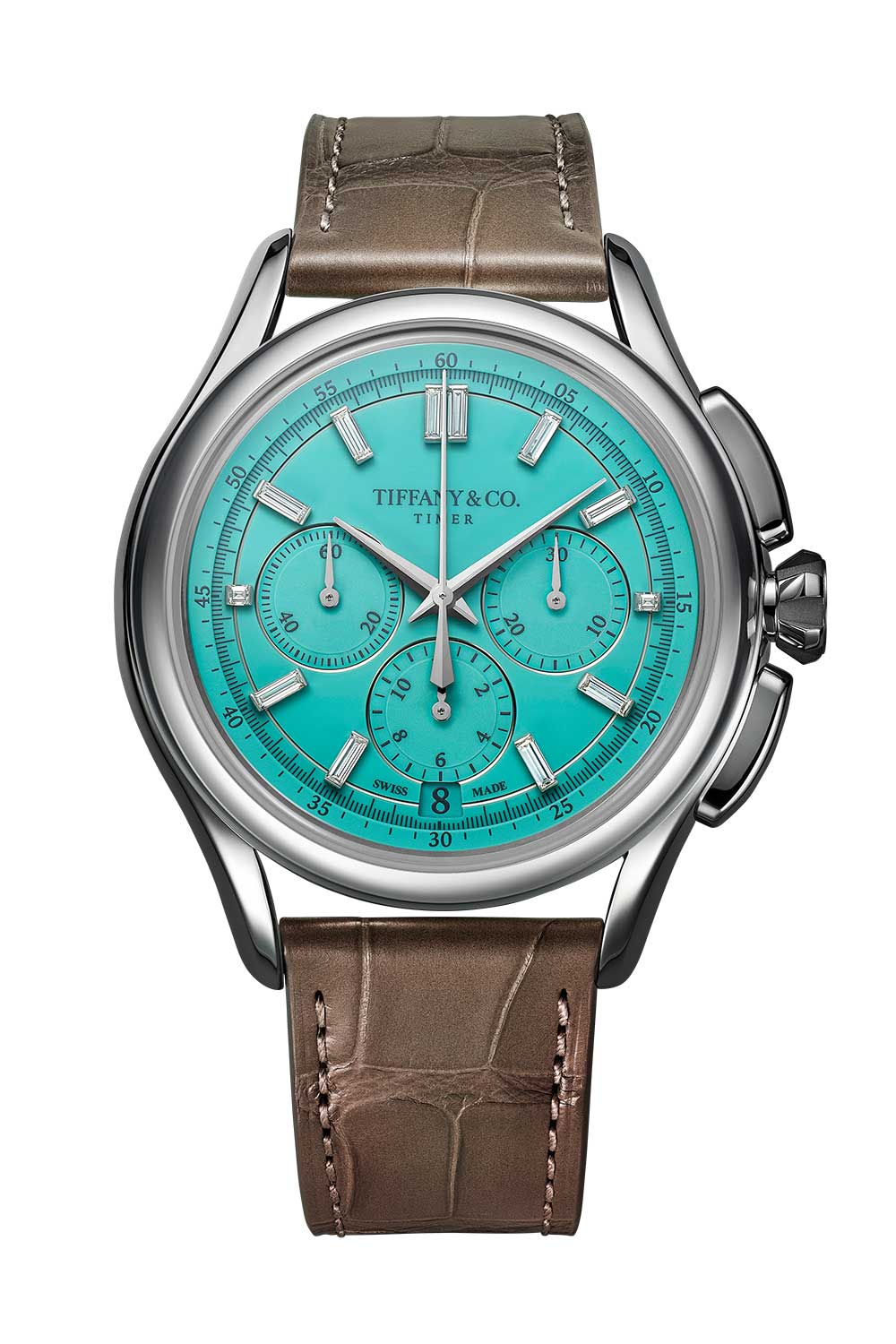
Movement Self-winding customized Zenith El Primero Caliber 400 with integrated column-wheel chronograph; oscillating weight featuring a hand-sculpted 18K yellow gold Bird on a Rock motif; 50-hour power reserve
Functions Hours, minutes, small seconds, chronograph and date
Case 40mm; platinum, with faceted crown inspired by the Tiffany Setting; water resistant to 100m
Dial Tiffany Blue lacquer; 12 baguette-cut diamond hour markers
Strap Taupe alligator leather; 18K white gold triple-folding clasp
Price USD 55,000
Availability Limited edition of 60 pieces
Tiffany & Co.
You may also like
News
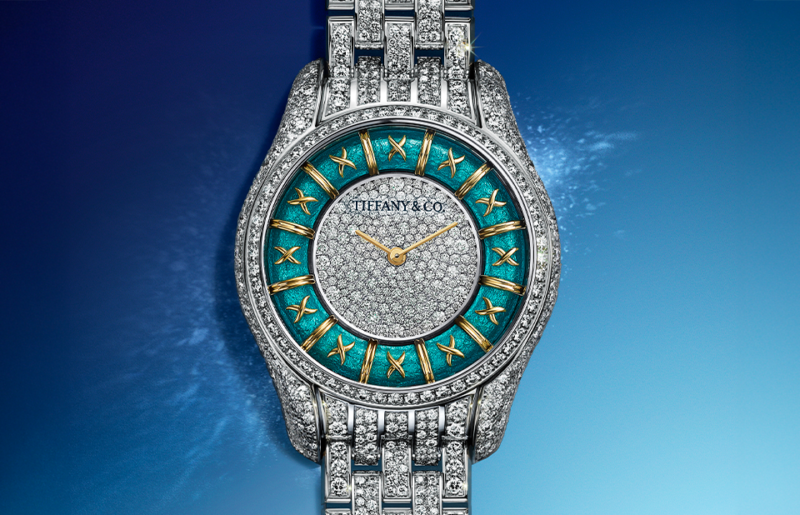
Tiffany & Co., celebrates another Jean Schlumberger icon with the launch of the jewellery-inspired Enamel Watch
Feb 10, 2026
News
Tiffany & Co., celebrates another Jean Schlumberger icon with the launch of the jewellery-inspired Enamel Watch
Feb 10, 2026
Editorial
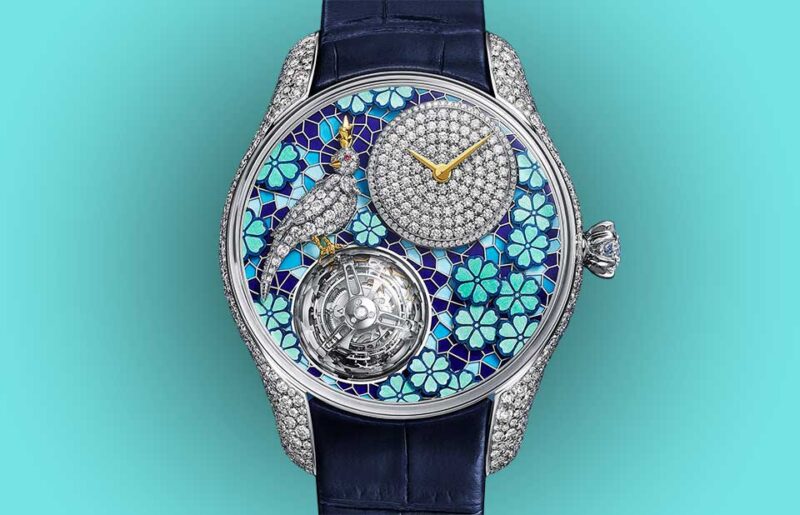
Revolution Awards 2025: High Jewellery — Tiffany & Co. Bird on a Flying Tourbillon – Azure Blossom
Jan 27, 2026
Editorial
Revolution Awards 2025: High Jewellery — Tiffany & Co. Bird on a Flying Tourbillon – Azure Blossom
Jan 27, 2026
News
The Tiffany & Co. Atlas Watch is back, and Now it’s Automatic
Jul 7, 2025
News
The Tiffany & Co. Atlas Watch is back, and Now it’s Automatic
Jul 7, 2025