Deep Diving with the Rolex Sea-Dweller
Single Red
The ‘Single Red’ Sea-Dweller, reference 1665, was the watch that started the lineage of one Rolex’s most important professional tool watches. The very first ‘Dweller’ was a prototype that was issued to professional divers to test in the field. The most interesting aspect of these watches was that they were not equipped with gas escape valves.
Rolex were experimenting with watches that could operate at much greater depths and so the prototype 1665 was depth rated to 500m/1650 ft. Recent research has suggested that there were ten of these watches made. Of the ten, seven were given to the underwater explorers who took part in the first Tektite project.
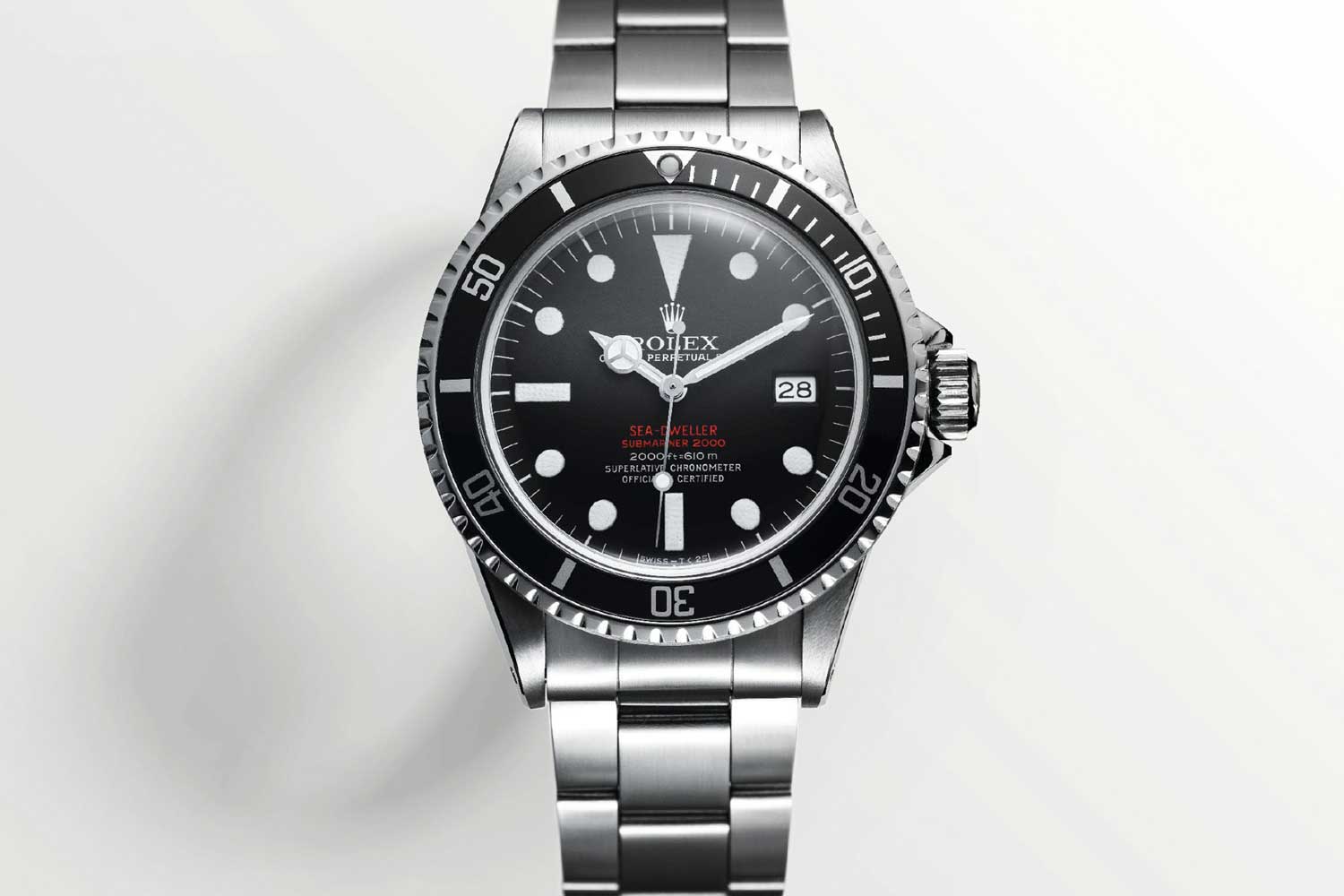
The first version of the Sea-Dweller from 1967
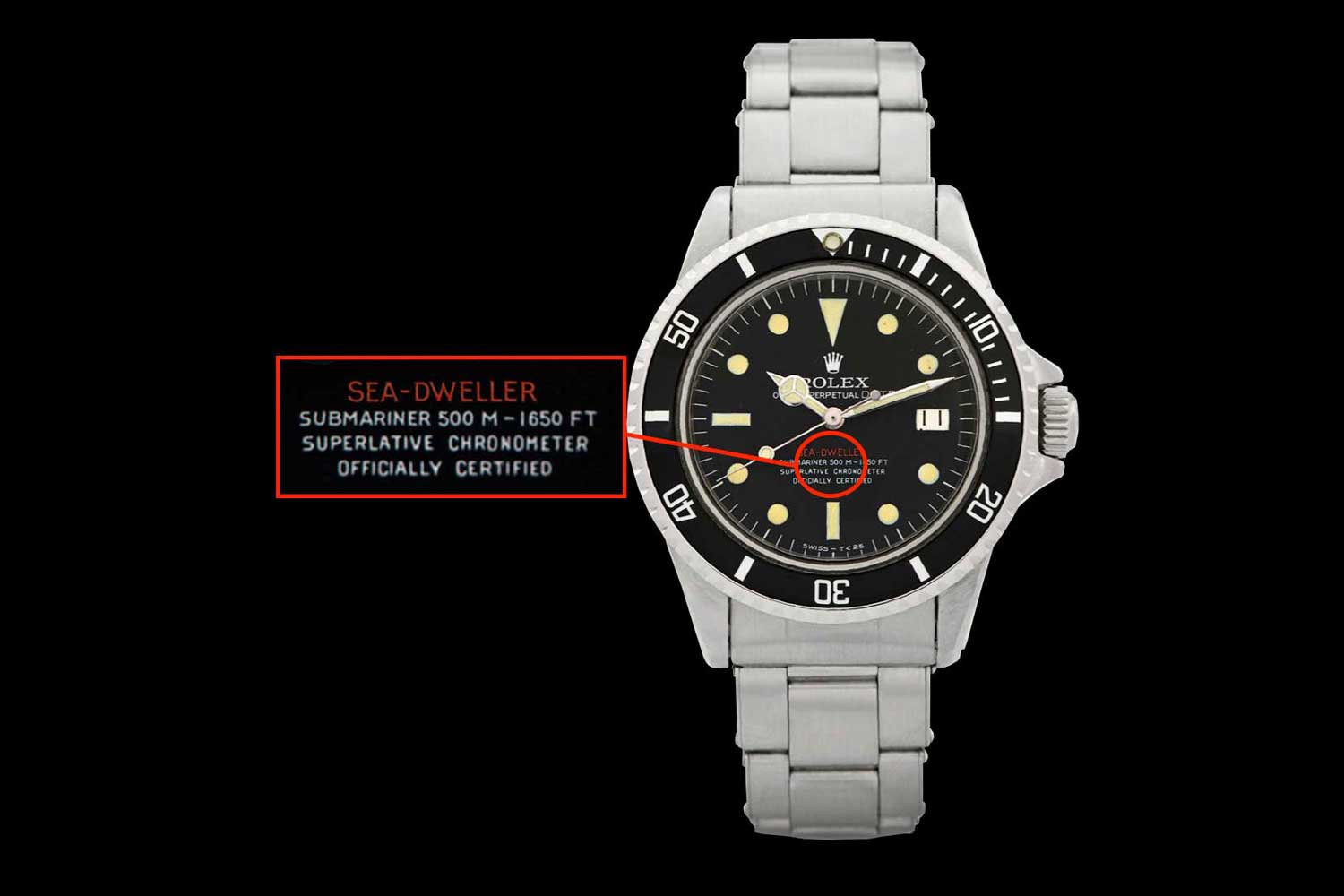
A rare “single red” version of the Sea-Dweller, rated for 500m
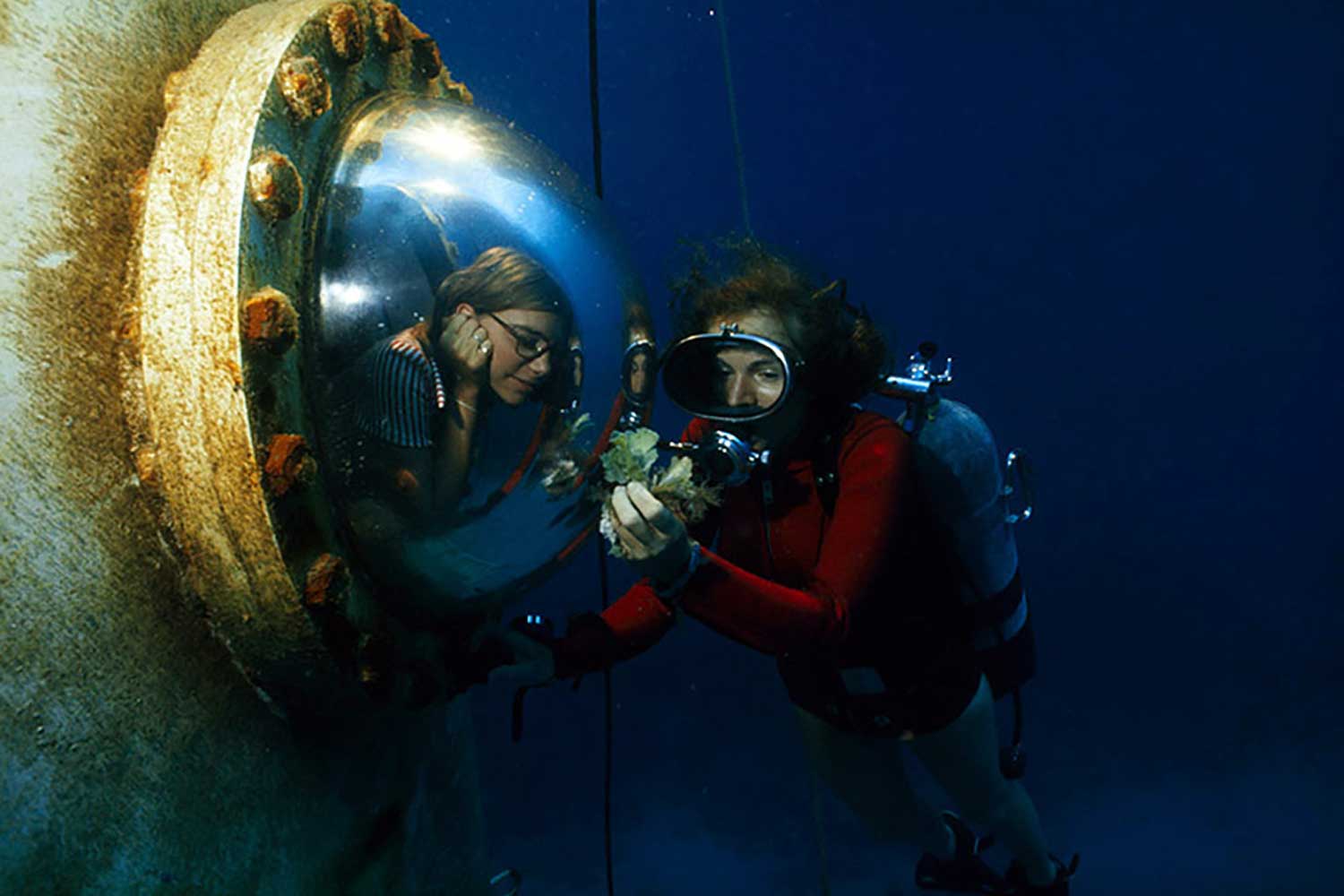
Out of the ten Sea-Dweller ref.1665, seven were given to the underwater explorers who took part in the first Tektite project.
Escape Valve
Rolex worked with a number of organizations and agencies in the development of the Sea-Dweller. Divers had been using Rolex Submariners and the new prototype Single Red Sea-Dweller for professional diving work and specifically saturation diving, where the divers were able to work at significant depths as they were breathing Heliox: a mixture of helium and oxygen.
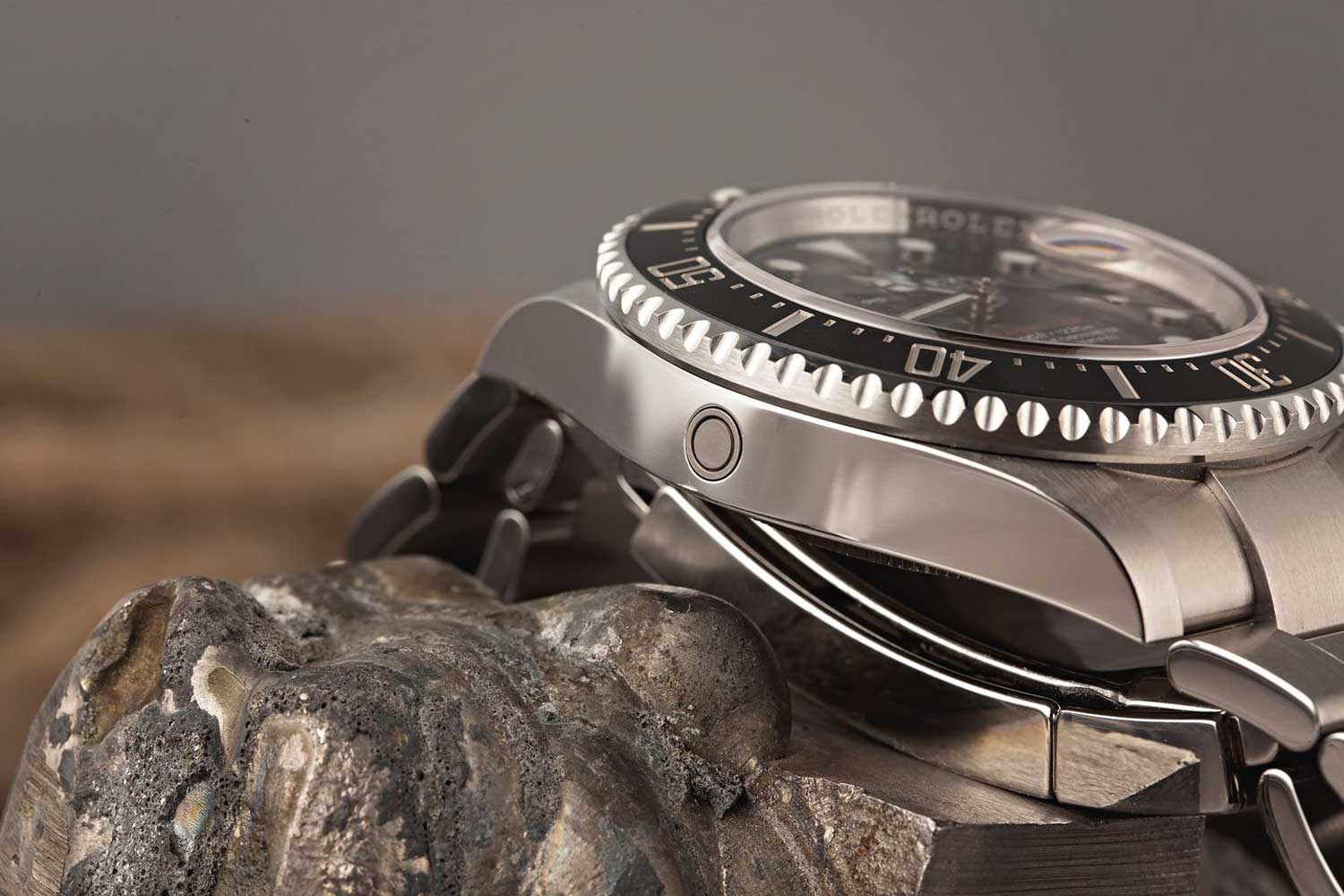
Rolex resolved the problem of exploding plexiglasses by letting the helium particles escape through a gas escape valve. (image: Bob’s Watches)
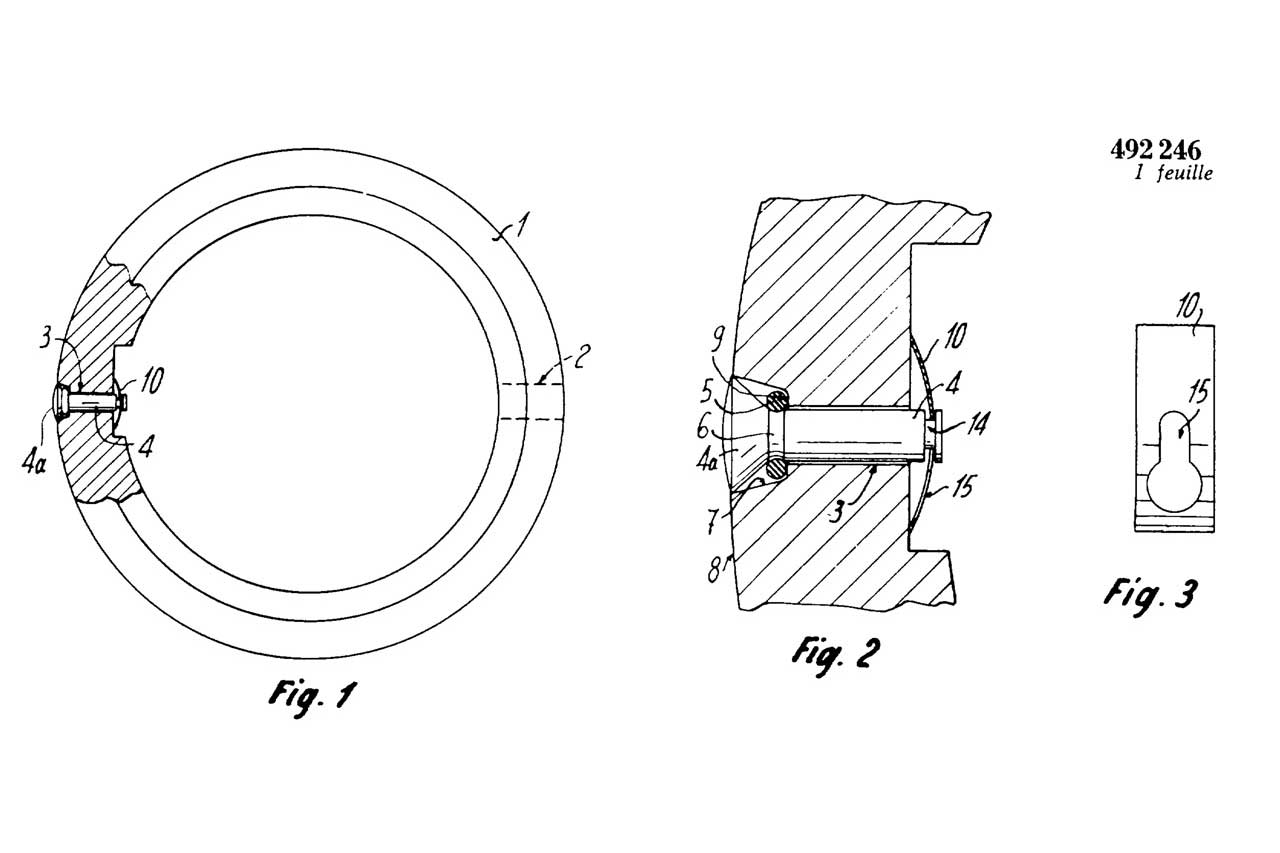
In 1970, Rolex received a patent for the gas escape valve from the Swiss Federal Institute of Intellectual Property
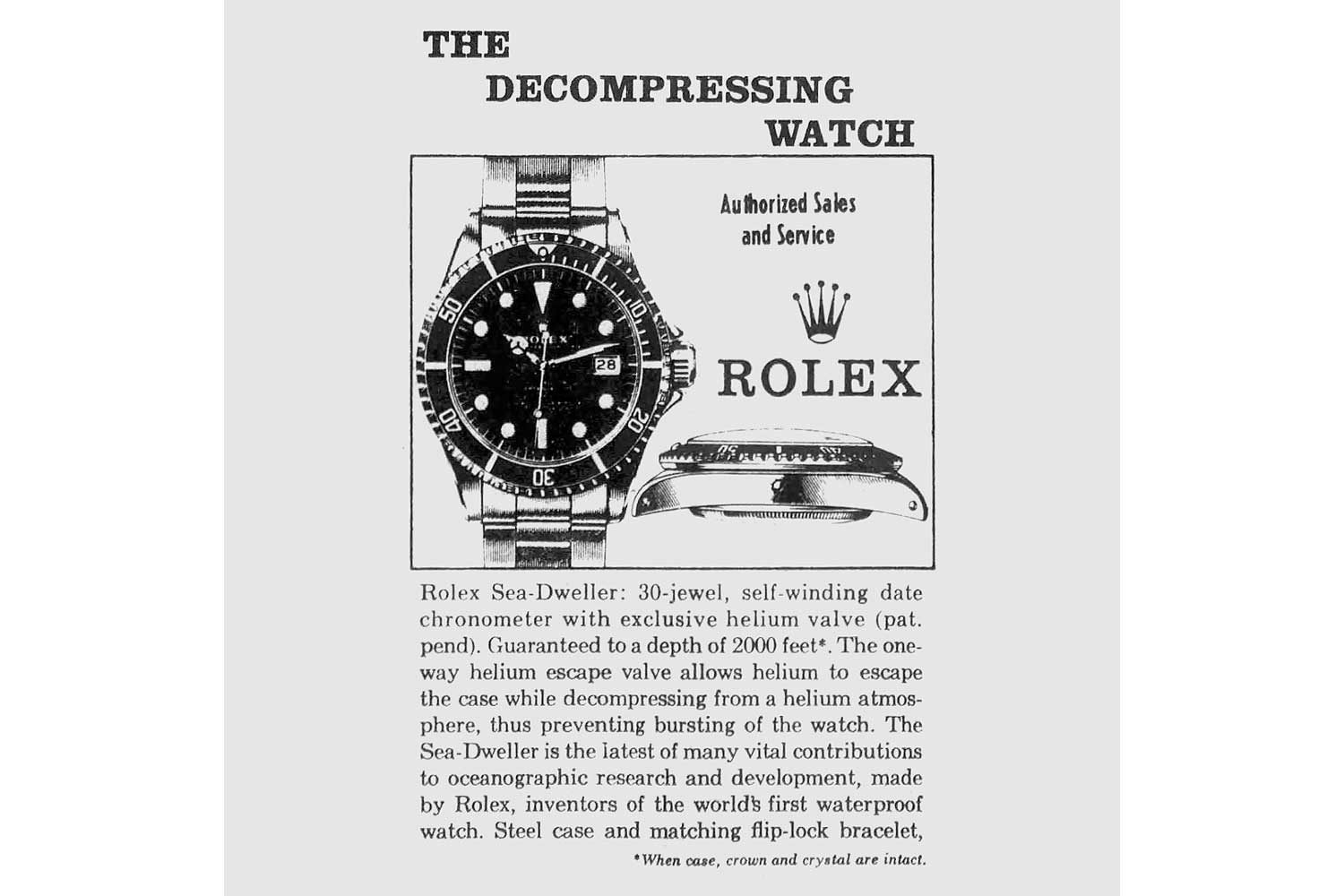
One of the first advertisements for the Rolex Sea-Dweller from the 1970s
The helium escape valve was developed to combat this. It is essentially a one-way valve that allows the helium gases to escape safely from the watch. It worked and is still a key feature of Sea-Dwellers today.
Alternative to the Submariner
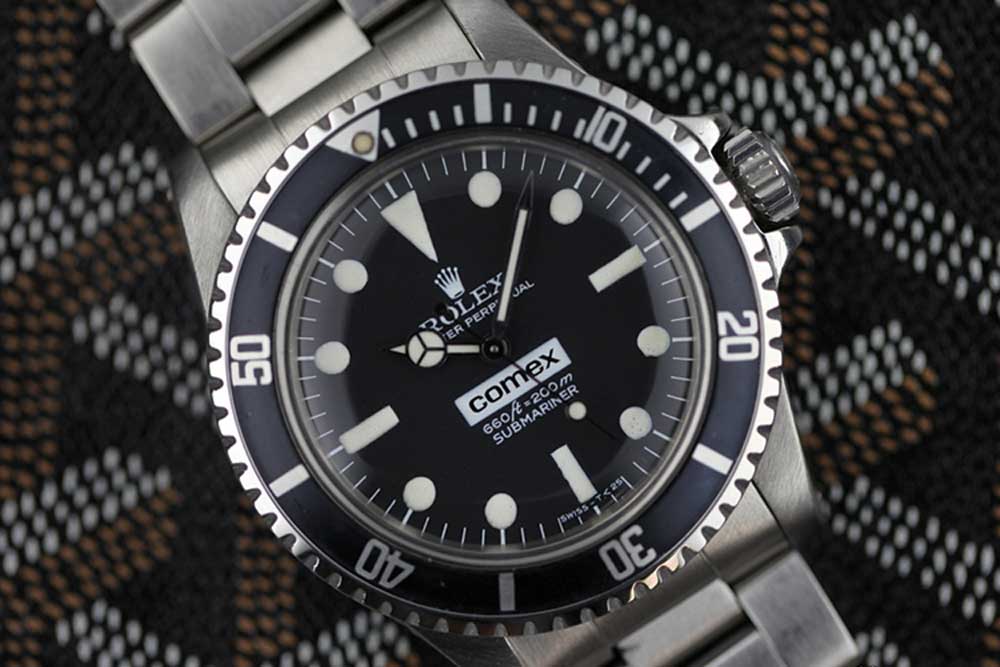
The Rolex Submariner Ref. 5514
Deep Seas
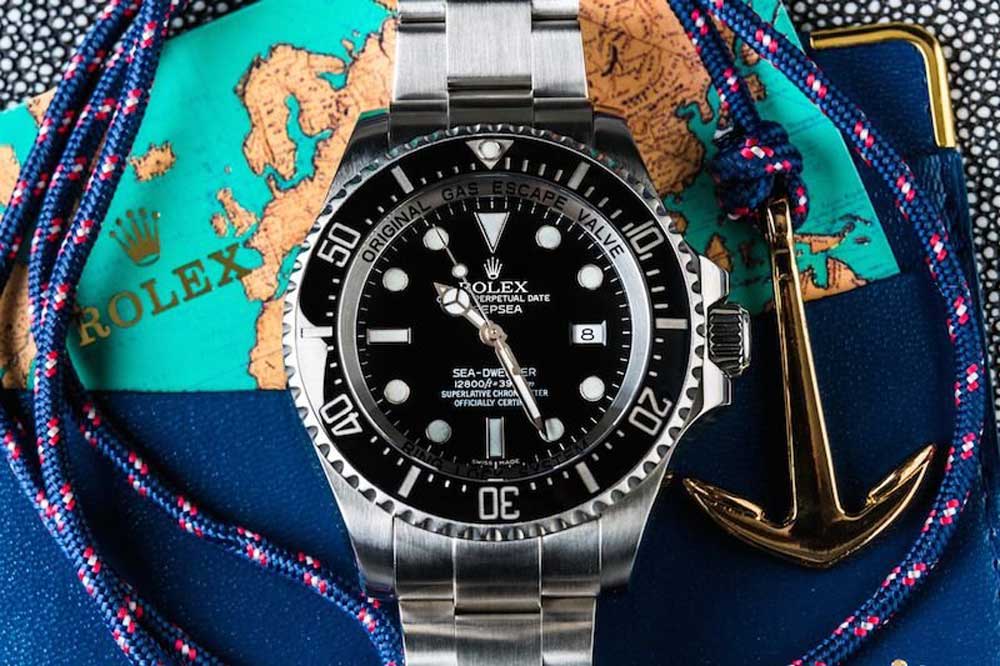
Introduced in 2008, the Deepsea took the Sea-Dweller to another level with an impressive water resistance up to 3,990 meters (Image: Bob’s watches)
Most people don’t even realize that the seas don’t even go that deep! To test the watches at this significant depth some ground breaking machinery had to be designed and built. Rolex turned to long term partners Comex for this, who developed the necessary testing equipment that can simulate the massive pressure that the watches would be subjected to at their limits.
Wilsdorf’s Case
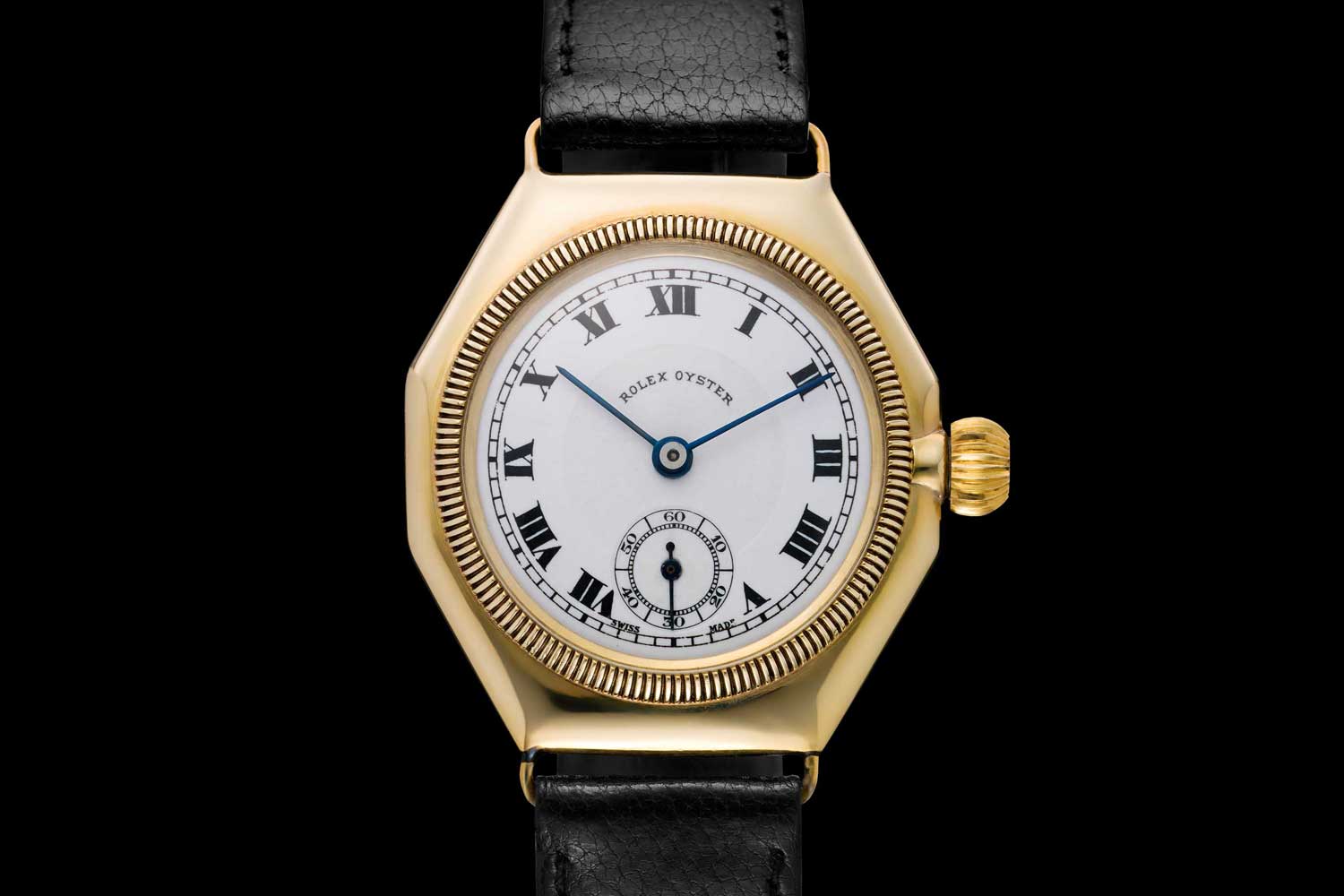
Introduced in 1926, the Oyster watch was the world’s first waterproof wristwatch
The caseback of the Oyster case screws tightly against the mid-case of the watch, which is given extra protection by a rubber gasket seal. Similarly, the winding crown screws down tightly onto a tube attached to the mid-case.
Finally, the crystal is pressure fitted onto the case using a crystal retaining ring or bezel. It is this simple, yet perfectly engineered solution that has made all Rolex Oyster watches, and particularly the Sea-Dweller, the world-dominating force in water-resistant sports watches.
Excludes a Cyclops
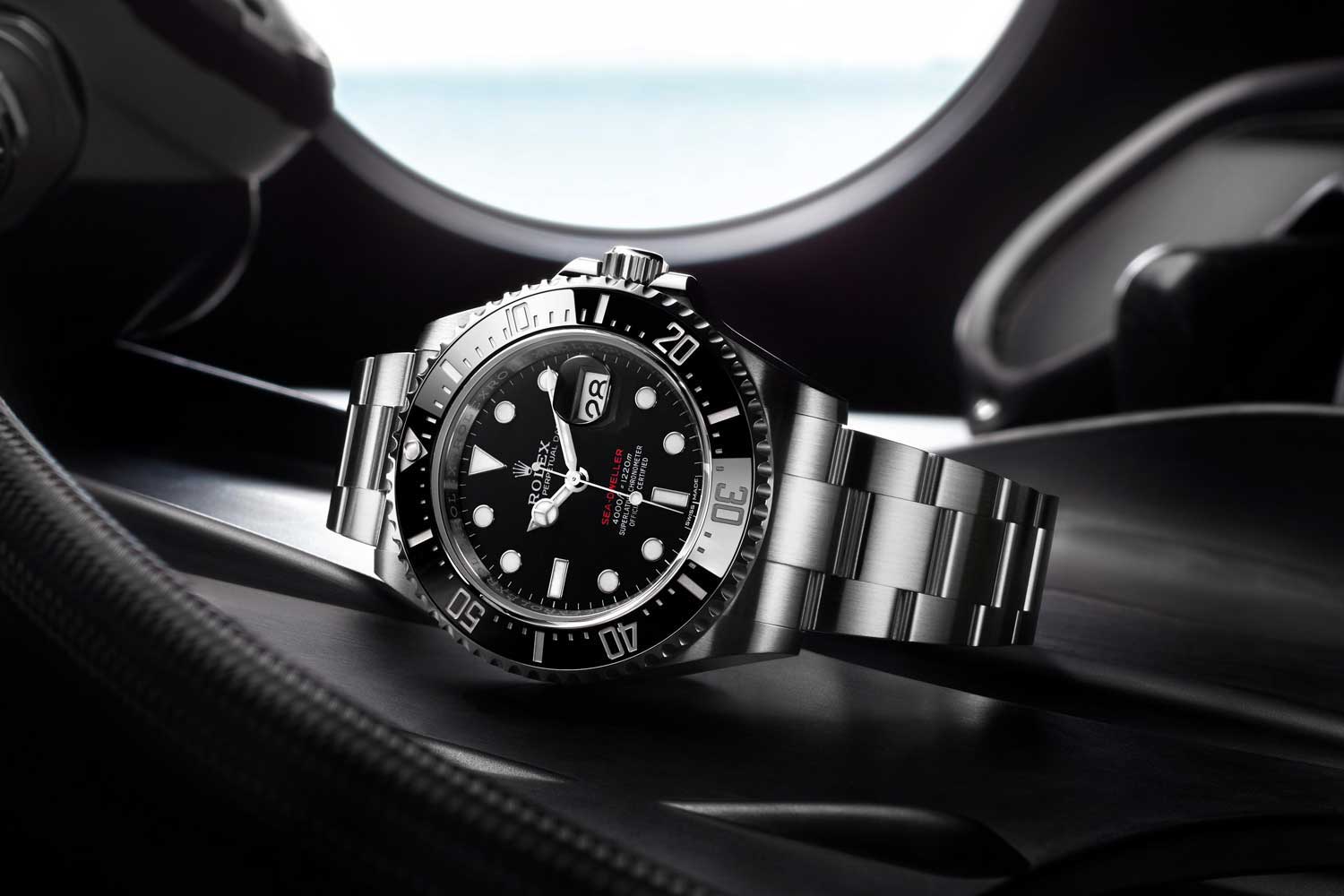
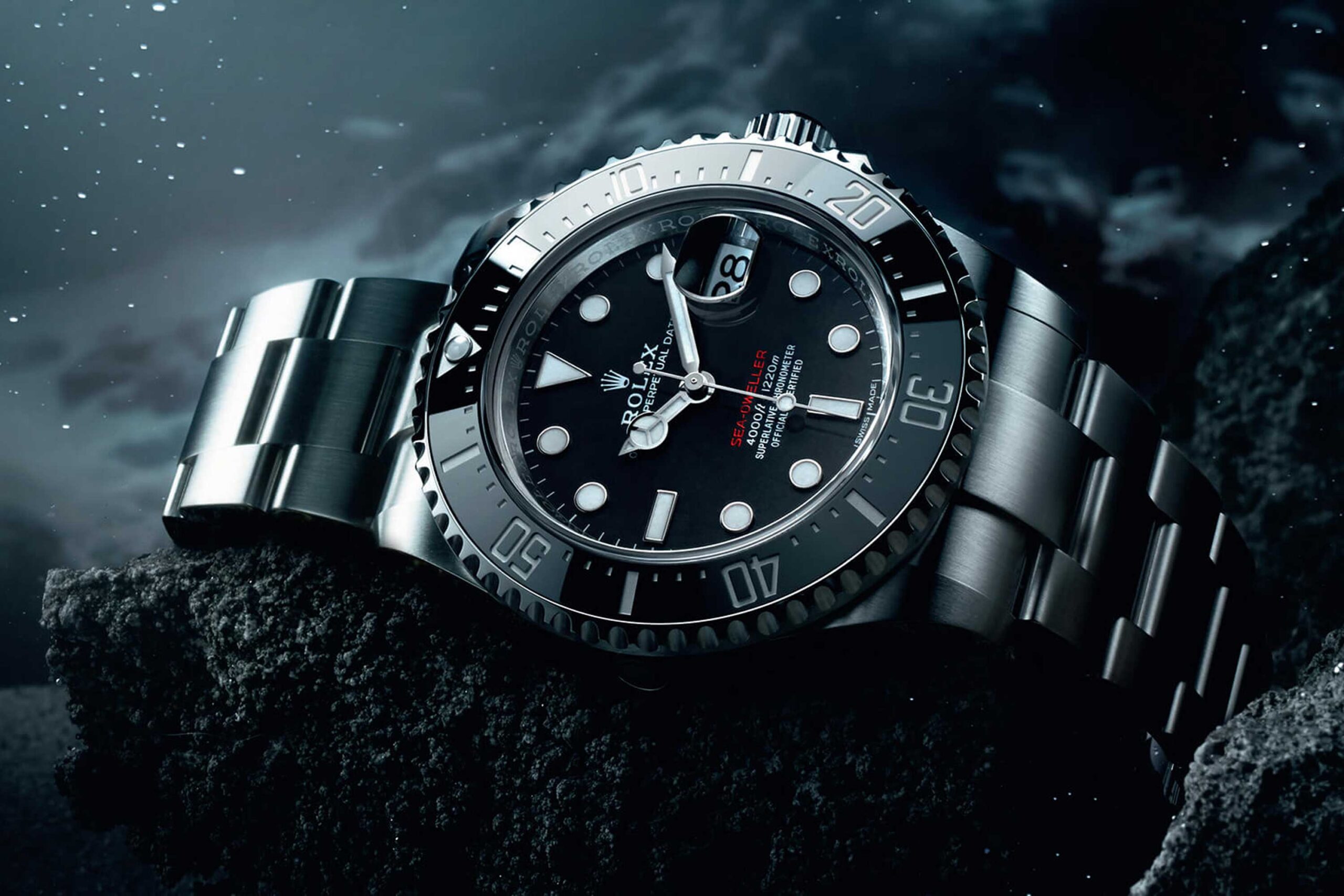
In 2017, on the occasion of the 50th anniversary of the Sea-Dweller, Rolex put the date bubble on the reference 126600.
Of course, it would have been impossible for Rolex to have applied a date bubble onto the domed plexi crystal of the 1665 and not give the wearer a distorted view of the date aperture. With the introduction of a flat sapphire glass on the reference 16660, applying a date magnifier would have been possible but Rolex never did. Possibly because it could get knocked more easily when in use and therefore be a potential weakness or maybe they didn’t for purely aesthetic reasons.
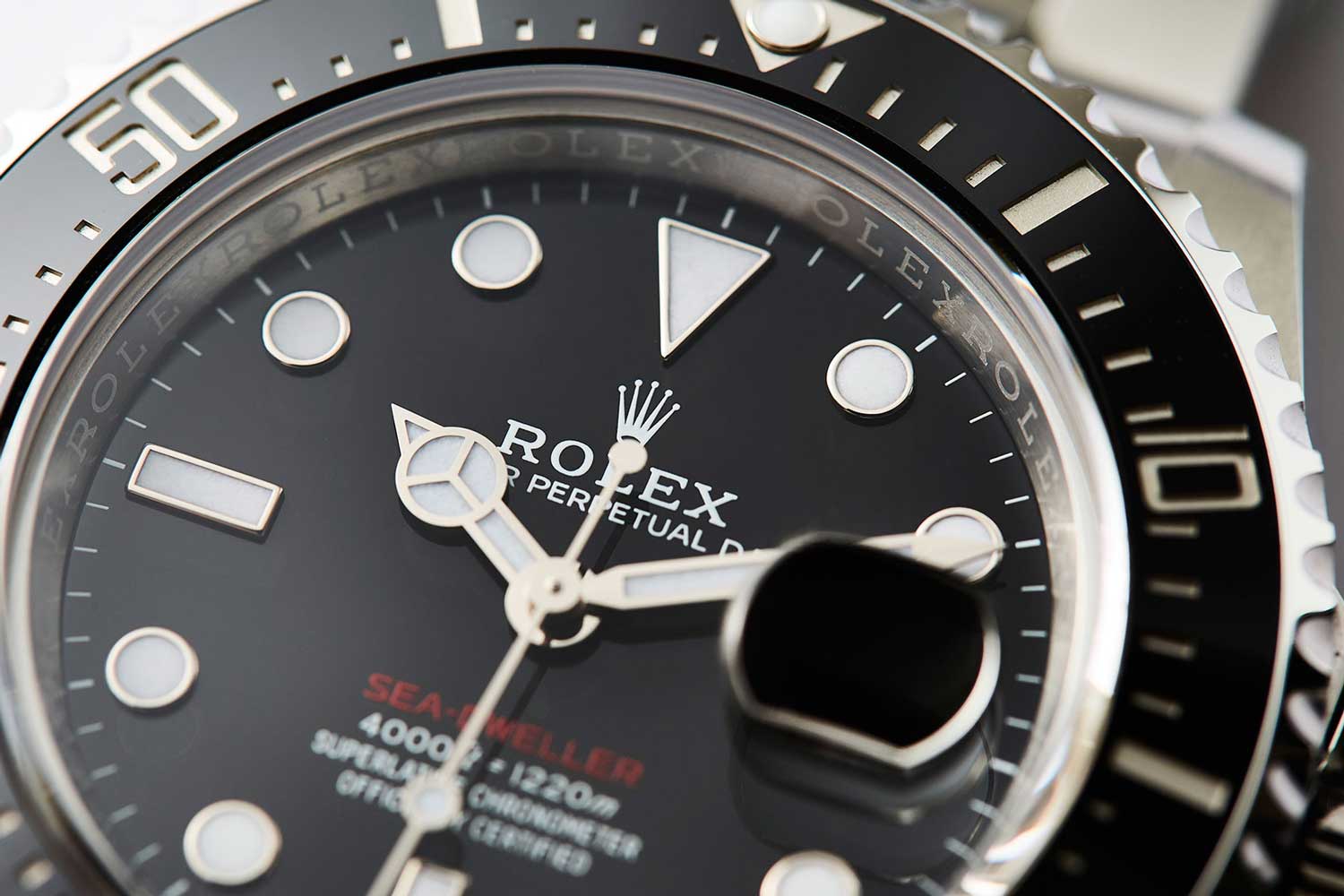
Rolex Sea-Dweller reference 126600
Leading Research
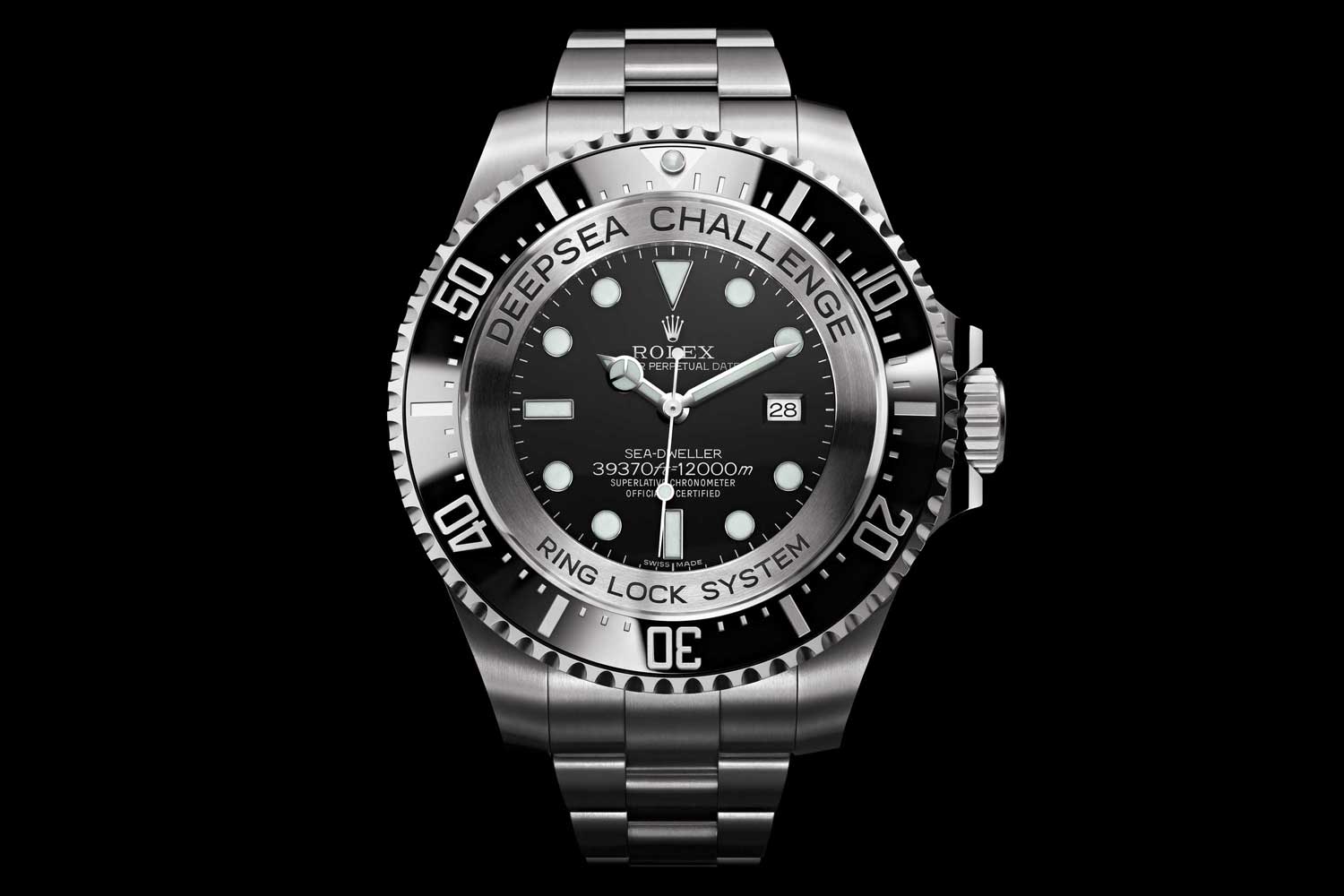
Rolex Deepsea Challenge from the 2012 expedition
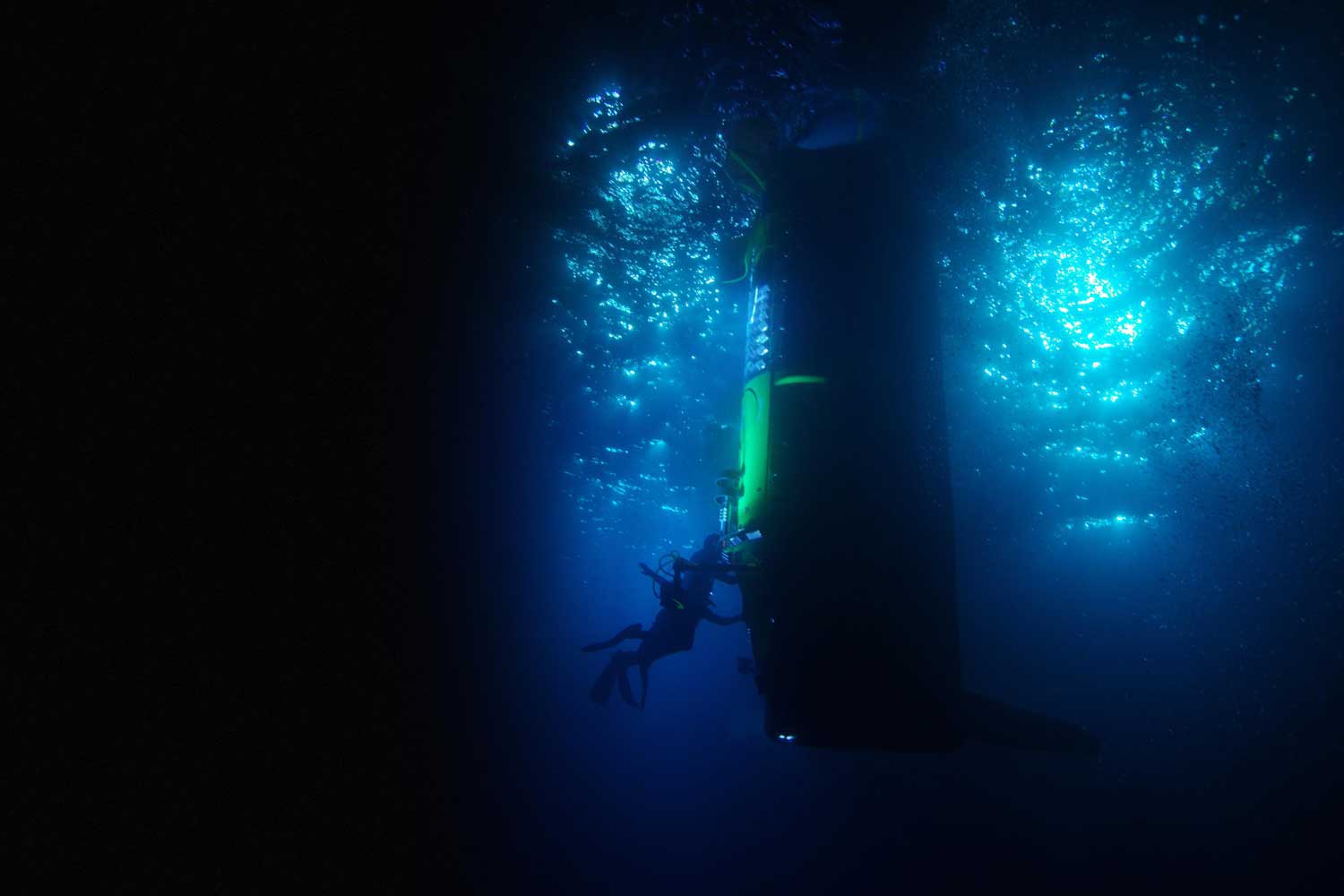
James Cameron’s Deepsea Challenger submersible on a test dive in Papua New Guinea
Looking Good
The Sea-Dweller is undoubtedly a very good looking divers watch. Similar, aesthetically, to the Submariner, the Sea-Dweller has a very passionate following amongst collectors who seek out rare variations. This has had a big impact on the market and now prices for Double Red Sea-Dweller are very high.
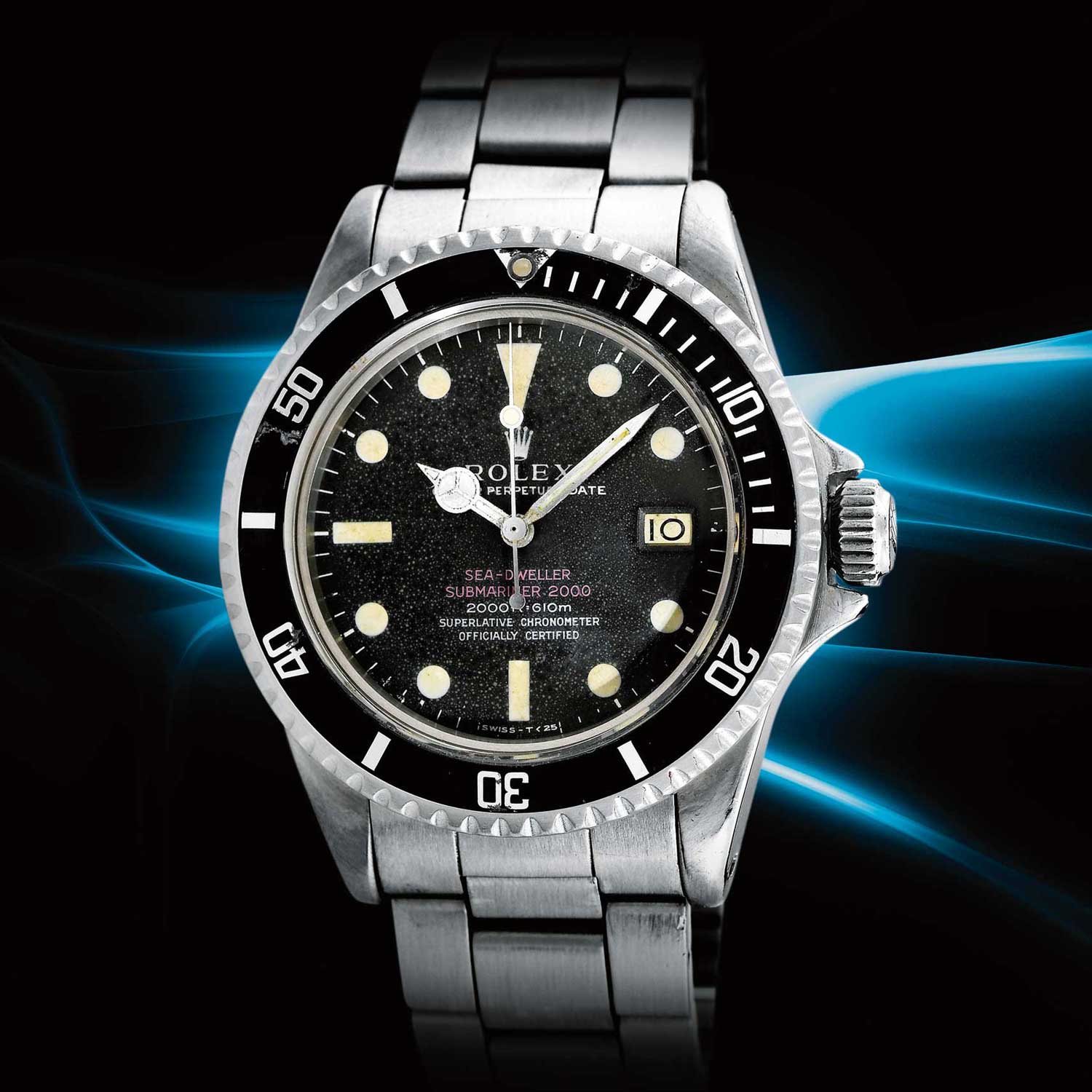
Mark I Double Red Sea-Dweller
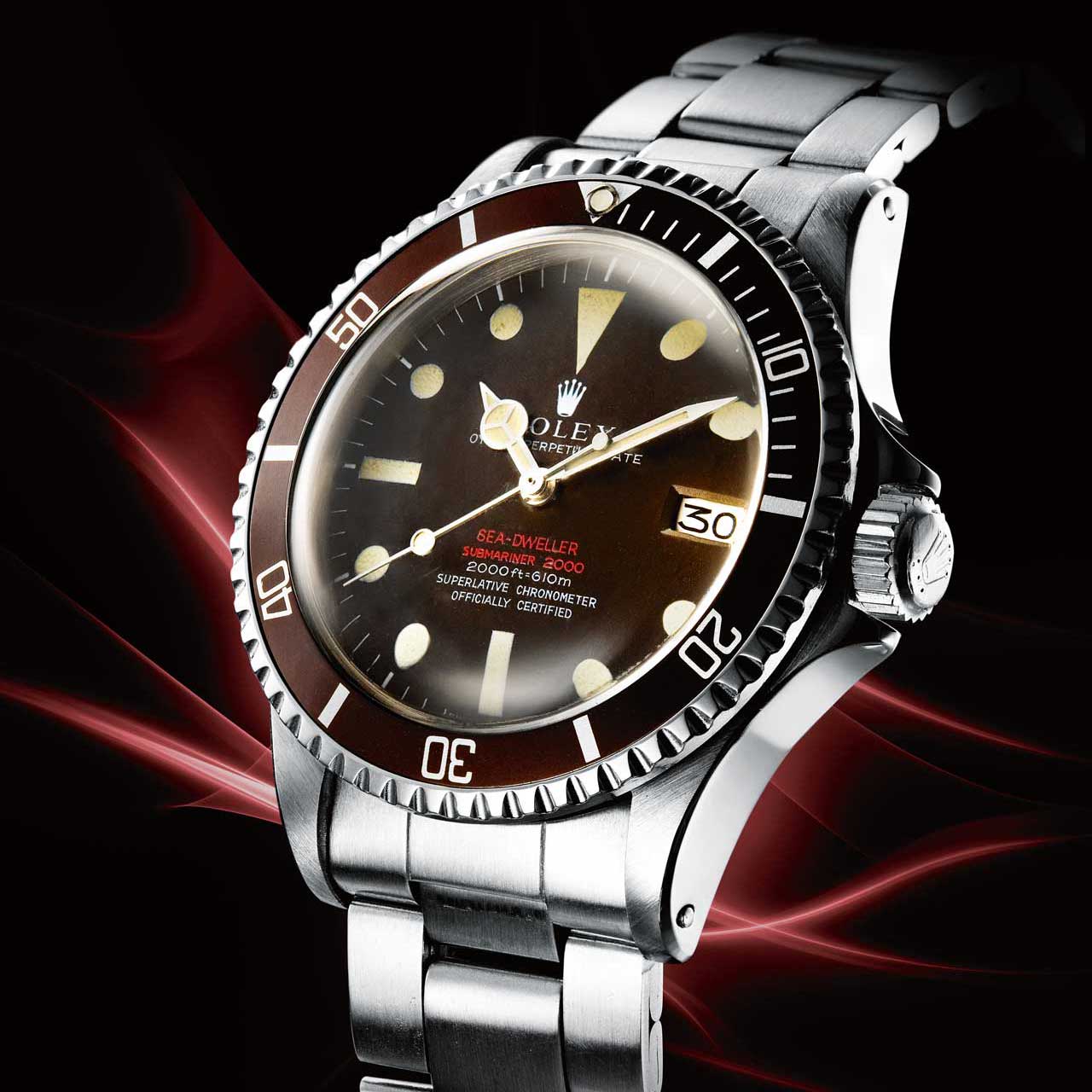
This rare example of the Rolex Mark ll Double Red Sea-Dweller showcases a distinctive Rolex coronet that some have coined the ‘smudge crown’.
The Patent Pending was the very earliest version that was sent out to retailers and had ‘Patent Pending’ as part of the caseback engraving text. Additionally, these watches are characterized by their two lines of red writing typically having faded to a very pale pink.
Extra Reinforcements
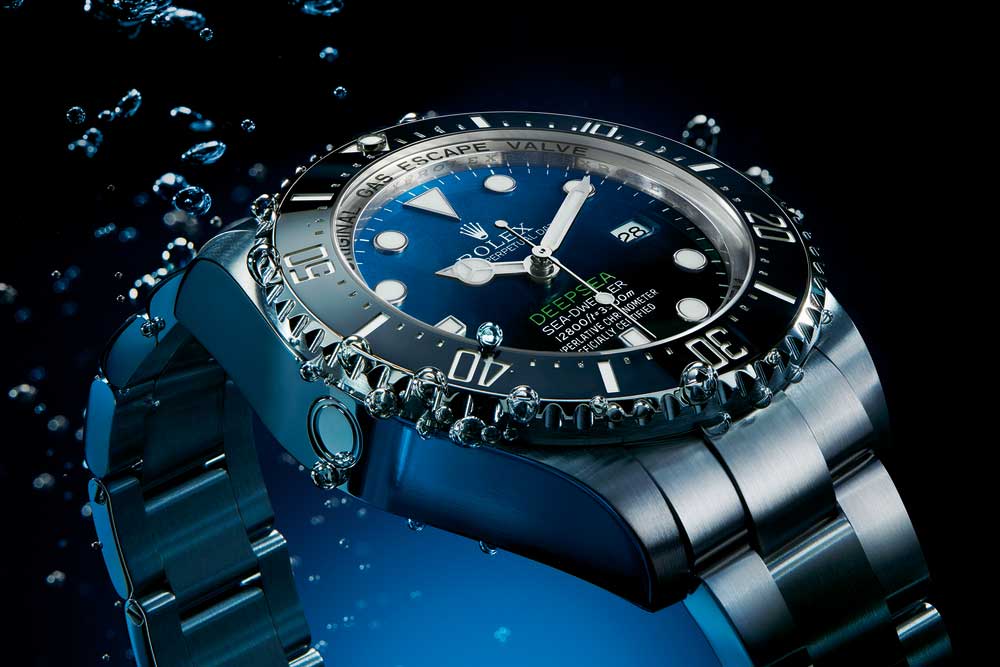
The Rolex Deepsea Ref 116660 D-Blue Dial
Essentially, it is a high resistance ring that sits within the mid-case onto which an extra thick sapphire crystal sits on the top and a titanium caseback screws against at the back. Even back at the beginning of the family tree, the 1665 had an extra deep crystal, the Tropic 39, that allowed for the thick bezel assembly and the extra pressure that the watch would be subjected to at its limit.
Rolex Royalty
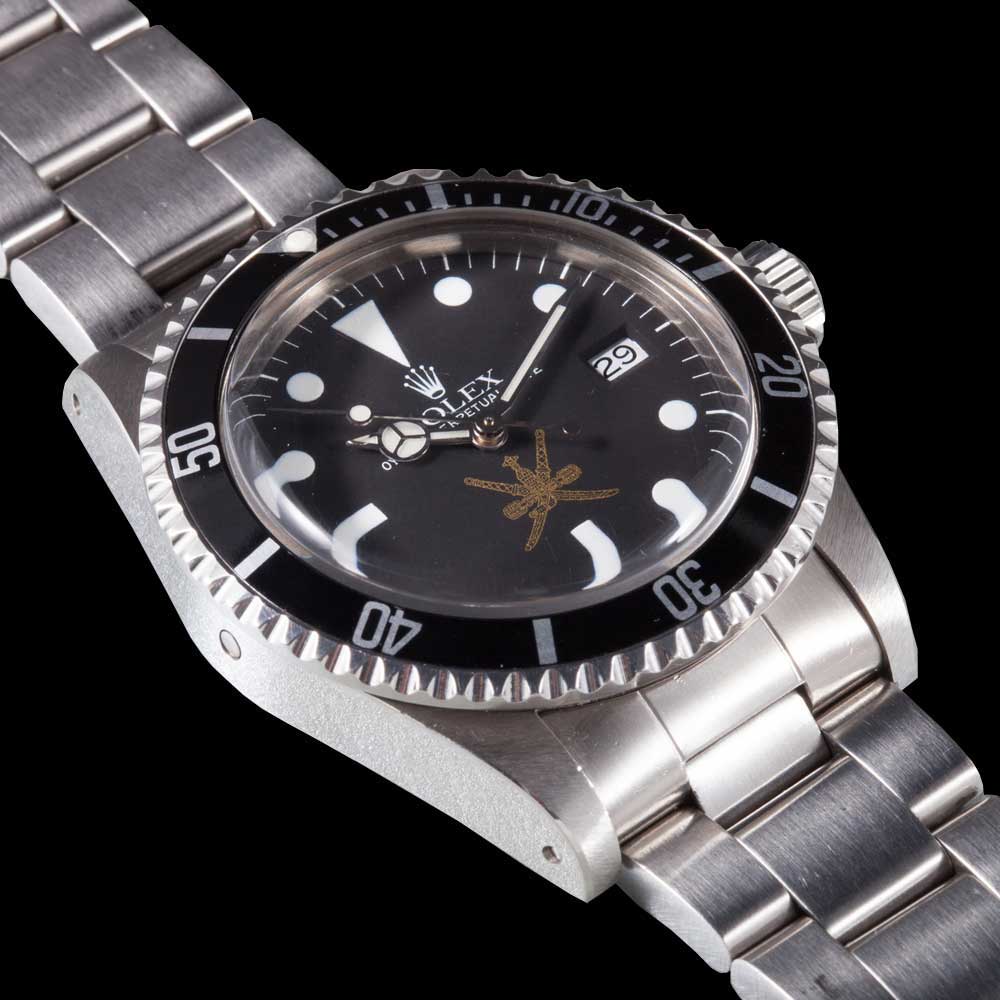
The Sea-Dweller Omani 1665 was made on commission from the Sultan of Oman, Qaboos bin Said
You may also like
Editorial
Revolution Awards 2025: Watch Revolution of the Year — Rolex Land-Dweller
Jan 27, 2026
Editorial
Revolution Awards 2025: Watch Revolution of the Year — Rolex Land-Dweller
Jan 27, 2026
Editorial
The Next Frontier: Rolex Oyster Perpetual Land-Dweller
Jan 7, 2026
Editorial
The Next Frontier: Rolex Oyster Perpetual Land-Dweller
Jan 7, 2026
Editorial
Holiday Horology: Something Old, Something New, Something Special — Joyceline Tully, Revolution Asia Editor-in-Chief
Dec 20, 2025
Editorial
Holiday Horology: Something Old, Something New, Something Special — Joyceline Tully, Revolution Asia Editor-in-Chief
Dec 20, 2025