
America’s Oldest Watchmaking Guild: The Horological Society of New York
America’s Oldest Watchmaking Guild: The Horological Society of New York

1969 was a big year for watchmaking. It was the year that three automatic mechanical chronographs were released—a feat not yet accomplished. These included the Buren/Hamilton/Depraz joint project, which resulted in the Caliber 11, a modular, automatic chronograph; the Seiko 6139, a single-register (minute and seconds counter only), integrated, automatic chronograph; and the Zenith El Primero, a high-beat, integrated, automatic chronograph movement built from the ground up.
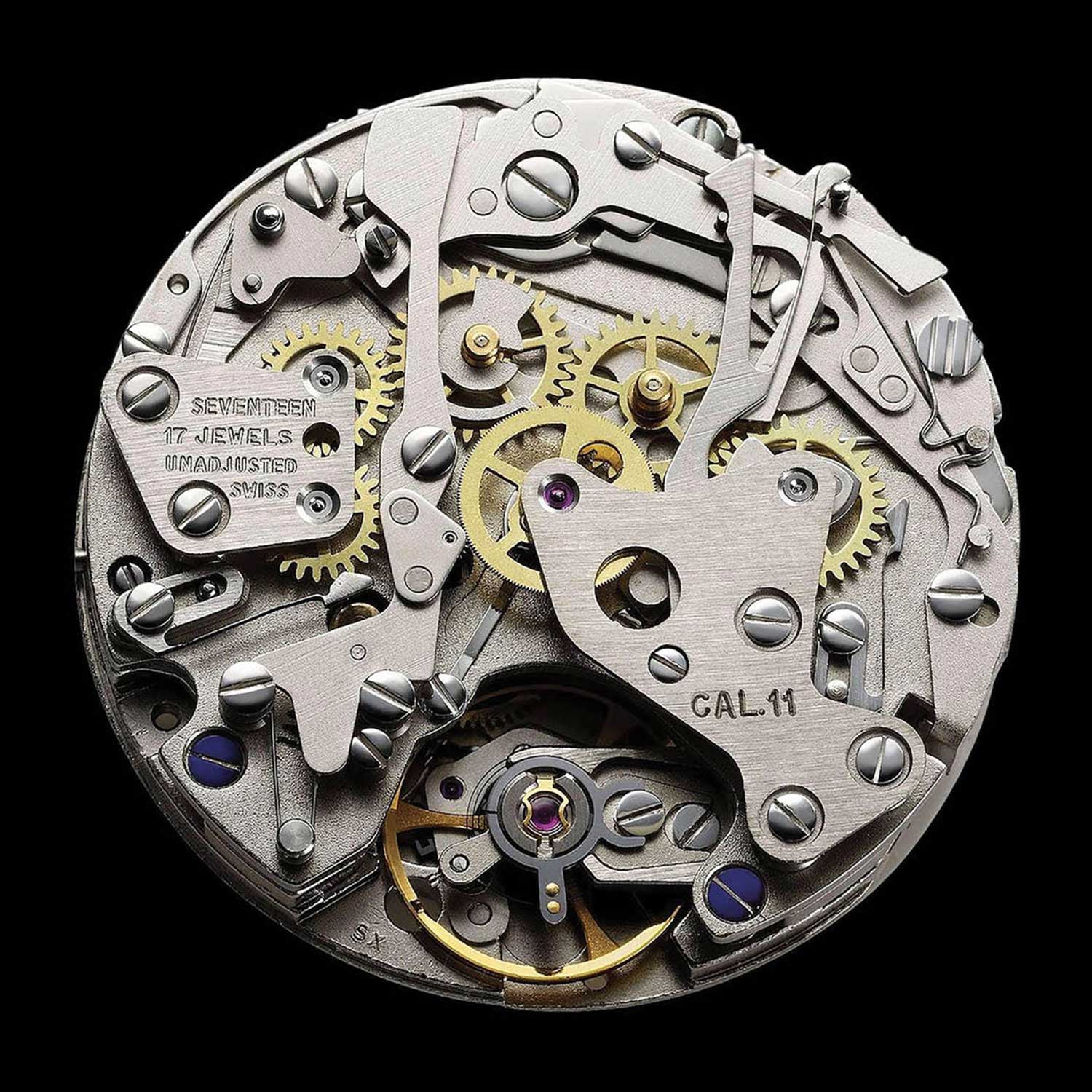
The 1969 Caliber 11
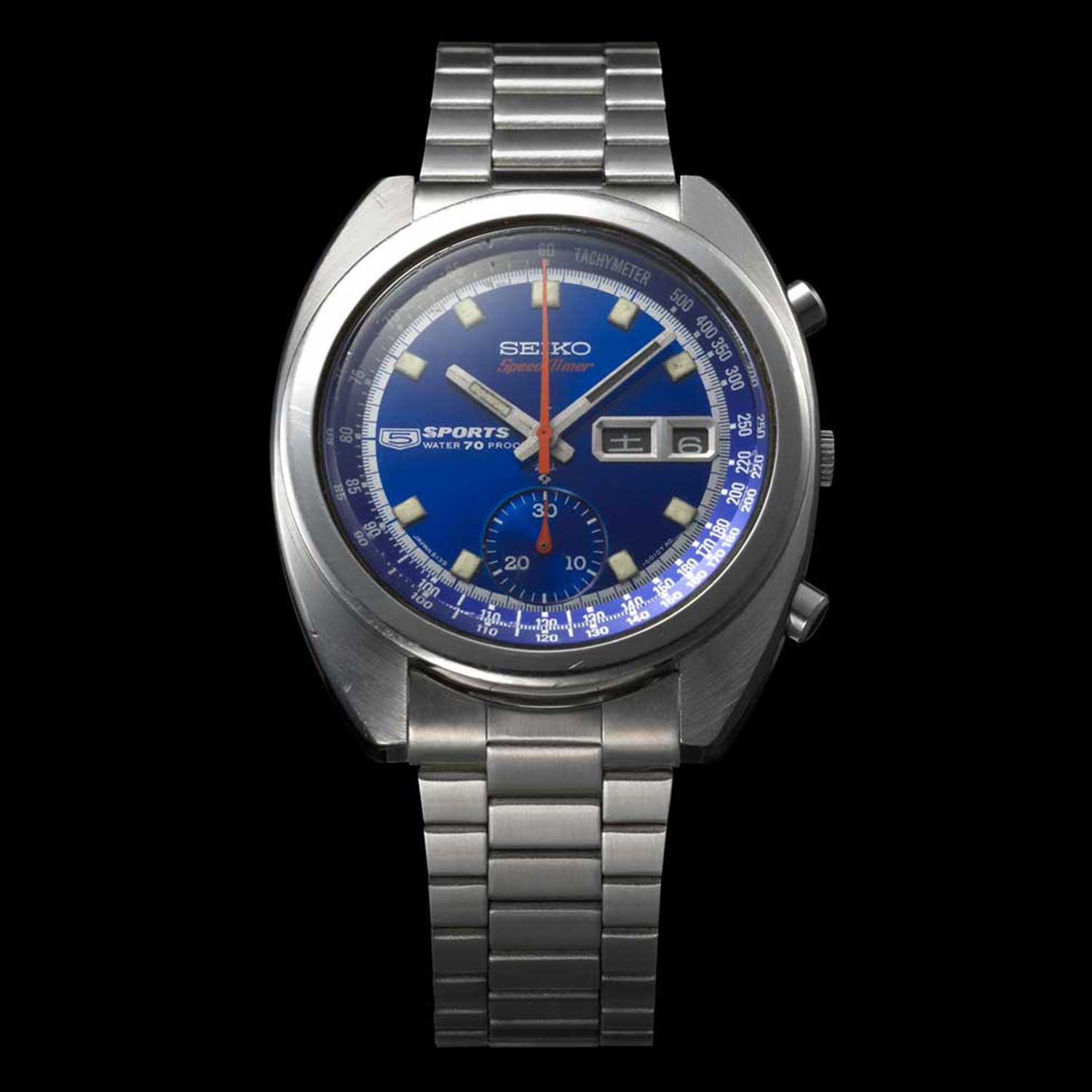
Seiko 6139

Zenith El Primero
Alongside these three came another remarkable release: the Seiko Astron. This was the first quartz watch to be brought to market. The Beta 1, a Swiss-developed quartz watch, had been produced several years earlier but was never commercially released. The introduction of a quartz-regulated timepiece powered by a battery changed the landscape of watchmaking for the next several decades. Shortly after its release, quartz technology became vastly cheaper to produce, was unaffected by the external forces that wreak havoc on mechanical timekeepers, and was significantly more accurate. Following this “revolution,” the market’s appetite for mechanical watches diminished, and quartz movements became all the rage. Watchmakers were forced into retirement, many established companies closed their doors, and watchmaking schools were shuttered en masse. The industry appeared to face an existential crisis. Yet, like most good things, mechanical watchmaking refused to quit, clinging to life until its renaissance in the early 2000s, and it has been growing from strength to strength ever since.
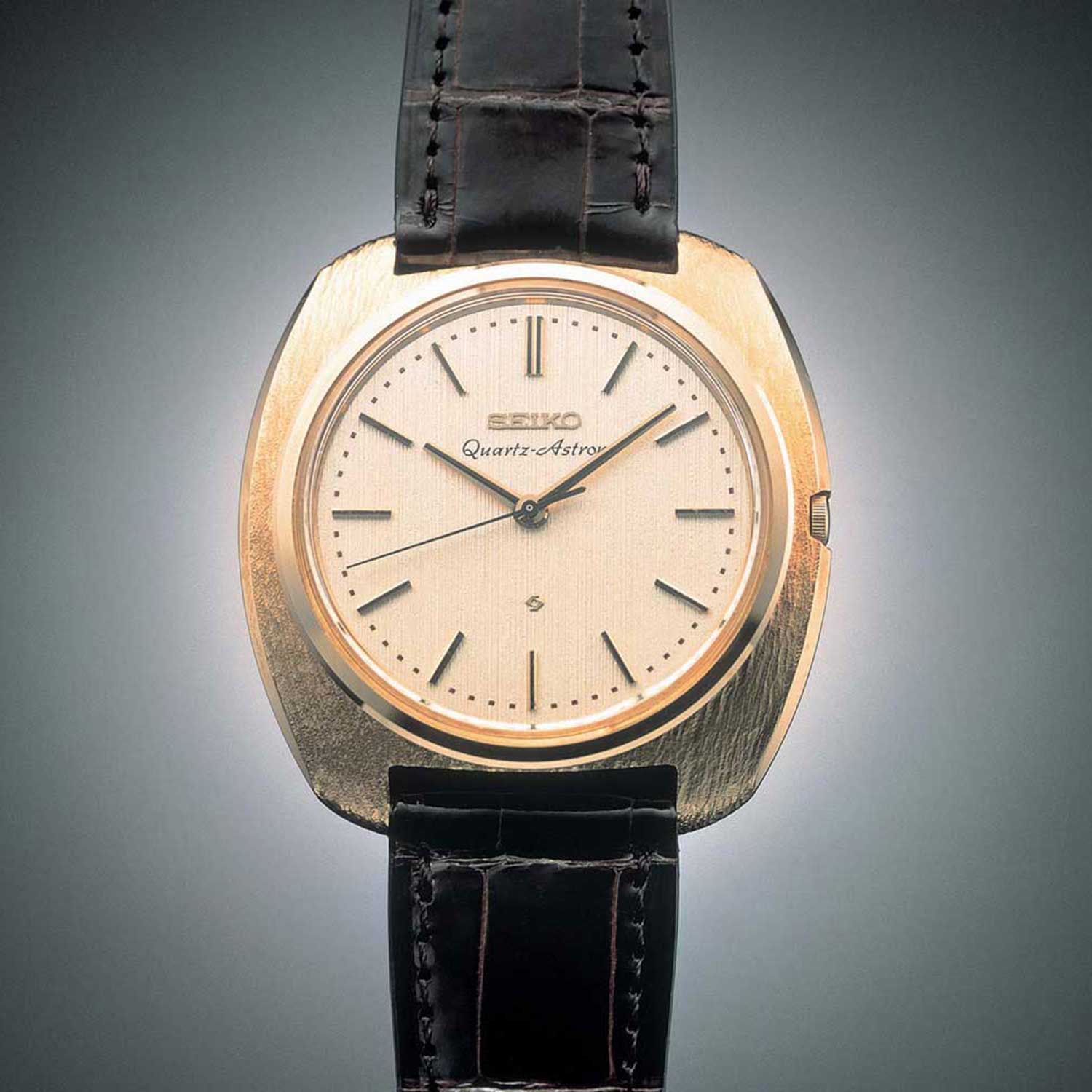
Seiko Astron
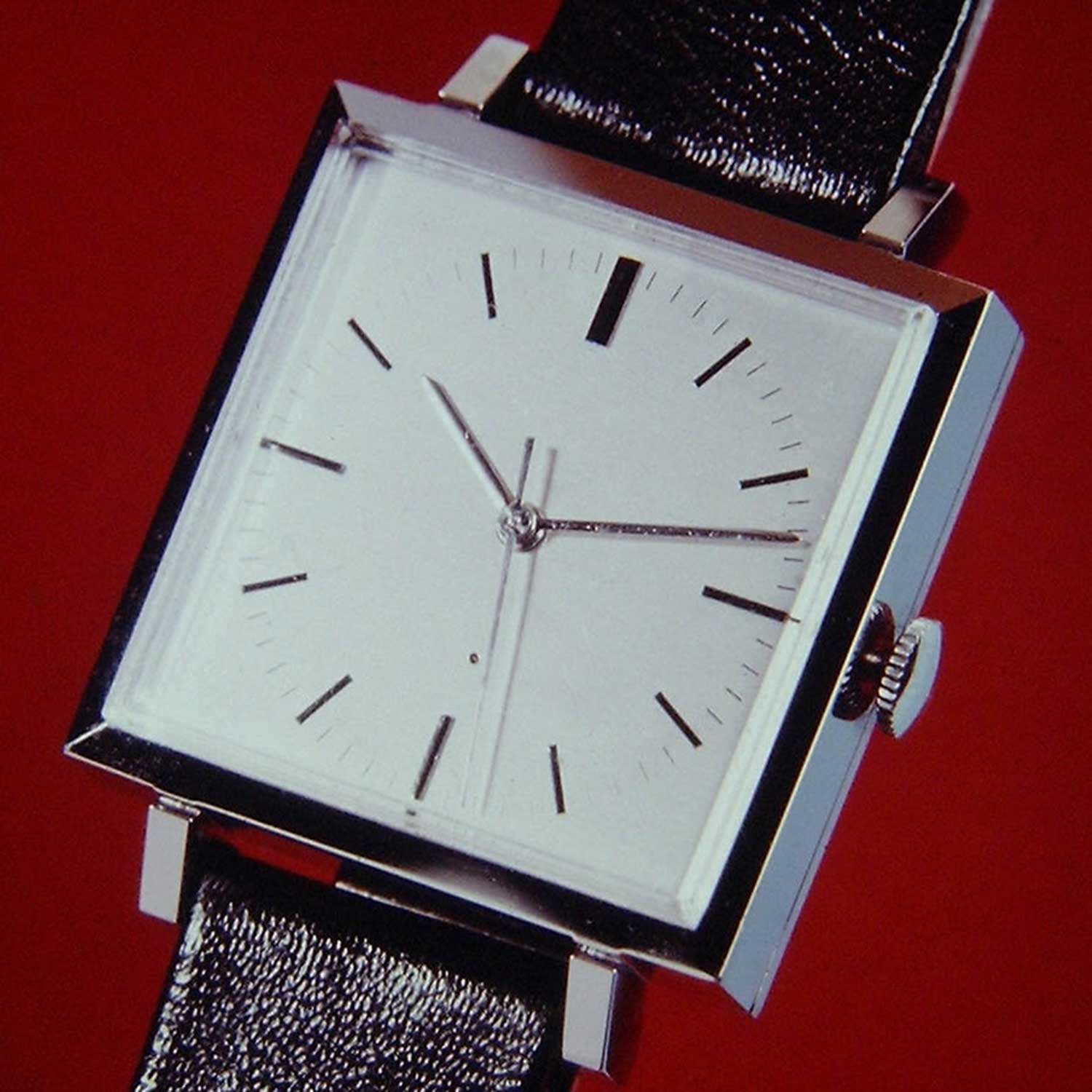
Beta 1
It wasn’t just companies within the watch industry that struggled during the dark times of the quartz beginnings; watchmaking organizations and guilds suffered the same fate. One such organization with an incredible horological past is the Horological Society of New York (HSNY).
The Beginnings
The Horological Society of New York is America’s oldest continuously operating watchmaking guild. It was founded in 1866 by a group of immigrant watchmakers, mostly of German background. These early founders found themselves seated inside a New York tavern, engrossed in horological conversation (a position I have found myself in regularly, albeit with less successful outcomes). During these discussions, an idea formed: to start an organization to help like-minded craftsmen. In March 1866, the first formal meeting took place, and the Horological Society of New York was born. Initially named Deutscher Uhrmacher Verein (German Watchmakers Society), the organization reflected its predominantly German membership. Members met monthly and paid into a fund that could support them if they were unable to work. Shortly after its founding, a library was also established. Over the years, the society adopted other names, and in 1930, the name Horological Society of New York was officially chosen to reflect its diverse membership of German, Swiss, and English watchmakers.

Henry B. Fried (1907-1996), president of the Horological Society of New York
In 1936, The Horologist’s Loupe began publishing as a monthly newsletter and has been continuously published since. These early journals announced the upcoming technical subjects to be presented at meetings, covering topics such as the mainspring—the motor behind the watch—followed by beer, smokes, and sandwiches. The newsletter was printed under the masterful guidance of Henry B. Fried, a world-renowned watchmaker, author, and past president of HSNY.
Alongside supporting its members, HSNY has a long history of involvement in watchmaking education. In 1946, past president Henry B. Fried stated, “In its present state, the society has done its best work not only for its own members but in its varied and multiple contributions to the entire industry. It was chiefly responsible in assisting the New York City Board of Education in starting its first free public high school in watchmaking which has since graduated many competent young men into the industry.” That school was the George Westinghouse Vocational High School of which HSNY helped to develop the curriculum.
Many readers may be surprised to learn that watchmaking was taught in a vocational high school in the United States, but it should come as no shock. At the time, the U.S. had a booming watch industry, and by 1946, there were 60 watchmaking schools in the country—a number that grew to 82 by 1953. Some schools reportedly had 1,000 students enrolled, with classes held in two to three shifts, five days a week. Many of these students were returning World War II soldiers whose retraining programs were paid for by the U.S. Veterans Affairs office.
Laying Dormant
For several decades, HSNY continued its mission of advancing education and supporting watchmakers. However, the quartz crisis took its toll. Membership declined, and funding became tight. The organization’s future hung in the balance, with closure seeming imminent. Yet, like mechanical watchmaking itself, HSNY persevered, operating at a drastically reduced capacity but refusing to shut its doors.
During the late 1990s and early 2000s, mechanical watchmaking experienced a resurgence, with public interest rekindled. The industry has since regained strength, and so too has HSNY.
The Rebirth
In 2009, past president Edwin M. Hydeman began modernizing the society, ushering it out of its dormant state. By 2015, HSNY had moved its monthly meetings to the General Society of Mechanics and Tradesmen Library in Manhattan, where they are still held today. That same year, HSNY launched its “Watchmaking 101” program, a hands-on class that allows students with no prior experience to partially disassemble and reassemble a mechanical watch under the guidance of a professional watchmaker. The course was an overwhelming success, with demand far outstripping supply.
In 2018, HSNY established a permanent home in Manhattan, featuring a state-of-the-art watchmaking workshop, a library, and general office space.
Watchmaking Education – A Cornerstone
Education remains central to HSNY’s mission. Executive Director Nicholas Manousos explains: “HSNY is thriving today because generations of watchmakers have devoted time and effort to support its good work. It is now our responsibility to ensure that the Society is on a positive path forward, so that it can continue its educational mission for the next 159 years and beyond.”
HSNY has come a long way since the introduction of Horology 101 in 2015. In its Manhattan-based workshop, four courses are currently offered: Horology 101, 102, 103, and 104. These classes provide the public with an opportunity to understand the intricacies of a mechanical time-keeper.
- Horology 101 focuses on movement mechanics and teaches students how to properly use watchmaking tools that they may have never encountered before.
- Horology 102 delves into the gear train, explaining the various tooth profiles used in watchmaking today and providing an introduction to the mathematics required to calculate a watch’s frequency.
- Horology 103 examines the winding and time-setting components of a watch movement.
- Horology 104, the most recently introduced course, allows students to explore escapement theory and practice, aided by oversized instructional models.

Travelling Education – Watchmaking on the Road
For those who cannot regularly travel to New York to attend these classes, HSNY’s Travelling Education program offers an accessible alternative. Since 2016, HSNY has taken watchmaking education on the road. The Travelling Education program packages Horology 101 through 103 into a four-hour intensive course, during which students with no prior experience completely dismantle and reassemble a mechanical watch movement.
Travelling Education began as a U.S.-based initiative, traveling across the country on weekends. In 2018, the course made its foray into the international market, with Toronto, Canada, as its first stop. Since then, classes have been held in Singapore, Hong Kong, London (UK), and Melbourne (Australia), with additional destinations planned for the future.
Jost Bürgi Research Library
Since the Society’s earliest days, the library has played a key role for its members. Recognizing the importance of stocking technical publications, the founders ensured that members could further their practical and theoretical knowledge of horology. Books were made available to members free of charge and could be taken home for study.
The monthly newsletter, The Horologist’s Loupe, expressed this sentiment in its October 1964 issue, stating, “One of our most precious possessions is our Library.” This appreciation for the library has endured to the present day.
The current library, located in Manhattan at HSNY headquarters, is a 2,000-square-foot space that houses over 25,000 books, periodicals, audiovisual materials, and more, covering all aspects of horology. It is one of the largest horological libraries in the world. Remarkably, the library is open to the public and entirely free of charge.

The Jost Bürgi Research Library at the Horological Society of New York is one of the world’s most extensive horological libraries.
To understand the importance of this library, Head Librarian Miranda Marraccini states: “This collection is unique, and even after working with it for two and a half years, I still discover things in it every day that surprise and intrigue me. For instance, we have a red volume that looks like a book, but when you open it, it’s actually a collection of sample watch crowns in different styles and sizes. We have a book about jukeboxes and one about the Loch Ness Monster. We have items in at least 29 languages, including postcards, periodicals, and advertisements from the 1800s to today. Our oldest book, which we recently acquired, is about the astrolabe and was printed in Italy in 1573.
My favorite part about my job is sharing our amazing, diverse materials in every way that I can. Along with our other librarian, St. John Karp, I help researchers in person and remotely—whether they want to learn more about a watch in their collection or are working on a novel or academic manuscript. I lead tours for classes and for tourists who are just walking around Midtown. And, of course, I write about the collection in my articles online so that people who can’t visit in person still get a chance to see all these cool books and ephemera up close.”
Supporting Watchmakers – Offering a Helping Hand
In addition to its educational mission, supporting fellow watchmakers has always been a central aspect of the Society’s work—a tradition that continues today. HSNY is a nonprofit organization committed to giving back to watchmakers, primarily through a range of scholarships. Currently, nine different scholarship types are available, and in 2023, financial aid totalling $125,000 USD was awarded to 20 watchmaking students. The value of these scholarships and the number of recipients have steadily increased since 2017, when a single scholarship was awarded to one student.

Left to right: President of HSNY, Nicholas Manousos and HSNY's Director of Education Steve Eagle presenting the 2018 Henry B. Fried Scholarship to Mark Duckett and Erik Gonzalez
Monthly Meetings
HSNY holds its monthly meetings regularly, as it has since its founding. These gatherings feature guest speakers who deliver lectures on various aspects of horology. The lectures are free to the public and can also be viewed online afterward.
Speakers come from a wide range of backgrounds within the horological world, including watchmakers, historians, brand executives, and others. Notable past lecturers include François-Paul Journe, Roger Smith, Laurent Ferrier, Dr. Rebecca Struthers, Joshua Shapiro, Richard and Maria Habring, Romain Gauthier, and Stephen Forsey, along with many other horological luminaries too numerous to name.

François-Paul Journe contributed to the expansion and relocation of HSNY's vast horological library.

Monthly lectures are held in the General Society's main library
Strength to Strength
The Horological Society of New York has a rich and fascinating history, guided by clear and steadfast goals: to educate and support fellow watchmakers. Since its rebirth in the 2000s, the Society has successfully achieved these objectives and continues to grow year after year.
A passionate group of like-minded individuals originally founded HSNY, and that same spirit drives the Society forward today in the pursuit of its enduring mission. We owe immense gratitude to those who refused to let the mechanical watchmaking industry fade away—visionaries like Charles Vermot and Kurt Klaus, as well as countless unnamed champions of horology. These dedicated individuals ensured that guilds and societies like the Horological Society of New York survived the challenges of the past, and for this, watch lovers everywhere are forever thankful.