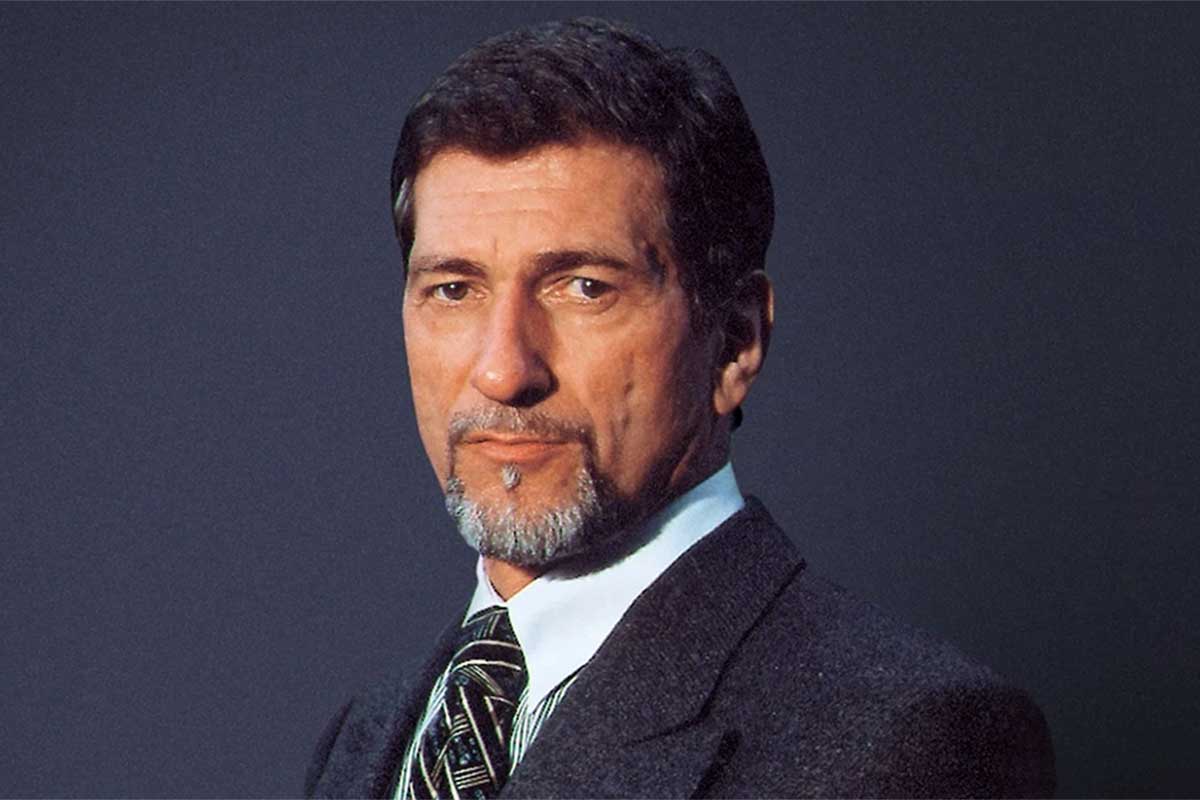
The Revolutionary List – 26 Inspirational Leaders: Günter Blümlein
Editorial
The Revolutionary List – 26 Inspirational Leaders: Günter Blümlein

This year, Revolution turns 20. Two decades of chronicling watches, people and ideas have given us a front-row seat to a remarkable story: how an age-old craft has both preserved its soul and reinvented itself for the 21st century. To celebrate, we’ve chosen over 100 names and milestones that, for us, define the era so far. From leaders to watches, you can see the whole list here.
Born in Nuremberg, Germany, two years before the end of World War II, Blümlein became an engineer to help rebuild his decimated nation. He worked first for Diehl, overseeing its watch division, which included Junghans, before he was headhunted in 1980 to oversee Les Manufactures Horlogères (LMH), the watch division of VDO Schindling A.G., comprising of IWC and Jaeger-LeCoultre. At the time he took over both brands, with the watch industry massively impacted by the Quartz Crisis, they were struggling and on the brink of failure. What he would enact over the next two decades are two of the greatest acts of brand rebuilding in horological history.
At IWC, he would identify an all-new masculine audience bristling from the post ’70s disco-era gender fluidity and fully embracing the ’80s alpha male ethos. He transformed IWC into a brand for them with an ad campaign that declared, “Official Supplier to Men,” or “Almost as complicated as a woman. Except it’s on time.” He combined these arresting ads with the most brilliant use of technical marketing ever perpetuated in watchmaking to yield incredible results.
For Blümlein, technical marketing was to take a watch complication and make it relatable, fun and purposeful. In so doing, he imbued every one of his watches with a sense of mission and identity. To achieve this, he tapped the talents of technical gurus like Richard Habring and Kurt Klaus, but focused on making complications reliable, easier to industrialize and accessible. In 1982, he created the Ocean 2000 with Porsche Design, a titanium dive watch with a 200-meter depth rating but no helium release valve. In 1985, he unveiled the Da Vinci, the world’s first synchronized perpetual calendar, and in 1986, introduced ceramic versions of this watch. In 1990, he created his Grande Complication with chronograph, perpetual calendar and a minute repeater, thanks to Renaud & Papi. In 1992, he created the Doppelchronograph, the world’s first industrially produced split seconds chrono. Come 1993, he unveiled Il Destriero Scafusia — the “Warhorse of Schaffhausen” — which added a split seconds chrono and titanium-caged tourbillon to his Grande Complication. Incredibly, the majority of his watches, including this masterpiece, all used the humble Valjoux 7750 as their base. In 1994, he introduced his ceramic pilot’s watch, the Reference 3705, and in 1999, he created the Deep One, a titanium dive watch with a mechanical depth gauge.
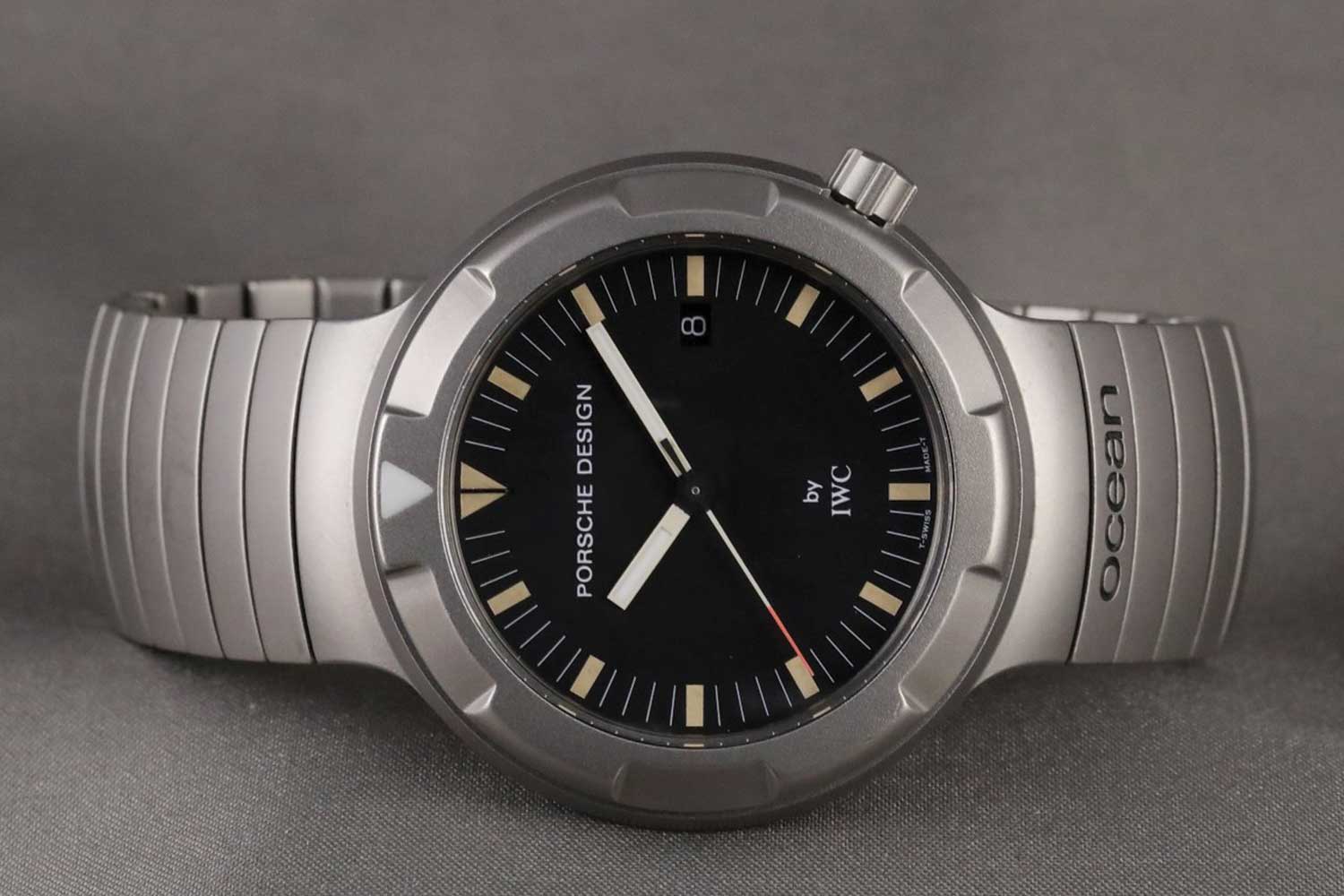
1983: IWC Porsche Design Ocean 2000
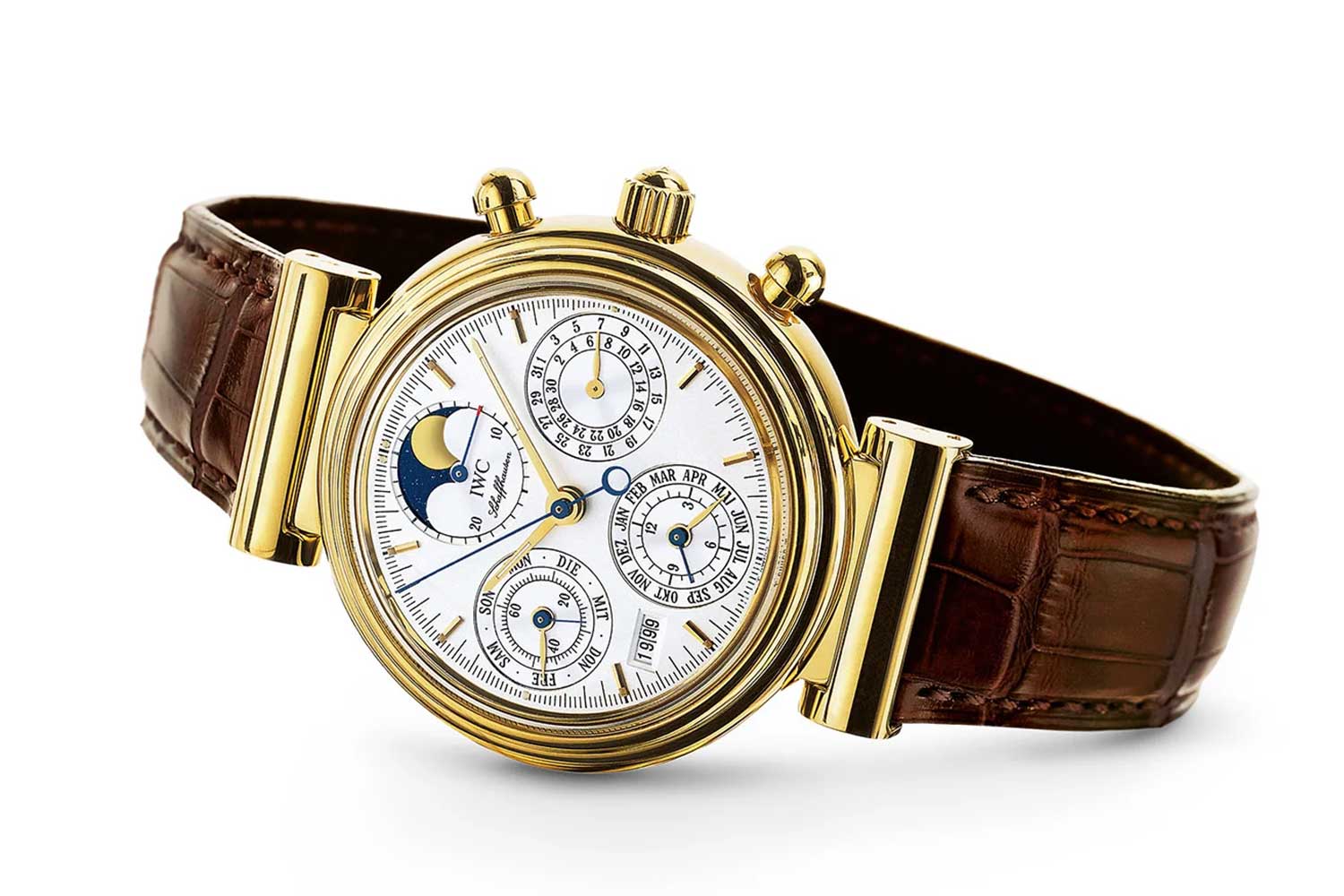
1986: The Da Vinci Perpetual Calendar Ref. 3750
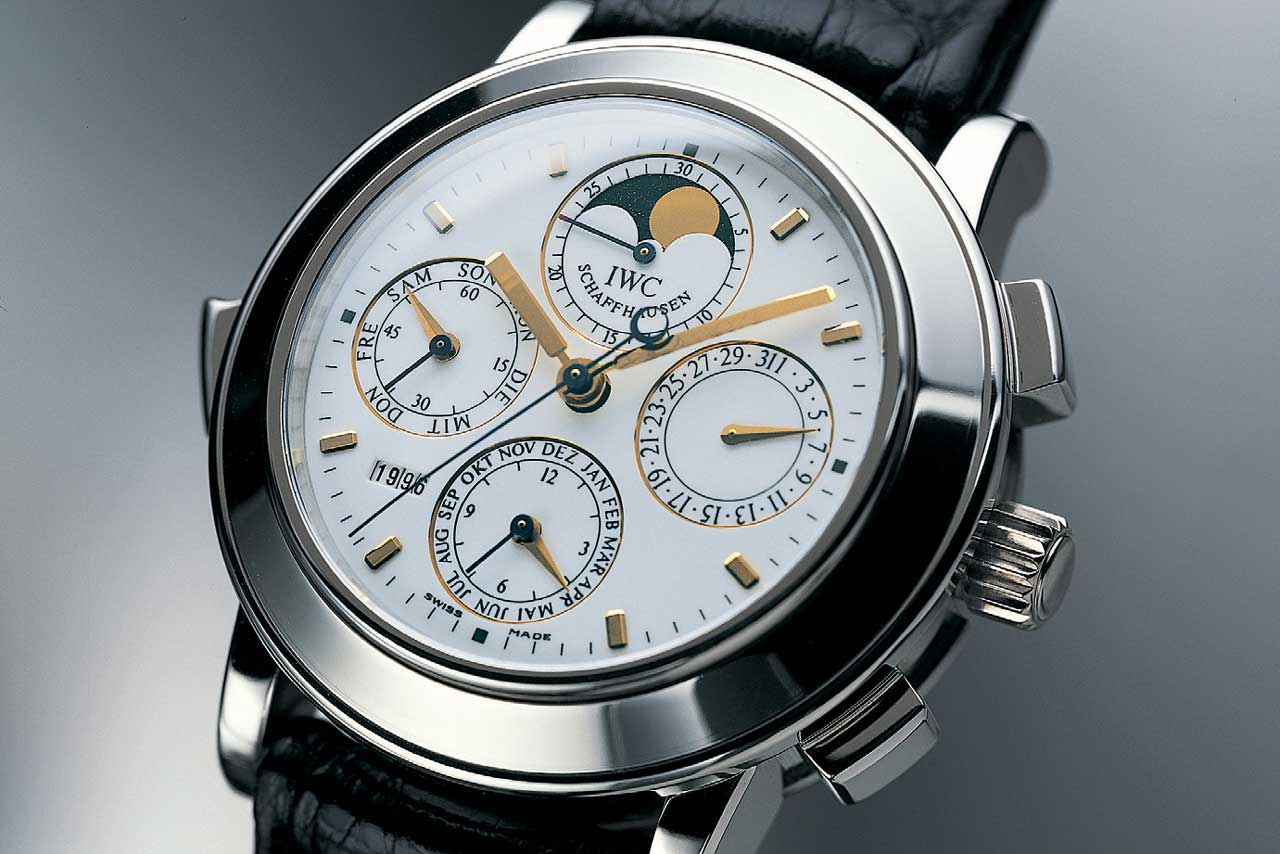
1990: IWC Grande Complication
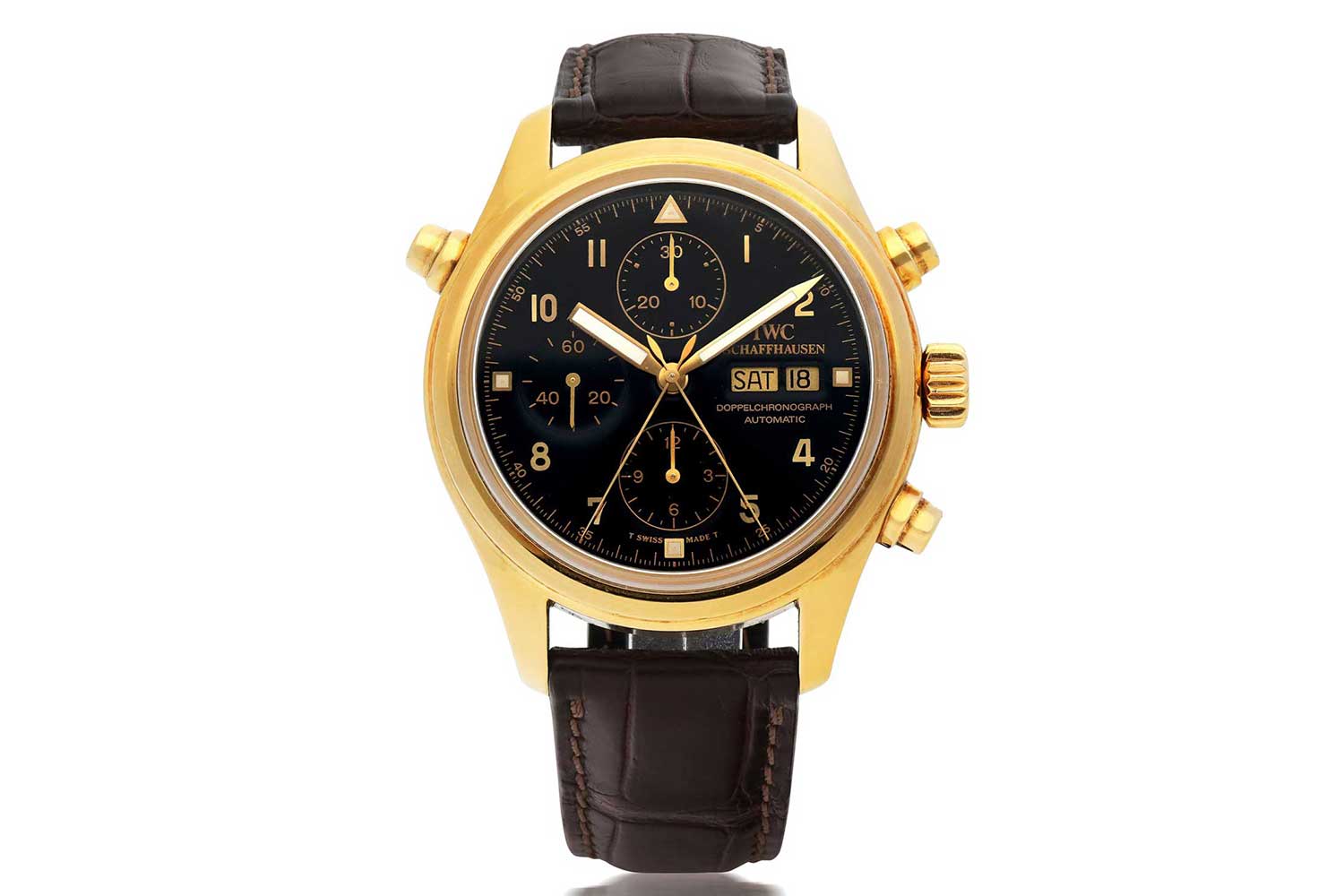
1994: IWC Doppelchronograph Ref. 3711
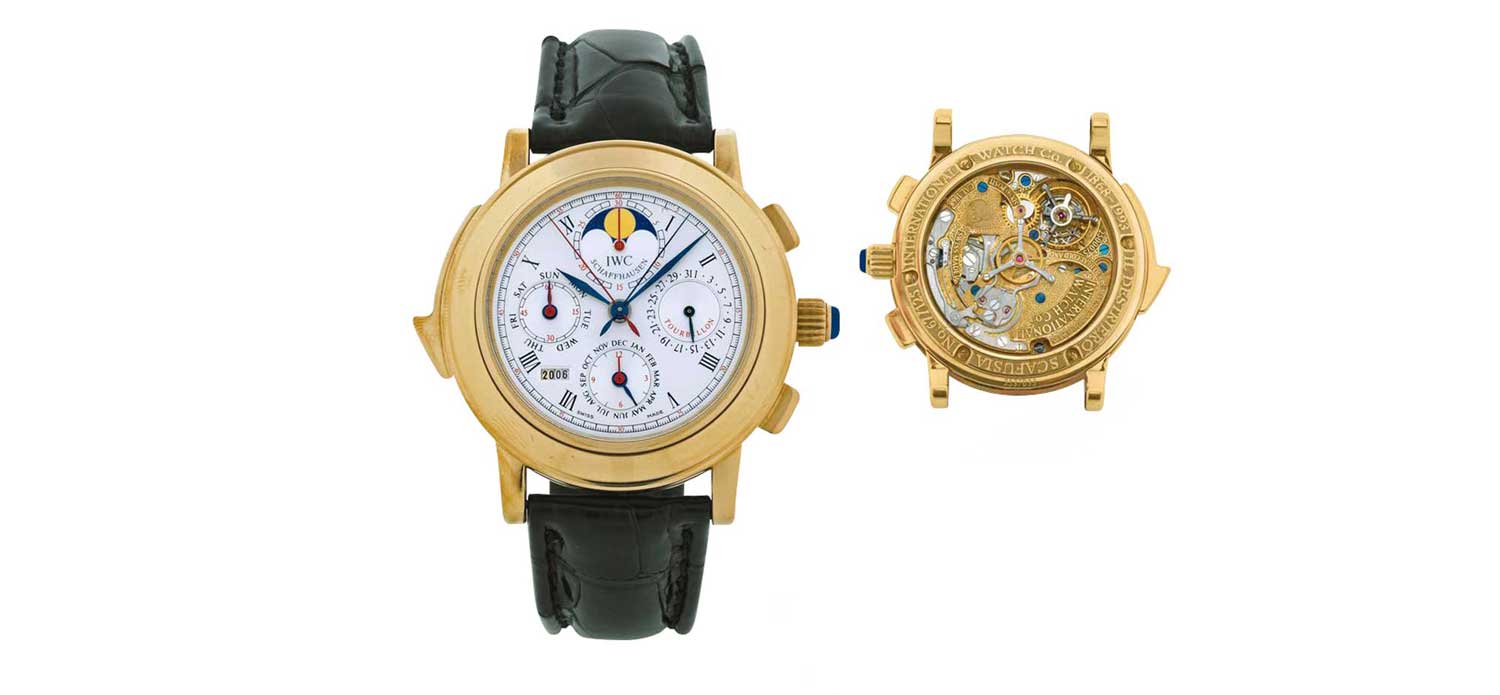
1993: IWC Il Destriero Scafusia Joins the Grand Complication Race
At Jaeger-LeCoultre, with the trusty Henry-John Belmont by his side, he would reintroduce the Reverso and, between 1991 and 2000, release the iconic “Big Six”: the Reverso 60ème with gold movement and an unusual central date indication in a new Grande Taille case; the 1993 Reverso Tourbillon; the 1994 Reverso Minute Repeater; the 1996 Reverso Chronograph Rétrograde; the 1998 Reverso Geographic; and the 2000 Reverso Perpetual Calendar. He also created the Master Control line, channeling the spirit of Jaeger-LeCoultre from the 1950s.
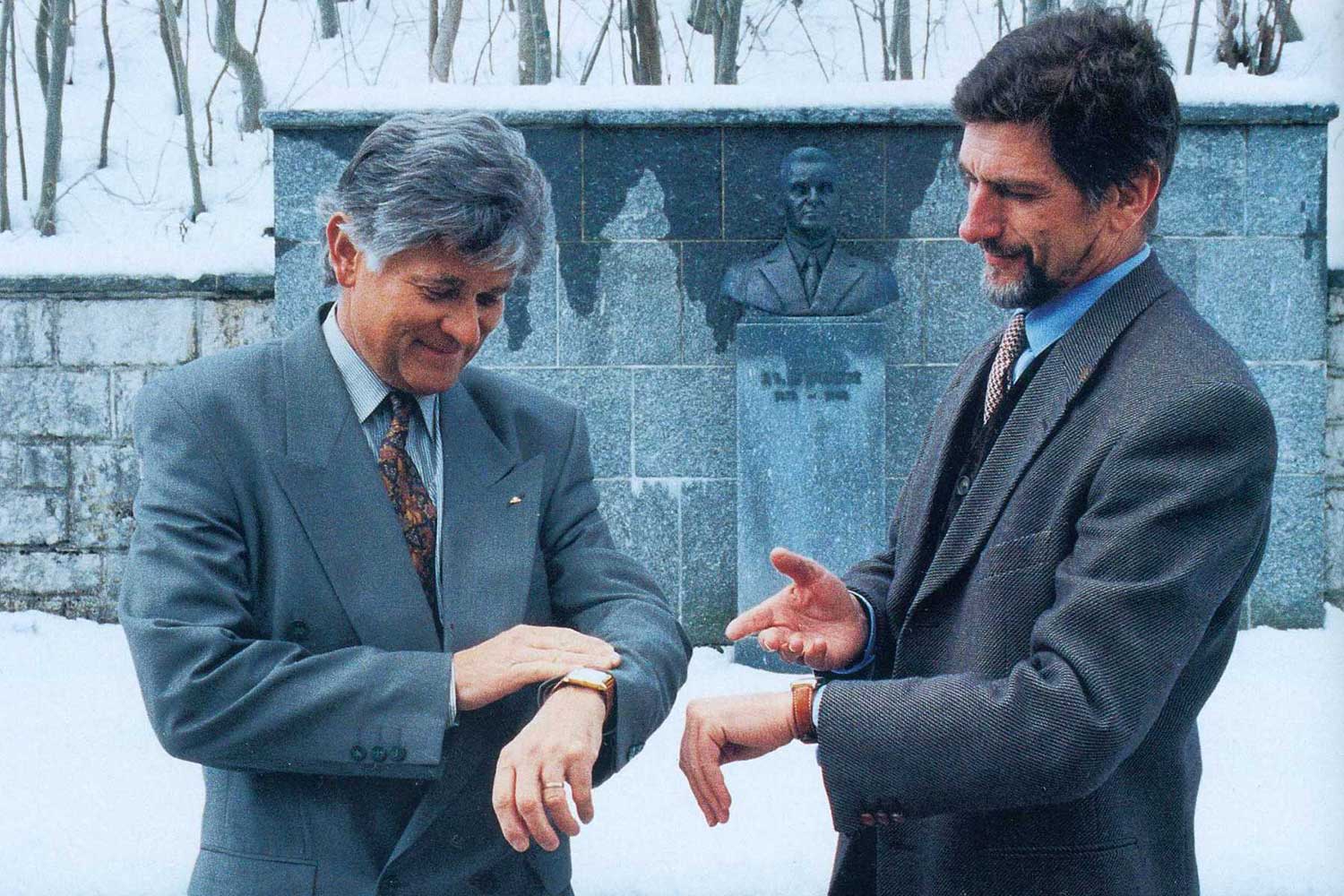
Günter Blümlein with Henri-John Belmont
His greatest achievement, however, was the creation of A. Lange & Söhne in 1994. My use of the word “creation” might be controversial, but from my perspective, Lange was never historically considered to be one of the greatest watch brands in the world until Blümlein decided to relaunch it as a direct competitor to Patek Philippe. He did so through the creation of two of the most original timepieces of all time, the Lange 1 and the sublime Tourbillon “Pour le Mérite,” which expressed his tactic of technical marketing brilliantly with its chain-and-fusée mechanism and tourbillon. The success of Lange is the fulfillment of Blümlein’s boyhood desire to help rebuild Germany and is, to this day, the greatest rebirth of a brand in watchmaking history. LMH was purchased by Johann Rupert in mid-2000 for a record 2.8 billion Swiss francs, but there was no doubt that what Rupert was buying was the incredible genius leadership of Blümlein, whom he had intended to run his group. Sadly, that day never came as Günter Blümlein passed away from cancer in 2001. Even still, I consider him one of the greatest leaders of the new millennium, as he put into place everything that is great about IWC, Jaeger-LeCoultre and A. Lange & Söhne to this day.

A. Lange & Söhne 1815 Tourbillon “Pour Le Merite” in Platinum, circa 1994 (Image: A Collected Man)
You may also like
Editorial
Holiday Horology: Something Old, Something New, Something Special — Felix Scholz, Revolution Australia Editor-in-Chief
Dec 20, 2025
Editorial
Holiday Horology: Something Old, Something New, Something Special — Felix Scholz, Revolution Australia Editor-in-Chief
Dec 20, 2025
Editorial
Holiday Horology: Something Old, Something New, Something Special — Tracey Llewellyn, Group Editorial Director
Dec 18, 2025
Editorial
Holiday Horology: Something Old, Something New, Something Special — Tracey Llewellyn, Group Editorial Director
Dec 18, 2025
Editorial
The Revolutionary List: 25 Watchmakers and Construction – Giulio Papi
Dec 15, 2025
Editorial
The Revolutionary List: 25 Watchmakers and Construction – Giulio Papi
Dec 15, 2025