The Revolutionary List: 25 Watchmakers and Construction – Stephen Forsey & Robert Greubel
Editorial
The Revolutionary List: 25 Watchmakers and Construction – Stephen Forsey & Robert Greubel

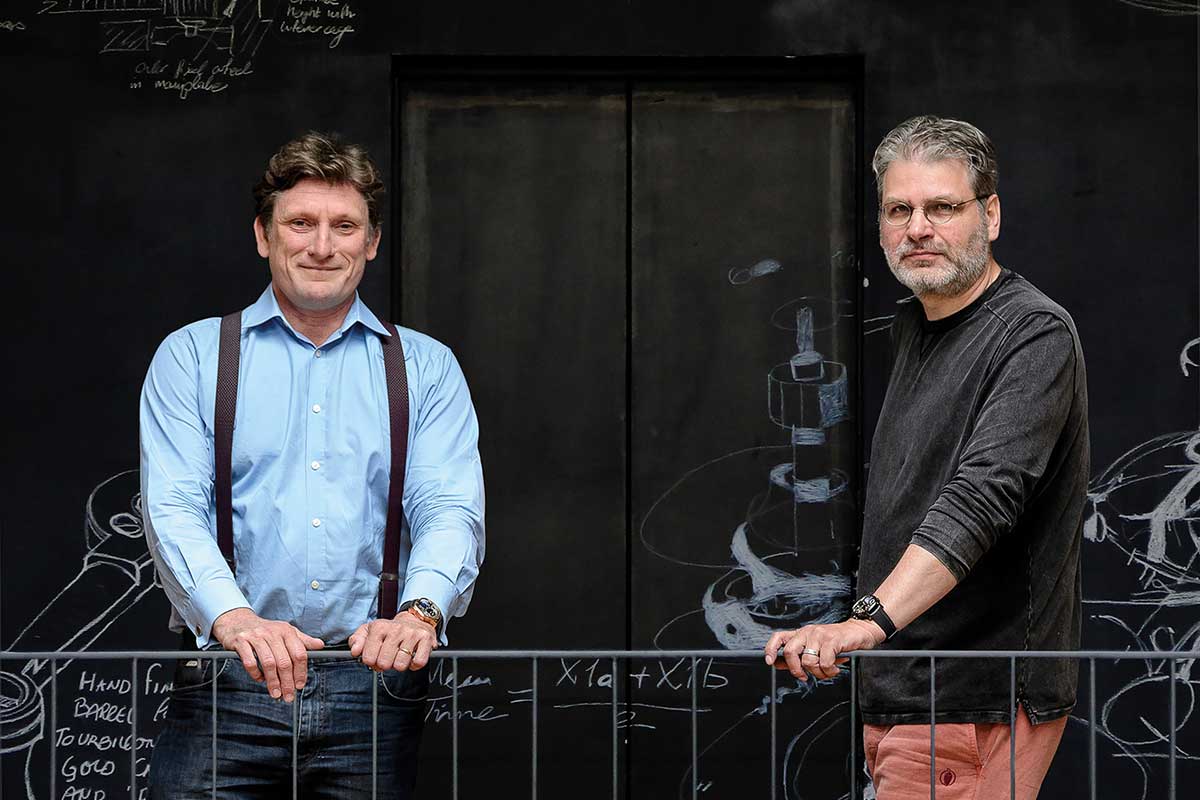
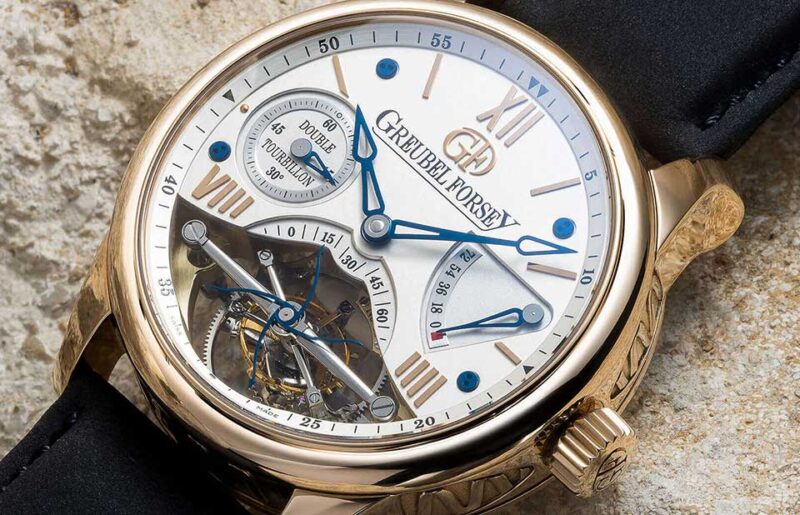
Greubel Forsey has, since the company was launched in 2004, pushed the limits of chronometry and craftsmanship to the extreme in a way few others have, while developing an inimitable three-dimensional style of movement engineering. The firm, founded by Stephen Forsey, a British watchmaker trained in restoration and complicated watchmaking, joined forces with Robert Greubel, a Frenchman with a background at Renaud & Papi. Both men embarked on one of the most sustained tourbillon research projects since the invention of the tourbillon with the mission to adapt it to the wrist. This came in the form of their debut, the Double Tourbillon 30°. Instead of a traditional tourbillon carriage, they inclined the mechanism at 30 degrees, placing it inside a larger cage that rotated once every four minutes. The innovation earned them the 2009 Prix Gaïa for entrepreneurship, and the Aiguille d’Or at the GPHG.
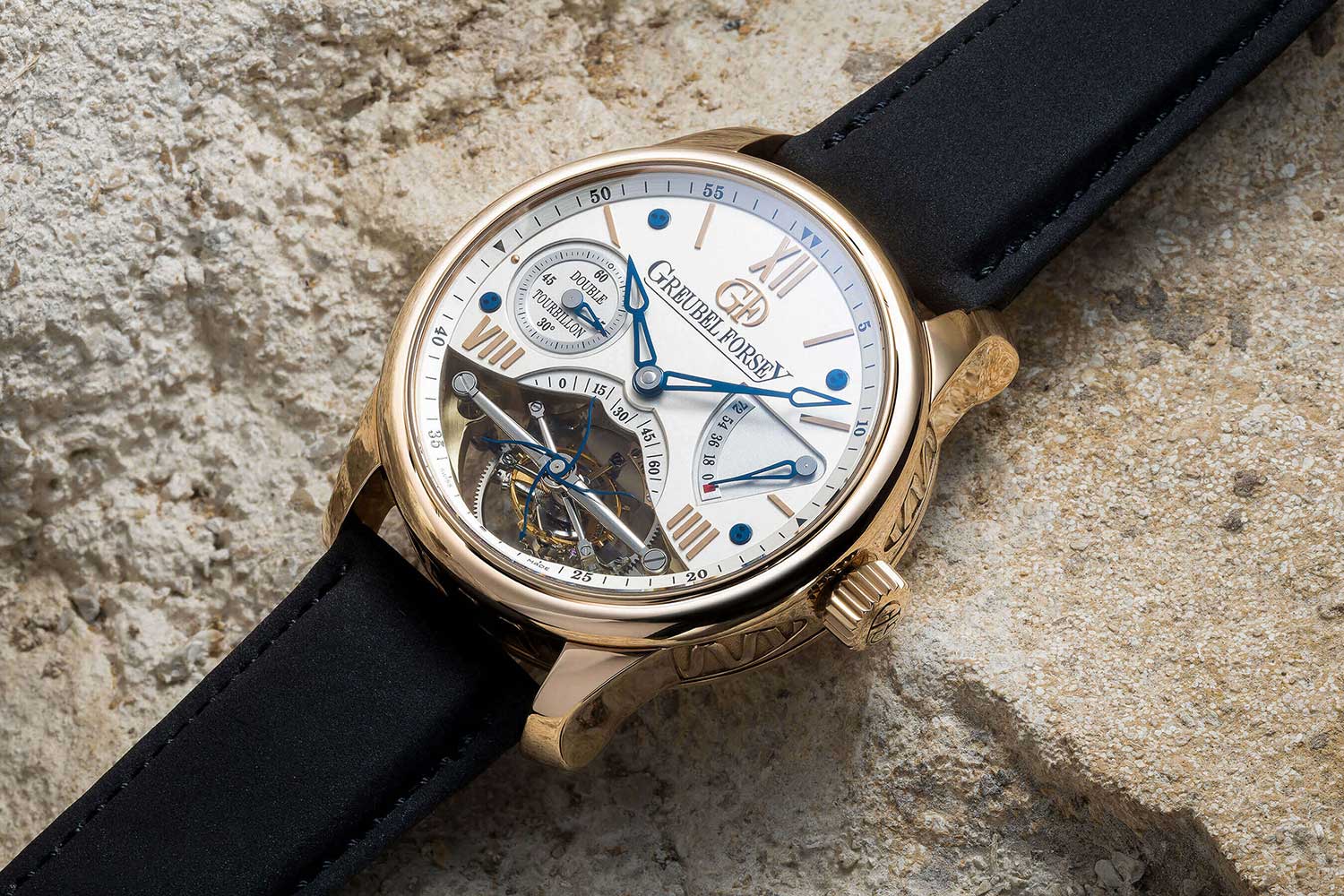
Double Tourbillon 30°
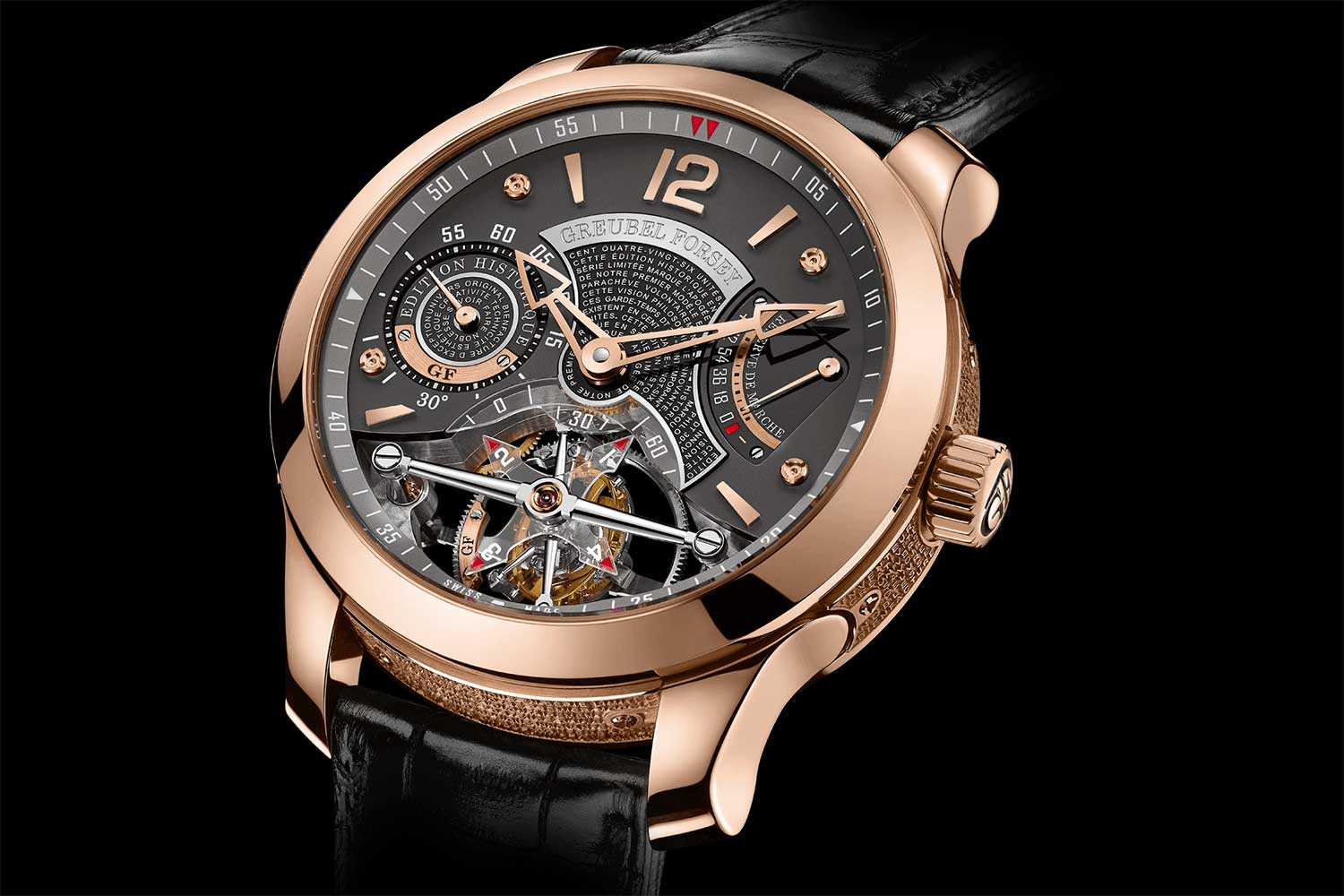
Double Tourbillon 30° Edition Historique, the dedication of the Aiguille d’Or
Since then, the pair has developed numerous other mechanisms dedicated to chronometry, from the high speed 24-second tourbillon to two inclined balance wheels or double-axis tourbillons with rates averaged by a spherical differential. At the same time, they have also served up traditional complications with an innovative spin such as the GMT and grande sonnerie. In doing so, they reframed the conversation about what “ultra high horology” meant in the 21st century. Instead of producing dozens of models, they pursued a handful of concepts (as they reportedly produce fewer than 100 watches per year), executed to a standard of high finishing.
-
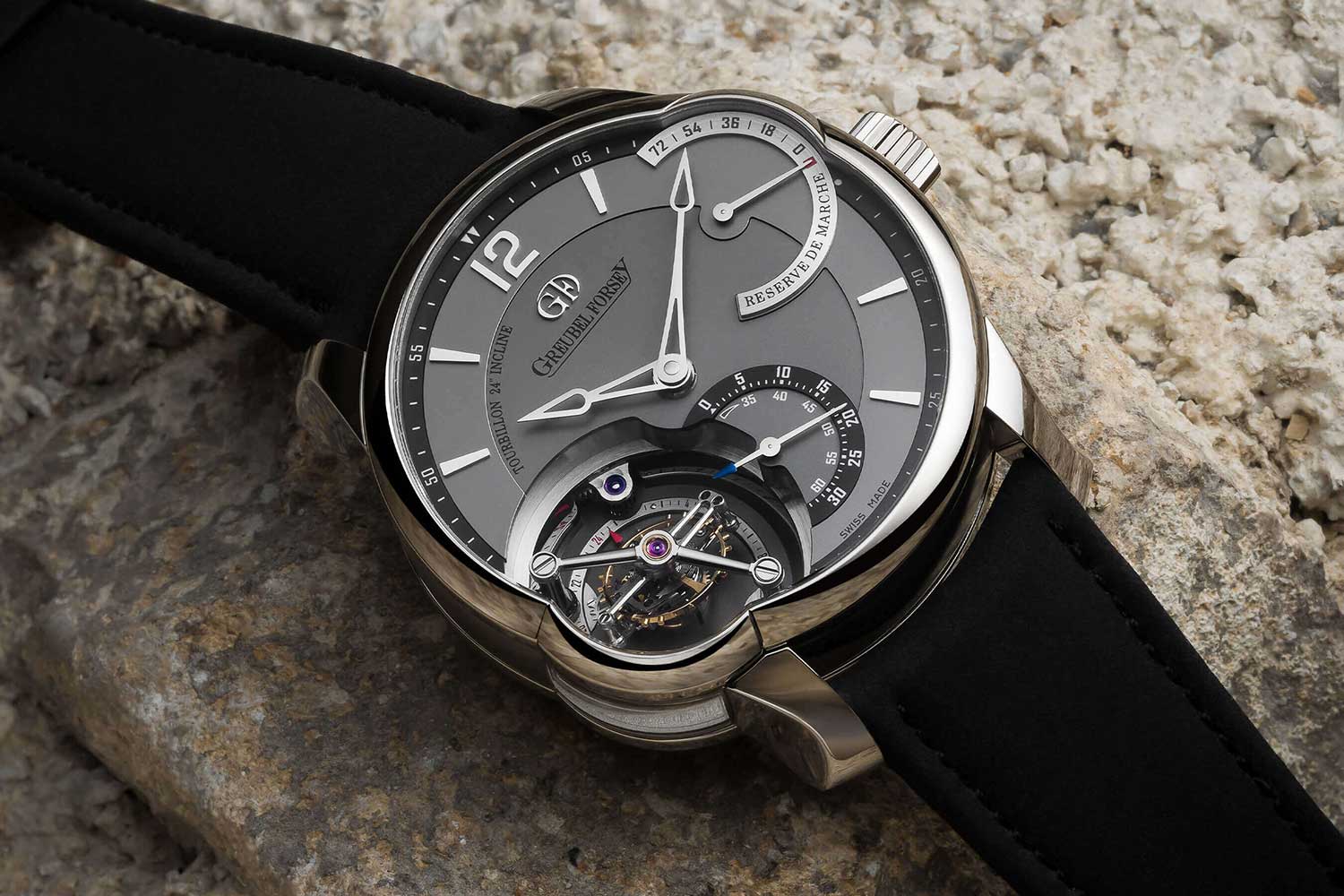
- Tourbillon 24 Secondes
-
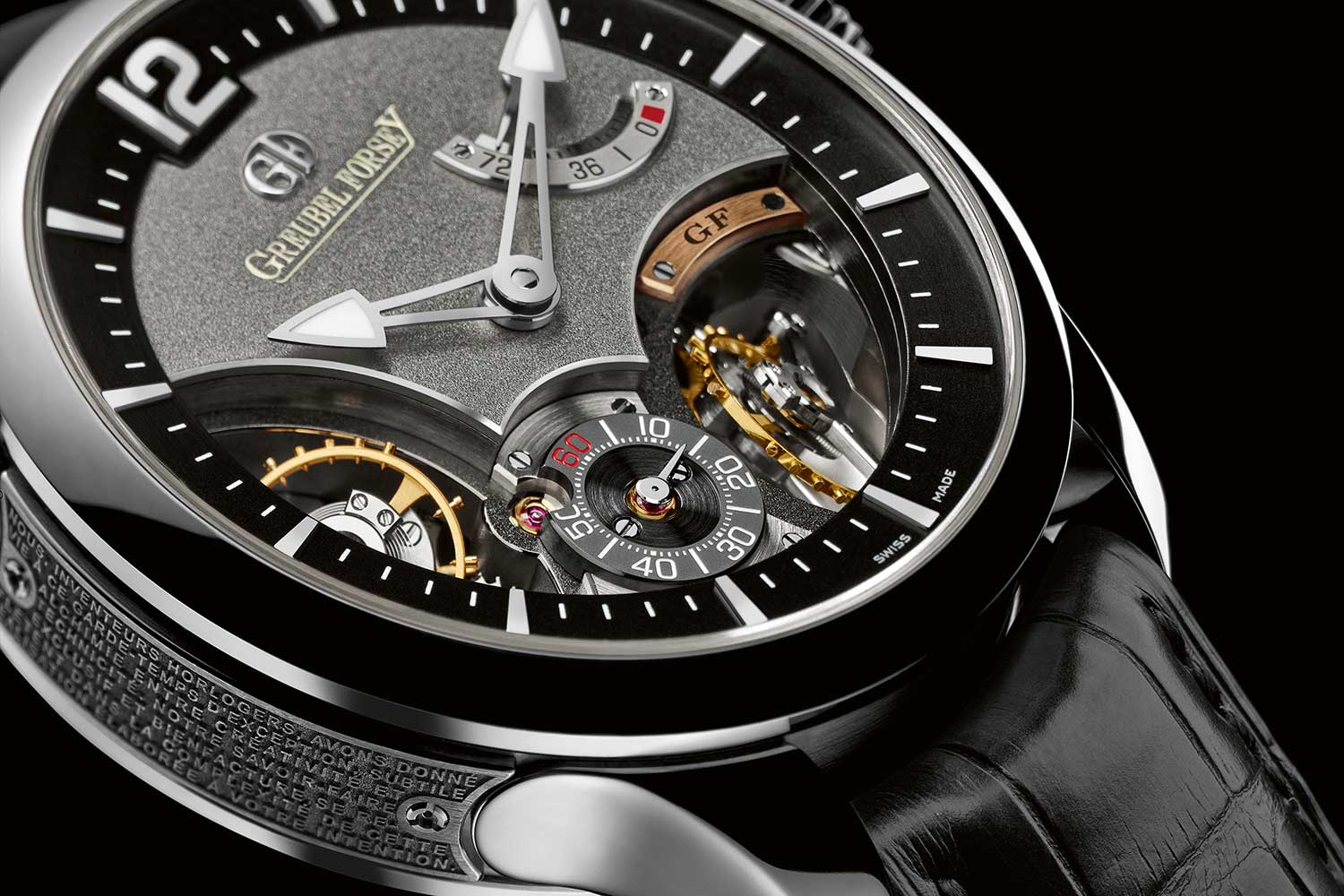
- Double Balancier 35˚
-
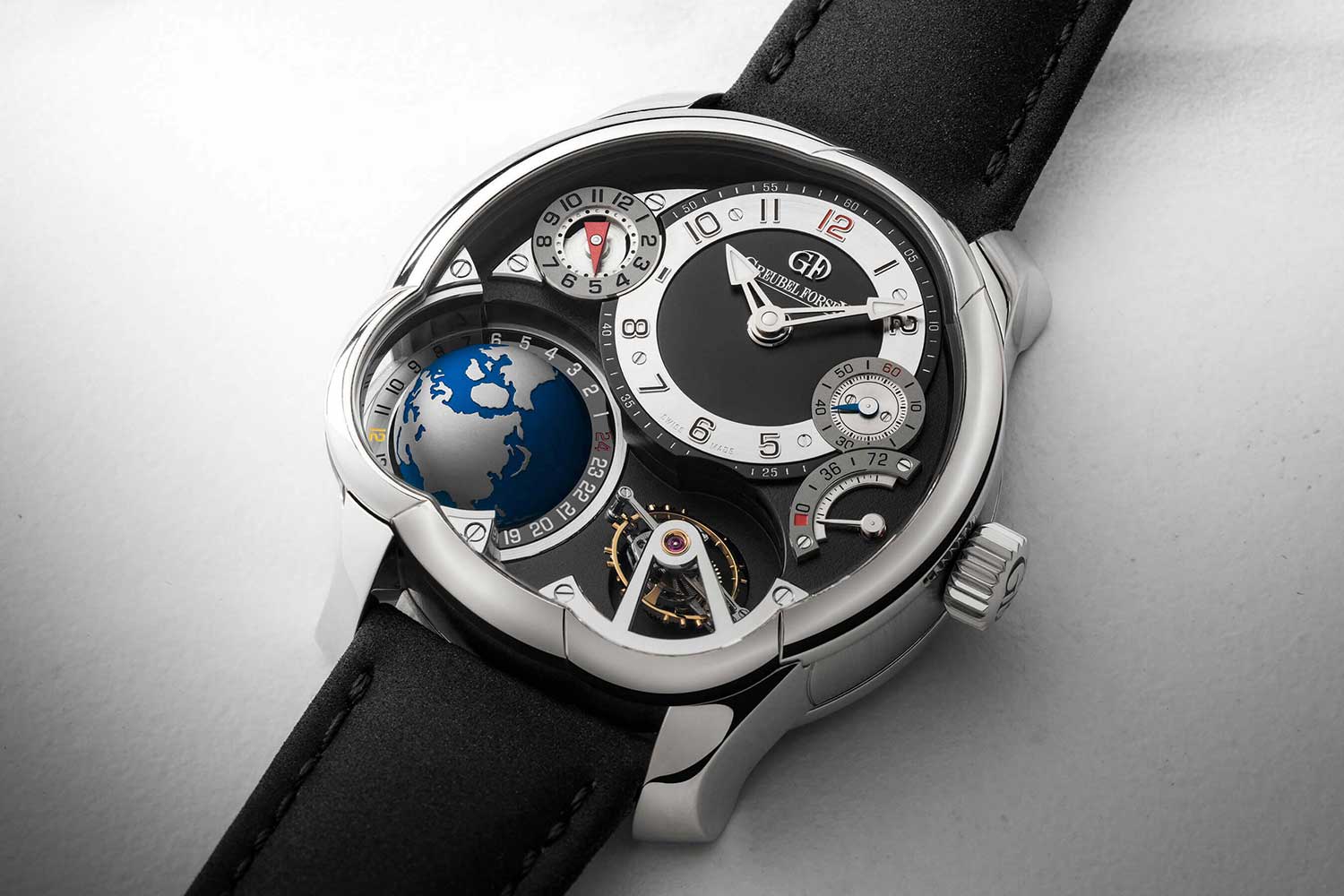
- GMT
-
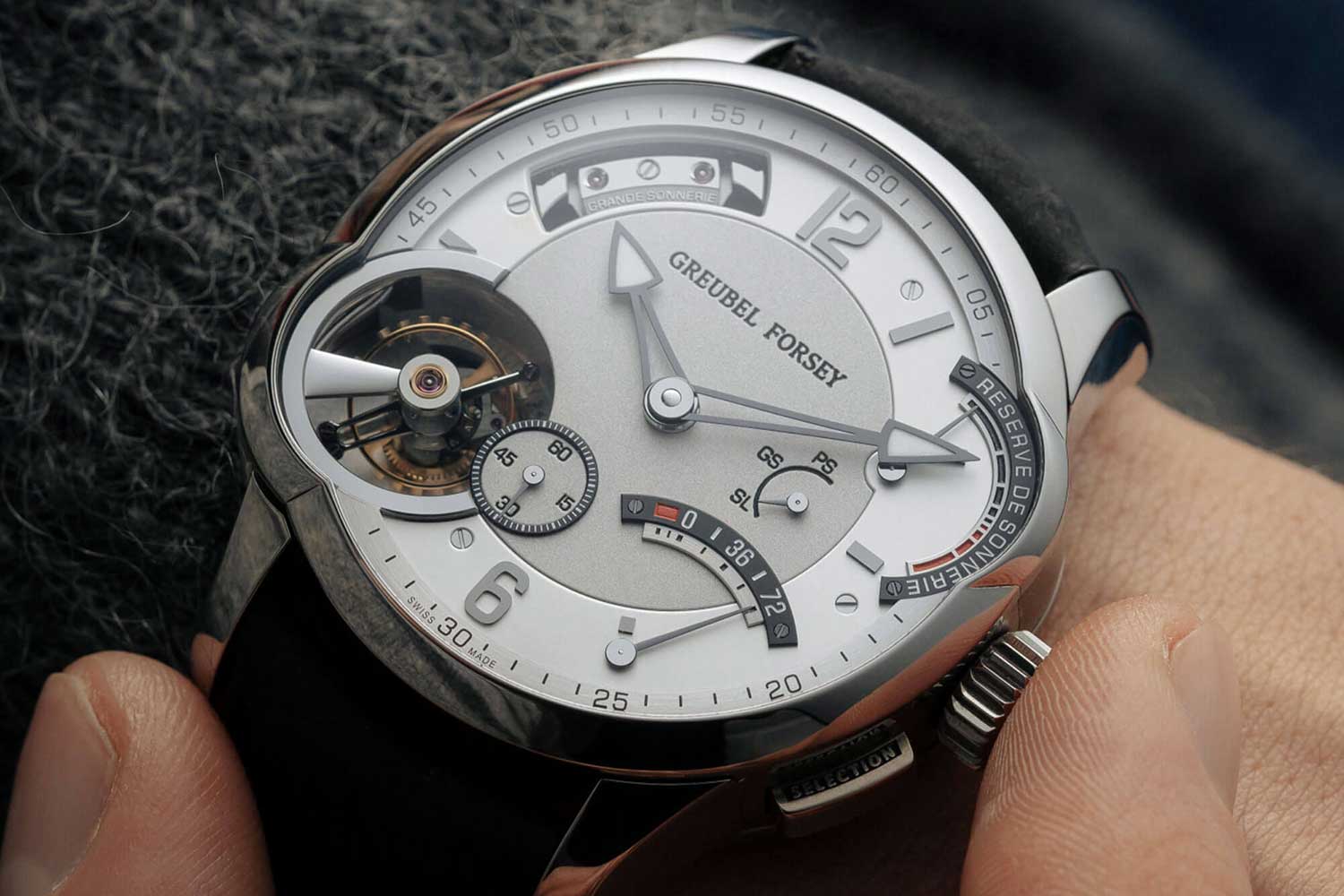
- Grande Sonnerie
In 20 years, Greubel & Forsey have built not just a brand but a philosophy: that horology’s future lies not in clinging to the past, but in advancing it through invention. Their timepieces may be rare, expensive and polarizing, but they are also undeniably consequential. In the canon of 21st century watchmaking, Robert Greubel and Stephen Forsey stand as proof that revolution doesn’t require tearing down the old — it can come from bending time itself into new shapes.
Greubel Forsey
You may also like
Editorial
The Revolutionary List: 30 Pioneering Watches – the Greubel Forsey Double Tourbillon 30˚
Dec 2, 2025
Editorial
The Revolutionary List: 30 Pioneering Watches – the Greubel Forsey Double Tourbillon 30˚
Dec 2, 2025
Editorial
Aiming Higher: Greubel Forsey
Nov 19, 2025
Editorial
Aiming Higher: Greubel Forsey
Nov 19, 2025

Editorial
Man of the Hour – A Journey to the Heart of Watchmaking
Nov 4, 2025
Editorial
Man of the Hour – A Journey to the Heart of Watchmaking
Nov 4, 2025