The Revolutionary List: 24 Technically Brilliant Watches – Breguet Classique Chronométrie 7727
Editorial
The Revolutionary List: 24 Technically Brilliant Watches – Breguet Classique Chronométrie 7727

This year, Revolution turns 20. Two decades of chronicling watches, people and ideas have given us a front-row seat to a remarkable story: how an age-old craft has both preserved its soul and reinvented itself for the 21st century. To celebrate, we’ve chosen over 100 names and milestones that, for us, define the era so far. From leaders to watches, you can see the whole list here.
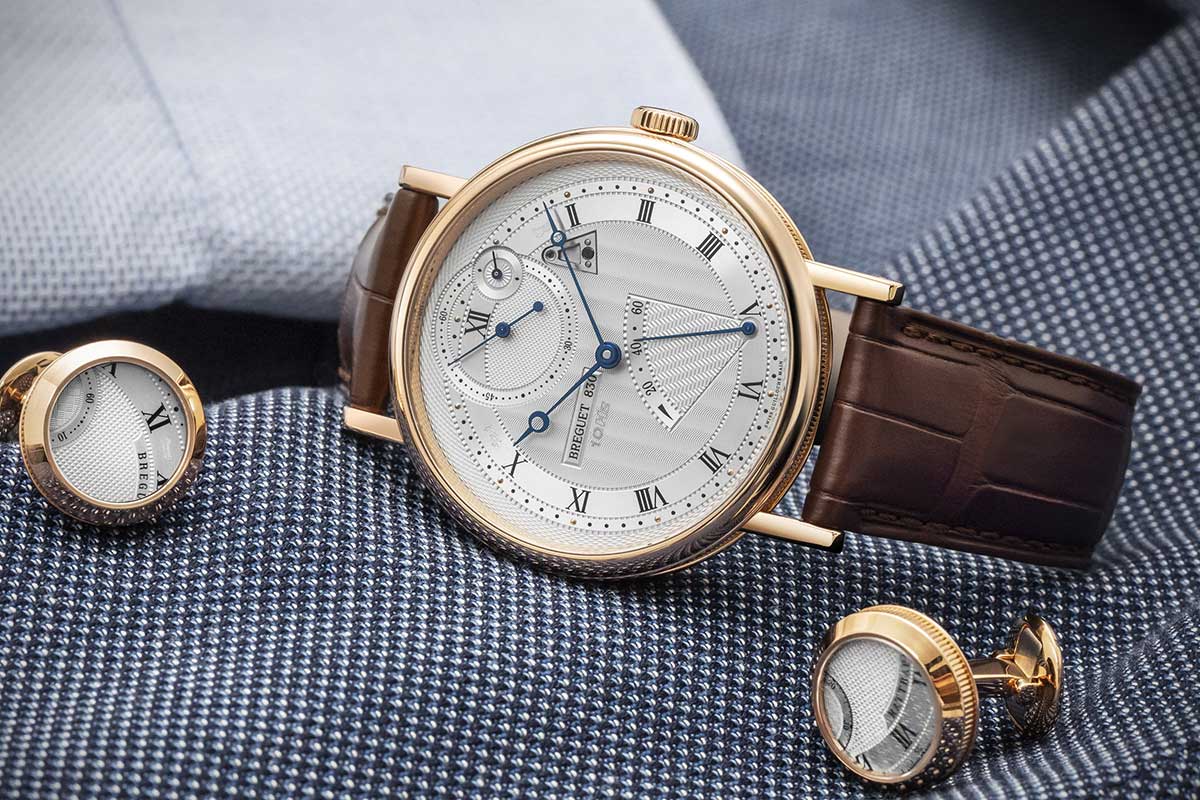
The Breguet Classique Chronométrie 7727 is one of those watches that inevitably surfaces whenever the subject of Breguet arises. Not because it is ornate or complicated but because it was an authentic leap forward in the way A.-L. Breguet himself had occasionally managed in his own time. It was introduced in 2013 and almost immediately recognized as something different. It took the most classical of aesthetics and fused them with innovations that were entirely of the present age.
At its heart is a high-frequency movement, the Caliber 574DR, running at 10Hz, or 72,000 vibrations per hour. This was made possible through the use of silicon for the most critical regulating components. The twin balance springs are fashioned from silicon, ensuring concentric breathing and immunity to magnetism, while the lever and escape wheel are likewise in silicon, reducing inertia and their surfaces running with minimal friction. This makes a 10Hz escapement viable in daily use. But silicon alone was just the beginning. The innovation was in the magnetic pivots of the balance wheel.
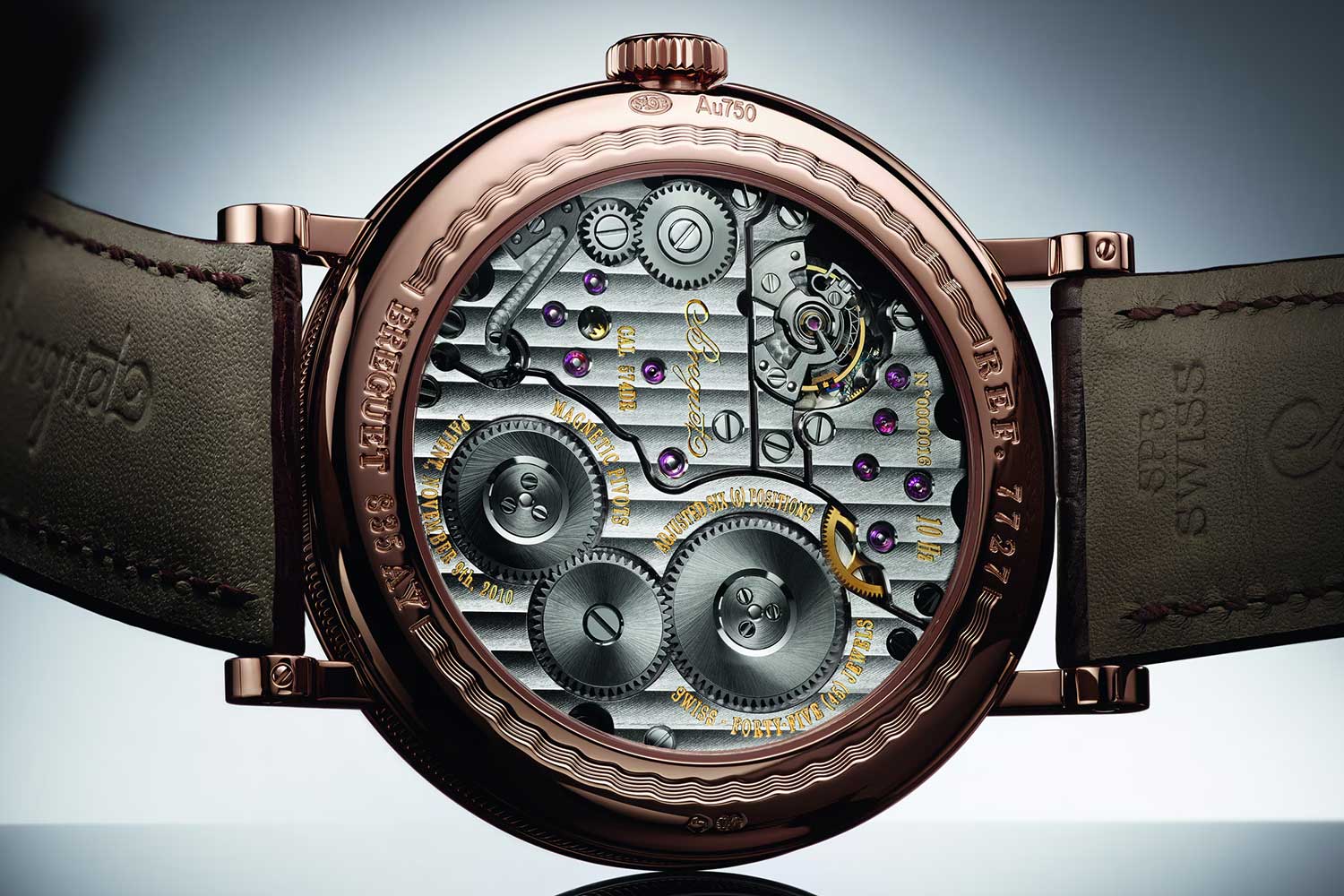
Two micro-magnets are set into the endstones of the balance staff, one deliberately stronger than the other to create a magnetic gradient. This flux holds one end of the staff in constant contact with its endstone, while the other end hovers, perfectly centered by the field. With only a single point of contact, friction is minimized, and because the centering force is uniform in every orientation, the rate remains consistent across all positions. If a shock drives the staff off center, the magnetic gradient acts like a pare-chute, pulling it back instantly to the point of maximum flux. The result is a balance that is both stable in rate and unusually resistant to shocks. These gains were not merely theoretical. The watch was rated between –1 and +3 seconds per day, and in 2014, it was awarded the Aiguille d’Or at the Grand Prix d’Horlogerie de Genève (GPHG).
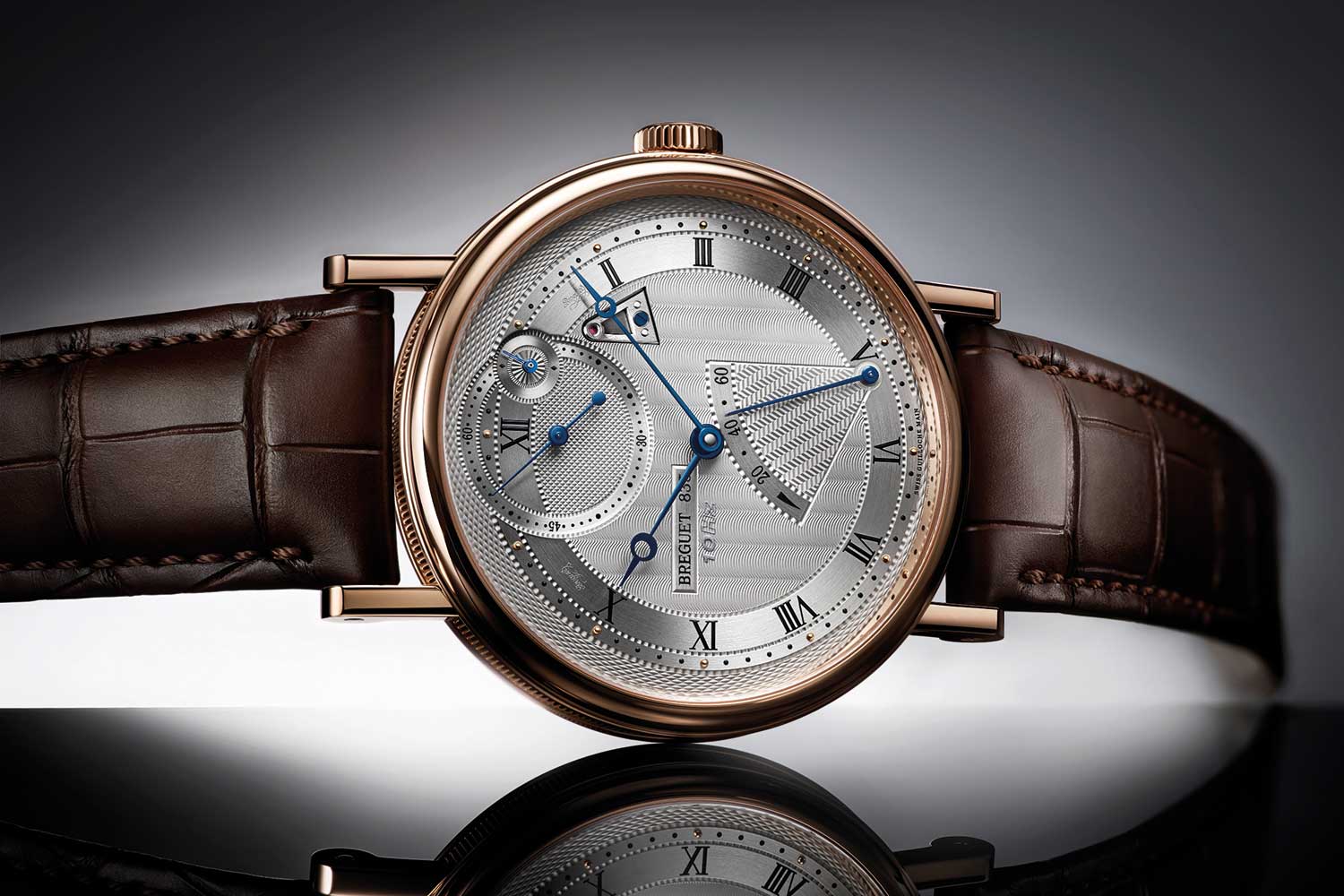
All of this was dressed in a form as classical as its name. The case, at 41mm, carries the fluted band and welded lugs that have been Breguet signatures. The dial is a silvered gold canvas engine-turned with six distinct guilloché patterns and flame-blued hands. At 12 o’clock sat the small seconds and at 1 o’clock a silicon foudroyante hand completing a full turn every two seconds.
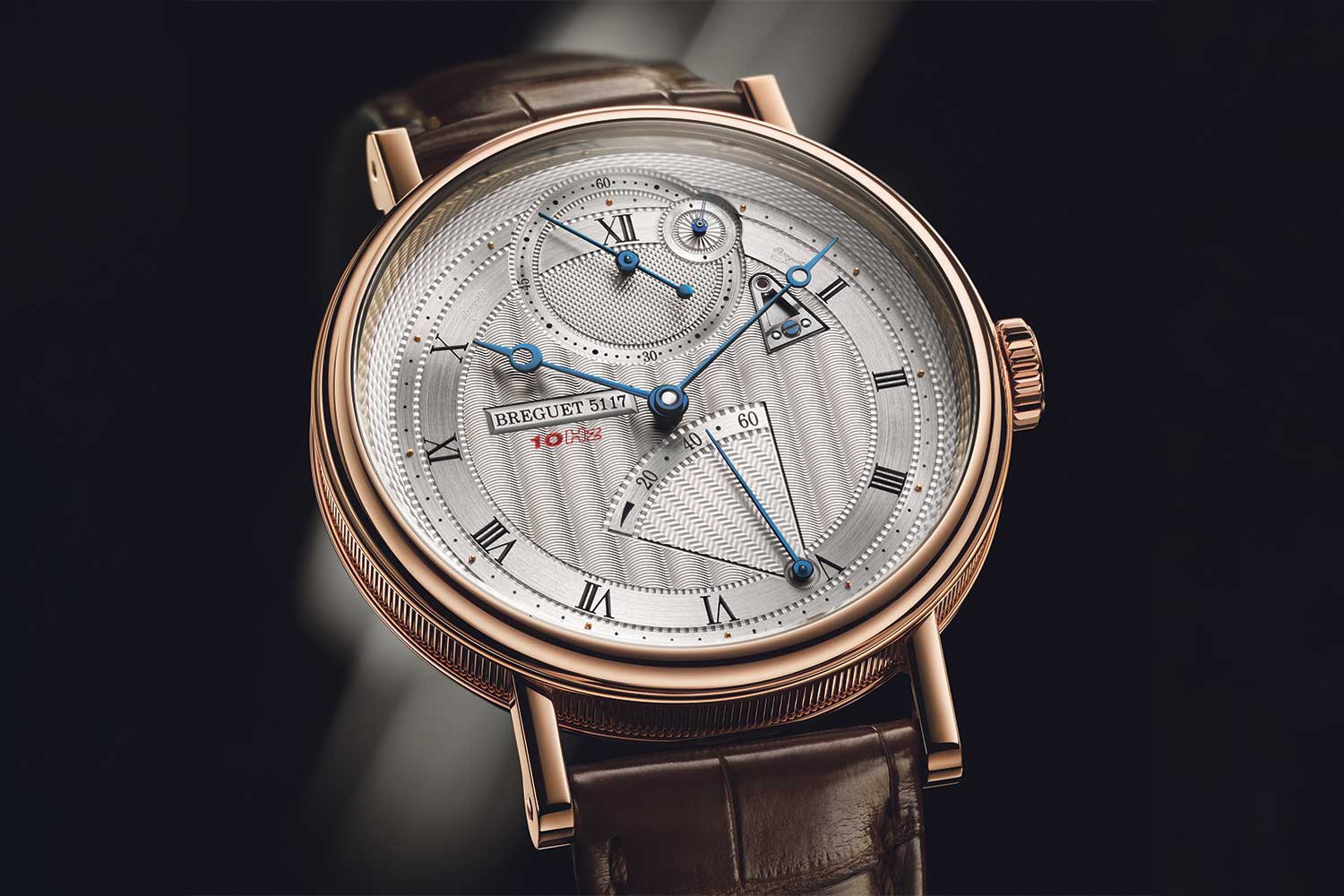
But if one remembers the 7727 today more than a decade on, it is less for its surface than what it attempted. Very few brands have taken the risk of re-engineering the fundamentals of watchmaking and fewer still have ventured into magnetism as a tool for chronometry. The 7727 did so while still looking like a Breguet of the finest classical line.
Tech Specs: Breguet Classique Chronométrie 7727
Movement Manual winding, high-frequency (10Hz) Caliber 574DR; 60-hour power reserve
Functions Hour, minutes, small seconds and foudroyante
Case 41mm × 9.7mm; 18K white or pink gold; water resistant to 30m
Dial Solid gold, silvered, featuring hand guilloche with six different patterns
Strap Alligator leather with folding clasp
Breguet
You may also like
News
The Revolutionary List: 24 Technically Brilliant Watches – the Breguet Expérimentale 1
Dec 12, 2025
News
The Revolutionary List: 24 Technically Brilliant Watches – the Breguet Expérimentale 1
Dec 12, 2025
Editorial
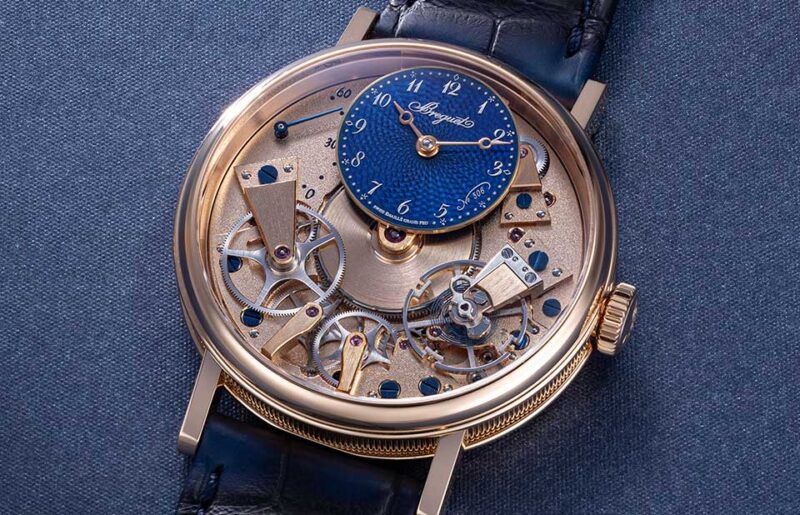
The Revolutionary List: 30 Pioneering Watches – the Breguet Tradition Seconde Rétrograde 7035
Dec 2, 2025
Editorial
The Revolutionary List: 30 Pioneering Watches – the Breguet Tradition Seconde Rétrograde 7035
Dec 2, 2025
News
Writing the Future: Breguet Launches the Expérimentale 1
Dec 1, 2025
News
Writing the Future: Breguet Launches the Expérimentale 1
Dec 1, 2025