
The Power of Nostalgia: gérald genta, Universal Géneve, Favre Leuba, Urban Jürgensen
News
The Power of Nostalgia: gérald genta, Universal Géneve, Favre Leuba, Urban Jürgensen

In recent years, the luxury watch industry has witnessed a growing trend of reviving heritage brands, breathing new life into storied names that were once synonymous with horological innovation. Brands such as Daniel Roth, Gérald Genta (rebranded as gérald genta), Universal Genève, Favre Leuba and Urban Jürgensen have returned from the shadows — or are planning to do so — poised to reclaim their place in modern watchmaking. This movement reflects not only a deep respect for history but also a contemporary reinterpretation of classical design elements for the new generation of watch enthusiasts.
Having had the privilege to manage the revival — or at least the failed attempt to achieve it — of a historical brand, I’d like to take a look at why we are seeing currently so many old names being revived.
The Allure of Resurrecting Heritage Brands
The revival of historical brands taps into a profound sense of nostalgia and exclusivity. These names were once revered for their technical prowess, innovation and unique aesthetics. Today, a new generation of collectors and aficionados is captivated by the idea of owning a piece of history but reimagined for the future.
This sense of continuity, of linking the golden age of mechanical watchmaking with today’s technical advancements, is one of the driving forces behind this phenomenon. The other more trivial reason for this renewed hunt of forgotten names or sleeping beauties is the strong belief that a past will buy a future.
For brands like Daniel Roth and gérald genta, this revival is about more than just nostalgia — it’s about honoring legacies that shaped the aesthetic and mechanical standards of haute horlogerie. In the case of Daniel Roth, the signature “Ellipsocurvex” case design and finely executed movements are making a comeback, paying homage to the master watchmaker’s pioneering spirit.
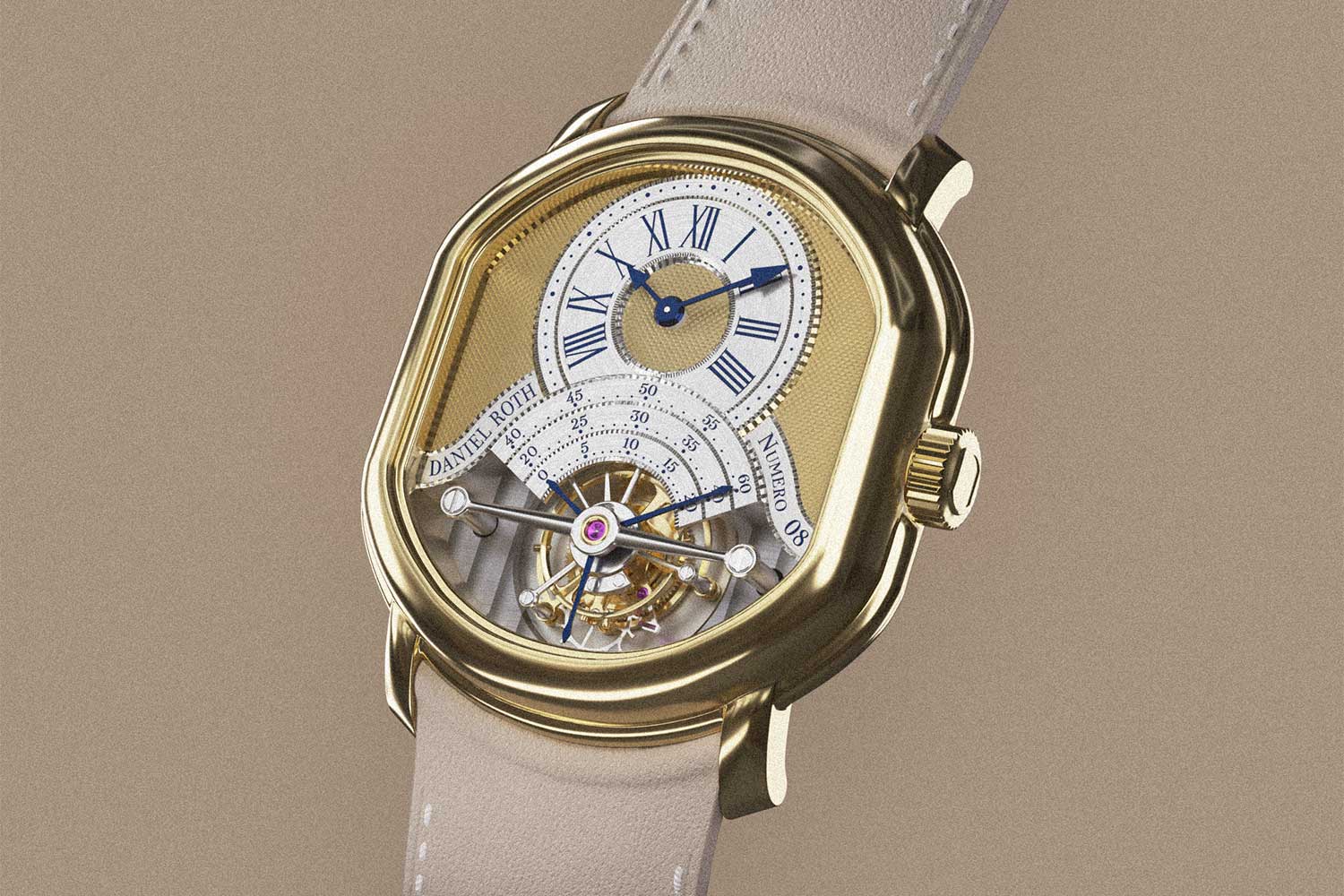
Daniel Roth Tourbillon Souscription
Gérald Genta, widely regarded as one of the most iconic designers in the watch world, particularly for his work on models like the Audemars Piguet Royal Oak and the Patek Philippe Nautilus, is similarly being brought back to life. The return of Genta’s name is a celebration of visionary design, one that will undoubtedly attract connoisseurs seeking the avant-garde spirit that redefined watchmaking in the 20th century.
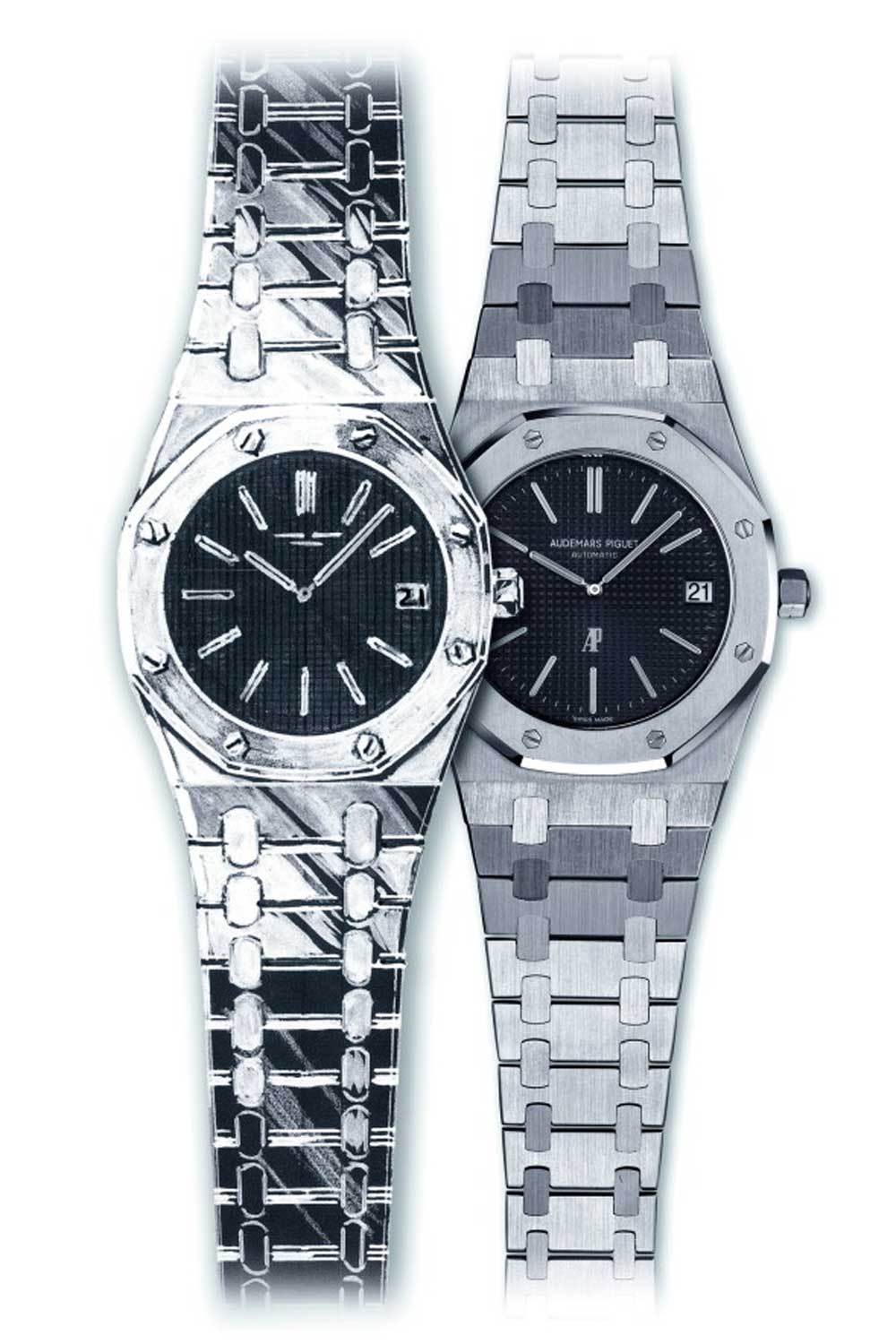
Sketch of Audemars Piguet Royal Oak in 1972

Sketch of Patek Philippe Nautilus
Universal Genève: Poised for a Grand Return
Perhaps one of the most anticipated relaunches is Universal Genève, a brand that played a pivotal role in shaping mid-century watch design. Famed for its chronographs and elegant dress watches, Universal Genève was once considered a benchmark of quality and innovation. Its Polerouter model, also designed by a young Gérald Genta, became an icon in the 1950s. While the brand fell into obscurity in the latter part of the 20th century, its forthcoming revival has watch enthusiasts buzzing. There is a sense that this brand’s second life could usher in a new era of classic designs with updated technology.

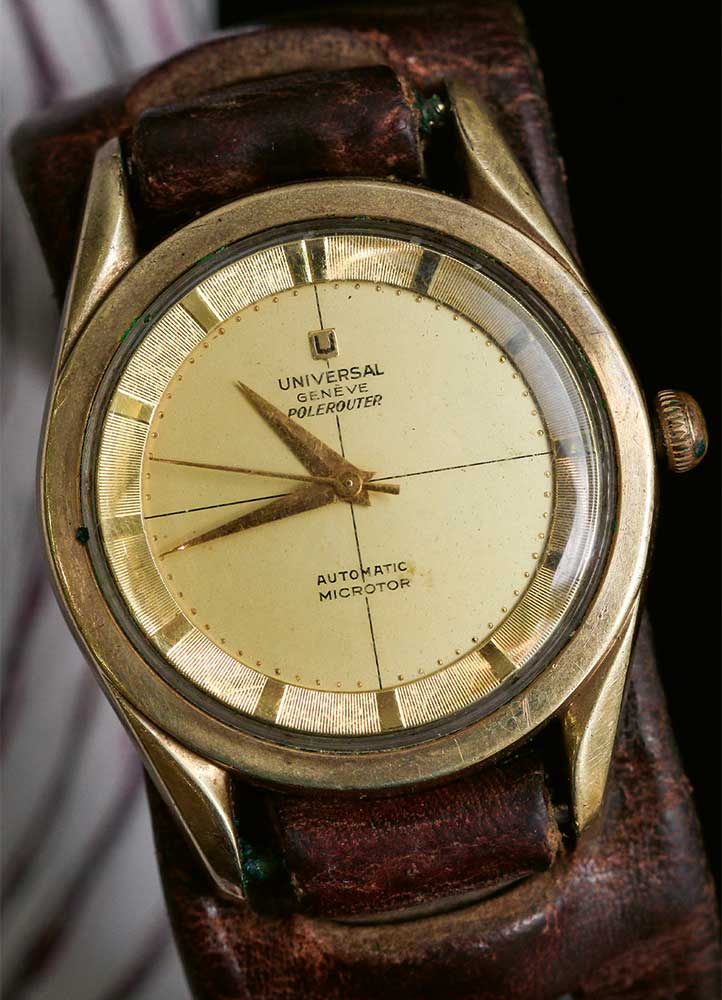
Universal Genève Polerouter – 1954
Favre Leuba: Reviving the Pioneering Spirit
Another exciting revival comes from Favre Leuba, one of the oldest Swiss watch brands, dating back to 1737. Known for its technical innovation, Favre Leuba created robust timepieces like the Bivouac, the first mechanical wristwatch capable of measuring altitudes of up to 3,000 meters, and the Bathy, the first wristwatch with a depth gauge. The relaunch of Favre Leuba signifies a return to its adventurous roots, aiming to cater to a niche of enthusiasts who appreciate mechanical innovation and rugged design. The brand’s announcement of a relaunch signifies a blend of tradition with modern tastes, offering a fascinating juxtaposition of history and innovation.

Favre Leuba Bivouac, 1962

Favre Leuba Bathy, 1968
Urban Jürgensen: A Masterpiece Returns in 2025
Lastly, Urban Jürgensen, a name synonymous with high horology, is set to return to the market in 2025. Known for its meticulously handcrafted dials, blued hands and sophisticated movements with a proprietary detent escapement, the brand represents probably one of the best value propositions of artisan watchmaking. Bought by the legendary independent watchmaker Kari Voutilainen in 2021, after a failed relaunch by its previous owners, it is a happy coincidence that the brand from which Voutilainen took all its design attributes will be run by him. Voutilainen has worked for Urban Jürgensen and you can find its design features with the “Cornes de Vache” or “cow horn” lugs and the beautiful guilloché dials.
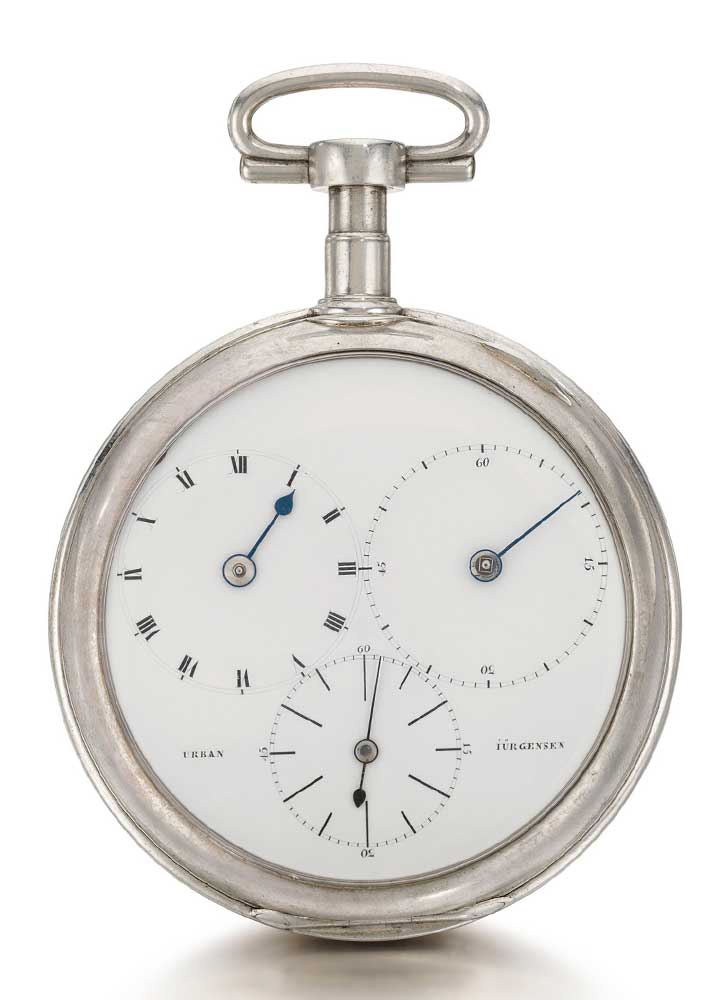
Urban Jürgensen Chronometer Regulator from 1820 (Image: Sotheby’s)

Urban Jürgensen Reference 2340 (Image: Sotheby’s)
The upcoming relaunch promises to stay true to the brand’s values of craftsmanship, precision and classic design, while also incorporating advancements in horology to appeal to discerning collectors.
All about the timing
The timing of these revivals is no accident. In an era where technology dominates, there is a growing appreciation for traditional craftsmanship and the art of mechanical watchmaking. These revived brands offer something modern smartwatches cannot — a connection to history, heritage and a sense of enduring craftsmanship. Furthermore, younger collectors, particularly from emerging markets, are increasingly drawn to the prestige and exclusivity associated with owning limited edition or boutique timepieces.
For the watch industry, these revivals serve as both a bridge to the past and a pathway to the future. Brands like Daniel Roth, gérald genta, Universal Genève, Favre Leuba and Urban Jürgensen are not simply resurrecting old designs; they are reinterpreting their historical significance for a modern audience that craves both innovation and tradition.

gérald genta Minute Repeater Jumping Hours Minute Retrograde - Only Watch 2023 Edition. © Disney
Potential Pitfalls
In 1982, a young man — Jean-Claude Biver — set out to establish the first successful relaunch of a historical brand with Blancpain. Back then, there wasn’t a thing called the Internet existing and hence the creativity for the brand storytelling was almost unlimited. You could almost entirely rewrite the story of your brand and even set the founding date way further back than it really was. Back then you had literally no risk of being challenged on any aspect of your claims on your story, your products or legitimacy of being part of an exclusive club of high-end watchmaking. Just look at how many brands are claiming to be the oldest watch brand in the world or having been in the space, sometimes with totally ridiculous and anecdotical “proof.”

Today it takes about two minutes, after you’ve published your claim online, until some “watch whizz” starts bashing or challenging, because he (or she) knows or at least claims to know better. Don’t even start trying to rewrite the narrative of your history by thinking that no one will take the time to check on your claims and that it is a thing of the past. And wait until people get used to the fact-checking AI apps specialized on the watch world!
And to finish on my personal experience mentioned in the introduction of this article, brands need to be loved and nurtured. I lived through a very frustrating experience of having to hone the most unique name of French watchmaking — L.Leroy — with a history that could turn Patek Philippe pale and a unique legacy with its name linked to royalties from 1785 and horological inventions reaching to the most complicated watch launched at the 1900 World Exhibition in Paris, the “Leroy 01” featuring 25 complications.

Leroy 01 (Image: Wikipedia)
Reading that quick introduction, you would think that nothing was missing to bring the venerable Parisian maison back under the limelight. Yet the missing part for the journey to glory was the lack of patience of the owner of the brand who didn’t understand that reviving a historical name is about being patient and loving it.
Leroy is sharing the same fate of multiple failed or aborted relaunches just as Favre Leuba, Universal Genève and Urban Jürgensen are restarting their engines. And I hope that it’s not an Indian sign for any of those venerable maisons.
You may also like
News
Long Live the Watch Nerds
Dec 24, 2025
News
Long Live the Watch Nerds
Dec 24, 2025
News
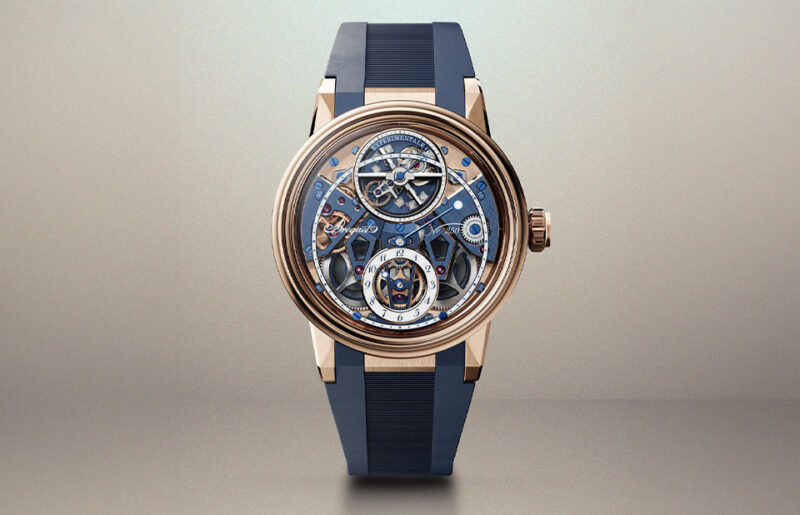
The Revolutionary List: 24 Technically Brilliant Watches – the Breguet Expérimentale 1
Dec 12, 2025
News
The Revolutionary List: 24 Technically Brilliant Watches – the Breguet Expérimentale 1
Dec 12, 2025
News
Writing the Future: Breguet Launches the Expérimentale 1
Dec 1, 2025
News
Writing the Future: Breguet Launches the Expérimentale 1
Dec 1, 2025