The Nautilus is About to Turn 50: Here’s How Patek Philippe Might Celebrate
Editorial
The Nautilus is About to Turn 50: Here’s How Patek Philippe Might Celebrate

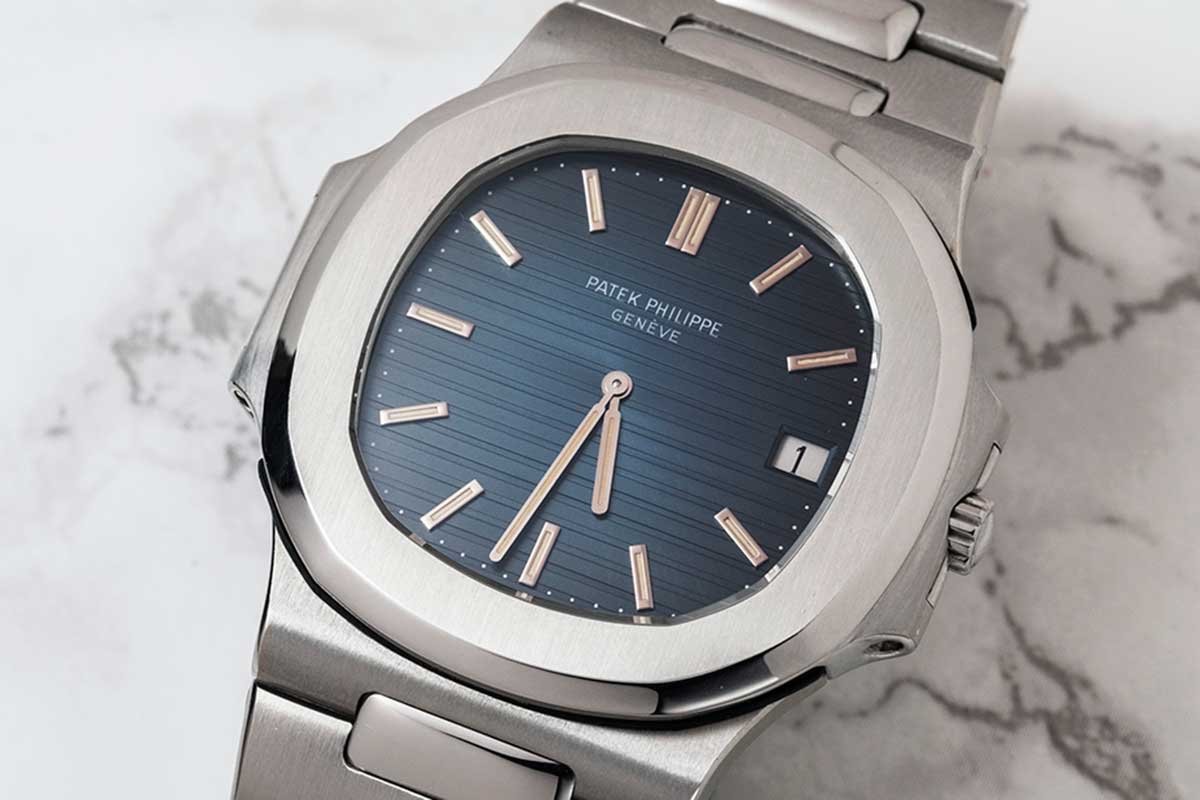
Despite its success, the Nautilus did not define the sports-luxe watch category, nor did it alter the overall status of Patek Philippe. But it did change how both were understood. Introduced in 1976, at a moment when the Swiss industry was under pressure and the idea of a luxury steel timepiece was still contentious, it reset expectations through its clever construction and an enduring design that arrived fully formed from the outset.
The details are well known. A monobloc case inspired by a ship’s porthole. A horizontally embossed dial. An integrated bracelet that was not an afterthought but part of the structure. What is important, though, is not the backstory as much as the impact. The Nautilus redefined how informality could interact with glamor. It also established that steel, when handled correctly, could carry the same weight as gold.
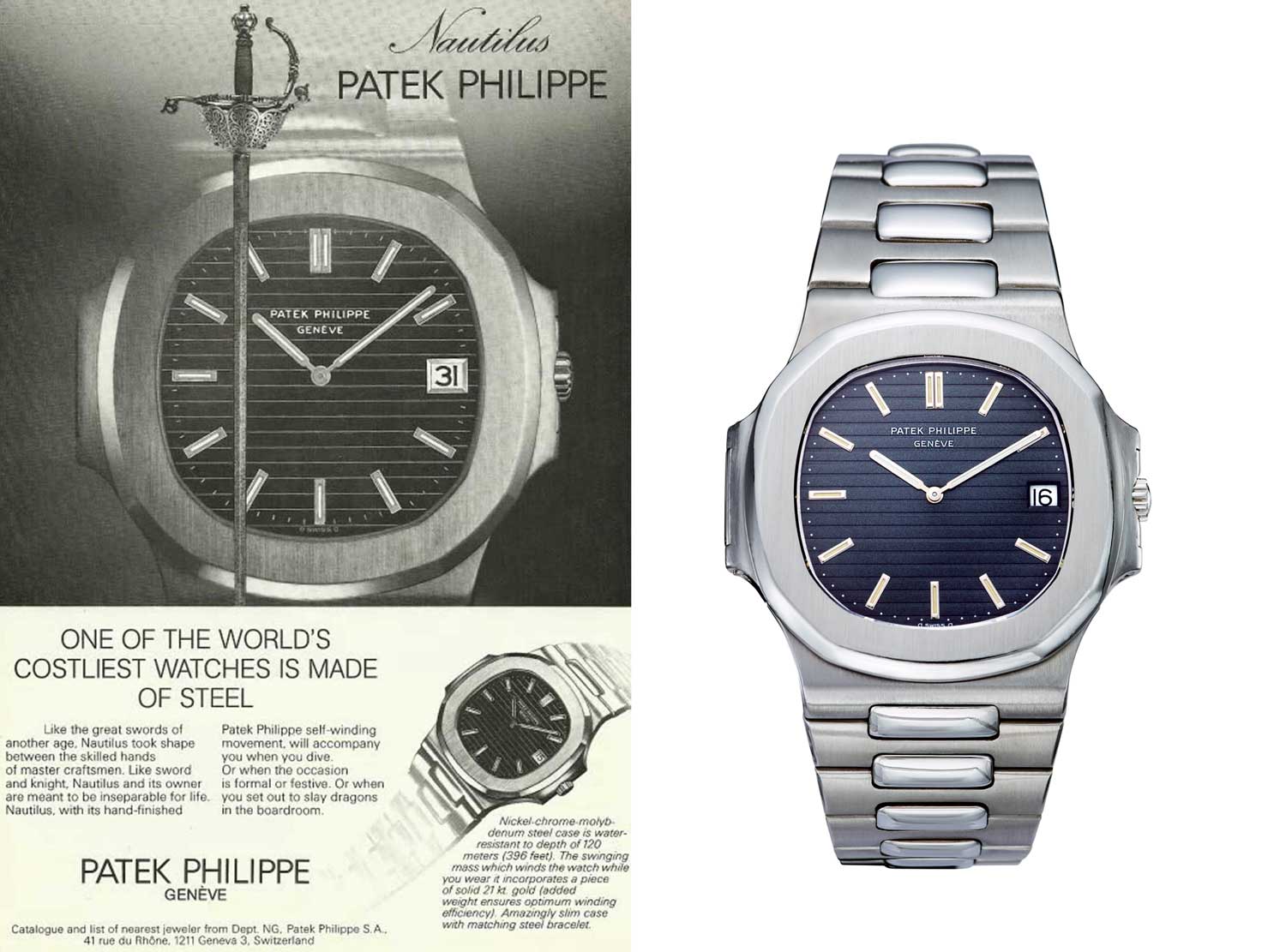
An old ad for Patek Philippe Nautilus ref. 3700 and the original Patek Philippe Nautilus ref. 3700/1A from 1976
Over time, the Nautilus moved from being a disruptive product to a brand pillar. Alongside the Calatrava, it defined how Patek Philippe is viewed – not just as a watchmaker, but also as a tastemaker. That is why the 50th anniversary in 2026 is of such relevance. More than a celebration, this year will be a test of how Patek chooses to position the Nautilus going forward.
Impossible to second guess, CEO Thierry Stern has always been fond of throwing a curve ball. In 2006, for the 30th anniversary, Patek did not produce commemorative pieces in the modern sense, instead, it reset the collection with a strategic update rather than a retrospective gesture. The references that followed, particularly the 5711 and 5712, became the blueprint for the contemporary Nautilus.
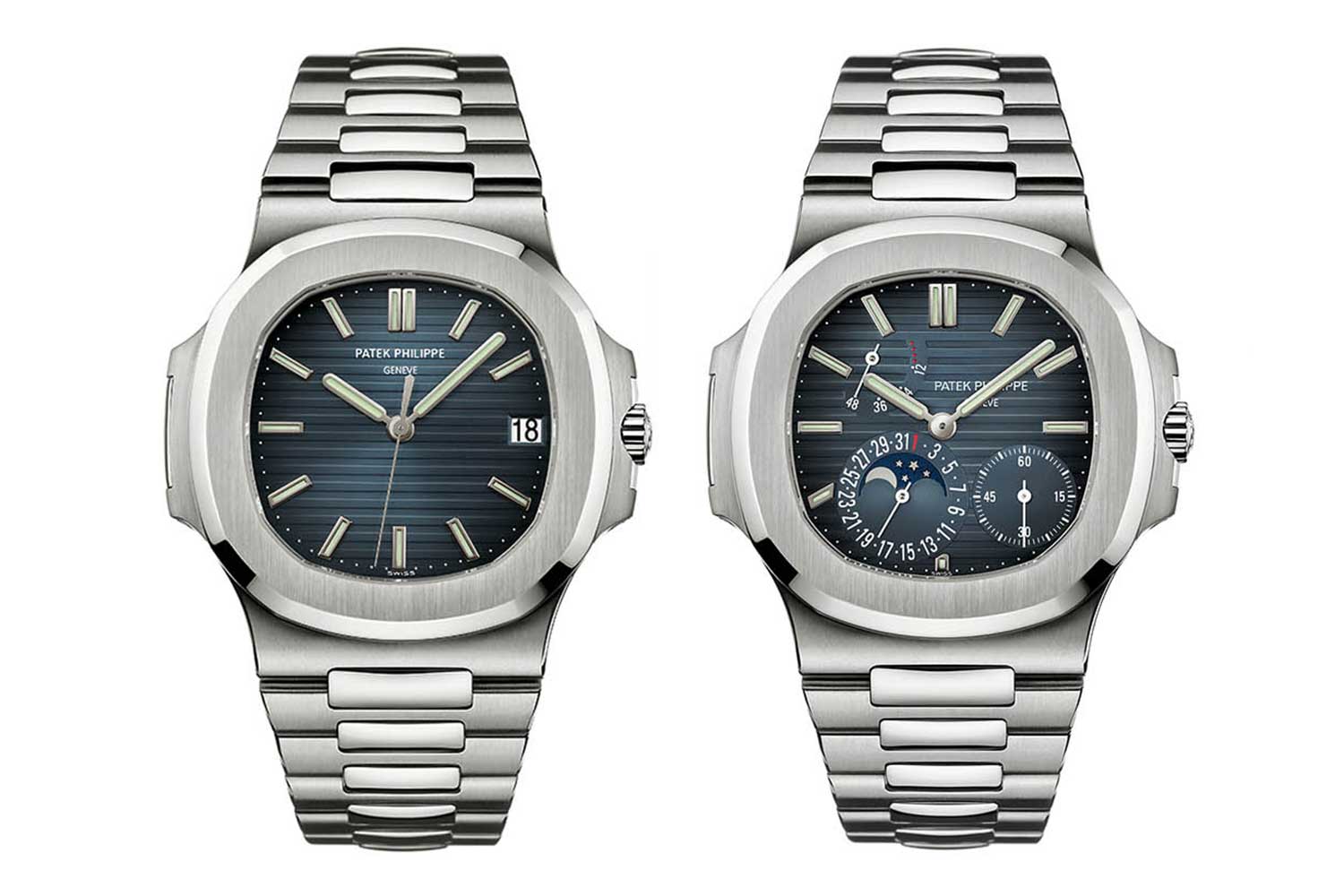
2006: Patek Philippe Nautilus ref. 5711/1A (left) and ref. 5712/1A
By 2016, the tone had shifted. The 40th anniversary was marked by just two watches. A platinum time and date model and a white gold chronograph. Both were anchored in the existing design language and there was no attempt to expand the collection or disrupt the continuity. If there was one message in the gesture it was that the Nautilus did not need reinvention.
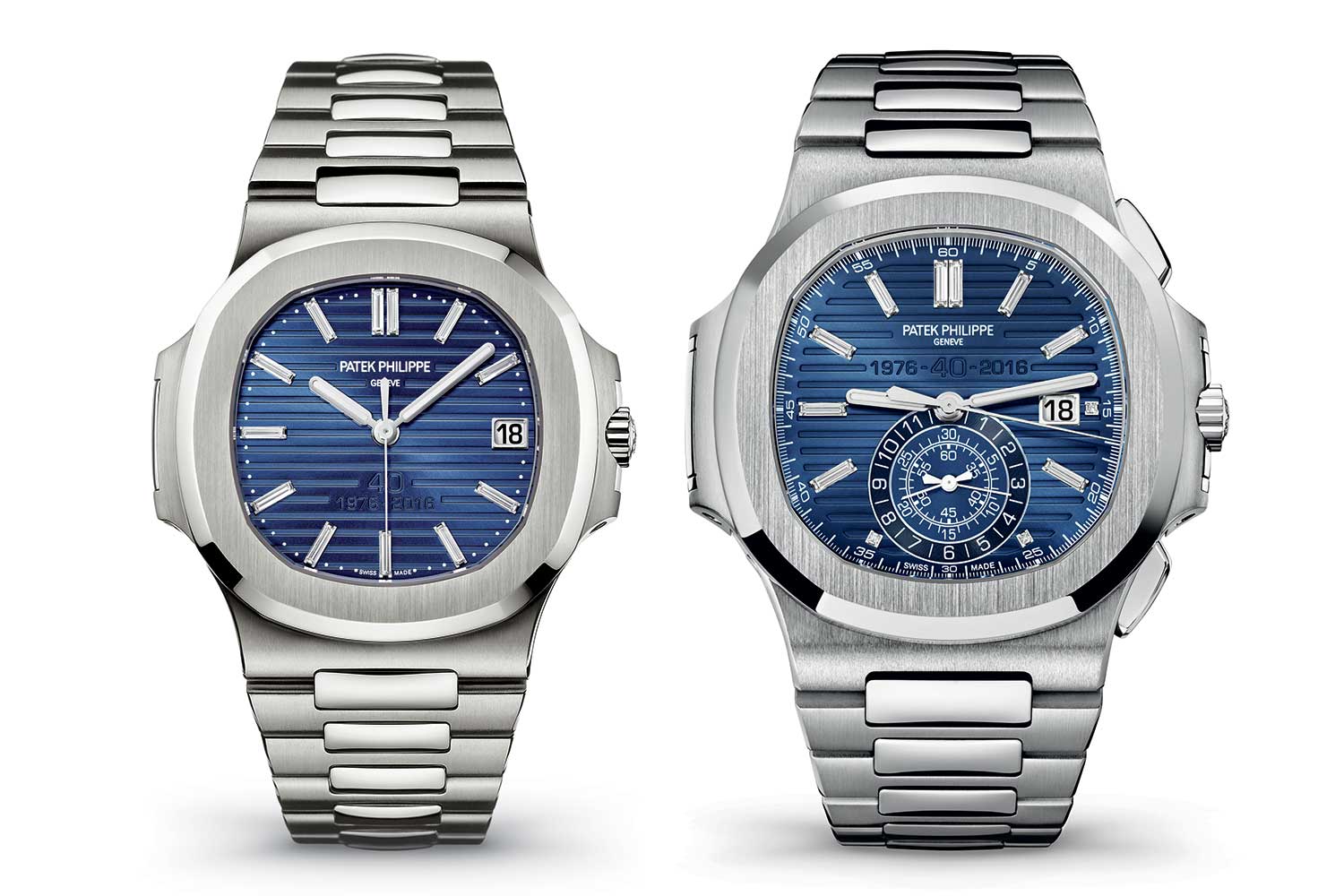
2016: Patek Philippe Nautilus ref. 5711/1P (left) and ref. 5976/1G
But the mood in 2026 is different. The steel 5711, the direct descendant of the original 3700, has been discontinued and Stern has been explicit about the need to rebalance the perception of both the brand and, by extension, the Nautilus itself. The removal of the simplest steel execution was part of that correction. This creates a deliberate friction – the Nautilus is historically rooted in steel, yet its modern form no longer exists in that material. The 50th anniversary cannot ignore that, but it is equally unlikely to reverse it in any straightforward way.
If precedent holds, the number of anniversary pieces will be limited. Two or three at most. They will not form a sub-collection. They will sit within the existing lineup but be distinct enough to mark the occasion – who can forget the divisive 40th-anniversary text stamped on the dials of the ref. 5711/1P and ref. 5976/1G?
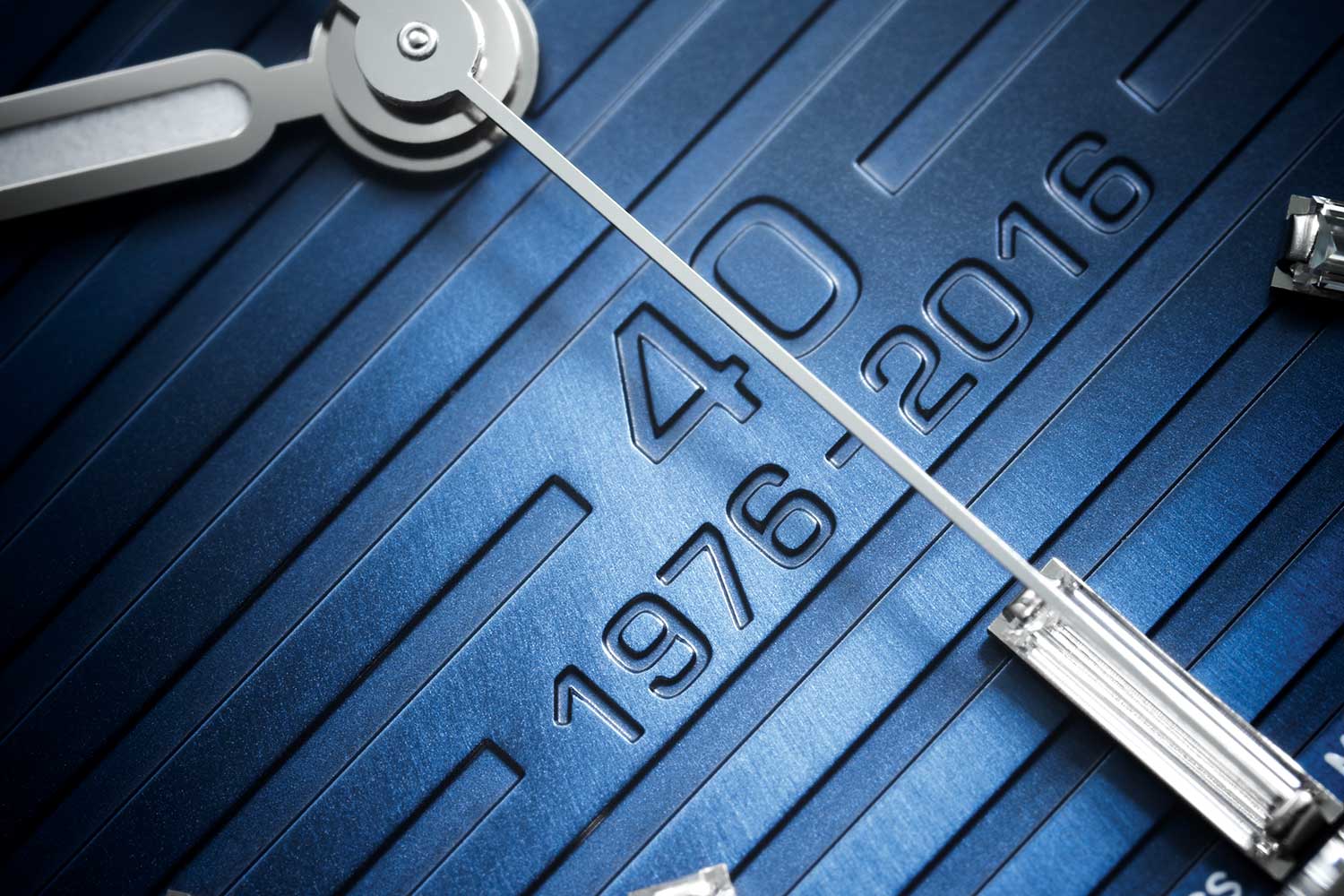
So will we see a nod to the “Jumbo” this year? Probably. But not through a return to steel. A time and date model that aligns closely with the original seems likely, in platinum or white gold for visual continuity but without a concession to non-precious materials. If steel appears at all, it will undoubtedly be controlled to the point of near invisibility. A unique piece, a very small series, or something tied to a specific event rather than a return to serial production.
Or could Stern choose to make a more flamboyant statement? The 40th anniversary brought us a chronograph. The 50th may extend that into a higher complication. A perpetual calendar or a split-seconds chronograph in the Nautilus case would not be a first, but making it an anniversary piece would reinforce the idea that the Nautilus is a part of Patek Philippe’s technical identity and not vice versa.
Timing is also important. Patek Philippe has never been comfortable aligning itself too closely with the industry calendar. A pretty safe bet is that Watches and Wonders will not be the full picture for 2026. It may provide a foundation, but the more significant releases – as with 2024’s Cubitus – are likely to come later in the year. October’s Grand Exhibition in Milan is the obvious focal point. These exhibitions are not trade fairs. They are controlled environments, designed to speak directly to clients and collectors. If there is a perfect moment to present a 50th anniversary Nautilus, this is it.
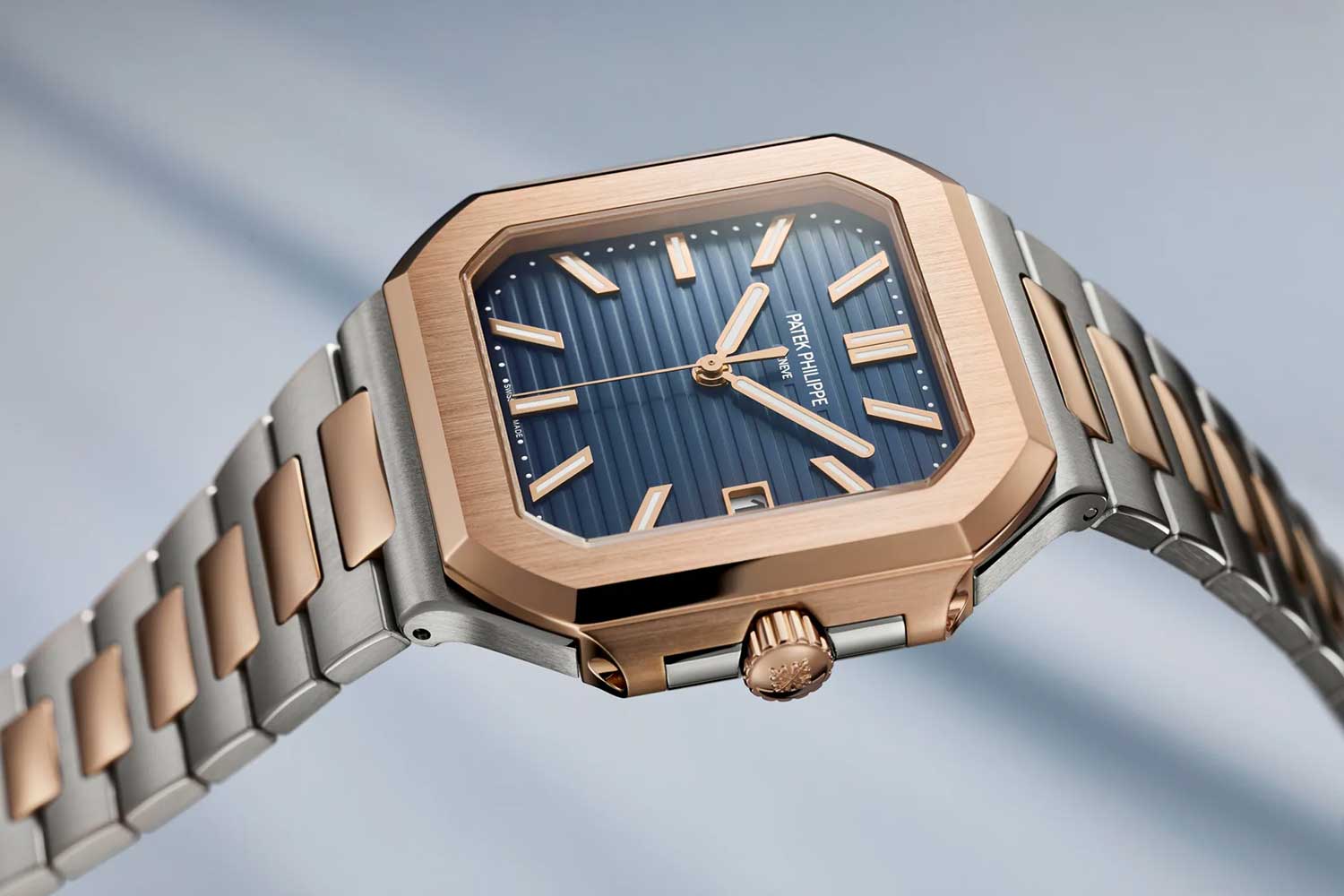
2024: Patek Philippe Cubitus ref. 5821/1AR-001
The more interesting question, however, is not what Patek will produce, but what it wants the Nautilus to represent after 50 years. The past decade has seen the watch become a cultural object in a way that was never intended. This anniversary offers an opportunity to reset that perception. If the 30th anniversary was about presenting the modern Nautilus and the 40th about consolidating it, the 50th is likely to be about control, reframing it as a part of Patek Philippe’s story rather than the sum of it.
The Nautilus does not need to be celebrated in the conventional sense as it already owns its place in watchmaking lore. It is now up to Stern to define its next phase.
Patek Philippe
You may also like

News
Watches & Wonders 2026 Looks Forward to Its Biggest Fair Yet
Feb 10, 2026
News
Watches & Wonders 2026 Looks Forward to Its Biggest Fair Yet
Feb 10, 2026
Editorial
Holiday Horology: Something Old, Something New, Something Special — Cheryl Chia, Technical Editor
Dec 17, 2025
Editorial
Holiday Horology: Something Old, Something New, Something Special — Cheryl Chia, Technical Editor
Dec 17, 2025
Editorial
The Revolutionary List: 24 Technically Brilliant Watches – Patek Philippe Advanced Research
Dec 12, 2025
Editorial
The Revolutionary List: 24 Technically Brilliant Watches – Patek Philippe Advanced Research
Dec 12, 2025