Louis Vuitton × De Bethune LVDB-03 Louis Varius Project
Editorial
Louis Vuitton × De Bethune LVDB-03 Louis Varius Project

Mark the date, February 2, 2026, for Louis Vuitton has unveiled its latest collaboration with another independent watchmaking legend. This time, it’s Denis Flageollet of De Bethune. What no one was expecting was that they decided not to create just a wristwatch, but the first modern pair of sympathetic clock and watch in horological history as a tribute to Louis Vuitton’s roots in travel. The result is absolutely sublime.
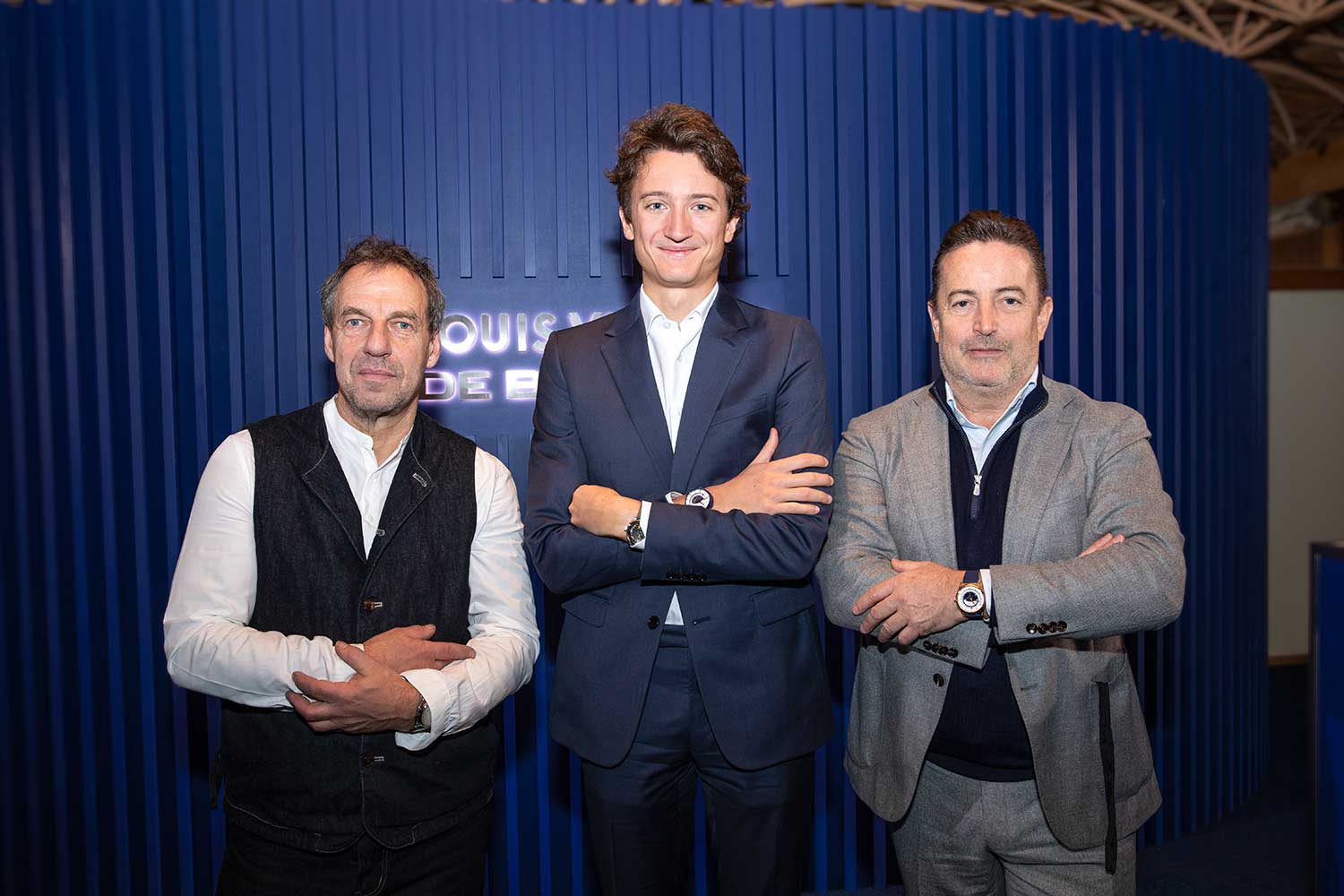
Denis Flageollet, Jean Arnault and De Bethune’s CEO Pierre Jacques (©Revolution)
If Jean Arnault has an office in Louis Vuitton’s La Fabrique du Temps. I don’t think I’ve ever been there. He probably doesn’t because he seems to be at his happiest when immersed in the world of the watchmakers, craftspeople and micro-engineers who are the source of the creativity that runs through his manufacture.
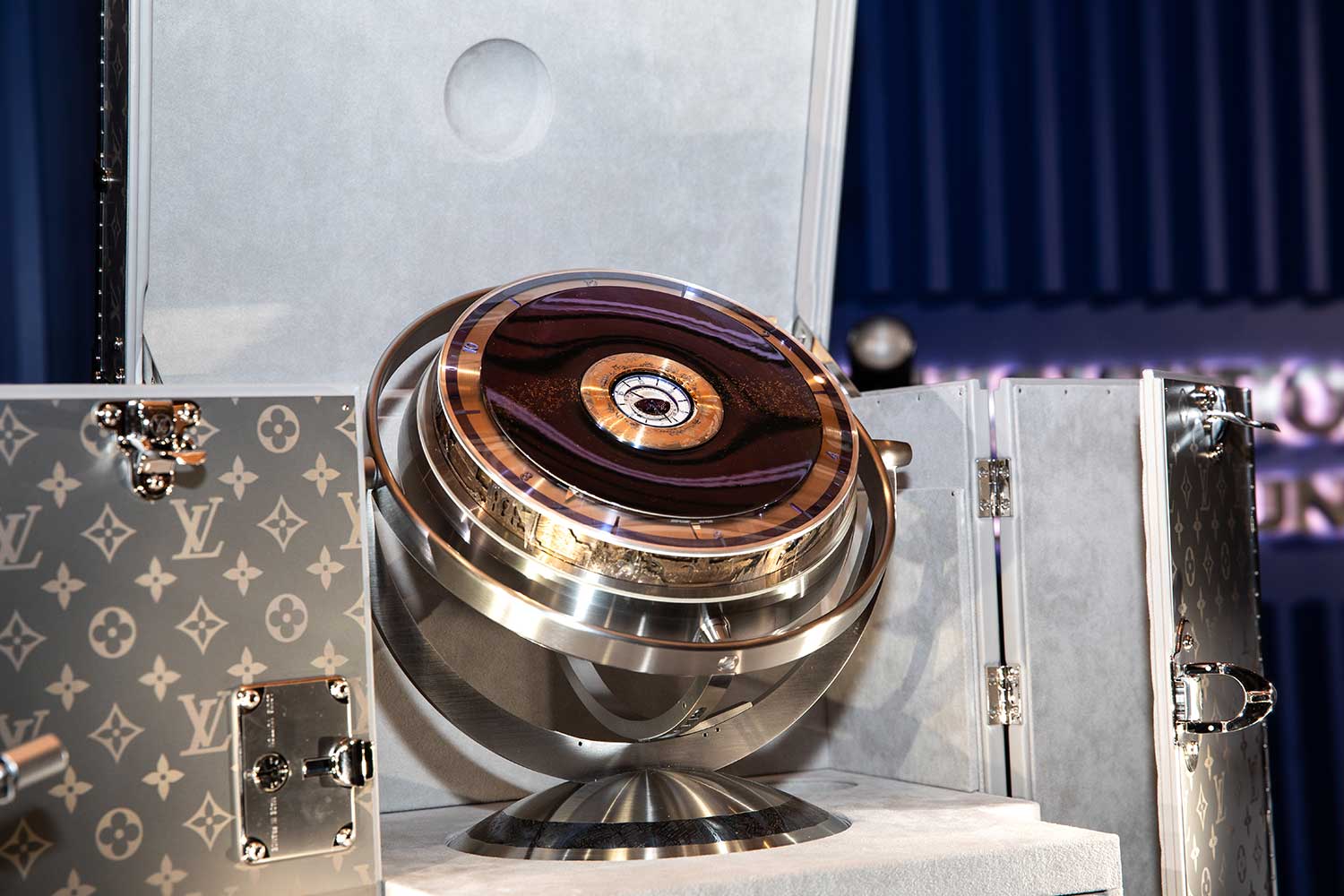
Louis Vuitton × De Bethune LVDB-03 Louis Varius Project (©Revolution)
I remember, almost half a decade ago, walking out of a cafeteria after eating lunch with a group of artisans, when we began discussing the idea of an Opus series for Jean‘s generation. Harry Winston’s Opus was Max Büsser’s famous collaborative project with independent watchmakers, such as F.P. Journe, Vianney Halter and Felix Baumgartner, that helped put independent watchmaking on the map in the early 2000s. The watch series placed these horological heroes on center stage for the first time, and the attention they received was revolutionary.
-
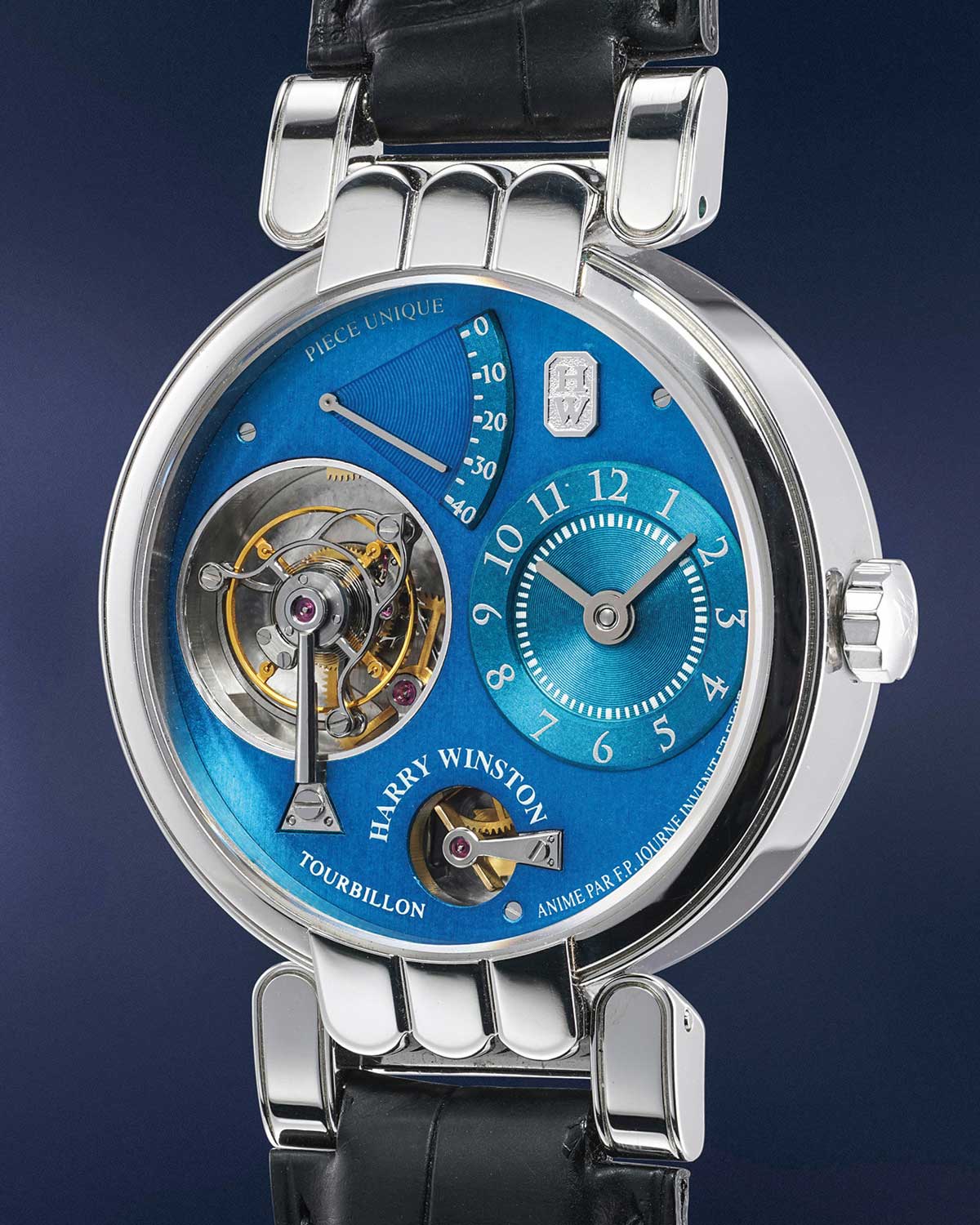
- Harry Winston Opus 1 (Image: Phillips)
-
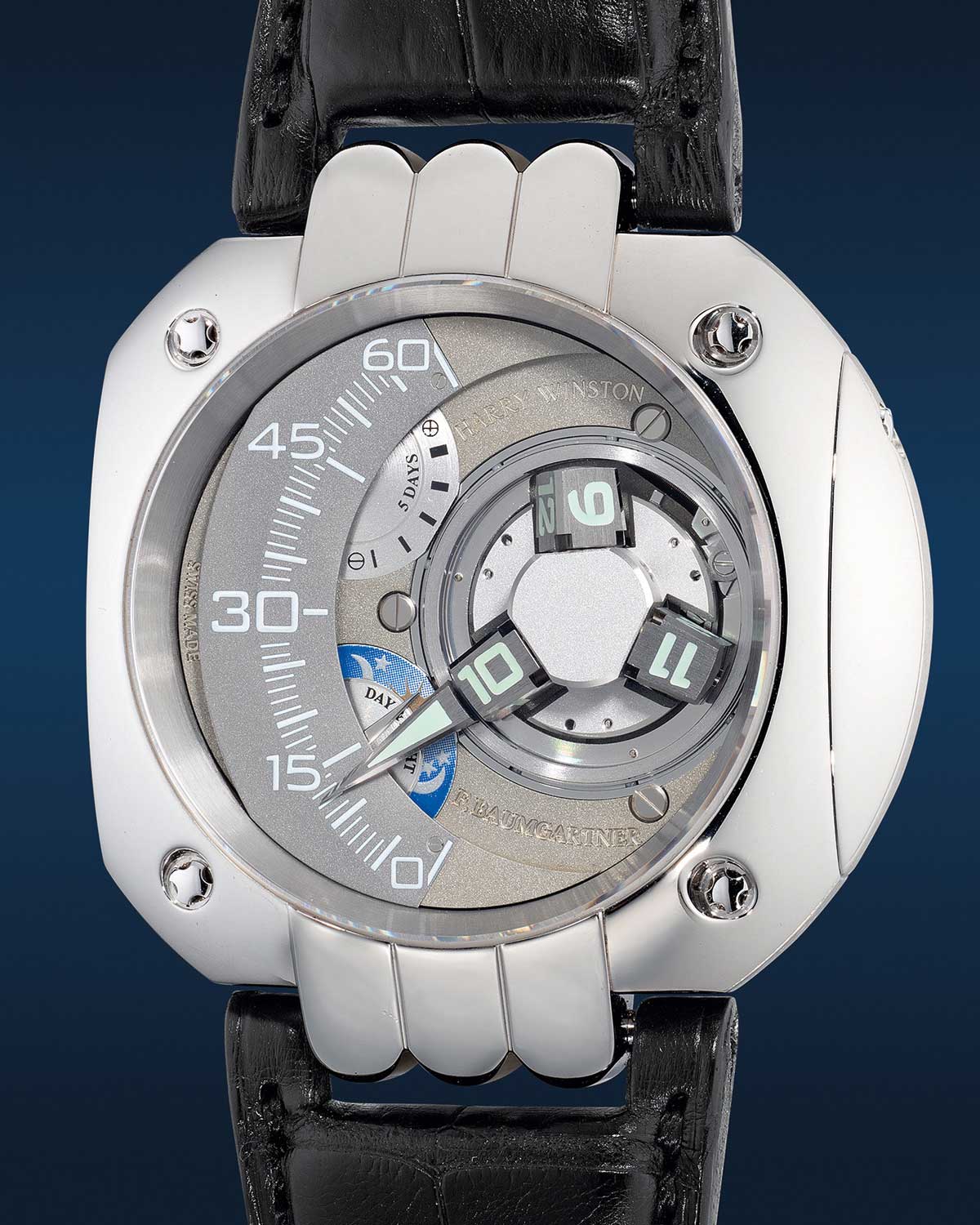
- Harry Winston Opus V (Image: Phillips)
-
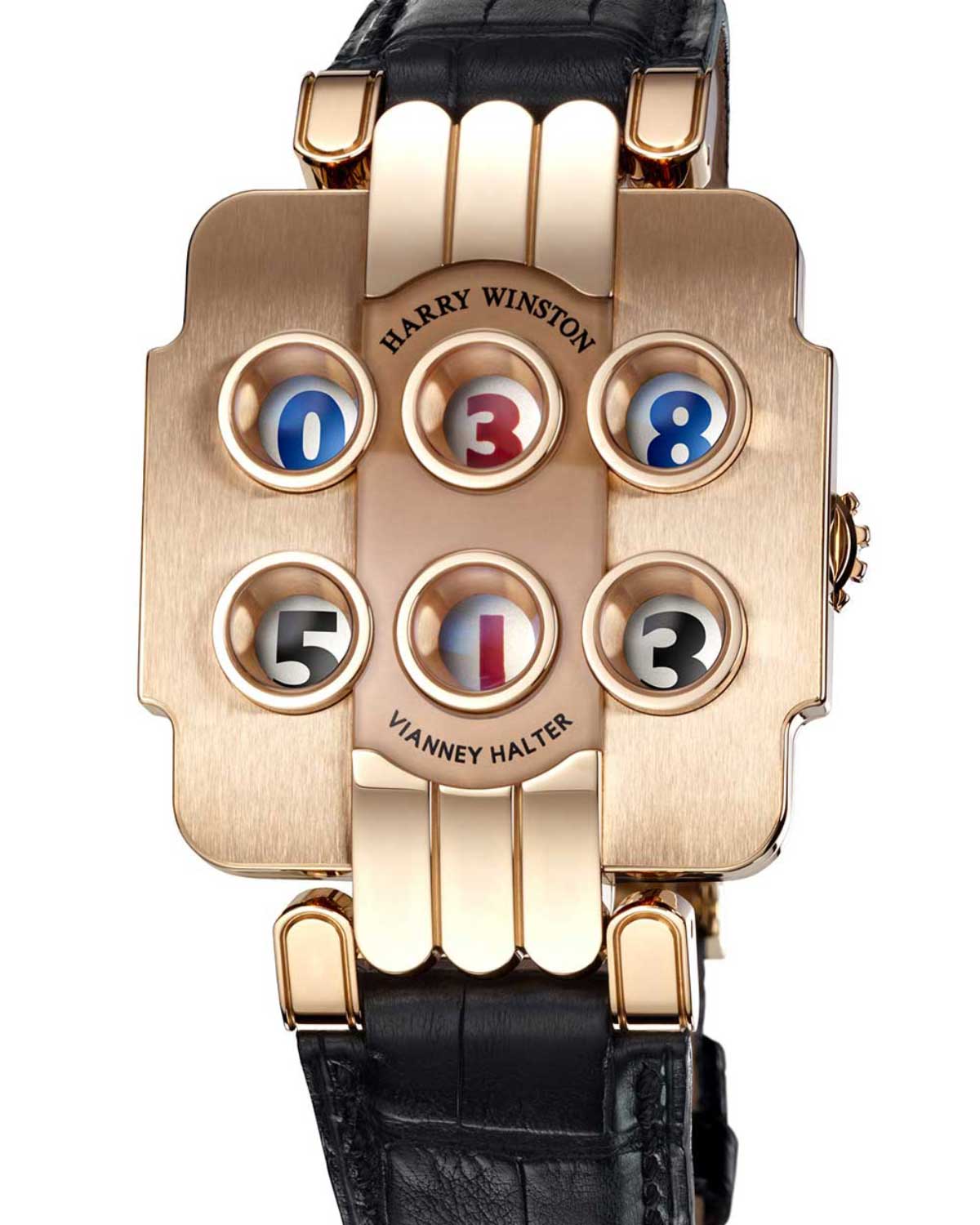
- Harry Winston Opus 3
But what Jean has done with his Louis Vuitton collaborative projects, in my view, surpasses even the Opus series. Why? Because rather than being a purely commercial exercise, he channels the proceeds from collaborations with rockstar watchmakers — such as Rexhep Rexhepi, Kari Voutilainen, and now Denis Flageollet — into funding the Louis Vuitton Watch Prize for Independent Creatives, an initiative designed to identify and nurture the next generation of young watchmakers.
-
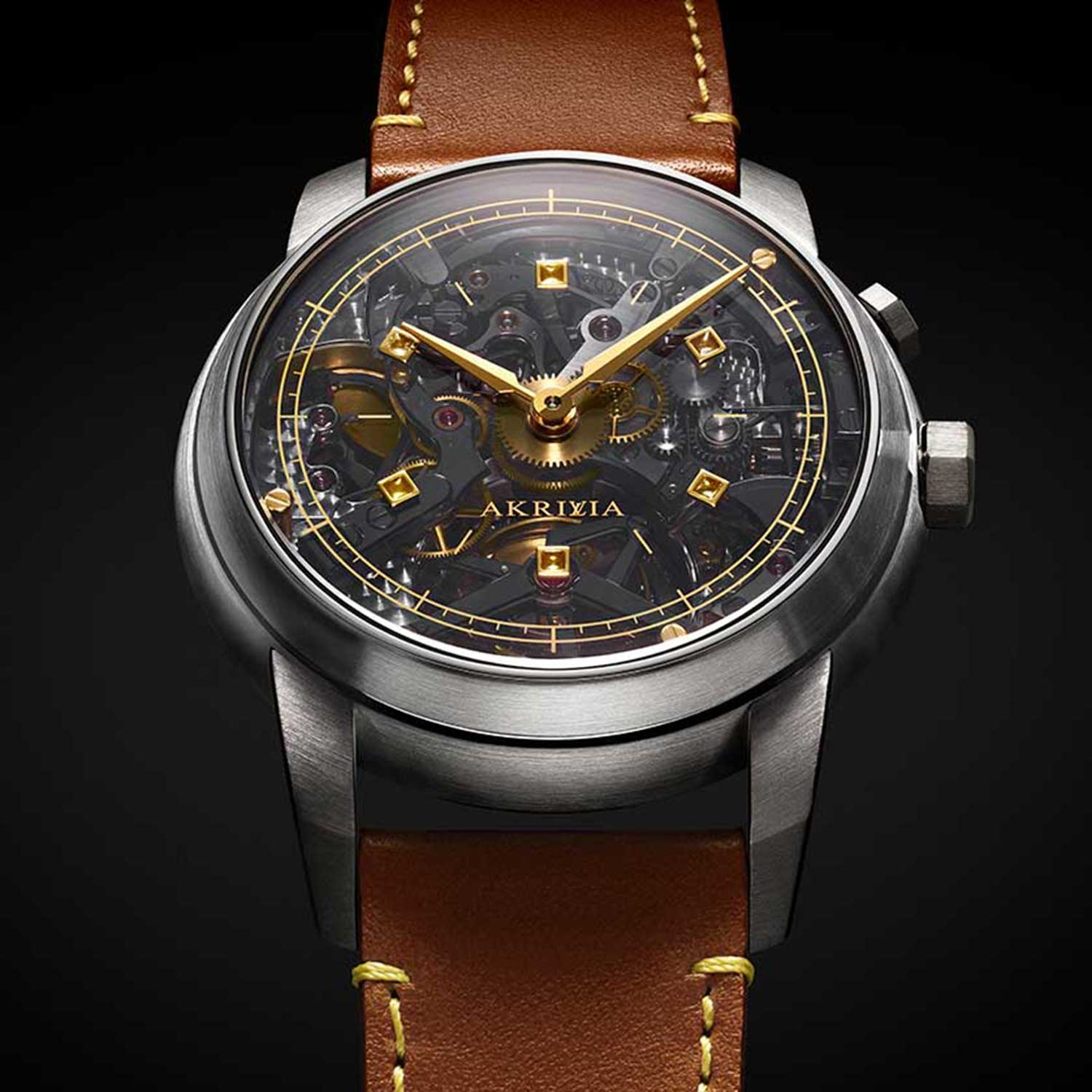
- Louis Vuitton x Akrivia LVRR-01 Chronographe à Sonnerie
-
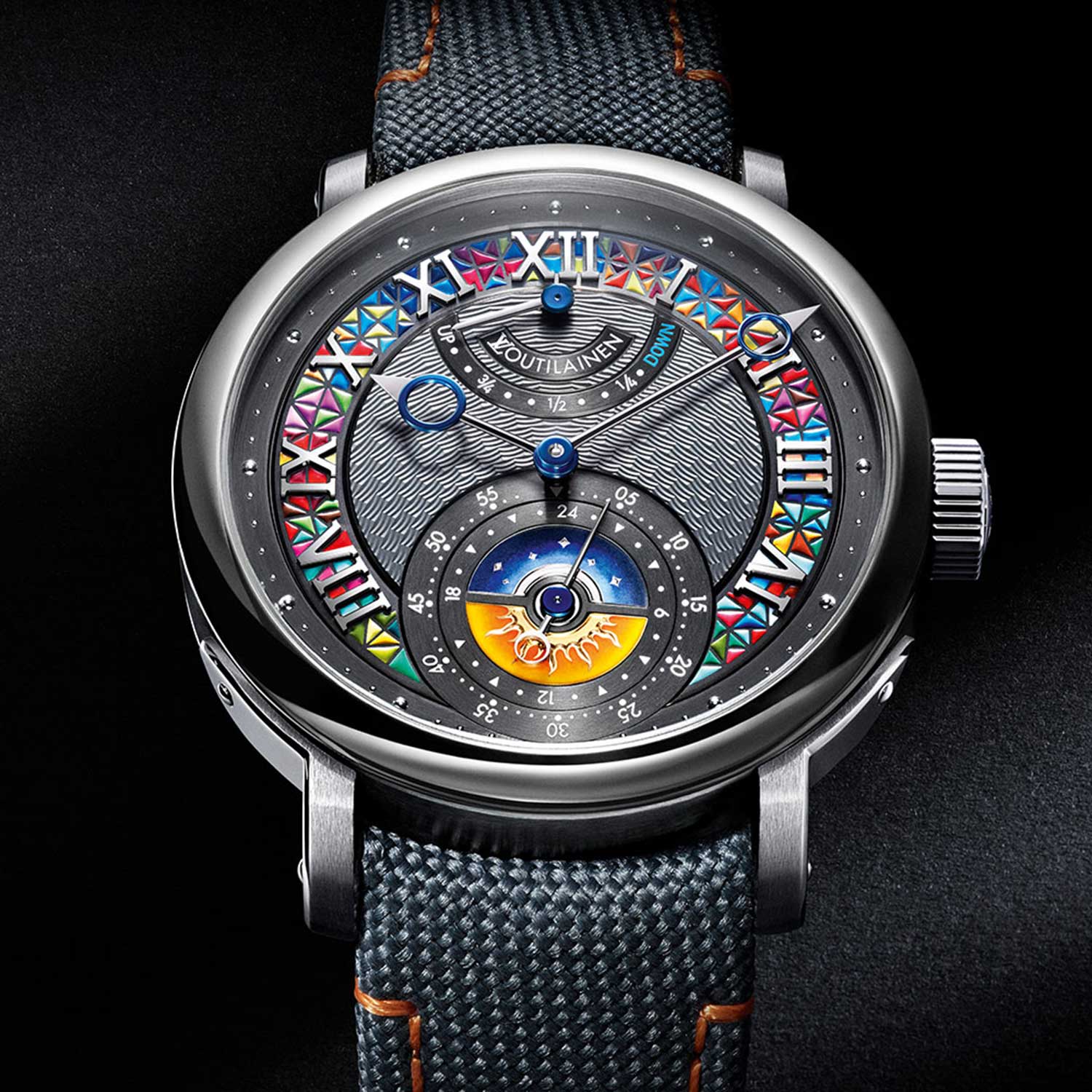
- Louis Vuitton × Kari Voutilainen LVKV-02 GMR 6
Its first recipient, Raúl Pagès, has already benefited tremendously from his mentorship by Louis Vuitton. Clearly, these collaborations form one part of an exceptionally virtuous circle that supports independent watchmaking in a tangible and meaningful way.
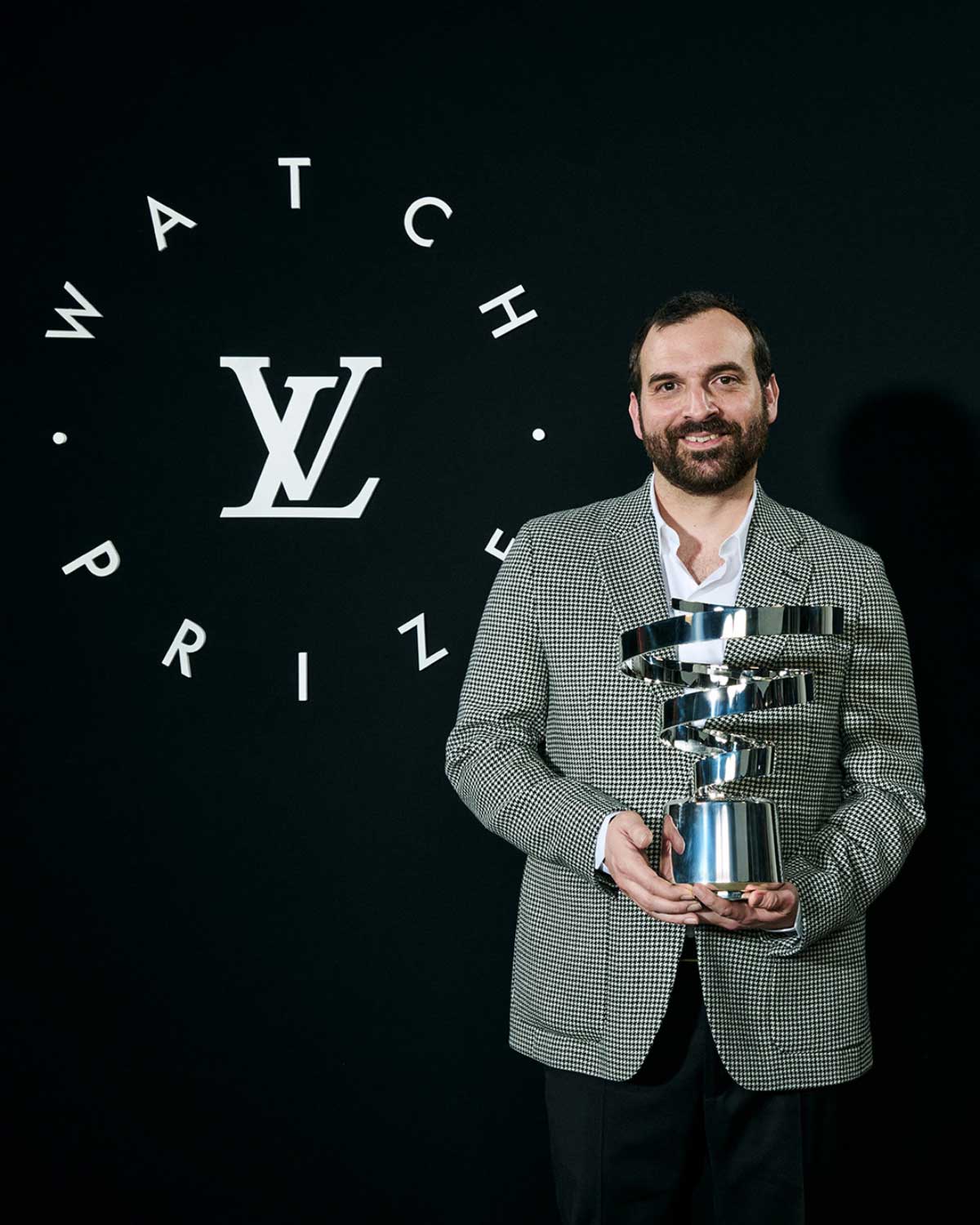
Recepient of first LV Watch Prize – Raúl Pagès
The latest Louis Vuitton collaboration with one of the world’s most famous watchmakers has yielded something truly extraordinary. It is the first modern pair of sympathetic clock and watch created in the past 35 years. In fact, the gentleman behind it, Denis Flageollet, played a key role in creating the last series of sympathetic clocks while at THA based in St. Croix, where he worked with the legendary François-Paul Journe.
In the late 1980s, Journe created pocket watches that docked into sympathetic clocks, commissioned by Asprey of London, and in 1991, THA was commissioned by Breguet to produce the modern Sympathique No. 1, followed by a limited series of sympathetic clocks featuring wristwatches that docked into them.
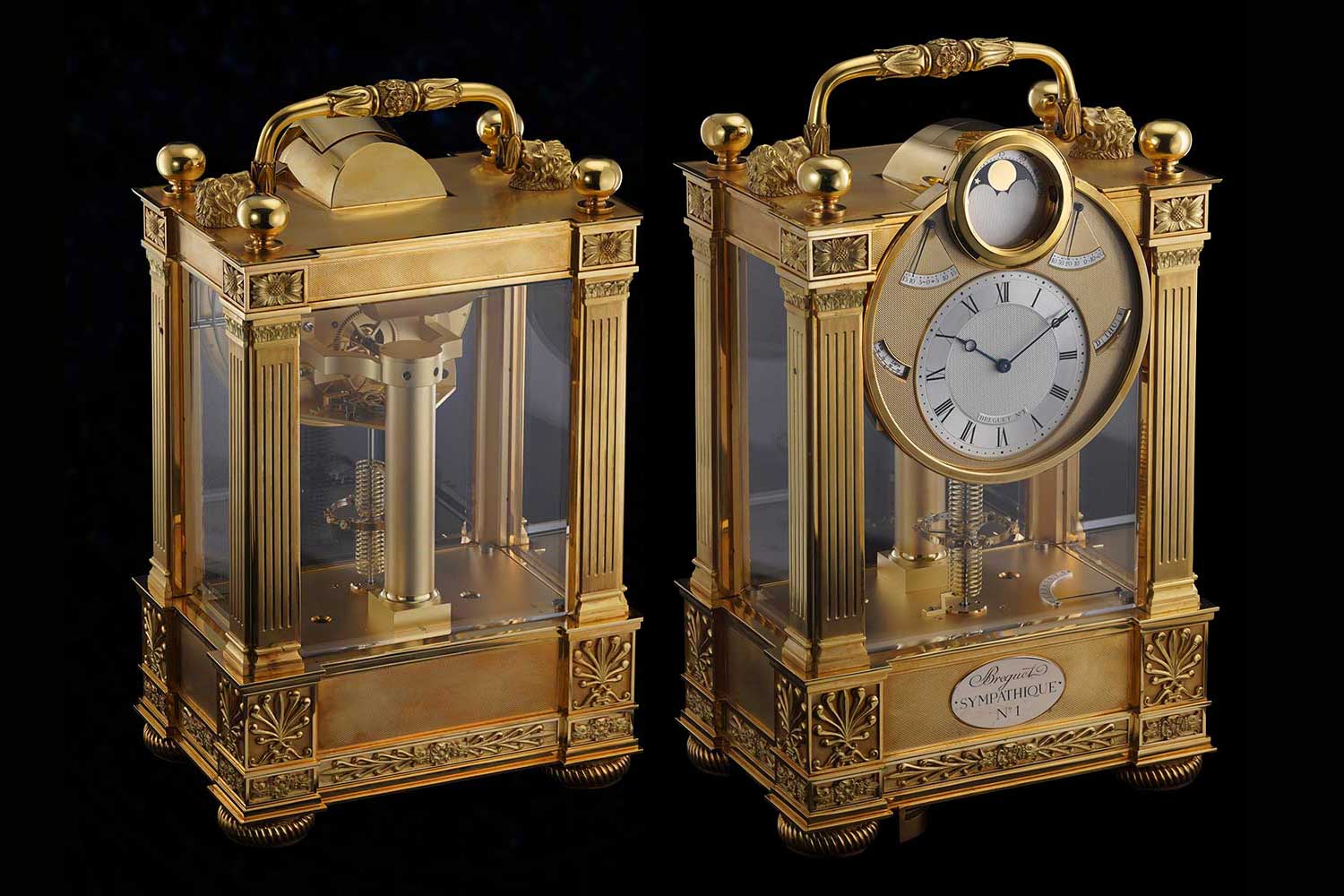
F.P. Journe X THA for Breguet Pendule Sympathique N°1 (Image: Phillips)
The concept, of course, originated with Abraham-Louis Breguet, who was the first watchmaker to conceive and successfully execute the first sympathetic clock. Amazingly, it was an idea he developed in the 1790s, when he returned to Switzerland during the French Revolution. Alongside his Souscription watches, which helped stabilize his business, the Sympathique clocks established Breguet’s reputation as the greatest horological innovator of his era.
The idea that a pocket watch could be placed inside a pedestal clock and the two mechanical systems would communicate with each other, is mind blowing even by today’s standards. Imagine the reaction in the early 19 century!
In the original sympathetic clocks, the master clock could set the time of the pocket watch, rewind it, and in some instances even regulate it by adjusting the active length of the hairspring. As hairsprings and balance mechanisms became more reliable, these clocks were primarily used to rewind and set the pocket watches rather than regulate them.
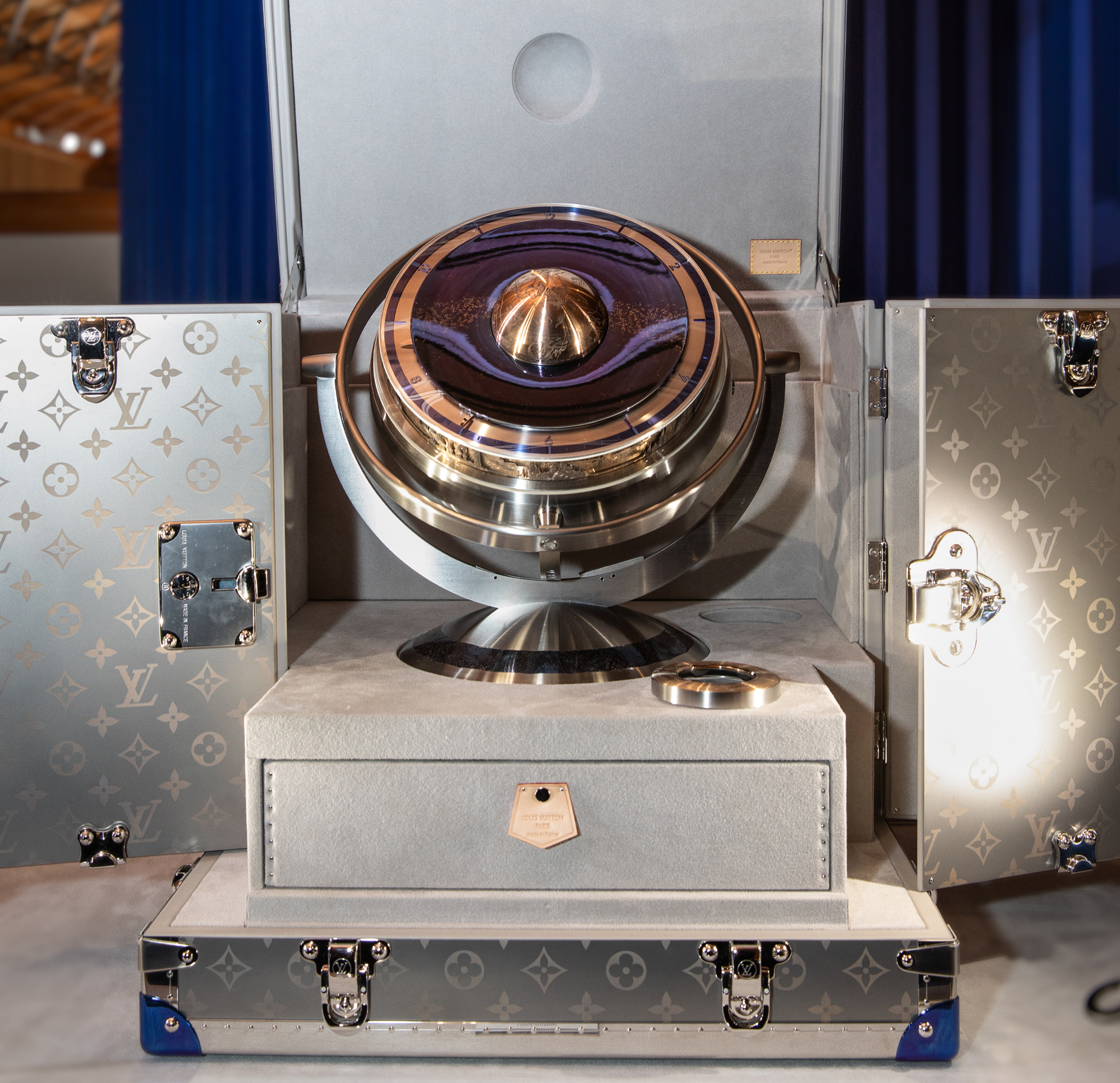
Two complete clock-and-watch sets will be produced, along with 10 additional wristwatches offered separately (©Revolution)
The rationale is simple. A clock doesn’t move and, as such, it is far more stable, and therefore should remain much more precise than any watch, whereas a pocket watch or wristwatch, as a result of being worn, is subjected to almost constant shock and positional changes.
Denis Flageollet is one of my favorite people in the watch industry. He has an extraordinary horological vocabulary, has created some of the most fundamentally, groundbreaking achievements in watchmaking, has a dazzling and seductive futuristic sense of aesthetics, yet intentionally lives like a recluse or shaman in the mountains of St. Croix, where he is happiest riding his mountain bike, chopping wood to make a fire, smelting metals in his forge and building his Mongolian yurt in the wintertime, a sanctuary where he goes to compose himself and interact with nature.
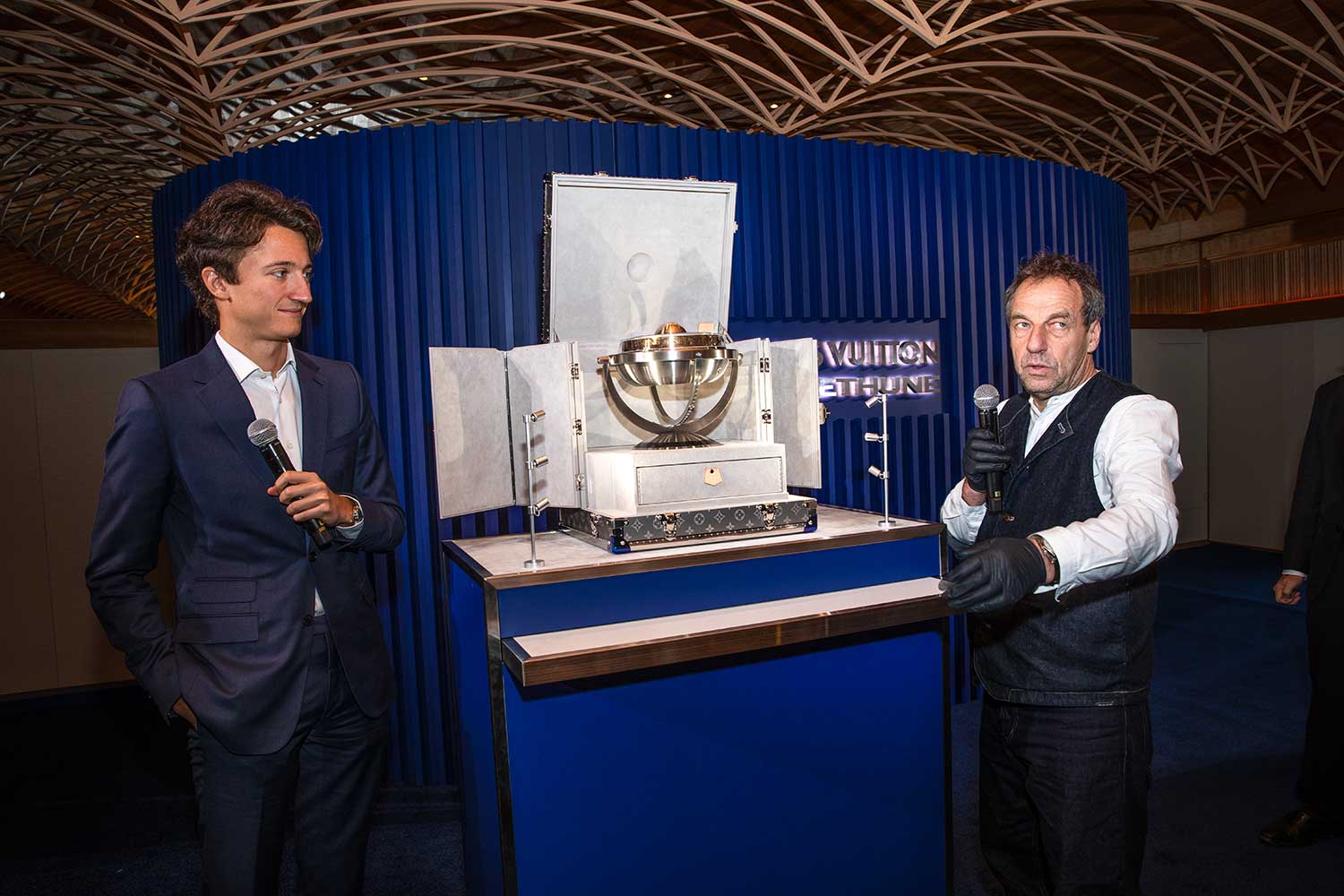
Jean Arnault and Denis Flageollet (©Revolution)
Amongst his most important achievements are his proprietary balance wheels made in materials such as silicon, titanium, white gold and platinum — a seemingly endless variety of stunning, architectural micro-masterpieces that cut through the air, and yet are incredibly light with powerful inertia.
He also has a proprietary hairspring with his own terminal curve, which he says is superior to that of the Phillips overcoil. And on top of that, he’s well-known for innovations like the triple-“pare-chute” shock absorber, three-dimensional moonphase indicators, floating lugs, as well as his use of Grade 5 titanium, which is high polished and then flame-blued to create an absolutely ravishing visual spectacle. He is also the inventor of the world’s lightest tourbillon, which beats at 5Hz and makes a revolution twice a minute.
He is, however, not an easy person to convince to collaborate with you. Jean first met with De Bethune’s CEO Pierre Jacques, who told him, “I like the idea. However, you will have to convince Denis, and Denis is not so easy to convince as he has his own mind.” But when Denis met Jean, he instantly took to him. He loved the young man’s genuine passion, profound horological intellect, and was even impressed with his knowledge of 18th century watchmakers, such as Antide Janvier.
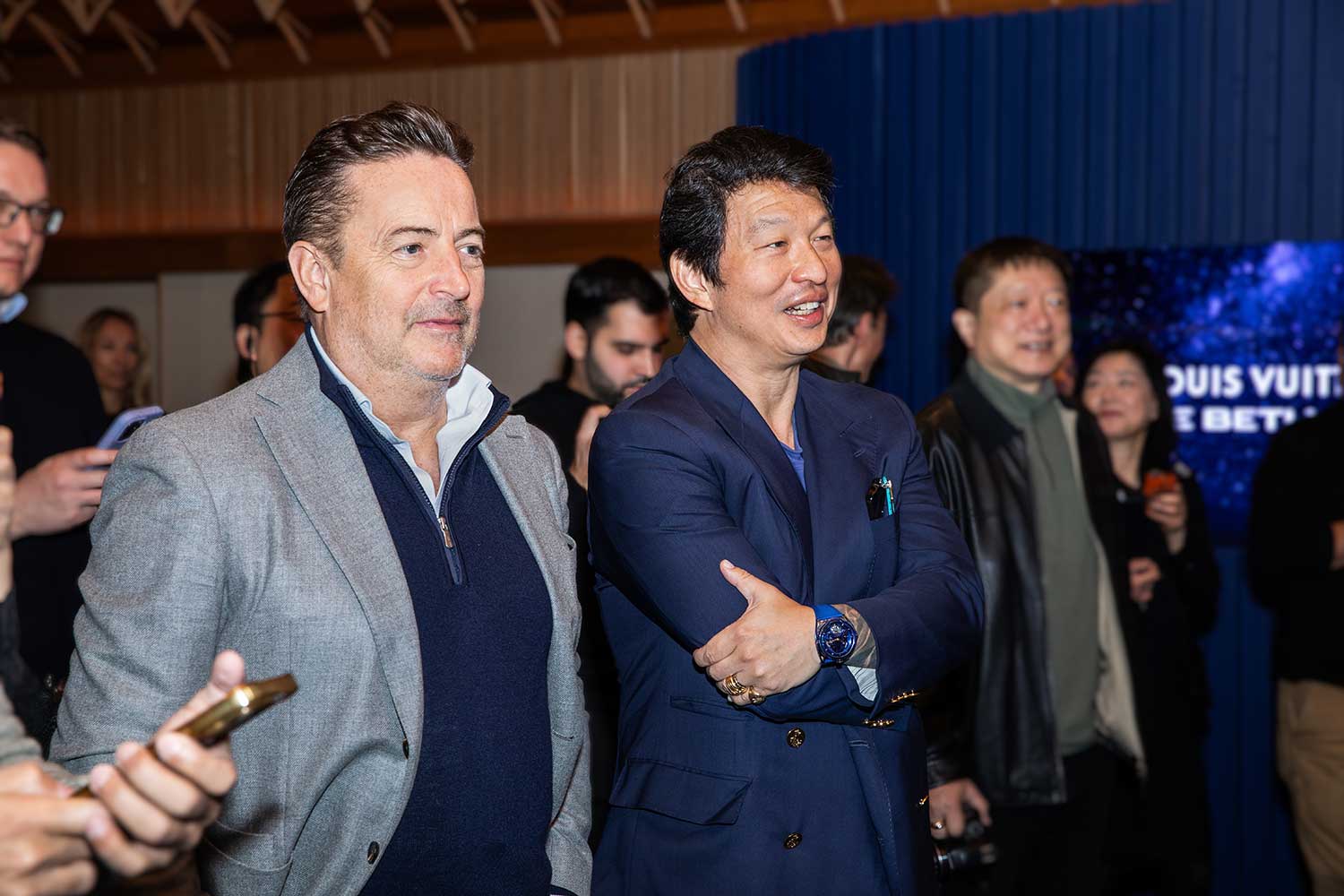
De Bethune CEO Pierre Jacques and writer Wei Koh at the launch of the project (©Revolution)
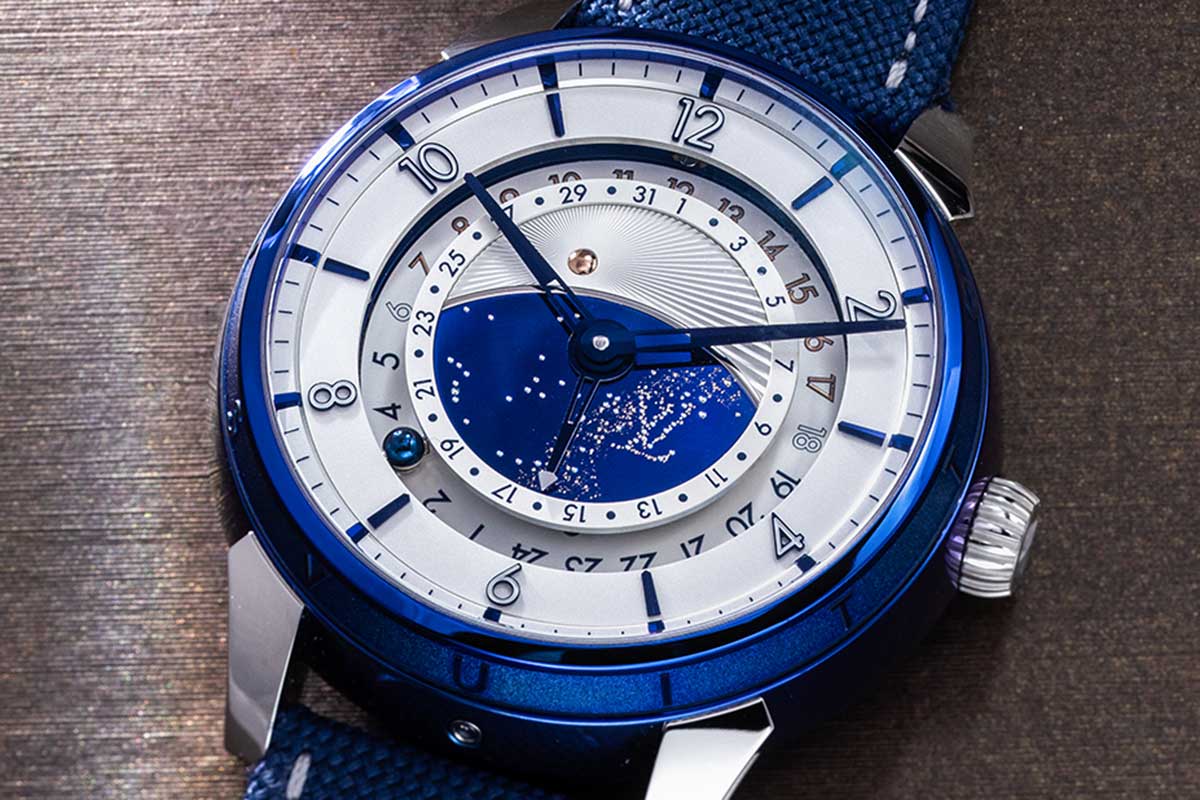
Their initial idea was to work on a Tambour watch in a combination of flame-blued titanium with platinum lugs that would — in honor of Louis Vuitton’s roots in travel — featuring De Bethune’s GMT indicator, which consists of a small three-dimensional ball in gold and flame-blued steel that makes its circuit around a second time zone display, serving as a day/night indicator. The watch they had in mind would also feature all of Denis’ famous innovations, including the triple “pare-chute,” proprietary balance wheel and high-polished titanium barrel bridge. I think you get the picture.
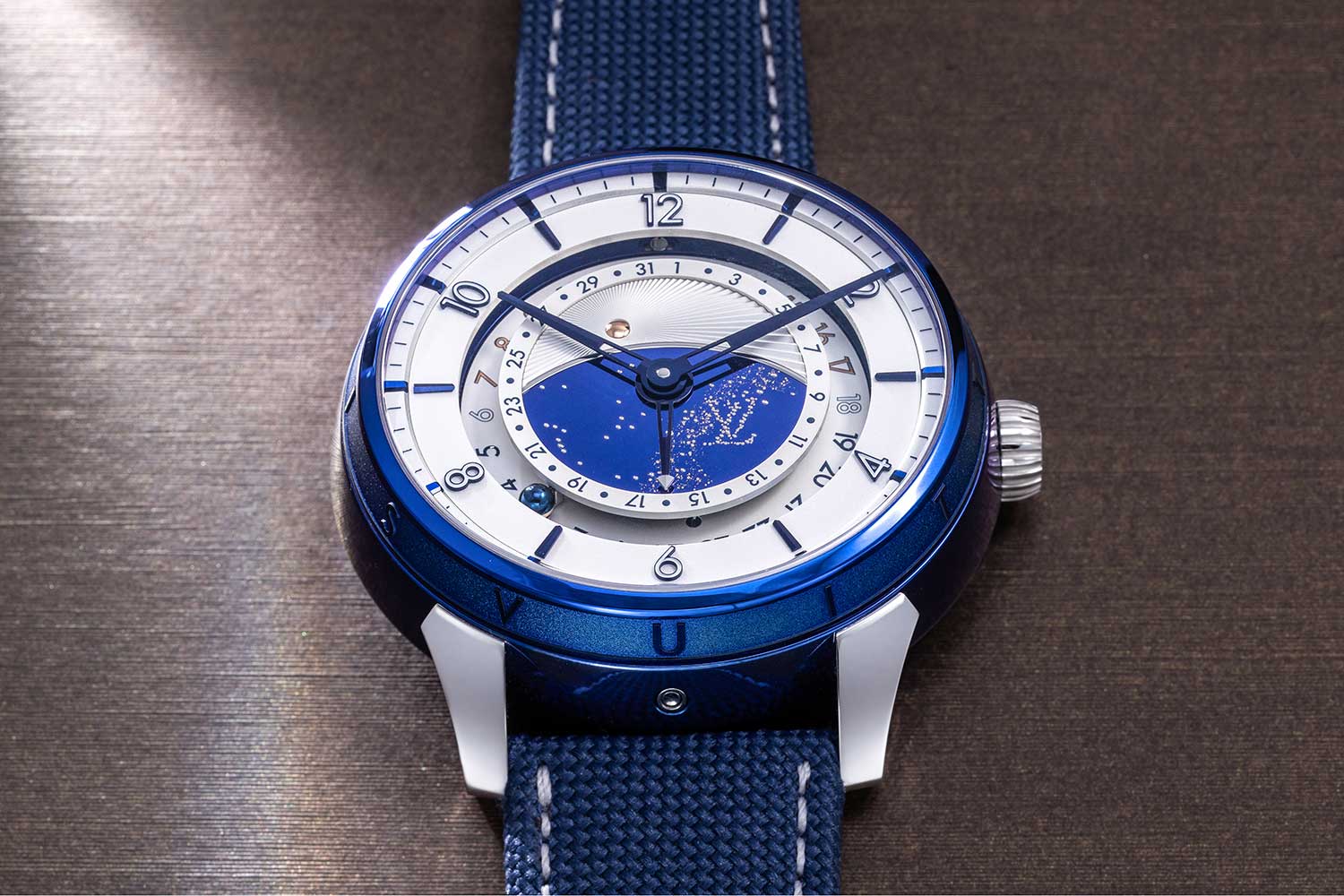
Louis Vuitton × De Bethune LVDB-03 Louis Varius Project (©Revolution)
But six months into the project, Jean received a call from Denis saying, “I don’t feel as if the watch is enough; I think we need to push our creativity to the next level.” It was then that he proposed the idea of a sympathetic clock and wristwatch. What he ended up creating is, from my perspective, an absolute masterpiece, both technically and artistically.
He explains, “Because I am fascinated by Louis Vuitton’s roots in travel. I decided that I would make a clock that looks like a marine chronometer. We started out with 60kg of titanium, and after machining it down, we were left with 6kg to create the basic form of the clock, which looks like a marine chromometer with a gimbal system to hold it perfectly horizontal.”
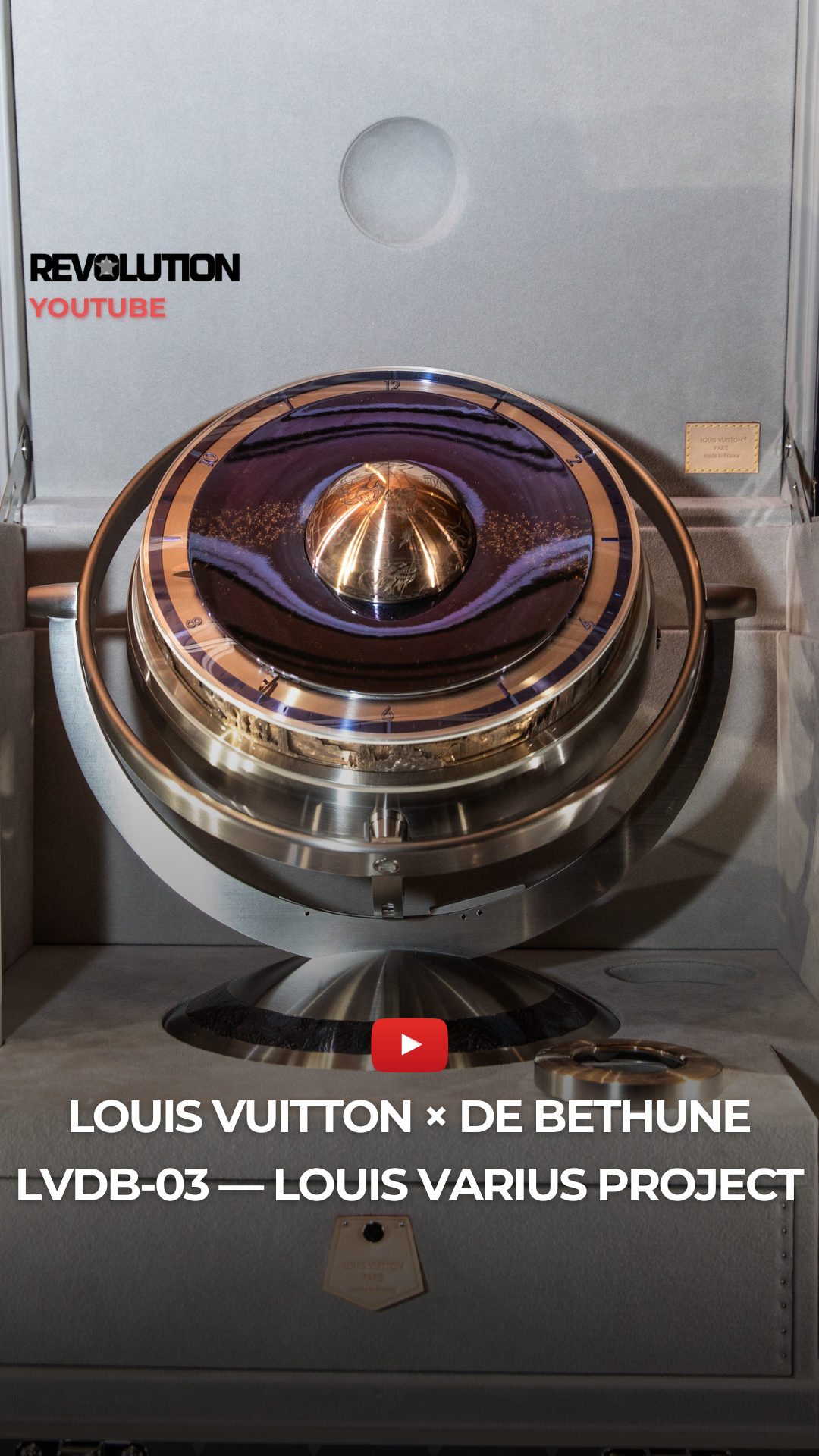
However, because it is not going to be used on a boat, the gimbal system is one that can be indexed and ratcheted so you can display the clock at any angle that you like. In addition, Denis wanted to pay tribute to the dioramas and cabinets of curiosity that were popular during the Age of Reason and so together with artist François Schuiten and master engraver Michèle Rothen, he created a triple-level diorama featuring a hand-engraved gold scene of travel through the world. The first layer is fixed. The second layer makes a rotation once every 13 hours, and the third layer makes a rotation once every hour — as a result, the scene is constantly changing.
Denis continues, “For the dial of the clock, I wanted to place a golden globe in the center [that is] also a tribute to the Age of Reason. [It is] engraved with the constellation of Hercules, which was in the sky in 1821, when Louis Vuitton was born. Under this golden globe is a capsule that you can unlock and into which you can place the entire watch, including the strap. When you slide it back into place, equipped with a special lunette, you activate the sympathetic function. What is hidden from view is that this sympathetic system allows the watch to be rewound over the course of the evening and to be adjusted either seven minutes forward or backward.”
Catch Wei’s interview with Jean Arnault and Denis Flageollet below:
Says Jean Arnault, “The sympathetic system has a great relevance for modern watchmaking. The base clock is in a much more stable position. It is also huge with two barrels that provide a massive power reserve, a constant-force mechanism and, of course, De Bethune‘s famous proprietary balance wheel and hairspring. The wristwatch, like all watches, is subjected to an infinite number of micro-shocks throughout the day, and so what is really cool is that at night when you place it inside the capsule, the mother clock recognizes that it is there, and regulates and re-adjusts it. This idea of sympathetic mechanical systems speaking to one another is something rather remarkable, and it was an immense pleasure to be able to offer this as part of our collaboration with De Bethune.”
On the subject of artistry, the base of the titanium clock is inlaid with a marquetry of meteorite. The meteorite that is used is over one million years old. Moving up, the shape of the clock is reminiscent of course the Louis Vuitton Tambour model with its stunning diorama in the caseband. The dial of the watch features Louis Vuitton’s signature Tambour indexes. The golden globe, or watch, depending on whether it is inserted in the capsule or not, is surrounded by a flame-blued titanium sky with gold stars.
Says Arnault, “What I really love is how Denis has optimized the tactile dialogue between the clock and its user, from the adjustment of the position of the clock and angle, how it faces you, to how it creates the extraordinarily rich and satisfying sounds. The same attention is given to the winding and the locking of the capsule. It is such a joy to interact with this device.”
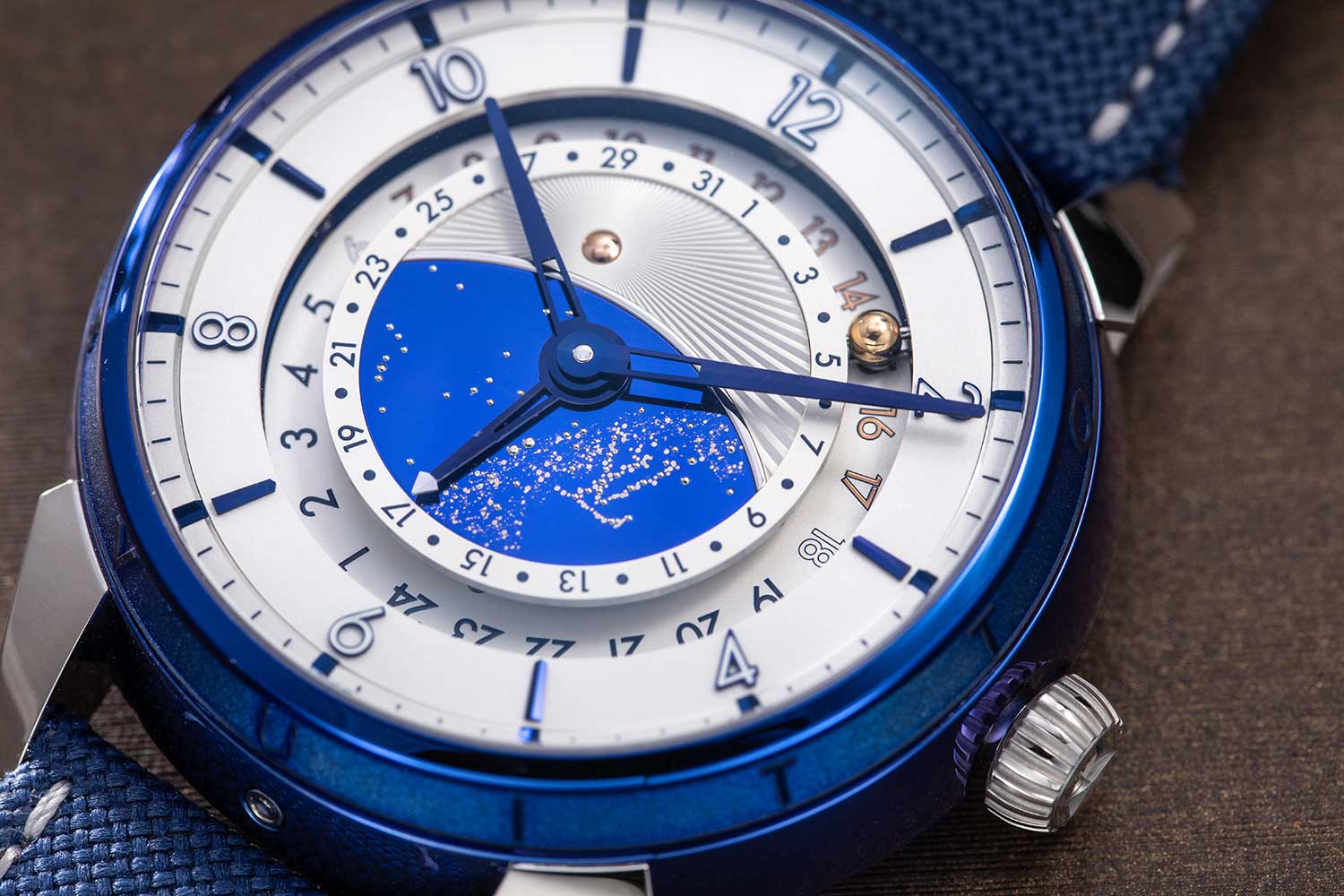
Louis Vuitton × De Bethune LVDB-03 Louis Varius Project (©Revolution)
For Denis, it was also important to create a sympathetic clock for the following reason. He explains, “One thing that I love about what Jean is doing is that, through his [collaborative] projects and through La Fabrique du Temps, he is preserving watchmaking skills that would otherwise be lost. Because a sympathetic clock has not been made in over 35 years, it was truly important for me to transmit these skillsets to the next generation before they are completely lost. I think it was also important to create a modern sympathetic system with no compromise, meaning that the entirety of the watch, including its strap, can be inserted into the capsule. It means an effortless sense of usability.”
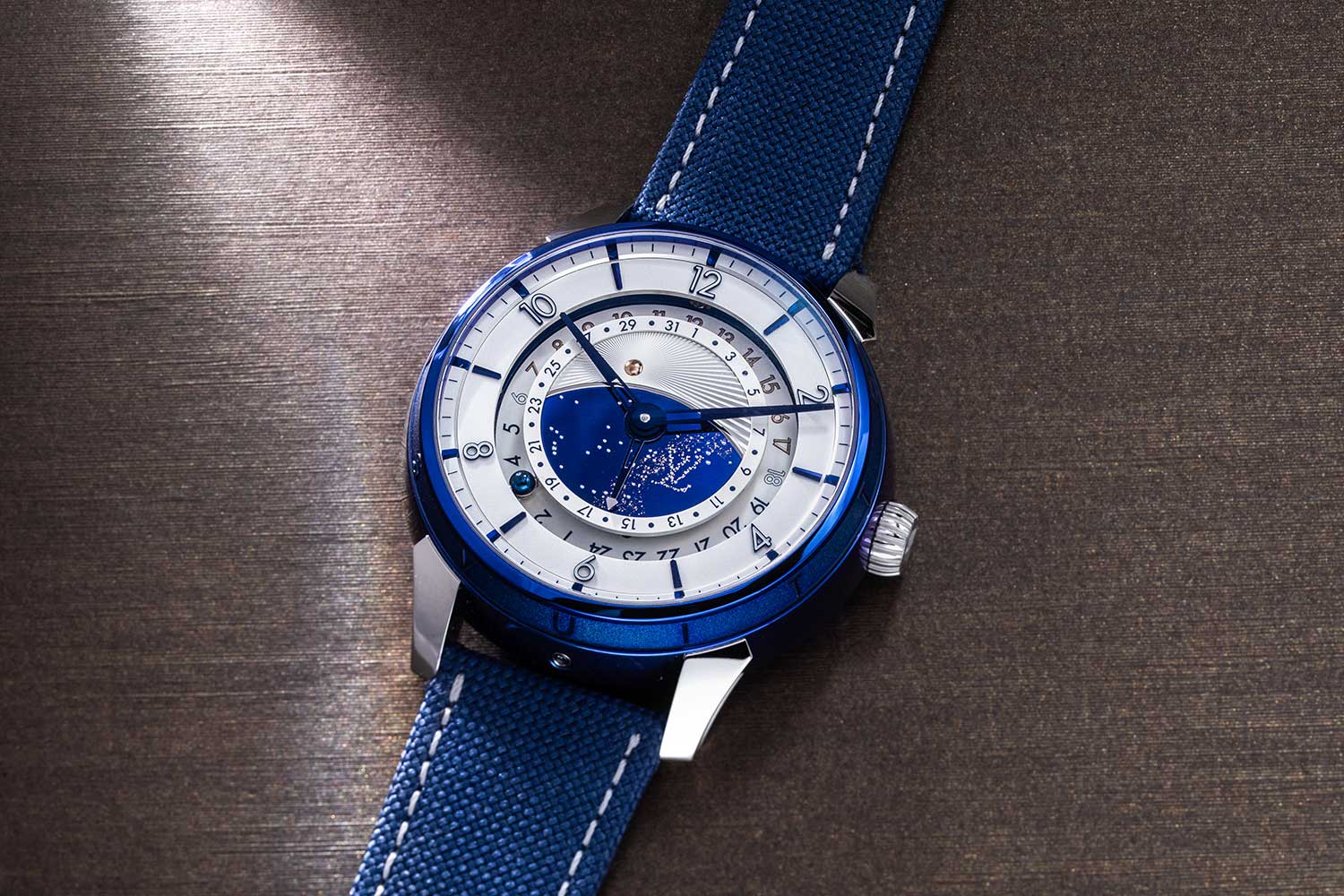
Louis Vuitton × De Bethune LVDB-03 Louis Varius Project (©Revolution)
The wristwatch in question is a 45mm in diameter Tambour timepiece. It features a flame-blued titanium case, combined with platinum lugs. It features Denis’ famous three-dimensional GMT indicator on the dial and, as mentioned before, the brand’s, stunning in-house movement in the back. The watch will be executed in 12 examples while only two clocks will be made, as each clock takes almost four years to complete.
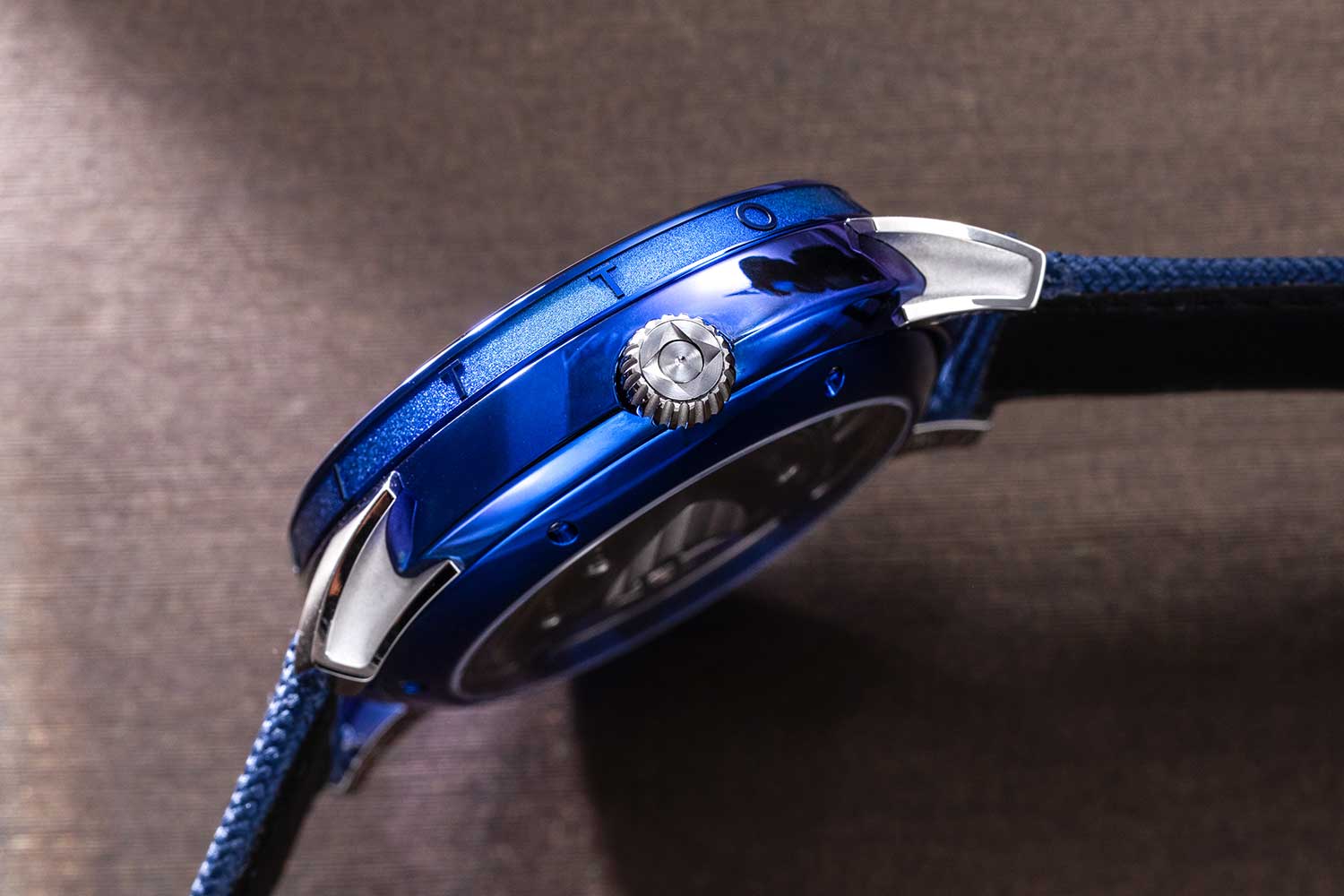
Louis Vuitton × De Bethune LVDB-03 Louis Varius Project (©Revolution)
I want to applaud both Louis Vuitton and De Bethune for a truly exceptional achievement that pays wonderful tribute to the roots of horology, celebrating one of the most important achievements of all time — the creation of the Sympathetic clock — and bringing this remarkable complication into the modern age with ease of use and extraordinary beauty.
Says Pierre Jacques, the brand’s former CEO and unofficial president emeritus, “It is deeply satisfying to have collaborated with Louis Vuitton on something so meaningful. If not for this project, the idea of a sympathetic clock may have been lost to history. And to create one that is modern and improved in every single way from the pieces made before means that this is a significant and meaningful contribution to watchmaking history. I want to thank Jean Arnault for the trust in this collaboration, and for letting Denis truly express himself in the best way possible. Denis is a watchmaker with a truly remarkable inner world and incredible intellect, a man of vision, and I think all of this is well expressed in this project.”
Tech Specs
Louis Vuitton × De Bethune LVDB-03 GMT Louis Varius
Ref WATI11
Movement Manual winding Caliber DB2507LV with double self-regulating barrel, titanium balance wheel, balance spring with flat terminal curve, silicon escape wheel and triple shock-absorbing system (De Bethune patents); five-day power reserve
Functions Hours, minutes, second time zone (GMT), sympathique function, day/night indicator and jumping date
Case 45mm × 14.5mm; blued titanium with platinum lugs and crown; water resistant to 30m
Dial Blued titanium, Louis Vuitton constellation with 18K white gold pins and golden leaves, sun in 18K rose gold; 12-hour disk (local time); second time zone disk (24-hour format); day/night indication by 18K rose gold and blued steel sphere
Strap Blue fabric with gray edging on top, black leather lining; additional extra-soft cognac alligator with alligator lining, tone on tone stitching; polished and blued titanium pin buckle, with double Louis Vuitton/De Bethune signature
Price Upon request
Availability Limited edition of 12 pieces, sold with an exclusive Louis Vuitton trunk and travel watch case
Louis Vuitton × De Bethune LVDB-03 Sympathique Louis Varius
Ref Q1TA10
Movement Manual winding Caliber DB5006 featuring self-compensating balance spring with lever escapement, double barrel and constant-force escapement; 11-day power reserve
Functions Hours and minutes; rotating disk animation; sympathique function (winding and setting a mechanical watch): watch resetting system every two hours, ability to reset with a +/- 7 minutes difference from the clock, continuous watch winding system when the watch is placed on the clock, full winding of the watch in approximately 9 to 12 hours
Case 310mm × 260mm × 266mm; titanium with base featuring meteorite marquetry
Dial Multi-part center, blued and polished titanium with starry sky decoration in golden leaves; blued titanium Tambour-shaped indexes; 5N gold decoration dome with hand-engraved Hercule constellation by Michèle Rothen
Price Upon request
Availability Limited edition of two pieces
You may also like

Editorial
Revolution Awards 2025: Horological Heroes — Michel Navas and Enrico Barbasini
Jan 27, 2026
Editorial
Revolution Awards 2025: Horological Heroes — Michel Navas and Enrico Barbasini
Jan 27, 2026
Editorial
Revolution Awards 2025: Best Métiers d’Art — Louis Vuitton Escale en Amazonie
Jan 27, 2026
Editorial
Revolution Awards 2025: Best Métiers d’Art — Louis Vuitton Escale en Amazonie
Jan 27, 2026
Watch Fairs
LVMH Watch Week 2026: Louis Vuitton’s La Camionnette — The Art of Travel in Miniature
Jan 19, 2026
Watch Fairs
LVMH Watch Week 2026: Louis Vuitton’s La Camionnette — The Art of Travel in Miniature
Jan 19, 2026