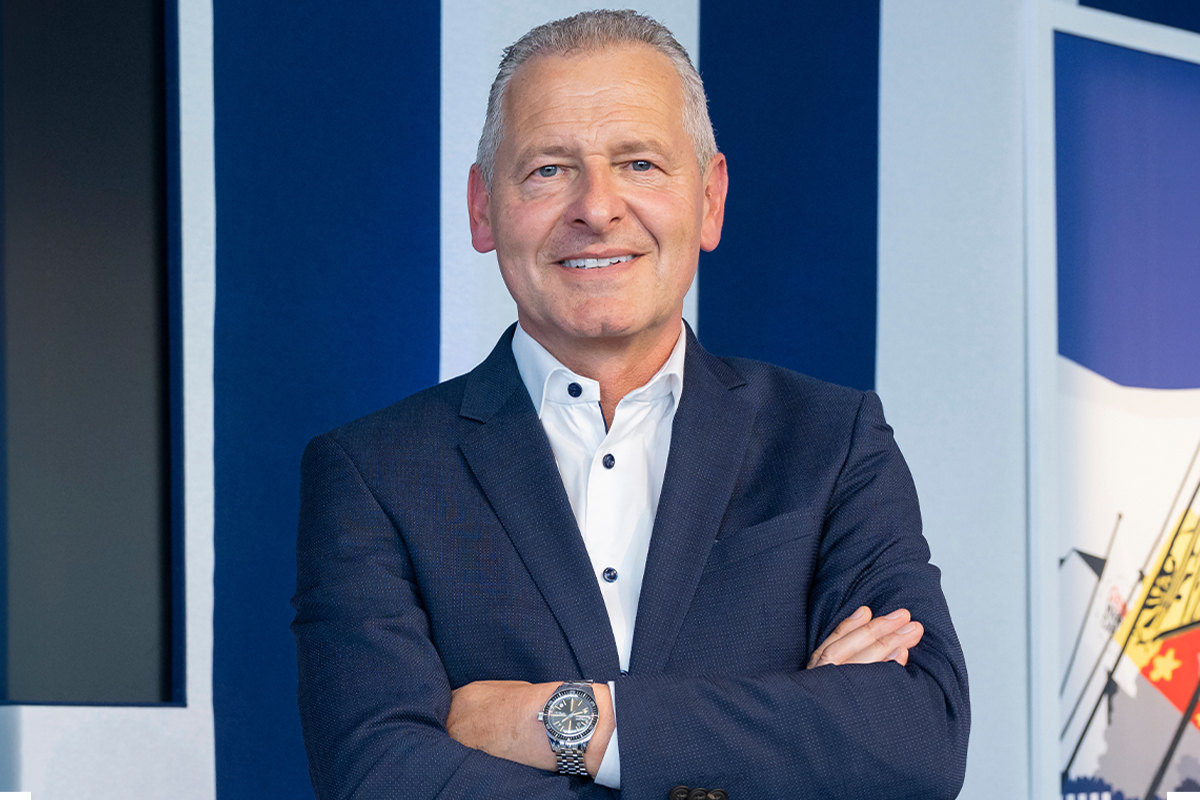
In Conversation with Patrik Hoffmann, CEO and Chairman of Favre Leuba
Interviews
In Conversation with Patrik Hoffmann, CEO and Chairman of Favre Leuba

When the powers to be came knocking on his door, Patrik Hoffmann simply couldn’t say no. The industry veteran had spent the past 40-odd years heading up watch brands, 12 years at Oris, followed by 18 at Ulysee Nardin. The opportunity to helm Favre Leuba, a 289-year-old Swiss watch brand, came as he puts it, “at the right time.”
“I would not have taken up the job of building a brand or reviving a brand, if I didn’t now that Favre Leuba has that rich history,” he admits. “The timing was also right. Today, your history is important; today’s generation is looking into what was done in the past, asking questions like ‘Who is behind it? Is there really a true story? Is it credible?’ Somehow, the puzzle came together, and it was the right time.”
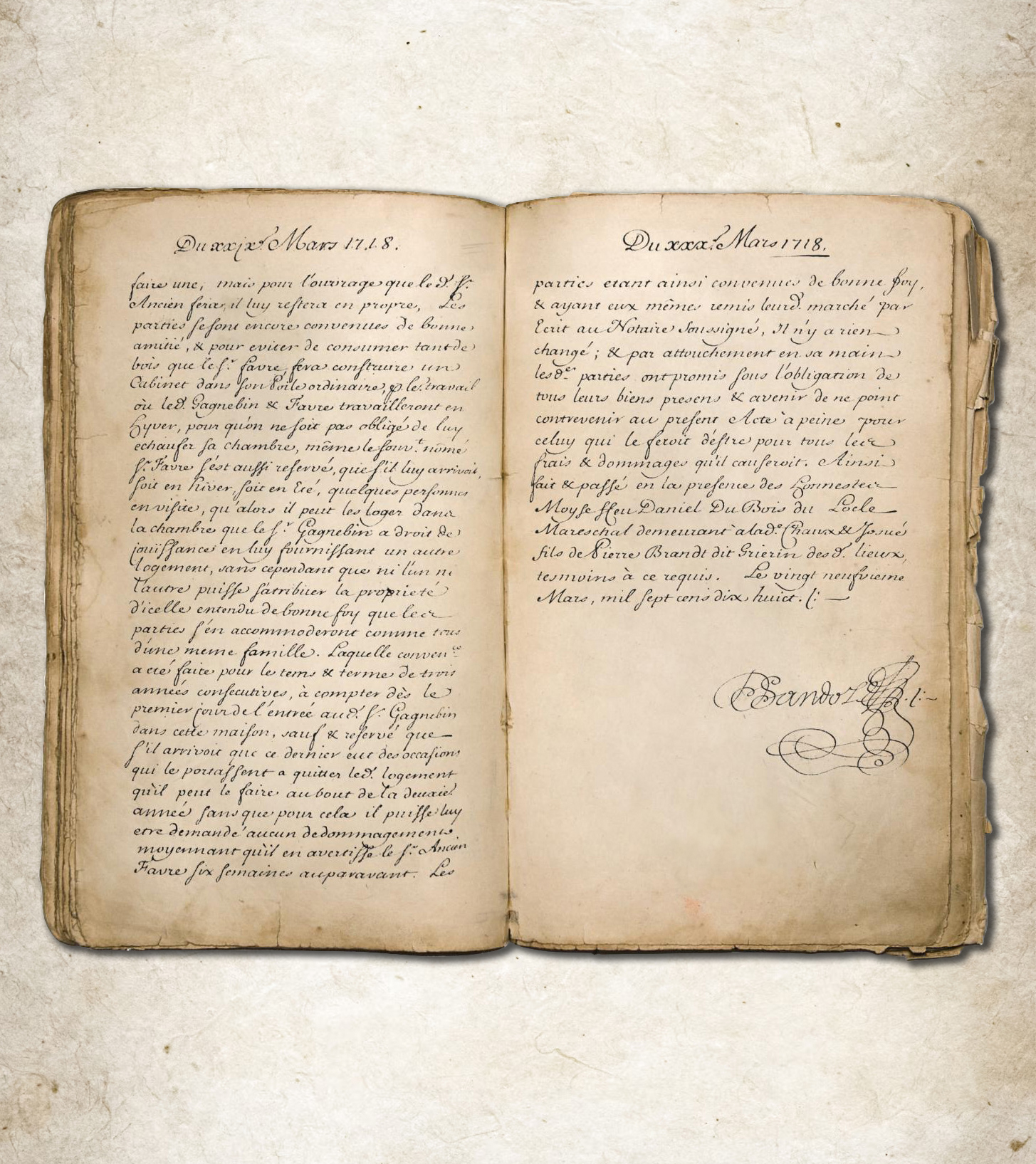
An original 1718 document marking the origins of Favre Leuba’s long watchmaking heritage
Under his watch, Favre Leuba has quickly staked its claim on the market since its launch in 2024, currently offering three collections: Chief, Deep Raider and Sky Sea.
This year, Favre Leuba will be joining the rest of its Swiss watch cohort at the most hotly anticipated watch fair of the year in Geneva, Watches and Wonders.
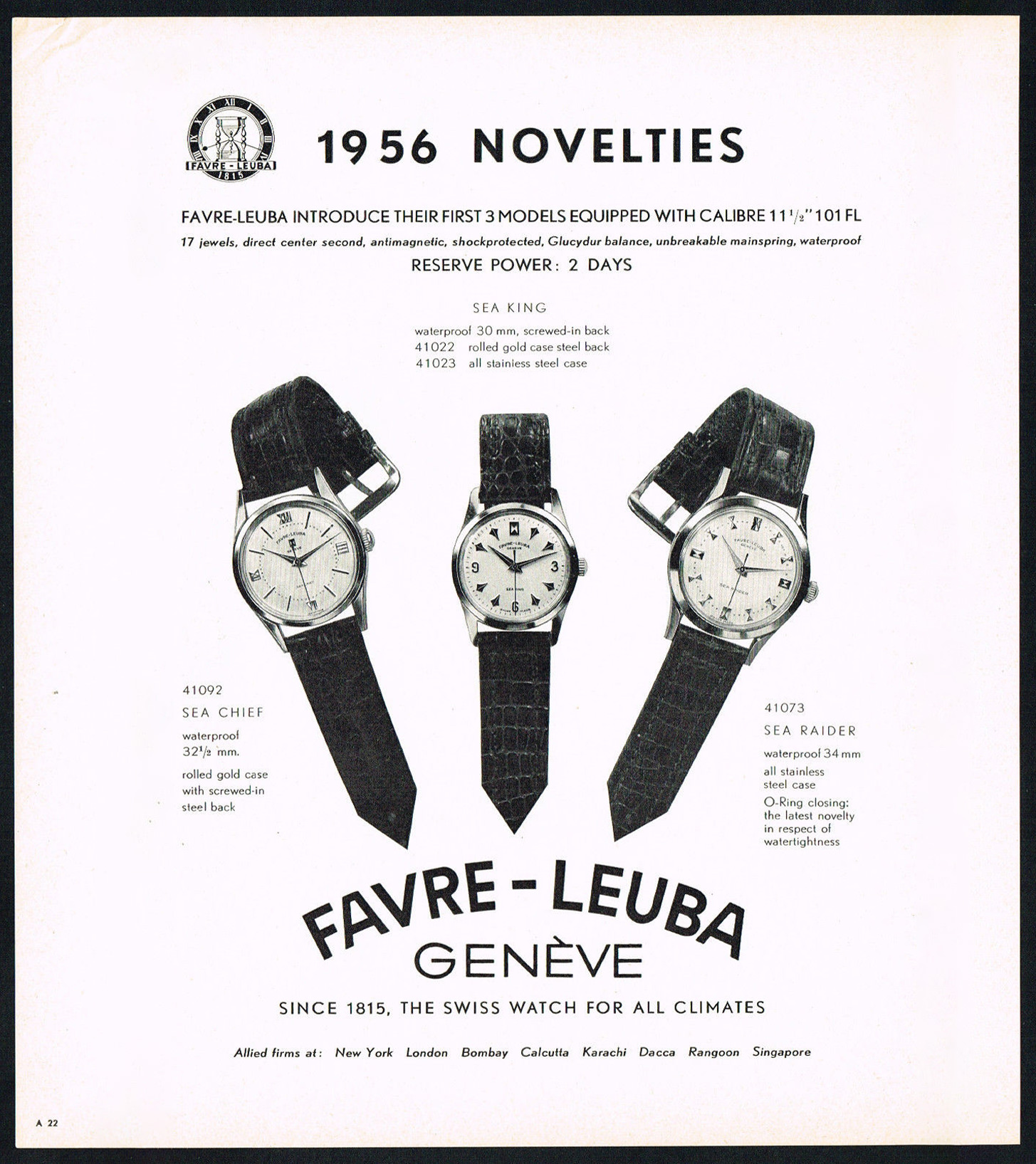
Favre Leuba’s 1956 novelties, highlighting early innovations in waterproof wristwatches
Hoffmann promises plenty to see at the Favre Leuba booth during the fair.
“Half of the booth is going to be historical, where we are going to showcase some of our museum pieces, and you will see very interesting watches such as the Patek Philip Calatrava that is co-branded with Favre Leuba.” Other archival pieces that will be on display include those from Zenith, IWC, Bovet and Jaeger-LeCoultre, all of which were co-branded.
-
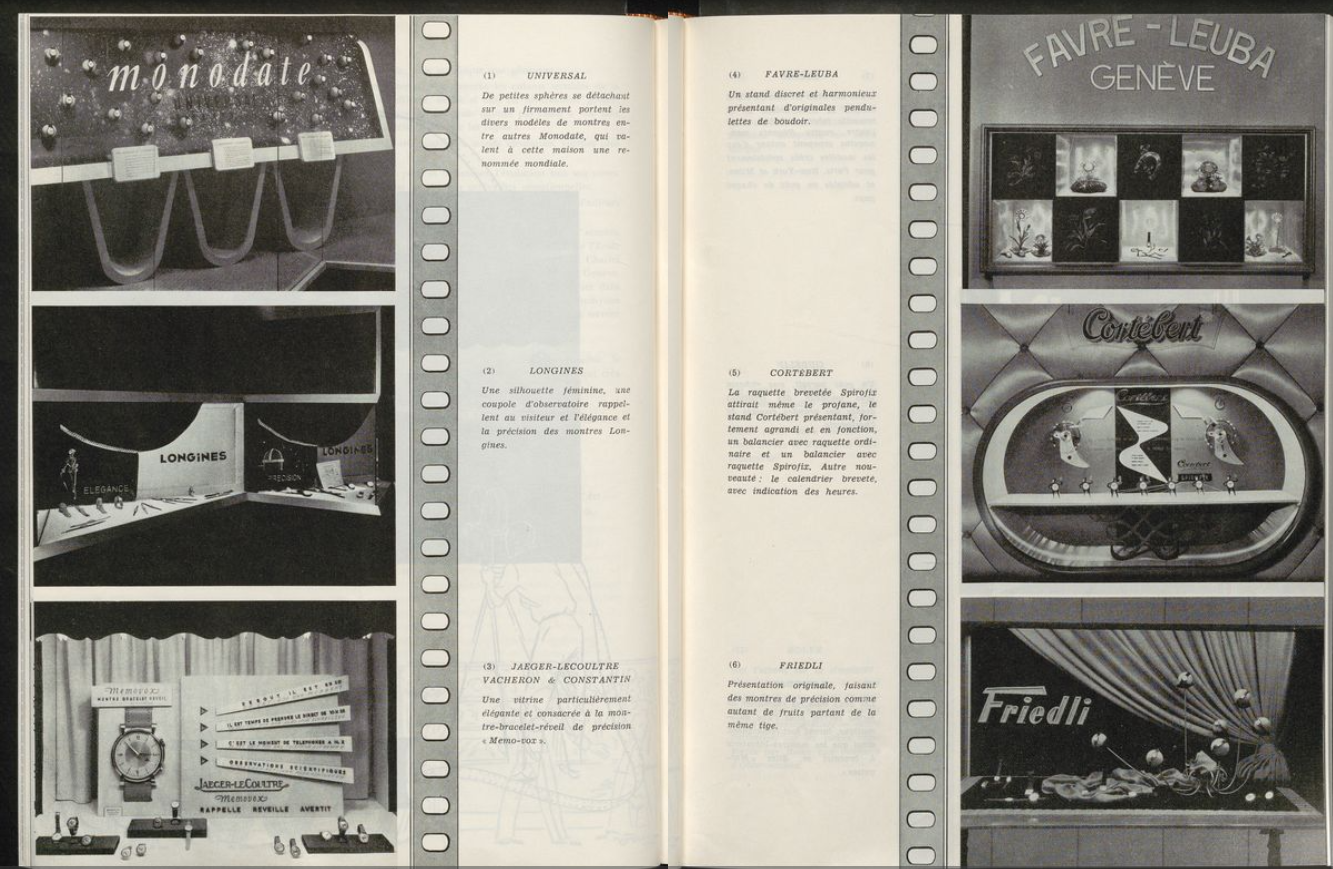
- Historic exhibition displays at the Basel Fair, where brands like Favre Leuba presented their collections
-
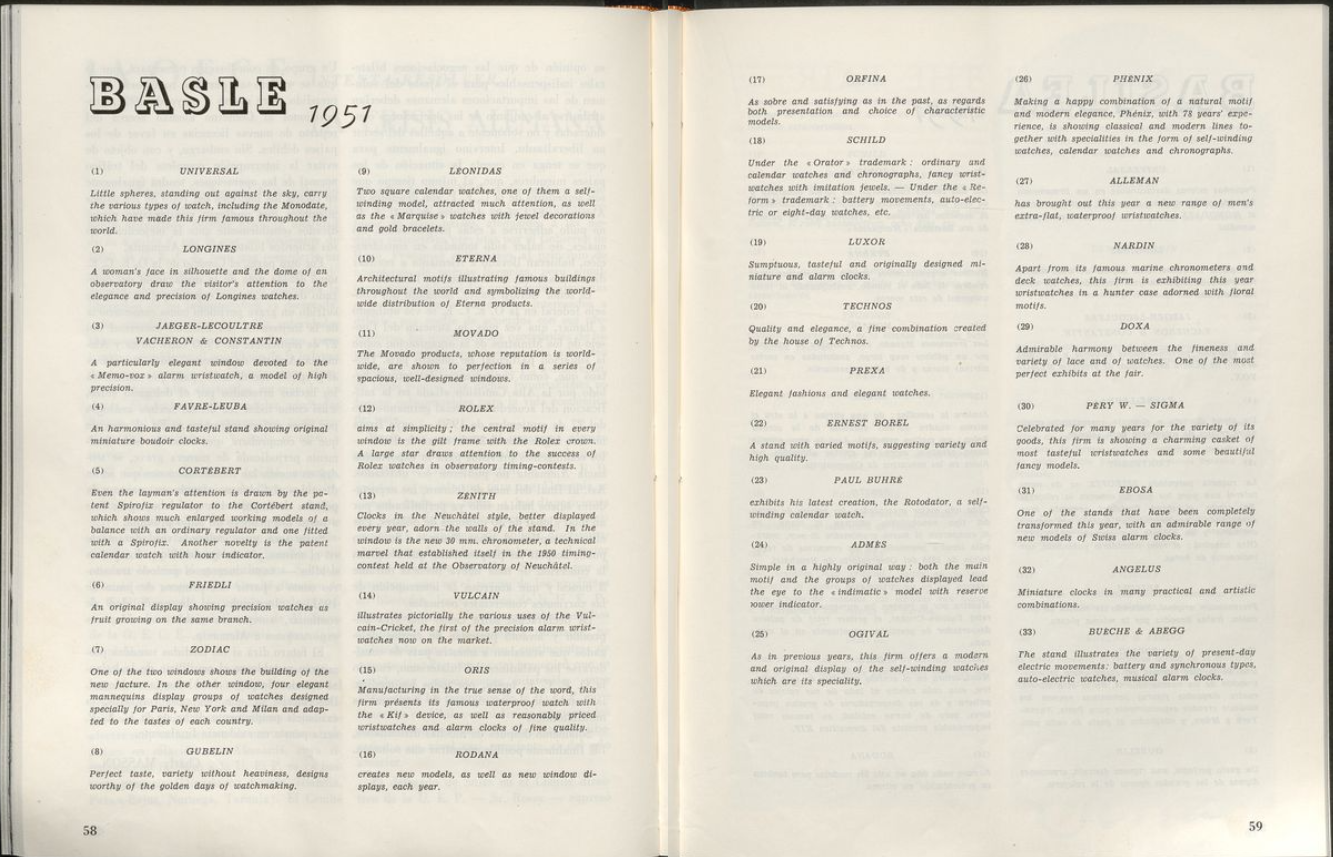
- Basel Fair 1951 catalogue page featuring Favre Leuba among its Swiss contemporaries
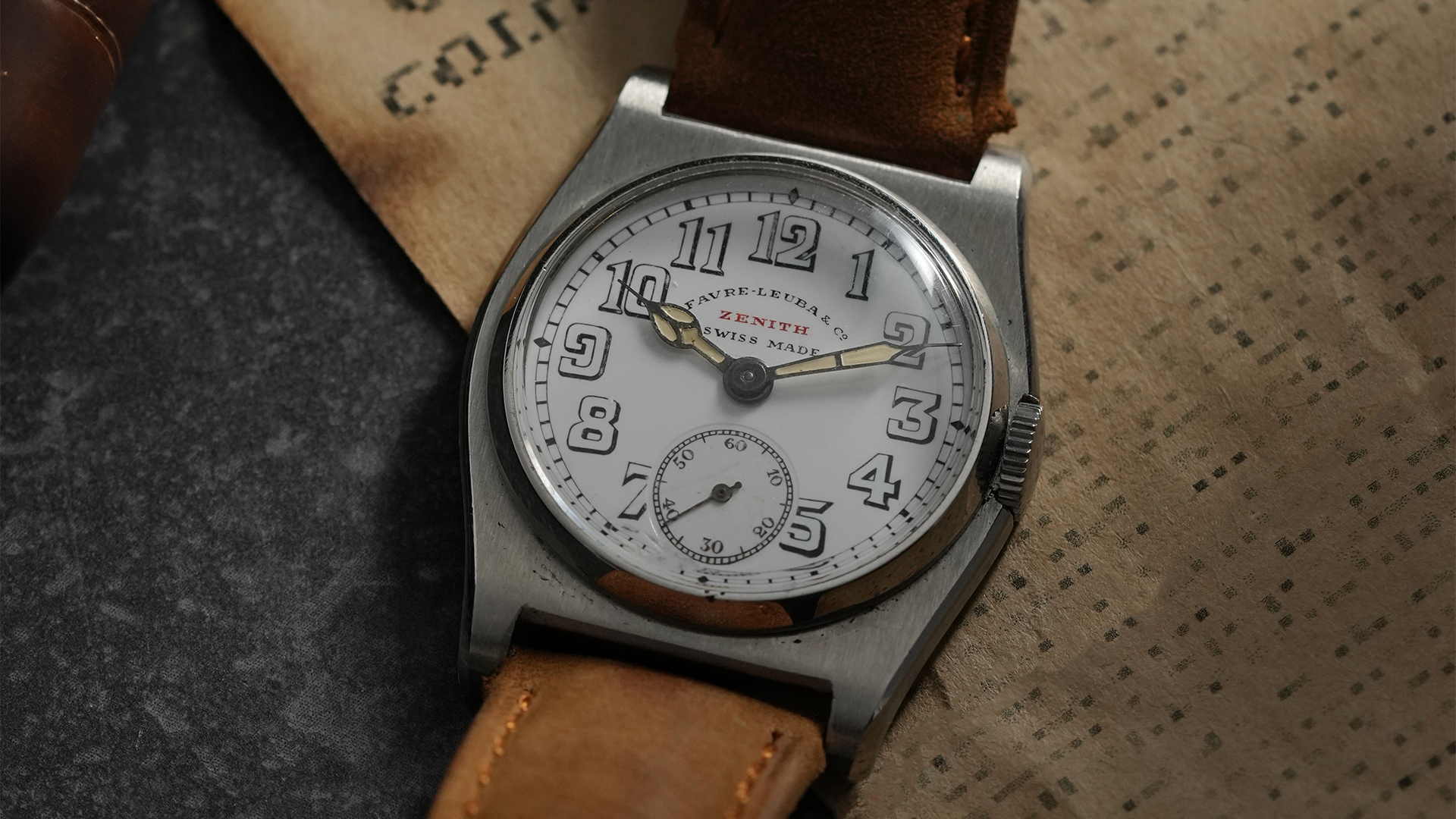
A rare co-signed Favre Leuba and Zenith timepiece, reflecting the brand’s historic collaborations
“You can see we have a very rich history through these watches,” Hoffmann elaborates. “Bovet, for instance, was owned by Favre Leuba in the 1940s, that’s why you see collaborations between the two brands. The same goes for Jaeger-LeCoultre in the 1960s, so you will see some reversible watches at our booth, both co-branded as well as under Favre Leuba.”
For Hoffmann, it is an incredible legacy that establishes the credibility of the brand and one that he is proud to showcase. As he points out, those who learn the history of the brand will quickly understand why it is widely accepted, and how it has made its debut at Watches and Wonders after just two years.
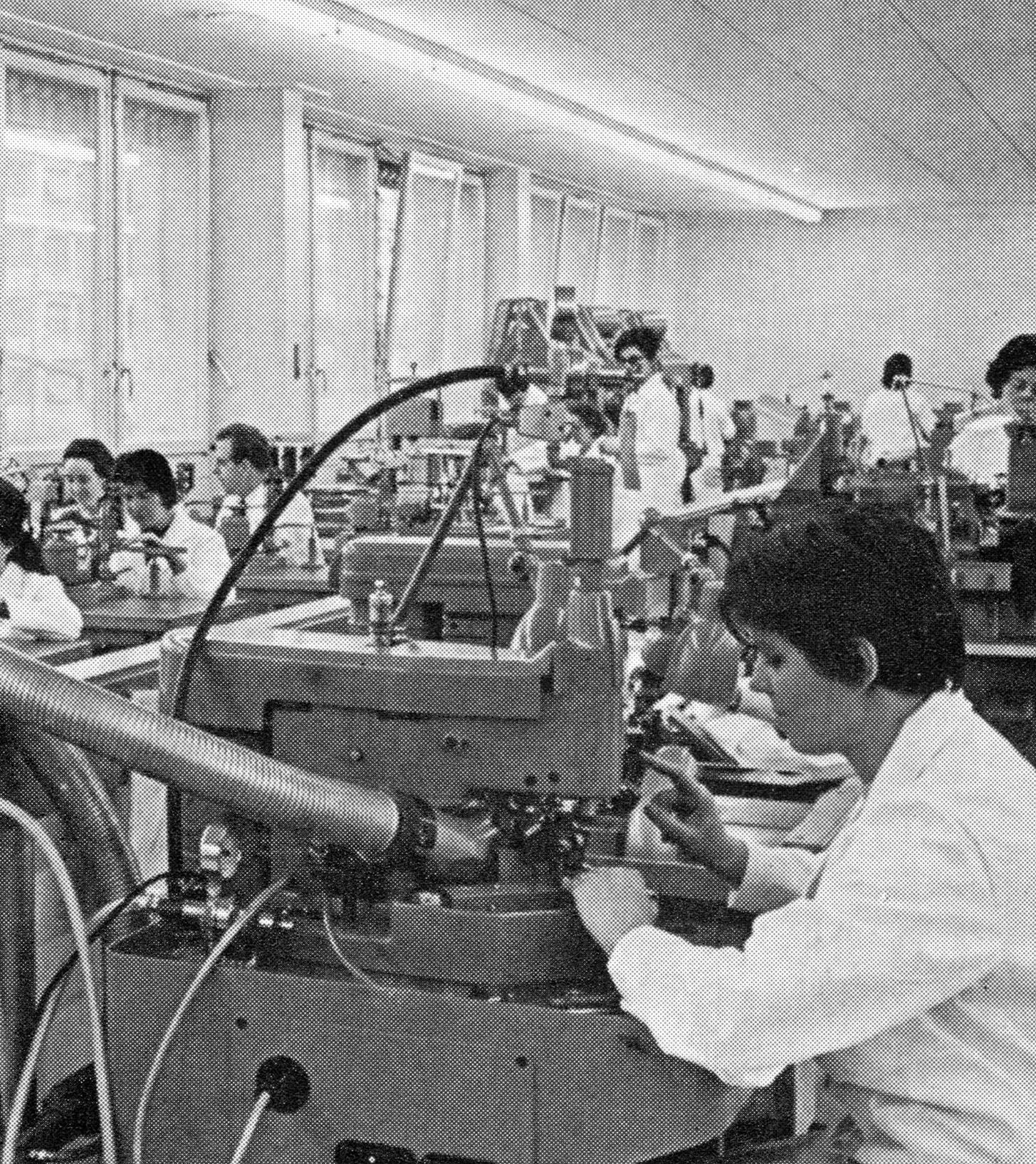
Favre Leuba’s manufacturing operations around 1896, marking a period of industrial expansion in its history
But Hoffmann is clearly not content to rest on past glories. He stresses that even while it taps on its rich history, the brand is looking to the future, especially with the novelties to be unveiled at the fair.
“What we did over the last one and a half years is we always took inspiration from the past, and we would show a Revival piece and a Renaissance piece,” he explains.
“We don’t just take historical pieces and make them look like historical pieces,” Hoffman says. “We were very clear from the beginning that even though neo vintage is very trendy right now, we are not going to build the brand just on those pieces.
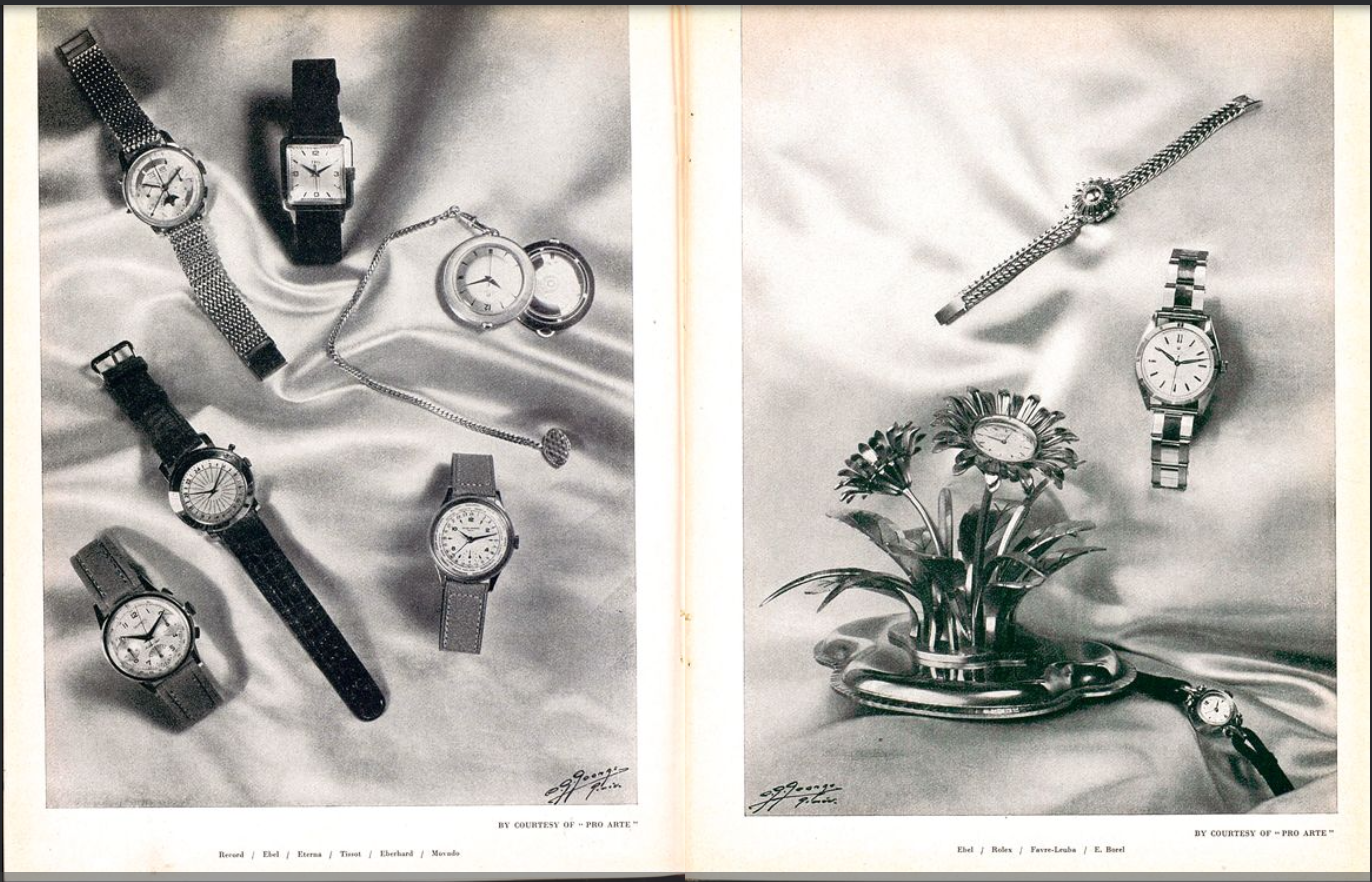
Mid-century watch photography showcasing Favre Leuba alongside other brands in a Pro Arte studio composition
“I do not believe that we can build a brand for the next 100 years based on neo vintage,” he says. “We have to give the brand a modern, more contemporary look at the same time.”
It is a conundrum that legacy watch brands often face. The challenge lies in determining what should be preserved from the archives and what must be reinterpreted for a modern watch lover. But for Hoffmann, a seasoned industry veteran, it was a matter of trusting your gut and listening to your instincts.
So what does a truly modern Favre Leuba look like?
“At the moment, it is probably the Chief collection,” he replies. “Even though the inspiration comes from a 1917 timepiece, everything is new including the material. We didn’t just copy and paste; we modernized the sides, the base — basically, we modernized everything.
“That’s probably the most modern interpretation which we have at the moment.”
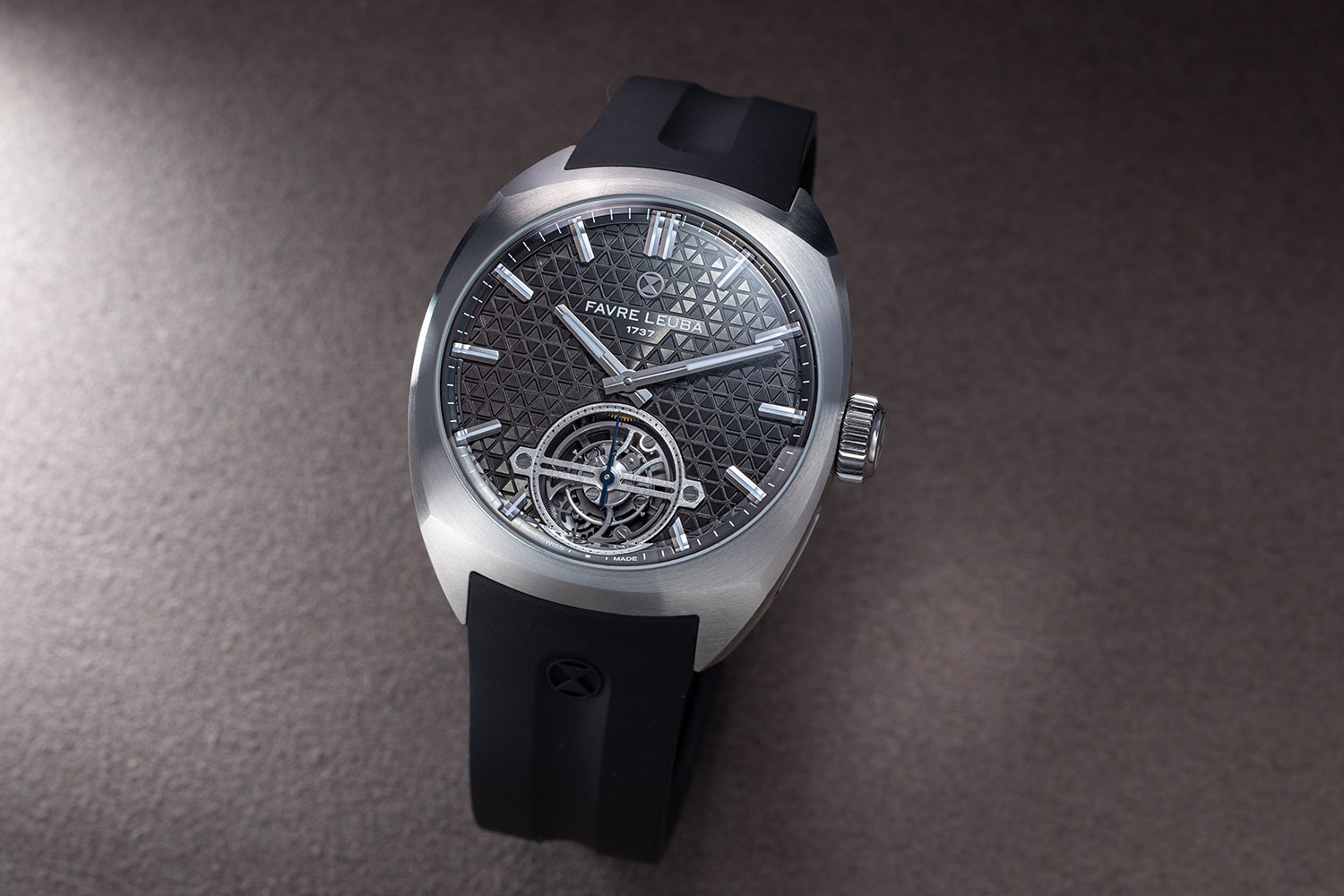
The Favre Leuba Chief Tourbillon, the brand’s first tourbillon, combining technical complexity with modern design
The Chief was the vehicle of choice for Favre Leuba when the brand launched its first ever tourbillon this time last year. Housed in the signature cushion case, the Chief Tourbillon featured an intricate layered dial with a tourbillon at six o’clock, powered by the FL T01 movement, which was based on a reworked Chronode’s C502 movement by Jean-François Mojon, founder of Chronode. Later in the year, Favre Leuba had another first with the release of the Chief Skeleton, the brand’s first skeleton watch offered in two variants: a gold-finished movement with a sleek brushed steel case, and an anthracite-finished movement housed in a sporty black DLC case. Priced at CHF 3,450 and CHF 3,550 respectively, the Chief Skeleton stayed firmly within the brand’s more accessible core range, typically priced between CHF2,200 and CHF4,400.
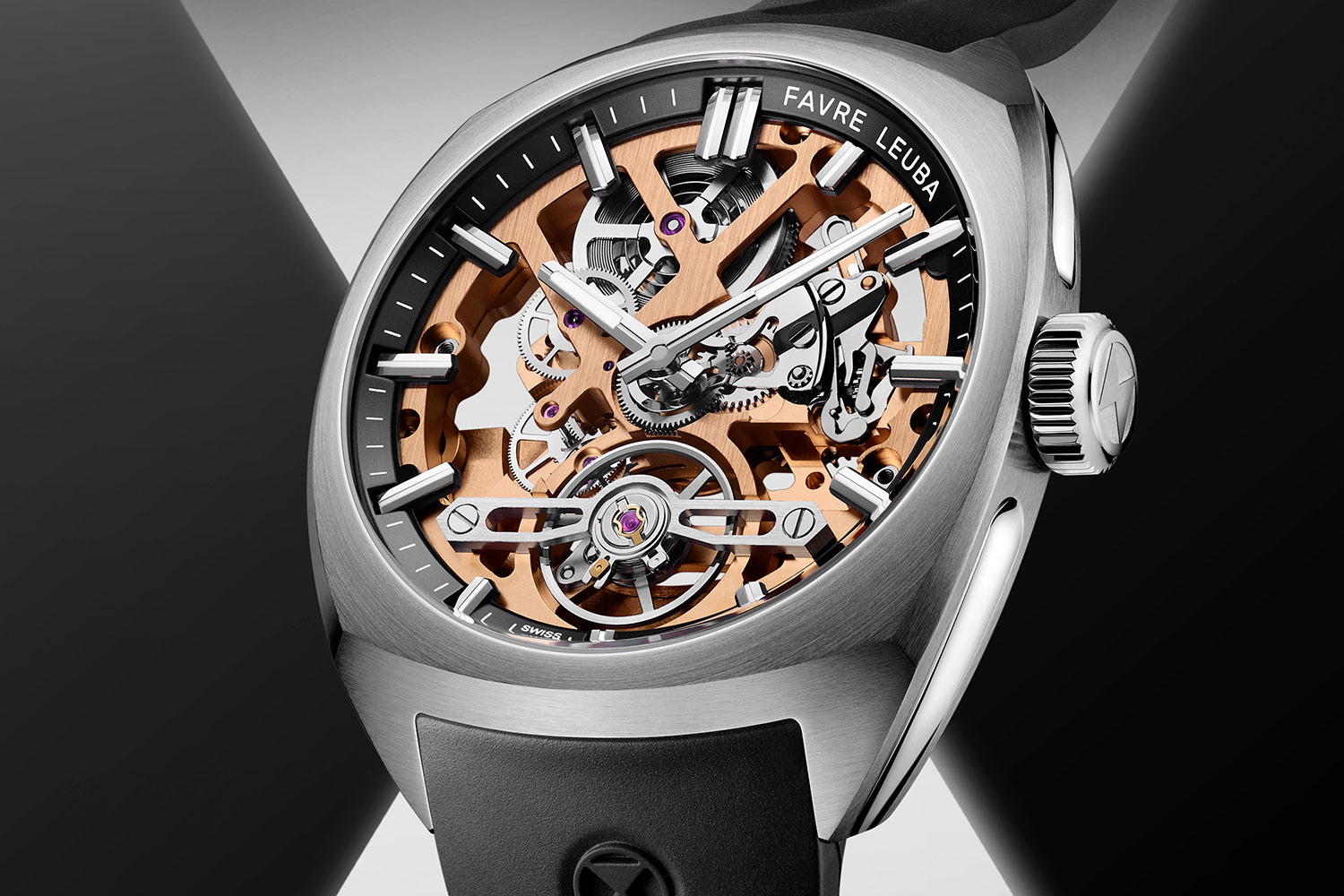
The Favre Leuba Chief Skeleton, a contemporary expression of the brand’s design language with an openworked dial
“The skeleton, in particular, was much more successful than we thought it would be,” Hoffmann reveals. “That piece took off everywhere — in the US, Japan, India and the Middle East.”
The Chief Tourbillon, priced at a more premium CHF24,800, was similarly a hit and sold out quickly. Hoffmann promised there’s more to come beyond the 25-piece limited edition. “There will be new interpretations, for instance, stone dials,” he shares. Last year, Favre Leuba already introduced malachite and meteorite variations to its Deep Raider Renaissance line, riding the stone dial trend.
-
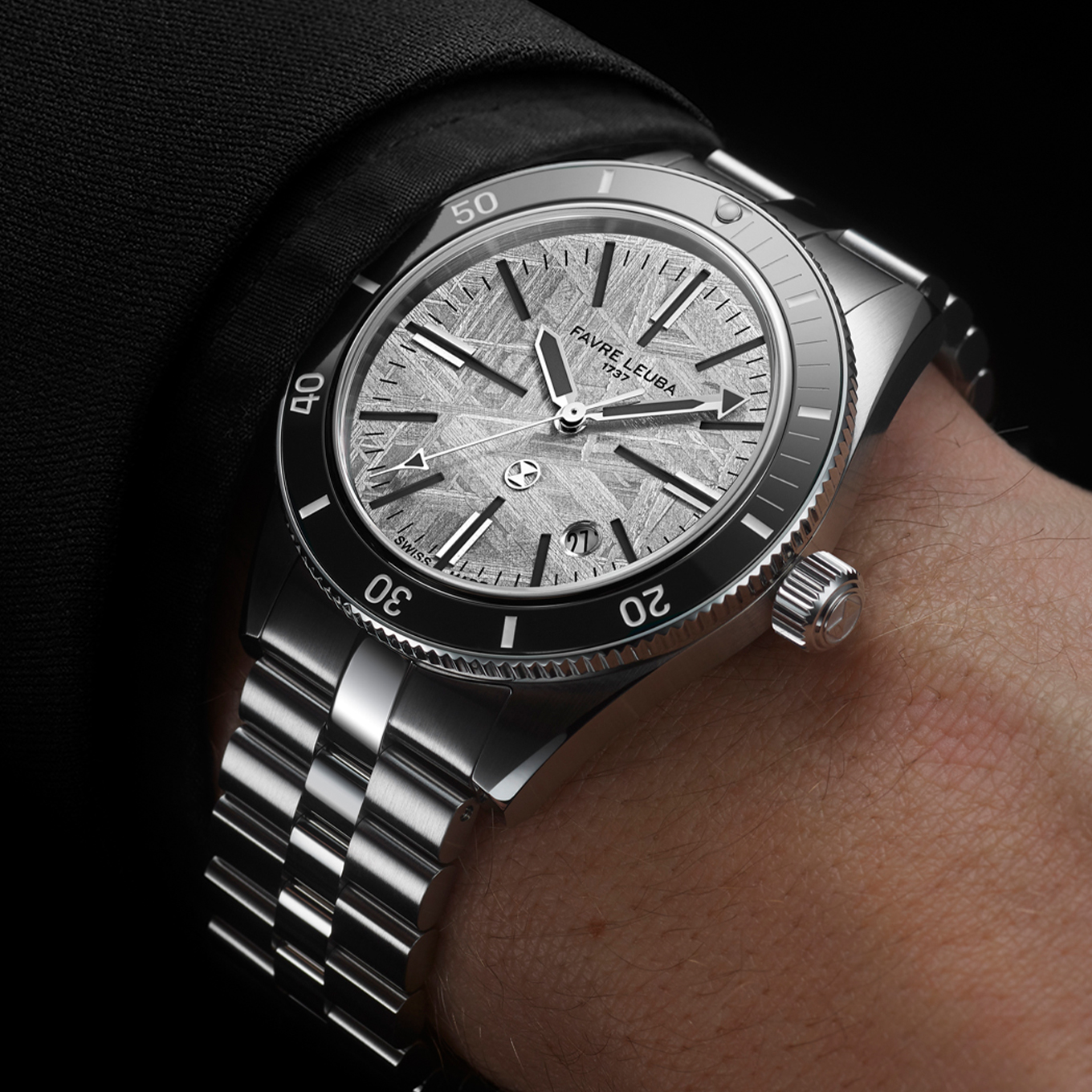
- The Favre Leuba Renaissance with a meteorite dial, showcasing a naturally patterned surface unique to each piece
-
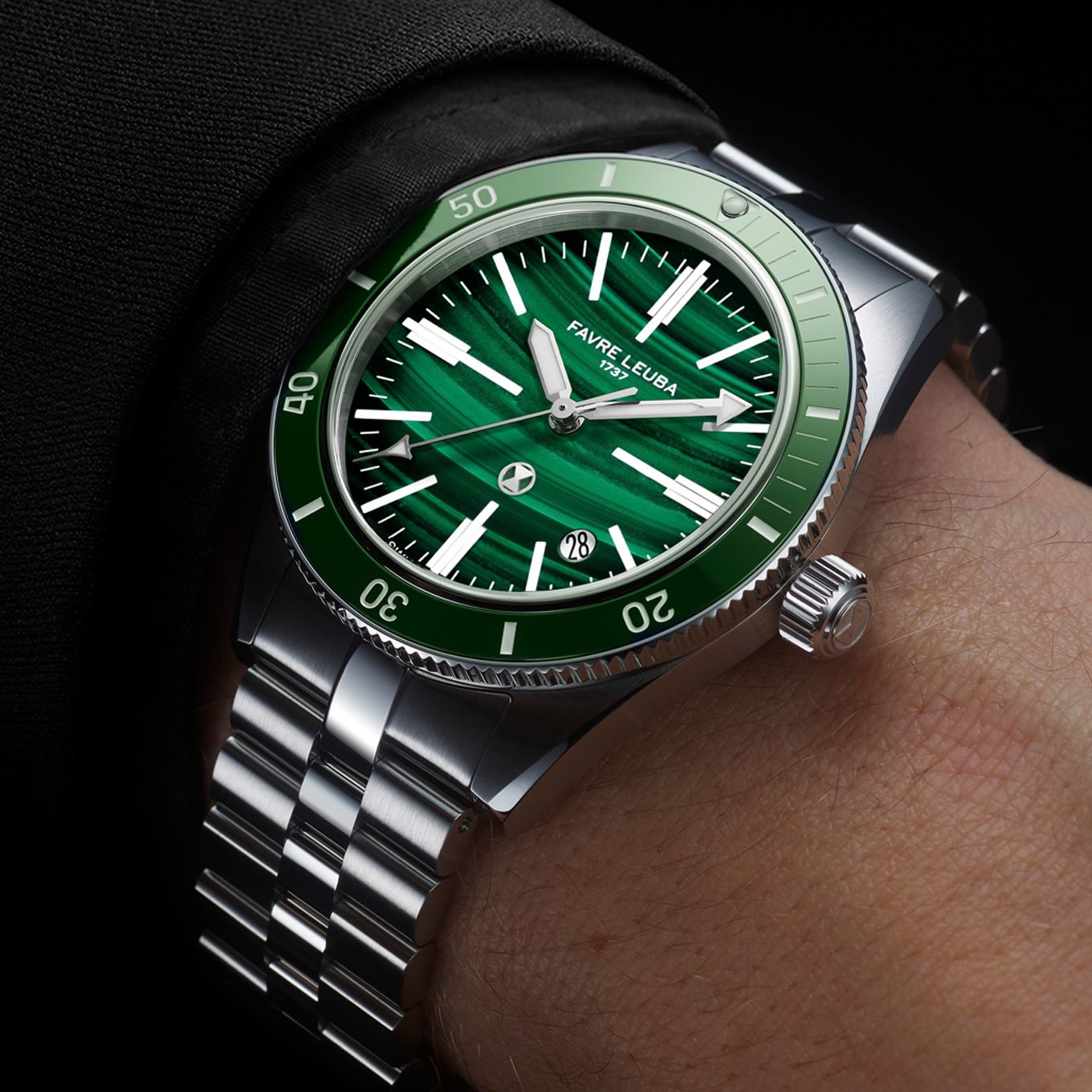
- The Favre Leuba Renaissance with a malachite dial, distinguished by its rich green tones and natural stone striations
This year, Hoffman promises to add two more families to the list, bringing Favre Leuba to a total of five core collections. “One of them is a 60th anniversary collection; the second focuses on the movement design, which was already used in the 70s by many brands,” he shares.
It is quite a phenomenal growth for the brand just two years into its revival, but that is exactly what Hoffman has in mind as he looks to head towards moving 100,000 pieces in the next 10 years. “We are clearly a brand that is going into the volumes, as we will demonstrate by the introduction of our new collections.”
Accordingly, he is keeping his eyes closely on the prevailing trends in the industry — smaller, thinner and more power reserve, he predicts. “I think improved power reserve especially is something that you are going to see everywhere in the next couple of years in our price range.”
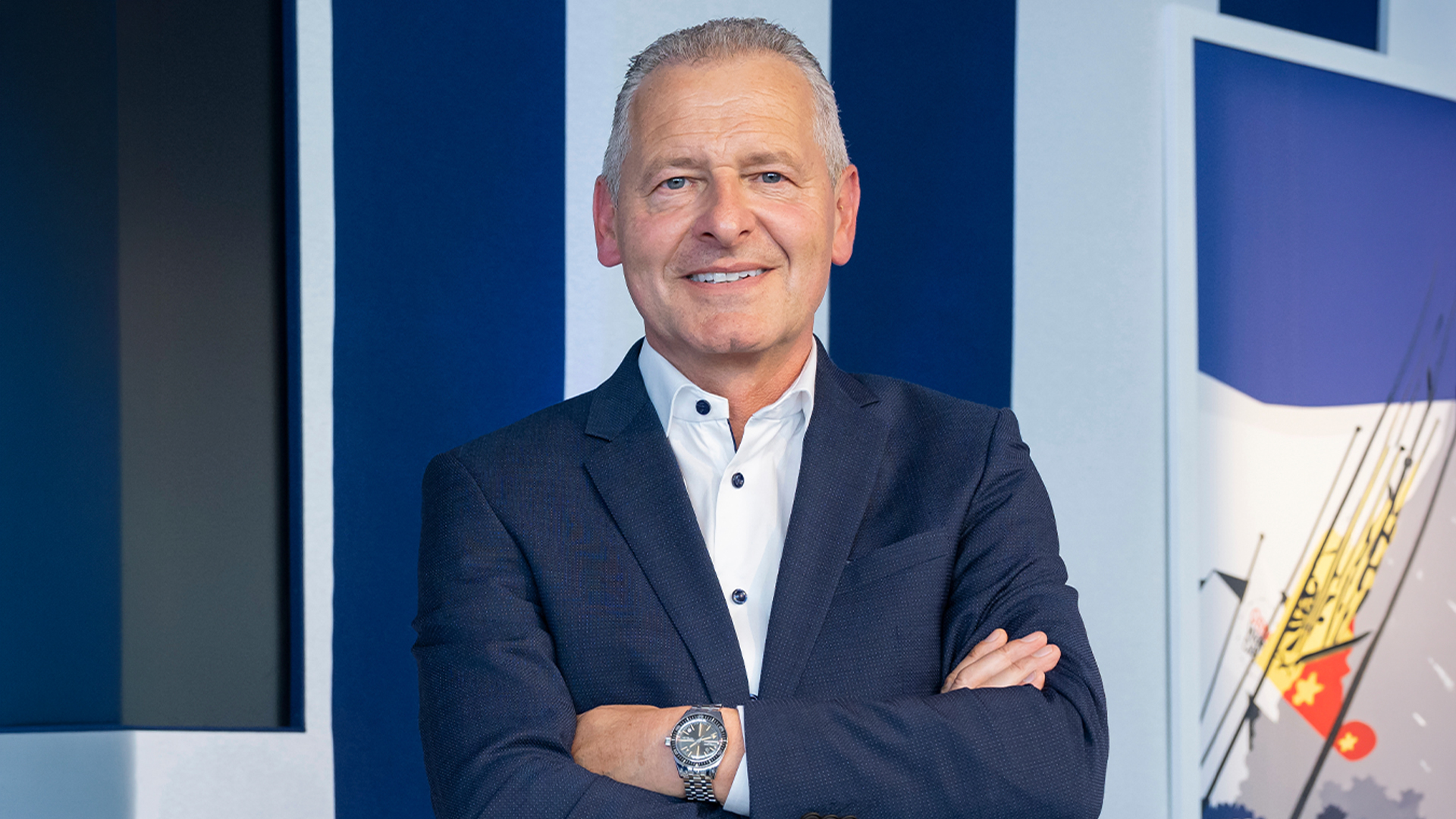
Patrik Hoffmann, CEO of Favre Leuba
Price, and by extension, accessibility and value propositions are top of mind for Hoffman when it comes to building his brand. “But to communicate value proposition is not so easy,” he admits. “People have to see the watch; they have to wear it on their wrists — to see the applied indexes on the dial and the finishing on the movement, to understand that it is a column wheel chronograph.
“You are simply not going to find one at that price point with that level of detail and finishing,” he sums up. “Other than Favre Leuba.”
Beyond Watches and Wonders, what else will the coming years bring for the brand?
“You will see more collaborations,” Hoffman answers without hesitation. “Not marketing-driven ones, but true collaborations where there is a real synergy like for our Chief Tourbillon with Jean-François Mojon, whose company was also founded in Le Locle like us.”
Check out the Favre Leuba booth at Watches and Wonders Geneva 2026.
Favre Leuba
You may also like

Watch Fairs
Favre Leuba Introduces The Chief Skeleton, The Brand’s First-Ever Skeletonized Timepiece
Sep 4, 2025
Watch Fairs
Favre Leuba Introduces The Chief Skeleton, The Brand’s First-Ever Skeletonized Timepiece
Sep 4, 2025
News
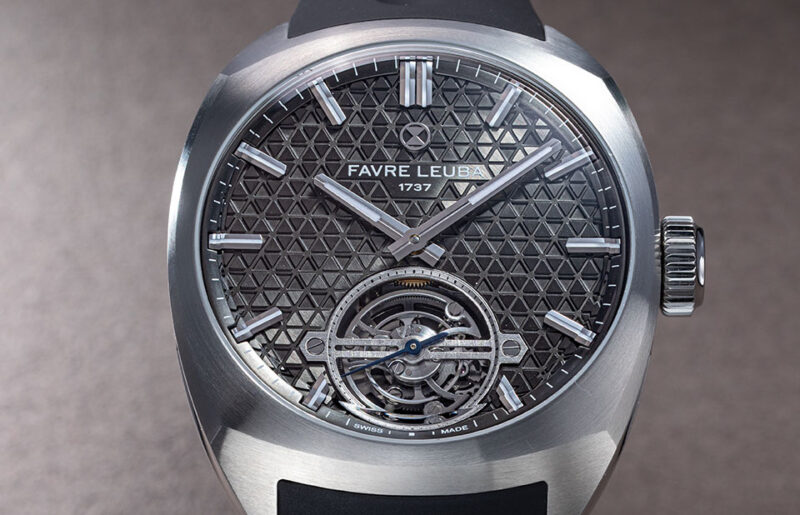
Live Pics: Favre Leuba Presents Its First Tourbillon After Nearly Three Centuries
Apr 2, 2025
News
Live Pics: Favre Leuba Presents Its First Tourbillon After Nearly Three Centuries
Apr 2, 2025

News
The Favre Leuba Deep Blue Revival and Renaissance
Sep 13, 2024
News
The Favre Leuba Deep Blue Revival and Renaissance
Sep 13, 2024