
Available in the Shop: How the Moonwatch made it to space, and why you need it on your wrist
In partnership with Watchfinder & Co we’ve assembled a handful of iconic and limited Speedmasters, available to buy right now.
Speedmaster Origins
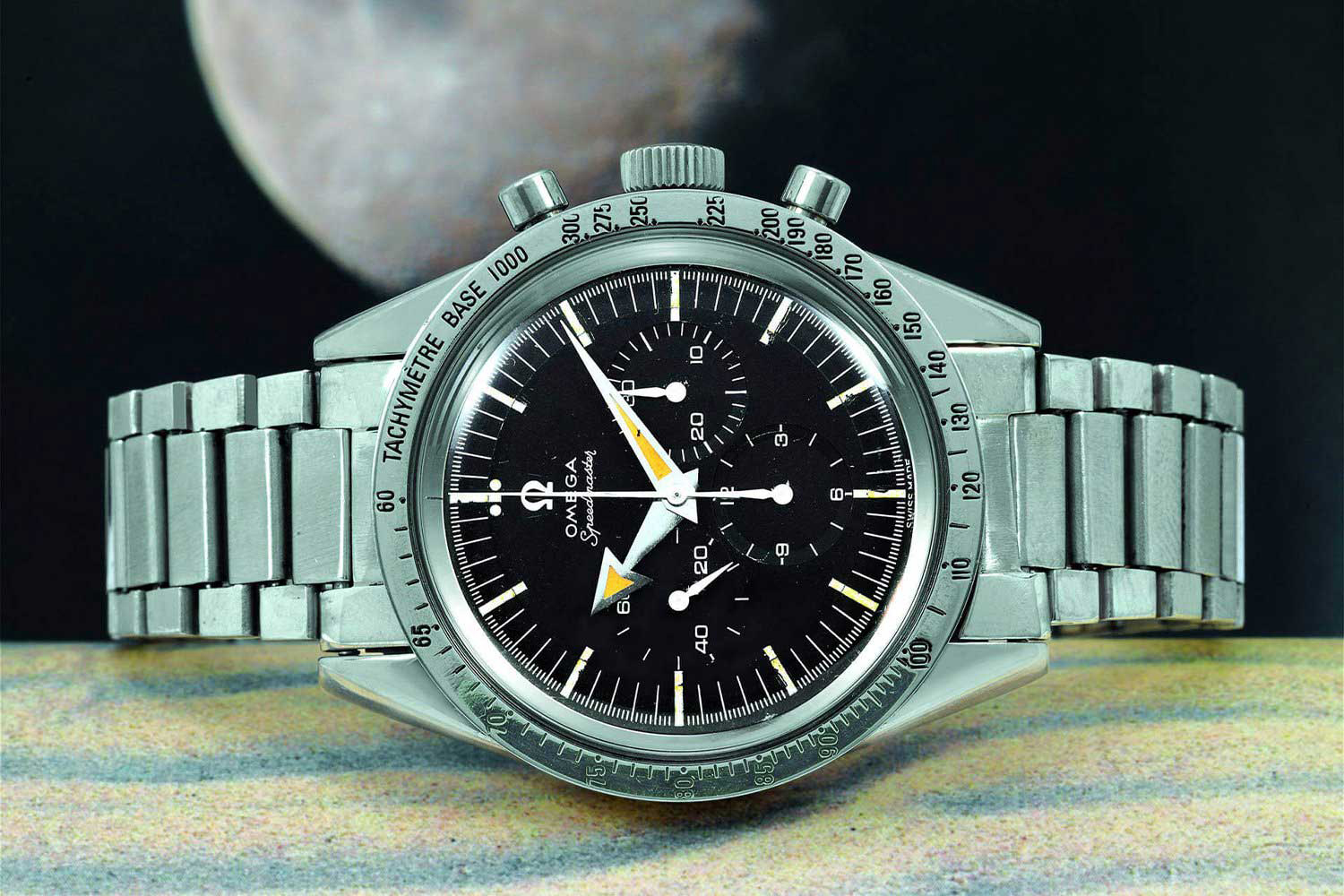
The Omega Speedmaster ref. CK2915
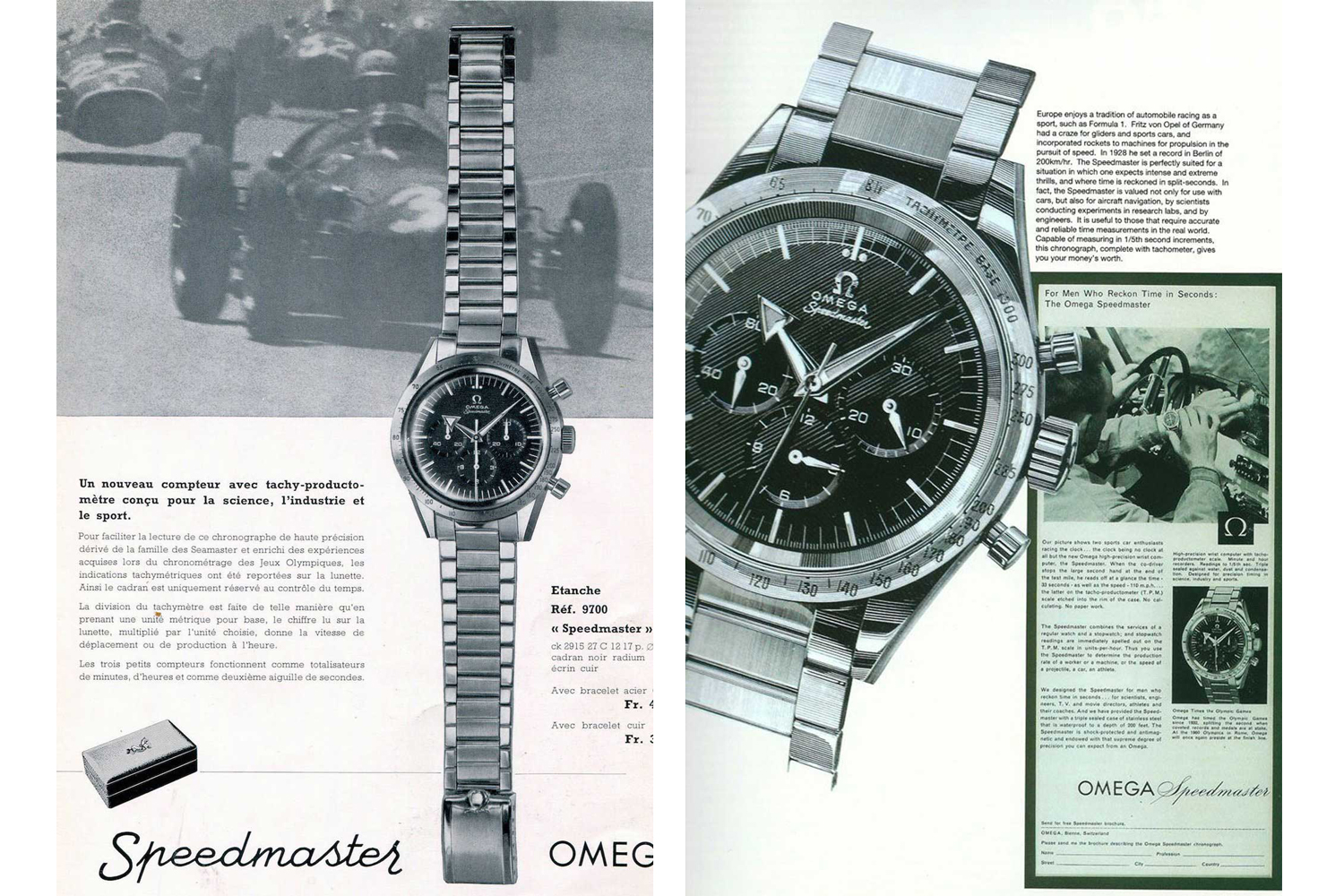
Omega Speedmaster ad for the 1957 CK2915 (Image: omegawatches.com)
Omega Speedmaster CK2998 311.32.40.30.02.001
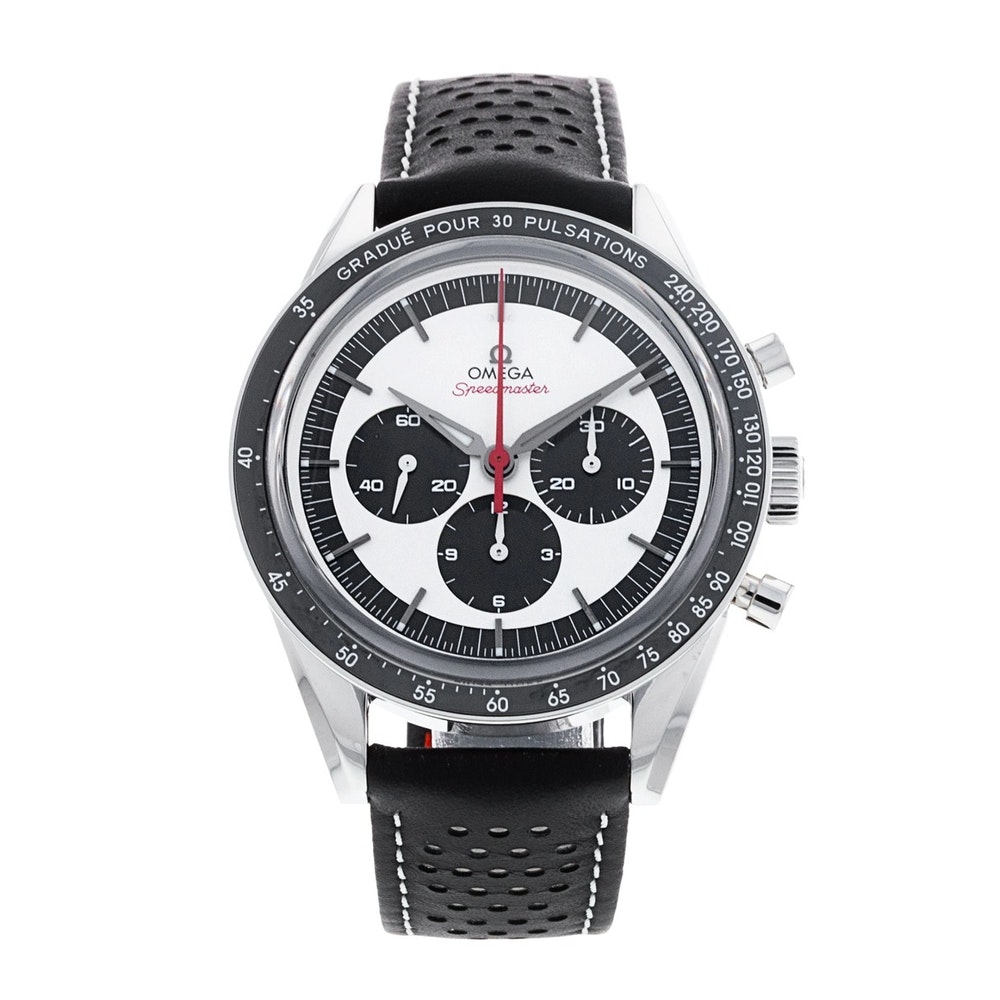
Omega Speedmaster CK2998 311.32.40.30.02.001
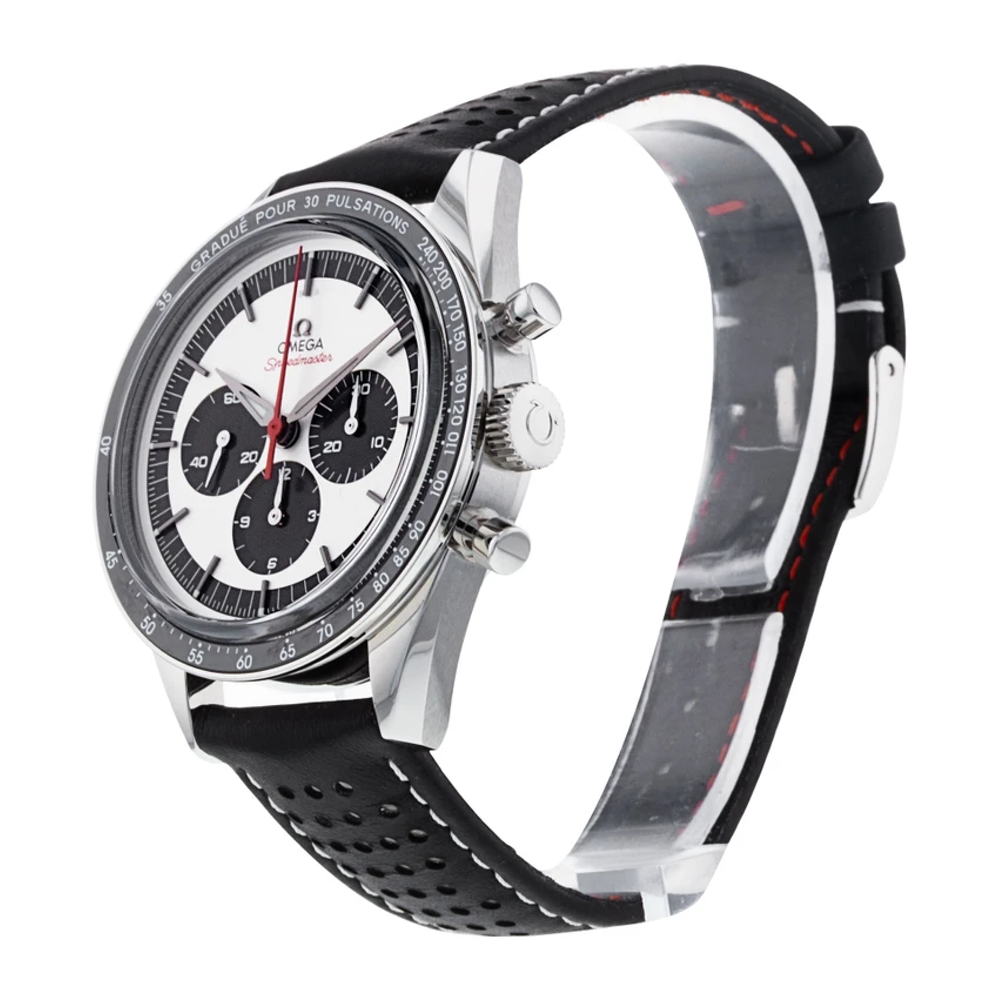
Omega Speedmaster CK2998 311.32.40.30.02.001
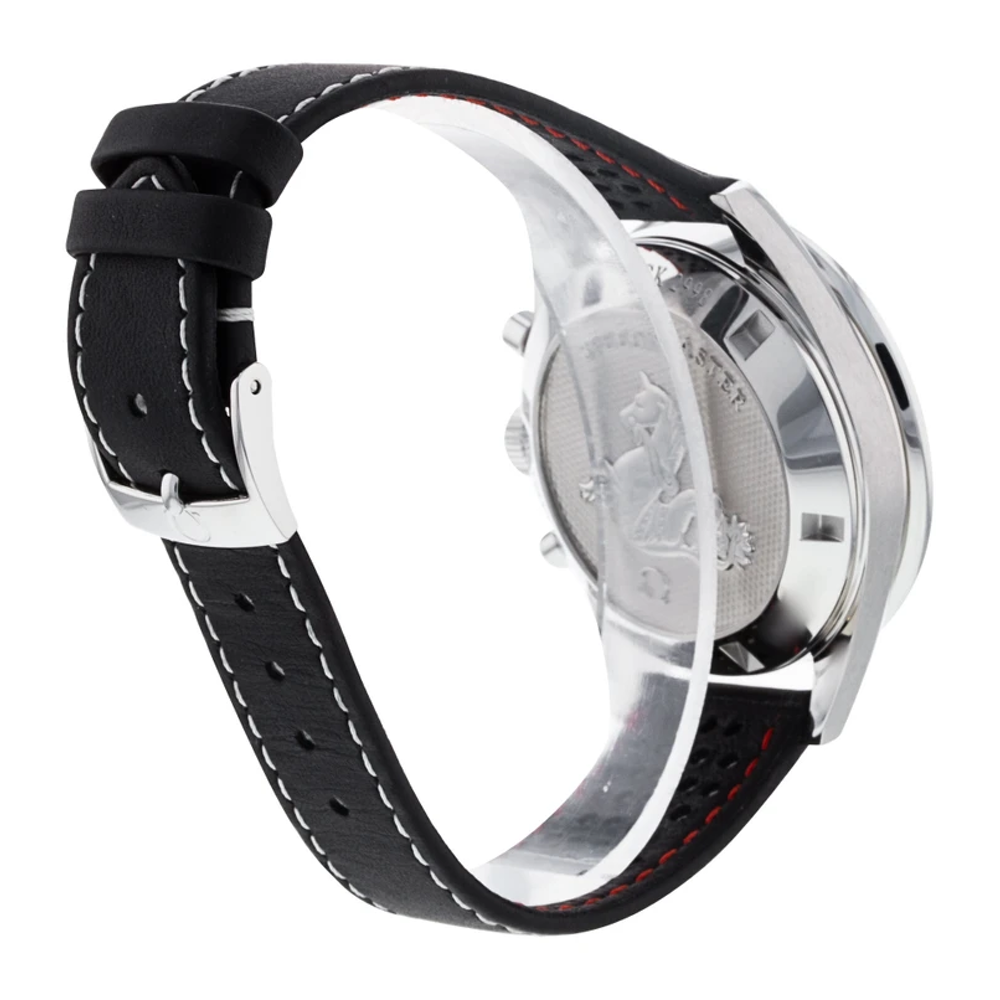
Omega Speedmaster CK2998 311.32.40.30.02.001
The Speedmaster in Space

A Speedmaster CK2998 on the wrist of Mercury Atlas 8 Astronaut Wally Schirra (Image: NASA.gov)
Omega Speedmaster Apollo 310.20.42.50.01.001
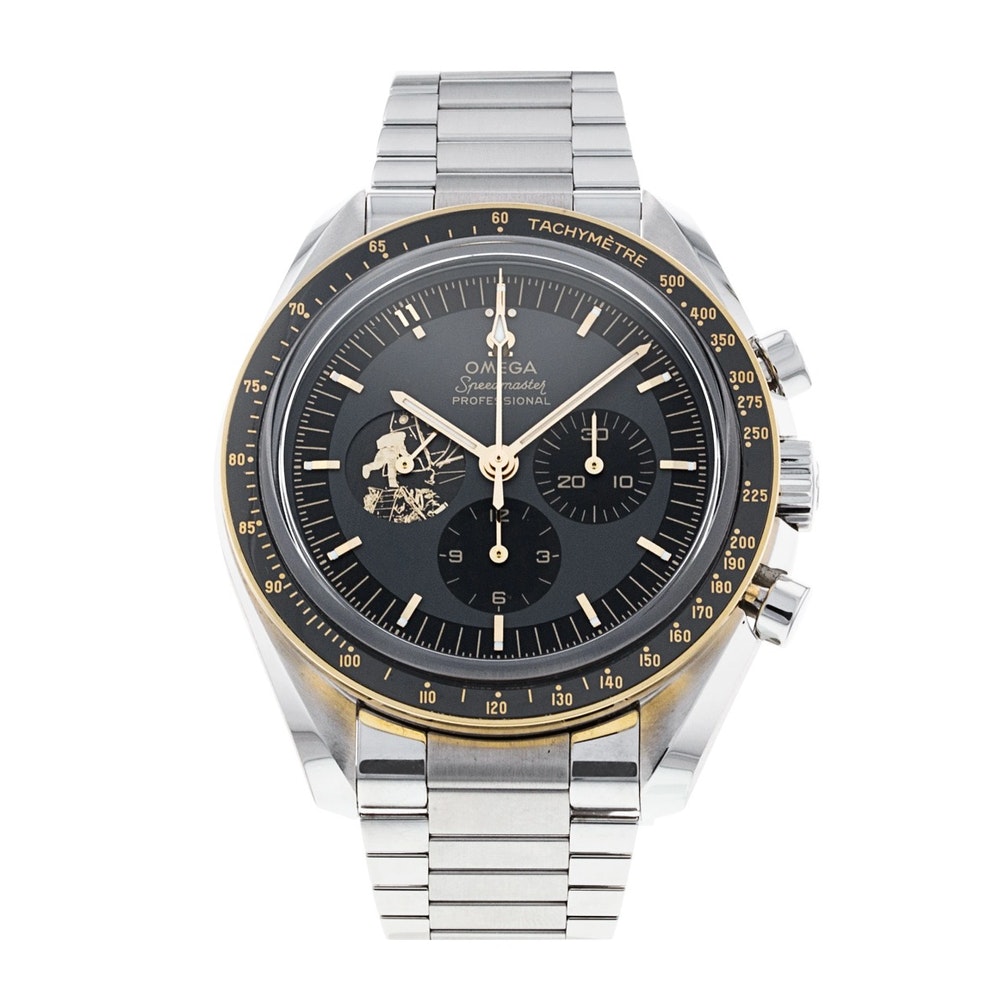
Omega Speedmaster Apollo 310.20.42.50.01.001
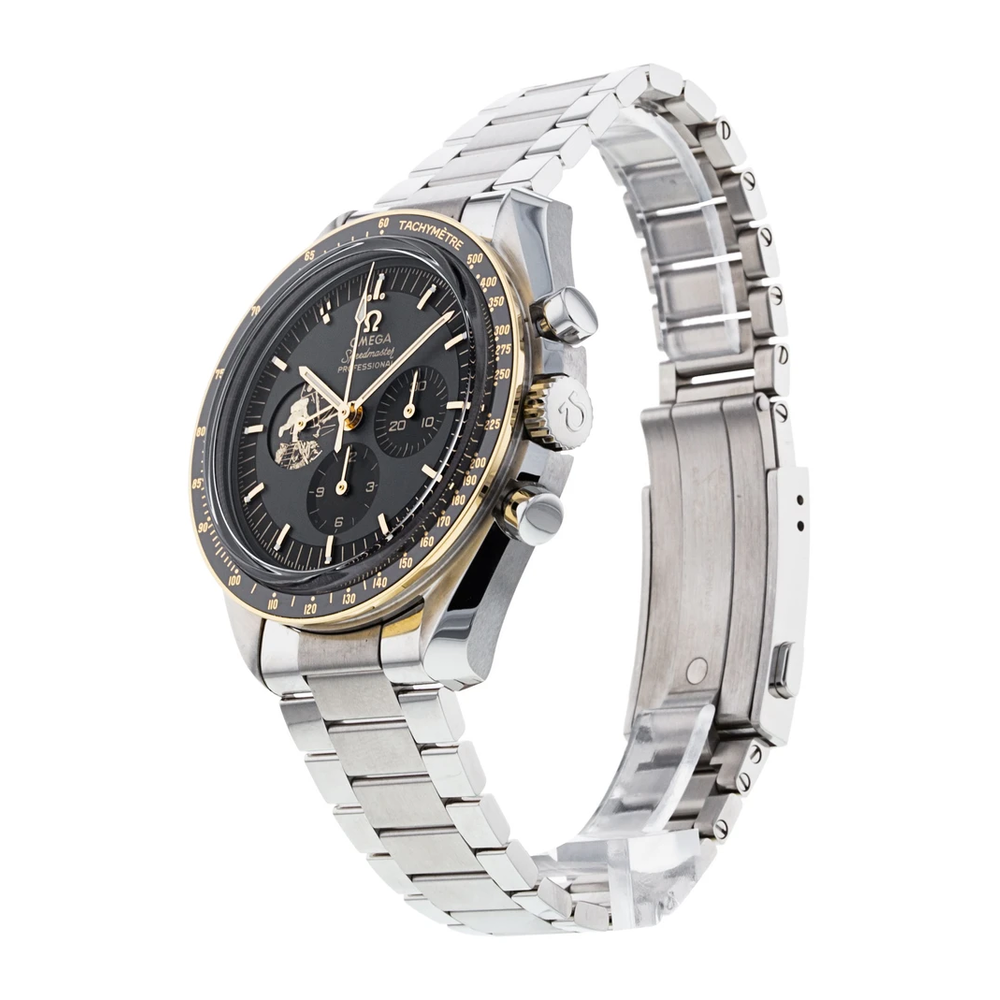
Omega Speedmaster Apollo 310.20.42.50.01.001
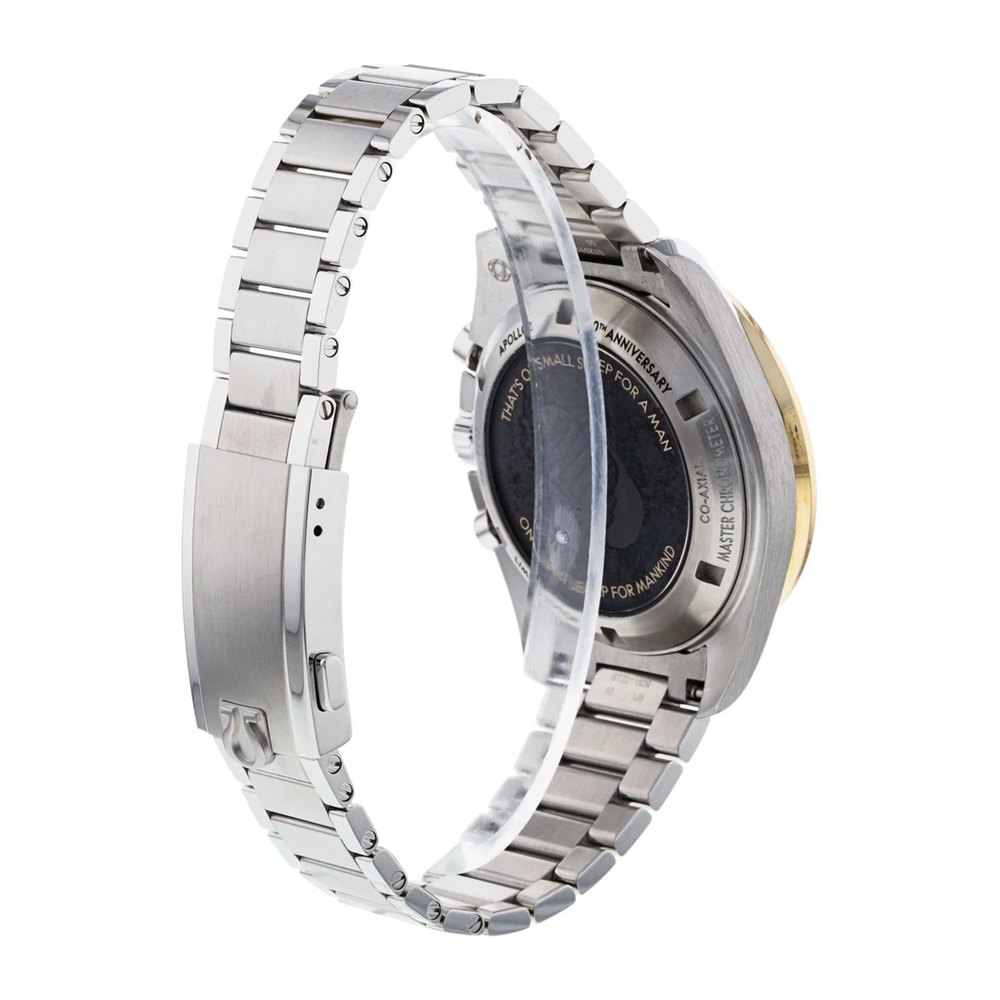
Omega Speedmaster Apollo 310.20.42.50.01.001
Flight-Certified
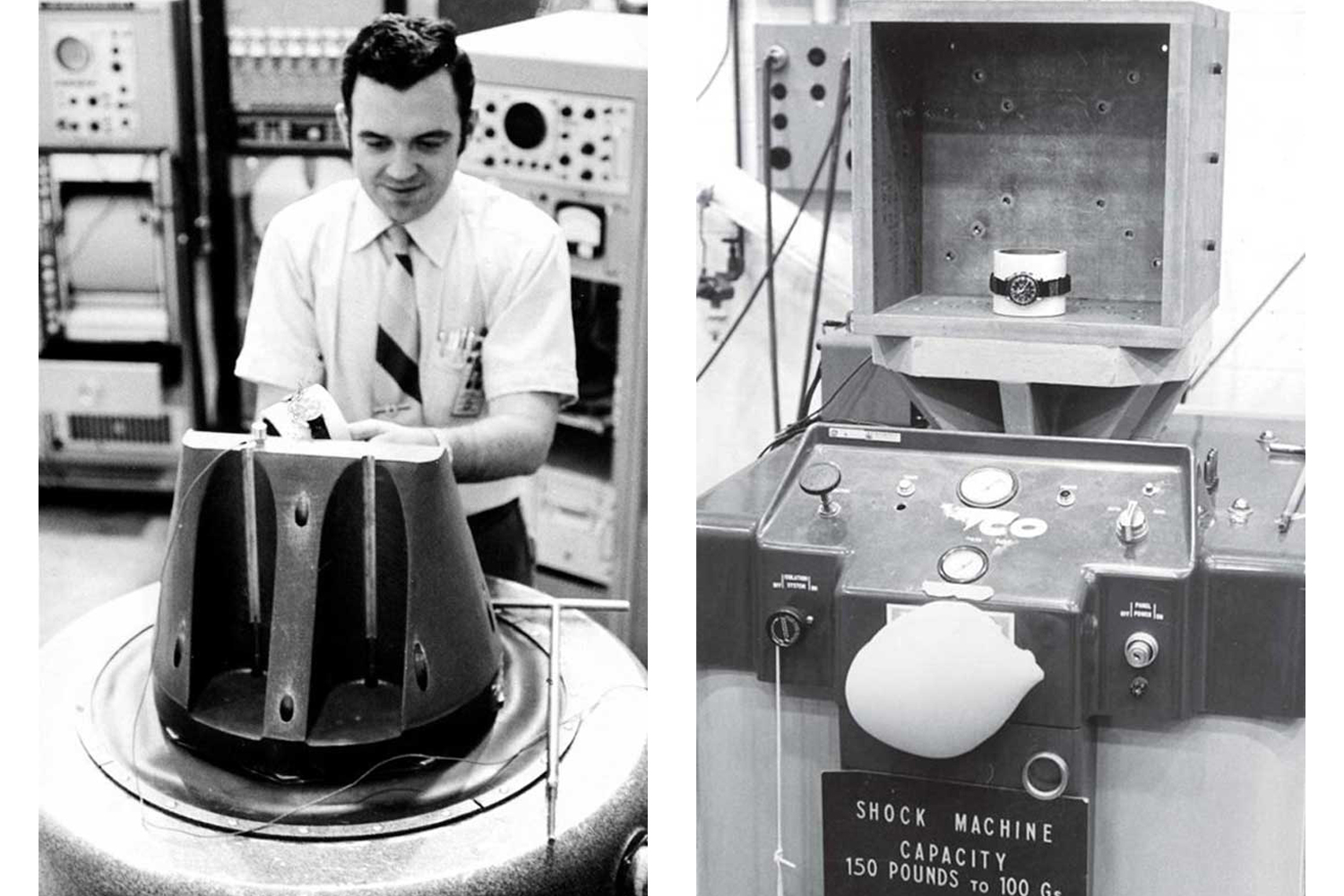
NASA’s test engineer, Jim Ragan putting the Speedmaster through its paces at NASA
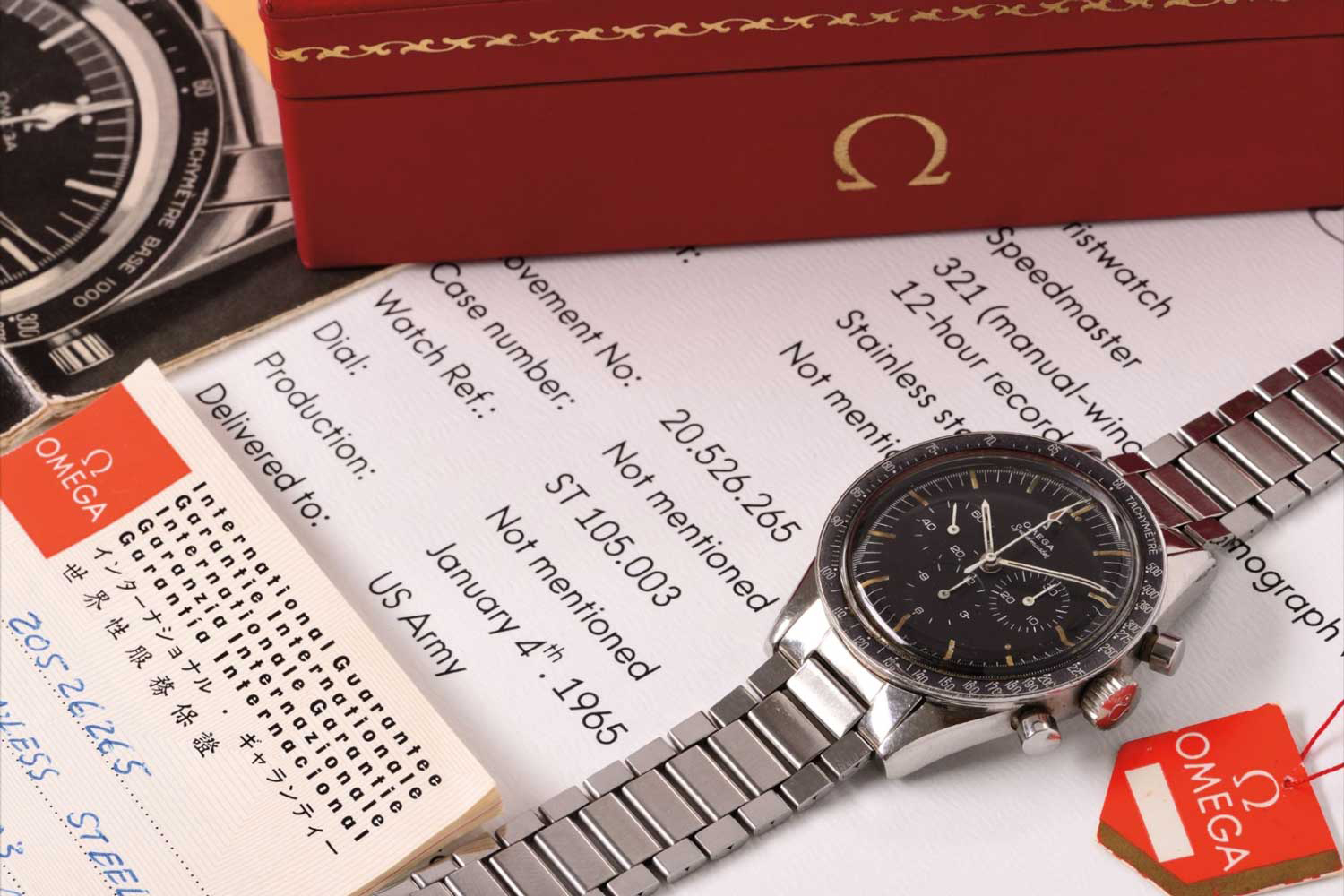
An Omega Speedmaster ref. 105.003 (Image: Phillips)
Omega Speedmaster Moonwatch 311.30.42.30.01.005
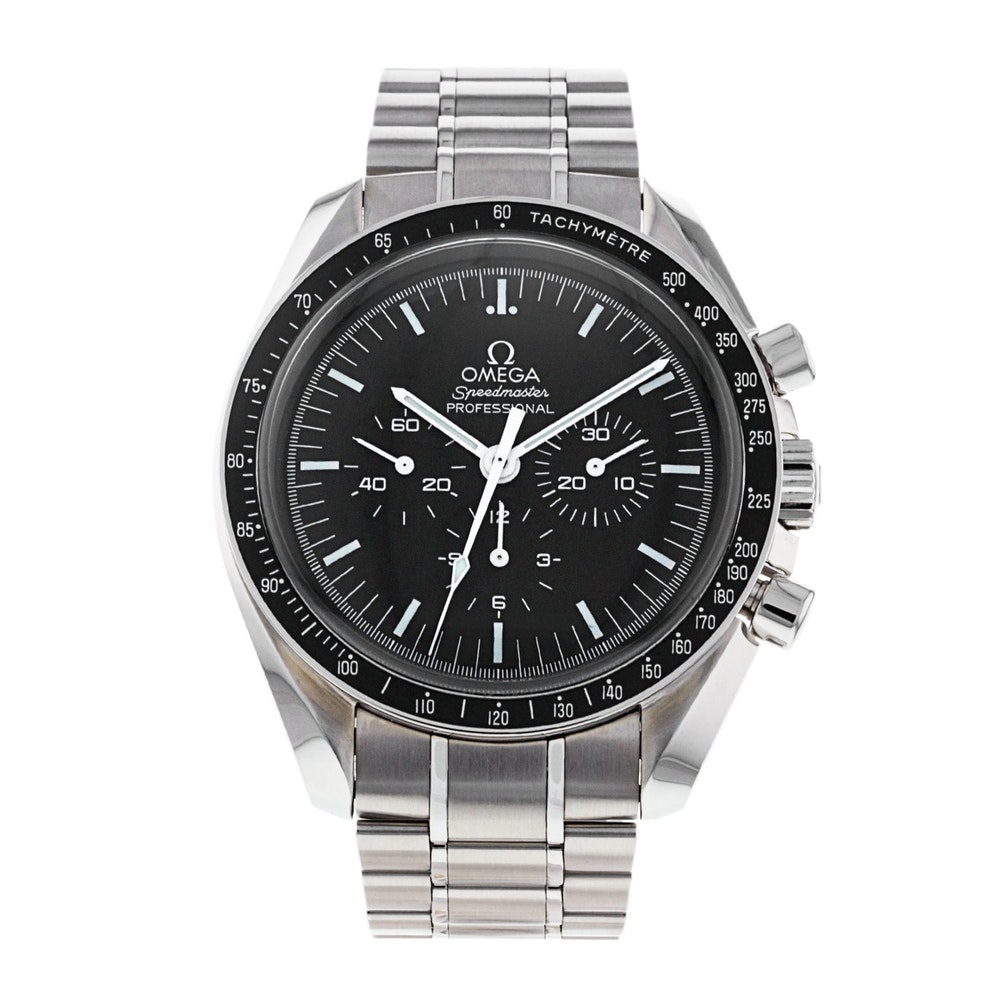
Omega Speedmaster Moonwatch 311.30.42.30.01.005
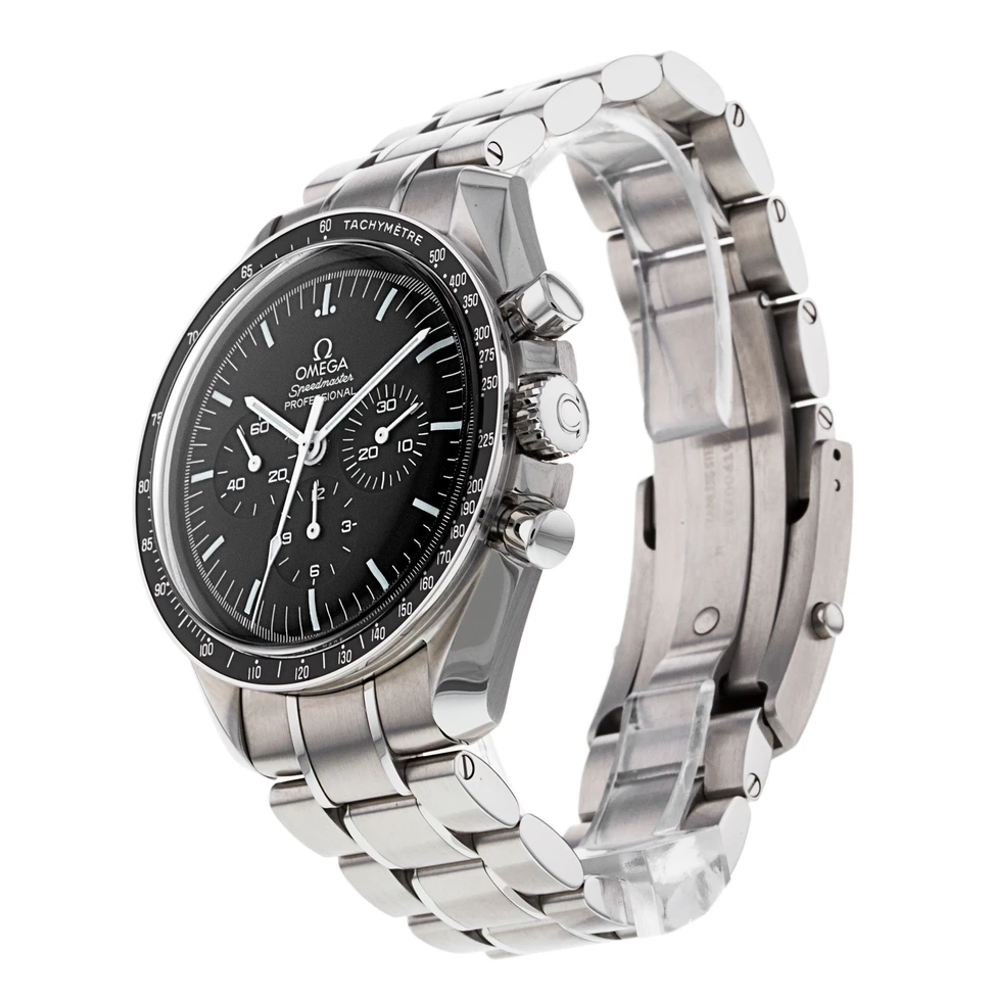
Omega Speedmaster Moonwatch 311.30.42.30.01.005
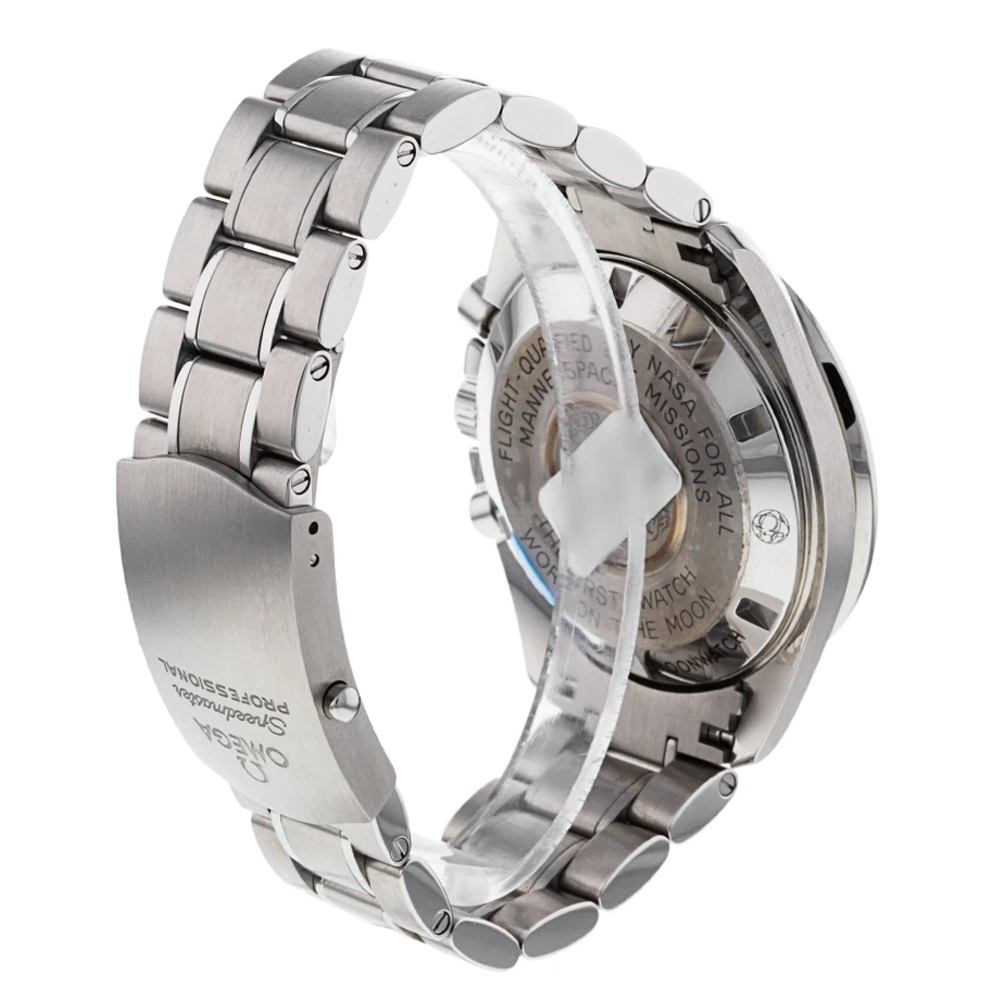
Omega Speedmaster Moonwatch 311.30.42.30.01.005
First Watch on the Moon
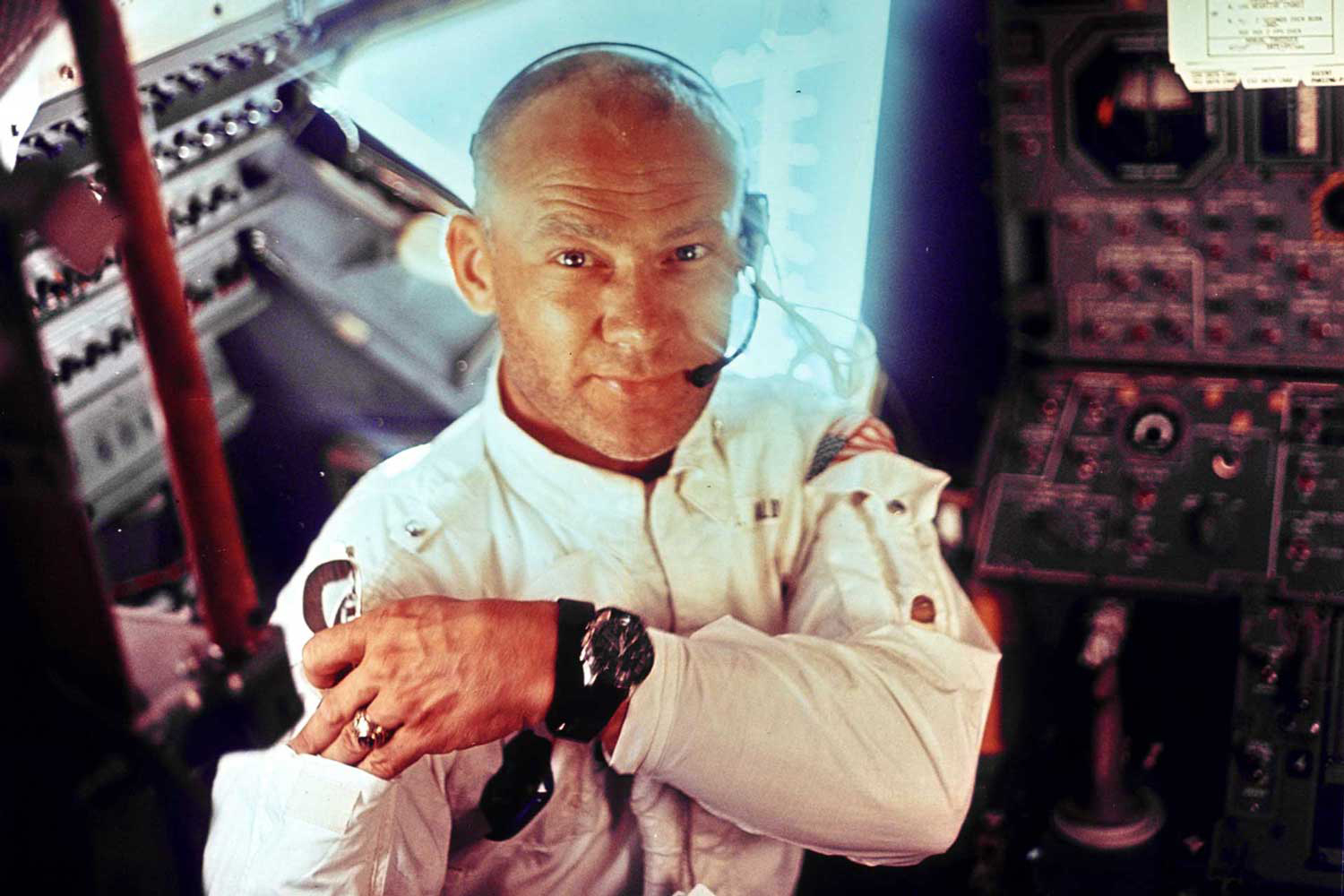
Interior view of the Apollo 11 Lunar Module showing astronaut Edwin E. Aldrin Jr. wearing his Speedmaster ref. ST 105.012 on his wrist (Image: spaceflight.nasa.gov)
Omega Speedmaster Moonwatch 311.90.44.51.03.001
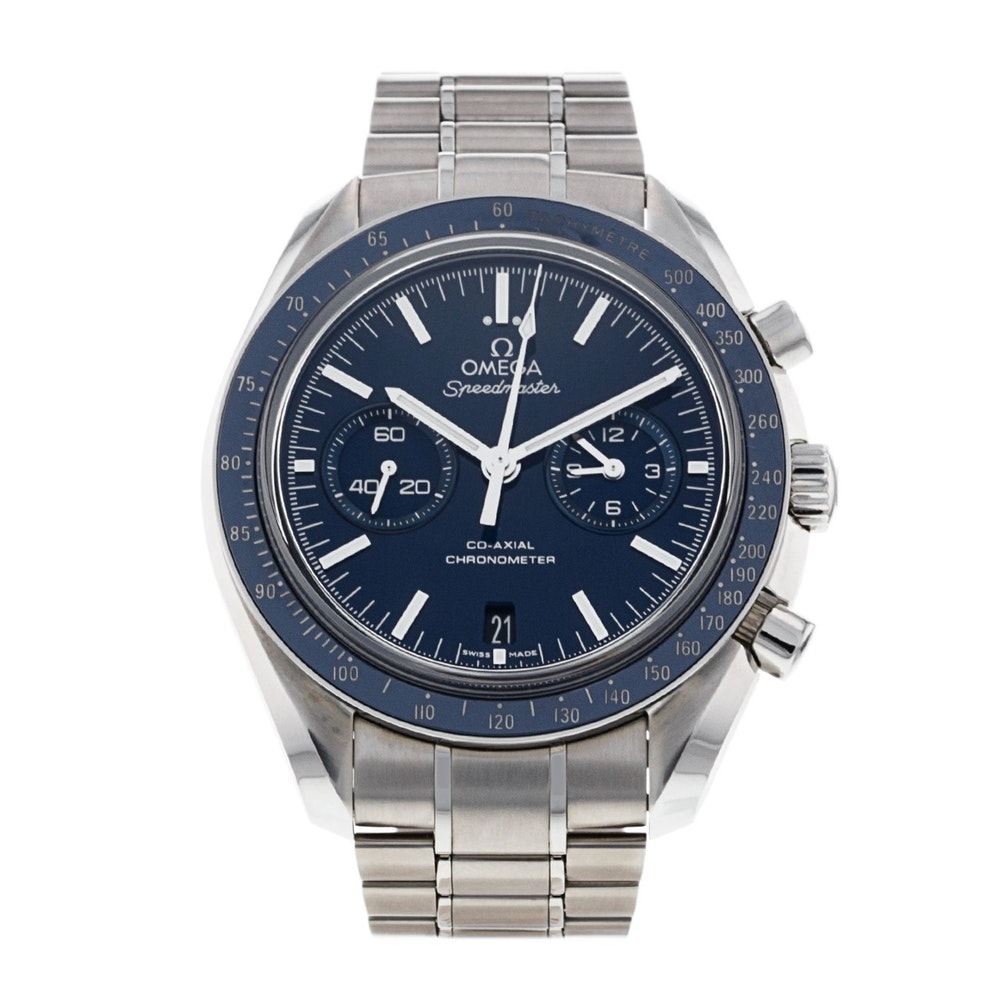
Omega Speedmaster Moonwatch 311.90.44.51.03.001
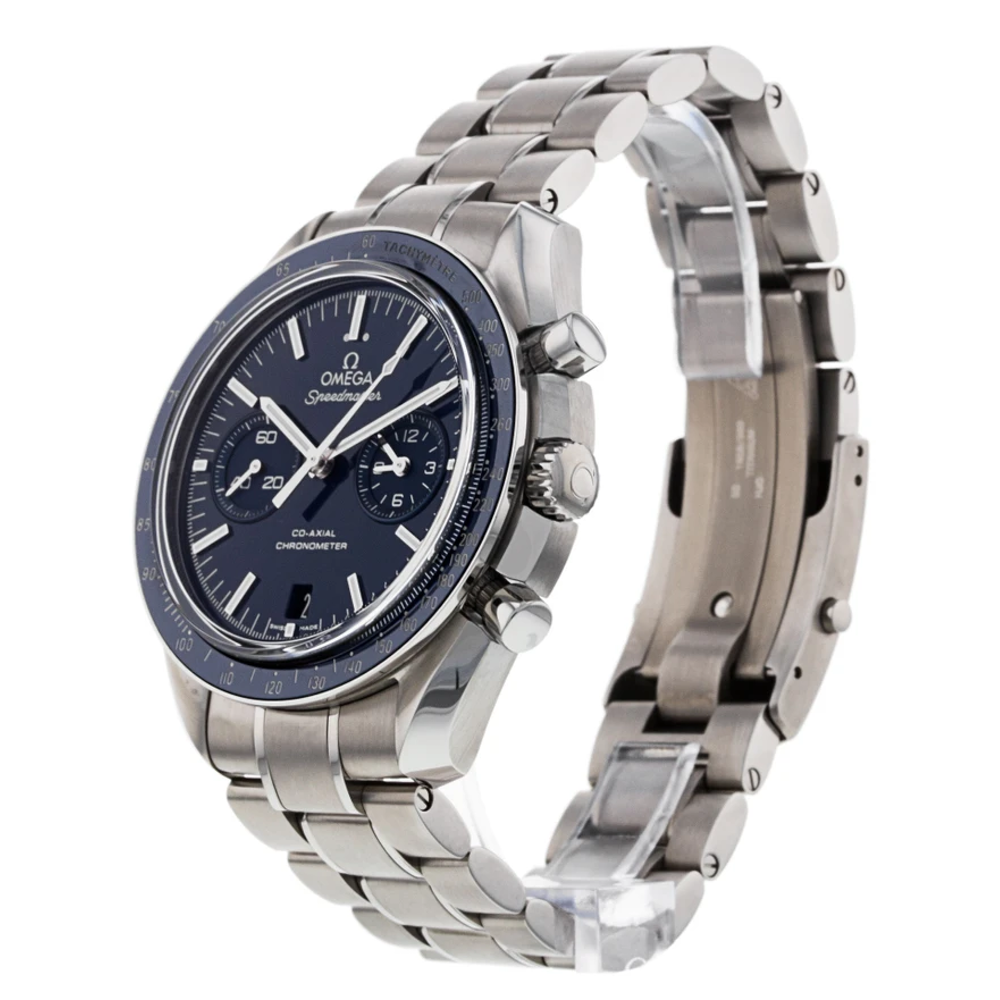
Omega Speedmaster Moonwatch 311.90.44.51.03.001
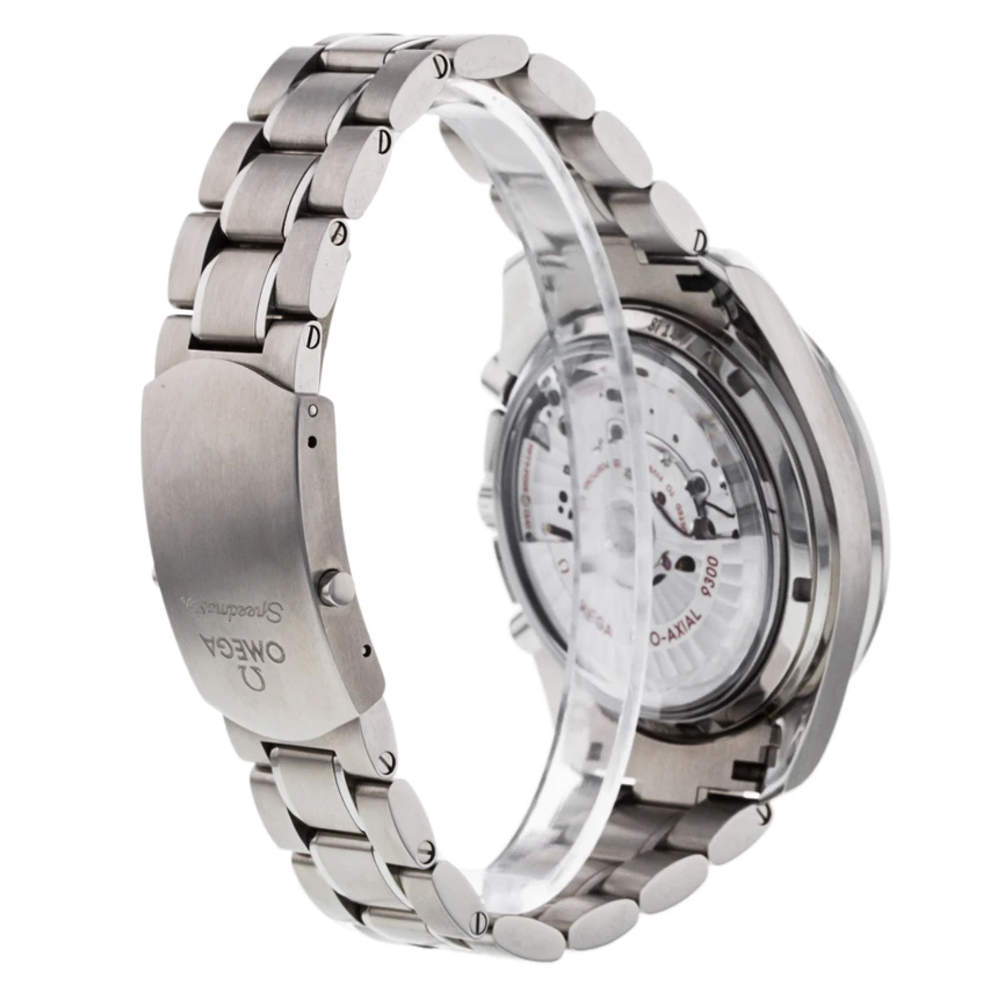
Omega Speedmaster Moonwatch 311.90.44.51.03.001
The Snoopy Story
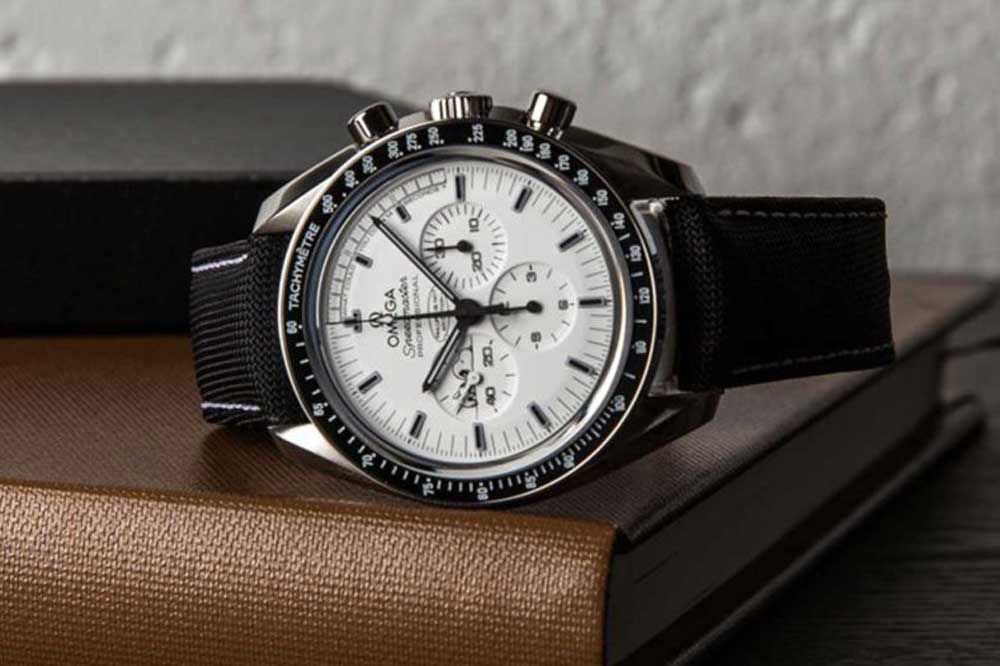
The 2015 Silver Snoopy Omega Speedmaster
Omega Speedmaster Moonwatch 311.32.40.30.01.001
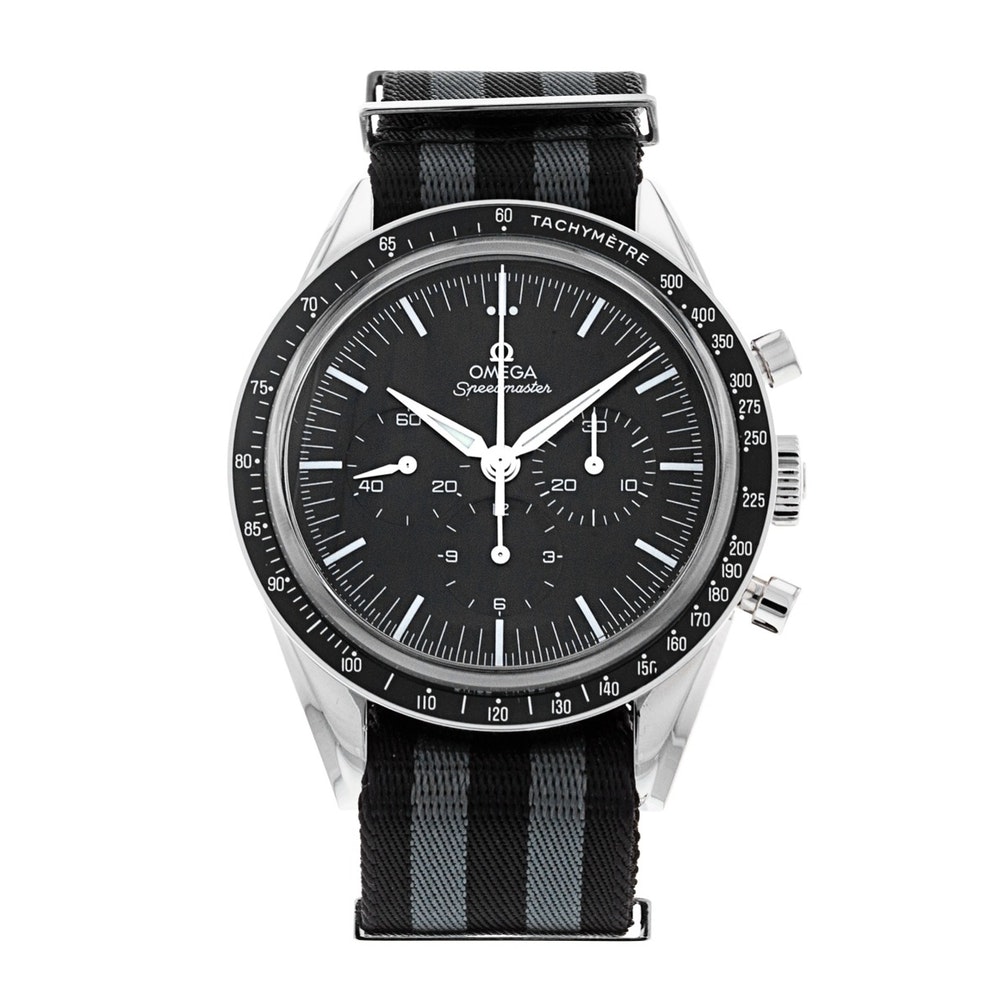
Omega Speedmaster Moonwatch 311.32.40.30.01.001
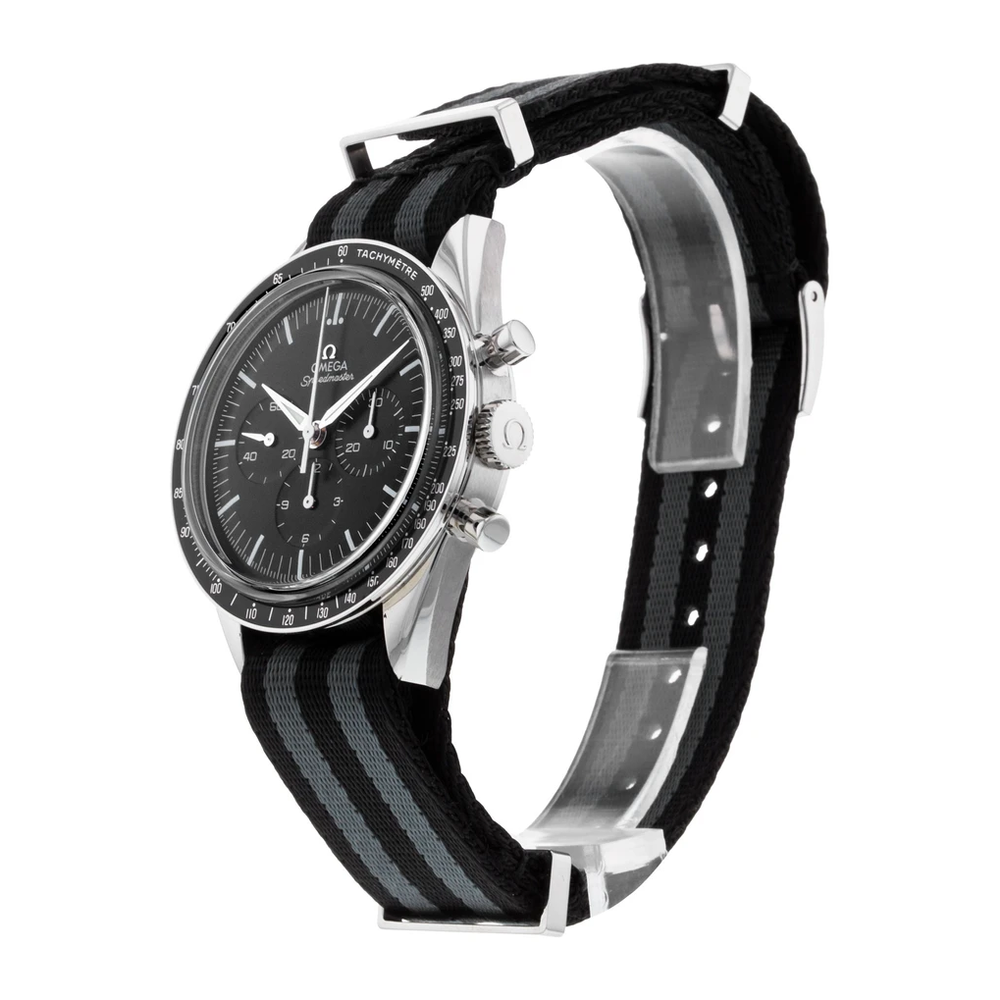
Omega Speedmaster Moonwatch 311.32.40.30.01.001
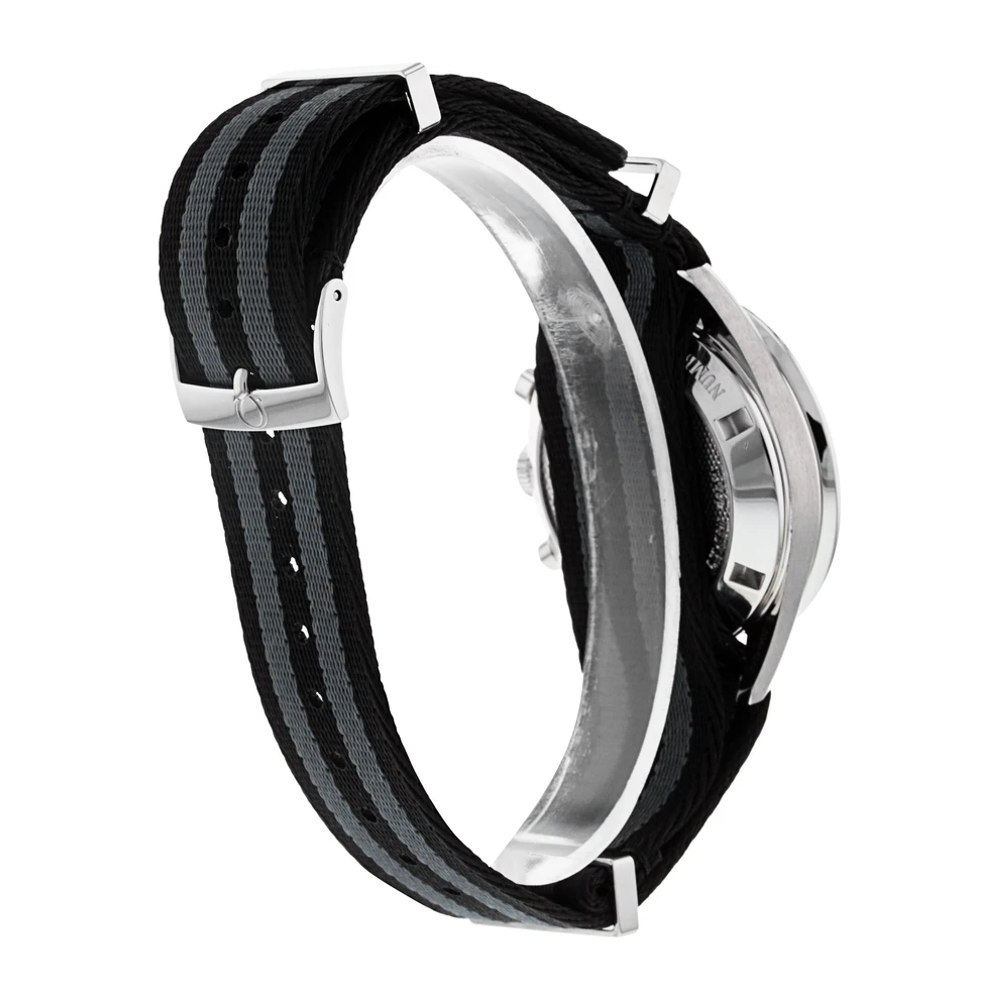
Omega Speedmaster Moonwatch 311.32.40.30.01.001
A Mighty Movement
Between the years of 1957 and 1969, the case and face of the Speedmaster underwent some evolution — bezels and hands changed, cases and pushers became more robust. Throughout all that time, the famous beating heart of the Speedmaster was the calibre 321. First developed by Omega and movement-maker Lemania in 1946, the calibre 321 is a manually-wound column-wheel chronograph that beats at 18000 vph, with 17 jewels and some 44 hours of power reserve. It is a movement many regard as offering an epitome of both function and beauty, though certainly, the allure of the moon plays no small part in its legend. The 321 was replaced in 1969 by the less-expensive 861 movement, which utilised a cam controlled chronograph. The 861 remained the Speedmaster staple until 1996 saw the introduction of the 1861, and later, the more prettily finished 1863, both of which are still used by Omega today.
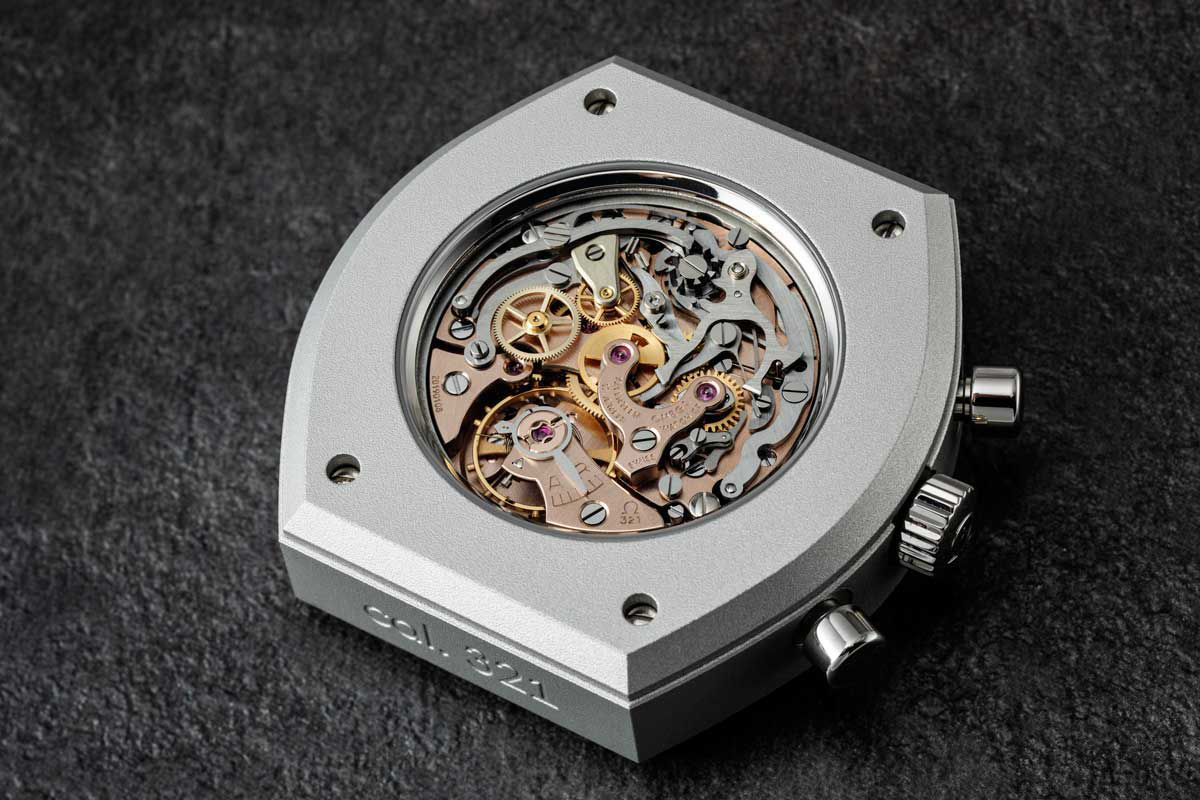
Omega's 2019 New Original Calibre 321 with PVD treated bridges and plates in the hue of Omega's Sedna™ Gold (Image © Revolution)
Between 1970 and the introduction of Co-Axial movements into the collection in 2005, the Speedmaster saw numerous other interesting additions and oddities, from the electronic F300 powered Speedsonic, to a quartz digital Speedmaster, and eventually to the X-33 from 1998, Omega has never been afraid to implement new technology into its iconic chronograph. From seemingly humble origins back in 1957, the Omega Speedmaster has been on quite a journey, and it isn’t over yet.
You may also like
Editorial
The Revolutionary List: 30 Pioneering Watches – the Omega Speedmaster Chrono Chime
Dec 2, 2025
Editorial
The Revolutionary List: 30 Pioneering Watches – the Omega Speedmaster Chrono Chime
Dec 2, 2025

Editorial
The Revolutionary List – 26 Inspirational Leaders: Raynald Aeschlimann
Dec 1, 2025
Editorial
The Revolutionary List – 26 Inspirational Leaders: Raynald Aeschlimann
Dec 1, 2025
Editorial
Omega Launches Fourth Generation Seamaster Planet Ocean for 2025
Nov 19, 2025
Editorial
Omega Launches Fourth Generation Seamaster Planet Ocean for 2025
Nov 19, 2025